Most people have never shipped a car before, and the first time can feel overwhelming without a clear picture of what to expect.
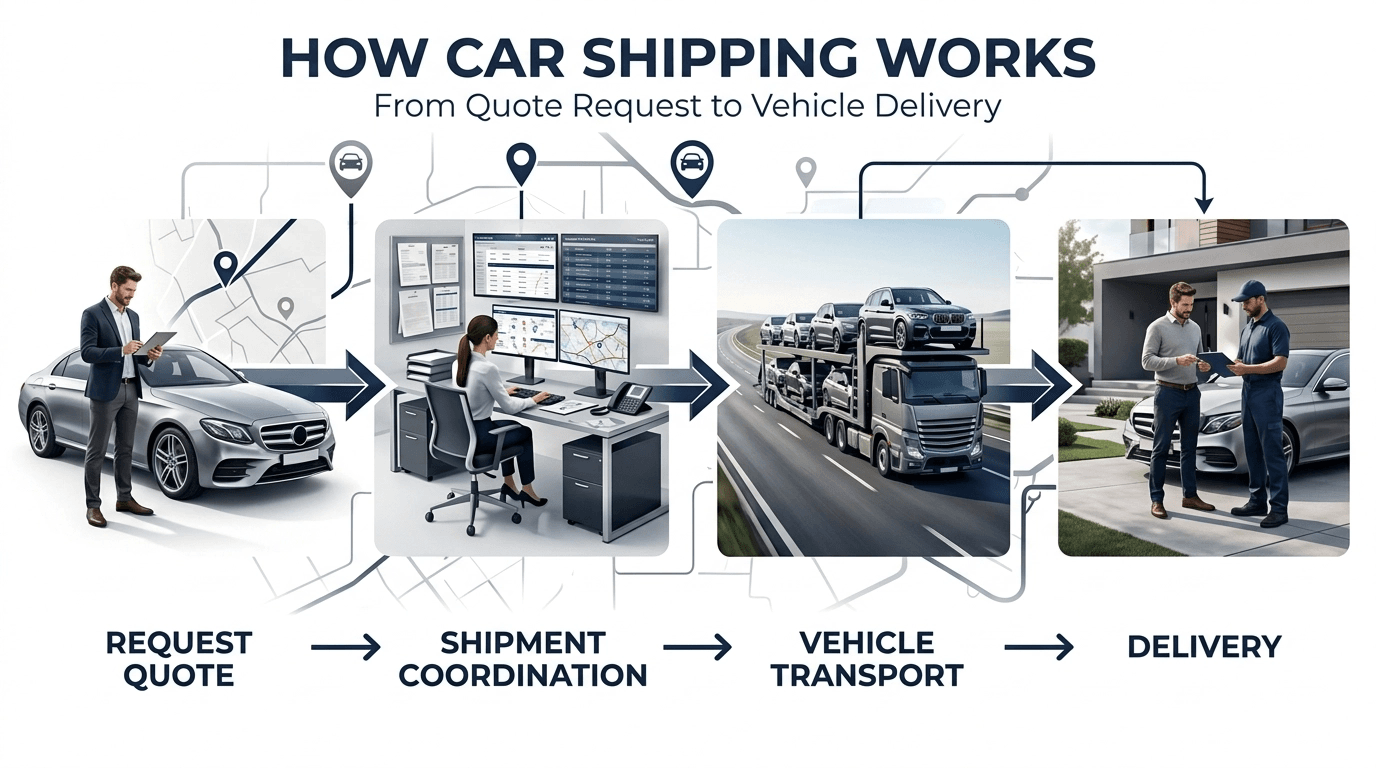
Understanding how does car shipping work starts with one simple idea: you hire a licensed transport company to move your vehicle from one location to another using a professional carrier truck. A broker coordinates the logistics, a vetted carrier physically moves the vehicle, and the customer receives their car at the destination, typically without ever driving it there. The full process, from quote to delivery, generally takes between one and ten days, depending on distance. Request a free quote from Safeeds Transport in 30 seconds.
What Is Car Shipping and How Does the Process Work?
Car shipping, also called auto transport, is a professional service that moves vehicles across cities, states, or the entire country using specially designed carrier trucks. It is used by private individuals relocating for work, families buying vehicles out of state, military personnel on reassignment, college students, snowbirds, and dealers managing inventory.
The service works through a two-party structure that most customers are not immediately aware of. When you book a shipment, you are typically working with a broker, not the trucking company itself. The broker manages your order, coordinates pricing, and connects your vehicle with an available, licensed carrier in their network. The carrier is the trucking company that physically loads, transports, and delivers your vehicle. Knowing what happens during car transport and who is responsible at each stage is what separates a smooth experience from an avoidable one.
Understanding this distinction matters because it shapes everything, from how your price is set to who you call if something goes wrong.
What Is the Difference Between a Car Shipping Broker and a Carrier?
A broker acts as the logistics coordinator between the customer and the carrier network. They handle quote generation, order dispatch, carrier vetting, documentation, and customer communication throughout the shipment.
A carrier is a licensed trucking operation that owns and operates the physical transport equipment, typically open or enclosed multi-car trailers. Carriers focus on driving routes efficiently and do not typically handle direct customer bookings at scale.
Broker | Carrier | |
Primary Role | Coordinates logistics and customer experience | Physically transports the vehicle |
Who You Book With | Yes, handles your order end-to-end | Rarely, works through brokers |
Handles Pricing | Yes, provides and locks quotes | Sets base rates, adjusted by brokers |
Vetting Responsibility | Verifies carrier licensing and insurance | Maintains FMCSA compliance |
Customer Contact | Primary point of contact throughout | Limited to pickup and delivery |
Working through a reputable broker means your carrier has already been screened for licensing, insurance, and service history before they ever touch your vehicle.
How Does Car Shipping Work Step by Step?
The car shipping process, step by step, is more straightforward than most people expect. There are five distinct stages between requesting a quote and your vehicle arriving at its destination. Each stage has a specific purpose, and at each stage, the customer has a clear role.
Step 1: How Do You Get a Car Shipping Quote?
The process begins with a quote request. You will need to provide your pickup and destination ZIP codes, vehicle make and model, preferred transport type, and target ship date.
Most reputable brokers generate instant quotes online. At Safeeds, quotes are available in under 30 seconds and include a 7-day price lock; the rate you see will not change for a full week. A few important points to keep in mind at this stage:
No deposit should be required to receive or hold a quote
Pricing varies based on distance, vehicle size, transport type, season, and route demand
Booking earlier in your planning window typically secures better availability and pricing
Step 2: How Is a Carrier Assigned to Your Shipment?
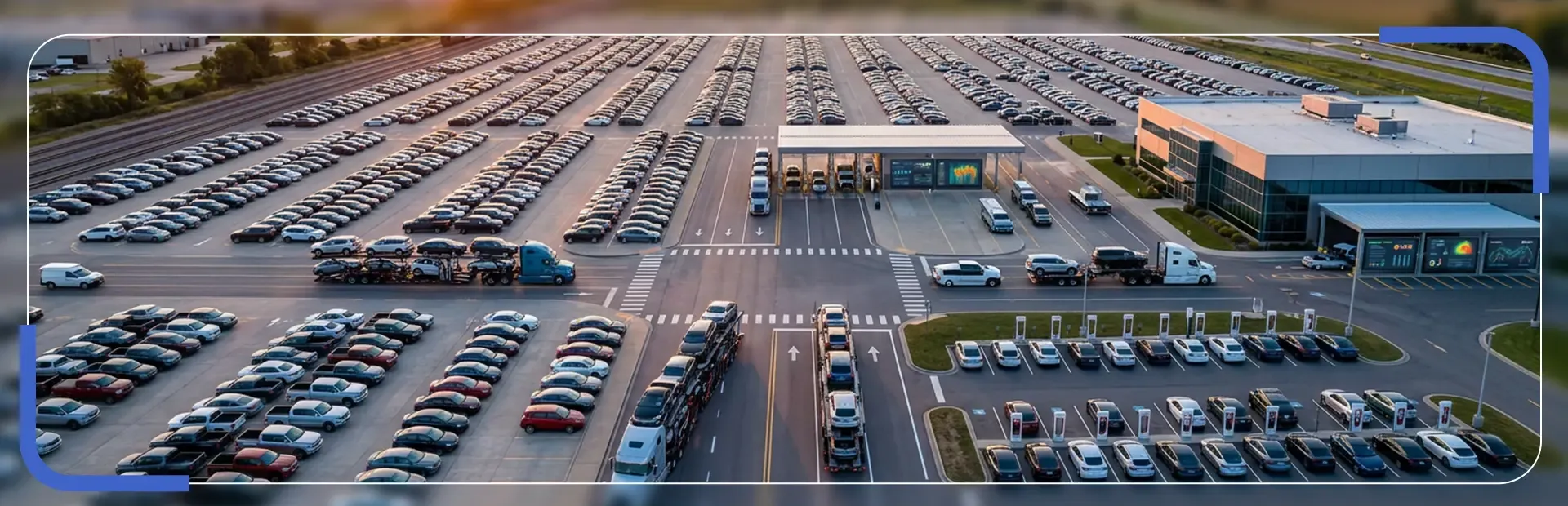
Once you confirm your booking, the broker dispatches your order to their carrier network through a professional load board system, a dispatch platform used across the auto transport industry where vetted carriers review and accept available shipments along their active routes.
Carrier assignment typically takes 24 to 72 hours for standard shipments, though expedited options can reduce that window. Once confirmed, you receive the driver's contact details, your assigned pickup window, and transport type confirmation. At Safeeds, no payment is collected until a carrier is confirmed and scheduled.
Step 3: What Happens During Vehicle Pickup?
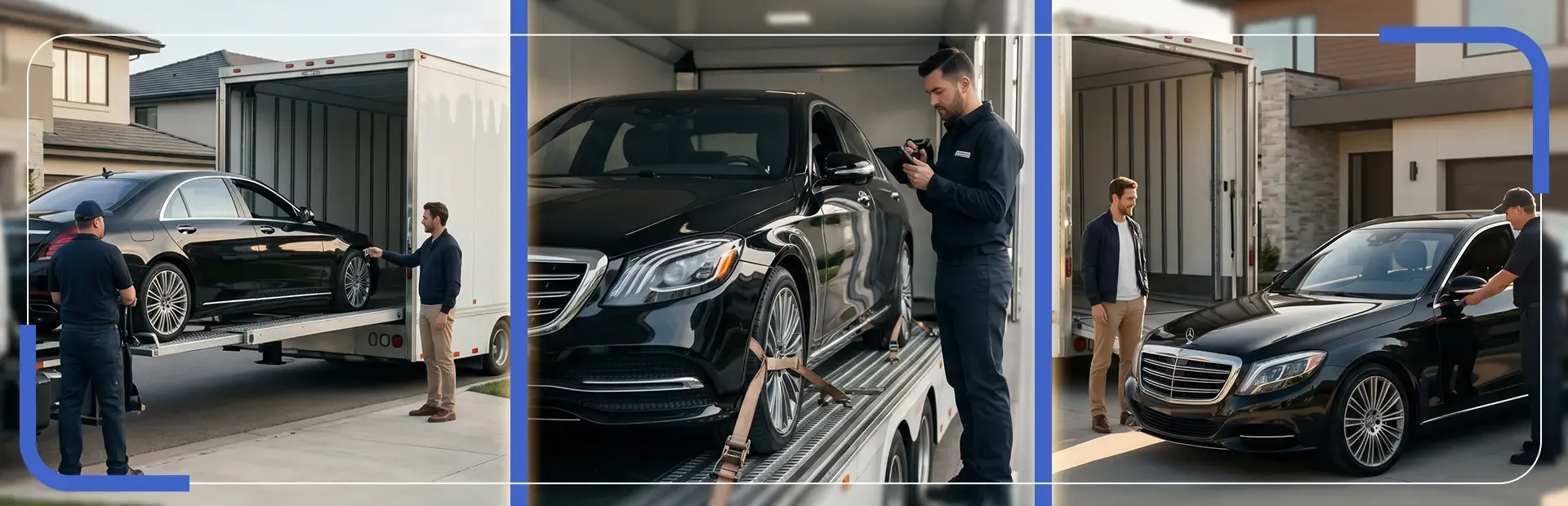
On pickup day, the driver conducts a pre-transport inspection and completes the Bill of Lading (BOL), a document recording your vehicle's condition at pickup, signed by both parties. This document is your most important protection throughout the entire shipment.
Before handing over the vehicle, there are several steps every shipper should take without exception:
Photograph the entire vehicle from all angles, including the roof and undercarriage
Remove all personal belongings, as most carriers do not insure items left inside
Keep the fuel tank at no more than a quarter full
Confirm tire pressure and fluid levels are adequate for loading and unloading
Disable toll tags and electronic parking pass systems
The Bill of Lading at pickup becomes the reference document at delivery. Keeping a signed copy is essential.
Step 4: What Happens While Your Car Is Being Transported?
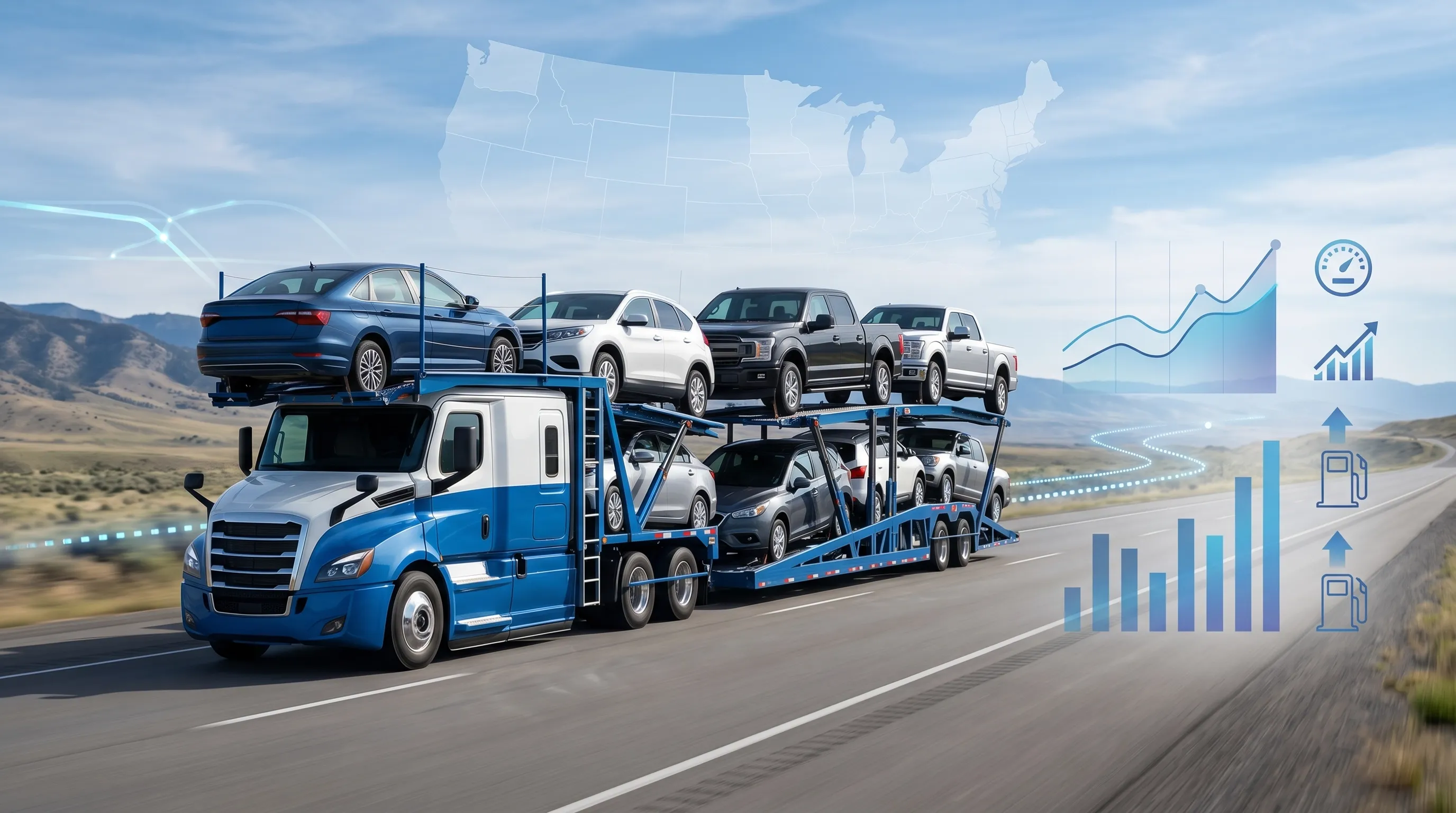
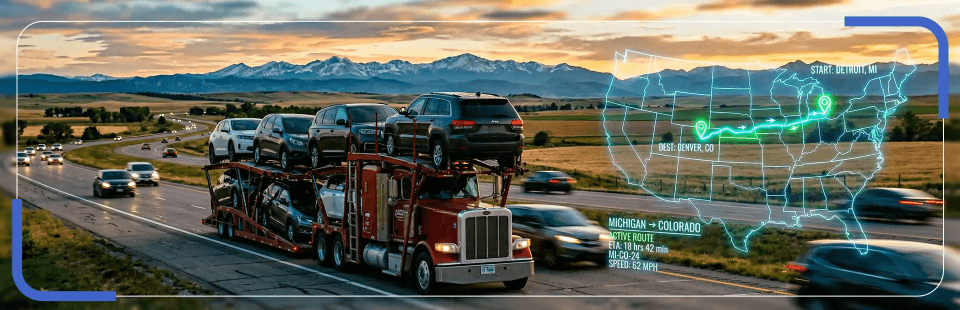
Your vehicle travels on a multi-car trailer alongside 7 to 10 other vehicles on the same general route. The carrier is FMCSA-licensed and required to carry cargo insurance. GPS tracking provides real-time visibility in most cases, and the driver communicates estimated arrival windows as delivery approaches. Weather, traffic, and road conditions can affect timelines, though delays are typically minor and transit is uneventful for the vast majority of shipments.
Step 5: What Happens at Delivery and Final Inspection?
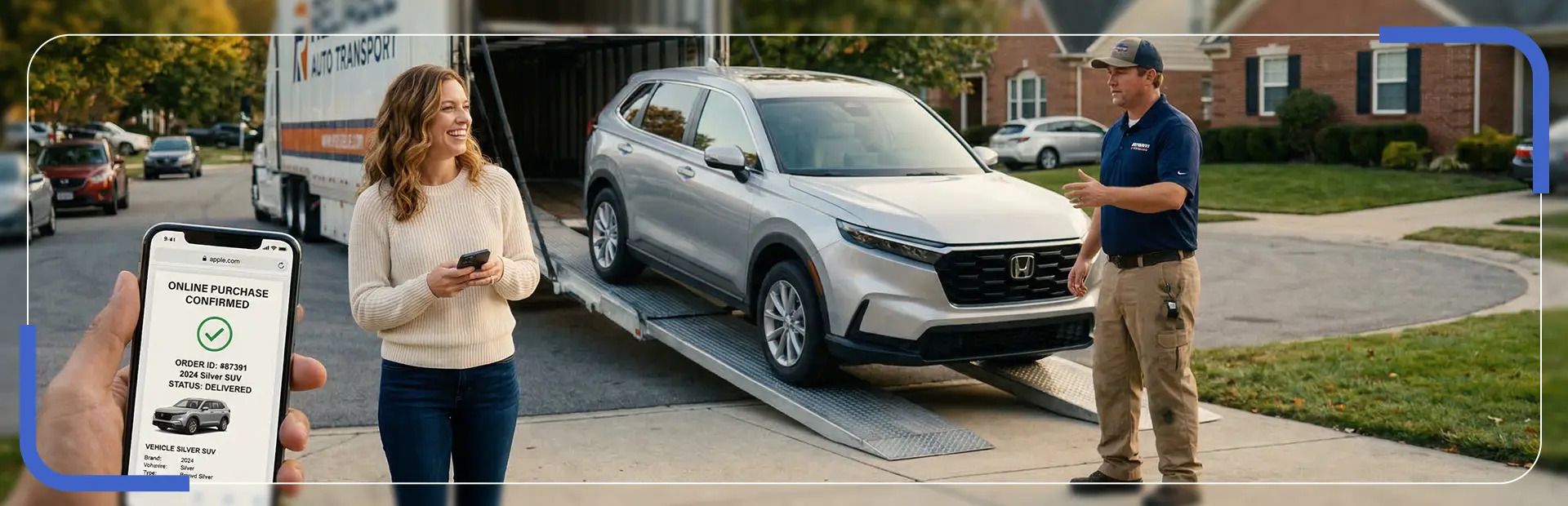
You will receive 12 to 24 hours' advance notice before arrival. At delivery, conduct a final inspection comparing the vehicle's condition to the Bill of Lading from pickup. If the vehicle arrives in the same condition, which applies to the overwhelming majority of shipments, both parties sign to confirm delivery.
If any new damage is present, the steps below protect your ability to file a claim:
Note the damage on the Bill of Lading before signing anything
Photograph all damage immediately at the delivery location
Do not sign the Bill of Lading until every discrepancy is documented
Contact your broker within 24 hours to initiate a claim through the carrier's cargo insurance
How Long Does Car Shipping Take Across Different States?
Transit time depends on distance, route popularity, and seasonal demand. According to the Federal Motor Carrier Safety Administration (FMCSA), transit times in auto transport are estimates rather than guarantees, a distinction that reputable brokers communicate upfront.
Route Type | Distance | Estimated Transit |
Regional / Short Haul | Under 500 miles | 1–3 business days |
Mid-Range Interstate | 500–1,500 miles | 3–5 business days |
Long Haul / Cross-Country | 1,500–3,000+ miles | 7–10 business days |
Several variables can affect these windows beyond the route itself. Carrier availability on less-traveled routes, peak seasons such as summer and snowbird migration, weather events, and rural pickup or delivery locations all play a role. Booking 7 to 14 days in advance reduces the risk of delays considerably.

How Much Does It Cost to Ship a Car Across the US in 2026?
Pricing in the auto transport industry is dynamic. Two customers shipping the same vehicle on the same route in different weeks can receive meaningfully different quotes, and both can be accurate. Understanding what drives price helps customers evaluate quotes with confidence rather than guessing.
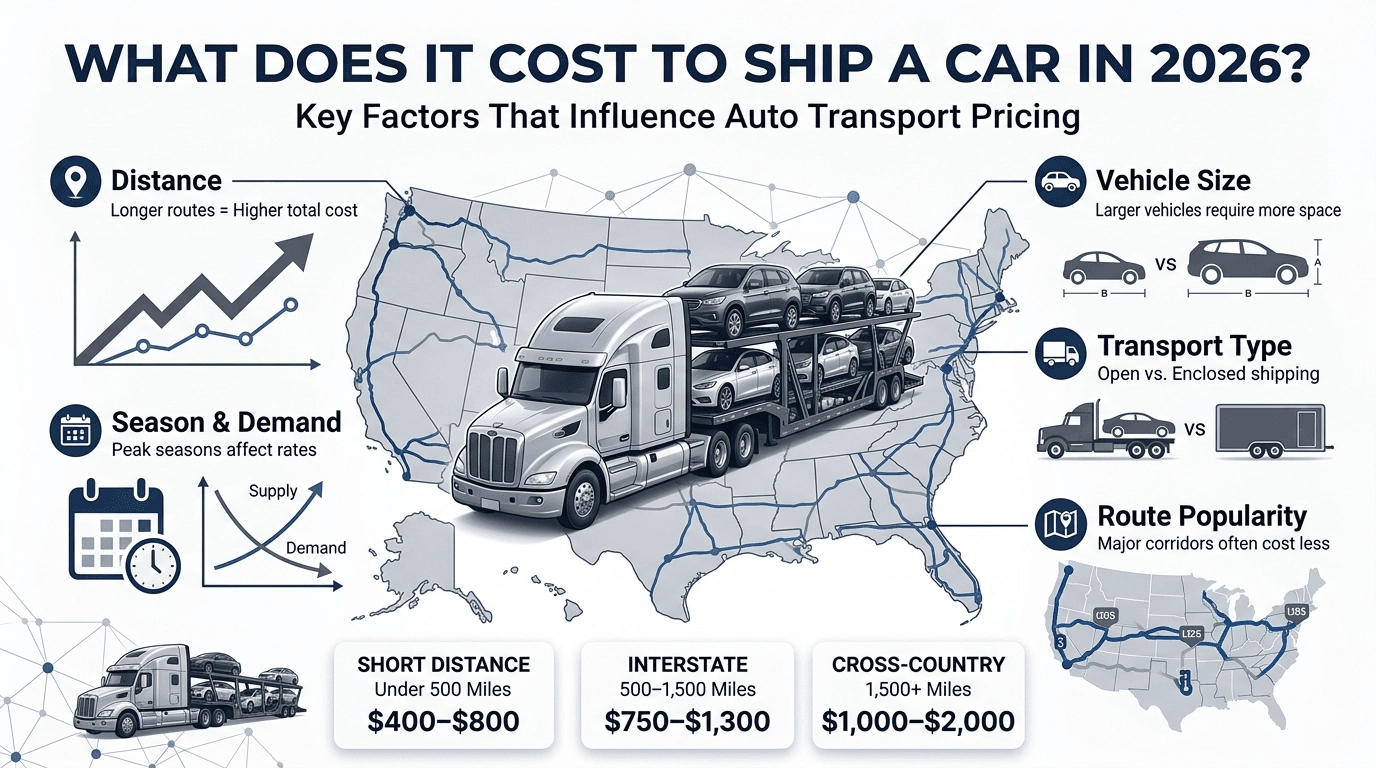
The five primary factors that determine your final cost are worth understanding before you request a quote:
Distance: Longer routes cost more in total but typically less per mile
Vehicle size and weight: Larger vehicles occupy more trailer space and add load weight
Transport type: Enclosed transport costs 30 to 50 percent more than open transport
Season and demand: Summer and snowbird routes carry higher demand and pricing
Route density: High-traffic corridors like Florida, California, and Texas are often more competitively priced than low-volume rural routes
Realistic 2026 price ranges: short-haul under 500 miles runs $400–$800, mid-range interstate runs $750–$1,300, and cross-country runs $1,000–$2,000.
What Is the Difference Between Open and Enclosed Car Transport?
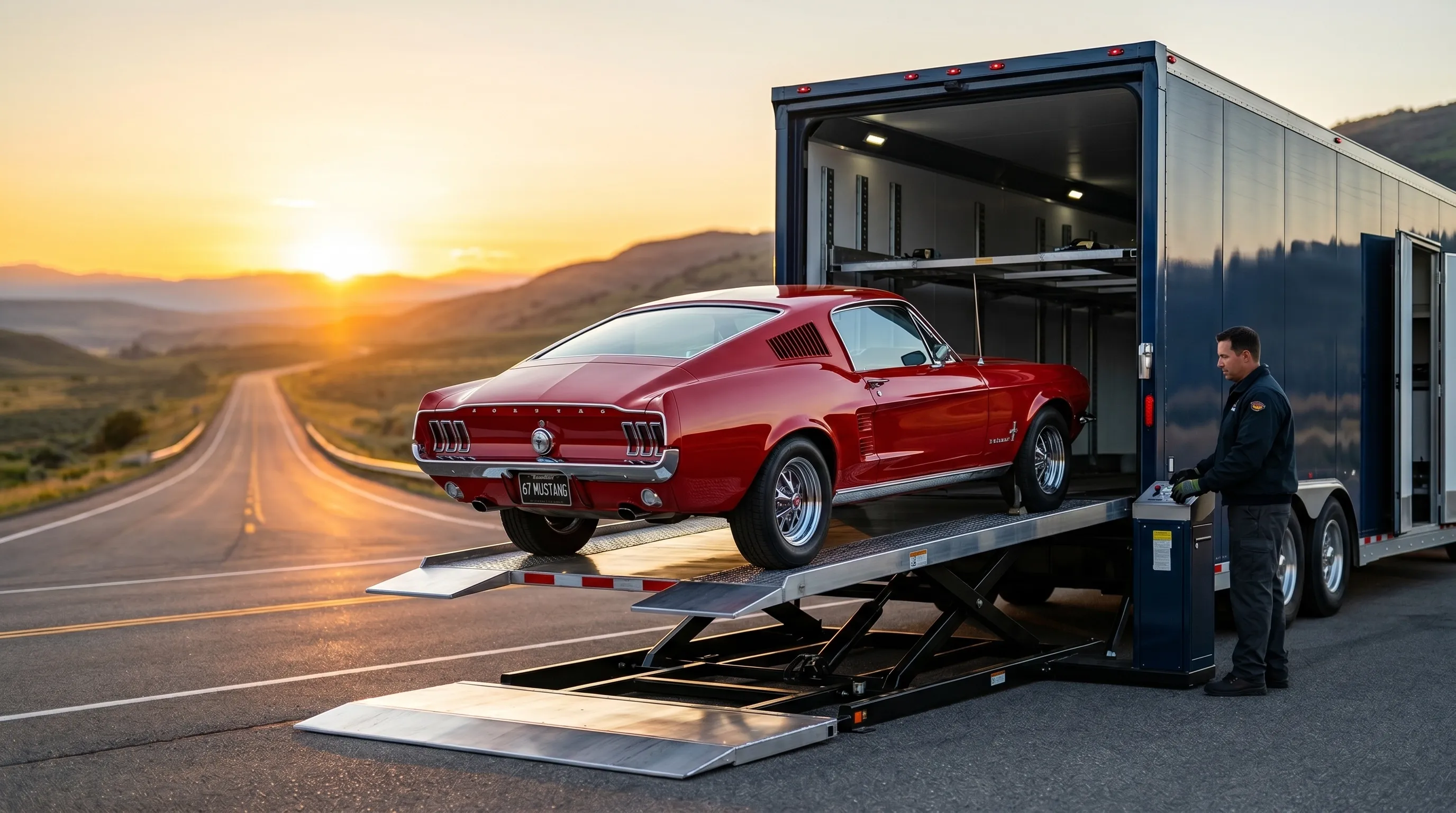
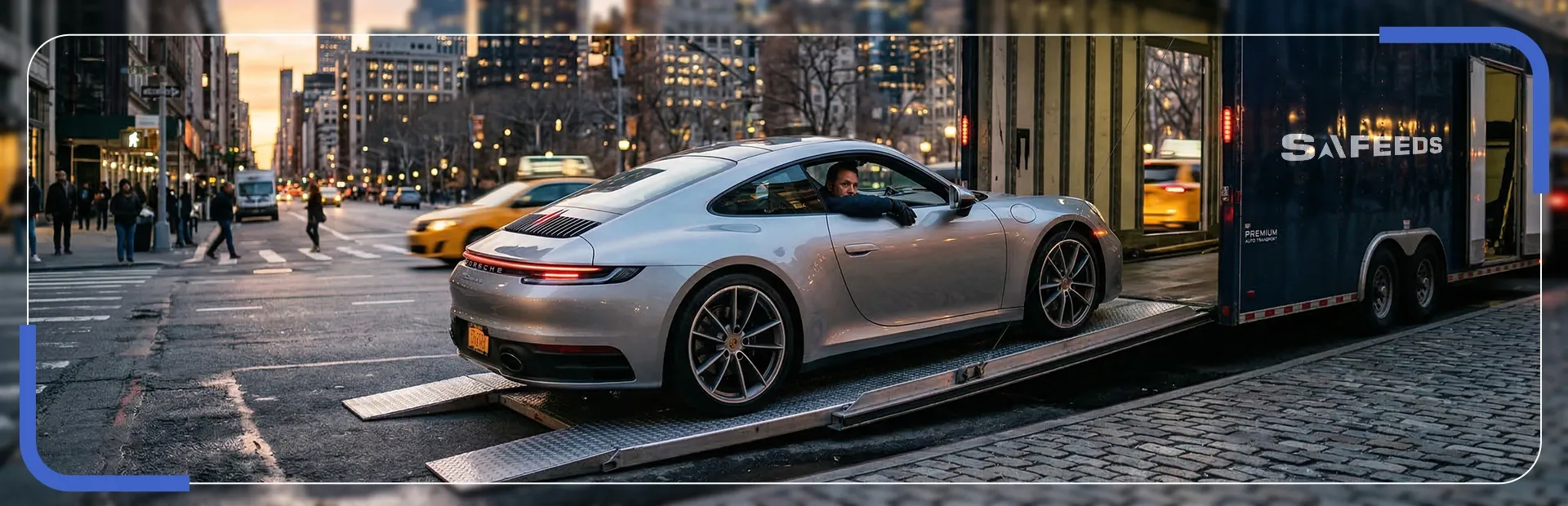
Open transport is the industry standard; vehicles travel on an open multi-car trailer and account for approximately 90 percent of all shipments. Enclosed transport uses a fully covered trailer, protecting vehicles from weather and debris, and is preferred for luxury, classic, and exotic vehicles.
Open Transport | Enclosed Transport | |
Average Cost | Lower, industry standard | 30–50% higher |
Weather Protection | Exposed to elements | Fully protected |
Best For | Standard vehicles | Luxury, classic, exotic |
Availability | High | Lower, fewer carriers |
For most customers, open transport is the practical and cost-effective choice. The decision to upgrade to enclosed is generally driven by the vehicle's value, condition, or sentimental significance.
What to Know Before Pickup and What Happens During Car Transport
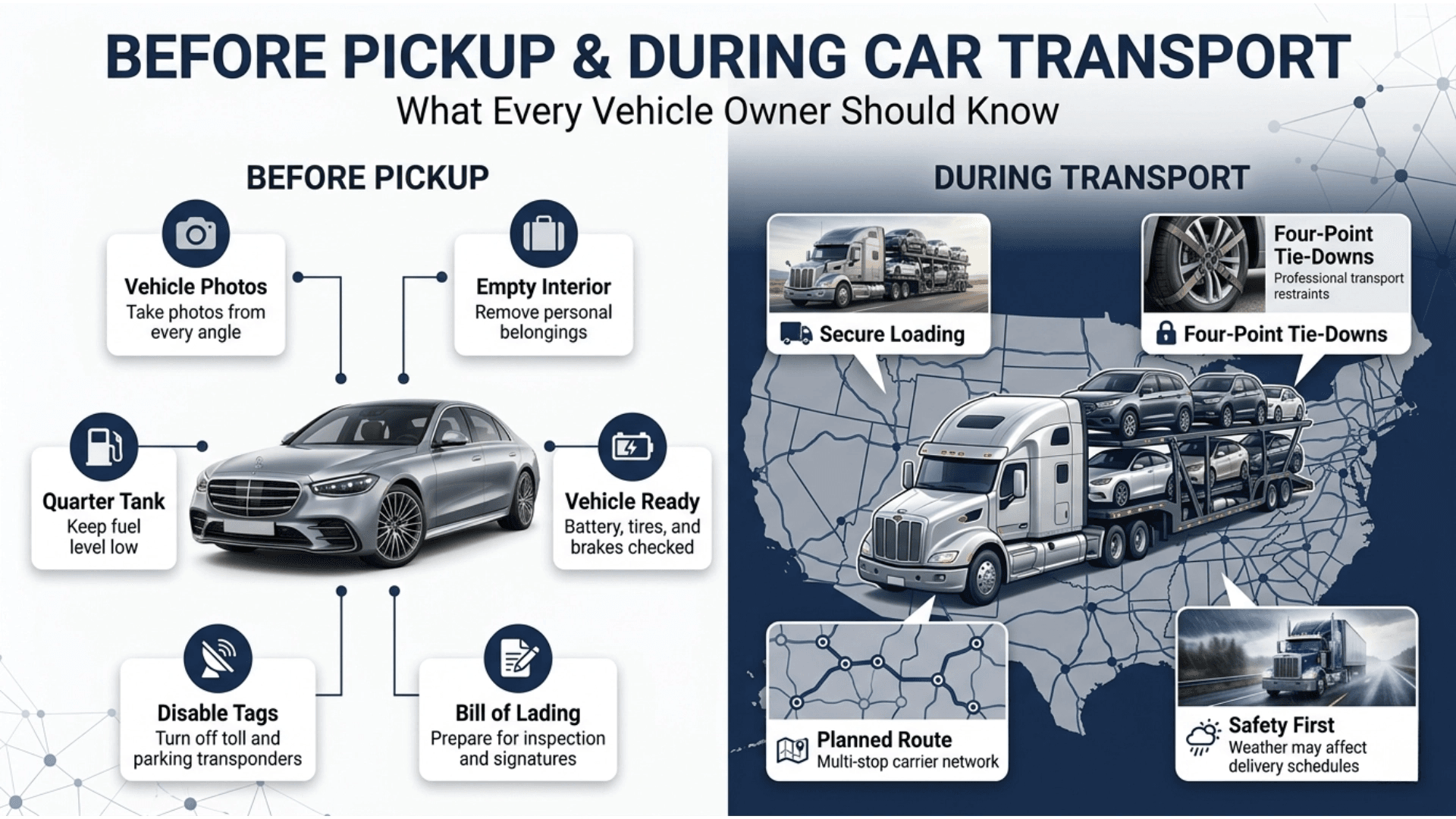
Preparation before pickup is something many first-time shippers overlook, but it directly affects how smoothly the inspection goes and how protected you are if any issue arises later. The auto transport process explained properly always begins well before the carrier arrives, and continues through a professional logistics operation most customers never see.
Taking 30 minutes to complete the following steps before pickup eliminates most of the issues customers encounter at delivery:
Take time-stamped photos of the entire vehicle from every angle before pickup day
Remove all personal belongings; carriers are not required to insure items left inside
Keep the fuel tank at roughly a quarter full to allow loading without adding unnecessary weight
Confirm tires are inflated, the battery is functional, and the vehicle runs under its own power
Disable electronic toll tags and parking transponders
Ensure someone is available to sign the Bill of Lading at both pickup and delivery
Once your vehicle is loaded, the driver positions it on the trailer based on weight distribution across the full load. Wheel straps and tie-down chains secure each vehicle at four points for highway travel. The carrier then follows a planned multi-stop route, delivering each vehicle along the way. Drivers operate under FMCSA hours-of-service rules that regulate consecutive driving hours and directly affect daily mileage and delivery windows.
In cases of severe weather, storms, ice, or flooding, carriers may adjust routes or pause transit for safety. This is standard practice across the industry, not a sign of poor service. According to the American Trucking Associations, the trucking industry moves over 72 percent of all freight transported in the United States annually. Auto transport is a well-established, regulated segment of that infrastructure.
What Most First-Time Shippers Want to Know Before They Book
Shipping a vehicle for the first time raises practical questions that do not always fit neatly into the steps above. The following covers what customers most commonly ask once they understand the auto transport process explained from end to end.
Is my car insured during transport?
Yes. Licensed carriers are required by federal law to carry cargo insurance covering physical damage caused during transit. Your broker should provide the carrier's insurance certificate before the shipment begins.
Do I need to be present at pickup and delivery?
You or an authorized representative must be present at both points to sign the Bill of Lading. Designate someone in advance if you cannot attend personally.
Can I leave personal items in my car?
Most brokers advise against it. Personal items are not covered under cargo insurance and can add weight that creates compliance issues. If you do leave items, keep them below the window line and under 100 pounds total.
What happens if my delivery is delayed?
Delays are usually weather-related or tied to carrier scheduling on less-traveled routes. Contact your broker for a transit update; reputable companies provide honest timelines without requiring you to chase information.
How does the car shipping process step by step differ for non-running vehicles?
Non-running vehicles require winch-loading equipment and typically cost more to ship. Advance disclosure at booking is required; failing to disclose can result in added fees or a canceled pickup.
Ship Your Car With Confidence: Here Is What to Look for in a Transport Company
Understanding how does car shipping work is only half the equation. Choosing the right company determines the actual experience.
Before booking, verify the company's FMCSA licensing, confirm no upfront deposit is required until a carrier is assigned, and request a price lock in writing. Always ask for the carrier's insurance certificate before pickup day, and review the company's track record across Google, Trustpilot, and the BBB.
Safeeds Transport offers a 7-day price lock, zero deposit until a carrier is secured, AFTA GAP Protection, and verified carrier insurance on every shipment. Get your free locked-in quote today, no deposit, no obligation, no guesswork.