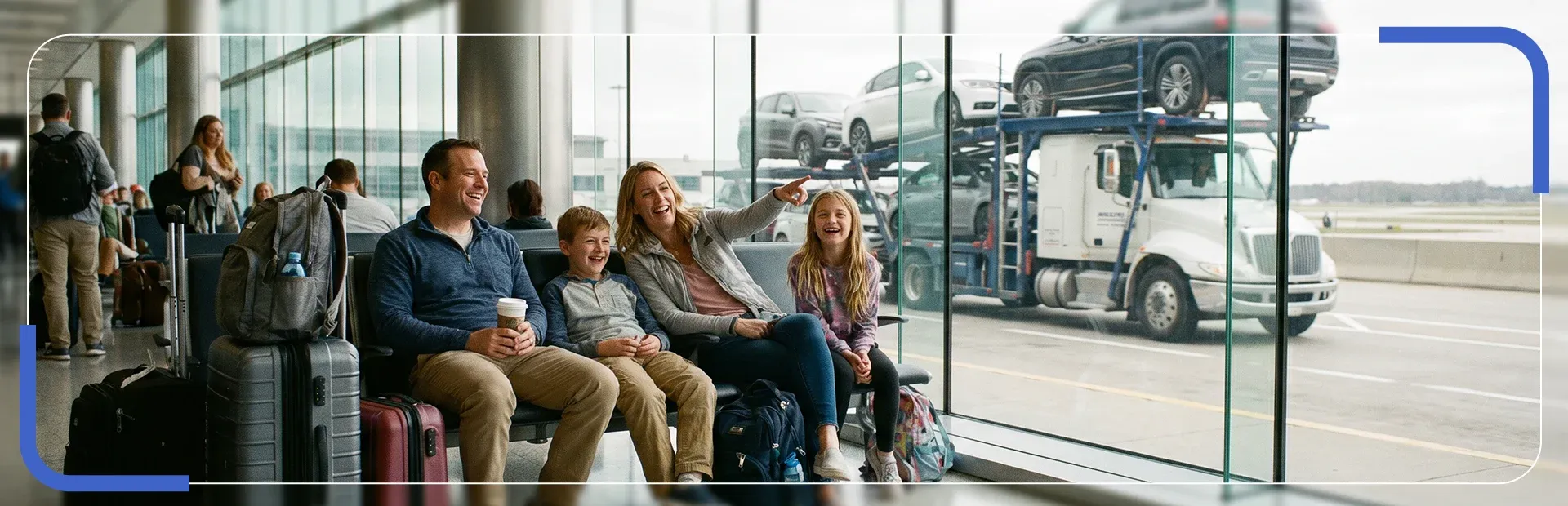
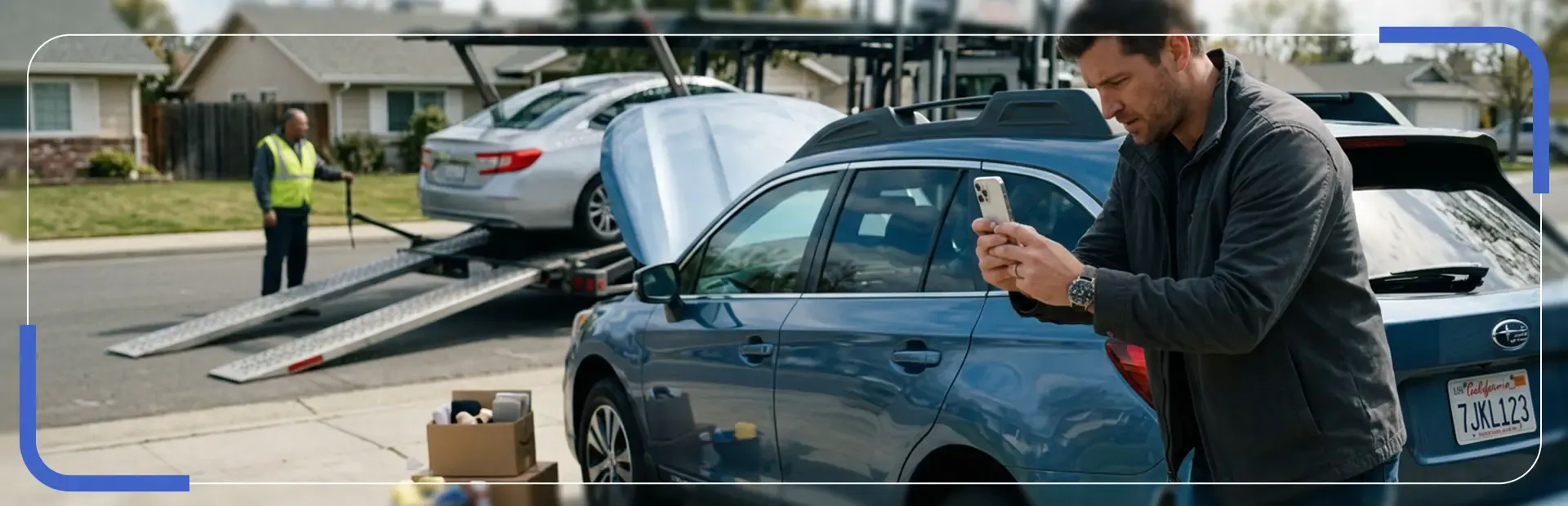
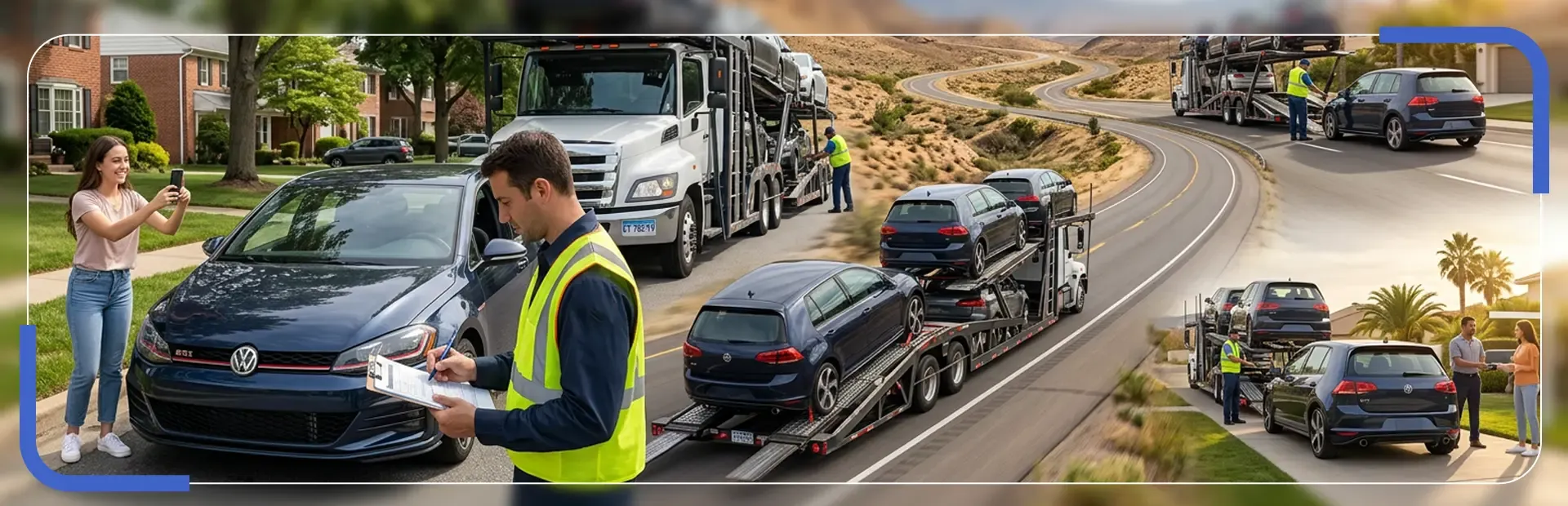
When planning to ship your vehicle, understanding auto transport insurance is not just helpful; it’s essential for protecting your investment. During transit, vehicles can be exposed to risks such as weather conditions, road debris, or handling during loading and unloading. While most carriers provide basic coverage, the level of protection, policy limits, and exclusions can vary widely.
Many customers assume their car is fully insured, only to discover gaps when it’s too late. That’s why it’s important to clearly understand what your policy includes, how claims are handled, and whether additional coverage is needed for complete peace of mind.
With Safeeds Transport, transparency and reliable protection are at the core of every shipment, helping you move your vehicle with confidence. Get a quote today and ensure your car is covered with the right level of protection from pickup to delivery.
What Is Auto Transport Insurance and Why Does It Matter
At its core, what is auto transport insurance? It is a specialized form of coverage designed to protect a vehicle from the moment it is loaded onto a trailer until it is safely offloaded at its final destination. This coverage is a fundamental necessity for both first-time shippers and seasoned corporate clients, acting as the primary defense against the inherent risks of long-distance logistics.
Financial Mitigation: It protects owners from the high costs associated with road hazards, unpredictable weather events, and transit-related accidents.
Commercial Gap Coverage: While many assume personal policies apply, most standard insurance has strict limitations regarding commercial shipping; specialized vehicle transport insurance fills this critical gap.
Legal Requirement: Coverage is mandatory for all licensed carriers, serving as a legal and financial safety net for the duration of the trip.
Carrier Accountability: It ensures that if a vehicle sustains damage during the journey, the carrier, rather than the owner, is held financially responsible for the necessary repairs.
Peace of Mind: Distinguishing between a carrier’s basic liability and a broker’s comprehensive coverage allows for a transparent, stress-free shipping process.
How Auto Transport Insurance Works in Car Shipping
The operational flow of car transport insurance begins long before the truck arrives at your driveway. It is a highly structured process that relies on rigorous documentation and clear communication between the vehicle owner, the broker, and the carrier to ensure no detail is overlooked.
Immediate Policy Attachment: As soon as a shipment is officially booked, the insurance policy attaches to the specific vehicle identified in the contract.
Continuous Transit Coverage: Throughout the entire journey, the insurance remains active, covering the vehicle while it is stationary on the trailer and during the critical loading and unloading maneuvers.
Broker Verification: As a professional broker, Safeeds Transport Inc. proactively verifies that every carrier in its network maintains active, high-limit auto transporter insurance before dispatching.
Claims Facilitation: If an incident occurs, the broker acts as a professional facilitator, helping the client navigate the claims process by utilizing the evidence and documentation gathered at the start and end of the trip.
Structured Accountability: This process ensures a clear chain of custody, making it easy to identify exactly when and where a vehicle was covered under the auto transport insurance policy.
Role of the Carrier’s Insurance Policy
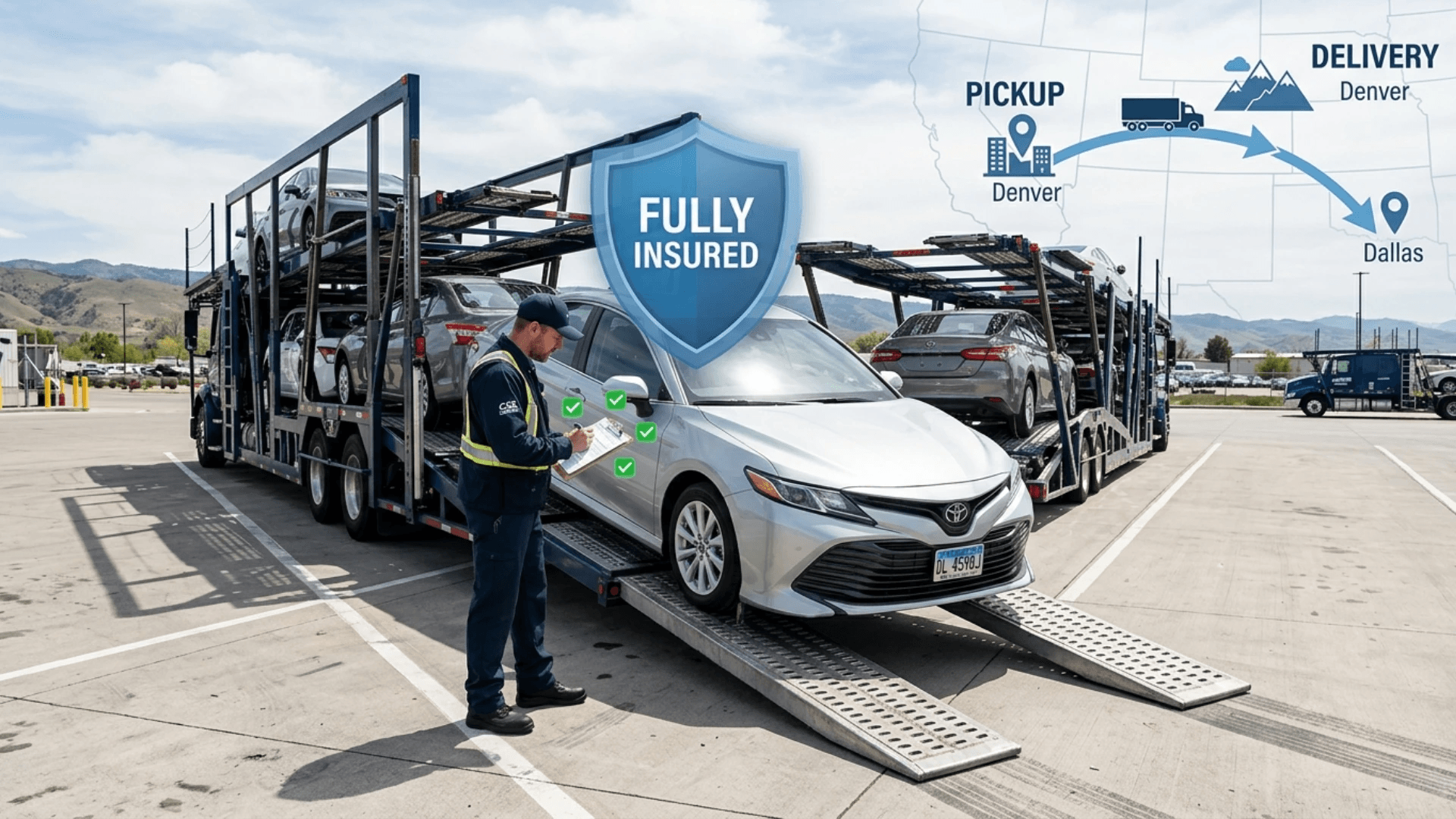
Every legitimate carrier must carry auto transporter insurance to operate legally. This typically consists of two parts: liability and cargo insurance. Liability covers damage to other property or persons, while cargo insurance is specifically dedicated to the vehicles on the trailer. It is vital to confirm that the carrier’s cargo limits are high enough to cover the total value of all vehicles on the truck, not just yours.
Understanding the Bill of Lading and Inspections
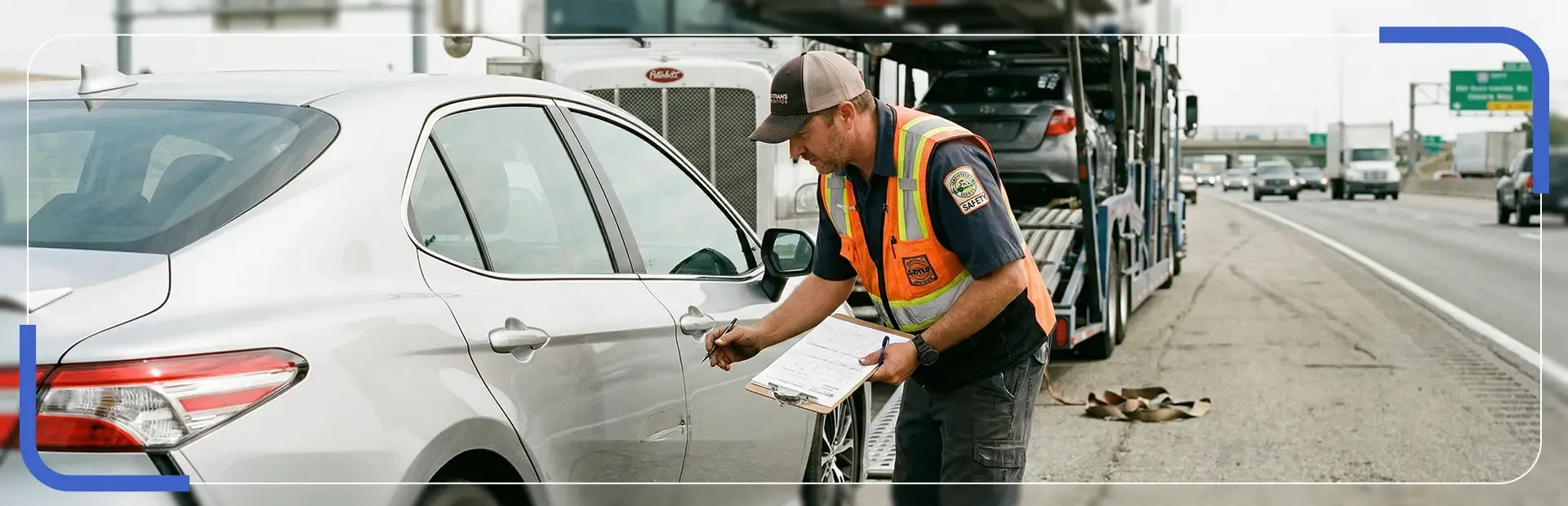
The Bill of Lading (BOL) is the most important document in the context of vehicle transport damage insurance. It serves as the official record of the vehicle’s condition. During the pickup inspection, every existing scratch or dent is noted. If new damage is found at delivery, it must be recorded on the BOL before the driver leaves. Without a properly documented BOL, a claim for car transporter insurance is nearly impossible to substantiate.
Types of Auto Transport Insurance Coverage Explained
Navigating the various types of vehicle transport insurance requires an understanding of what is standard and what is supplemental. Most shipments are covered under a carrier’s primary cargo policy, but the depth of that coverage can vary significantly based on the carrier’s size and the value of the freight they specialize in.
Coverage Type | Typical Limit | Best For |
Carrier Liability | $50,000 - $100,000 | Standard sedans and SUVs |
Cargo Insurance | $100,000 - $250,000 | High-value vehicles / Multi-car shipments |
Gap/Supplemental | Varies | Luxury, exotic, or vintage cars |
Enclosed Coverage | $500,000+ | Collectors and high-end investments |
Carrier Liability Coverage
Standard car transporter insurance usually includes a set amount of liability per vehicle. While this covers most common damage scenarios, such as collisions or major equipment failure, it often has a deductible. According to expert car shipping insurance tips, it is important to ask whether the carrier’s policy covers the deductible or if that cost falls back on the vehicle owner in the event of a claim.
Gap Coverage and Supplemental Insurance
In cases where the vehicle’s value exceeds the carrier’s standard limits, owners should look into insurance for transporting cars that offers "gap" protection. This supplemental insurance fills the financial void between the carrier's maximum payout and the actual cash value of the vehicle, providing an extra layer of security for premium assets.
Open vs Enclosed Transport Risk Differences
The choice of transport method directly impacts car transportation insurance requirements. Open transport is subject to road debris and weather, which are often excluded from basic policies. Enclosed transport, however, offers much higher limits for vehicle transporter insurance because it is designed for vehicles that require 100% protection from the elements.
Auto Transport Insurance Requirements You Should Know
The Department of Transportation (DOT) and the Federal Motor Carrier Safety Administration (FMCSA) set strict insurance requirements that every carrier must meet to maintain its operating authority. These regulations are designed to provide a baseline of protection, but professional shipping often requires standards that go beyond the legal minimums.
Public Liability Compliance: At a minimum, all carriers must carry public liability insurance to legally operate on federal highways.
Industry Standard Cargo Insurance: For professional auto shipping, carrying dedicated cargo insurance is the standard requirement to protect the specific value of the vehicles being moved.
Broker Due Diligence: Professional brokers perform this verification automatically, ensuring every assigned carrier has a valid MC (Motor Carrier) number.
Active Certificate Verification: A critical part of the process is ensuring that a carrier’s certificate of insurance is currently in force and offers sufficient limits for the specific shipment.
Consumer Protection: Understanding these auto transport insurance requirements protects customers from "fly-by-night" operations that offer low rates but lack the financial backing to cover a total loss.
What Auto Transport Insurance Covers and What It Doesn’t
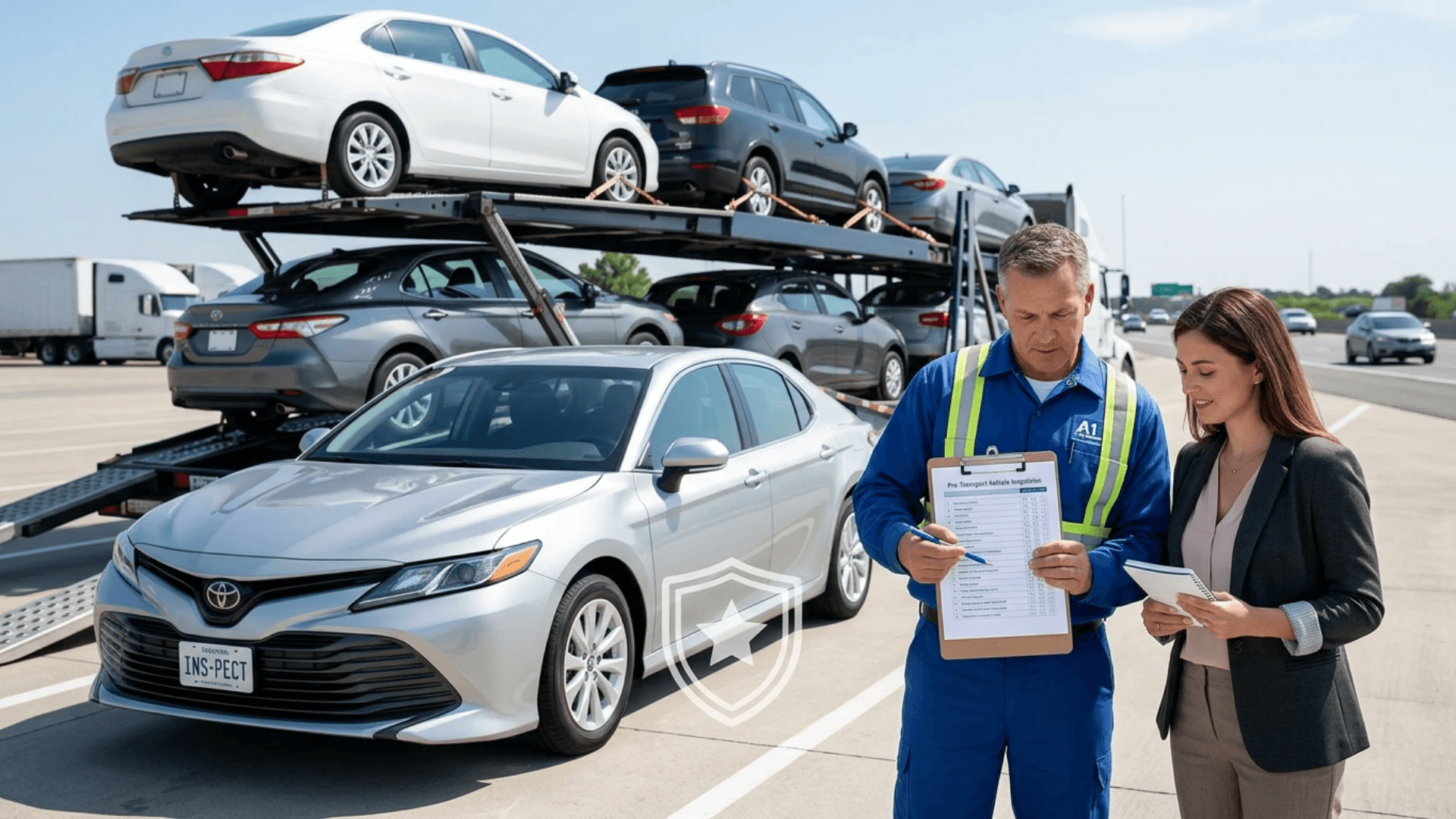
Clear expectations are the foundation of a professional shipping experience. While vehicle transport insurance is robust, it is not an "all-risk" policy that covers every possible scenario. It is specifically designed to cover damage resulting from the carrier's negligence or equipment failure during the transit process.
Common Covered Risks During Transport
Scenarios typically covered by vehicle transport damage insurance include damage from a traffic accident involving the transport truck, damage caused by the loading ramps, or structural failures of the trailer. If the truck is involved in a rollover or a fire, the cargo insurance for the transport vehicle will generally cover the total loss of the vehicle based on its current market value.
Common Exclusions and Limitations
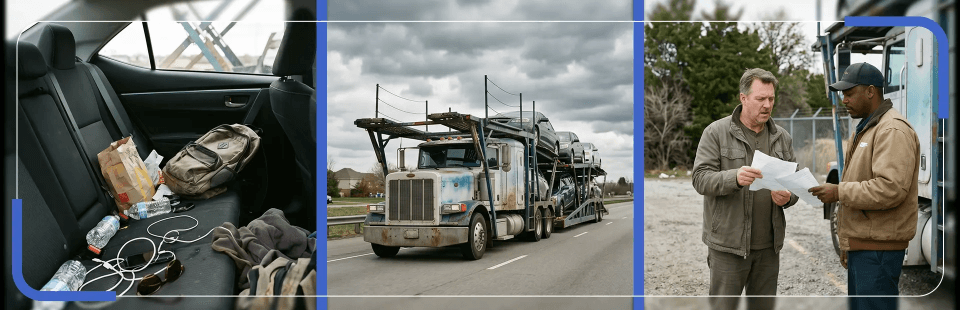
Conversely, there are several standard exclusions in insurance for transport vehicle policies. Most notably, personal items left inside the car are not insured. If a suitcase left in the trunk causes damage to the interior or is stolen, the insurance will not provide compensation. Additionally, "acts of God" such as floods or hail are often excluded from open-carrier policies, and pre-existing mechanical issues are never covered.
Auto Transport Insurance Cost and the Risks of Uninsured Shipping
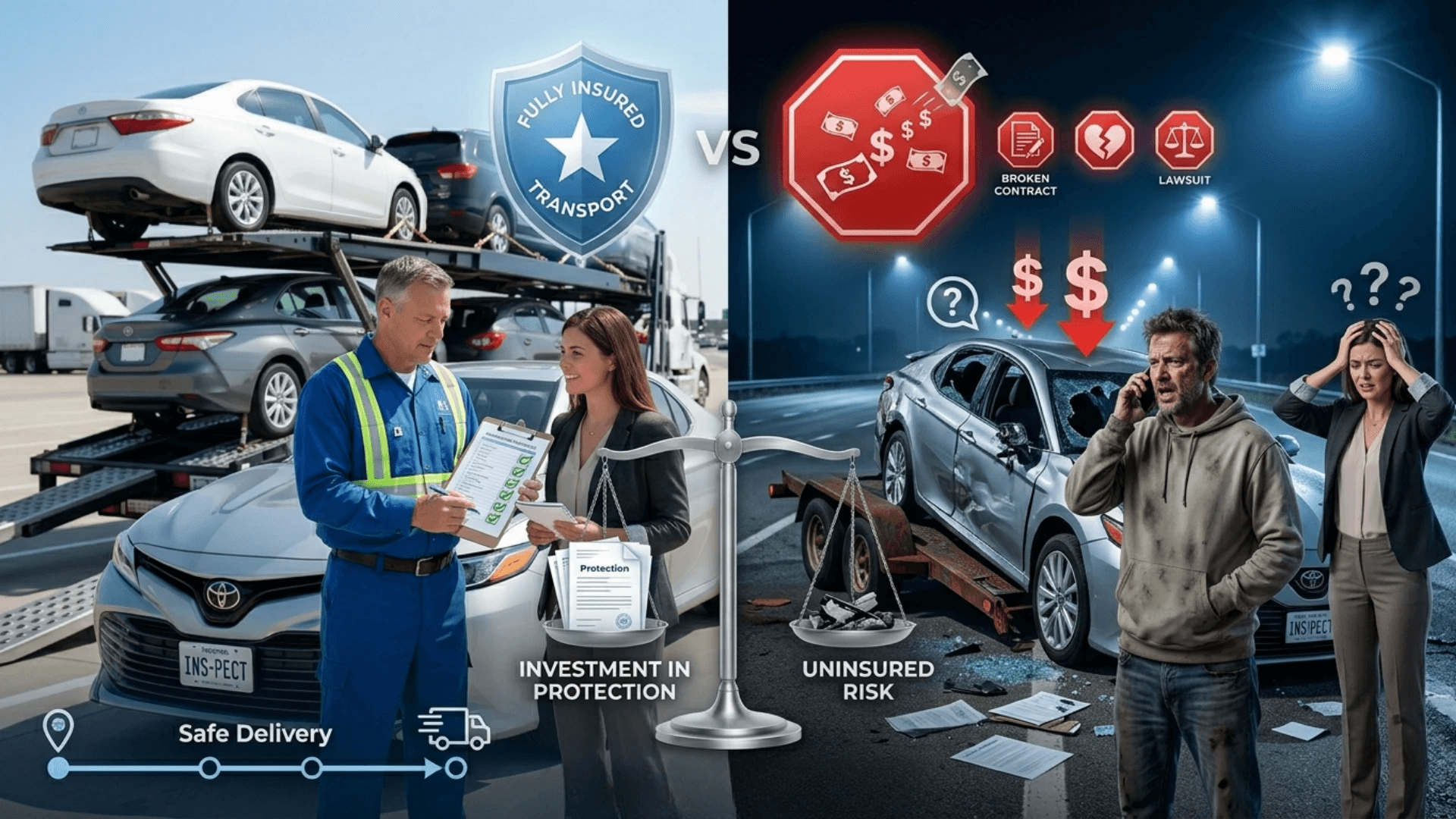
Understanding the auto transport insurance cost is essential for budgeting a move, as professional protection is a mechanical necessity for a secure transit. In most reputable arrangements, basic cargo insurance is already integrated into the initial quote provided by the broker; however, the level of protection required often dictates the final service price. Choosing to forgo this security to save on costs introduces significant financial exposure that can lead to irreversible losses.
Service Level Correlation: The "cost" of insurance is often reflected in your choice of service; high-value luxury assets command higher fees because the carrier must maintain premium auto transporter insurance to cover significant liabilities.
Vehicle Value Factors: A primary driver of car transport insurance pricing is the vehicle's actual cash value. Shipping a vintage collectible requires a different tier of coverage than a standard daily driver.
Transit Exposure: Long-distance routes statistically increase the window of exposure, which can influence the risk profile and cost of the vehicle transport insurance provided.
Method-Based Pricing: Selecting enclosed transport increases the overall auto transport insurance cost because these specialized trailers carry much higher policy limits to protect premium cargo.
The "Protection Gap": Attempting to learn how to transport a car without insurance reveals a dangerous gap, as standard personal auto policies almost always exclude commercial transport incidents.
Total Financial Exposure: Without verified vehicle transporter insurance, common issues like trailer failure, theft, or highway accidents leave the owner with no legal recourse to recover the vehicle's value.
Reputation and Licensing: Reputable brokers will not facilitate a move without verified coverage; therefore, skipping insurance often forces owners to work with unlicensed carriers, leading to potential legal battles and total asset loss.
Smart Auto Transport Insurance Tips for Safe Shipping
To ensure a seamless experience, following proven auto transport insurance tips is the best way to safeguard your interests. Preparation and documentation act as your primary defense against claim denials and misunderstandings.
Verify Carrier Credentials and Coverage
Never take a carrier’s word at face value. You should ask to see the certificate of vehicle transporter insurance and verify that the policy is current. Check the "Cargo" limit specifically to ensure it covers the market value of your car. A professional broker like Safeeds Transport Inc. handles this verification rigorously, but as an owner, knowing the policy limits provides an extra layer of confidence.
Document Vehicle Condition Before Shipping
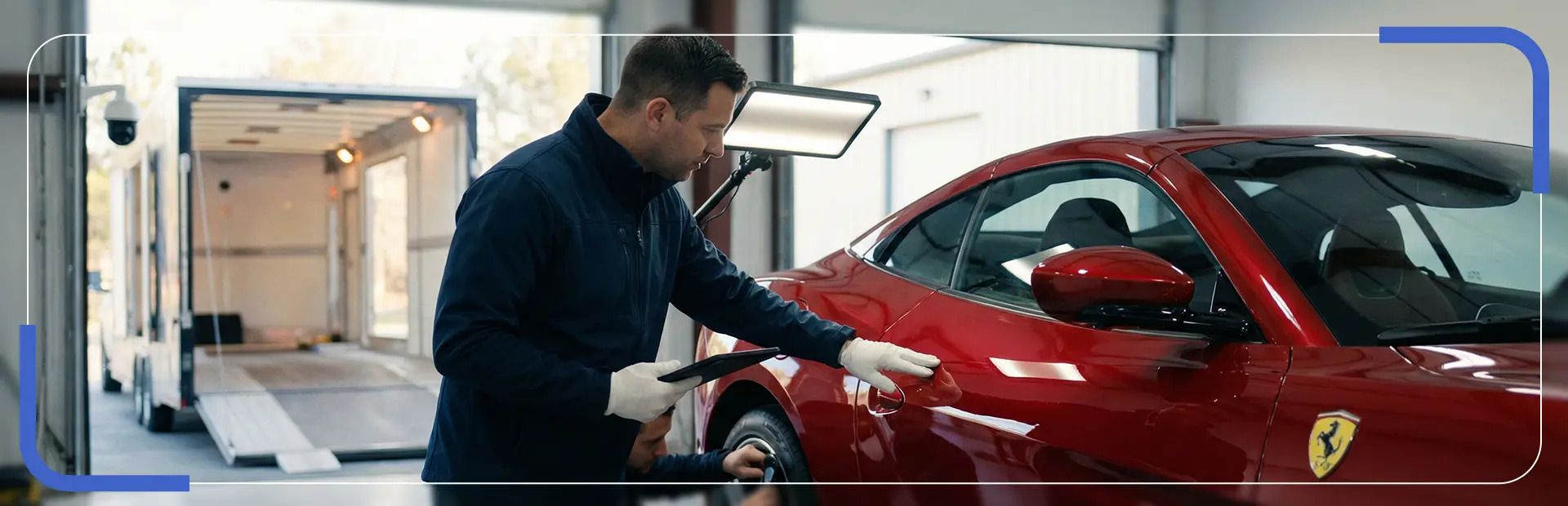
The most effective way to protect your vehicle transport damage insurance claim is through high-resolution photography. Take dated photos of your car from every angle, including the roof, undercarriage, and interior, immediately before it is loaded. This provides indisputable evidence if new damage appears upon delivery, making the car transportation insurance claim process much smoother.
Ask the Right Questions Before Booking
Vetting a carrier’s policy is a vital step in ensuring your vehicle remains protected from departure to arrival. Direct communication with your broker or carrier allows you to identify potential coverage gaps before they become costly liabilities.
Is there a deductible I am responsible for?
Does the insurance cover "acts of God" like hail?
Is the coverage primary or secondary to my personal insurance?
Clear answers here prevent surprises during the claims process.

How to Choose the Right Auto Transport Insurance for Your Needs
Selecting the appropriate insurance for transporting cars depends on finding a balance between the vehicle's value and the potential risks of the route. For a standard daily driver, the carrier’s base car transporter insurance is usually sufficient. However, for modified vehicles, classic cars, or EVs, seeking upgraded or "Gap" coverage is a wise investment.
Consider the following comparison to help determine your needs:
Vehicle Type | Recommended Transport | Insurance Priority |
Daily Driver (Sedan/SUV) | Open Carrier | Standard Cargo Liability |
Classic/Vintage Car | Enclosed Carrier | Agreed Value Coverage |
Luxury/Supercar | Enclosed Carrier | High-Limit Supplemental |
Inoperable Vehicle | Open/Enclosed | Winch/Loading Damage Riders |
Ultimately, the best vehicle transport insurance is one that offers "primary" coverage, meaning the carrier's policy pays out first without involving your personal insurance provider.
Clarifying Common Auto Transport Insurance Doubts
It is natural to have questions when trusting a third party with your vehicle. Understanding the specific mechanics of auto transport insurance ensures you can spot a professional service from an amateur one. Here are the most frequent inquiries regarding protection during transit.
Does my personal car insurance cover the transport?
Most personal policies provide very limited coverage for commercial transport. While some may cover the vehicle while stationary, they rarely cover damage caused by the carrier. Relying on specialized auto transport insurance is the only way to ensure full protection.
What happens if I find damage after the driver leaves?
This is why the Bill of Lading is critical. If damage isn't noted at the time of delivery, claiming vehicle transport damage insurance becomes very difficult. Always perform a thorough inspection in daylight before signing the final documents.
Is there a deductible for transport claims?
Most carrier policies have a deductible ranging from $500 to $2,500. You should clarify with your broker if this cost is covered by the carrier or if you are expected to pay it in the event of a claim.
Are personal items inside the car insured?
No. Insurance for transport vehicle policies strictly excludes personal belongings. Items left in the car can also shift and cause interior damage, which is also typically excluded from coverage.
How long does a claims process usually take?
While it varies by carrier, a documented claim for car transportation insurance usually takes between 30 and 60 days to resolve, provided all photos and inspection reports are submitted promptly.
Key Takeaways for Shipping Your Vehicle with Confidence
Navigating the world of auto transport insurance is about more than just checking a box; it is about ensuring the long-term value and safety of your vehicle. By verifying auto transporter insurance limits, documenting your car's condition, and choosing a reputable broker who vets every carrier, you significantly reduce the risks of the road.
Professional transport is a partnership built on transparency. Armed with these auto transport insurance tips, you can make an informed decision that prioritizes safety over the lowest possible price. Secure, insured transport ensures that your vehicle arrives in the same condition it left, allowing you to focus on your move with total peace of mind. To get started with a transport plan that includes vetted, high-limit insurance protection, request a quote from the experts at Safeeds Transport Inc.