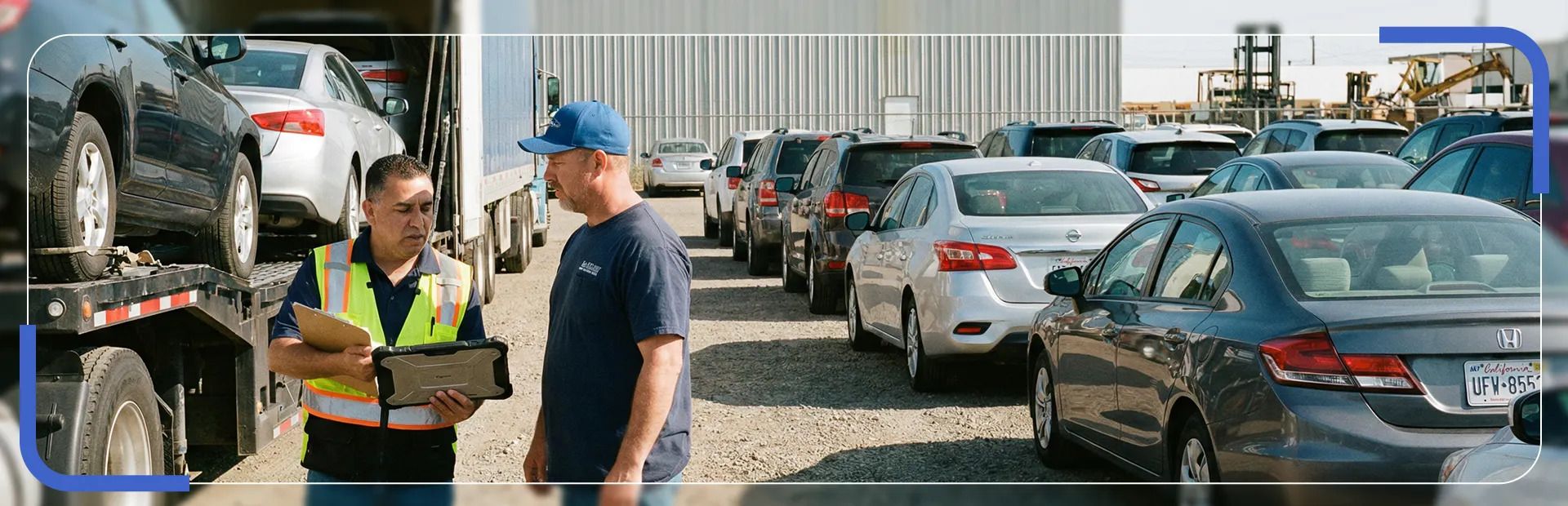
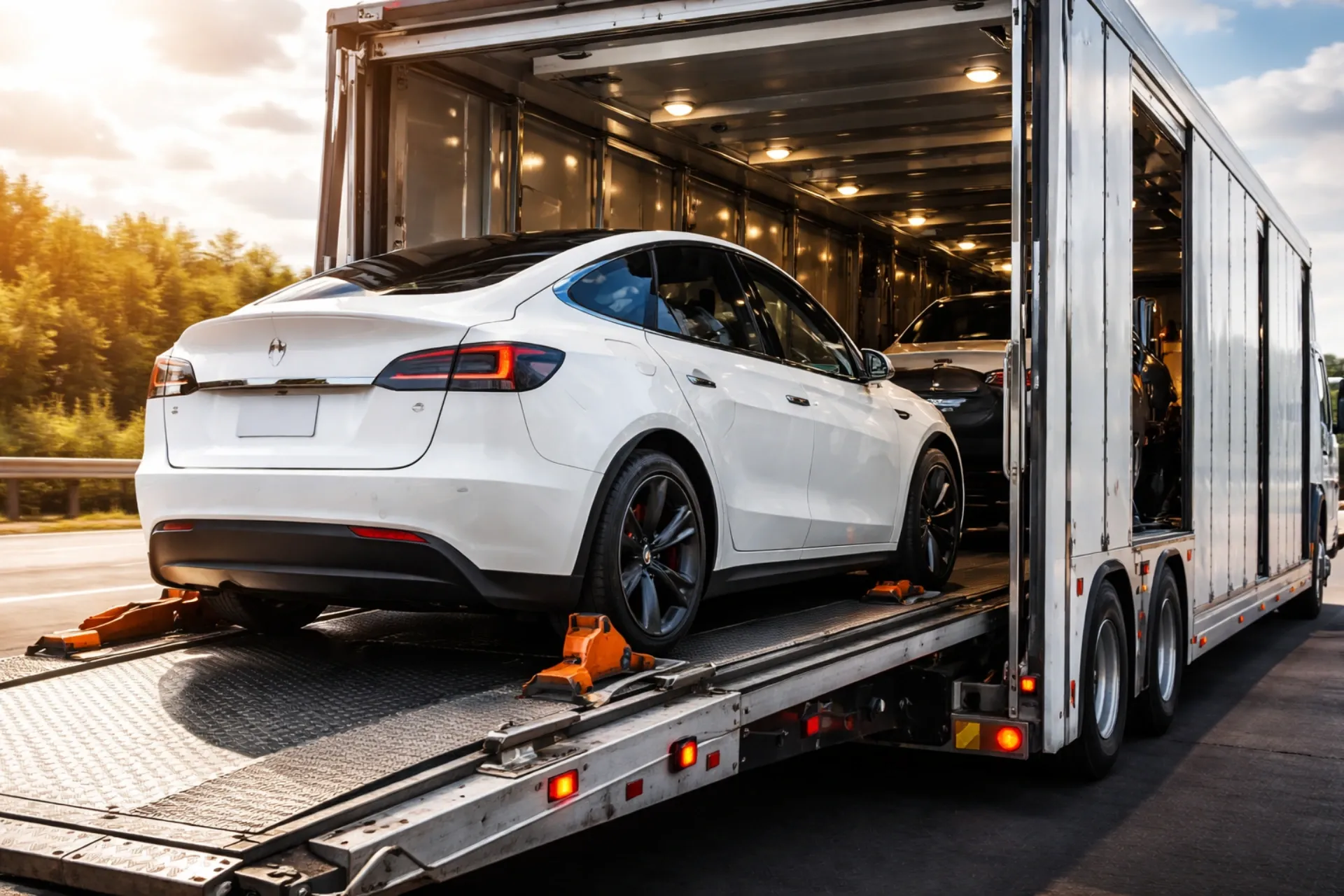
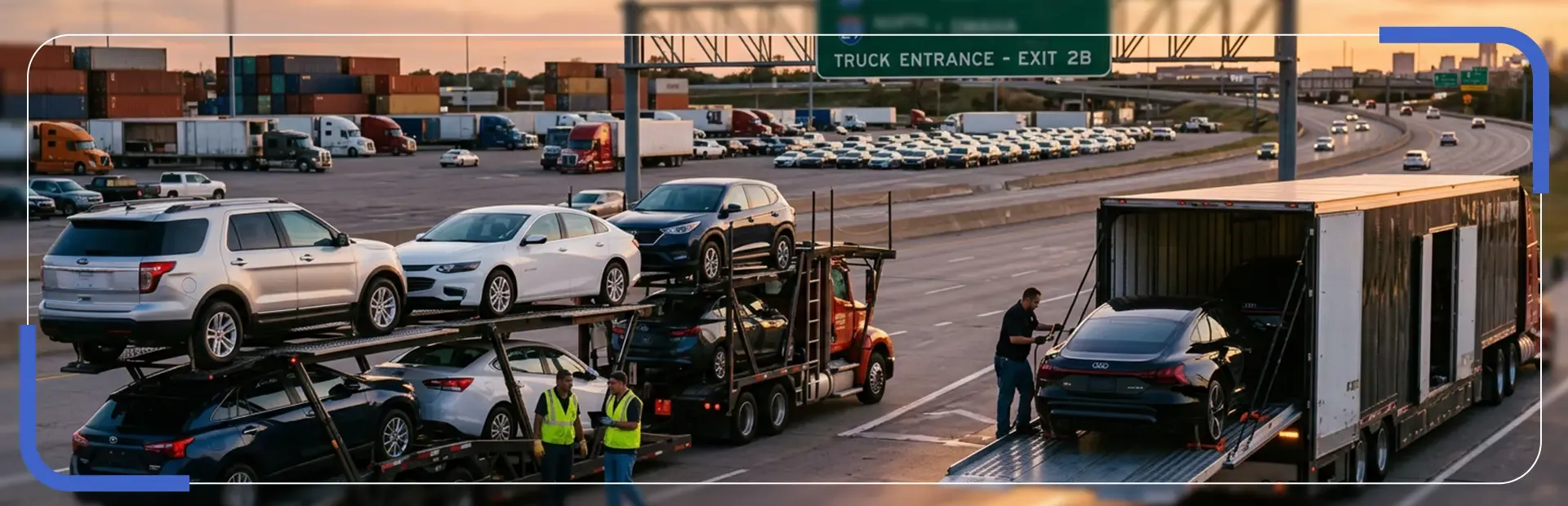
The bill of lading is the inspection report you and the driver sign at pickup and again at delivery. It is the only document that proves what condition your car was in before transport, and without a noted discrepancy on it, a damage claim is very difficult to win. Photograph every panel before you sign.
The bill of lading protects you only as thoroughly as it is completed. Most disputes between customers and carriers trace back to the same root cause: a rushed or incomplete inspection at one end of the shipment or the other. Get your free, price-locked quote today and ship with a carrier that takes this documentation as seriously as you do.
What Is a Bill of Lading in Car Shipping?
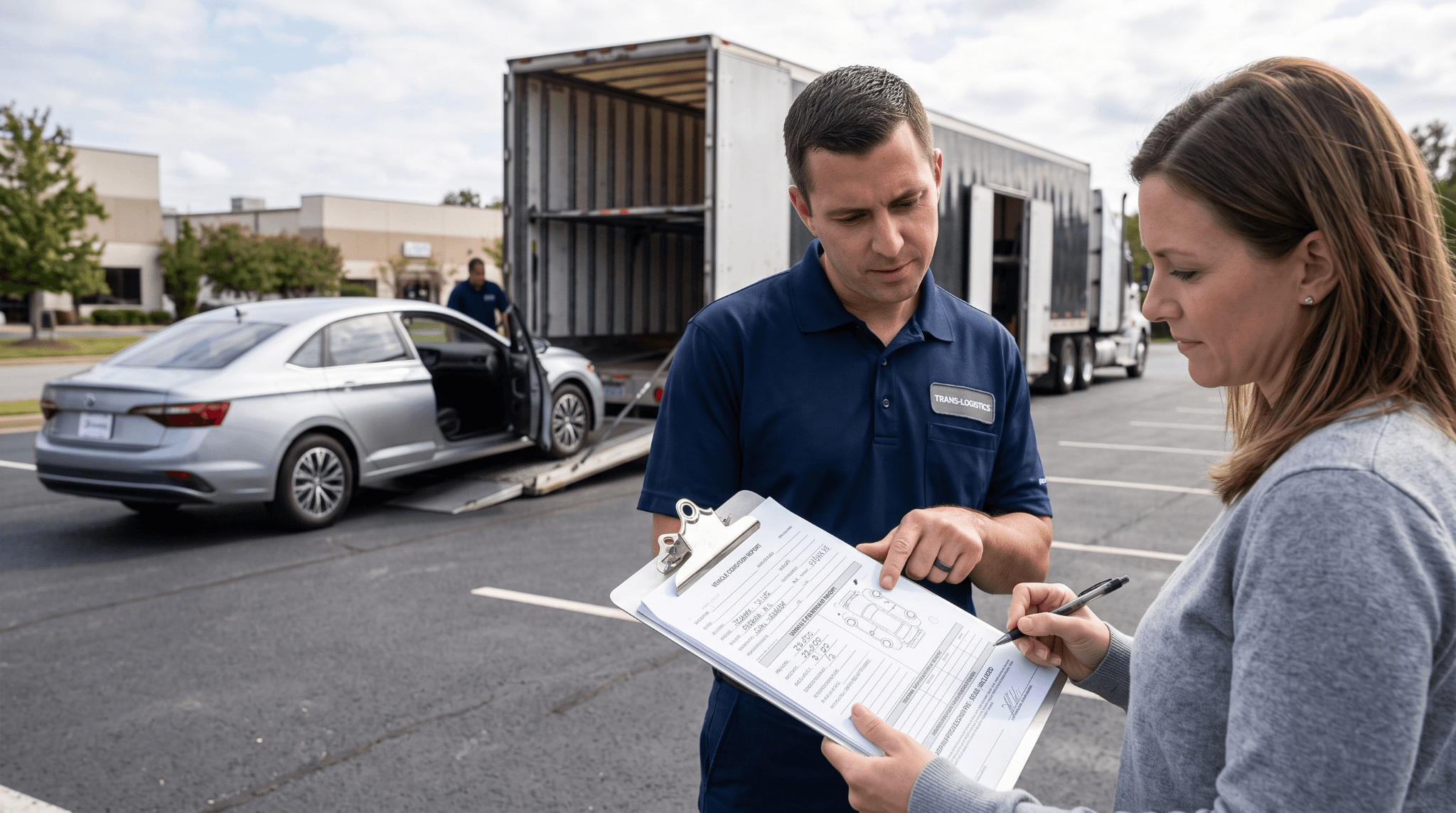
A bill of lading is both a legal contract and a condition report. It confirms the carrier has taken responsibility for your vehicle and records exactly what condition it was in at the moment of pickup. Some shippers refer to it informally as a lading bill, though the correct term is bill of lading for car transport, and industry professionals use the two interchangeably in everyday conversation.
This same requirement applies to a running vehicle and to an inoperable vehicle shipping alike. A car that cannot start still gets loaded, unloaded, and inspected by hand, so it still needs the same signed record before it goes on the truck. Every reputable vehicle shipping company treats this document as a required step in the process, not a formality to rush through, and licensed carriers are required by federal regulation to maintain proper documentation for every vehicle they move.
Understanding what this document actually covers, rather than treating it as paperwork to sign quickly at pickup, is what separates shippers who recover a damage claim from shippers who do not.
Does a Bill of Lading Cost Extra?
A common misconception is that this documentation carries its own fee, but that is not how the industry prices shipments. The car shipping bill of lading cost is already folded into your standard rate, and no reputable carrier bills it as a line item on its own.
If you are searching for car shipping bill of lading cost 2026 figures online, what you are actually pricing is the shipment itself, since carriers do not sell the paperwork separately from the transport service. The car shipping bill of lading price you see quoted, and the car shipping bill of lading rates carriers publish for different routes, already assume that full pickup and delivery documentation is part of the deal.
So how much car shipping bill of lading paperwork actually adds to your total is a fair question to ask before booking. In practice, the answer is nothing, as long as you are working with a carrier that builds it into the standard process rather than treating it as an upsell.
This holds whether you are comparing a cheap car shipping bill of lading provider on price alone or researching the best car shipping bill of lading practices among higher-end carriers; either way, the documentation itself should never carry an extra charge. What differs between providers is not the cost of the paperwork but how carefully it gets filled out.
What Should You Check Before Signing at Pickup?
Before signing at pickup, walk around the entire vehicle with the driver and confirm the details in writing, not just verbally. This single habit is one of the simplest ways to keep smooth vehicle shipping from turning into a dispute weeks later, and it takes only a few extra minutes compared to signing on the spot.
The VIN matches your registration
The odometer reading is accurate
Every existing scratch, dent, or paint chip is noted in writing, with location and size, not a vague description
Interior condition is mentioned if relevant, such as missing parts or prior damage
You receive a signed copy of the form before the driver leaves
Whether you found your carrier through a car shipping bill of lading near me search or a personal referral, the same checklist holds regardless of how you booked. The carriers worth working with, and there is a real range in quality among car shipping bill of lading companies, will walk through this checklist with you unprompted. A car shipping bill of lading company that seems eager to skip past it is worth a second look before you sign anything at all.
What Should You Check at Delivery?
At delivery, repeat the same walkaround and compare the vehicle's current condition against the notes taken at pickup. If anything looks different, point it out to the driver immediately and have it added to the delivery copy before you sign, since verbal agreement alone will not hold up later.
Step | Pickup | Delivery |
VIN and odometer check | Required | Required |
Damage documentation | Baseline recorded | Compared against baseline |
Photos recommended | Yes | Yes |
Signature required | Owner and driver | Owner and driver |
Copy provided | Yes | Yes |
This is where the quality of a car shipping bill of lading service really shows. Some carriers treat the delivery inspection with less care than pickup simply because the truck is already there and everyone wants to finish, but the two inspections carry equal legal weight. If your original car shipping bill of lading quote promised full documentation from start to finish, delivery is where that promise gets tested. It is worth comparing your experience against other car shipping bill of lading quotes you received while shopping, since it can reveal whether a carrier's promises on paper actually match what happens in practice.
What Happens If You Find Damage After Signing?
Once both parties sign, the bill of lading becomes the record used to settle any dispute that comes up later. If you notice damage at delivery that the driver disputes, do not sign the form until the disagreement is written directly on the document itself, in the driver's own words if necessary. Take photos immediately, and contact your broker or the carrier's claims department the same day rather than waiting to see if the issue resolves on its own.
No car shipping bill of lading calculator can tell you in advance whether a specific claim will hold up, since the outcome depends entirely on what was actually documented at pickup and delivery rather than any formula or estimate. What tends to weaken a claim after signing comes down to a handful of recurring mistakes:
Signing before reading the full document
Describing damage vaguely instead of noting exact location and size
Skipping the delivery-side inspection because the driver seems rushed
Not requesting a signed copy on the spot
Waiting more than a day or two to report new damage
How Long Should You Keep the Bill of Lading?
Keep your signed copy until the shipment is fully complete and any potential claims window has closed, which is generally a matter of weeks rather than days.
A simple record-keeping habit covers most situations:
Store a photo of the physical document alongside your pickup and delivery photos in the same folder.
Keep digital and physical copies together, so everything tied to a possible claim lives in one place.
Note the date the shipment was marked complete, since that's typically when the claims window starts counting down.
Most carriers, including Safeeds Transport, also keep digital records of every signed bill of lading and can send you a replacement copy if your own is lost or misplaced.
It's worth holding onto this documentation even after you're confident the shipment went smoothly, since a mechanical issue or a scratch you missed on first inspection can sometimes surface days later. Having the signed bill of lading on hand at that point turns a frustrating dispute into a quick, straightforward conversation with your carrier, since the baseline condition is already documented and agreed upon by both parties.
Common Queries About the Bill of Lading
Even shippers who understand the basics tend to have a few specific questions once pickup day gets close. Here are direct answers to the ones we hear most often.
What is a bill of lading for car transport?
It is the signed condition report and contract created at pickup and again at delivery. It documents the vehicle's condition and the transfer of responsibility to the carrier, and it is the primary evidence used in any damage claim.
Do I have to be present to sign it?
No. You can authorize someone else to sign on your behalf at pickup or delivery. That person should still complete the full inspection carefully, since their signature carries the same legal weight as yours.
What if the driver rushes me through the inspection?
Slow down and insist on writing down every mark before you sign. A rushed inspection is the leading cause of denied damage claims, and no legitimate carrier will penalize you for taking a few extra minutes.
Can I note damage after the driver has left?
It is far more difficult. Once the driver leaves without a documented note, there is no baseline tying that damage to the shipment. Report anything you notice immediately, ideally while the driver is still present.
Who keeps the original copy?
Both parties should receive a signed copy. The carrier keeps one for its records, and you should keep yours until the shipment is complete and the claims window has passed.
Protect Your Vehicle With Proper Documentation
The bill of lading is not paperwork to get through quickly. Filled out carefully at pickup and checked again at delivery, it is the single document that decides whether a damage claim succeeds or stalls. Get your free, price-locked quote today and ship with a carrier that treats documentation as standard, not an afterthought.