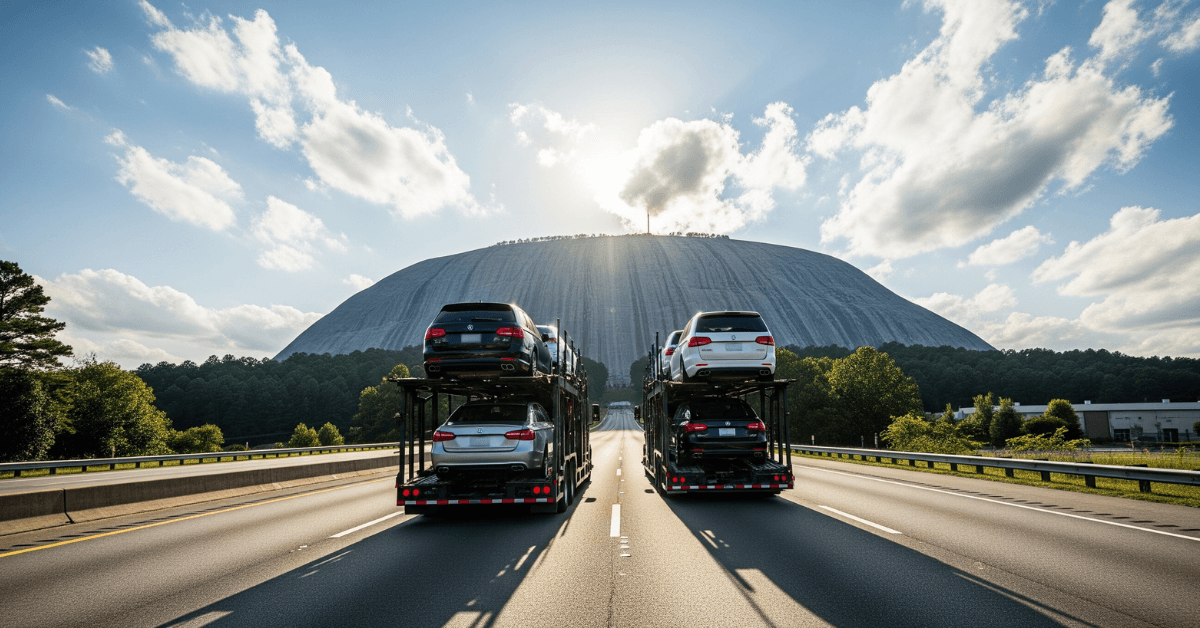
If your car is damaged during transport, note the damage on the bill of lading before you sign it and before the driver leaves. This single step protects your right to file a claim. Most brokers require you to report new damage within 24 hours of delivery.
This car damaged during transport guide walks through exactly what to do in order, from the moment you spot the damage to getting paid for repairs. Get your free, price-locked quote today and book with a carrier that stands behind its coverage from the start.
Key Takeaways
If your car is damaged during transport, note it clearly on the bill of lading before signing and before the driver leaves, since signing without noting damage can be treated as accepting the vehicle in good condition.
Most brokers require damage to be reported within 24 hours of delivery, and reporting the same day gives you the strongest position for a claim.
A strong claim packet combines pickup photos, delivery photos, the signed bill of lading, and a written repair estimate from a licensed shop.
A damaged vehicle transport claim typically takes 2 to 4 weeks from filing to resolution, and claims with complete documentation from the start tend to move faster.
The carrier's cargo insurance is responsible for transit damage that is properly documented, so the actual cost to you should be close to zero if the claim is filed correctly.
What Should You Do the Moment You Notice Damage?
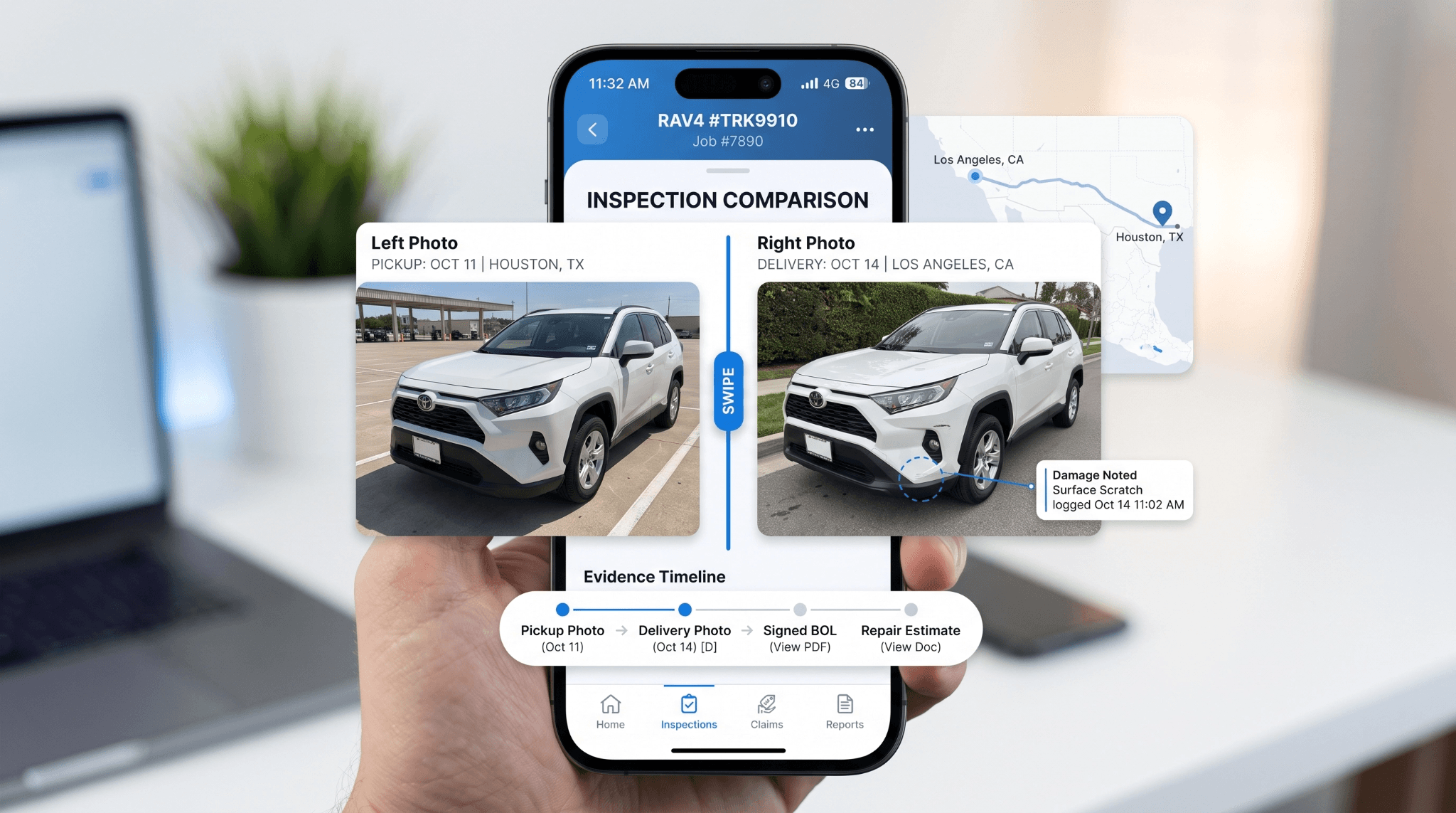
The moment you notice damage, stop before signing anything and compare the vehicle against your own pickup photos. If the damage was not there before, write a clear description directly on the bill of lading and take photos immediately, in daylight if possible.
A few things to do in this order:
Walk around the entire vehicle before signing, even if the driver seems rushed.
Photograph the damage from multiple angles, including a wide shot showing its location on the car.
Write the damage description on the bill of lading itself, not just a verbal mention to the driver.
Get the driver's signature acknowledging the noted damage before they leave.
Signing the bill of lading without noting damage can be treated as accepting the vehicle in good condition, which makes a later claim much harder to win. The Carmack Amendment, the federal law governing carrier liability for cargo damage, is why this document carries so much legal weight. Car damage during transport rates for insurance coverage vary by carrier, which is why confirming the coverage limit before booking matters in the first place.
How Do You Document Damaged Car Transport for a Claim?
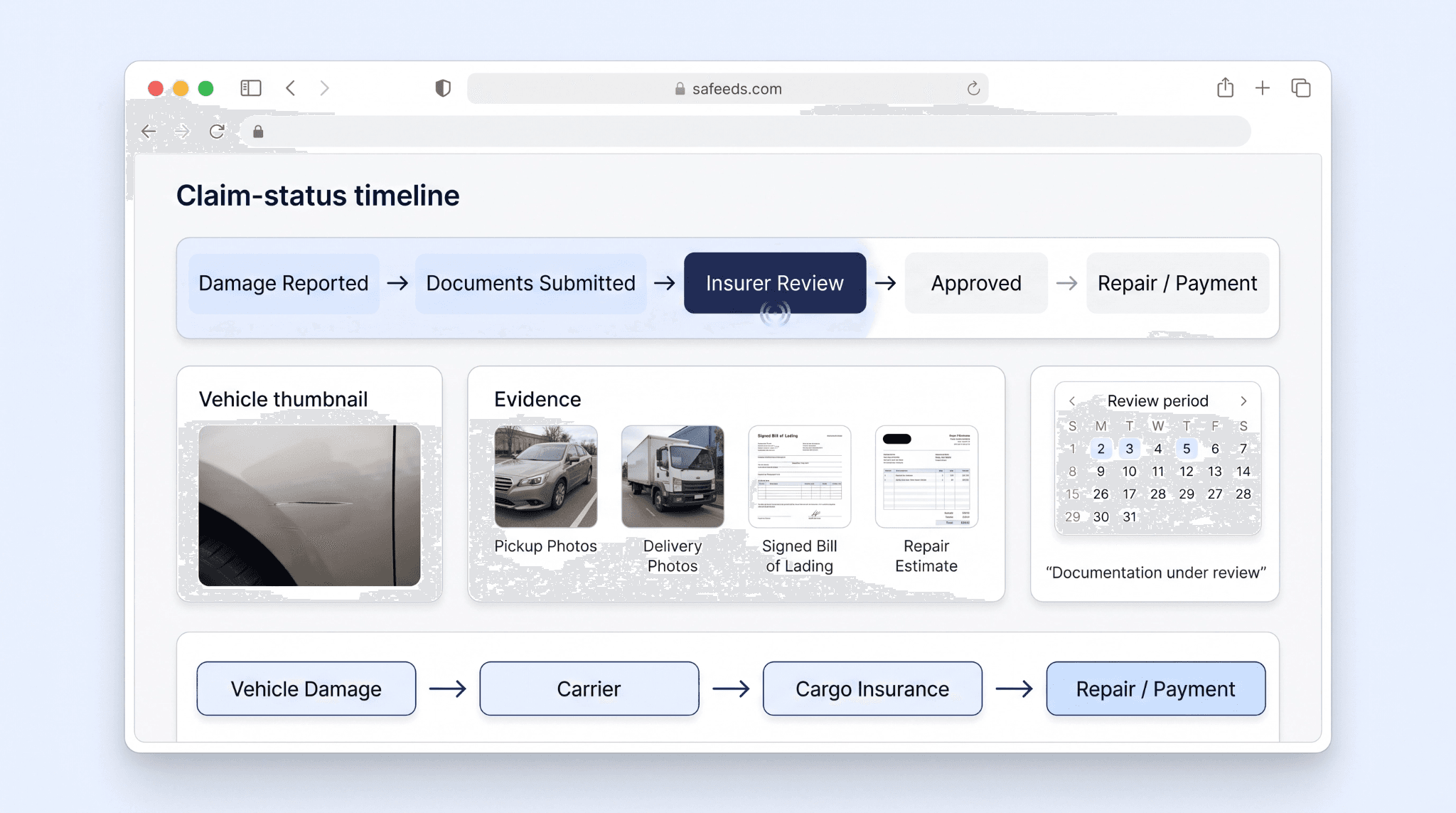
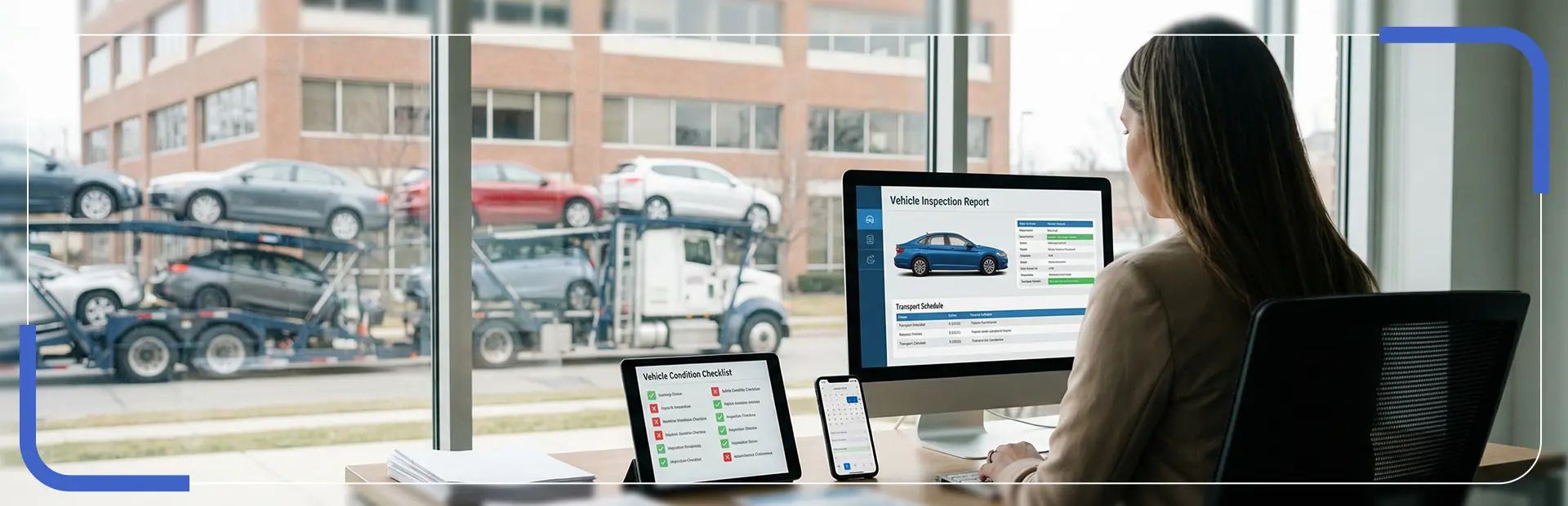
You document damaged car transport by combining your pickup photos, delivery photos, the signed bill of lading, and a written repair estimate into one claim packet. Each piece supports the others, and missing one can slow down the whole process. Insurers rely heavily on this kind of side-by-side comparison, since it removes guesswork about whether damage happened before or during transit.
What a strong claim packet includes:
Time-stamped photos from both pickup and delivery, showing the same angles for easy comparison.
The bill of lading with the damage noted and signed at delivery.
A written estimate from a licensed repair shop, not just a verbal quote.
Vehicle tracking during car transport, if you used a personal GPS device, can also help establish exactly when and where the vehicle was during transit, which sometimes matters if the cause of damage is disputed. This extra layer of evidence rarely hurts your case and can occasionally settle a disagreement quickly.
How Long Does a Damaged Vehicle Transport Claim Take?
A damaged vehicle transport claim typically takes 2 to 4 weeks from filing to resolution, depending on how complete your documentation is and how quickly the carrier's insurer responds. A claim with clear photos and a signed bill of lading usually moves faster.
A rough timeline to expect:
Report the damage within 24 hours of delivery, ideally the same day.
Submit your full claim packet within a few days of reporting.
The insurer reviews the claim, typically taking 2 to 4 weeks.
Payment or a repair authorization follows once the claim is approved.
Claims with incomplete documentation, like missing pickup photos, often take longer since the insurer has to request additional information before deciding. Comparing car damage during transport quotes from more than one repair shop can also help confirm your submitted estimate is fair before the claim moves forward.
An online car damaged during transport calculator cannot replace an actual repair estimate, since only a shop that inspects the car in person can price the work accurately.
Who Is Responsible for Car Damage During Transport Costs?
The carrier is responsible for car damage during transport costs through its cargo insurance, as long as the damage happened during transit and was properly documented. Pre-existing damage or issues unrelated to handling are not covered.
A few things that affect who pays:
Car damage during transport cost claims are typically covered by the carrier's cargo insurance, not the broker directly.
Liability rules have stayed consistent for years, since these standards are not tied to a specific calendar year.
The repair estimate you submit is what the claim actually pays out, not a generic flat amount.
The car damage during transport price of a repair is what the claim actually pays out, based on your submitted estimate.
So how much car damage during transport situations actually cost you personally should be close to zero if the claim is documented and filed correctly.
Car damage during transport cost 2026 claims should follow this same standard, since liability rules have not changed with the calendar.
How Do You Choose a Car Damaged During Transport Company You Can Trust?
Choose a car damaged by a transport company that discloses its insurance coverage upfront and explains the claims process before you book, not after something goes wrong. This transparency is one of the clearest signs of a carrier worth trusting.
Companies that hesitate to answer questions about coverage or claims history before booking often behave the same way once you actually need to file one. If you're searching for a car damaged during transport near me, assuming local companies handle claims differently, know that claims processes follow similar standards nationwide, regardless of where the company is based.
Real differences exist among car damaged during transport companies in how quickly they respond to a claim once filed. A dependable car damaged during transport service will walk you through the claim process step by step rather than leaving you to figure it out alone after delivery. That guidance is often the clearest sign of how a company will actually treat you if something does go wrong.
Common Questions About Car Shipping Damages
Damage claims raise a specific set of questions for most shippers. Here are direct answers to the ones we hear most.
How soon do I need to report damage after delivery?
Most brokers require notice within 24 hours of delivery. Reporting the same day, before the driver even leaves if possible, gives you the strongest position for a claim.
What if I did not take photos before pickup?
File the claim anyway using your delivery photos and the bill of lading. It is harder to prove the damage was new, but not impossible, especially with a detailed written description.
Does my own car insurance cover transport damage?
Sometimes, as a secondary backstop, but the carrier's cargo insurance is the primary coverage for damage that happens during transit. The best car damaged during transport protection comes from confirming both coverages before you ever need to use either one.
Can I refuse to sign the bill of lading if I see damage?
Yes. Note the damage clearly on the document itself before signing, or request a revised version that reflects the actual condition at delivery.
What happens if the carrier denies my claim?
Ask for the denial in writing with a specific reason. You can escalate to the broker, file a complaint with the FMCSA, or pursue the claim through your own insurance if needed. A cheap car damaged during transport policy with a thin coverage limit is one common reason claims get denied or underpaid.
Act Fast, Document Everything
A car damaged during transport quote for repairs means little if the claim itself is not filed correctly and on time. Request an estimate from a repair shop as soon as you notice the issue, and keep every document together in one place.
This same process holds for any car damaged during transport 2026 claim, since documentation standards do not change from year to year.
Most claims that get denied or delayed share the same root cause: incomplete documentation submitted too late. Acting within the first day or two, while the details are still fresh and the driver may still be reachable, makes the biggest difference in how smoothly the claim moves from start to finish. Get your free, price-locked quote today and book with a carrier that explains its claims process clearly before you need it.