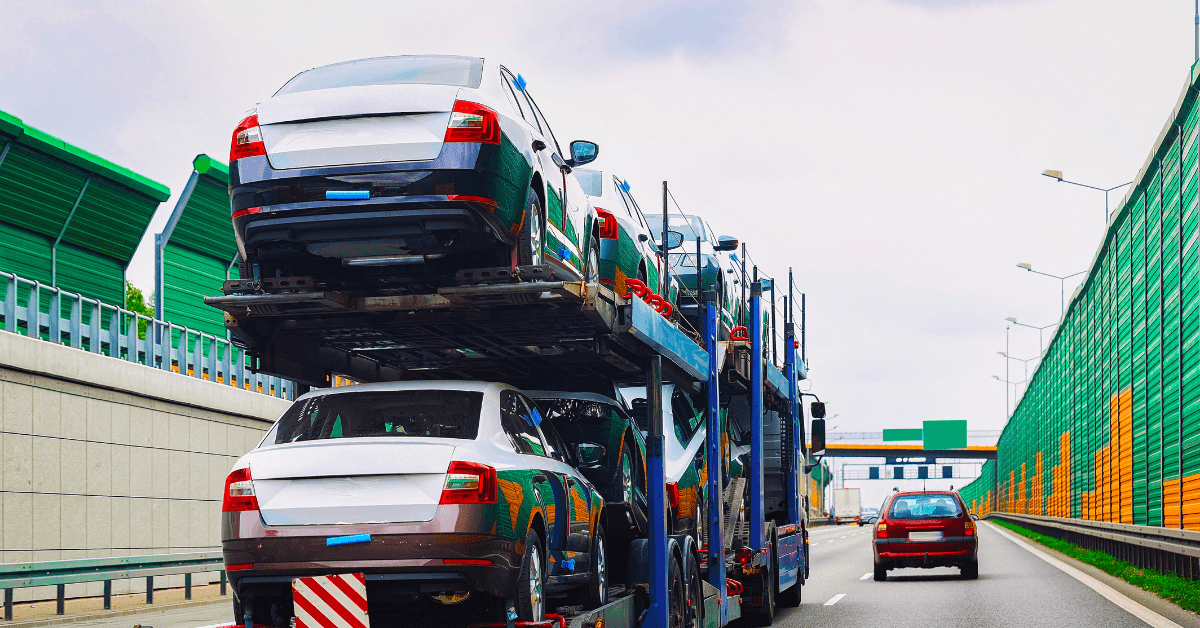
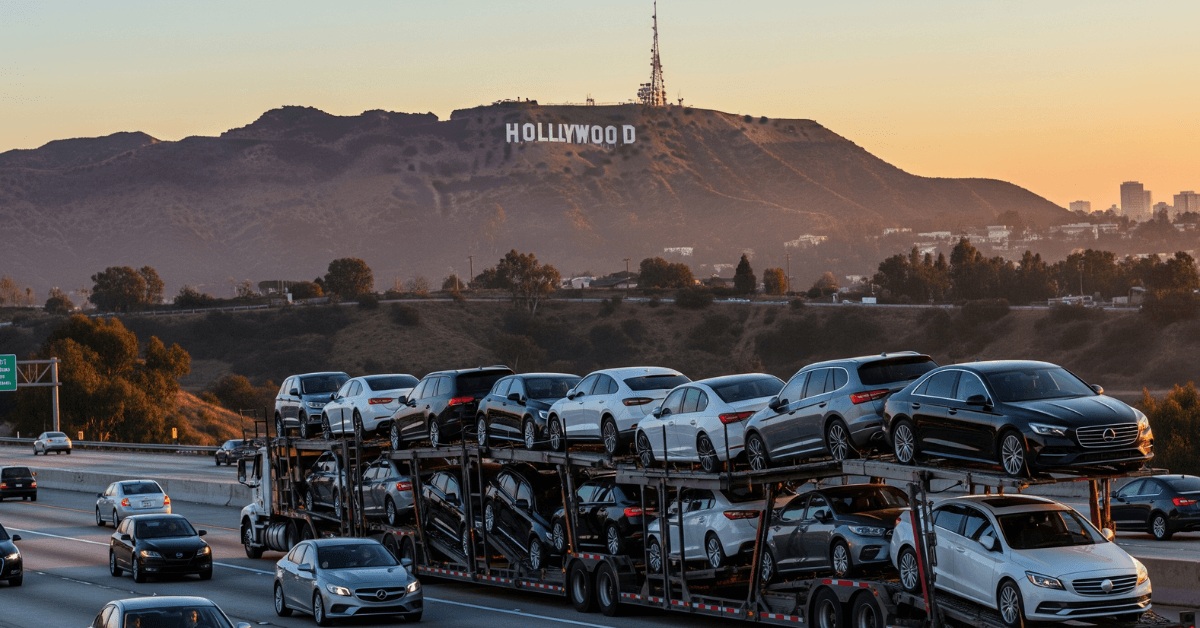
Transporting a vehicle safely begins long before pickup day; it starts with a well-planned, smart transportation schedule. Timing, route coordination, and proper inspection planning all play a critical role in protecting a vehicle’s mechanical condition and exterior integrity during transit. Whether you’re managing fleet logistics, shipping a newly purchased car, or coordinating long-distance delivery, poor scheduling can expose vehicles to unnecessary delays, environmental risks, and handling errors.
A structured transportation schedule helps align inspections, carrier availability, and optimal travel conditions so vehicles move efficiently while minimizing wear and damage. Industry professionals, including trusted providers like Safeeds Transport Inc., rely on strategic scheduling practices to ensure every step of the transport process supports vehicle preservation and accountability. Plan your vehicle transport with confidence. Get a quote today and schedule smarter, safer shipping.
Understanding the Importance of a Smart Transportation Schedule
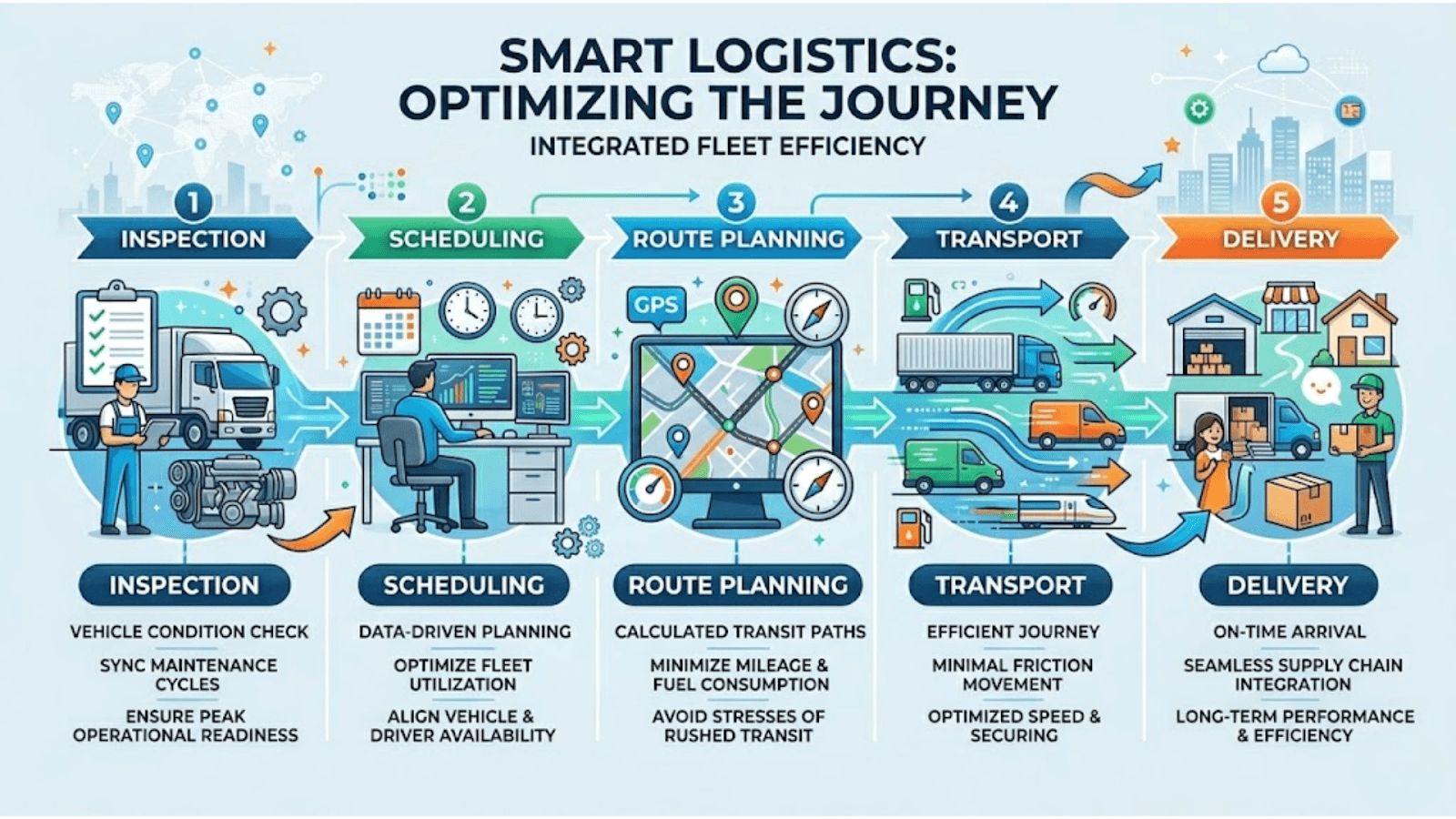
A smart transportation schedule is more than a simple set of pickup and delivery dates; it is a comprehensive logistical strategy that aligns vehicle safety with operational efficiency. In the modern transport industry, the role of a transportation scheduler has evolved from manual coordination to data-driven management. These professionals use advanced logic to ensure that vehicles move through the supply chain with minimal friction, reducing physical wear from frequent loading, unloading, and extended storage in unsecured environments.
The implementation of a smart transportation schedule impacts everything from fuel consumption to the long-term performance of the engine. When a vehicle is moved according to a calculated plan, it avoids the stresses of rushed transit, which often leads to poor securing and handling errors. Whether managing a commercial fleet or a single private asset, the use of dedicated transportation scheduling software allows for the synchronization of maintenance cycles with transit windows, ensuring that every vehicle is in peak operational condition throughout its journey.
How Vehicle Condition is Affected by Poor Scheduling
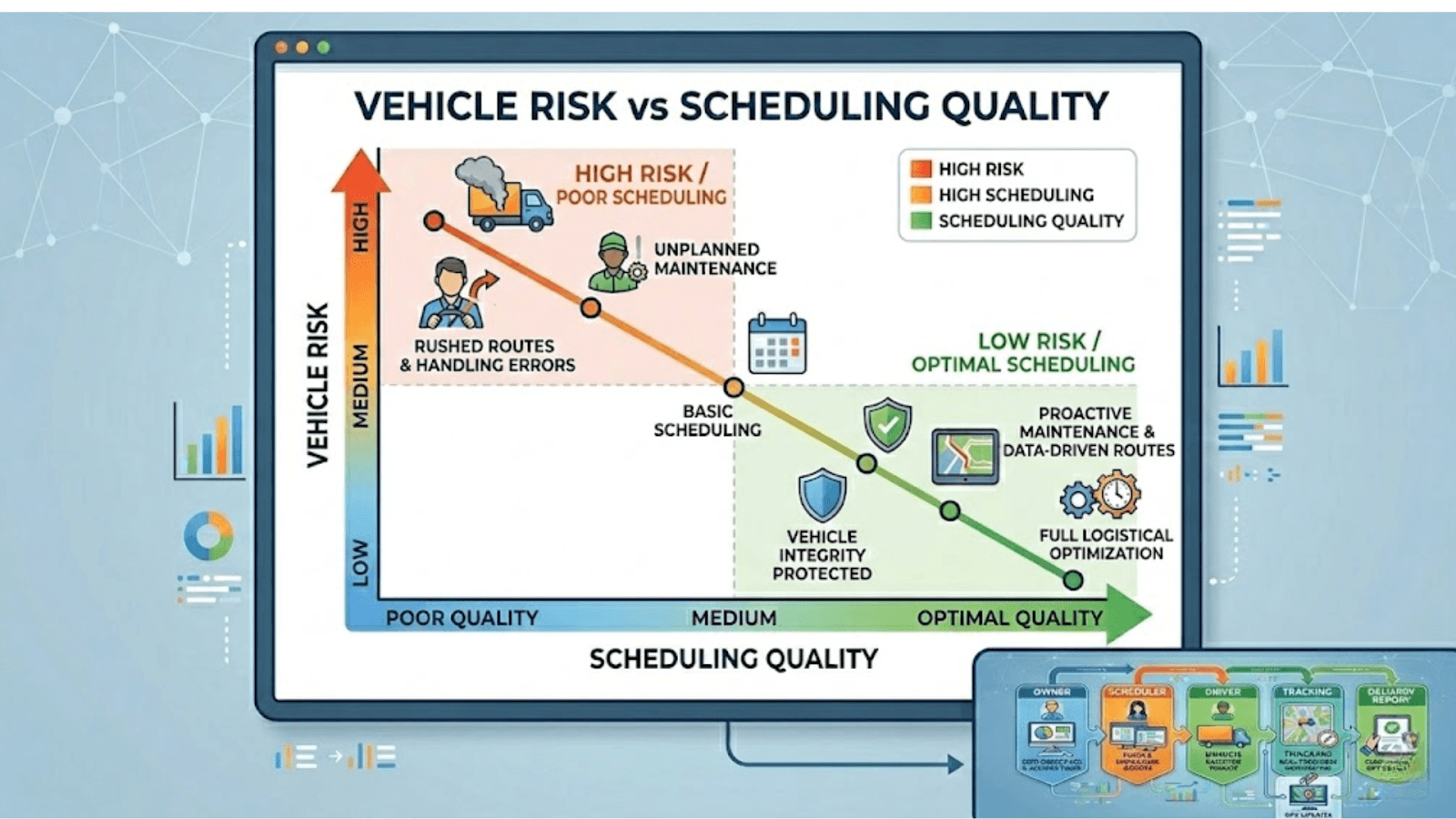
When logistical planning is fragmented, the vehicle is the primary recipient of the resulting damage. Fragmented planning often creates a "domino effect" of risks that can compromise both the aesthetic and mechanical integrity of the car.
The Risks of Transit Delays and Idle Time
Poor scheduling often leads to excessive idle times in transit hubs. When a car sits stationary for too long in an uncoordinated logistics chain, it faces several threats:
Environmental Exposure: Prolonged stays in open hubs expose the exterior to industrial fallout, bird droppings, and fluctuating weather conditions that can etch into the clear coat.
Operational Pressure: A lack of coordination can force drivers to meet unrealistic deadlines. This pressure increases the likelihood of aggressive driving or improper securement as handlers rush to make up for lost time.

Identifying Vulnerabilities Through Technology
To prevent these outcomes, professionals utilize vehicle condition report software to establish a precise baseline of the car's state before it enters the logistics chain. Monitoring tools, such as those modeled after the CarMax vehicle condition assessor, provide a rigorous framework for identifying existing vulnerabilities.
If a schedule is too tight, handlers may overlook a "condition detected with a vehicle controller," such as a minor sensor error or a slow fluid leak. In a rushed environment, these small issues can escalate into a total mechanical failure during transit.
Preserving Value with Proper Sequencing
By utilizing a smart transportation schedule, owners ensure that there is ample time for a thorough inspection. This "buffer time" prevents minor issues from becoming major liabilities. Proper sequencing ensures that a vehicle is never moved under duress, effectively preserving its market value and mechanical longevity for years to come.
Key Features of a Smart Transportation Schedule
A truly "smart" schedule is characterized by its ability to integrate multiple data points into a cohesive movement plan. This includes real-time route optimization, predictive weather analysis, and integration with a vehicle condition report. Unlike static timelines, a smart schedule is dynamic, allowing a transportation scheduler to adjust for delays without compromising the vehicle’s safety. Many modern systems draw inspiration from large-scale municipal and private models to maintain high standards of reliability.
For example, high-volume systems like the DDOT transportation schedule or the BARTA transportation schedule rely on precision timing to maintain fleet health. Similarly, private sector services such as the Groome transportation schedule and the UB transportation schedule demonstrate how consistent intervals reduce the strain on vehicle components. Key features of these advanced schedules include:
Automated maintenance alerts triggered by mileage or engine hours.
Real-time GPS integration via transportation scheduling software.
Synchronized "rest windows" to prevent driver fatigue and vehicle overheating.
Digital integration to ensure compliance with safety hour regulations.
Preparing Your Vehicle for Scheduled Transport
Preparation is a critical phase that must be completed before the smart transportation schedule commences. Approaching this stage with a methodical mindset ensures that your vehicle is both mechanically ready and legally protected before it leaves your sight.
Conducting a Pre-Transport Audit
The first step involves a comprehensive mechanical audit to ensure the car can drive vehicles under operational conditions safely during the loading process. A vehicle that struggles to start or brake can lead to loading delays that disrupt the entire logistics timeline.
Owners should document the current state of the asset using a vehicle condition report PDF. This document serves as a vital legal and technical reference point in the event of a discrepancy upon delivery. To ensure the report is airtight, your documentation should include high-resolution photos of:
The Undercarriage: Checking for existing leaks or frame damage.
Glass and Mirrored Surfaces: Capturing any hairline cracks or chips.
The Interior: Documenting the state of upholstery and dashboard electronics.
Essential Mechanical Readiness
To maintain the integrity of the smart transportation schedule, you must ensure the vehicle is prepared for the physical rigors of the journey. This involves basic yet vital maintenance steps:
Fluid and Tire Maintenance: Ensure that all fluids are topped off and tire pressures are set to factory specifications. This prevents "flat-spotting", a common issue where tires lose their roundness during extended periods of being strapped down.
System Deactivation: It is essential to deactivate all toll tags and sensitive alarm systems. Failing to do so can result in a dead battery upon arrival or unnecessary toll charges accumulated while the vehicle is on the trailer.
Clear communication with the carrier regarding the schedule ensures that the vehicle is ready for a "white-glove" pickup. This minimizes the time the car spends idling on the street or sitting in a vulnerable loading zone, keeping the entire operation on track.
Vehicle Preparation Checklist
Methodical preparation ensures your vehicle is mechanically ready and legally protected before transport begins.
Phase | Task | Description |
Documentation | Condition Report | Complete a Vehicle Condition Report PDF to serve as a legal reference point. |
Photo Audit | Capture high-res photos of the undercarriage, glass/mirrors, and interior electronics. | |
Mechanical | Operational Audit | Ensure the vehicle starts, steers, and brakes reliably for safe loading and unloading. |
Fluids & Tires | Top off fluids and set tires to factory PSI to prevent "flat-spotting" while strapped down. | |
Systems | Toll Tags | Deactivate or remove all toll tags to avoid charges accumulated during transit. |
Alarms | Disable all sensitive security systems to prevent battery drain while on the trailer. | |
Security | Personal Items | Remove all loose items from the cabin and trunk to ensure weight compliance and safety. |
Benefits of Using Transportation Scheduling Software
The transition from manual logs to transportation scheduling software has revolutionized vehicle protection. These platforms provide a centralized "command center" where every aspect of the transit is monitored. One of the most significant benefits is the reduction of human error; the software can automatically flag a "condition detected with a vehicle controller," allowing for immediate intervention. This proactive approach prevents vehicles from being operated when they are at risk of mechanical failure.
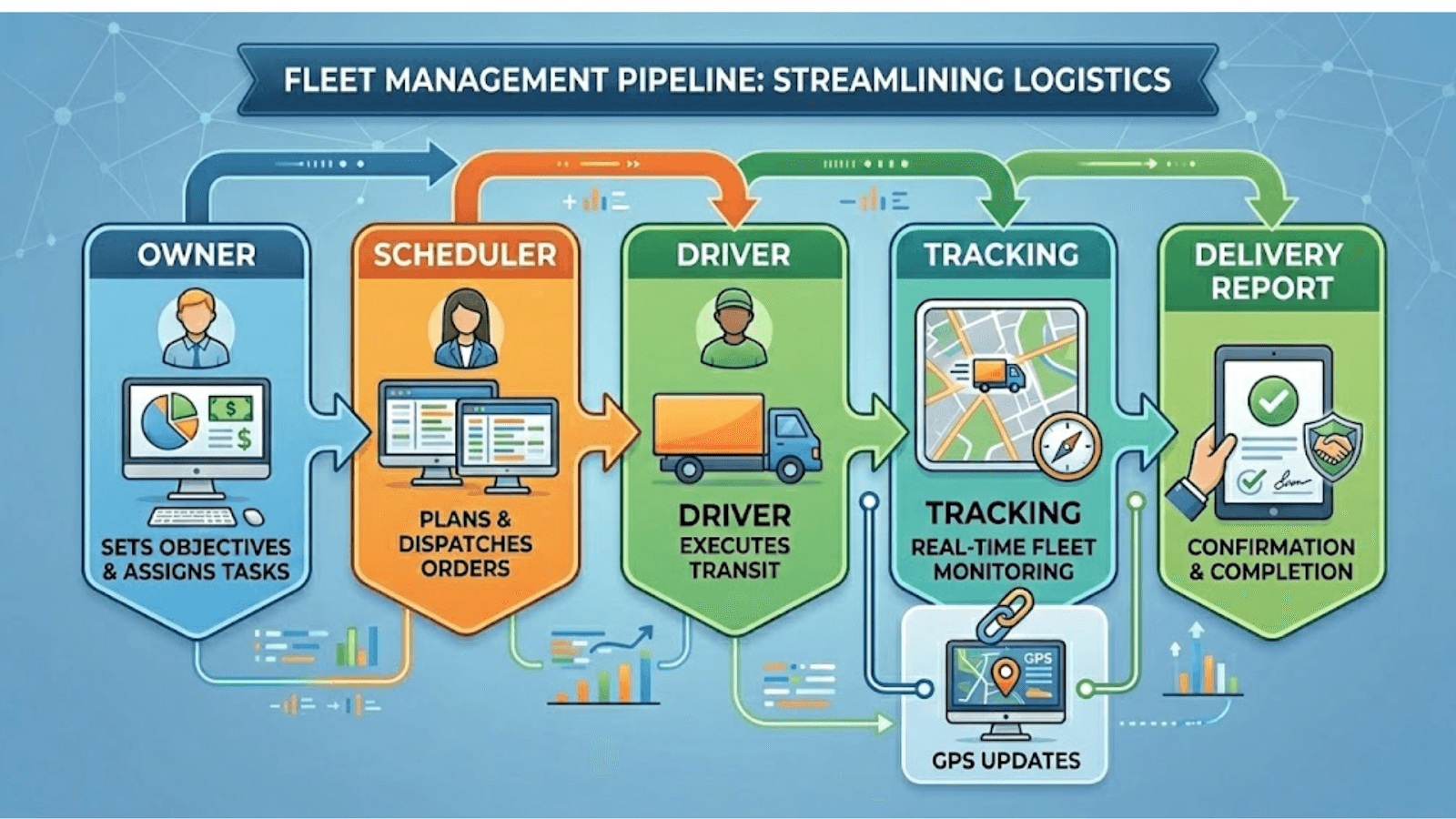
Furthermore, software integration allows for better communication between the owner, the transportation scheduler, and the driver. Features such as real-time digital vehicle condition report software updates ensure that any changes in the vehicle's status are logged instantly. This transparency builds trust and ensures that the vehicle is handled according to the highest industry standards. By automating the logistical workflow, software preserves the integrity of the vehicle by:
Optimizing routes to avoid road construction and poor terrain.
Ensuring maintenance is performed on time via automated reminders.
Maintaining a digital "paper trail" for insurance and resale purposes.
Case Studies: Fleet and Individual Vehicle Protection
Real-world applications demonstrate the tangible value of a smart transportation schedule. In the public sector, the Washington State Department of Transportation ferry schedule serves as a prime example of how rigid, well-communicated timing prevents congestion and minimizes the salt-air exposure for vehicles waiting at terminals. By adhering to a strict schedule, the department reduces the idle time of thousands of vehicles daily, preserving their exterior finishes and reducing fuel waste.
In the private sector, individuals buying a car out of state often face the challenge of coordinating multiple legs of a journey. A case study involving a classic car collector showed that by utilizing a dedicated transportation scheduler, the owner was able to sync a cross-country move with specific weather windows. This prevented the vehicle from being exposed to a late-winter blizzard. This level of planning, documented through a vehicle condition report PDF, ensured the car arrived in showroom condition, ready for the owner to register an out-of-state car in CA without the delays caused by transit-related repairs.
Special Considerations for Buying and Shipping Cars Out of State
The process of buying a car out of state introduces unique logistical hurdles that only a smart transportation schedule can solve. From the moment the sale is finalized, the clock begins ticking on both the vehicle's physical condition and the legal requirements for registration.
A well-coordinated schedule is essential for managing the following cross-border challenges:
Registration Timelines: If you are looking to register an out-of-state car in CA, you must coordinate a smog check and a VIN verification within a strict timeframe. A smart schedule ensures your car arrives with enough time to complete these steps before temporary permits expire.
Climate Transitions: When you learn how to ship a car out of state, you must account for varying operational conditions. A vehicle moving from a humid climate to an arid one can experience seal shrinkage or fluid changes.
Environmental Protection: A transportation scheduler accounts for these shifts, often recommending enclosed transport or specific maintenance checks upon arrival to protect the vehicle's interior and mechanical seals.
Regulatory Oversight: By monitoring the vehicle through a vehicle condition report at every state line or major hub, owners can ensure that any "condition detected with a vehicle controller" is managed immediately.
This level of oversight is the only way to guarantee that an out-of-state purchase remains a sound investment. By aligning the delivery date with your local DMV appointments and mechanic's availability, you eliminate the risk of the vehicle sitting idle and unprotected.
Expert Tips for Maintaining Vehicle Condition During Transit
Prioritizing your vehicle’s health starts with a clear understanding of the logistics chain. Below are concise responses to the most common inquiries regarding transport standards and protective measures for high-value assets.
How often should a vehicle condition report be updated during a long-distance move?
Ideally, a report should be updated at every major transit hub or state line crossing. This frequent logging helps isolate the exact location and timing of any potential cosmetic or mechanical incidents.
Can a vehicle be monitored for "condition detected with a vehicle controller" during transit?
Yes, if the transport provider utilizes telematics, they can monitor diagnostic trouble codes (DTCs) in real-time. This is highly recommended for modern luxury vehicles equipped with complex onboard computers.
What is the most effective way to protect a vehicle’s paint during long-distance shipping?
The most effective method is utilizing enclosed, climate-controlled transport. This creates a barrier against airborne pollutants, road salt, and UV radiation, which are the primary causes of finish degradation.
Why is it important to confirm the driver's experience with the specific car model?
Each vehicle has unique loading requirements, particularly regarding ground clearance and suspension settings. A driver familiar with your specific model is less likely to cause accidental damage during the loading and unloading process.
What should I do if the final vehicle condition report differs from the initial inspection?
Immediately document the discrepancy with high-resolution photos, notify the carrier in writing, and file a formal claim with the transport company’s insurance provider before signing off on the final delivery.
Planning for Long-Term Vehicle Health Through Scheduling
The integration of a smart transportation schedule into your long-term vehicle maintenance plan is a proactive measure that pays dividends in safety and asset value. By moving beyond reactive shipping, owners and fleet managers create a predictable rhythm of transit that allows for scheduled maintenance, regular inspections, and careful route planning. This systematic approach reduces the "surprise factor" associated with unexpected repairs and ensures that vehicles are always operating under optimal conditions.
A well-executed schedule acts as a buffer against common logistical hazards, ensuring that the necessary time is allotted for the rigorous documentation provided by vehicle condition report software. Whether you are an individual collector or managing a complex logistics chain, the transition to automated scheduling represents the highest standard of care in the industry.
Ultimately, professional scheduling transforms the way we move high-value assets, turning a potential liability into a highly controlled, safe, and efficient process. To begin optimizing your own logistics, consider auditing your current transport needs and implementing dedicated scheduling software or consulting with specialized transport experts. Take the next step in protecting your vehicle. Request a quote for expertly managed transport services.