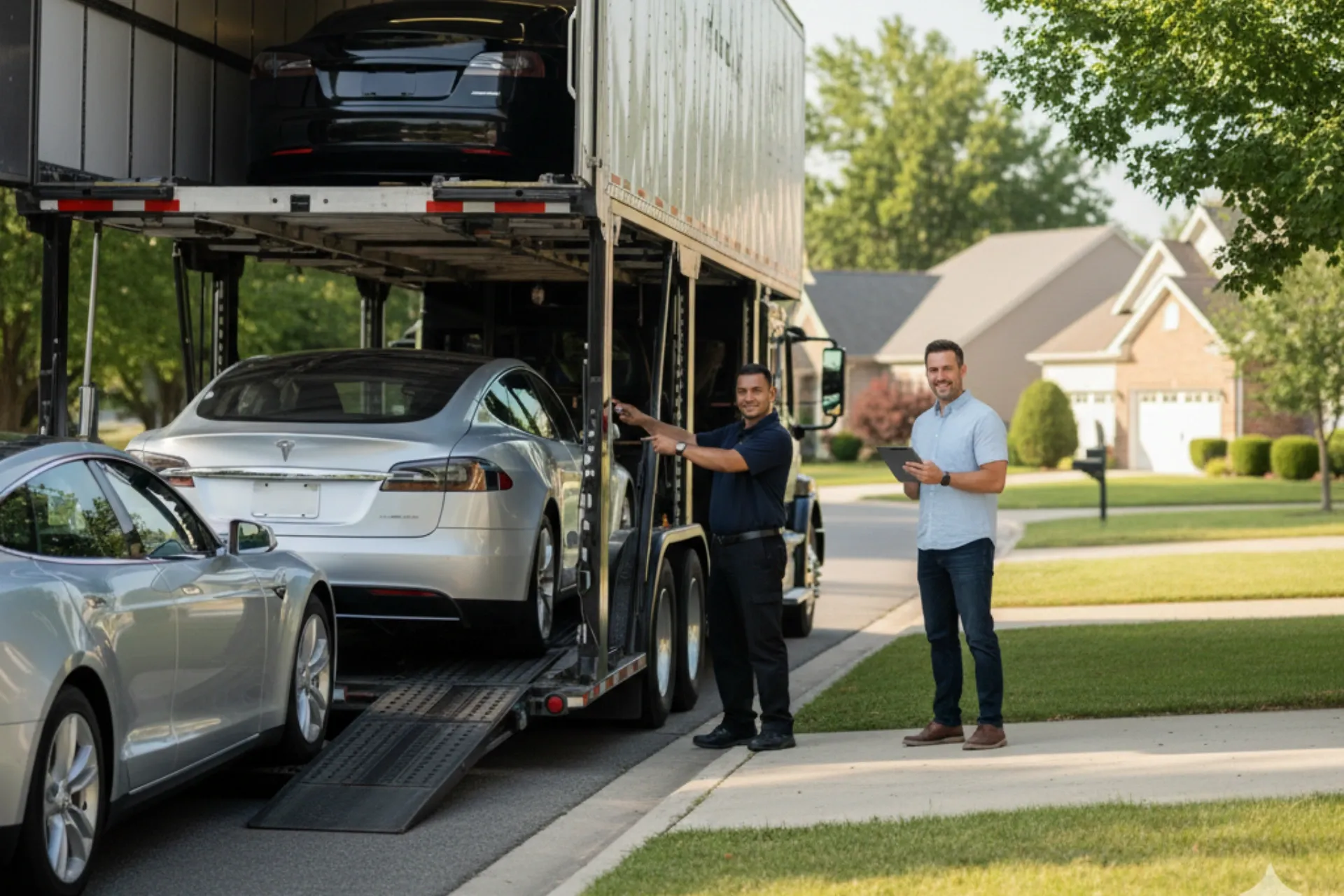
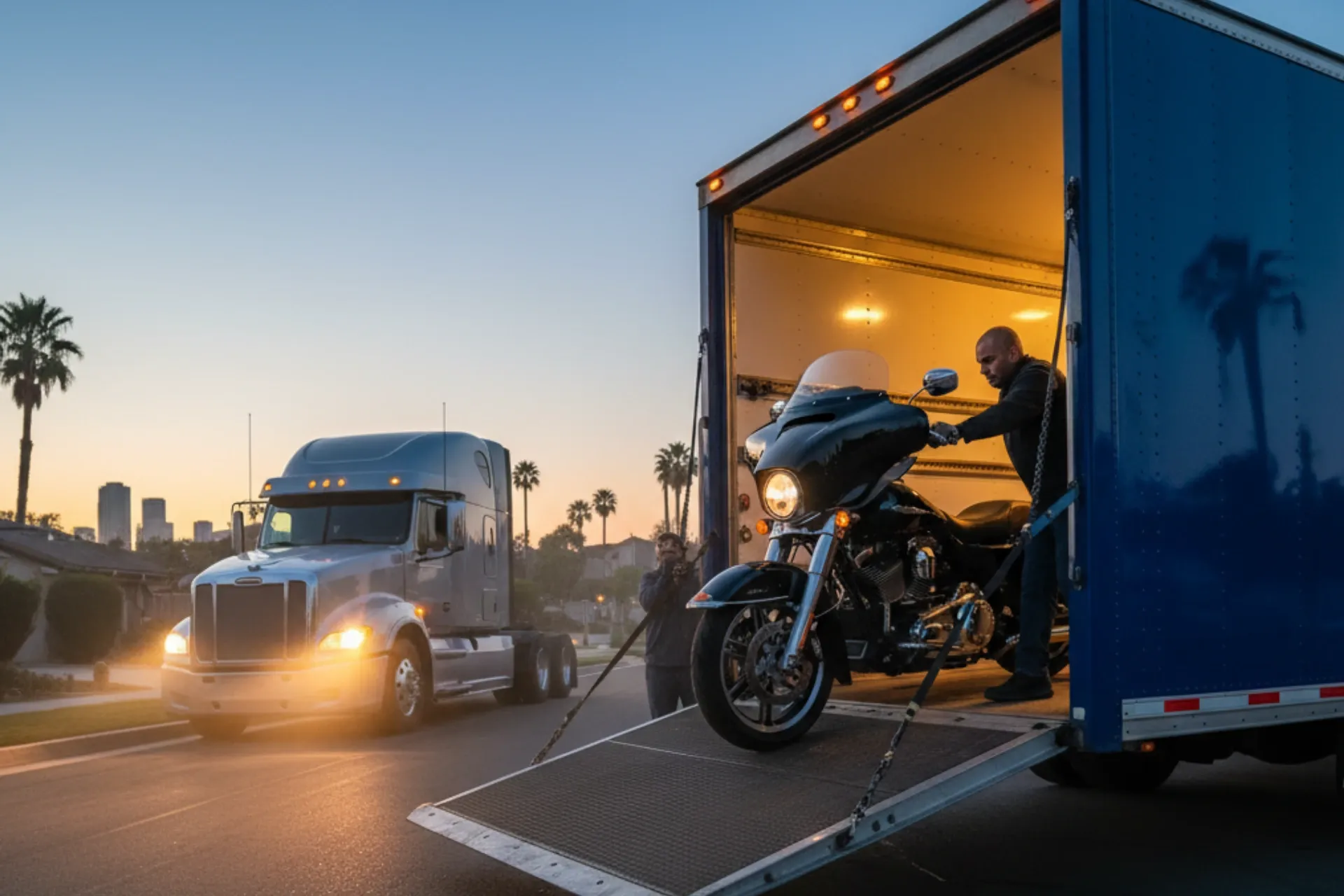
Planning to prepare car for shipping, whether across the state or the country? Knowing what to do ahead of time makes the process smooth. A proper car inspection before transport is critical. If you follow a simple auto shipping checklist, you prevent issues and protect your investment.
This vehicle preparation guide gives you simple, actionable steps to make your vehicle ready for the road. Use these car shipping tips to ensure safe transport with auto movers.
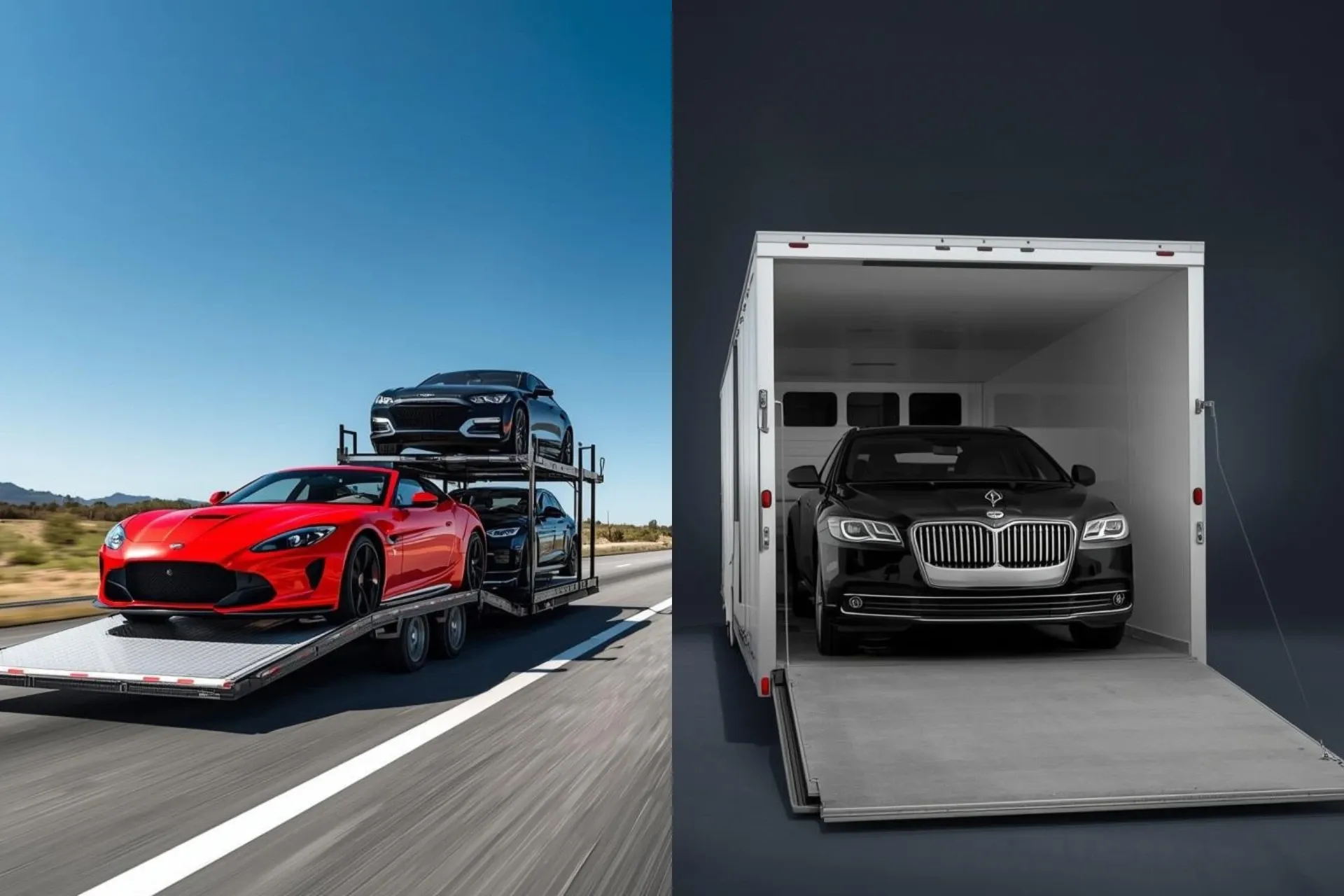
Ready to ship your car safely and easily? Get a fast, free quote for your transport needs, whether you need Open Auto Shipping or Enclosed Auto Transport.
Understand The Importance Of Proper Vehicle Preparation
You must take vehicle preparation guide steps seriously. Your readiness directly affects safety and your money.
Proper preparation ensures the carrier can safely load and secure your vehicle. This reduces risk on the road.
When you do a thorough car inspection before transport, you create a clear record. That record is essential for car shipping insurance prep and for any claims that could happen.
Local vs. Interstate Shipping Prep
The main difference between local and interstate shipping is the distance and inspection depth.
Local Transport: Car prep local transport usually means a quicker trip. Carriers may be slightly less strict on fuel levels, but your pre transport inspection is still a must.
Interstate Shipping: This is a long-haul move. The Federal Motor Carrier Safety Administration (FMCSA) oversees interstate commerce. You can check a carrier's safety record on the FMCSA SAFER Server. You must follow all guidelines for things like car battery transport safety and how you remove personal items car shipping.
Longer distances mean more handling and greater risk over time, so your prep must be better
Why Bad Prep Causes Delays
If you skip parts of the auto shipping checklist, you risk delays or claim disputes.
A carrier can refuse your vehicle if it is leaking fluids or if a pre transport inspection shows damage that you did not document. This forces a delay while you fix the issue.
Poor prep also complicates claims. If you do not have car inspection photos from before the move, disputing damage becomes much harder. Protect yourself by completing every step on the vehicle handover checklist.
Start With A Thorough Vehicle Cleaning
You need to know how to clean car before shipping. It's not just about appearances. A clean car is necessary for accuracy. Dirt and grime can hide scratches or small dents. If the car is dirty, the driver might miss existing damage during the initial walk-around.
This is why you must give your car a proper wash before the carrier arrives. This lets the driver perform a clear car inspection before transport. When the car is spotless, any existing damage is visible and easy to document with car inspection photos.
Exterior and Interior Steps
Start with the exterior. Wash it thoroughly, removing all road film, bugs, and dirt. As you wash, look for any damage. Note existing chips, rust spots, or dents. This helps you prepare car for shipping and creates your baseline record.
Next, focus on the interior. This is a critical step to remove personal items car shipping. Carriers cannot transport household goods or personal belongings.
Vacuum the seats, carpets, and trunk.
Throw out all trash and loose change.
Remove all detachable accessories like air fresheners, toll transponders, and dashboard mounts. This is part of the overall vehicle preparation guide.
Check out this guide for more on what to clear out: Can I Ship My Car With Stuff In It?.
Special Attention for Enclosed Shipping
If you chose preparing for enclosed shipping, you are already protecting your vehicle from road debris. Even so, the same cleaning rule applies. A professional driver expects a clean, empty vehicle. This makes the pre transport inspection simple and quick. It ensures your car delivery readiness is complete.
We recommend doing a deep clean. This shows the carrier you care about your vehicle. That attention to detail helps ensure a safe car shipping tips experience from start to finish.
Conduct A Detailed Pre-Shipping Inspection
The pre transport inspection is the most important step in the entire vehicle preparation guide. This is your chance to document the exact condition of your car before shipping your car. A detailed car inspection before transport protects you financially and ensures car delivery readiness. By performing this check, you help the auto movers safely handle your vehicle.
You need to act like a professional and be meticulous. Do not rush this part of the auto shipping checklist. When you take the time for this, you set up a strong defense for any potential issues during the move. Your goal is to have a complete record of the vehicle's state.
What To Include In Your Car Inspection Checklist
You should go over every part of your vehicle. This comprehensive check is key to a smooth process.
Start with the exterior. Look closely for existing damage. Document every chip, scratch, or small crack in the windshield or lights. This is where your earlier cleaning helps—you will spot every flaw. Next, move inside the car.
Check the seats, dashboard, and door panels for stains or tears. Test the electronics, like the radio and power windows, and confirm all interior and exterior lights work.
Now, check the mechanical condition. Even if it is not running, note any leaks. Check the tire pressure; proper inflation is critical for safe loading and transport. Make sure fluid levels are correct.
Finally, focus on car battery transport safety. The battery must be secured. If your vehicle is non-running, the carrier needs to know exactly what they are dealing with. Knowing the vehicle is mechanically sound, or having any issues noted, is vital for the vehicle handover checklist.
Capturing Photo And Video Documentation
You must have solid evidence of your vehicle's condition. High-quality car inspection photos are not optional; they are your insurance against a dispute.
To get the best shots, take pictures outside on a clear day. Good natural light is essential. Avoid taking photos in a dark garage. You need to capture every angle of the car: the front bumper, rear bumper, both sides, the roof, and the interior.
If you see existing damage, take a close-up photo and then a wider shot showing the damage in context. Take a picture of the odometer showing the current mileage.
The most helpful images are timestamped. Use your phone's camera settings to ensure the date and time show up on the photos, or use an app that adds a reliable timestamp. This proves exactly what the car looked like right before the carrier picked it up.
This step is a huge part of car shipping insurance prep. If you follow these safe car shipping tips, you give yourself the best protection. You can even create a short video walk-around, narrated, pointing out any damage.
Remove Personal Items And External Accessories
You must remove personal items car shipping before the driver arrives. Auto movers prohibit personal belongings for several reasons. Insurance policies only cover the vehicle itself. They do not cover loss or damage to your personal property inside the car. Also, federal regulations restrict carriers from transporting household goods without the proper license.
This part of your auto transport readiness is non-negotiable.
Step-by-Step Removal
You need to clear out everything. Start by removing easy-to-forget items:
Toll tags, like E-ZPass or SunPass. They can cause unwanted charges during transport.
Parking passes, especially magnetic or hanging ones.
GPS units, phone mounts, and chargers.
Any loose items in the glove box, console, or trunk.
A clean interior is part of your vehicle preparation guide. If the driver finds non-essential items, they might refuse to take the car.
Securing Exterior Parts
Next, focus on external parts. These items can become hazards on the road.
If possible, take off external accessories:
Bike racks or ski racks.
Non-retractable antennas. If the antenna retracts, push it down.
Loose or custom spoilers. If a spoiler feels shaky, remove it or secure it tightly.
Securing these prevents them from getting damaged or causing damage to other vehicles on the trailer. This is a crucial step in preparing for safe car shipping tips.
What Can Stay?
What is allowed to stay? Generally, only factory-installed equipment and items essential to the car's operation are okay. Things like the spare tire, jack, and owner's manual are fine. If you are preparing for enclosed shipping, the rules are the same. Your goal is a stripped-down, clean vehicle ready for the road.
Ready to confirm your vehicle meets all the transport requirements? Check our 7 Steps to Transporting a Vehicle for the First Time for a deeper look at the whole process.
Check Mechanical And Battery Readiness Before Pickup
Your vehicle must be operational for loading and unloading, even if the trip is short. This part of the car prep local transport and interstate process ensures car delivery readiness on both ends.
You need to check the basics first. Confirm your tires are inflated to the correct pressure. The brakes must work. A carrier needs to drive your car short distances onto the truck, so it has to stop.
Check all fluid levels. That includes oil, coolant, and brake fluid.
Battery and Leaks
A key part of auto transport readiness is the battery. You must ensure the battery is charged and securely mounted. This prevents power loss during the move. Secure mounting is a non-negotiable step for car battery transport safety. A loose battery is a hazard.
Before the vehicle handover checklist begins, look under your car. Carriers will not take a vehicle that is leaking any fluids. You need to address oil, transmission fluid, or coolant leaks right away. Fixing any leaks is a vital action to prepare car for shipping.
Warning Lights and Fuel
If you have any dashboard warning lights on, fix the underlying issue before the carrier arrives. The driver notes these things in the pre transport inspection. You need to show that you have prepared the car responsibly.
Finally, set the fuel level. The safe car shipping tips rule is to have about a quarter tank of gas, but no more. This provides enough fuel for loading, unloading, and any short drives at the destination, but it keeps the vehicle lighter. This also helps with how to prepare for auto movers and ensures a smoother process.
Prepare Essential Documents And Insurance Coverage
You have completed your vehicle preparation guide steps. Now focus on the paperwork. Having all the right documents in order is the final part of your auto transport readiness. This prevents any last-minute issues when the carrier arrives.
Required Documents for the Driver
The driver needs specific documents to move your car legally and correctly.
The most important paper is the Bill of Lading (BOL). The driver provides this at pickup. It is a legal contract, a receipt, and the official report documenting the car inspection before transport. You must check this carefully against your own car inspection photos and sign it. This is proof of the vehicle's condition when it leaves your possession.
You should also have a copy of your vehicle registration and personal auto insurance card ready. While the car is on the carrier's truck, their cargo insurance takes primary coverage. However, the registration proves ownership, and your personal insurance offers another layer of security, especially for damages outside the carrier's liability, like "Acts of God."
Reviewing Insurance Coverage
You need to understand the insurance provided. Every licensed carrier must carry liability insurance, which covers damage that occurs during transport. This is your car shipping insurance prep.
Review your carrier's coverage details. You should know the deductible and the limit of coverage. Remember that the carrier's insurance covers damage from transport; it does not cover existing issues noted on the BOL. For complete peace of mind, Safeeds Transport offers AFTA GAP Protection for superior coverage beyond the carrier’s basic insurance.
To verify a transporter's credentials, you should check their company information on FMCSA Server. This shows you their safety rating and insurance status. You need to confirm the carrier's insurance is active and meets federal requirements.
Keeping Copies and Backups
Before handing over your car, make copies of everything. Take pictures of the signed Bill of Lading, your car inspection photos, and any other related papers. Keep a digital backup of all these documents in the cloud or on your phone.
You need these records to quickly reference your auto shipping checklist and condition report. If you need to file a claim, the clear documentation will make the process much faster. This simple step finalizes your process of before shipping your car. You have done everything you can to ensure a successful move.
Final Steps For Vehicle Handover
The driver has arrived. Now is the time to confirm your full auto transport readiness. These final steps make sure the handover and eventual delivery go smoothly. This is where your safe car shipping tips preparation pays off.
Pre-Transport Inspection
The driver will conduct their own pre transport inspection. This walk-around is essential. You must be present for it. Compare their findings against your own car inspection photos and car prep checklist PDF. Note any minor disagreements. This shared inspection is part of the professional process of how to prepare for auto movers.
Condition Verification
The Bill of Lading (BOL) is what verifies the vehicle's condition. The driver will mark any existing dents, scratches, or wear on this document. You need to verify that what they mark matches what you found. Do not sign the BOL until you agree with the damage report. This BOL becomes your final vehicle handover checklist record for the start of the journey.
Delivery Instructions
Before the car is loaded, clearly communicate the delivery instructions. Confirm the drop-off address and the correct contact phone number. If the destination is hard to reach, discuss a safe alternative spot. When preparing for enclosed shipping or open transport, clear communication with the driver is vital for car delivery readiness.
Upon Delivery
At the destination, you must perform a post-shipping inspection immediately. Compare the car's current state against the signed Bill of Lading from pickup. If you see any new damage, note it immediately on the BOL before signing the final delivery. This is your last chance to document damage. Following these car shipping tips ensures a safe, accountable delivery.
Common Queries Before You Ship
Here are some specific questions people often ask as they finalize their preparations for car transport.
Should I drain the gas tank completely before shipping your car?
No. You need about one-quarter of a tank of gas. This is enough for the carrier to drive the vehicle for loading and unloading, but it avoids unnecessary weight during transport.
What should I do about my electronic toll pass or parking sticker?
You must remove personal items car shipping like toll tags and parking passes. They can trigger charges during transit. Remove these accessories before the driver's pre transport inspection.
Does the cost change if I choose local transport vs. interstate shipping?
Yes. The distance greatly affects the price. Car prep local transport costs less than interstate shipping because of shorter transit times and less fuel and labor required.
What if my car is lowered or has a custom spoiler?
You should inform the auto movers right away. Low-clearance cars or custom parts like spoilers may require flatbed or preparing for enclosed shipping to avoid damage on the ramp.
How long before the pickup date should I book to ensure transport readiness?
Book your shipment one to two weeks in advance. This allows enough time to complete your auto shipping checklist, perform the car inspection before transport, and confirm the carrier details.
Make Move Your Vehicle With The Trusted Carrier
You hold the control for a successful shipment. Following this comprehensive vehicle preparation guide—from thorough cleaning and taking car inspection photos to securing mechanical readiness—minimizes risk. You eliminate delays when you complete your auto shipping checklist correctly. Remember, a clean, documented car makes the pre transport inspection simple for the auto movers.
You protected yourself with proper car shipping insurance prep and by knowing what to remove personal items car shipping. These safe car shipping tips ensure your vehicle is ready for the road, whether you need car prep local transport or cross-country service. Finalizing the Bill of Lading and confirming delivery instructions are the last steps to achieve full car delivery readiness.
Ready to ship your car safely and efficiently? Get a fast, free quote now and let our auto movers handle your vehicle's transport with expertise and full accountability nationwide.