GPS Tracking Devices for Cars for Shipment Transparency

Safeeds
April 23, 2026
18 min read

Share post

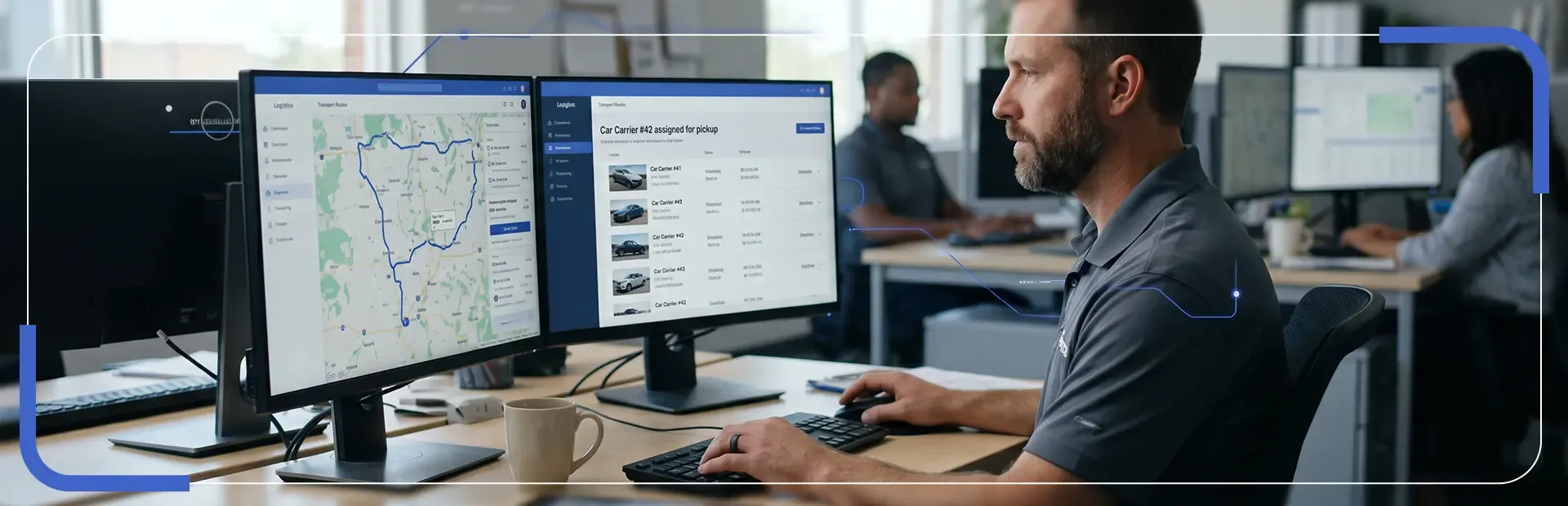
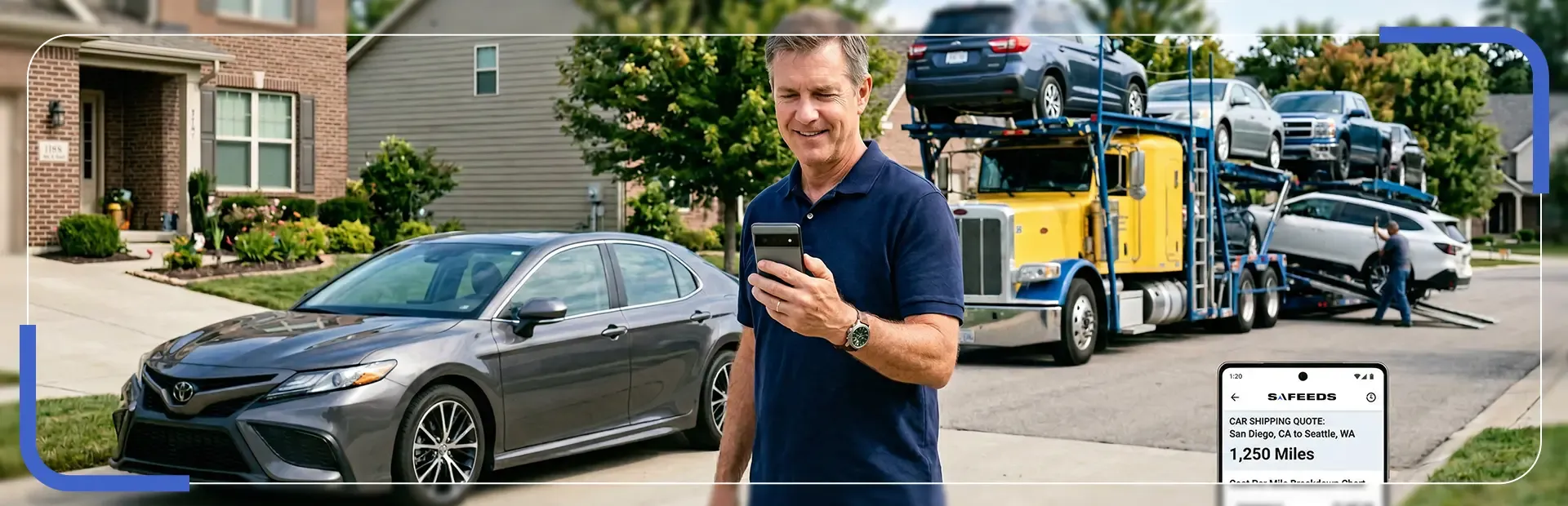
Shipping a vehicle often comes with one big concern: not knowing exactly where your car is or when it will arrive. This lack of visibility can create unnecessary stress, especially for first-time shippers. That’s why GPS tracking devices for cars have become a valuable solution, offering real-time updates, improved security, and complete shipment transparency. Instead of relying solely on occasional carrier updates, you can actively monitor your vehicle’s journey and stay informed at every stage.

With advancements in real-time vehicle tracking and smart monitoring systems, car shipping is becoming more transparent and customer-focused than ever before. At Safeeds Transport, we recognize how important peace of mind is during transit, which is why modern tracking options play a key role in creating a smoother, more reliable shipping experience.

If you’re planning to ship your car and want full visibility from pickup to delivery, now is the time to take the next step. Get a quote today and ship your vehicle with confidence, clarity, and control.

Why Shipment Transparency Matters in Car Shipping

For most individuals, a vehicle represents a significant financial investment. When that asset is loaded onto a trailer for cross-country transport, the lack of visibility can create a "black box" effect, leading to unnecessary stress. Modern shipment transparency eliminates this uncertainty, replacing outdated manual updates with a reliable, data-driven connection between the owner and the vehicle.

  • Building Foundational Trust: Transparency is a fundamental requirement that builds a bridge of trust between the customer and the transport provider.

  • Eliminating Information Gaps: By using GPS tracking devices for cars, owners no longer have to rely on delayed manual phone updates from drivers during long hauls.

  • Real-Time Progress Monitoring: The ability to track car shipment progress digitally ensures the vehicle remains on the correct route and adheres to the established schedule.

  • Enhanced Peace of Mind: Constant visibility allows you to track your car throughout its entire journey, significantly reducing the anxiety associated with long-distance logistics.

  • Streamlined Delivery Preparation: Robust car shipping tracking allows owners to see exactly when a carrier enters their local area, making it easier to coordinate the final inspection and pickup.

  • Professional Integrity: High-level transparency reduces friction, removes the need for repetitive check-in calls, and ensures a high-integrity service experience.

How GPS Tracking Devices for Cars Work in Vehicle Transport

Understanding the mechanics of how GPS tracking devices for cars function helps demystify the technology for the average consumer. At its core, the Global Positioning System (GPS) is a network of satellites orbiting the Earth. These satellites broadcast unique signals that allow a tracker device for car units to determine their exact geographical coordinates, latitude, and longitude, with incredible precision.

The following video provides a detailed explanation of what a GPS tracker is and how it works:

Basic Technology Behind GPS Tracking

The process begins when the tracking device inside or on the vehicle receives signals from at least four different satellites. Through a process called trilateration, the device calculates its distance from these satellites to pinpoint its location. Once the location is determined, the device uses cellular networks (similar to a smartphone) to transmit that data to a central server. This information is then displayed on a map interface that the user can access via a website or mobile application. These updates can happen at various intervals, ranging from every few seconds to once every several hours.

Real-Time vs. Standard Tracking Systems

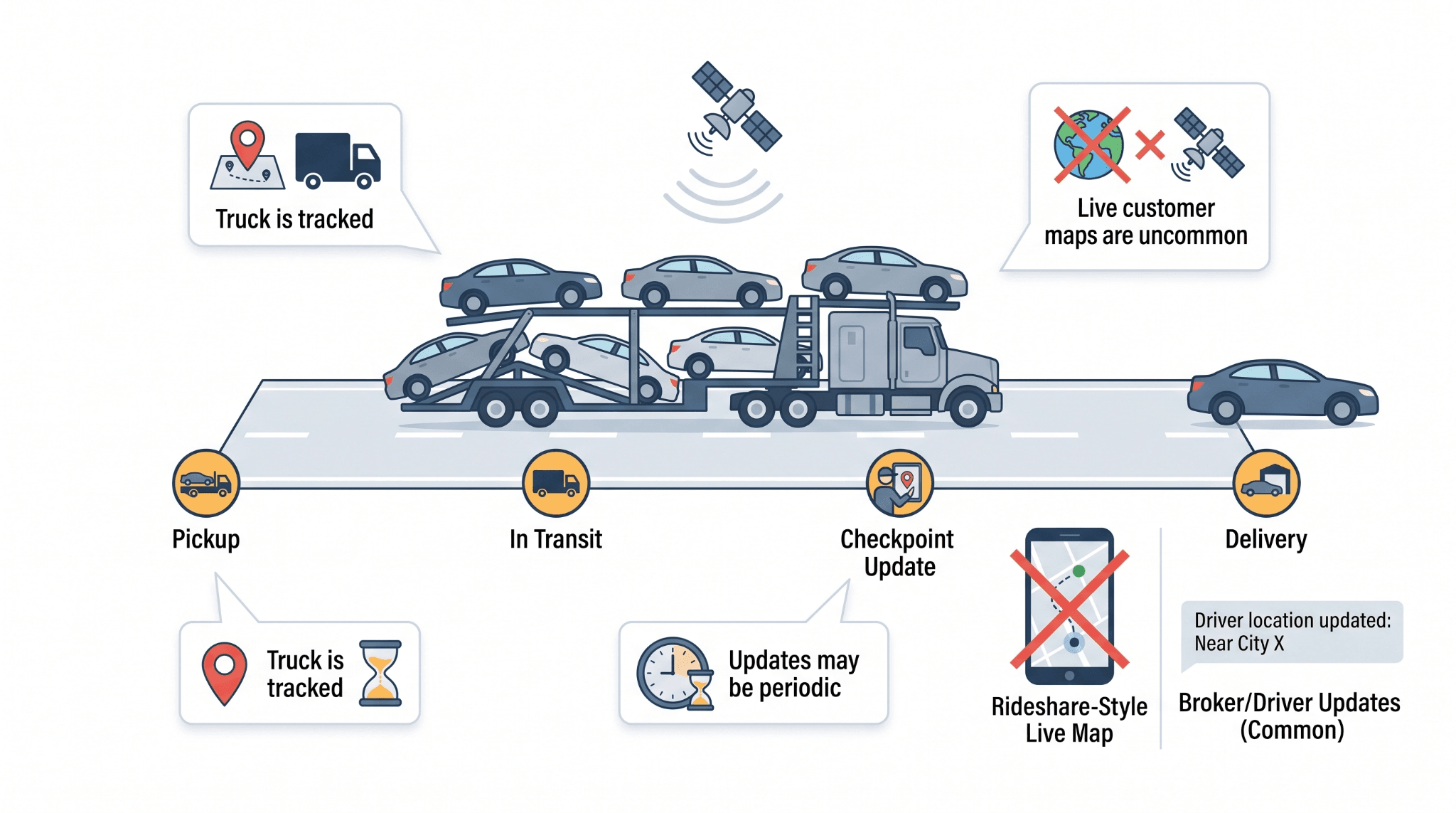
In the logistics world, there is a significant difference between a real-time GPS vehicle tracking system and standard tracking. Standard tracking often relies on "checkpoint" updates, where a driver manually logs their location at specific intervals. Conversely, real-time vehicle tracking provides a continuous stream of data.

Feature

Standard Tracking

Real Time Vehicle Tracking

Update Frequency

Manual or Daily

Every 10–60 Seconds

Accuracy

Approximate

Precise (Within feet)

Data Transmission

Driver Input

Automated Satellite/Cellular

User Access

Phone Calls/Emails

Digital Dashboard/App


Using a GPS vehicle tracker real-time solution ensures that there are no "dark periods" during transit. If a carrier encounters a traffic jam or a weather delay, the owner sees the stagnation immediately on the map, providing a much more accurate picture than a traditional status update.

Types of GPS Tracking Devices for Cars Used in Shipping

There is no one-size-fits-all solution when it comes to monitoring a vehicle in transit. Depending on whether the tracker is provided by the carrier or the owner, several different hardware options might be utilized.

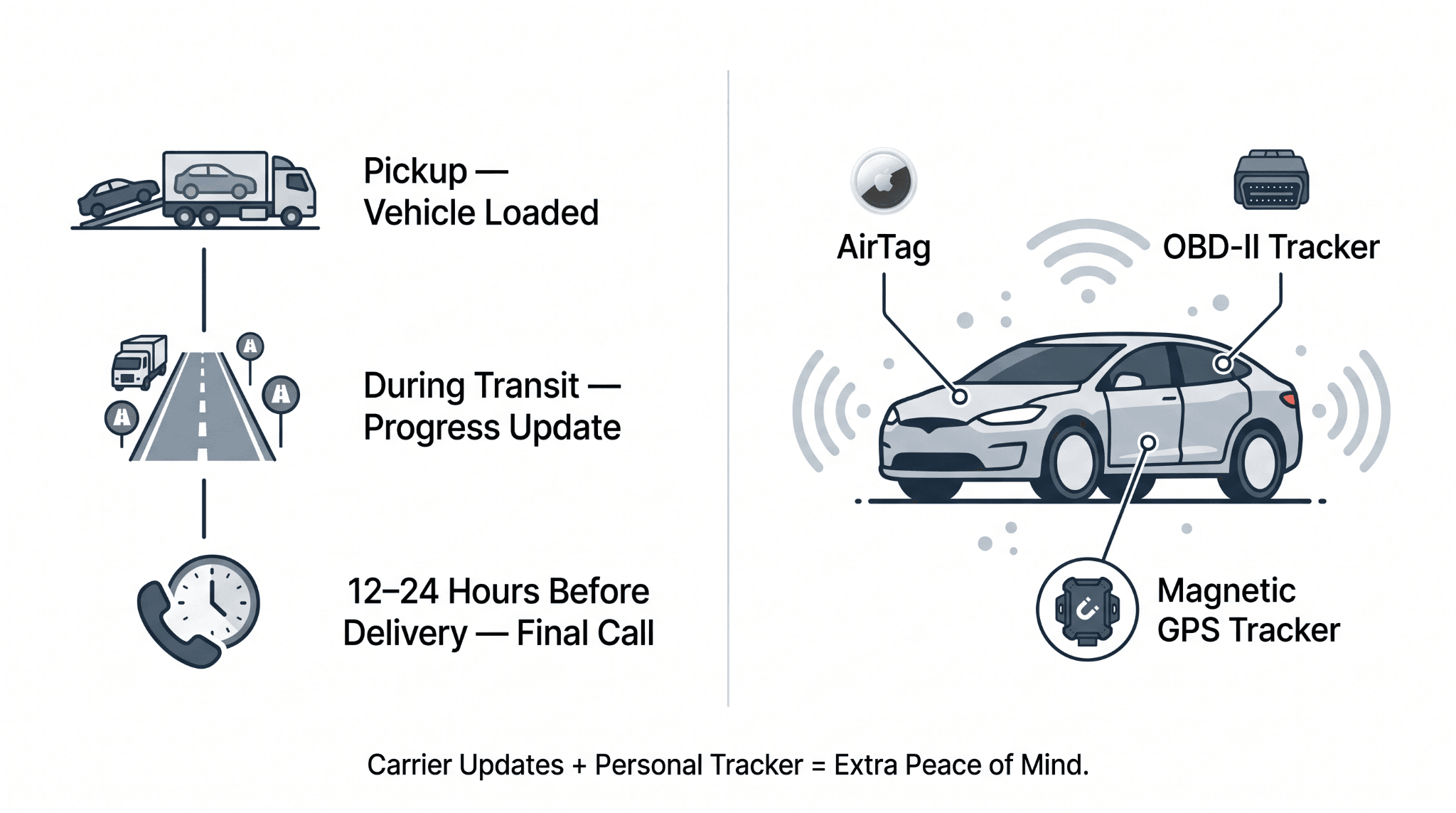
Plug-in GPS Tracking Device for a Car

These are among the most common real-time tracking devices for vehicles. They typically plug directly into the vehicle's On-Board Diagnostics (OBD-II) port, which is found in almost every car manufactured after 1996. Because they draw power directly from the vehicle’s battery, they never run out of charge, making them ideal for long-distance hauls. They are highly accurate and can often provide secondary data, such as the vehicle’s speed or engine health.

Magnetic GPS Tracking Device for Cars

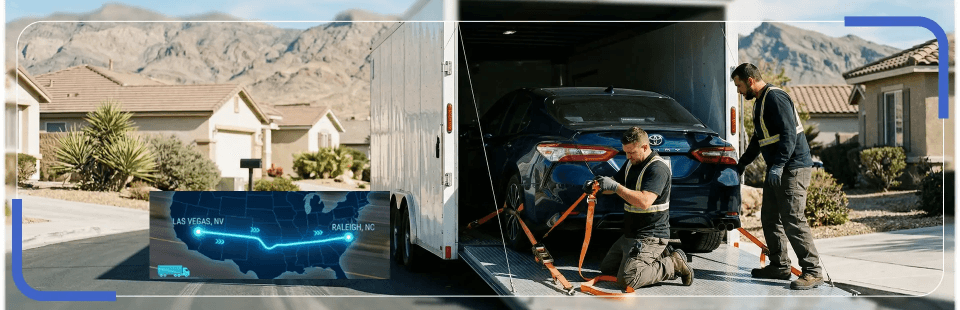
A magnetic tracking device for cars is a portable, battery-powered unit housed in a weather-resistant casing. These are frequently used by carriers who move cars on open trailers. The device is simply "slapped" onto the frame of the vehicle or the trailer. Because they are self-contained and require no wiring, they are incredibly versatile. However, they do rely on internal battery life, which must be monitored during cross-country trips.

Hidden GPS Tracker for Car Safety

Security is a top priority during transport. A hidden tracker for car use is designed to be discreet, often tucked under seats or inside the trunk. These devices serve a dual purpose: they facilitate a real-time GPS tracking device for car monitoring for the owner while remaining invisible to potential thieves. If the vehicle is moved unexpectedly or taken off the designated route, the hidden device can trigger an immediate alert to the owner's smartphone.

Real-Time GPS Tracking Devices for Vehicles

The most advanced options are dedicated real-time tracking devices for vehicles that utilize 4G or 5G LTE networks. These units offer the fastest refresh rates and the most reliable coverage in rural areas. While they may be more expensive than a cheap GPS tracking device for cars, the level of detail they provide, including historical route playback and geo-fencing, is invaluable for high-stakes shipments.

Benefits of Using GPS Tracking Devices for Cars During Shipping

The primary benefit of a real-time vehicle tracking device is the elimination of the "information gap" between the carrier and the customer. When you can track your car at any moment, the psychology of the shipping process changes from one of worry to one of informed waiting.

  1. Peace of Mind: Knowing the exact location of your vehicle 24/7 reduces the anxiety associated with long-distance transport.

  2. Enhanced Communication: Instead of asking "Where is my car?", you can ask more informed questions, such as "I see the truck is in Denver; what is the updated ETA for the final destination?"

  3. Theft Mitigation: While rare in professional transport, a GPS tracking device for a car acts as a powerful deterrent and recovery tool.

  4. Accurate Delivery Timelines: By following the real-time vehicle tracking data, you can better coordinate your schedule to be present for the delivery inspection.

Understanding how you can track your car allows you to hold carriers accountable for their promised timelines and ensures that the transparency of the logistics industry continues to improve.

Best GPS Tracking Device for Cars: What to Look For

Selecting the best tracking device for cars involves balancing technical specifications with practical needs. Not every user requires a military-grade system; sometimes, a cheap GPS tracking device for cars is sufficient for a one-time move.

Key Features That Matter Most

When evaluating a tracker, prioritize battery life and signal reliability. A device that loses signal in "dead zones" is of little use during a cross-country trip. Look for units that offer a user-friendly mobile app with push notifications. Accuracy is also vital; according to the Federal Communications Commission (FCC), location accuracy in wireless devices has improved significantly, and your tracker should be able to pinpoint a vehicle within a few meters.

Budget vs. Premium Options

A cheap GPS tracking device for cars may offer "ping" updates every hour, which is often enough for general tracking. Premium solutions, however, offer live-stream movements and longer battery durations. If you are shipping a vintage or luxury vehicle, the investment in a high-end tracker device for a car is often justified by the added security layers.

Ease of Use for First-Time Shippers

For those unfamiliar with the technology, simplicity is key. The best tracking device for cars should be "plug-and-play," requiring minimal configuration. Look for devices that come pre-activated so you can focus on your move rather than technical troubleshooting.

The video below highlights the key features of some of the best GPS tracking devices for cars. Take a moment to explore how they work and what sets them apart:

How to Track a Car Shipment Step by Step Using GPS

Navigating the logistics of vehicle transport becomes significantly easier when you have a clear roadmap for monitoring. If you have decided to use a GPS tracking device for a car to maintain visibility, following a structured process ensures the technology performs optimally throughout the journey.

Setting Up the GPS Tracker Before Pickup

Preparation is the most critical phase. Before the carrier arrives, ensure your device is fully charged or has fresh batteries. If you are using a magnetic tracking device for cars, test the pull strength on a metal surface underneath the vehicle to ensure it will not dislodge during high-speed highway travel. Once positioned, verify that the device is communicating with the satellite network by checking the interface on your smartphone. It is far better to troubleshoot connectivity issues in your driveway than when the car is 500 miles away.

Monitoring Your Car During Transit

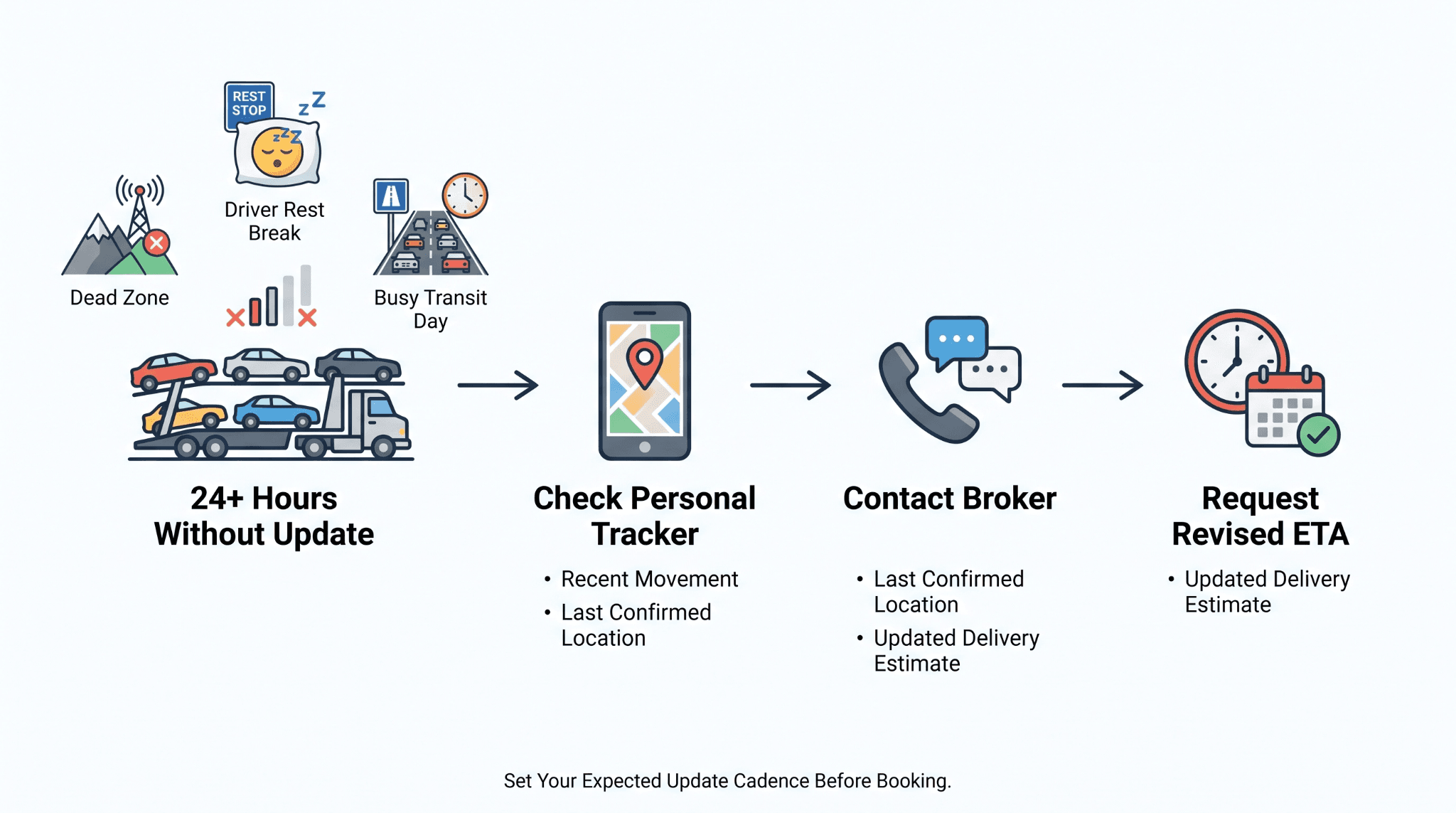
Once the vehicle is loaded, the focus shifts to observation. Most real-time GPS tracking devices for vehicles allow you to set up "Geo-fencing" alerts. This means you will receive an automatic notification the moment your car leaves the pickup radius or enters the destination zone. Periodically checking the car shipping tracking map provides a clear picture of the driver’s progress. However, avoid over-monitoring; standard rest stops and Federal Motor Carrier Safety Administration (FMCSA) regulations regarding driver breaks are a normal part of the process and do not necessarily indicate a delay.

What to Do If Tracking Stops or Delays

If you notice that your real-time vehicle tracking data has not refreshed for several hours, do not immediately panic. The vehicle may be moving through a geographic "dead zone" where cellular signals are weak, such as mountainous terrain or remote desert stretches. If the delay persists for more than 12 hours, the first step is to check the device’s battery status via the app. If the hardware appears functional, contact your transport coordinator to confirm the driver's status. Often, a simple "check-in" call can resolve the discrepancy between the digital map and the physical reality.

Overcoming Limitations: Expert Tips for Transparent Car Shipping

While real-time GPS tracking devices for vehicles are incredibly advanced, they are not infallible, and understanding their physical and technical limits is the first step toward a successful shipment. Experienced shippers know that real-time vehicle tracking can occasionally be interrupted by signal obstructions, such as when a vehicle is positioned on the lower deck of a trailer or parked inside a concrete warehouse. 

Additionally, battery life for a portable GPS tracking device for a car can be impacted by extreme weather, and tracking quality often varies depending on whether you are viewing a broker’s dashboard or a carrier’s manual app updates.

To maximize technology while setting realistic expectations, consider these professional recommendations for maintaining car shipping tracking integrity:

  • Prioritize Built-in Transparency: When selecting a provider, ask specifically about their real-time GPS vehicle tracking system. Companies that invest in integrated visibility are typically more accountable.

  • Establish a Redundancy Plan: Using your own GPS tracker device for a car provides an independent layer of security that you control, regardless of the carrier’s equipment.

  • Define Communication Protocols: Always establish a human backup plan. While a real-time vehicle tracking device provides the "where," it cannot explain the "why." If a vehicle appears stationary, it may be due to a mandatory safety inspection or a localized traffic detour that only a driver can confirm.

  • Contextualize the Data: Seasoned logistics professionals use the best tools for tracking car prices and seasonal trends to understand that "real-time" data may experience slight lags during peak seasons due to network congestion in high-traffic corridors.

Ultimately, the hallmark of a sophisticated transport experience is the seamless combination of high-tech real-time GPS vehicle tracking system data and high-touch customer service, ensuring you have both the digital coordinates and the human context throughout the journey.

What You Should Know About GPS Tracking Devices for Cars

Integrating tracking technology into your shipping plan is a proactive step toward a successful delivery. Below are some of the most common questions regarding the use of these devices in the auto transport industry.

Can I put a hidden GPS tracker for a car in my vehicle before the driver arrives? 

Yes, most carriers allow personal tracking devices as long as they do not interfere with the driver’s operation of the vehicle or the safety of the trailer. It is always polite to inform the driver that a tracker is present.

How to track a car shipment if I don't want to buy a device? 

Many professional transport companies, such as Safeeds Transport Inc., provide their own tracking updates or utilize driver-tracking apps that allow you to track car shipment status through a secure link provided at the time of booking.

Is a cheap GPS tracking device for cars reliable for long distances? 

A cheap GPS tracking device for cars is often sufficient for basic location updates. However, they may lack the battery life or global roaming capabilities of premium models. For cross-country moves, ensure the device has nationwide cellular coverage.

What is the best GPS tracking device for cars for one-time use? 

For a single shipment, a magnetic GPS tracking device for cars is usually the best choice because it requires no permanent installation and can be easily removed once the vehicle arrives.

How can you track your car if it’s being shipped in an enclosed trailer? 

Tracking in an enclosed trailer can be more difficult due to the metal shielding. In these cases, look for a real-time GPS tracking device for cars that features a high-sensitivity antenna or an external lead that can maintain a signal.

Making Confident Shipping Decisions with GPS Tracking

The evolution of GPS tracking devices for cars has fundamentally shifted the power dynamic back to the consumer. By demanding shipment transparency, you are not just watching a dot move across a map; you are ensuring that your vehicle is treated with the care and urgency it deserves.

Prioritizing real-time vehicle tracking and open communication reduces the stress of relocation and empowers you to make informed decisions. Whether you are moving a family SUV or a classic collector car, the right technology ensures that you stay connected to your investment every mile of the way. Choosing a partner that values this level of visibility is the final step in a truly professional transport experience. Get a quote today and take the first step toward a smarter, more reliable car shipping experience.

1
Destination
2
Vehicle
3
Date
By checking this box, I acknowledge that I have read and agree to the Terms and Conditions and Privacy Policy and consent to be contacted by call, SMS, or email regarding my quote request.

Share post

Recent Posts

Safe and Reliable South Carolina Car Shipping from Nevada blog post image

Safe and Reliable South Carolina Car Shipping from Nevada

Relocating a vehicle across states can feel overwhelming, especially when you’re planning a long-distance move from Nevada to the East Coast. With South Carolin...

01 Apr 2026

Car Shipping Cost Guide for Dealerships and Bulk Shipping blog post image

Car Shipping Cost Guide for Dealerships and Bulk Shipping

Shipping multiple vehicles across states isn’t just about moving inventory; it’s about making smart, cost-effective decisions that protect your bottom line. For...

31 Mar 2026

Ford F-150 Lightning Ownership Guide for First-Time EV Drivers blog post image

Ford F-150 Lightning Ownership Guide for First-Time EV Drivers

The Ford F-150 Lightning is changing how truck owners think about power, performance, and everyday driving. As the electric version of the iconic Ford F-150, th...

10 Mar 2026

How Fuel Surcharge in Car Shipping Instantly Changes Transport Rates blog post image

How Fuel Surcharge in Car Shipping Instantly Changes Transport Rates

Fuel surcharge car shipping directly ties your delivery quote to the national average cost of diesel. While gas prices vehicle transport fluctuate, many drivers...

27 Jan 2026

Car Shipping Contract Fees Exposed: Avoid Costly Hidden Charges blog post image

Car Shipping Contract Fees Exposed: Avoid Costly Hidden Charges

Most price shocks happen because the quoted rate does not match the final bill. That gap comes from car shipping contract fees, hidden fees car shipping, and un...

26 Jan 2026

Cheap Car Shipping 2026: Proven Ways to Cut Your Transport Costs blog post image

Cheap Car Shipping 2026: Proven Ways to Cut Your Transport Costs

Finding cheap car shipping 2026 depends on timing, carrier type, and knowing how to navigate current market shifts. Most drivers lose hundreds of dollars simply...

17 Jan 2026

6 Critical Car Shipping Tips Before Booking That Trigger Hidden Costs Later blog post image

6 Critical Car Shipping Tips Before Booking That Trigger Hidden Costs Later

Finding the best car shipping tips before booking helps you avoid unexpected bills that can double your initial quote. Most drivers assume the first price they...

14 Jan 2026

Smooth Car Shipping Pickup Process Explained: What to Expect at Pickup and Delivery blog post image

Smooth Car Shipping Pickup Process Explained: What to Expect at Pickup and Delivery

The car shipping pickup process begins with a scheduled driver meeting where you hand over your keys. Most owners do not realize that nearly 5% of shipping dela...

13 Jan 2026

How GPS Car Shipping Tracking Protects Your Vehicle in 2026 blog post image

How GPS Car Shipping Tracking Protects Your Vehicle in 2026

GPS car shipping tracking protects your vehicle by providing constant visibility and security during transit. In 2026, over 90% of transport theft is prevented...

12 Jan 2026

Smart Eco-Friendly Car Shipping Options for 2026 Explained blog post image

Smart Eco-Friendly Car Shipping Options for 2026 Explained

Finding eco-friendly car shipping options in 2026 is easier than ever as the industry moves toward a net-zero future. Did you know that transportation currently...

11 Jan 2026

Critical Car Shipping Myths That Could Ruin Your Transport blog post image

Critical Car Shipping Myths That Could Ruin Your Transport

Many car shipping myths lead to expensive mistakes and delays during vehicle relocation. You might believe that the lowest price quote always guarantees a safe...

06 Jan 2026

Car Shipping Glossary: Essential Terms You Need To Know blog post image

Car Shipping Glossary: Essential Terms You Need To Know

A car shipping glossary simplifies the complex language of moving vehicles. This car shipping glossary explains essential terms you need to know to avoid confus...

05 Jan 2026

Join our newsletter

Subscribe to our newsletter and get $50 off

Safeeds Transport logo

Safeeds Transport Inc U.S. Department of Transportation
MC-1606811
U.S DOT#: 4175566
Company address: 470 W BROAD ST COLUMBUS, OH 43215
Company main # 3153144337

Contact

Mon - Fri: 8am - 7pm EST
Sat - Sun: 9am - 5pm

© 2026 Safeeds Transport. All Rights Reserved.

FOLLOW US: