Planning to move a vehicle can be overwhelming, especially when the costs and logistics seem uncertain. Many people worry about unexpected fees, fluctuating rates, and how their car will be handled during transport. Understanding car shipping costs is essential to planning effectively and avoiding surprises. At Safeeds Transport Inc., we help customers navigate these details with clear guidance and transparent pricing.
Several factors influence car shipping costs, including distance, vehicle size and condition, transport type (open or enclosed), and seasonal demand or fuel prices. Knowing these variables allows you to make informed decisions, save money, and ensure a smooth shipping experience.
This guide breaks down all the elements that determine car shipping costs, explains how online calculators and estimators work, and provides practical tips to manage your budget without compromising safety or service quality. Get a quote today to see what it will cost to ship your vehicle with confidence.
Why Understanding Car Shipping Cost Matters Before Booking
Entering the vehicle logistics market without a firm grasp of current pricing trends can lead to significant financial oversights. Many first-time shippers make the mistake of assuming that car shipping costs are fixed or based solely on mileage.
In reality, the industry operates on a complex supply-and-demand model where prices fluctuate daily based on carrier availability, regional weather patterns, and shifting fuel indices. Understanding these variables upfront allows you to distinguish between a legitimate, professional quote and a "low-ball" estimate designed to lure you in before increasing the price later.
By educating yourself on the mechanics of the market, you ensure that you are paying a fair rate that guarantees your vehicle a spot on a high-quality carrier’s trailer, rather than languishing in a warehouse because the offered rate was too low to attract a driver. This proactive approach ultimately secures both your budget and your peace of mind.
Watch the video below to gain a clear understanding of car shipping costs, how they are calculated, and how to avoid extra charges:
How Much Does It Cost To Ship A Car On Average
While every shipment is unique, establishing a baseline for the cost to ship a car helps in setting a realistic budget for your relocation. By understanding the typical market rates, you can better evaluate quotes and ensure you are receiving a fair price for the level of service required.
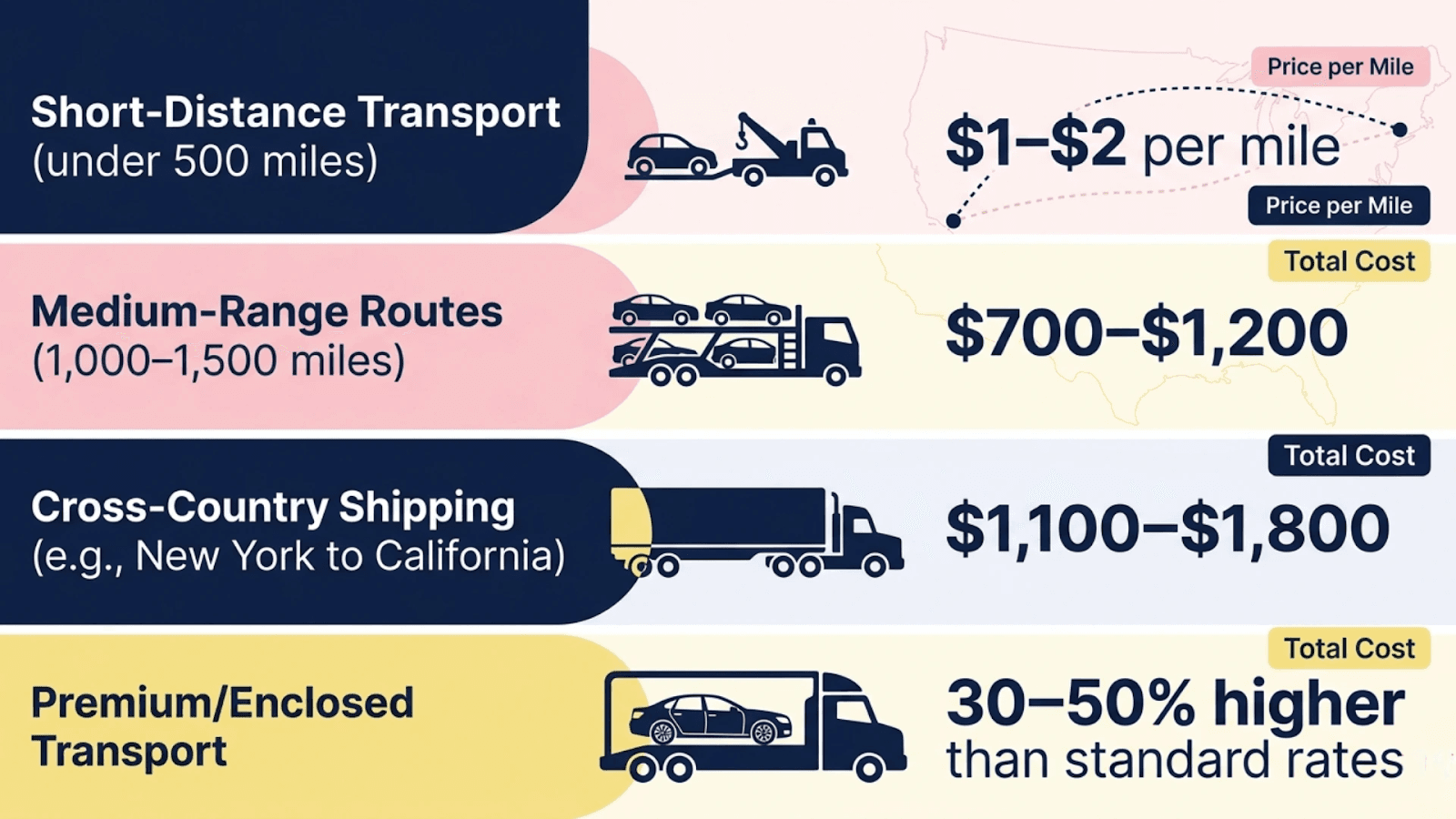
Short-Distance Transport: For moves typically under 500 miles, expect to pay between $1.00 and $2.00 per mile.
Medium-Range Routes: A move spanning 1,000 to 1,500 miles often averages between $700 and $1,200 for standard open transport.
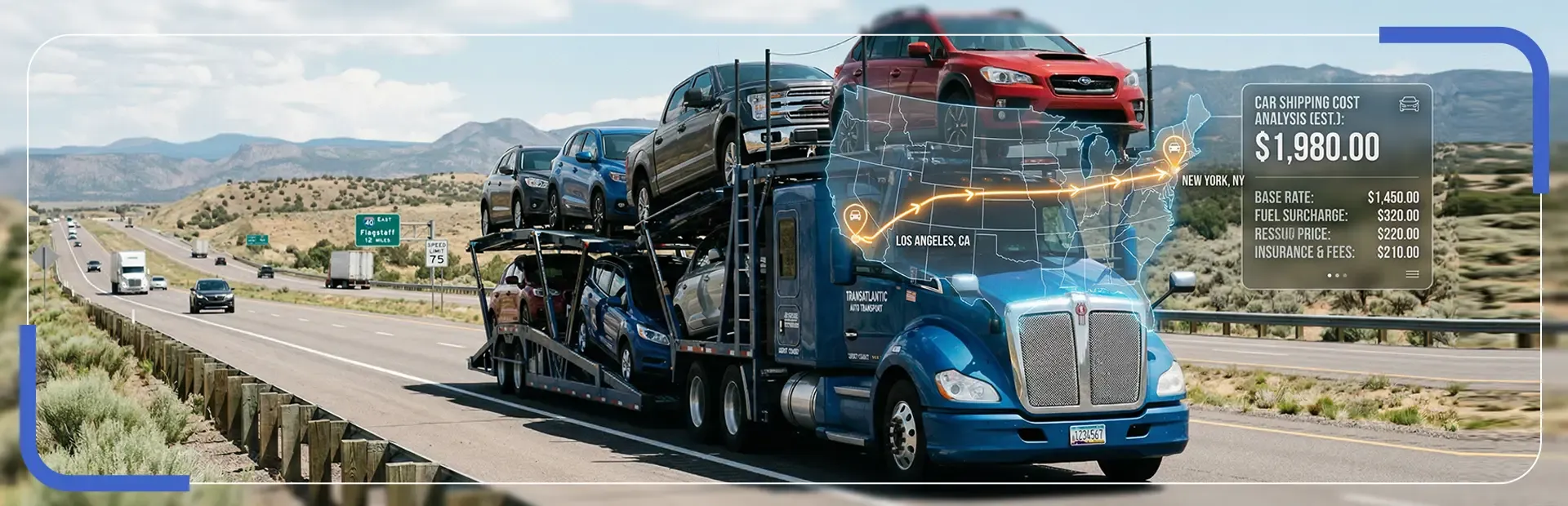
Cross-Country Shipping: Long-distance hauls, such as New York to California, usually fall within the $1,100 to $1,800 range, depending on vehicle size and seasonal demand.
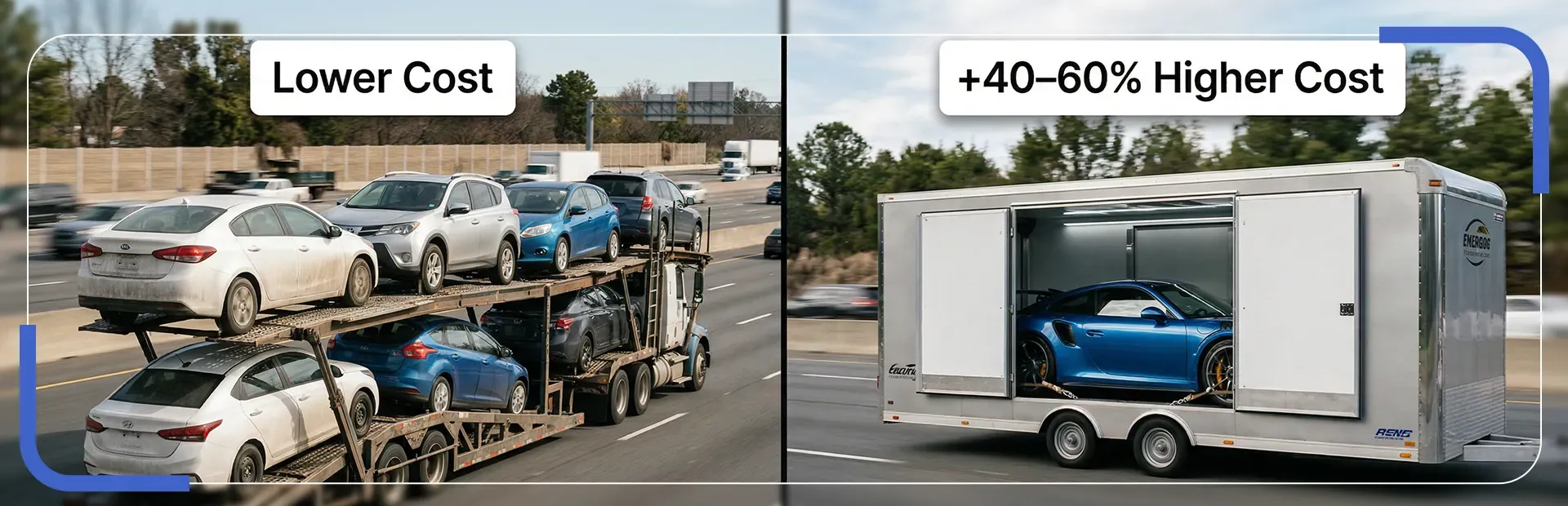
Premium Services: When calculating how much it would cost to ship a vehicle using enclosed transport, figures typically increase by 30% to 50% over standard rates.
Variable Efficiency: As the total distance increases, the price per mile generally decreases, even though the total shipping car cost rises.
It is important to remember that these are industry estimates; actual quotes will vary based on live market data and specific vehicle requirements.
Main Factors That Affect Car Shipping Cost
The final number on your invoice is the result of several intersecting variables. Each factor plays a role in how a broker or carrier calculates the risk and labor involved in the move.
Distance and route demand
While it is intuitive that longer distances result in a higher cost to ship a vehicle, route popularity is equally important. Major interstate corridors are high-traffic routes for carriers. Because there is a steady flow of vehicles moving along these paths, the cost to ship a car is often more competitive than a shorter move into a remote region where a driver may have to travel "empty" to find their next load.
Vehicle size, weight, and condition
The physical footprint of your vehicle directly impacts the vehicle shipping cost. Transporting a compact sedan takes up less space and adds less weight to a trailer than a full-sized SUV. Carriers are limited by strict federal weight regulations; therefore, heavier vehicles consume more capacity, leading to a higher shipping vehicle cost. Additionally, if a vehicle is inoperable, specialized equipment like winches is required, adding a labor fee to the quote.
Transport type: open vs. enclosed
Most consumers opt for open transport, where the vehicle is placed on a double-decker trailer exposed to the elements. This is the standard for the industry and the most affordable way to manage car shipping costs. Enclosed transport utilizes a fully covered trailer to protect the vehicle from road debris. This is recommended for high-value assets where the cost to ship the vehicle is secondary to the need for absolute protection.
Seasonal demand and fuel prices
The transport industry experiences peak seasons, particularly in the summer. During these times, the cost to ship a car increases as demand exceeds the number of available trailers. Furthermore, fuel is a major overhead expense; significant spikes in diesel prices will invariably lead to an adjustment in the total cost to ship a vehicle.
Pickup and delivery locations
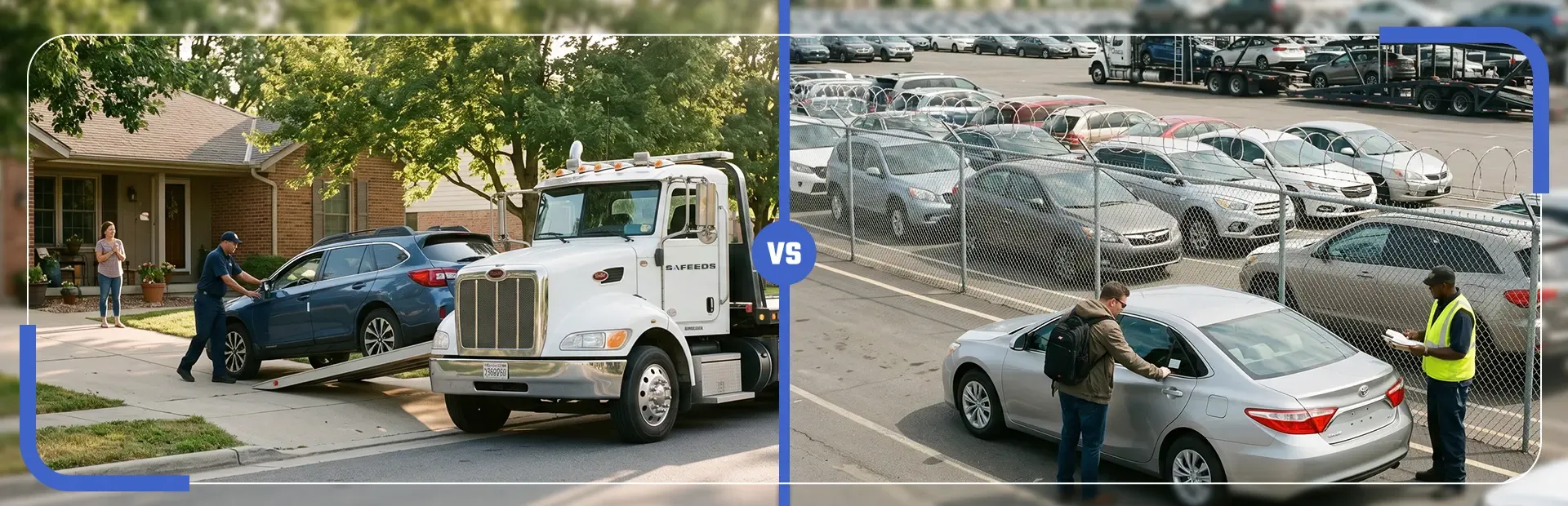
Urban centers with easy highway access are the most cost-effective points. If you require service in a rural area with narrow streets that a large carrier cannot navigate, you may face higher fees or be asked to meet the driver at a nearby commercial lot to avoid surcharges.
Cost To Ship a Car Across Country And Long Distance Routes
Shipping a vehicle coast-to-coast is one of the most common requests. When calculating the cost to ship a car across the country, you must account for over 2,500 miles of transit. Paradoxically, these long-haul routes offer the best "value per mile." While a short trip might cost $1.50 per mile, a cross-country trip might drop to $0.45 per mile.
The cost to ship a vehicle cross-country is heavily influenced by origin and destination. Moving a car between major hubs like Los Angeles and Miami stays on major interstates, keeping prices relatively stable. Shippers should prepare for a transit time of 7 to 10 days for these distances.
Distance Category | Estimated Price Range (Open) | Estimated Price Range (Enclosed) |
Short Distance (<500 miles) | $400 – $700 | $600 – $950 |
Medium Distance (500-1,500 miles) | $700 – $1,200 | $1,000 – $1,700 |
Long Distance (1,500-2,500+ miles) | $1,100 – $1,800 | $1,600 – $2,600 |
How Car Shipping Cost Calculators And Estimators Work
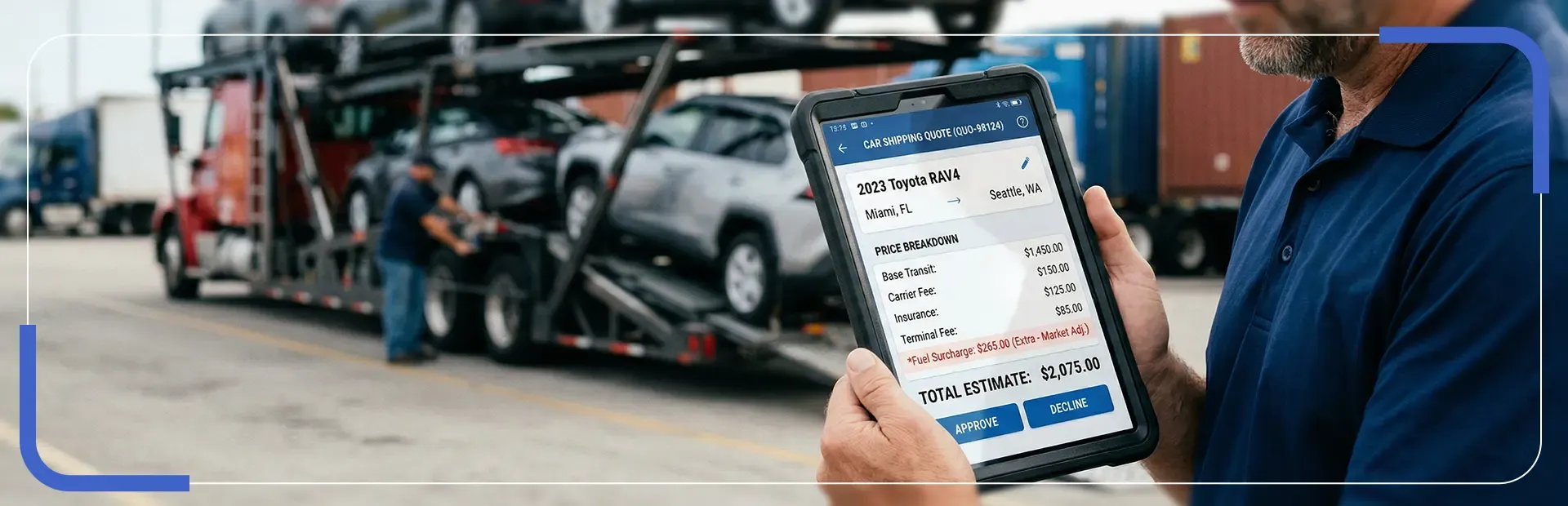
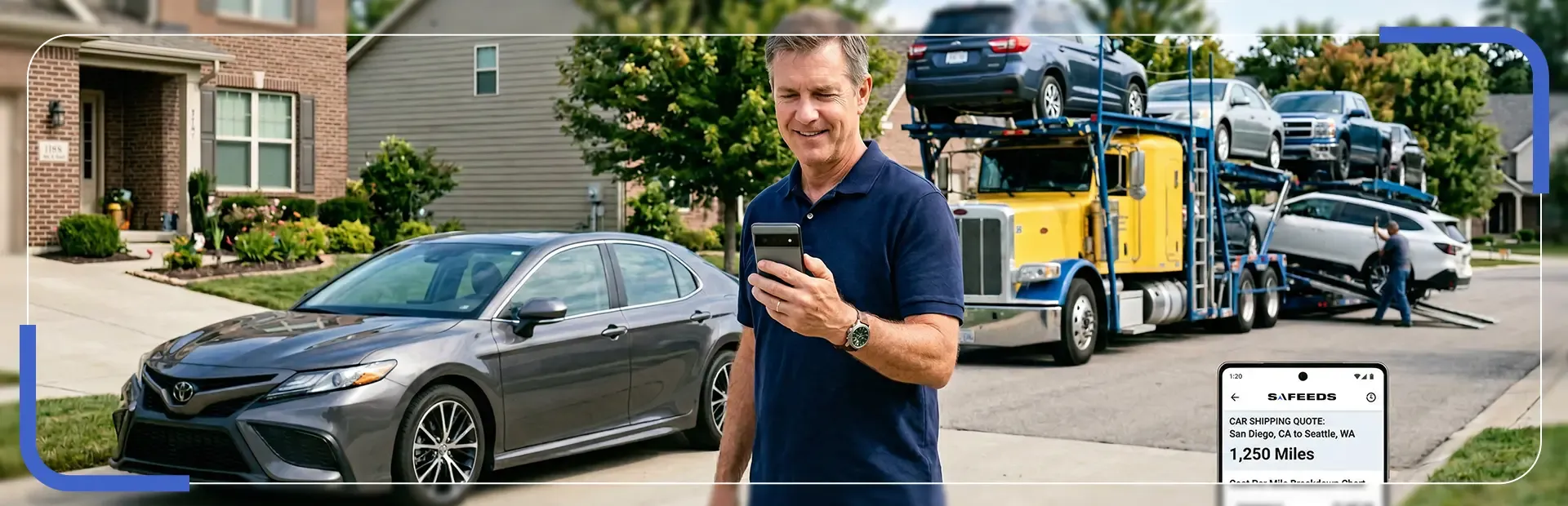
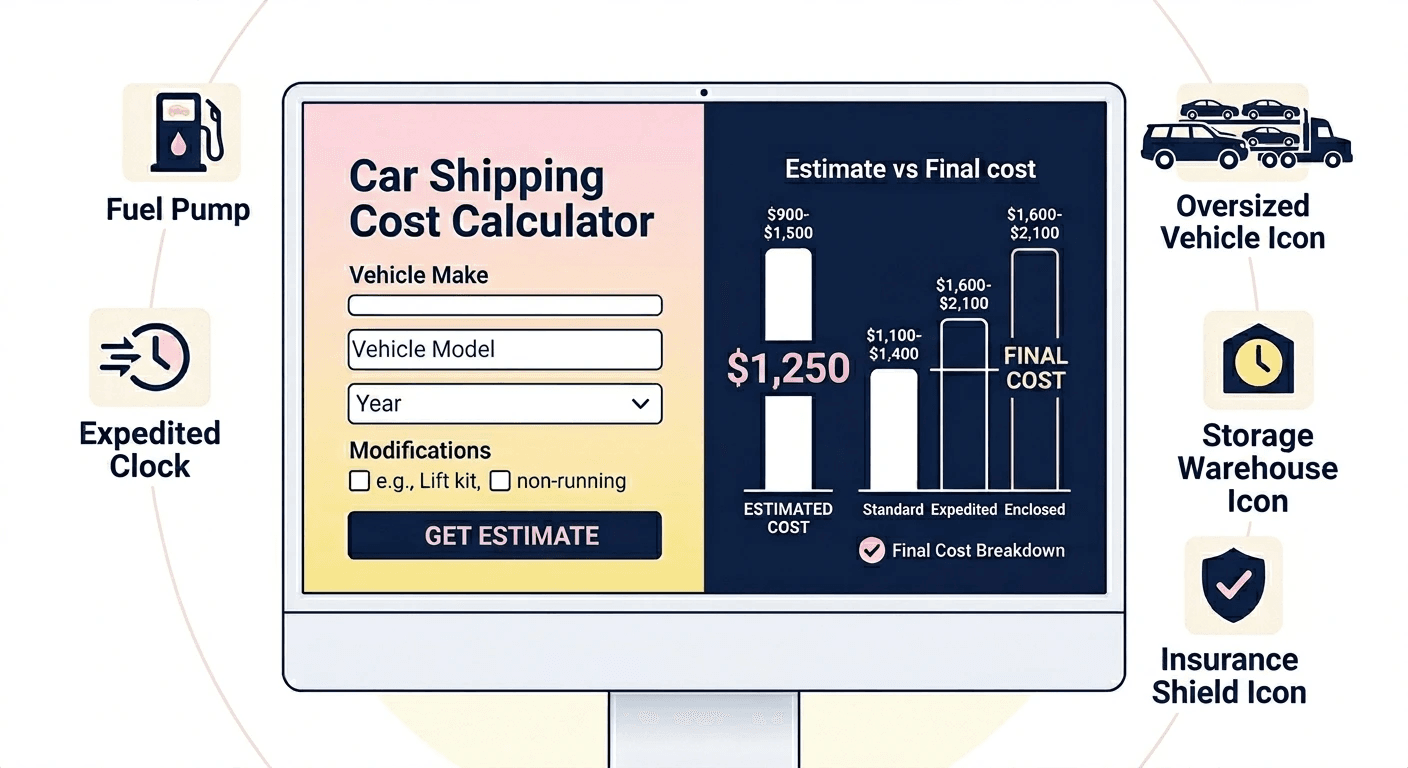
Most modern transport websites feature a car shipping cost calculator to provide instant feedback based on historical data and current market trends. To get a precise number from a car shipping cost estimator, you must provide specific details, including the exact vehicle make, model, and trim level, to ensure the weight is calculated correctly. Disclosing modifications like roof racks or lift kits is vital, as these alter dimensions and directly impact the cost to ship a car.
However, it is important to remember that an automated vehicle shipping cost calculator provides an estimate rather than a binding contract. The final price is typically determined when a specific carrier claims the load, and market shifts, such as local driver shortages or sudden fuel spikes, can cause the final total to deviate from the initial online quote.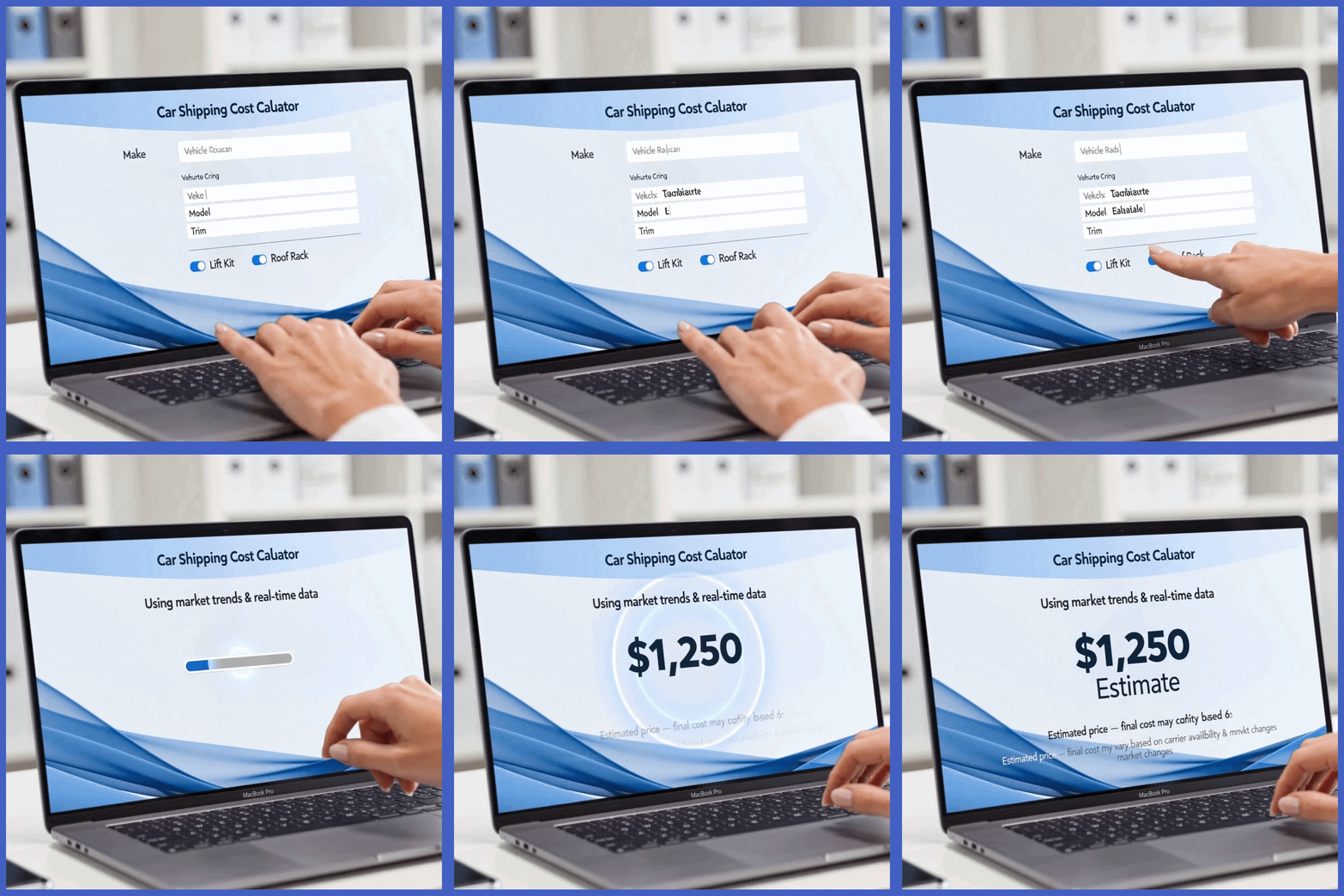
Factors Beyond the Initial Estimate
Beyond the base estimate, certain conditions can lead to unexpected increases in the cost to ship a vehicle. Understanding these potential variables helps you prepare a more accurate budget:
Expedited Shipping: If you cannot wait for a standard pickup window, you will pay a premium to secure immediate dispatch.
Oversized Vehicle Surcharges: Additional fees apply to vehicles that exceed standard height or width constraints.
Storage Fees: Costs may accrue if you are unavailable to receive the vehicle upon the carrier's arrival.
Insurance Gaps: It is essential to review vehicle transport insurance standards to ensure the carrier’s policy covers your car's full valuation without requiring expensive add-ons.
By accounting for these variables early, you can turn a ballpark estimate into a reliable financial plan for your vehicle's journey.
Balancing Service Type and Timing for Optimal Pricing
Choosing between transport methods is the primary way you can control your car shipping cost. Open transport, which moves approximately 90% of all vehicles, remains the most economical choice for daily drivers. Conversely, enclosed transport provides a shield against the elements and road debris. While the cost to ship a vehicle via an enclosed trailer is typically 30% to 50% higher, it is a necessary investment for classic cars or luxury models where protecting the asset's value is the absolute priority.
Open vs. Enclosed Transport Pricing
The fundamental difference in the shipping car cost between these two methods stems from carrier capacity. Open trailers can carry up to ten vehicles, spreading the operational costs across multiple customers. Enclosed trailers carry fewer vehicles and require specialized hydraulic equipment, which justifies the higher cost to ship a vehicle. For standard sedans or older SUVs, open transport provides a reliable, industry-standard solution at the most competitive price point.
Seasonal Fluctuations in Shipping Rates
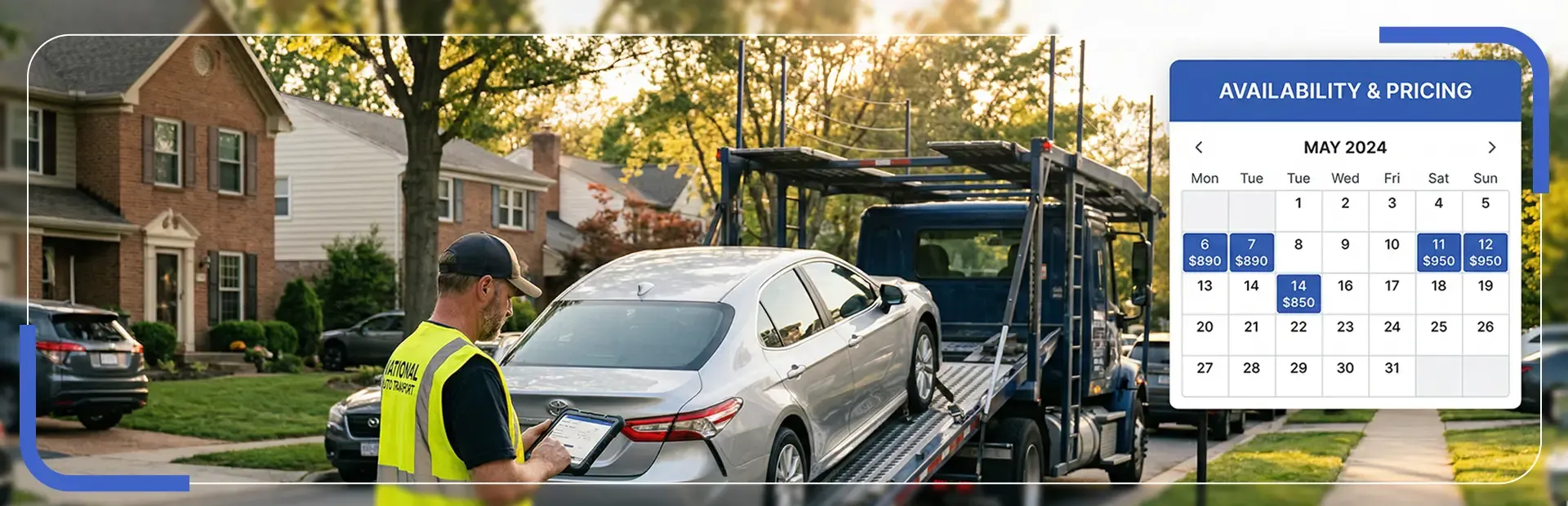
Beyond the equipment used, timing is critical in managing the overall shipping car cost. The transport industry follows a cyclical pattern where the most expensive times to book are during the mid-summer peak and the year-end holidays. If your schedule allows, shipping during the "shoulder seasons" of late autumn or early spring can result in significantly lower quotes as demand stabilizes and carrier availability increases.
See the video below to learn how timing and seasons affect car shipping rates:
Strategic Timing and Flexibility
Being flexible with your specific dates can also lead to substantial savings. If you can provide a five-day window for pickup rather than a rigid, single-day requirement, brokers can find a carrier who is already passing through your area. This allows the carrier to fill a final spot on their trailer, often resulting in a reduced cost to ship a car because the driver is already committed to that specific route.
Practical Tips To Reduce Your Car Shipping Cost
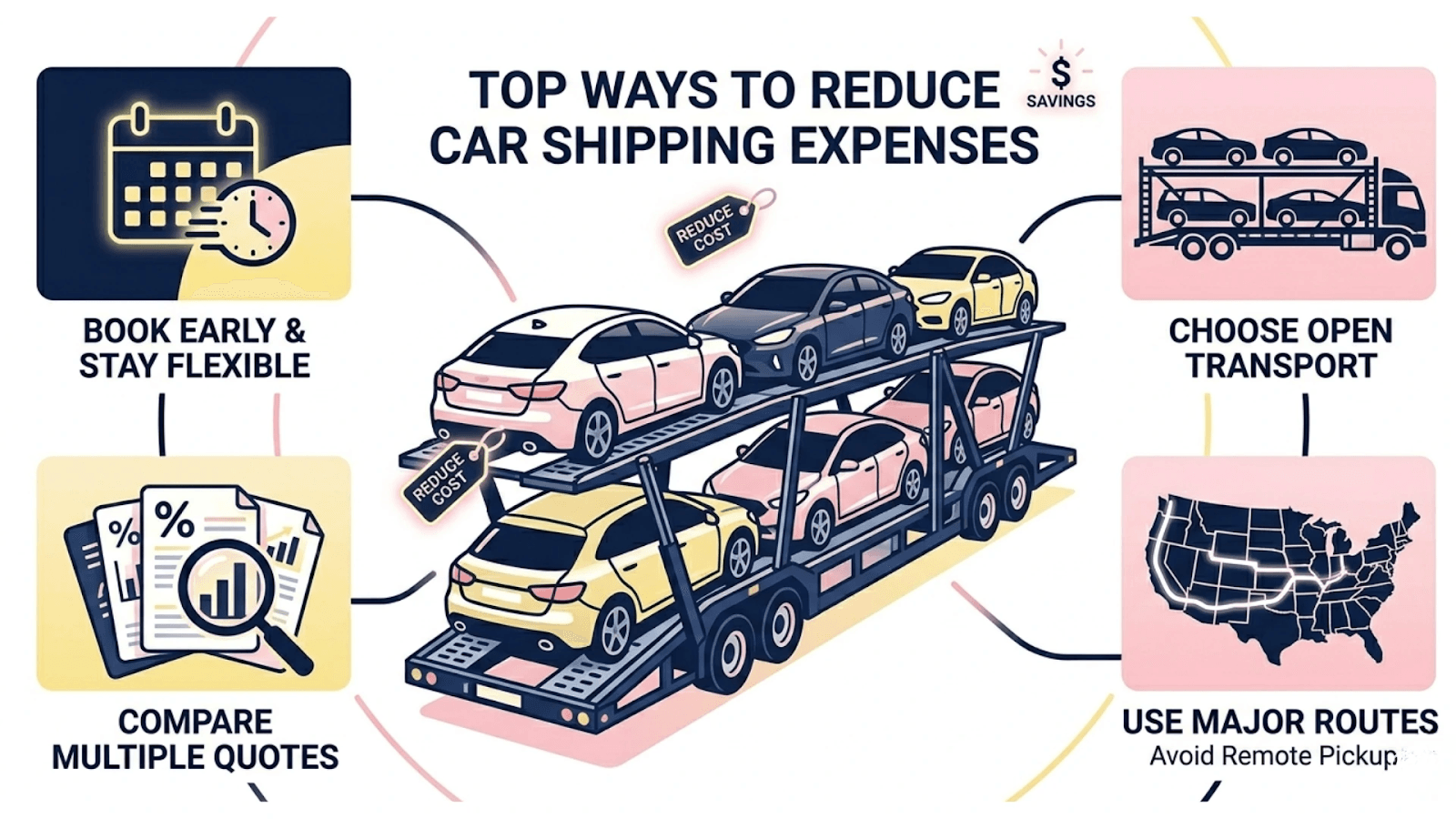
Maximizing the value of your transport contract requires a strategic approach rather than simply searching for the lowest sticker price. To effectively lower your car shipping cost, it is essential to look at the logistics from the carrier’s perspective. Carriers prefer full trailers and predictable routes; by aligning your needs with these operational preferences, you can secure more competitive rates.
Book early and stay flexible
One of the most effective ways to manage car shipping costs is to avoid the "urgency tax." Booking your transport at least two to three weeks in advance allows brokers to shop your lead to multiple high-quality carriers. Furthermore, offering a flexible window for both pickup and delivery can lead to significant savings, as it allows a driver to fit your vehicle into an existing route without requiring a special detour.
Choose open transport when possible
Unless you are moving a high-value classic or an exotic sports car, open transport is the industry standard for a reason. It is the most accessible and budget-friendly method to handle the shipping cost. Because open trailers can carry up to ten vehicles at once, the operational costs are divided among more customers, passing the savings directly to you.
Compare multiple quotes
While it may be tempting to go with the first company you find, comparing at least three different estimates ensures you aren't overpaying. Use a vehicle shipping cost calculator from several reputable providers to establish a median price. Be wary of quotes that are significantly lower than the average, as these often result in delayed pickups or sudden "service fee" additions later in the process.
Use major routes instead of remote pickup
If you live in a rural area, the cost to ship a car will naturally be higher due to the fuel and time a driver spends reaching you. You can often reduce the cost to ship a vehicle by offering to meet the carrier at a major metropolitan "hub" or a large commercial parking lot near a main interstate. This eliminates the "off-route" surcharge often applied to remote deliveries.
Common Mistakes People Make When Estimating Shipping Vehicle Cost
Many consumers inadvertently drive up their own expenses by falling into common industry traps. Avoiding these frequent errors is essential for ensuring that your shipping vehicle cost remains predictable and that your car is handled by professionals.
Prioritizing the Lowest Bid: The most frequent error is selecting a quote based solely on the lowest price. In the transport industry, an unusually low quote often means a broker will struggle to find a carrier willing to accept the job, leading to significant delays and unconfirmed pickups.
Ignoring the Fine Print: Some companies provide a "base" rate that excludes essential services. Failing to check for included insurance, fuel surcharges, or door-to-door service can lead to major budget inflation on delivery day.
Assuming All Quotes are All-Inclusive: It is vital to verify that your estimate covers every aspect of the journey. Without an all-inclusive agreement, you may be hit with unexpected fees once the vehicle is already in transit.
Failing to Verify Credentials: Dealing with unlicensed or unbonded entities is a high-risk mistake. This not only puts your vehicle at risk but can also lead to the loss of your deposit if the company does not adhere to federal shipping standards.
Underestimating Transit Windows: Miscalculating the time needed for pickup and delivery often leads to last-minute "expedited" fees, which can substantially increase the final cost to ship a vehicle.
Important Details on Car Shipping Pricing
Understanding the nuances of the industry helps transform a complex move into a manageable task. Pricing is not just about the distance traveled; it is about the coordination of equipment, labor, and timing. Below are answers to the most frequent inquiries regarding how a car shipping cost estimator reaches its final conclusion.
How accurate is an online car shipping cost calculator?
Most online tools provide a highly accurate baseline within 10–15% of the final price. However, they cannot account for real-time spikes in fuel prices or sudden weather events that close major mountain passes. For the most accurate vehicle shipping cost, always follow up an online estimate with a direct conversation with a logistics specialist.
Does the condition of the vehicle really change the cost to ship a car?
Yes. An "inoperable" vehicle requires a carrier with a winch or a specialized trailer. Because this limits the number of available trucks and requires more physical labor from the driver, you should expect an additional fee ranging from $100 to $500, depending on the difficulty of loading.
Is insurance included in the standard cost to ship a vehicle?
By law, carriers must have cargo insurance. However, the limits of this coverage vary. A professional quote should include basic cargo insurance, but it is always wise to ask for the specific coverage limit to ensure it matches the current market value of your vehicle.
Does shipping multiple vehicles reduce the cost to ship a vehicle?
Frequently, yes. If you are moving two or more vehicles from the same origin to the same destination, many companies offer a "multi-car discount." This is because the carrier can fill a significant portion of their trailer in a single stop, reducing their logistical overhead.
Why does the cost to ship a car cross-country change by season?
This is primarily due to the "Snowbird" effect. In late autumn, thousands of vehicles move from the North to the South, and the reverse happens in the spring. During these peak windows, the cost to ship car across the country on those specific routes increases due to the sheer volume of demand.
Making A Smart Decision Based On Your Car Shipping Cost Needs
Ultimately, the goal of navigating car shipping costs is to find the perfect intersection of price and reliability. While it is vital to stay within your budget, the safety of your vehicle is the paramount concern. A "cheap" move that results in damage or weeks of delays is far more expensive in the long run than a fairly priced, professional service.
As you move forward, remember that the most successful shipments are those where communication is clear and expectations are set early. By using a car shipping cost estimator as a starting point and applying the saving strategies outlined in this guide, you can approach your next vehicle relocation with confidence. Balance the data you have gathered with the reputation of the service provider to ensure that your vehicle arrives on time, within budget, and in the same condition it left. Get a quote from Safeeds Transport Inc. today and secure a transparent, professional rate for your vehicle.