Relocating a vehicle across states can feel overwhelming, especially when you’re planning a long-distance move from Nevada to the East Coast. With South Carolina car shipping, the process becomes far more manageable when handled by experienced professionals who understand logistics, safety standards, and timing. From choosing the right carrier to understanding pricing and delivery expectations, every step plays a role in ensuring your vehicle arrives safely and on schedule.
At Safeeds Transport Inc., the focus is on providing dependable, transparent, and stress-free shipping solutions tailored to your needs. Whether you're moving, buying a car, or planning an extended stay, having the right transport partner makes all the difference. Get a quote today and take the first step toward secure and hassle-free vehicle shipping.
Why South Carolina Car Shipping from Nevada Requires Careful Planning
Transporting a vehicle from the arid landscapes of the Mountain West to the humid subtropical climate of the Atlantic coast involves crossing multiple state lines and navigating varying regional regulations. Nevada car shipping presents unique challenges, including traversing high-altitude mountain passes and vast desert stretches where temperatures can fluctuate dramatically. Without meticulous planning, these geographic factors can lead to unnecessary strain on transport equipment and potential scheduling conflicts.
Risks of Choosing Inexperienced Companies
Cross-country car shipping is strictly regulated by federal DOT mandates on driver hours and weight limits. Choosing an inexperienced brokerage can lead to risks like delayed delivery, hidden surcharges, or inadequate insurance. A professional approach ensures every variable, from route optimization to state-specific laws, is addressed before the trailer leaves the terminal.
Key Challenges to Consider
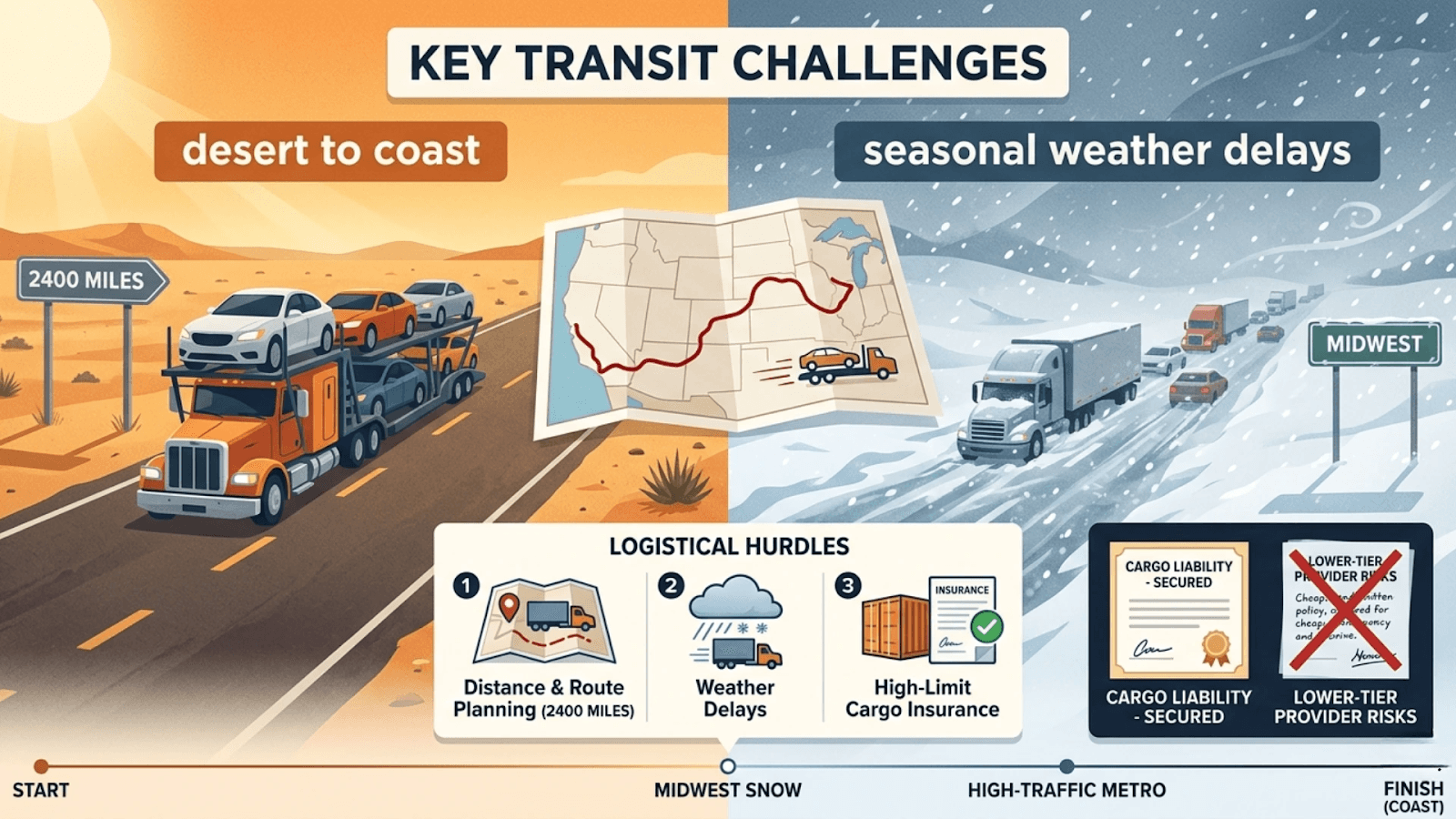
Navigating a cross-country route requires a proactive approach to potential logistical hurdles. Addressing these factors early ensures a smoother transition from the desert to the coast.
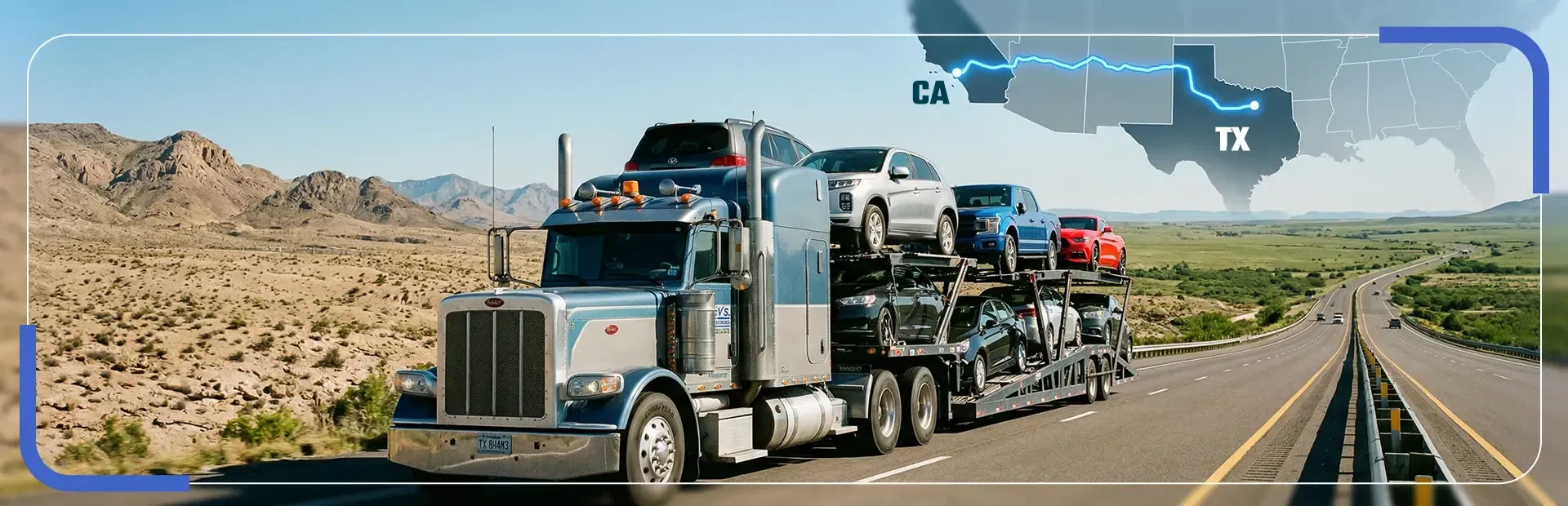
Distance and Route Planning: Spanning approximately 2,400 miles, this specific journey takes several days, during which the vehicle is exposed to diverse road conditions and high-traffic metropolitan hubs.
Seasonal Weather Delays: While Nevada is typically dry, your vehicle may encounter heavy rain, snow, or high winds while traversing the Midwest or Southern regions, depending on the time of year.
Insurance and Liability Requirements: Professional carriers must maintain high-limit cargo insurance to protect their assets against transit-related incidents, a standard that many lower-tier providers fail to meet.
Understanding the Car Shipping Process from Nevada to South Carolina
Moving a vehicle from Nevada to South Carolina is a sequential process designed to prioritize the safety of the cargo. When you decide to ship a car across the country, the timeline generally follows a structured path: initial consultation and quoting, formal booking, vehicle pickup, the transit phase, and finally, the delivery inspection. Understanding each phase allows the vehicle owner to maintain realistic expectations and prepare accordingly.
Step 1: Requesting Quotes
The first step involves gathering detailed estimates from several providers. When comparing quotes, it is vital to remember that the lowest price does not always equate to the best value. Quotes are calculated based on several fluid variables that can change weekly.
Vehicle type and size: Larger SUVs and trucks occupy more "slots" on a carrier than compact sedans.
Transport distance: Fuel and labor costs are directly proportional to the total mileage.
Seasonal demand: Prices often peak during "snowbird" seasons or summer months when moving volume is highest.
Carrier availability: The number of trucks currently operating on the NV to SC corridor influences immediate pricing.
Step 2: Booking Your Car Transport
Once you select a quote, the booking process formalizes your pickup and delivery details. During this stage, you must choose between cost-effective open transport or enclosed carriers for high-value vehicles. Partnering with the best car shipping companies ensures your booking is backed by a solid contract and clear insurance terms.
Step 3: Pickup, Transit, and Delivery
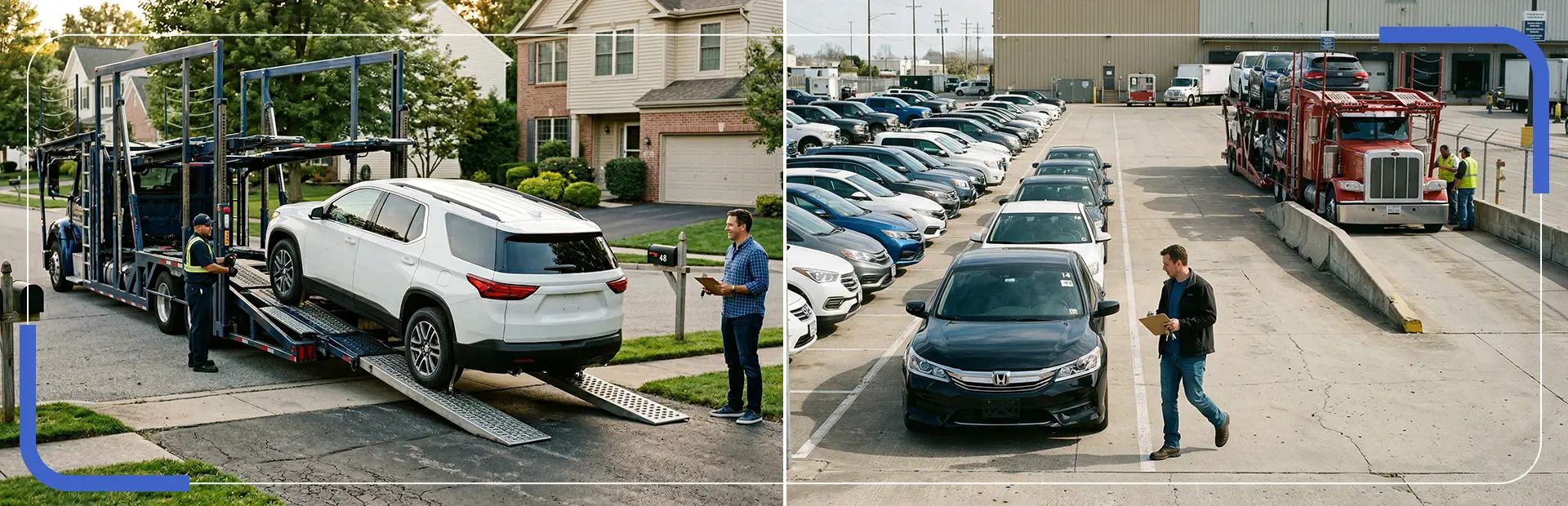
At pickup, a "Bill of Lading" is generated to document your vehicle's condition. Your car then moves toward its destination under strict safety protocols and professional monitoring. Upon arrival, a final inspection allows you to verify the vehicle's condition against the original report before signing off on the delivery.
Factors That Affect the Cost of Shipping a Car
When inquiring about how much it costs to ship a car, it is helpful to view the pricing as a combination of fixed and variable expenses. While many look for cheap car shipping, the most stable rates come from companies that balance competitive pricing with high safety standards.
Factor | Impact on Cost | Why it Matters |
Carrier Type | 30–50% Increase for Enclosed | Protection level vs. Budget |
Vehicle Operability | $100–$200 Extra | Requires winches or forklifts to load |
Delivery Speed | Variable Premium | Expedited shipping requires priority routing |
Fuel Prices | Market Dependent | Direct correlation to the national average |
Distance and Route Considerations
Longer routes naturally incur higher costs due to fuel consumption and the number of days a driver must be compensated. However, routes between major hubs (like Las Vegas to Charleston) can sometimes be more affordable than rural-to-rural routes because carriers frequent these paths more often, allowing for "full load" efficiency.
Vehicle Type and Condition
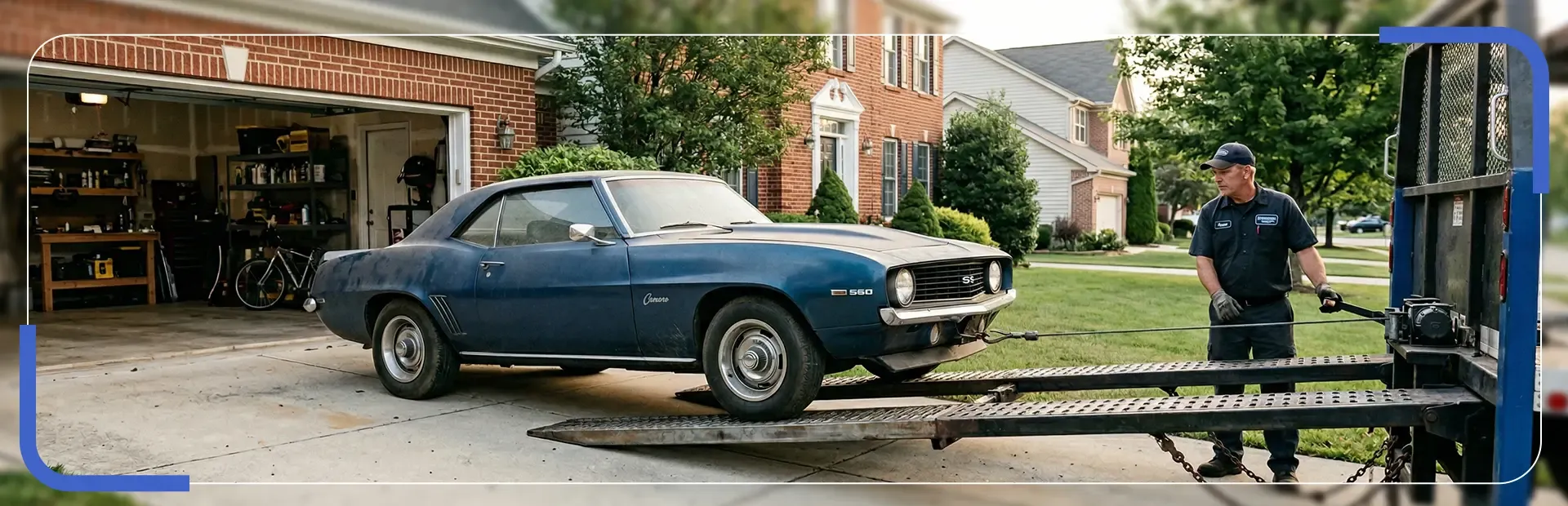
The physical footprint of the vehicle is a major pricing driver. A heavy-duty pickup truck requires more fuel to transport and takes up more weight capacity on the trailer than a subcompact car. Additionally, if a vehicle is "inoperable" (cannot move under its own power), special equipment is needed to winch the car onto the trailer, which adds a labor fee.
Timing and Seasonal Variations
The transport industry is highly seasonal. During the spring and summer, demand surges, which can drive prices up. Conversely, shipping during late autumn or winter may offer lower rates but comes with an increased risk of weather-related delays.
Open vs. enclosed transport: Open shipping is roughly 40% cheaper and suitable for most daily drivers.
Seasonal fluctuations: Booking at least 2–3 weeks in advance can help lock in better rates during peak seasons.
Choosing the Right Car Shipping Company
To find the best car shipping companies in Nevada or the best car shipping companies in South Carolina, a consumer must look beyond the marketing. A transport broker or carrier’s reputation is built on its ability to communicate effectively and deliver vehicles without incident.
Researching Reputation and Reviews
Start by examining third-party platforms such as the Better Business Bureau (BBB) and Google Reviews. Look for patterns in the feedback. Every company may have an occasional delay, but the best car shipping companies are characterized by how they handle those delays. Consistent praise for "communication" and "professional drivers" is a strong indicator of a reliable firm.
Verifying Licensing and Insurance
Every legitimate transport entity must be registered with the Federal Motor Carrier Safety Administration (FMCSA). You can verify a company’s credentials using its MC (Motor Carrier) or DOT number on the official FMCSA SAFER website. Furthermore, ensure the carrier’s cargo insurance is primary, meaning it covers your vehicle first in the event of an accident, rather than requiring you to file through your personal auto insurance.
Red Flags to Avoid
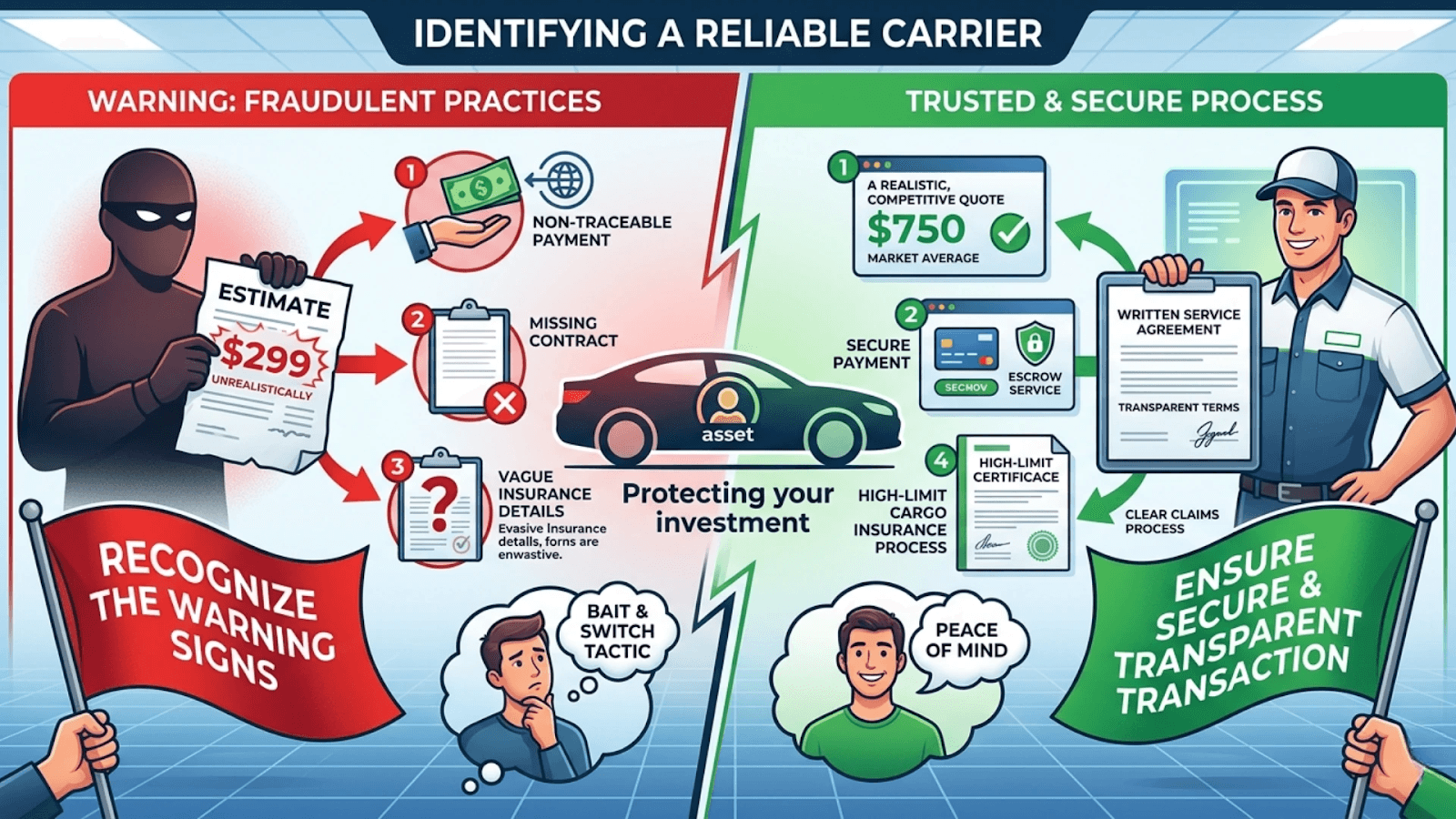
Identifying a reliable carrier involves recognizing the warning signs that often precede a poor service experience. Protecting your investment starts with vetting companies against these common industry pitfalls to ensure a secure and transparent transaction.
Extremely low quotes that significantly undercut the market average (often a "bait and switch" tactic).
Requests for non-traceable payment methods like wire transfers or "friends and family" digital payments.
A lack of a formal, written contract or terms of service.
Vague or evasive answers regarding insurance limits and claims processes.
Preparing Your Car for Transport
Safety begins before the truck arrives. Properly preparing your vehicle for car shipping in Nevada ensures the carrier can load the vehicle efficiently and reduces the risk of minor cosmetic damage during the cross-country trek.
Vehicle Inspection and Documentation
Thoroughly wash your car so that all surfaces are visible. Take high-resolution photographs of the exterior from multiple angles, focusing specifically on existing chips, dents, or scratches. Having this digital paper trail is your best defense should a claim arise upon delivery.
Cleaning and Securing Your Vehicle
Properly preparing your vehicle's interior and exterior is a vital step in ensuring a smooth loading process and safe transit. Following these industry-standard guidelines minimizes the risk of accidental damage and helps your driver maintain federal weight compliance.
Remove personal items: Carriers are not licensed to transport household goods, and internal items are rarely covered by cargo insurance.
Ensure fuel tank is low: A quarter-tank of gas is ideal; it provides enough for loading/unloading while reducing unnecessary weight.
Disable alarms: Prevent battery drain and driver distraction by turning off security systems.
Secure loose parts: Fold in mirrors and remove or retract antennas and aftermarket spoilers if possible.
Common Challenges in Car Shipping and How to Avoid Them
Even with the best planning, cross-country car shipping can encounter hurdles. Understanding these common issues allows you to mitigate risks through proactive preparation and choosing reputable partners.
Delays and Scheduling Conflicts
The 2,400-mile route from the West to the East Coast is susceptible to traffic in major hubs like Atlanta or St. Louis, as well as mandatory Department of Transportation (DOT) rest stops. To avoid stress, always plan a 48-hour buffer window around your estimated delivery date rather than scheduling a flight or meeting for the exact hour the truck is expected.
Protecting Against Damage
While damage is rare with top-tier carriers, it is a reality of the road. Ensure your chosen carrier has adequate cargo insurance and a clear claims process. Selecting enclosed transport for high-value vehicles is the most effective way to eliminate risks from road debris and weather.
Why Cross-Country Car Shipping is Worth It
When deciding whether to ship a car across the country or drive it yourself, the professional option often yields the highest return on investment. Driving 2,400 miles involves high costs in fuel, lodging, and food, not to mention the depreciation caused by adding high mileage to your odometer.
Advantages of Professional Shipping
Professional transport saves approximately 35 to 40 hours of driving time and avoids the physical fatigue of a multi-day solo trip. It preserves the mechanical integrity of your vehicle and ensures that it arrives in South Carolina ready for your new chapter without the wear and tear of a transcontinental road trip.
Cost vs. Convenience
When you factor in the "opportunity cost" of your time and the potential for mid-trip breakdowns, paying for professional shipping is a strategic choice. It offers peace of mind, allowing you to focus on your relocation while experts handle the heavy lifting.
Exploring South Carolina Once Your Car Arrives
Once your vehicle is successfully delivered, you are ready to explore the diverse landscapes of the Palmetto State. From coastal highways to mountain passes, having your own car is essential for a true travel experience in South Carolina.
Top Attractions and Destinations
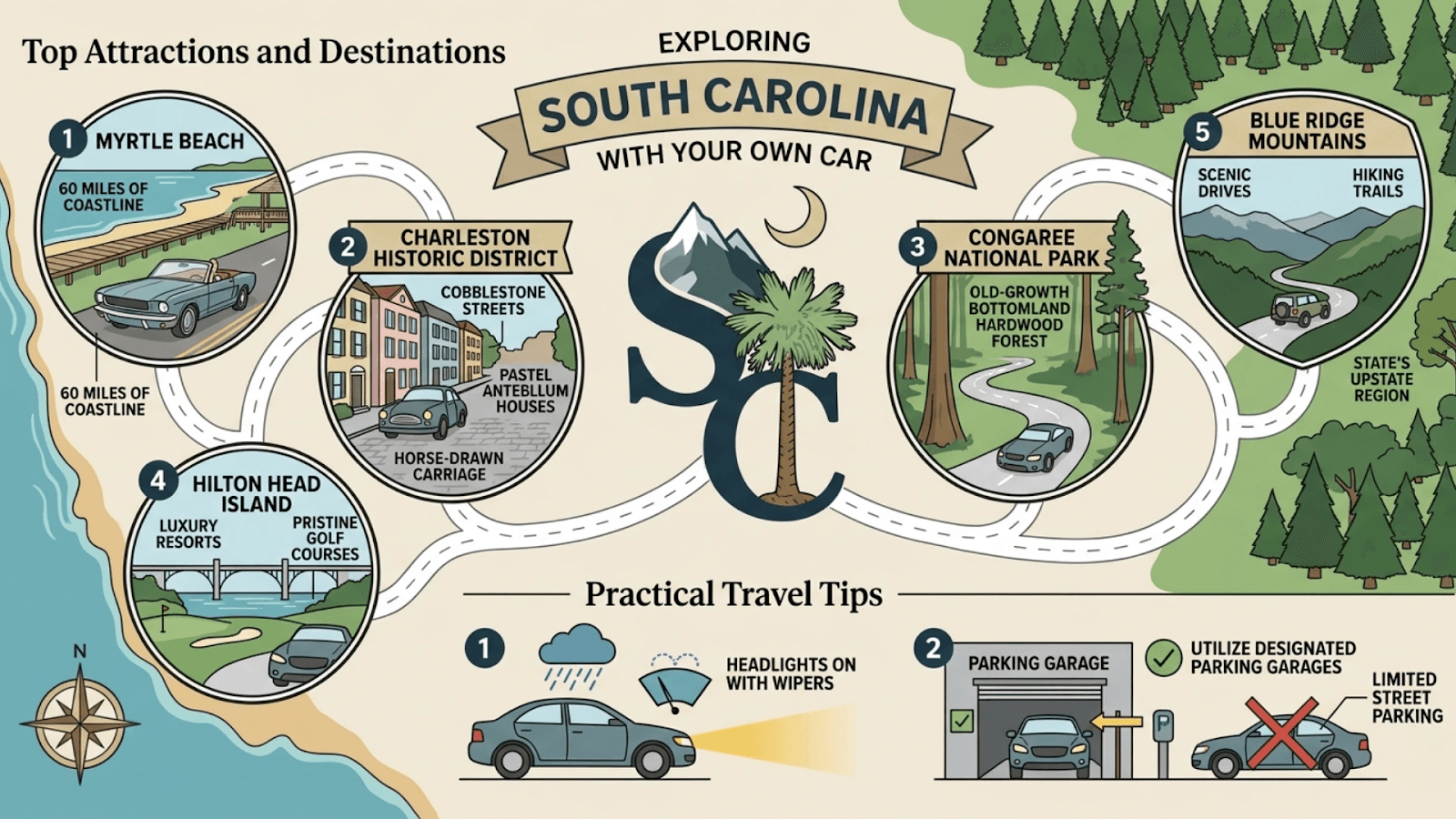
Once your vehicle is safely delivered, the diverse landscapes of the Palmetto State are yours to explore. From the sun-drenched Atlantic coast to the rugged peaks of the Upstate, having your own car allows you to experience these iconic destinations at your own pace.
Myrtle Beach: A world-renowned vacation hub featuring 60 miles of continuous coastline.
Charleston Historic District: Famous for its cobblestone streets, horse-drawn carriages, and pastel antebellum houses.
Congaree National Park: Home to the largest intact expanse of old-growth bottomland hardwood forest in the southeastern United States.
Hilton Head Island: Perfect for those seeking luxury resorts and pristine golf courses.
Blue Ridge Mountains: Offers scenic drives and hiking trails in the state's upstate region.
Practical Travel Tips
When you begin your journey through the state, keep in mind that South Carolina requires headlights to be on whenever windshield wipers are in use. Parking in historic areas like Charleston can be limited, so utilizing designated parking garages is often more efficient than searching for street spots.
Everything You Need to Know About South Carolina Car Shipping
Navigating a move from the "Silver State" to the "Palmetto State" is a significant transition that spans diverse climates and thousands of miles of American highway. South Carolina car shipping involves more than just loading a vehicle; it requires understanding regional logistics, seasonal pricing shifts, and federal safety standards. By addressing common concerns upfront, you can ensure your vehicle's journey is as smooth as the final drive down a moss-draped lane in Charleston.
How long does it typically take to ship a car from Nevada to South Carolina?
Our efficient cross-country network ensures your vehicle completes the 2,400-mile journey in just 7 to 10 days. We prioritize both speed and safety, adhering to all federal mandates to deliver your car on schedule and in pristine condition.
Can I pack personal belongings inside my vehicle during transport?
To ensure the highest safety standards and full insurance protection, we recommend keeping your vehicle completely clear of personal items. This compliance ensures a faster transit through weigh stations and keeps the focus entirely on the secure transport of your automobile.
Is my vehicle insured against damage during the cross-country trip?
Absolutely. Every shipment is backed by comprehensive, high-limit cargo insurance. When you choose a top-tier carrier through our network, you gain the peace of mind that comes from knowing your investment is fully protected from terminal to terminal.
What is the difference between terminal-to-terminal and door-to-door shipping?
While terminal shipping is an option, our premier door-to-door service is the gold standard for convenience. We handle the logistics by picking up and delivering as close to your front door as possible, saving you time and the hassle of traveling to a storage lot.
How is the final cost of shipping calculated?
We provide transparent, competitive pricing based on total mileage, vehicle size, and your choice of open or enclosed transport. By balancing seasonal demand with carrier availability, we ensure you receive the best value for a professional, cross-country move.
Maximizing Your South Carolina Car Shipping Experience
Successfully moving your vehicle across the country is the result of proactive planning and clear communication. By selecting a carrier with a proven track record for reliability and safety, you eliminate the stress of the unknown. Whether you are relocating for a new career opportunity or transporting a classic car to a rust-free climate, the professional approach ensures your asset is protected every mile of the way.
As you prepare for this transition, remember that the "best" shipping experience is defined by transparency and adherence to a schedule. Start by requesting comprehensive quotes and verifying the credentials of your chosen provider. With the logistics handled by experts, you can focus on the excitement of your new journey and the many adventures that await you on the roads of South Carolina. Take the first step toward a stress-free relocation by requesting your professional car shipping quote today.