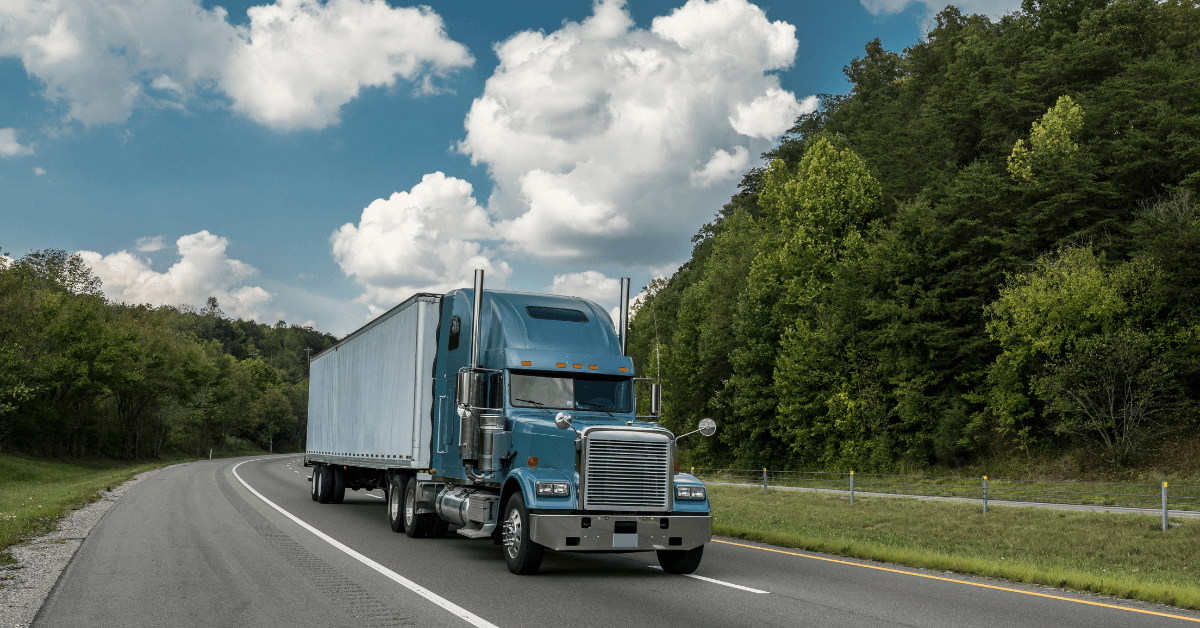
Shipping your vehicle across the country can feel overwhelming, especially with the many options available. Door-to-door car shipping provides the convenience of having your vehicle picked up from your location and delivered directly to your destination, while terminal-to-terminal shipping requires drop-off and pickup at designated locations. Understanding the differences between these services is crucial for making the right choice for your vehicle, timeline, and budget.
Safeeds Transport Inc. has helped thousands of car owners navigate these choices safely and efficiently, providing reliable service and expert guidance every step of the way. In this comprehensive guide, we’ll explore the advantages, costs, risks, and practical tips for both door-to-door and terminal shipping, so you can make an informed decision with confidence.
In this guide, we’ll break down the key differences, costs, risks, and practical tips, so you can make an informed decision with confidence. Get a quote today and see how easy and secure door-to-door car shipping can be.
Understanding Door-to-Door Car Shipping
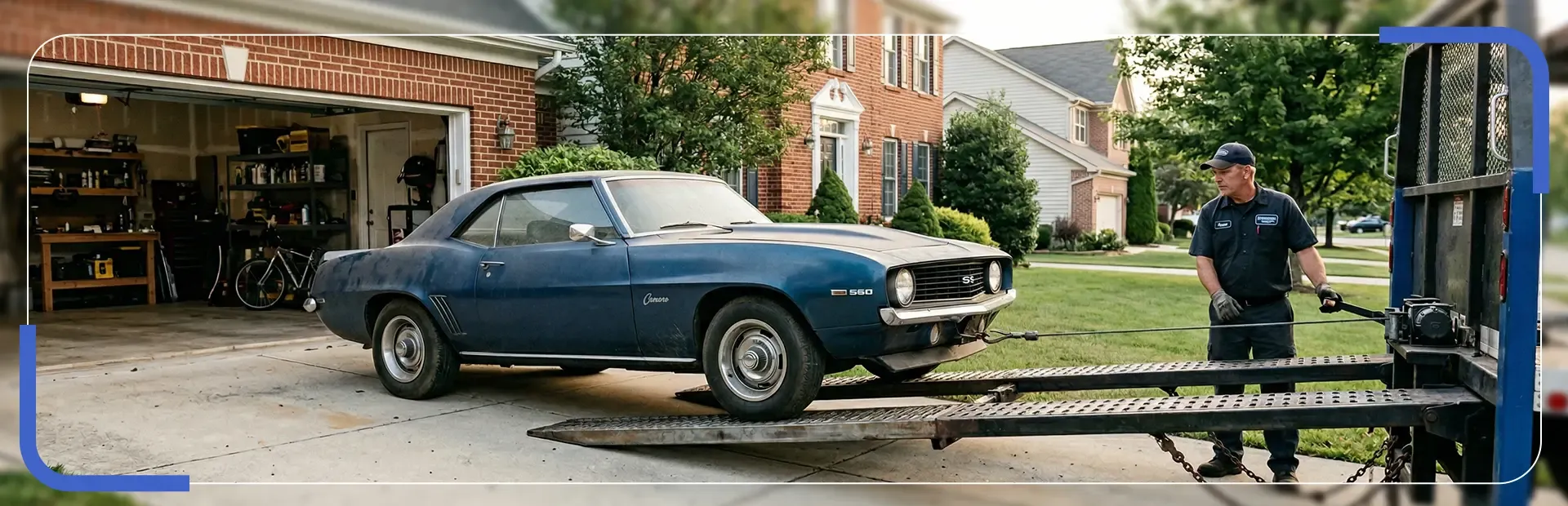
At its core, a door-to-door car shipping service is designed to provide the maximum level of convenience by eliminating the need for the vehicle owner to travel to a secondary location for drop-off or pickup. In this model, the transport carrier arrives as close to the customer’s specified address as legally and physically possible. While large multi-car haulers may sometimes be restricted by narrow residential streets or low-hanging trees, the "door-to-door" philosophy ensures that the transition of the vehicle occurs in the immediate vicinity of the owner’s home or office.
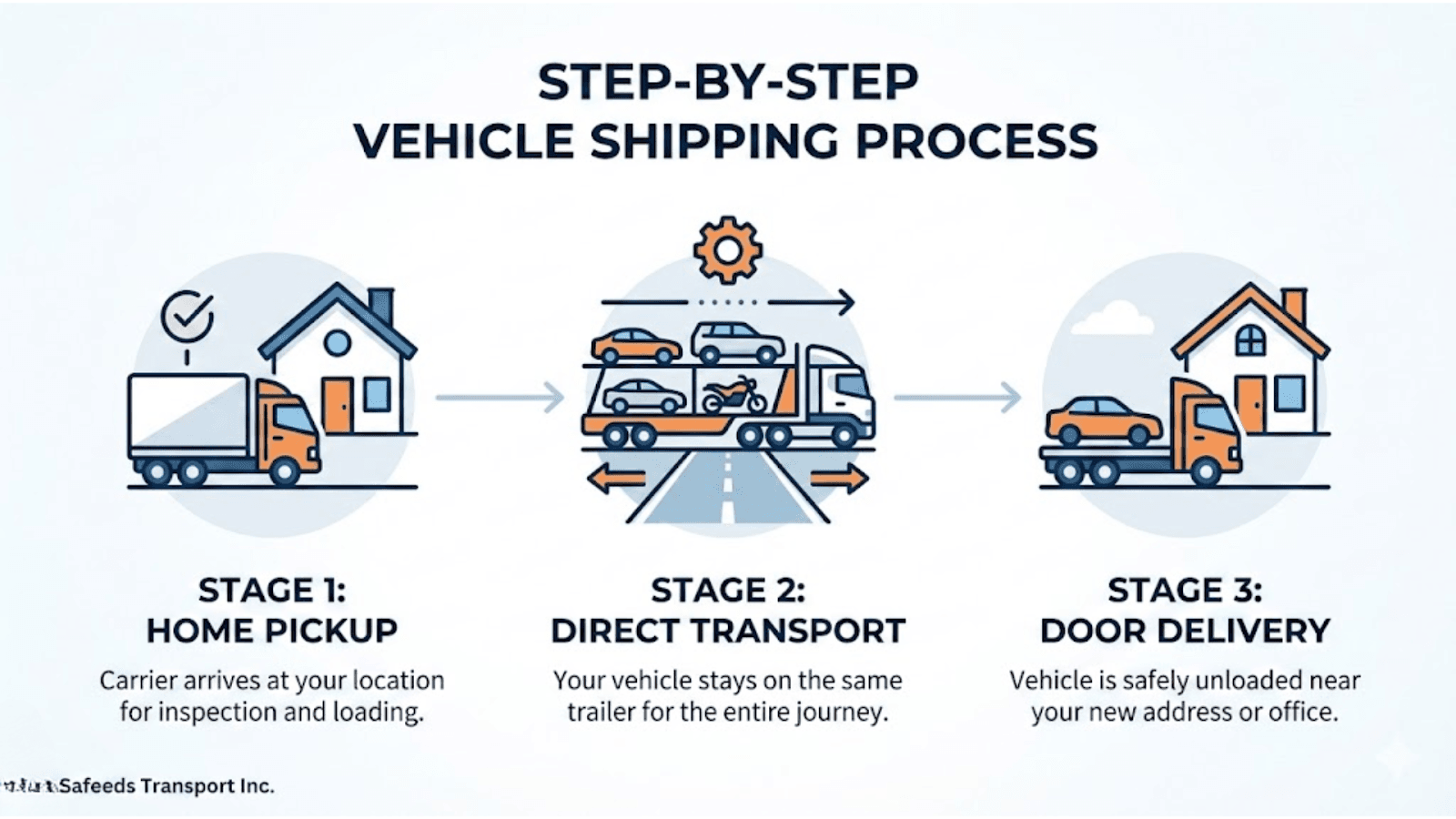
The Mechanics of the "Closed" Logistics Chain
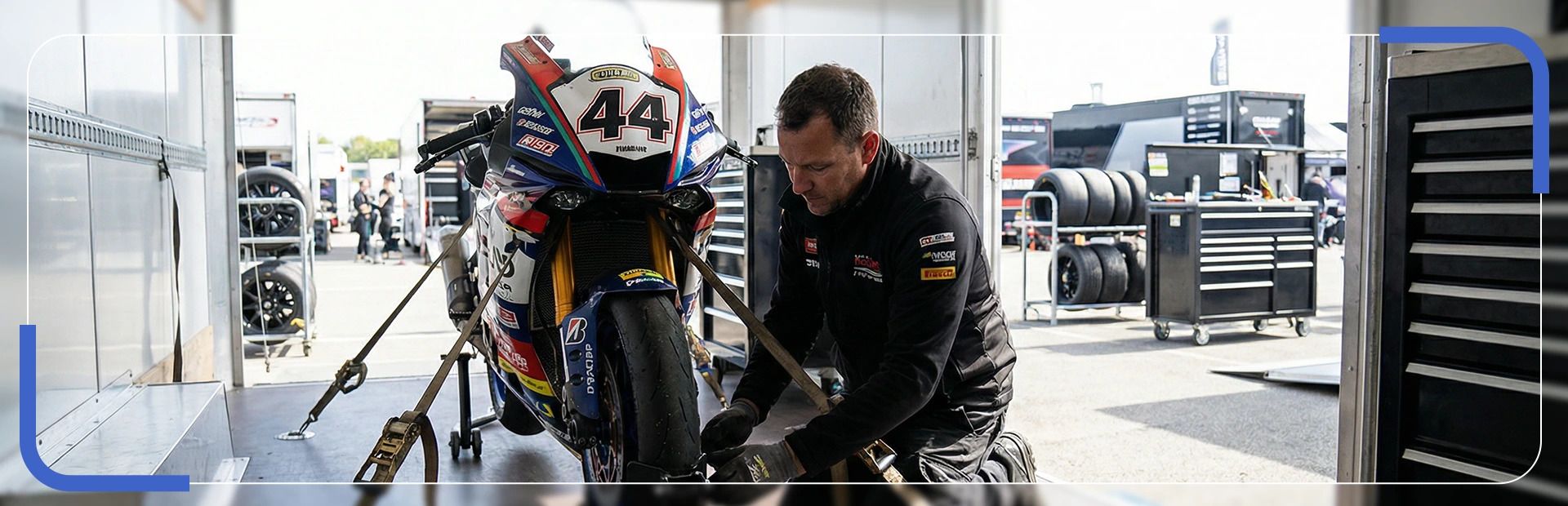
The process of door-to-door shipping begins with a scheduled pickup window where a professional carrier performs a comprehensive on-site inspection before loading the vehicle. This streamlined approach is not limited to standard sedans; it is a preferred method for door-to-door vehicle shipping involving motorcycles, high-value freight, and specialized containerized cargo. By moving the vehicle directly from Point A to Point B, the logistics chain remains "closed," meaning the vehicle stays on the same trailer for the duration of the journey. This lack of intermediary handling is one of the primary reasons why many owners prioritize this service, as it significantly reduces the likelihood of incidental damage that can occur during loading and unloading at various transit hubs.
What Terminal Transport Means in Vehicle Shipping
In contrast to direct delivery, terminal-to-terminal auto shipping utilizes a hub-and-spoke logistics network. Under this arrangement, the vehicle owner is responsible for driving their car or motorcycle to a designated storage facility or "terminal." These terminals act as regional consolidation points where vehicles are staged until a carrier has a full load destined for the same general geographic area. Once the transport reaches the destination region, the vehicle is again offloaded at a local terminal to await the owner’s arrival.
Operational Limitations and Handling Risks
While terminal-to-terminal car shipping was once the industry standard, it has become less common in the modern retail sector due to several inherent limitations. While it can sometimes offer a lower base price, the vehicle is often subject to longer wait times as it sits in a lot awaiting a carrier. Furthermore, terminal-to-terminal motorcycle shipping and auto transport require the vehicle to be handled multiple times, driven on and off trailers and moved within the storage lot, which increases the statistical risk of minor abrasions or mechanical wear. For many, the necessity of arranging personal transportation to and from these often remote terminal locations offsets the perceived initial savings of the service.
Key Differences Between Door-to-Door and Terminal Transport
The decision-making process for vehicle owners typically hinges on a trade-off between cost, time, and risk management. Door-to-door car shipping is widely regarded as the premium option because it optimizes for time and safety. Because shipping door-to-door involves a single loading and unloading event, the "stationary risk" associated with long-term storage in an unsecured or open-air terminal is eliminated.
When evaluating a door-to-door service shipping provider against an auto shipping terminal-to-terminal provider, the following factors are critical:
Feature | Door-to-Door Shipping | Terminal-to-Terminal Transport |
Convenience | High; pickup/delivery at your doorstep. | Low; requires travel to/from hubs. |
Handling | Minimal; loaded once, unloaded once. | Multiple; moved within lots and between trailers. |
Timeline | Faster; direct transit from origin to destination. | Slower; dependent on terminal consolidation. |
Security | High; vehicle stays on a monitored trailer. | Variable; vehicle sits in a public or private lot. |
Cost | Generally higher due to personalized service. | Often lower base rate, but adds storage fees. |
Most modern consumers find that the time saved by avoiding the logistics of terminal travel justifies the higher price point of a direct service. Additionally, the transparency of meeting the driver face-to-face for a Bill of Lading inspection provides a level of accountability that is often absent in the anonymous environment of a large transport terminal.
Costs and Pricing Factors
The financial investment required for a door-to-door car shipping service is influenced by a variety of market variables. Unlike fixed-rate freight, vehicle transport pricing is dynamic. Key drivers of cost include the total distance of the route, the current price of diesel fuel, and the physical dimensions of the vehicle. For example, door-to-door freight shipping or heavy machinery transport will naturally command a higher price than a compact car due to the specialized equipment and permits required.
Evaluating the Total Cost of Ownership
Furthermore, the door-to-door shipping service model accounts for the "opportunity cost" of the carrier’s time. Navigating residential areas requires more precision and time than pulling into a commercial terminal off a major highway. However, when calculating the true cost of terminal shipping, owners must factor in "hidden" expenses such as terminal storage fees (which can accumulate daily), the cost of a rental car or rideshare to reach the terminal, and the value of their own time. In many instances, the "all-in" cost of terminal shipping nearly equals that of a direct door-to-door move, making the latter a higher-value proposition.
Expense Category | Door-to-Door Shipping | Terminal-to-Terminal Transport |
Base Transport Rate | Higher (All-inclusive convenience) | Lower (Initial quote only) |
Terminal Storage Fees | $0 (Direct delivery) | $15 – $50 per day |
Ground Transportation | $0 (Vehicle comes to you) | Varies (Uber/Taxi to terminal) |
Fuel & Mileage | $0 (Carrier handles last mile) | Varies (Driving to/from hubs) |
Overall Value | High Predictability | Variable/Hidden Costs |
Risk, Safety, and Vehicle Protection
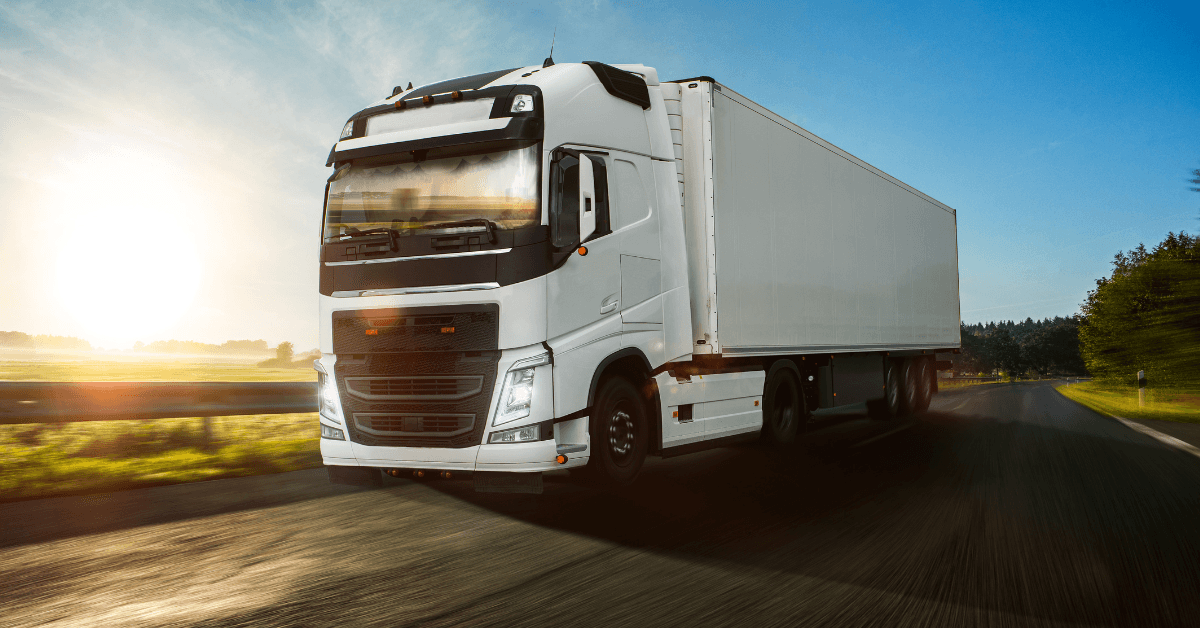
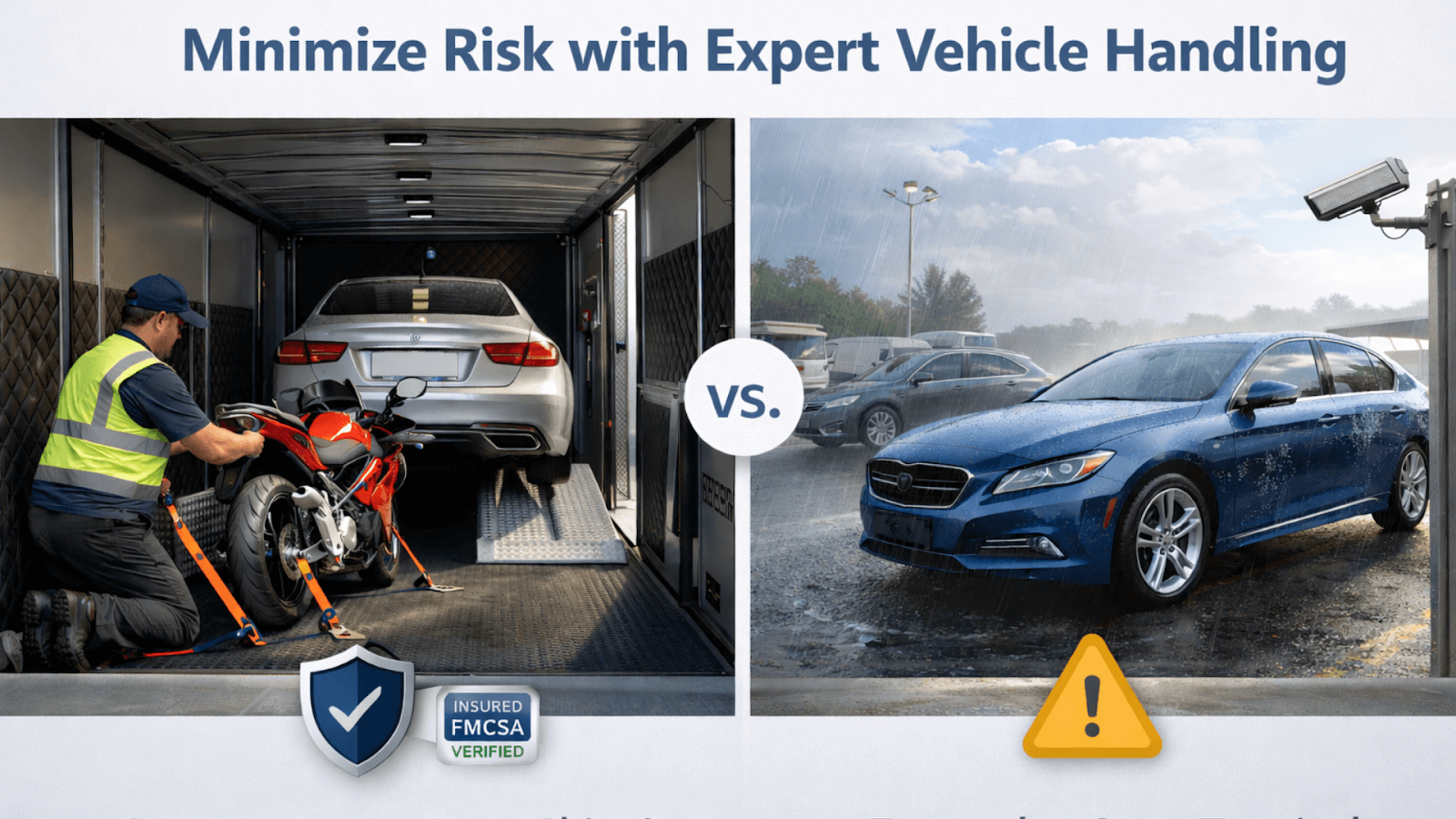
Risk mitigation is a cornerstone of professional logistics. In the realm of door-to-door shipping, the primary safety advantage is the reduction of "touchpoints." Every time a vehicle is driven, started, or moved by a third party, the risk of human error increases. By utilizing a door-to-door container shipping or open-carrier method, the vehicle remains stationary and secured for the vast majority of its journey.
Safety also extends to the physical environment. Vehicles left at terminals for terminal-to-terminal auto shipping are often exposed to the elements and varying levels of security. In contrast, door-to-door motorcycle shipping ensures that a high-value bike is handled by a professional who is personally responsible for the unit from the moment it is strapped down until it is released at the destination. According to industry safety standards maintained by the Federal Motor Carrier Safety Administration (FMCSA), carriers must maintain specific insurance levels, but the "last-mile" safety of a vehicle is best managed through the direct oversight provided by door-to-door logistics. To verify the reliability and ethical standing of a transport broker, owners should consult the Better Business Bureau to review the company's ratings and historical performance. This additional layer of vetting ensures you are partnering with a business that adheres to high standards of consumer trust.
When to Choose Door-to-Door Shipping
There are several scenarios where door-to-door car shipping is not just a luxury, but a logistical necessity. For owners of luxury, antique, or exotic vehicles, the direct nature of this service is essential to maintain the vehicle’s condition and low mileage. Similarly, for those relocating internationally, such as coordinating door-to-door shipping to Dominican Republic or other overseas territories, the complexity of customs and port logistics makes a direct, managed service the only viable way to ensure the vehicle reaches its final residential destination.
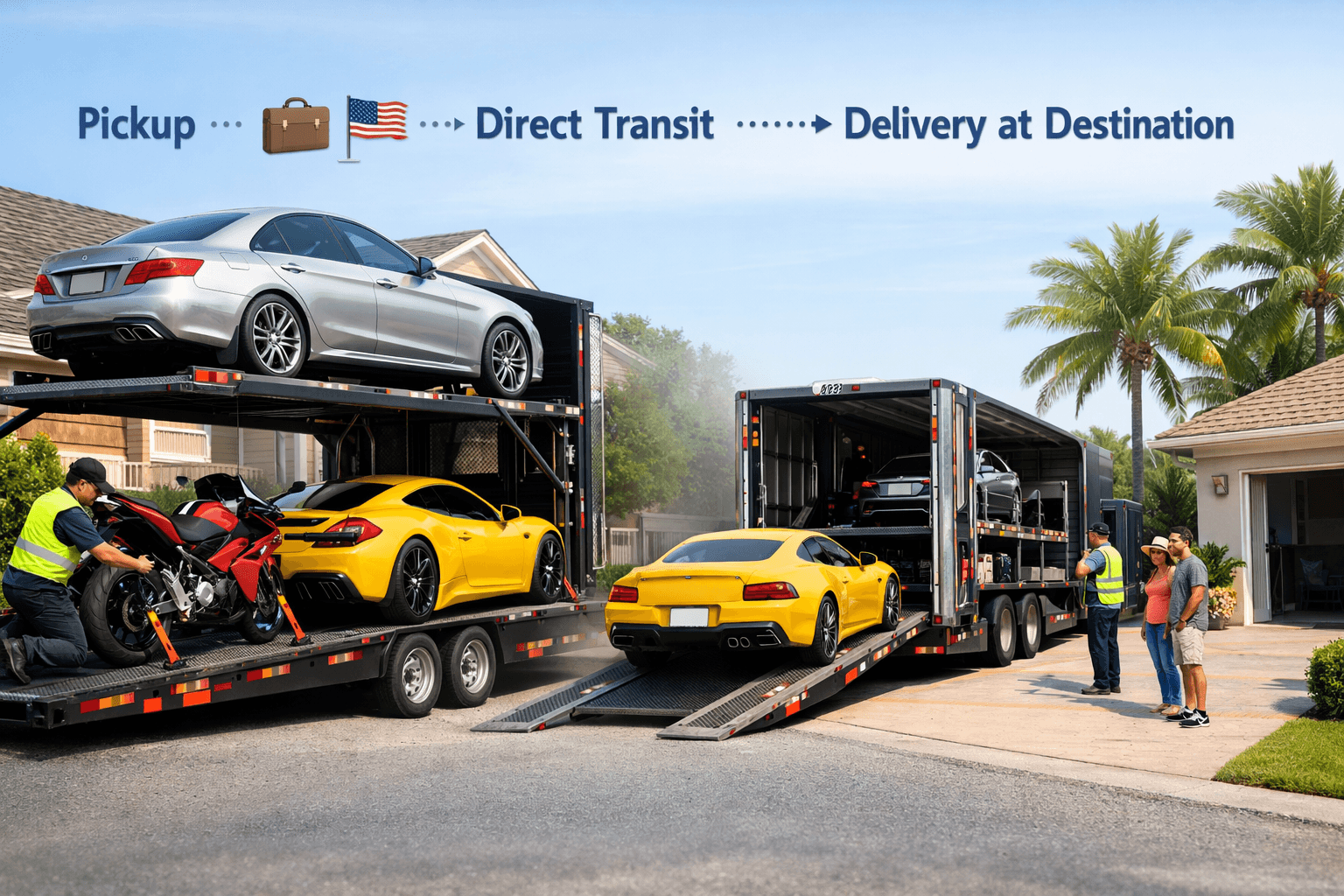
Choose a door-to-door shipping service if:
You are on a strict timeline for a job relocation or a military PCS move.
The vehicle is non-operational and cannot be easily driven to a terminal.
You value a personal inspection with the driver to document the vehicle's condition.
You are shipping a motorcycle or specialty freight that requires specific tie-down expertise.
By prioritizing a direct connection between the origin and the destination, owners can minimize the stress of the move and ensure their vehicle arrives exactly where it is needed, without the complications of secondary transport.
When Terminal Transport Makes Sense
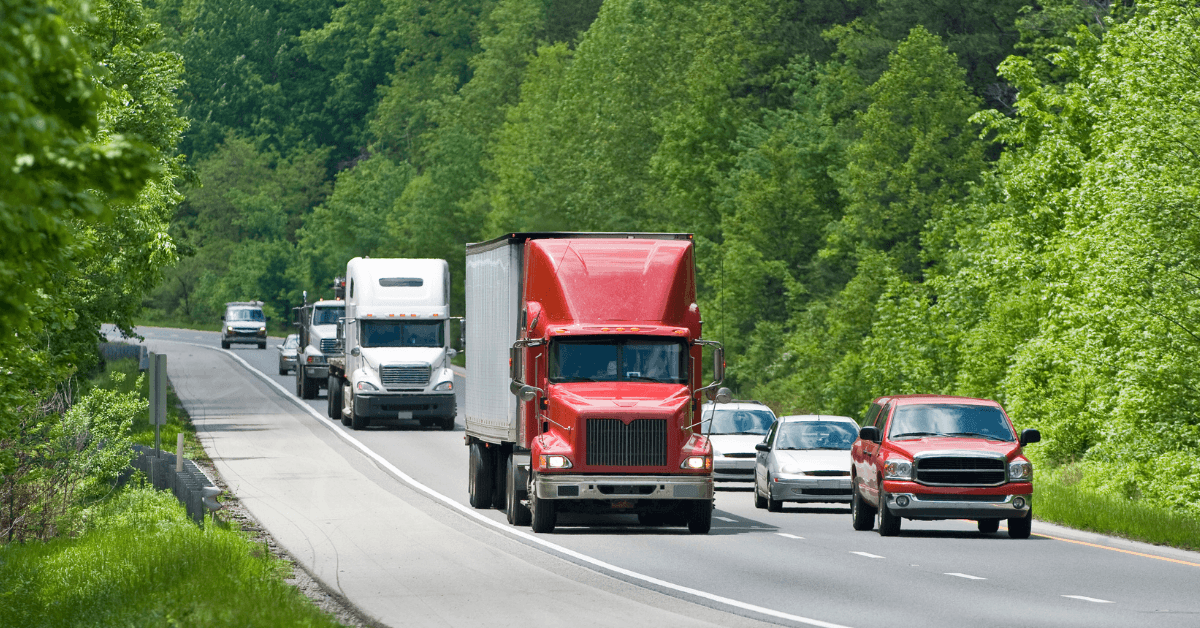
While door-to-door delivery is often the preferred choice for individual consumers, terminal-to-terminal car shipping remains a functional component of the national logistics infrastructure. This method is primarily utilized by large-scale commercial entities, such as auto dealerships or fleet managers, who move multiple units simultaneously to centralized distribution hubs. For a private individual, choosing to ship via a terminal is typically a decision driven by a strict adherence to a lower base budget or a highly fluid schedule.
In certain high-density urban areas where large transport trucks are legally prohibited from entering residential zones, a terminal may serve as the only viable exchange point. Furthermore, if a vehicle owner cannot be present for a specific pickup window, terminal-to-terminal motorcycle shipping or auto shipping terminal-to-terminal allows the vehicle to be dropped off at the owner’s convenience and held in storage until a carrier is assigned. However, it is essential to remember that these services require the owner to handle the "first and last mile" of the journey independently. Typical scenarios where this method is utilized include:
Commercial Fleet Distribution: Moving high volumes of inventory to a single, centralized commercial hub.
Residential Access Restrictions: Navigating local ordinances that prevent large multi-car haulers from entering specific neighborhoods.
Flexible Drop-off Requirements: Providing a solution for owners who cannot meet a driver during standard business hours.
Strict Budgetary Limits: Reducing the upfront freight cost by assuming responsibility for the final delivery leg.
These factors often involve additional logistical coordination and potential secondary travel costs that should be calculated into the final shipping budget.
What Car Owners Should Know About Door-to-Door and Terminal Shipping
Navigating the complexities of vehicle logistics requires a clear understanding of industry standards and common operational hurdles. Whether you are relocating across state lines or coordinating an international move, the distinction between direct and hub-based transport will define your overall experience. To ensure a seamless transition, owners should be proactive in asking about insurance coverage, transit times, and the specific equipment being used for their shipment.
What is door-to-door shipping?
Door-to-door shipping is the most convenient method of vehicle transport where the carrier picks up your vehicle directly from your specified location (such as your home or office) and delivers it as close as possible to your final destination.
Is door-to-door shipping always more expensive than terminal shipping?
Not necessarily. While the initial quote for a door-to-door car shipping service may appear higher, terminal shipping often incurs hidden costs. These include terminal storage fees, which can range from $15 to $50 per day, and the personal cost of traveling to and from the terminal. When these are factored in, door-to-door shipping often provides better overall value.
Can I ship personal belongings inside my vehicle during door-to-door transport?
Most carriers prefer that vehicles remain empty to comply with Department of Transportation weight regulations. However, some door-to-door shipping providers allow up to 100 lbs of personal items if they are secured in the trunk and kept below the window line. Always confirm this with your broker or carrier beforehand to avoid delays or fines.
How does door-to-door motorcycle shipping differ from car shipping?
Motorcycles require specialized handling, typically involving a "skid" or "pallet" to ensure the bike remains upright and secure. While door-to-door motorcycle shipping follows the same residential pickup logic as cars, it often utilizes enclosed trailers to protect the bike from road debris and weather, which is highly recommended for high-value or custom motorcycles.
What happens if a carrier cannot reach my front door?
In some cases, narrow streets, low-hanging power lines, or local ordinances prevent large haulers from reaching a specific address. If this occurs during a door-to-door vehicle shipping process, the driver will coordinate with you to meet at the nearest safe, legal location, such as a large supermarket parking lot or a wide commercial street nearby.
Making the Best Decision for Your Vehicle
Ultimately, the choice between door-to-door car shipping and terminal transport rests on your specific priorities regarding time, convenience, and the safety of your asset. While terminal-to-terminal models remain a staple for high-volume commercial fleet distribution, the vast majority of private owners find that the security and ease of a door-to-door service shipping model far outweigh the marginal cost differences. By choosing a direct service, you eliminate the uncertainty of terminal storage and the statistical risks associated with multiple handling points.
At Safeeds Transport Inc., we recommend prioritizing the closed logistics chain provided by door-to-door methods to ensure your vehicle arrives in the same condition it was in when it left your driveway. Selecting the right transport method is about balancing the immediate cost against the long-term value of your vehicle’s condition and your own peace of mind. By opting for a professional door-to-door car shipping service, you choose a streamlined, accountable, and transparent relocation experience that removes the logistical burden from your shoulders and places it in the hands of experts.
Secure your transport schedule today. Request a transparent, no-obligation quote from Safeeds Transport Inc. to get started.