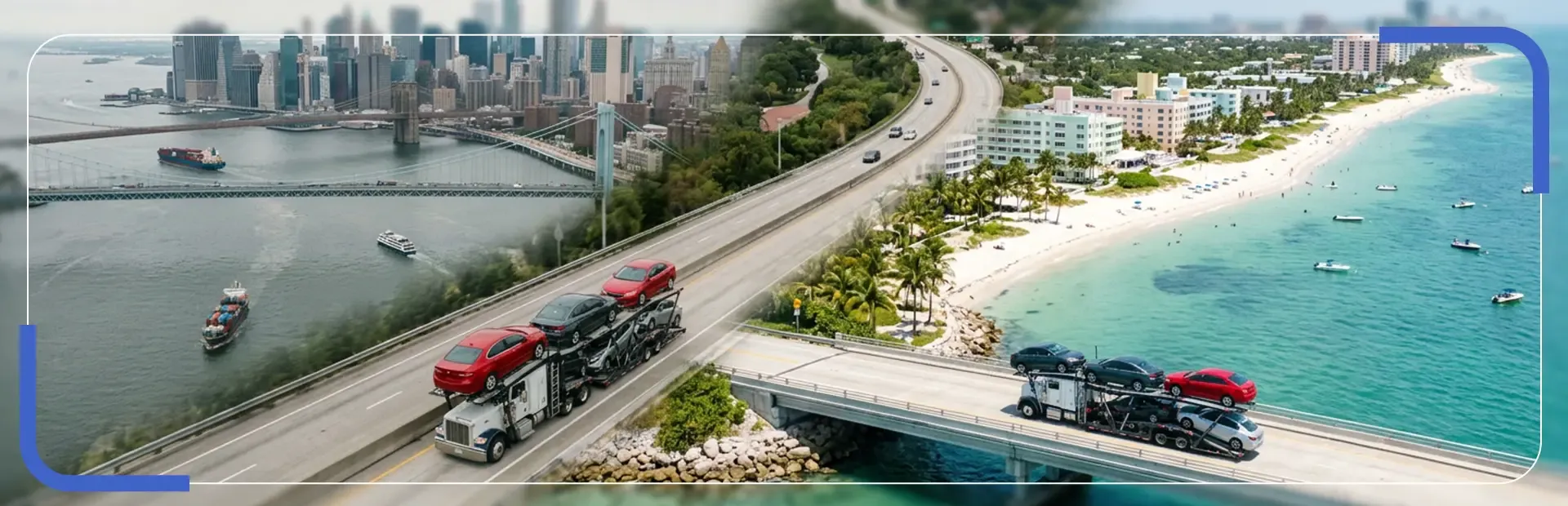
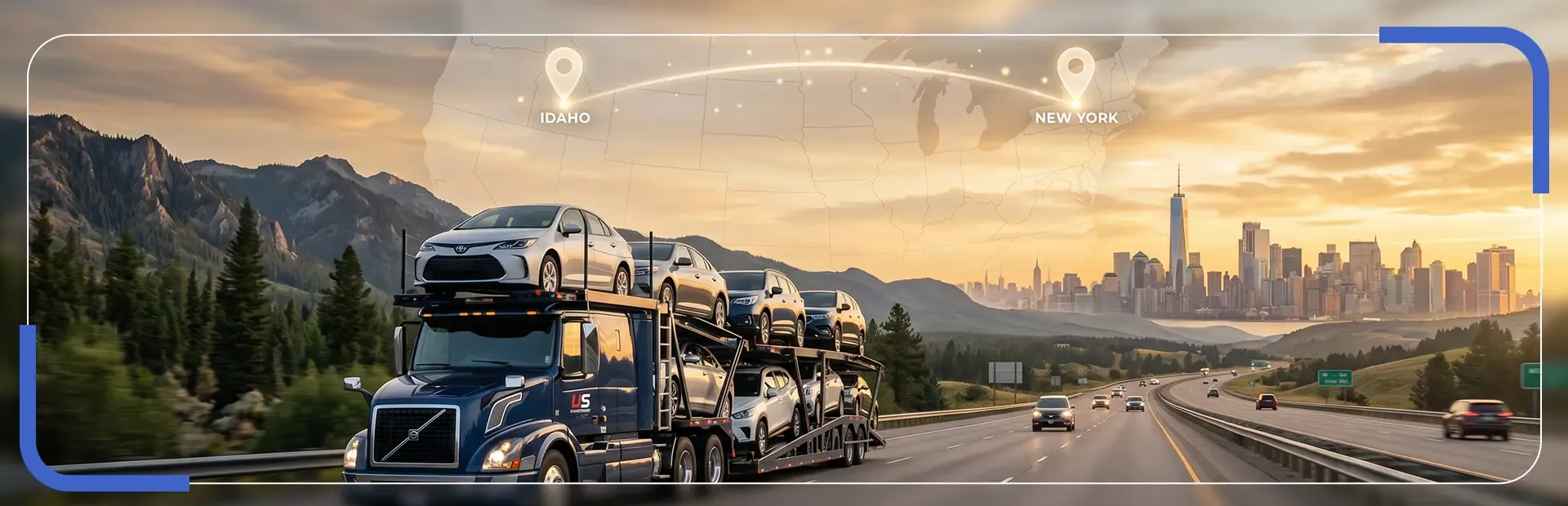
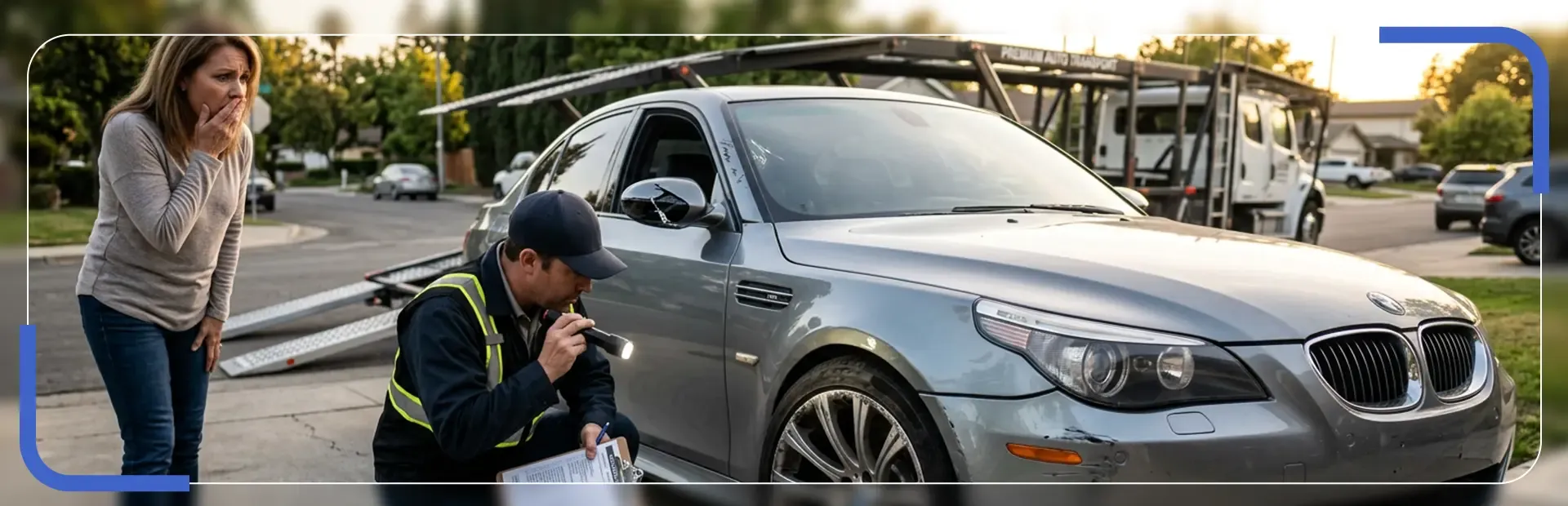
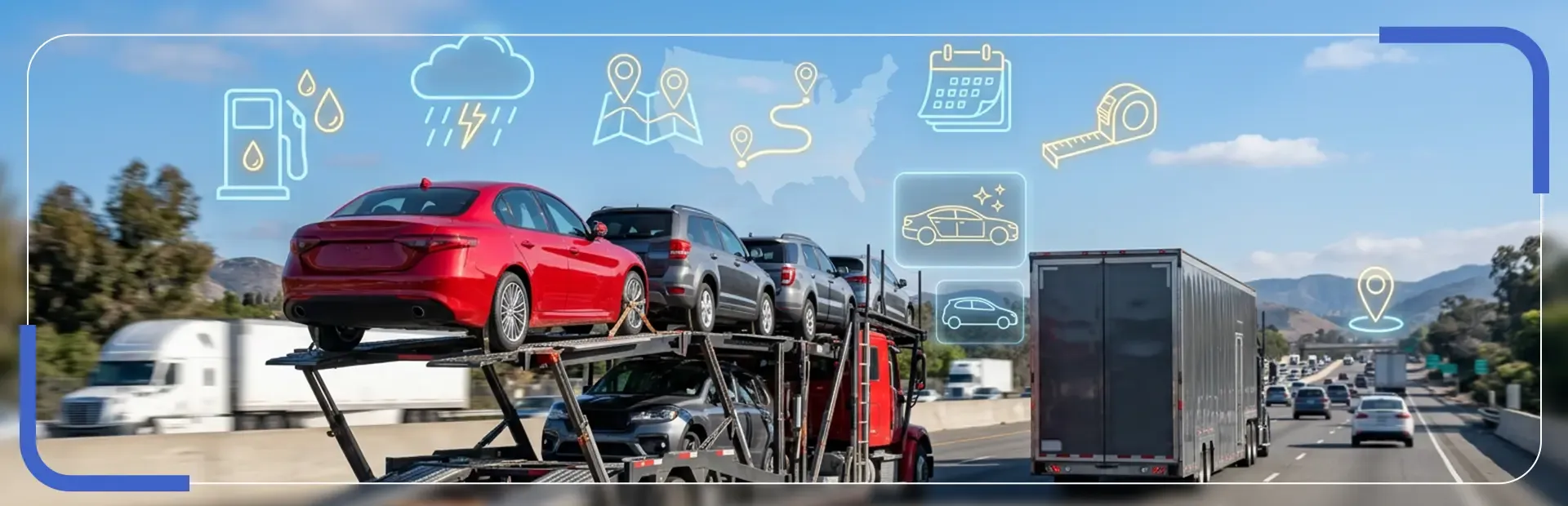
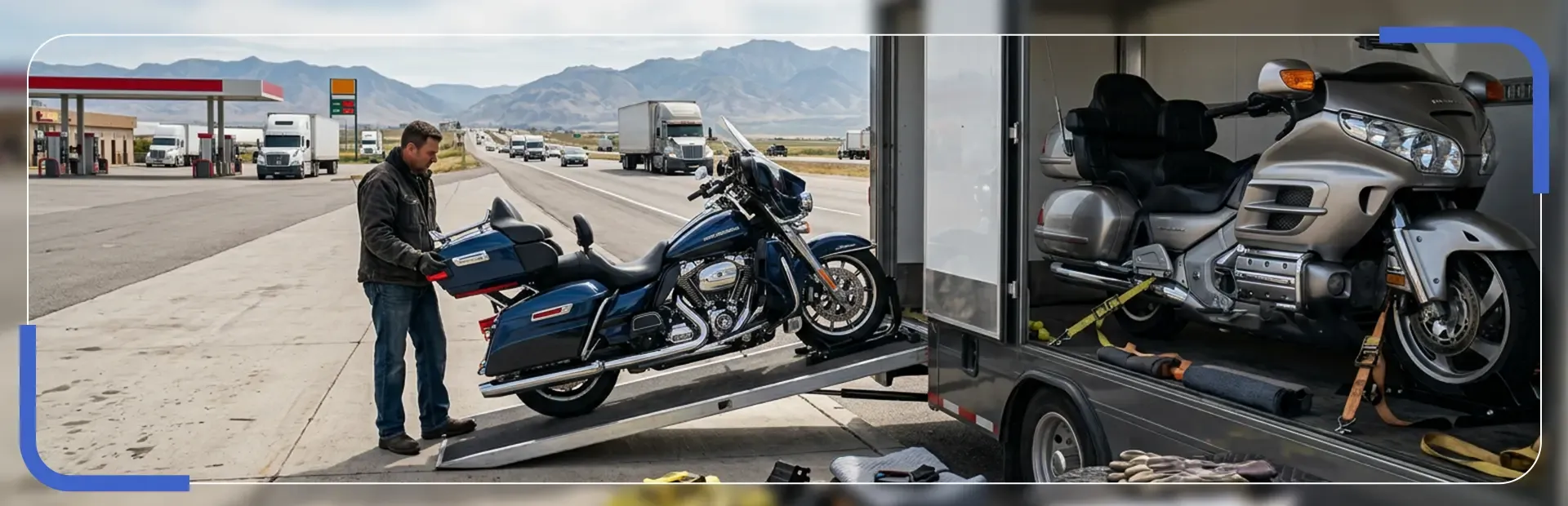
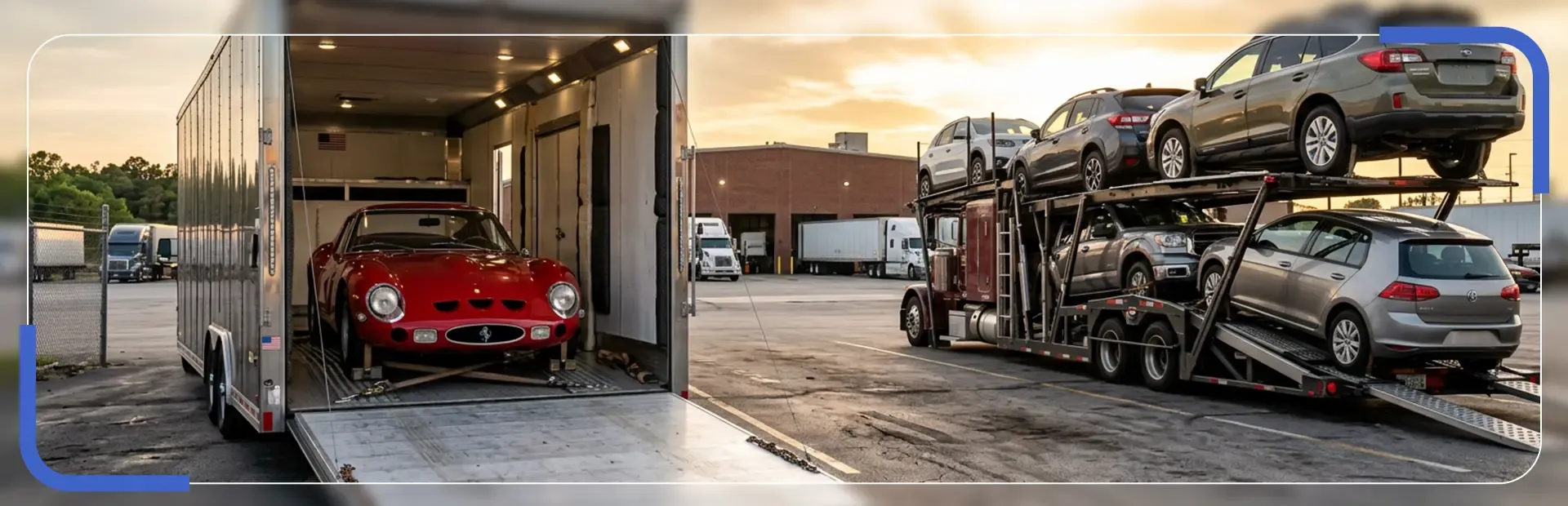
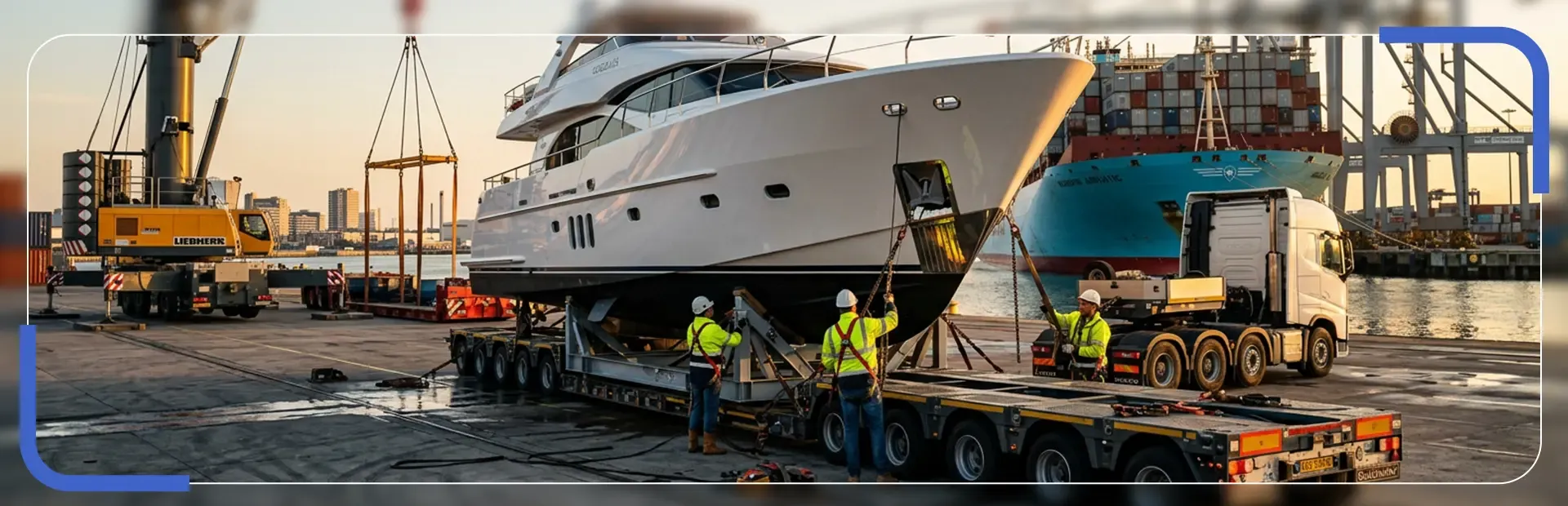
Door-to-door car shipping saves time in four ways: it skips the terminal holding period, allows direct scheduling without facility hours, requires less vehicle handling, and lets carriers plan more direct routes between pickup and delivery. Together, these four factors are why door-to-door service consistently outpaces terminal-to-terminal shipping on delivery speed.
A car sitting idle at a shipping terminal for days is one of the most common frustrations vehicle owners run into when arranging transport, and door-to-door service was built to solve exactly that problem. Many people compare shipping methods only after running into delays, which makes it worth understanding the differences upfront. Get a free quote from Safeeds and compare your options before you book.
What is Door-to-Door Car Shipping
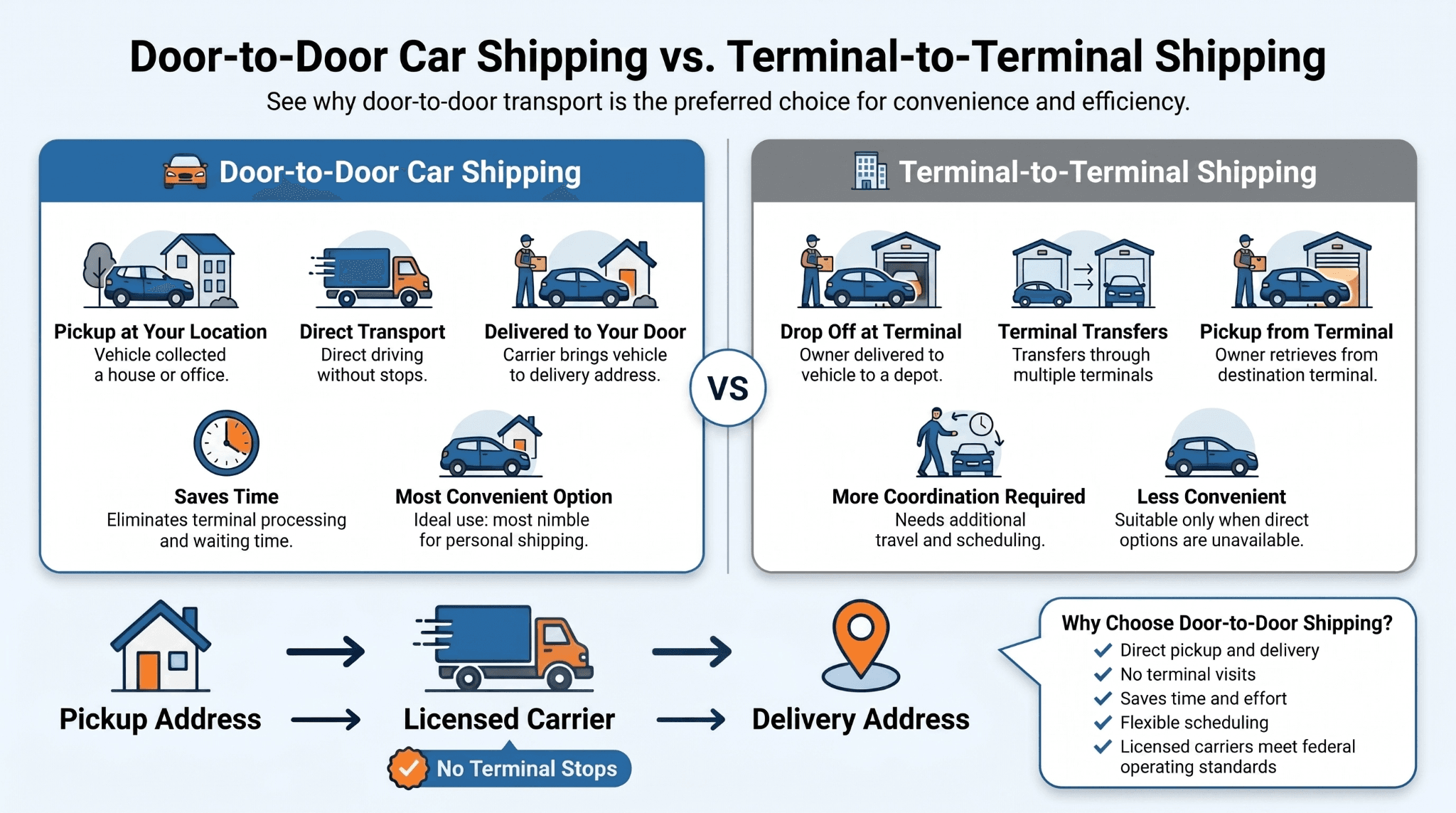
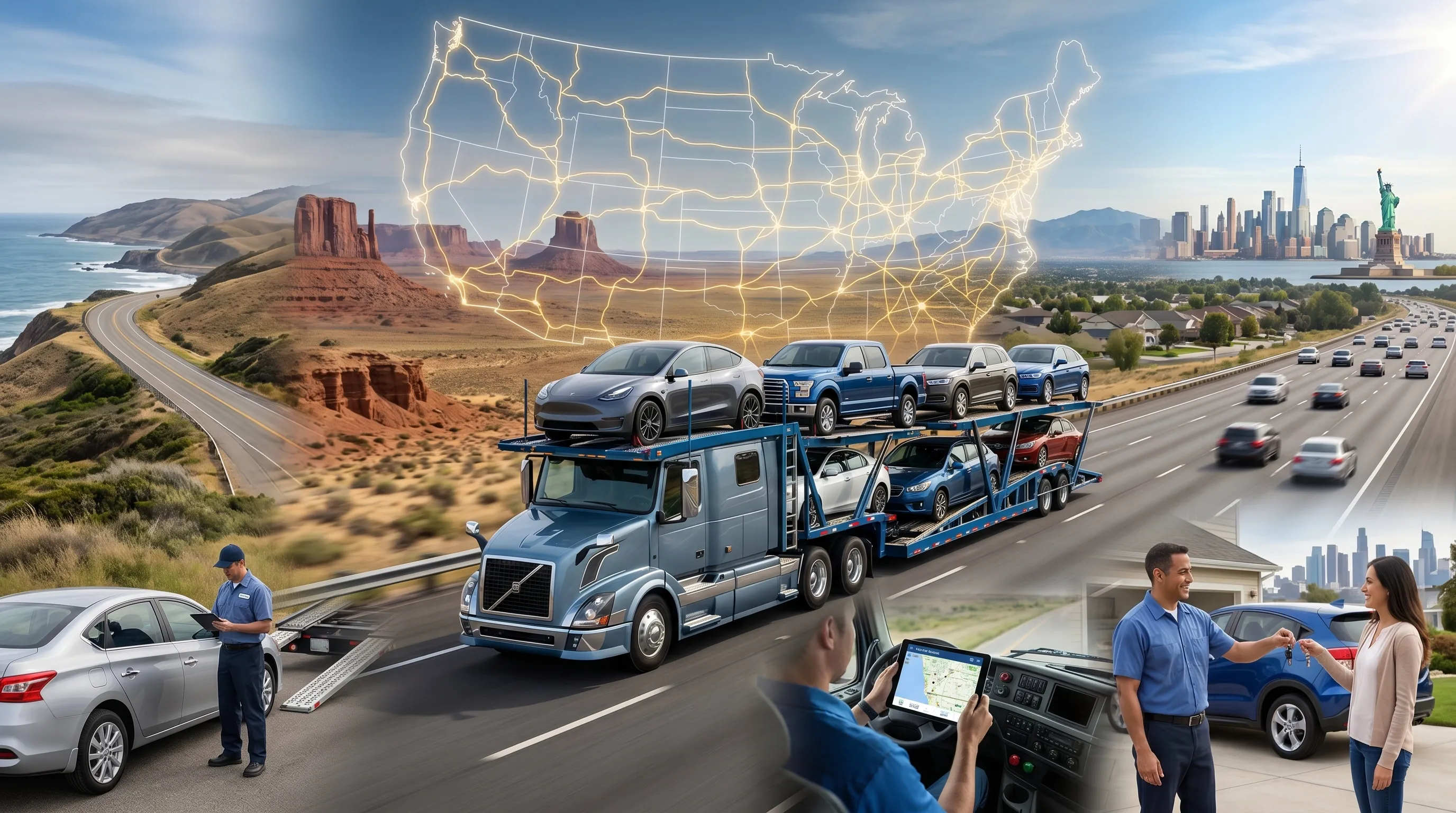
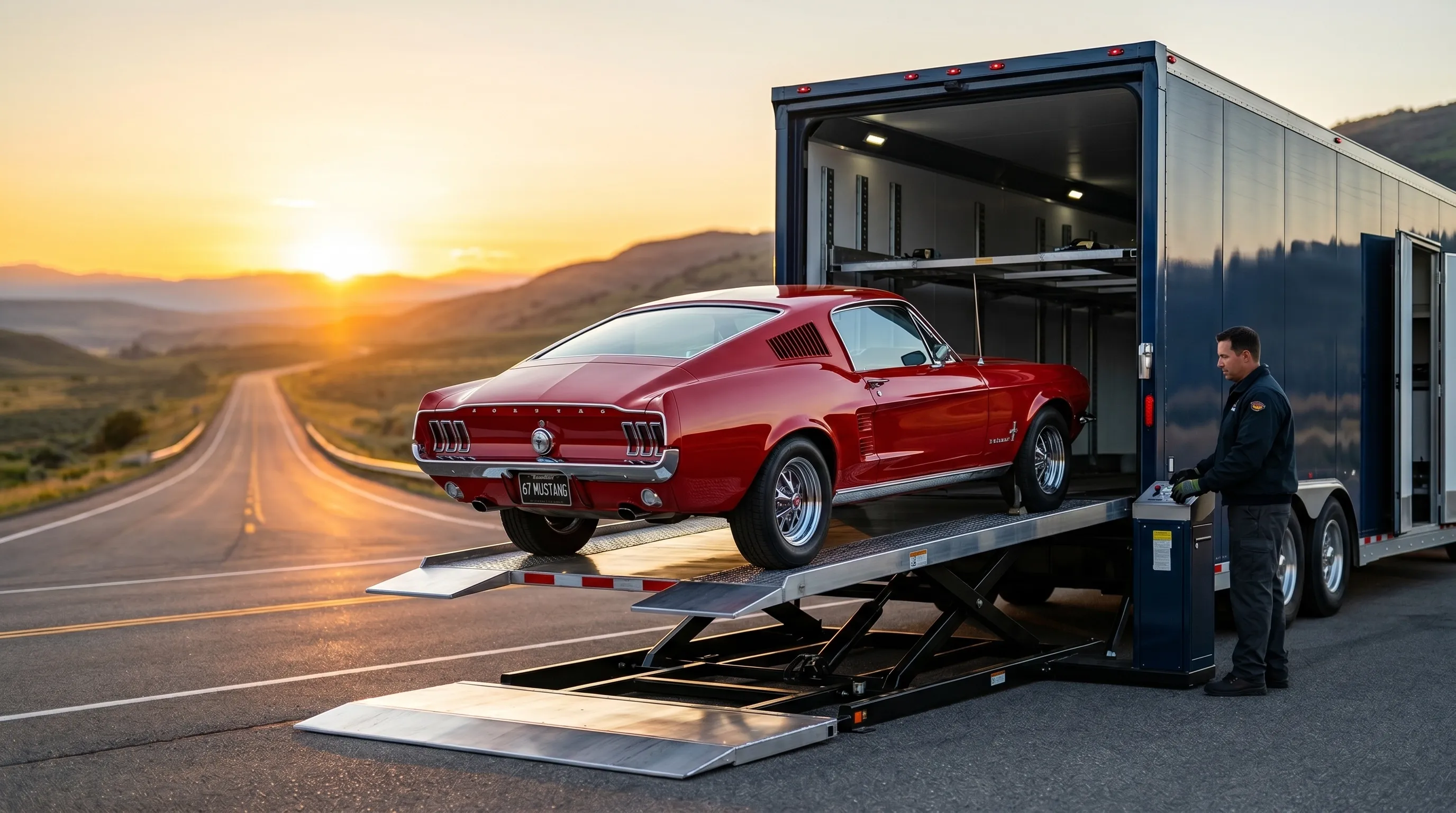
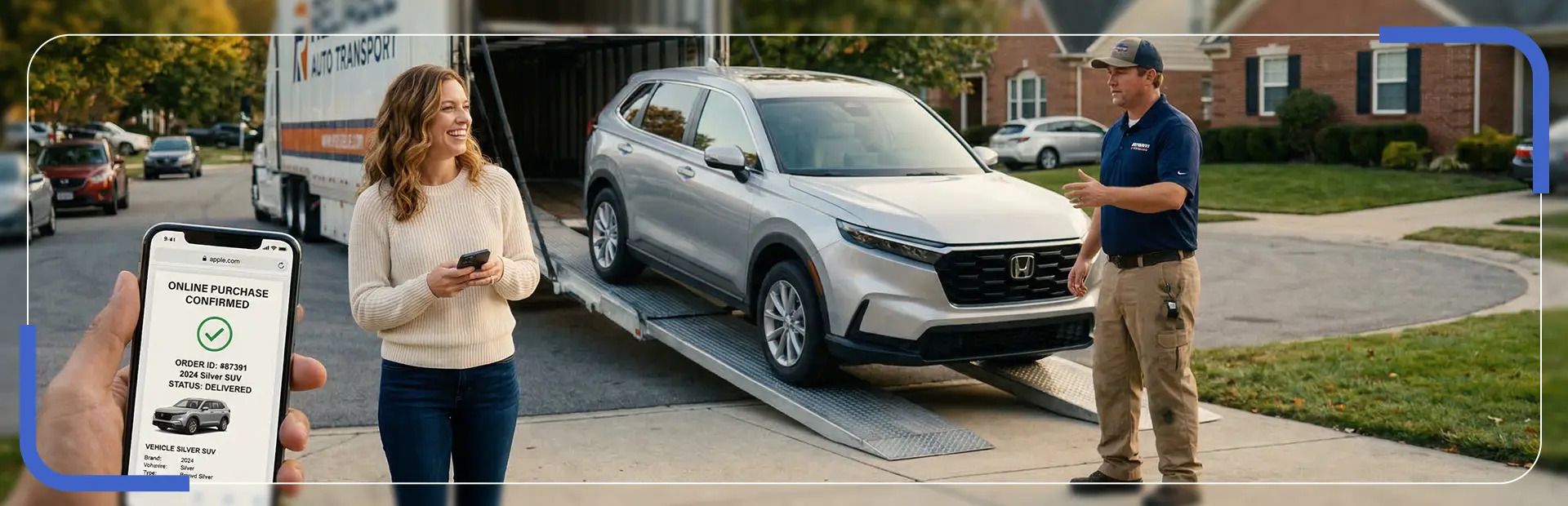
Door-to-door car shipping is a transport method where a carrier picks up the vehicle directly from the owner's home, office, or another specified address, then delivers it straight to the destination address. There is no terminal stop in between.
This model removes the need for the vehicle owner to drive to or from a depot. The carrier handles pickup and delivery at the locations that work best for the customer, which is why door-to-door auto transport has become the standard choice for most personal vehicle shipments across the United States.
Compared to older shipping models, door-to-door car shipping reflects a shift toward convenience-first logistics. According to the Federal Motor Carrier Safety Administration, licensed property brokers and carriers are required to meet specific operating standards regardless of pickup or delivery method, which means safety and compliance remain consistent whether a shipment moves through a terminal or directly between addresses.
How Terminal-to-Terminal Car Shipping Differs

Terminal-to-terminal car shipping works on a different model entirely. Instead of pickup and delivery at a personal address, the vehicle owner drops the car off at a designated terminal, and the recipient picks it up from a terminal at the destination.
Terminals exist because they let carriers consolidate multiple vehicles onto a single truck before departure, which can reduce shipping costs in some cases, but it introduces additional steps into the process: the vehicle owner has to transport the car to the terminal themselves, the vehicle may then sit there until the truck has enough vehicles loaded to depart, and the recipient has to travel to a separate terminal at the destination to retrieve it. Each of these steps adds time that door-to-door car shipping is designed to eliminate.
The two shipping models differ across several practical factors, from pickup location to overall convenience. The comparison below lays these differences out side by side.
Factor | Door-to-Door Car Shipping | Terminal-to-Terminal Car Shipping |
Pickup location | Customer's address | Designated terminal |
Delivery location | Customer's address | Designated terminal |
Waiting period | Minimal | Can vary based on truck capacity |
Convenience | High | Requires self-transport to/from the terminal |
Typical cost | Slightly higher | Can be lower in some cases |
4 Ways Door-to-Door Car Shipping Saves Time
The time savings associated with door-to-door car shipping come down to four specific factors. Each one addresses a different point where terminal-to-terminal car shipping tends to slow the process down, and together they explain why direct service has become the preferred option for most shippers.
1. Skipping the Terminal Stop Shortens Transit Time
When a vehicle goes through a terminal, it often sits in a holding area until the carrier has assembled a full load for that route. This waiting period can add anywhere from a day to several days, depending on volume and route demand. Door-to-door auto transport bypasses this entirely; the vehicle moves from pickup straight into the transport process without pausing at an intermediate facility, keeping the overall timeline shorter and more predictable. On high-demand routes, this single difference is often the largest contributor to faster delivery.
2. Direct Pickup and Delivery Reduce Scheduling Delays
Terminals operate on fixed business hours, and pickup or drop-off has to be coordinated around those hours. This can create scheduling friction, especially for shippers with limited availability during the week or those relocating on short notice. Door-to-door car shipping removes this constraint: the carrier comes directly to the customer rather than requiring a terminal visit, and scheduling tends to be more flexible since there are no facility-hours restrictions. This is particularly useful for shippers juggling work schedules, moving timelines, or last-minute travel plans.
3. Less Vehicle Handling Means Faster Processing
Every time a vehicle is loaded, unloaded, or moved within a terminal lot, it adds processing time and a small amount of handling risk. Terminal-to-terminal car shipping typically involves more of these transfer points, since vehicles are often repositioned multiple times before they are loaded onto the final truck. With door-to-door auto transport, the vehicle is loaded once at pickup and unloaded once at delivery, which generally means a faster, more streamlined process and fewer opportunities for minor delays to accumulate along the route.
4. A Dedicated Route Plan Speeds Up Delivery
Carriers running door-to-door routes can often plan more direct paths between pickup and delivery addresses, since they are not detouring to intermediate terminals to drop off or collect other vehicles. This more direct routing tends to shorten total transit time, particularly on long-distance shipments, while avoiding the extra mileage that multiple terminal stops would otherwise add. Shorter, more direct routes are also easier for carriers to schedule reliably.
How Door-to-Door and Terminal Costs Compare
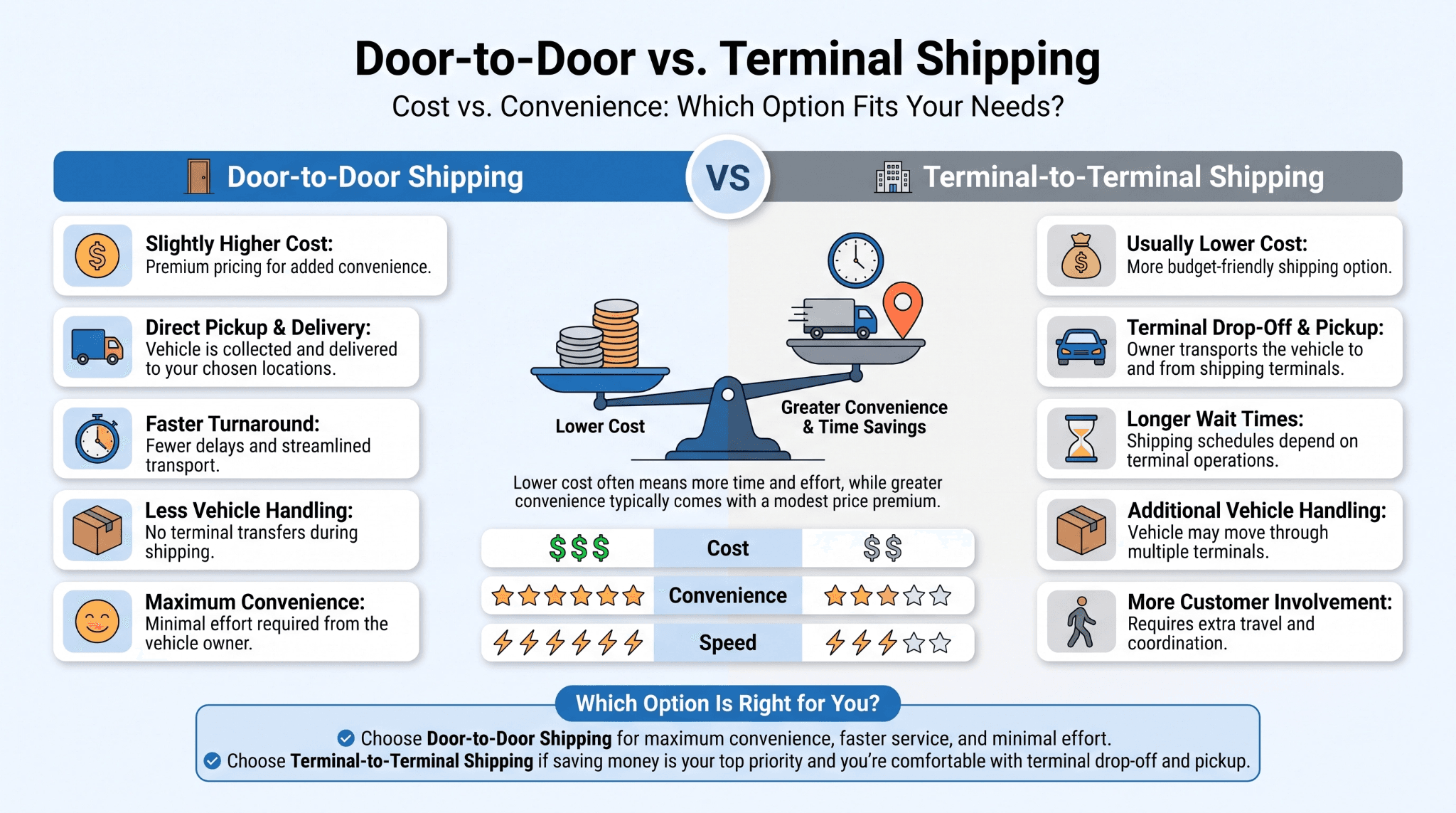
Faster service naturally raises a cost question. Door-to-door vs terminal cost differences typically come down to convenience versus potential savings, and the right choice often depends on what the shipper values most.
Terminal-to-terminal car shipping can sometimes cost less because carriers consolidate multiple vehicles more efficiently. However, this savings often comes with longer wait times and the added effort of transporting the vehicle to and from a terminal.
Door-to-door car shipping usually costs slightly more, but the price difference reflects the convenience of direct pickup and delivery, reduced handling, and a generally faster timeline. For many shippers, the time saved offsets the modest price gap, particularly when timelines or scheduling flexibility matter.
Cost and speed tend to move in opposite directions between the two shipping methods. The snapshot below summarizes how each one trades off against the other.
Shipping Method | Typical Cost Impact | Typical Time Impact |
Door-to-Door Car Shipping | Slightly higher | Faster, more predictable |
Terminal-to-Terminal Car Shipping | Potentially lower | Slower, dependent on load schedules |
When Terminal-to-Terminal Car Shipping Makes Sense (And How to Choose)
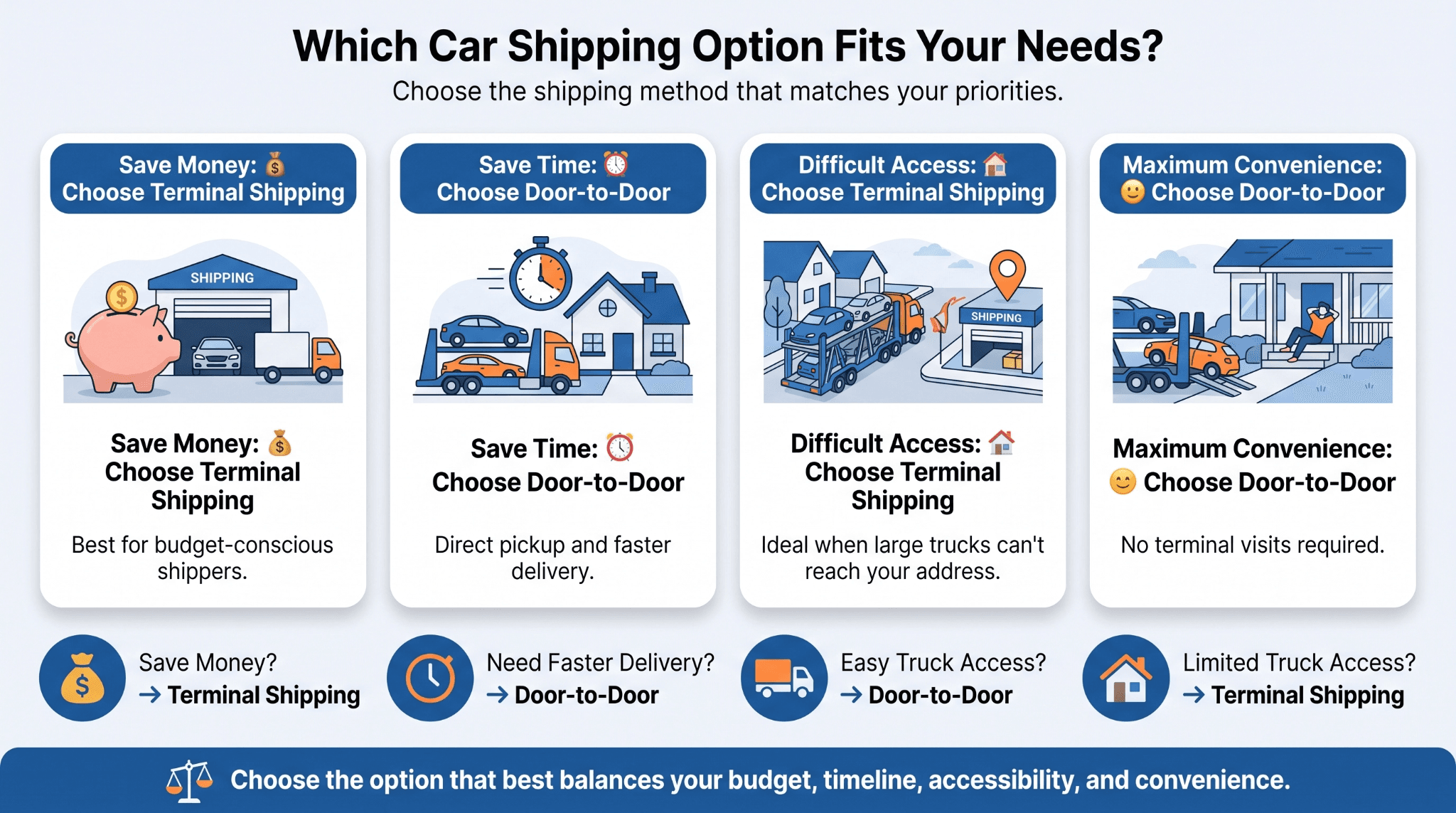
Despite the time advantages of door-to-door car shipping, terminal-to-terminal car shipping still serves specific situations well. A few scenarios where it can make practical sense:
Shippers working with a flexible timeline and a tighter budget may find the cost savings worthwhile
Routes with high terminal volume and frequent departures reduce the typical waiting downside
Destination addresses that are difficult for a large carrier truck to access, such as narrow residential streets or remote rural locations, may be better served by a nearby terminal
In these cases, the carrier can avoid maneuvering a large trailer into a tight space, which keeps the process smoother for everyone involved.
Choosing between door-to-door car shipping and terminal-to-terminal car shipping ultimately comes down to a few practical priorities. Reviewing these factors before booking helps match the shipping method to the situation at hand:
Timeline needs: If the vehicle needs to arrive within a specific window, door-to-door car shipping offers more predictability
Vehicle access: Homes or offices with easy truck access are well suited to door-to-door auto transport, while difficult-to-reach addresses may favor terminal pickup
Budget priorities: Shippers focused on minimizing cost over speed may lean toward terminal-to-terminal car shipping
Convenience expectations: Door-to-door service removes the need to personally transport the vehicle to or from a facility
Industry guidance from sources such as the American Trucking Associations generally supports the idea that direct-service logistics models reduce transit friction across the broader freight industry, a principle that applies just as clearly to personal vehicle shipping.
[Image: decision factors graphic]
Common Things Shippers Wonder About Door-to-Door Service
Before booking, most shippers have a handful of practical questions about how door-to-door service actually works day to day. The answers below cover the most common ones in straightforward terms.
Is door-to-door car shipping available everywhere?
In most cases, yes. Door-to-door auto transport is available across the continental United States, though extremely remote or hard-to-access addresses may require a nearby meeting point instead of true door-to-door service.
Does door-to-door auto transport cost more for long-distance routes?
Distance affects pricing for both shipping methods. On longer routes, the cost gap between door-to-door and terminal shipping can narrow, since terminal consolidation becomes less of an advantage over greater distances.
Can large carrier trucks reach most residential driveways?
Most standard carrier trucks can access typical residential streets. For homes on narrow roads or in tightly restricted areas, carriers sometimes arrange a nearby pickup point to complete delivery safely.
Does door-to-door car shipping include insurance coverage?
Reputable carriers carry cargo insurance for vehicles in transit regardless of shipping method. Shippers should confirm coverage details directly with their carrier or broker before booking.
Final Word on Choosing the Right Shipping Method
Door-to-door car shipping offers a faster, more predictable, and more convenient process for most vehicle owners, primarily because it removes the waiting periods, scheduling constraints, and extra handling steps associated with terminal-to-terminal car shipping. For shippers prioritizing speed and simplicity, the modest cost difference is generally a reasonable tradeoff.
Terminal-to-terminal car shipping remains a valid option for budget-conscious shippers or those with flexible timelines, particularly on high-volume routes. Understanding both models, along with the door-to-door vs terminal cost difference, allows shippers to make an informed decision suited to their specific timeline and location.
Compare your shipping timeline and pricing in under a minute. Request your free Safeeds quote today and get matched with a licensed carrier.