The Ford F-150 Lightning is changing how truck owners think about power, performance, and everyday driving. As the electric version of the iconic Ford F-150, this pickup combines the strength and durability truck drivers expect with the efficiency and innovation of electric vehicle technology. For drivers used to traditional gas-powered trucks, switching to an electric pickup may feel like a big step. However, the Lightning is designed to make that transition smooth by offering strong towing capability, advanced technology, and lower long-term maintenance needs.
In this guide, we’ll explore everything first-time EV drivers should know before owning a Ford F-150 Lightning, from features and charging to real-world performance and ownership costs. At Safeeds Transport Inc., we understand how important it is to make informed decisions when buying or transporting a vehicle. Get a quote today and plan your vehicle transport with confidence.
What Makes the Ford F-150 Lightning an Electric Truck
The Ford F-150 Lightning is not merely a battery-powered version of a standard pickup; it is a purpose-built electric pickup truck designed to maintain the utility of the world’s most popular vehicle series while embracing zero-emission technology. Ford strategically integrated EV technology into the iconic Ford F-150 lineup to meet the evolving demands of modern fleet operators and private owners alike.
While the exterior silhouette remains familiar to those who have driven a 2020 or a 2021 Ford F-150, the architecture underneath is radically different. Unlike the mechanical complexity of traditional drivetrains, the Lightning utilizes dual electric motors and a frame-mounted battery pack. This shift allows the 2024 Ford F-150 and the latest 2025 Ford F-150 variants to offer features impossible in gas models, such as a front trunk (frunk) and the ability to serve as a mobile power source for job sites or homes.
How the Ford F-150 Lightning Compares to Traditional F-150 Trucks
For decades, the truck market was defined by the evolution of the internal combustion engine, seen in the steady progress from the 1996 and 1997 Ford F-150 to the high-output versions of the 2018 and 2019 Ford F-150. The transition to the Lightning changes the fundamental ownership experience.
The primary difference lies in energy delivery and maintenance. Where a 2017 Ford F-150 relies on fossil fuels and frequent oil changes, the Lightning requires no liquid fuel and has significantly fewer moving parts.
Feature | Traditional Ford F-150 | Ford F-150 Lightning |
Powertrain | Internal Combustion Engine (V6/V8) | Dual Electric Motors (AWD) |
Acceleration | Linear Power Build-up | Instantaneous Torque |
Fueling | Gas Station Fill-ups | Home or Public Charging |
Storage | Rear Bed Only | Rear Bed + Mega Power Frunk |
Maintenance | Oil, Filters, Spark Plugs, Belts | Minimal (Brakes, Tires, Coolant) |
Key Features That Make the Ford F-150 Lightning Stand Out
The Ford F-150 Lightning stands out by solving traditional truck pain points through innovation. The 2024 Ford F-150 Lightning and 2025 Ford F-150 Lightning models utilize advanced lithium-ion battery technology that provides a low center of gravity, significantly improving handling over previous gas-powered generations. To understand the full range of engineering behind these models, you can view the detailed F-150 Lightning Specifications provided by the Ford Newsroom.
Key technological and design highlights include:
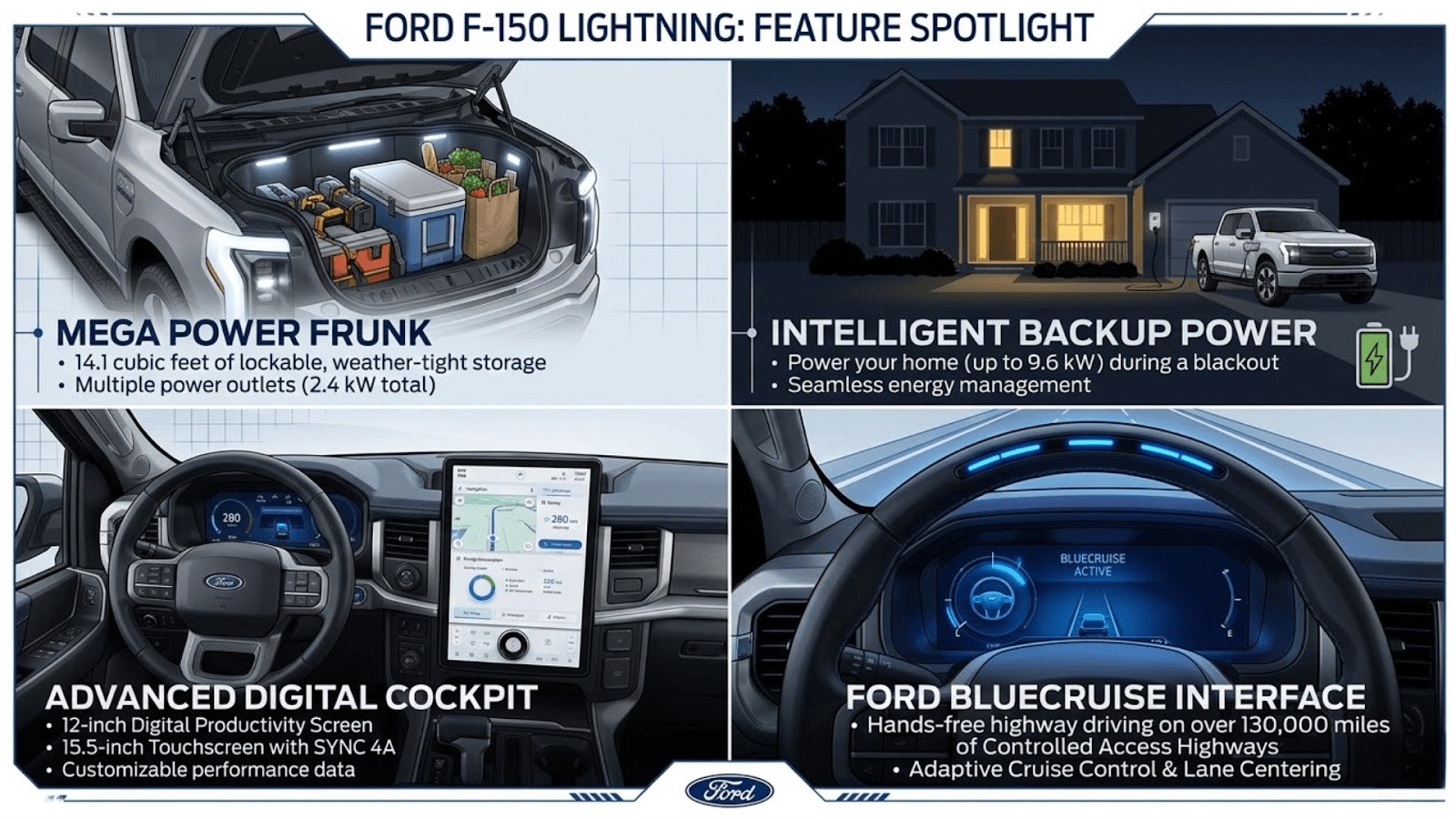
Intelligent Backup Power: This system allows the truck to provide up to 9.6 kW of electricity, making the vehicle a vital asset for emergency home power or remote work environments where traditional grids are inaccessible.
Mega Power Frunk: By removing the engine, Ford created a massive, lockable front trunk that provides weather-tight storage and additional power outlets.
Advanced Digital Cockpit: The interior serves as a hub of connectivity, featuring high-resolution displays that provide real-time data on energy consumption and remaining range.
Smart Driving Systems: Features like Ford BlueCruise allow for hands-free highway driving, distinguishing these new electric models from older work trucks.
Intuitive Interface: The systems are designed to be seamless, ensuring the transition from a traditional dashboard to a digital interface is easy for the driver.
Towing Strength, Hauling Capabilities, and Trim Options
A common concern for EV skeptics is whether a battery-powered truck can match the Ford F-150 hauling weight standards set by internal combustion models like the 2014, 2015, and 2016 Ford F-150. The Lightning addresses these concerns directly by offering a maximum towing capacity of up to 10,000 lbs when properly equipped.
Because electric motors provide 100% of their torque instantly, the Lightning often feels more confident and stable when pulling heavy loads than its predecessors. However, the ownership experience varies depending on the specific model and trim you choose:
Performance Dynamics: While the truck handles heavy loads with ease, hauling impacts battery range more significantly than it affects the fuel economy of a diesel or gas engine.
The Entry Point: The lineup typically begins with the Ford F-150 xl truck (often designated as the Pro trim). The 2025 Ford F-150 xl remains the primary entry point for commercial applications, focusing on durability and essential utility.
Premium Hierarchy: As you move up the Ford F-150 trim levels, the price increases alongside interior refinements and battery capacity. High-end versions offer features comparable to luxury SUVs.
Customization: For those seeking a more aggressive aesthetic, custom iterations like the Ford F-150 black widow demonstrate that the electric platform fully supports traditional "tough truck" culture.
Charging the Ford F-150 Lightning at Home and on the Road
For the first-time driver, "refueling" is the biggest change in routine. Most charging occurs at home using a Level 2 charger, which can replenish the battery overnight. For long-distance travel, the Ford F-150 Lightning utilizes a vast network of public DC Fast Chargers. Drivers can find comprehensive data on EV charging station locations and types through the Department of Energy’s official resources. These stations are capable of charging the battery from 15% to 80% in approximately 40 minutes.
Battery Range and Daily Driving Expectations
The usability of the Ford F-150 Lightning is defined by its two primary battery configurations. Standard-range batteries typically offer around 240 miles of EPA-estimated range, while the extended-range versions, available on the 2024 and 2025 Ford F-150 Lightning, push that figure over 320 miles.
However, first-time drivers should note that real-world range is influenced by several key factors:
Environmental Conditions: Extreme cold weather can reduce efficiency as the truck diverts energy to heat the cabin and battery.
Driving Speed: High-speed interstate travel consumes power faster than stop-and-go city driving, where regenerative braking recaptures energy.
Utility Demands: Utilizing the full Ford F-150 hauling weight capacity or towing heavy trailers will naturally decrease the available range.

To ensure reliability, owners should utilize the "Pre-conditioning" feature while plugged in to optimize battery temperature before departure. Additionally, the truck’s built-in navigation automatically integrates necessary charging stops into your route, adjusting for elevation and traffic to provide accurate, real-time range expectations.
Shipping and Long-Distance Transport Considerations
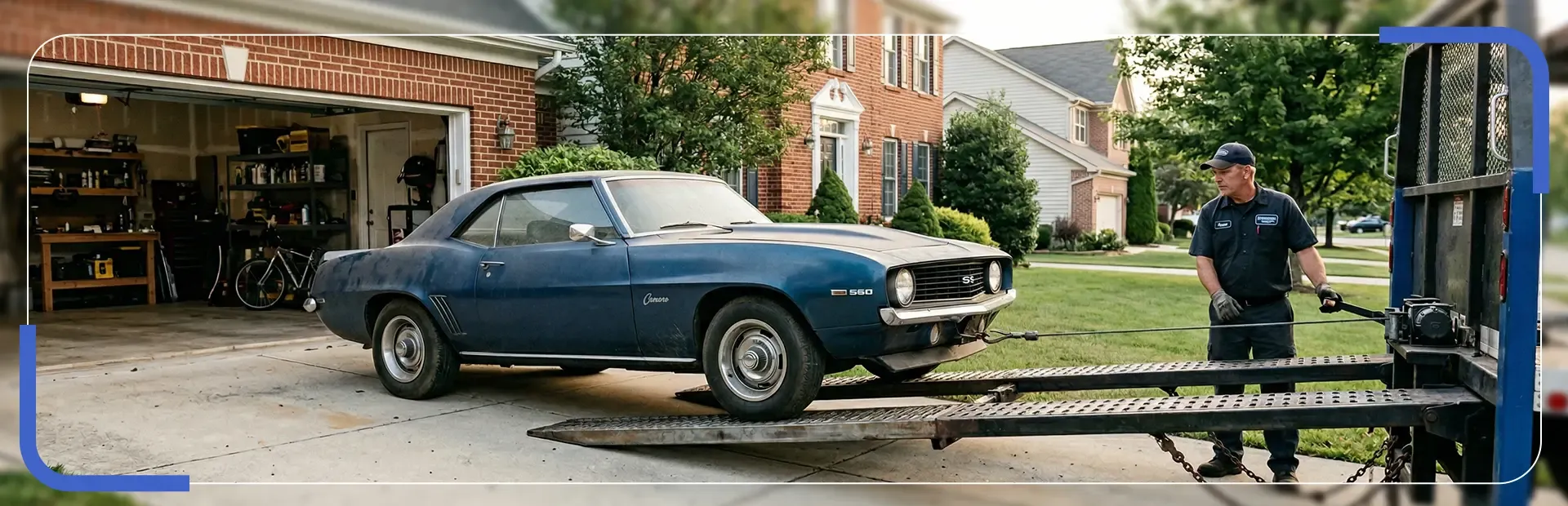
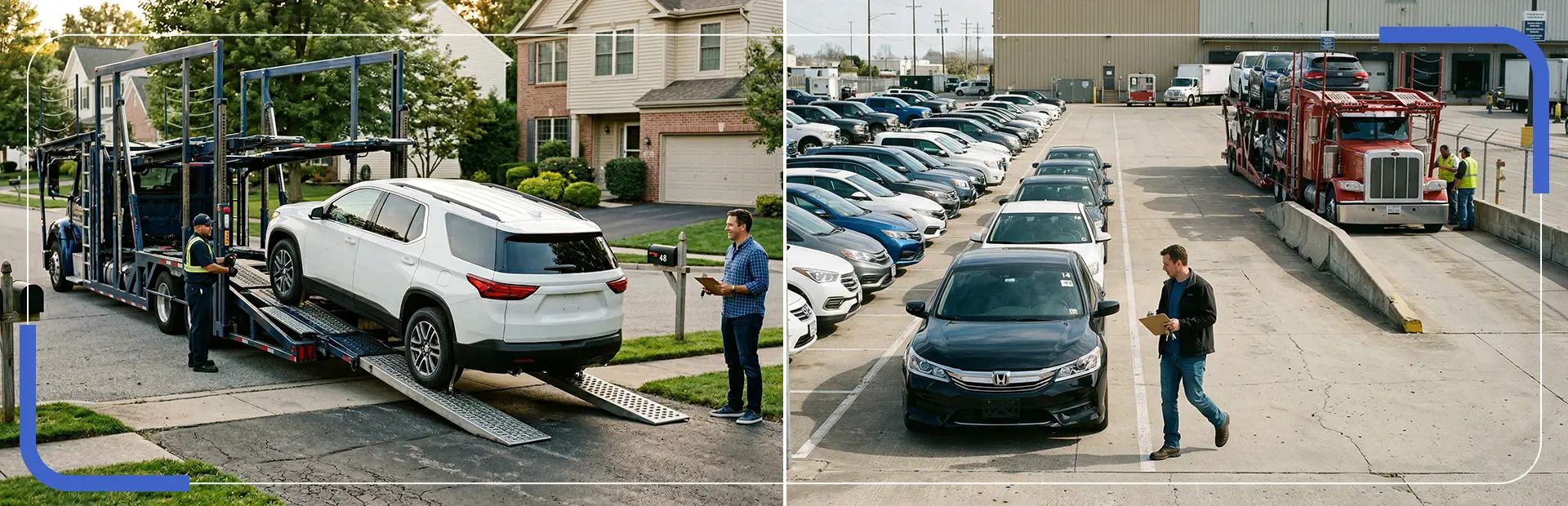
If you are purchasing a Ford F-150 Lightning for sale from a distant dealership or an out-of-state private seller, the logistical process of getting the vehicle to your driveway requires specialized planning. Unlike a standard Ford F-150, which relies on a lighter internal combustion engine, electric trucks are significantly heavier. The massive lithium-ion battery packs mean these vehicles often weigh between 6,000 and 6,800 lbs. This increased curb weight can push a standard car hauler over its gross vehicle weight rating (GVWR) if not properly calculated, making it essential to work with a carrier experienced in heavy EV logistics.
When arranging professional transport for a 2024 Ford F-150 Lightning or a newer 2025 Ford F-150 Lightning, keep these detailed considerations in mind:
Verifying Carrier Capacity: You must ensure the carrier is explicitly aware of the truck's weight. Because a Lightning is roughly 1,000 to 1,500 lbs heavier than a traditional 2018 Ford F-150, it may require a carrier with specialized trailers or a reduced load count to stay within legal weight limits for interstate travel.
Optimal Battery State of Charge: For safety and battery health during transit, industry experts recommend shipping an EV with a battery charge between 20% and 50%. A lower charge reduces the "state of energy" in the battery cells during the vibrations of travel, while ensuring there is enough power for the driver to load and unload the vehicle without reaching a critical low-battery state.
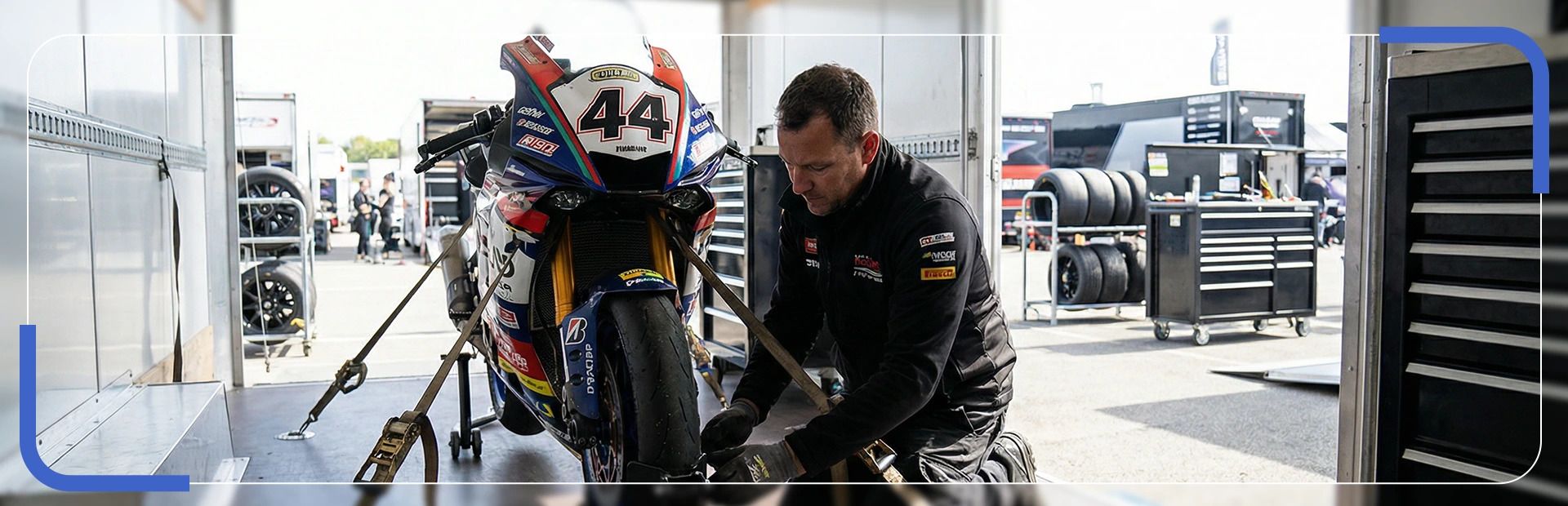
Specialized Securement Methods: The undercarriage of the Lightning houses the most sensitive and expensive component: the battery. Transporters must avoid using traditional frame hooks or "J-hooks," which could accidentally puncture the battery casing. Instead, professional transporters should use specialized "over-the-tire" wheel straps that secure the truck by its tires, ensuring no pressure is applied to the chassis or the electrical system.
Insurance and Documentation: Given the high price of a Ford F-150 in its electric form, verify that the shipping company’s insurance policy covers the full market value of a high-end EV. Always conduct a thorough pre-shipment inspection, documenting the digital dashboard and external sensors, which are more prevalent on the new Ford F-150 models compared to older versions like the 2014 Ford F-150.

By addressing these logistical details upfront, you can protect your investment and ensure that your transition to electric truck ownership begins without any mechanical or structural setbacks.
Helpful Information for Researching the Ford F-150 Lightning
When deciding between a 2024 Ford F-150 Lightning and the newest 2025 Ford F-150 Lightning, the differences often lie in software refinements and trim availability rather than fundamental hardware changes.
Comparison: 2024 vs. 2025 Ford F-150 Lightning
The 2025 Ford F-150 Lightning introduces several refinements over previous years. Notably, the 2025 Ford F-150 xl and higher trims benefit from improved thermal management systems, which enhance charging speeds in varied climates.
Feature | 2024 Ford F-150 Lightning | 2025 Ford F-150 Lightning |
New Trim Options | Flash Trim Introduced | Enhanced Flash & Platinum Availability |
Charging | Standard CCS Port | Integrated NACS (Tesla) Adapter Support |
Software | SYNC 4A | Updated Interface with Better Gaming/Apps |
Heat Pump | Available on select trims | Standardized across more models |
Comparing the Lightning to the New Ford F-150 Lineup
The new Ford F-150 lineup is more diverse than ever. While the Lightning is the only fully electric option, the hybrid PowerBoost models offer a middle ground. However, the Lightning remains the leader in storage; its Mega Power Frunk provides 14.1 cubic feet of lockable, weather-tight storage that no gas-powered Ford F-150 for sale can offer.
Critical Checks for Pre-Owned Buyers
If you are evaluating a Ford F-150 Lightning for sale in the used market, focus on the following three pillars:
Battery Health Report: Ask the dealer for a diagnostic printout showing the current state of health (SoH).
Charging History: Heavy reliance on DC fast charging can wear a battery faster than consistent Level 2 home charging.
Software Updates: Ensure the vehicle has received all over-the-air updates, particularly those related to the "BlueCruise" hands-free driving system.
Key Ownership Insights for First-Time Electric Truck Drivers
Transitioning to an electric vehicle involves more than just swapping fuel for electrons; it requires a slight shift in how one plans their daily utility. While the Ford F-150 Lightning operates with the same rugged reliability of a traditional Ford F-150, its digital heart offers a different feedback loop to the driver.
The following questions address the most frequent inquiries from those researching the Ford F-150 Lightning for sale at modern dealerships.
How does the range of the Lightning compare to a standard gas truck?
While a gas-powered new Ford F-150 can often travel 400 to 500 miles on a tank, the Lightning provides an EPA-estimated 240 to 320 miles, depending on the battery. However, most owners find that charging at home nightly provides a "full tank" every morning, which is a convenience that gas trucks cannot match.
Can I use a used Ford F-150 Lightning for heavy work?
Absolutely. Even a pre-owned 2022 Ford F-150 Lightning offers the same instant torque as the 2025 Ford F-150 specs. For heavy work, look for models equipped with the Max Trailer Tow Package to ensure you have the cooling capacity for maximum loads.
What happens if I run out of battery while driving?
The truck provides multiple warnings as the battery depletes. If the battery reaches zero, the vehicle will enter a "limp mode" to get you to safety. For peace of mind, Ford provides roadside assistance that can tow you to the nearest charger.
Is the battery covered by a warranty?
Yes. Ford provides a specialized 8-year or 100,000-mile warranty on the battery and electric drivetrain components, ensuring long-term protection against significant capacity loss.
Does the cold weather affect performance?
Batteries are less efficient in extreme cold. Owners should expect a temporary reduction in range during the winter months. To mitigate this, many owners use the "Pre-conditioning" feature through the FordPass app to warm the battery while the truck is still plugged in.
What First-Time EV Truck Owners Should Know Before Buying
Transitioning to a Ford F-150 Lightning requires a strategic shift in how you manage vehicle utility. The most critical step is establishing a home charging routine; installing a Level 2 charger ensures your truck is replenished overnight, avoiding the higher costs and wait times of public infrastructure.
New owners must also account for the impact of heavy utility on battery performance. While the 2025 Ford F-150 Lightning offers immense torque for towing, pulling a maximum load can reduce your total range by half. Utilizing built-in smart navigation allows the system to calculate these variables in real-time, ensuring you reach your destination without range anxiety.
Finally, evaluate the long-term financial advantages beyond the initial purchase. Between federal tax incentives and the elimination of traditional maintenance like oil changes and exhaust repairs, the total cost of ownership is often lower than that of a gas-powered Ford F-150. By matching the appropriate trim level to your specific daily mileage and hauling needs, you can fully leverage the efficiency and power of the modern electric platform.
Our team of transport specialists is here to help you move your new vehicle safely and efficiently across the country. Secure a professional shipping quote for your new electric truck.