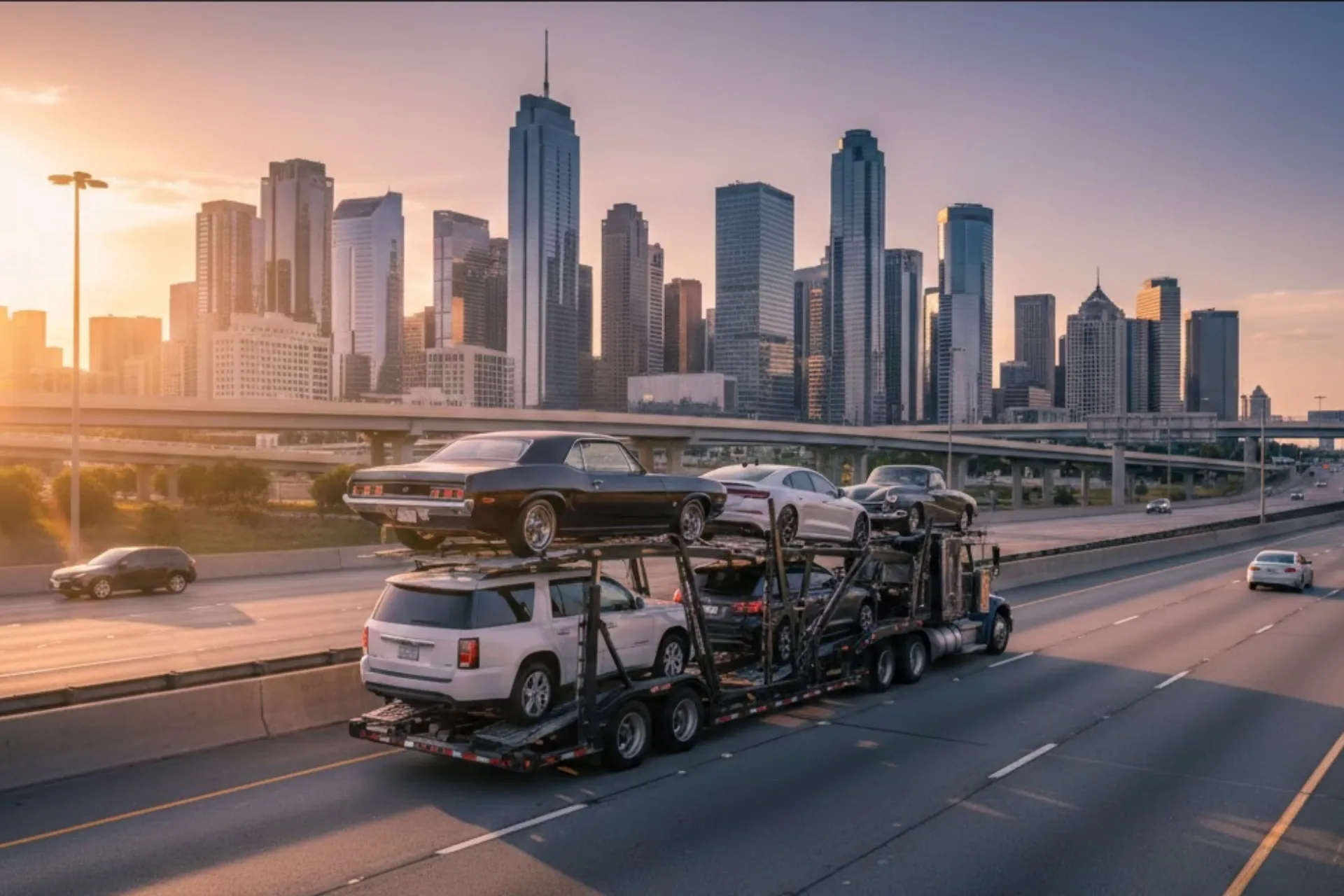
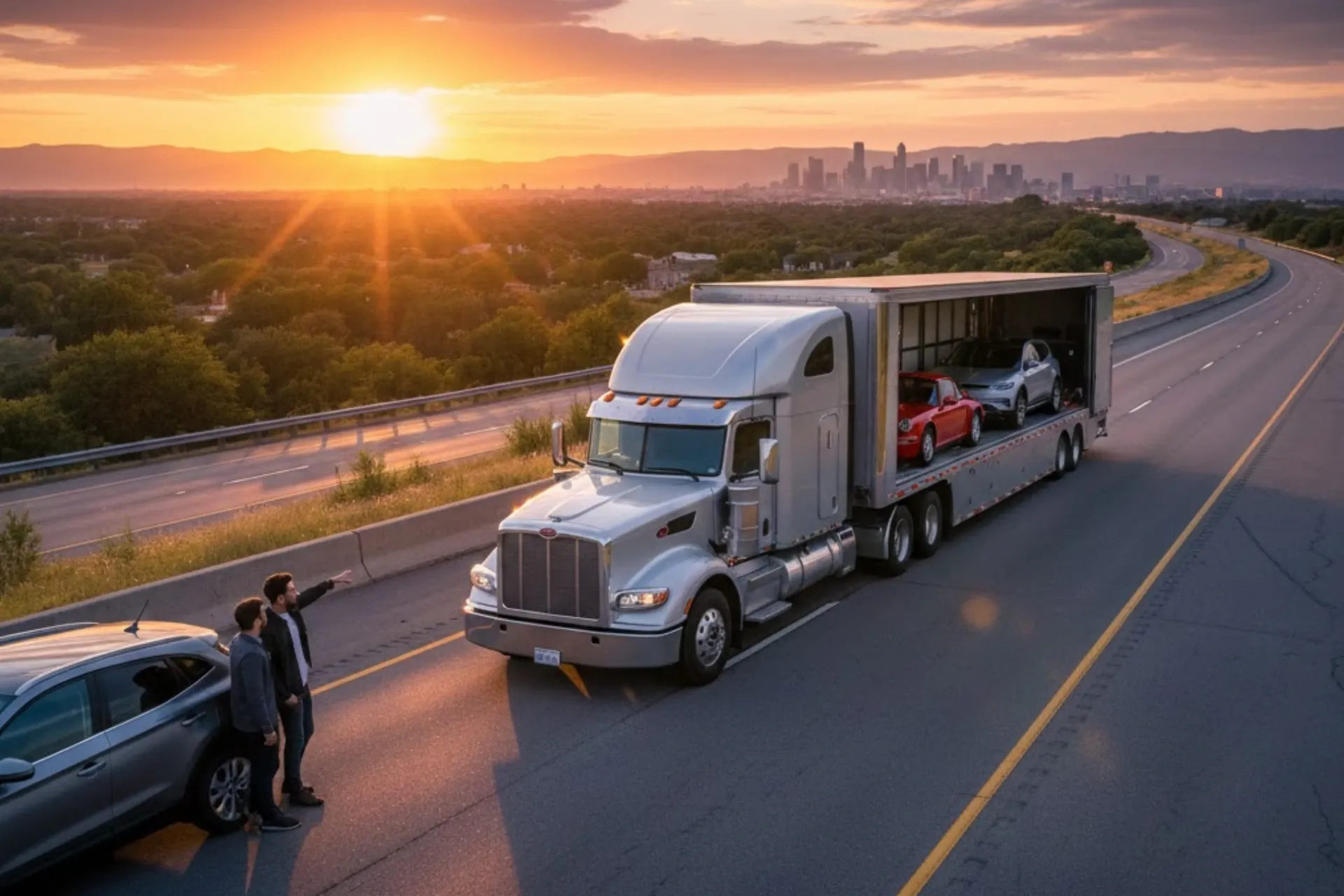
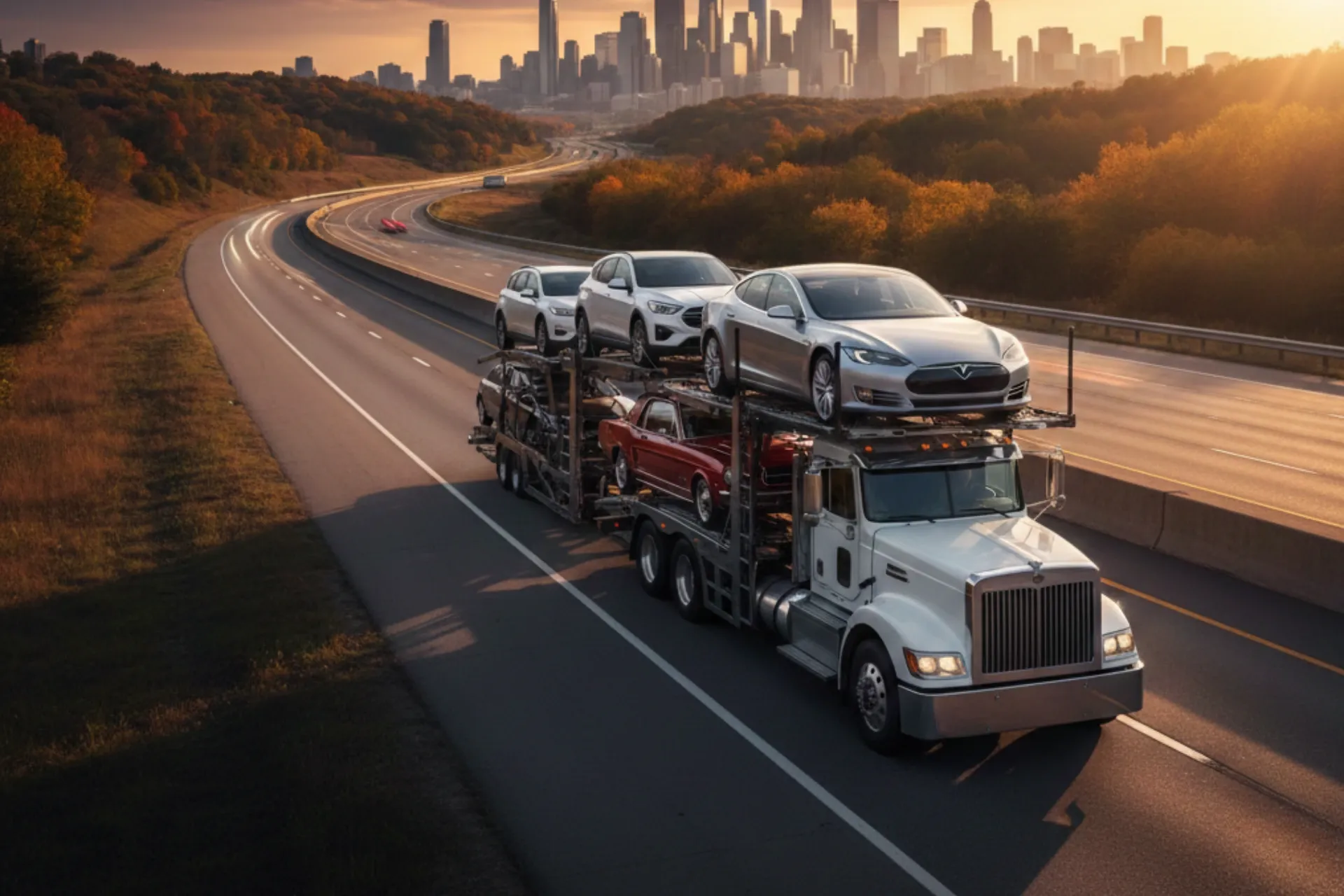
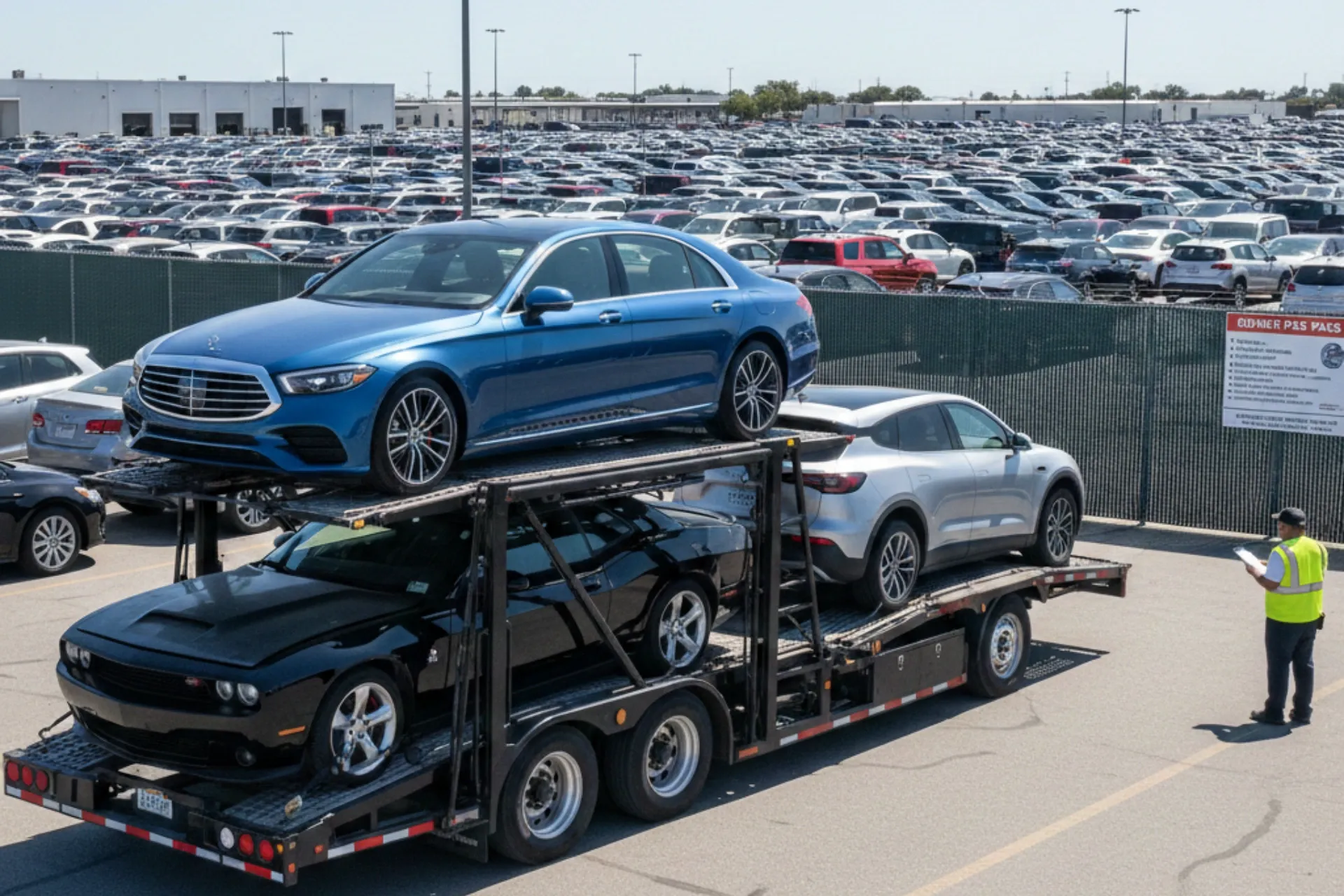
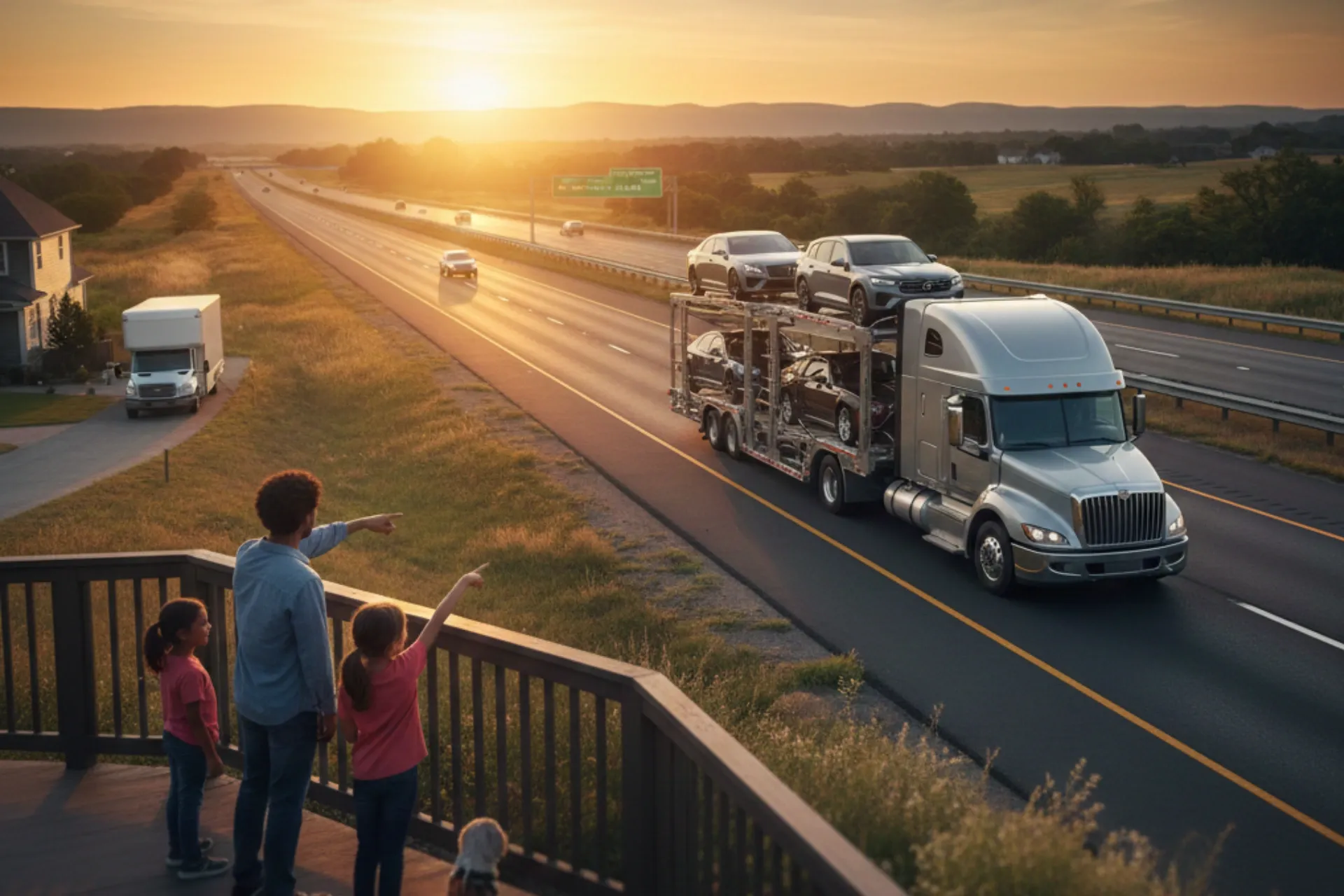
Many car shipping myths lead to expensive mistakes and delays during vehicle relocation. You might believe that the lowest price quote always guarantees a safe arrival, but that is rarely true. In reality, the transport industry is full of misconceptions that can leave your vehicle stranded or uninsured.
Understanding how auto transport really works is the only way to protect your investment. Whether you are moving across state lines or buying a car online, knowing the vehicle shipping truth helps you avoid common car shipping myths that cost time and money.
Ready to move your vehicle without the stress? We provide reliable service with no upfront deposits and full insurance coverage for your peace of mind. Get an instant, transparent price today.
Why People Believe These Car Shipping Myths (And What It Costs Them)
You probably heard a horror story from a neighbor or read an outdated forum post from 2010. These sources are exactly how car shipping myths spread like wildfire across the country today.
Outdated information and fear-based anecdotes make it hard to find the vehicle shipping truth. When you rely on word-of-mouth instead of auto transport facts, you end up making decisions based on ghosts.
Believing these car shipping misconceptions carries a heavy price tag. You might spend thousands more than necessary or choose a broker that lacks auto transport reliability.
The Real-World Consequences Of Myths
Wasted Money: You might pay for premium features you don't actually need.
Missed Convenience: Some people drive 2,000 miles to avoid "risky" transport, forgetting about fuel, hotels, and road wear.
Security Risks: Falling for car shipping scam myths can lead to lost deposits or "bait and switch" pricing.
It is easy to feel overwhelmed, but you are not alone in these fears. Many owners choose to drive across several states because they doubt is car shipping safe.
Driving yourself often costs more than a professional service when you calculate the per-mile depreciation. To understand the math, you can compare car shipping prices against a DIY road trip.
Before you book, always verify a company’s credentials through the FMCSA SAFER System. This ensures the business is registered and legally allowed to move your vehicle.
Reliable companies prioritize car shipping trust by being transparent about their licensing and insurance. Understanding how auto transport really works starts with looking at the hard data rather than internet rumors.
Once you realize how these myths form, it becomes easier to spot the most dangerous lies regarding your vehicle's safety.
"Car Shipping Damages Your Vehicle"—What Actually Happens During Transport
The fear of seeing your car arrive with a fresh dent is the most common reason people avoid transport. However, statistics show that auto transport facts tell a different story, as damage occurs in less than 1.5% of all shipments.
Professional drivers use specialized equipment like hydraulic ramps and soft-tie wheel straps to secure your vehicle without touching the chassis. This is how auto transport really works—it is a controlled, professional process designed to keep the car stationary.
Legitimate companies maintain high-limit insurance to provide safe car shipping facts you can rely on. Before booking, check for a valid license on the FMCSA Company Data portal to ensure you are protected.
Insurance Vs. Reality
Coverage: Carriers carry $50,000 to $100,000 in cargo insurance for open trailers, while enclosed trailers often carry $250,000 or more.
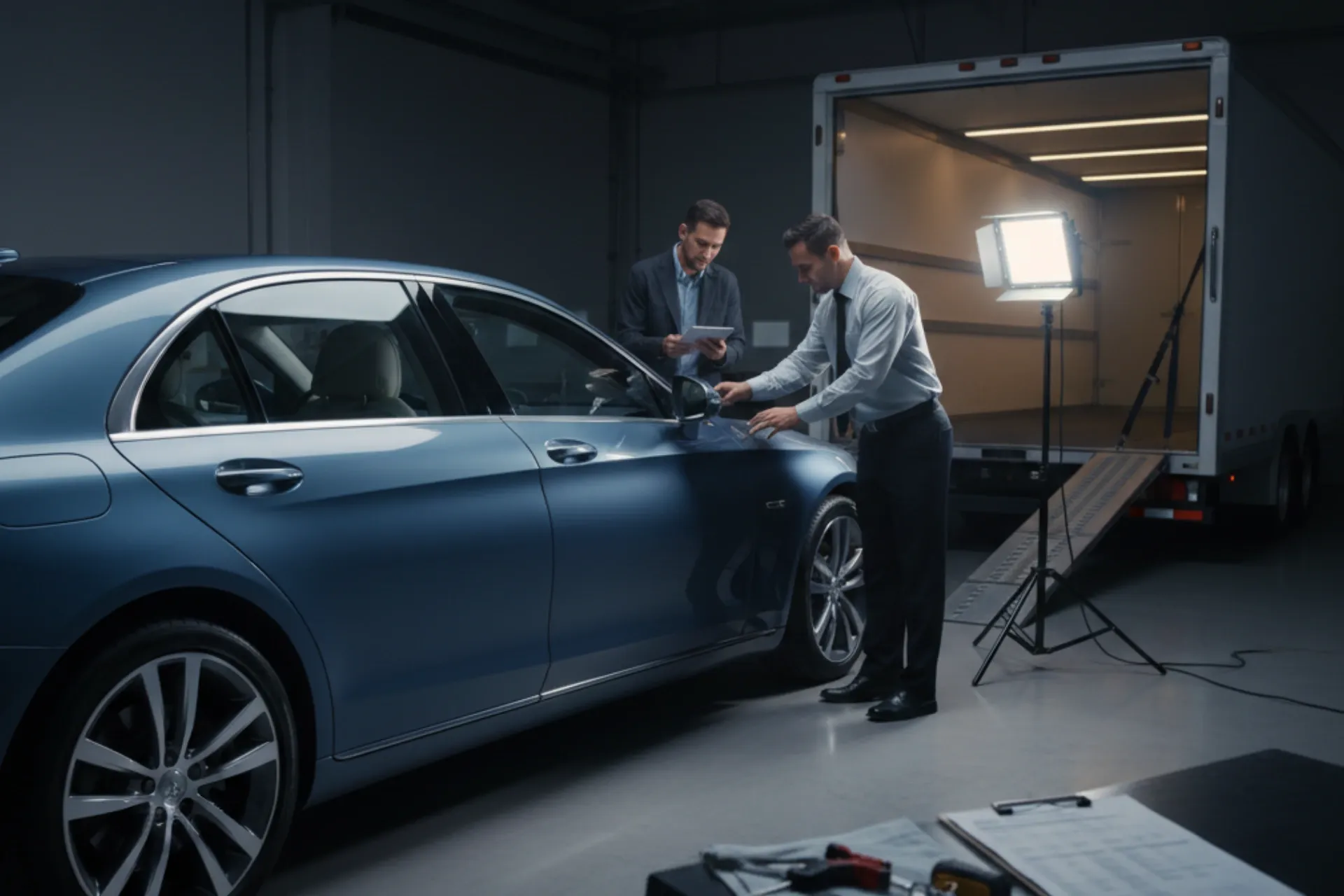
Claims: Most "damage" reports are actually pre-existing issues like road chips or undercarriage wear that owners only notice during the high-scrutiny delivery inspection.
Liability: If real damage happens, the carrier's insurance covers repairs, provided the issues were noted at the time of delivery.
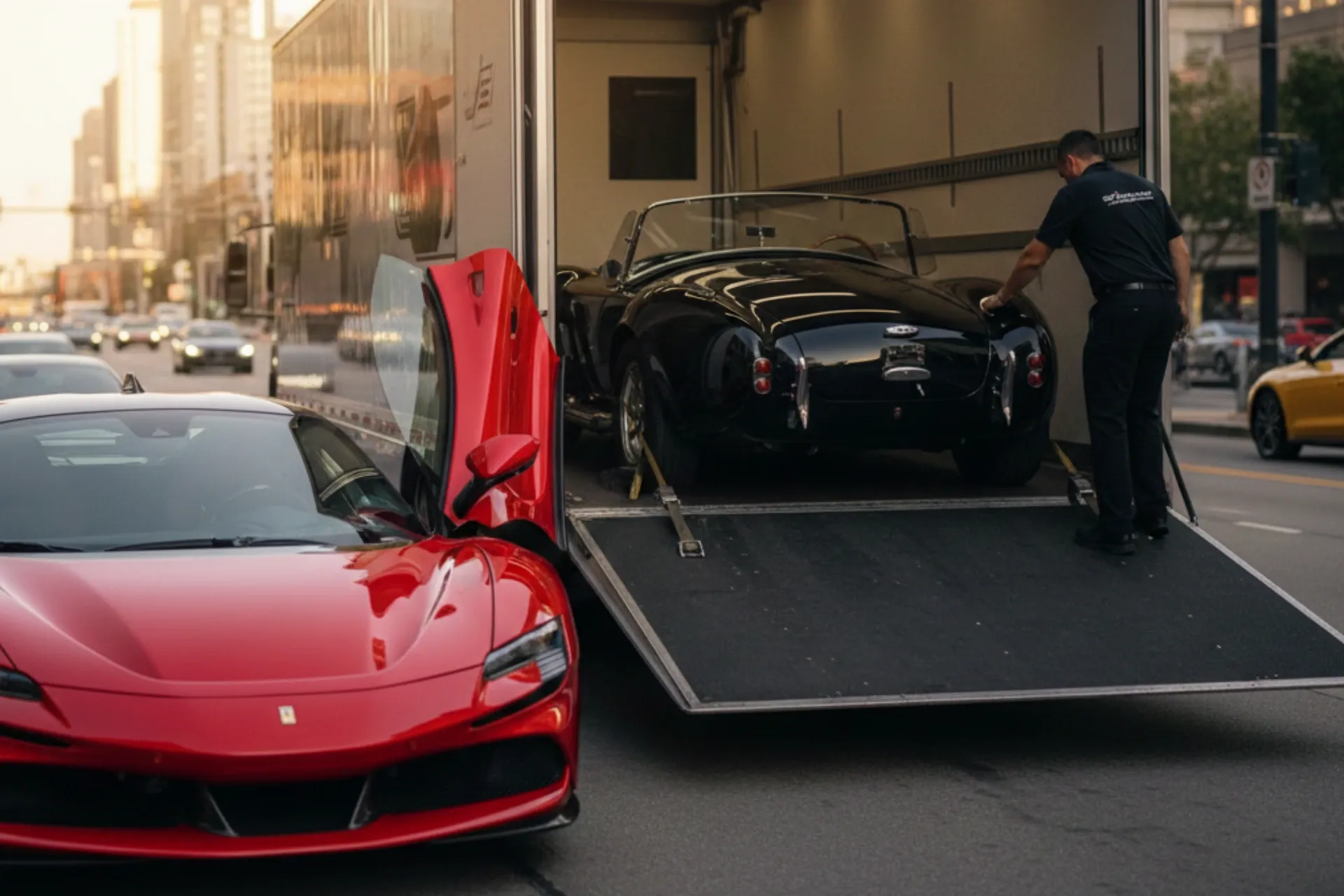
Believing that every transport leads to a scratch is one of the biggest enclosed shipping myths. If you have a high-value vehicle, you can choose enclosed auto transport for extra protection against road debris.
Pro Tips For Inspection
Wash the car: It is impossible to see small scratches through a layer of dust.
Take photos: Document every angle of your vehicle in broad daylight before the driver arrives.
The Bill of Lading: This is your legal receipt; never sign it at delivery until you have checked the car thoroughly.
If you find a problem, note it specifically on the Bill of Lading before the driver leaves. This document is the foundation of any insurance claim and ensures auto transport reliability.
Now that you know your car is safe on the trailer, let's address the pricing myths that make people think they have to break the bank to ship a car.
Need a hand with your move? At Safeeds Transport Inc, we prioritize your vehicle's safety with fully insured carriers and zero upfront deposits. Get a Quote today to see how affordable expert service can be.
The Truth About Car Shipping Pricing (It's Not What You Think)
Finding a realistic price in this industry feels like a moving target because pricing myths are everywhere. You might see a $500 quote for a cross-country move and think you found a deal, but that is often the first sign of a bait-and-switch.
How auto transport really works is based on a spot-market system, much like airline tickets. Factors like distance, vehicle size, and the current price of diesel fuel dictate the final rate.
Distance | Open Transport Est. | Enclosed Transport Est. |
0–500 Miles | $500 – $850 | $900 – $1,200 |
1,000 Miles | $900 – $1,300 | $1,400 – $1,800 |
2,000+ Miles | $1,300 – $1,900 | $2,000 – $2,800 |
One of the biggest door-to-door myths is that terminal shipping is significantly cheaper. In reality, terminals often charge storage fees that wipe out any savings, making door-to-door service the more logical choice.
If a price looks too good to be true, it probably is. Low-ball quotes usually come from brokers who can't actually find a carrier to move your car for that price, leading to weeks of delays.
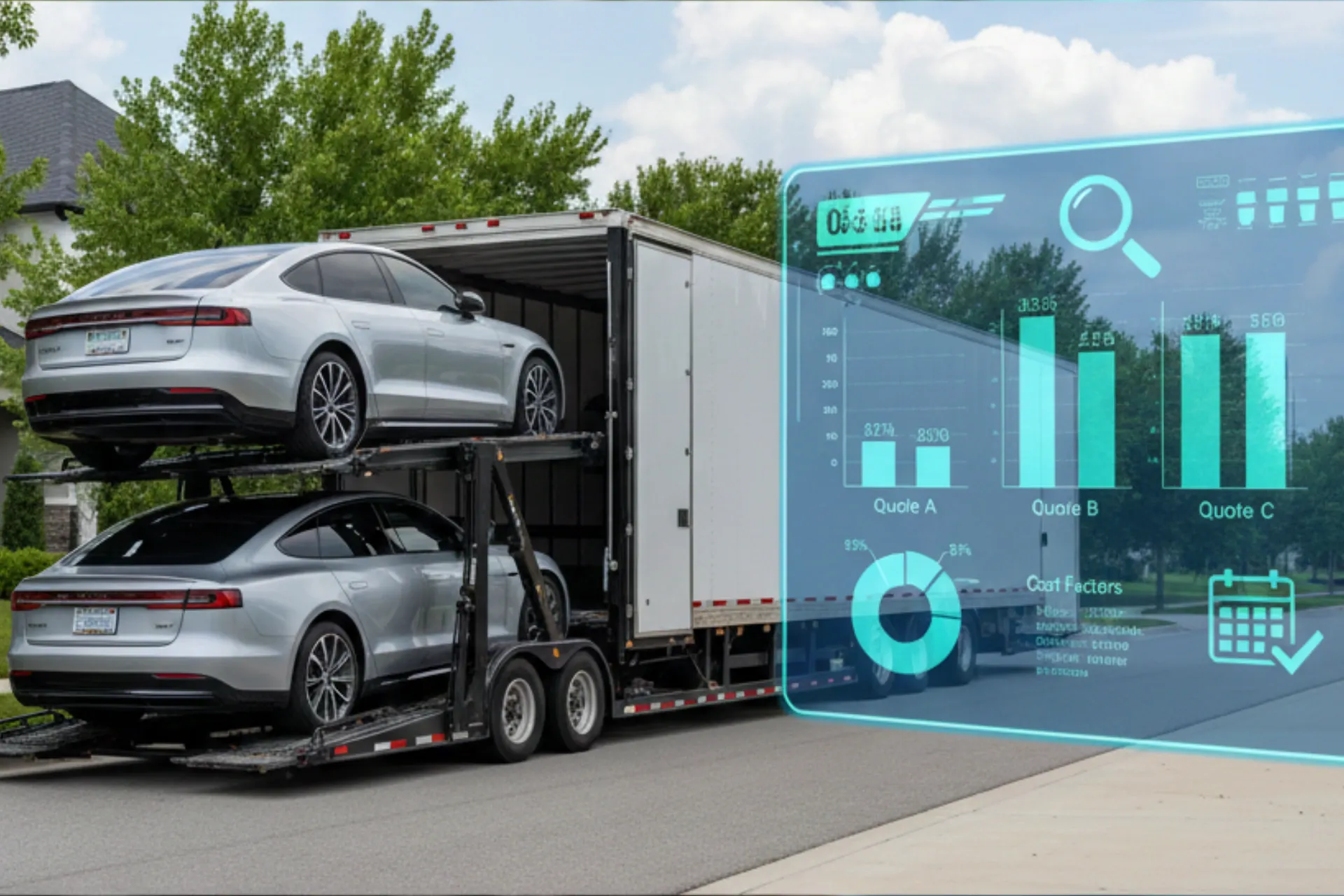
To get an accurate number, you should compare car shipping prices from reputable companies that understand nationwide transport myths. Always verify that the company has an active FMCSA registration before sharing your payment info.
Why Your Quote Changed After Booking
It is frustrating to see a price jump after you thought the deal was done. While some companies use this as a tactic, there are legitimate Safeeds car shipping facts that explain why adjustments happen.
If you didn't mention that your truck has a lift kit or oversized tires, the carrier will require more money because the vehicle takes up more space on the trailer. Similarly, an inoperable vehicle requires a winch, which adds $100–$200 to the labor cost.
Sometimes a quote changes because the pickup location is in a very remote area. Carriers prefer major highways, so "deadheading" 50 miles off-route costs extra in fuel and time.
To avoid these car shipping misconceptions, be specific about your vehicle's condition and location. You can learn more about how factors that affect car shipping prices work to ensure your initial quote is the final one.
Deposit Scams vs. Legitimate Payment Terms
The idea that "all deposits are scams" is one of the most common auto transport myths debunked today. Most reputable brokers collect a small fee to secure your spot on a carrier's manifest.
However, you should never pay 100% of the cost upfront. A legitimate company like Safeeds Transport Inc only takes a deposit once a carrier is actually assigned and you have agreed to the schedule.
Red Flag: A company asking for a large upfront payment via wire transfer or Zelle before they even have a truck for you.
Green Flag: Paying the broker a small deposit by credit card and the remaining balance to the driver in cash or certified funds upon delivery.
Check the company's reputation for auto transport reliability on sites like Trustpilot. If they have a history of holding deposits without sending trucks, walk away immediately.
By understanding these safe car shipping facts, you protect your wallet from car shipping scam myths. Once you have the pricing figured out, you can focus on choosing the right trailer for your needs.
Open vs. Enclosed Shipping—Which Myths Are Costing You Money
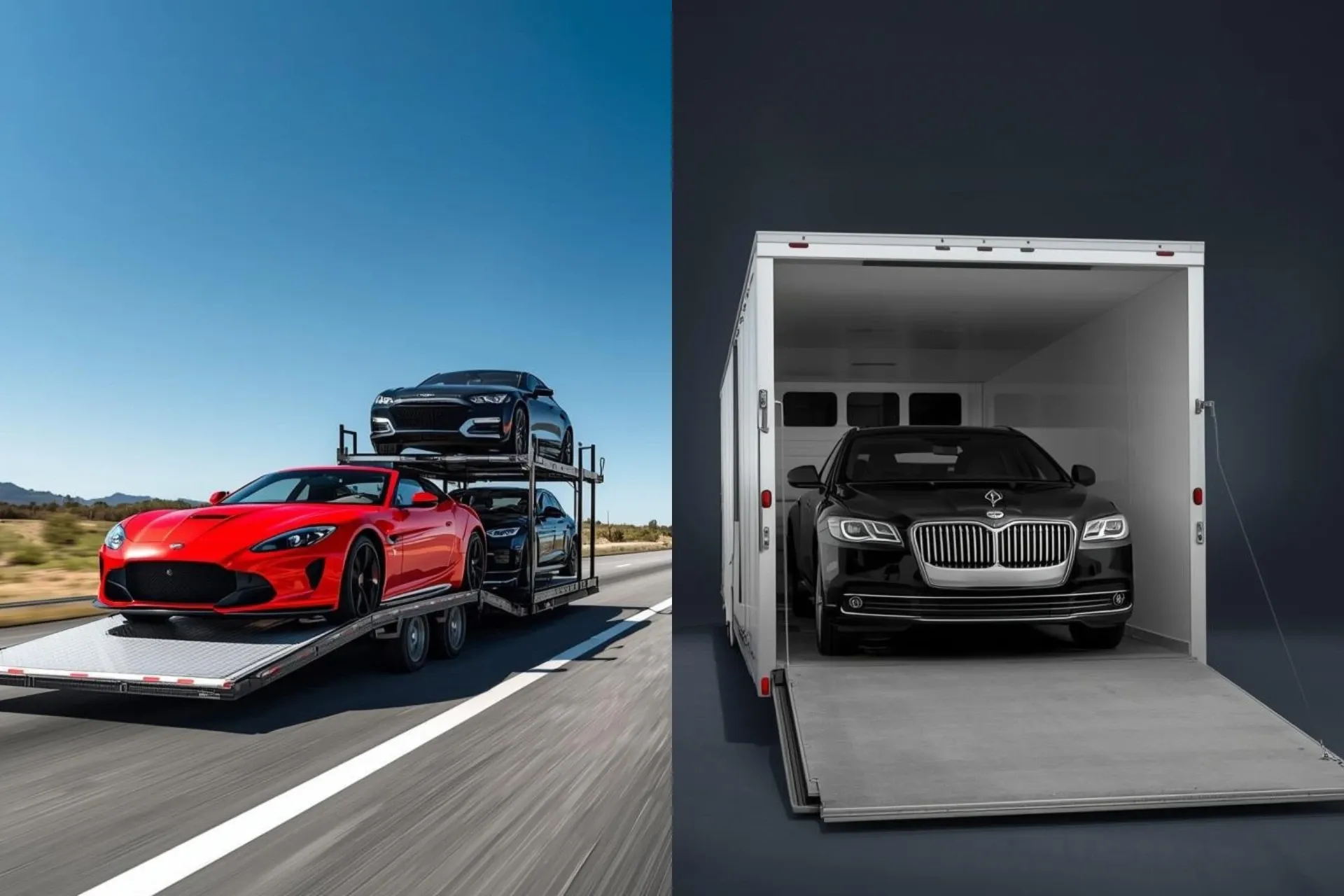
One of the most persistent car shipping myths is that open trailers will ruin your paint job. If you look at any dealership lot, almost every new vehicle arrives on an open carrier without a scratch.
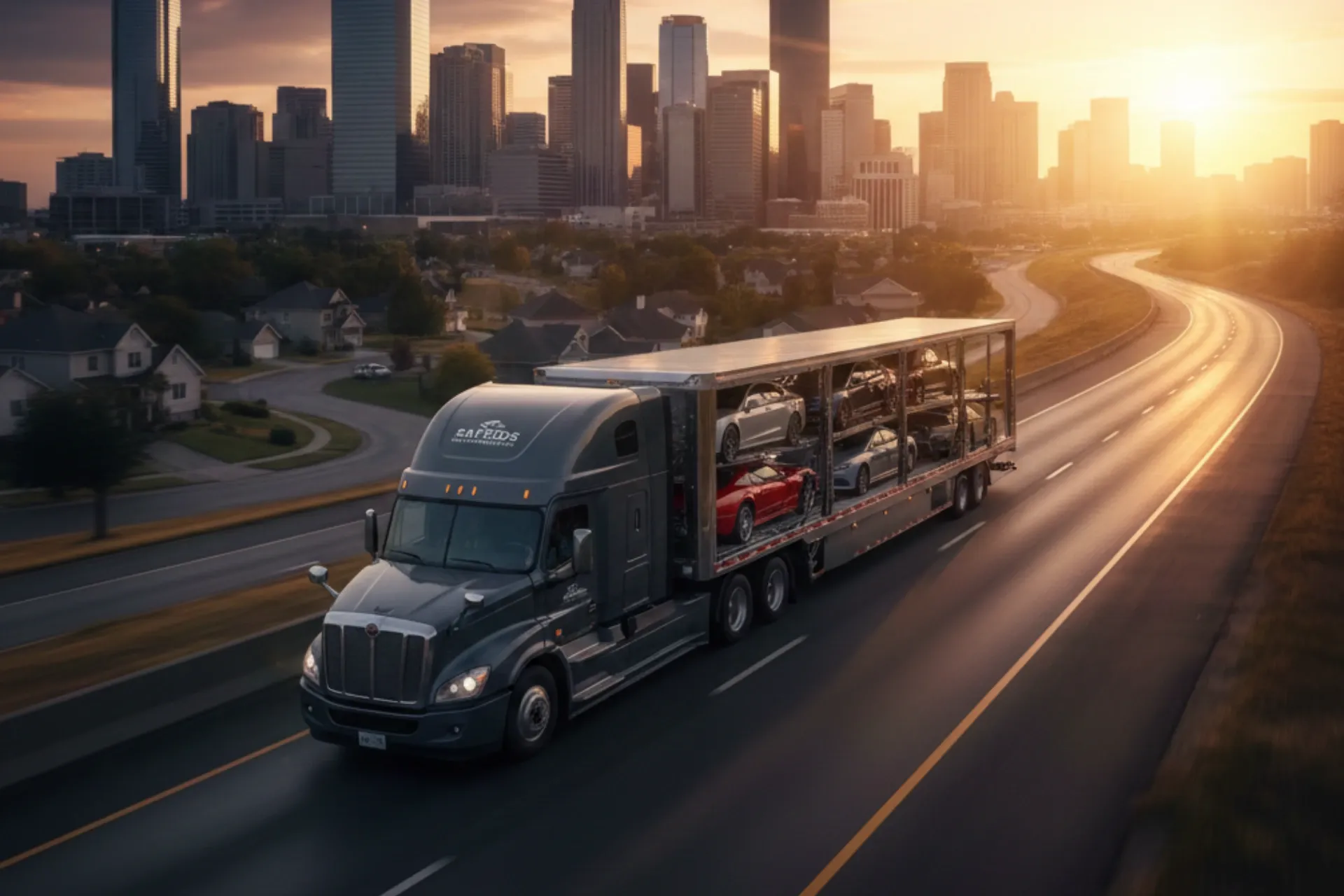
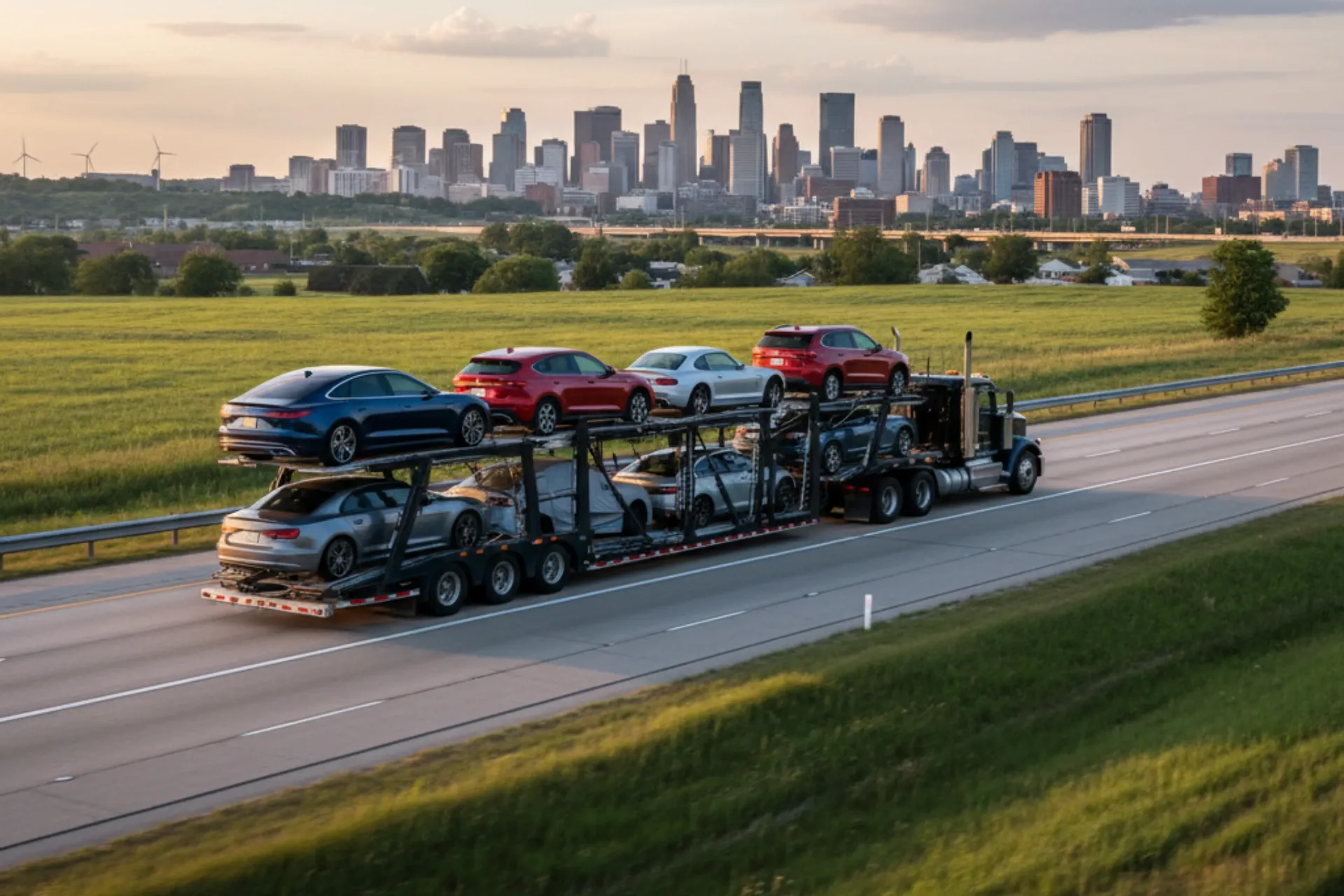
Open transport is the industry standard for a reason. Is car shipping safe? Yes, because these trailers move roughly 90% of all vehicles in the United States without incident.
While your car is exposed to the elements, it faces the same risks as driving it yourself—minus the mileage. Believing you must use a container for a standard SUV is one of those car shipping misconceptions that drains your bank account.
Debunking Enclosed Shipping Myths
The Luxury Trap: You don't need a Ferrari to justify enclosed transport; it is a smart choice for any vehicle during harsh winter blizzards.
The Safety Myth: No method is 100% damage-proof, but enclosed trailers offer a physical barrier against road debris and hail.
The Price Gap: It isn't always double the price; often, it is only 30-40% more than open auto shipping.
You should choose enclosed auto transport if you own a classic car or a vehicle with low ground clearance. For a standard daily driver, open transport is the most logical way of shipping car safely while staying on budget.
Understanding the difference between these types of auto transport trailers helps you avoid paying for protection you don't need. You can verify the carrier's equipment type and safety rating through the FMCSA Company Data site.
Relying on auto transport facts rather than fear allows you to choose the right service for your specific situation. Once you pick your trailer, the next hurdle is understanding the timeline, as many people fall for impossible delivery promises.
Delivery Windows And Door-To-Door Service—What "Guaranteed" Really Means
One of the most frustrating common car shipping myths is that you can pick an exact hour for pickup and delivery. In reality, the industry operates on windows, typically spanning 1 to 5 days, due to traffic, weather, and DOT regulations.
Believing a broker who promises an exact Tuesday at 2:00 PM is a recipe for disappointment. Real auto transport facts show that drivers must balance multiple stops, and a single delay at one house ripples through the entire schedule.
Door to door shipping myths often lead people to believe a 75-foot articulated carrier can pull into a narrow cul-de-sac. Most residential streets have low-hanging trees or weight limits that prevent large trucks from reaching your driveway.
Meeting the Driver: If the truck can't reach your door, you will typically meet at a nearby large parking lot or shopping center.
Terminal Pickup: This isn't a scam; it is a useful option for those who cannot be present for a delivery window and need a secure location for their vehicle.
Guaranteed Dates: These exist but require "expedited" service, which often involves a dedicated smaller trailer and a significantly higher price point.
You should always expect a longer timeline during peak seasons or when shipping a car during a relocation in the winter. Winter storms frequently cause car shipping delays that are outside of any carrier's control.
Providing a realistic window is a sign of auto transport reliability. Always check the FMCSA website to ensure your chosen provider has a history of on-time performance and legal compliance.
Once you understand the timeline, the final step is identifying which companies are actually trustworthy versus those hiding behind a polished website.
How To Spot Real Car Shipping Companies (Beyond Online Reviews)
Many people believe the myth that "all brokers are scammers," but this misunderstanding ignores how the industry actually functions. A broker acts as the logistics manager, vetting drivers and negotiating rates, while the carrier owns the physical trucks that move your car.
Relying solely on perfect 5-star ratings can be a mistake, as these are sometimes fabricated to hide poor auto transport reliability. True car shipping trust is built on verifiable government data rather than just polished websites or generic testimonials.
The Verification Checklist
DOT and MC Numbers: Every legitimate company must have an active USDOT and Motor Carrier (MC) number.
FMCSA Status: Use the FMCSA SAFER System to confirm their "Authorized" status and check for recent safety violations.
Bonding and Insurance: Brokers must hold a $75,000 surety bond, and carriers must have active cargo insurance.
One of the most dangerous car shipping scam myths is that the biggest companies are always the safest. Often, smaller family-owned carriers offer more personalized care and better communication than massive corporations with thousands of loads.
How To Verify A Company In 3 Steps
Search the Name: Check the FMCSA Company Data portal to ensure the address and phone number match their website.
Read the 3-Star Reviews: These often provide the most honest vehicle shipping truth, showing how a company handles minor issues.
Ask About Safeeds Verification: Safeeds Transport Inc uses a strict vetting process to ensure every carrier in our network is licensed and fully insured.
When you understand how auto transport really works, you can spot red flags like requests for wire transfers or "guaranteed" low prices that don't match the market. Armed with these safe car shipping facts, you can move forward with confidence.
Want a partner you can actually trust? We take the guesswork out of verification by only working with top-rated, fully insured carriers. Get a Quote today and see the difference that real accountability makes.
Questions People Ask After Hearing These Myths
There are always specific questions that pop up when you are planning a move. We have gathered the most frequent concerns to give you the direct vehicle shipping truth without the typical industry fluff.
Is Car Shipping Safe In 2026?
Yes, modern transport is extremely secure when you vet companies through the FMCSA. Real auto transport facts show damage occurs in less than 2% of loads, making it safer than driving yourself.
Can I Ship Personal Items In My Car?
Most carriers allow up to 100 pounds of soft goods in the trunk, but never in the front seats. Note that these items are not covered by the carrier's cargo insurance policy during transit.
What If My Car Doesn't Run?
You can still ship it, but you must disclose this upfront. Inoperable vehicles require a winch and extra labor, typically adding $100 to $500 to your pricing myths car transport initial estimate.
Do I Need To Be Present For Pickup And Delivery?
Yes, or you must appoint a trusted representative. Someone must sign the Bill of Lading to verify the vehicle's condition, which is vital for maintaining auto transport reliability and insurance coverage.
How Far In Advance Should I Book?
Booking 2 to 4 weeks early is ideal for the best rates. If you need shipping car safely on a tighter timeline, expedited options are available but will increase your final total significantly.
Can They Really Damage My Car And Not Pay?
Legitimate carriers must have insurance, but a claim will only be paid if you note the damage on the Bill of Lading at delivery. Always take photos to back up your claim immediately.
Is Nationwide Transport Different From Local?
The main differences are timing and logistics. Long-distance moves involve more complex scheduling and fuel costs, whereas local moves are often faster but still require the same safe car shipping facts for protection.
Navigating Through Transport Myths
Breaking through car shipping myths is the only way to ensure a smooth move. By focusing on auto transport facts and verifying every company through the FMCSA SAFER System, you protect your vehicle and your wallet.
Remember, whether car shipping is safe depends entirely on the transparency and licensing of the provider you choose. Avoid the trap of car shipping scam myths by demanding clear contracts and proof of insurance before signing anything.
Don't let myths ruin your next move. At Safeeds Transport Inc, we provide honest pricing, fully vetted carriers, and the peace of mind you deserve. Get a Quote today and let us show you how professional auto transport should be done.