Modern vehicles are no longer just machines powered by engines and mechanical parts. Today’s cars increasingly operate as software-defined vehicles, where advanced software platforms control navigation, driver assistance, connectivity, and performance systems. While this innovation makes driving smarter and more efficient, it also introduces new considerations when planning long-distance car transport. Sensitive sensors, connected systems, and integrated software architecture require careful handling to ensure the vehicle remains fully functional throughout transit.
Shipping a software-driven vehicle across the country requires proper preparation, the right carrier, and a clear understanding of how modern vehicle technology interacts with the transport process. In this guide, Safeeds Transport Inc. explains how to protect your vehicle’s advanced systems and ensure a smooth shipping experience. Get a quote today to plan the transport of your digital vehicles with confidence.
The Rise of the Software-Defined Vehicle in Modern Transportation
The automotive industry is currently undergoing its most significant shift since the introduction of the assembly line. We are moving away from traditional hardware-centric manufacturing toward the digital vehicle era. By providing a standard software-defined vehicle definition, we can describe these machines as automobiles whose features and functions are primarily enabled through software, rather than being hard-wired into the mechanical frame.
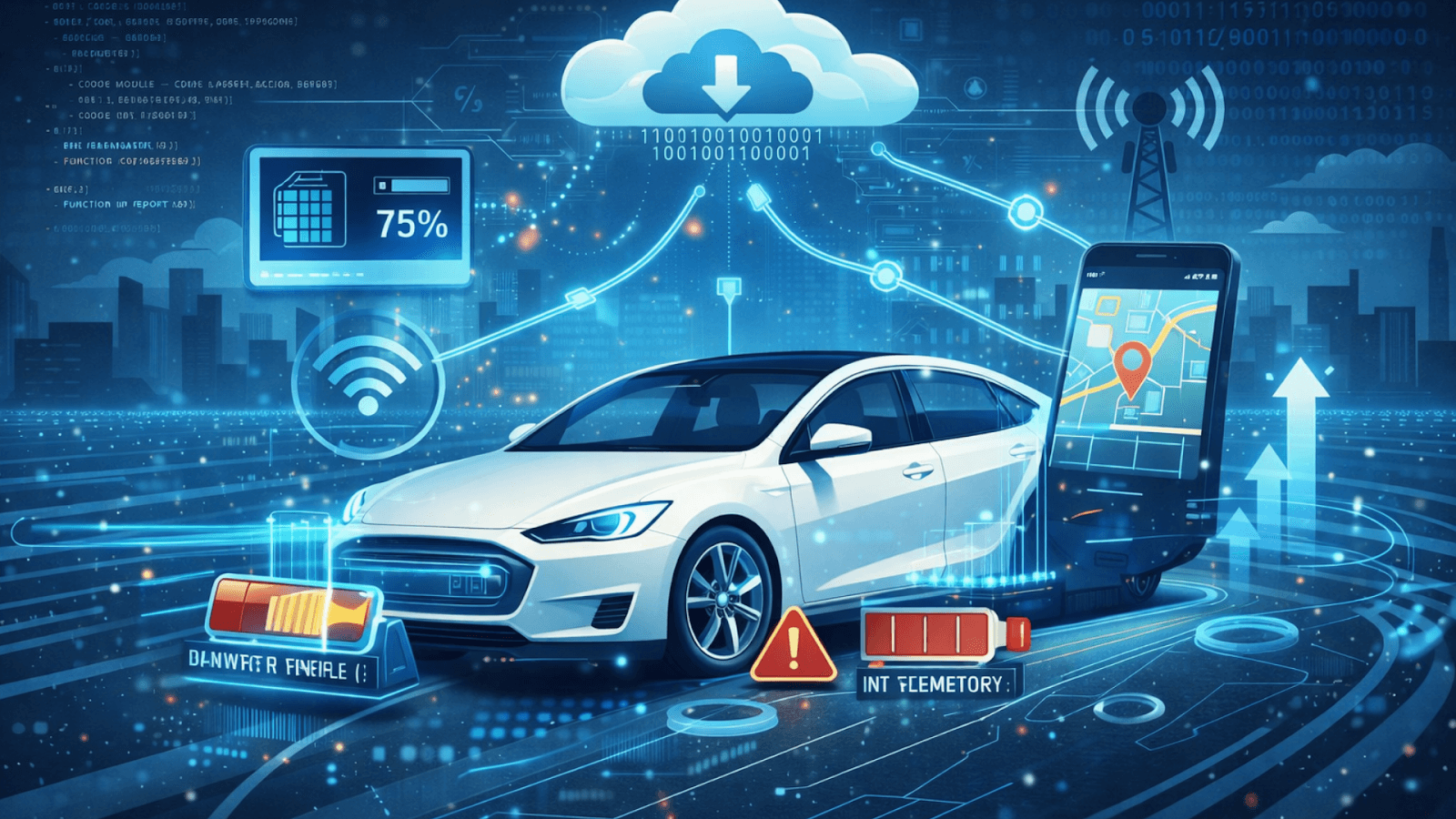
In these modern units, digital systems now manage every critical aspect of the driving experience, from precision battery management in electric models to complex navigation and autonomous safety suites. As automakers like Tesla, Rivian, and legacy brands transition to these platforms, the vehicle becomes a living entity that can be upgraded and diagnosed remotely.
However, this increased intelligence introduces new variables into the world of long-distance transport. When a car relies as much on its code as its tires, the methods used for navigating long-distance auto transport must be recalibrated to account for electronic sensitivity and connectivity requirements.
What Is a Software-Defined Vehicle and How It Works
To understand the logistical needs of these cars, one must first ask: What is a software-defined vehicle in practice? Unlike traditional cars, where the braking, steering, and engine functions are largely independent mechanical loops, an SDV utilizes a centralized "brain." This central computing system communicates with various Electronic Control Units (ECUs) across a high-speed data network.
In a software-defined vehicle platform, the hardware is designed to be "future-proof," while the software provides the actual utility. This allows manufacturers to add features, such as improved range or enhanced self-driving capabilities, long after the car leaves the factory. This digital-first approach means the vehicle constantly interacts with its environment through a wide array of sensors, making the SDV highly sensitive during transit.
Core Components of Software-Defined Vehicle Architecture
The software-defined vehicle architecture is generally divided into four distinct layers that work in harmony:
Centralized Computing: Instead of dozens of small computers, a few powerful processors manage the entire vehicle's operations.
Connectivity Layer: This includes 5G, Wi-Fi, and Bluetooth modules that allow the car to communicate with the cloud.
Sensor Suite: High-resolution cameras, LiDAR, and ultrasonic sensors that provide a 360-degree view of the surroundings.
Service Layer: The interface where the driver interacts with apps, navigation, and vehicle settings.
How SDV Platforms Enable Continuous Software Updates
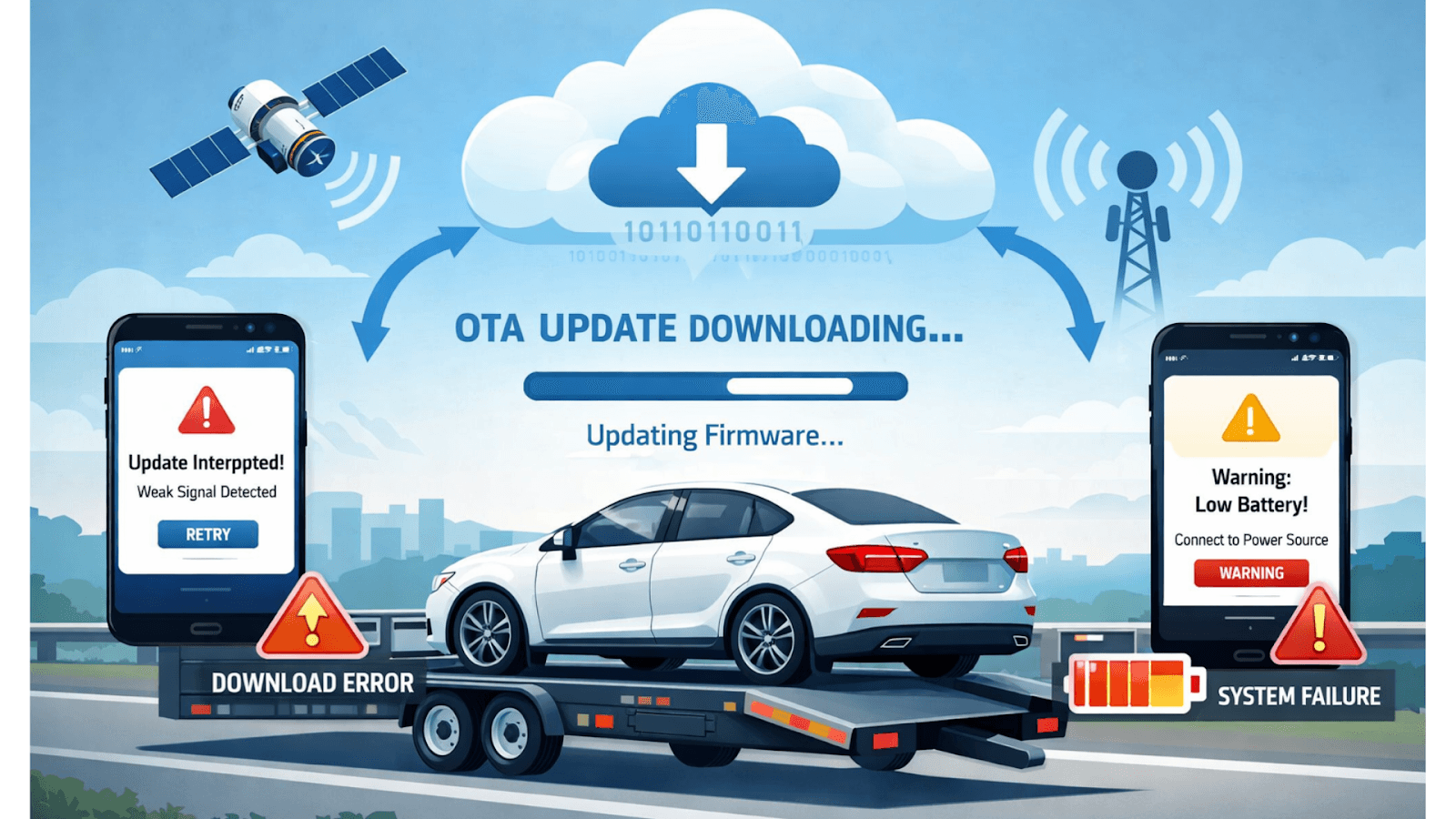
One of the defining traits of a software-controlled vehicle is the ability to receive Over-the-Air (OTA) updates. This means the car’s performance can change overnight. During long-distance transportation, this connectivity is vital. If a vehicle attempts to initiate a massive firmware update while on a moving trailer in a low-signal area, it could cause software hangs or battery drain. Professional transporters must be aware of these digital states to ensure the vehicle arrives in the same functional condition in which it was loaded.
Why Software-Defined Vehicles Require Extra Care During Transport
The transition to smart vehicles has made long-distance car transport a more technical endeavor. Because these vehicles are equipped with sensitive cameras and calibration-heavy sensors, they are more vulnerable to the vibrations and environmental stressors of the road than a 1990s sedan.
Improper securing of a digital vehicle can lead to "sensor drift" or damage to the external housing of autonomous driving hardware. Furthermore, because these vehicles are always "awake" to some degree while monitoring security and battery health, they require specific handling protocols. Navigating long-distance auto transport for an SDV involves more than just physical space on a trailer; it requires understanding how to set the vehicle to a stable "Transport Mode" to prevent the software from interpreting carrier motion as a theft attempt or a driving event.
Feature | Traditional Vehicle | Software-Defined Vehicle (SDV) |
Primary Control | Mechanical/Hydraulic | Centralized Software Logic |
Updates | Physical Part Replacement | Over-the-Air (OTA) Updates |
Transport Risk | Physical Scratches/Dents | Sensor Misalignment/Software Errors |
Battery Drain | Low (Parasitic Draw Only) | Moderate to High (Active Monitoring) |
Security | Physical Alarm | Digital Geo-fencing & Remote Tracking |
Monitoring Software Systems and Transport Trends in Software-Defined Vehicles
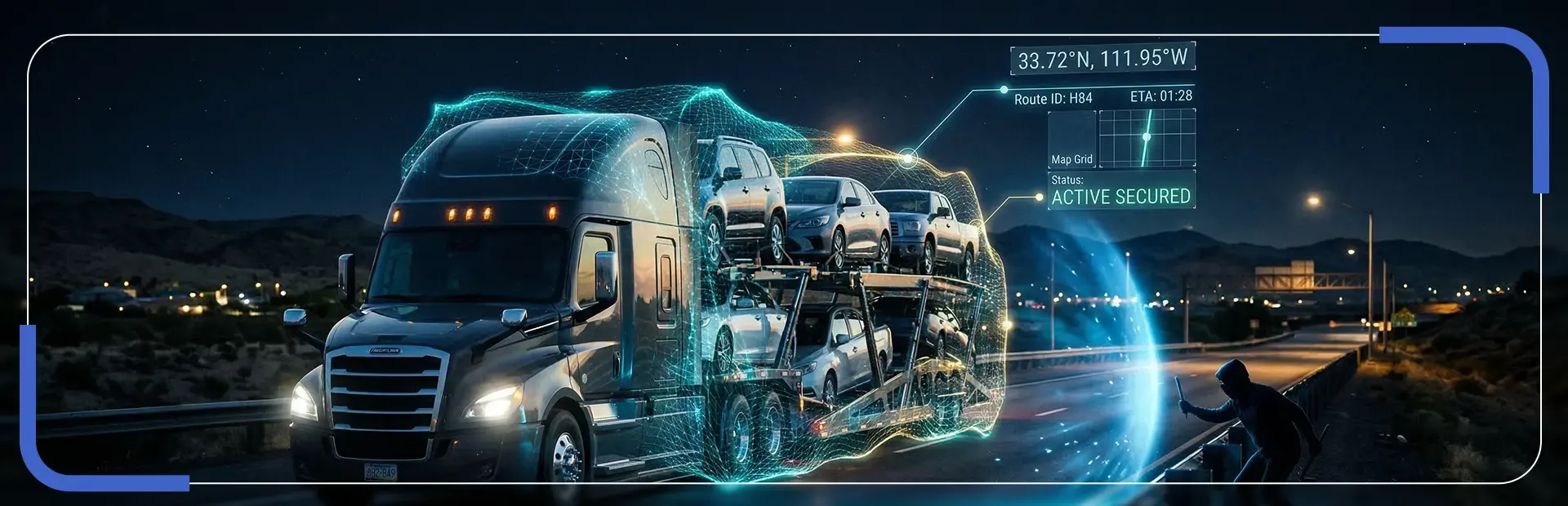
During long-distance car transport, the internal systems of a software-defined vehicle require special attention. Sensitive components such as location services, driver assistance systems, and connected software platforms can be affected if the carrier is not careful. Modern vehicles rely on GPS and cloud-based platforms like Google Cloud Automotive or AWS to maintain a digital twin, a virtual representation of the vehicle on the manufacturer’s servers. Moving the car thousands of miles while the digital twin expects it to be stationary can trigger security alerts or system lockouts.
Other key systems at risk during transport include:
ADAS (Advanced Driver Assistance Systems): Lenses and sensors can get coated with dust, grime, or road debris, requiring professional cleaning or recalibration.
Battery and energy management systems: Extreme temperature fluctuations can impact software-controlled energy settings.
Connectivity and security features: Unexpected movement may trigger alerts or temporary system restrictions.
Current software-defined vehicle news highlights major trends shaping transport practices:
Vehicles are increasingly embedding AI-driven platforms to monitor energy use, predictive maintenance, and system integrity in real-time.
Leading manufacturers, including Mercedes-Benz and Toyota, are adopting centralized “Physical AI”, allowing vehicles to self-monitor during transport.
These innovations can alert carriers to potential issues, like temperature changes or security breaches, before they become critical.
Understanding these software and industry trends is now crucial to navigating long-distance auto transport safely, ensuring your vehicle's hardware and digital systems remain fully protected throughout the journey.
Preparing a Software-Defined Vehicle for Long-Distance Auto Shipping
Preparation is the most critical phase for any owner. By following these steps, you contribute to a smoother process for the long-distance transportation team and reduce the likelihood of arriving at your destination with a dead 12V battery or a locked-out computer system. To ensure a successful trip, follow these specialized steps:
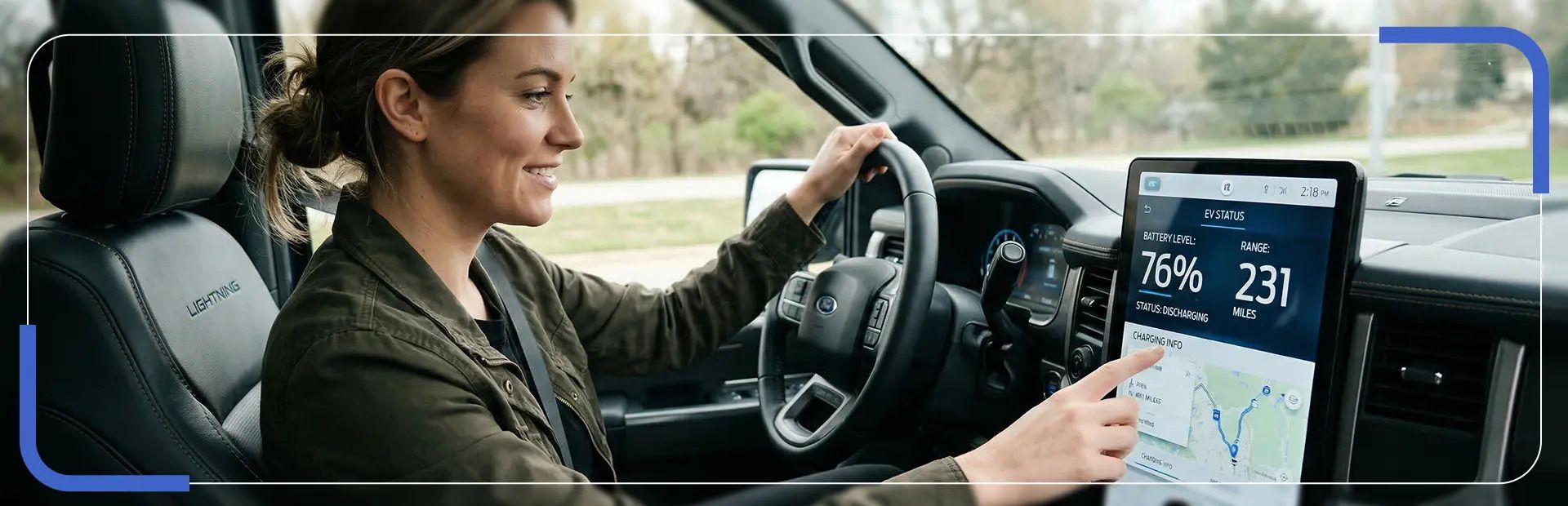
Battery Management: For electric SDVs, ensure the battery is charged to between 40% and 50%. This is high enough to sustain the vehicle’s "always-on" software features but within the safety window recommended by most carriers.
Disable Automation: Turn off "Sentry Mode," "Summon" features, or any automatic alarm triggers that might be activated by the movement of the transport truck.
Software Update Freeze: Avoid initiating a major software update 24 hours before pickup. You want the vehicle in a stable, "known-good" software state.
Document the Digital Dash: Take photos of the odometer, but also of any "system healthy" messages or current software version screens.
Connectivity Settings: Ensure the vehicle is in its designated "Transport Mode" if the manufacturer provides one.
Safe Transport Methods for Software-Defined Vehicles on Long-Distance Routes
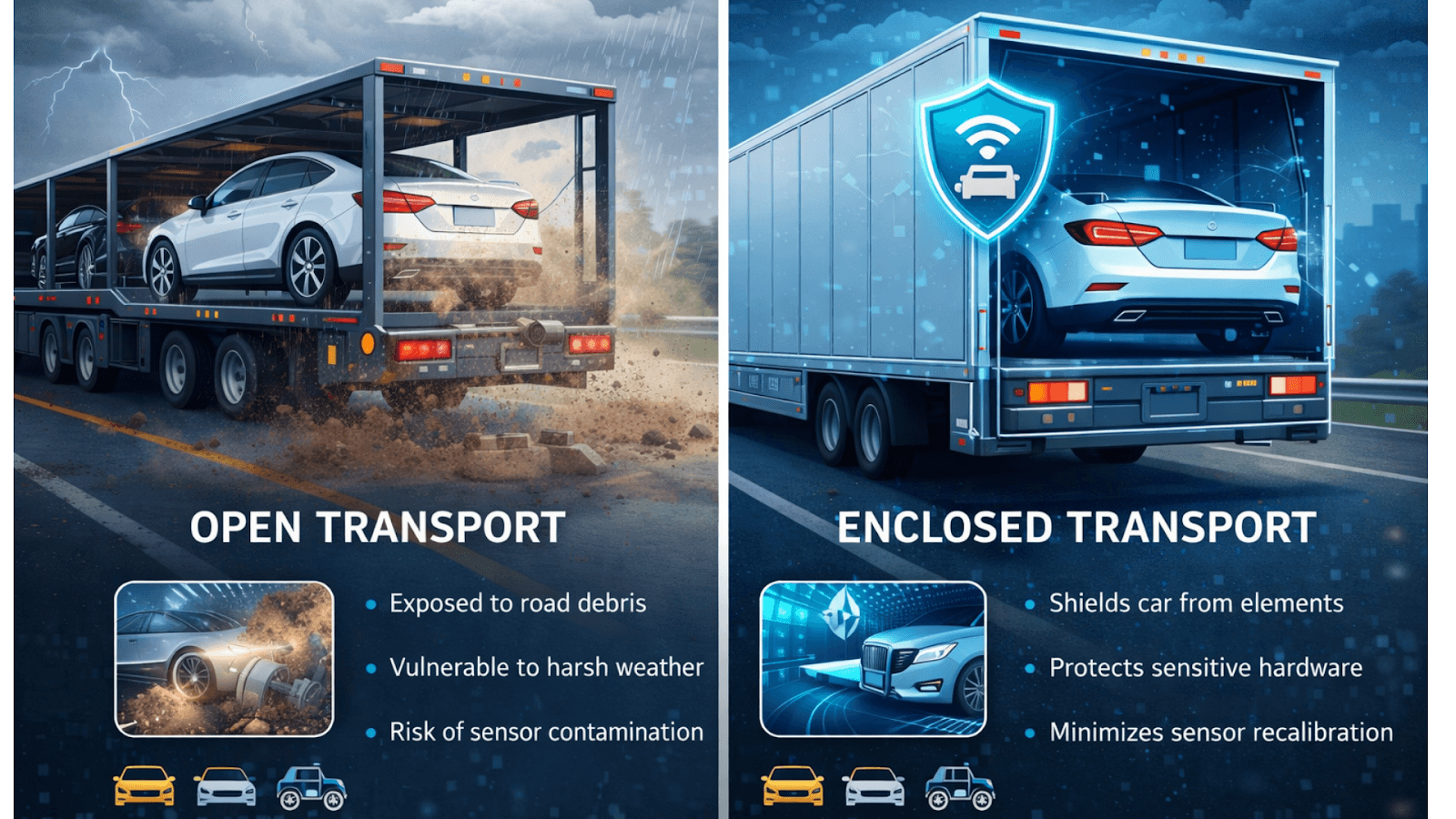
When planning long-distance car transport for a modern smart vehicle, choosing the right shipping method is critical to protecting the vehicle’s advanced technology. While open carriers remain the industry standard because they are efficient and widely available, vehicles built on advanced digital vehicle architecture often benefit from the additional protection of enclosed transport.
Because software-controlled vehicles rely on cameras, radar systems, and precision sensors, protecting these components during transit is essential.
Why enclosed transport can be beneficial for SDVs:
Enclosed transport shields advanced vehicles from elements, protecting both hardware and software while reducing repair risks.
Protection from road debris: Prevents damage from rocks, dust, and highway debris.
Shielding from harsh weather: Guards against rain, snow, hail, and extreme temperatures.
Reduced sensor contamination: Keeps dirt and salt away from cameras and radar units.
Lower risk of costly recalibration: Even small impacts near sensors can require expensive system recalibration.
Another important factor is how smart vehicle systems respond during transit. As the carrier moves, the vehicle’s onboard sensors may detect motion, vibration, or tilt. Professional carriers experienced in navigating long-distance auto transport typically manage these situations by:
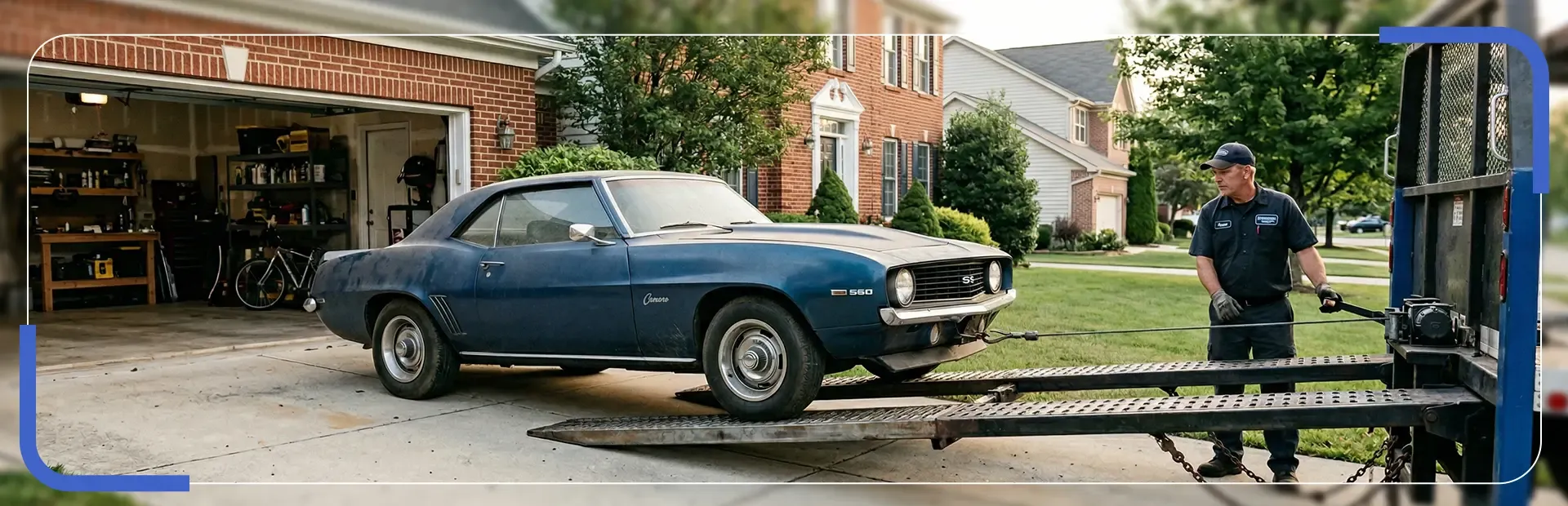
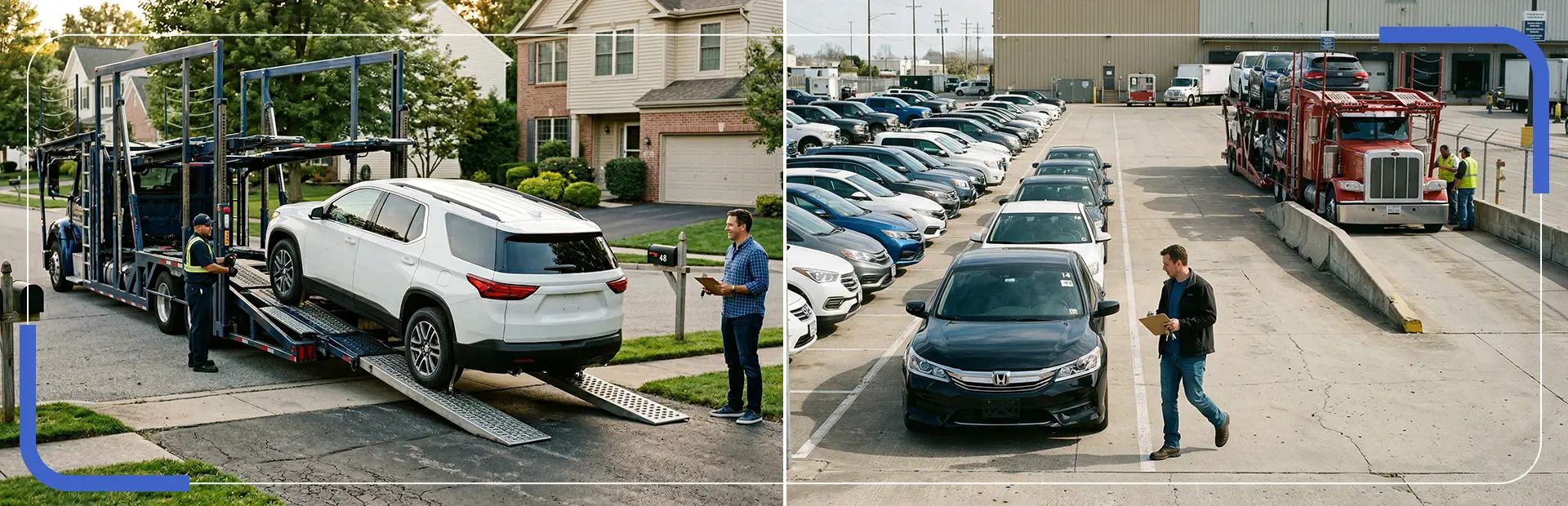
Loading vehicles carefully using ramps or winches
Securing vehicles properly to minimize movement
Avoiding underbody contact with low-mounted sensors or battery packs
Ensuring the vehicle remains stable throughout the journey
With proper handling and the right transport method, a software-defined vehicle can travel safely across long distances while its sensitive technology remains fully protected, whether it’s a car, SUV, or ATV.
Common Mistakes to Avoid When Shipping a Software-Defined Vehicle
Despite the advanced technology within a software-defined vehicle, human error during preparation remains the leading cause of transport complications. Owners often treat an SDV as a traditional car, overlooking the digital requirements for navigating long-distance auto transport.
Leaving Active Systems Enabled: One of the most frequent errors is failing to disable "Sentry" or "Guard" modes. These systems use power to monitor their surroundings; on a multi-day journey, the trailer's constant motion can repeatedly trigger these sensors, leading to a depleted 12V battery upon arrival.
Neglecting "Transport Mode": Most modern smart vehicles have a specific setting designed for towing and shipping. Failing to engage this can cause the vehicle to attempt to engage emergency braking or stabilization systems if it detects movement while "off."
Poor Documentation of Software State: Many owners document physical scratches but forget to photograph the software version and system health screen. In long-distance car transport, having proof that the digital architecture was functional before pickup is essential for insurance purposes.
Choosing Inexperienced Carriers: Selecting a provider solely for the lowest price often results in carriers that lack the equipment or training to handle high-voltage batteries and sensitive sensor arrays.
Preparation Step | Why It Matters for SDVs | Risk of Neglect |
Engage Transport Mode | Disconnects the parking brakes and stabilization logic. | Mechanical strain or "ghost" braking during transit. |
Disable OTA Updates | Prevents the car from starting a major download. | Software bricking due to signal loss on the highway. |
Set Charge to 40-50% | Optimal for battery health and electronic monitoring. | Deep discharge or "bricking" of the high-voltage pack. |
Clean Sensor Housings | Ensures cameras and LiDAR are free of abrasive grit. | Scratched lenses or ADAS calibration errors. |
Essential Guidance for Shipping Smart Vehicles Long Distance
Shipping a modern vehicle requires a blend of traditional logistics and digital awareness. As vehicles become more integrated with the cloud, the "hand-off" between an owner and a transport company includes a transfer of digital responsibility. This guide to long-distance car transport emphasizes that the safety of your vehicle depends on how well its digital state is preserved during the physical move.
How do I track my software-defined vehicle during long-distance transportation?
Most modern SDVs allow you to track the vehicle’s location via a proprietary mobile app. However, we recommend using the transport provider’s GPS tracking system for the most accurate updates, as vehicle-based GPS may enter "sleep mode" to save battery during transit.
Will shipping my car long distance affect its software security?
No, as long as the vehicle is placed in a secure transport mode. The digital architecture remains encrypted. It is vital to use a reputable provider that understands software-defined vehicle protocols to ensure unauthorized access to the vehicle’s connectivity modules does not occur.
Can over-the-air (OTA) updates happen while the car is on a trailer?
While possible, it is highly discouraged. A failed update due to intermittent cellular signals on the road can "brick" your vehicle's systems. We recommend disabling automatic updates before long-distance car transport begins.
What happens if my vehicle's battery dies during long-distance transport?
Because a software-defined vehicle relies on low-voltage batteries to power its "brain," a dead battery can cause electronic lockouts. High-quality transporters monitor vehicle status and, if necessary, provide a safe jump-start using manufacturer-approved equipment.
Is enclosed transport necessary for all software-defined vehicles?
While not mandatory, it is highly recommended. The sophisticated sensor suites and external cameras that define the software-defined vehicle platform are sensitive to road debris. Enclosed shipping provides the physical shielding necessary to protect these expensive components.
The Future of Software-Defined Vehicles and Long-Distance Transport
As we look toward the next decade, the relationship between the software-defined vehicle and the logistics industry will only deepen. We are entering an era where vehicles will effectively "manage" their own long-distance transportation. Future digital vehicle architecture will likely include specialized "Logistics Profiles" that automatically adjust suspension height for loading, disable all non-essential parasitic power draws, and maintain a constant encrypted link with the carrier’s fleet management system.
The rise of digital twins will allow transport companies to run simulations of the journey before the truck even leaves the lot, identifying potential areas of high vibration or extreme temperature that could impact the vehicle’s sensitive electronics. For consumers, this means navigating long-distance auto transport will become a seamless, data-driven experience. By choosing a transport partner that stays ahead of software-defined vehicle news, you ensure that your vehicle, the most advanced computer you own, is moved with the precision, safety, and digital integrity it requires.
Planning a move for your smart vehicle? You can request a transparent quote from Safeeds Transport Inc. to see how our specialized transport options fit your needs.