Shipping a car doesn’t have to feel like navigating a maze, whether you’re moving to a new state, buying a vehicle online, or sending a classic car across the country. Understanding the process is key to a smooth and stress-free experience. Many people ask, "How does car shipping work?" And with good reason: there are multiple steps involved, from selecting the right carrier to preparing your vehicle, coordinating pickup and delivery, and managing costs. In this comprehensive guide, we’ll walk you through every stage of the car shipping process, sharing insider tips and practical advice based on industry expertise.
Safeeds Transport Inc. is dedicated to making your shipment seamless, transparent, and reliable, so you can focus on the excitement of your move rather than worrying about logistics. Take the first step toward stress-free shipping, get a quote today, and see how easy it can be.
The Fundamentals of How Car Shipping Works
At its core, professional auto transport is a service designed to move vehicles efficiently while minimizing the wear and tear associated with long-distance driving. While the concept seems straightforward, the industry operates through a sophisticated network of logistics professionals who ensure that vehicles are moved safely across varying terrains and regulatory jurisdictions. Understanding this foundation is the first step for any consumer looking to navigate the market with confidence.
What Does Car Shipping Mean in Simple Terms
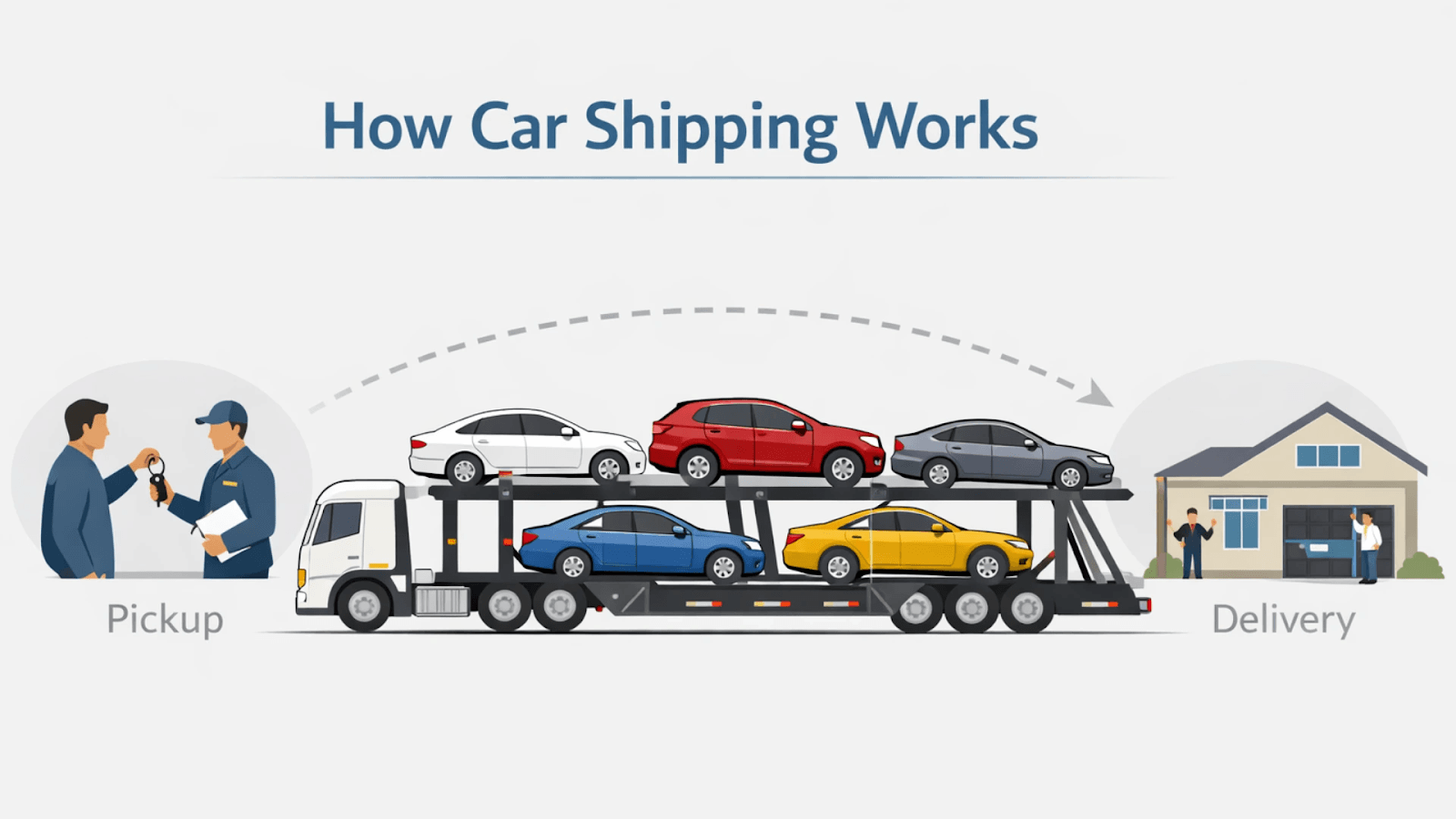
To understand how shipping a car works, one must view it as a specialized form of freight forwarding. Unlike standard parcel delivery, a vehicle is a high-value, heavy asset that requires specific loading equipment and securement techniques. Essentially, you are purchasing "space" on a multi-car trailer. The process involves a coordinated handoff between the owner and a logistics provider, followed by a transit period where the vehicle remains stationary on a trailer until it reaches its final destination.
Who Handles Your Vehicle During Transport
The industry is primarily composed of two entities: brokers and carriers. Understanding the distinction is vital:
The Broker: A company like Safeeds Transport Inc. acts as the logistics manager. They vet carriers, verify insurance, negotiate rates, and handle the communication.
The Carrier: These are the individuals or companies that own the trucks and physically move the vehicle.
By working with a professional broker, customers gain access to a wider network of verified carriers. This ensures that every assigned truck adheres to strict Federal Motor Carrier Safety Administration (FMCSA) standards and has a proven track record of reliability.
To learn more about the differences between a broker and a carrier, watch the video below:
Step-by-Step Process of How Car Shipping Works
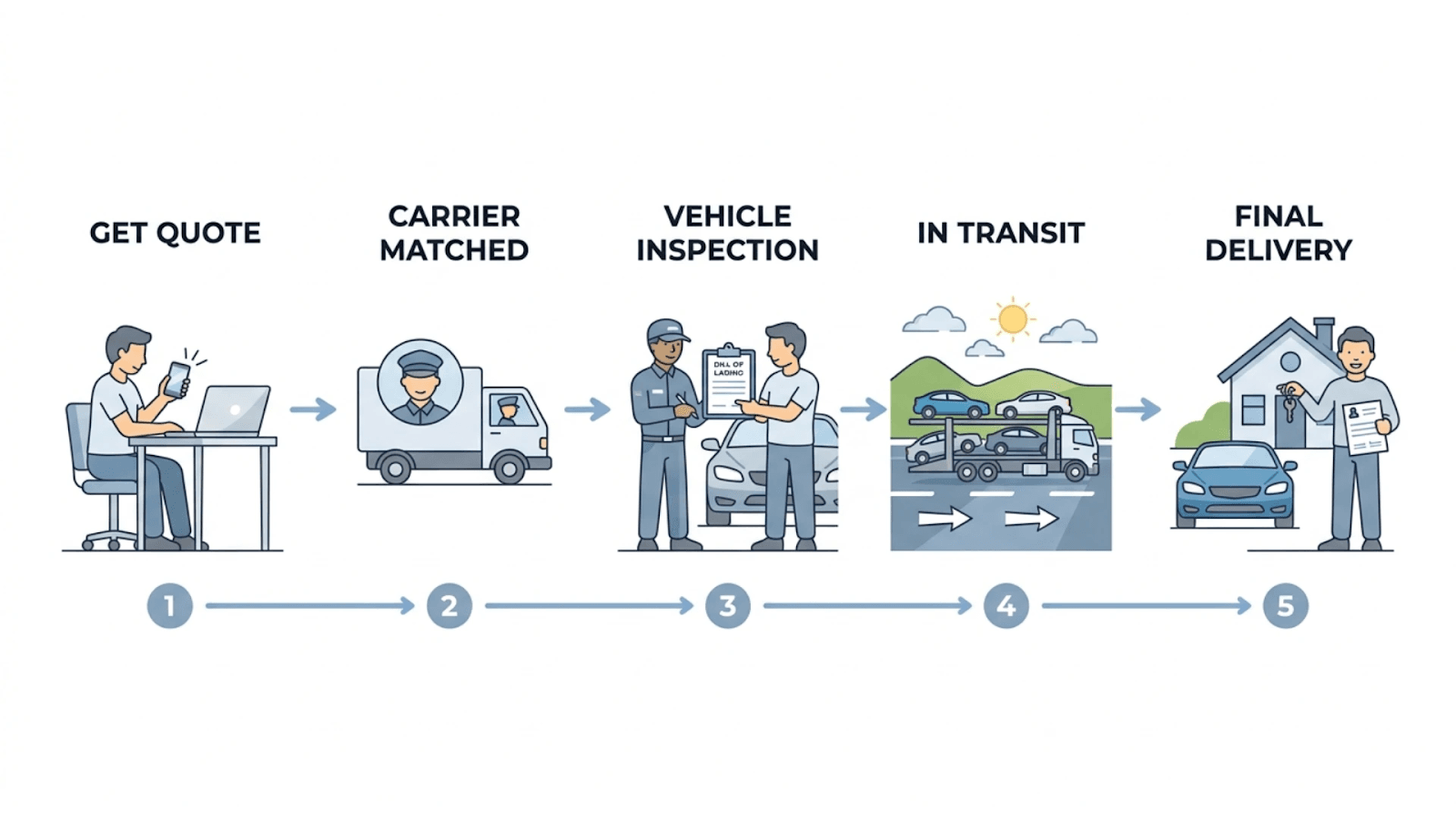
Moving a vehicle is a linear process that requires attention to detail at every stage. For most customers, the experience can be broken down into three distinct phases: booking, pickup, and delivery.
Requesting a Quote and Booking Your Shipment
The process begins by gathering essential data to determine how much it costs to ship a car. To provide an accurate estimate, professional shippers evaluate:
Vehicle Details: The make, model, and operational status (operable vs. inoperable).
Location Data: Precise pickup and delivery zip codes to calculate total mileage.
Timeframe Accuracy: Providing realistic dates is vital when calculating how much to ship a car, as shippers typically offer a pickup window rather than a fixed hour to account for transit variables like traffic.
Carrier Matching: Once your details are confirmed, the broker matches your order with a vetted, licensed carrier already operating on your specific route.
Vehicle Inspection and Pickup Process
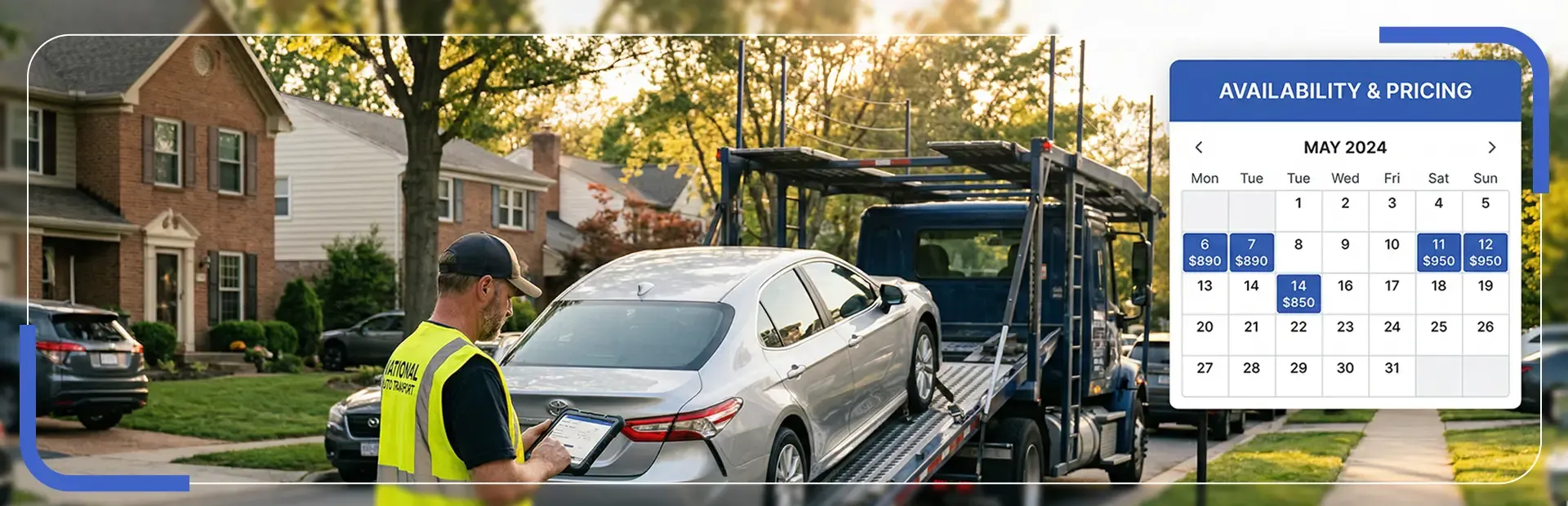
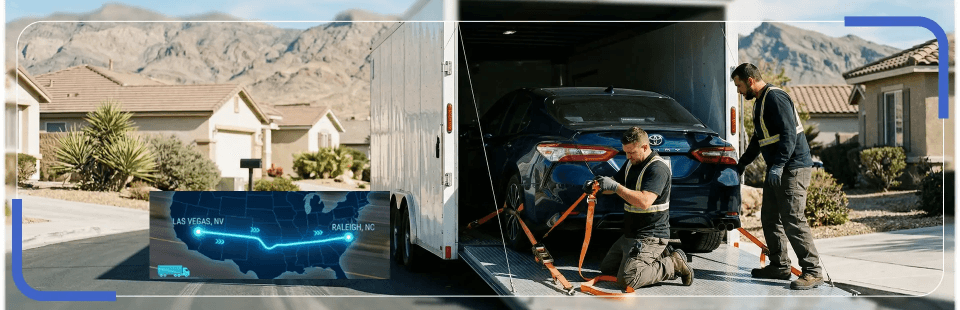
Once a carrier is assigned, the "Bill of Lading" (BOL) becomes the most important document. At the time of pickup, the driver and the vehicle owner will perform a joint inspection. They will document any existing scratches, dents, or chips. This ensures that the vehicle's condition is recorded transparently before transit begins. Both parties sign this document, and the vehicle is then loaded onto the trailer using specialized ramps or hydraulic lifts.
Transportation and Delivery Timeline
A common question among first-time shippers is how long it takes to ship a car. The timeline is governed by strict federal safety laws, which limit the number of hours a driver can be on the road. According to the U.S. Department of Transportation (DOT), these regulations are in place to prevent driver fatigue and ensure the safety of all road users.
Short distances (under 500 miles): Usually 1–3 days.
Cross-country (2,000+ miles): Typically 7–10 days.
Different Types of Car Shipping Services Explained
Not every vehicle requires the same level of protection or the same logistical approach. Choosing the right service level is a balance between your budget and the specific needs of your vehicle.
Open vs. Enclosed Transport
This is the most significant choice a customer will make regarding how expensive it is to ship a car.
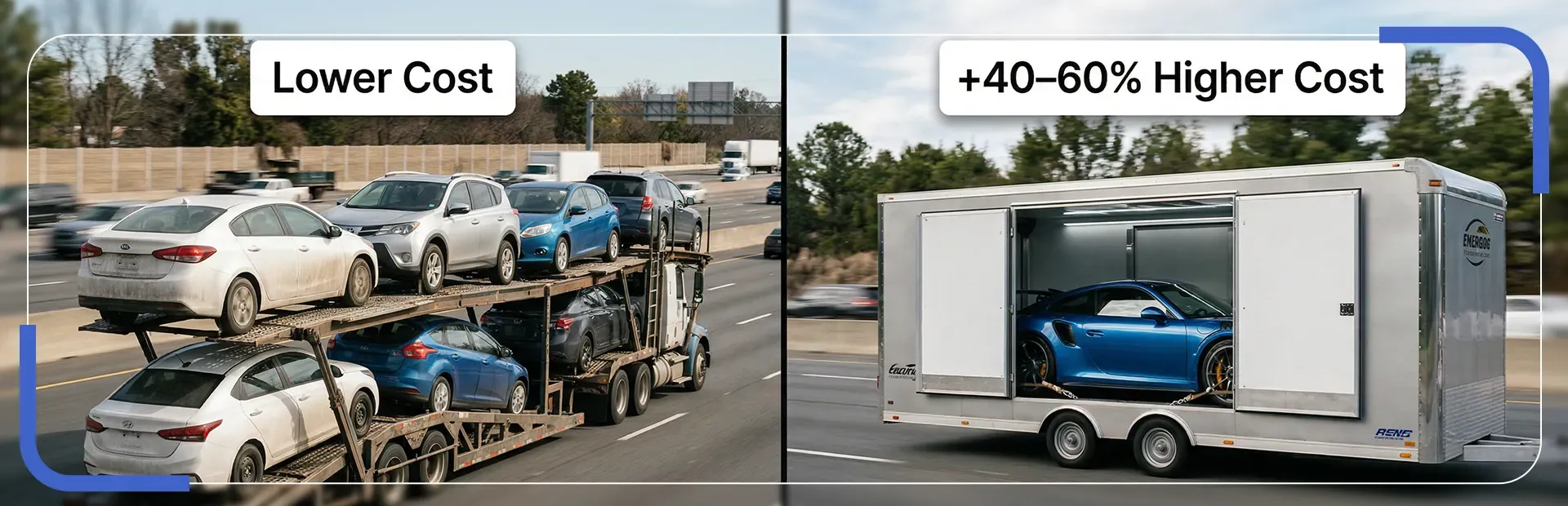
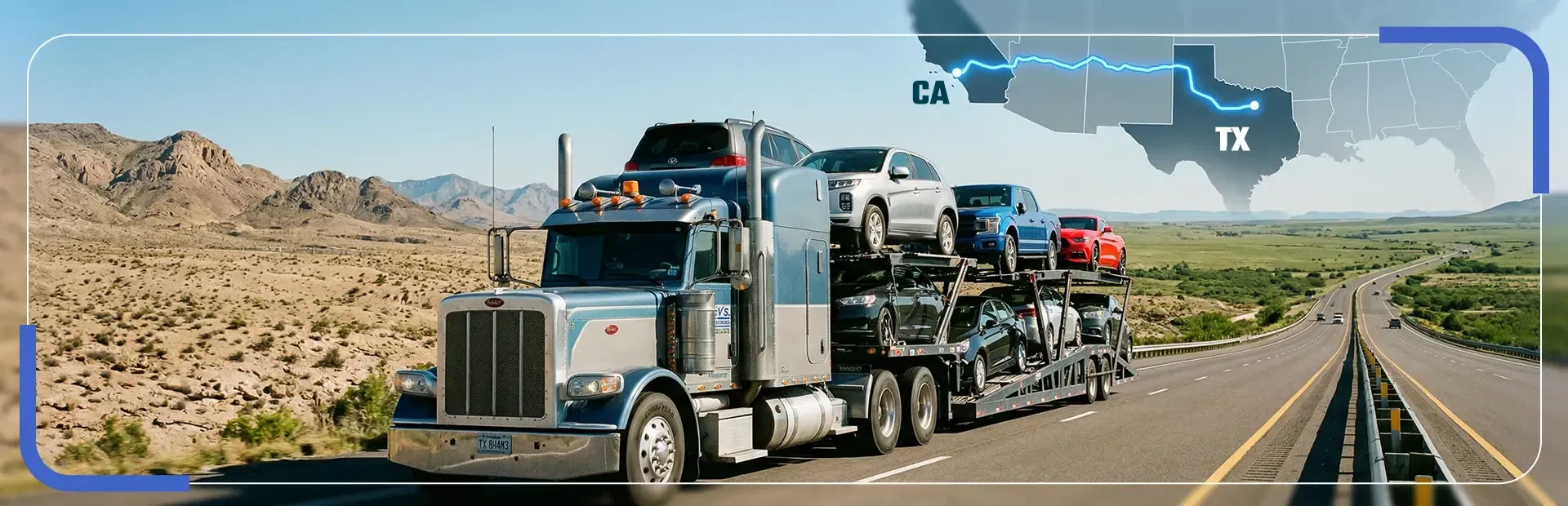
Open Transport: The vehicle is placed on a double-decker trailer exposed to the elements. It is the most common and affordable method.
Enclosed Transport: The vehicle is placed inside a hard-sided or soft-sided trailer. This protects the car from rain, road debris, and sun exposure. This is the preferred method for luxury, antique, or high-performance vehicles.
Service Feature | Open Transport | Enclosed Transport |
Average Cost | Lower (Standard) | Higher (approx. 40-60% more) |
Protection Level | Standard (Weather/Road debris) | Maximum (Fully shielded) |
Availability | Very High (90% of trailers) | Limited (Specialized carriers) |
Best For | Daily drivers, SUVs, older models | Luxury, Exotic, Classic, or New cars |
Door-to-Door vs. Terminal-to-Terminal Shipping
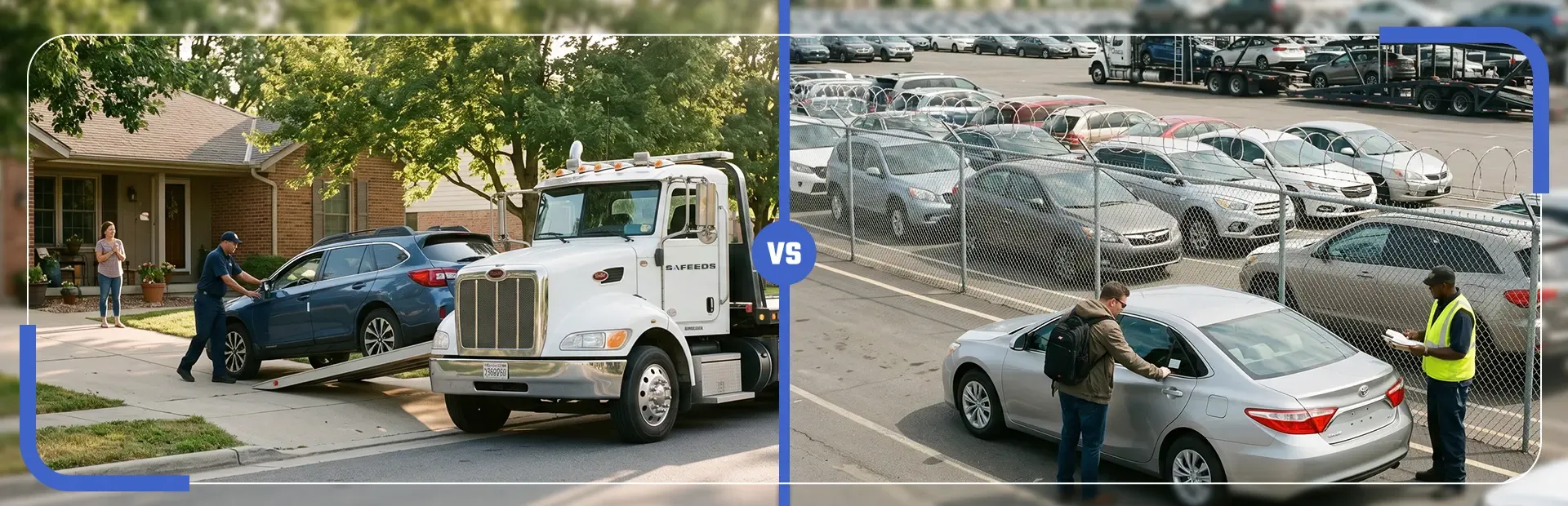
Most modern professional shippers prioritize door-to-door service. This means the driver will get as close to your physical address as legally and safely as possible. However, if you live in a restricted residential area with low-hanging trees or narrow streets, the driver may ask to meet in a nearby large parking lot. Terminal-to-terminal shipping requires the owner to drop off and pick up the car at a storage lot, which often incurs additional storage fees.
Shipping Across States or Across the Country
Understanding how to ship a car to another state versus how to ship a car across the country involves different levels of planning. Interstate shipping (moving between neighboring states) is often faster and more flexible. However, when learning how to ship a car across the country, customers must account for varying weather patterns, such as snow in the Rockies or heat in the Southwest, which can influence both the equipment used and the total transit time.
How Much Does It Cost to Ship a Car
Pricing in the auto transport industry is dynamic, much like the airline industry. When asking how much it would cost to ship a car, there is no "flat fee," but rather a calculation based on current market variables.
Average Cost Ranges for Car Shipping
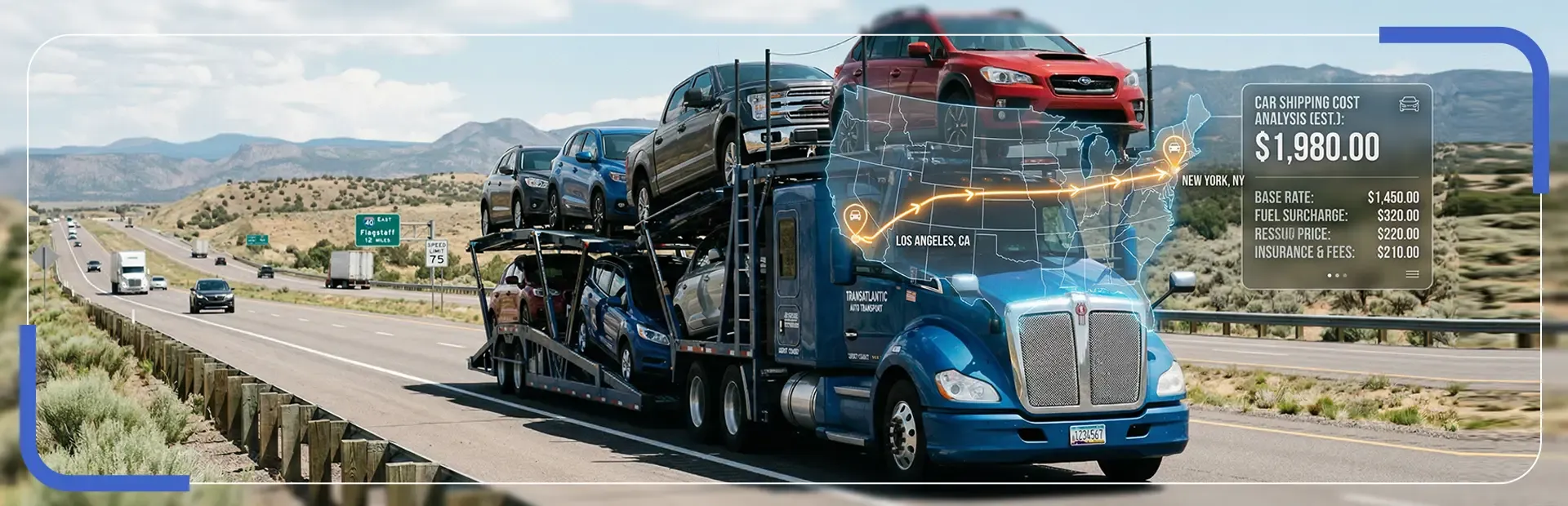
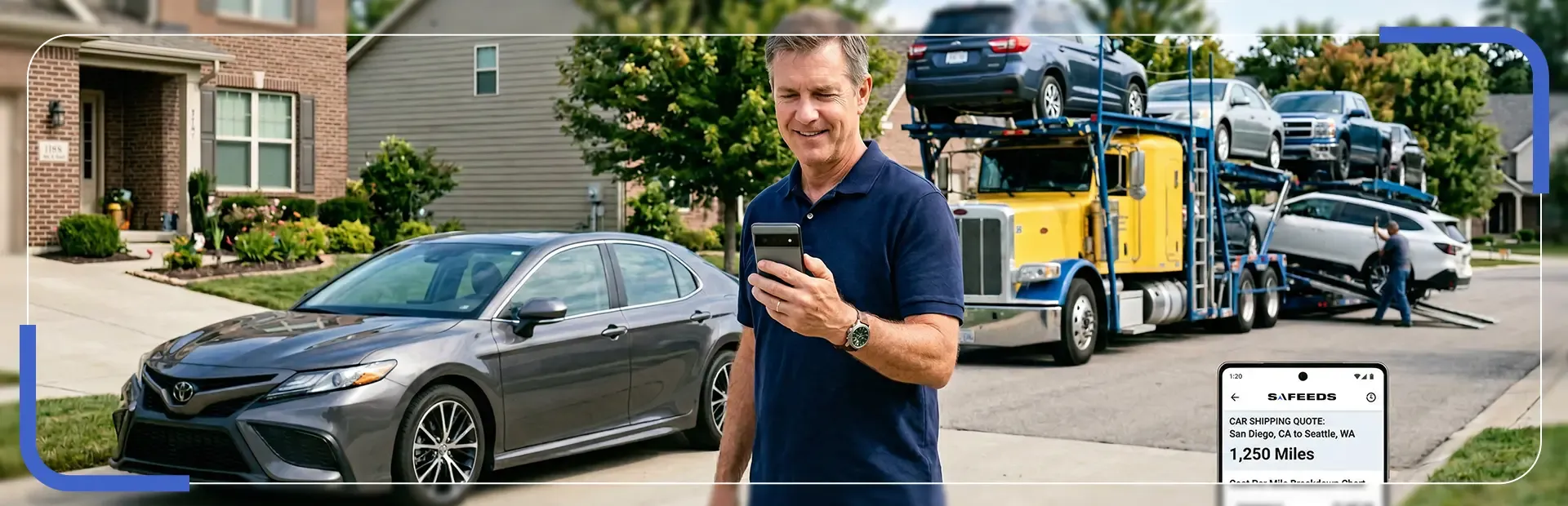
To get a sense of how much it costs to get a car shipped, one must look at the distance and the vehicle size. Shipping a small sedan from New York to Florida might cost between $700 and $1,100, whereas shipping a large SUV from California to New York could exceed $1,500. Rates per mile typically decrease as the total distance increases, but the overall price goes up.
Key Factors That Affect Shipping Costs
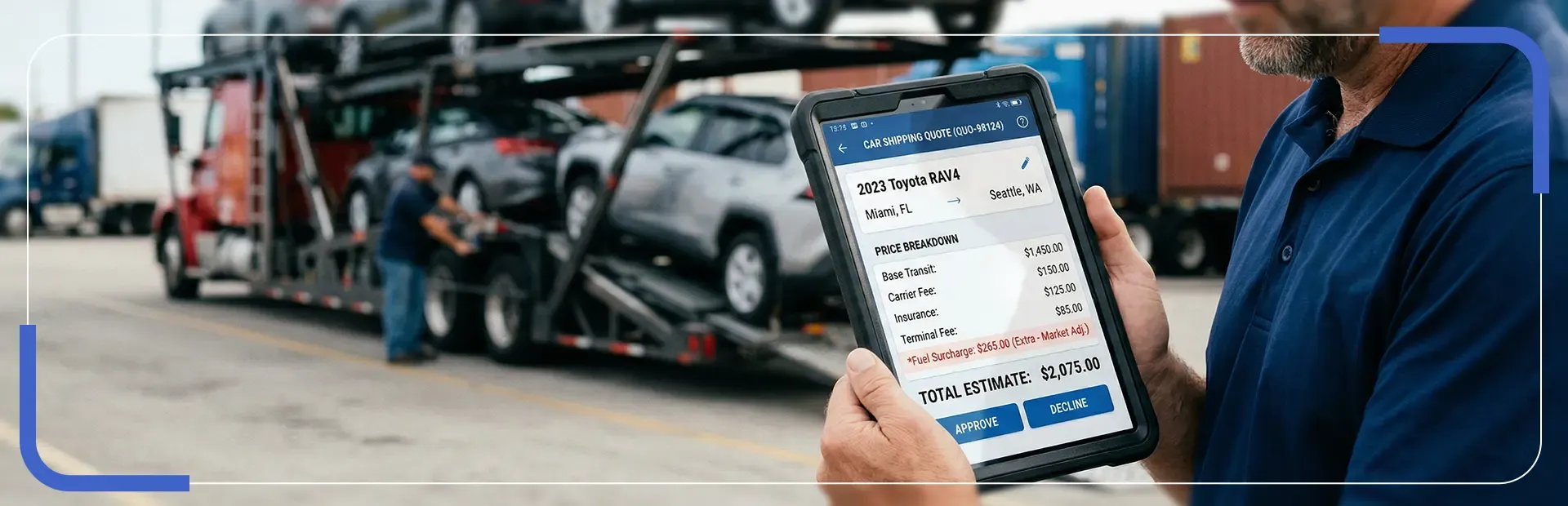
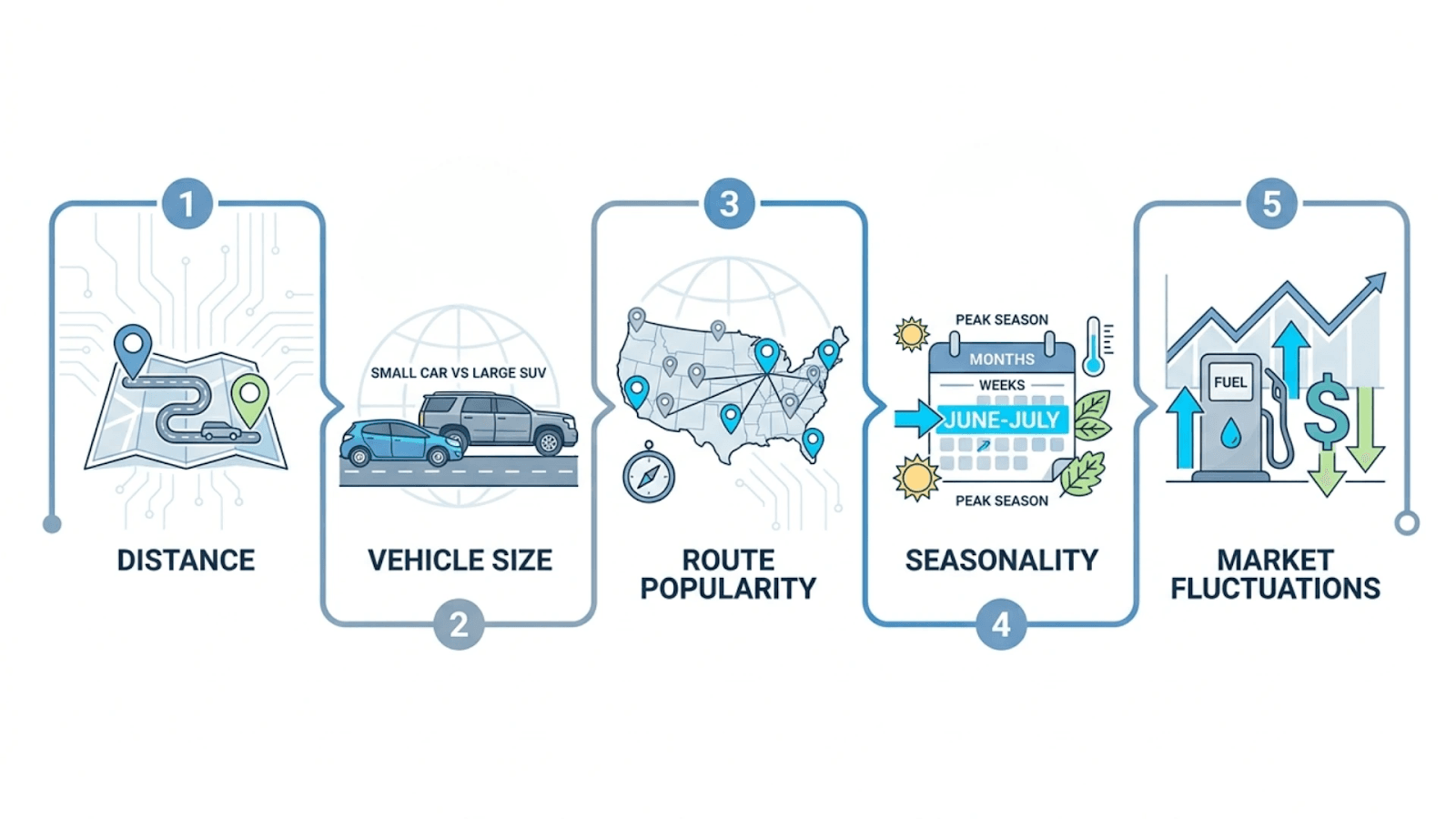
Several variables dictate the final price on your quote:
Distance: Long-haul routes require more fuel and driver time.
Vehicle Size and Weight: Larger vehicles occupy more space and increase fuel consumption.
Route Popularity: Shipping between major hubs (like Los Angeles to Dallas) is often cheaper than shipping to a rural town.
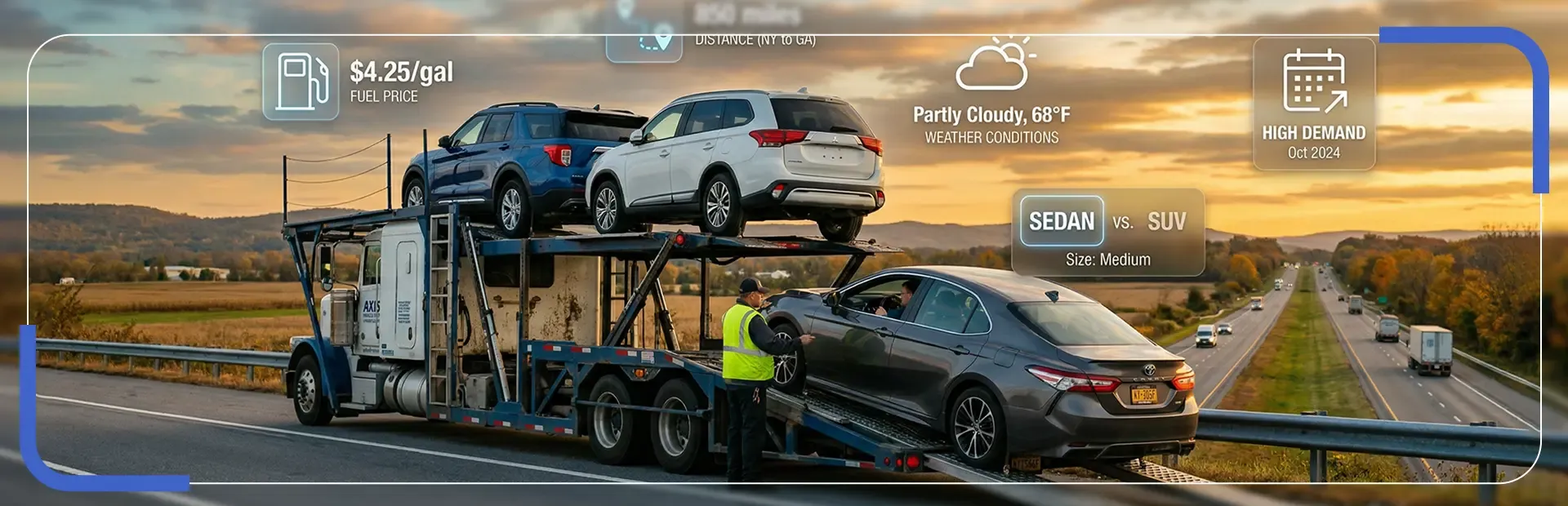
Seasonality: Prices often rise during the "Snowbird" season when demand for specific routes spikes.
Why Prices Can Change After Booking
The logistics market is influenced by real-time factors such as diesel prices and carrier availability. Professional brokers work to mitigate these fluctuations by locking in rates early, but transparency regarding market shifts is a hallmark of a reputable service.
How Long Does It Take to Ship a Car
Setting realistic expectations for your vehicle’s arrival is essential for a stress-free experience. Unlike a standard delivery van, an 80-foot car carrier moves with deliberate care.
Typical Delivery Time Based on Distance
When calculating the timeline, consider these general benchmarks:
0–500 miles: 1–2 days
500–1,500 miles: 3–5 days
1,500–2,500+ miles: 7–10 days

Factors That May Delay Delivery
Even with the best planning, external factors can influence the arrival date. Weather is the most common variable; heavy snow or hurricanes can ground fleets for safety. Traffic congestion in major metropolitan areas and mandatory rest periods for drivers are also factored into the delivery window. A professional carrier will provide updates if these conditions significantly alter the estimated arrival time.
Watch the video below to understand the factors that may cause delay in car shipping and how long it actually takes to transport a vehicle:
How to Prepare Your Car for Shipping
Preparation is the most critical step a vehicle owner can take to ensure a seamless transit experience. While the carrier handles the heavy lifting, your role in readying the asset determines the speed and accuracy of the pickup and delivery phases. By following a structured approach, you minimize the risk of damage and ensure compliance with industry safety standards.
Simple Preparation Checklist Before Pickup
Before the carrier arrives, your vehicle should undergo a thorough "pre-flight" check. This is not just for aesthetic purposes but for logistical safety.
Wash the Exterior: A clean car is essential for a proper inspection. Dirt and grime can hide small scratches or dents that need to be noted on the Bill of Lading.
Remove Personal Belongings: Professional auto shippers are not licensed to transport household goods. Items left inside can shift during transit, causing interior damage, and are not covered by the carrier's insurance.
Quarter-Tank Rule: Keep your fuel level at approximately one-quarter tank. This provides enough fuel for loading and unloading while significantly reducing the overall weight of the shipment.
Disable Alarms: To prevent battery drain and unnecessary interruptions for the driver, ensure all anti-theft systems are deactivated.
Documents and Information You Need
When learning how to ship a car, many owners forget the paperwork involved. You should have your registration and insurance documents handy, although the carrier primarily needs your keys and the signed inspection report. If you are learning how to ship a car from one state to another via a port (such as for Hawaii), additional documentation, like a notarized letter from the lienholder, may be required.
Common Mistakes to Avoid When Shipping a Car
The auto transport industry can be complex, and pitfalls often arise from a lack of transparency or research. Avoiding these common errors will protect your vehicle and your wallet.
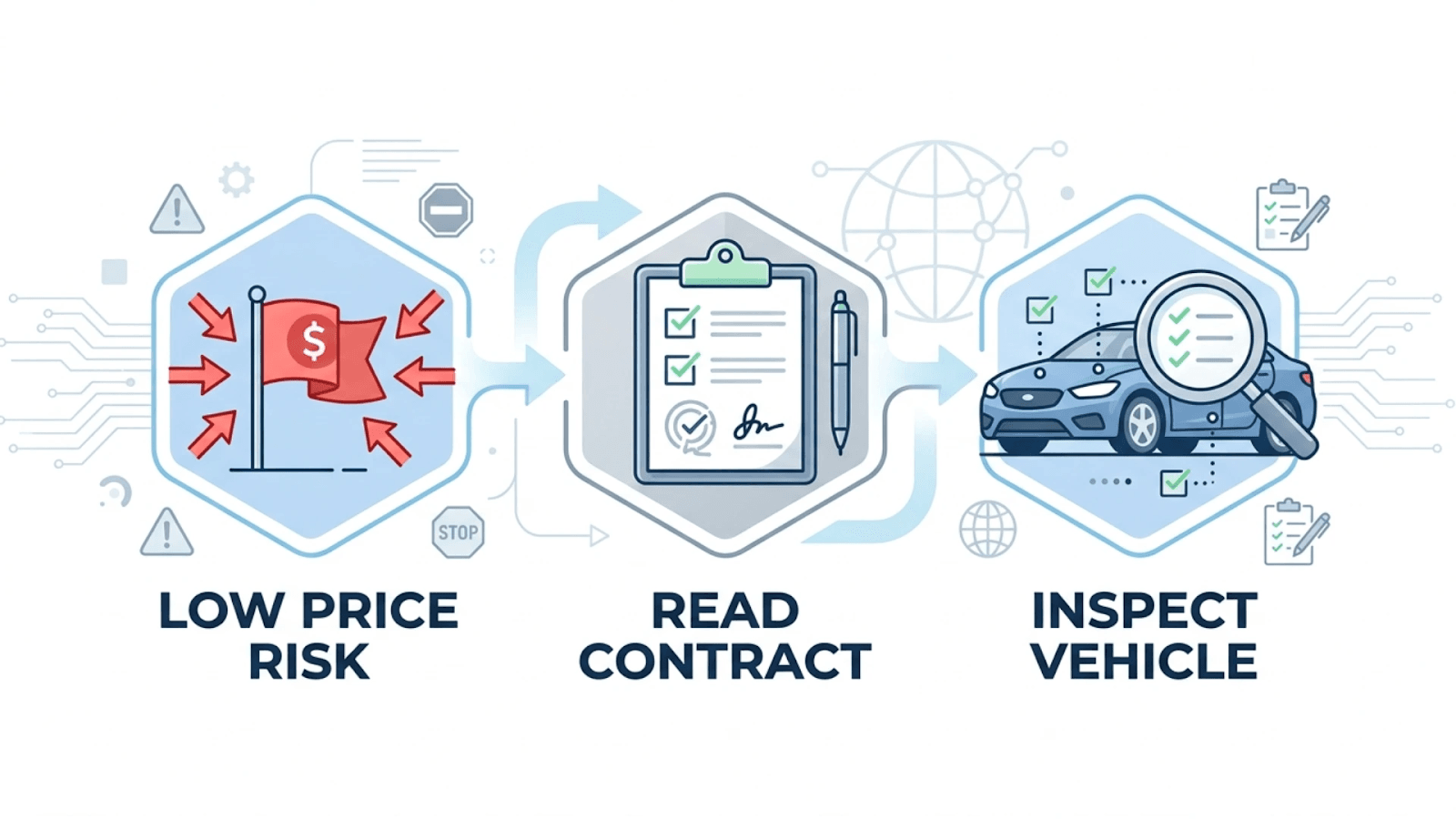
Choosing Based Only on the Lowest Price
One of the most frequent mistakes is prioritizing the lowest quote. In the world of logistics, an unrealistically low price often indicates a "bait-and-switch" tactic or a broker that will struggle to find a reputable carrier willing to accept the low rate. This leads to long delays. When considering how to ship a car out of state, look for a price that aligns with the current market average.
Not Understanding the Terms and Conditions
Every professional shipment is governed by a contract. It is vital to read the fine print regarding delivery windows and cancellation policies. Some companies may charge a fee if you cancel after a carrier has already been dispatched. Understanding these terms ensures there are no surprises during the process.
Skipping the Vehicle Inspection Process
Never let a driver leave your property without a signed Bill of Lading that accurately reflects the car's condition. If you skip this step, it becomes nearly impossible to file a successful insurance claim should any damage occur during transit.
Expert Tips for a Smooth Car Shipping Experience
To achieve the best results, you should leverage the same strategies used by industry professionals and high-volume dealerships.
How to Choose a Reliable Auto Transport Company
A reliable company will always be transparent about its licensing. You can verify a company's credentials through, which provides insight into how a business handles customer service and disputes. Communication is the ultimate litmus test; if a company is difficult to reach during the quoting phase, they will likely be unreachable during a delay.
When to Book Your Shipment for Best Results
Timing is everything. For the most competitive rates and reliable scheduling, aim to book your shipment at least two to three weeks in advance. This gives the broker ample time to vet and secure a carrier on your specific route. If you are learning how to ship a car across the country, booking during mid-week (Tuesday or Wednesday) can sometimes offer more flexibility than weekend pickups.
What to Expect from Professional Auto Shippers
Professionalism in this industry is defined by safety, communication, and transparency. When you hire an expert, you are paying for peace of mind.
Communication and Tracking During Transport
Throughout the journey, your broker acts as the central hub for information. You should expect regular updates, especially during the dispatch phase. While many trucks are equipped with GPS, the most reliable "tracking" is direct communication with the driver or the dispatch office to receive real-time updates on weather or traffic conditions.
Delivery Process and Final Inspection
When your vehicle arrives, the delivery process mirrors the pickup. You (or a designated representative) must be present to inspect the vehicle once it is unloaded. Compare the car's current state to the original Bill of Lading. Once you sign the final inspection report and the vehicle is handed over, the shipping process is officially complete.
Essential Information for Car Shipping Customers
Understanding the nuances of vehicle logistics is the best way to ensure a stress-free experience. While the process involves many moving parts, having clear answers to common questions allows you to plan your move with precision. Below are the most frequent inquiries we receive from customers looking to navigate the auto transport industry.
How much does it cost to ship a car with Safeeds Transport Inc?
The cost is determined by several factors, including distance, vehicle size, and the type of transport (open or enclosed). At Safeeds Transport Inc., we provide transparent, competitive pricing with a 7-day price lock guarantee. This ensures that the quote you receive stays stable while you plan your logistics, protecting you from sudden market fluctuations.
How long does it take to ship a car?
Transit times vary based on the total mileage. Generally, short-distance moves take 1–3 days, while cross-country shipments typically take 7–10 days. We prioritize efficient routing and work with a vast network of reliable carriers to ensure your vehicle is delivered as quickly as safety and federal regulations allow.
How do I prepare my car for shipping?
Preparation is simple but essential: clean your vehicle for a proper inspection, remove all personal belongings, and ensure the gas tank is at approximately one-quarter full. By following these steps, you help Safeeds Transport Inc. ensure a smooth hand-off and a safe journey for your vehicle.
What type of carriers do you use for auto transport?
We only partner with highly vetted, licensed, and insured motor carriers. Whether you choose an open carrier for maximum affordability or an enclosed carrier for premium protection, Safeeds Transport Inc. ensures that your vehicle is handled by professionals who meet our rigorous safety and reliability standards.
Is my vehicle insured during transport?
Yes. Every carrier in our network is required to carry a valid insurance policy. Furthermore, we offer AFTA GAP Protection, providing an additional layer of security beyond the carrier’s basic coverage. This gives you total peace of mind, knowing that one of your most valuable assets is protected from pickup to delivery.
A Practical Guide to Shipping Your Car with Confidence
Navigating the logistics of vehicle transport doesn't have to be overwhelming. By understanding the roles of brokers and carriers, preparing your vehicle correctly, and setting realistic expectations for timelines, you can move your asset anywhere in the country with total confidence. This complete guide to car shipping, what you need to know, serves as your roadmap to a successful move.
Whether you are moving for a new job, sending a car to a student, or purchasing a vehicle online, the key to success lies in choosing a partner that prioritizes your vehicle’s safety above all else. With the right preparation and a trusted logistics team, your car will arrive at its new destination ready for the road ahead. Get a free, instant car shipping quote and secure your 7-day price lock today.