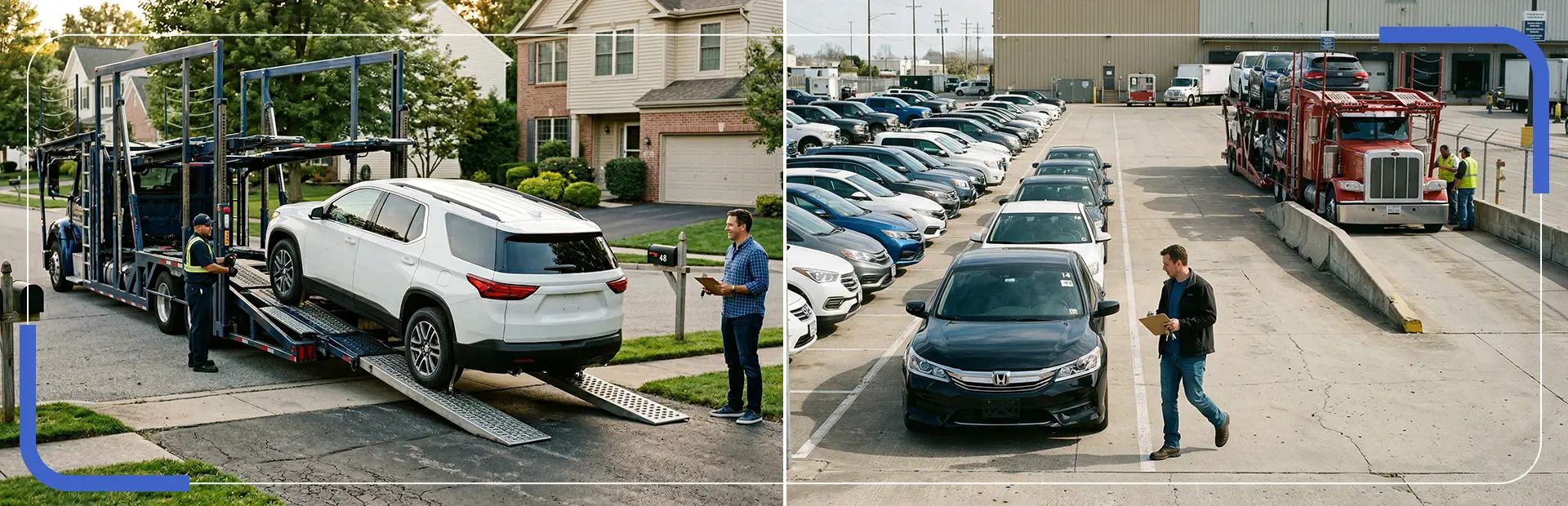
Navigating the logistics of vehicle relocation requires a clear understanding of the pricing structures that define the modern logistics industry. For most consumers and businesses, the most critical metric in this process is the car shipping cost per mile, as it serves as the foundational unit for nearly every quote provided by professional carriers. Whether you are relocating for a new career opportunity, managing dealership inventory across state lines, or purchasing a classic vehicle from an out-of-state seller, understanding how these rates are generated is essential for effective budgeting.
The total expense of moving a vehicle is rarely a flat fee; instead, it is a fluid figure influenced by a complex interplay of distance, vehicle dimensions, transport methods, and real-time market demand. By deconstructing the per-mile rate, shippers can better identify where their money is going and distinguish between a fair market estimate and an inflated offer. This guide provides a professional deep dive into the mechanics of transport pricing to help you secure a reliable and cost-effective solution for your long-distance hauling needs. Get a quote from Safeeds Transport Inc. today for a transparent and reliable price estimate.
The Formula Behind Car Shipping Cost Per Mile
In the auto transport industry, "car shipping cost per mile" refers to the variable rate charged by a carrier for every mile a vehicle is transported. This metric is the industry standard because it allows companies to account for fuel consumption, driver wages, and equipment wear-and-tear in a way that scales with the journey's length.
When evaluating car shipping rates per mile, it is important to note that the rate is usually "sliding." This means the cost per mile to ship a car is typically higher for short distances (e.g., $1.50–$2.00 per mile for under 200 miles) and significantly lower for long-haul trips (e.g., $0.50–$0.70 per mile for cross-country routes). The basic calculation used by most logistics providers follows this logic:

Understanding the average cost to ship a car per mile allows a consumer to move beyond looking at the final "sticker price" and instead evaluate the efficiency of the carrier's route and service level.
Difference Between Per-Mile Cost and Total Shipping Price
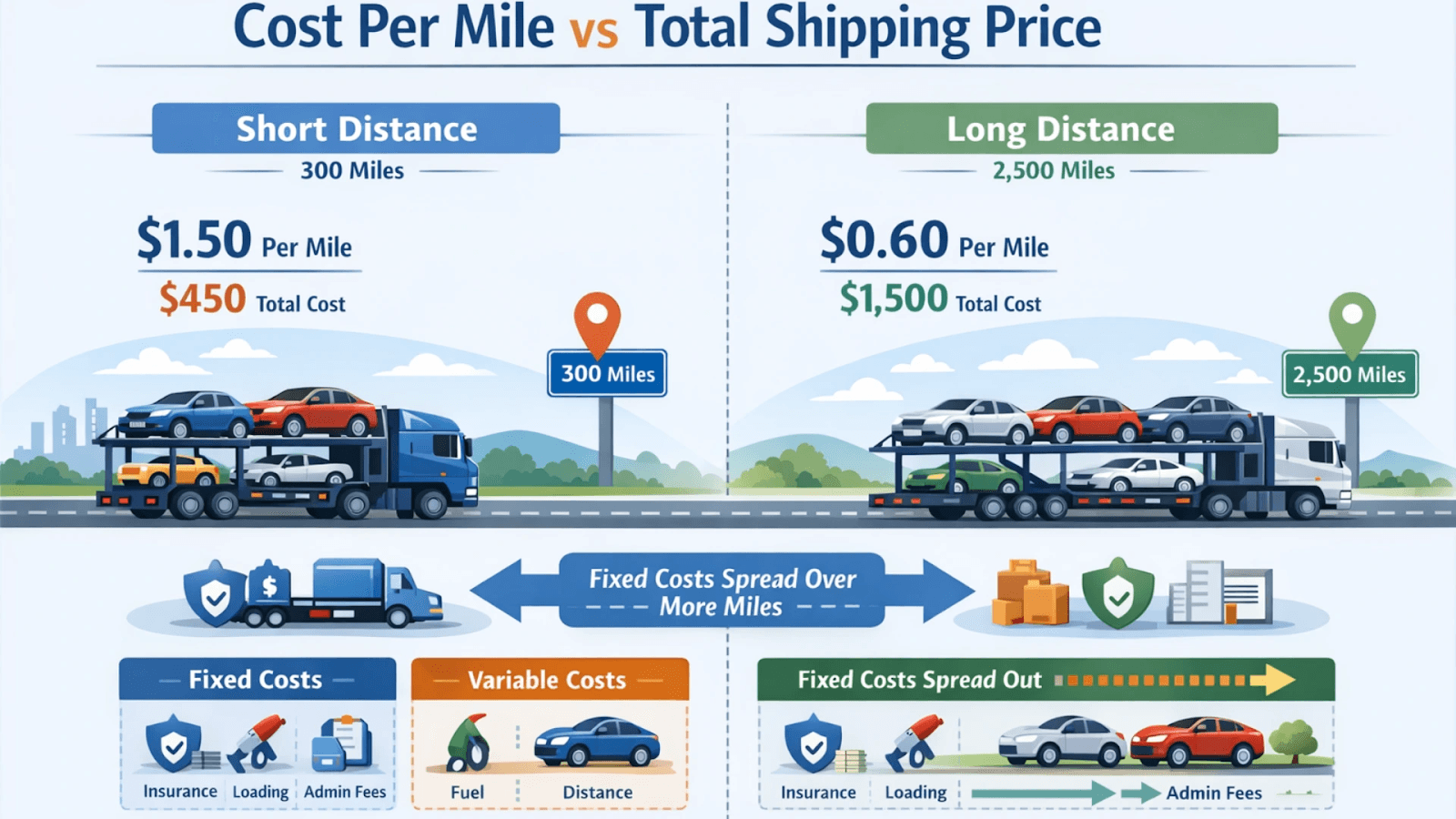
It is a common misconception that a lower per-mile rate automatically results in a lower total bill. While the per-mile metric is the engine of the quote, the total shipping price includes fixed costs that do not change regardless of distance. These include insurance coverage, administrative processing, and the labor required for loading and unloading the vehicle.
For instance, a 300-mile trip might have a high per-mile rate because the carrier still spends the same amount of time securing the vehicle and navigating local traffic as they would for a longer trip. Conversely, on a 2,500-mile journey, the fixed costs are spread out over a much larger distance, causing the per-mile rate to drop even though the total price is much higher.
Key Vehicle Factors Affecting Car Shipping Prices
The physical characteristics of the vehicle are among the most significant variables in determining a car shipping price estimate. Carriers operate with limited weight capacities and physical space on their trailers; therefore, a vehicle’s footprint directly impacts the car shipping prices offered to the client.
Size and Weight: A compact sedan takes up less "real estate" on a multi-car carrier than a heavy-duty pickup truck or a full-sized SUV. Heavier vehicles increase fuel consumption for the carrier, which is reflected in a higher car shipping price.
Modified Vehicles: Roof racks, lift kits, or large tires can push a vehicle outside of standard dimensions, potentially requiring specialized equipment or taking up the space of two smaller cars.
When requesting a car shipping price, providing the exact make and model is vital to ensuring the carrier assigns the correct equipment and provides an accurate per-mile assessment.
Watch the video below to get a clear understanding of the key factors that influence car shipping prices:
Vehicle Condition and Special Handling Requirements
The operational status of a vehicle is a major factor in the final car shipping cost. A "rolling" vehicle, one that can be driven onto the trailer under its own power, is the standard for most quotes. If a vehicle is non-running (inoperable), it requires specialized winches or forklifts to load and unload. This added labor and equipment requirement typically results in a flat surcharge added to the per-mile rate.
Furthermore, certain high-value vehicles require enclosed transport to protect them from road debris and weather. While this offers the highest level of security, the limited capacity of enclosed trailers (often holding only 2-6 cars compared to 10 on an open carrier) inherently increases the per-mile cost.
Distance and Route Complexity
Distance is the primary driver of the car shipping cost per mile, but the complexity of the route is equally important. When calculating the price to ship a car across the country, carriers look at more than just the odometer.
Long-Haul vs. Short-Haul Logic
As previously mentioned, long-distance routes benefit from economies of scale. However, the specific geography of the route matters. Shipping between major hubs (like Los Angeles to Dallas) is generally cheaper per mile because these are high-volume routes with plenty of available carriers.
Urban vs. Rural Logistics
If a pickup or delivery location is in a remote or rural area, the carrier must "deadhead" (travel with an empty trailer) or deviate significantly from the main interstate. This adds time and fuel, making it difficult to determine how much it costs to ship a car without accounting for these "off-path" adjustments.
Estimated Per-Mile Cost Comparison by Distance
The following table illustrates how the car shipping cost per mile typically adjusts based on the total length of the journey. By reviewing these industry averages, you can better understand how economies of scale influence your final car shipping price estimate.
Distance Range | Average Cost Per Mile | Estimated Total Price Range |
Short Distance (100–500 miles) | $1.20 – $2.00 | $450 – $800 |
Medium Distance (500–1,500 miles) | $0.80 – $1.15 | $750 – $1,400 |
Long Distance (1,500–3,000+ miles) | $0.50 – $0.75 | $1,200 – $1,900 |
Seasonal and Weather Considerations
The time of year can cause significant fluctuations in car shipping rates per mile. The auto transport industry is subject to seasonal supply and demand cycles that professional shippers must navigate.
Snowbird Season: During late autumn and early spring, there is a massive surge in demand for routes between the Northeast and the Southern states (like Florida and Arizona). This high demand allows carriers to increase their per-mile rates.
Winter Weather: Harsh conditions in the Midwest or New England can slow down transit times and increase risks. Carriers often charge a premium for the increased difficulty of navigating snow-covered routes or dealing with road closures.
To optimize costs, it is often recommended to book shipments during "shoulder seasons" (late spring or early autumn) when demand is more balanced and the weather is generally favorable. According to the U.S. Department of Transportation, seasonal fluctuations in fuel prices and road conditions are primary drivers of variable freight costs across all sectors.
Transport Type and Service Options
Choosing between different service levels is the fastest way to influence your car shipping cost per mile. The industry typically offers two main methods:
Open Auto Shipping: This is the most common and cheapest car shipping method. Vehicles are exposed to the elements but are moved on large, efficient trailers, keeping the per-mile cost at its lowest.
Enclosed Auto Shipping: This provides a mobile "garage" for the vehicle. Because these trailers carry fewer cars and require more expensive equipment, the per-mile rate is usually 30% to 50% higher than open shipping.
Additionally, using a car shipping cost estimator will show that "door-to-door" service is the standard today. While "terminal-to-terminal" shipping was once a way to save money, many terminals have closed due to security and storage costs, making door-to-door the more reliable and often more economical choice when considering total travel time.
Speed and Delivery Timeline
Urgency is a premium commodity in the transport world. Standard shipping involves a window of several days for pickup as the carrier coordinates a full load of vehicles. If a customer requires "expedited shipping," the carrier may have to divert their route or leave with a partially empty trailer to meet the deadline.
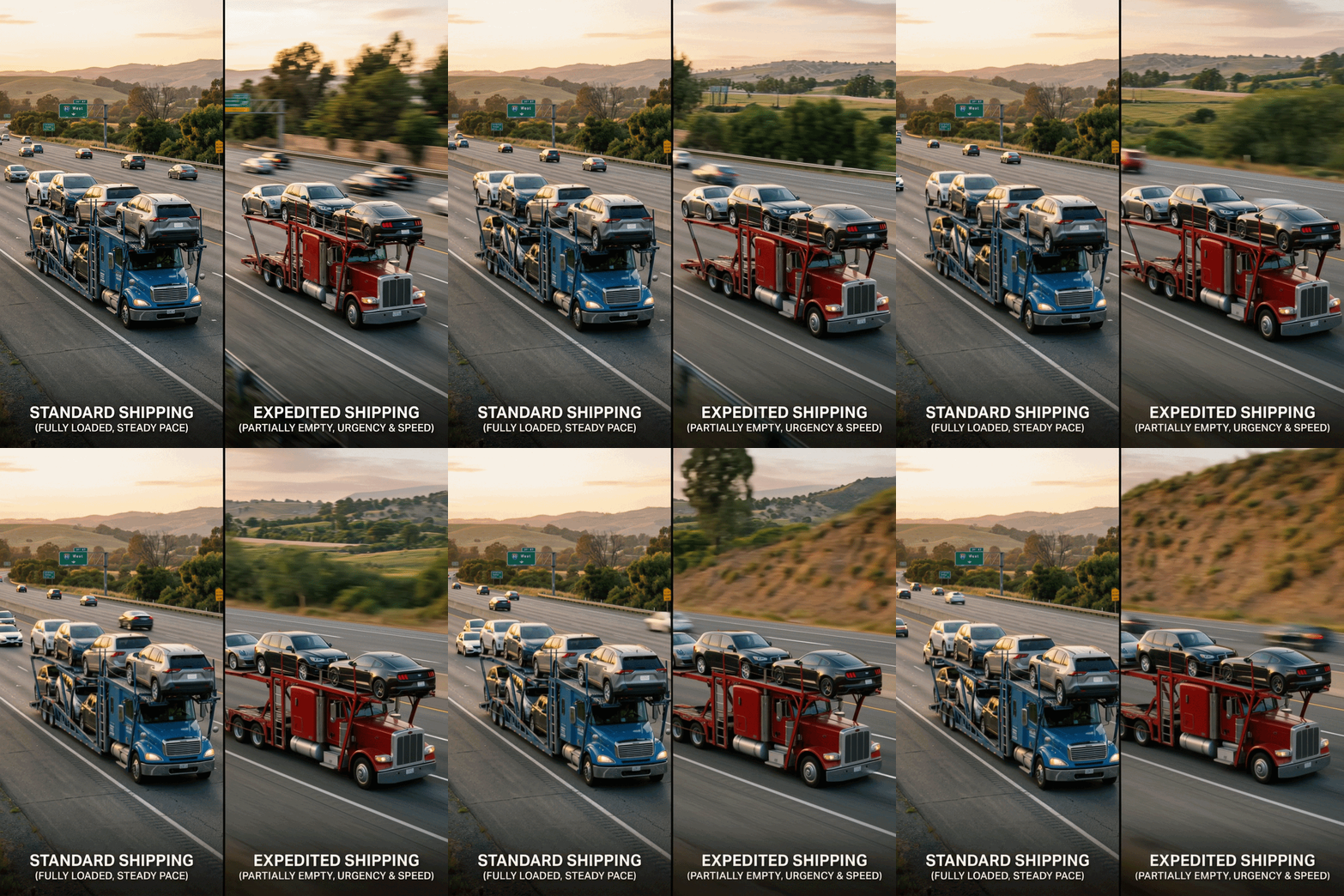
This loss of efficiency is passed on to the consumer as an increased per-mile rate. For those looking for the most budget-friendly options, flexibility is key. Allowing a carrier a wider window for pickup and delivery ensures they can maximize their trailer capacity, which helps keep individual car shipping prices competitive. Professional insights on logistics efficiency can often be found through industry analysis on Bureau of Transportation Statistics reports, which highlight how empty-mileage and scheduling impact overall consumer costs.
Carrier Policies and Market Factors
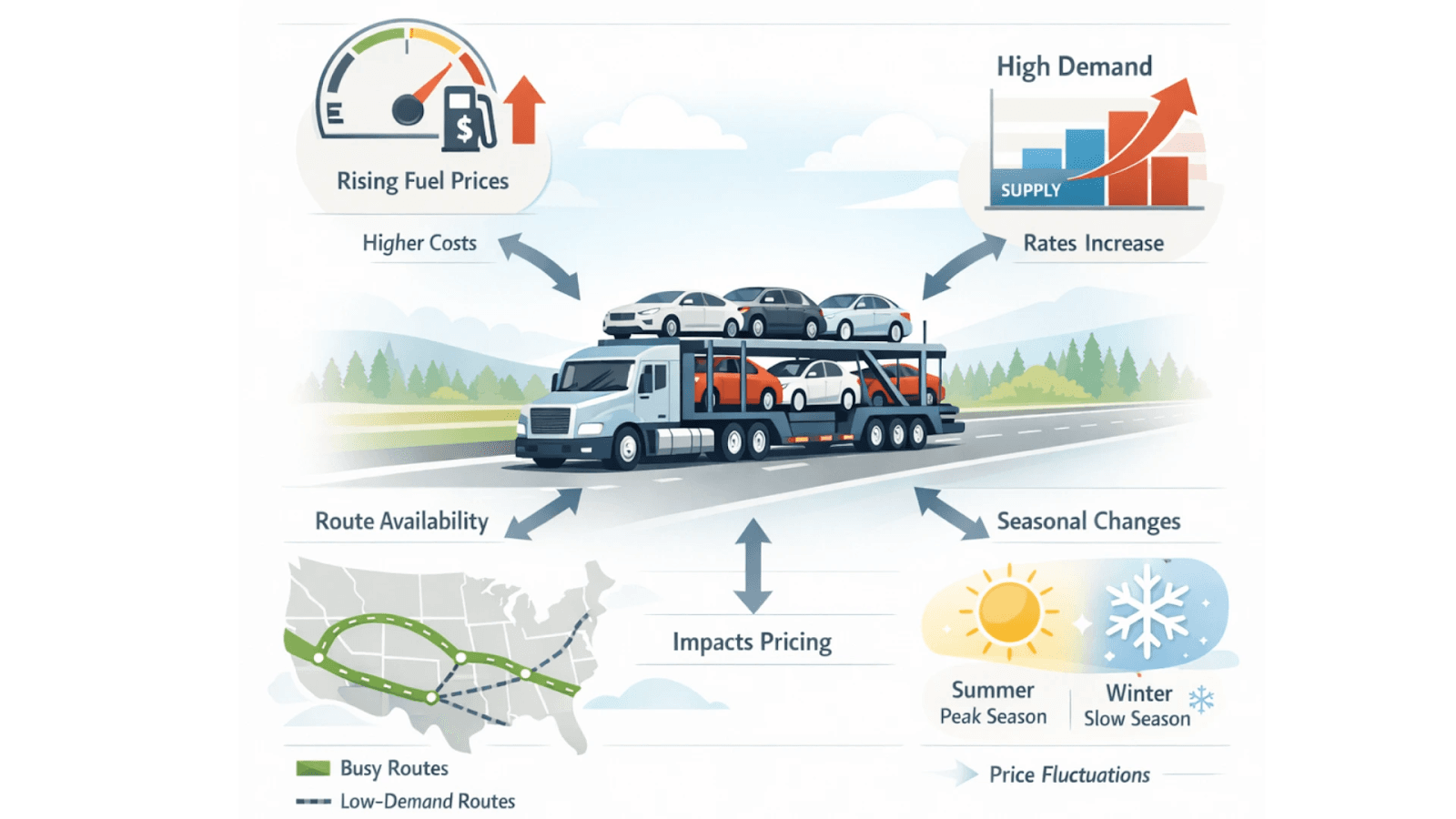
The logistical landscape of the United States is constantly shifting, with several external variables directly impacting the final car shipping cost. Because carrier companies operate on thin margins, their pricing structures are highly sensitive to the following market pressures:
Fuel Price Volatility: One of the most significant factors is the price of diesel fuel. Auto transporters operate heavy-duty rigs that consume substantial amounts of fuel; therefore, a spike in national gas prices leads to a corresponding increase in the car shipping cost per mile.
Shifting Market Demand: The timing of your shipment plays a major role in determining how much to ship a car. During peak relocation months or following major automotive auctions, the volume of vehicles needing transport often exceeds carrier capacity.
Route Prioritization: In high-demand environments, carriers become more selective. They often prioritize routes with the highest profit margins, which can drive up car shipping rates per mile for less common destinations.
Seasonal Competition: Competition for trailer space is fiercest during busy seasons. If you are seeking a car shipping price estimate during these periods, rates are typically higher compared to the quieter winter months when demand subsides.
Insurance and Liability Coverage
A professional car shipping cost should always include basic cargo insurance. Legally, motor carriers must maintain a certain level of liability insurance to protect the vehicles they transport. However, the extent of this coverage varies. When calculating your total car shipping price, it is vital to verify if the carrier’s policy covers the full valuation of your vehicle. Some shippers opt for supplemental insurance or "gap protection" to ensure they are covered for every possible scenario, which can add a small increment to the overall cost per mile but provides invaluable peace of mind.
Cost-Saving Strategies for Consumers
For those seeking cheap car shipping without sacrificing reliability, several strategic decisions can lower the per-mile rate. While the distance of your move is fixed, how you approach the booking process can lead to significant savings.
Book in Advance: Aim to secure your spot at least two to three weeks before your desired move date. This allows brokers to find a carrier already traveling that route, preventing "expedited" surcharges.
Be Flexible with Dates: If you can provide a 5-day window for pickup rather than a specific afternoon, you become a more attractive client for carriers looking to fill the final spot on their trailer.
Choose Open Transport: Unless you are moving a high-end luxury or vintage car, open transport is the industry standard for cheap car shipping.
Ship Between Major Cities: If you live in a rural area, meeting a driver at a large shopping center or parking lot near a major interstate can lower the car shipping price estimate by reducing the driver's "off-route" mileage.
Service Feature | Impact on Cost Per Mile | Recommended For |
Open Transport | Base Rate (Lowest) | Standard Daily Drivers |
Enclosed Transport | +30% to +50% | Luxury, Classic, or Exotic Cars |
Expedited Shipping | +20% to +40% | Urgent Moves/Tight Deadlines |
Non-Running Vehicle | Flat Fee ($150 - $250) | Salvage or Project Cars |
Comparing Multiple Quotes Effectively
When you use a car shipping cost estimator, it is tempting to simply choose the lowest number. However, an unusually low quote can be a red flag for hidden fees or a carrier that lacks proper insurance. To evaluate quotes effectively, look at the breakdown of the car shipping rates per mile. A transparent company like Safeeds Transport Inc. will provide an all-inclusive price that covers fuel, tolls, and insurance. Always ask if the quote is "guaranteed" or if it is just a "target price" that might increase once the driver is assigned.
Watch this video to discover practical cost-saving strategies that can help you reduce your car shipping expenses:
Tools and Resources to Estimate Car Shipping Cost Per Mile
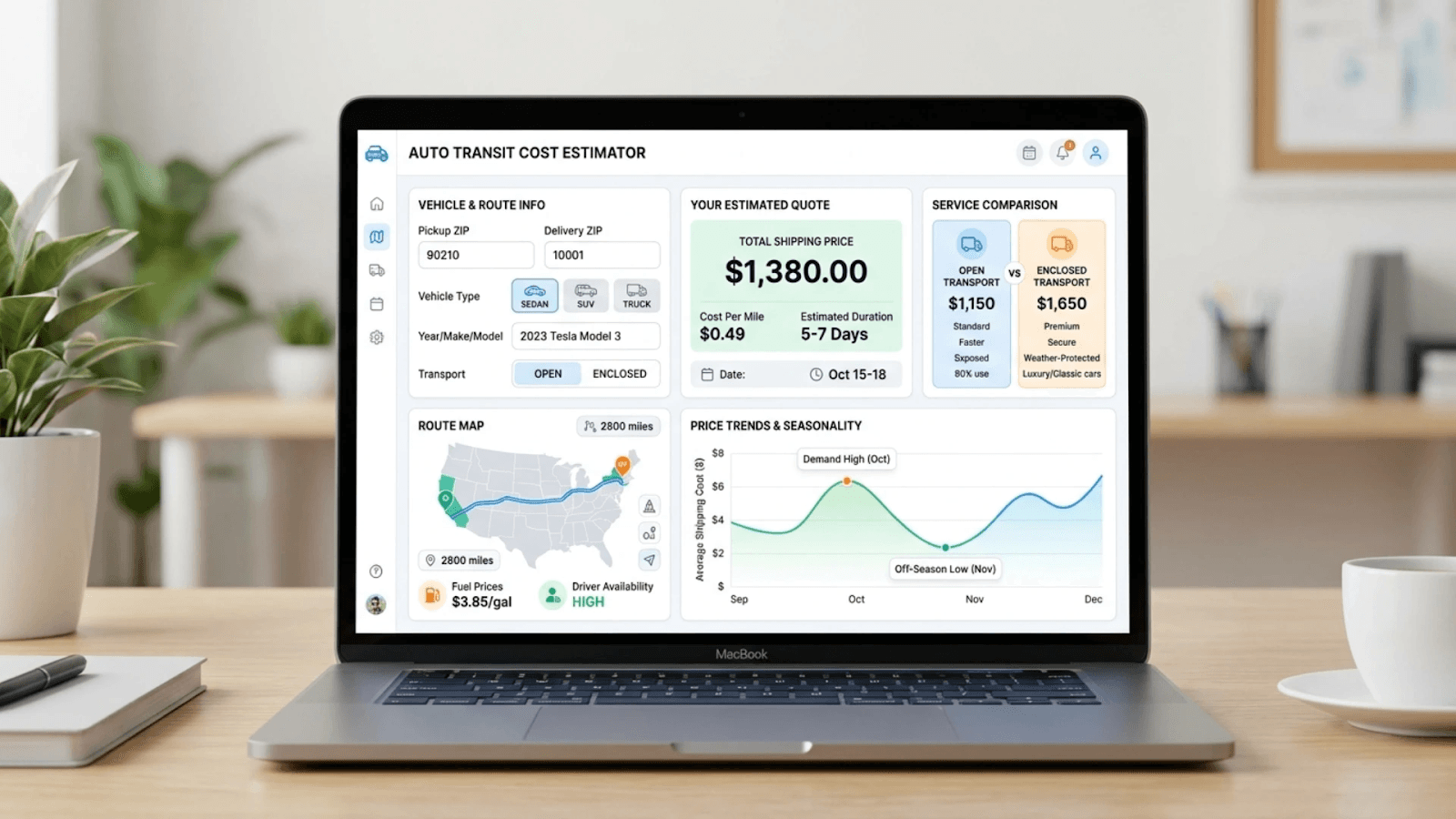
In the digital age, an online car shipping cost estimator is the most efficient way to establish a reliable financial baseline. These tools remove guesswork by allowing you to simulate different move dates and transport types to see exactly how they influence your final quote. To maximize these resources, it is important to understand the professional-grade logic used to calculate your rate:
Real-Time Data Aggregation: These tools do not just pull static numbers; they analyze vast sets of historical data alongside live market feeds. By monitoring current national fuel prices and carrier availability, they provide a pricing range that reflects the true car shipping rates per mile in today’s market.
Hyper-Local Precision and Accuracy: Broad estimates by state are often misleading. By inputting specific ZIP codes for both pickup and delivery, the system accounts for local infrastructure challenges, such as narrow urban streets or remote rural roads that require extra time and fuel. This ensures the car shipping rates per mile you see on the screen are tailored to your exact route.
Accounting for Vehicle Specifications: Not all cars are created equal in the eyes of a carrier. Including specific details about vehicle modifications, such as roof racks, lift kits, or extended wheelbases, allows the calculator to adjust for increased weight or height. This precision is vital because even a few hundred pounds of extra weight can shift the cost per mile to ship a car into a higher bracket.
Side-by-Side Service Comparisons: One of the greatest benefits of using a digital tool is the ability to view open and enclosed shipping options simultaneously. This transparency allows you to weigh the cost-benefit of premium protection against standard transport, helping you decide if the added security of an enclosed trailer is worth the higher per-mile investment for your specific vehicle.
Identifying Seasonal Trends: Advanced calculators can often highlight how moving your date by just a few days can lead to significant savings. By identifying "low-demand" windows, these tools empower you to find cheap car shipping opportunities that might otherwise be missed.
Clarifying Car Transport Pricing and Processes
We prioritize transparency to help you make informed decisions. Understanding how route density and carrier availability influence your quote is essential for a smooth experience. Below, we address the most common questions regarding our pricing and logistics.
How is the car shipping cost per mile actually calculated?
A: It is based on a sliding scale where the rate decreases as the distance increases. Safeeds Transport Inc. uses advanced logistics software to balance current fuel costs, route difficulty, and carrier availability to ensure you get a competitive market rate.
Does the car shipping price estimate include insurance?
Yes, reputable brokers ensure that every carrier is fully insured. At Safeeds, we verify all carrier credentials and offer additional protection options like AFTA GAP protection to ensure your investment is shielded from start to finish.
Can I get cheap car shipping for a cross-country move?
Long-distance moves actually offer the best "per mile" value. By choosing open transport and booking your shipment during off-peak times, you can secure the most affordable rates available in the industry.
How much does it cost to ship a car that doesn't run?
Inoperable vehicles typically incur an additional fee because they require specialized equipment for loading. However, by using a car shipping cost estimator, you can factor this in early to avoid any surprises on delivery day.
Why do car shipping prices fluctuate between different companies?
A: Prices vary based on the carrier's route efficiency and the broker's network. Safeeds Transport Inc. prides itself on a 7-day price lock, protecting you from the sudden price hikes common with other providers.
Professional Advice Before Booking Your Car Shipment
In summary, the car shipping cost per mile is more than just a number; it is a reflection of the expertise, equipment, and safety measures required to move a 3,000-pound asset across the country. To ensure a successful experience, prioritize transparency and carrier reputation over the absolute lowest price.
By understanding the factors, from vehicle weight and transport type to seasonal demand and route complexity, you can make an informed decision that protects both your vehicle and your wallet. Planning ahead, remaining flexible, and using a trusted name like Safeeds Transport Inc. will turn a complex logistical task into a seamless, stress-free transition. Remember, the goal of understanding the car shipping cost isn't just to save money; it’s to ensure your vehicle arrives safely and on time.
Plan your shipment with confidence and secure your 7-day price lock today. Get a quote from Safeeds Transport Inc. and experience hassle-free vehicle shipping.