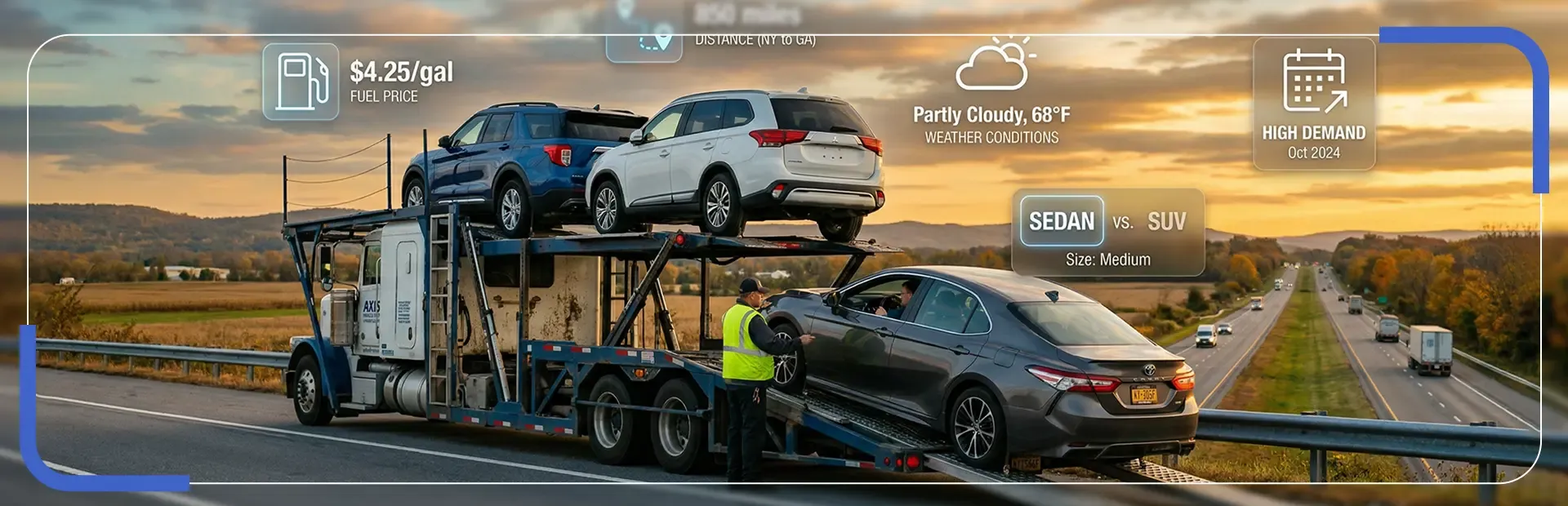
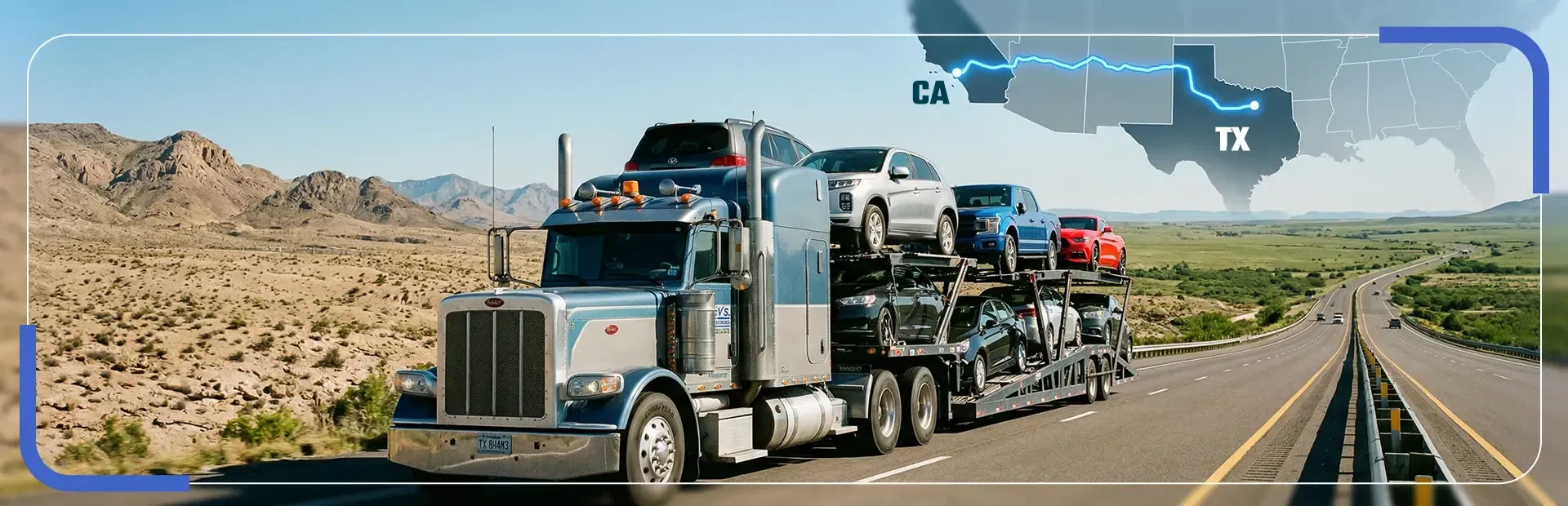
Here's the short version: the cost to ship a car to another state runs $600 to $1,600 for most routes, mainly depending on distance. A short hop between neighboring states can cost less than $700. A longer state-to-state move can push past $1,600.
Let's break down real 2026 pricing, why shorter moves sometimes cost more per mile than expected, and how to lock in a firm price before you book. Get your free, price-locked quote today and see the real cost for your specific state-to-state move.
Key Takeaways
The cost to ship a car to another state runs $600 to $1,600 for most routes, with the exact number depending on distance, vehicle size, and current carrier demand on that specific route.
Shorter state-to-state moves can actually cost more per mile than longer ones, since fixed costs like loading time and dispatching a driver are spread across fewer total miles.
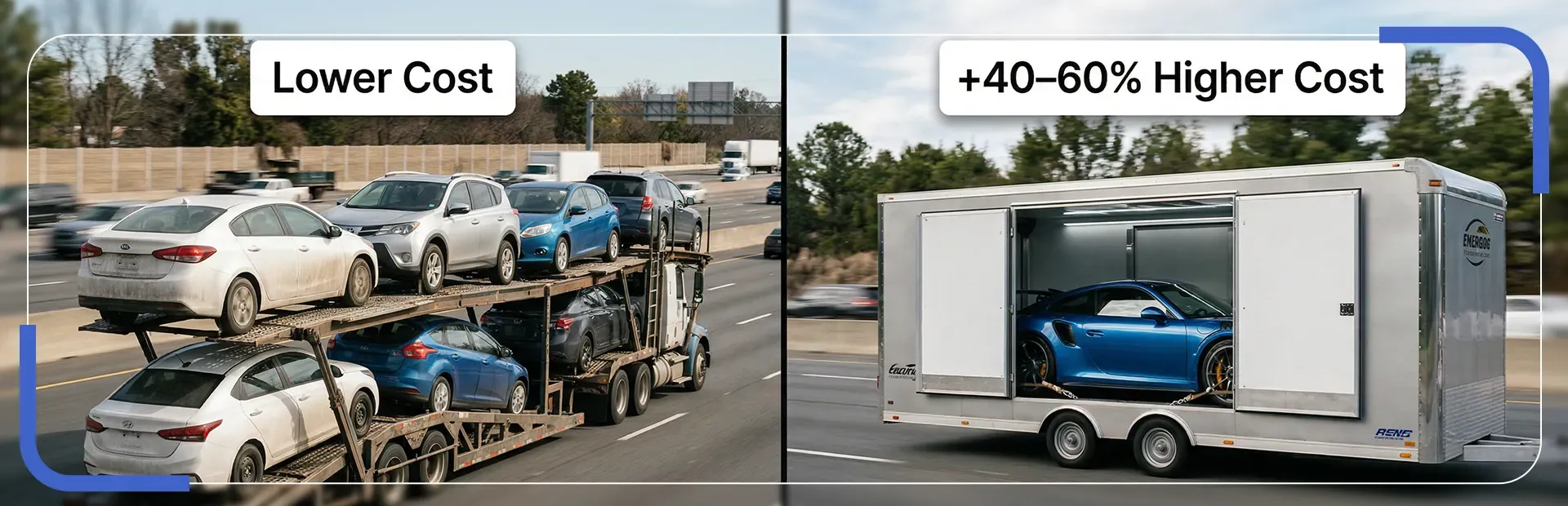
Vehicle size adds $100 to $400 over a standard sedan on the same route, and enclosed transport typically runs 30 to 50 percent more than open transport.
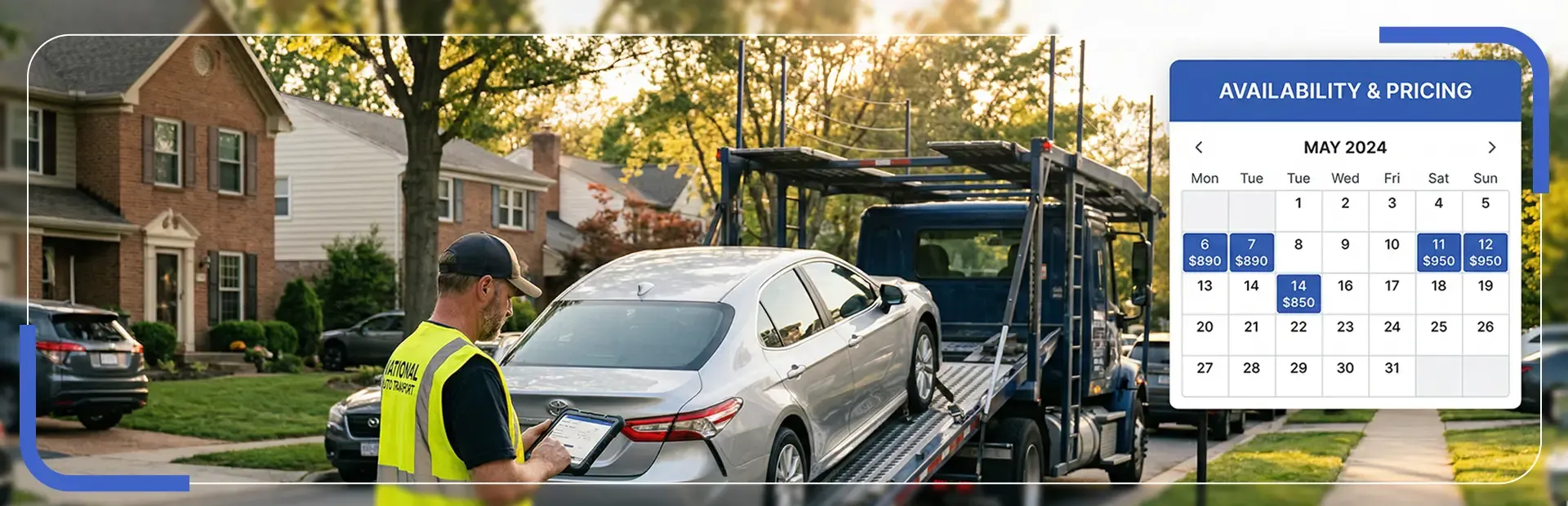
Booking 2 to 3 weeks ahead usually beats booking within a few days, and stacking a larger vehicle with last-minute peak-season booking compounds every price premium at once.
Confirming a company's USDOT and MC numbers through the FMCSA and checking their complaint history takes about five minutes and costs nothing, making it a simple way to avoid a bad choice.
How Much Does It Cost to Ship a Car to Another State?
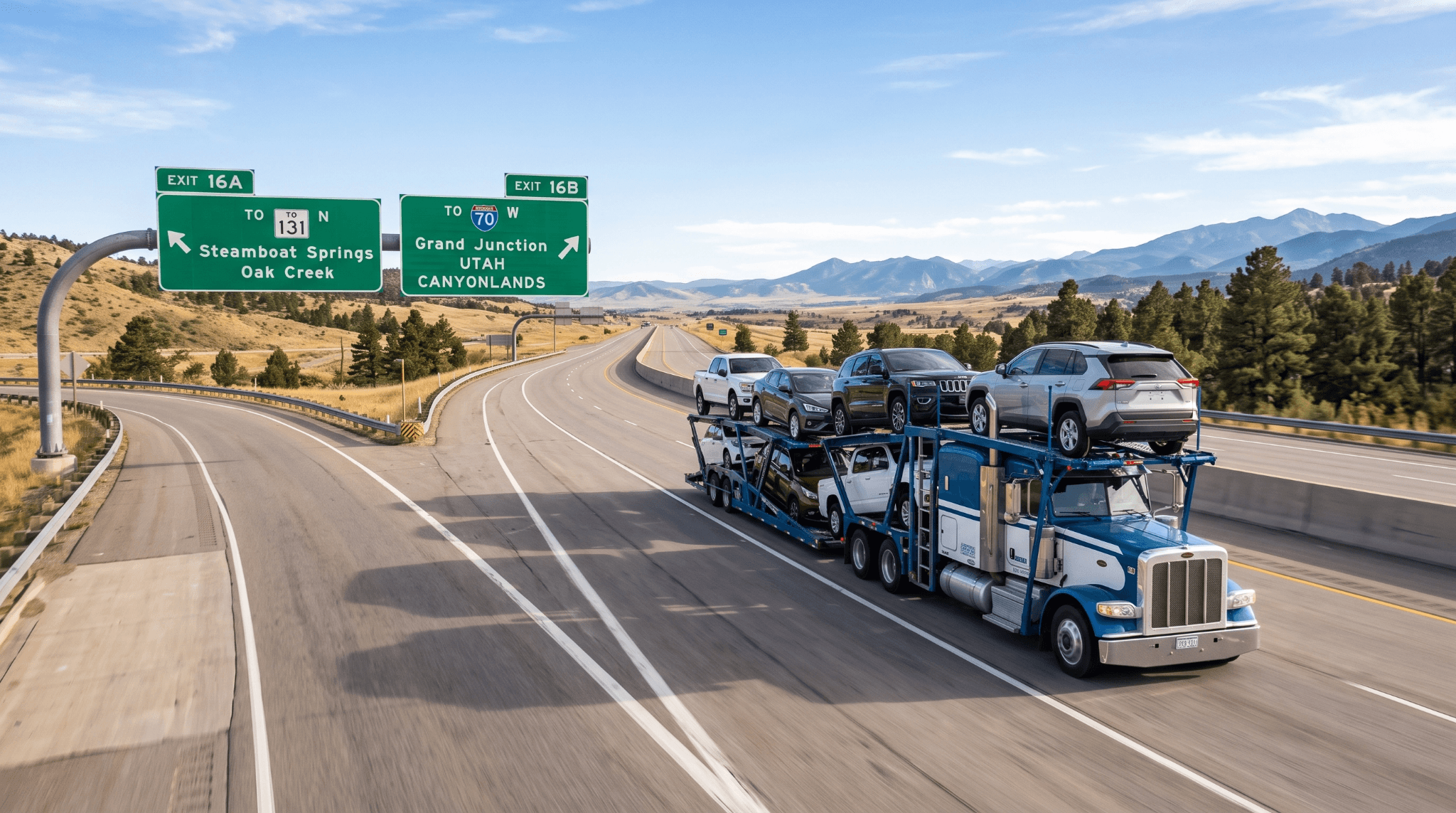
Usually somewhere between $600 and $1,600. The exact number comes down to distance, vehicle size, and how much carrier demand there is on your specific route right now. A neighboring-state move sits near the bottom of that range. A longer state-to-state trip climbs toward the top.
These figures assume a standard sedan on open transport. Bigger vehicle, enclosed trailer, or a tricky pickup location? Expect the number to move up from there.
Here's the rough breakdown by distance:
Under 300 miles (neighboring states): roughly $400 to $700.
300 to 800 miles: roughly $700 to $1,100.
800 to 1,500 miles: roughly $1,100 to $1,600.
Ship a car to another state cost 2026 figures should stay close to this same range. It's driven by distance and carrier availability, not anything tied to a specific year. And honestly, the cost of shipping a car to another state depends more on your exact two cities than the states themselves. Two routes with similar mileage tend to price about the same, no matter which state line they cross.
Why Do Shorter State-to-State Moves Cost More Per Mile?
Because fixed costs, like loading time and dispatching a driver, get spread across fewer total miles. A 300-mile move might run you $2 a mile, while a 1,500-mile move could land under $1 a mile for the exact same vehicle.
Feels backwards, right? A shorter trip should cost less overall, and it does. But the per-mile rate tells a different story, and there's a real reason for that.
It comes down to something carriers call deadhead miles: the distance a driver has to travel empty just to reach your vehicle. A short regional move often needs more relative deadhead travel than a long cross-country haul that's already cruising a major carrier corridor. So the ship a car to another state price per mile you get quoted reflects that reality. It's not carriers trying to squeeze extra profit out of short trips.
Ship a car to another state rates that look high for a nearby move usually make a lot more sense once you understand the deadhead-miles piece behind them.
What Determines Your Exact Rate?
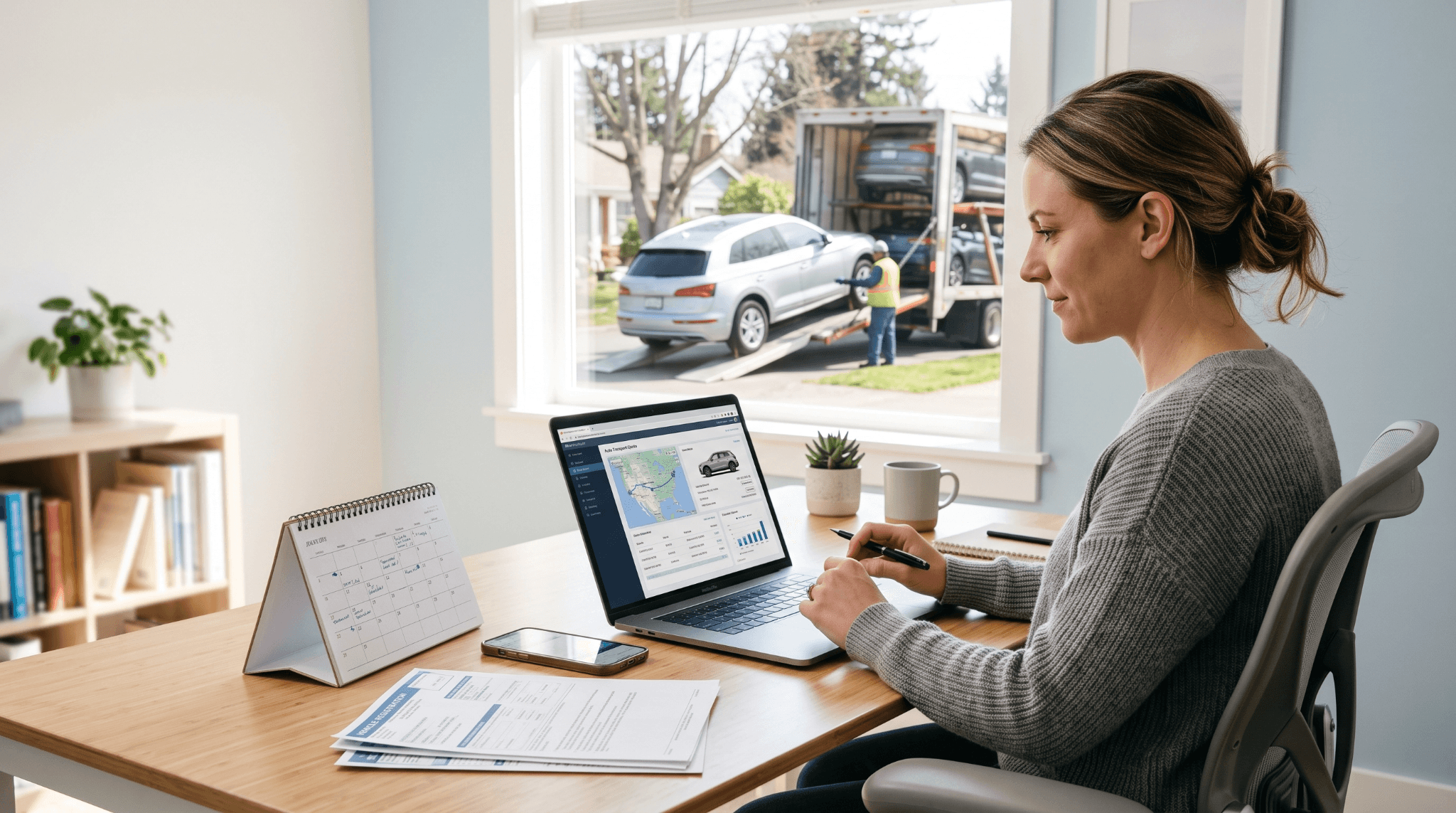
Four things, really: distance, vehicle size, transport type, and how far ahead you book. Distance carries the most weight by far, but the other three can shift your number meaningfully.
A few factors worth knowing:
Vehicle size adds $100 to $400 over a standard sedan on the same route.
Open transport costs less than enclosed, which typically runs 30 to 50 percent more.
Booking 2 to 3 weeks ahead usually beats booking within a few days.
None of these four factors work in isolation. A larger vehicle booked last minute during peak season will stack every premium at once, while a flexible, well-timed booking can avoid nearly all of them.
So how much ship a car to another state pricing actually shifts based on all this depends on your specific mix of vehicle, timing, and transport type.
And if you're searching for a ship a car to another state near me option, hoping local pricing somehow works differently, it doesn't. These same national factors apply no matter which two states are involved.
How Do You Get an Accurate Quote?
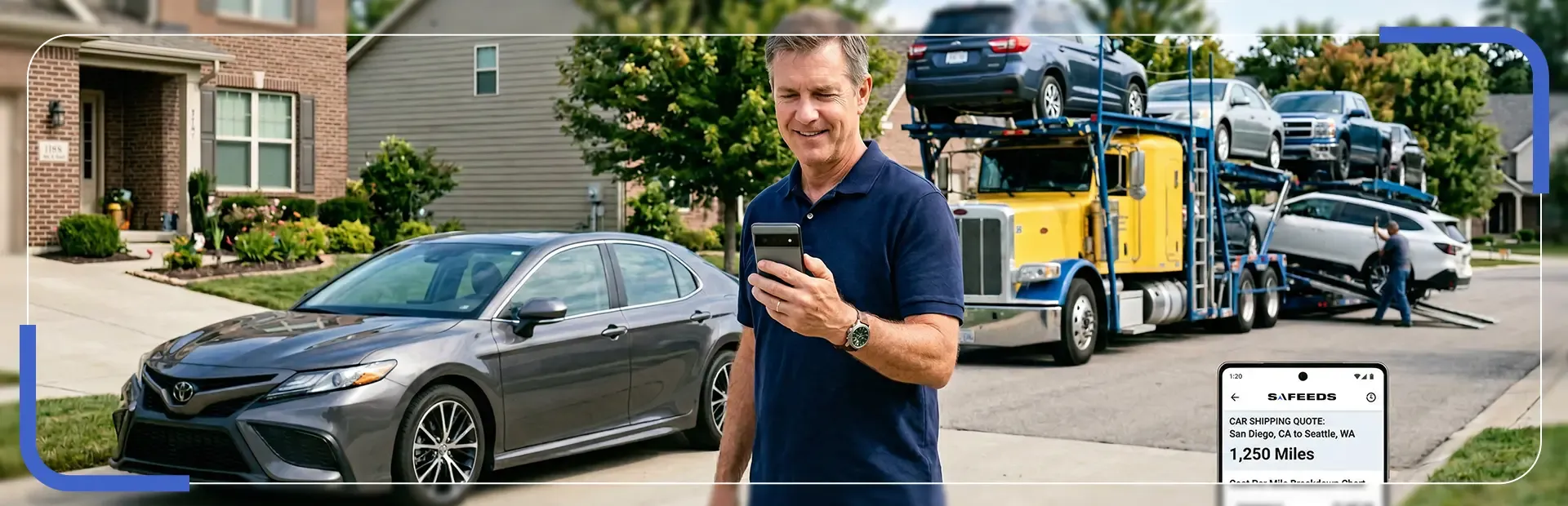
Give the broker your exact pickup and delivery ZIP codes, vehicle details, and preferred timeline, then compare that number against at least one other provider. A vague request gets you a vague estimate, every time.
A genuine ship a car to another state service will ask for these specifics before quoting you a real number, not just hand you a generic range off a website calculator.
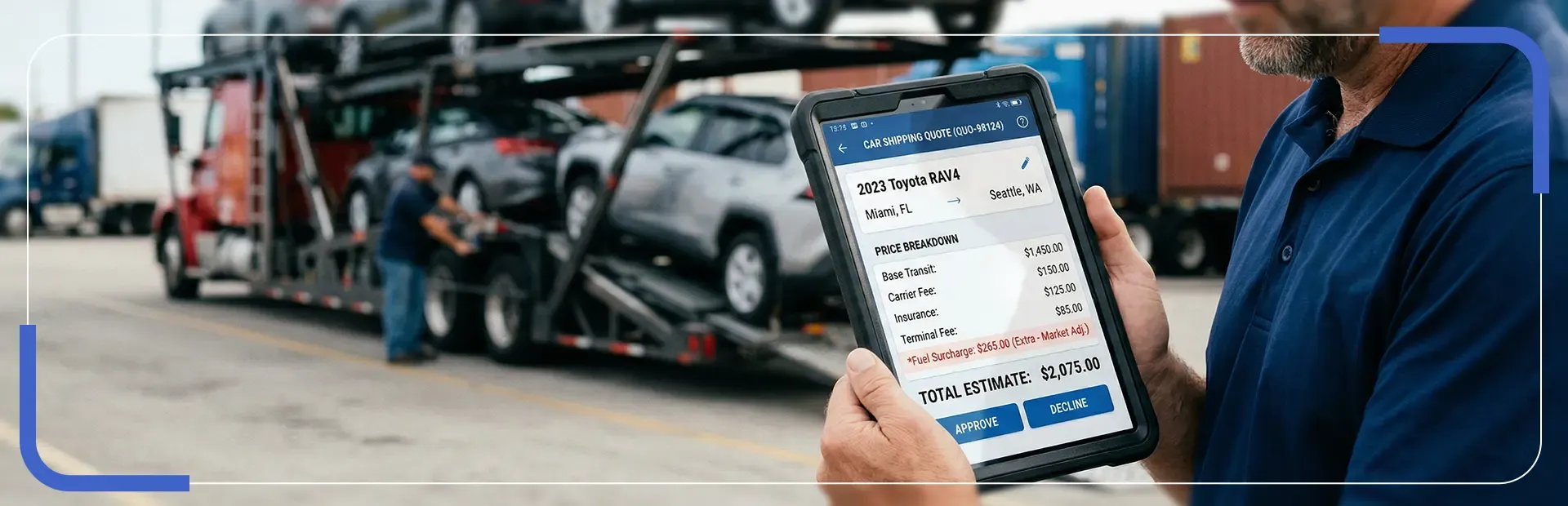
Request a ship a car to another state quote that separates the base rate from any fuel surcharge or add-on fee. You want to see the math, not just the total.
Comparing ship a car to another state quotes from two or three companies, using the exact same details each time, is the clearest way to spot a fair price from an inflated one.
An online ship a car to another state calculator can give you a rough starting figure, sure. But a live quote is always going to be more accurate once your actual route and vehicle are in the mix.
How Do You Choose a Reliable Company?
Confirm their USDOT and MC numbers through the FMCSA, check their complaint history, and ask directly how they price state-to-state routes. Three checks, maybe five minutes total.
None of this checking costs a thing, since every source is free and public. If a company discourages you from checking, that's worth noting as a red flag on its own. Real differences exist among ship a car to another state companies in how transparently they explain their pricing.
A dependable ship a car to another state company will walk you through exactly what's included in your quote before you book, not after the fact.
A cheap ship a car to another state quote that skips this explanation? Rarely the outcome you actually want, especially once a driver shows up and something wasn't accounted for. The best approach pairs a fair, itemized quote with a company that's happy to answer questions upfront.
What People Also Ask About Cost to Ship a Car to Another State
State-to-state shipping raises a consistent set of questions. Here are direct answers to the ones we hear most.
Is shipping to a neighboring state cheaper than a longer move?
Usually cheaper in total dollars, yes. But the price per mile is often higher, since fixed costs are spread across fewer total miles.
How long does a state-to-state shipment take?
Typically 1 to 5 days for most state-to-state routes, depending on distance. Longer routes within the same general region can take a bit more.
Does the specific state affect the price?
Not really. Distance and route popularity matter a lot more than which states are involved. Two routes of similar mileage price about the same, regardless of the state lines crossed.
Can I get a guaranteed pickup date?
Some brokers offer this as an expedited option, usually for an added fee. Standard shipping only guarantees a window, not an exact date.
Is a quote higher than expected always a red flag?
Not always. Check whether it reflects a rural address, peak season timing, or enclosed transport before you assume it's unfair. The best outcomes for shipping a car to another state usually come from asking directly instead of assuming the worst.
Get a Firm Price for Your Route
These numbers only mean something once you compare them against your own specific route, vehicle, and timing. The $600 to $1,600 range is a solid starting point, not a guarantee for every shipment. Reading ship a car to another state reviews from customers who shipped a similar route can help you confirm whether a company's pricing promises actually hold up once a driver is assigned.
A few practical ship a car to another state tips worth keeping in mind: request quotes from a couple of providers, ask how long your price stays locked, and disclose your vehicle's exact condition upfront so you're not hit with a surprise fee.
Knowing how long ship a car to another state quotes typically stay valid, usually 5 to 7 days, makes it a lot easier to plan your booking timeline with confidence. Get your free, price-locked quote today and see the real cost for your specific state-to-state move.