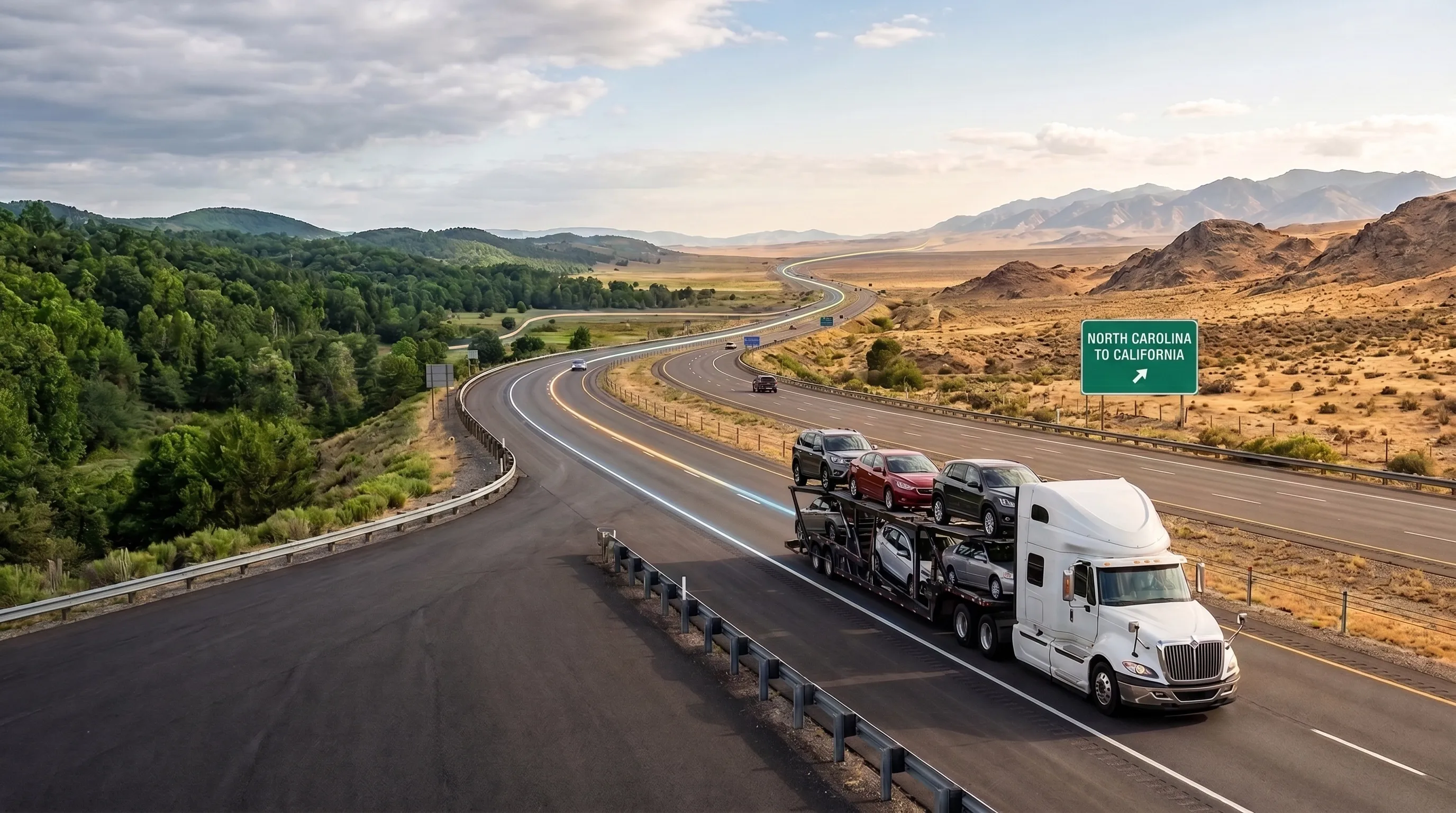
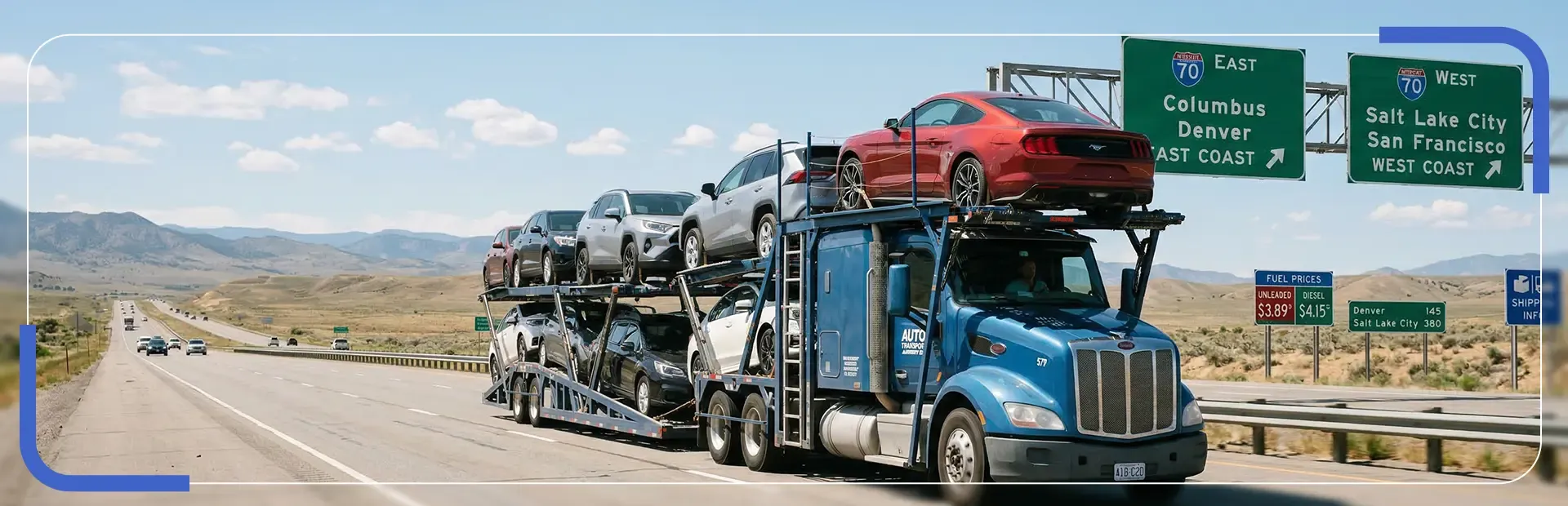
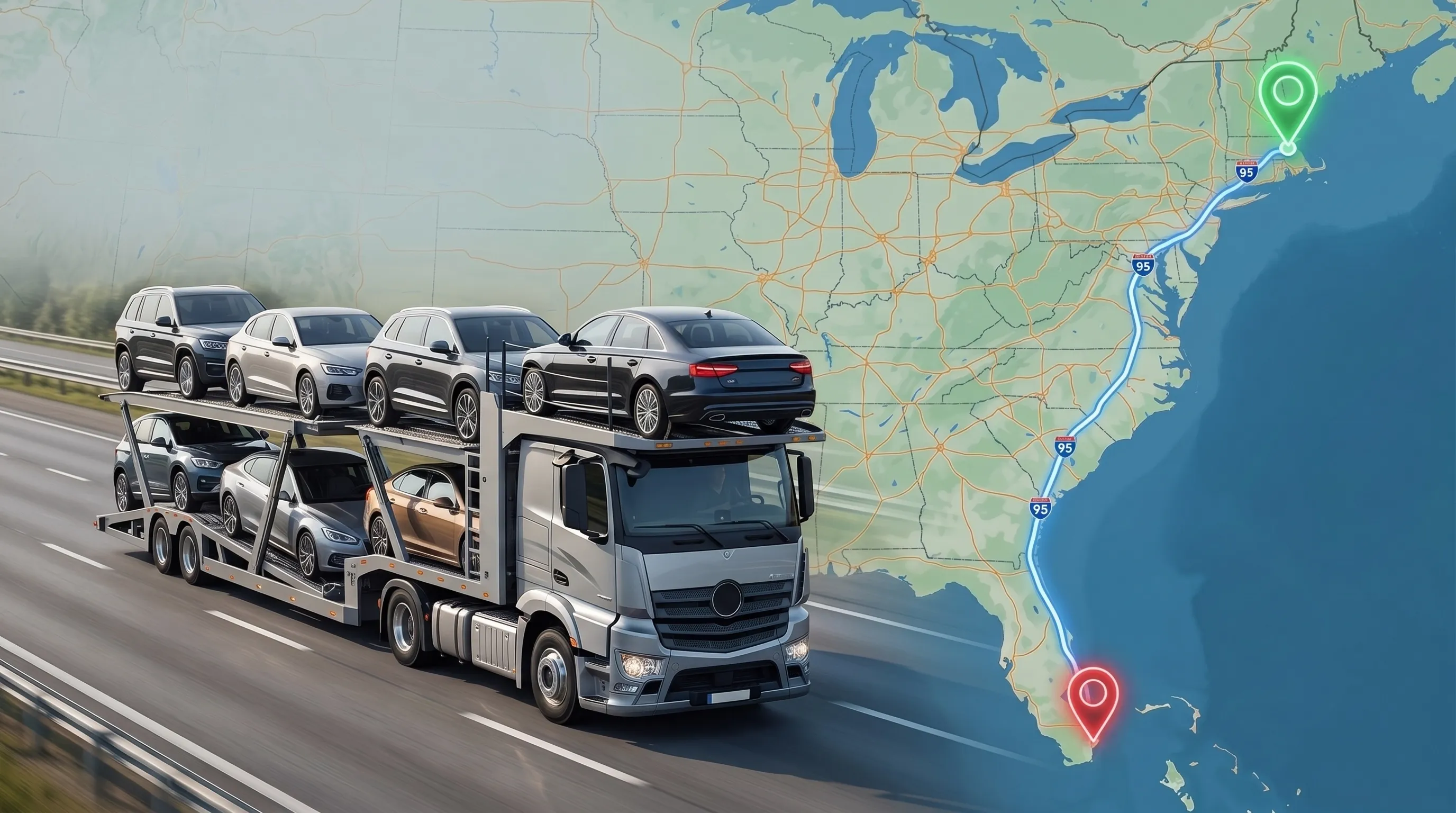
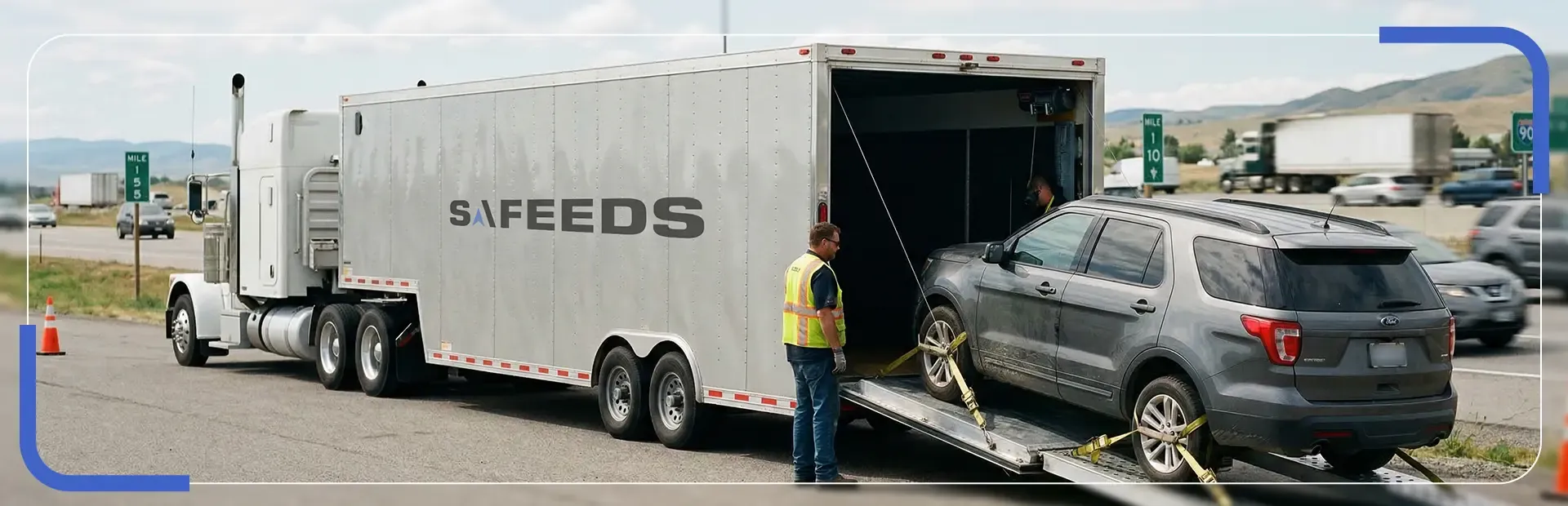
Denver-to-Los Angeles car shipping typically takes 3 to 5 days and costs between $700 and $1,200 in 2026, depending on your vehicle type, transport method, and the time of year you book. Open transport is the budget-friendly choice. Enclosed transport costs more but protects your vehicle on the mountain stretch through the Rockies.
Relocating, buying a car out of state, or sending a vehicle to a family member? Whatever the reason, you're probably trying to answer two questions right now: how much will this cost, and how long will it take? We'll walk through both, plus everything you need to know about Denver to Los Angeles car shipping before you book. Request a quote from Safeeds Transport and get an answer in minutes, no obligation.
Key Takeaways
Denver to Los Angeles car shipping costs between $700 and $1,200 in 2026, depending on vehicle size and transport method.
Transit time on this route typically runs 3 to 5 days, not counting the wait for pickup.
Open transport is the more affordable option for standard vehicles, while enclosed transport protects luxury or classic cars from mountain weather.
Booking 7 to 14 days in advance generally secures better rates and more flexible scheduling.
Licensed carriers are required by the Federal Motor Carrier Safety Administration to carry minimum liability insurance covering vehicles in transit.
How Much Does It Cost to Ship a Car from Denver to Los Angeles?
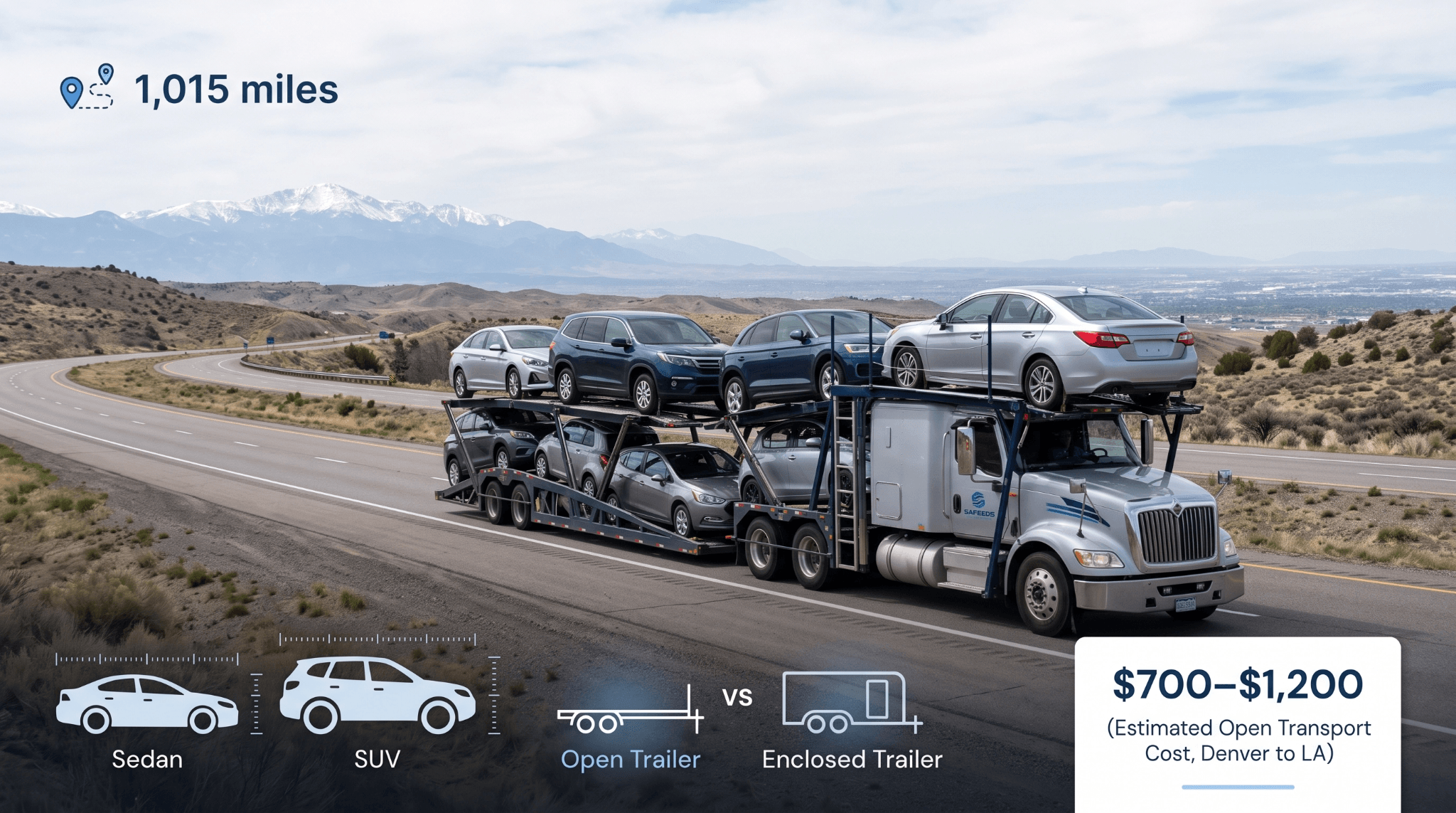
Let's start with the number everyone actually wants: Denver to Los Angeles auto transport cost typically lands between $700 and $1,200 for a standard sedan or SUV.
That range isn't random. Three things move the needle most:
Distance. The route covers roughly 1,015 miles.
Vehicle size and weight. Bigger vehicles take up more space on the carrier, which raises the price.
Transport type. Open trailers cost less than enclosed ones.
Fuel prices and demand play a role too. Summer is peak relocation season, so carriers on this route tend to charge more between June and August than they do in the slower winter months.
Transport Type | Average Cost | Best For |
Open Transport | $700–$950 | Everyday sedans, SUVs, trucks |
Enclosed Transport | $1,000–$1,200+ | Luxury, classic, or low-clearance vehicles |
Bottom line: compare quotes from a few licensed carriers before you book. It's the fastest way to confirm you're getting a fair rate on Denver to Los Angeles car shipping, not just the first number someone gives you.
How Many Days Does It Take to Ship a Car from Denver to LA?
Here's the short version: Denver to LA car shipping days typically fall between 3 and 5.
That window covers actual drive time. It doesn't include the wait for pickup, which can tack on another one to three days depending on carrier availability in your area. Two things tend to stretch that timeline:
Mountain weather. Snow and ice through Colorado and Utah can slow trucks down, especially between late fall and early spring.
Carrier scheduling. Holidays and peak relocation months mean more trucks on the road, and sometimes longer waits for pickup.
The fix is simple: book at least a week ahead. It keeps you closer to that standard 3 to 5 day window instead of pushing into best-case, worst-case territory.
What Are the Best Ways to Ship a Car from Denver to LA?
There's more than one way to ship car from Denver to LA, and the right pick depends on your vehicle and what matters most to you: cost, convenience, or protection.
Most carriers offer:
Open transport (the industry standard, lower cost)
Enclosed transport (extra protection, higher cost)
Door-to-door service (the carrier comes to you)
Terminal-to-terminal service (you drop off and pick up at a facility)
Door-to-door is the more convenient option for most people. The carrier picks up near your home and drops off near your destination, no detours to a depot required. Terminal-to-terminal can save you a bit of money, but it means driving to a facility on both ends.
Open Transport vs. Enclosed Transport: Which Should You Choose?
Think of it this way: open transport is the practical, everyday choice. Enclosed transport is the one you pick when the vehicle itself is the priority, not just the price tag.
Factor | Open Transport | Enclosed Transport |
Average Cost | Lower | Higher |
Protection Level | Standard (exposed to elements) | Full weather and debris protection |
Best Use Case | Daily drivers, standard vehicles | Luxury, antique, or high-value cars |
For most Denver to Los Angeles car shipping customers driving a standard vehicle, open transport hits the sweet spot between cost and reliability.
What Risks Should You Prepare For Before Booking?
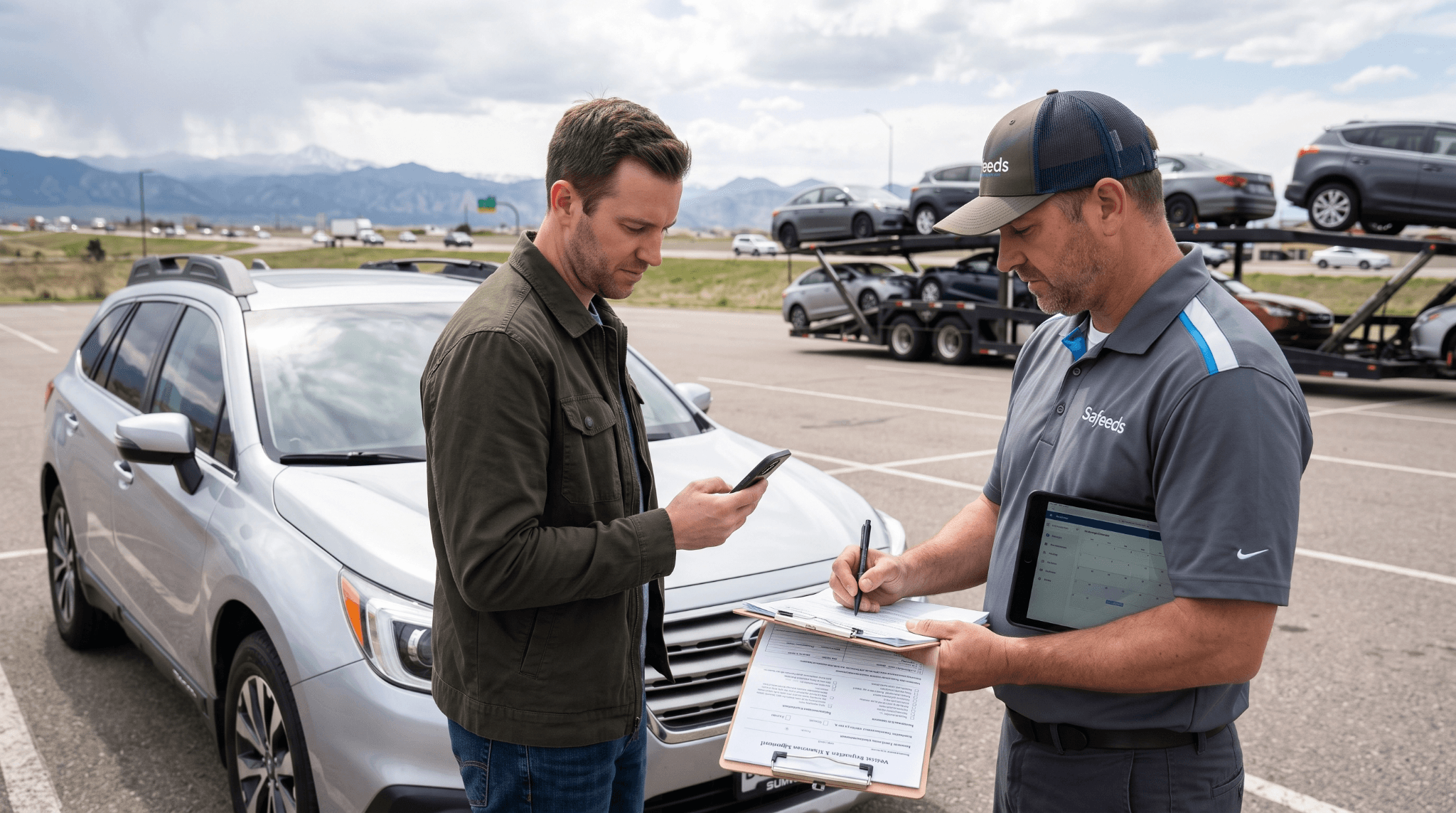
Car shipping is safe when you're working with a licensed carrier. That said, it's worth knowing what can go wrong so you can plan around it instead of getting caught off guard.
The Rocky Mountain stretch of this route is the biggest wildcard. Sudden weather shifts, particularly from late fall through early spring, can push delivery dates back by a day or two. Beyond weather, the two issues that come up most often are brokers offering quotes that are too good to be true, and insurance gaps that only surface after something goes wrong.
Here's a fact worth knowing: according to the Federal Motor Carrier Safety Administration, every licensed household goods and auto transport carrier is required to carry minimum liability insurance. Confirming that coverage before you sign anything is one of the simplest ways to protect yourself.
How Can You Avoid Common Car Shipping Problems?
Most of the issues customers run into are preventable with a little homework upfront. Here's what that looks like in practice:
Verify the carrier's insurance coverage and ask for documentation.
Get your quote and delivery terms in writing before booking.
Be cautious of quotes that are noticeably lower than everyone else's.
Photograph your vehicle from multiple angles before pickup.
Confirm your pickup and delivery windows directly with the carrier.
How Do You Choose a Trustworthy Car Shipping Company?
This is, honestly, the decision that matters most in the entire process. A carrier that cuts corners on insurance or licensing can turn a routine shipment into a headache fast.
Look for a company that's registered with the Federal Motor Carrier Safety Administration, carries adequate cargo insurance, and has a track record you can actually verify. Check platforms like Trustpilot or the Better Business Bureau rather than relying on testimonials on the company's own website.
What Questions Should You Ask a Carrier Before Booking?
A five-minute phone call can tell you a lot about how a company operates. Ask:
What is your insurance coverage amount, and can you provide proof?
What is the estimated pickup window for my location?
What is your cancellation and refund policy?
Is this quote the total cost, or are there additional fees?
Straight answers to these four questions are a good sign you're dealing with a company that runs Denver to Los Angeles car shipping the right way.
How Should You Prepare Your Car for Shipping?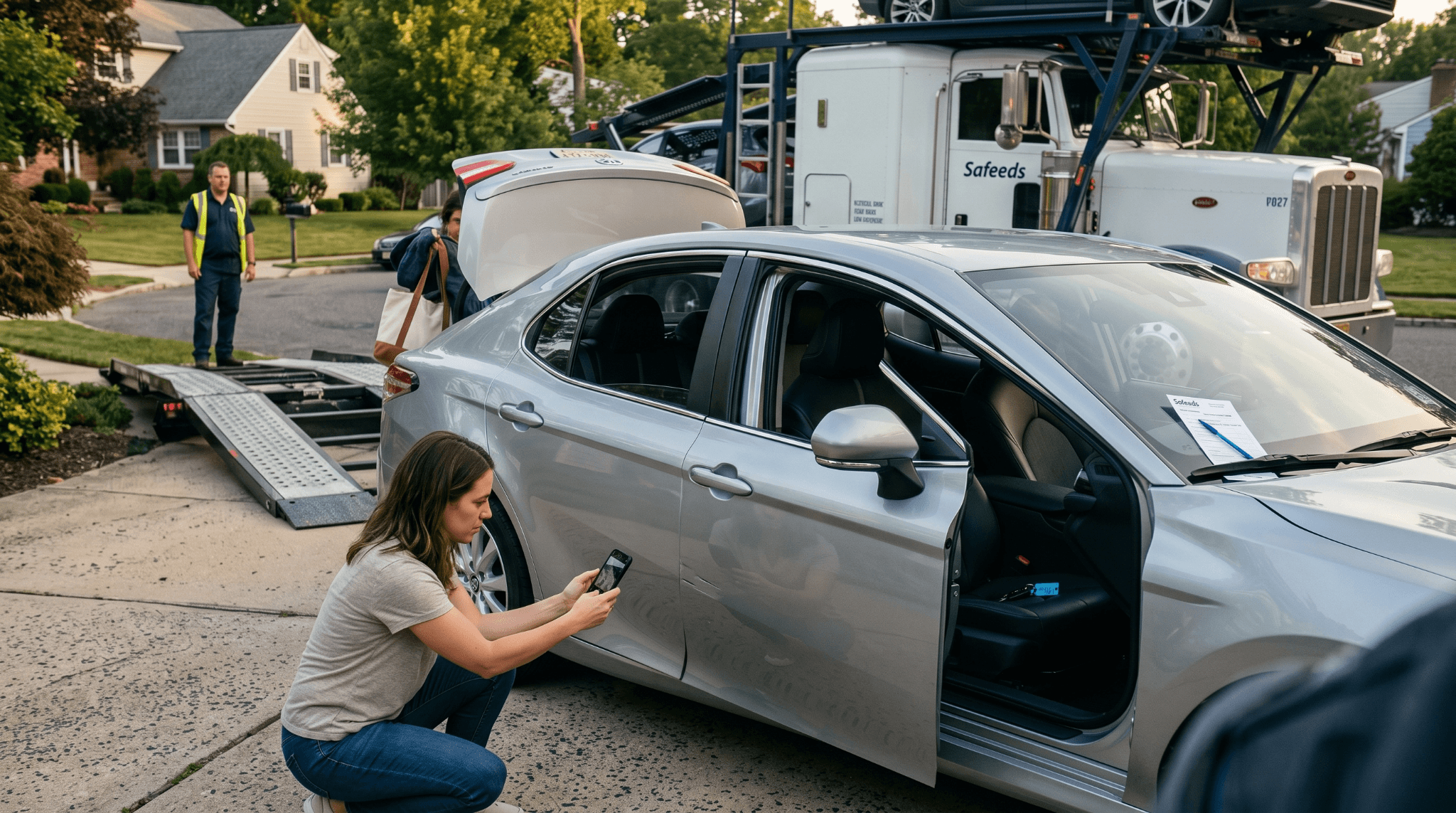
A little prep work now saves you a disagreement later, especially if there's ever a question about the vehicle's condition at delivery.
Before pickup day, take a few minutes to:
Clean the exterior so the inspection report is accurate.
Remove personal belongings and valuables from the vehicle.
Note any existing scratches, dents, or damage in writing.
Leave the fuel tank around a quarter full.
Disable toll tags and any aftermarket alarm systems.
These small steps make the pickup and delivery inspection cleaner for everyone involved, including you.
Shipping Queries You Should Know Before Booking
We hear a lot of the same questions from customers researching this route. Here are the honest answers.
Do I need to be present for pickup and delivery?
Someone needs to be there to hand off the keys and sign the inspection report, but it doesn't have to be you. Safeeds Auto Transport lets you authorize a friend, family member, or coworker to handle it on your behalf.
Can I leave personal items in the car during shipping?
Technically, most carriers allow a small number of lightweight items, but we don't recommend it. Those items typically aren't covered by cargo insurance, so an empty vehicle is the safest bet.
Is my car insured during transport?
Yes. Licensed carriers are required to carry cargo insurance for the duration of transit. Safeeds Auto Transport works exclusively with fully insured, FMCSA-registered carriers, so you're covered from pickup to delivery.
How far in advance should I book?
Aim for 7 to 14 days before your ideal pickup date. That gives you better rates and more scheduling flexibility. Tighter timeline? Safeeds Auto Transport can often still accommodate short-notice requests.
Does the season affect my shipping cost or timeline?
It does. Winter weather in the Rockies and high summer demand both affect price and delivery windows. Planning around those periods, or working with a carrier who knows this specific route well, helps keep things on schedule.
Making an Informed Decision on Your Denver–LA Shipment
Here's what it all comes down to: shipping a car from Denver to Los Angeles in 2026 will cost you $700 to $1,200 and take 3 to 5 days, give or take, depending on your vehicle and the transport method you choose.
The details that actually separate a smooth shipment from a stressful one aren't the big numbers. They're the smaller things: insurance coverage, carrier reputation, and getting everything in writing. So here's the one takeaway worth remembering. Book with a verified, insured carrier, and confirm every detail in writing before your vehicle leaves Denver. Request a quote from Safeeds Transport and get a clear, no-pressure answer today.