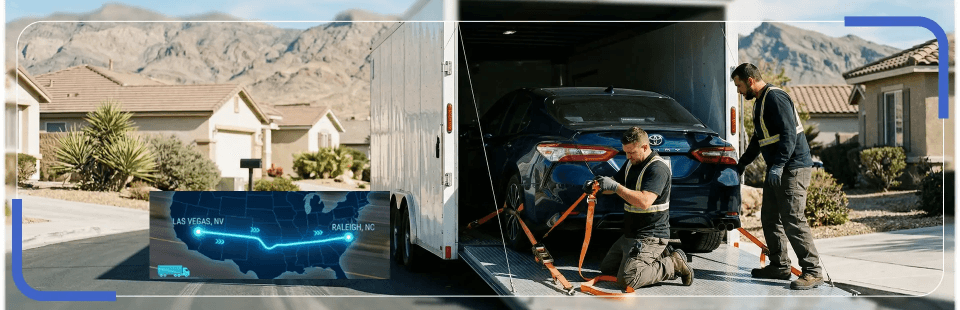
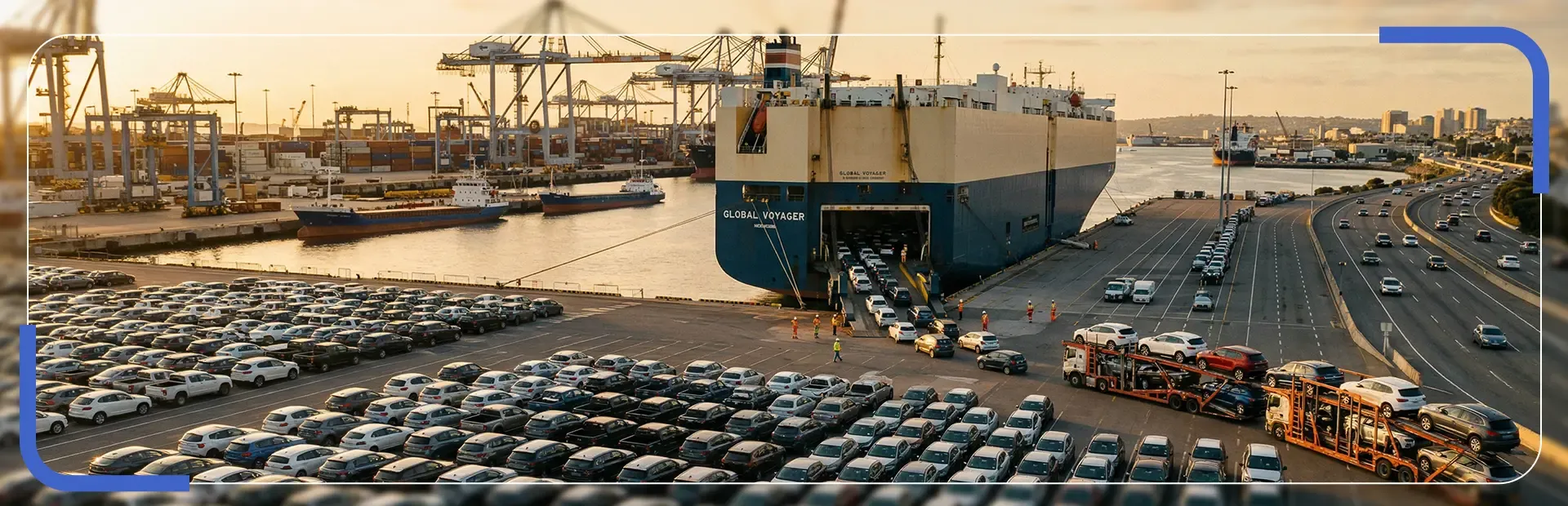
Shipping a car for the first time can feel overwhelming, especially with so many factors involved, such as pricing, carrier options, transit time, and service types. From understanding how professional auto transport companies operate to choosing between open and enclosed shipping, having the right information upfront can make a significant difference in both cost and experience. Whether you are relocating, purchasing a vehicle online, or planning a cross-country move, knowing the correct steps helps you avoid confusion, reduce risks, and make confident decisions throughout the process.
At Safeeds Transport Inc., our goal is to make car shipping simple, transparent, and stress-free by helping customers understand every stage of the journey. Get a free quote today and ship your vehicle with confidence.
How Car Shipping Works for First-Time Customers
The auto transport industry is a specialized branch of logistics dedicated to moving vehicles across vast distances without the need for the owner to drive them. This service is designed to preserve the vehicle’s condition by eliminating unnecessary mileage and road wear, while simultaneously saving the owner the significant time and expense associated with a long-distance road trip. For those exploring how to ship a car for the first time, the system operates through a streamlined partnership between logistics experts and physical transporters.
The Role of the Broker: A professional broker acts as your dedicated logistics coordinator. Their primary responsibility is to vet carriers for safety and insurance compliance, negotiate competitive market rates, and manage the complex scheduling required for a successful move.
The Role of the Carrier: The carrier is the actual hauling company, including the truck and the professional driver, responsible for the physical transport and security of your vehicle from the point of origin to the destination.
Common Use Cases: These services are most frequently utilized during major life transitions, such as corporate relocations, out-of-state vehicle purchases, or seasonal moves for "snowbirds" traveling between northern and southern climates.
A Hands-Off Experience: The process is designed to be highly efficient for the customer. Once a booking is confirmed, the professional team handles the "heavy lifting," including route optimization and ensuring all operations meet federal safety standards.
Coordinated Professionalism: By understanding that shipping is a collaborative effort between a logistics manager and a physical transporter, first-time shippers can proceed with confidence, knowing their vehicle is part of a highly regulated and organized national network.
The video below further explains the difference between a broker and a carrier:
Car Shipping Process Step by Step Explained in Simple Terms
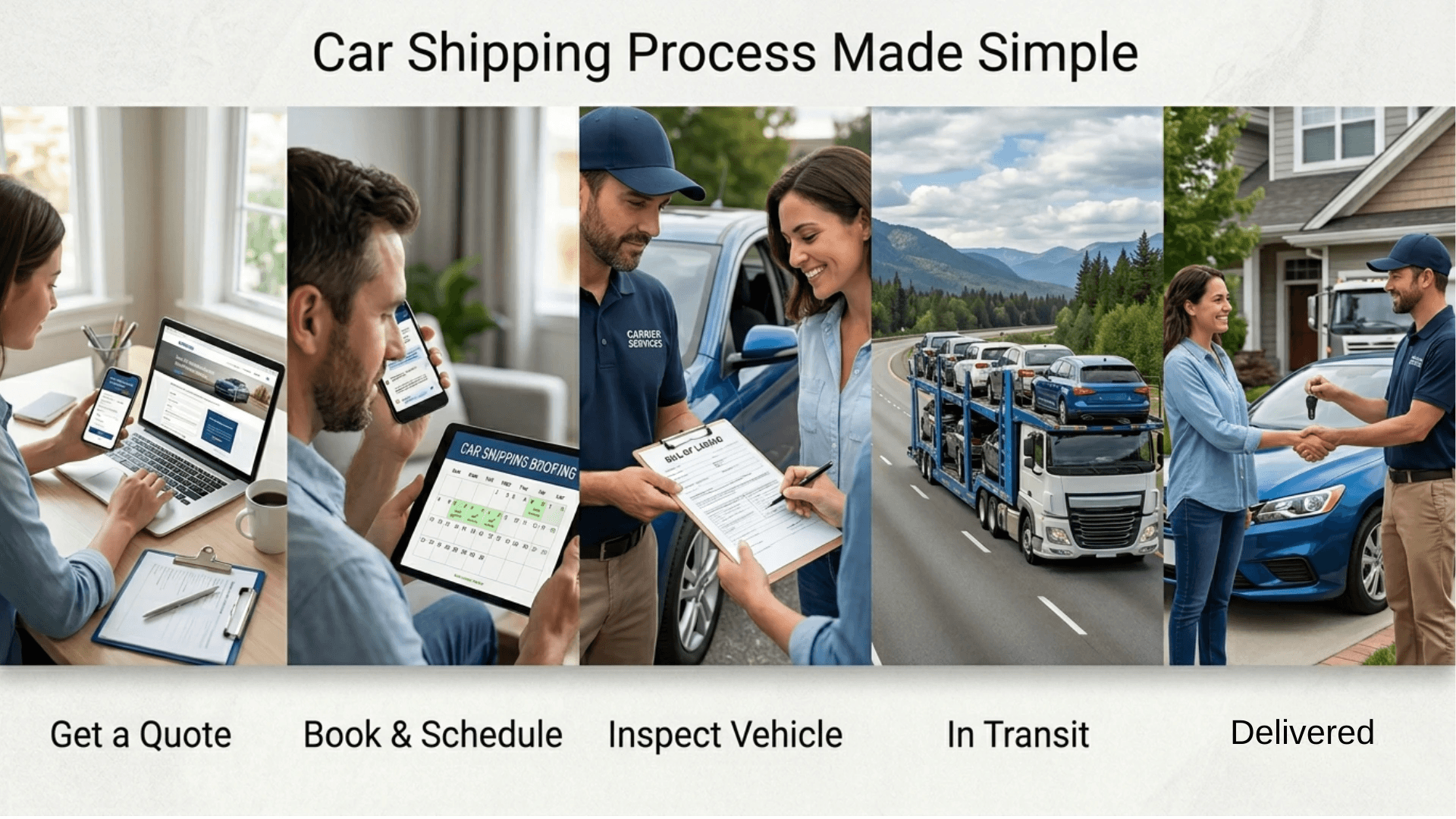
Navigating the car shipping process step by step is the best way to ensure nothing is overlooked. While every move is unique, the journey from your driveway to the destination follows a standard professional sequence.
Step 1: Getting a Quote and Choosing a Carrier
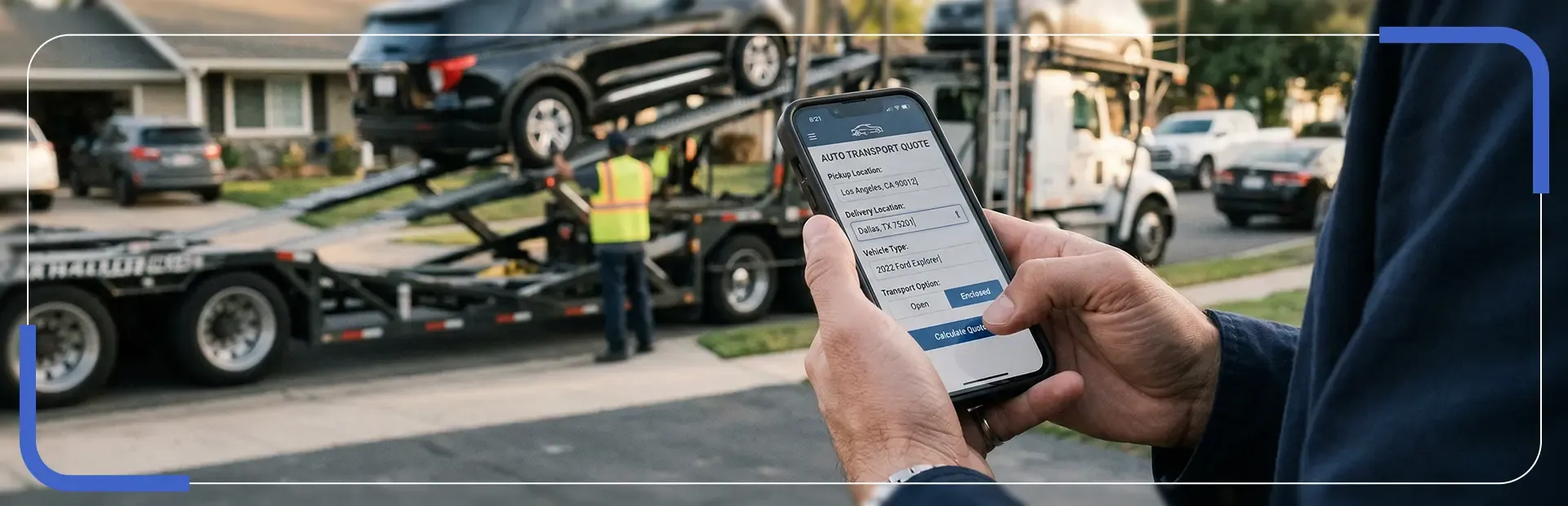
The journey begins with information gathering. To understand how to get a car shipped, you must provide details including the vehicle’s make and model, the pickup and delivery zip codes, and your preferred timeframe. Professional companies offer transparent pricing based on current market data. It is essential to compare quotes not just on price, but on the reputation of the company and the comprehensiveness of their service.
Step 2: Booking and Scheduling Pickup
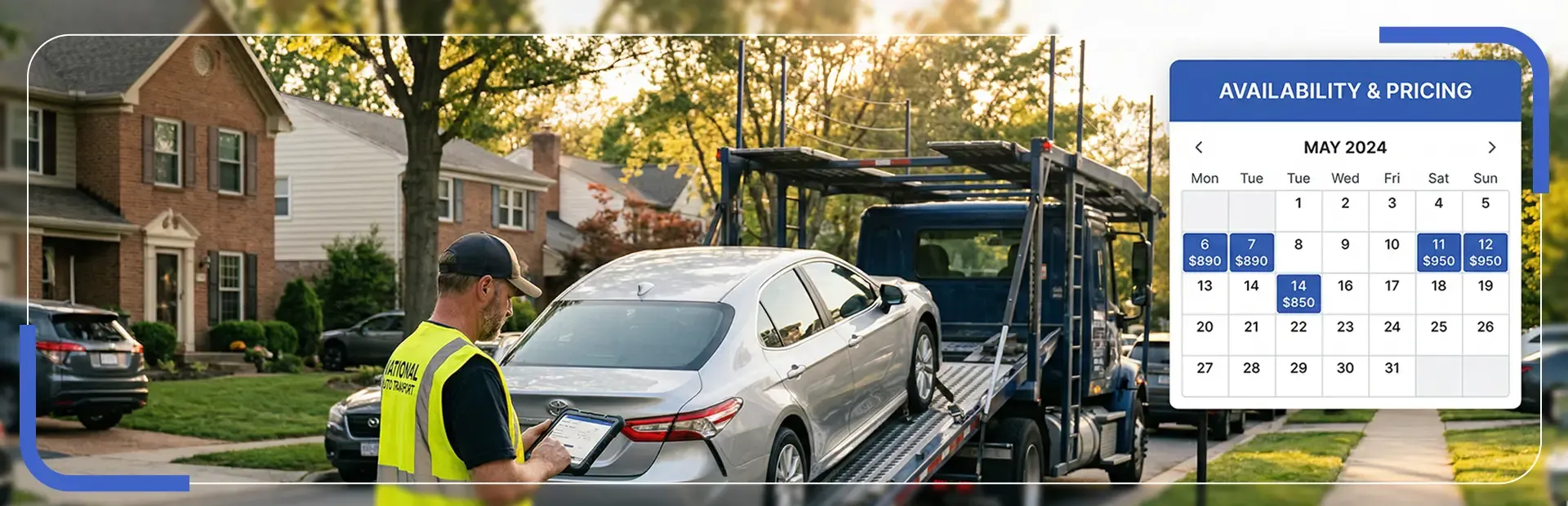
Once you select a service provider, you will officially book your shipment. During this phase, the logistics team matches your vehicle with a carrier traveling that specific route. You will receive a window for pickup. It is important to remember that logistics can be affected by traffic and weather, so a "window" is more common than a specific minute-by-minute appointment.
Step 3: Vehicle Inspection Before Pickup
When the driver arrives, a critical document called the Bill of Lading (BOL) is produced. You and the driver will walk around the vehicle to document its current condition. This is a vital protection for you; taking high-quality photographs at this stage ensures that the vehicle's state is undisputed before it leaves your possession.
Step 4: Transport and Transit Time
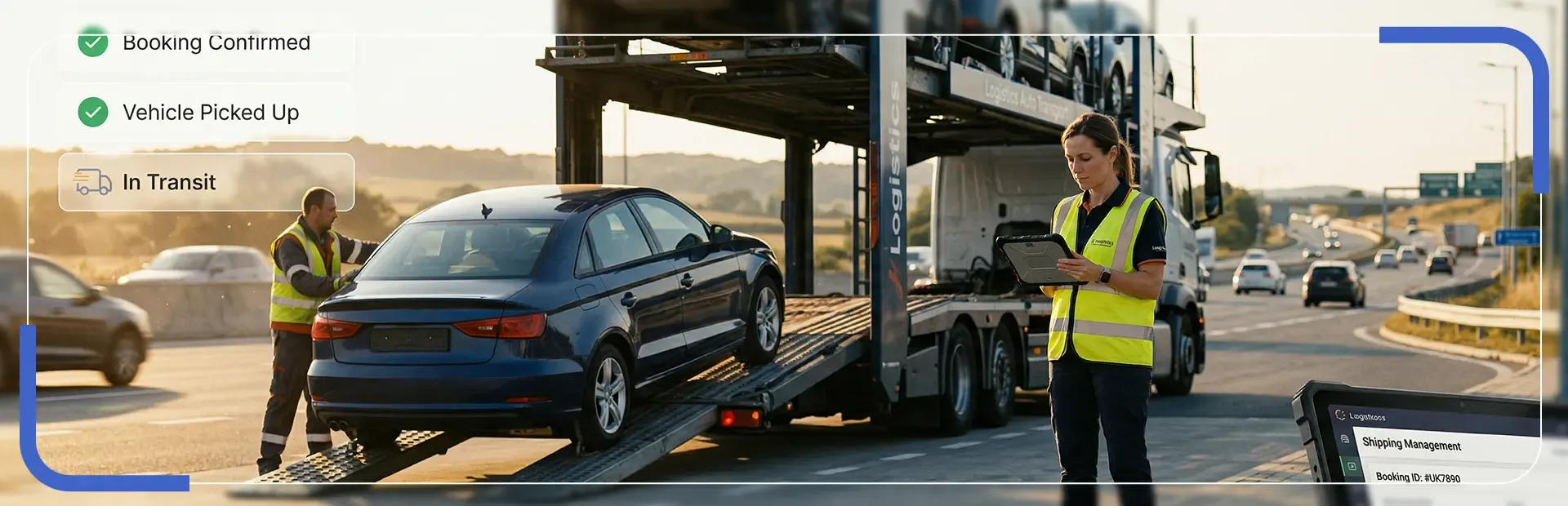
During transit, your vehicle is secured on the trailer. Depending on the distance, the driver may make other stops to pick up or drop off vehicles. Most modern services provide tracking updates so you can monitor the progress of your cross-country vehicle shipping journey.
Step 5: Delivery and Final Inspection
Upon arrival at the destination, you (or a designated representative) will meet the driver. You will perform a final walk-around to ensure the vehicle has arrived in the same condition it left. Once satisfied, you sign the Bill of Lading to complete the delivery and finalize any remaining payment.
How to Ship a Car Out of State or Across the Country
Transporting a vehicle over long distances requires a different strategic approach than a local tow or a short regional move. When a vehicle crosses state boundaries, the logistics become more complex, involving federal oversight and specialized scheduling to ensure the vehicle arrives safely and on time. Whether you are moving one state over or to the opposite coast, understanding the unique requirements of long-haul transport is essential for a smooth transition.
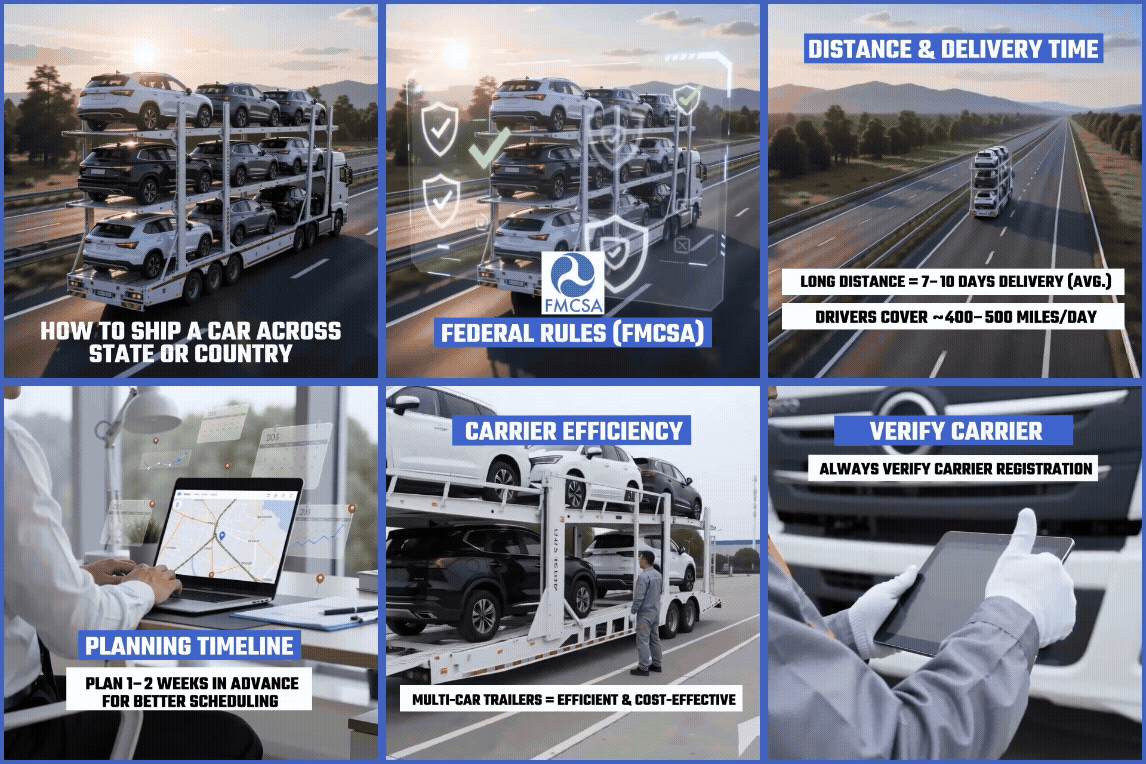
Federal Oversight and Safety: Learning how to ship a car out of state involves understanding that these moves fall under the jurisdiction of the Federal Motor Carrier Safety Administration (FMCSA). This federal body mandates strict insurance requirements and safety standards that every carrier must follow to operate legally across state lines.
The Distance Factor: If you need to know how to ship a car across the country, distance is the most significant variable. Long-haul routes, such as moving a vehicle from New York to California, require meticulous coordination. Because drivers typically cover 400 to 500 miles per day, a cross-country journey generally spans between 7 and 10 days.
Extended Planning Timelines: Unlike local transport, learning how to ship a vehicle across the country effectively requires a lead time of at least two weeks for booking. This preparation period allows the logistics team to secure the most efficient route, which directly helps in maintaining lower costs for the customer.
Carrier Efficiency: Long-distance transport is almost exclusively executed using large multi-car trailers. This method maximizes fuel efficiency and significantly reduces the environmental impact of the move compared to driving multiple vehicles individually.
Regulatory Compliance: To ensure your move is handled by a reputable professional, always check your shipper's registration before finalizing your plans. This verification confirms the transporter is authorized for interstate commerce.
How Much Does It Cost to Ship a Car? Key Pricing Factors Explained
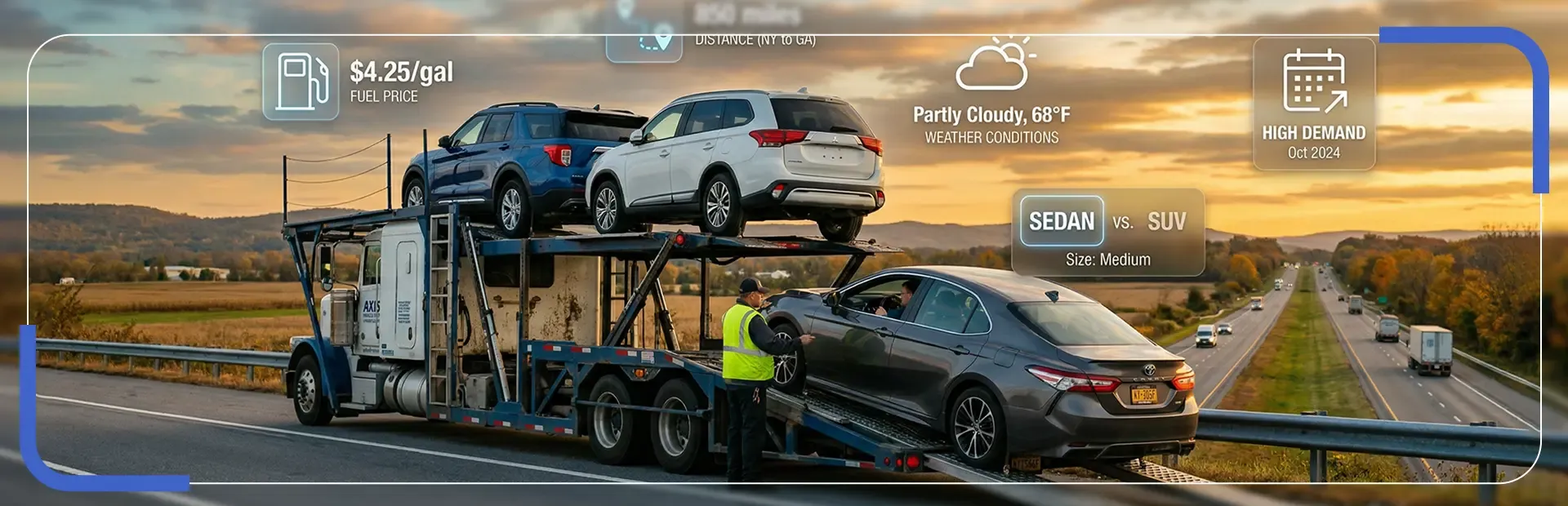
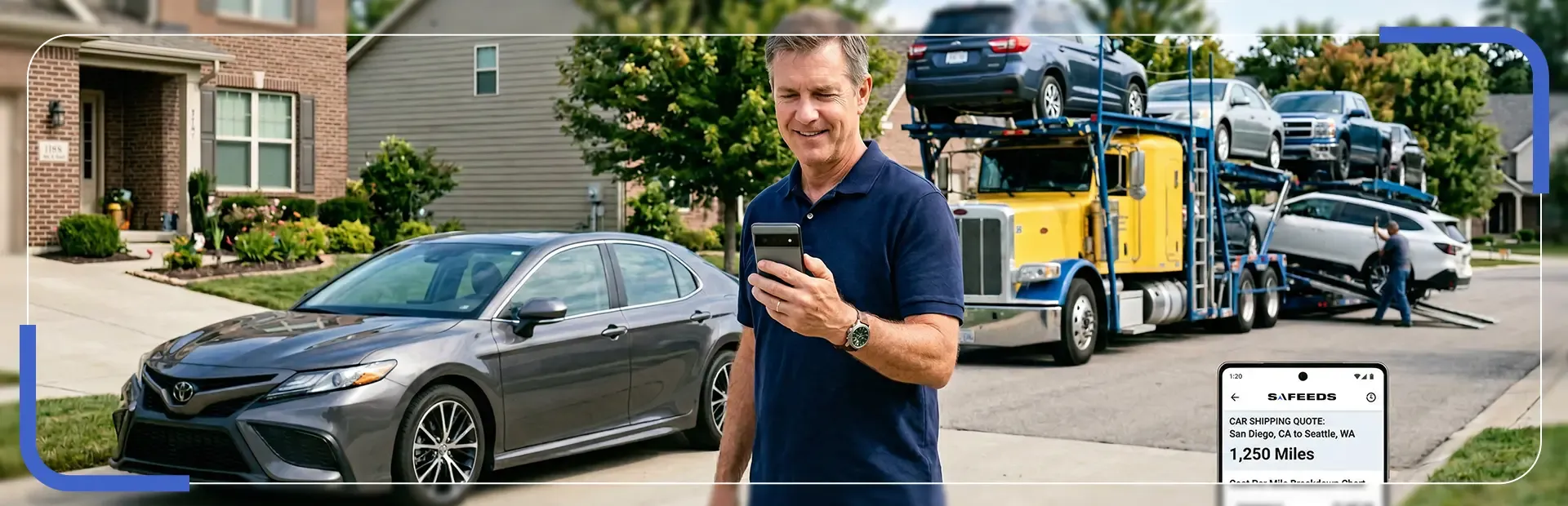
One of the most frequent questions from new customers is, "How much does it cost to ship a car?" Because the industry is dynamic, pricing is not a flat fee but a calculation of several variables.
Distance and Route Demand
Naturally, mileage is a core component. However, the popularity of a route also matters. Shipping between major hubs like Chicago and Los Angeles is often more cost-effective per mile than shipping to a remote rural town, simply because more trucks frequent those "high-volume" lanes.
Vehicle Type and Size
The size and weight of your vehicle directly impact how much it costs to ship a vehicle. A compact sedan takes up less space and adds less weight to the trailer than a heavy dually truck or a large SUV. Larger vehicles may also require specialized equipment or "top-load" placement, which can influence the final price.
Transport Type (Open vs. Enclosed)
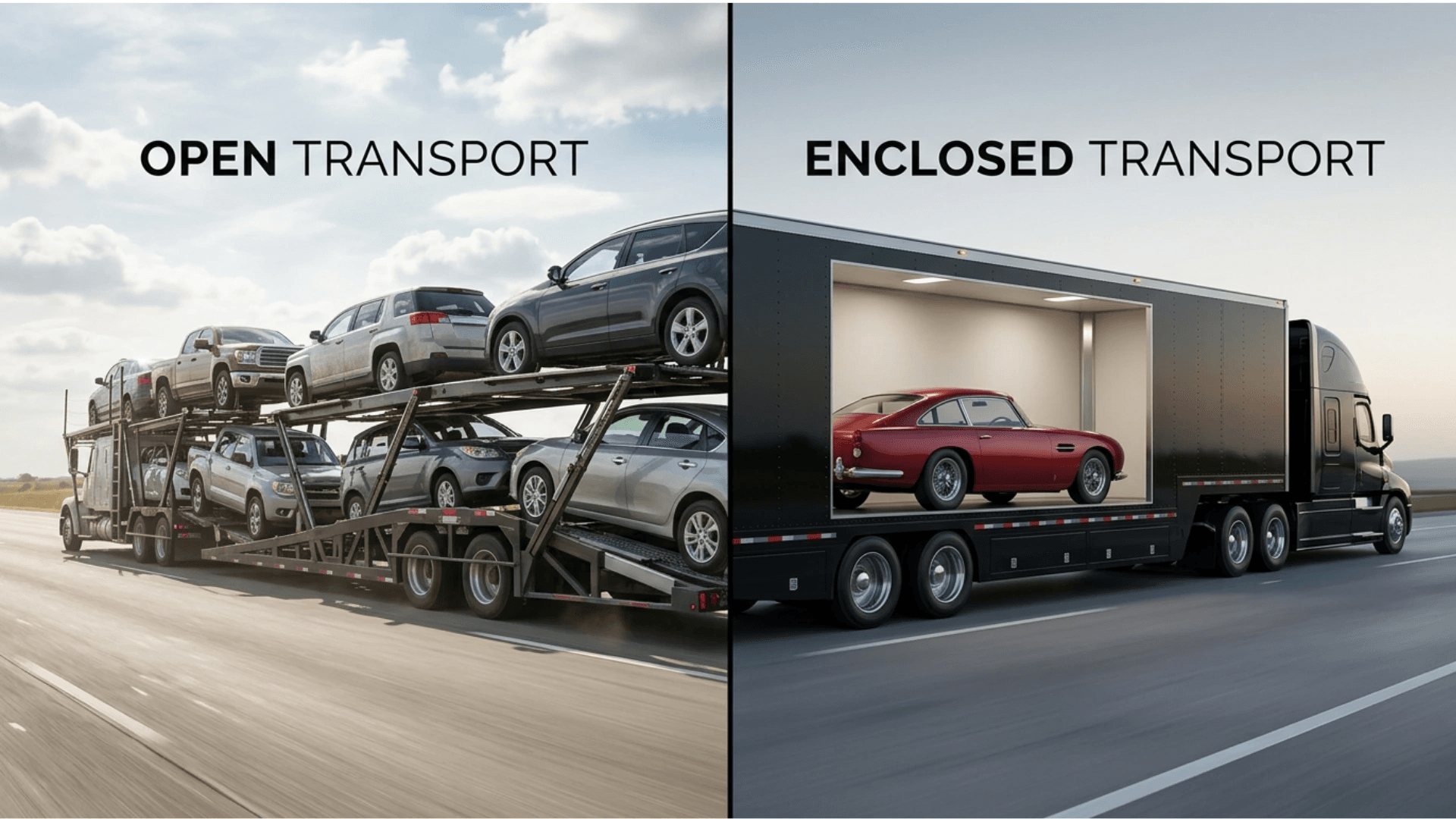
The choice between open and enclosed vehicle shipping is a major pricing factor. Open transport is the industry standard and the most affordable. Enclosed transport, which uses a covered trailer to protect the vehicle from road debris and weather, typically costs 30% to 40% more and is recommended for high-value assets.
Seasonality and Timing
The time of year significantly affects how much it costs to ship a car. During the "Snowbird" season (late autumn and early spring), demand for routes between the North and South increases, which can drive prices up. Similarly, winter weather can slow down transit times and increase operational costs for carriers.
Fuel Prices and Market Conditions
Logistics is sensitive to the global energy market. When diesel prices fluctuate, those costs are often reflected in a fuel surcharge. Additionally, the balance of available trucks versus the number of vehicles needing transport (supply and demand) dictates the daily market rate.
Watch the video below to understand car shipping costs and the key factors that influence them:
Estimated Cost Comparison by Vehicle Type & Distance
To help you budget effectively for your upcoming move, the following data provides a clear breakdown of average market rates based on vehicle size and total mileage. While specific prices fluctuate with market demand, these estimates offer a reliable baseline for both regional and long-distance logistics.
Vehicle Type | Distance: 500 Miles (In-State/Regional) | Distance: 2,500 Miles (Cross-Country) |
|---|---|---|
Sedan (Compact/Mid-size) | $450 – $700 | $1,200 – $1,600 |
SUV / Small Truck | $550 – $850 | $1,400 – $1,900 |
Large Van / Luxury Car | $700 – $1,100 | $1,800 – $2,500+ |
Note: The prices above are estimates based on standard open transport. For enclosed vehicle shipping, costs will be higher.
Choosing the Right Shipping Method for Your Vehicle
To determine the best vehicle shipping method for your needs, you must weigh your budget against the specific requirements of your car.
Open Transport: Most Common Option
If you are looking for the most economical way to ship your vehicle, open transport is the answer. Your car is placed on a two-tier trailer similar to those used by manufacturers to deliver new cars to dealerships. It is highly safe and efficient, though the vehicle is exposed to rain, dust, and sun.
Enclosed Vehicle Shipping: Premium Protection
For classic cars, luxury vehicles, or cars with low ground clearance, enclosed vehicle shipping is the preferred method. These trailers are hard-sided or soft-sided, providing a barrier against the elements. This is the gold standard for owners who want their vehicle to arrive in "showroom" condition.
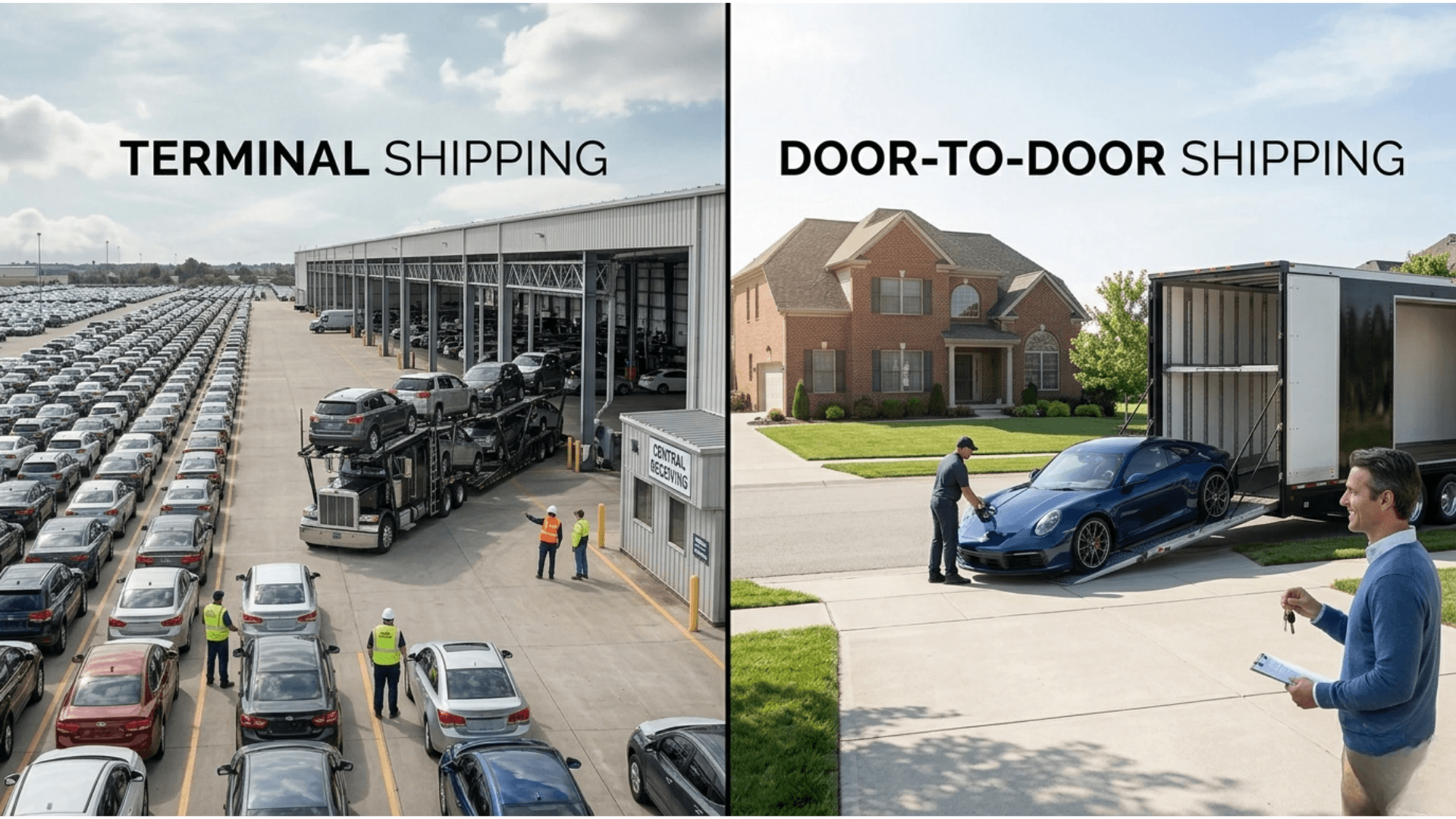
Door-to-Door vs. Terminal Shipping
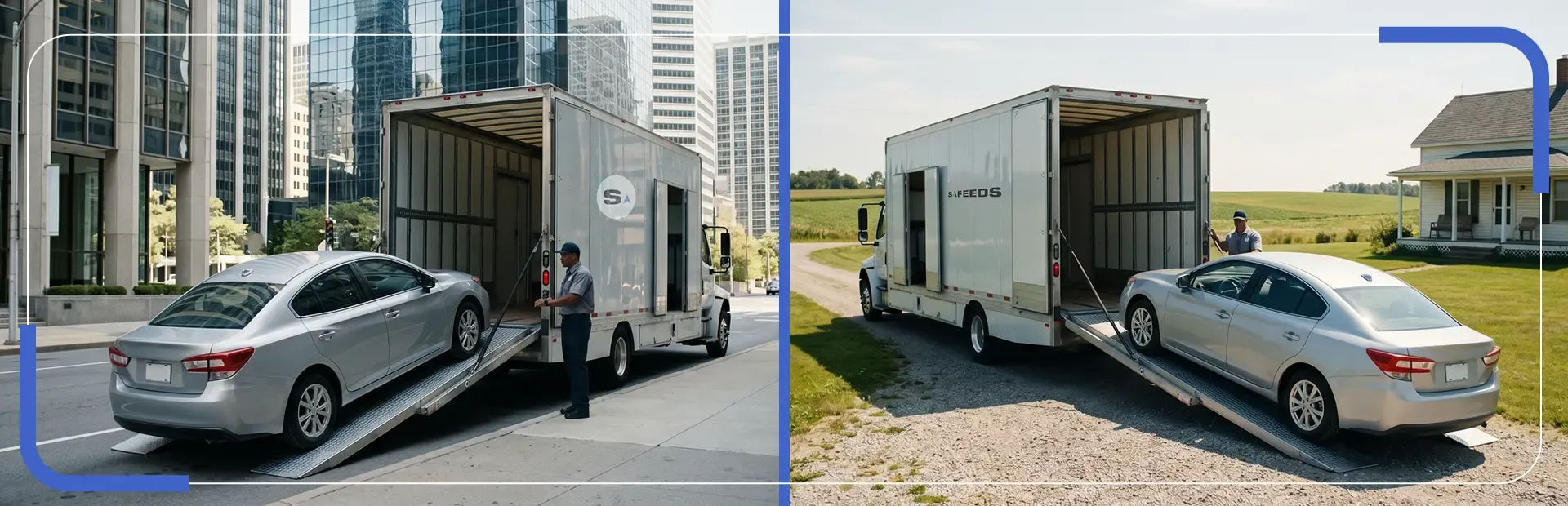
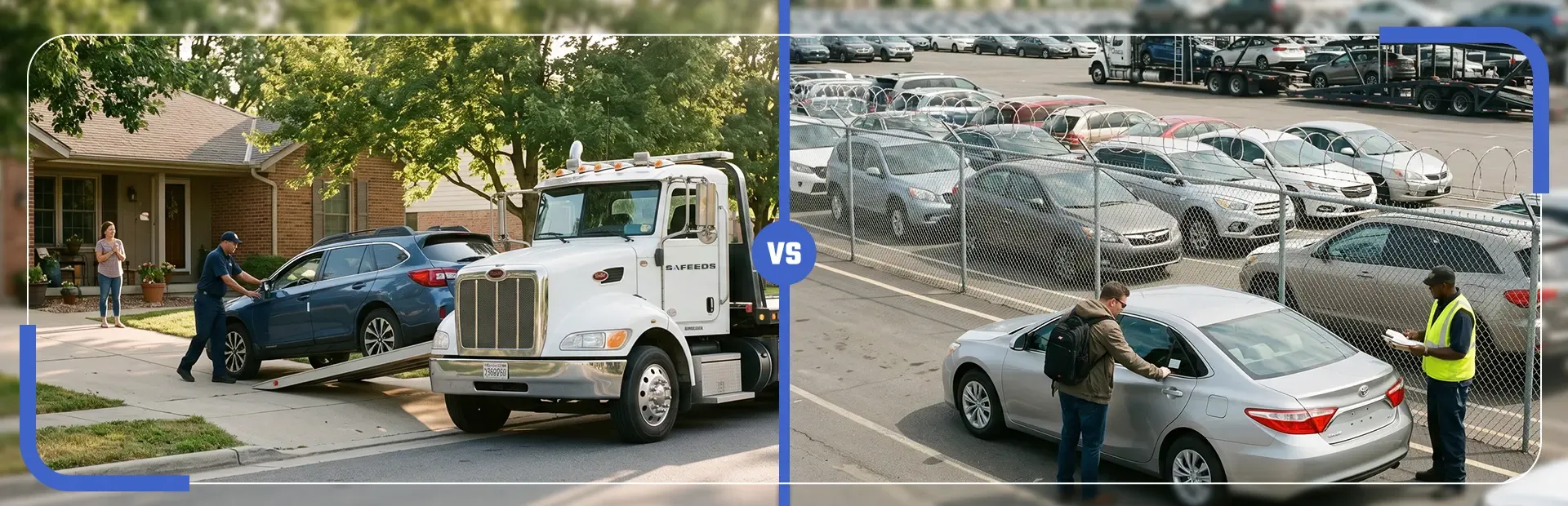
When researching how to ship a vehicle, you may encounter terminal-to-terminal options. However, most modern customers prefer door-to-door service. This means the carrier will get as close to your specific address as legally and physically possible (accounting for narrow streets or low-hanging trees) to perform the pickup and delivery, providing maximum convenience.
Navigating the Logistics of Long-Distance Vehicle Transport
Successfully learning how to ship a car out of state or how to ship a vehicle across the country requires a combination of strategic planning and rigorous vetting. Because interstate moves fall under federal oversight, the process is a coordinated effort between a logistics broker and a physical carrier to ensure your asset arrives safely while saving you the wear and tear of a long-distance drive.
Professional Management & Roles: A broker acts as your coordinator, vetting carriers and negotiating rates, while the carrier is the physical truck and driver responsible for your vehicle. This partnership is essential for major transitions like relocations or out-of-state purchases.
Federal Compliance & Safety: All cross-country vehicle shipping is governed by the Federal Motor Carrier Safety Administration (FMCSA), which mandates strict insurance and safety standards. Always check your shipper's registration to verify their legal authority for interstate commerce.
Distance & Planning: Long-haul routes typically cover 400–500 miles per day, meaning a cross-country journey can take 7–10 days. To secure the best vehicle shipping rates and most efficient routes, it is recommended to book at least two weeks in advance.
Vetting for Security: To avoid common mistakes, ensure your provider has a valid MC and USDOT number. Request the carrier’s insurance certificate to confirm specific coverage limits and avoid companies that demand large up-front deposits before a carrier is assigned.
Financial & Professional Transparency: Be wary of "low-ball" quotes that often lead to hidden fees. Ensure all quotes, timelines, and the Bill of Lading are documented in writing, and research third-party platforms for consistent feedback on communication and claims handling.
Operational Efficiency: Long-distance transport primarily utilizes large multi-car trailers, which are the most fuel-efficient and environmentally responsible method to ship vehicles to another state.
Everything You Should Know Before Booking
Before you finalize your decision on how to get a car shipped, it is helpful to address the most common logistical questions. Clear information at the start prevents confusion during the final stages of the transport process.
How much does it cost to ship a vehicle?
The total how much does it cost to ship a vehicle depends on the distance, vehicle size, and the type of trailer (open or enclosed). For 2026, standard rates typically range from $0.60 to $1.50 per mile, depending on the route's popularity.
How do I prepare my car for transport?
You should clean your vehicle inside and out to make the inspection easier. Remove all personal belongings, ensure the tire pressure is correct, and leave the gas tank at about a quarter full to reduce weight while still allowing the driver to move the car on and off the trailer.
Is my vehicle insured during the car shipping process?
Yes. Legitimate carriers provide cargo insurance that covers transit-related damage. It is essential to document any pre-existing issues on the Bill of Lading to ensure a smooth claims process should an incident occur.
How long does cross-country vehicle shipping take?
For a move across the United States (approx. 2,500 miles), you should expect a transit time of 7 to 10 days. Shorter regional moves under 500 miles typically take 1 to 3 days.
Can I ship personal items inside the car?
Most carriers discourage this due to weight restrictions and insurance limitations. If allowed, items must usually be kept below the window line and in the trunk, weighing no more than 100 lbs.
Making the Right Choice for Your First Car Shipping Experience
Deciding on the best vehicle shipping strategy requires balancing your timeline, budget, and the value of your vehicle. For a standard daily driver, open transport provides the most efficient and cost-effective solution. However, if you are moving a high-value asset, the added cost of enclosed vehicle shipping is a wise investment for peace of mind.
To ensure a successful move, focus on transparency. A company that provides a clear, written quote and explains the car shipping process step by step is far more valuable than one offering an unrealistically low price. By following this guide, you now have the foundational knowledge of how to get a car shipped safely and professionally.
When you are ready to take the next step, prioritize providers who value communication and regulatory compliance. With the right partner, your vehicle’s journey across the state or across the country will be a seamless transition to your new destination. Plan your move with confidence and get an instant, transparent quote from Safeeds Transport Inc. today.