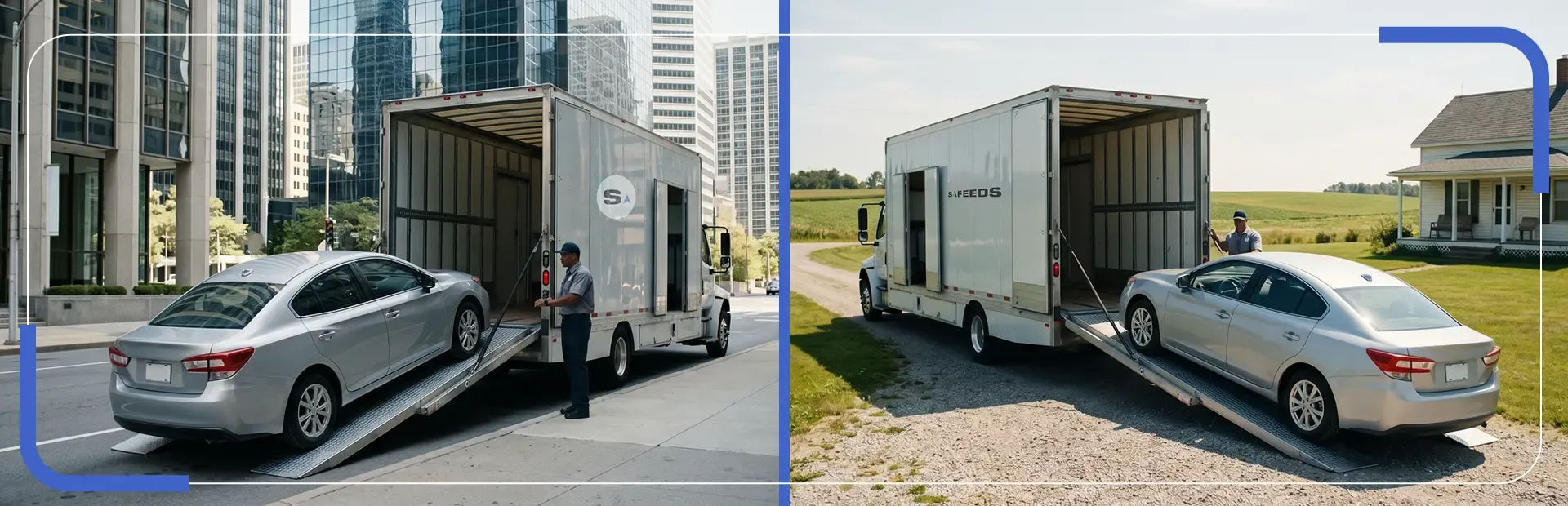
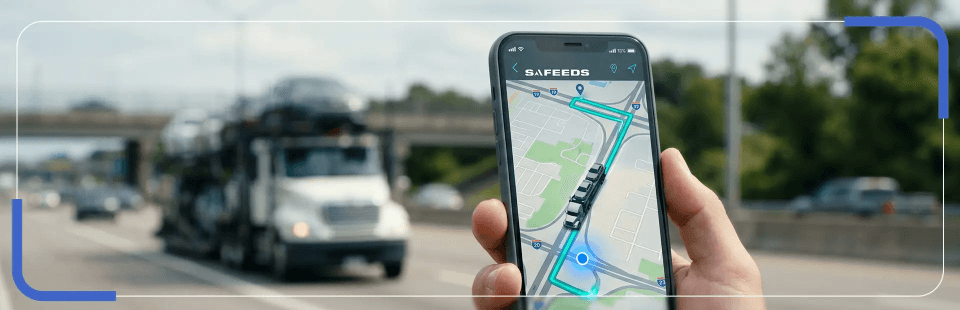
Buying a car from an out-of-state dealer is more common than ever, but the moment the purchase is confirmed, most buyers face the same question: how do I actually get this vehicle home? How to ship a car out of state is not complicated, but it requires understanding a process most first-time buyers have never navigated before.
Driving the vehicle yourself is rarely practical. Distance, time, and added mileage make transport the smarter choice. Arranging it correctly, through the right broker, with the right carrier, at the right price, is what this guide covers.
Get a free quote from Safeeds Transport and ship your out-of-state purchase with a verified broker, transparent pricing, carrier assignments, and no hidden fees.
How to Ship a Car Out of State After Buying from a Dealer
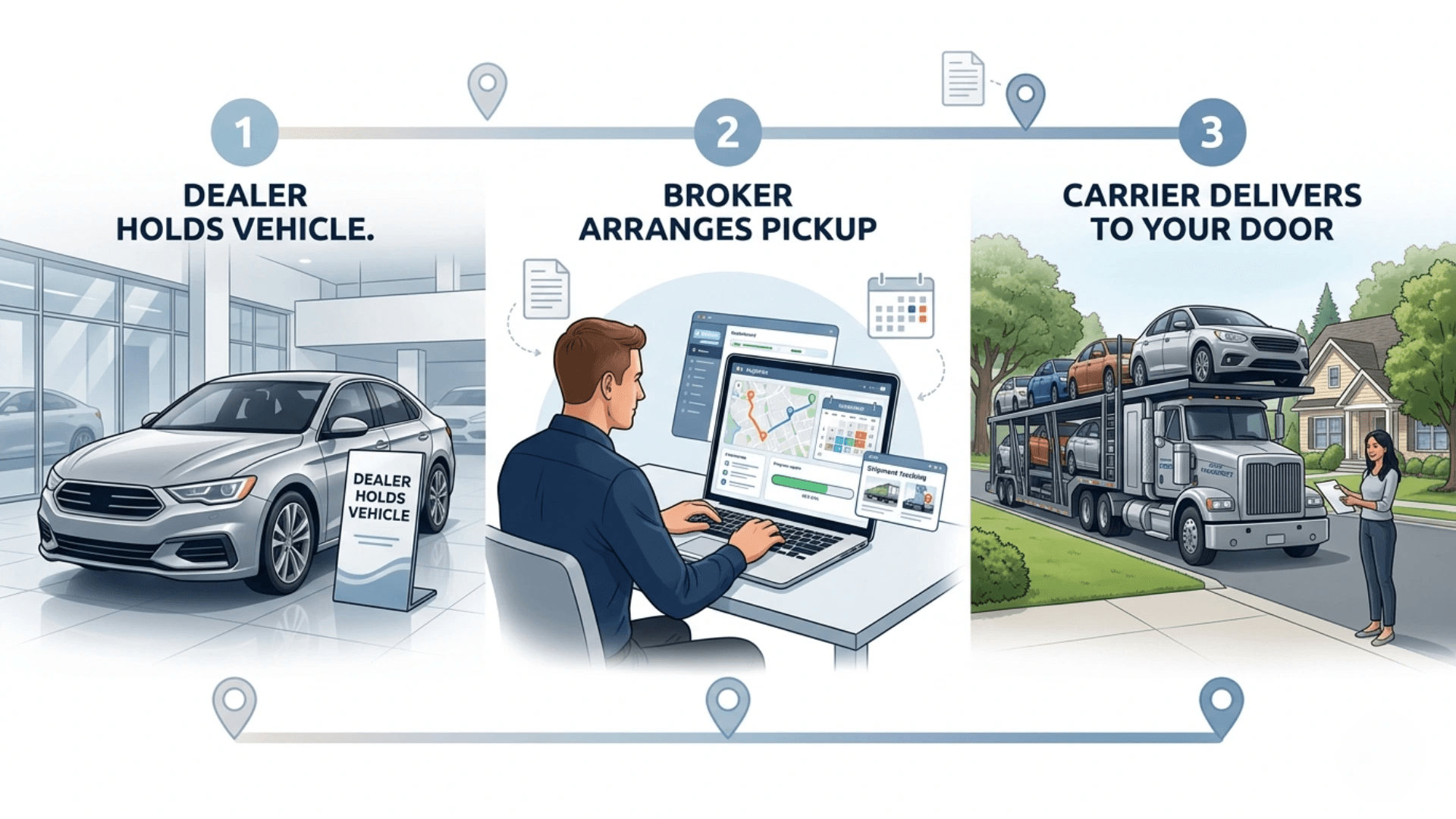
When you purchase from an out-of-state dealer, three parties are involved:
The dealer: Vehicle custodian until pickup
The transport broker: Arranges and coordinates the shipment
The carrier: Physically moves the vehicle to your door
Dealers handle the sale, not the logistics. Most leave shipping arrangements entirely to the buyer, which means understanding the process falls on you.
The good news is that out-of-state shipping is more accessible than most buyers expect. With the right broker, a verified carrier, and a clear timeline, most vehicles are picked up from the dealership and delivered without complication. The process is well-established, widely used, and entirely manageable, provided you approach it with the right information from the start.
Step-by-Step Process of How to Ship a Car Out of State
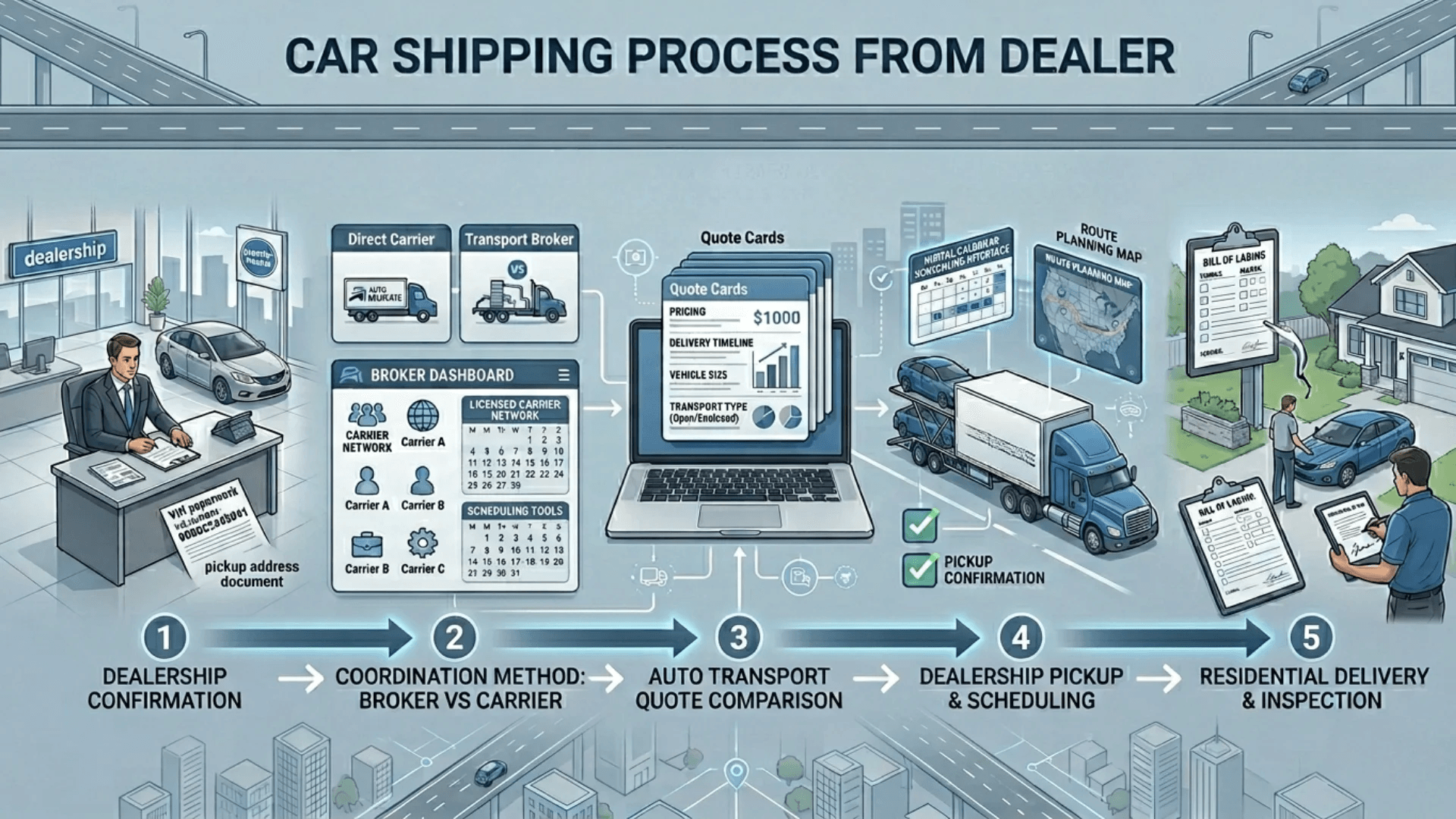
Getting a vehicle shipped from a dealer in another state involves five clearly defined steps. Following them in order prevents the most common scheduling and documentation problems.
Step 1: Confirm Vehicle Details with the Dealer
Before arranging transport, confirm the following with the dealer:
Full VIN number for carrier documentation
Exact pickup address and operating hours
Vehicle condition, running or non-running
Point of contact at the dealership on pickup day
Step 2: Choose How You Will Arrange Transport
There are two options: book directly with a carrier or use a transport broker. Most buyers use brokers because they offer:
Access to networks of vetted, licensed carriers
Documentation and scheduling management
Price comparisons across multiple operators
A single point of contact throughout the shipment
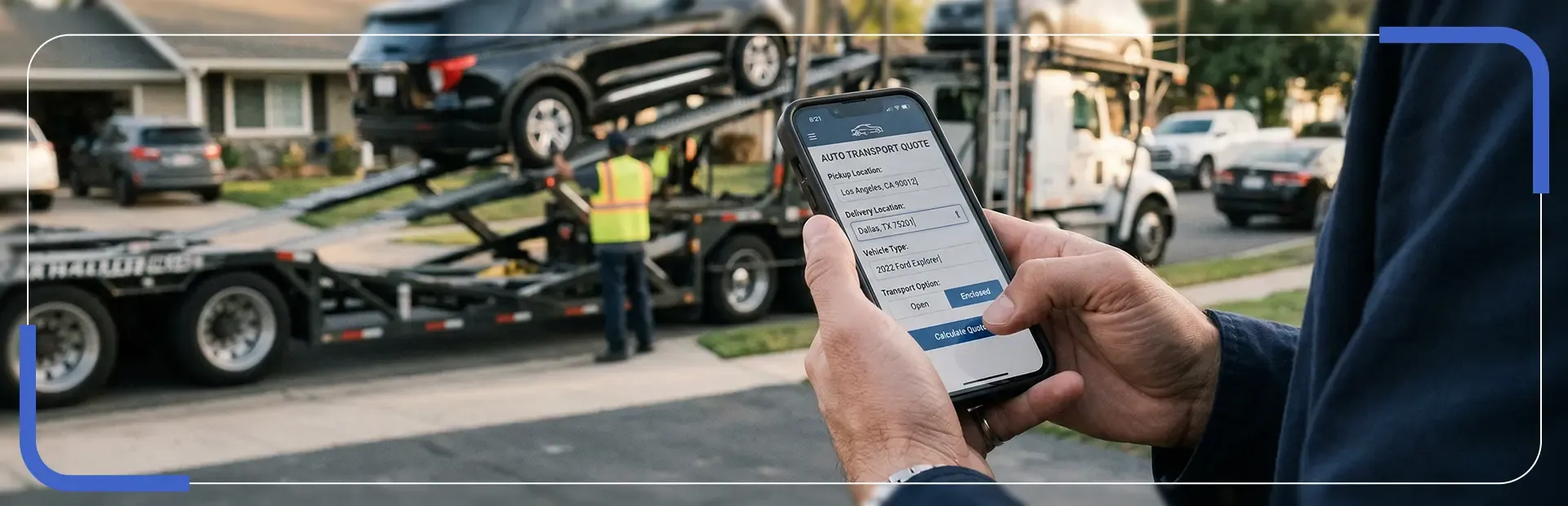
Step 3: Get Shipping Quotes and Compare Options
When requesting quotes, provide accurate vehicle details and flexible pickup dates where possible. Key factors affecting your quote include distance, vehicle size, transport type, and pickup timeline. Avoid selecting purely on price; verify the broker's MC number and carrier assignment process before committing.
Step 4: Schedule Pickup and Delivery
Once a carrier is assigned, your broker confirms a pickup window with the dealer and a delivery estimate for your address. Two delivery options are available:
Door-to-door: Most convenient; carrier picks up and delivers directly
Terminal shipping: Lower cost; requires drop-off and collection at designated facilities
Step 5: Vehicle Inspection and Delivery
At both pickup and delivery, a Bill of Lading records the vehicle's condition. Before signing at delivery, take the following steps:
Compare the condition against the pre-shipment report
Note any new damage on the Bill of Lading immediately
File any claims with the carrier's insurance before leaving
Why Auto Transport Brokers Are Essential in Dealer Shipping
Cross-country car shipping from a dealership involves more moving parts than a standard private shipment. The dealer has their own schedule, the carrier operates on fixed routes, and the buyer needs delivery within a specific window. Coordinating all three without a broker is where most shipments run into problems.
A qualified broker acts as the central point of coordination. According to the Federal Motor Carrier Safety Administration, all brokers operating in the U.S. must hold a valid Motor Carrier (MC) number and maintain a surety bond to protect shippers, making verification a critical first step before booking any transport service.
Here is what a broker handles that most buyers cannot manage independently:
Access to licensed, vetted carriers across all U.S. routes
Carrier insurance verification before every assignment
Price negotiation across multiple operators simultaneously
Documentation management from booking to delivery
Escalation support if delays or disputes arise
How to move a car from one state to another safely comes down to one decision: working with a broker who controls the full chain. Brokers with carrier relationships offer the most predictable pricing and reliable scheduling, and for a purchase worth tens of thousands of dollars, that reliability matters.
How Much to Ship a Car Out of State? Key Pricing Factors Explained
How much to ship a car out of state depends on several variables working together. Understanding each one helps you evaluate quotes accurately and budget realistically.
Distance and Route Demand
Distance is the primary cost driver, but route demand matters equally. The U.S. Department of Transportation tracks freight movement across all major U.S. corridors, and high-traffic routes like Florida to California consistently show stronger carrier availability, which drives prices down through competition. Rural or low-demand routes carry higher rates due to limited carrier frequency.
Vehicle Type and Size
Larger vehicles occupy more carrier space and weigh more. A full-size SUV or truck will cost meaningfully more to ship than a compact sedan on the same route.
Transport Type: Open vs Enclosed
Open transport is the standard, most affordable option for most vehicles. Enclosed transport provides full weather and debris protection, is recommended for luxury or high-value vehicles, and typically costs 40 to 60 percent more than open.
Seasonal Price Fluctuations
Summer relocation season and the snowbird migration period (October through March on Florida-bound routes) drive price increases on high-demand corridors. Booking during off-peak periods with flexible dates consistently produces lower rates.
Broker vs Carrier Pricing
Brokers with established carrier networks often secure lower rates than customers approaching a single carrier directly. For the cheapest way to ship a car from Florida to California or any major route, a broker with flexible scheduling access produces the most competitive result.
Popular State-to-State Car Shipping Routes and Real Cost Examples
Route and pricing are two of the most searched topics in auto transport. Below is a breakdown of the most requested corridors with realistic cost ranges for 2026.
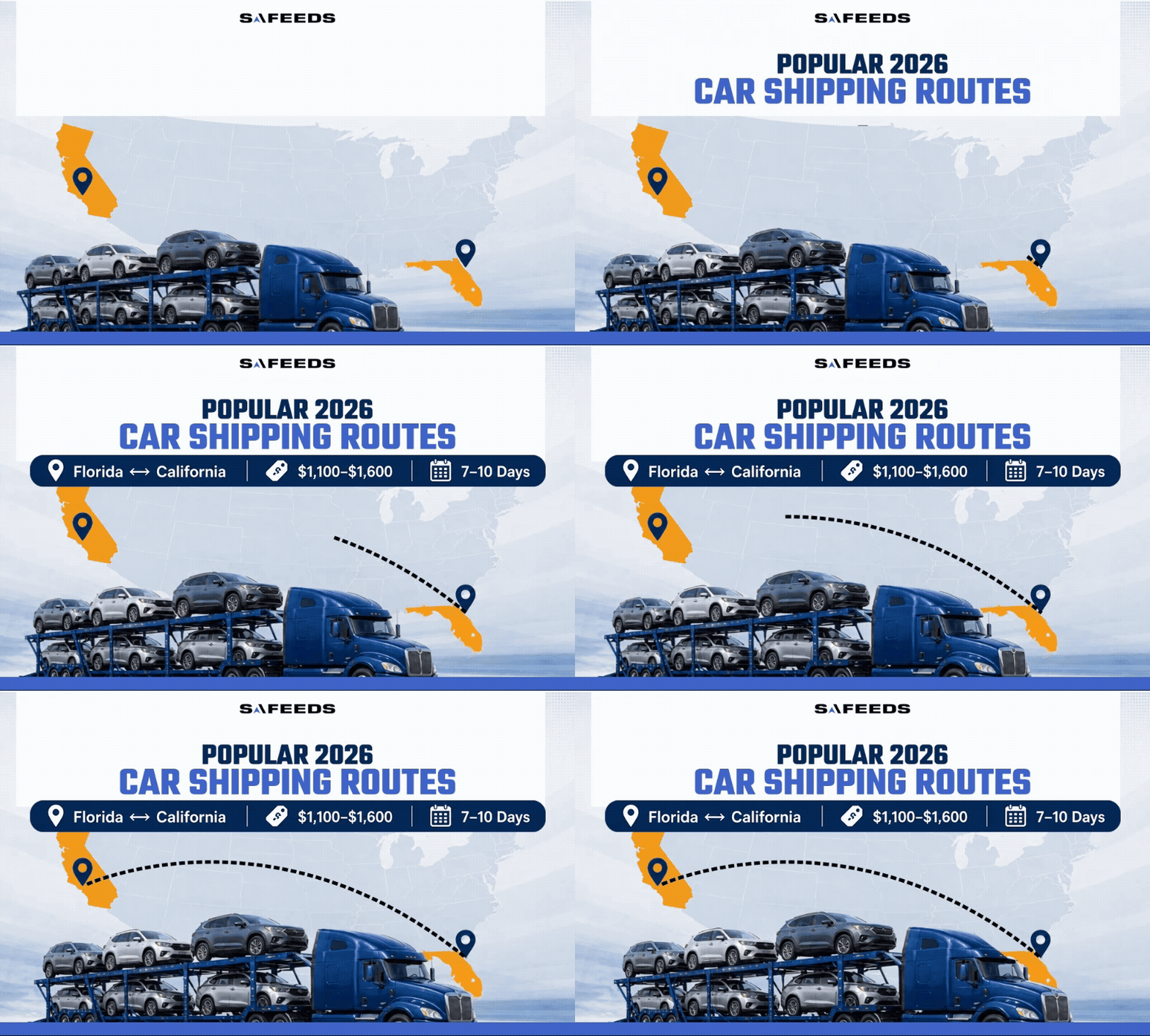
Ship Car from Florida to California
This is one of the most requested routes in the country. Auto transport from Florida to California benefits from high carrier frequency in both directions.
Cost to ship a car from Florida to California: $1,100 – $1,600 open transport
Transit time: 7 – 10 days
Best booking window: avoid January through March for lower rates
California to Michigan Auto Transport
California to Michigan auto transport is a long cross-country route with moderate carrier availability. The cost to ship a car from California to Michigan ranges from $1,000 to $1,500, with transit times of six to nine days. The rates rise in late spring ahead of summer demand.
Additional Major Routes
The remaining high-demand corridors follow consistent pricing logic based on distance and seasonal demand. Here is a summary of estimated costs and transit times across the most requested routes:
Route | Estimated Cost (Open) | Transit Time |
|---|---|---|
California to Pennsylvania | $950 – $1,450 | 6 – 8 days |
Illinois to California | $950 – $1,350 | 5 – 8 days |
Maryland to Florida | $750 – $1,100 | 3 – 5 days |
Florida to Massachusetts | $850 – $1,250 | 4 – 6 days |
Virginia to California | $1,050 – $1,500 | 7 – 10 days |
Indiana to California | $900 – $1,300 | 5 – 8 days |
Estimates for standard open transport in 2026. Contact Safeeds Transport for a route-specific quote.
California to Pennsylvania and Illinois to California both benefit from strong year-round carrier availability. Shipping a car from Maryland to Florida rates peak during snowbird season; book early between October and March. To ship a car from Virginia to California, or the cost to ship a car from Indiana to California, distance and seasonal demand apply the same pricing logic as the routes above.
What Actually Affects Your Car Shipping Cost the Most
Pricing in auto transport follows a clear logic once you understand the variables behind it. Whether you are researching how much to ship a car from Virginia to California or from California to Michigan, the same factors apply across every route.
The variables that carry the most weight in your final quote:
Distance: The single biggest cost driver, longer routes mean higher base rates
Route demand: High-traffic corridors have more competing carriers, which lowers pricing
Fuel prices: Carrier operating costs fluctuate with fuel and translate directly into rate changes
Vehicle condition: Non-running vehicles require special loading equipment, adding to the base rate
Pickup flexibility: Flexible windows give brokers more carrier options and typically lower quotes
Door-to-door vs terminal: Terminal shipping reduces cost; door-to-door is priced at a premium for convenience
For the cost to ship a car from Indiana to California or similar long Midwest-to-West routes, distance and seasonal carrier availability move the quote the most. Booking four to six weeks ahead during off-peak months consistently produces the best pricing.
Special Case: Can You Take Your Car to Hawaii?
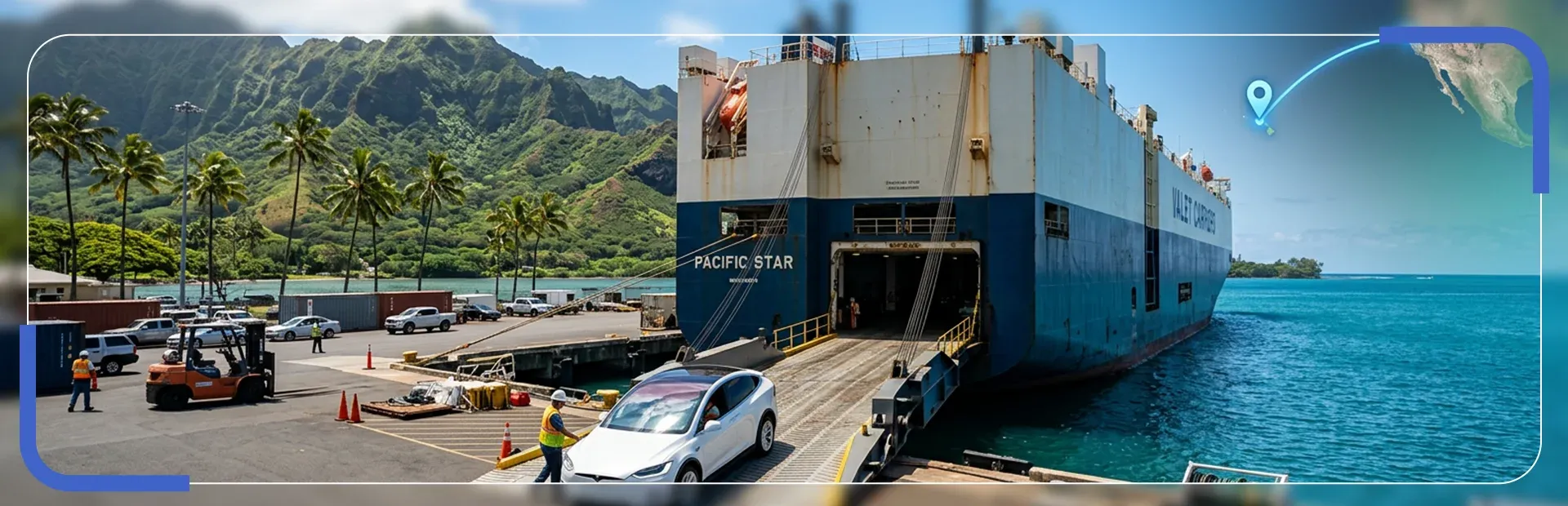
A common question worth addressing separately: Can I take my car to Hawaii? The answer is yes, but the process differs significantly from standard domestic transport. Ocean freight is the only viable option.
Here is how it works:
Vehicle is transported overland to a West Coast port, Los Angeles, Oakland, or San Diego
Loaded onto a Roll-on/Roll-off (RoRo) vessel or container at the port
Ocean transit takes five to fourteen days, depending on the destination island
On arrival, the vehicle is processed at a Hawaii port facility for pickup or local delivery
A few key differences from continental shipping:
Documentation requirements are more extensive, including title, ID, and port paperwork confirmed in advance
Fuel level, cleanliness, and alarm deactivation are strictly enforced at port drop-off
Personal items cannot be left inside the vehicle during ocean transport
Car transport FL to CA is a common first leg for Hawaii-bound vehicles originating on the East Coast; the vehicle ships to a California port before continuing by ocean.
Common Mistakes People Make When Shipping a Car Out of State
Most shipping problems are avoidable. These are the errors that come up most consistently:
Choosing the cheapest quote without vetting the broker: Low rates often signal unvetted carriers or limited insurance accountability
Confusing brokers with carriers: A broker arranges the shipment, but they do not own trucks
Ignoring insurance details: Basic carrier coverage has limits; confirm what is covered before pickup
Not preparing the vehicle properly: Missing fuel limits, leaving personal items inside, or skipping damage documentation causes delays and disputes
Setting unrealistic delivery expectations: Build buffer time into your schedule, especially on cross-country routes
Paying in full before carrier assignment: Full upfront payment before a carrier is confirmed is a significant red flag
Practical Insights for Out-of-State Car Shipping
How to ship a car out of state is straightforward when you work with the right broker and understand what to expect. Here are the questions we hear most often.
How long does it take to ship a car out of state?
Short regional routes take two to four days. Cross-country routes, such as shipping a car from Florida to California or California to Michigan, generally take seven to ten days.
How much does it cost on average?
Most standard routes fall between $700 and $1,600 for open transport. How much to ship a car from Florida to California sits at the higher end, $1,100 to $1,600, due to the cross-country distance.
Is open or enclosed transport better for a dealer purchase?
Open transport suits most standard vehicles. Enclosed is recommended for luxury or high-value vehicles where additional protection justifies the higher cost.
Can I ship a car that is not in my name?
Yes, but written authorization from the registered owner and a copy of the title are required. Confirm documentation requirements with your broker at booking.
Why use Safeeds Transport for out-of-state shipping?
Safeeds works exclusively with vetted, licensed carriers and provides full carrier assignment details before every pickup, with transparent pricing, no hidden fees, and a 7-day price lock.
A Clear Path to Shipping Your Car Safely from Any State
Shipping a car out of state from a dealer is a manageable process when approached with the right information and the right partner. The steps are consistent, the costs are predictable, and the risks are avoidable when you work with a verified broker.
The most important decisions happen before the vehicle is ever loaded: choosing a broker with carrier relationships, confirming documentation in advance, and booking with enough lead time to secure competitive pricing.
Get a free quote from Safeeds Transport today and ship your vehicle with confidence, transparent pricing, verified carriers, and a price locked for seven days from the moment you book.