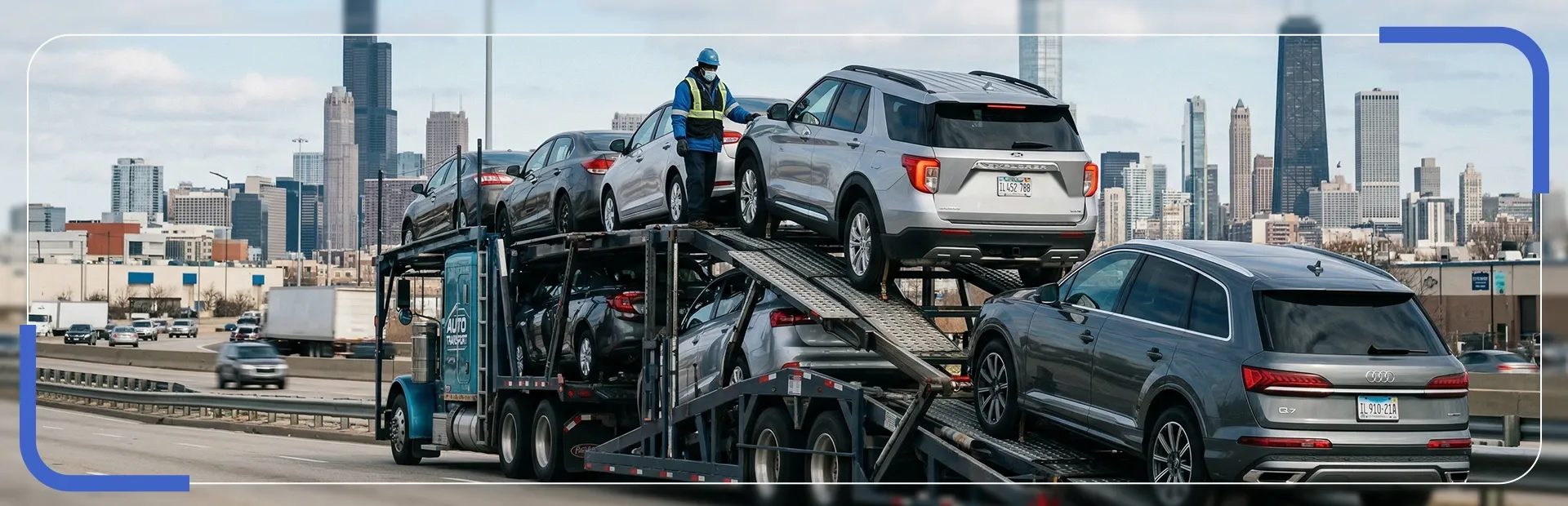
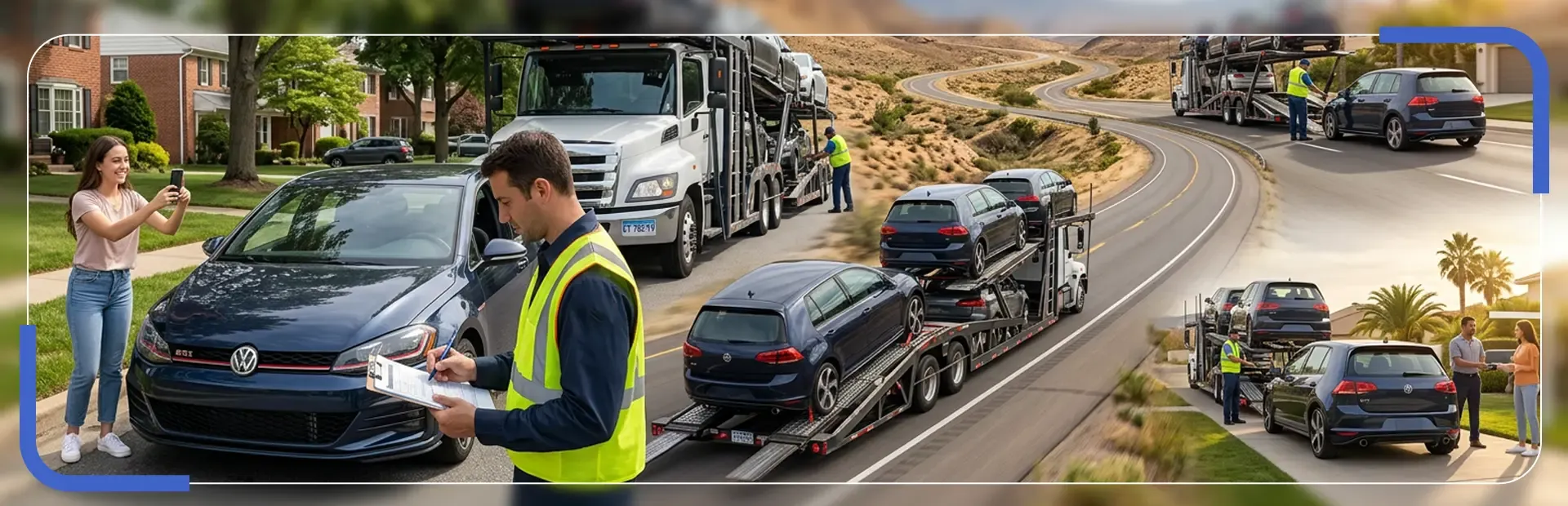
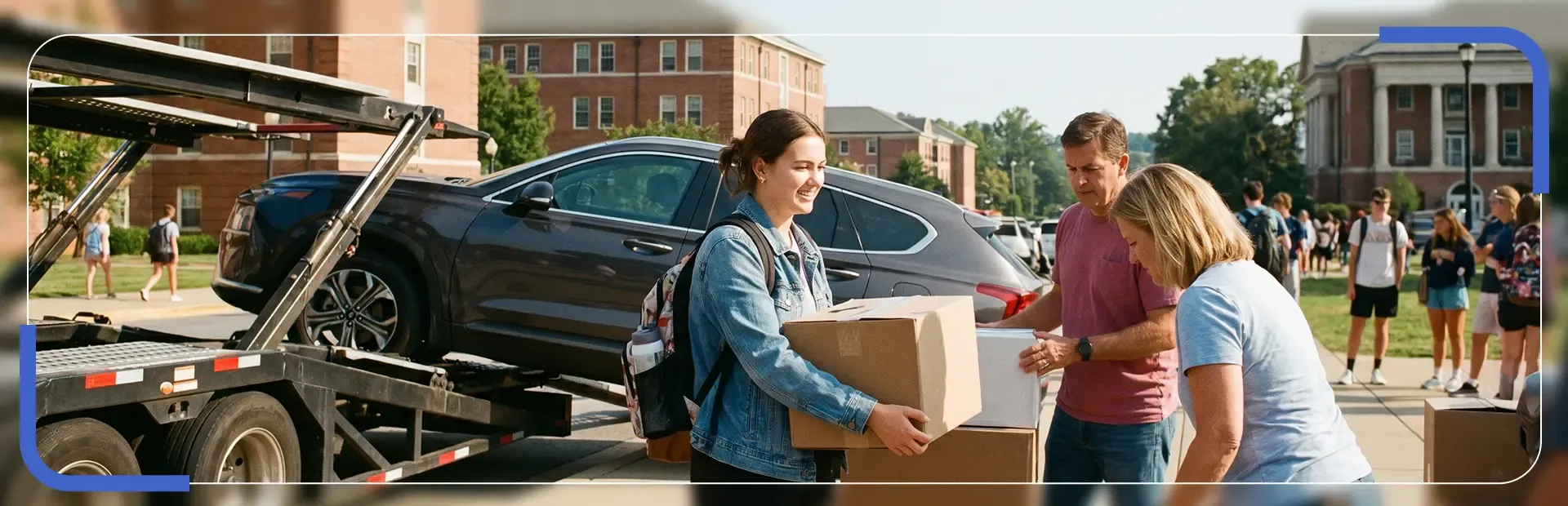
Winning a vehicle at auction is only half the challenge; getting it transported safely, on time, and without unexpected costs is where most buyers and dealers run into trouble.
Auction car shipping operates under a different set of rules than standard residential transport. Auction facilities have strict release windows, documentation requirements, and storage fee structures that can quickly add cost if transport is not arranged correctly from the start.
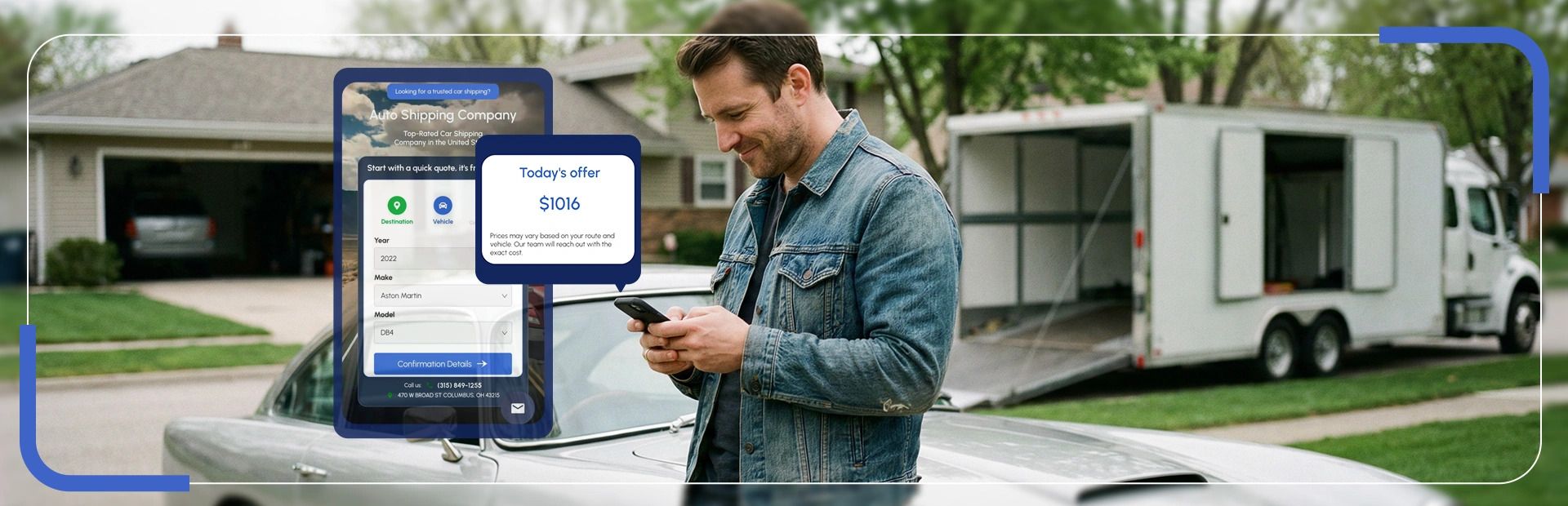
This guide covers seven practical tips that help both buyers and dealers approach car shipping from auction with the preparation, provider knowledge, and documentation readiness needed to avoid the most common and most expensive mistakes in the process. Get an instant, price-locked quote from Safeeds Transport, no deposit, no hidden fees.
Why Auction Car Shipping Requires a Different Strategy
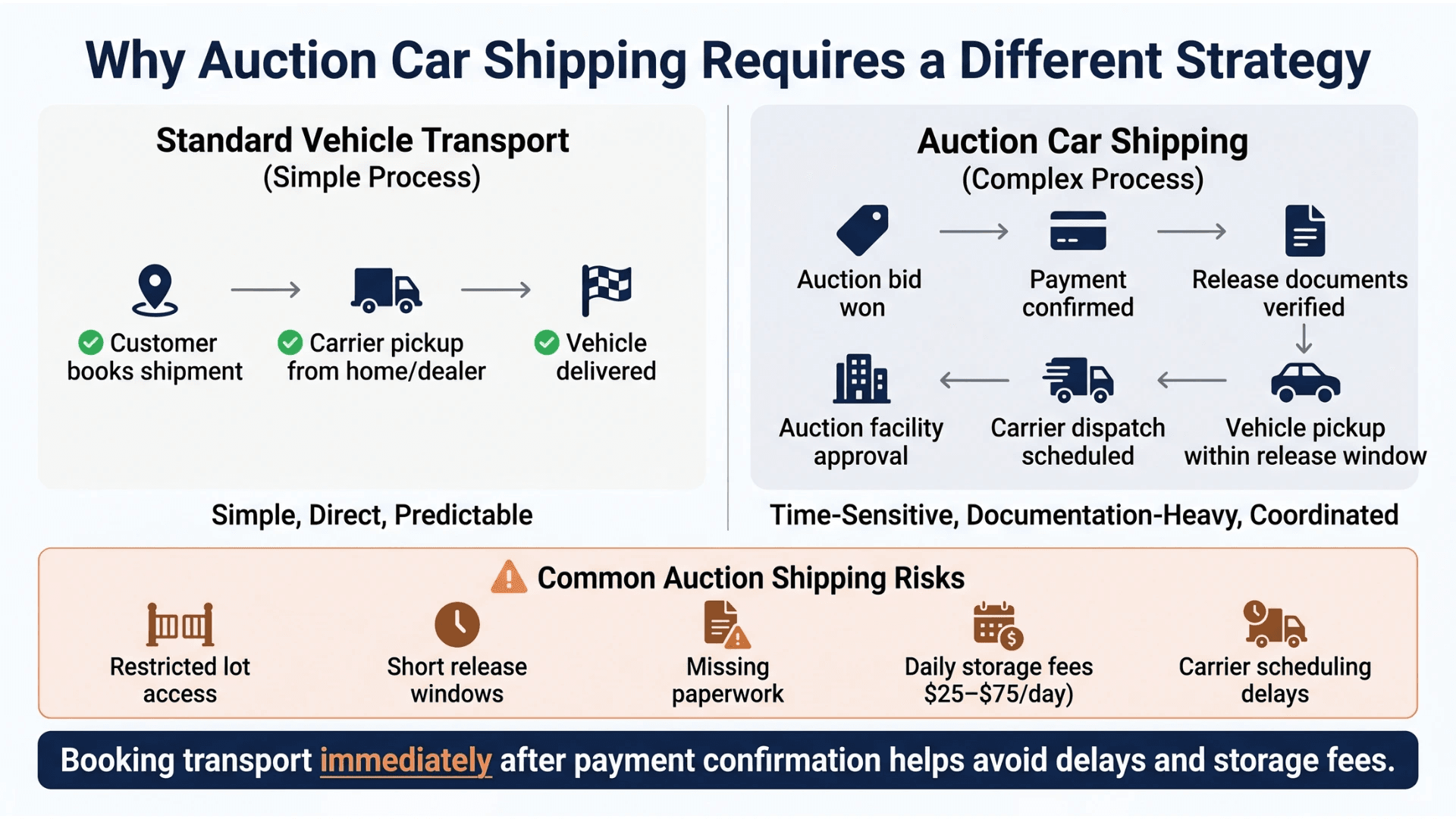
Standard vehicle transport involves a straightforward exchange: a customer books, provides addresses, and a carrier is assigned. Auction car shipping adds layers of complexity that require advance planning and clear coordination between the buyer, auction facility, and transport provider.
The National Auto Auction Association publishes industry standards governing lot access, vehicle release procedures, and documentation requirements across member facilities. Understanding these standards helps buyers ask the right questions before scheduling transport.
How Auction Vehicle Pickups Work
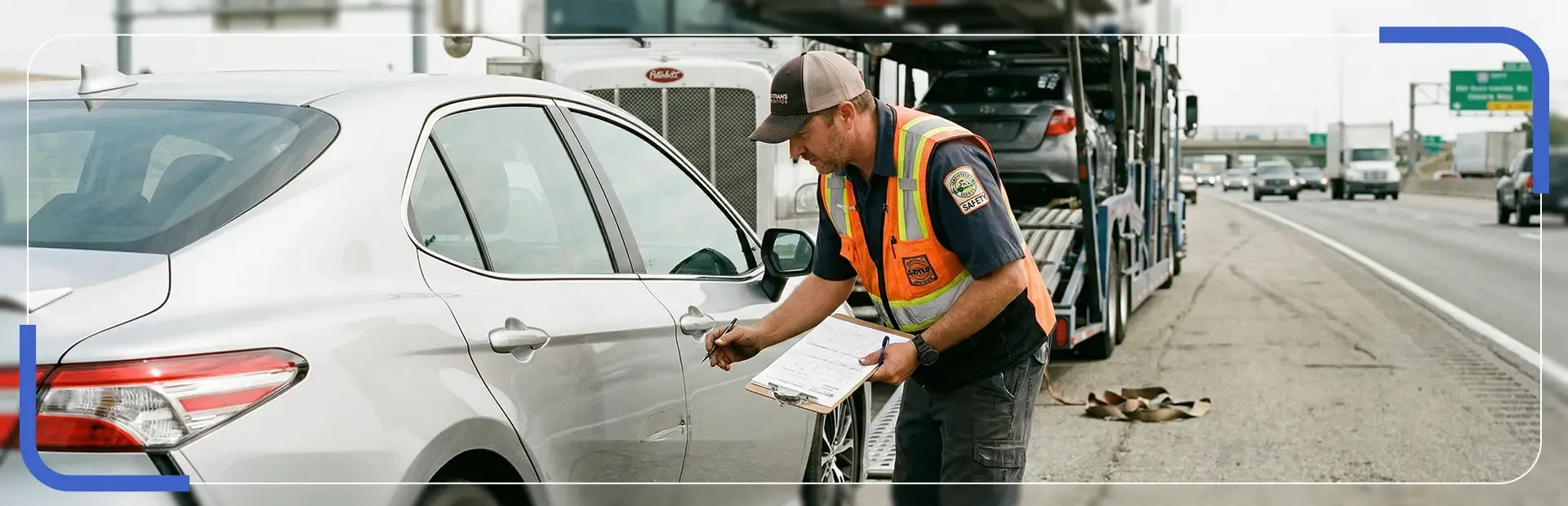
Once a bid is won and payment confirmed, the auction facility releases the vehicle into a holding lot. The buyer, or their authorized transport provider, must coordinate pickup within a defined release window, presenting payment clearance, a gate pass, and all required authorization before the carrier can take possession.
Common Challenges Buyers Face
First-time auction buyers frequently underestimate the administrative side of auction auto transport. The gap between winning a bid and successfully dispatching a carrier involves more steps than most buyers anticipate, and each step has its own failure point.
The most common challenges include:
Restricted lot access, not all carriers are pre-approved for certain facilities
Short release windows, most auctions require pickup within three to five business days
Documentation gaps, missing buyer numbers, or incomplete title release delays pickup
Communication delays, slow responses between buyer, auction, and carrier, create scheduling gaps
Why Timing Matters in Auto Auction Transport
Most auction facilities charge daily storage fees once the release window closes, typically $25 to $75 per day. A car auction shipping delay of five days can add $125 to $375 to the total cost before the vehicle has moved. Booking auction car shipping services as soon as payment is confirmed is the most effective way to avoid these charges.
Tip #1: Verify Auction Release Requirements Before Booking
Delays in car shipping from auction are almost always caused by incomplete documentation on the buyer's side. Verifying release requirements before booking eliminates the most preventable source of disruption.
Documents Most Auctions Require
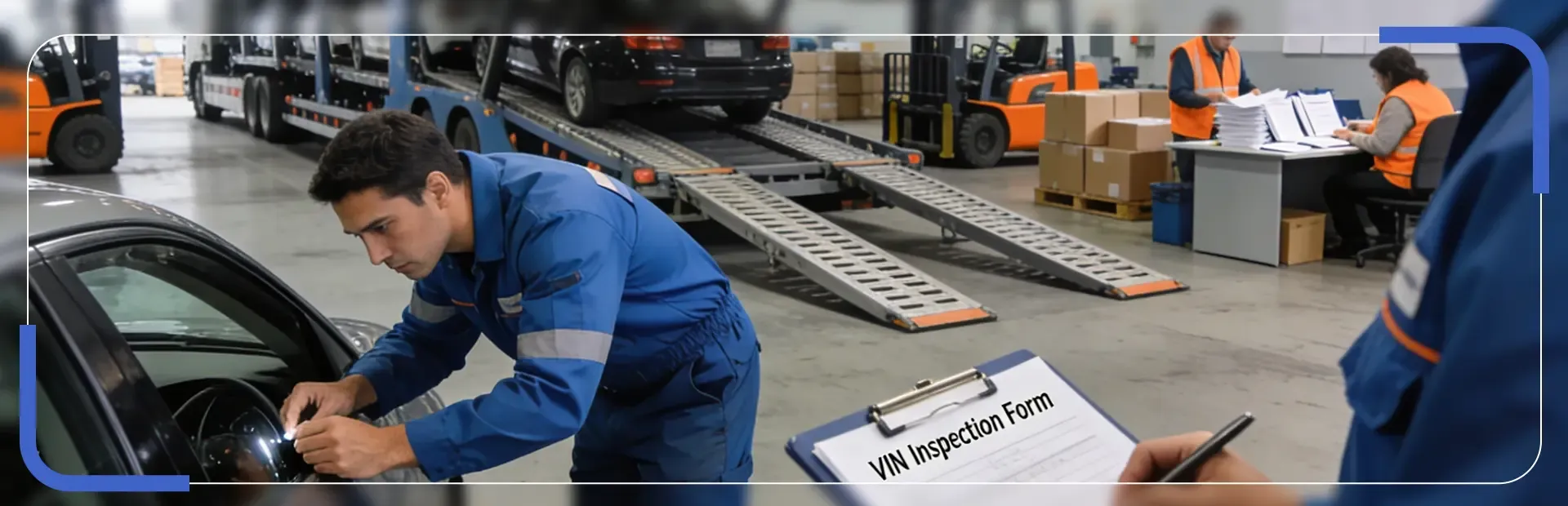
Getting documentation right before the carrier is dispatched is the single most effective way to prevent a failed pickup. While requirements vary by facility, most auto auction transport pickups require the following:
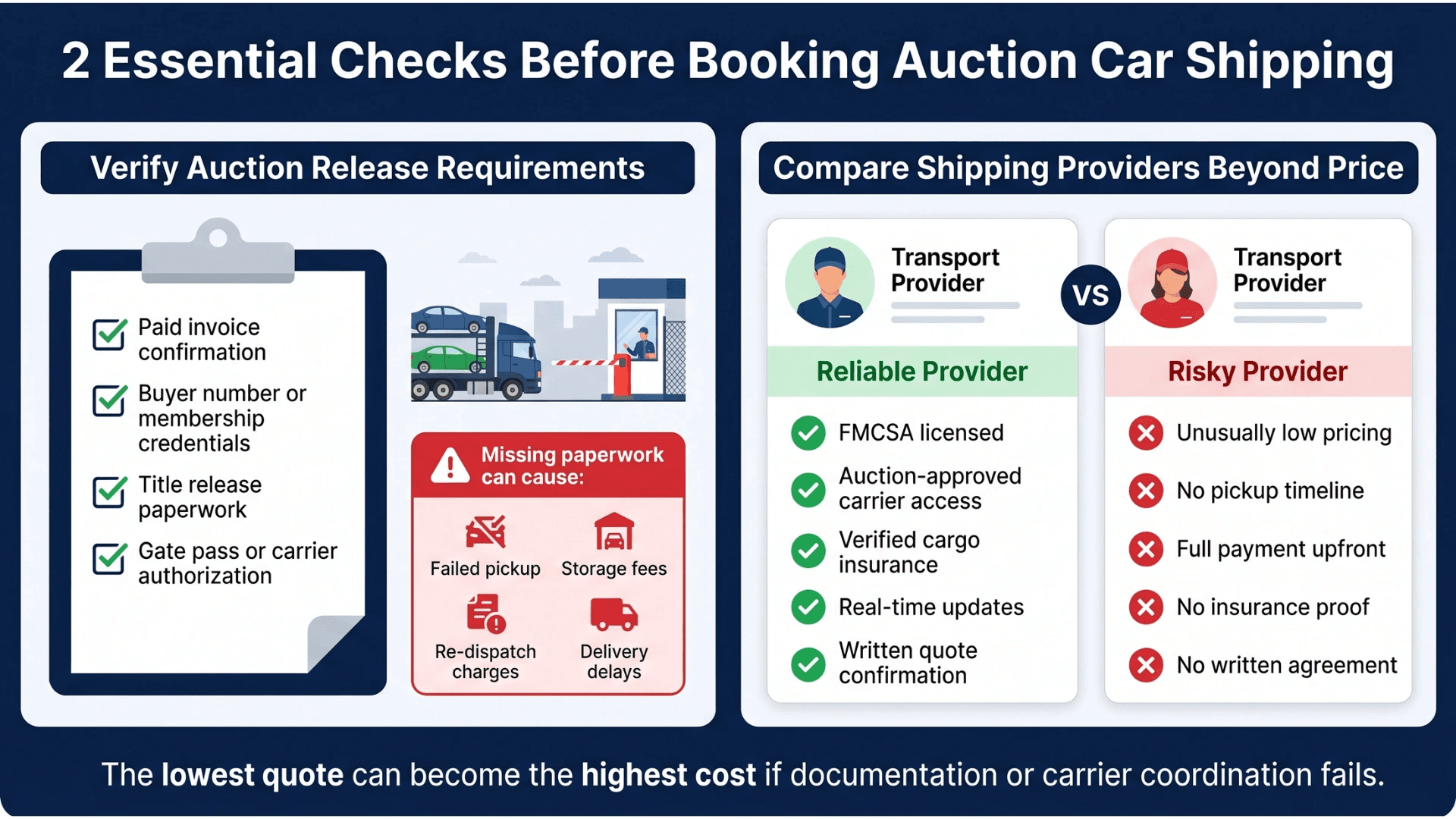
Paid invoice confirming full payment clearance
Buyer number or membership credentials
Title release or reassignment documentation
Gate pass or written carrier authorization
How Missing Paperwork Delays Car Transport from Auction
A carrier arriving without correct documentation cannot take possession of the vehicle. The carrier logs a failed pickup, the vehicle stays in storage, and a second dispatch, often at a premium rate, becomes necessary. This sequence is one of the most common and preventable causes of cost overruns in car transport from auction bookings.
Questions to Ask the Auction Facility
Before scheduling auction auto transport, buyers should make direct contact with the facility and get clear answers to the following questions:
What is the release window after payment clears?
Which documents must the carrier present at the gate?
Are there pre-approved carrier lists or access restrictions?
What are the daily storage fees if pickup is delayed?
Tip #2: Compare Auction Car Shipping Services Beyond Price
The cheapest auction car shipping service is rarely the most reliable. In a process where timing and documentation coordination are critical, an unreliable provider creates costs that quickly exceed any initial savings.
What Reliable Auto Auction Transport Companies Offer
Established auto auction transport companies provide more than a carrier and a pickup date. Evaluating a provider's capabilities before booking protects against delays, failed pickups, and unresolved damage disputes. Look for:
FMCSA licensing, verifiable through the Federal Motor Carrier Safety Administration
Pre-approved carrier access for the specific auction facility
Clearly documented cargo insurance coverage
Real-time tracking or proactive status updates
Understanding Broker vs Carrier Arrangements
Most auction car shipping services operate through brokers who coordinate with licensed carriers. Brokers with established auction relationships often have pre-approved facility access and faster release coordination than individual carriers attempting to enter facilities without prior authorization.
Warning Signs of Low-Quality Quotes
Not all quotes represent genuine service capability. Buyers should treat the following as red flags before committing to any car transport auction provider:
Rates significantly below the market average without explanation
No confirmed pickup timeline or dispatch date
Pressure to pay in full before a carrier is assigned
No written confirmation of quote terms or insurance coverage
Tip #3: Understand How Pricing Works for Car Auction Shipping
Understanding what drives car auction shipping costs helps buyers evaluate quotes accurately and avoid undisclosed fees that appear after booking.
Factors That Affect Auction Car Transport Rates
Several variables combine to produce the final cost of any car transport from the auction booking. Buyers who understand these factors are better positioned to assess whether a quote is competitive or inflated.
Distance: The primary cost driver across all routes
Vehicle size: Larger vehicles occupy more carrier space and increase fuel costs
Route popularity: Competitive corridors carry better rates than remote destinations
Vehicle operability: Non-running vehicles require winch loading, typically adding $75 to $150
Seasonality: Peak demand periods push rates up across all auction car transport routes
Why Storage Fees Can Increase Costs
Storage fees are one of the most overlooked costs in auto auction car shipping. Buyers who delay booking or arrive with incomplete documentation accumulate daily charges that add directly to the total purchase cost and are rarely recoverable.
How to Read a Shipping Quote Correctly
A reliable quote should always itemize costs clearly so the buyer understands exactly what they are paying for. Watch for fuel surcharges, non-running vehicle fees, and broker fees embedded in the total without clear disclosure; these are the most common sources of post-booking cost surprises.
Tip #4: Choose the Right Transport Type for the Vehicle
Matching transport method to vehicle type protects the asset and avoids paying for unnecessary coverage or underprotecting a vehicle that warrants more care.
Open Transport for Standard Vehicles
Open transport is the standard option for most car shipping from auction bookings, cost-effective, widely available, and suitable for standard passenger vehicles in operational condition. For dealers managing dealer auto auction transport across multiple vehicles, open transport balances cost efficiency with reliable carrier availability across most routes and timelines.
Enclosed Collector Car Auction Transport
Collector car auction transport requires enclosed carriers and fully covered trailers to protect vehicles from weather and road debris throughout the journey. For luxury, exotic, or classic vehicles where condition on arrival is non-negotiable, enclosed transport is the right choice regardless of the cost premium. It typically runs 30 to 50 percent above open transport rates on the same route.
Special Handling for Non-Running Vehicles
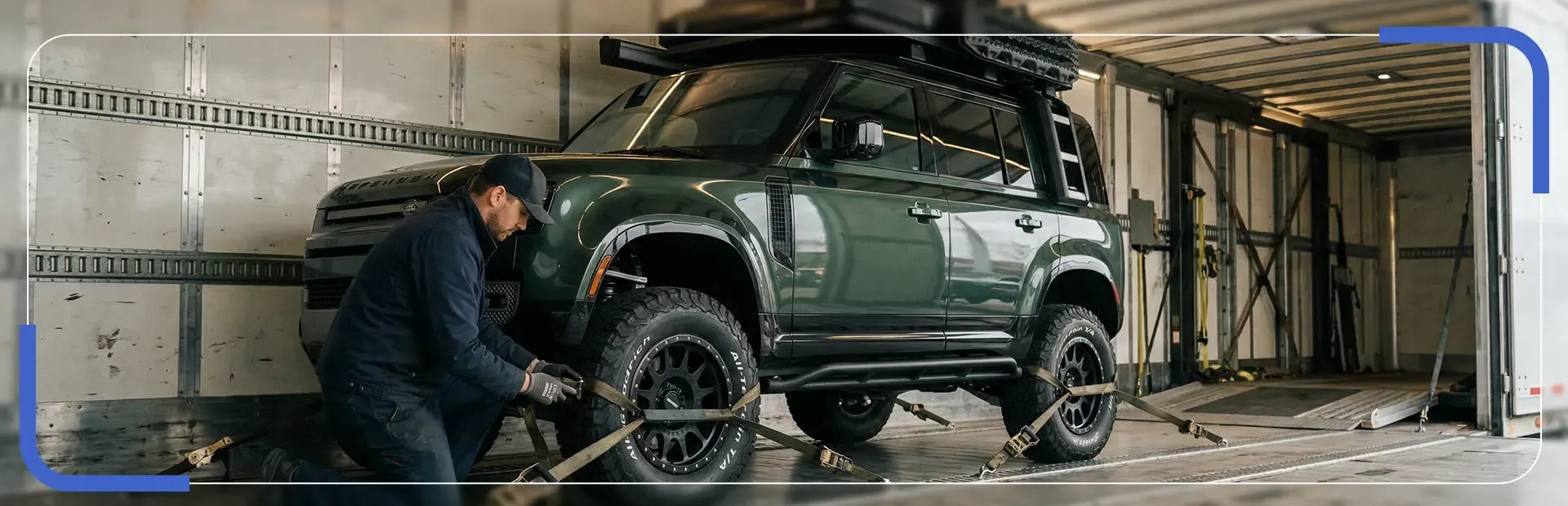
Non-operational vehicles require carriers equipped with winch loading capability, and not all carriers offer this as standard. Disclosing a non-running condition clearly and upfront, before the booking is confirmed, prevents a failed pickup attempt and avoids a costly second dispatch on short notice.
Tip #5: Plan Ahead for Dealer and Port Delivery Logistics
Pickup is only one half of the auto auction transport equation. Delivery logistics require their own advance planning to avoid delays at the destination end of the shipment.
Auction to Dealer Car Shipping Best Practices
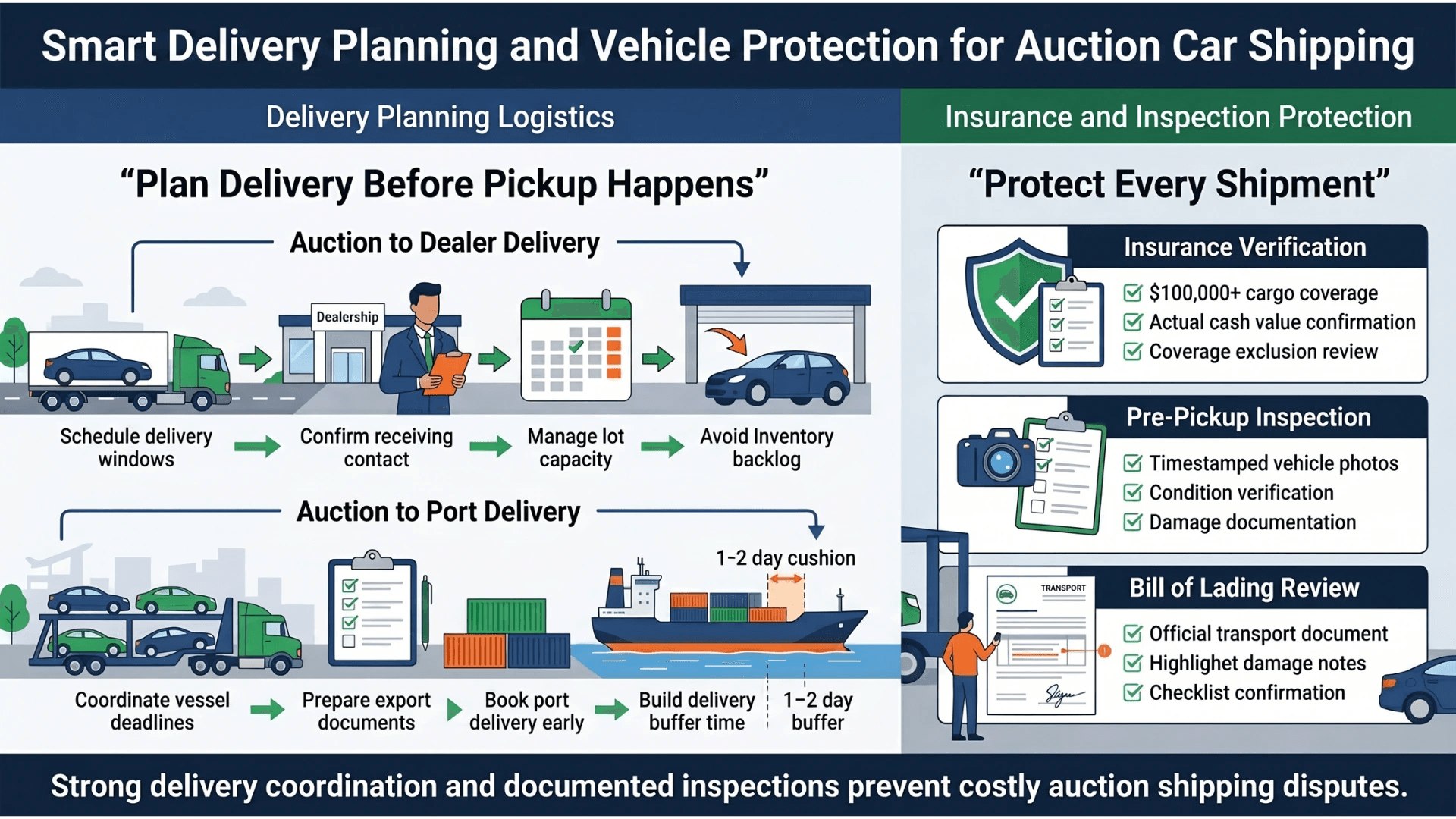
For dealerships managing incoming inventory, auction-to-dealer car shipping works most efficiently when deliveries are scheduled around lot capacity and preparation timelines. Confirming delivery windows in advance and designating a receiving contact for each shipment reduces processing backlogs and keeps inventory moving.
Car Transportation from Auctions to Port
International buyers arranging car transportation from auctions to port must work backward from vessel departure dates, not forward from the auction release window. Export documentation and port booking windows operate on fixed timelines that do not accommodate transport delays, making early coordination with the auction car shipping service provider essential.
Coordinating Delivery Windows Efficiently
Regardless of the destination type, building a one-to-two-day buffer between the estimated delivery date and any hard deadline absorbs minor scheduling variations without consequence, a small planning adjustment that prevents significant disruption.
Tip #6: Protect Yourself With Insurance and Inspection Steps
Even with a reliable auction car shipping service in place, buyers and dealers need their own layer of protection. Insurance coverage and pre-transport inspection are not optional steps; they are the primary tools available when a dispute arises after delivery.
What Insurance Coverage Should Include
Carrier cargo insurance is required by federal law, but coverage limits vary significantly between carriers. Before confirming any auto auction transport booking, verify the following:
Minimum cargo insurance coverage, industry standard is $100,000 per load
Whether coverage applies to actual cash value or a depreciated amount
What events are excluded? Weather damage and pre-existing conditions are commonly carved out
Inspecting the Vehicle Before Pickup
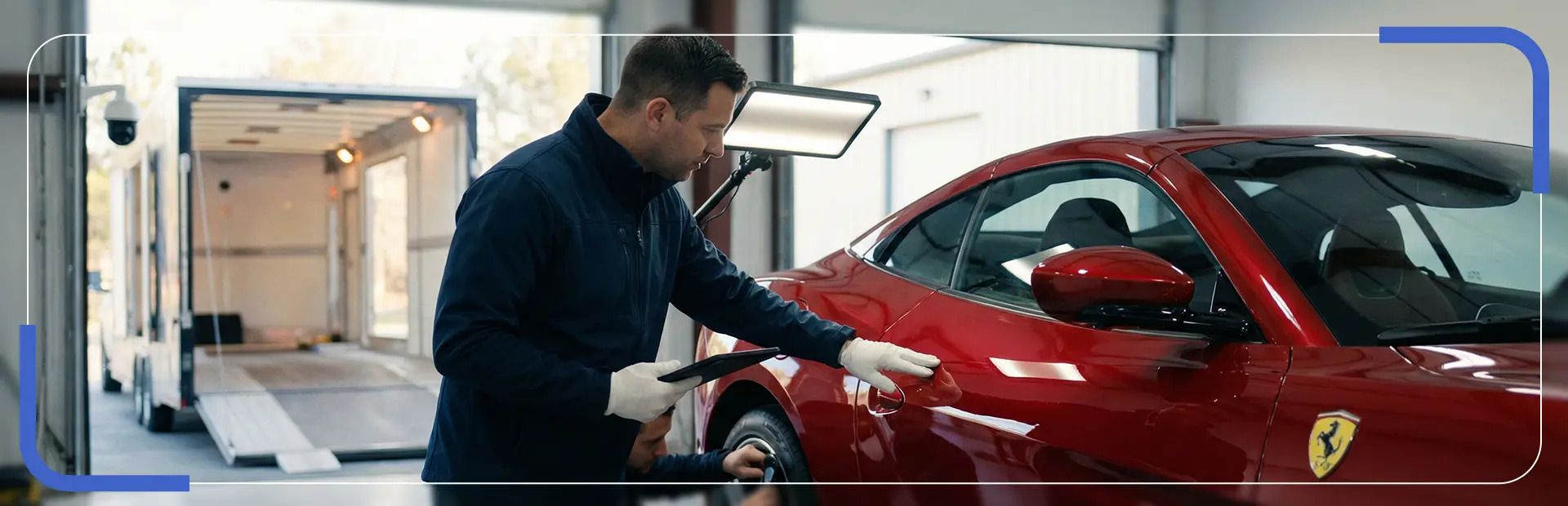
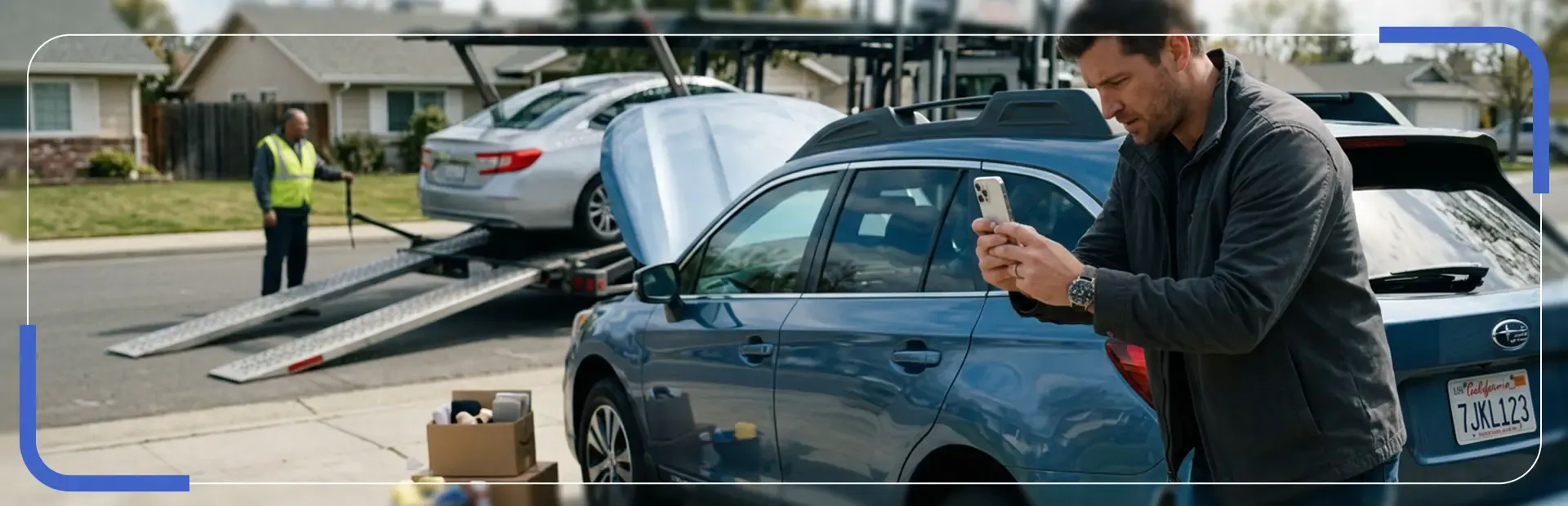
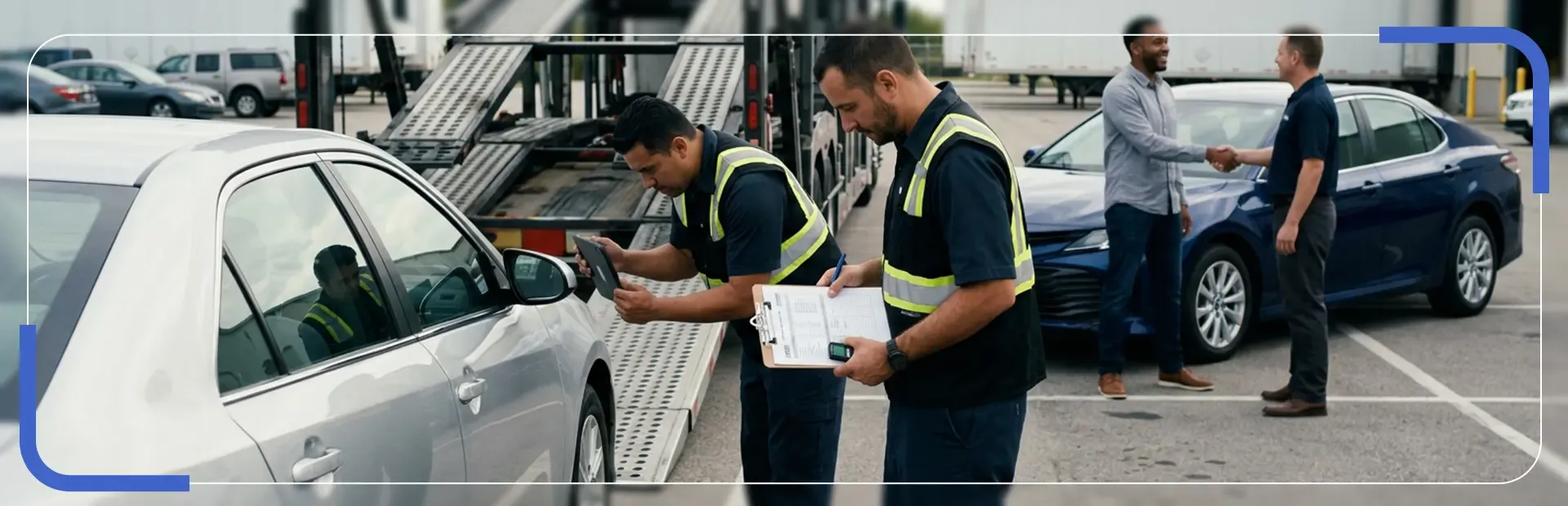
Auction facility photos document conditions at the time of sale, not at transport pickup. These are different moments. Before the carrier takes possession, request a fresh inspection report or conduct one directly if the facility allows access. Timestamped photos at pickup provide an independent record that protects against disputes over damage that occurred before the car transporter auction carrier arrived.
Using the Bill of Lading Correctly
The Bill of Lading is the most important document in any auction car shipping transaction; it records vehicle condition at both pickup and delivery and serves as the primary evidence in any damage claim. Buyers and dealers should review it carefully at both ends, note any damage in writing before signing, and retain a signed copy throughout.
Tip #7: Avoid the Most Common Auction Car Shipping Mistakes
Understanding what goes wrong in car shipping from auction is often more valuable than knowing what to do correctly. The mistakes below consistently result in added cost, delayed pickups, and unresolved disputes.
Booking Too Late
Every day between payment clearance and carrier dispatch is a potential storage fee day. Begin the transport booking process on the same day payment is confirmed:
Contact your auction car shipping service provider immediately after payment clears
Have all release documentation ready before the carrier is dispatched
Confirm the storage fee deadline and work backward from that date
Assuming All Car Transport Auction Services Are Equal
Not all auction car shipping services have equal carrier networks or auction facility experience. Verify the following before committing:
Pre-approved lot access at the specific auction facility
Experience handling release documentation and gate pass coordination
Established carrier relationships on the required route
Ignoring Communication Gaps
Communication breakdowns in auction auto transport are responsible for a significant share of missed pickup windows. Before booking, confirm the provider offers dispatch confirmation, pickup completion notification, and delivery updates throughout transit.

What Smart Buyers Ask Before Booking Auction Car Shipping
Both individual buyers and dealers approach auction car shipping with specific concerns around timing, cost, and reliability. The five questions below address what each group most commonly asks.
How quickly can a carrier be dispatched after winning a vehicle at auction?
With documentation ready, dispatch typically happens within one to three business days of booking. Booking immediately after payment gives the provider the best window to assign a carrier before storage fees begin.
How do dealers manage high-volume auction transport efficiently?
Working with a single provider familiar with dealers' auto auction transport procedures, rather than sourcing a new provider per purchase, reduces administrative load and keeps carrier access consistent across facilities.
What happens if my vehicle is damaged during transport?
Damage claims are resolved through carrier cargo insurance, with the Bill of Lading as primary evidence. Safeeds Transport offers AFTA GAP Protection as a supplemental coverage layer for higher-value vehicles.
Can I ship a non-running vehicle purchased at auction?
Yes, but it requires a carrier with winch loading capability. Disclose non-running status at booking to ensure correct carrier assignment. Additional handling fees typically range from $75 to $150.
How do I keep auction car shipping costs as low as possible?
Book immediately after payment, keep documentation ready, and choose open transport for standard vehicles. Pre-approved auction lot access reduces storage fee risk, one of the highest hidden costs in auction car transport.
Building a Reliable Auction Car Shipping Strategy
Successful auction car shipping is the result of preparation, not luck. Verify documentation before booking, choose providers based on auction experience rather than price alone, and confirm vehicle condition at every handoff.
For dealers, applying these principles consistently across every auto auction transport booking builds real operational efficiency over time. For individual buyers, it means the vehicle arrives as expected, without the storage fees and failed pickups that catch underprepared buyers off guard.
Safeeds Transport coordinates car shipping from auction facilities nationwide with verified carrier assignment, transparent pricing, and AFTA GAP Protection on every shipment. Get an instant, price-locked quote from Safeeds Transport, no deposit, no hidden fees.