Buying a car out of state from a private seller can save thousands compared to a local dealership, but it adds extra steps most local sales skip. Expect to verify the title, run a lien check, arrange a remote inspection, and handle registration within your state's 15- to 30-day window after the sale.
Let's walk through buying a car out of state from a private seller from start to finish, including the paperwork, the costs, and how to get the car home once the sale is complete. Get your free, price-locked quote today and see exactly what it costs to bring your newly purchased vehicle home.
Key Takeaways
Buying a car out of state from a private seller typically adds $100 to $300 in extra costs beyond the purchase price, covering the inspection, VIN report, and any temporary registration tag.
Confirming the seller's identity, checking the title and lien status, and arranging an independent inspection before sending any money are the steps where most private sales go wrong if skipped.
Most states require registration within 15 to 30 days of purchase, and a bill of sale is needed separately from the title for registration and tax purposes.
The safest way to pay a private seller is a bank-to-bank wire transfer or a cashier's check from a verified institution, since cash apps and cryptocurrency cannot be traced or reversed.
Shipping the car home is usually the better choice over driving it yourself for longer distances, since it avoids extra mileage, fuel costs, and wear on a vehicle bought sight unseen.
What Is a Private Party Purchase?
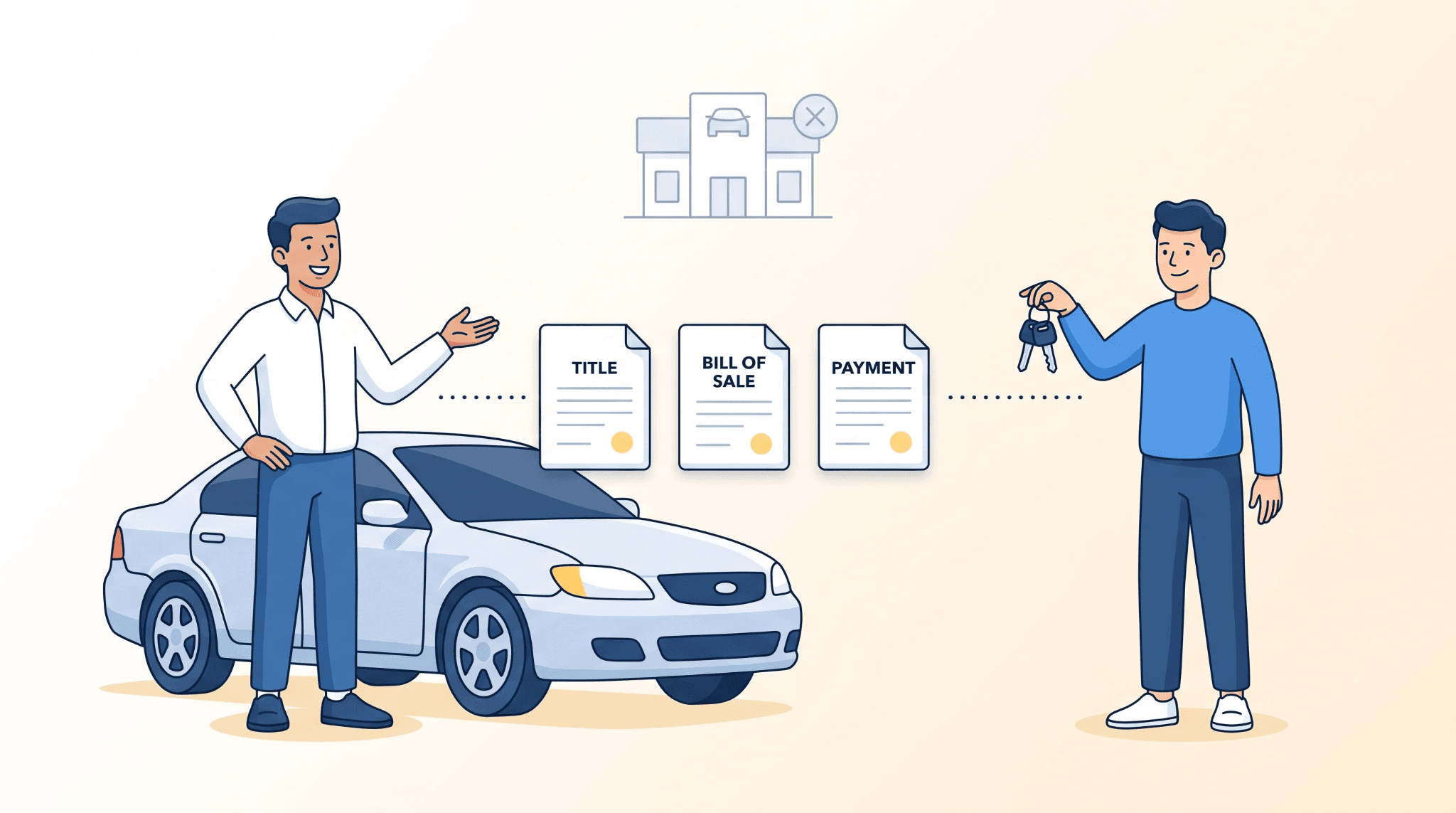
A private party purchase is any car sale made directly between two individuals, with no dealership involved. Buying a car from a private party means there is no warranty, no certified pre-owned guarantee, and no built-in consumer protection beyond what both sides agree to in writing.
This distinction matters most once something goes wrong. A dealership has a back office to handle disputes; a private sale has only the two people involved and whatever they put in writing beforehand.
A few things that make this different from a dealership deal:
The vehicle is sold as-is, unless the seller specifically agrees otherwise in writing.
There is no dealer financing built in, so buyers arrange their own loan if needed.
All paperwork responsibility falls on the buyer and seller directly, not a dealership's back office.
Private party purchase means it is simple in theory: one person selling directly to another, but the lack of a middleman means every step needs more attention than it would at a dealership. The buying a car out of state private seller cost of doing this correctly is small compared to the risk of skipping a step.
This holds true for any buying a car out of state private seller cost 2026 estimate you come across, since the underlying fees are not tied to a particular year.
How Do You Buy a Car From a Private Party?
 You buy a car from a private party by verifying the seller's identity, checking the vehicle's title and history, arranging an independent inspection, and putting the agreed terms in writing before any money changes hands. Skipping any of these steps is where most private sales go wrong.
How to buy a car from a private party comes down to the same five steps regardless of location, though distance adds a few extra items to check along the way. The FMCSA advises verifying title ownership independently before sending any funds in a remote transaction, since payment cannot easily be reversed once sent.
The basic steps to buy car from private party deals safely:
Confirm the seller's name matches the title, and ask for a video call showing the car in person.
Run a VIN check for accident history, title status, and odometer records.
Order a lien check to confirm the seller actually owns the car outright.
Arrange a pre-purchase inspection through a local mechanic or mobile inspection service.
Write a purchase agreement covering price, condition, and payment method before paying anything.
How to buy a car private party the safe way always comes back to one rule: never send money before the title and lien status are confirmed independently.
Buying a car out of state private seller rates for inspections and reports stay fairly consistent nationwide, so the state the seller is in rarely changes this part of your budget.
How Do You Buy a Car Out of State From a Private Seller?
How to buy a car out of state from a private seller follows the same core process as a local purchase, just with two extra steps added on.
You buy a car out of state from a private seller the same way as a local purchase, with two extra steps: confirming your home state's title transfer rules and arranging either transport or a temporary tag to get the car home. Distance adds logistics, not a different process.
A few things specific to out-of-state deals:
Ask for a signed but untransferred title carefully. Some states treat this as a legal complication, so check your state's specific rule first.
A bill of sale is required by most state DMVs for registration, tax calculation, and proof of ownership.
Sales tax is usually collected at registration in your home state, not at the point of sale.
Buying a car out of state from a private seller works best when every document, the title, the bill of sale, and the purchase agreement, is confirmed and signed before the vehicle leaves the seller's location. The Federal Trade Commission publishes general guidance on registration and title transfer that is worth reviewing alongside your specific state's DMV requirements.
So how much buying a car out of state private seller deals cost overall depends mostly on the purchase price itself, not the smaller add-on fees covered in the next section.
The buying a car out of state private seller price you pay upfront is separate from what you will pay later for shipping, registration, and tax, so budget for all three before committing.
What Does It Cost to Buy a Car Out of State From a Private Seller?
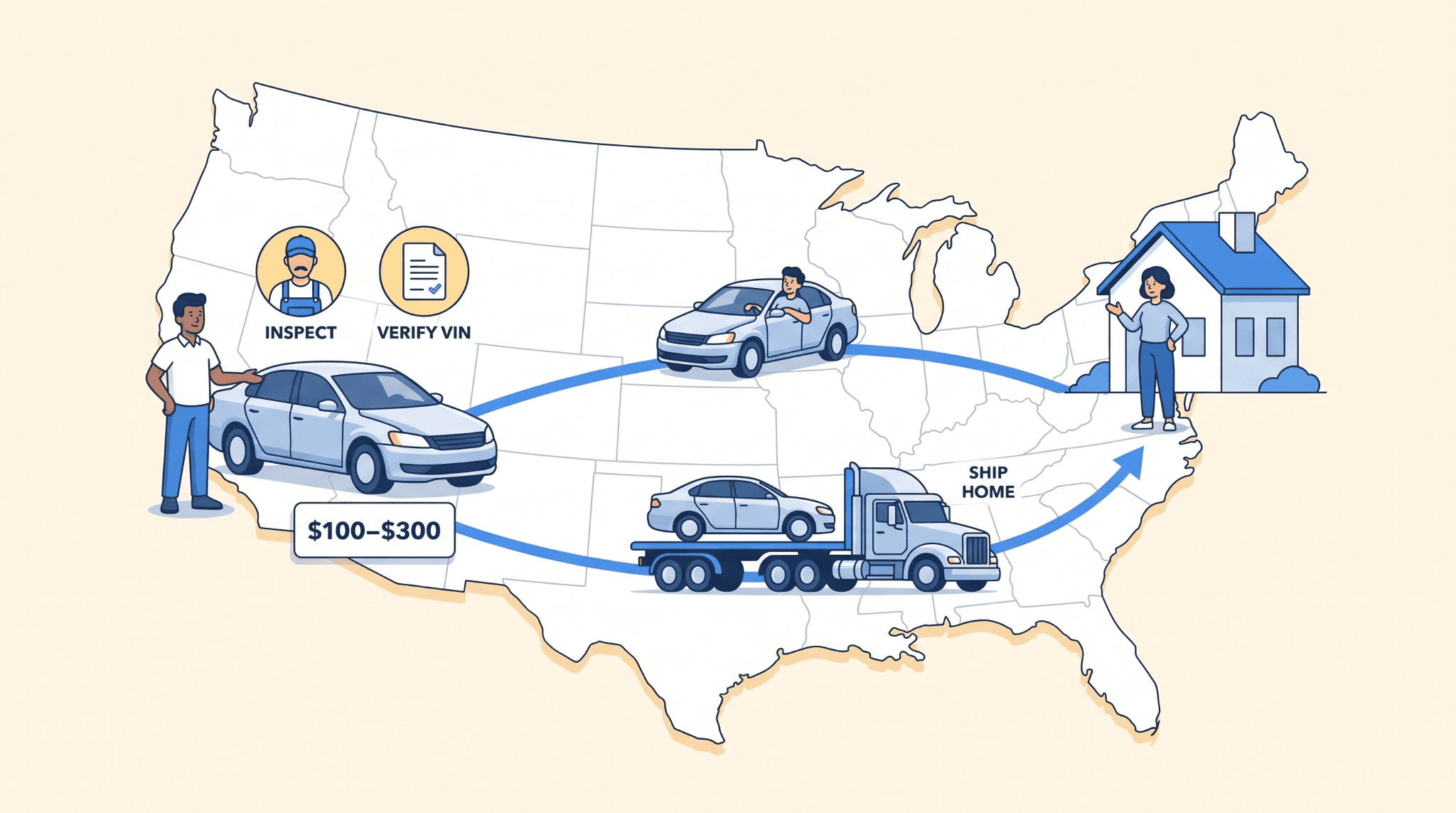
Buying a car out of state from a private seller typically adds $100 to $300 in extra costs beyond the purchase price, covering the inspection, VIN report, and any temporary registration tag. These costs are small compared to the savings many buyers find shopping outside their local market.
A quick breakdown of what to expect:
A pre-purchase inspection through a local mechanic usually runs $100 to $200.
A VIN history report typically costs $20 to $40 through a reputable service.
Sales tax is calculated at registration in your home state, based on the purchase price, not the seller's state rate.
These fees reflect standard service pricing rather than anything tied to a specific year, so the range should hold steady going forward. Inspections and reports also stay fairly consistent nationwide, so the state the seller is in rarely changes this part of your budget.
How much a deal like this costs overall depends mostly on the purchase price itself, not these smaller add-on fees, which is worth remembering when comparing two vehicles priced close together.
How Do You Get the Car Home After Buying It?
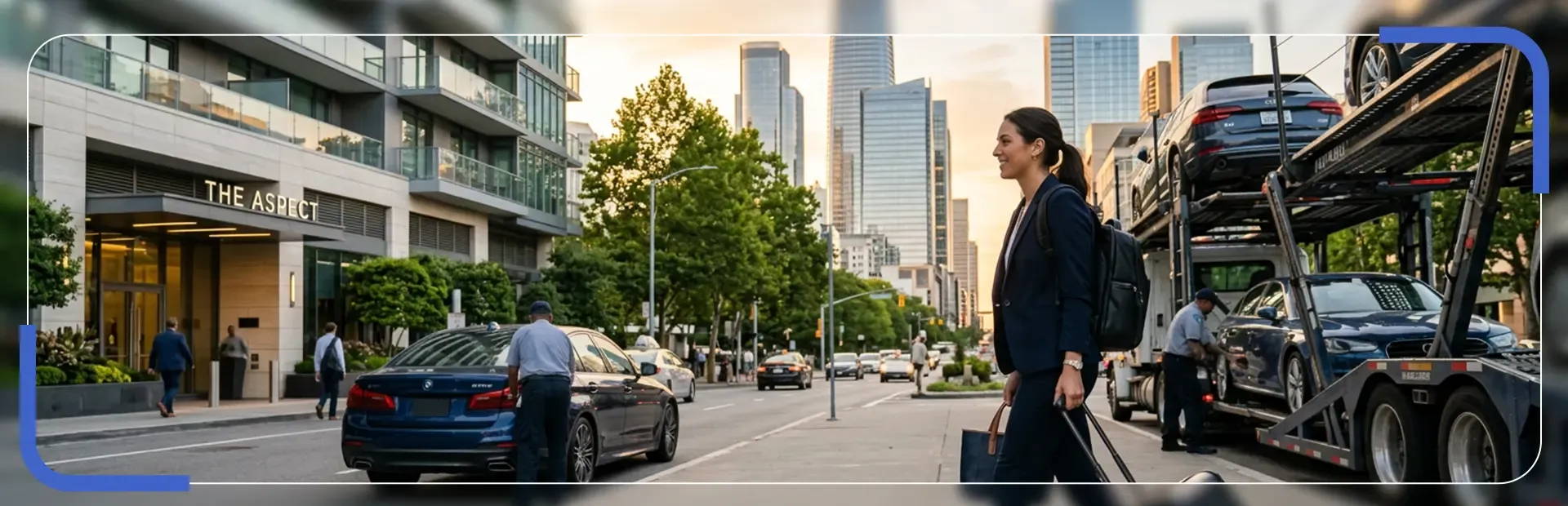
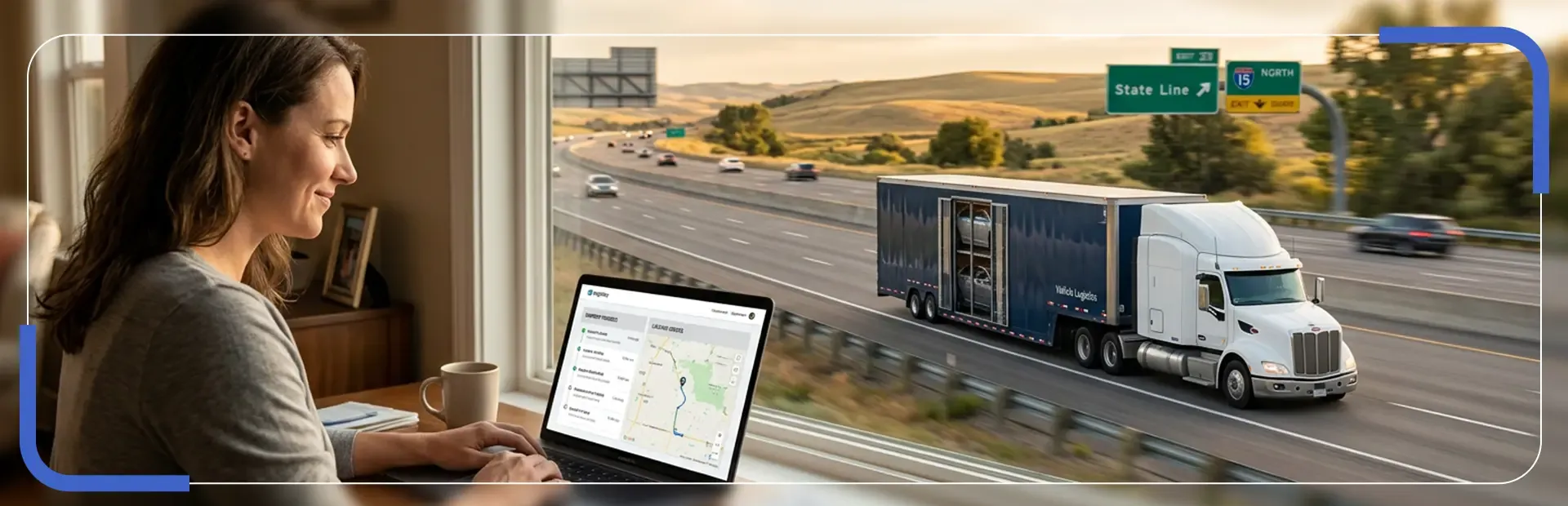
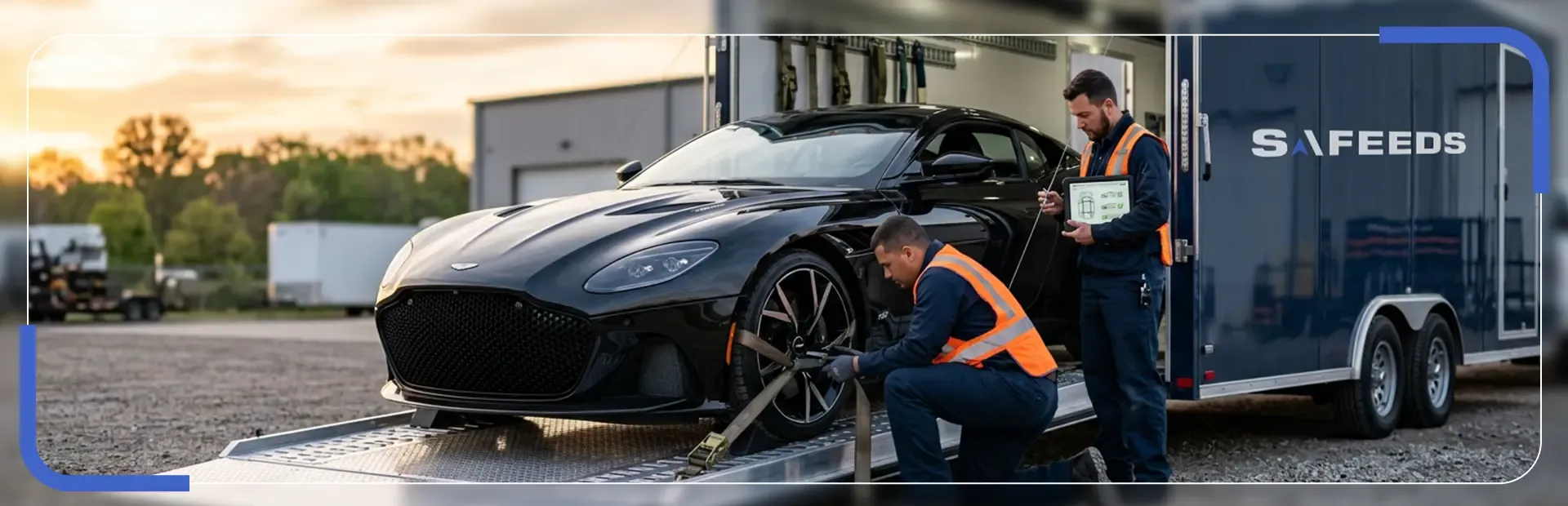
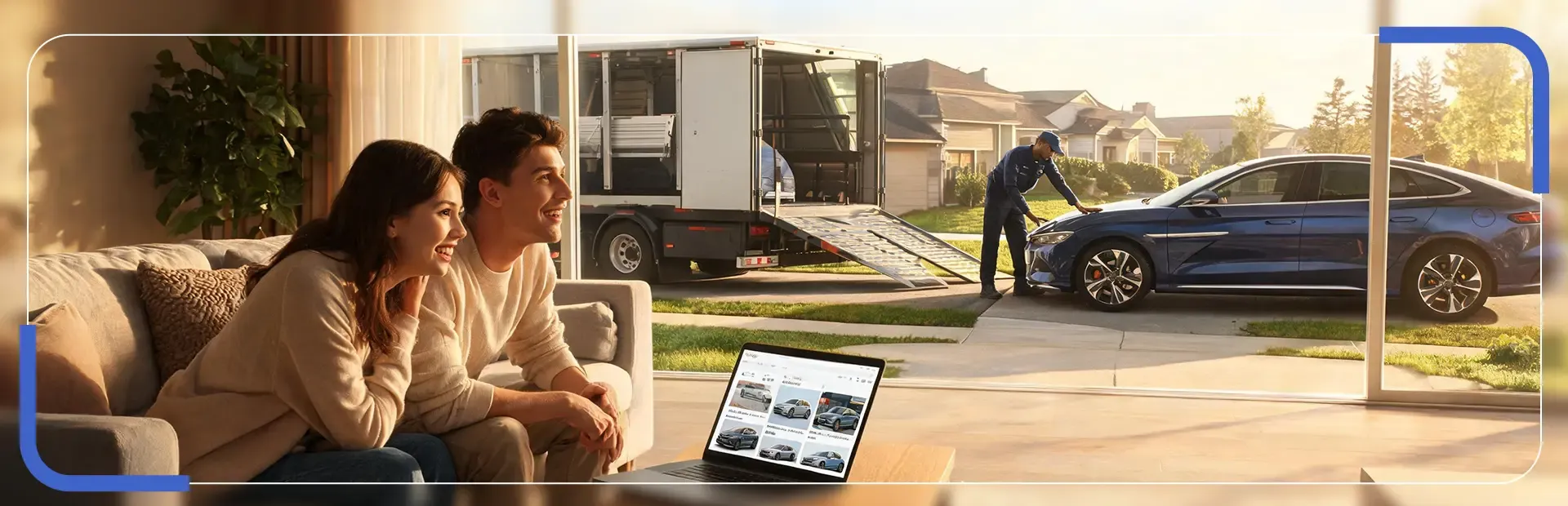
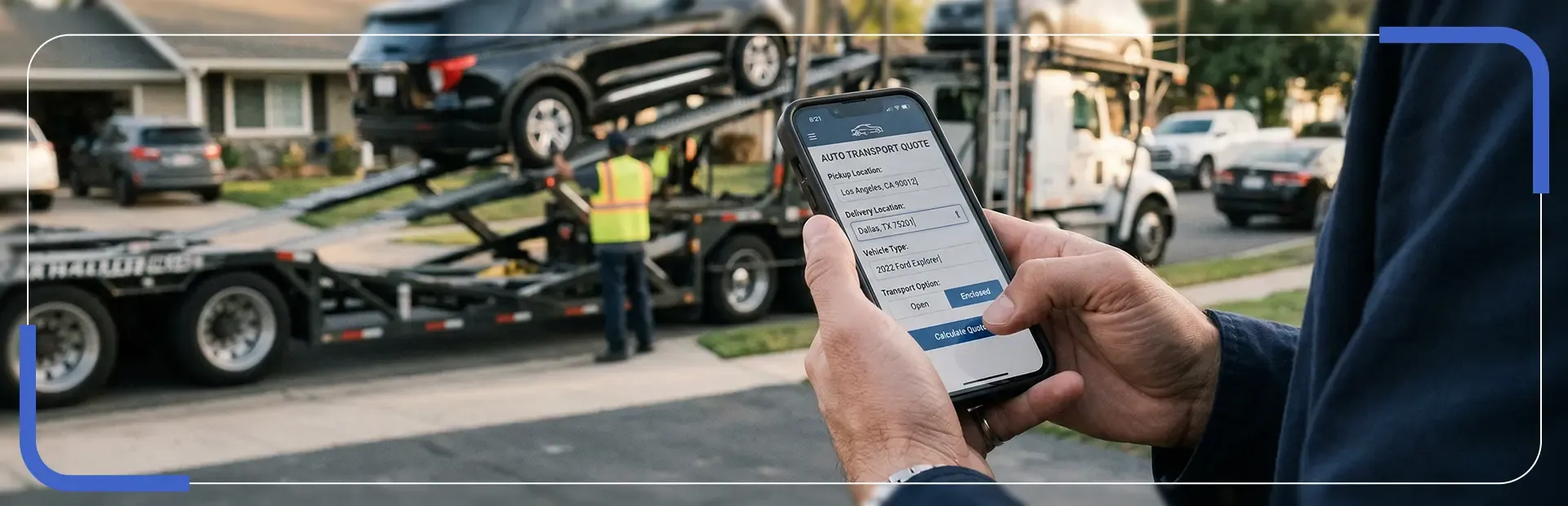
You get the car home either by driving it yourself or by booking an auto transport company to ship it. Shipping is usually the better choice for longer distances, since it avoids extra mileage, fuel cost, and wear on a car you just bought sight unseen in person.
A few things worth confirming before booking transport:
Ask the carrier for proof of active cargo insurance before the pickup date.
Confirm the pickup address matches where the seller is actually releasing the vehicle.
Get the bill of lading signed at both pickup and delivery to protect your right to file a damage claim if needed.
If you're searching for a buying a car out of state private seller near me option, assuming local help changes the process, know that shipping logistics work the same nationwide, regardless of which state the seller is in.
Real differences exist among buying a car out of state private seller companies in how clearly they explain this process.
A transparent buying a car out of state private seller company will walk you through pickup and delivery details before you book.
A genuine buying a car out of state private seller service will confirm carrier insurance directly rather than asking you to take their word for it.
Common Questions Buyers Ask
Buying out of state raises a specific set of concerns most first-time buyers share. Here are direct answers to the ones we hear most.
How do I confirm the seller actually owns the car?
Request the physical title and match the name against the registered owner. A lien check through your state DMV or a VIN service confirms there is no outstanding loan attached.
What is the safest way to pay a private seller?
A bank-to-bank wire transfer or a cashier's check from a verified institution creates a clear paper trail. Avoid cash apps, cryptocurrency, or any payment method that cannot be traced.
Do I need a bill of sale if I already have the title?
Yes. Most state DMVs require a bill of sale separately for registration, tax calculation, and proof of the agreed purchase price.
How long do I have to register the car in my home state?
Most states allow 15 to 30 days after purchase before penalties apply. Check your specific state's deadline before finalizing the sale.
Can I get financing for a private party purchase?
Yes, though lenders often set limits on vehicle age and mileage. Credit unions tend to offer the most flexible terms for private party purchase loans.
Buy With Confidence, Then Bring It Home
Buying a car out of state private seller deals come down to the same core habit every time: verify everything in writing before any money changes hands. The title, the lien status, and the inspection report all matter more than the seller's word alone.
Most problems buyers run into after the sale trace back to skipping one of these steps to save time. A rushed lien check or a skipped inspection almost always costs more in the long run than the few minutes it would have taken to do it properly.
Requesting a buying a car out of state private seller quote for transport before you finalize the purchase helps you budget accurately for the full cost, not just the sale price. Knowing this number upfront also makes it easier to compare the total cost of buying out of state against a similar option closer to home. Get your free, price-locked quote today and get your newly purchased car home safely without adding miles to the odometer.