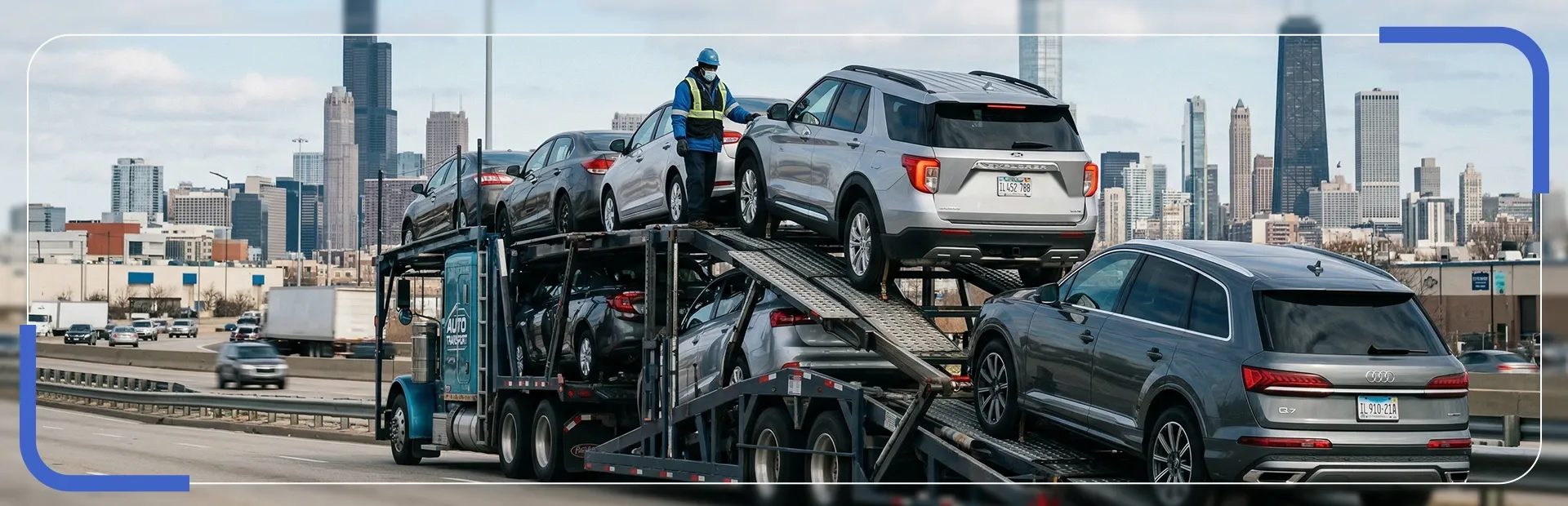
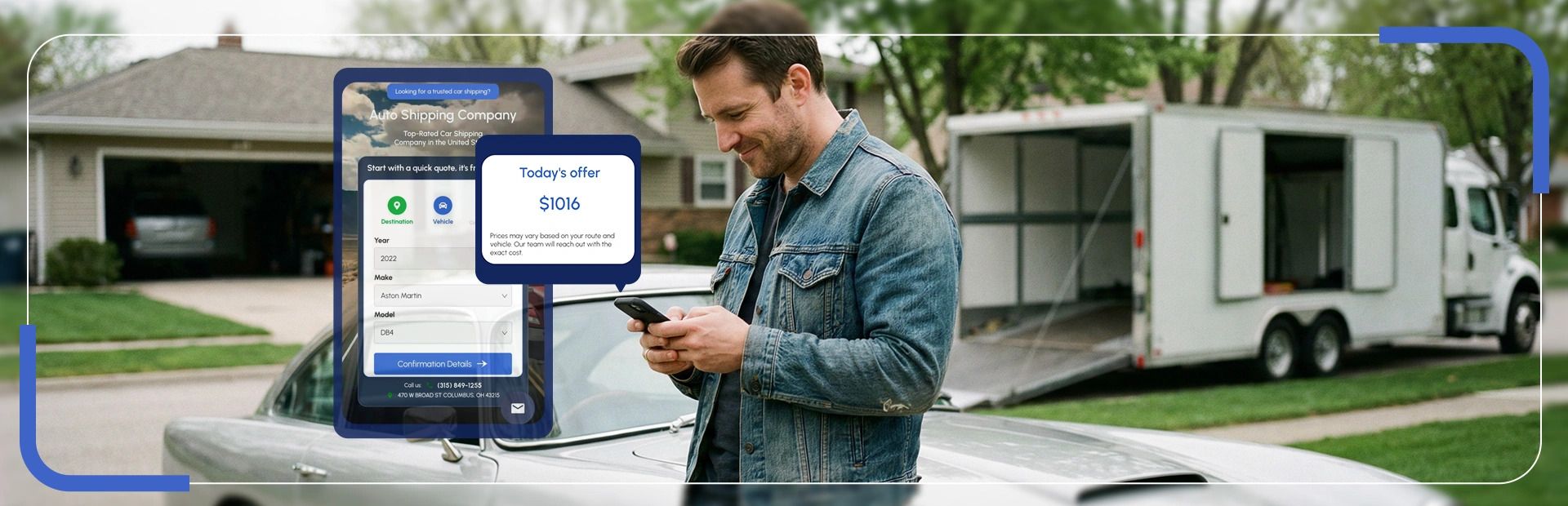
Three things changed in car transport during 2026: carrier capacity tightened on regional lanes, diesel-linked fuel surcharges became a more visible line item on quotes, and insurance verification requirements grew stricter. For customers, that means quotes hold for a shorter time and lead time matters more than it did.
This car transport 2026 guide walks through each shift briefly and points to a deeper resource on each topic, so you can go as far into any one area as you need.
Knowing what's changed before you request a quote helps you avoid the friction most first-time bookers run into this year. Get your free, price-locked quote today and see how these changes apply to your specific route.
What Changed in Car Transport 2026?
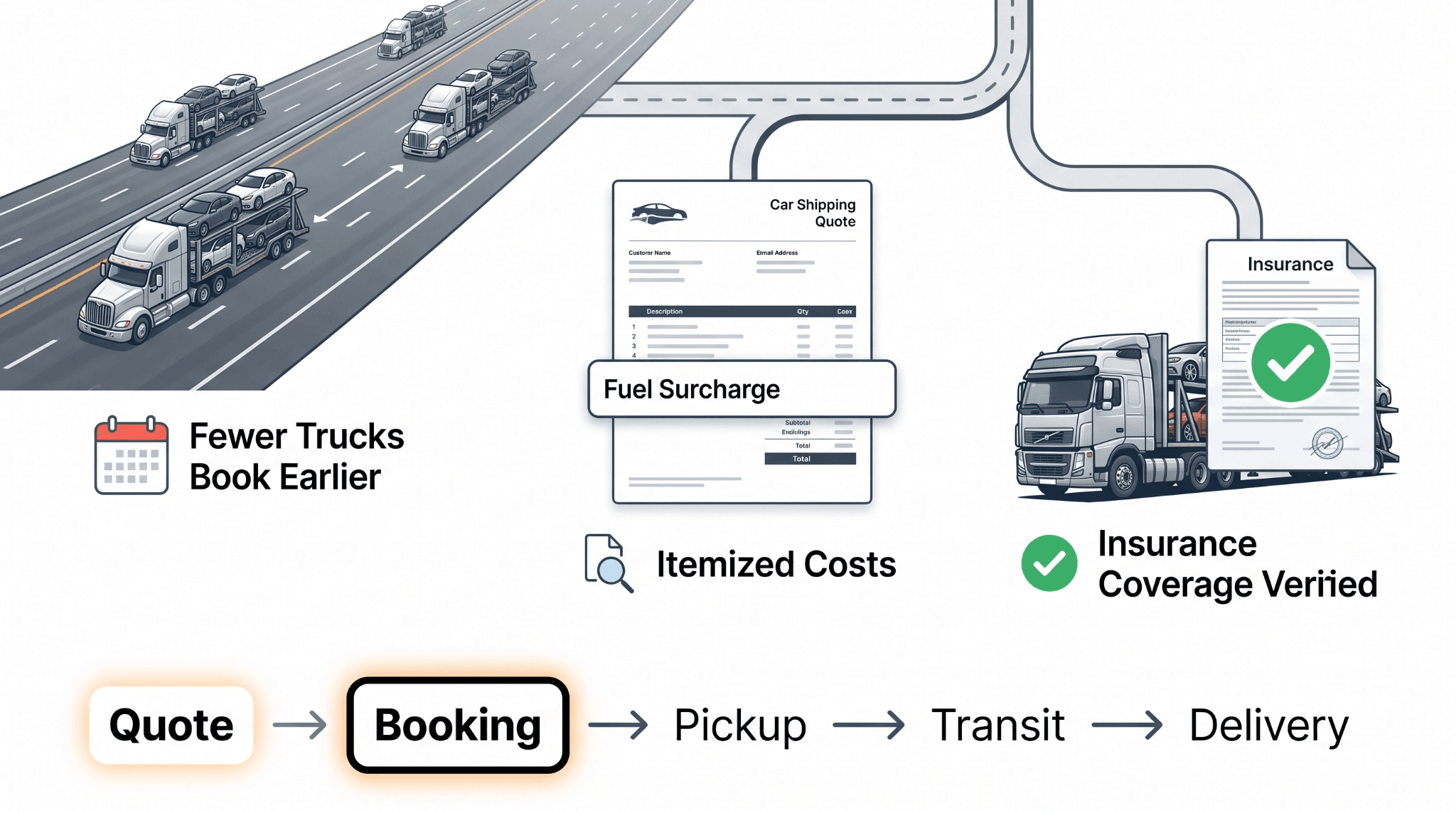
Three structural shifts define car transport 2026: tighter carrier capacity on regional routes, fuel surcharges appearing as a clearer separate line item, and stricter insurance verification requirements before a carrier is assigned. Together, these changes shifted how much lead time and documentation a smooth shipment actually requires.
None of these changes make shipping harder overall, but they do change what "being prepared" looks like compared to a few years ago.
A quick summary of what shifted and what it means:
Capacity: fewer available trucks on some regional lanes means booking further ahead matters more.
Pricing transparency: fuel surcharges are now itemized more consistently rather than buried in a single number.
Insurance requirements: brokers verify carrier coverage more rigorously before confirming a booking.
Understanding these car transport 2026 requirements before you request a quote helps you avoid the most common friction points shippers run into this year.
This car transport 2026 process still follows the same basic steps as before: quote, booking, pickup, transit, delivery, just with a bit more verification built into the early stages.
How Has Carrier Capacity Shifted?
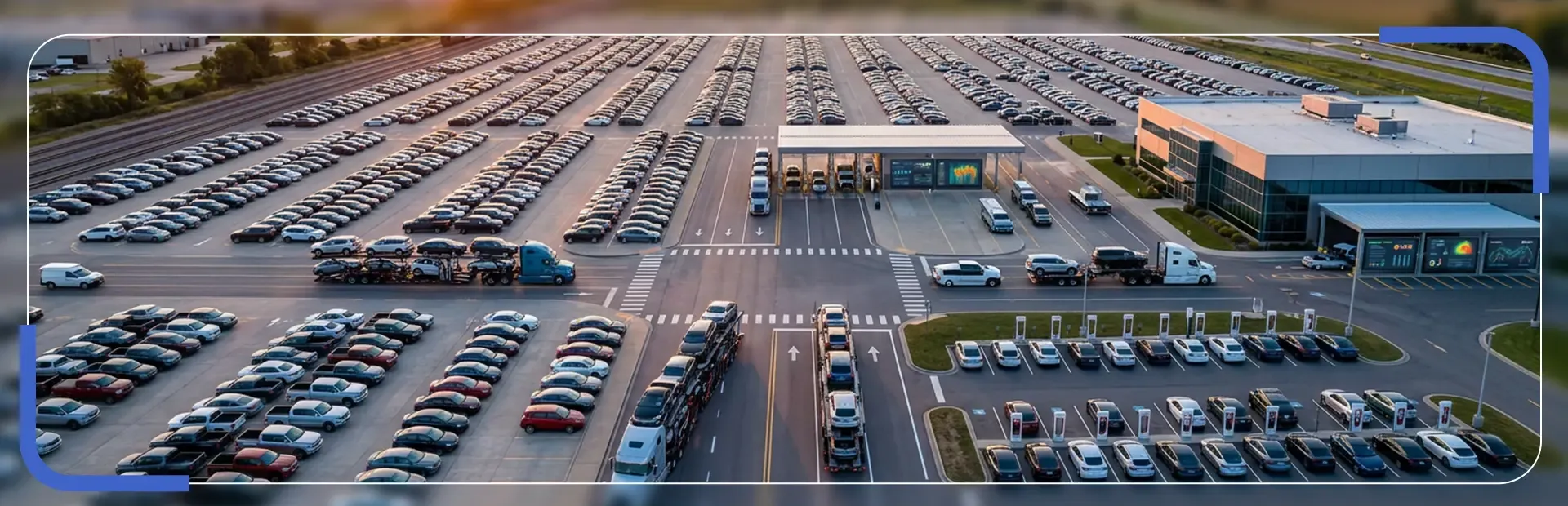
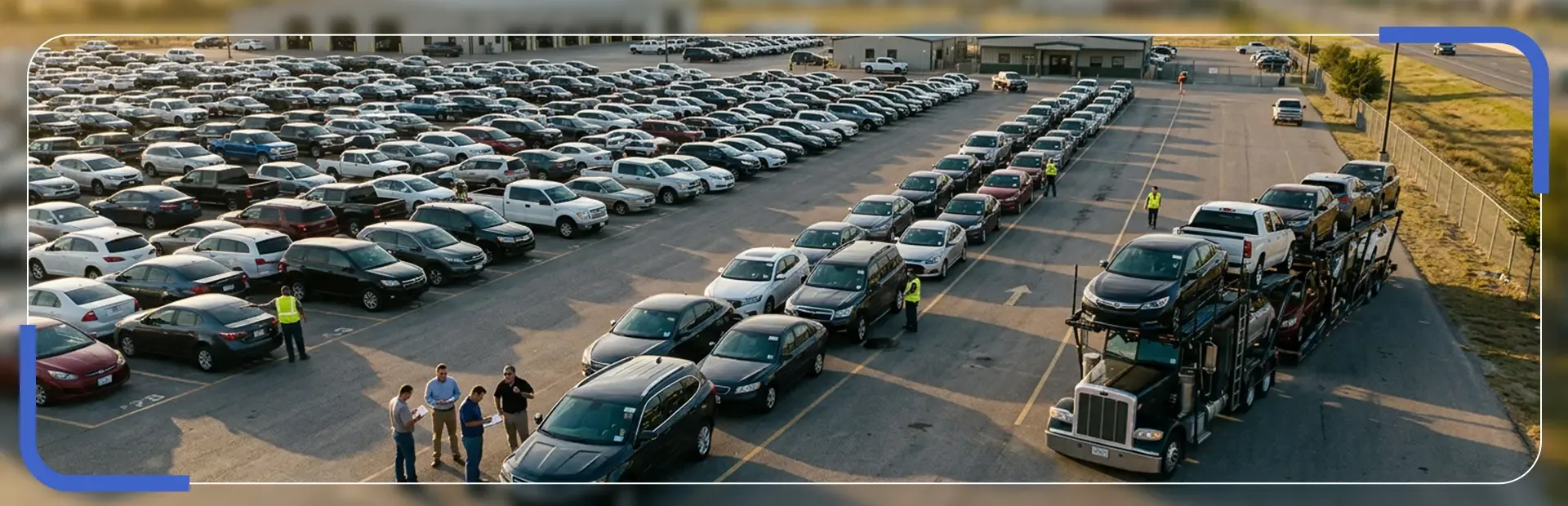
Carrier capacity has tightened on several regional lanes in 2026, meaning fewer available trucks for last-minute bookings compared to prior years. This shift is most noticeable on shorter, less-traveled routes rather than major coast-to-coast corridors.
A few things driving this change:
Some carriers consolidated routes, focusing on higher-volume corridors and pulling back from thinner regional lanes.
Demand on popular seasonal routes, like snowbird corridors, has grown faster than carrier supply in some regions.
Booking further ahead now makes a bigger difference in price and availability than it did a few years back.
If you're searching for a car transport 2026 near me option, assuming local capacity issues are unique to your area, know that this tightening is a national pattern on regional lanes, not something isolated to one region.
Real differences exist among car transport 2026 companies in how well they've adapted their carrier networks to this shift.
A well-run car transport 2026 company will be upfront if your specific route is affected.
Why Do Quotes Expire Faster Now?
Quotes expire faster in 2026 because fuel prices and carrier availability both shift more quickly than they used to, making a price locked for weeks harder for brokers to honor reliably. Most quotes now hold for 5 to 7 days instead of longer windows common in past years.
This isn't a sign of a less trustworthy industry; it's a direct response to more volatile underlying costs. Brokers who used to lock a price for two or three weeks now have to reprice more frequently just to stay accurate.
The car transport 2026 cost you're quoted reflects current diesel pricing and lane-specific demand at the moment of quoting, which is why waiting too long to book can mean requesting a fresh number. Understanding how fuel surcharges are calculated explains much of why this volatility exists. The car transport 2026 price you see today may look different from one requested even a week ago on the same route.
Car transport 2026 rates across different brokers can vary more than usual during periods of fuel price movement.
How Have Insurance Requirements Changed?
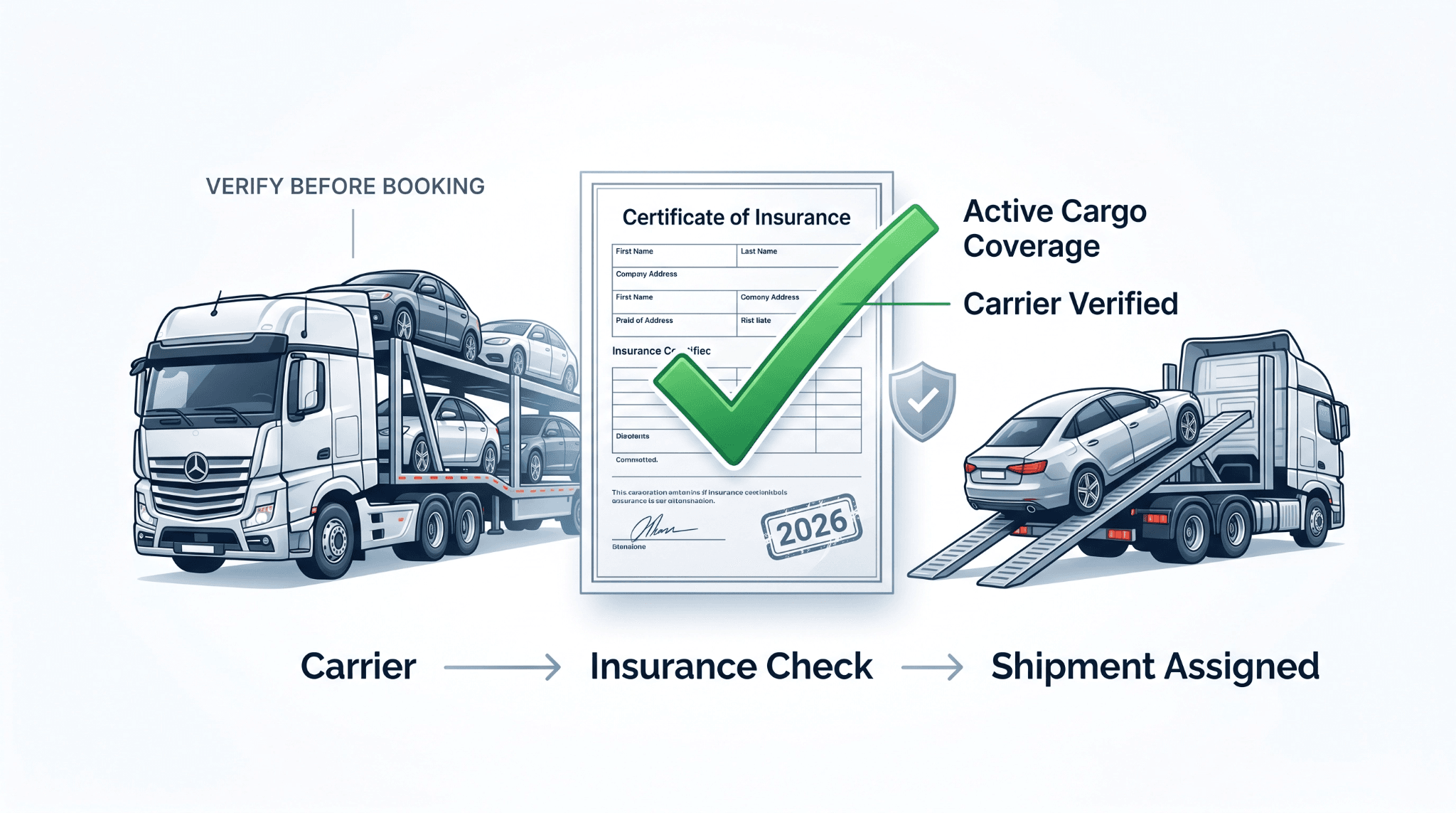
Insurance verification has become stricter in 2026, with brokers now confirming a carrier's active cargo coverage before assigning a shipment rather than after. This closes a gap that previously left some customers unknowingly working with under-insured carriers.
This shift came directly out of complaints from prior years, where customers only discovered a coverage gap after something went wrong mid-shipment. Verifying upfront removes that risk almost entirely.
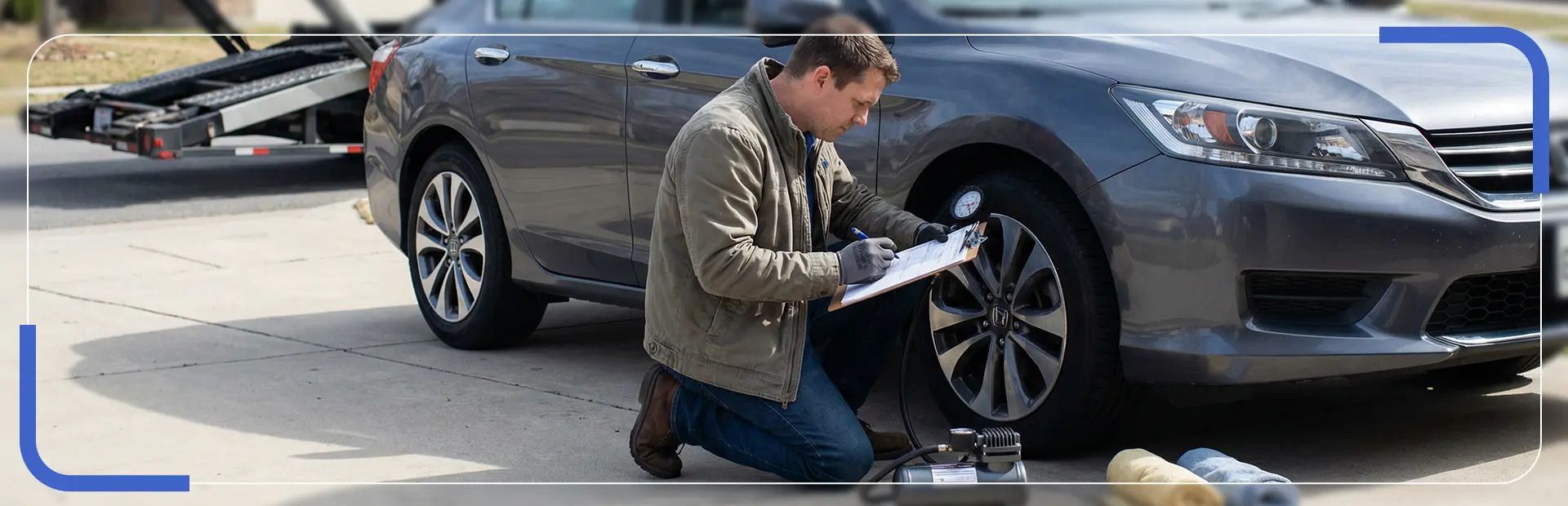
A genuine car transport 2026 service will show you proof of carrier insurance at booking, not just claim it exists. This matters even more for non-running vehicles, which face a slightly different equipment and coverage process than a standard running car.
So how much car transport 2026 insurance actually costs you directly is usually nothing extra, since standard cargo coverage is built into the base rate. What's changed is verification happening earlier, not the coverage itself.
Asking how long car transport 2026 quotes stay locked once issued is one more detail worth confirming at booking, since the answer varies more by broker than it used to.
What Does This Mean for Your Booking?
For your booking, this means requesting a car transport 2026 quote with more lead time than you might have needed before, and confirming both the price lock window and carrier insurance in writing upfront. These two habits address nearly every friction point introduced by this year's changes.
A few practical adjustments worth making:
Book 1 to 2 weeks ahead on regional routes where capacity has tightened.
Ask directly how long your car transport 2026 quote stays locked before you commit.
Confirm carrier insurance verification happened before, not after, your carrier was assigned.
Comparing car transport 2026 quotes from two or three providers, using the same details each time, is worth doing to see how brokers have adjusted to these shifts differently.
An online car transport 2026 calculator can offer a rough starting estimate, but given how much lane-specific conditions now matter, a live quote will be considerably more accurate.
What Shippers Ask Most About 2026 Changes
These industry shifts raise a specific set of questions. Here are direct answers to the ones we hear most.
Have car shipping prices changed in 2026?
Prices have stabilized on major routes but shifted more visibly on regional lanes with tighter capacity. Fuel surcharges also appear more clearly as a separate line item than in past years.
Why do quotes expire so quickly now?
Fuel prices and carrier availability both move faster than they used to, making a longer price lock harder for brokers to honor. Most quotes now hold for 5 to 7 days.
Is it harder to find a carrier this year?
On some regional lanes, yes, though major cross-country corridors remain well-served. Booking further ahead helps offset this on any affected route.
What should I do differently in 2026?
Book with a bit more lead time, confirm your quote's lock period upfront, and verify carrier insurance was checked before assignment, not after. Reading car transport 2026 reviews from customers who shipped recently can also confirm whether a broker has adapted well to these changes.
Are fuel surcharges new?
No, but they're now itemized more consistently and visibly on quotes than they typically were a few years ago, which is a transparency improvement rather than a new cost. A few practical car transport 2026 tips worth keeping close: ask how long your quote stays locked, and confirm insurance verification happened upfront.
Adjust Your Timeline, Not Your Expectations
Car transport hasn't gotten more complicated in 2026; it's just shifted enough that the old assumptions about lead time and quote validity no longer fully apply.
Most of the frustration shippers run into this year traces back to expecting the same booking timeline that worked a few years ago. A little extra lead time, and a bit more attention to what's confirmed in writing, resolves nearly all of it.
A cheap car transport 2026 quote booked at the last minute is rarely the outcome you actually want given how much capacity has tightened on some lanes.
The best car transport 2026 approach combines a bit more lead time with a broker that verifies insurance upfront and locks your price in writing. Neither adjustment costs anything extra; they just require asking a couple more questions before you commit. Get your free, price-locked quote today and book with a broker that's already adapted to this year's changes.