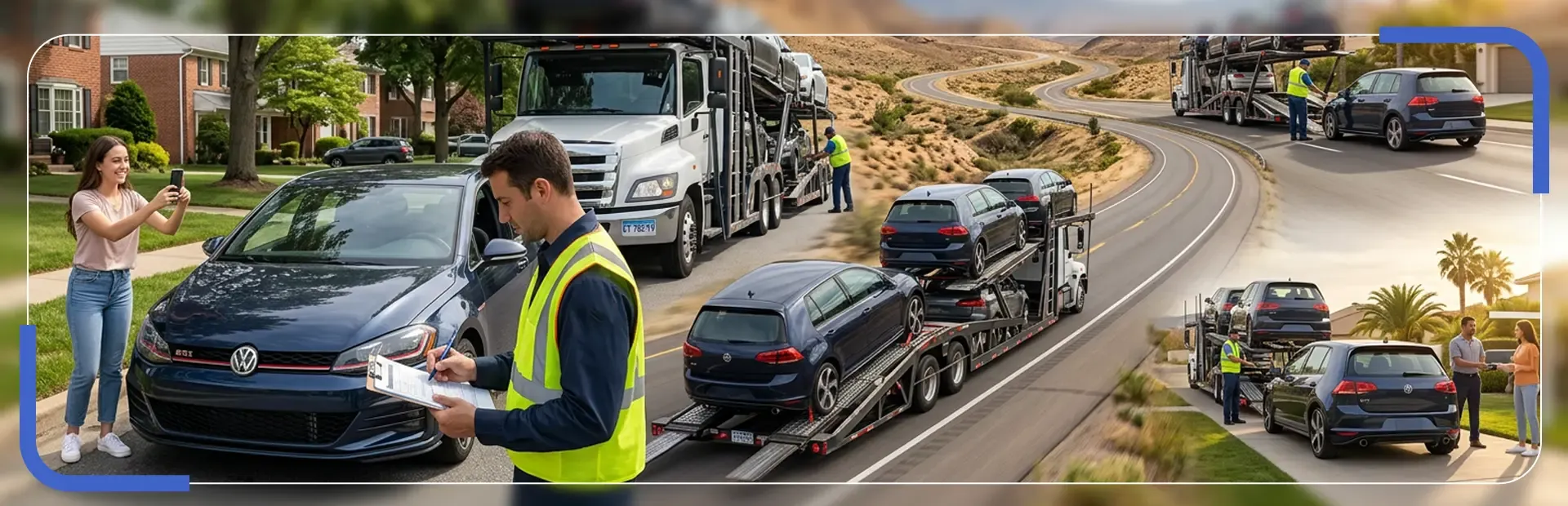
Shipping a high-value vehicle is not the same as moving an everyday car. Whether you own a luxury sedan, exotic performance vehicle, or restored classic, every mile of transit introduces potential risks, from road debris and weather exposure to improper handling. That’s why luxury car transport requires careful planning, specialized equipment, and experienced professionals who understand how to protect vehicles where even minor damage can mean significant loss in value.
In this guide, we’ll walk through practical, expert-backed tips to help you choose the right transport method, prepare your vehicle properly, and avoid common shipping mistakes. With trusted providers like Safeeds Transport Inc., owners can make informed decisions that prioritize safety, transparency, and peace of mind throughout the journey.
Protect your investment with confidence. Get a quote today and ship your vehicle the right way.
Understanding Luxury Car Transport and Why Protection Matters
The logistics industry distinguishes between standard auto hauling and luxury car transportation based on the level of risk mitigation required for high-end assets. For an owner, the primary concern is often the "hidden" risks of the road: environmental exposure, handling damage, and logistics errors. While a standard carrier is designed for efficiency, luxury car auto transport is engineered for preservation.
Protecting an automotive investment requires more than just moving a vehicle from point A to point B; it requires a deep understanding of the vehicle’s specific vulnerabilities. High-value cars often feature custom paint finishes, delicate carbon fiber components, and complex electronic systems that are sensitive to vibration and temperature fluctuations. When you transport luxury cars, you are paying for peace of mind and the assurance that the vehicle’s market value and mechanical integrity will remain uncompromised. Establishing this high standard of care is the first step in ensuring a successful relocation.
Unique Risks High-Value Vehicles Face During Transport
Many vehicle owners overlook the physical toll that long-distance transit can take on a car. The most common risk is road debris; even on a clear day, pebbles and salt can be kicked up by a carrier’s tires, leading to microscopic paint chips that diminish a show-quality finish. Weather exposure is another significant factor, as prolonged UV rays or acidic rain can damage specialized coatings or convertible tops.
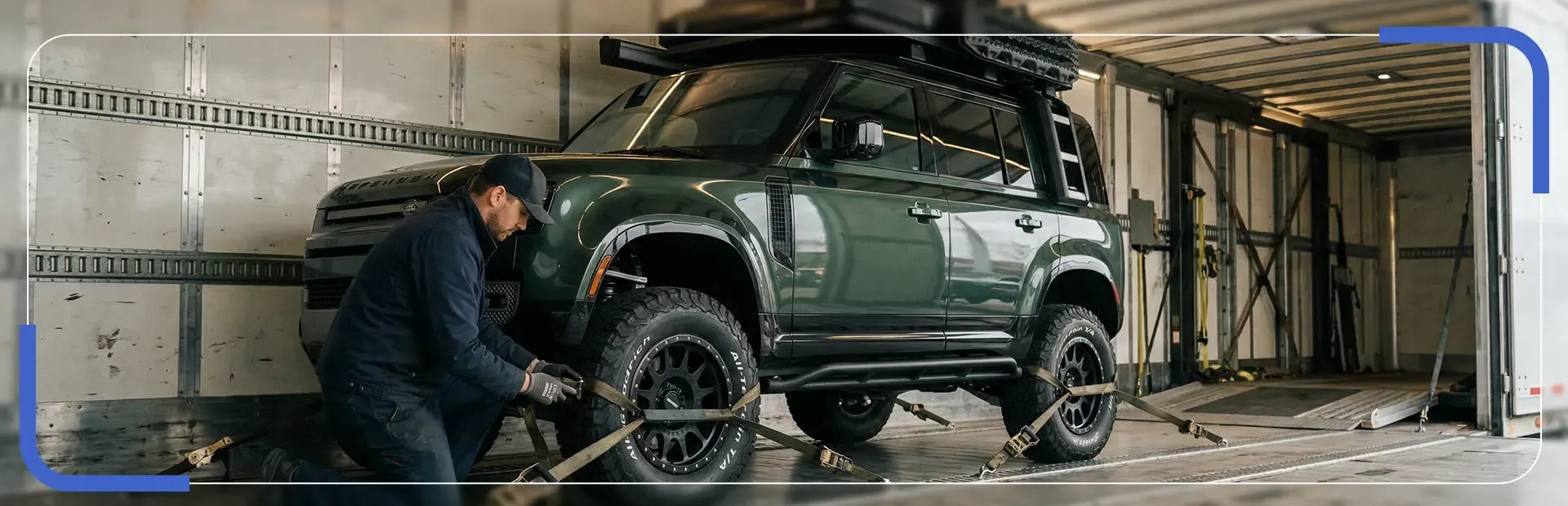
Beyond environmental factors, mechanical risks often stem from inexperienced carriers. Improper tie-down techniques, such as using metal chains instead of nylon wheel straps, can lead to frame misalignment or suspension damage. Furthermore, vehicles with low ground clearance face extreme risk during the loading and unloading process if the carrier does not utilize specialized hydraulic lift gates. By identifying these risks early, owners can better appreciate the necessity of a tailored transport plan that accounts for every nuance of their vehicle’s design.
Choosing the Right Luxury Car Transport Services
Selecting a provider for luxury car transport services requires a rigorous vetting process that goes far beyond a simple price comparison. In the high-stakes world of automotive logistics, a reputable company must demonstrate a proven track record in luxury car transportation.
This expertise should be backed by verifiable Department of Transportation (DOT) licensing and comprehensive insurance policies designed specifically for high-value cargo. To verify a company’s safety record and operating authority, you can use the search tools provided by the Federal Motor Carrier Safety Administration.
When evaluating potential partners, look for the following specialized service markers: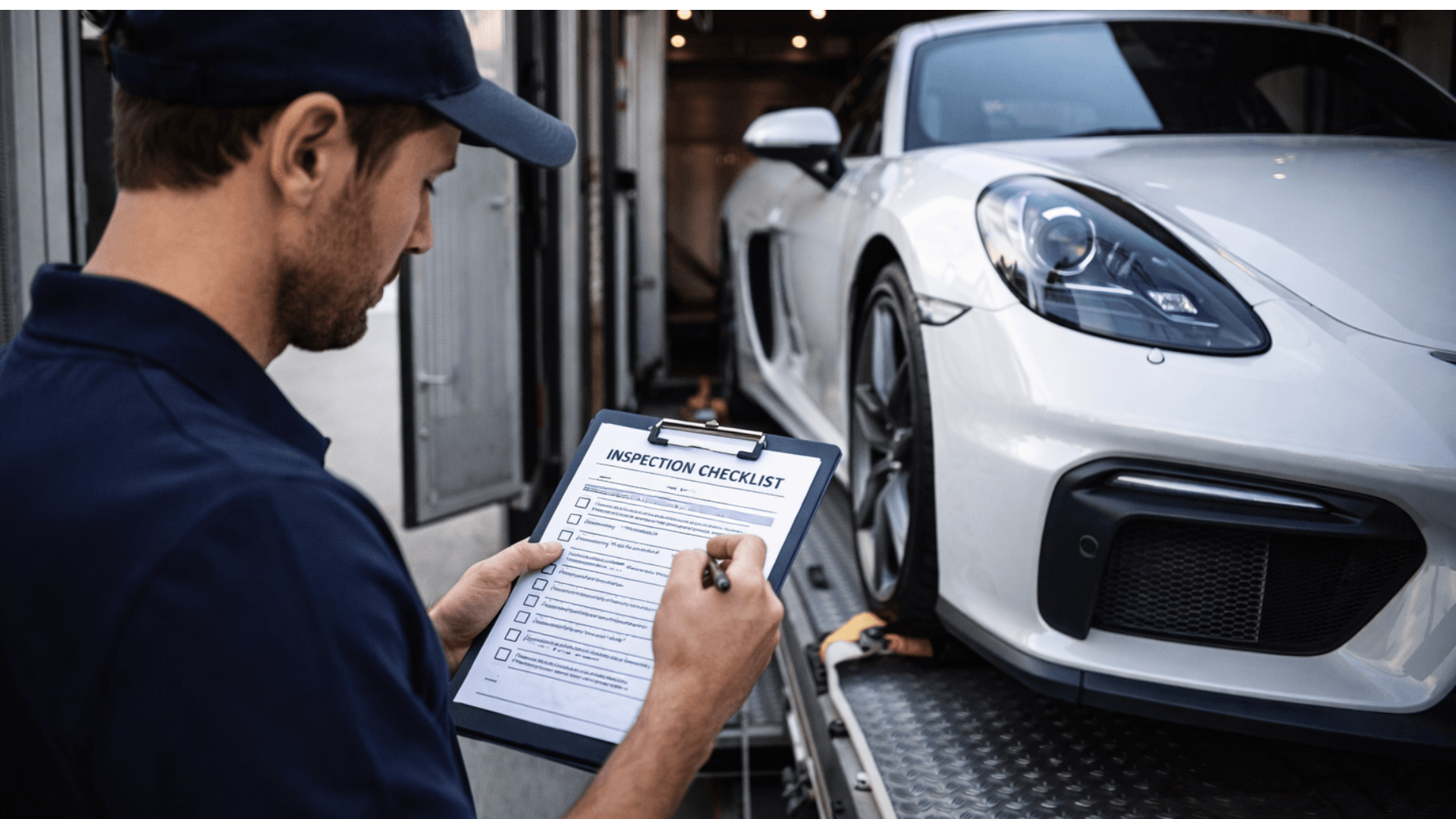
White-Glove Handling: Use of steering wheel covers, floor mats, and specialized soft-touch tie-down equipment to prevent interior or frame wear.
Specialized Training: Drivers should be experienced in operating the unique ignition systems and low-clearance requirements of exotic marques.
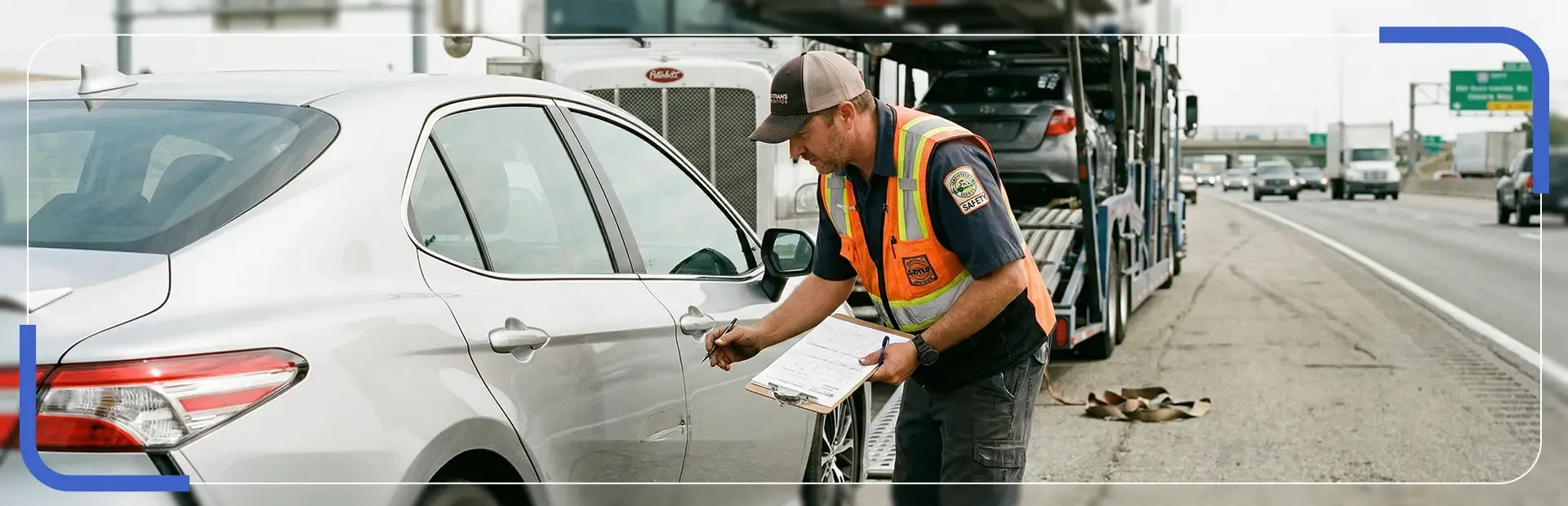
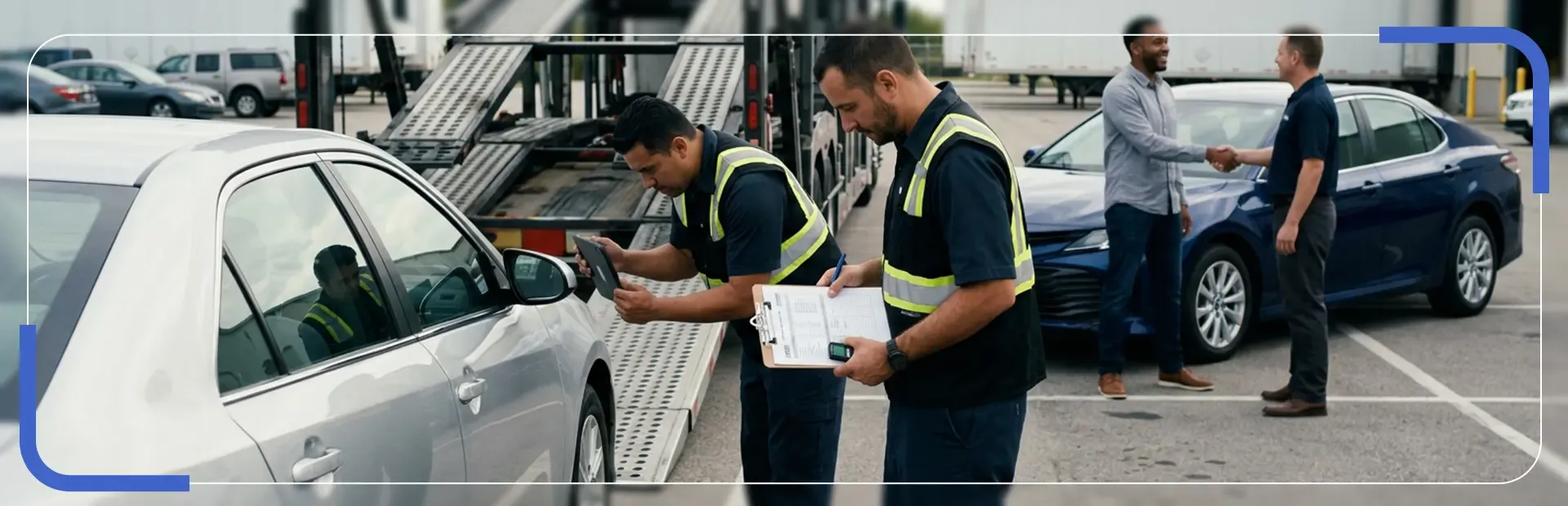
Detailed Documentation: Every transport should include a comprehensive Bill of Lading that notes the exact condition of the vehicle before it touches the trailer.
Advanced Communication: Access to a direct line for the logistics coordinator and real-time GPS tracking of the carrier.
Professional transporters follow strict inspection procedures to ensure total accountability. By choosing technical expertise and structural transparency over the lowest bid, you significantly reduce the risk of transit-related complications and ensure your asset is managed with the precision it deserves.
Enclosed vs Open Transport: The Safety Difference Explained
The fundamental choice in vehicle logistics is the method of containment. While open-air trailers are the industry standard for dealerships and daily drivers, they offer little in the way of true protection for sensitive assets.
Secure Your Vehicle with Enclosed Automobile Transport
To truly secure your vehicle with enclosed automobile transport is to place it in a mobile vault. Enclosed trailers provide a hard-shell barrier against wind-blown debris, heavy precipitation, and extreme temperature shifts. This method is the preferred choice for those seeking secure transport solutions for classic vehicles, as it prevents theft and ensures the vehicle is never visible to the public during rest stops or overnight stays.
When Open Transport May Still Be Acceptable
Open transport may be a viable option in very specific, low-risk scenarios. For example, short-distance transfers (under 50 miles) during perfect weather conditions for a vehicle that is already slated for a full detail or restoration may not strictly require an enclosed unit. However, for any long-distance move, the safety margin provided by an enclosed trailer is almost always worth the additional investment.
Transport Method Comparison
Selecting the appropriate trailer configuration is the most significant factor in mitigating risk during the transit of a high-value automotive asset. The following comparison highlights the technical differences between standard industry practices and the specialized protection offered by premium enclosed solutions.
Feature | Open Air Transport | Enclosed Transport |
|---|---|---|
Protection Level | Low (Exposed to weather/debris) | High (Fully shielded) |
Security | Minimal visibility | High (Discrete/Locked) |
Loading Method | Standard Ramps | Hydraulic Lift Gates |
Ideal For | Daily drivers, used sedans | Luxury, Classic, & Exotic cars |
Cost | Baseline | Premium (typically 30–50% higher) |
Preparing Your Vehicle Before Shipping to Prevent Damage
Effective preparation is the owner’s primary responsibility in the transport chain and serves as the foundation for a damage-free journey. When researching how to ship a car, the focus should shift from simple scheduling to proactive maintenance and rigorous documentation.
This process begins with a comprehensive cleaning of the vehicle's exterior and interior. A spotless surface is not merely for aesthetics; it allows for a high-precision pre-trip inspection. This makes it significantly easier for both you and the driver to identify and document even the smallest pre-existing stone chips or surface abrasions.
To ensure your vehicle is ready for the carrier, follow these essential preparation steps:
Exterior and Interior Detailing: Clean the car thoroughly to expose any existing imperfections and prevent dirt from abrasive rubbing against the paint under a car cover.
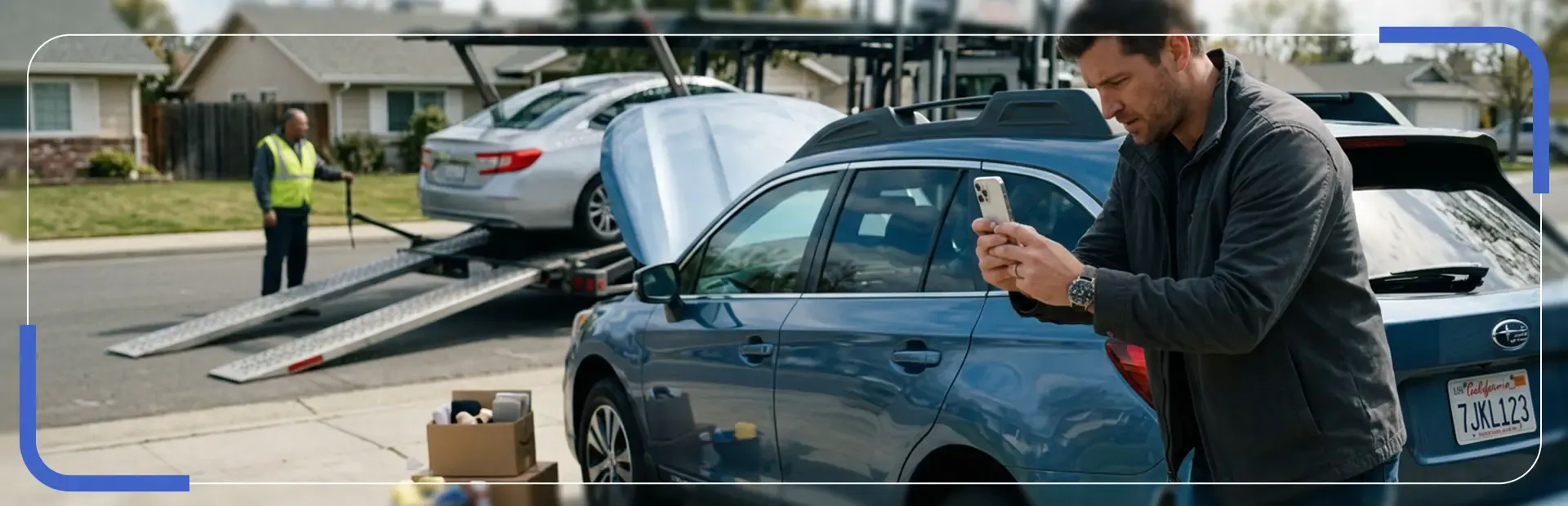
High-Resolution Documentation: Take photographs from every possible angle, including the wheels, undercarriage, and dashboard, under bright lighting to eliminate shadows.
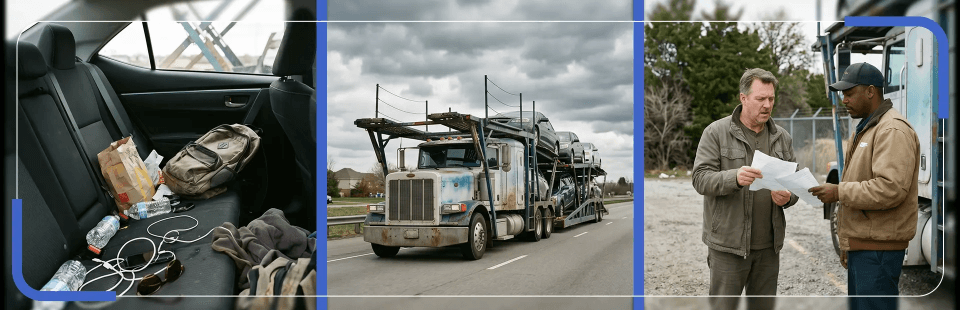
Removal of Personal Items: If you are learning how to ship your car to a different state, remember to remove all valuables, toll tags, and loose aftermarket accessories. Insurance typically does not cover items left inside the cabin.
Mechanical Status Check: Verify all fluid levels and check specifically for leaks. Fluid dripping from an upper deck can cause significant chemical damage to other high-value vehicles on a multi-car trailer.
System Deactivation: Ensure your alarm system is completely deactivated to prevent battery drain or mid-transit disturbances.
Fuel Level Optimization: Maintain the fuel tank at approximately one-quarter full. This provides enough fuel for safe maneuvering by the loading crew while reducing unnecessary weight on the carrier.
High-Value Vehicle Preparation Workflow
Following a standardized checklist ensures that no mechanical or aesthetic detail is overlooked before the carrier arrives at your doorstep. The following workflow summarizes the essential steps required to transition your vehicle from your garage to a secure transport environment.
Step | Action Item | Purpose |
|---|---|---|
1. Detail | Thoroughly wash and wax | Exposes all surface details for inspection |
2. Document | 360° HD Photos & Video | Provides undeniable evidence of car condition |
3. Secure | Remove toll tags & loose parts | Prevents loss or interior damage during motion |
4. Level | Set fuel to 25% | Optimizes weight and safety for the carrier |
5. Disable | Turn off anti-theft systems | Prevents battery depletion during the journey |
Understanding Classic Car Shipping Costs and What Influences Pricing
When budgeting to ship classic car assets, owners must realize that pricing is a reflection of the specialized equipment and lower-risk profile required for high-value logistics. Unlike standard transport, the classic car shipping cost is not a flat rate but a calculation based on several variable factors that prioritize the vehicle's safety over volume-based discounts.
Distance and Route Complexity: While the price per mile often decreases as the total distance increases, cross-country routes remain a significant investment.
Carrier Type: Opting for enclosed transport, the industry standard for vintage assets, typically adds a 40% to 50% premium over open-air carriers.
Vehicle Condition: If a vehicle is inoperable (a "non-runner"), classic car shipping companies must use winches and specialized loading equipment, which adds to the labor cost.
Market Value and Insurance: Carriers must carry higher cargo insurance limits to cover the full replacement value of a classic car, which is reflected in the final quote.
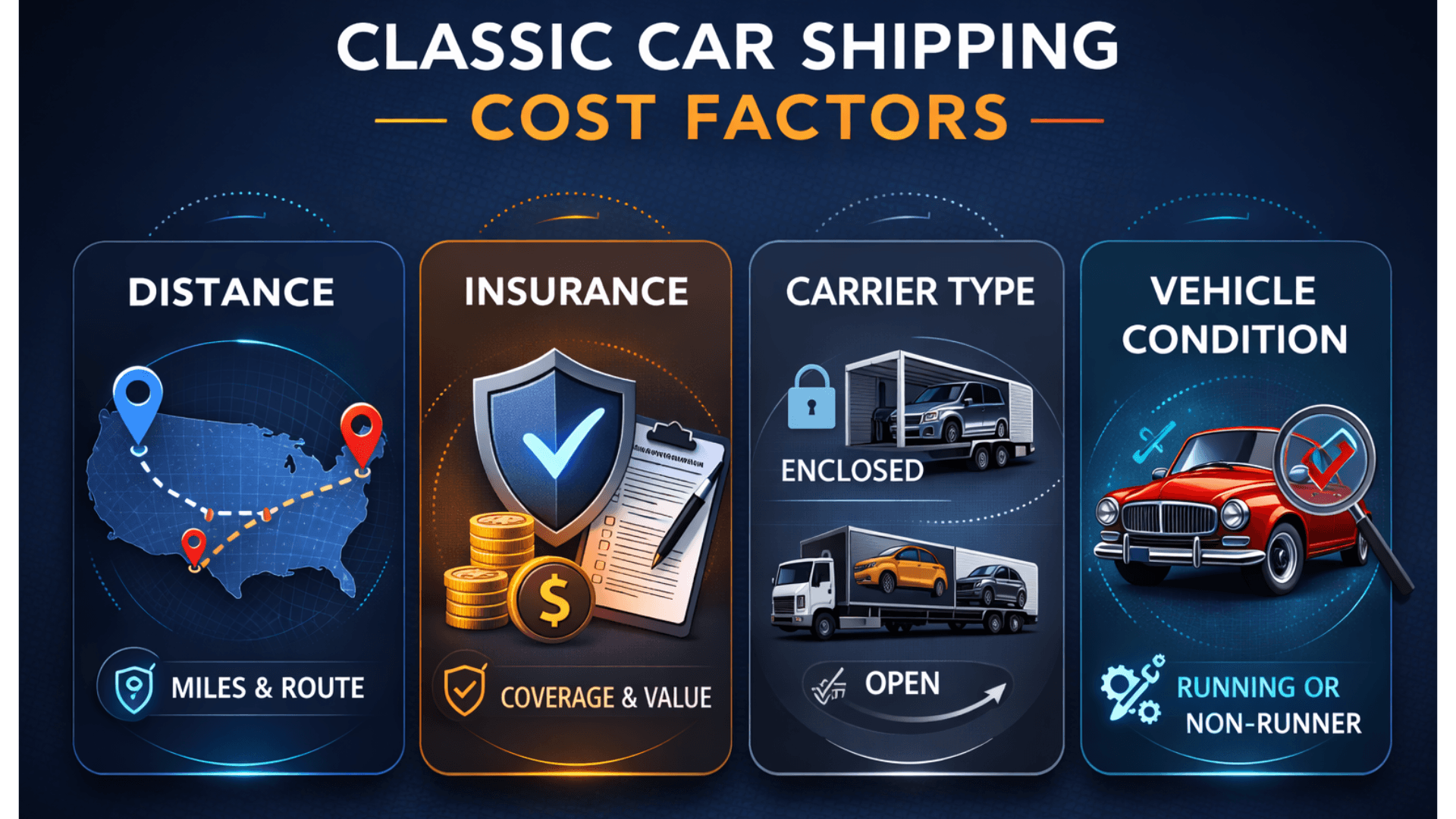
By understanding these trade-offs, owners can make informed decisions that prioritize the vehicle's preservation over the lowest possible price point.
How to Select the Best Classic Car Shipping Companies
The difference between a successful delivery and a costly mistake often lies in the vetting of the provider. To identify the best classic car shipping companies, look beyond digital marketing and focus on operational transparency and reputation signals.
Insurance Verification: A reputable carrier will provide a certificate of insurance upon request. For classic cars, ensure the policy includes "gap coverage" or high-limit cargo insurance that meets the vehicle's appraised value.
Specialization Proof: Ask for references or case studies involving vehicles of similar age and rarity. True specialists understand the nuances of vintage suspension systems and aged paint.
Review Integrity: Search for classic car shipping companies with high ratings on independent platforms like the Better Business Bureau (BBB) or specialized automotive forums. Focus on reviews that mention communication quality and the condition of the vehicle upon arrival.
Inspection Transparency: The carrier should utilize a digital or paper Bill of Lading that allows for a detailed, high-resolution photo inspection during both pickup and delivery.
Advanced Logistics for Classic and Long-Distance Shipping
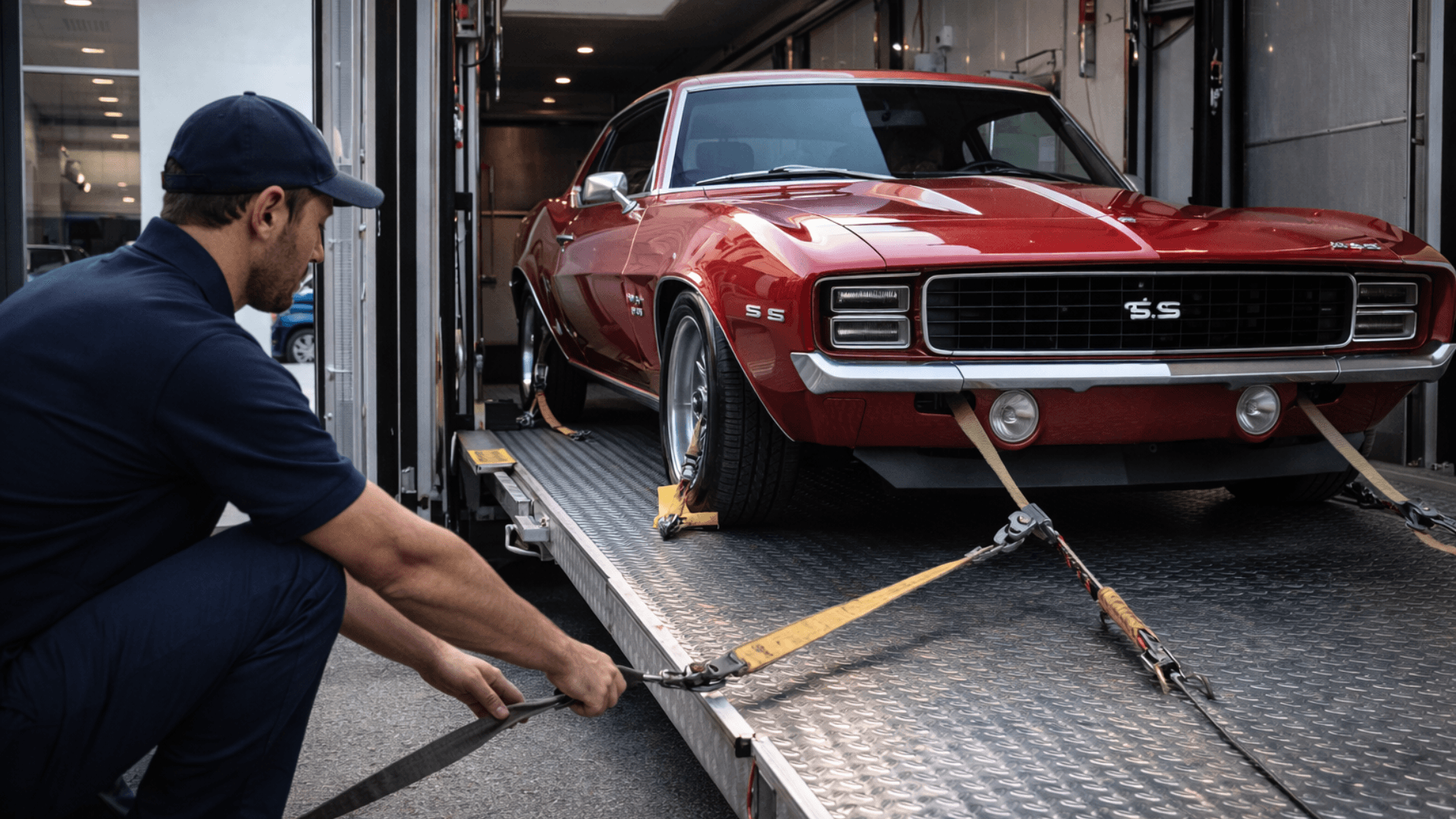
Shipping a piece of automotive history requires a specialized set of protocols that differ significantly from modern exotic transport. The inherent fragility of aging components, such as brittle rubber seals, sensitive electrical systems, and irreplaceable original paint, demands that you find a carrier with the expertise to ship classic car models with extreme delicacy.
Value preservation is tied directly to the vehicle's "as-is" state. Because even a minor surface scratch can result in a significant loss of historical provenance, selecting a specialist is the most critical decision an owner can make.
Specialized Handling for Vintage Assets
A major component of expert tips for classic car shipping involves preparing for "non-runners." If a vintage vehicle does not start or drive, it must be winched onto the trailer rather than driven under its own power.
This delicate process requires secure transport solutions for classic vehicles, specifically utilizing soft-point winching techniques. This approach avoids unnecessary chassis strain or frame misalignment that can occur with standard towing equipment. Ensuring the carrier has experience with these mechanical nuances is vital for maintaining the structural integrity of the asset.
Strategic Planning for Cross-Country Routes
Planning how to ship a car across the country requires a strategic approach to minimize the time the vehicle spends in transit. For interstate moves, timing and route coordination are essential to reducing the window of risk.
When learning how to ship your car to a different state, owners should prioritize "door-to-door" service over the cheaper "hub-and-spoke" terminal model. While terminals offer lower rates, they involve multiple handovers and frequent off-loadings that drastically increase the risk of accidental damage.
Timing and Seasonal Considerations
To further enhance the safety of the journey, consider the impact of seasonal demand on carrier availability. Scheduling your transport during "off-peak" months, avoiding the high-volume summer rush or the early January "snowbird" season, often results in more dedicated attention from the driver.
By combining specialized handling with a direct-route strategy, you ensure your high-value vehicle remains protected from the logistical complexities of long-haul travel.
International Luxury Car Transport and Specialized Regional Services
Moving a luxury vehicle across international borders involves complex customs duties, HS code classifications, and strict environmental regulations. In 2026, international luxury car transport requires a freight forwarder who understands evolving import laws, such as the U.S. "25-year rule" for vintage assets or Europe’s carbon-border taxes.
Regional specialists provide essential localized expertise for navigating unique infrastructure and tax structures. These providers ensure "white-glove" handling that complements long-haul sea or air freight, maintaining vehicle safety from the port to the final destination.
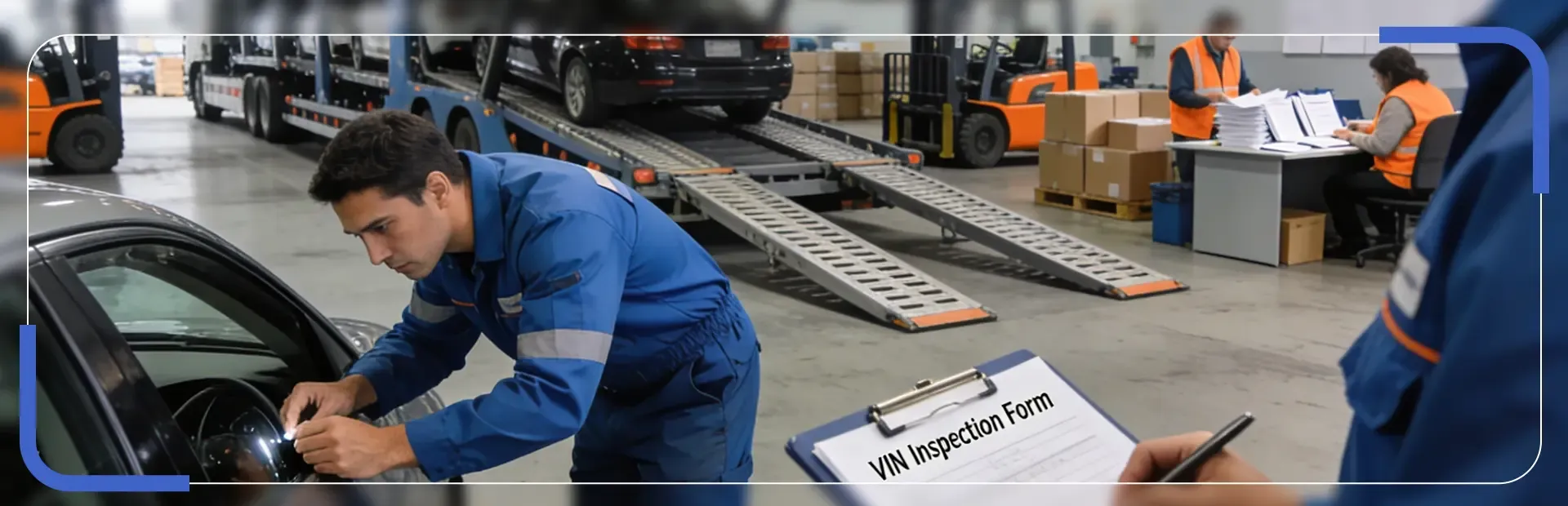
Whether using reinforced containers or time-sensitive air freight, international logistics demand flawless documentation. Owners must provide the original title, commercial invoice, and Bill of Lading to avoid impoundment. Additionally, shipping electric luxury vehicles now requires a signed Dangerous Goods Declaration due to 2026 battery safety protocols, making expert guidance a necessity.
Clarifying Your Luxury Transport Logistics
Before finalizing your transport arrangements, it is common to have specific questions regarding the safety and technical aspects of high-value vehicle moves. Below are concise responses to the most critical concerns shared by collectors and luxury vehicle owners.
How does enclosed transport handle vehicles with extremely low ground clearance?
Specialist enclosed carriers utilize hydraulic lift gates or extended-length racing ramps to maintain a level loading plane. This equipment ensures that low-slung supercars, such as Lamborghinis or McLarens, can be loaded without the risk of scraping the front splitter or underbody.
Will my vehicle’s insurance coverage remain active during interstate transit?
While your personal policy may offer some secondary coverage, the primary responsibility lies with the carrier’s cargo insurance. Professional luxury shippers provide high-limit policies (often exceeding $1,000,000) that specifically cover the vehicle for the duration it is in their possession. Always verify these limits against your car’s current market value before pickup.
Can I include personal belongings or spare parts inside the car?
Strictly speaking, Department of Transportation (DOT) regulations prohibit the transport of personal items in vehicles on a car carrier. Furthermore, these items are not covered by the carrier’s cargo insurance and can shift during transit, potentially damaging the interior. It is best to ship spare parts or luggage separately.
Is real-time tracking standard for long-distance luxury car transport?
Most premium luxury car transport services now include GPS tracking as a standard feature. This allows owners to monitor their vehicle’s progress via a secure portal or receive automated text updates, providing transparency and helping you plan for the exact moment of delivery.
What specific preparations are needed for a vintage "non-runner" or classic car?
To ship classic car models that do not start, the carrier must use a specialized winch system to pull the vehicle onto the trailer. You must inform the carrier of the vehicle's inoperability in advance so they can provide a truck equipped with a winch and ensure the tires are inflated to allow the vehicle to roll smoothly.
Empowering Your Vehicle’s Journey with Professional Oversight
Securing the safety of a high-value vehicle during transit is a collaborative effort that relies on an owner’s diligence as much as a carrier’s expertise. A professional, protection-focused mindset involves maintaining consistent communication with the transport coordinator from booking through to final delivery. Ensuring that all verbal agreements regarding handling protocols are reflected in the written contract creates a transparent, accountable framework for the entire journey.
A meticulous final inspection under adequate lighting is essential before signing the delivery documentation. By retaining a comprehensive digital trail, including high-resolution pre-shipment photographs and verified insurance certificates, owners safeguard their investment against discrepancies. Ultimately, the most successful transport experiences occur when the owner remains an active participant in the logistics chain, ensuring the carrier adheres to the highest industry standards to preserve the vehicle’s provenance and market value.
Ready to move your investment with the care it deserves? Request a Quote for professional luxury car transport.