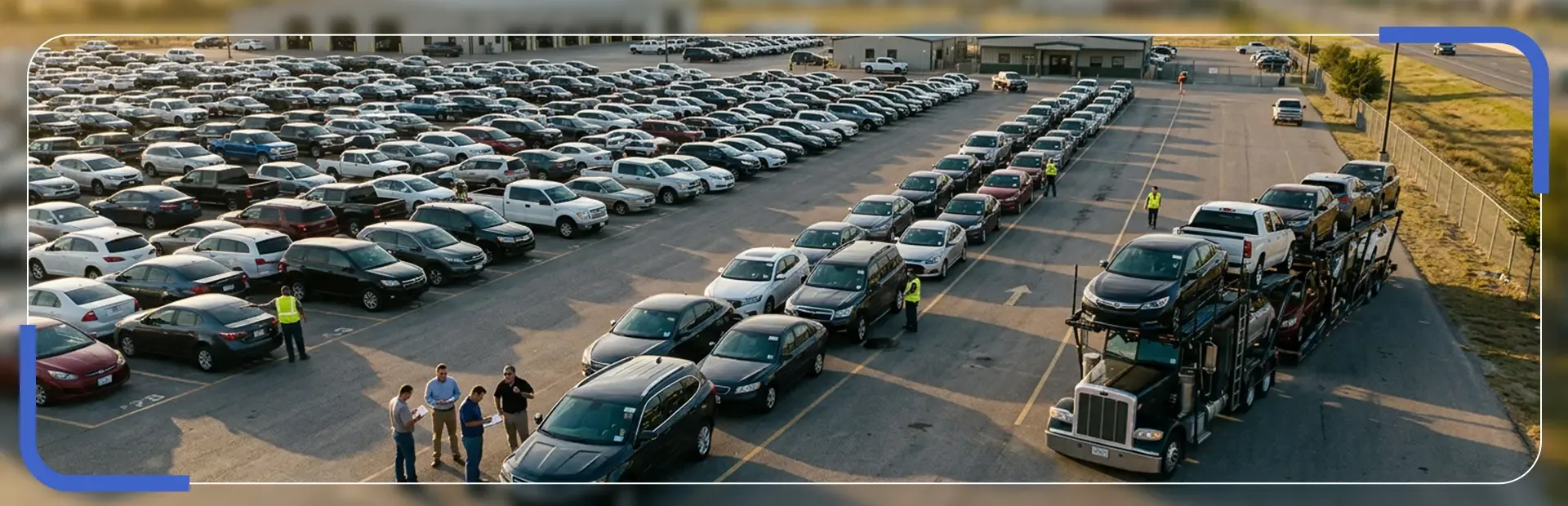
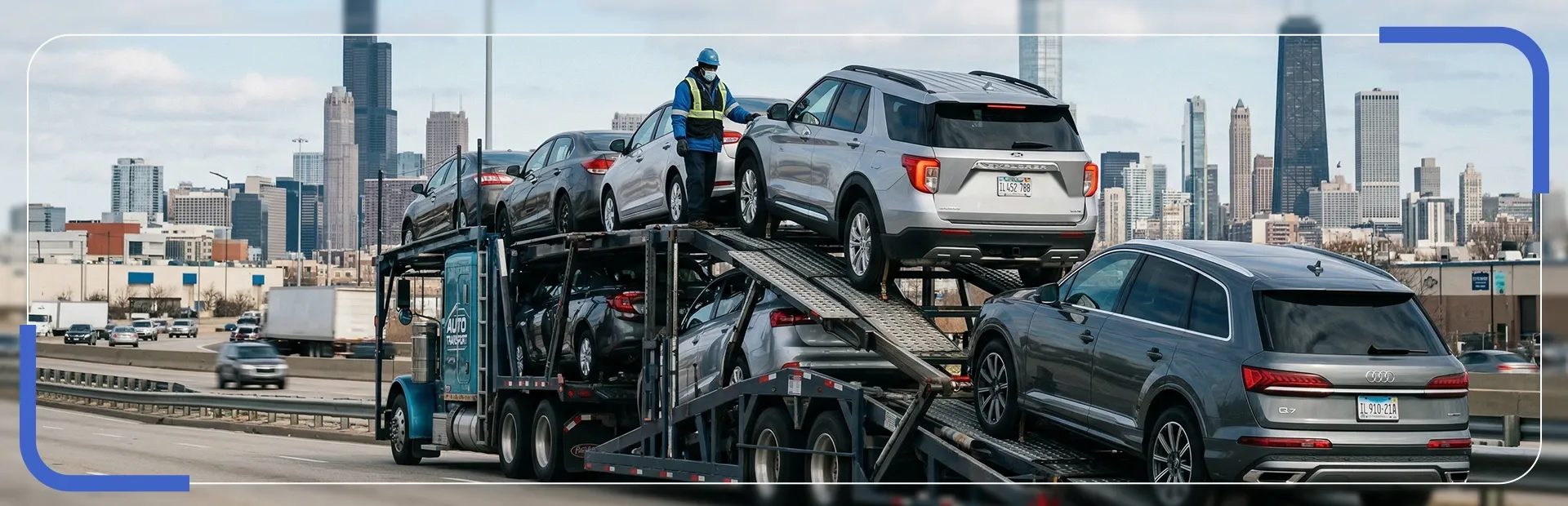
Shipping a lifted truck involves more planning than moving a standard vehicle. The added height from suspension upgrades, larger tires, and other custom modifications can create unique challenges during loading and transport. Because of these differences, both lifted trucks and modified SUVs require careful logistics to ensure they fit safely on the carrier and remain protected throughout the journey. Vehicle height, trailer clearance, and the right loading techniques all play an important role in safely transporting these larger, customized vehicles.
Whether you're relocating, purchasing used lifted trucks for sale, or moving a custom off-road build across states, understanding the transport process can help you avoid delays and unexpected costs. Working with an experienced auto transport provider ensures your vehicle is handled properly from pickup to delivery.
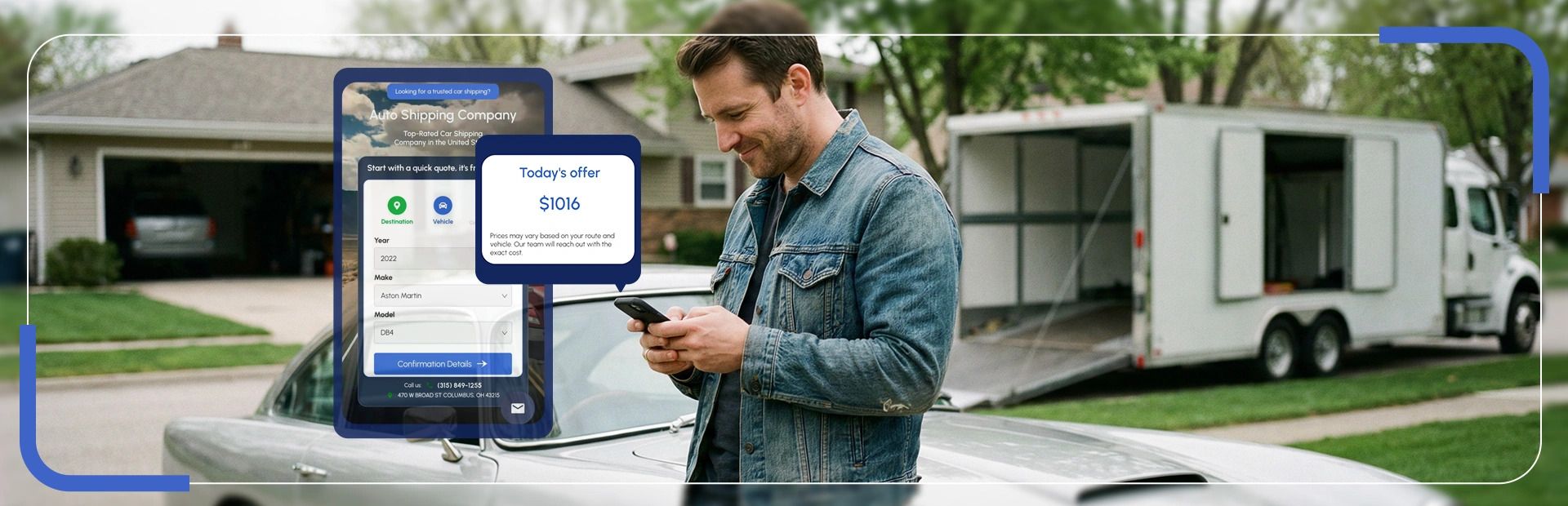
If you're planning to ship a lifted vehicle, get a quote from Safeeds Transport Inc. today to explore reliable transport options designed for large modified trucks.
What Is a Lifted Truck and Why Do Owners Modify Their Vehicles
To the uninitiated, a lifted truck might simply look like a taller version of a factory pickup, but the mechanical reality is far more complex. At its core, a lifted truck is a vehicle that has undergone a truck lift, a suspension, or body modification designed to increase ground clearance and allow for larger tires. While some enthusiasts opt for a modest 3-inch truck lift to enhance aesthetics and minor off-road capability, others invest in heavy-duty lifted diesel trucks for sale that feature massive suspension overhauls designed for extreme terrain or towing.
The motivation for these modifications varies. Many owners in the market for used lifted trucks for sale prioritize the functional benefits: improved approach angles for off-roading, better visibility on the highway, and the ability to traverse deep mud or snow. Others view their vehicle as a platform for personalization, turning a standard pickup into a modified SUV or a high-profile showpiece. Regardless of the reason, whether it is a lifted mini truck for a niche hobby or a rugged semi truck lift application, these modifications fundamentally alter the vehicle's center of gravity and physical footprint, creating a specialized class of cargo that requires professional handling.
Why Transporting a Lifted Truck Requires Special Logistics
Standard auto transport is designed around "stock" dimensions provided by manufacturers. When a vehicle undergoes a truck lift, it often exits the "standard" category and enters the realm of oversized or specialized freight. Navigating these complexities requires addressing several critical factors:
Height Restrictions: The primary challenge is vertical clearance. Most open-air car haulers must adhere to strict federal vehicle size regulations to navigate under highway overpasses and bridges safely. A lifted truck that stands several inches taller than a factory model may exceed these limits if placed on the top deck of a traditional carrier.
Increased Curb Weight: Weight is another critical factor. Lifted diesel trucks for sale often feature heavy-duty suspension components, oversized wheels, and reinforced bumpers that add significant mass to the vehicle. This affects the carrier’s total payload capacity and requires the driver to adjust the weight distribution of the entire trailer.
Oversized Footprints: The increased width of aggressive off-road tires can make it difficult for a vehicle to fit within the standard tracks of a common carrier.
Loading Dynamics: Because of the modified center of gravity, transporting lifted trucks near me is not a matter of simple winching; it is a calculated logistical operation that accounts for every modified dimension to ensure stability during transit.
Common Transport Challenges for Large Modified Vehicles
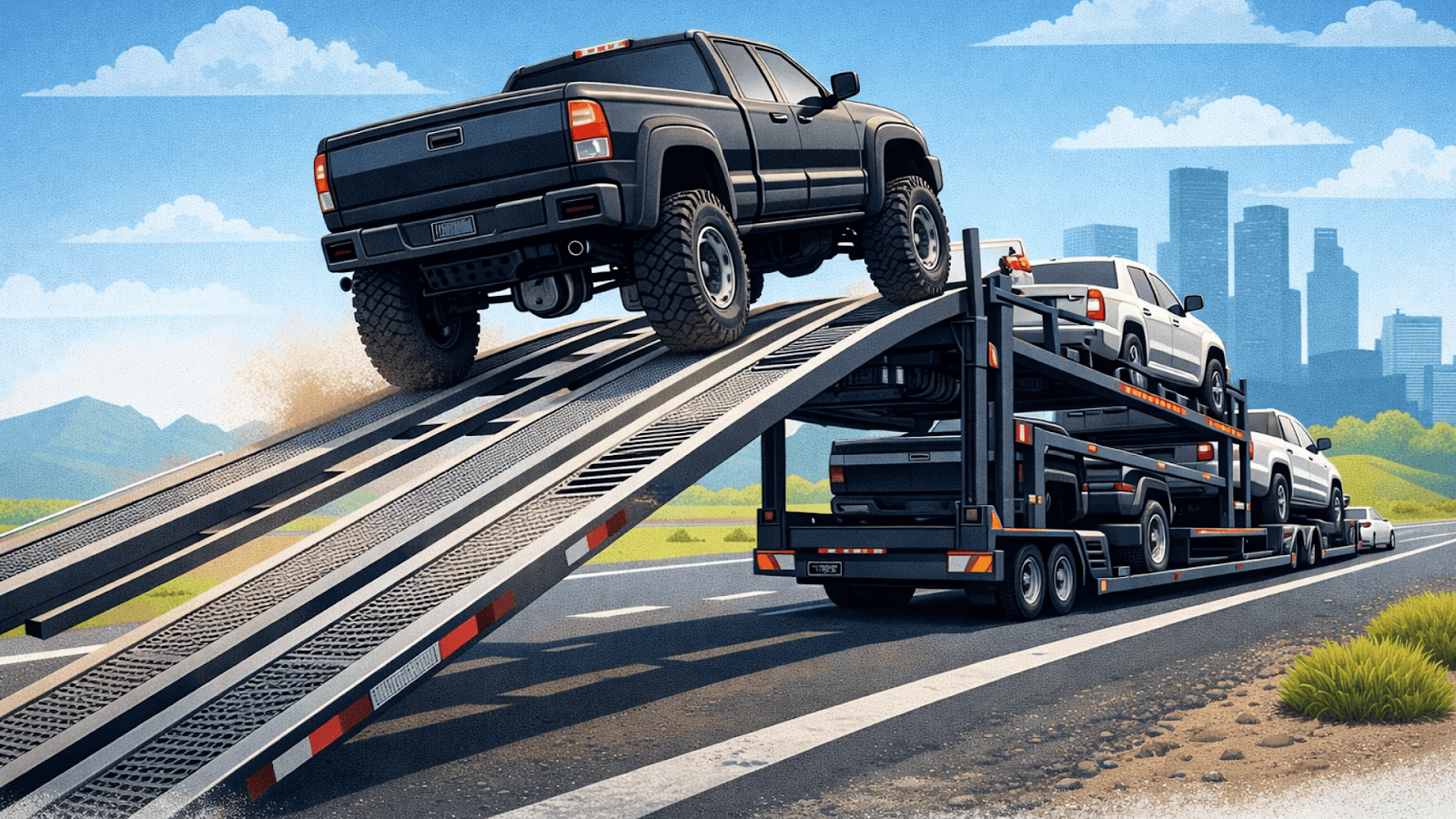
The operational complexity of moving a lifted truck involves overcoming several physical obstacles. The most prominent is trailer clearance. A vehicle with an aggressive truck lift may be too tall for the middle or lower racks of a standard hauler, forcing the broker to find a carrier with a "flat ramp" or a specialized "high-side" trailer.
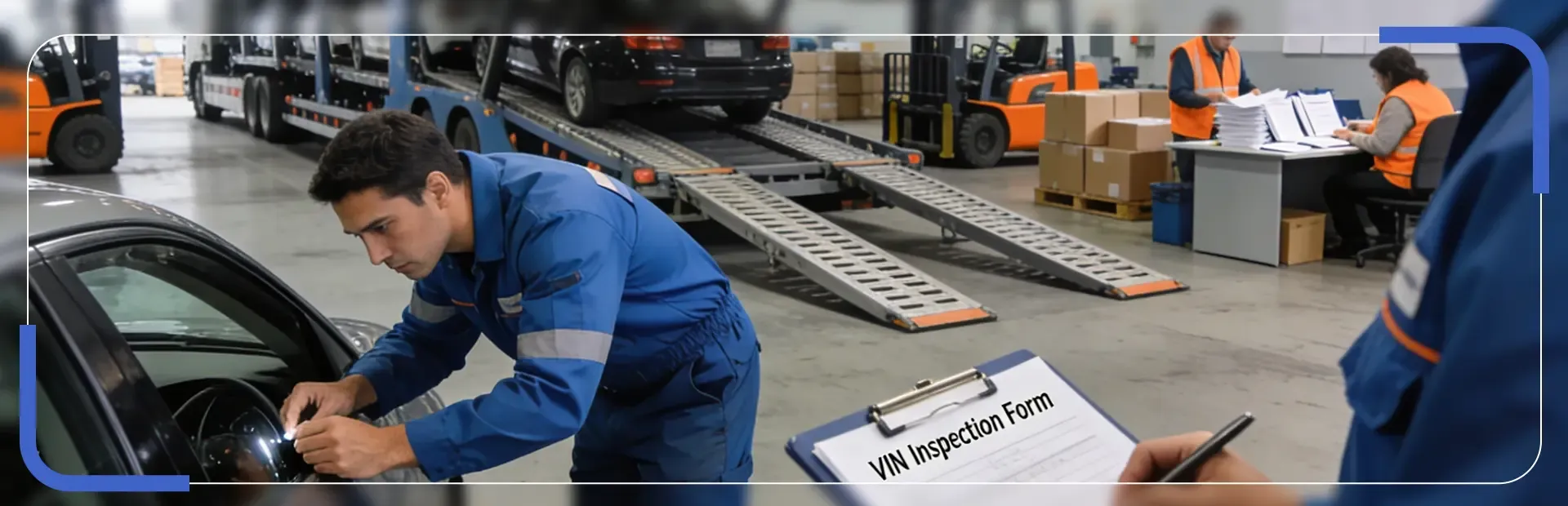
Loading and unloading also present risks. Vehicles with high centers of gravity are more prone to shifting if not secured with specialized over-the-tire straps. Standard frame-hook methods can sometimes damage sensitive aftermarket suspension components or strained brake lines. Additionally, while a moving truck with lift gate rental is common for household goods, loading a heavy vehicle often requires a moving truck with lift gate capacity specifically rated for automotive weights, or more commonly, extra-long ramps to prevent the vehicle's undercarriage from "high-centering" during the loading process.
Comparison of Transport Constraints: Standard vs. Lifted
To help you visualize the logistical shift between factory-standard vehicles and custom builds, we have outlined the primary technical differences below. Understanding these specific metric variances is essential for selecting a carrier that possesses the correct equipment for your vehicle's unique profile.
Feature | Standard Pickup Truck | Lifted Truck / Modified SUV |
Average Height | 70–75 inches | 80–95+ inches |
Tire Width | 8.5–10.5 inches | 12.5–15.5+ inches |
Loading Method | Standard Ramps | Extended Ramps or Low-Angle Trailers |
Tie-Down Type | Frame Hooks or Straps | Over-the-Tire Specialized Straps |
Carrier Options | Any Multi-Car Hauler | Specialized Open or Flatbed Carriers |
Choosing the Right Transport Method for a Lifted Truck
Selecting the appropriate carrier is the most important decision an owner can make. The method chosen must balance the budget with the physical safety requirements of the vehicle's modifications. Consider the following transport options:
Open Carrier Transport: While this is the most economical choice, it is not always viable for the largest lifted trucks Texas or the Southwest have to offer. If the truck exceeds the height threshold of a standard multi-car hauler, a specialized flatbed trailer may be the only safe alternative.
Enclosed Vehicle Transport: For owners of high-value lifted diesel trucks for sale or custom-painted modified SUVs, enclosed transport is often the preferred route. These trailers provide a shield against road debris and weather, which is particularly important for vehicles with exposed aftermarket suspension parts or sensitive undercarriages.
Specialized Oversized Transport: When searching for lifted trucks Phoenix or lifted trucks San Antonio transport providers, it is vital to find a carrier equipped with low-angle ramps and high-clearance decks.
Regardless of the method, owners must ensure their chosen provider is a registered motor carrier with the specific authority and insurance to handle oversized loads. Always verify that the carrier has the correct equipment to accommodate your specific 3-inch truck lift or higher before signing a contract.
Preparing a Lifted Truck for Safe Vehicle Shipping
Proper preparation is the responsibility of the owner and is vital for a claim-free transport experience. The first step is providing the transport broker with exact measurements. Do not rely on "factory specs" if you have installed a truck lift. You must measure from the ground to the highest point of the vehicle and the total width from the outside of the tires.
Document the Suspension: Take clear photos of the 3-inch truck lift or custom components.
Check Tire Pressure: Ensure tires are properly inflated, as low pressure can cause the vehicle to shift within its tie-downs.
Remove Accessories: Personal items and things like high-profile antennas, roof racks, or loose light bar covers should be removed to reduce height and wind resistance.
Inspect for Leaks: Modified engines in lifted diesel trucks for sale should be checked for leaks, as fluids can damage other vehicles on a multi-car carrier.
Owners who have recently learned how to lift a truck may be unaware that aftermarket bolts can sometimes loosen during the vibrations of long-haul transport. Tightening all hardware before the carrier arrives is a professional best practice that ensures your lifted truck arrives in the same condition it departed.
Transport Considerations and Regional Demand for Modified Vehicles
The logistical requirements for shipping a non-standard vehicle extend beyond just full-sized pickups. From specialized SUVs to specific geographic hubs, understanding the broader landscape of the lifted truck market is essential for a successful transport experience.
Modified SUVs and Specialized Off-Road Builds
While pickup trucks dominate the off-road market, the logistical requirements for a modified SUV are equally demanding. Popular models like the Jeep Wrangler, Toyota 4Runner, or Chevrolet Tahoe are frequently outfitted with a truck lift to enhance trail performance. However, these vehicles often feature additional aftermarket accessories, such as roof-mounted tents, heavy-duty winches, and oversized spare tire carriers, that can push a vehicle beyond standard transport dimensions.
Wheelbase Stability: A modified SUV typically has a shorter wheelbase than a pickup, making it more susceptible to "bucking" or shifting during transit if not secured with professional over-the-wheel straps.
The 80-Inch Threshold: Owners of a lifted mini truck or custom compact off-roader must realize that even small vehicles become "oversized" in the eyes of a carrier once their total height exceeds 80 inches.
Enclosed Protection: For high-value custom builds, many owners searching for modified SUVs for sale online require enclosed shipping to protect expensive aftermarket lighting and specialized paint from road debris.
Regional Market Hubs for Lifted Vehicles
The demand for specialized transport is heavily concentrated in regions where off-roading and "work truck" cultures thrive. The Southwest and Gulf Coast remain the primary hubs for these vehicles. Buyers frequently search for lifted trucks in Texas, lifted trucks in Phoenix, and lifted trucks in San Antonio because these markets offer a high volume of inventory, including specialized lifted diesel trucks for sale.
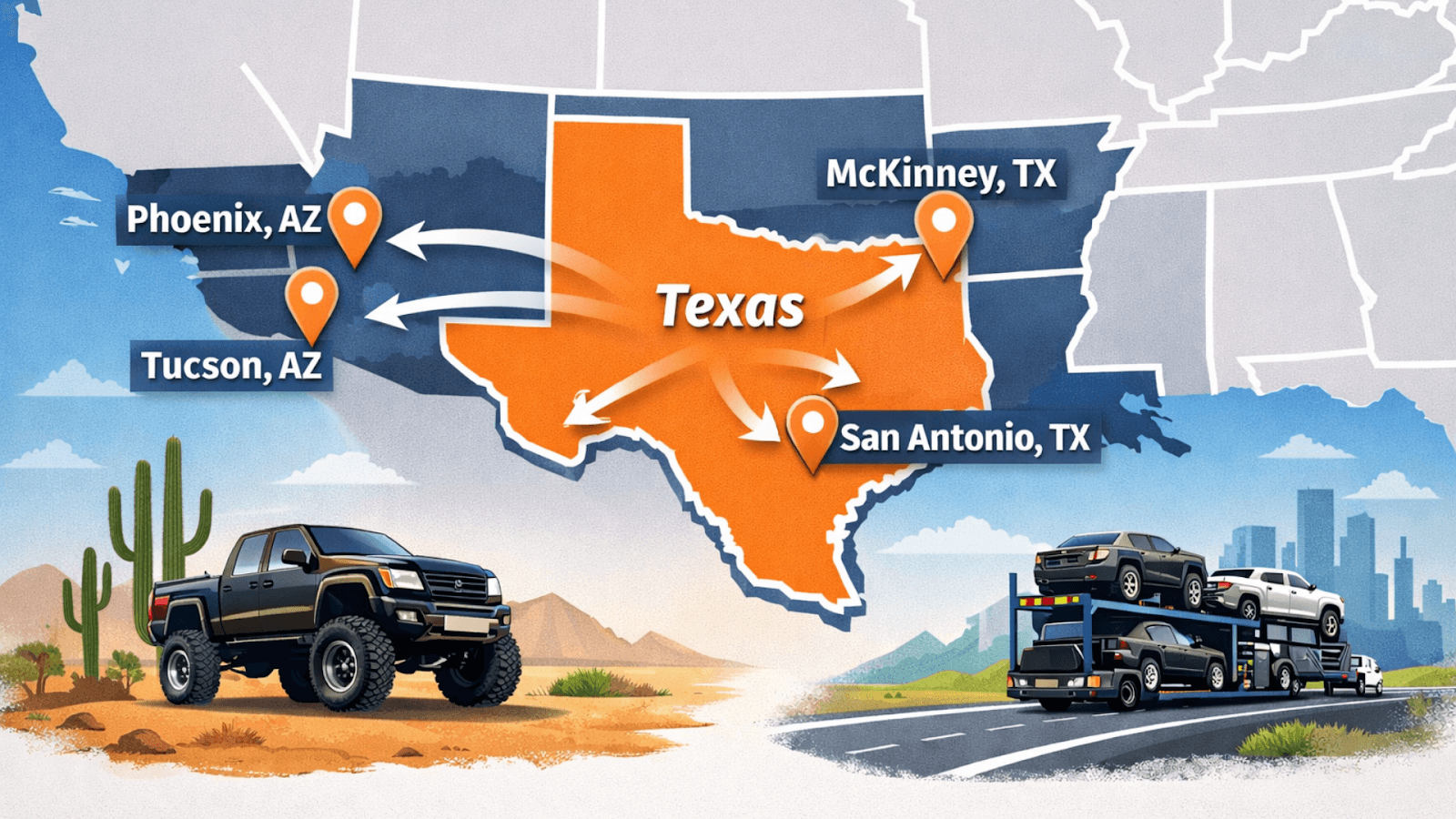
Logistical Corridor Expertise: Transporting a vehicle into or out of these regions requires a carrier network that understands the local terrain and high-volume lanes.
Cross-Country Delivery: Locations like lifted trucks Tucson and lifted trucks McKinney are popular search points for buyers who find their dream vehicle online but need it moved over 1,000 miles.
Route Efficiency: Because of the sheer number of used lifted trucks for sale in these states, professional transporters often run dedicated routes between these cities, allowing for more competitive pricing.
Transporting a vehicle into or out of these regions requires a carrier network that understands the local terrain and high-volume lanes. By utilizing established routes, professional auto transport companies can ensure that even the most heavily modified vehicles reach their destination safely and efficiently.
Key Factors That Influence the Cost of Shipping a Lifted Truck
Pricing for a lifted truck or modified SUV is not a "one size fits all" calculation. Several variables influence the final quote, often making it higher than the cost to ship a factory-standard vehicle.
Vehicle Dimensions: Height is the most significant factor. If a truck with a 3 inch truck lift exceeds the clearance of a standard double-decker trailer, it may require a dedicated flatbed spot, which costs more.
Weight: Modified trucks are significantly heavier. A lifted diesel truck with steel bumpers and 40-inch tires can weigh 2,000 pounds more than its stock counterpart, consuming more of the carrier’s fuel and payload capacity.
Specialized Equipment: If the vehicle is too wide for standard ramps or requires a moving truck with a lift gate for safe loading, the equipment surcharge will be reflected in the price.
Route and Seasonality: Shipping a lifted truck to remote areas or during peak seasons (like the "snowbird" migration) can tighten capacity and drive up spot market rates.
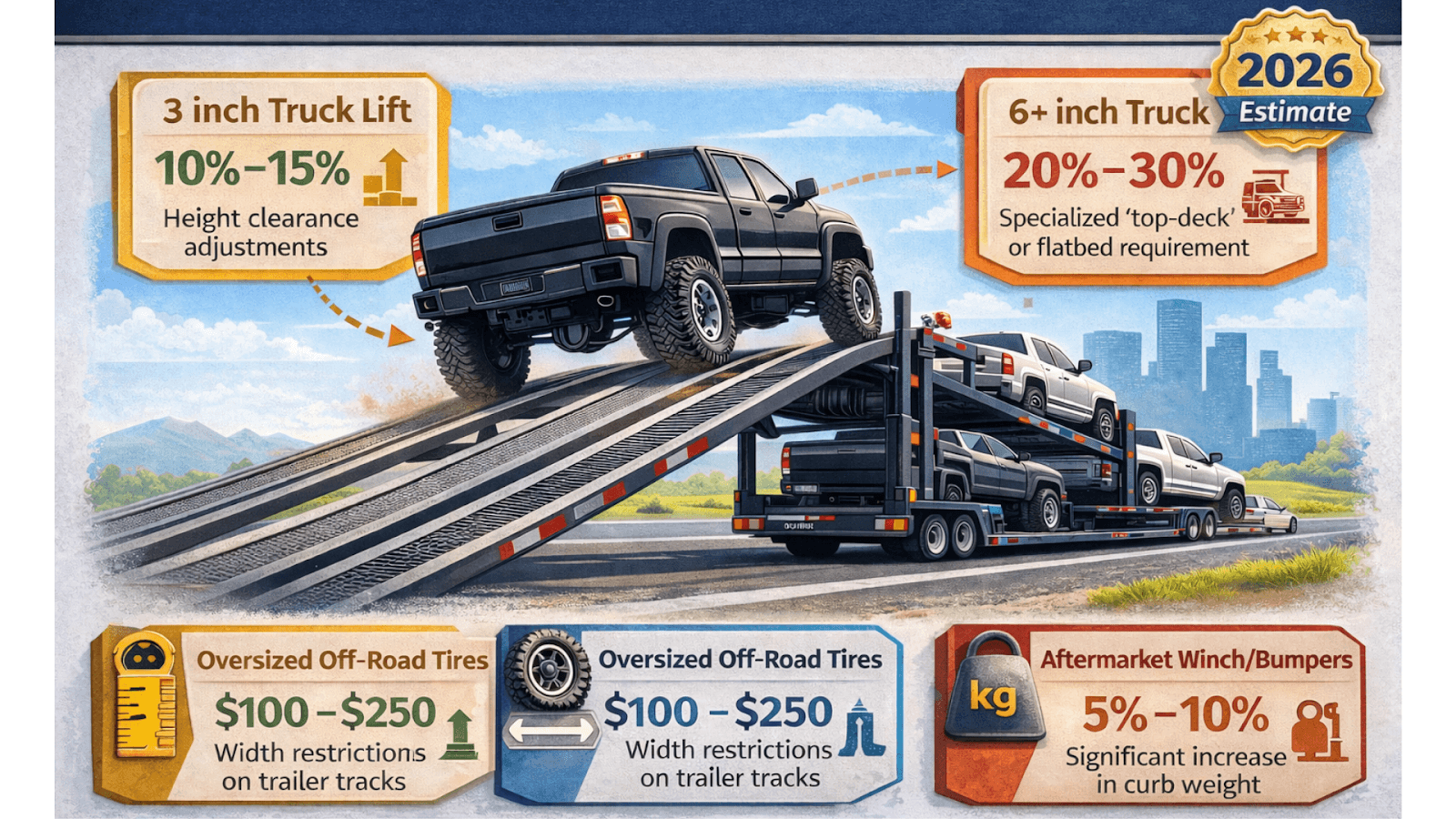
2026 Estimated Shipping Surcharges for Modified Vehicles
To provide a clearer picture of the financial investment required for specialized transport, we have compiled the following estimates for common vehicle upgrades. These figures reflect the current market adjustments necessary to accommodate the additional weight, height, and equipment requirements of a modified vehicle.
Modification Type | Estimated Cost Increase | Reason for Surcharge |
3 inch truck lift | 10% – 15% | Height clearance adjustments |
6+ inch truck lift | 20% – 30% | Specialized "top-deck" or flatbed requirement |
Oversized Off-Road Tires | $100 – $250 | Width restrictions on trailer tracks |
Aftermarket Winch/Bumpers | 5% – 10% | Significant increase in curb weight |
Things Smart Truck Owners Ask Before Booking Transport
To ensure a smooth experience, owners should move beyond asking "how much?" and focus on "how?" At Safeeds Transport Inc., we believe a professional transport broker should be able to answer specific technical questions regarding their carrier vetting process. Asking these questions helps identify "low-ball" providers who may lack the proper equipment to handle a lifted truck safely.
What is the maximum height your assigned trailer can safely clear?
This is the most crucial question for trucks with a truck lift. While standard carriers are capped at specific heights, Safeeds works with a specialized fleet capable of accommodating oversized vehicles, ensuring your truck never faces a clearance risk.
Do you use over-the-tire straps or frame hooks?
Traditional frame hooks can easily damage sensitive custom suspension components or aftermarket powder coating. We prioritize carriers who use professional over-the-tire specialized straps, securing your lifted truck by its "unsprung" weight to ensure the suspension remains under no unnecessary stress during transit.
Is the carrier a registered motor carrier with active cargo insurance for oversized loads?
Standard insurance often has "gap" exclusions for modified parts. When you book through Safeeds, we verify that every carrier in our network is fully vetted through the FMCSA and possesses the specific cargo coverage required for high-value lifted diesel trucks for sale.
Does the driver have experience loading a modified SUV or a truck with a high center of gravity?
Handling a top-heavy modified SUV requires precision. Our drivers are seasoned professionals who understand the physics of loading high-clearance vehicles, using low-angle ramps to prevent undercarriage damage.
Can you guarantee my price if I have a 3-inch truck lift or larger?
Many companies provide a quote and then hit you with "oversized" fees at the curb. At Safeeds Auto Transport, we provide transparent, all-inclusive pricing based on your specific modifications, so there are no surprises when the trailer arrives.
How Professional Auto Transport Companies Handle Lifted Vehicles
Managing the logistics for lifted trucks for sale requires more than just a big truck; it requires a specialized carrier network. Professional providers use advanced dispatch software to match oversized vehicles with trailers that have the specific deck height and ramp angles needed for safe loading. They also verify that their drivers are trained in the nuances of transporting top-heavy loads, ensuring that your lifted truck remains stable even during mountain passes or high-wind conditions.
Ultimately, the goal is to bridge the gap between a specialized vehicle and a safe delivery. By choosing a provider that understands the engineering behind a truck lift and the logistical reality of federal vehicle size regulations, owners can ensure their investment is protected from the moment it leaves the driveway until it reaches its new home.
Don't leave your custom build to chance; experience the Safeeds standard of precision and care. Get an instant quote for your lifted truck transport now.