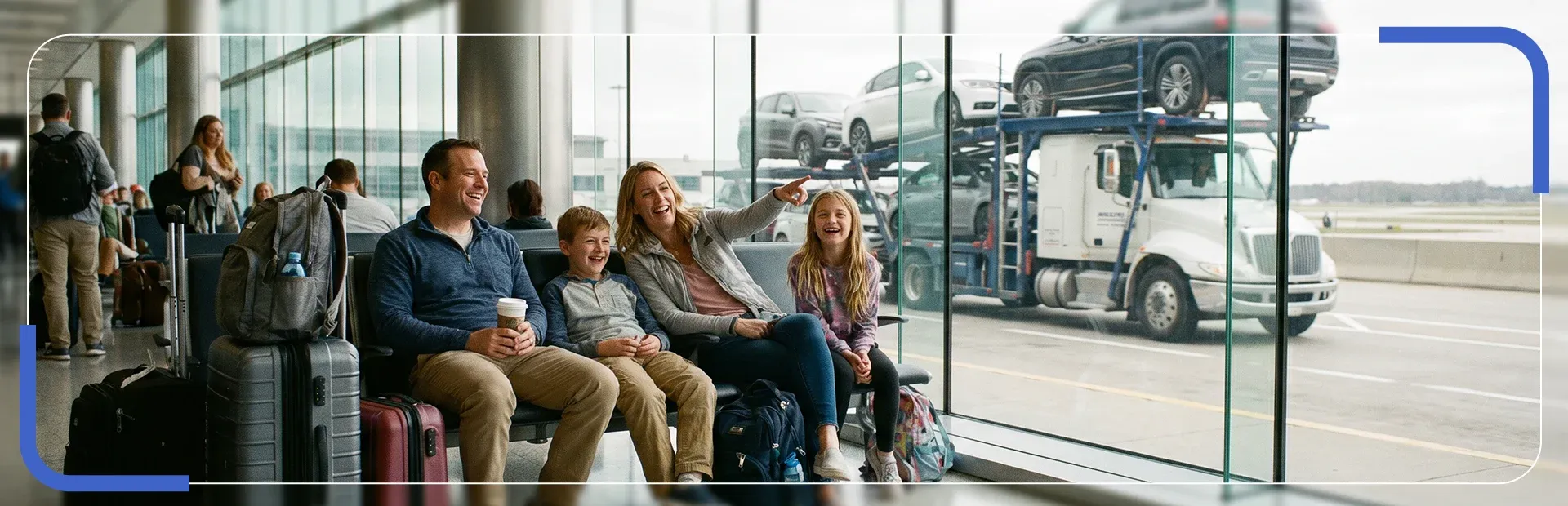
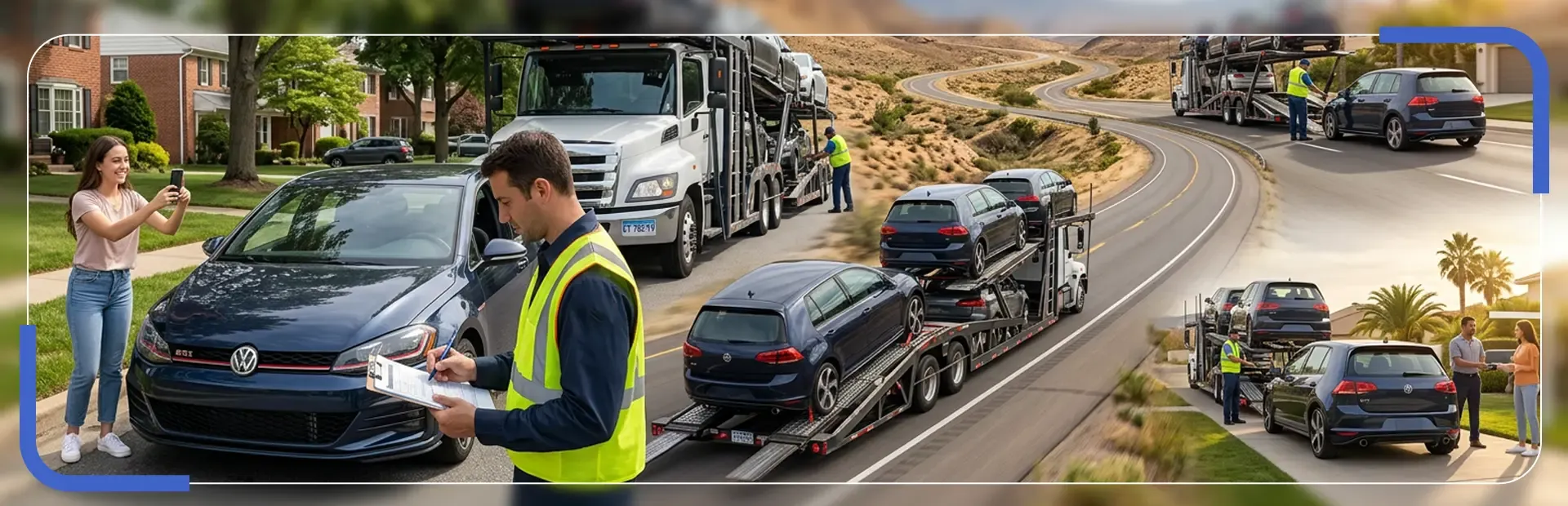
Preparing your vehicle properly is one of the most important steps in ensuring a smooth and stress-free cross-country car shipping experience. Many drivers assume that handing over the keys is enough, but without the right preparation, you may face delays, unexpected costs, or avoidable issues during transit. From basic inspections and documentation to understanding how the shipping process works, every detail plays a role in protecting your vehicle and ensuring a seamless delivery.
Proper preparation not only helps carriers handle your car safely but also minimizes risks, improves scheduling accuracy, and ensures there are no surprises at pickup or delivery. Whether you’re relocating, buying a vehicle from another state, or planning a seasonal move, taking the time to prepare your car can make a significant difference in both cost and convenience. At Safeeds Transport Inc., the process is designed to be clear, reliable, and customer-focused, guiding you every step of the way. If you’re ready to ship your car across the country with confidence, now is the perfect time to get a quote and simplify the entire process.
Why Proper Preparation Matters in Cross Country Car Shipping
Relocating a vehicle across state lines is a complex logistical undertaking that involves multiple handling points, exposure to varying climates, and extended periods of transit on a trailer. Because your vehicle is a significant asset, preparation is not merely a recommendation; it is a professional necessity. Proper readiness mitigates physical risks, helps control car shipping costs, and establishes a clear baseline for the condition of your vehicle before it leaves your driveway.
By adhering to a strict preparation protocol, you ensure a seamless transition and protect your investment through the following benefits:
Accurate Condition Documentation: A clean and prepared vehicle allows the carrier to perform a meticulous exterior inspection. This identifies pre-existing conditions, which protects both the owner and the transport company in the event of an insurance claim.
Regulatory and Weight Compliance: Inadequate preparation, such as leaving a full tank of gas, can lead to weight violations for the carrier at highway scales. Maintaining a low fuel level (approximately one-quarter tank) ensures the truck stays within legal limits.
Interior Asset Protection: Removing loose personal items prevents internal damage to the cabin and eliminates the risk of theft or loss, as personal belongings are not covered by carrier insurance.
Avoidance of Surcharges and Delays: Ensuring the vehicle is "transport-ready" prevents preventable mechanical or administrative hurdles that often result in unnecessary delays or unexpected service surcharges.
Operational Focus: When a vehicle is properly staged, the logistics team can focus entirely on the safe passage and securement of your asset rather than managing avoidable maintenance issues.
Understanding the Cross Country Car Shipping Process
Navigating the logistics of moving a vehicle over long distances is a multi-phased operation that relies on coordination between the broker, the carrier, and the owner.
How Cross Country Car Shipping Works Step by Step
The shipping process is a coordinated effort designed to move your vehicle safely across the country. Understanding these stages allows you to manage your expectations regarding timelines and communication. The standard process follows these professional steps:
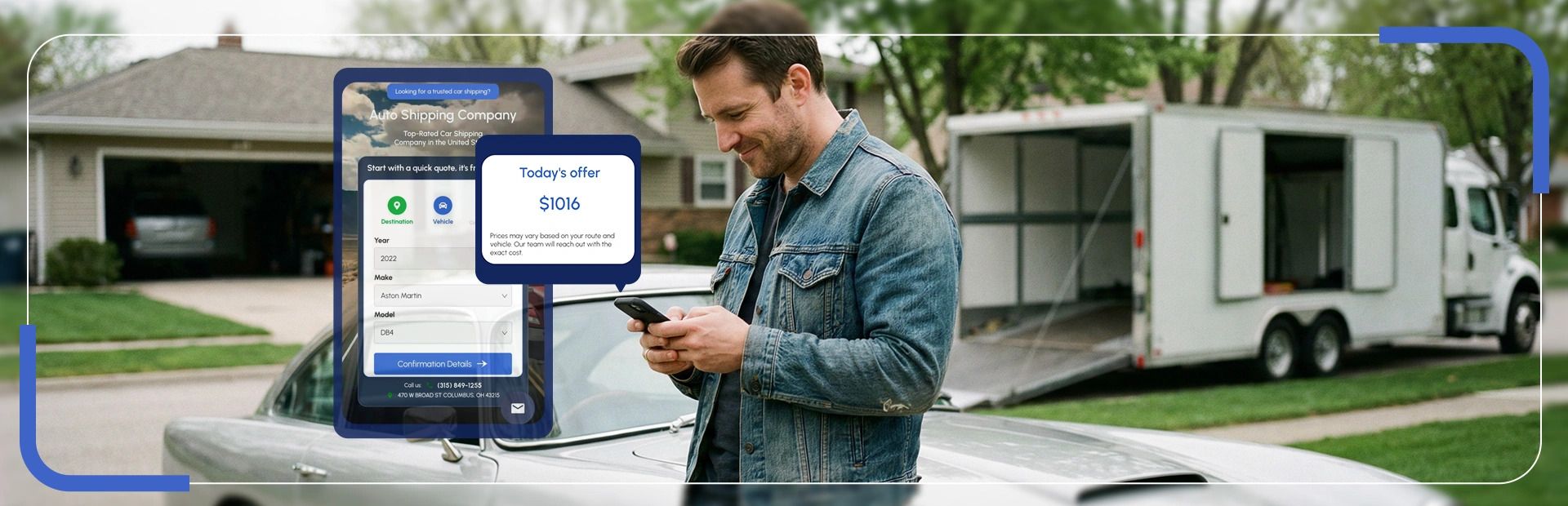
Inquiry & Quoting: Provide your route and vehicle details to determine how much to ship a car and select your service tier.
Carrier Selection: A broker matches your order with a vetted driver from a network of the best car shipping companies.
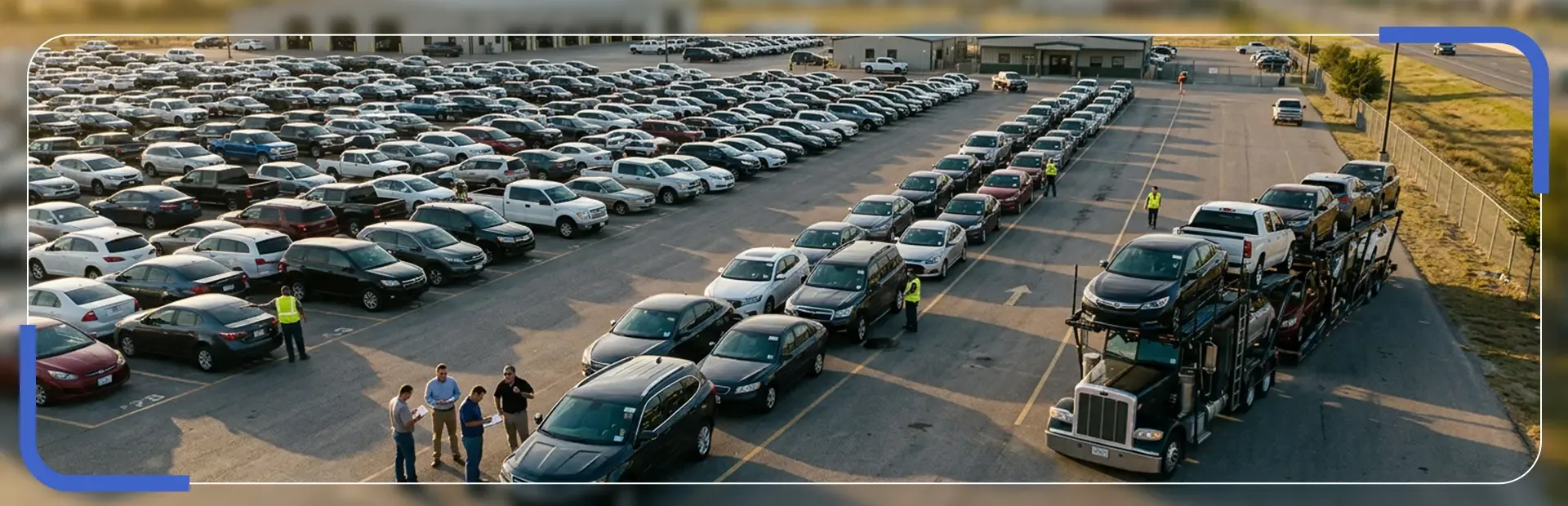
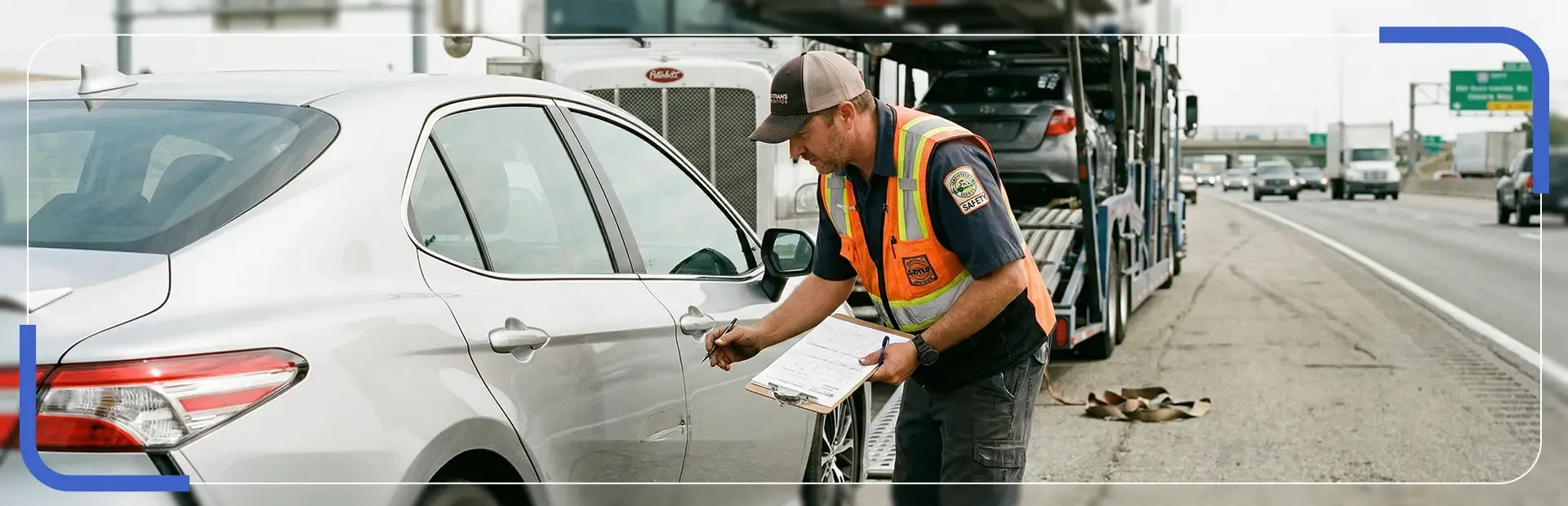
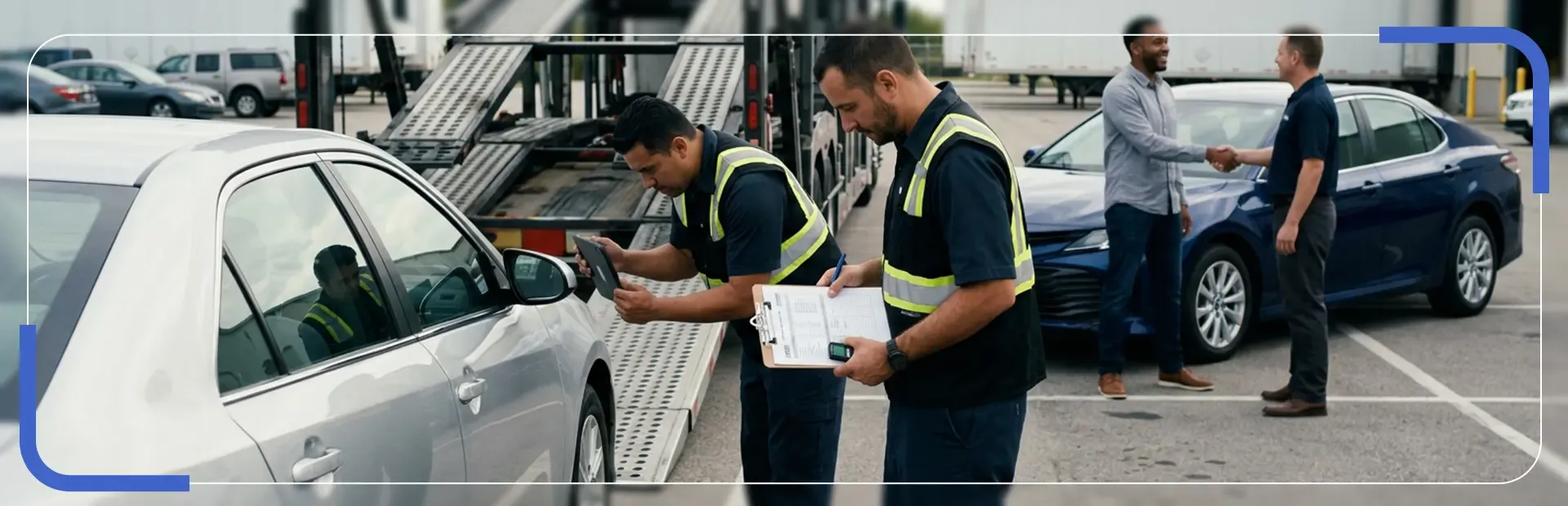
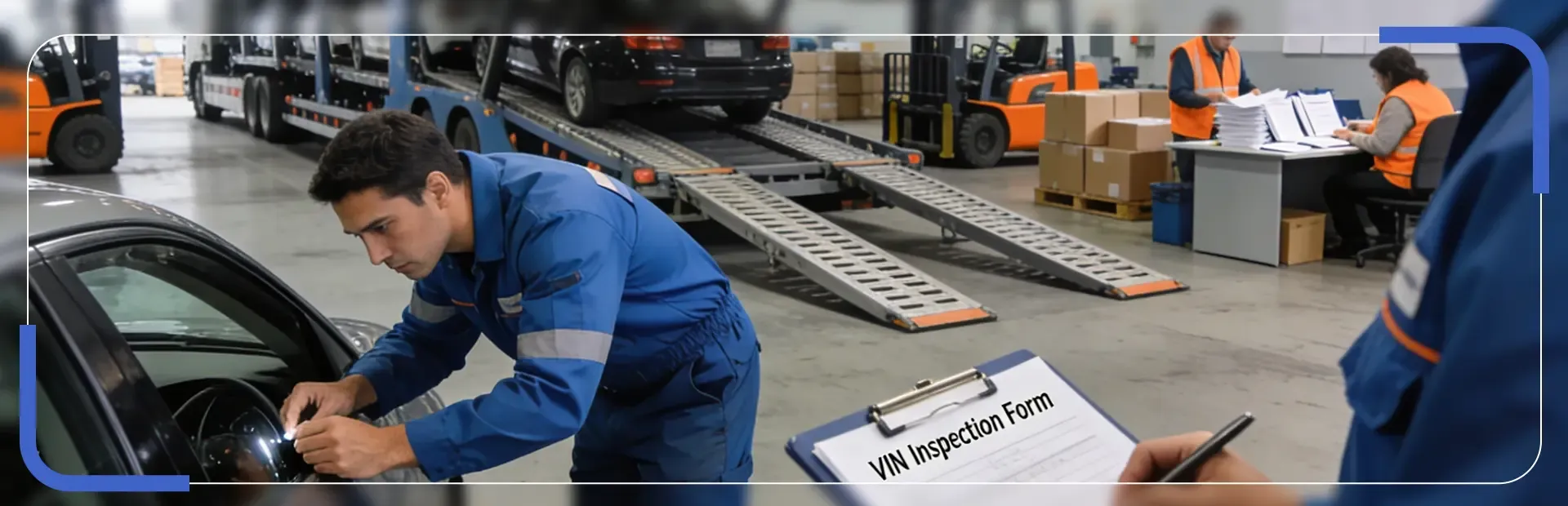
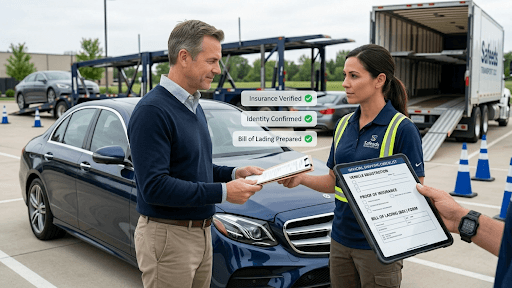
Inspection & Loading: The driver performs a joint inspection, records the condition on the Bill of Lading, and secures the vehicle for transit.
Transit: The vehicle remains on the trailer for the duration of the trip, monitored by a licensed motor carrier.
Delivery & Sign-off: After a final inspection at the destination, you sign the documentation to complete the process.
Choosing the Best Car Shipping Service for Your Needs
Not all providers offer the same level of security or transparency. To ship a car across the country successfully, you must differentiate between lead providers and established brokers with high safety ratings. The best car shipping service will always offer a transparent contract, a "no-deposit" window until a carrier is assigned, and valid insurance credentials. Researching independent reviews is essential to avoid low-quality services that often hide the true shipping cost behind bait-and-switch pricing.
What to Expect When You Ship a Car Across Country
When you ship a car over a long distance, communication is the most critical variable. Owners should expect a window for pickup and delivery rather than a precise minute-by-minute appointment, as weather and traffic affect heavy haulers. Most professional carriers provide the driver’s contact information, allowing for direct updates during the journey.
Key Documents and Requirements Before You Ship Your Car
Before the carrier arrives, the administrative foundation must be solid. Failure to provide the correct paperwork can lead to a vehicle being rejected at the point of loading.
Essential Paperwork for Shipping Your Car to Another State
When shipping your car to another state, you typically need to provide a copy of the vehicle registration and proof of insurance. While the original title is rarely required for domestic ground transport, you should have a photo ID ready to match the name on the shipping order. If you are not the one meeting the driver, you must provide a signed letter of authorization for the designated individual.
Insurance and Carrier Verification
While professional brokers like Safeeds verify that their carriers carry the DOT-mandated insurance, owners should also confirm their own policy's "in-transit" coverage. Understanding the Bill of Lading (BOL) is vital; this document acts as your receipt, and the primary evidence for insurance claims should any damage occur during the cross-country car shipping process.
Preparing Your Vehicle for Cross-Country Car Shipping
Physical preparation is where the owner has the most control over the safety of the shipment. By following a structured readiness plan, you facilitate a faster loading process and provide the driver with a vehicle that is safe to transport alongside other high-value assets.
Clean Your Vehicle for Accurate Inspection
It is a common misconception that a car doesn’t need to be clean because it will get dusty on the road. However, a clean exterior is mandatory for a professional inspection. Dirt and grime can hide small scratches or dings. By presenting a clean car, you and the driver can accurately document the vehicle's state on the Bill of Lading, which is your primary protection.
Remove Personal Items and Valuables
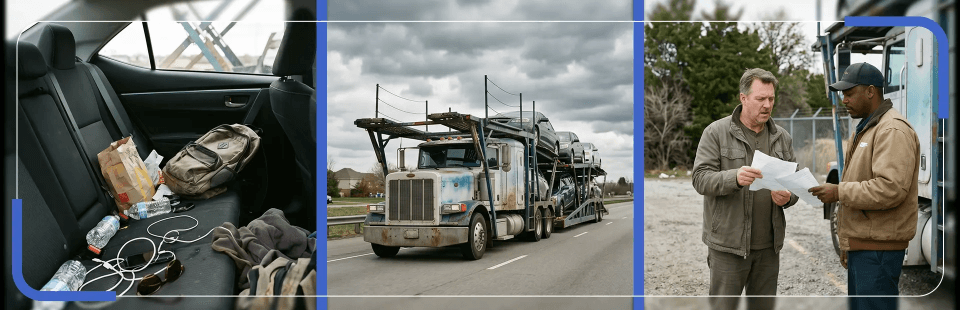
Carriers are not licensed to move household goods. To ship your car safely, you must remove all personal belongings from the interior. Items left in the car are not covered by the carrier's insurance and can lead to fines if the truck exceeds its weight limit at highway scales.
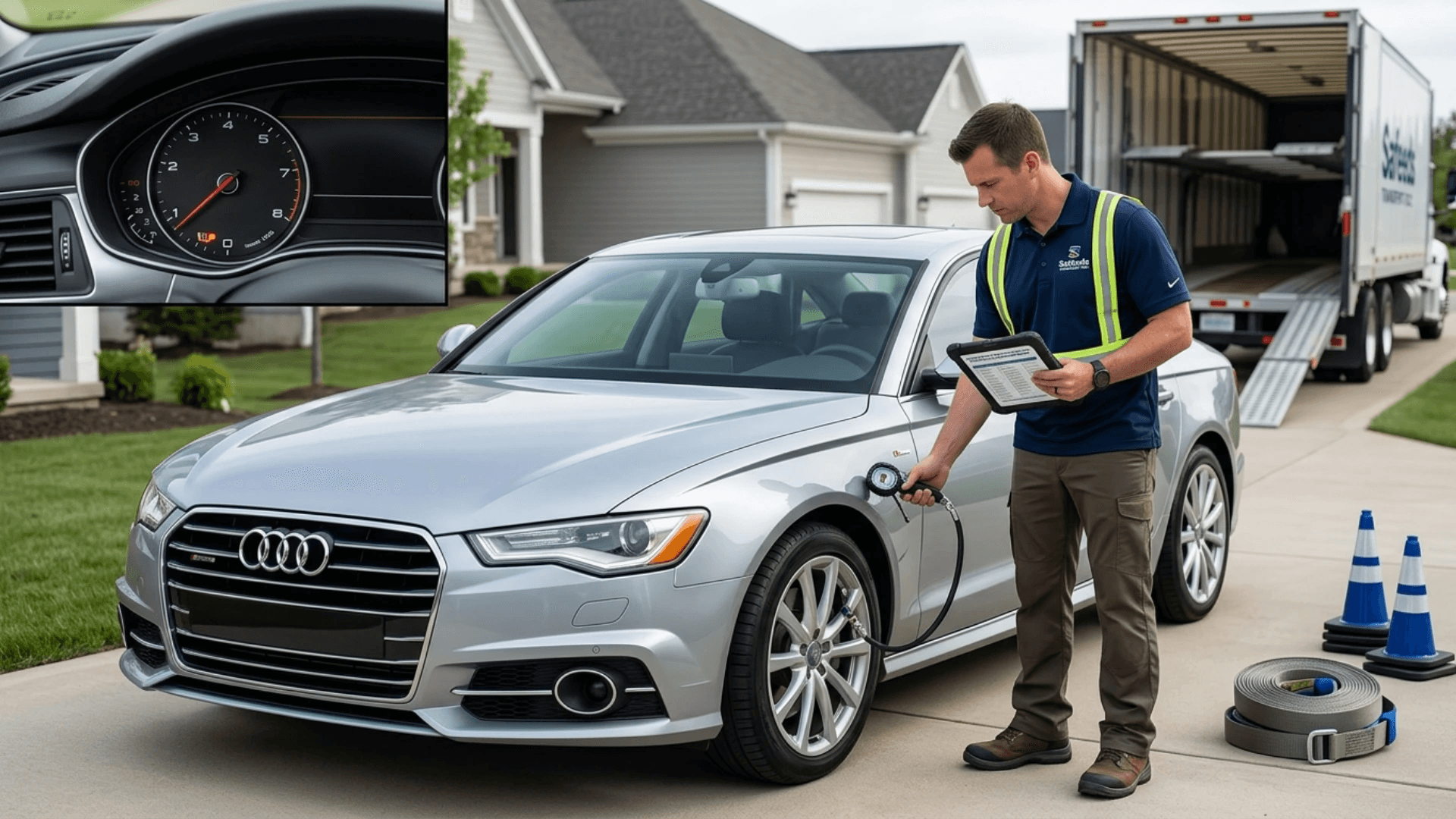
Perform Basic Maintenance Checks
Ensure the vehicle is in good running condition, even if it is just being driven onto a trailer. Check for:
Tire Pressure: Properly inflated tires protect the rims during loading.
Battery Health: A dead battery can lead to "non-op" fees.
Fluid Leaks: Significant leaks can damage other vehicles on a multi-car carrier.
Disable Alarms and Secure Loose Parts
An alarm that triggers mid-transit can drain your battery and distract the driver. Additionally, ensure that toll tags, parking passes, and aftermarket spoilers or loose mirrors are removed or secured to prevent them from catching the wind or falling off.
Safety Checks Inspired by Long-Distance Driving Preparation
Even though you aren't behind the wheel for the journey, your vehicle must be roadworthy enough to withstand the physical rigors of long-haul transit. The vibrations of the trailer, shifting inclines during mountain passes, and significant temperature fluctuations across climate zones mirror the stresses of a standard road trip.
Treating your preparation with the same diligence as preparing your car for a long trip ensures that your vehicle remains in peak condition from the moment it is loaded until it is driven off the trailer at its destination.
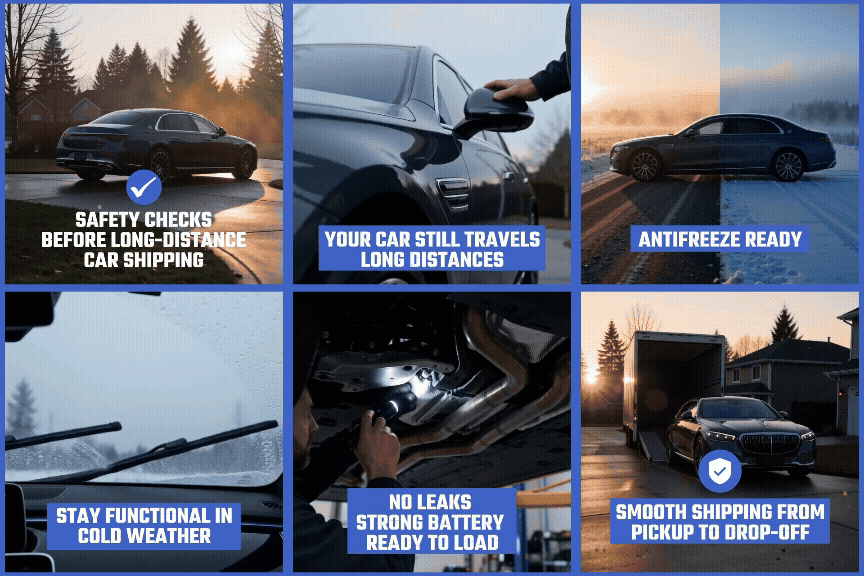
Fluid Level Management: Just as you would check the cooling system before a 2,000-mile drive, ensure all fluids are at appropriate levels. However, unlike a road trip, you should only maintain a quarter tank of fuel to minimize weight and safety risks.
Antifreeze and Climate Readiness: If you are shipping from a temperate region to a colder climate, you must know how to prepare your car for snow before it reaches its destination. Verify that your antifreeze levels are sufficient for freezing temperatures to prevent engine block damage during transit.
Winter Grade Maintenance: For winter shipments, ensure your windshield wiper fluid is a winter-grade mix. This is a vital step when you ship a car during colder months, as it ensures the vehicle is functional the moment you take delivery in a snowy environment.
Undercarriage Protection: When shipping during the winter, consider the impact of road salt and slush. While open carriers are standard, an enclosed carrier is often the professional recommendation to protect the undercarriage and exterior finish from corrosive seasonal elements.
Mechanical Stability: Ensuring the vehicle has no major leaks and a healthy battery prevents "non-op" complications, allowing the driver to move the vehicle safely and efficiently during the loading and unloading phases.
Understanding Car Shipping Costs and What Affects Pricing
The cost to ship a car across the country is dynamic and influenced by several market variables. A transparent approach to pricing ensures that there are no hidden surprises, allowing you to plan your budget with the same precision that the carrier uses to plan their route.
How Much to Ship a Car Across Country
On average, shipping a sedan from coast to coast can range from $1,100 to $1,700, while larger SUVs or trucks may cost more due to their "footprint" on the trailer. Understanding shipping your car across the country involves looking at the price per mile, which typically decreases as the total distance increases.
Factors That Influence Shipping Car Cost
In 2026, shipping rates reflect a balance of real-time demand and operational overhead. Understanding how carriers weigh variables like equipment needs and insurance ensures you receive an accurate, market-driven quote for your vehicle's journey. The primary drivers of your quote include:
Distance: The total mileage of the route.
Vehicle Size: Weight and dimensions determine how much "space" is lost on the trailer.
Seasonality: Prices spike during "snowbird" seasons or peak summer moves.
Fuel Prices: National averages for diesel significantly impact carrier rates.
Cost Comparison: Vehicle Type and Distance Impact
To help you budget effectively for your upcoming move, it is useful to visualize how vehicle dimensions and total mileage intersect to determine your final rate. The following data provides a snapshot of current 2026 market averages, allowing you to compare standard routes against specialized transport requirements.
Vehicle Category | Estimated Cost (1,000 Miles) | Estimated Cost (2,500 Miles) | Transport Recommendation |
Compact/Sedan | $700 – $950 | $1,100 – $1,400 | Open Transport |
Large SUV/Truck | $900 – $1,200 | $1,500 – $1,900 | Open Transport |
Luxury/Classic | $1,200 – $1,600 | $2,000 – $2,800 | Enclosed Transport |
Electric Vehicles | $850 – $1,100 | $1,300 – $1,700 | Open (Weight Factor) |
Cost to Ship Car Across Country vs Short Distances
Short-distance shipping (under 500 miles) often has a higher price-per-mile because the carrier's "hook-up" and administrative costs remain the same regardless of the distance. To ensure you are working with a licensed and authorized motor carrier, always verify their credentials before booking. When you ship your car to another state that is adjacent, you may pay $2.00 per mile, whereas a cross-country trip might drop to $0.60 per mile.
Choosing Between Transport Options for Cross-Country Car Shipping
Selecting the right trailer type and delivery method is a pivotal decision that impacts both your budget and the level of protection your vehicle receives. Cross-country car shipping is not a one-size-fits-all service; the choice often depends on the vehicle’s value and your personal timeline.
Open vs Enclosed Transport Explained
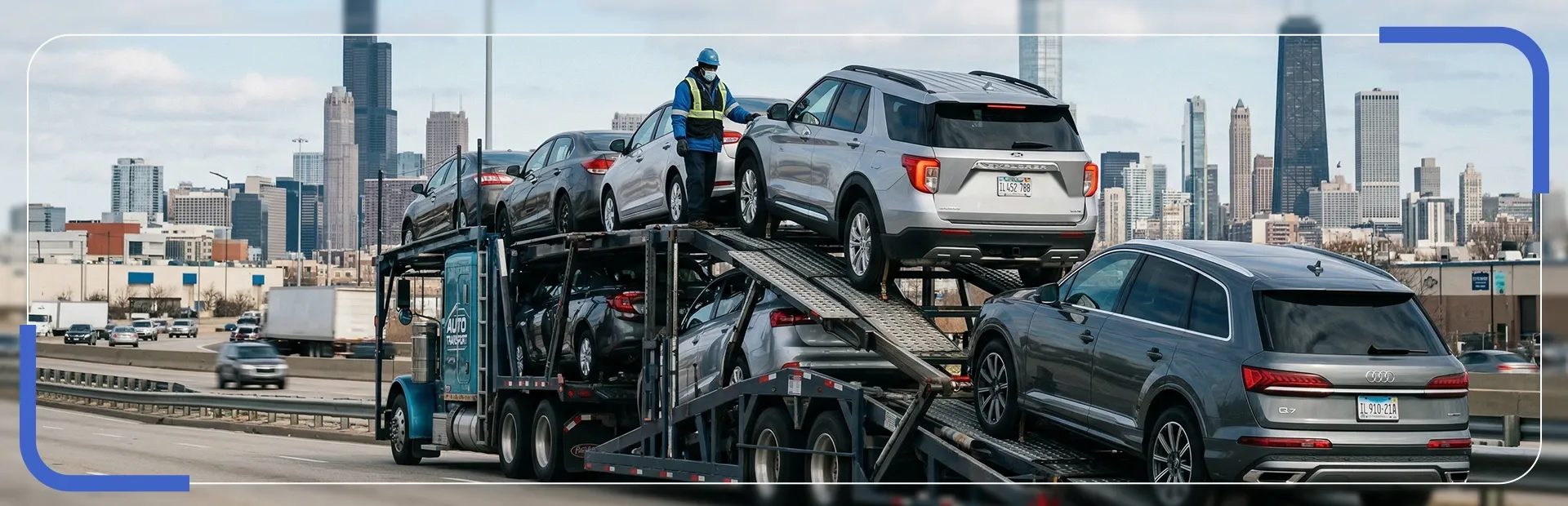
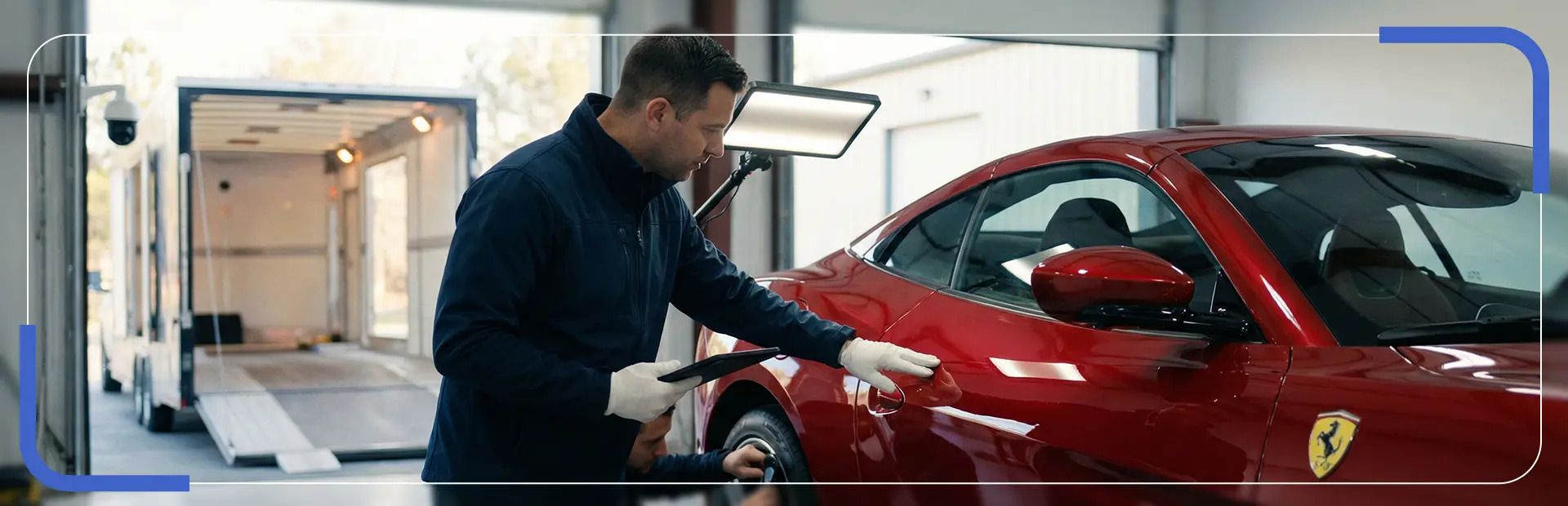
Open transport is the most common and cost-effective way to ship a car. Your vehicle is placed on a multi-car trailer, similar to those used to deliver new cars to dealerships. While exposed to weather and road debris, it is highly secure and favored for daily drivers. Conversely, enclosed transport involves a fully shielded trailer. This is the best car shipping service for luxury, vintage, or high-value vehicles, as it provides a barrier against rain, hail, and dust, though it typically increases the shipping cost by 30% to 50%.
Door-to-Door vs Terminal Shipping
Door-to-door shipping offers the ultimate convenience, where the carrier picks up and delivers as close to your specific addresses as legally and safely possible. Terminal shipping requires you to drop off and pick up the vehicle at a designated storage lot. While terminals can sometimes lower the cost to ship a car across the country, they often involve additional storage fees and a higher risk of incidental damage while the car sits in a public lot.
Comparison of Vehicle Transport Methods
Choosing the right combination of transport type and delivery method is the most effective way to align the logistics of your move with your specific budget and protection requirements. Each service tier offers a different balance of exposure, price, and convenience, making it essential to evaluate whether your priority lies in cost savings or maximum vehicle preservation.
The following comparison table breaks down the primary features of the industry's most common shipping configurations to help you make an informed selection for your vehicle's journey.
Feature | Open Transport | Enclosed Transport | Door-to-Door | Terminal-to-Terminal |
Cost Level | Economy | Premium | Standard | Budget |
Protection | Standard (Exposed) | Maximum (Shielded) | High | Moderate |
Convenience | High | High | Maximum | Low |
Availability | Excellent | Limited | Excellent | Moderate |
Common Mistakes to Avoid When Shipping Your Car Across Country
Even with a professional guide, many owners fall into traps that lead to stress or unexpected expenses. Awareness of these common pitfalls is essential to ship your car safely.
Booking Based on Price Alone
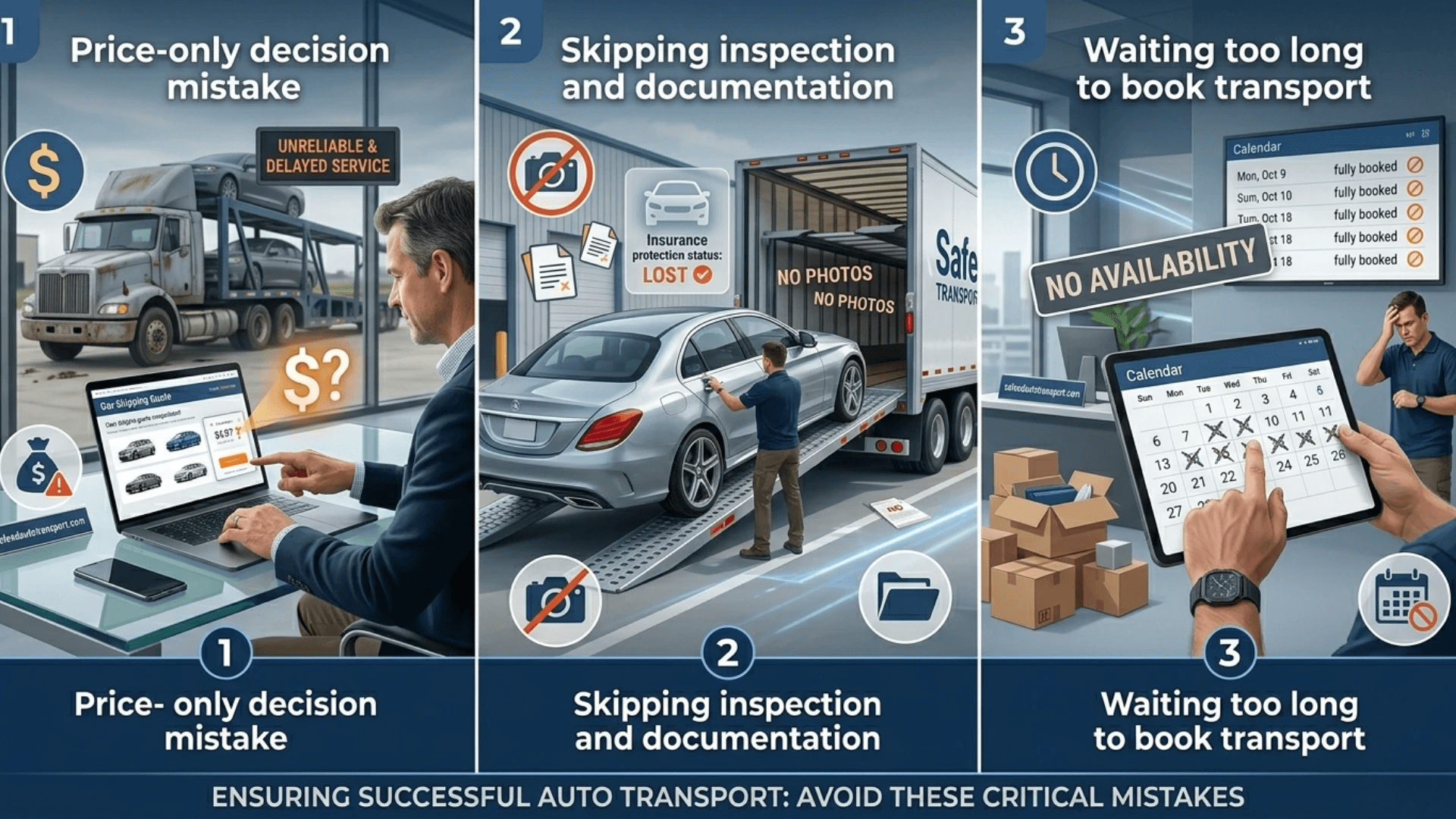
One of the most dangerous mistakes is choosing a company solely because it offered the lowest quote. In the logistics industry, "too good to be true" prices often come from unreliable brokers who fail to secure a carrier, eventually demanding more money to get the job done. The best car shipping companies provide realistic, market-driven rates that ensure a vetted driver actually accepts the load.
Skipping Inspection and Documentation
Never allow a driver to load your vehicle without a thorough joint inspection. If you skip documenting the car's condition on the Bill of Lading, you essentially waive your right to an insurance claim for transit-related damage. Take high-resolution photos of all angles of the vehicle at the time of pickup.
Waiting Too Long to Schedule Transport
Long-distance logistics require lead time. Waiting until the week of your move to ship a car across the country can result in limited availability and "expedited" surcharges. Ideally, you should secure your booking at least two to three weeks in advance to lock in the best rates.
Special Considerations and Practical Tips for a Secure Shipment
Certain routes and vehicle types require a specialized logistical framework that goes beyond standard domestic trucking. To ship your car safely, it is vital to understand the unique requirements of your specific scenario while maintaining clear communication and realistic planning throughout the process.
Logistics for Shipping Your Car to Hawaii: Transporting a vehicle to the islands involves a complex combination of ground transport and ocean freight. Unlike standard interstate moves, shipping your car to Hawaii requires the vehicle to be completely empty of all personal items, and the exterior must be pristine to pass stringent agricultural inspections. Typically, vehicles are loaded onto specialized RORO (Roll-on/Roll-off) vessels at West Coast ports like Long Beach or Seattle.
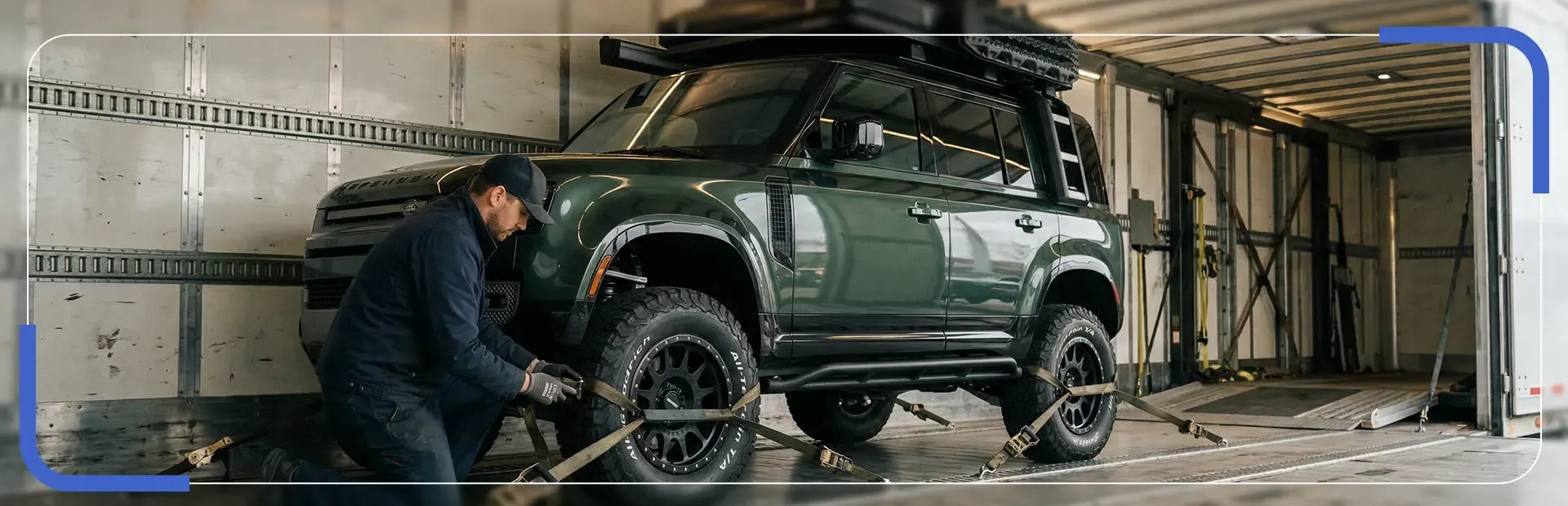
Protecting High-Value or Classic Vehicles: For rare or luxury assets, the focus shifts from cost to preservation. When shipping high-value cars, verify that the carrier uses soft tie-downs rather than chains to prevent frame stress. Additionally, ensure the carrier’s insurance cargo limit is sufficient to cover the full appraised value of your investment.
The Importance of Planning and Flexibility: While you can request specific dates, the best car shipping service usually operates within windows. Being flexible with your pickup and delivery dates, even by 24 to 48 hours, can significantly reduce your stress and potentially lower your quote as it allows for better carrier alignment.
Working with Verified and Trusted Carriers: Ensure your broker utilizes a rigorous vetting process. A trusted provider like Safeeds ensures that every driver has an active MC (Motor Carrier) number and up-to-date insurance filings. This professional due diligence is the backbone of a secure, successful move.
What to Know Before Finalizing Your Cross Country Car Shipping Decision
Making the final call on a transport provider should be an informed decision based on transparency and reliability. Below are some of the most frequently asked questions that customers encounter when shipping their car to another state.
How long does it typically take to ship a car across the country?
Cross-country trips (e.g., New York to California) generally take 7 to 10 days once the vehicle is picked up. Factors like weather, driver rest mandates, and the number of other stops on the trailer can influence the final delivery date.
Can I put boxes in the trunk when shipping my car?
Most carriers strictly prohibit personal items because they are not licensed to transport household goods. Furthermore, the added weight can put the truck over legal limits. It is always best to ship your car completely empty to avoid fines or lost items.
Is my car insured during the entire transit?
Yes, reputable carriers provide cargo insurance that covers damage during transit. However, this does not usually cover "Acts of God" (like hail) or mechanical internal failures. Always review the carrier's insurance certificate before loading.
What is the "Bill of Lading," and why is it important?
The Bill of Lading is the legally binding contract between you and the carrier. It serves as your receipt and the official record of the vehicle's condition. Accuracy in this document is vital for any potential insurance claims.
Do I need to be present for pickup and delivery?
Either you or a designated representative (over 18) must be present to sign the inspection reports. If you cannot be there, you can authorize a friend or neighbor to act on your behalf.
Ensuring a Safe and Efficient Cross-Country Car Shipping Process
In conclusion, a successful vehicle transport experience is the result of thorough preparation and choosing a partner that prioritizes transparency over low-ball estimates. By taking the time to clean your vehicle, document its condition, and understand the various transport options, you mitigate the risks inherent in long-distance logistics.
Whether you are shipping your car across the country for a move or shipping your car to another state for a sale, the principles remain the same: preparation prevents surprises. A professional transport service provides more than just a truck; it provides the peace of mind that one of your most valuable assets is in expert hands. Get your free, no-obligation quote from Safeeds Transport Inc. today and experience the industry’s best car shipping service.