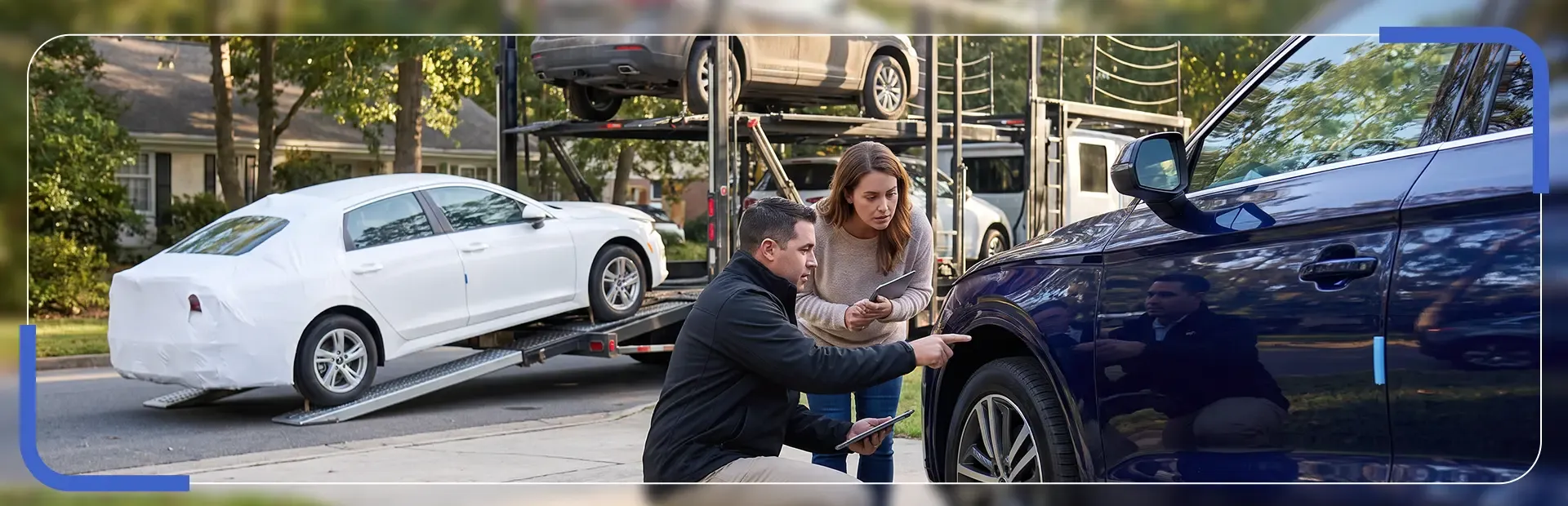
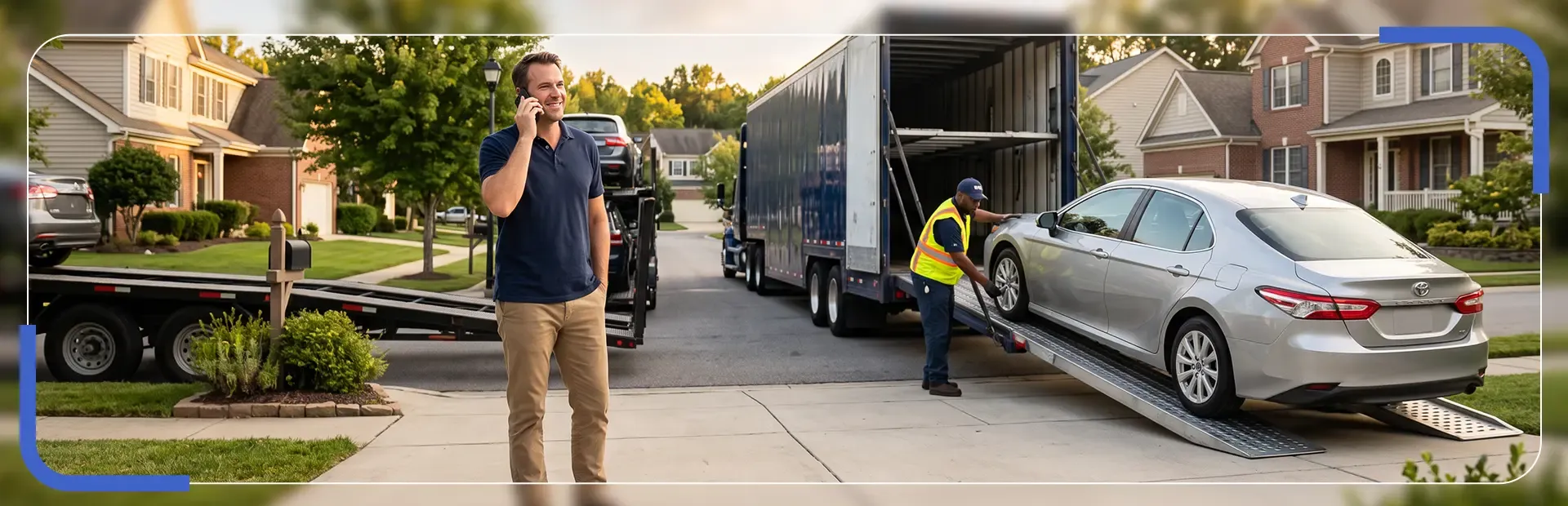
A damaged bumper at delivery shouldn't be the moment you first learn what your coverage actually protects.
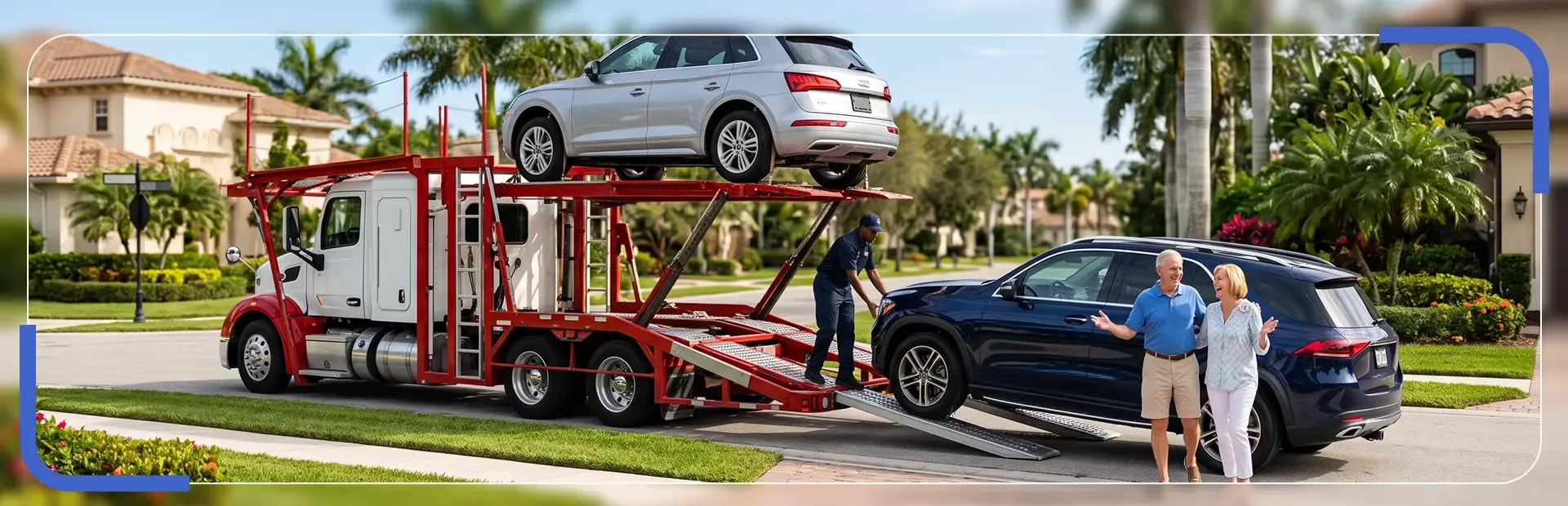
So, what does car shipping insurance cover? In most cases, it covers physical damage to your vehicle caused by the carrier during pickup, transit, or delivery, things like collision damage, weather-related harm, and loading or unloading accidents. It generally does not cover pre-existing damage, personal belongings left in the car, or mechanical issues unrelated to transport. Coverage is tied to the carrier's cargo insurance policy, not your personal auto insurance, which is why verifying it before booking matters.
Understanding these details before your vehicle leaves your driveway can save you time, money, and stress if something goes wrong in transit. This guide breaks down exactly what's covered, what isn't, how deductibles and gap coverage work, and how to confirm a carrier's policy is legitimate before you commit. Request a quote from Safeeds and speak with our team today to confirm your carrier's coverage before you book.
Is Your Car Insured During Transport?
Every licensed auto transport carrier operating in the United States is legally required to carry cargo insurance. This requirement is enforced by the Federal Motor Carrier Safety Administration (FMCSA), and it exists specifically to protect vehicle owners while their cars are in a carrier's possession.
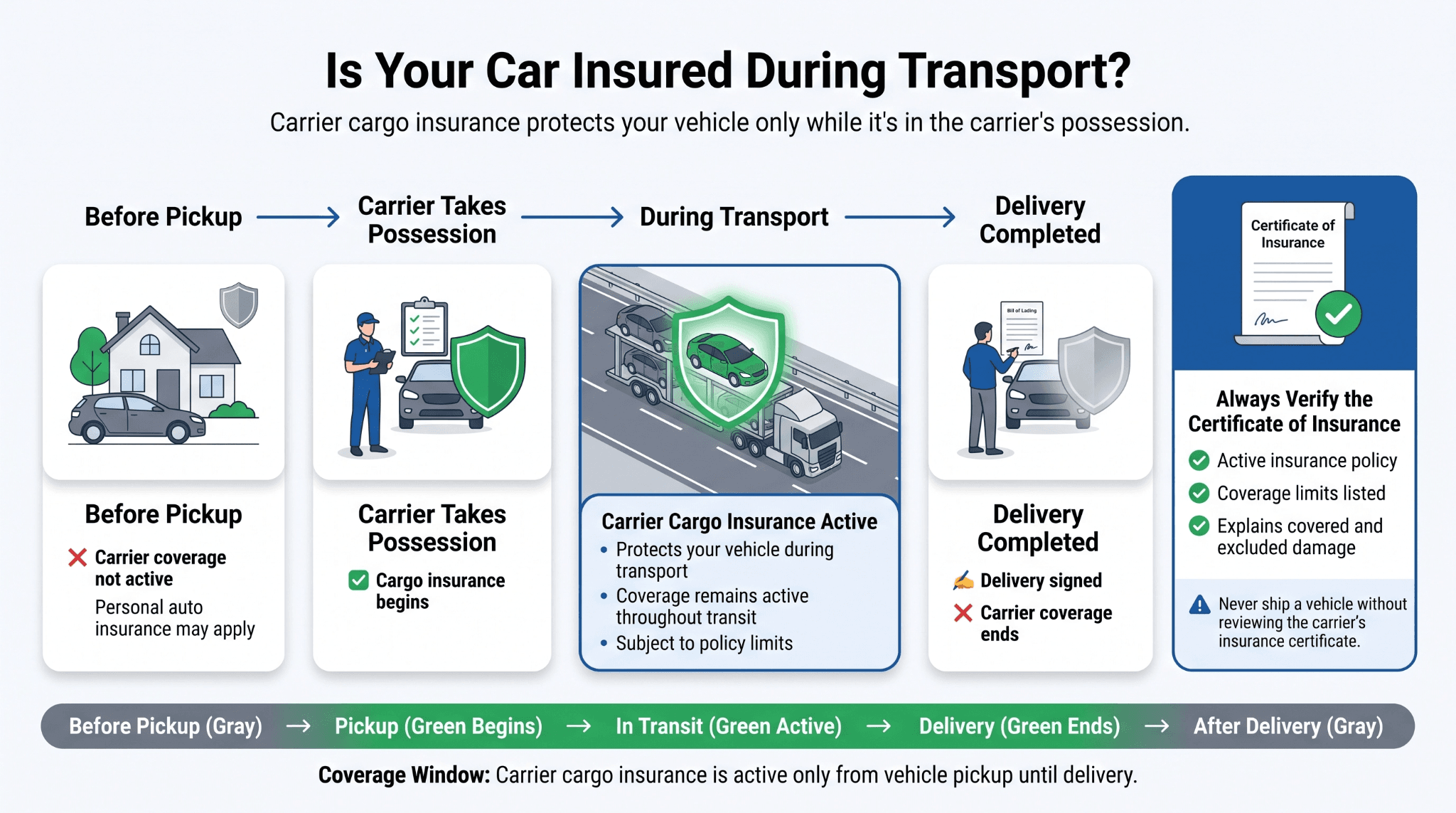
So, is your car insured during transport? Yes, but the coverage comes from the carrier's policy, not from your personal auto insurance. Most personal policies are written for vehicles in active, personal use, and once your car is loaded onto a trailer, it's treated as cargo instead.
Coverage doesn't apply indefinitely, it's tied to a specific window of time. Here's how that window actually works:
Starts: The moment the carrier takes possession of your vehicle at pickup
Continues: For the full duration of transit, under the carrier's cargo policy
Ends: When the vehicle is signed for at delivery
Outside this window: Before pickup or after delivery, the carrier's policy no longer applies
This is also why the carrier's Certificate of Insurance matters so much. It confirms the policy is active, states the coverage limits, and outlines what is and isn't included. A shipper who never checks this document is, in effect, trusting a stranger's paperwork without reading it.
What Does Car Shipping Insurance Cover? (5 Covered Situations)
Once a carrier's insurance is confirmed active, the next question is what it actually pays for. Car shipping insurance is not a blanket policy that covers every possible scenario, it's built around damage tied directly to the carrier's handling.
What Damage Is Typically Covered?
Coverage under a standard cargo policy centers on damage that occurs while the carrier physically controls your vehicle. The five scenarios below make up the bulk of valid claims filed each year.
Collision or accident damage while the vehicle is secured on the trailer
Weather-related damage, such as hail, flooding, or storm debris impact
Damage during loading and unloading, including scrapes or dents from improper securing
Theft while the vehicle is in the carrier's possession
Fire or transit-related incidents caused directly by carrier negligence
These five categories represent the core of what does car shipping insurance cover in a standard cargo policy. Each shares a common thread: the damage must be tied to something the carrier did, or failed to do, while your vehicle was in their care.
The line between covered and excluded damage isn't always obvious at first glance. To make the distinction clearer, here's how common scenarios compare side by side.
Covered vs. Not Covered: Quick Comparison
Not every scenario fits neatly into "covered" or "excluded," which is why disputes often come down to specifics. The table below lays out the most common situations side by side for quick reference.
Scenario | Typically Covered? | Why |
|---|---|---|
Collision while on the trailer | Yes | Carrier negligence or accident |
Hail or storm damage in transit | Yes | Environmental damage during carrier custody |
Damage during loading/unloading | Yes | Occurs under carrier handling |
Pre-existing scratches or dents | No | Not caused by the carrier |
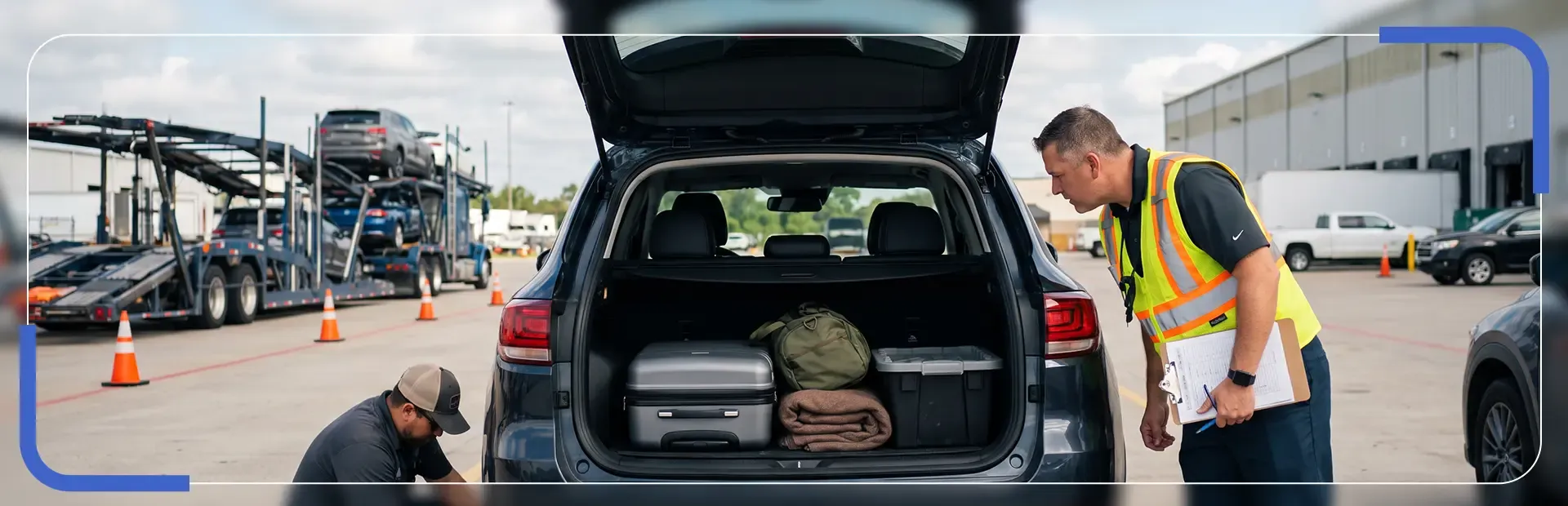
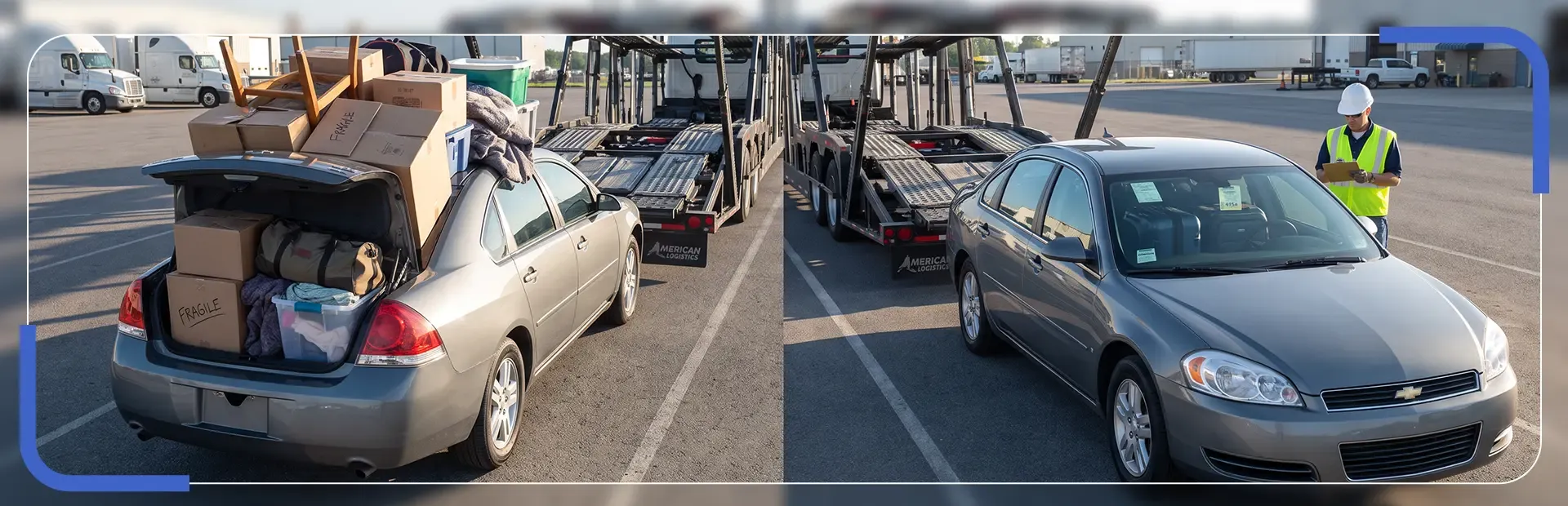
Items left inside the vehicle | No | Cargo policies cover the vehicle, not contents |
Mechanical breakdown unrelated to transit | No | Not a transport-caused incident |
What Does Car Shipping Insurance Not Cover?
Just as important as knowing what's included is understanding where coverage stops. Many shippers assume a cargo policy protects against anything that could go wrong, and that assumption is where most disputes begin.
What Are the Common Coverage Exclusions?
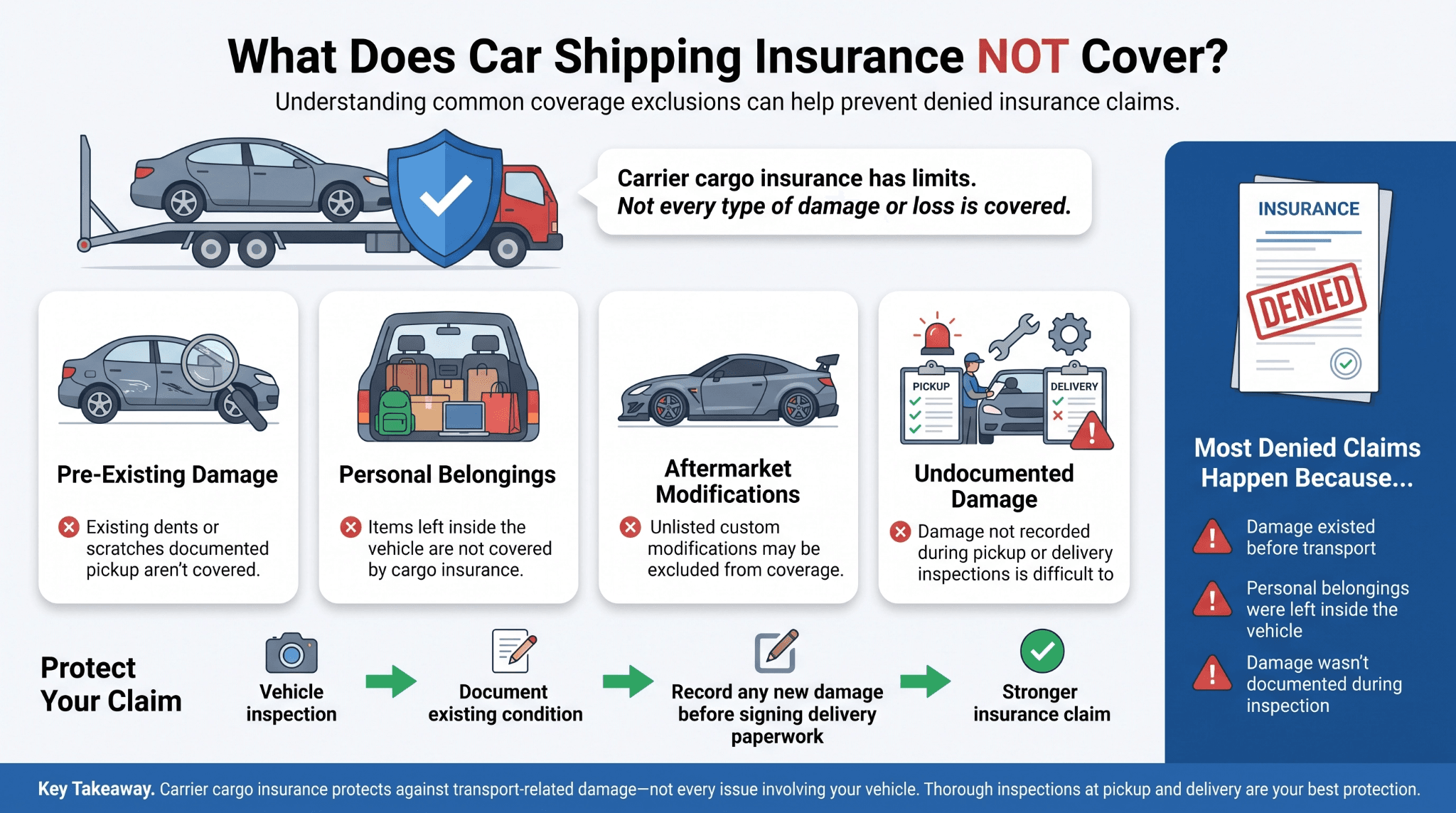
Understanding what falls outside a cargo policy is just as important as knowing what's included. The five exclusions below account for the majority of denied claims.
Pre-existing dents, scratches, or mechanical issues documented before pickup
Personal belongings or items left inside the vehicle
Aftermarket modifications not listed on the inspection form
Mechanical failure unrelated to the carrier's handling
Undocumented damage not noted at pickup or delivery inspection
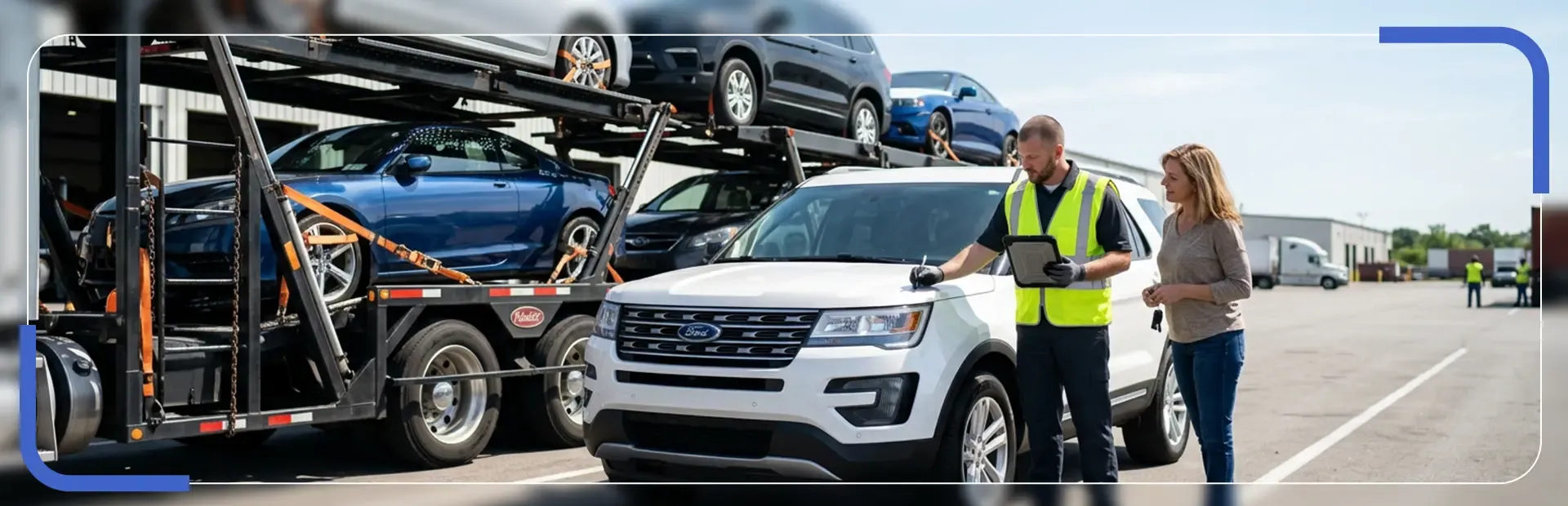
This last point is worth emphasizing. If damage isn't recorded on the inspection report at both pickup and delivery, it becomes very difficult to prove it happened during transport rather than before or after. A thorough inspection is one of the simplest ways to protect your claim before it's ever needed.
What Is a Car Shipping Insurance Deductible?
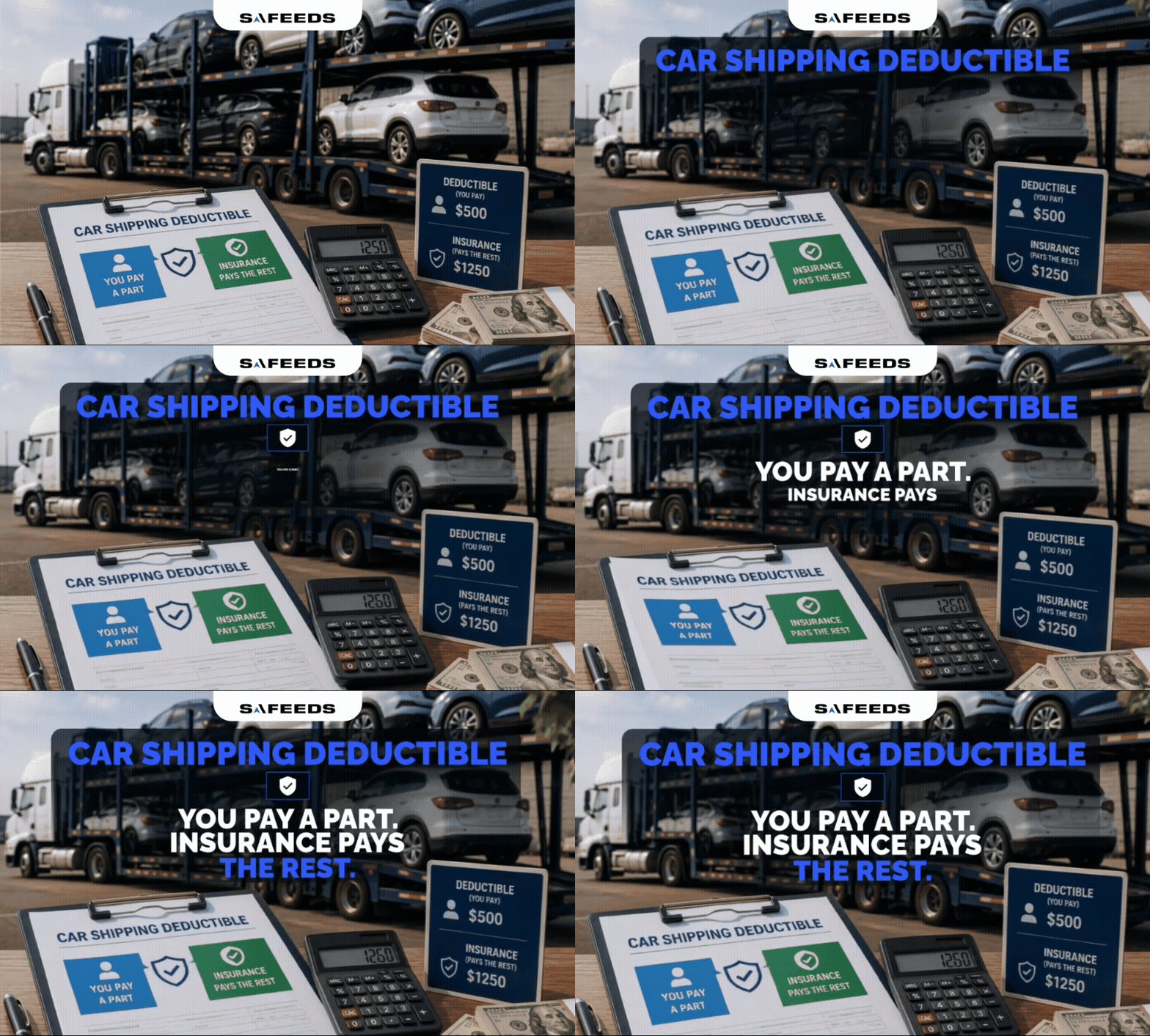
A car shipping insurance deductible works similarly to a deductible on any other insurance policy. It's the portion of a claim's cost that isn't covered by the insurer, before the remaining balance is paid out.
The easiest way to picture this is with a simple example. Think of it like a co-pay at a doctor's visit:
A covered claim totals $2,000 in repairs
The policy has a $500 deductible
The insurer typically covers the remaining $1,500
Deductible amounts vary by carrier and coverage tier. In most standard arrangements, the deductible is the carrier's responsibility to absorb, not the customer's, though this isn't universal across every company.
This distinction is worth confirming before booking. Some carriers build the deductible into their own liability, while others may try to pass a portion of it to the customer. Asking directly about the car shipping insurance deductible structure, in writing, removes any ambiguity before your vehicle is on the trailer.
What Is Gap Coverage in Auto Transport?
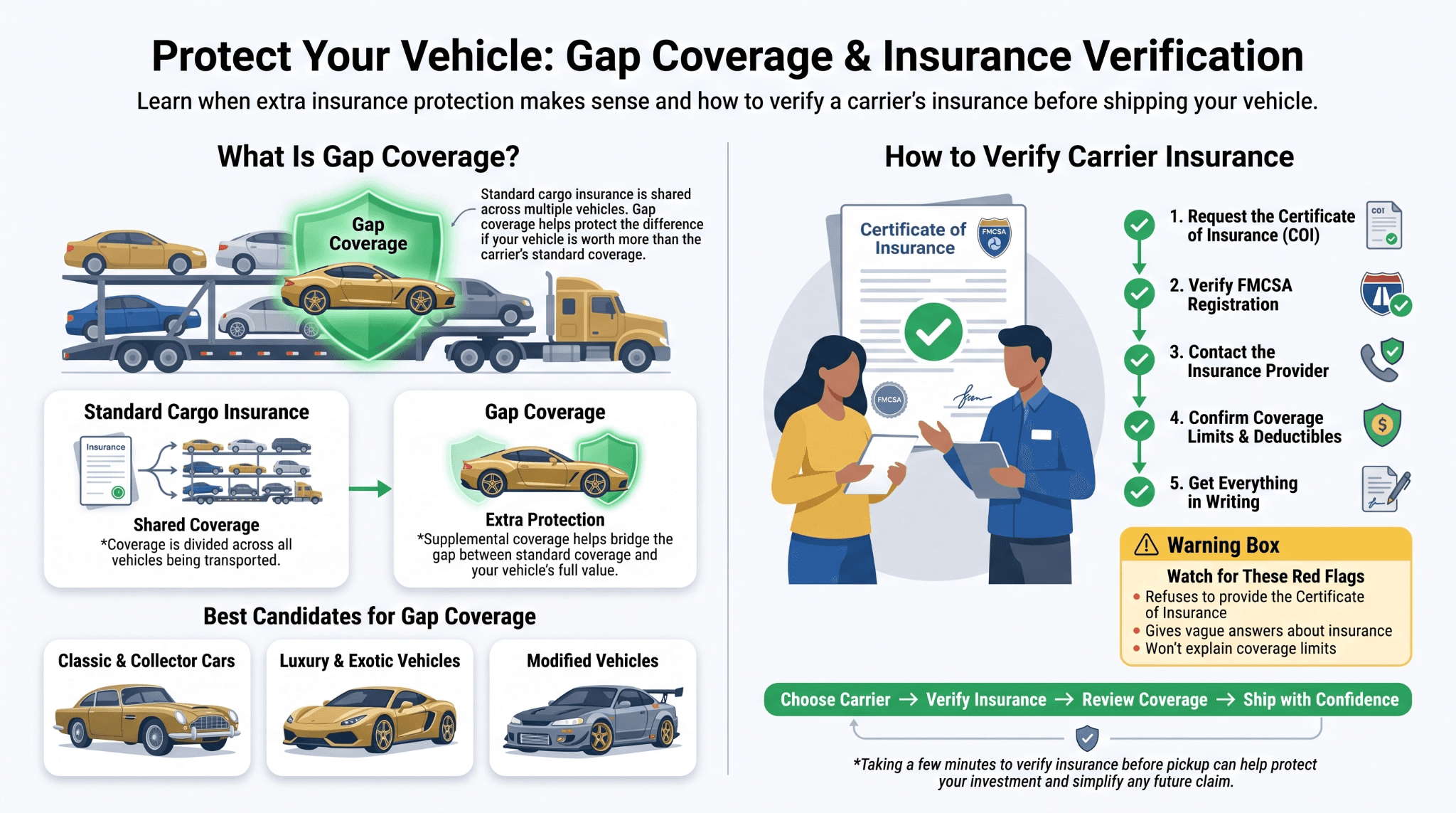
Standard cargo insurance is often shared across every vehicle on a trailer, and the total policy limit is divided among them. For an average vehicle, this rarely causes a problem. For a high-value, classic, or luxury vehicle, it can leave a real shortfall between what the policy pays and what the vehicle is actually worth.
This is where gap coverage auto transport options come in. Gap coverage is a supplemental policy that fills the difference between a carrier's base cargo insurance and the vehicle's full value. It becomes a practical consideration for:
Classic or collector vehicles
Luxury or exotic cars
Vehicles with significant aftermarket investment
Choosing gap coverage auto transport protection is essentially a value calculation: weigh the cost of the supplemental policy against what you'd be responsible for if the standard cargo limit falls short.
How Do I Verify a Carrier's Insurance Coverage?
Confirming a carrier's insurance shouldn't happen after your vehicle is already loaded, it should happen before you sign anything. Knowing how to verify carrier insurance properly is one of the most valuable steps a shipper can take, and it takes only a few minutes.
What Steps Confirm a Carrier Is Properly Insured?
Request the carrier's Certificate of Insurance (COI) directly
Confirm the carrier's FMCSA number and active operating status
Call the insurance provider listed on the COI to verify the policy is current
Ask about per-vehicle coverage limits and deductible responsibility
Get all coverage details in writing before the scheduled pickup date
This process is the practical answer to how to verify carrier insurance in a way that actually holds up if a claim becomes necessary. A reputable carrier won't hesitate to provide this information, hesitation or vague answers are, in themselves, useful data about how that company handles problems.
How Can I Protect My Vehicle Before and After Shipping?
Coverage knowledge only pays off when it's paired with action. This section walks through what to do if damage occurs, how to reduce that risk in the first place, and what Safeeds specifically does to protect its customers at every step.
What Should I Do If My Car Is Damaged During Shipping?
Even with proper verification, damage can occasionally still occur. What you do in the first few minutes after delivery matters more than most shippers realize, since this is your only real window to document the problem.
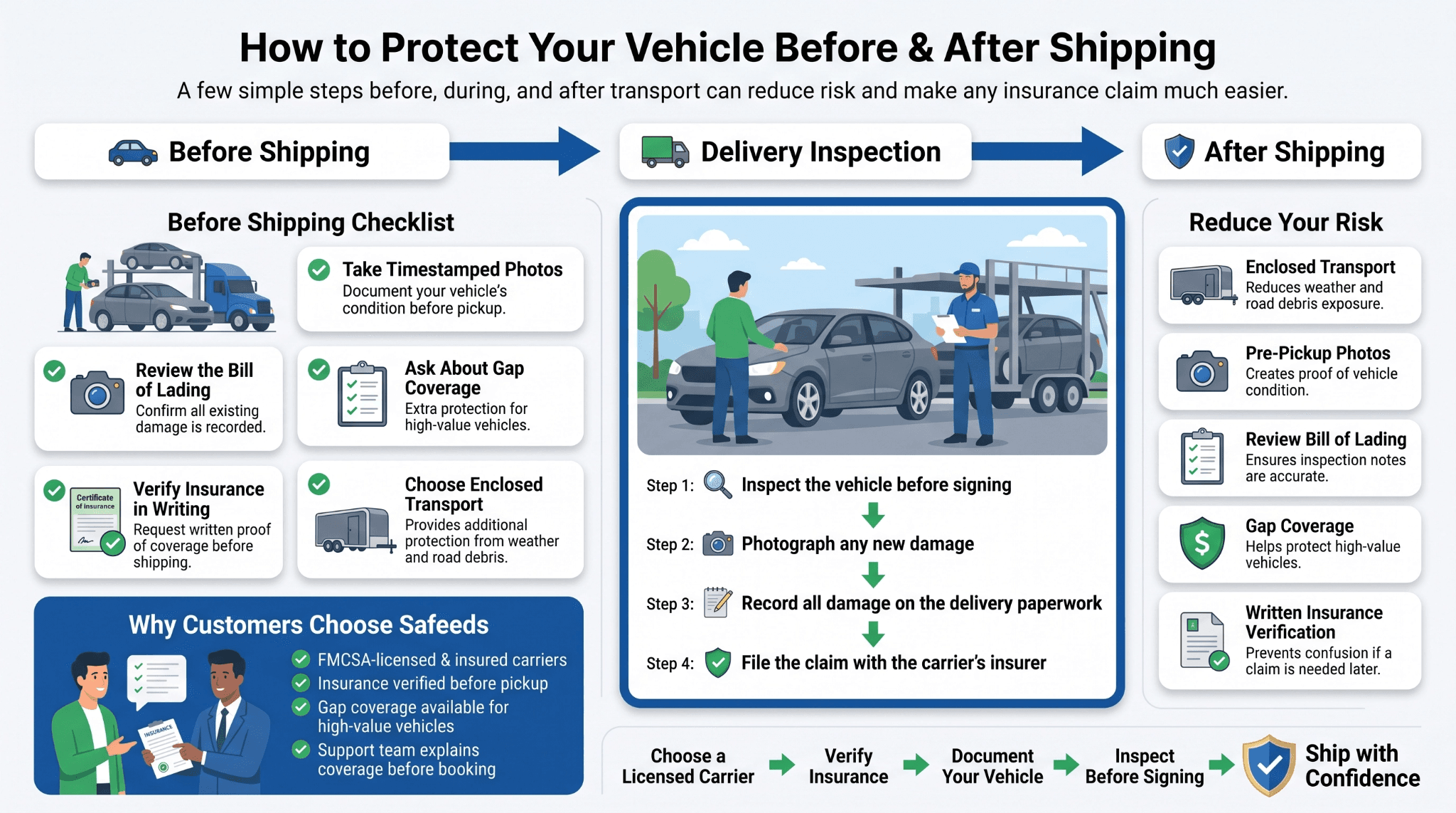
Inspect the vehicle in good lighting before signing any paperwork
Photograph all new damage from multiple angles
Note every new damage point directly on the delivery paperwork
File the claim with the carrier's insurer, not your personal insurance company
Already noticed damage after delivery? Read our full guide on filing a car shipping damage claim for the exact steps, documentation requirements, and realistic claim timelines.
How Can I Reduce My Risk Before Booking a Carrier?
Prevention is far less stressful than a claims process. A few decisions made before booking can significantly reduce the likelihood of ever needing to file one.
The table below outlines the most effective steps a shipper can take before a carrier is even assigned.
Risk Reduction Step | Why It Helps |
|---|---|
Choose enclosed transport for high-value vehicles | Reduces weather and road debris exposure |
Take timestamped photos before pickup | Documents pre-existing condition clearly |
Review the Bill of Lading carefully | Confirms accurate condition notes at pickup |
Ask about gap coverage upfront | Closes potential value shortfalls before shipping |
Verify insurance in writing | Removes ambiguity if a claim is needed later |
None of these steps guarantee a damage-free shipment, but together they create a clear paper trail. And a paper trail is exactly what protects you if something does go wrong.
What Safeeds Customers Should Know Before Shipping
Safeeds Transport works exclusively with FMCSA-licensed, insured carriers. Every shipment is matched against verified coverage before pickup is even scheduled.
Here's what that looks like in practice:
Carrier insurance status is confirmed as a standard part of booking, not an optional add-on
Coverage limits and deductible terms are reviewed before a carrier is assigned
Supplemental or gap coverage options are available for high-value vehicles
Our support team is available to walk through carrier-specific coverage details before you commit
If you're shipping a higher-value vehicle or simply want a second opinion on a carrier's coverage, that conversation is one phone call away.
What Shippers Want to Know Before Booking
The questions below come up consistently once a quote request is submitted, and the answers often shape whether a shipper feels confident moving forward.
Is my personal car insurance valid during transport?
In most cases, no. Personal auto policies are written for vehicles in active personal use, not vehicles being transported as cargo. Confirm with the carrier directly, and let Safeeds walk you through what coverage actually applies to your shipment.
Do I need to pay a deductible if my car is damaged?
Typically, the carrier's insurance absorbs its own deductible on a valid claim. Safeeds verifies this detail with every carrier we work with, so you're not left covering costs that should already be included.
What is a Certificate of Insurance (COI) and why does it matter?
A COI confirms a carrier's active coverage, policy limits, and effective dates. We request and review this document as a standard step before any Safeeds shipment is confirmed.
Does enclosed transport come with better insurance coverage?
Not automatically, enclosed transport reduces physical exposure, but standard policy exclusions still apply. If you want broader protection, ask our team about supplemental options.
Should I buy gap or supplemental insurance for a high-value car?
For classic, luxury, or heavily modified vehicles, it's worth considering. Safeeds can connect you with supplemental coverage options based on your specific vehicle and route.
What happens if I notice damage after delivery?
Document it immediately, note it on the delivery paperwork, and file with the carrier's insurer. Our support team is available to guide you through this process step by step.
What Does Car Shipping Insurance Cover in 2026
Car shipping insurance protects your vehicle against carrier-caused damage, collisions, weather events, and loading incidents, while excluding pre-existing issues, personal items, and unrelated mechanical failures. Deductibles and gap coverage shape how much protection you actually have, and verifying a carrier's policy before booking is the single most effective way to avoid disputes later.
The shippers who have the smoothest experiences aren't the ones who got lucky. They're the ones who asked the right questions before their vehicle ever left the driveway. Request your quote today and partner with a carrier network that verifies insurance coverage on every shipment.