Most people assume a lower price always means a bigger risk, but that isn't true in auto transport. Cheap car shipping is possible without sacrificing safety by booking early, choosing open transport, staying flexible on pickup dates, and comparing multiple quotes. The cheapest way to ship a car usually combines flexible timing with terminal-to-terminal delivery. These six strategies help you lower your quote while keeping your vehicle protected.
Shipping a vehicle is rarely a one-size-fits-all decision. The right approach depends on your route, timeline, and how much flexibility you have with pickup and delivery. Understanding the factors that shape your quote puts you in a stronger position to book confidently, rather than guessing whether a price is fair. Request a free, no-obligation quote from Safeeds Transport to see how these strategies apply to your specific route:
Why Does Car Shipping Cost So Much in the First Place?
Auto transport pricing isn't random. It's built from a handful of moving parts that shift daily, which is why two quotes for the same route, requested a week apart, can look completely different.
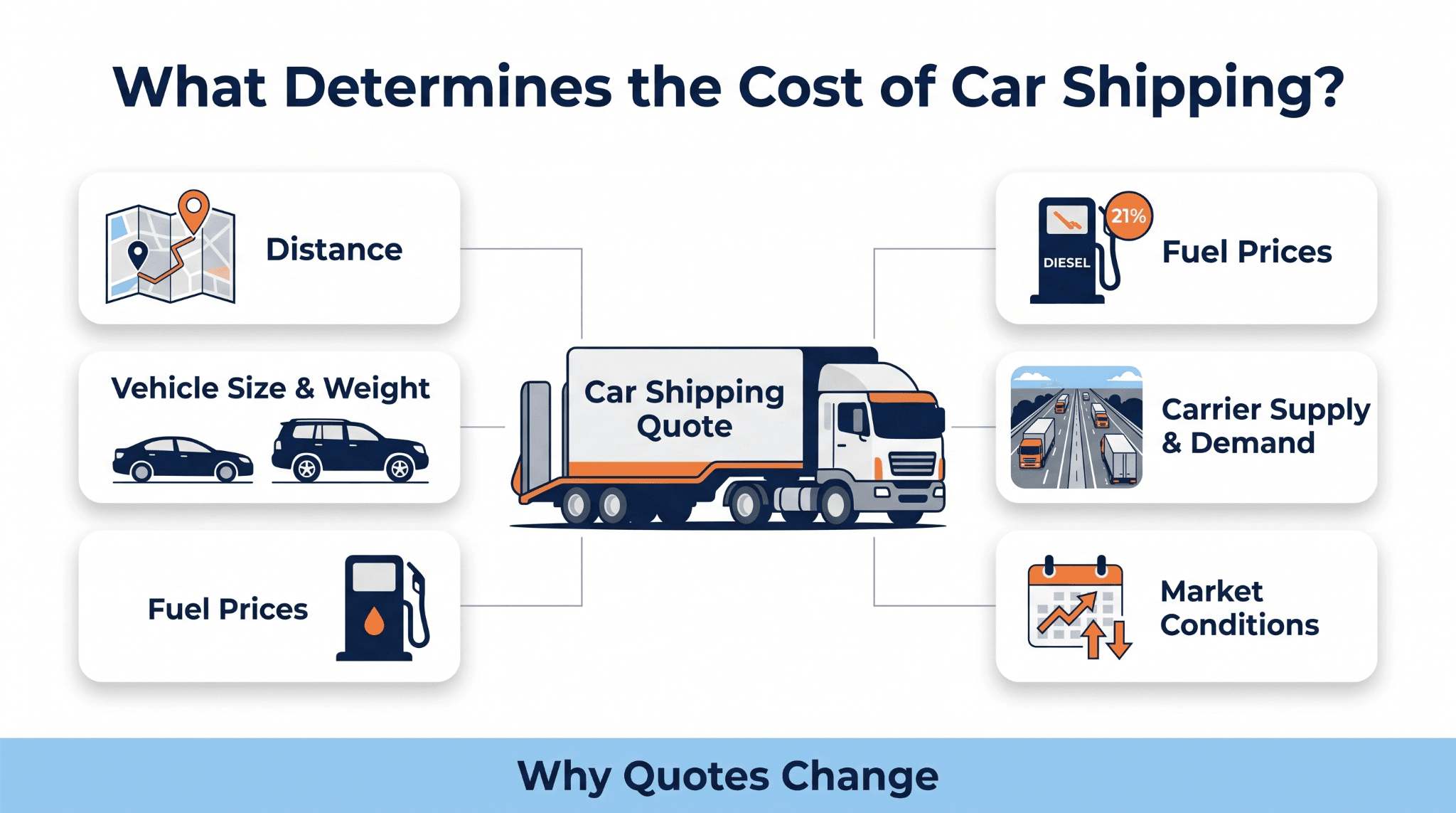
The main cost drivers are:
Distance: Longer routes cost more overall, but shorter routes often cost more per mile since carriers still need to make the trip worthwhile.
Vehicle size and weight: Larger vehicles take up more trailer space, which limits how many other cars can ship alongside yours.
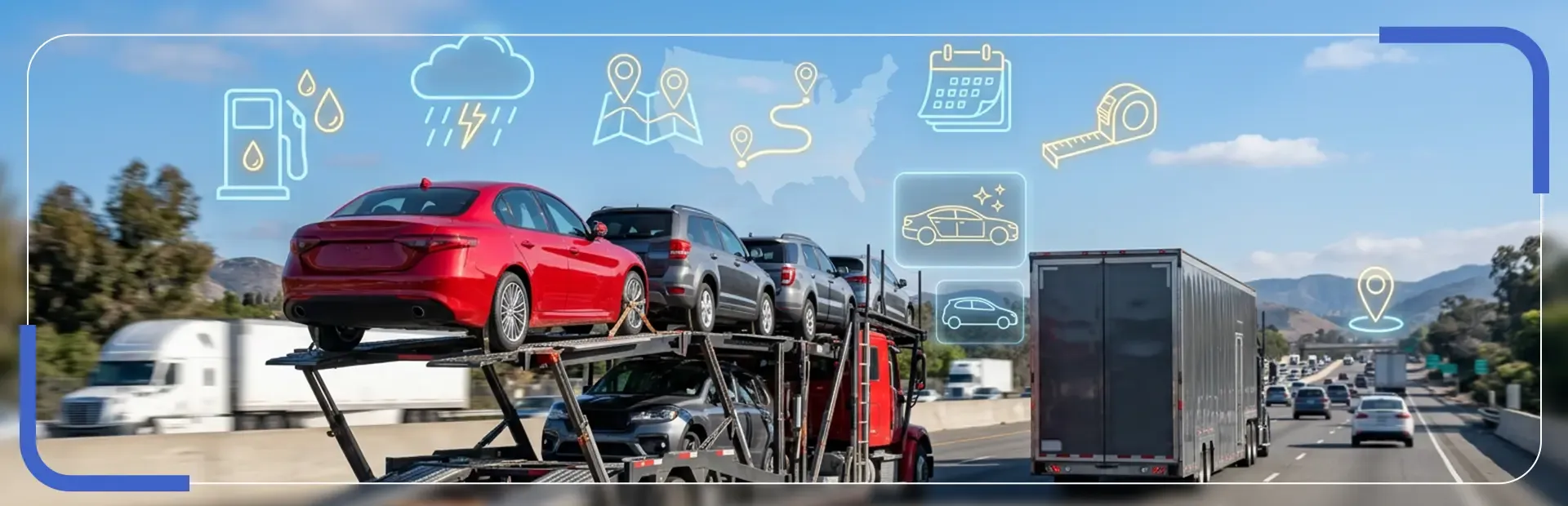
Fuel prices: Diesel is one of the largest operating costs for carriers. According to industry benchmarking, fuel accounts for roughly 21% of a carrier's total cost per mile, so even small price changes at the pump affect quotes.
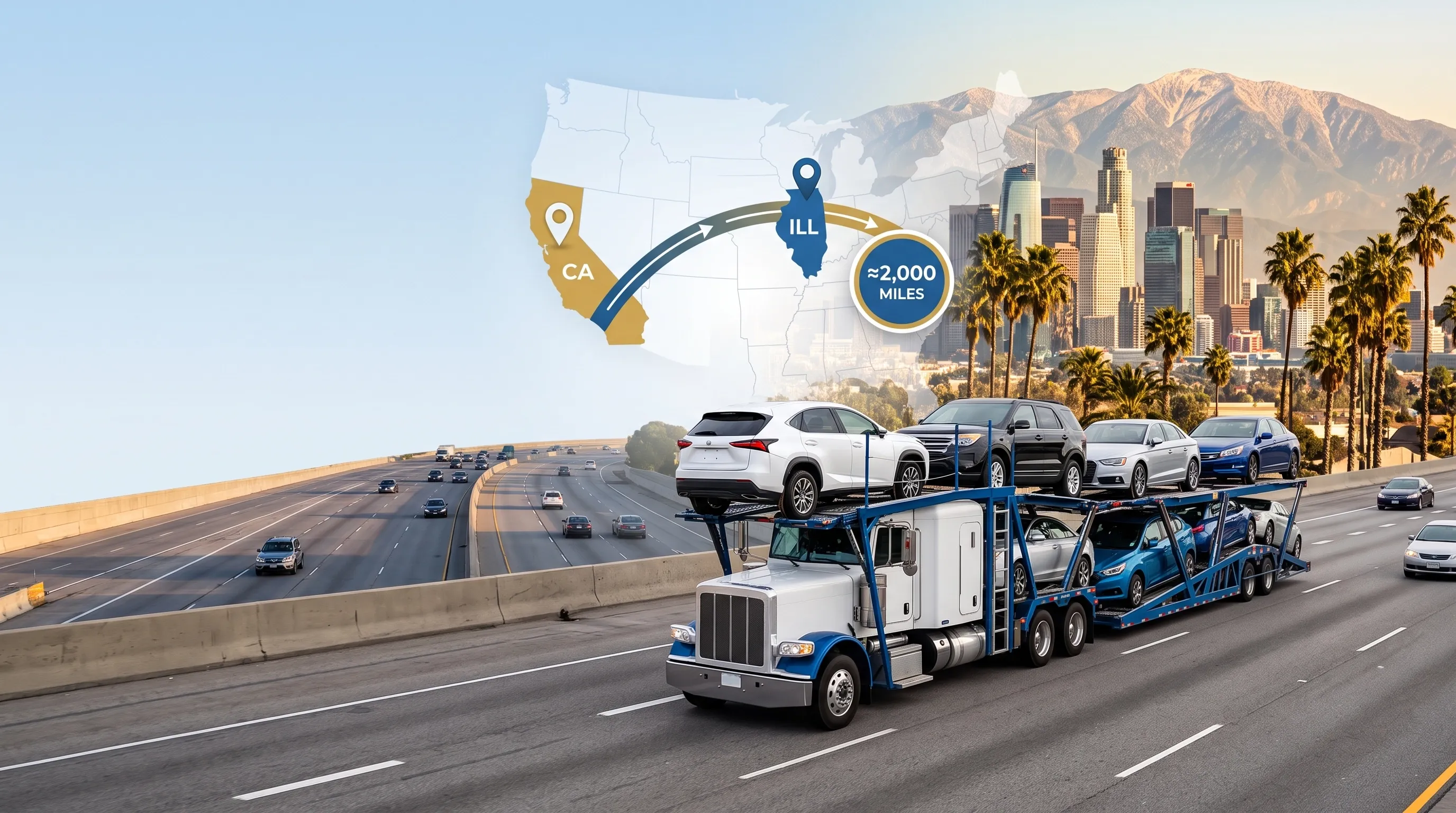
Carrier demand and route popularity: High-traffic corridors, like Los Angeles to New York, usually have more available carriers, which can help keep pricing competitive. Less common routes often cost more simply because fewer trucks are running them.
What Is the Cheapest Way to Ship a Car?
There isn't one single trick that unlocks affordable car shipping. It's a combination of choices that stack together to lower your final price.
The biggest levers are:
Transport type: Open transport is generally the cheapest way to ship a car, since it's the industry standard used for most shipments.
Timing flexibility: A rigid, exact-date request gives carriers less room to plan efficiently, which tends to push cost upward.
Route popularity: Well-traveled corridors are usually priced more competitively than remote or low-traffic routes.
The six strategies below break these levers into specific, actionable steps.

What Are 6 Ways to Get Cheap Car Shipping Without Cutting Corners?
These six methods are the ones brokers and carriers most commonly recommend to customers looking for a fair price. None of them requires sacrificing safety or working with an unverified company.
1. Book Your Shipment Early
Booking a few weeks ahead, rather than a few days, gives a broker more time to match your vehicle with a carrier already planning to run that route.
Last-minute requests often mean paying a premium for a carrier to adjust its schedule on short notice.
Early booking also gives you room to compare offers instead of accepting the first one out of urgency.
2. Choose Open Transport Over Enclosed
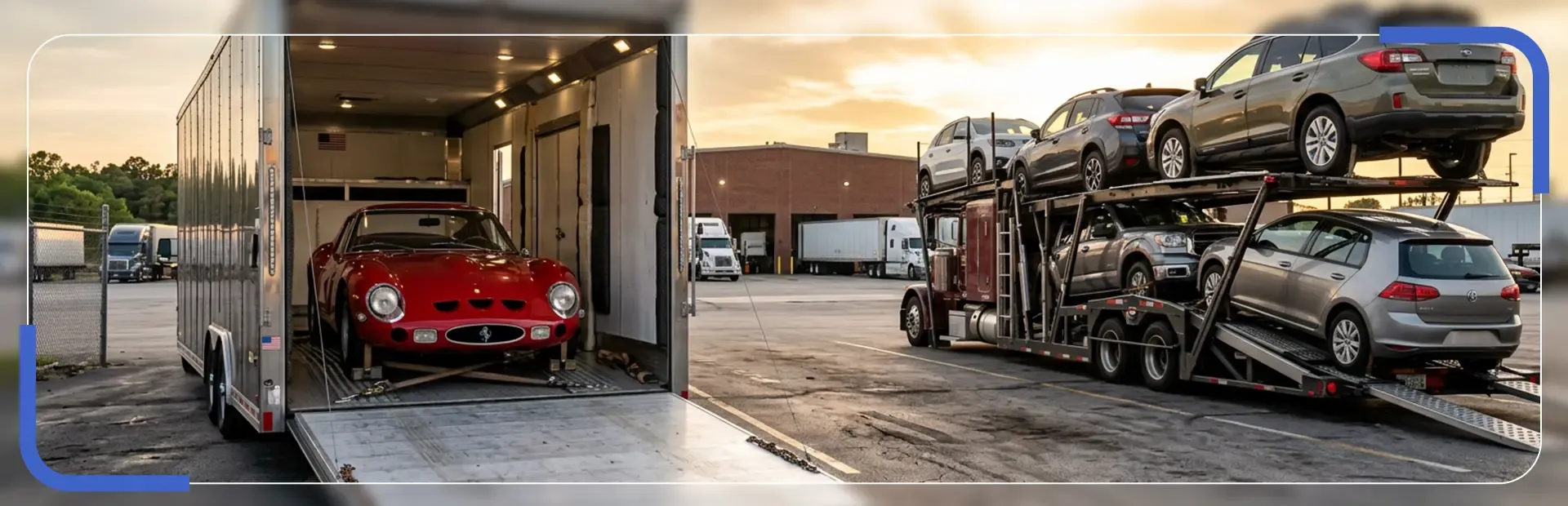
Open transport is the most affordable and most common shipping method, used for about 90% of vehicle shipments nationwide. Enclosed transport offers more weather and road-debris protection, which is why it costs more.
Transport Type | Typical Cost Difference | Best For |
Open Transport | Baseline (lowest cost) | Daily drivers, most standard vehicles |
Enclosed Transport | 30–50% higher than open | Classic, luxury, or exotic vehicles |
For most shippers, open transport is the practical, affordable car shipping choice without any meaningful increase in risk.
3. Stay Flexible With Pickup and Delivery Dates
Instead of requesting an exact pickup day, offer a two- or three-day window. This gives the carrier flexibility to fit your vehicle into a route they're already running, which is one of the easiest ways to lower a quote without changing anything else about your shipment.
4. Choose Terminal-to-Terminal Instead of Door-to-Door
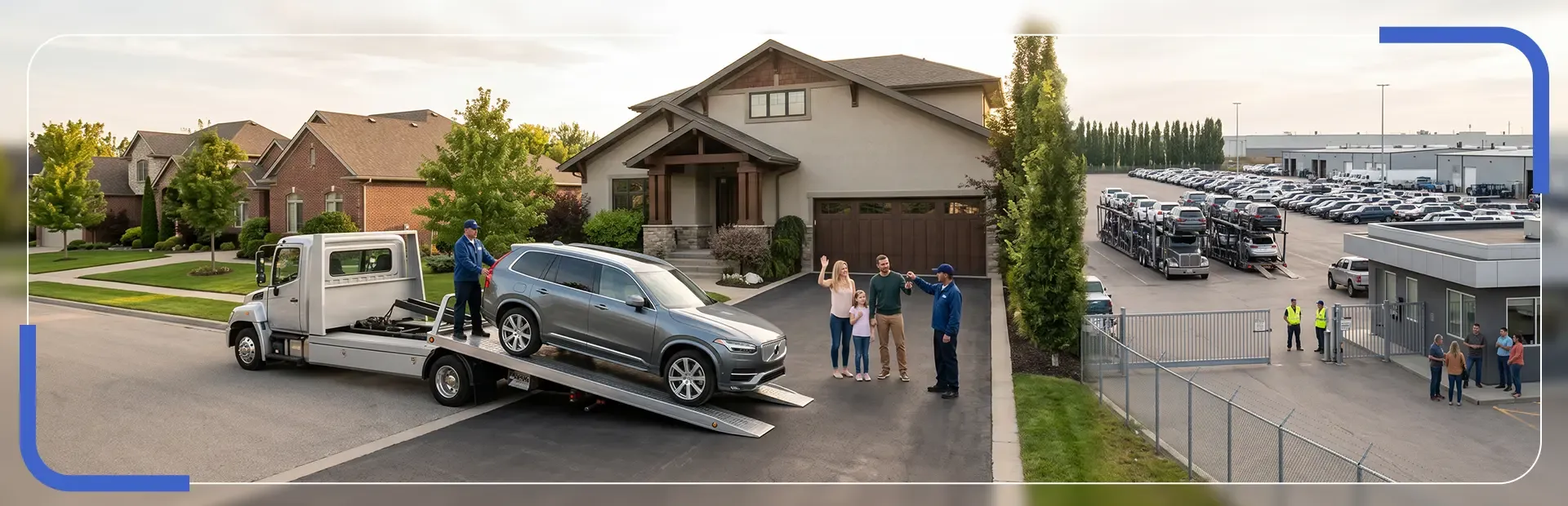
Door-to-door service is convenient, but it sometimes requires a carrier to divert from a main route to reach a specific address. Dropping off and picking up at a nearby terminal can reduce that detour cost, particularly on longer or less direct routes.
5. Compare Multiple Quotes Before Booking
Pricing varies between companies based on their carrier network, overhead, and how they calculate fuel surcharges.
Request quotes from at least three providers.
Compare the price range, not just the lowest number.
Watch for one quote that sits far outside the others, since that's often a sign of a miscalculation or a red flag.
6. Ship During Off-Peak Season
Demand for auto transport rises sharply during snowbird season, roughly October through December and again in spring, as retirees and seasonal travelers move between northern and southern states. Booking outside these windows, when trucks have more open capacity, often results in a lower cost for the same route.
What Should You Avoid When Looking for Low-Cost Auto Transport?
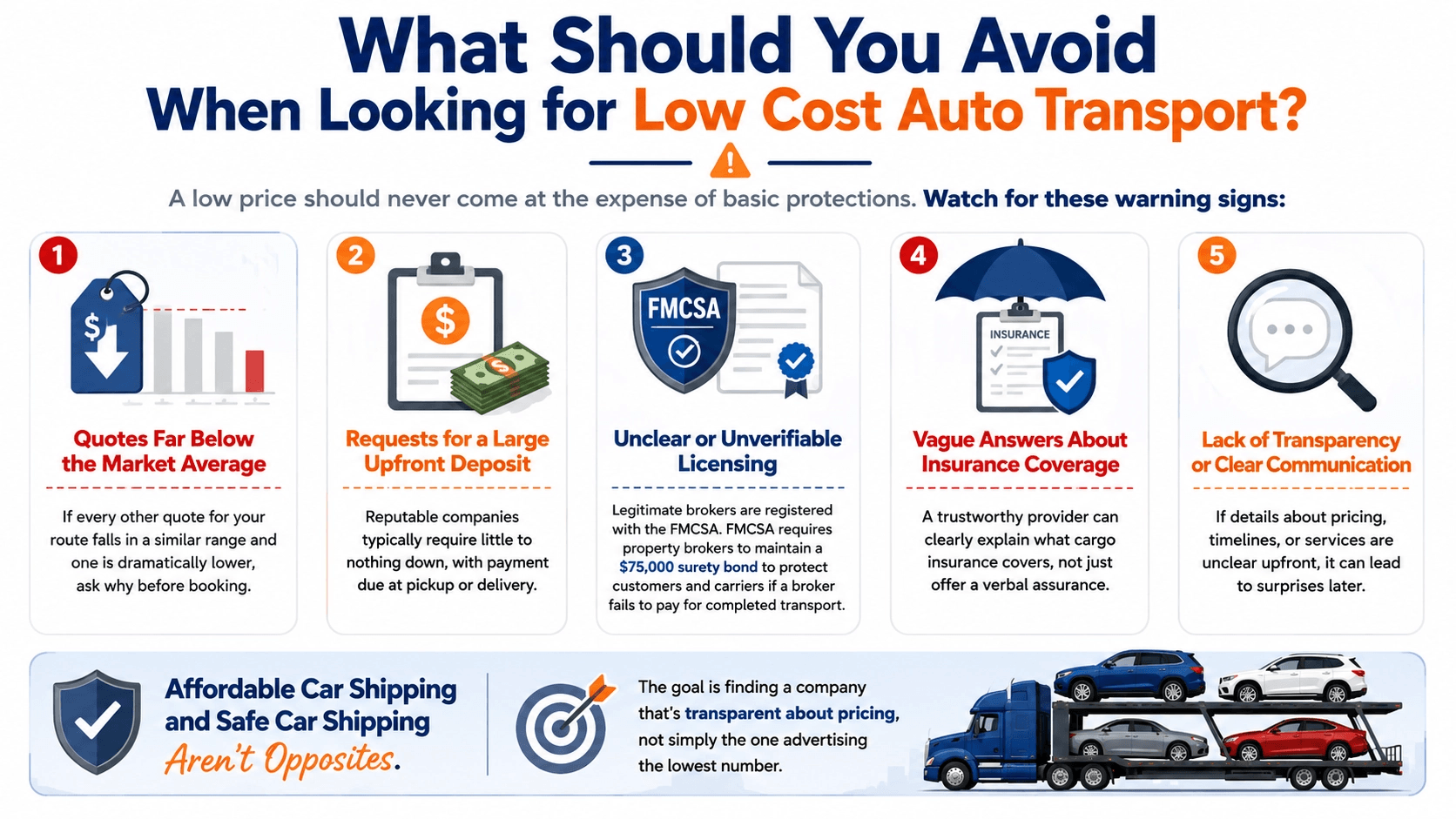
A low price should never come at the expense of basic protections. Watch for these warning signs when comparing options for low-cost auto transport:
Quotes far below the market average. If every other quote for your route falls in a similar range and one is dramatically lower, ask why before booking.
Requests for a large upfront deposit. Reputable companies typically require little to nothing down, with payment due at pickup or delivery.
Unclear or unverifiable licensing. Legitimate brokers are registered with the Federal Motor Carrier Safety Administration. As part of that federal oversight, FMCSA requires property brokers to maintain a $75,000 surety bond to protect customers and carriers if a broker fails to pay for completed transport.
Vague answers about insurance coverage. A trustworthy provider can clearly explain what cargo insurance covers, not just offer a verbal assurance.
Affordable car shipping and safe car shipping aren't opposites. The goal is finding a company that's transparent about pricing, not simply the one advertising the lowest number.
What Is the Cheapest Way to Ship a Car Across the Country?
Long-distance shipping works differently from short regional routes. Per-mile cost typically drops as total distance increases, since the fixed costs of a trip, like loading, unloading, and permits, get spread across more miles. That's why the cheapest way to ship a car across the country isn't just "the lowest quote you can find."
The six strategies above matter even more here:
Flexible timing has a bigger impact, since cross-country carriers plan multi-stop routes days in advance.
Open transport has a larger dollar impact simply because the base rate is higher to begin with on longer routes.
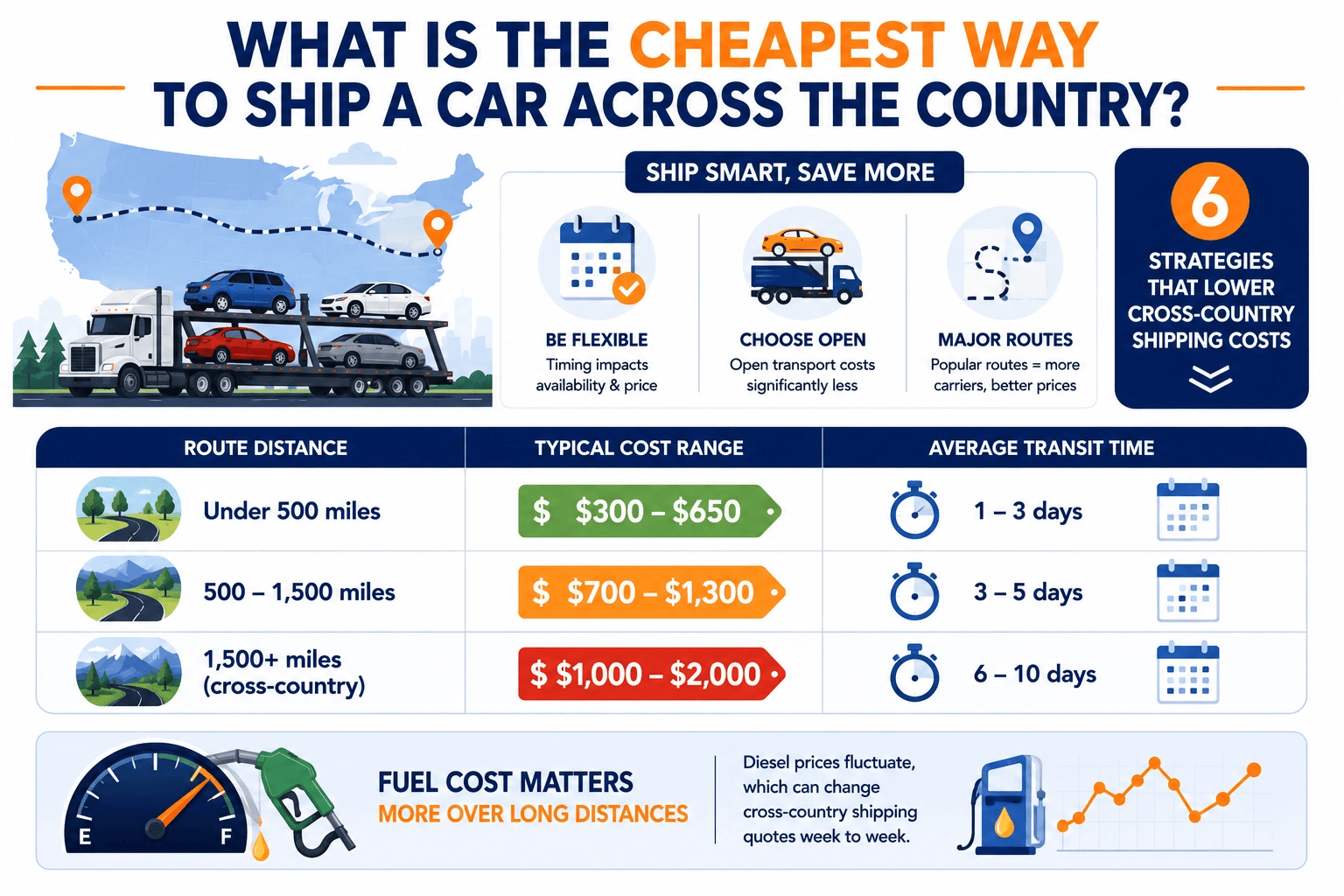
Route Distance | Typical Cost Range | Average Transit Time |
Under 500 miles | $300–$650 | 1–3 days |
500–1,500 miles | $700–$1,300 | 3–5 days |
1,500+ miles (cross-country) | $1,000–$2,000 | 6–10 days |
Fuel cost also plays a larger role over long distances. National diesel prices have shifted noticeably through 2026, and current national diesel pricing data is one of the clearest indicators of why cross-country quotes can fluctuate week to week, even on the same route.
What Else Should You Know Before Booking?
A few additional questions come up often from people comparing cheap car shipping options for the first time.
Is cheap car shipping actually safe?
Yes, as long as the company is properly licensed and insured. Price and safety aren't directly linked; a fair, competitive rate from a verified provider is not the same as an unrealistically low quote from an unverified one.
Does open transport damage vehicles more often than enclosed?
No. Open transport carries a low risk of cosmetic exposure to weather and road debris, but serious damage is uncommon, and vehicles are covered by carrier cargo insurance either way.
Why do prices change so often for the same route?
Fuel costs, carrier availability, and seasonal demand shift regularly, so the same route can price differently from week to week.
Is a deposit normal when booking auto transport?
A small deposit or no deposit at all is standard. Large upfront payment requests are a common red flag.
Can I still get a fair price if I need to ship quickly?
Yes, but expedited requests typically cost more since they require a carrier to adjust an existing schedule. Booking a few weeks ahead remains the more affordable route when timing allows.
Getting Cheap Car Shipping Right, Not Just Cheap
The lowest quote on the page isn't always the smartest choice, and the highest isn't automatically the safest. Real savings on cheap car shipping come from timing your booking well, choosing the transport type that actually fits your vehicle, and comparing offers from verified providers instead of chasing the single cheapest number you can find. Applied together, these six strategies give you a realistic path to an affordable rate without gambling on the safety of your vehicle.
If you're ready to see what these strategies look like for your specific route, Safeeds Transport offers instant quotes with a 7-day price lock and no upfront payment required.