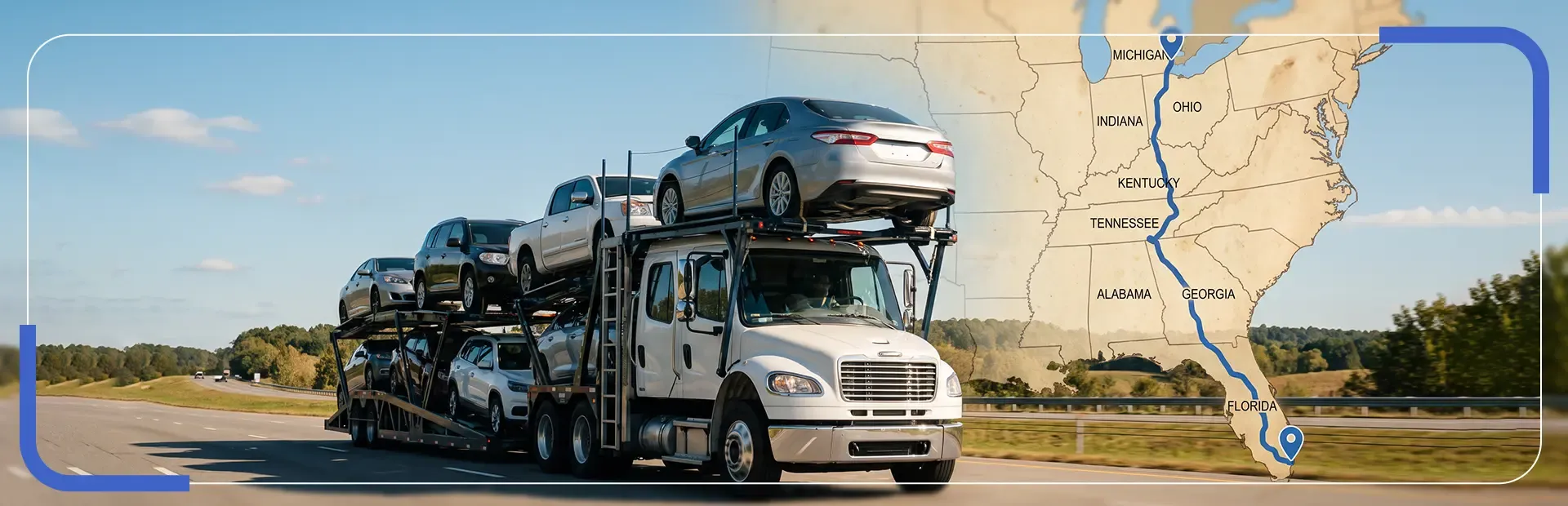
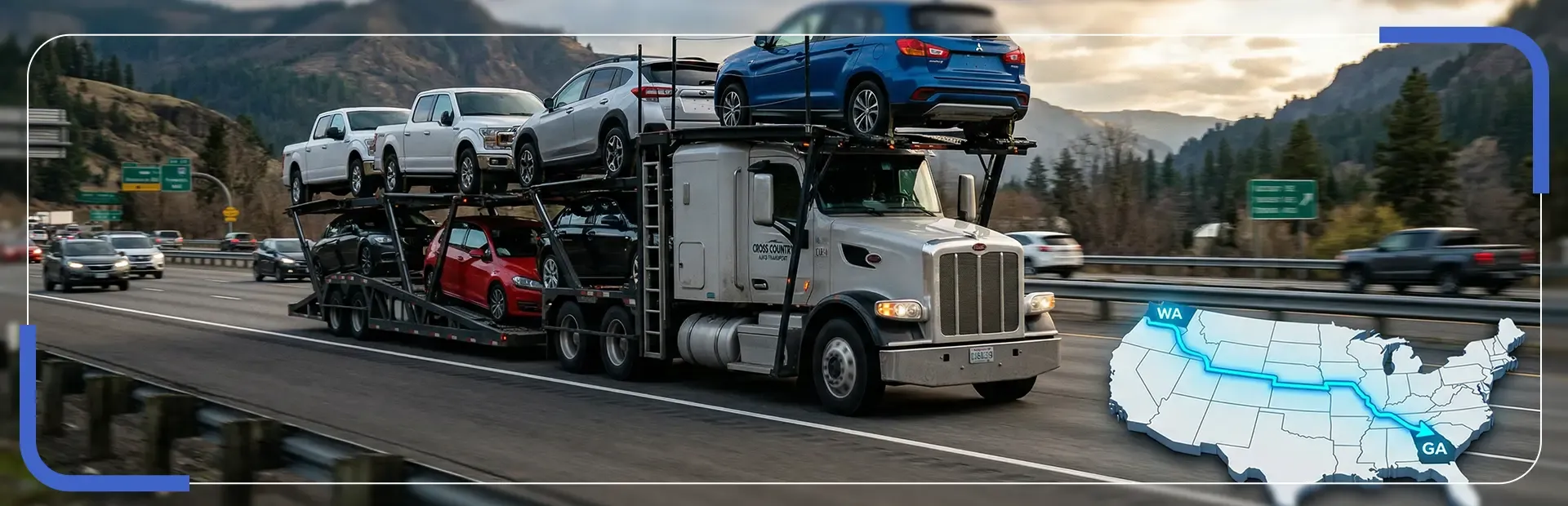
Planning a seasonal move comes with plenty of decisions, and figuring out how to safely transport your vehicle is often one of the biggest concerns. Snowbird auto transport has become a trusted solution for travelers heading to warmer destinations, eliminating the stress of long-distance driving, harsh winter conditions, and added mileage on your car. By understanding how the process works and preparing in advance, you can avoid delays, manage costs, and ensure your vehicle arrives exactly when you need it.
At Safeeds, the goal is to simplify every step of your shipping experience with clear communication, reliable carriers, and a process designed around your schedule. Whether you’re relocating for a few months or planning a long-term seasonal stay, the right approach makes all the difference. Get a personalized quote today, explore your transport options, and secure your vehicle shipment early to avoid peak-season delays and higher costs.
Snowbird Auto Transport Insights for Seasonal Relocation
Navigating the logistics of a seasonal move requires a clear understanding of how the transport industry adapts to the annual winter migration. By identifying the specific pressures of this high-demand period, travelers can better prepare for a transition that prioritizes safety and vehicle security over the risks of long-distance winter driving.
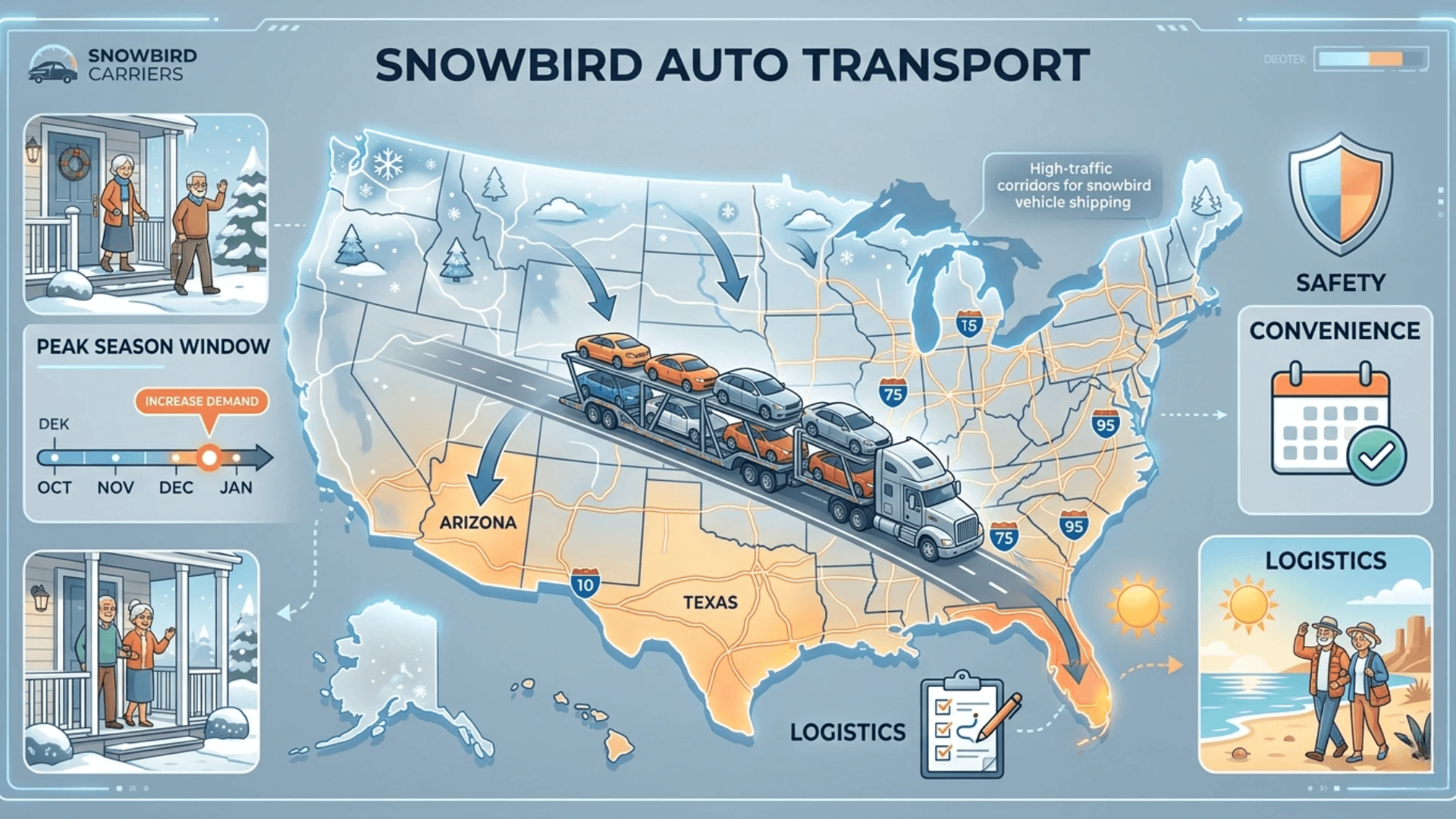
Specialized Logistics Niche: The term snowbird auto transport refers to the coordinated movement of vehicles for thousands of individuals relocating from northern climates to sunbelt states like Florida, Arizona, and Texas.
Safety and Convenience: Engaging in professional snowbird car shipping eliminates the physical strain and danger of driving 1,500+ miles across treacherous, ice-covered roads and through unpredictable winter storms.
High-Traffic Corridors: As more retirees and remote professionals adopt this lifestyle, specific routes, such as the Northeast-to-Florida or Midwest-to-Southwest treks, become primary hubs for snowbird auto shipping.
Concentrated Demand Window: Because the majority of this migration occurs between October and January, the industry experiences peak pressure, making early planning essential for a smooth snowbird vehicle relocation.
Preserving Independence: Utilizing these services allows seasonal residents to maintain the mobility of their own personal vehicle at their winter destination without the logistical burden of a cross-country road trip.
How Seasonality Affects Car Shipping Costs and Availability
In the transportation industry, the calendar is a primary driver of operational capacity. Seasonal car shipping is highly sensitive to the laws of supply and demand, which can lead to significant shifts in both service availability and market pricing.
Peak Seasons and Demand Surges
The influx of travelers seeking snowbird auto shipping creates a massive demand surge during the autumn months. As thousands of vehicles are funneled into a few specific southbound routes, carrier space becomes a limited commodity. During this peak period, trucks often reach full capacity weeks in advance, making it difficult for those who delay their booking to secure a spot on a reputable trailer.
Pricing Fluctuations and Route Popularity
Understanding how seasonality affects car shipping costs is essential for budget planning. When demand outweighs the available supply of carriers on popular "snowbird" routes, prices naturally rise. Conversely, "reverse snowbird" routes, shipping a car from the south to the north during the winter, are often much more affordable because carriers are eager to fill their trucks for the return trip.
Holiday Season Shipping Challenges
Car shipping during the holiday season introduces additional complexities. Between late November and early January, many drivers take time off to be with their families, which further reduces the number of available trucks on the road. This period is also prone to significant weather disruptions, where snowstorms in the north can cause a "bottleneck" effect, delaying shipments across the entire network.
Choosing the Right Snowbird Auto Transport Method
Selecting the appropriate transport method is a critical decision that balances the specific needs of your vehicle with your personal budget.
Open vs Enclosed Transport for Snowbirds
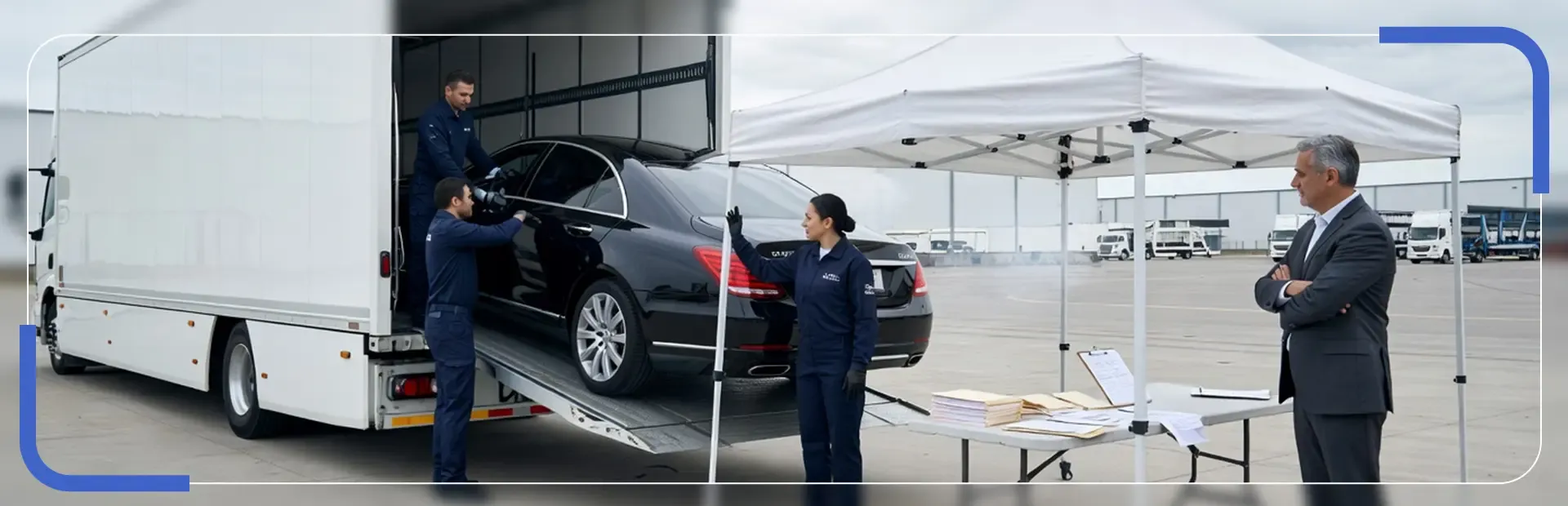
The majority of snowbird car shipping relies on open transport. This is the industry standard where vehicles are loaded onto an open-air, multi-car trailer. It is the most cost-effective method and is perfectly suitable for standard daily drivers. For those relocating luxury sedans, vintage motorcycles, or high-value sports cars, enclosed transport provides a sealed environment that protects the vehicle from road salt, freezing rain, and debris.
Service Feature | Open Transport | Enclosed Transport |
Cost Efficiency | High (Budget Friendly) | Lower (Premium Price) |
Exposure Protection | Basic | Maximum (Weatherproof) |
Availability | Widely Available | Limited Specialized Units |
Best For | Standard Sedans & SUVs | Luxury, Classic, or Low-Clearance |
Door-to-Door vs Terminal Shipping
For snowbird vehicle relocation, door-to-door service is overwhelmingly preferred. In this model, the carrier picks up and delivers the vehicle as close to your northern and southern residences as possible. While terminal-to-terminal shipping might appear cheaper initially, the added costs of Uber rides to a remote terminal or storage fees often negate the savings.

Preparing Your Vehicle for Winter Car Shipping
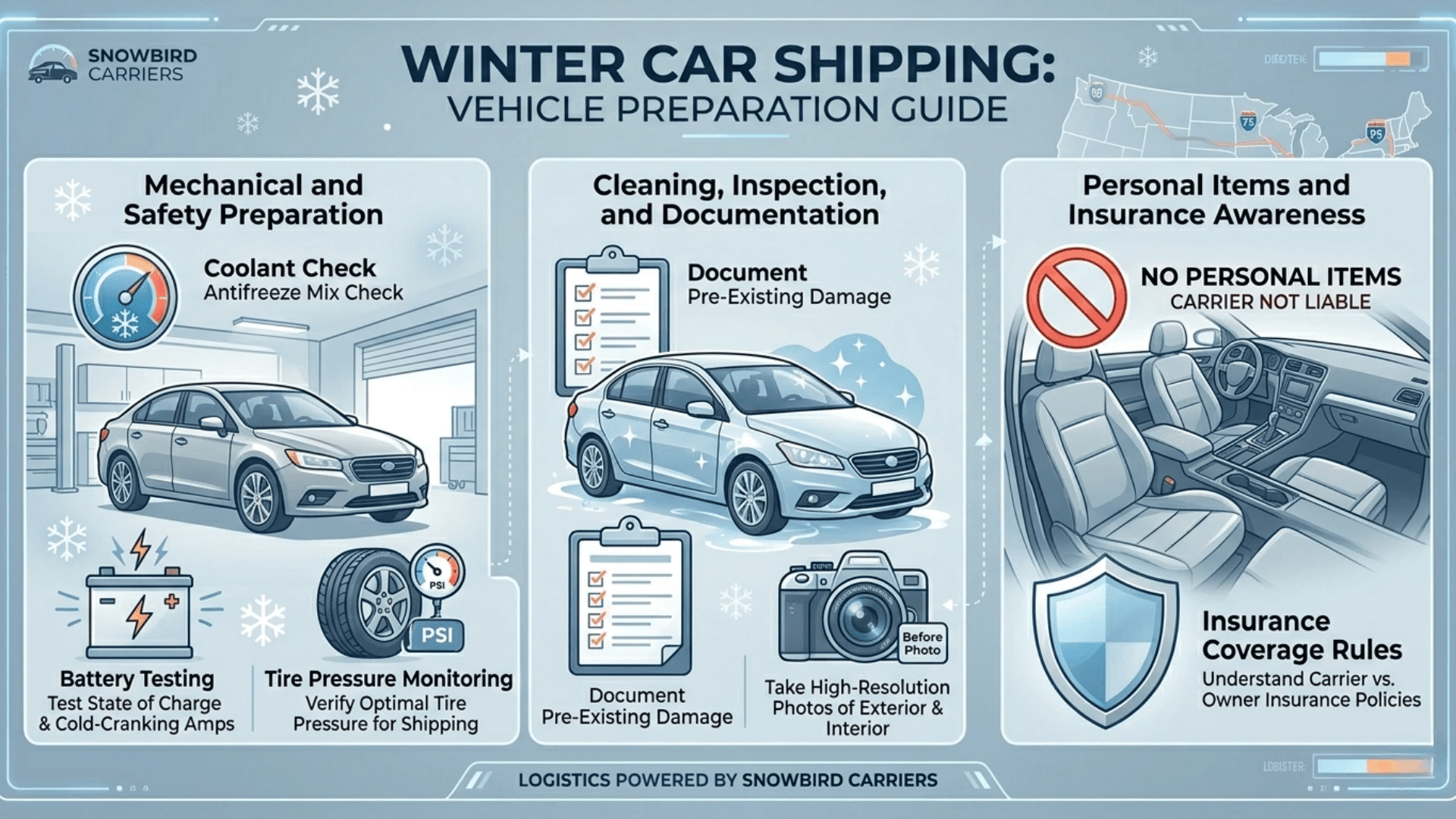
Properly preparing your vehicle is essential for a successful winter car shipping experience. Because the vehicle will be moving between drastically different climate zones, certain mechanical precautions are necessary.
Mechanical and Safety Preparation
Before the carrier arrives, ensure your vehicle is in good working order. Check the coolant levels to ensure the engine is protected against freezing temperatures in the north. The battery should be tested, as cold weather can significantly reduce its cranking power. Finally, ensure tires are properly inflated to withstand the pressure changes that occur during long-distance transit.
Cleaning, Inspection, and Documentation
A clean vehicle is a prerequisite for a valid inspection. Performing due diligence before finalizing a transport contract is the most effective way to ensure your vehicle is handled by a reputable professional. Taking a few minutes to cross-reference official data through the Federal Motor Carrier Safety Administration (FMCSA) can prevent significant logistical and financial headaches.
Personal Items and Insurance Awareness
It is a common misconception that you can use your vehicle as a shipping container for household goods. In reality, the U.S. Department of Transportation (DOT) enforces strict guidelines regarding vehicle weight limits and safety protocols for interstate transport. Carriers are generally not licensed to transport personal belongings inside the car, and any items left inside are not covered by the carrier's cargo insurance.
Strategic Planning to Overcome Seasonal Car Shipping Challenges
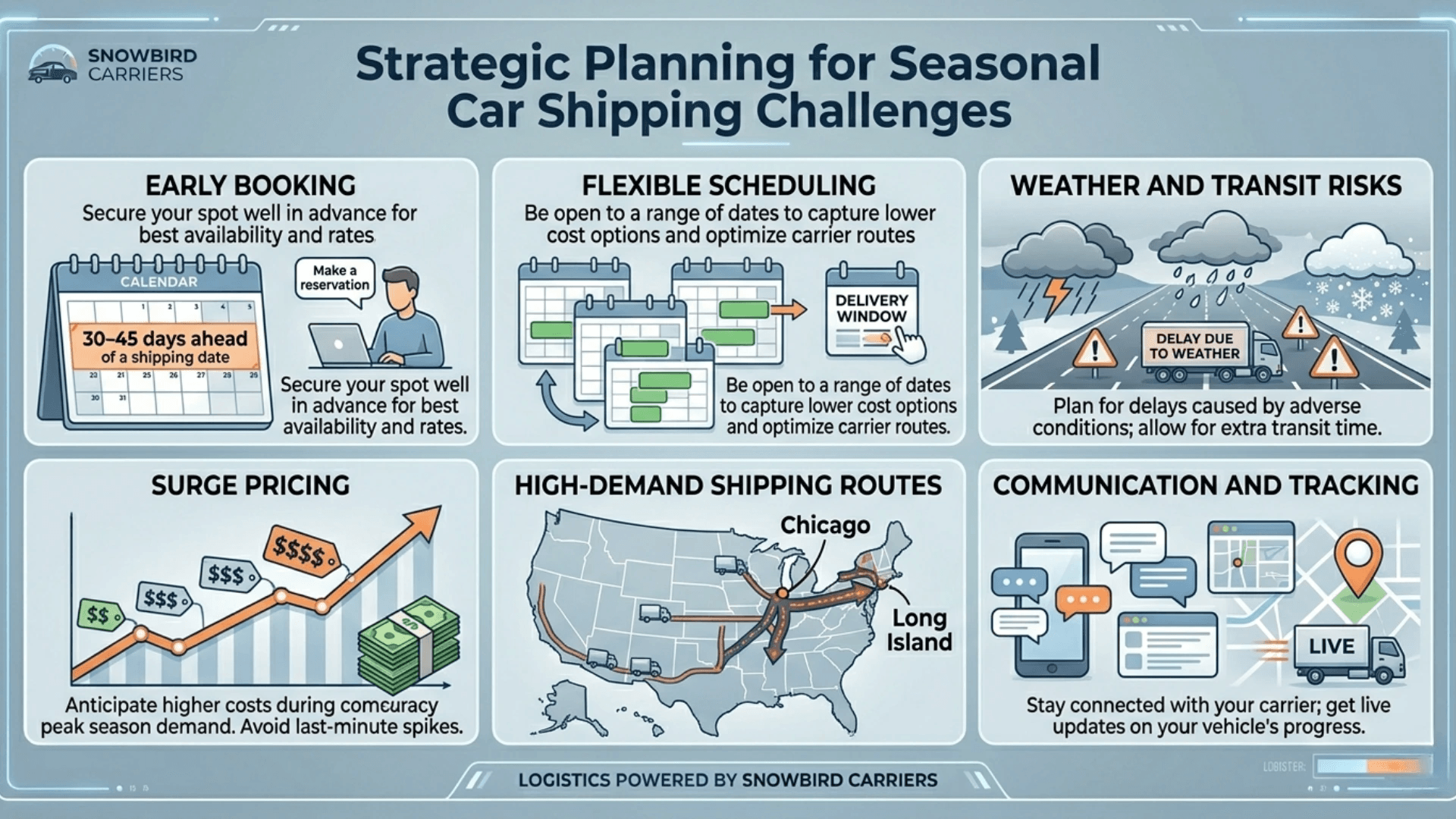
Successfully navigating the logistics of a move during high-demand periods requires a proactive approach and an understanding of the unique hurdles associated with winter migration. By implementing these seasonal car shipping tips, you can avoid common pitfalls such as inflated costs and weather-related delays, ensuring your vehicle arrives at its destination safely and on schedule.
Book Early to Secure the Best Rates: One of the most effective ways to manage snowbird auto transport is to finalize your order at least 30 to 45 days in advance. This allows your broker to "lock in" a carrier at a more favorable rate before the inevitable price hikes that occur as popular move-in dates approach.
Maintain Flexible Scheduling: Keeping a flexible window of three to five days for your pickup can significantly accelerate the carrier assignment process. If you require a rigid, single-day pickup, you will likely pay a substantial premium for "expedited" service to jump the queue.
Account for Weather and Transit Risks: Winter storms are the primary cause of delays in seasonal car shipping. A heavy storm in the Midwest can halt traffic for days, impacting deliveries across the country. It is essential to build a "buffer" into your schedule and stay informed through tracking updates.
Avoid Last-Minute "Surge Pricing": Waiting until the week of your departure to book often results in aggressive price increases. During peak intervals, last-minute shippers may pay 20% to 40% more than those who planned ahead, as they must compete for the final remaining spots on a trailer.
Navigate Overbooked High-Demand Corridors: In specific regions, such as seasonal car shipping Long Island or metropolitan Chicago, the density of travelers can lead to saturated routes. Recognizing these trends allows you to set realistic expectations for both your budget and your delivery timeline, especially when shipping toward warmer climates.
Maintain Clear Communication: Even with a reputable provider, unforeseen logistical shifts can occur. Staying in close contact with your broker and being reachable during the pickup and delivery windows is the best way to ensure a smooth transition.
Choosing a Reliable Snowbird Auto Transport Company
Selecting a partner for snowbird auto transport requires a thorough evaluation beyond simple price comparisons. Because seasonal moves involve high-value assets and strict timelines, the credentials and reputation of your logistics coordinator are paramount.
Verify Licensing and Insurance: Ensure the provider has active Motor Carrier (MC) and USDOT numbers for legal interstate operation. Reliable brokers like Safeeds manually verify that a carrier’s cargo insurance is active and sufficient before your vehicle is loaded.
Avoid Peak-Season Scams: Be wary of "low-ball" quotes significantly below the market average, which are often used to harvest deposits. Legitimate companies avoid untraceable payments like cryptocurrency and instead use secure, transparent payment processors.
Evaluate Support and Reviews: Look for consistent feedback on how a company handles weather delays or mechanical issues. A quality snowbird car shipping provider maintains a dedicated support team to offer real-time updates during unpredictable winter months.
Prioritize Transparent Contracts: Always insist on a clear, written agreement that outlines terms of service and final costs. Avoiding verbal-only promises ensures your seasonal car shipping experience is backed by enforceable professional standards.
Selection Criteria | What to Look For | Why It Matters |
Federal Registration | Active MC/DOT Numbers | Ensures legal operating authority. |
Payment Terms | No Upfront Deposits | Protects you from fraudulent brokers. |
Insurance Vetting | Verified Cargo Coverage | Protects your asset against transit damage. |
Communication | Real-time Tracking/Support | Reduces stress during weather-related delays. |
Helpful Information for Seasonal Car Shipping
Navigating the complexities of seasonal car shipping often leads to specific questions regarding timing and safety. Addressing these common concerns helps set realistic expectations for your move to or from warmer climates.
How far in advance should I book my snowbird auto transport?
To secure the most competitive rates and guaranteed placement, we recommend booking at least 30 to 45 days before your desired departure. During the peak snowbird auto shipping season, carrier spots fill up quickly, and early booking ensures you are not subject to last-minute surge pricing.
Can I ship personal items in my car during a seasonal move?
Per federal regulations, auto carriers are not licensed to transport household goods. Packing your car with suitcases or boxes can lead to weight violations at highway scales and may result in damage that is not covered by insurance. For a successful snowbird vehicle relocation, it is best to keep the car empty.
Will my car be protected from road salt during winter car shipping?
If you choose open transport, your vehicle will be exposed to the elements, including potential road salt in northern states. However, most snowbirds mitigate this by thoroughly washing their vehicle upon delivery. For total protection from winter grime, enclosed snowbird car shipping is the recommended alternative.
How does the weather affect my shipping timeline?
Seasonal car shipping is subject to the unpredictability of winter weather. Snowstorms or icy road conditions can lead to temporary halts in transit for driver safety. While we strive for on-time delivery, we recommend having a two-day "buffer" on either side of your scheduled delivery date.
What is the "reverse snowbird" season?
This refers to the period in the spring (typically April and May) when travelers return to the north. Just like the fall migration, this creates a high-demand window for seasonal car shipping in the opposite direction, and the same tips for early booking apply.
Making Smart Decisions for Seasonal Car Shipping Success
Approaching snowbird auto transport with a structured plan transforms a complex logistical task into a manageable part of your seasonal lifestyle. By understanding the variables that influence how seasonality affects car shipping costs, travelers can make informed decisions that prioritize safety and reliability over the allure of "low-ball" quotes.
Successful seasonal car shipping relies on three pillars: early preparation, clear communication, and the selection of a verified partner. Whether you are coordinating a move for seasonal car shipping Long Island or relocating from the Pacific Northwest to the desert, the goal remains the same: ensuring your vehicle arrives in the same condition it left, ready for your winter adventures. By following established seasonal car shipping tips and respecting the realities of the winter transport market, you can enjoy the transition to your southern home with total peace of mind.
Contact our team to discuss your specific requirements and receive a transparent quote for your upcoming relocation.