The best time to buy a car is the last week of December, when dealers face monthly, quarterly, and yearly sales deadlines all at once. The end of any month or quarter is the next strongest window. Late summer and fall come after that, when dealers clear out older models to make room for the new model year.
Two people can buy the exact same car from the same dealer and pay very different prices, simply because they shopped at different times. With the average new car selling for $50,562 in September 2026, according to Kelley Blue Book data from Cox Automotive, knowing the best time to buy a car can save you thousands. And if the right deal turns up in another state, get a free car shipping quote from Safeeds Transport in about 30 seconds, with a 7-day price lock and no upfront payment.
Key Takeaways
Late December is the best time to buy a car for most shoppers, since dealers are racing to close monthly, quarterly, and annual sales targets in the same few days.
Shopping in the final few days of any month, especially at the end of a quarter in March, June, September, or December, gives buyers more room to negotiate.
New models often reach dealer lots in late summer or fall, so the outgoing model year typically comes with extra dealer incentives such as cash-back offers or low-rate financing.
Used-car prices follow supply and demand rather than dealer quotas, so the best months to buy a used car are usually October through January, when trade-ins are plentiful.
The worst time to buy a car is during spring tax season, from February through April, or in a rush after a sudden breakdown, when buyers lose the leverage to walk away.
The Short Answer: When Is the Best Time to Buy a Car?

The sticker price, or MSRP (manufacturer’s suggested retail price), is only a starting point. What you actually pay depends on how much pressure the dealer is under to sell right now.
That pressure comes from three places:
Sales goals. Most dealerships have a quota, a set number of cars to sell by a deadline. Missing the end-of-month quota or end-of-quarter target can cost them bonus money from the carmaker.
Aging inventory. Every car sitting on the lot costs the dealer money, so the longer it sits, the more they want it gone.
Empty showrooms. When foot traffic is low, every buyer counts, and salespeople get flexible.
So, when is the best time to buy a car? Think of it like a ladder. The end of any month is good, the end of a quarter is better, and the end of the year is strongest, because every deadline hits at once.
Best Months to Buy a Car
The best month to buy a car is one where a sales deadline and a quiet showroom show up together.
Month | What’s Happening | Deal Strength |
January | Post-holiday slowdown, few shoppers | Good |
February to April | Tax refunds bring a rush of buyers | Weak |
May | Holiday weekend promotions | Fair |
June | End of the second quarter | Good |
July | Mid-year, steady traffic | Fair |
August to September | 2028 models start arriving, Q3 closes | Good |
October to November | Model year clearance, Black Friday events | Very good |
December | Monthly, quarterly, and yearly deadlines | Strongest |
Why are October through December so strong for deals?
By October, 2028 models are arriving, and leftover 2027 models need to go. That inventory clearance gives you room to negotiate.
In December, monthly, quarterly, and yearly targets all close together while most people are busy with holiday plans. According to Edmunds transaction data, December has historically delivered the highest average discounts off MSRP for both new and used cars, with the deepest cuts in the final days of the month.
That’s why late fall through December is the best time of year to buy a car for most people.
Pro tip: Do your research in November so you walk in during late December knowing exactly which car you want and what it should cost.
Are slow months like January and February worth it?
They can be. Quiet post-holiday showrooms give salespeople more time and wiggle room. The catch is selection, since popular trims often sell during the year-end rush, so January suits flexible buyers.
Best Days of the Week and Month
The last few days of any month usually beat the first few. Dealers count their sales at month’s end, and a store a few cars short of its end-of-month quota may take a smaller profit to hit the number.
The end of quarter adds more motivation. March, June, September, and December each close both a month and a quarter, and some carmaker bonuses depend on quarterly results. One reality check: if the dealer already hit its target, the pressure is off.
The day matters too. Weekends are busy, while early weekdays, especially Monday and Tuesday, are calmer and get you more attention.
Try this three-step game plan:
Scout early. Research prices and take test drives on a quiet weekday at the start of the month.
Get it in writing. Ask for a written quote that includes all taxes and fees.
Close late. Finalize the deal in the last two or three days of the month.
Model Year Changeover and Why It Matters
Carmakers don’t wait for New Year’s Day to launch next year’s cars. A 2028 model can show up at dealerships in the late summer or fall of 2027. This is called the model year changeover.
Once it arrives, the outgoing model looks “old,” even if the two are nearly identical. To move older stock, carmakers often add dealer incentives like cash-back offers, low-rate or 0% financing, and special lease deals. Timing varies by brand, and fully redesigned vehicles can arrive mid-year. But for most mainstream cars, late summer through fall is the best time to buy a new car from the outgoing model year.
Pro tip: Check the carmaker’s official website for current offers before you visit a dealer, so you know which incentives you should be getting.
Is last year’s model a smart buy?
Often, yes. If the new model only adds a fresh paint color or small tech tweaks, you get nearly the same car for less. Slow down if the new year is a full redesign with real safety or technology upgrades.
There’s also a hidden cost: depreciation, the value a car loses over time. An outgoing model counts as a year older the day you buy it, so it may be worth a bit less when you sell or trade it in. Compare both model years’ feature lists side by side before you decide.
Holiday Sales Events: Which Are Real

Not every holiday sales event is worth waiting for. The key question is whether the carmaker is putting real money behind the sale through official incentives, or whether the dealer just hung up banners.
Here’s how the major events usually stack up:
Black Friday and year-end events. These are often backed by genuine manufacturer incentives, like cash rebates and low-rate financing, from late November into early January.
Labor Day weekend. It lands in the middle of the model year changeover, so outgoing models often carry extra incentives.
Memorial Day and the Fourth of July. These can be solid, but savings vary by brand and inventory.
Presidents’ Day and smaller holiday weekends. Mostly marketing, with prices close to any other weekend.
Whatever the event, judge the deal by the numbers:
Ask for the out-the-door price, the total you’ll pay including taxes and fees.
Read the fine print to see if the deal requires special financing, a specific trim, or a trade-in.
Compare with the source by checking the carmaker’s official incentives.
New vs Used: Different Timing Rules
New-car deals are driven by carmaker incentives and dealer targets. Used-car prices mostly come down to supply and demand.
Supply goes up in late fall and winter. When new models launch and year-end deals pull buyers into showrooms, many of them trade in their old cars. That flood of trade-ins means more choices and more room to negotiate. That’s why the best month to buy a used car usually falls between October and January, when trade-ins are most plentiful.
Demand goes up in early spring. From February through April, tax refunds give households extra cash, and much of it goes toward used cars. More buyers chasing the same cars pushes prices up.
Private sellers are different. They have no quotas, so your leverage comes from how long the car has been listed and the seller’s situation.
The Worst Times to Buy
The worst time to buy a car is when demand is high and dealers feel no pressure to discount. Avoid these timing traps:
Spring tax season. Tax refunds bring a wave of buyers from February through April, so discounts shrink.
The first days of a new month. Sales targets just reset, so there’s no urgency.
Busy weekends. Packed showrooms mean rushed salespeople and less flexibility.
Right after a hot new model launches. Demand can push prices to full sticker or higher, and some dealers add a markup, an extra charge on top of the listed price.
The most expensive mistake is buying in a hurry after a breakdown, because you lose the ability to walk away. The fix: start watching prices 6 to 8 weeks before you need a car, get a loan pre-approval, and set your budget before you visit a dealership.
If the Best Deal Is Out of State
A dealer two states away might have the exact trim you want, or a price your local dealers won’t match. Before you jump on an out-of-state deal, add up the full cost:
Sales tax. In most cases, you pay sales tax based on the state where you register the car. Double-check with your state’s DMV.
Registration and title. You’ll handle these in your home state.
Inspection and emissions rules. Some states require their own inspection before registration.
Getting the car home. Either you travel to drive it back, or you pay a shipping cost.
An out-of-state deal only makes sense if the savings are bigger than these extra costs combined.
How Do You Get The Car Home After An Out-Of-State Purchase?
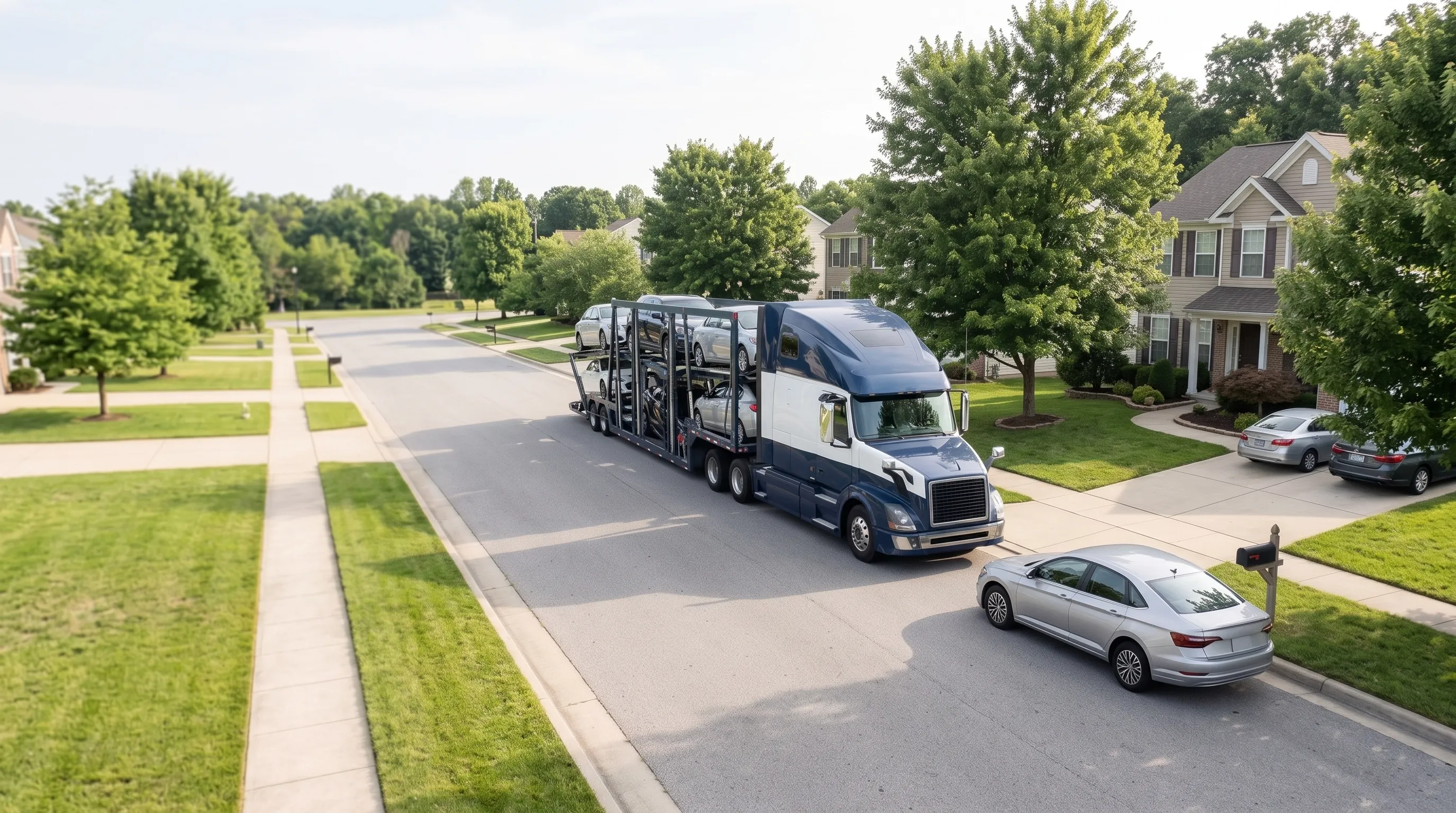
Driving it home means a flight, gas, hotels, time off work, and extra miles on your new car. Shipping means a licensed carrier delivers it to your door.
Here are posted price ranges for popular routes from Safeeds Transport’s route pricing as of October 2026:
Route | Typical Transit Time | Estimated Shipping Cost |
Los Angeles, CA to Phoenix, AZ | 1 to 2 days | $417 to $652 |
Atlanta, GA to Orlando, FL | 1 to 2 days | $500 to $750 |
Chicago, IL to Miami, FL | 3 to 5 days | $900 to $1,300 |
New York, NY to Los Angeles, CA | 7 to 10 days | $1,275 to $1,500 |
Actual quotes depend on vehicle size, transport type, and season.
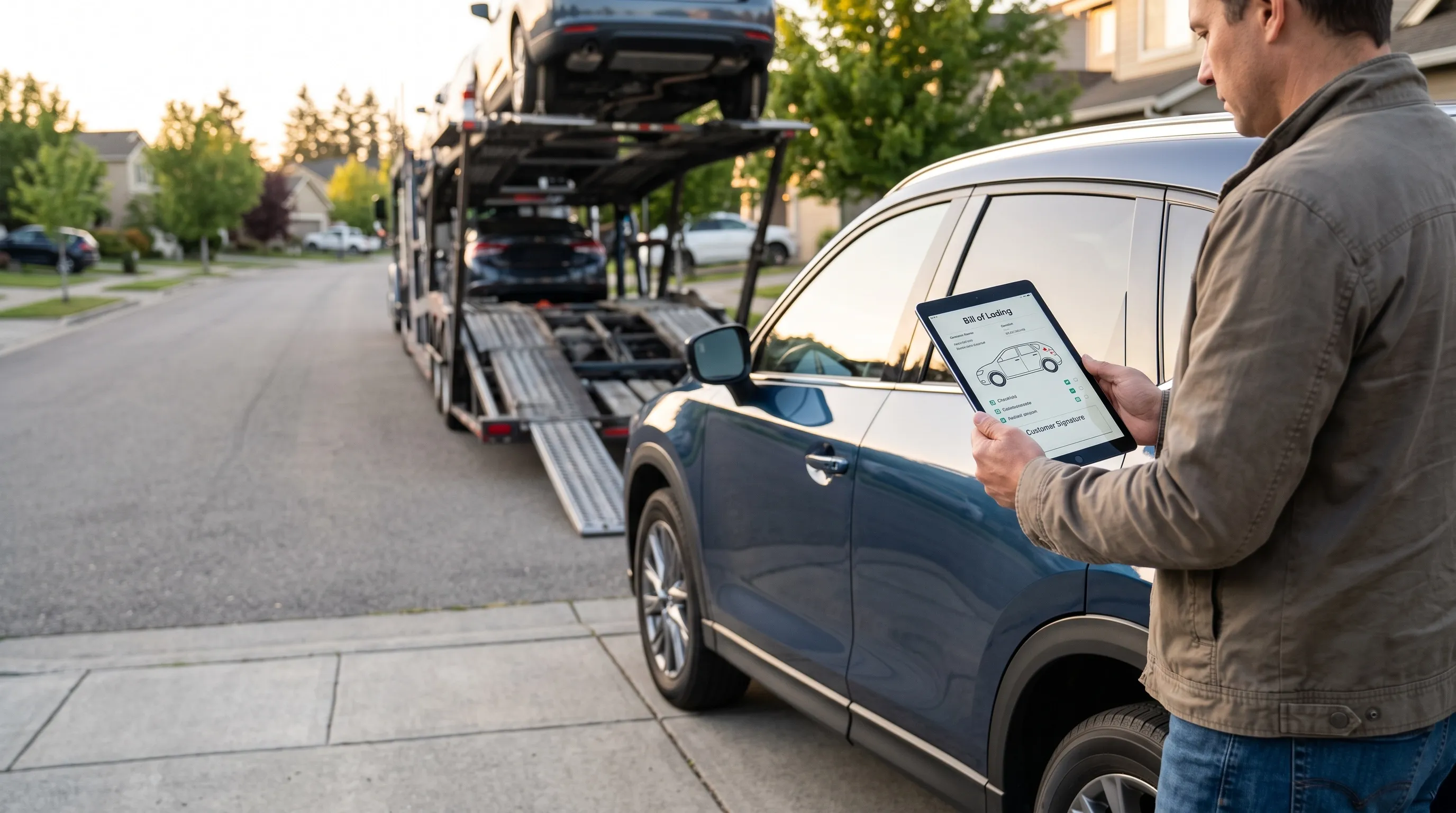
Safeeds Transport connects buyers with licensed, insured carriers across all 50 states, with a 7-day price lock and no upfront payment at booking. Book transport once your purchase is final, and coordinate pickup with the selling dealer. Buying remotely? See our guide to car shipping for online car buyers.
What Else Do People Ask About the Best Time to Buy a Car?
Timing questions come up at every stage of car shopping, from the first search to the final signature. Here are short, direct answers to the ones buyers ask most often.
When is the best month to buy a car?
December is usually the best month to buy a car, because monthly, quarterly, and yearly sales targets all close at once. October and November are strong backups as dealers clear out outgoing models. In any month, shopping during the final few days gives you a better chance at a lower price.
Is the end of the month really cheaper?
Often, but not always. Dealers short of their monthly target may accept a smaller profit to close extra deals before the deadline. If the store already hit its number, that pressure disappears. Research a fair price ahead of time, use end-of-month timing as leverage, and widen your search to nearby states for even more negotiating room.
Should I buy at the end of the year?
For most new-car buyers, yes. Monthly, quarterly, and annual targets all hit together, and outgoing models still need clearing. Popular trims can sell out locally during the holiday rush, so be ready to search nearby states. If you buy out of state, Safeeds Transport can lock in your shipping price for 7 days while you finalize the deal.
Is it better to buy a car in winter?
Early winter is one of the strongest times to buy. December brings year-end deadlines, while January and February are quiet, leaving room to negotiate. For most buyers, late fall into early winter is the best time of year to buy a car. Shipping your purchase home also spares you a long drive on icy winter roads.
Does waiting for a holiday sale actually save money?
It depends on the event. Black Friday and year-end sales are often backed by real manufacturer incentives, and Labor Day overlaps with model year clearance. Smaller holiday weekends are mostly advertising. Compare out-the-door prices, including taxes and fees, and factor in delivery if the strongest holiday offer is at a dealer outside your state.
Is now a good time to buy a car?
That depends on your budget, financing, and how soon you need a car. Kelley Blue Book reported an average new-car transaction price of $50,562 in September 2026, just below the record set in December 2025. If you can wait, the year-end window usually brings stronger incentives than mid-year shopping.
What is the best day of the week to buy a car?
Early weekdays, especially Monday, tend to work best because showrooms are quieter and salespeople have more time for you. For the most leverage, pick a weekday in the last few days of the month. Once you sign, booking vehicle transport right away keeps your purchase moving without extra trips to the dealer.
Does model year changeover affect the price?
Yes. When next year’s models arrive, usually from late summer through fall, outgoing models often get extra incentives like rebates or low-rate financing. That makes this window the best time to buy a new car from the previous model year. Leftover models are often spread across dealers nationwide, so searching beyond your area can uncover the right match.
Is the timing different for used cars?
Yes. Used-car prices follow supply and demand, not sales quotas. Trade-ins pile up in late fall and winter, so the best month to buy a used car usually falls between October and January. Whether you buy from a dealer, an auction, or a private seller across the country, licensed carriers can deliver it straight to your driveway.
Is it worth buying out of state to get a better deal?
It can be, if the savings beat the extra costs: home-state tax and registration, any required inspection, and getting the car home. Shipping is usually simpler than flying out and driving back. Safeeds Transport connects buyers with licensed, insured carriers and locks quotes for 7 days, so you can compare the full price before committing.
Turning Good Timing Into Real Savings
Timing gives you leverage, but it can’t do all the work. A buyer with no budget or financing plan can still overpay on December 30, while a prepared buyer can find a fair price in June.
Preparation is what turns a good window into real savings. Get pre-approved for a loan, know the out-the-door price you’re willing to pay, and be ready to walk away if the numbers don’t add up. Pair that with the right spot on the calendar, and you’ll avoid the worst time to buy a car while walking in with the strongest hand. Finding the best time to buy a car stops being a guessing game and becomes a plan.
If the right car at the right price is in another state, Safeeds Transport can get it to your door. Request your free car shipping quote today and see your price in about 30 seconds, locked for 7 days with no upfront payment.