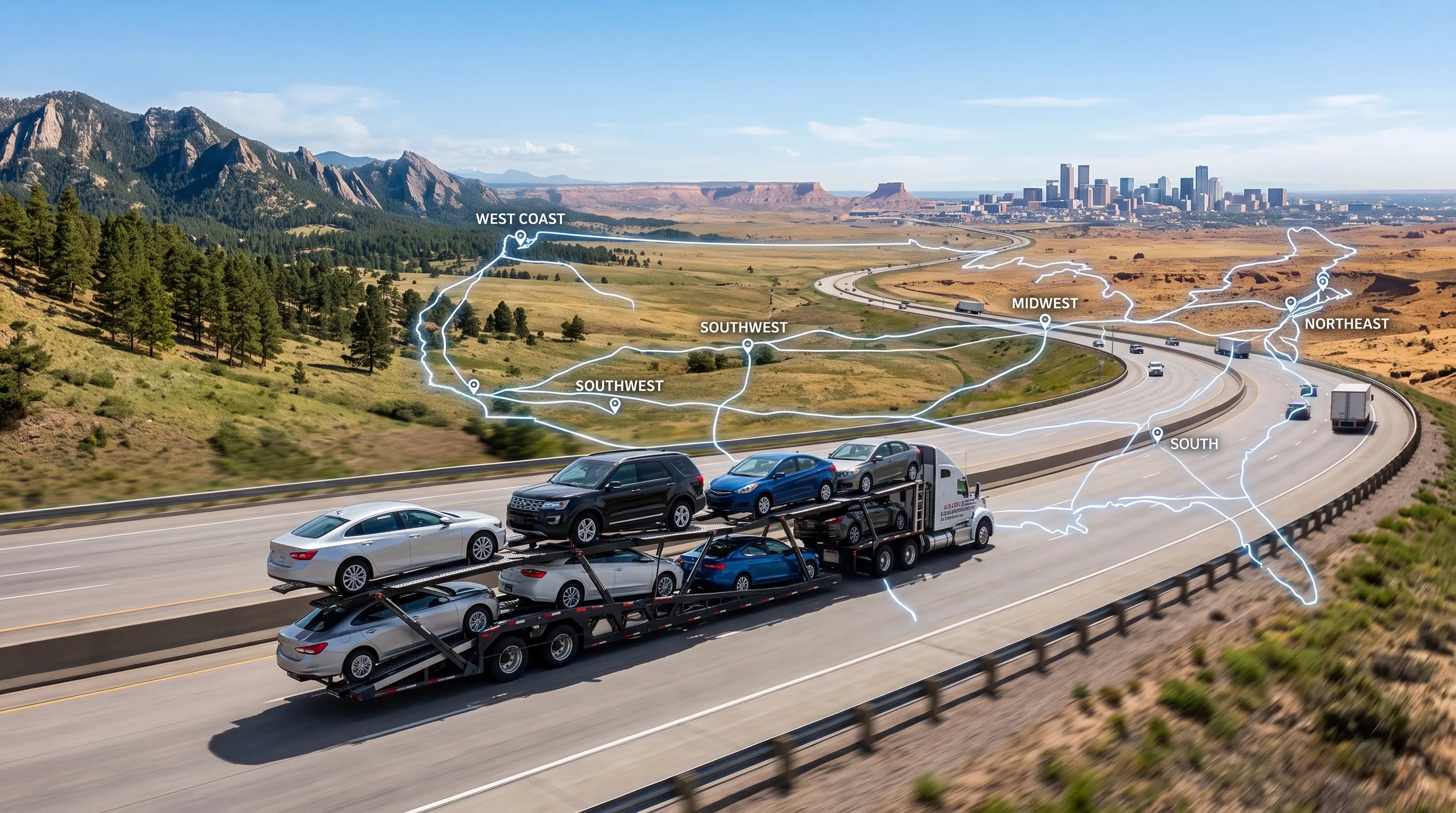
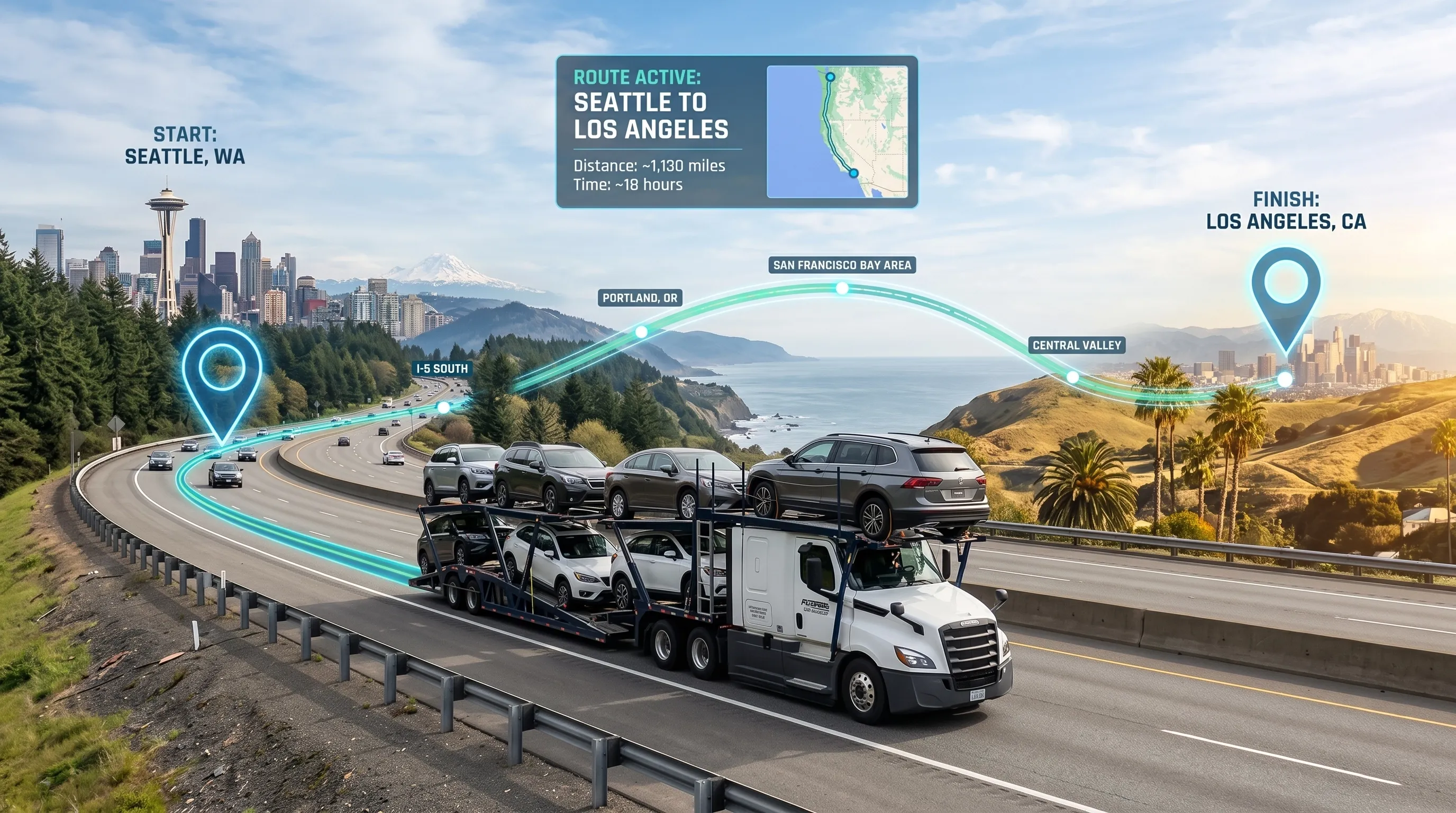
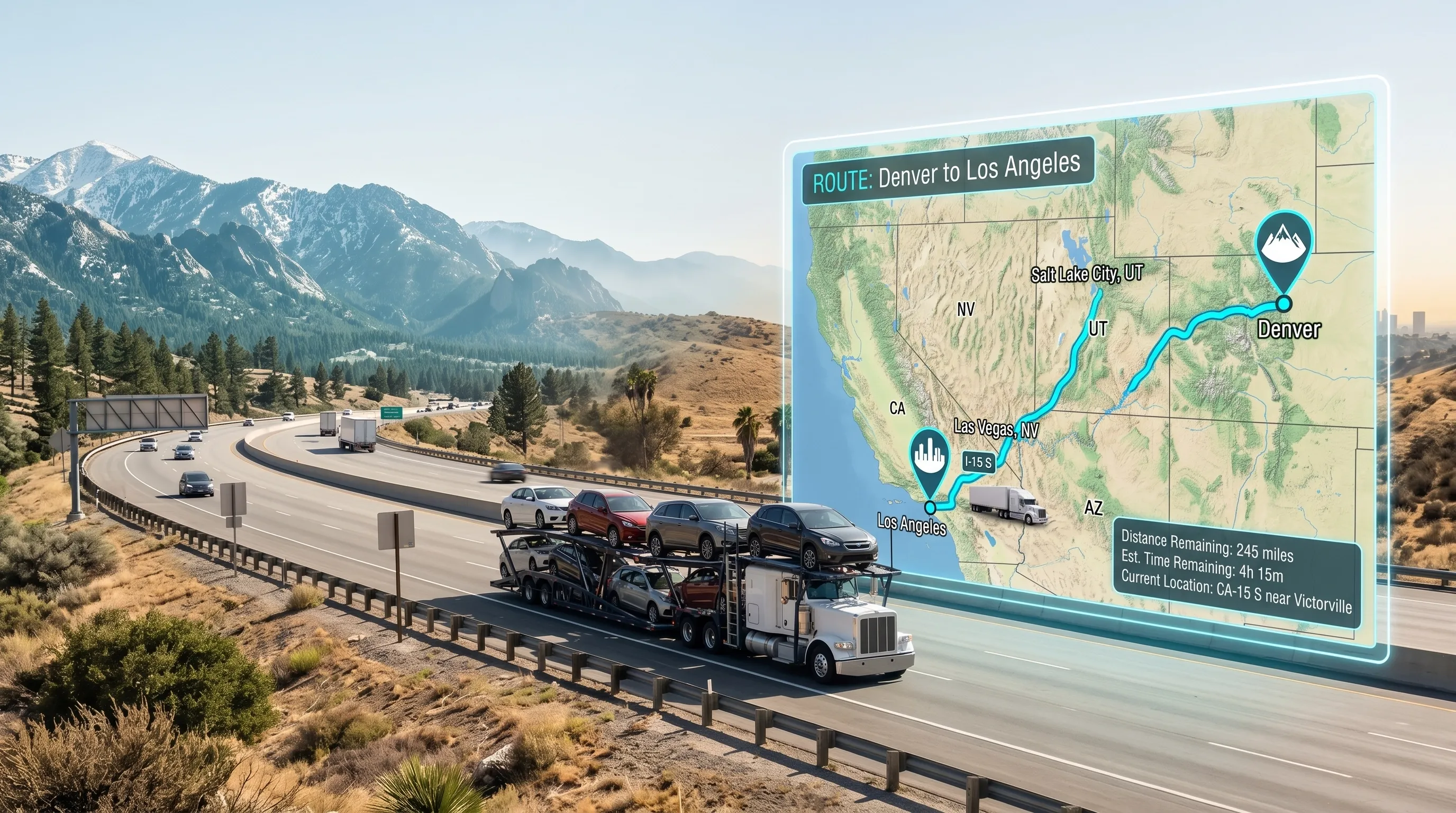
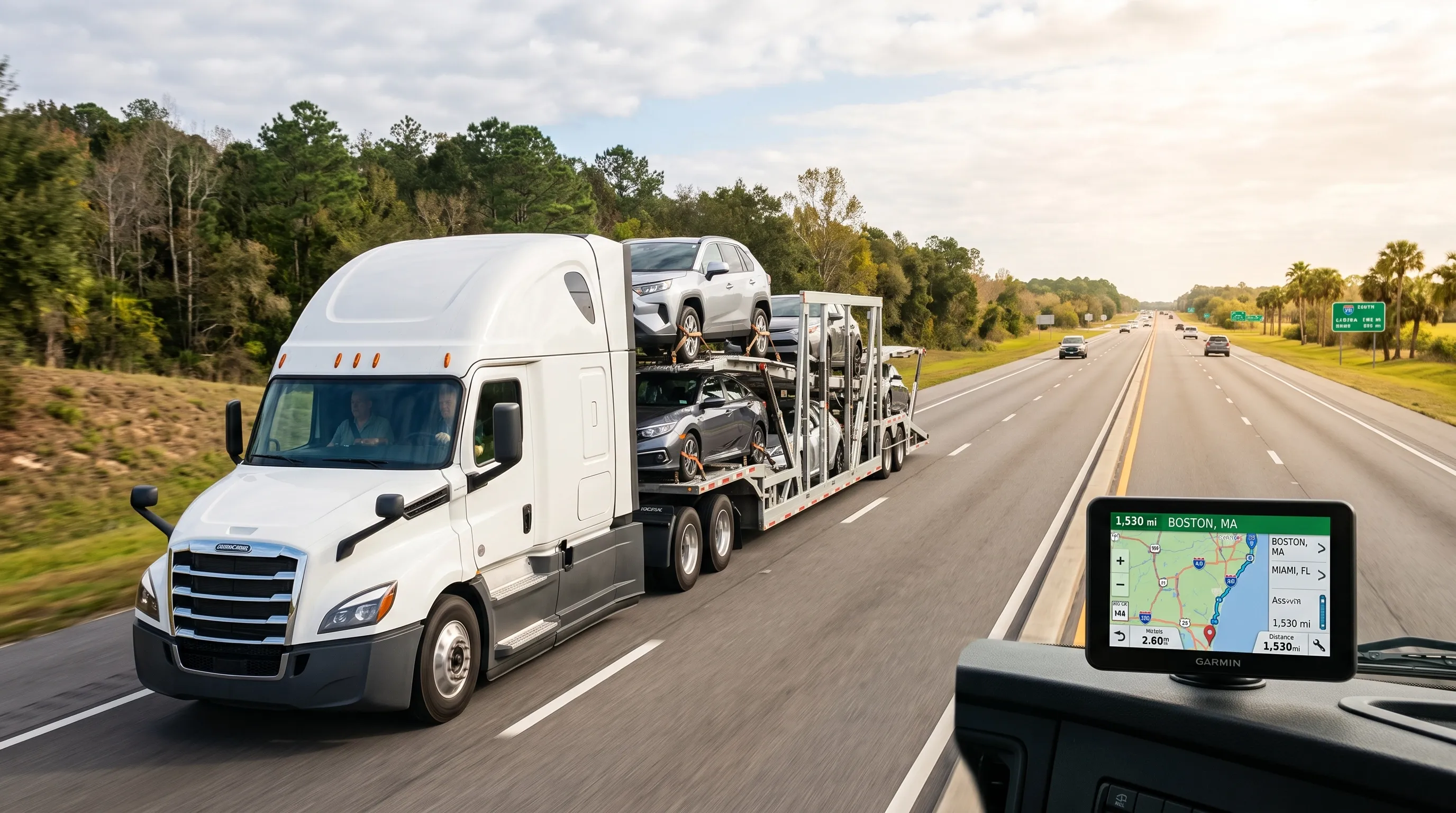
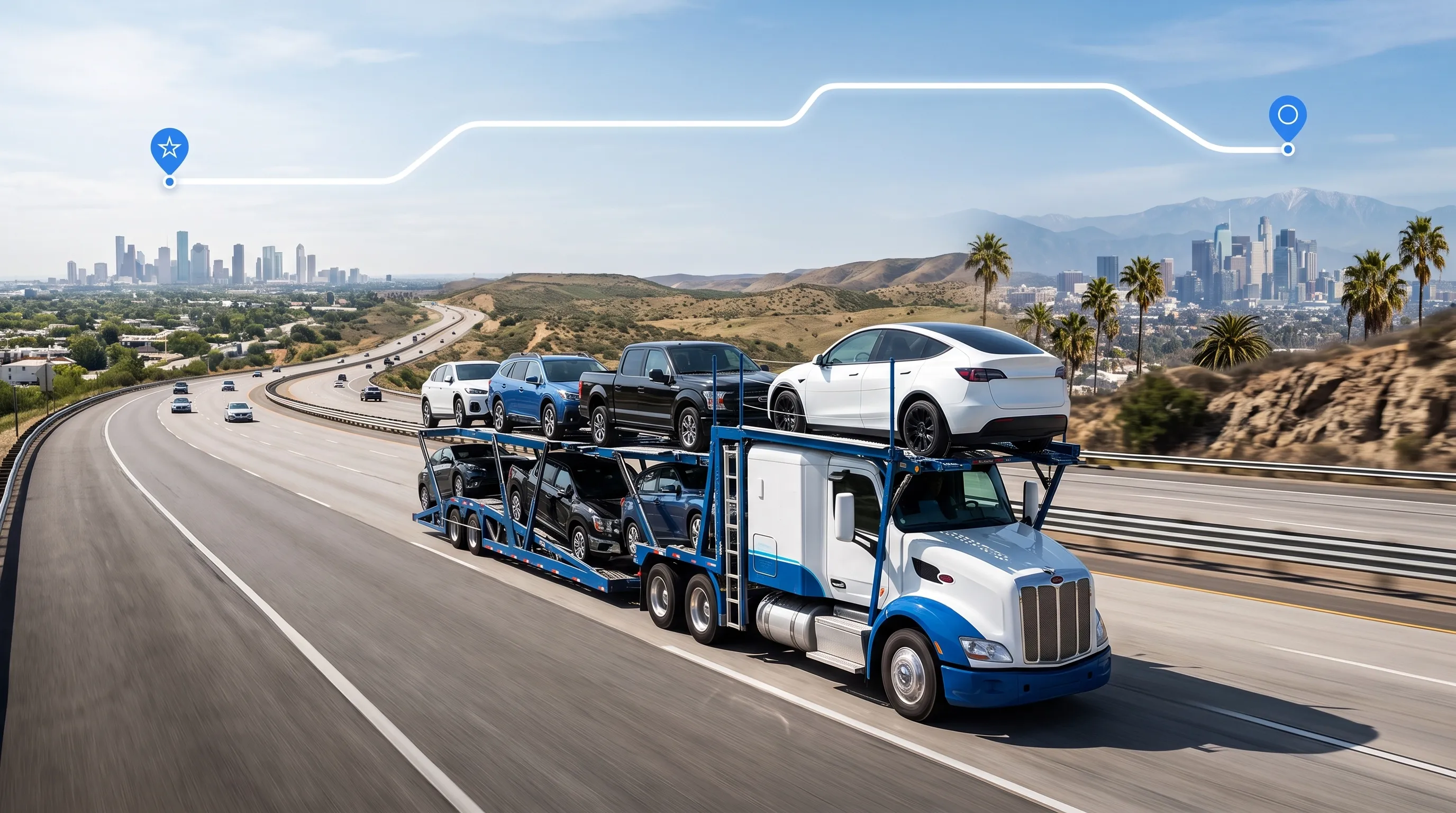
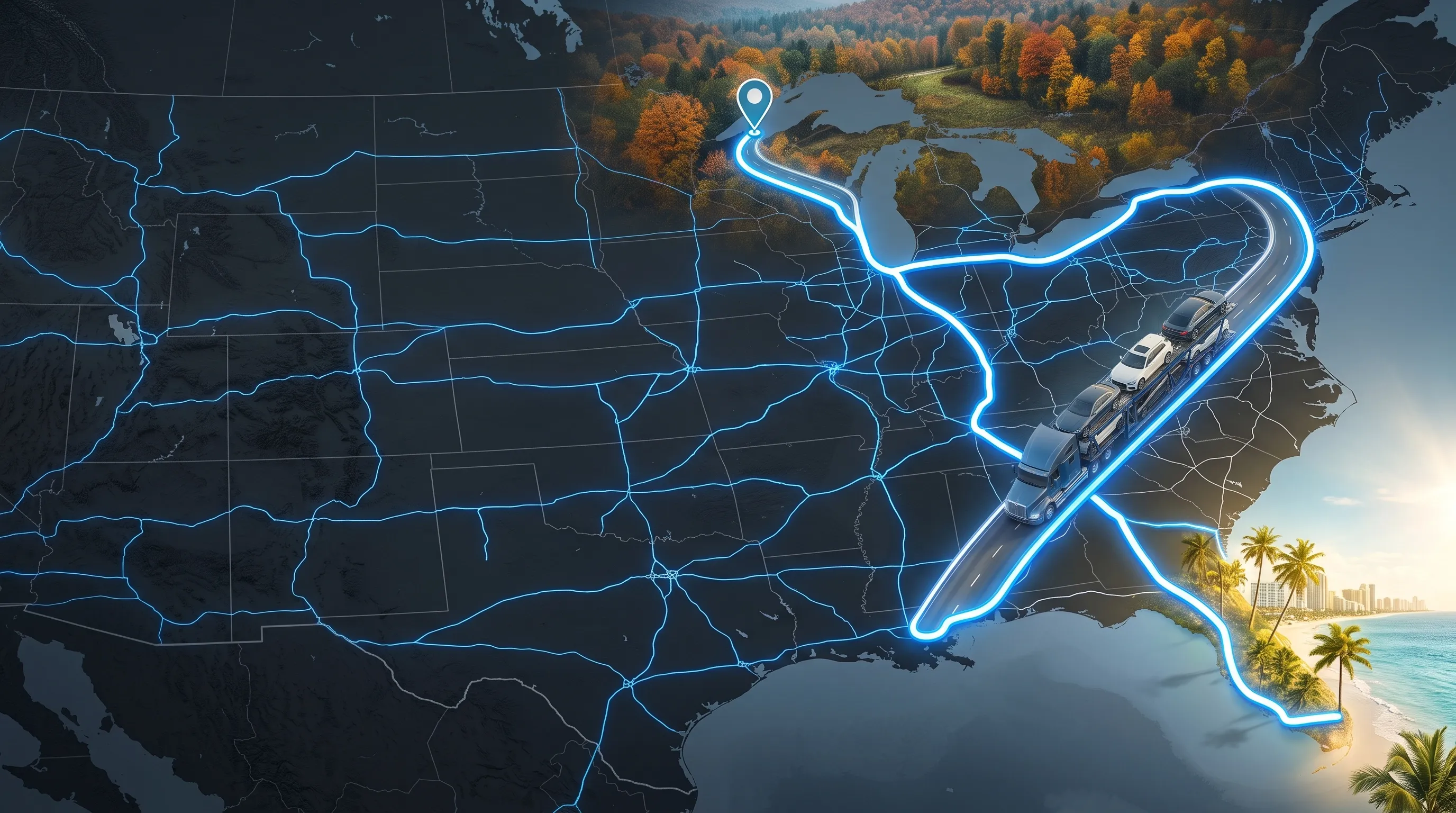
A licensed, bonded, and insured auto transport company holds active FMCSA broker authority, a USDOT number, an MC number, and a $75,000 surety bond. It only assigns carriers that carry cargo insurance and pass carrier vetting. You can verify all of it for free on FMCSA's Company Snapshot tool in a few minutes.
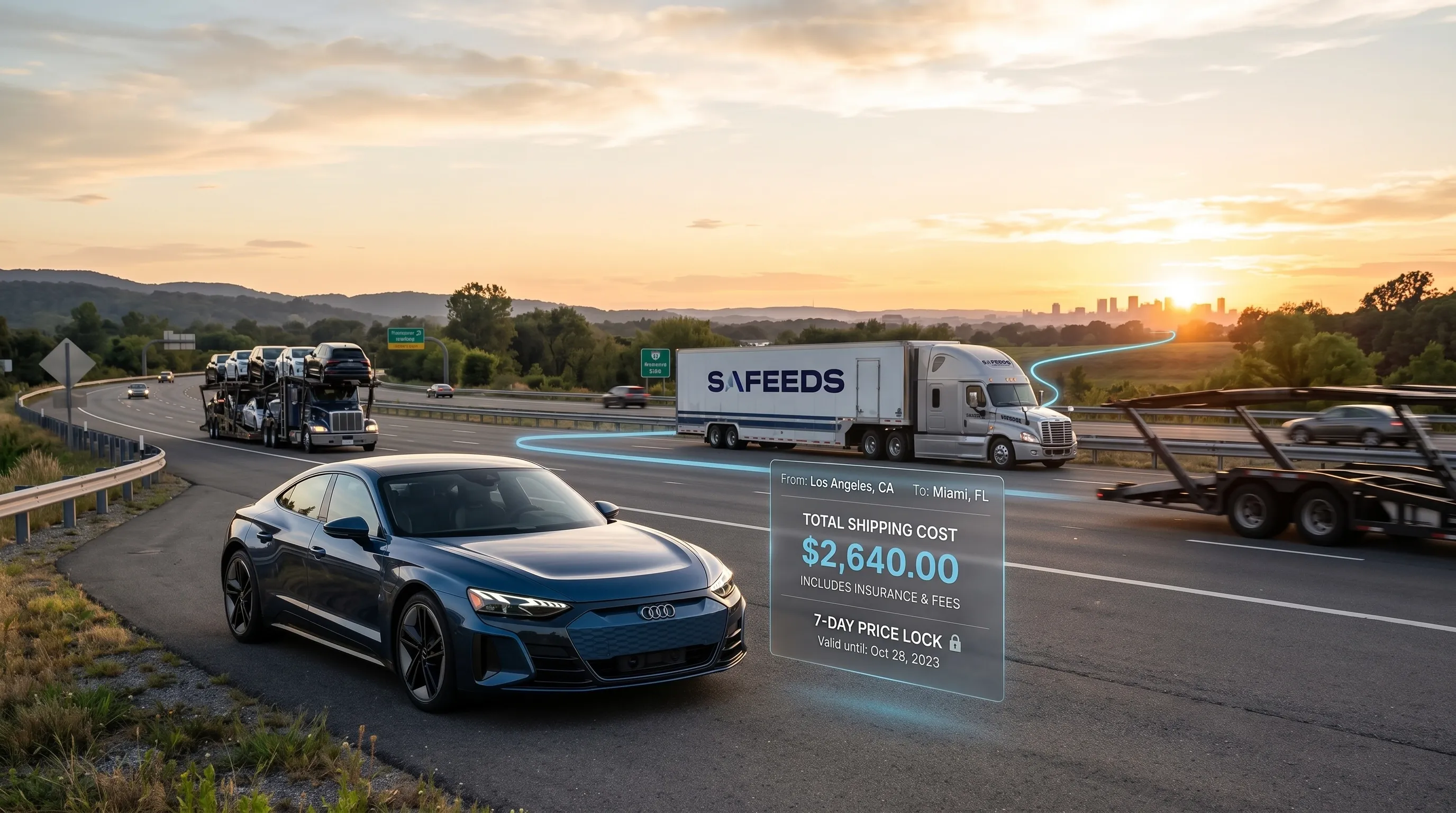
Want a price you can actually plan around? Get your free quote from Safeeds Transport. There's no upfront payment, just a $1 card verification hold, and your quoted price stays locked for 7 days while you decide.
Key Takeaways
A licensed, bonded, and insured auto transport broker holds active FMCSA authority, a USDOT number, an MC number, and a $75,000 surety bond filed as a BMC-84 or BMC-85.
Car owners can verify any auto transport company for free by searching its USDOT or MC number on FMCSA's Company Snapshot tool and confirming the authority shows as active.
The carrier's cargo insurance, not the broker's surety bond, is what pays for damage to a vehicle during loading, transport, and unloading.
An unusually low auto transport quote often backfires, because carriers skip underpaid loads and the vehicle can sit unassigned until the price rises anyway.
Noting every scratch and dent on the bill of lading and taking dated photos at pickup gives car owners the strongest evidence for any damage claim.
What Does an Auto Transport Broker Do?
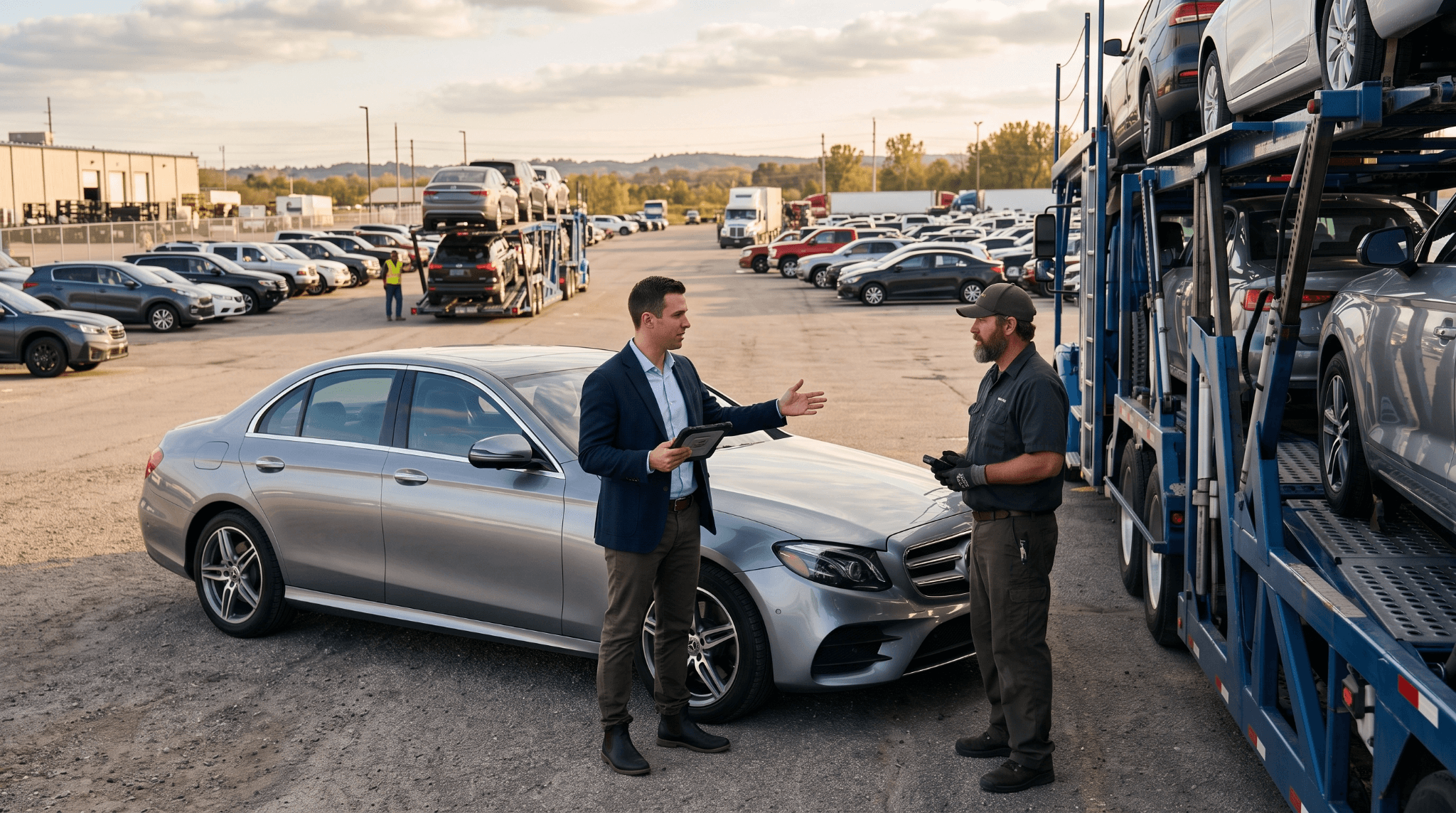
An auto transport broker is a licensed company that arranges your car shipment and assigns it to a carrier that owns the truck. Most car shipments involve both a broker and a carrier, and many people don't realize it until they book.
Think of it like booking a vacation through a travel agent. The agent finds the flight, handles the details, and answers your questions. But the airline is the one flying the plane.
In car shipping:
The broker is the travel agent. It arranges your shipment and manages it from start to finish.
The carrier is the airline. It owns the truck, employs the driver, and physically moves your car.
Both need permission from the Federal Motor Carrier Safety Administration (FMCSA). A broker holds broker authority, which lets it arrange shipments. A carrier holds motor carrier authority, which lets it haul vehicles across state lines.
What happens after you book with a broker?
Once you book, the broker starts dispatch, the process of assigning your car to a qualified carrier. Here's how dispatch works:
You book with the broker. You share your pickup and delivery locations, your dates, and your vehicle details.
The broker posts your load. Licensed carriers that run your route can see it.
A carrier accepts it. Before assigning the load, the broker checks that carrier's credentials.
The broker coordinates everything else. Pickup windows, updates, and delivery all run through one point of contact.
Most auto transport companies you'll find online work as brokers. A single carrier can only cover the routes its own trucks drive, while a broker can reach a large network of carriers. That usually means a faster match for your car.
Safeeds Transport is a licensed auto transport broker based in Columbus, Ohio. It doesn't own trucks or employ drivers. Instead, it works with a network of FMCSA-licensed carriers across all 50 states, matching your vehicle with a vetted carrier and managing your auto transport services from the first quote to the final signature.
How Do You Verify an Auto Transport Company?
You verify an auto transport company by looking up its USDOT and MC numbers in FMCSA's public records and confirming its authority is active. The check is free and takes a few minutes.
It's worth doing every time. Type "auto transport near me" into Google and you'll get dozens of results in seconds. Some of those auto transport companies are fully licensed. Some aren't.
Here's how to check any company in five steps:
Find the USDOT and MC numbers. Legitimate companies list them on their website, quotes, and contracts. FMCSA is moving to the USDOT number as its main ID through its new Motus registration system, but MC numbers are still in use during the switch. Look for both.
Look them up. Enter either number into FMCSA's Company Snapshot tool and open the company's record.
Confirm active authority. Make sure the entity type matches what the company says it is, broker or carrier, and that its operating status shows as active. Inactive or revoked means stop.
Check the bond or insurance filing. A broker should have a $75,000 surety bond on file. A carrier should have its insurance filing on record.
Look at secondary trust signals. Search the company on the Better Business Bureau website, note whether it's BBB accredited, and read how it responds to complaints. A company that answers complaints openly and resolves them tells you more than a star rating alone.
Here's a quick cheat sheet for what each credential tells you:
Credential | What it proves | Where to check |
USDOT number | The company is federally registered and has a safety record | FMCSA Company Snapshot |
MC number (operating authority) | The company can legally arrange or haul vehicles across state lines | FMCSA Licensing and Insurance records |
$75,000 surety bond | The broker has financial security behind its obligations | FMCSA Licensing and Insurance records |
Carrier insurance filing | The carrier has its required coverage on file | FMCSA Licensing and Insurance records |
BBB profile | How the business handles complaints, and whether it's accredited | BBB.org |
Pro tip: Lists of the best auto transport companies are a fine place to start your research, but a ranking isn't a license. Reliable auto transport starts with records you've checked yourself.
What red flags should make you walk away from an auto transport company?
Walk away from any auto transport company that shows one or more of these warning signs:
No USDOT or MC number anywhere on the site or quote
A big upfront deposit before a carrier is even assigned
A name that doesn't match the FMCSA record
Pressure tactics, like a price that "expires in an hour"
Brand-new or recently reinstated authority with no track record to review
How Is Auto Transport Priced?
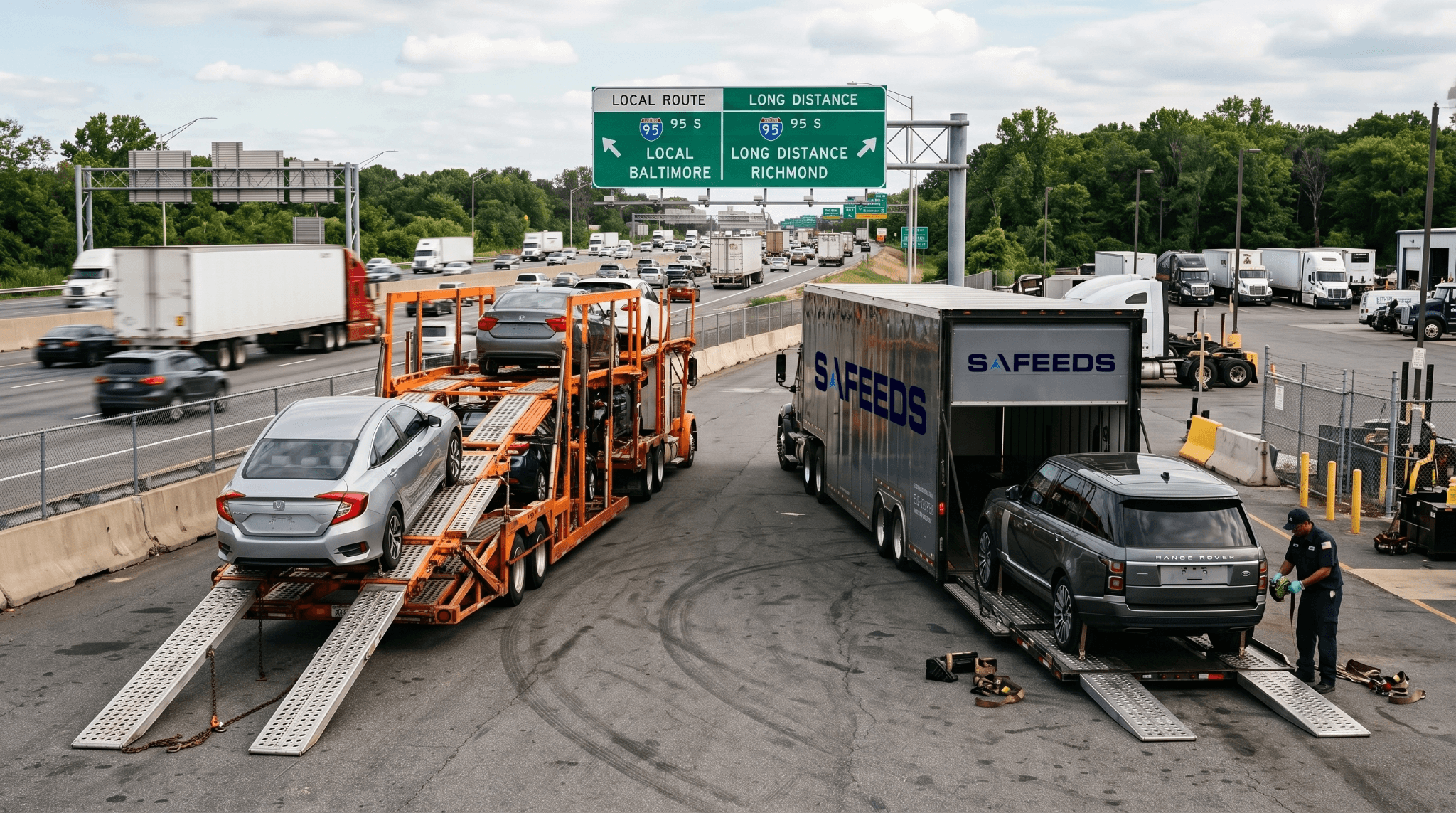
Auto transport is priced by what it takes to get a qualified carrier to haul your car on your route, on your dates. That's why two shipments that look alike on paper can be priced differently.
These seven factors move the price of a car shipment:
Distance: Longer trips cost more overall, but the price per mile often drops on long routes.
Vehicle size: A pickup truck or SUV takes up more trailer space than a compact sedan.
Trailer type: Enclosed trailers carry fewer cars, so each spot costs more.
Season: Summer moves and snowbird season push demand up on certain routes.
Route popularity: Busy routes between major cities have more trucks and usually lower prices.
Vehicle condition: A car that doesn't run needs extra equipment and handling to load.
Date flexibility: A wider pickup window gives more carriers a chance to say yes.
When you compare auto transport quotes, look past the price. Ask how and when you'll pay.
With Safeeds Transport, there's no upfront payment at booking. You'll see a $1 card verification hold; your quoted price is locked for 7 days, and the balance is due at pickup or delivery.
Why can a very low auto transport quote cost you more?
A very low auto transport quote can cost you more because carriers skip loads that don't pay enough for the trip. Your car then sits unassigned while your pickup date slips. Eventually, the price goes up anyway, and now you've lost time too. The smarter move is to compare quotes on accuracy and terms, not just the lowest number on the page.
Which Car Shipping Service Type Do You Need?
The four main auto transport services are open, enclosed, door-to-door, and expedited. The right one depends on three things: your vehicle, your budget, and your deadline.
Here's how the main auto transport services compare:
Service type | Cost level | Protection level | Choose this if... |
Open transport | Lower | Standard; the car is exposed to weather and road dust | You're shipping an everyday car and want the most budget-friendly option |
Enclosed transport | Higher | High; the car rides inside a covered trailer | You own a classic, luxury, exotic, or freshly restored vehicle |
Door-to-door delivery | Included in most quotes | Standard | You want pickup and drop-off as close to your address as the truck can safely reach |
Expedited transport | Higher | Standard or high, depending on trailer | You have a firm deadline and need a faster pickup |
Should you choose open or enclosed auto transport?
Choose open auto transport for most everyday cars, and choose enclosed transport for classic, luxury, or high-value vehicles. Open vs. enclosed is the choice most car owners weigh. Open trailers are the most common way cars move across the country. They're the same trailers that deliver new cars to dealerships, and for most daily drivers they're plenty.
Enclosed transport earns its higher price when your car's value, paint, or condition makes road exposure a real risk. Still not sure? Ask for quotes on both. Seeing the actual price difference makes the decision much easier than guessing.
Pro tip: "Door-to-door" means as close to your door as a large truck can legally and safely get. On narrow streets or in gated communities, you may meet the driver at a nearby parking lot instead.
How Does Safeeds Transport Vet Carriers?
Carrier vetting is the review a carrier must pass before a broker assigns it your car. At Safeeds Transport, that review happens before every dispatch.
A broker's biggest job isn't finding a truck. It's deciding which truck gets your car. Every carrier in the Safeeds Transport network must be licensed by FMCSA, and before dispatch, it must show:
Active authority on its FMCSA record, with the right entity type for hauling vehicles
A valid cargo insurance certificate on file, with the policy dates checked
A clean safety record, with no out-of-service orders and no pattern of serious violations
A clean complaint history, including feedback from other brokers and shippers
Matching identity details, so the company name, USDOT number, and contact info line up on every document
How does carrier vetting prevent double brokering?
Carrier vetting prevents double brokering by confirming that the carrier who picks up your car is the same carrier that was checked and assigned. Double brokering happens when the company that accepts your load quietly hands it to another carrier nobody has checked.
When that happens, your car ends up with a stranger, and that stranger's insurance may not cover you. Matching identity details at dispatch, and again at pickup, closes that gap. That's where reliable auto transport is won or lost, long before a truck pulls up to your driveway.
What Insurance Covers Your Car During Transport?
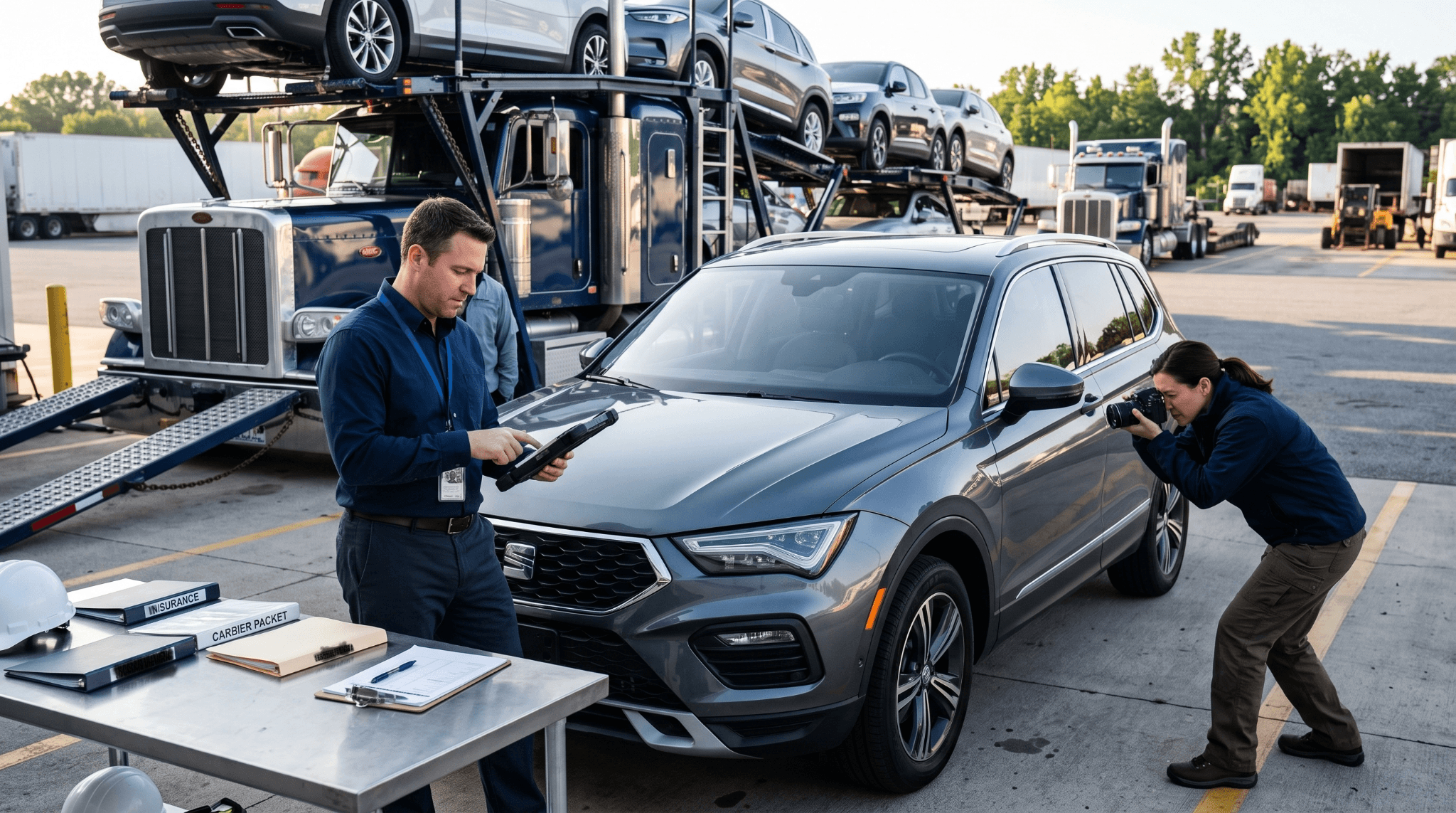
The carrier's cargo insurance is the primary protection for your car during transport. It's the policy that pays if the carrier damages your vehicle while loading, hauling, or unloading it.
Federal rules also set a floor for carrier coverage. Under 49 CFR 387.9, for-hire carriers hauling general freight across state lines in trucks rated at 10,001 pounds or more must carry at least $750,000 in public liability coverage. Cargo coverage limits, however, vary from carrier to carrier and are set by each policy. That's why your broker should confirm the certificate and policy dates before dispatch. You can also ask for a copy for your own records.
Most cargo insurance policies don't cover:
Personal items left inside the car
Damage that was already there before pickup
Mechanical problems unrelated to loading or transport
Some events outside the carrier's control, depending on the policy
How do you protect your car at pickup?
You protect your car at pickup by documenting its condition before it's loaded. When the driver arrives:
Walk around the car together.
Note every scratch, chip, and dent on the bill of lading, the inspection report you both sign.
Take clear, dated photos from every angle, plus the interior and odometer.
If you ever need to file a damage claim, that paperwork is where it starts.
Pro tip: Call your own auto insurer before shipping. Some personal policies offer secondary coverage while your car is in transit, and some don't.
Does a broker's surety bond cover damage to your car?
No, a broker's surety bond does not cover damage to your car. The bond protects against the broker failing its financial obligations, such as not paying the carrier it hired.
The $75,000 minimum has applied to brokers since October 1, 2013. Under 49 CFR 387.307, it's filed with FMCSA as either a BMC-84 surety bond or a BMC-85 trust fund. Being bonded shows a broker is financially accountable. Damage to your car falls under the carrier's cargo insurance.
Common Questions Before Booking an Auto Transport
Still have questions? Here are quick answers to the ones people ask most before they book.
What is an auto transport broker?
An auto transport broker is a licensed company that arranges your shipment and assigns it to a carrier that owns the truck. It works like a travel agent booking your flight with an airline. The broker holds FMCSA broker authority, vets the carrier, and stays your main contact until your car is delivered.
How do I check if an auto transport company is licensed?
Ask the auto transport company for its USDOT and MC numbers, then search them on FMCSA's Company Snapshot tool. Make sure the authority shows as active and the entity type matches what the company claims. Use this same check on every name that comes up when you search "auto transport near me."
Is a broker or a carrier better for shipping my car?
A broker is usually better for flexibility, and a carrier is better for direct contact. A broker gives you access to a large carrier network, which usually means faster pickup and more route options. A carrier only covers the routes its own trucks drive. That wider reach is why many of the best auto transport companies operate as brokers.
What insurance covers my vehicle in transit?
The carrier's cargo insurance is the main coverage for damage to your vehicle during loading, transport, and unloading. Your personal auto policy may offer secondary protection, so check with your insurer before your ship date. Personal items left inside the car usually aren't covered by either policy, so take them out first.
How much does auto transport cost?
Auto transport cost depends on distance, vehicle size, trailer type, season, route popularity, and whether your car runs. Even two shipments on the same route can be priced differently if the dates or vehicles differ. The fastest way to get an accurate number is to request auto transport quotes for your exact trip.
How do I file a damage claim?
To file a damage claim, inspect your car at delivery before you sign the bill of lading, and write any new damage directly on it. Take photos right away. Then contact your broker, who will help you open a claim with the carrier's cargo insurer. Damage that isn't noted at delivery is much harder to prove later.
What is a USDOT number and why does it matter?
A USDOT number is a unique federal ID from the U.S. Department of Transportation. It connects to a company's registration, safety record, inspections, and crash history. FMCSA is making the USDOT number the main identifier for carriers and brokers, so it's the single most useful number to look up before you book.
How do you choose which carrier gets my vehicle?
Safeeds Transport chooses a carrier in two steps. First, the carrier has to pass the vetting standard: active authority, a valid cargo insurance certificate, and a clean safety and complaint record. From the carriers that qualify, the match comes down to your route, your pickup window, and whether you need an open or enclosed trailer.
What happens if no carrier picks up my load?
If no carrier picks up your load, your coordinator will explain why, which usually comes down to the price, the dates, or the route. You can then widen your pickup window or adjust the rate. Since Safeeds Transport takes no upfront payment, your money isn't tied up while you decide.
Is auto transport regulated?
Yes, interstate auto transport is regulated by the Federal Motor Carrier Safety Administration. FMCSA grants operating authority, has required brokers to keep a $75,000 surety bond since 2013, and sets insurance filing rules for carriers. Looking up a company's FMCSA record is how you confirm it's playing by those rules.
Ship Your Car With a Licensed, Bonded and Insured Team
A safe shipment isn't about luck. It comes down to a few simple habits: verify the company's federal credentials, compare honest quotes instead of just cheap ones, pick the service that fits your car, and document its condition at pickup.
Safeeds Transport builds every one of those steps into each booking. The carriers it assigns pass a vetting review before dispatch, you pay nothing upfront beyond a $1 card verification hold, and your quoted price stays locked for 7 days. That's what reliable auto transport should feel like, from the first call to the final signature. Get your free auto transport quote today and use code SAFE25 for $25 off your shipment.