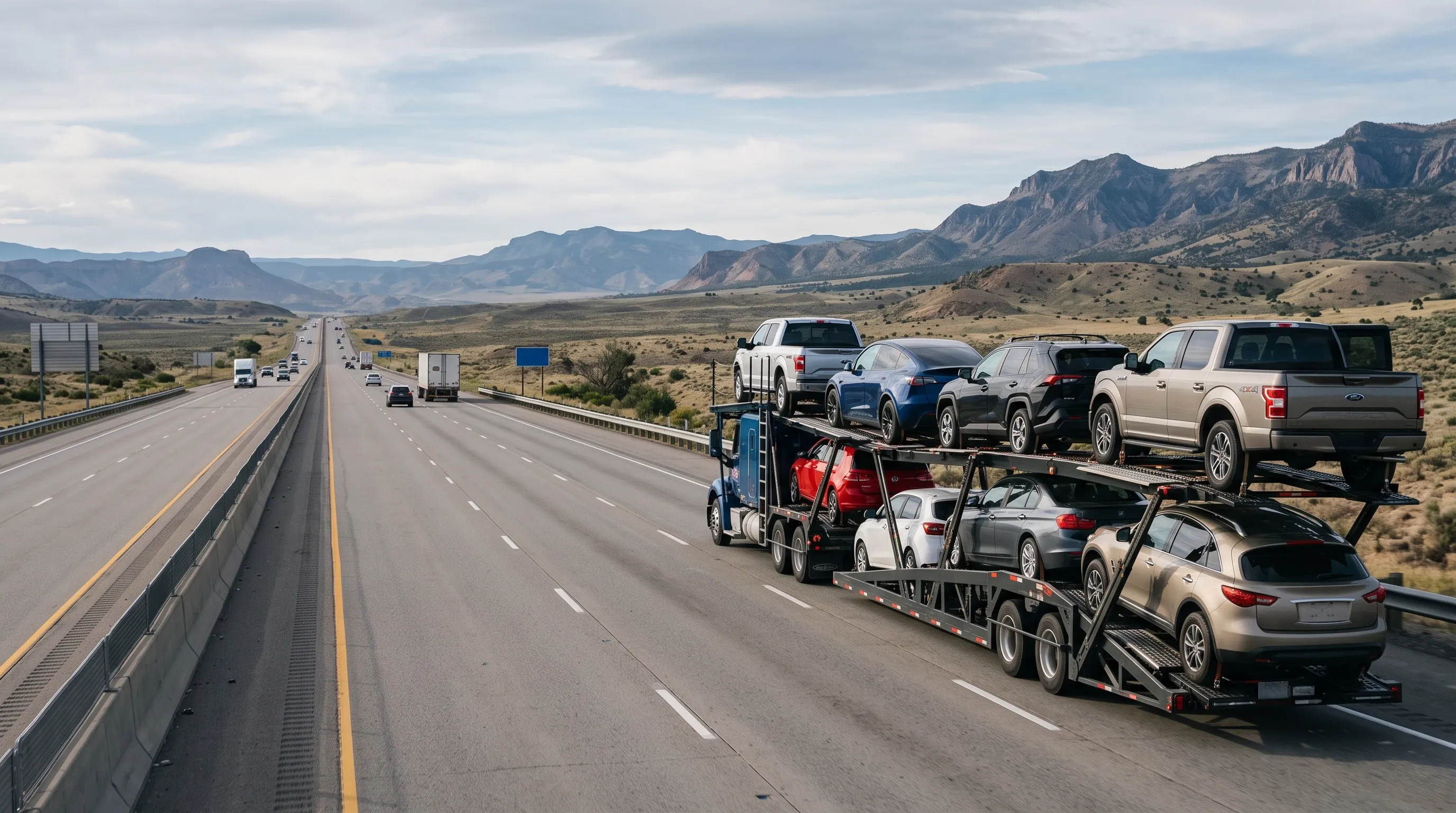
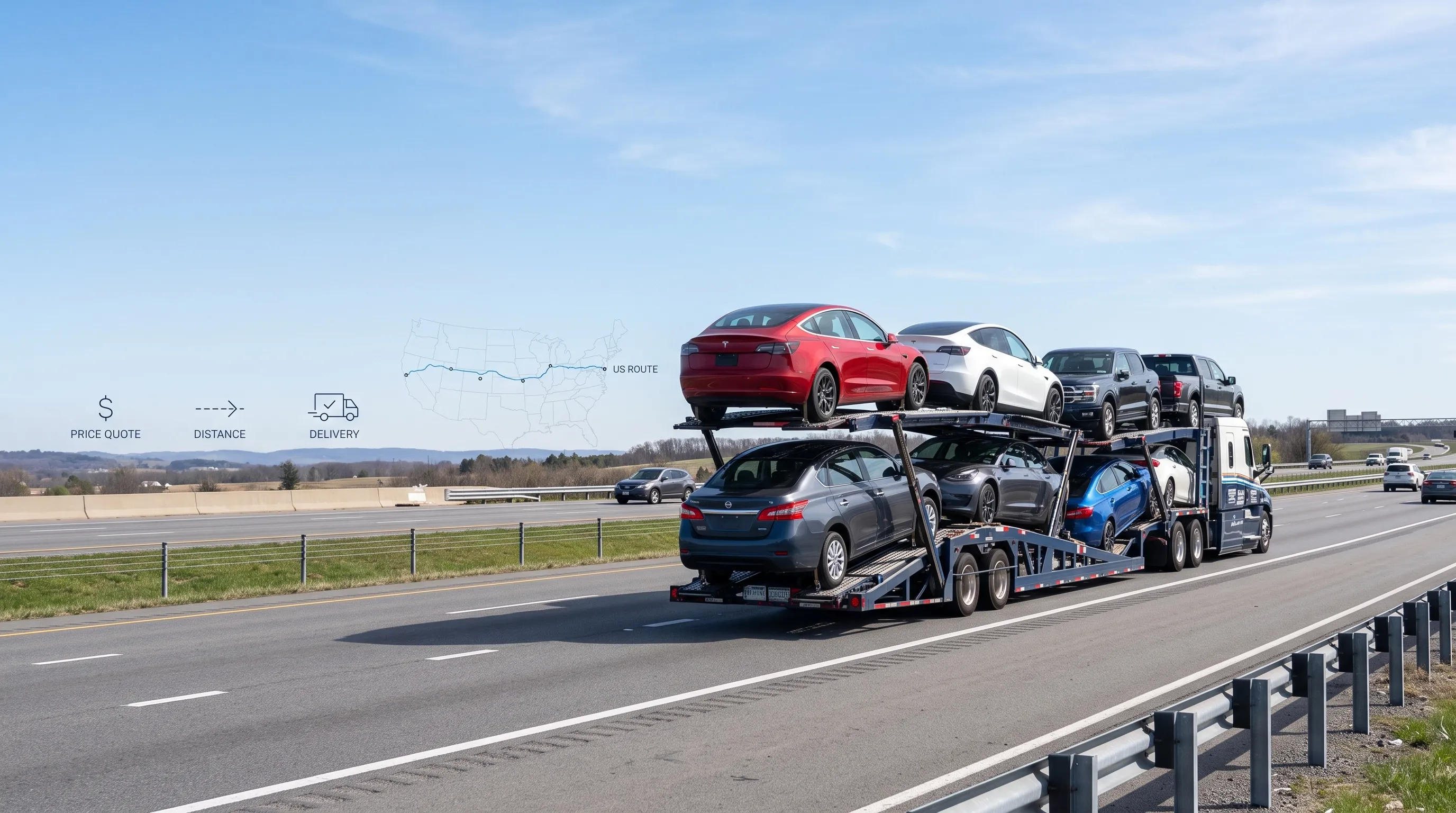
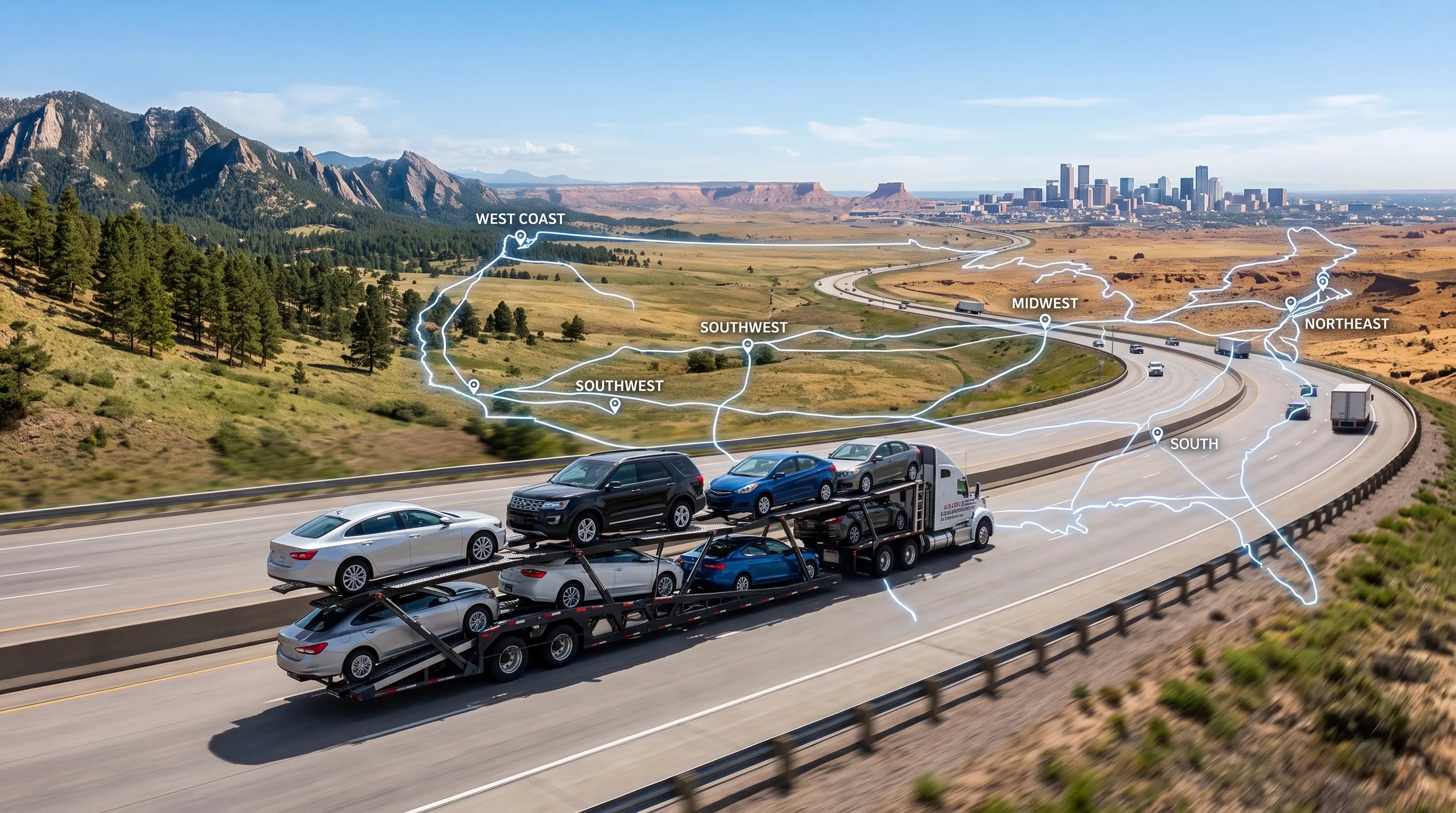
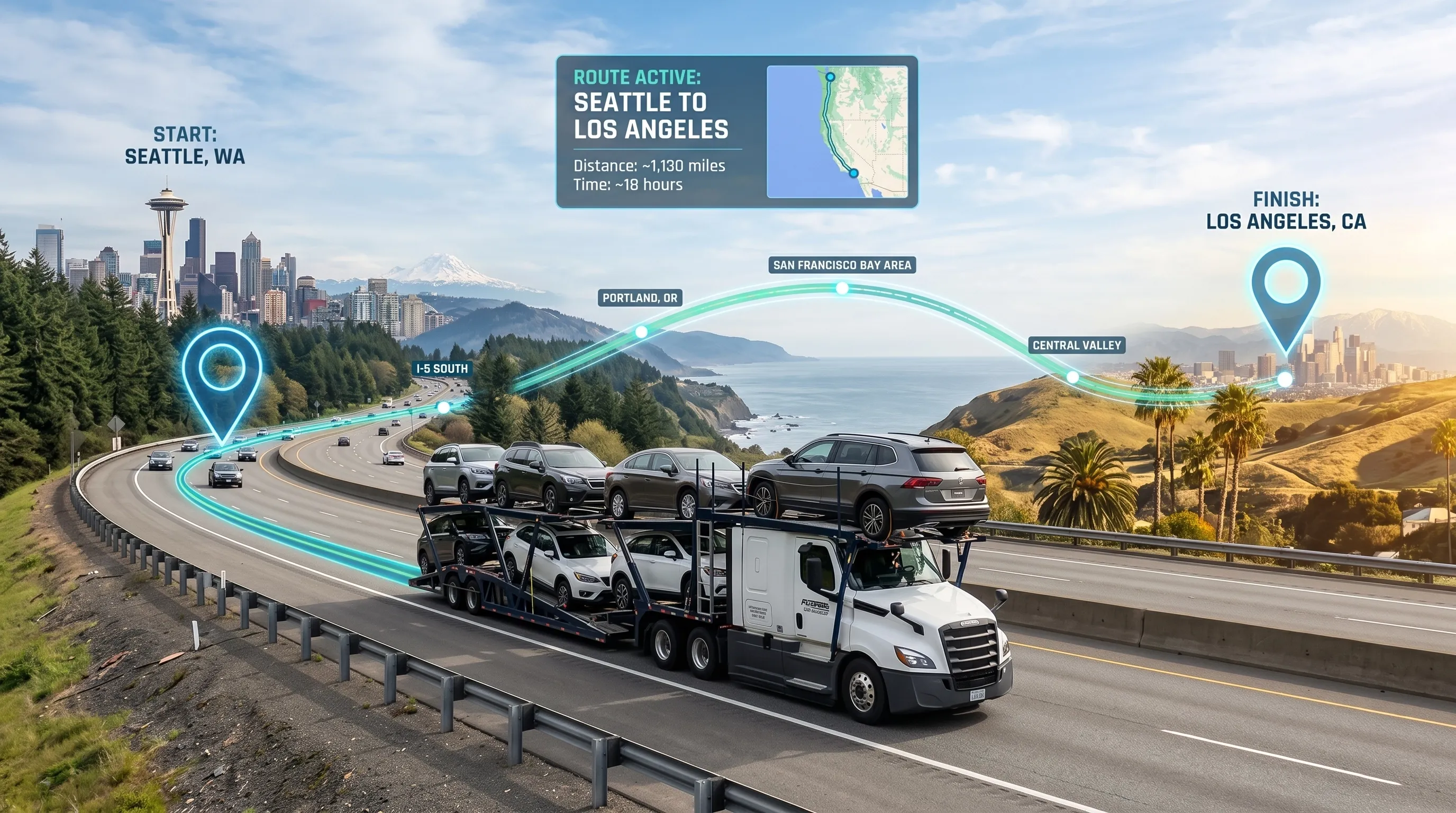
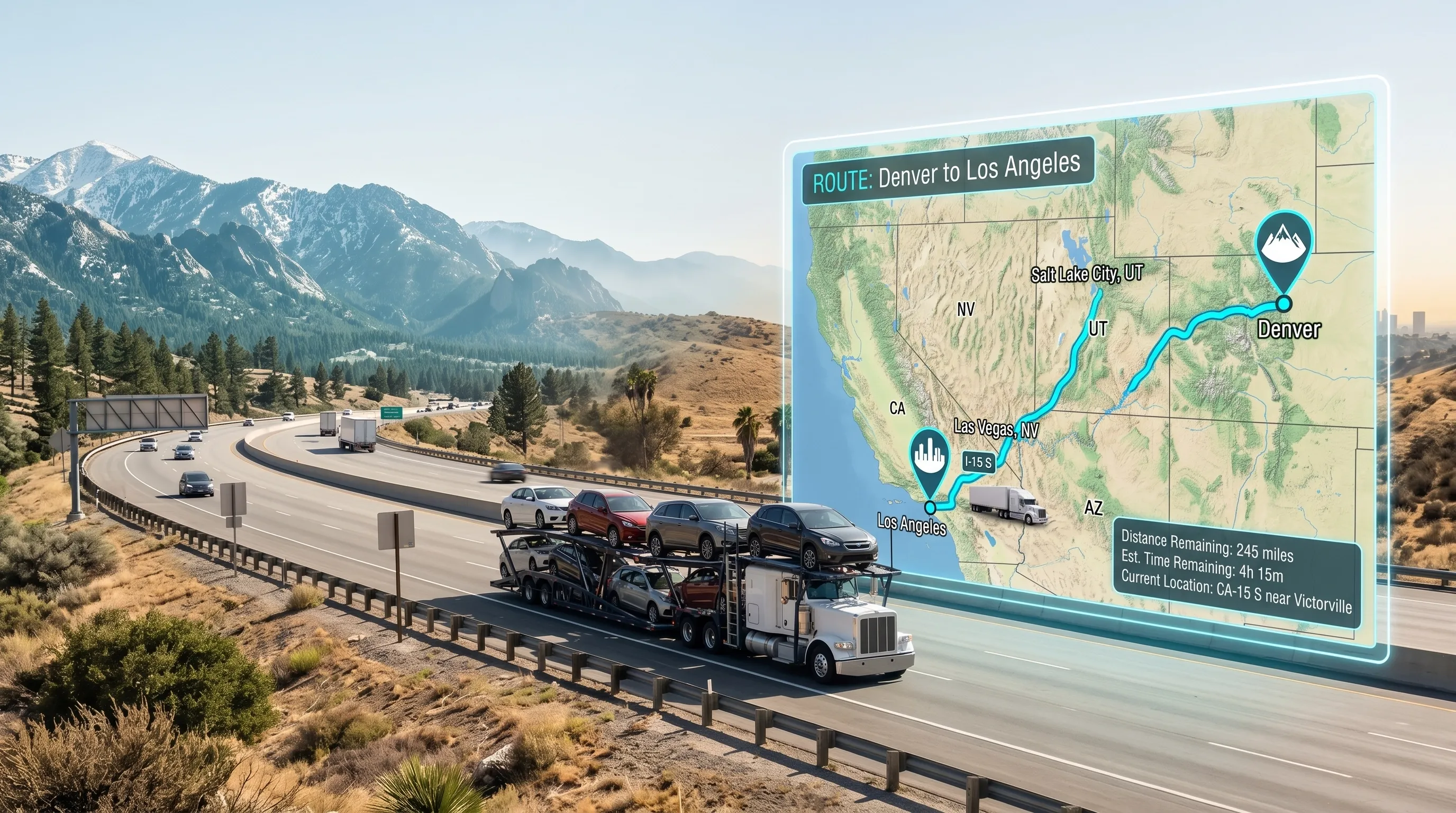
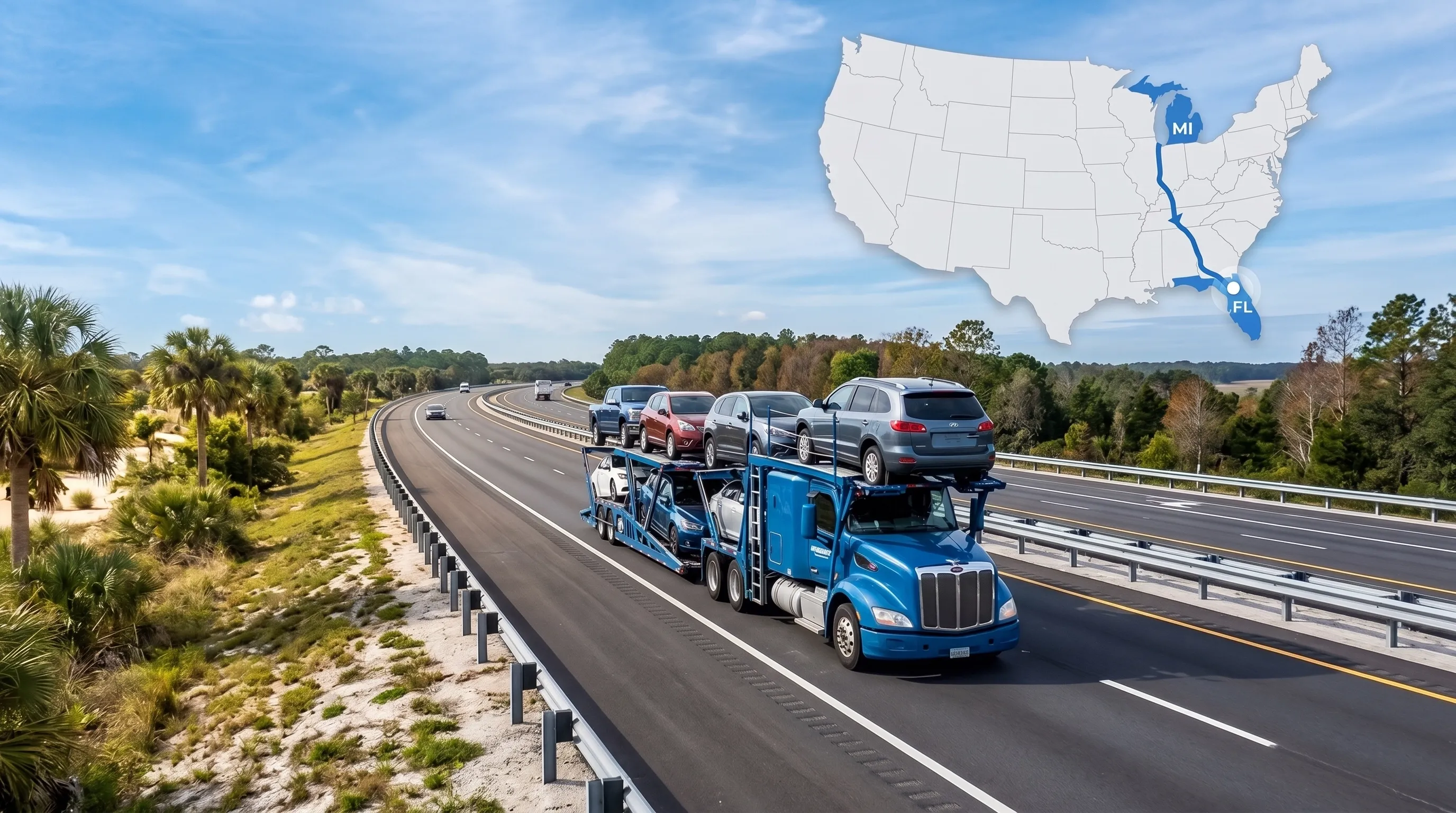
Car shipping across the United States means a licensed broker arranges for a vetted carrier to move your vehicle by truck from one address to another. Most car shipping services cost $500 to $1,900 for a standard sedan on an open carrier. Transit takes 1 to 3 days on short routes and 7 to 10 days coast to coast.
Handing your car keys to a driver you've never met is a big deal. I've talked with plenty of first-time customers who worried about the same things: surprise fees, missed pickups, and damage no one takes responsibility for.
So how do you book car shipping without the stress? This guide breaks down how the process works, what it costs, which service fits your vehicle, and how to tell a reliable company from a risky one. Request a free quote from Safeeds Transport and get a written price locked for 7 days.
Key Takeaways
Car shipping in the US follows six steps: request a quote, book the shipment, get a carrier assigned, complete a pickup inspection, wait through transit, and inspect the car again at delivery.
Shipping a standard sedan on an open carrier typically costs $500 to $900 for routes under 500 miles and $1,300 to $1,900 for cross-country routes.
Enclosed car shipping usually costs 40% to 60% more than open transport and is best suited to classic, luxury, exotic, and newly restored vehicles.
Every interstate auto transport broker and carrier must be registered with the FMCSA, and consumers can verify any company by searching its MC number before booking.
A trustworthy car shipping company provides a written price, does not demand a large upfront deposit, and records the vehicle's condition on a bill of lading at pickup and delivery.
How Car Shipping Works From Quote to Delivery
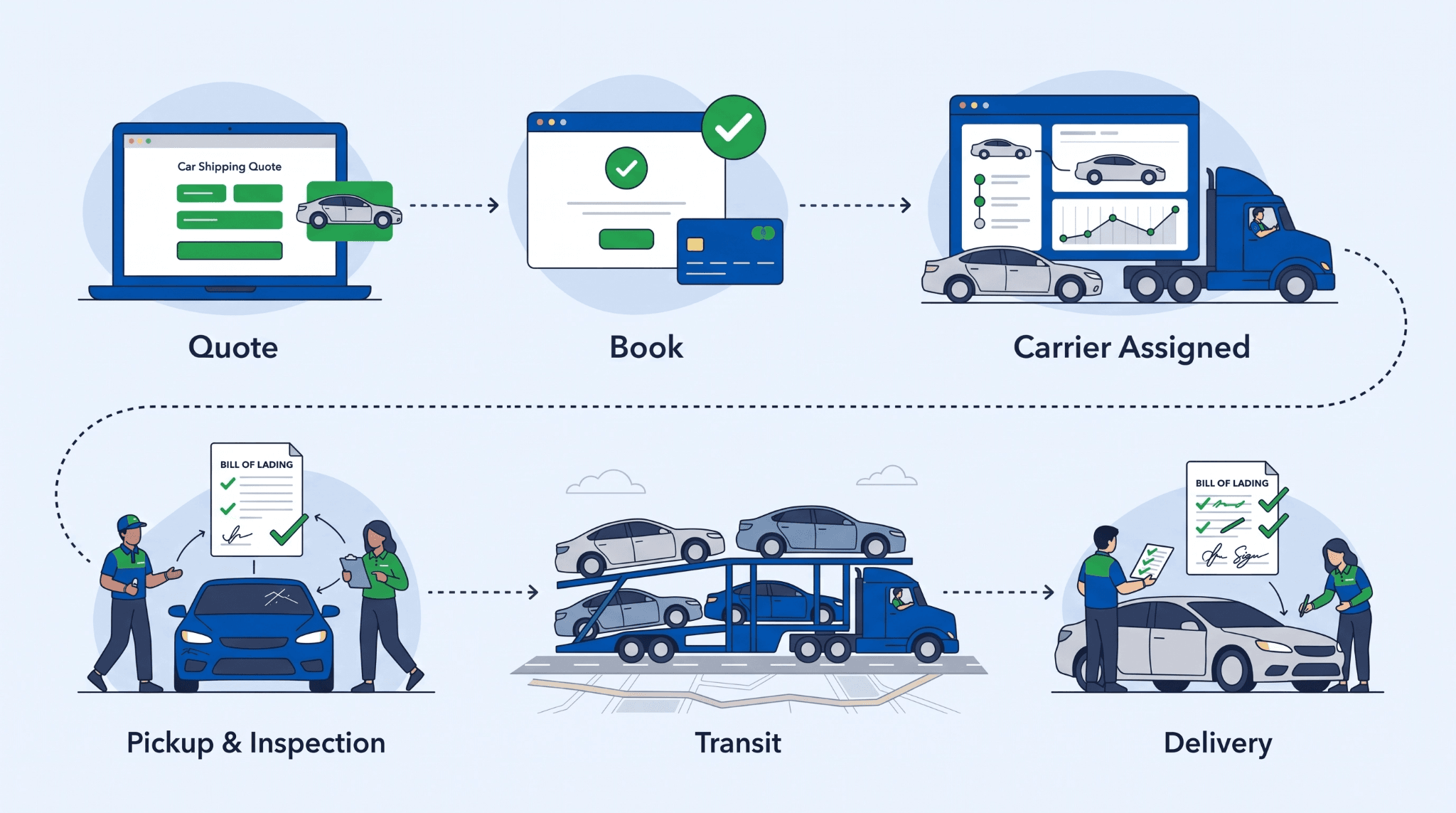
Every shipment follows the same basic path, whether your car is going 300 miles or 3,000. Once you know the steps, the process feels far more predictable.
Request a quote. Share your vehicle's year, make, and model, your pickup and delivery locations, your dates, and whether you want an open carrier or an enclosed carrier.
Book your shipment. With Safeeds Transport, there's no deposit at booking. A $1 card verification hold confirms your payment details, and your price is locked for 7 days.
A carrier is assigned. A licensed broker matches your car with a vetted carrier already running your route, within your pickup window. That window is the range of days when the driver can collect your car.
Pickup and inspection. You and the driver walk around the car and note any existing scratches or dents on the bill of lading. You both sign it, and your car is loaded.
Transit. Your car travels with other vehicles on a planned route. Drivers have daily hour limits, so a cross-country trip usually takes a week or more.
Delivery. You inspect the car, compare it to the pickup notes, sign the bill of lading, and pay the balance.
Here's the thing most people miss: shipping a car is really a paper trail. Each signature confirms what happened and when, which protects both you and the carrier.
What Car Shipping Costs
Distance has the biggest impact on your price. Vehicle size, transport type, route popularity, and season matter too. Here's what a standard sedan typically costs.
Route Type | Distance | Open Carrier | Enclosed Carrier | Transit Time |
Short | Under 500 miles | $500 to $900 | $750 to $1,400 | 1 to 3 days |
Medium | 500 to 1,500 miles | $700 to $1,300 | $1,050 to $2,000 | 2 to 6 days |
Cross-country | 2,500+ miles | $1,300 to $1,900 | $1,900 to $2,900 | 7 to 10 days |
Cross country car shipping costs more overall but less per mile. Loading and unloading take the same effort on every trip, so a longer route spreads that fixed work across more miles.
Cheap car shipping is possible, but it comes from smart choices, not the lowest quote. Planning ahead is the easiest way to save on shipping. Car owners who book two to three weeks out, allow a flexible pickup window, and choose an open carrier usually get the best rates.
For per-mile rates and seasonal pricing, see our guide on how much it costs to ship a car in 2027.
Types of Car Shipping Service
The service you pick shapes your price, timeline, and level of protection. Most customers combine two choices: the trailer type and the pickup method.
Service | What It Means | Best For | Price Level |
Open carrier | Car rides on an open, two-level trailer | Daily drivers, family cars | Lowest |
Enclosed carrier | Car rides fully covered | Classic, luxury, exotic cars | 40% to 60% higher |
Door-to-door | Pickup and delivery at or near your address | Most customers | Standard |
Terminal | Drop-off and pickup at a storage lot | Flexible customers in big cities | Sometimes lower |
Expedited | Priority pickup in a shorter window | Tight deadlines | Higher |
What is open car shipping?
Open car shipping is the most popular option in the US. Your car rides on a two-level trailer with several others, like the trucks that deliver new cars to dealerships.
It's exposed to weather and road dust, but it's a safe, budget-friendly choice for everyday vehicles. Open carriers are easy to find, so pickup is often faster.
What is enclosed car shipping?
Enclosed car shipping keeps your vehicle inside a covered trailer, protected from rain, hail, sun, and road debris. Enclosed carriers usually haul fewer cars, often carry higher insurance limits, and may use liftgates for low sports cars.
Pro tip: If your car would be expensive to repaint or repair, enclosed transport usually pays for itself in peace of mind.
What is the difference between door-to-door and terminal shipping?
With door-to-door service, the driver picks up and delivers as close to your address as the truck can safely reach. If your street is narrow, you may meet at a nearby parking lot.
With terminal shipping, you drop your car at a storage facility and collect it from another near your destination. It can cost less on some routes, but it takes more of your time, and storage fees may apply.
What is expedited car shipping?
Expedited service moves your shipment to the front of the line, with a faster carrier assignment and a shorter pickup window. It costs more because carriers need a higher rate to adjust their schedules. Most car shipping services offer it as an add-on.
How to Choose a Car Shipping Company
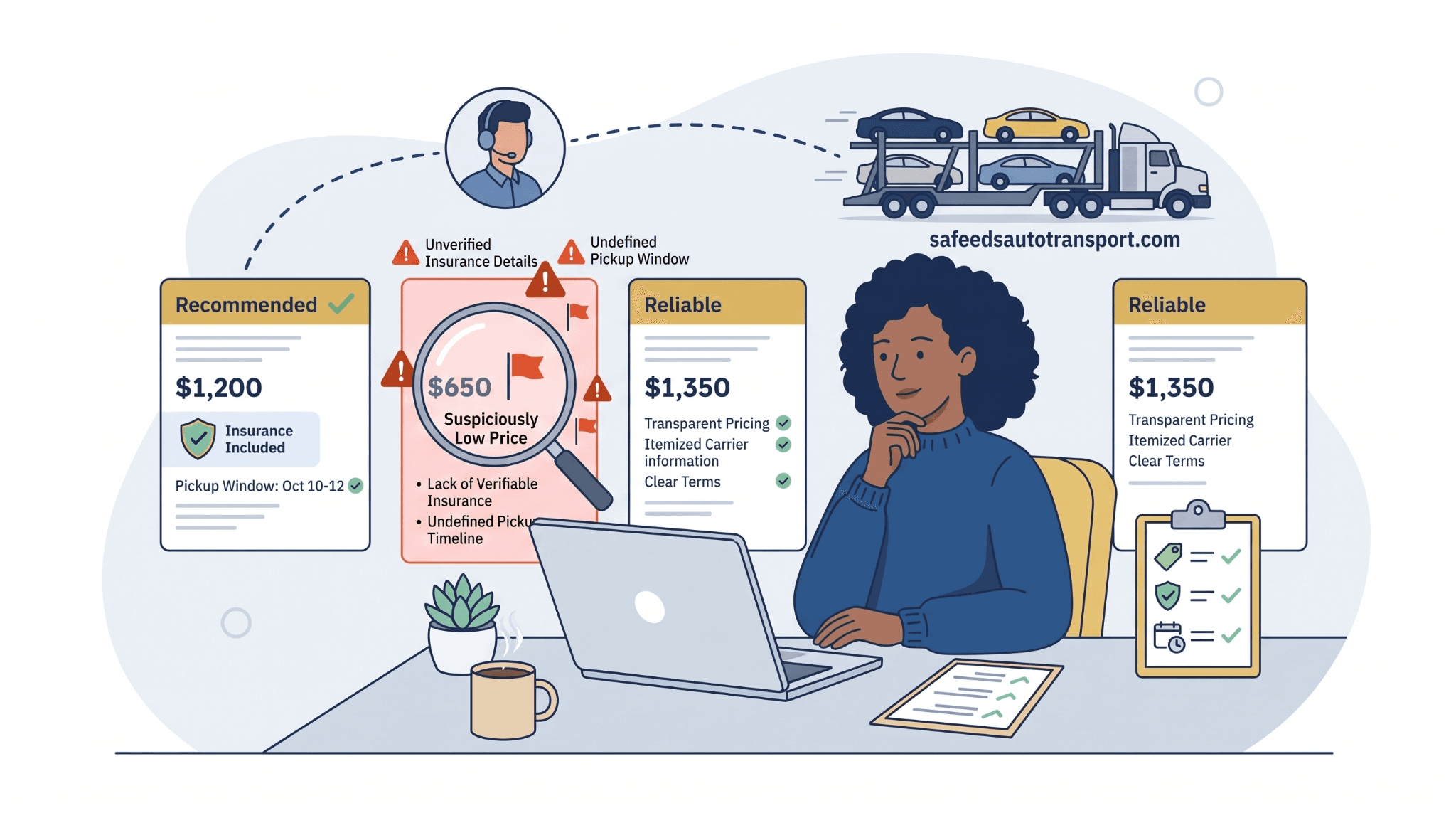
Believe it or not, the company you choose matters as much as the price you pay. The right partner keeps you informed, sets realistic expectations, and stands behind its quote.
What is the difference between a broker and a carrier?
A carrier owns the trucks and employs the drivers. A licensed broker doesn't haul vehicles. Instead, it connects you with a vetted carrier already running your route.
Think of it like booking a flight. A travel agent finds the right airline and price, but the airline flies the plane. Safeeds Transport is a licensed broker. We connect customers with vetted, insured carriers nationwide and handle communication from booking to delivery.
What should you ask a car shipping company before booking?
Most car shipping companies will answer these questions right away. Vague answers tell you something.
Is this price guaranteed in writing, and for how long?
Do I pay anything before a carrier is assigned?
What insurance covers my car, and can I see the certificate?
What is my expected pickup window?
Who do I contact for updates during transit?
When reading reviews, look for patterns in how a car shipping company handles communication and delays, not just star ratings.
Red Flags in Car Shipping Quotes
Let's be clear: most bad shipping experiences start with a quote that looked too good to be true.
A lowball quote is priced well below the market rate for your route, so no carrier accepts it. Your car sits for days, and then the company asks for more money to "find a driver." You end up paying more and losing time.
Cheap car shipping should never come with unclear terms. Reputable car shipping companies put every price in writing. Watch for these red flags:
A large upfront deposit before a carrier is assigned
Payment by wire transfer, gift card, or payment apps
No written price, or a quote given only by phone
Pressure to book right away, like a price that "expires in one hour"
A quote far below every other offer for the same route
Pro tip: Compare at least three quotes. If one is hundreds of dollars below the rest, that's the one to question.
Insurance, Licensing and Your Protection
Every legitimate shipment is backed by federal registration, insurance, and signed paperwork. Together, these layers protect you if something goes wrong.
How do you check a company's FMCSA license?
The Federal Motor Carrier Safety Administration (FMCSA) regulates interstate auto transport. The FMCSA says interstate brokers and carriers must both register with the agency and receive a six-digit MC Docket number, and carriers also get a seven-digit USDOT number.
The agency warns consumers to avoid any company that doesn't clearly display its MC number on its website. You can verify a company using the FMCSA consumer advisory for auto transporters.
Brokers must also be bonded. Under federal broker bond rules in 49 CFR 387.307, a broker needs a $75,000 surety bond or trust fund in effect, and FMCSA won't register a broker until it is.
What does carrier insurance cover?
Licensed carriers must carry liability insurance, and reputable auto haulers also carry cargo insurance. Cargo coverage is what pays for damage that happens while your car is being loaded, transported, or unloaded.
It doesn't cover personal items, normal road dust, or damage that existed before pickup. Coverage limits vary by carrier, so ask for the insurance certificate and compare the limit to your car's value.
Why does the bill of lading matter?
The bill of lading is your inspection record and receipt. It lists your car's condition at pickup and delivery, and both you and the driver sign it each time.
If you spot new damage, write it on the bill of lading before signing at delivery. That note is the foundation of any damage claim.
Preparing Your Vehicle for Pickup
A little prep goes a long way. In my experience, about 30 minutes of preparation prevents most pickup-day problems.
Wash your car. A clean exterior makes existing scratches easier to spot and record.
Take dated photos from every angle. These back up your bill of lading if you ever file a damage claim.
Remove personal items and toll tags. Insurance doesn't cover belongings, and transponders can rack up charges. Take them out before shipping. Car chargers and loose accessories should come out too.
Leave about a quarter tank of fuel. That's enough for loading while keeping the car lighter.
Check tire pressure and battery. The car needs to start and roll onto the trailer.
Note any leaks or mechanical issues. If the car doesn't run, mention it when you request your quote.
Prepare one set of keys, including any trunk or gas cap keys.
What Else Should You Know Before Shipping a Car?
Most customers have a few practical questions before they book. Here are quick answers to the ones we hear most often.
How do I ship my car to another state?
Request a quote, book with a licensed broker, and prepare your car for pickup. A vetted carrier on your route is then assigned, and you'll sign the bill of lading at pickup and delivery. With Safeeds Transport, booking takes minutes, requires no deposit, and comes with a price locked for 7 days.
How long does car shipping take?
Short routes under 500 miles usually take 1 to 3 days, and medium routes take 2 to 6 days. Cross country car shipping typically takes 7 to 10 days after pickup. Weather and other stops can shift timing slightly, but we keep you updated so you always know what's happening.
What is the safest way to ship a car?
Enclosed transport through a licensed, bonded, and insured company offers the most protection. For everyday vehicles, an open carrier is also safe when the inspection is carefully recorded on the bill of lading. Safeeds Transport matches your car with a vetted carrier suited to your vehicle and route.
How do I know a car shipping company is legitimate?
A legitimate company displays its MC number, gives you a written quote, and doesn't ask for a large deposit before a carrier is assigned. You can verify registration through the FMCSA in minutes. We encourage every customer to check our credentials before booking, because a trustworthy company makes that step easy.
Can I ship a car I just bought online?
Yes, and it's one of the most common reasons people ship a car. Confirm the pickup address, the seller's availability, and that the car is paid for and released. Someone at pickup must inspect it and sign the bill of lading. Share the seller's contact details when you book, and we'll plan pickup around them.
What documents do I need?
Usually, just a photo ID, your booking confirmation, and the bill of lading, which the driver provides at pickup. The title and registration aren't typically required for domestic moves, but keeping copies nearby is smart. If someone else releases or receives your car, share their contact details with us ahead of time.
How much does car shipping cost?
Most customers pay $500 to $1,900 to ship a standard sedan on an open carrier, depending on distance. Enclosed transport usually costs 40% to 60% more. A free Safeeds Transport quote shows your exact rate in minutes and locks it for 7 days, so there are no surprises later.
Who is liable if my car is damaged?
The carrier's cargo insurance covers damage caused during loading, transport, or unloading. To protect your damage claim, inspect the car at delivery and note any new damage on the bill of lading before signing. Pre-pickup photos add strong evidence and make the claim process with the carrier much smoother.
Can I ship a car without being there?
Yes. A trusted adult, such as a friend, family member, or dealership staff member, can attend pickup or delivery for you. They inspect the car, sign the bill of lading, and handle the keys. Just share their name and phone number with us before your pickup window.
What is the difference between open and enclosed shipping?
Open shipping moves your car on an exposed, two-level trailer and is the most affordable option. Enclosed shipping keeps your car fully covered and usually costs 40% to 60% more. Open suits most everyday vehicles, while enclosed is best for classic, luxury, and exotic cars. Safeeds Transport can arrange either option.
Shipping Your Car With Confidence
A smooth car shipment rarely happens by accident. It starts with a fair, written quote and a licensed broker who matches your vehicle with a vetted carrier. It's protected by a careful inspection on the bill of lading and supported by a car that's been cleaned, photographed, and prepared before pickup.
When those pieces are in place, you can hand over your keys knowing exactly what to expect. At Safeeds Transport, we connect you with licensed, insured carriers, give you a written price locked for 7 days, and never ask for a deposit at booking. Request your free quote today and take the first step toward a stress-free shipment.