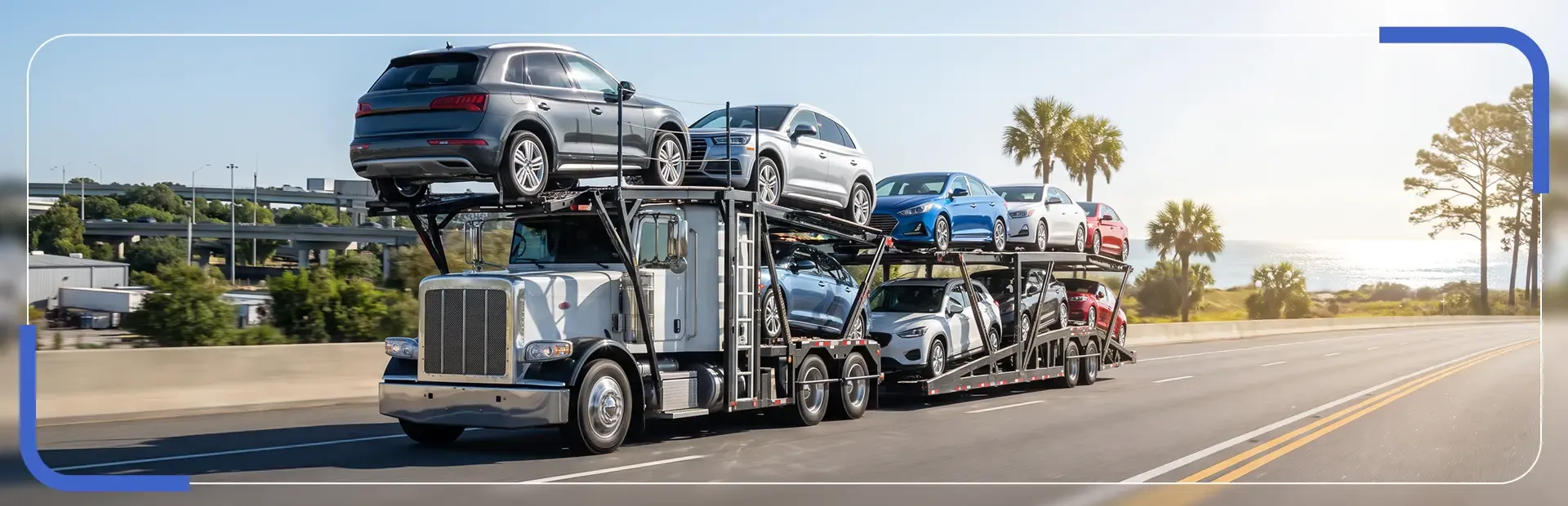
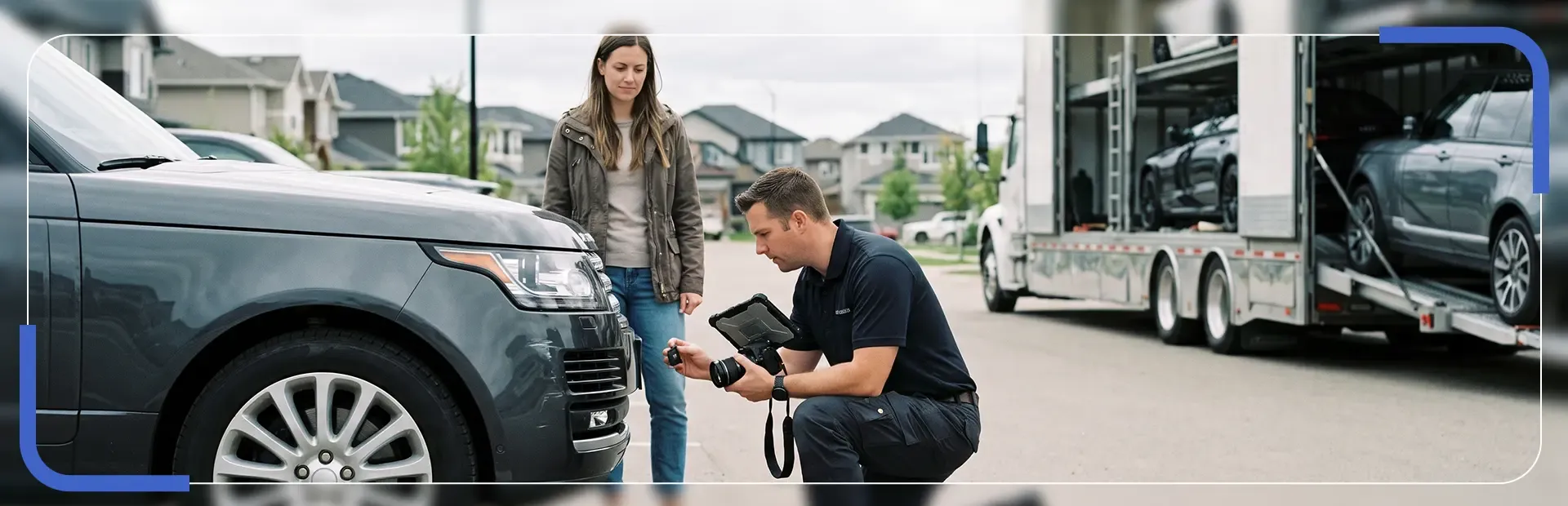
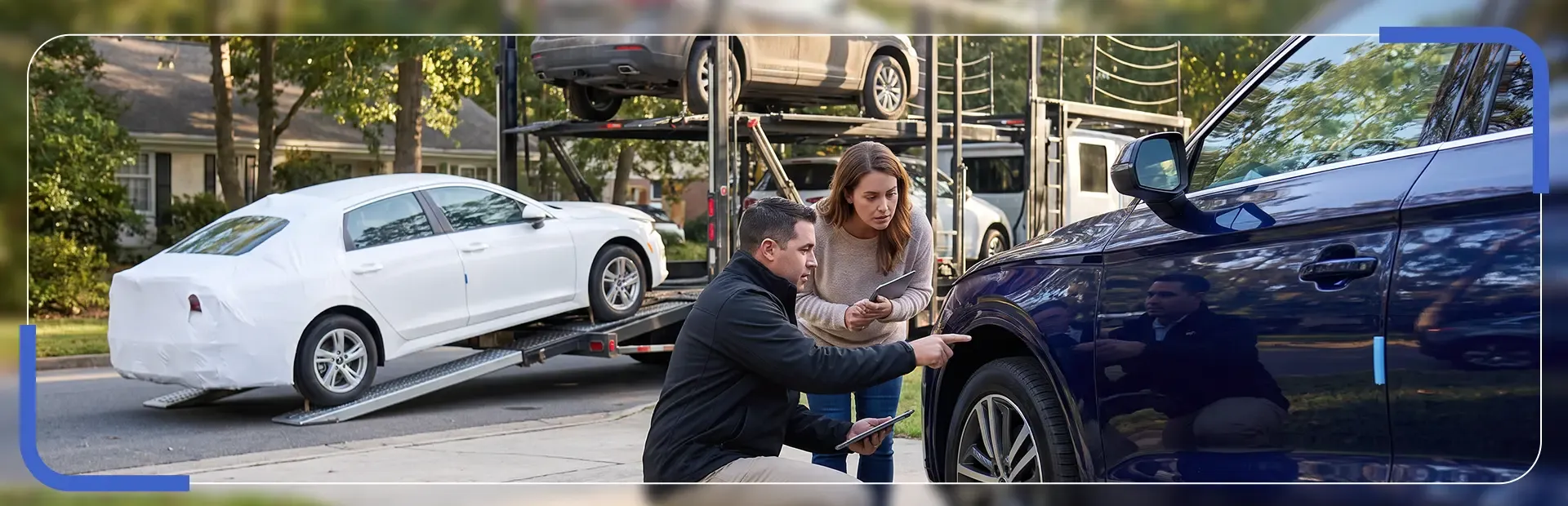
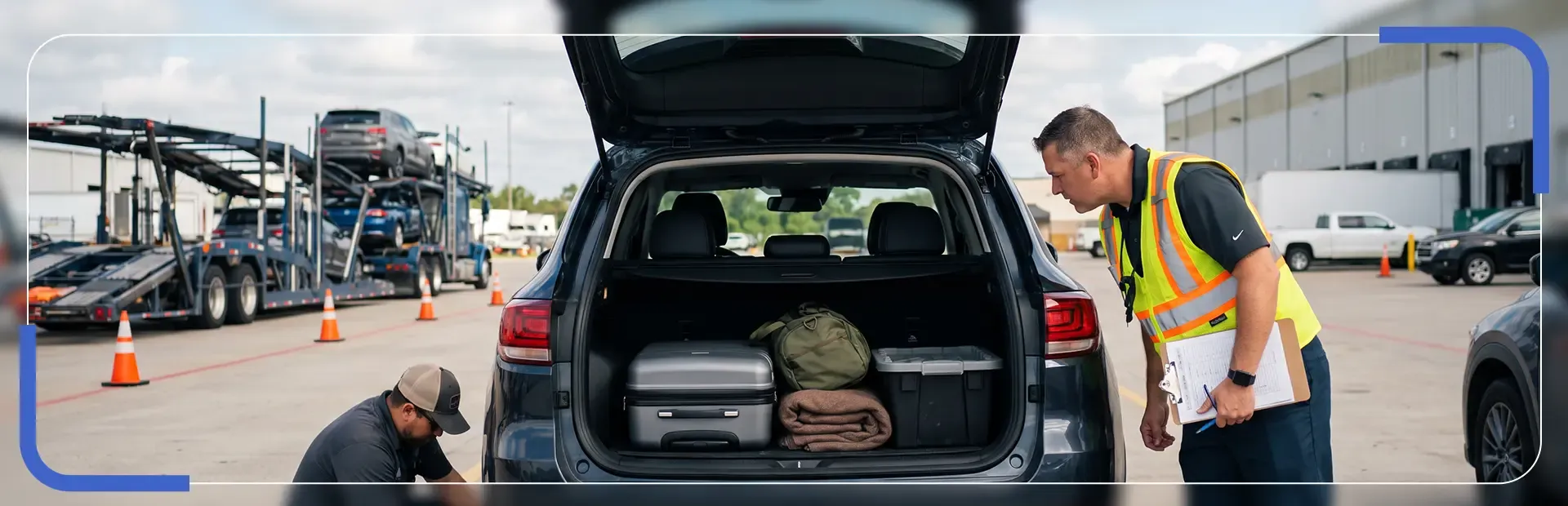
Shipping a car from Austin to Seattle costs $950–$1,400 on average and takes 5–8 days. If you're wondering how much to transport a car from Austin to Seattle, the route covers approximately 2,100 miles through multiple climate zones and mountainous terrain approaching the Pacific Northwest, making it one of the most active long-haul corridors in the country, driven largely by tech-industry relocations between two major employment hubs. Let’s break down actual costs, the factors that affect pricing on this specific corridor, how seasonal demand shifts impact rates, and how to book transport with Safeeds Transport Inc.
How Much to Transport a Car from Austin to Seattle in 2026?
The cost to transport a car from Austin to Seattle depends on several variables, including transport type, vehicle size, pickup timing, and current carrier availability. That said, most shipments on this corridor fall within predictable ranges that can help you plan your budget before requesting a formal quote.
At a Glance | Details |
Distance | ~2,100 miles |
Open Carrier Cost | $950 – $1,400 |
Enclosed Carrier Cost | $1,500 – $2,200 |
Transit Time | 5 – 8 business days |
Booking to Delivery | 7 – 11 days |
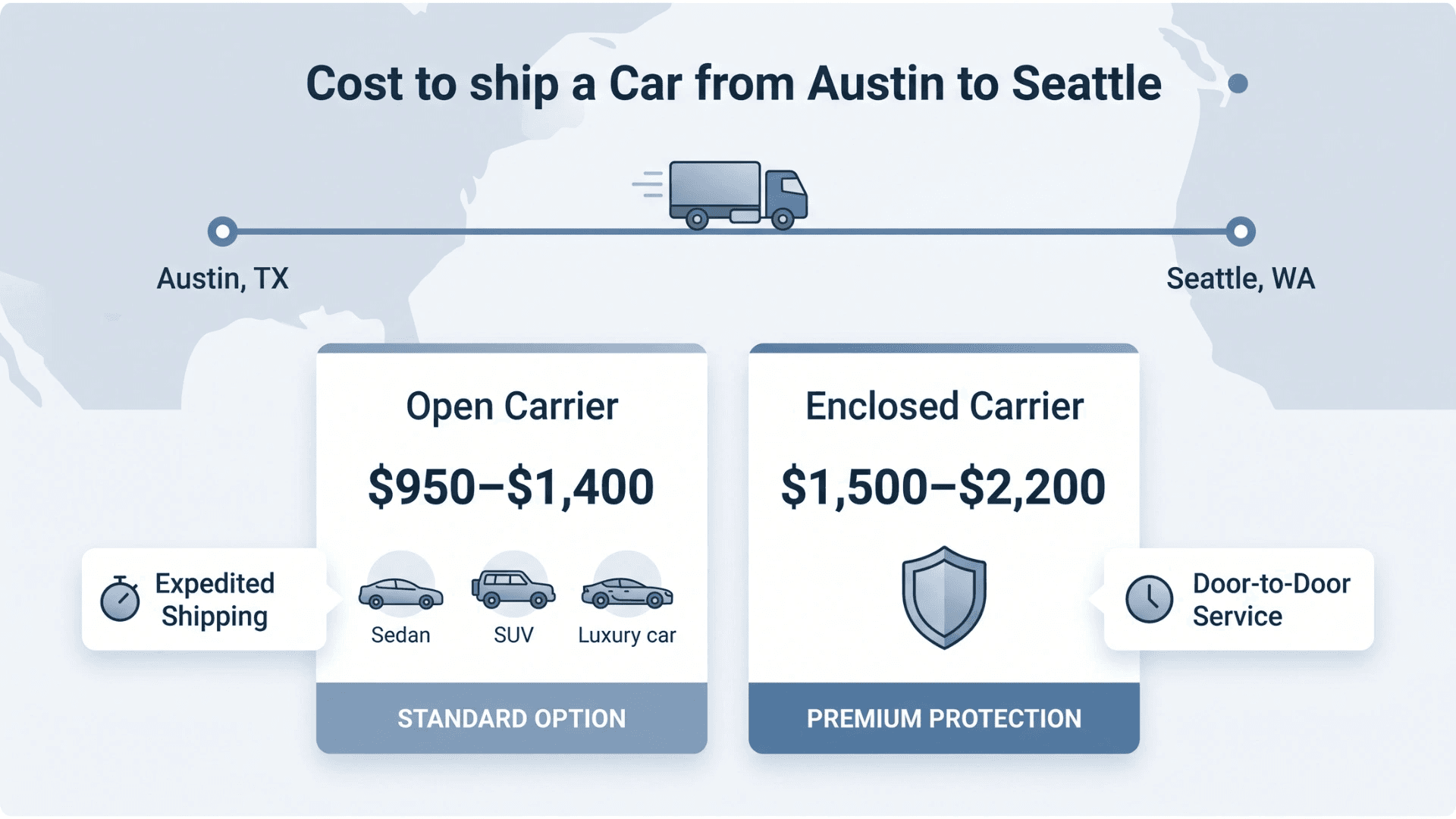
For standard open-carrier service, expect to pay between $950 and $1,400. For enclosed transport, which provides a higher level of protection for luxury, classic, or high-value vehicles, the range is typically $1,500 to $2,200.
Transport Type | Estimated Cost |
Open carrier (standard) | $950 – $1,400 |
Enclosed carrier (premium) | $1,500 – $2,200 |
Expedited open carrier | $1,200 – $1,600 |
Door-to-door (open) | $1,000 – $1,450 |
Why long-haul routes cost less per mile
At roughly 2,100 miles, Austin to Seattle is a long-haul shipment. Carriers completing full cross-country runs operate more efficiently than those covering short regional distances; fuel, time, and logistics costs are distributed across a longer route. As a result, the Austin to Seattle auto transport cost per mile on this corridor is lower than on shorter hauls, even though the total dollar amount is higher.
If you are trying to understand how much to transport a car from Austin to Seattle before committing to a carrier, the table above gives you a reliable baseline. The final number will depend on your specific vehicle type, pickup date, and whether you choose open or enclosed service.
What Keeps Your Quote Stable
Carrier market rates fluctuate based on fuel prices, seasonal demand, and driver availability. When you book with Safeeds Transport, your quoted price is locked for seven days, giving you a stable window to finalize your moving plans without worrying about price changes in the market.
A few things to keep in mind when reviewing quotes:
Prices listed above reflect current market averages and are subject to change
Vehicle modifications, non-running vehicles, or oversized loads may carry additional fees
Door-to-door service is available in most areas, but may require adjustments in dense urban locations
No deposit is required until a carrier has been confirmed for your shipment
How Long Does Austin to Seattle Car Shipping Take?
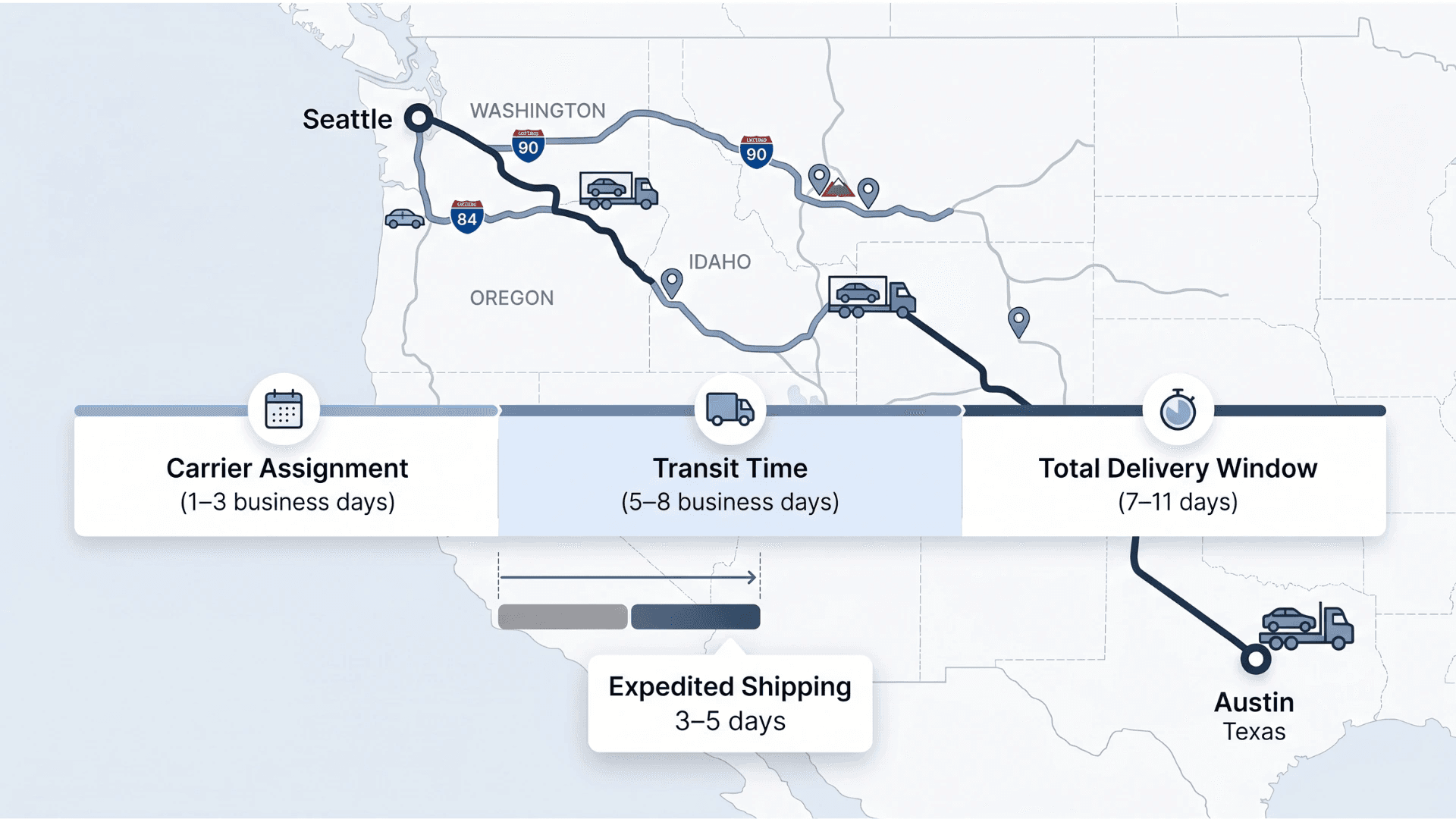
Standard transit time to ship a car from Austin to Seattle is 5 to 8 business days from the moment the carrier picks up your vehicle. Plan for a total booking-to-delivery window of 7 to 11 days, accounting for carrier assignment time of 1 to 3 business days before transit begins. For most shipments, Texas to Washington car shipping days fall within this same 5-to-8-day window regardless of the exact cities involved.
What Affects Where Your Shipment Lands In That Range
No two shipments move at exactly the same pace, even on the same route. Carrier schedules, road conditions, and the number of vehicles on a given load all contribute to where your delivery lands within the standard window.
Carrier routing: Most carriers on this corridor travel via I-84 through Oregon or I-90 through Idaho and eastern Washington. The route chosen affects total drive time by up to a full day.
Number of stops: Open carriers typically move multiple vehicles at once. Additional pickups or deliveries along the way can add one to two days to your transit time.
Weather and road conditions: Mountain passes through Idaho and eastern Washington can cause delays, particularly between November and March. Winter weather is the most common cause of extended transit on this route.
Time of year: Summer months see heavier carrier traffic, which can occasionally slow transit due to high load volumes across the network.
Expedited service: If your schedule requires faster delivery, expedited transport is available at a premium cost, typically reducing transit to 3 to 5 days.
Planning tip: Do not schedule events that depend on the vehicle, such as a new job start date or a long-distance drive, within the first two days after the estimated delivery window. Build in a buffer to account for real-world variability.
What Affects How Much It Costs to Transport a Car from Austin to Seattle?
Pricing on auto transport routes is shaped by a combination of fixed corridor characteristics and variable market conditions. On the Austin-to-Seattle route, several factors are particularly relevant and worth understanding before you compare quotes from different providers.
The distance, carrier availability, vehicle type, and time of year all play a role. But this route also has characteristics that are specific to it, and those nuances can meaningfully influence what you pay.
Distance And Route Classification
At over 2,000 miles, this is a true cross-country shipment. The economics of long-haul transport favor the customer on a per-mile basis; carriers prefer full cross-country loads because they maximize earnings per trip. That said, the total cost remains higher than regional routes simply because of the distance involved. This is one of the defining features of TX to WA vehicle transport compared to shorter, regional hauls.
Tech-Relocation Demand Patterns
The Austin-Seattle corridor sees demand fluctuations tied directly to technology sector hiring activity. When Seattle-area companies accelerate hiring, northbound shipment demand increases, tightening carrier availability and pushing prices modestly higher. Customers planning moves during Q1 and Q3, which tend to align with major hiring cycles, may encounter slightly elevated quotes compared to off-peak periods.
Vehicle Size And Type
Larger vehicles occupy more space on a carrier and cost more to transport. Here is how common vehicle types typically compare:
Sedans and compact cars: Usually priced at the lower end of the range
Mid-size SUVs and crossovers: Mid-range pricing
Full-size SUVs, trucks, and vans: Higher end of the range or above base pricing
Modified vehicles or oversized loads: May require a custom quote
Pickup And Delivery Location
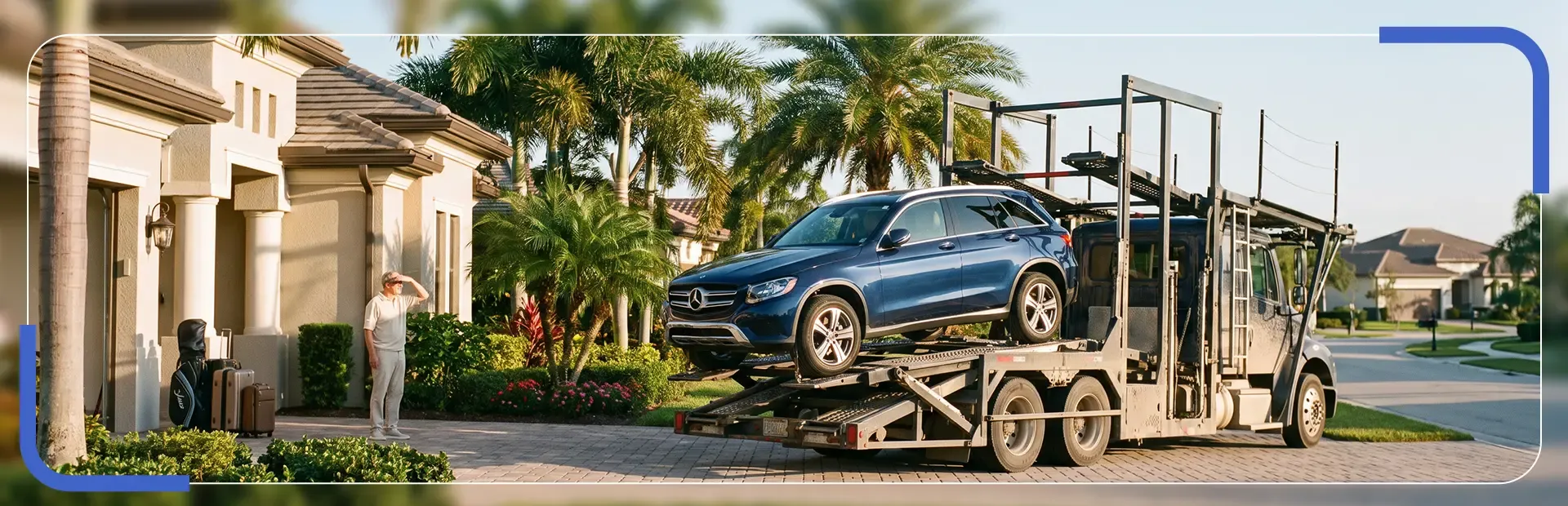
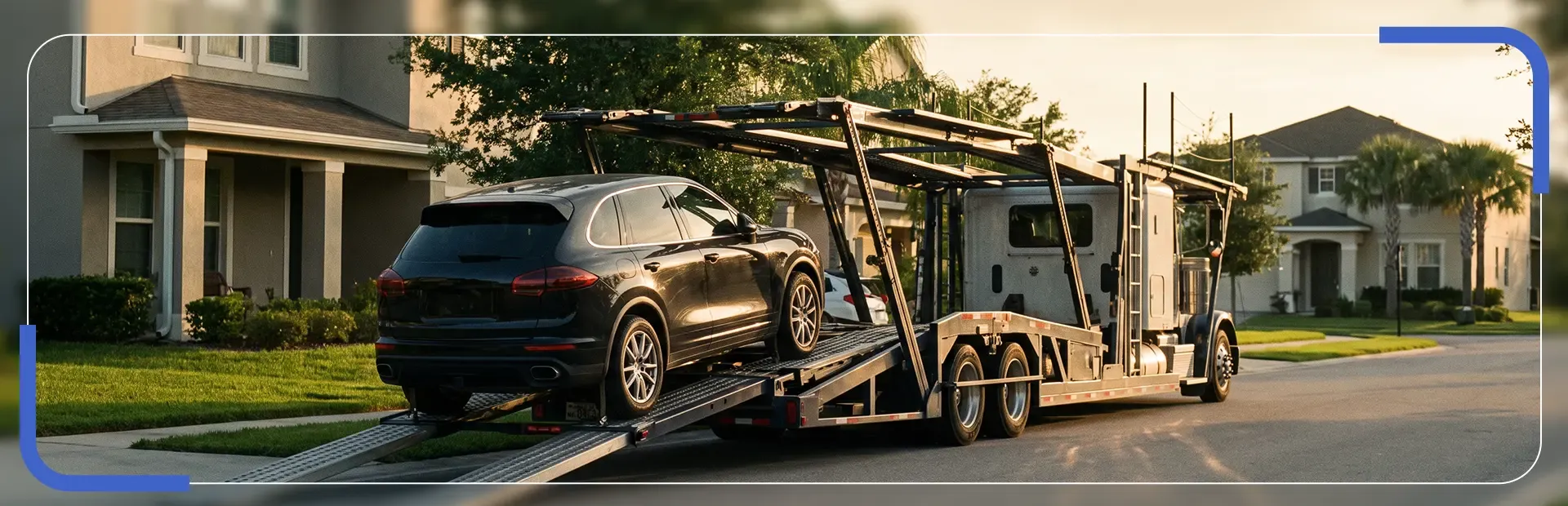
Carriers operate large transport vehicles that require reasonable access at both ends of the shipment. Locations in dense city centers, narrow residential streets, or areas with height restrictions may require terminal drop-off or pick-up adjustments, which can affect the final price.
Fuel Prices And Carrier Market Conditions
Diesel fuel prices have a direct impact on carrier operating costs and, by extension, on the quotes customers receive. Periods of elevated fuel costs can push average Austin to Seattle auto transport cost estimates above the ranges listed above. This is an industry-wide factor, not specific to any single broker or carrier.
Seasonal Pricing Variations on Austin to Seattle
Rates on this corridor shift across the calendar year in patterns that are largely predictable. Knowing when demand peaks, and when it eases, can help you time your shipment for better pricing and faster carrier availability.
Summer (June – August): Highest Demand, Highest Prices
Summer is the peak season for auto transport across the United States, and the Austin-to-Seattle route is no exception. The combination of school-year transitions, corporate relocation cycles, and general household moves creates the highest demand of the year during these months.
What to expect in summer:
Prices at or above the upper end of the standard range
Carrier availability tighter than other seasons
Booking lead time of two to three weeks recommended
Longer carrier assignment windows due to high volume
Fall (September – October): Strong Value Window
Demand drops noticeably after Labor Day, and fall represents one of the better periods to ship on this route. Weather is still favorable across the corridor, carriers are more readily available, and prices tend to settle back toward mid-range.
Winter (December – February): Lower Demand, Weather Risk
Post-holiday demand is typically the lowest of the year, and pricing reflects that. However, winter brings real operational challenges on the Austin-to-Seattle route; mountain passes through Idaho and eastern Washington can be subject to snow, ice, and road closures that extend transit times.
What to expect in winter:
More competitive pricing due to lower demand
Potential for 1 to 2 day transit delays through mountain passes
Some carriers apply a modest winter routing premium
Flexible delivery windows are advisable

Spring (April – May): Best Overall Balance
Spring tends to offer the most favorable combination of competitive pricing, reliable weather, and strong carrier availability. For customers with any flexibility in their timeline, targeting April or May often yields the best experience on this corridor.
Regardless of when you ship, Safeeds Transport's seven-day price lock ensures the rate you confirm at booking holds firm, even if market conditions shift in the days between booking and pickup.
How to Book Austin to Seattle Car Shipping with Safeeds
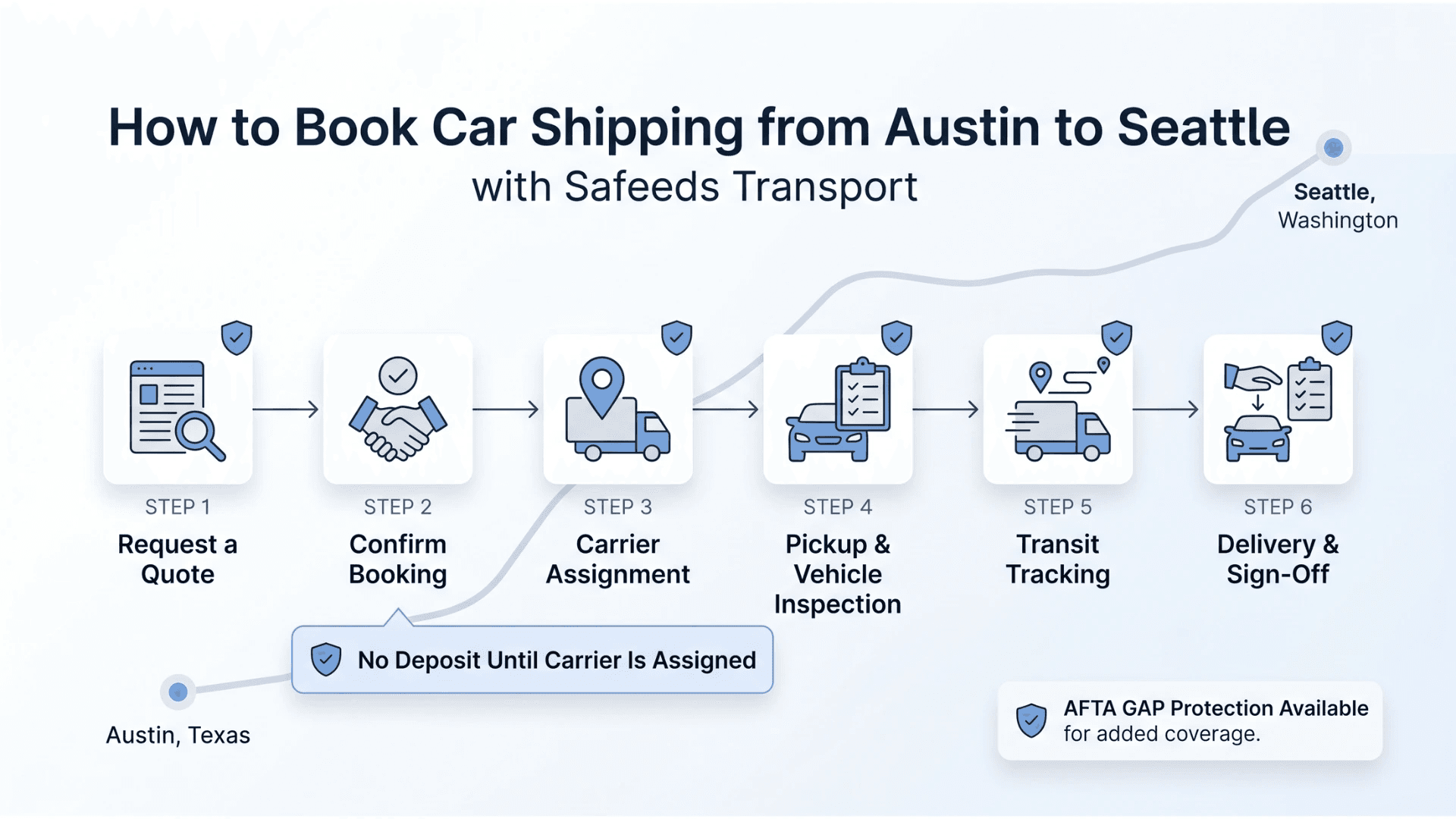
The booking process with Safeeds Transport is built to be simple, transparent, and free of upfront financial commitments. There are no deposits until a carrier is confirmed, no hidden fees, and no last-minute surprises at delivery.
Here is how the process works from start to finish:
Request a quote: Provide your origin and destination addresses, vehicle make and model, preferred transport type (open or enclosed), and your target ship date. Safeeds will return a price-locked quote valid for seven days.
Confirm the booking: Review the terms and confirm your order. No deposit is collected until a licensed motor carrier has been matched to your shipment and you have agreed to the final price.
Carrier assignment: Safeeds matches your shipment with a licensed, insured motor carrier actively operating on the Austin-to-Seattle corridor. You will receive the carrier's contact information prior to pickup.
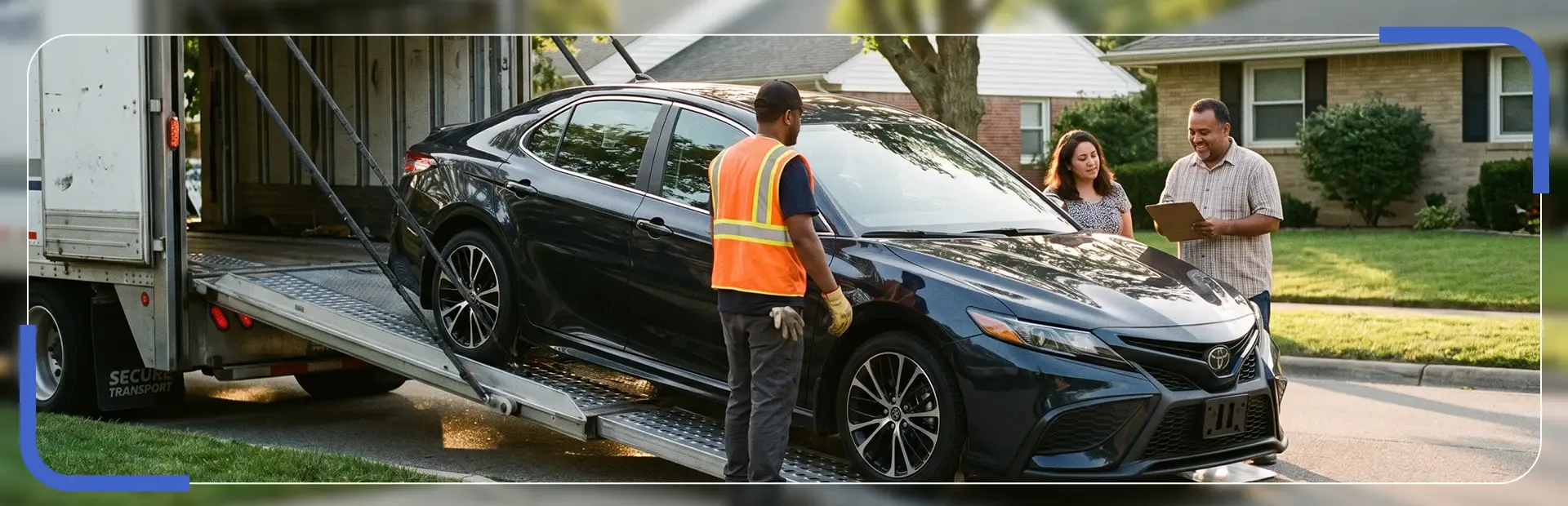
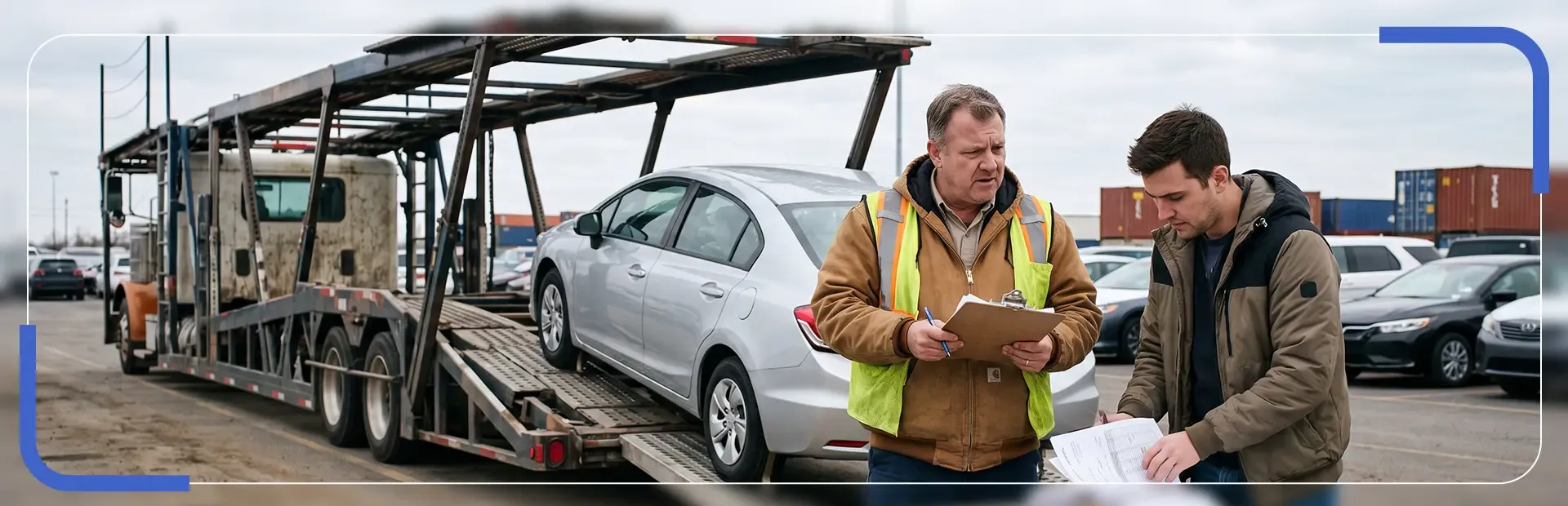
Pickup and vehicle inspection: At pickup, conduct a thorough walk-around inspection with the carrier driver. All pre-existing marks, scratches, or damage are documented on the Bill of Lading. Photograph your vehicle from multiple angles before handing over the keys.
Transit updates: Track the progress of your shipment and stay in contact with Safeeds throughout transit. Your carrier's information is available throughout the process.
Delivery and sign-off: At delivery, inspect your vehicle against the Bill of Lading before signing. Any discrepancies should be noted on the document before sign-off. Payment is completed at this stage.
Insurance And Added Protection
Every carrier arranged through Safeeds Transport holds the required insurance coverage; Safeeds validates this as part of the carrier vetting process. For customers who want an additional layer of coverage beyond standard carrier insurance, AFTA GAP Protection is available. This supplemental protection covers scenarios that basic carrier insurance may not, offering greater peace of mind for higher-value vehicles.
What Customers Ask Before Shipping Austin to Seattle
This route attracts a consistent set of questions, particularly from first-time shippers and professionals relocating for work. The answers below cover the most common concerns to help you plan your shipment with confidence.
How much does it cost to ship a car from Austin to Seattle?
The typical cost ranges from $950 to $1,400 for open-carrier transport and $1,500 to $2,200 for enclosed carrier service. Final pricing depends on your vehicle size, chosen transport type, requested pickup dates, and current carrier availability on the route. Safeeds Transport provides a price-locked quote valid for seven days with no hidden fees.
How long does Austin to Seattle car shipping take?
Standard transit time is 5 to 8 business days from pickup. Carrier assignment typically takes 1 to 3 business days after booking, making the full end-to-end window approximately 7 to 11 days from booking to delivery. Expedited options are available for time-sensitive moves.
What's the cheapest time of year to ship from Austin to Seattle?
Spring (April–May) and fall (September–October) typically offer the most competitive rates, with moderate demand and favorable weather conditions across the route. Summer, June through August, is consistently the most expensive period. Late January through February can also be cost-effective, though winter mountain pass conditions may affect transit times.
Should I use open or enclosed transport for Austin to Seattle?
Open transport is the right choice for the vast majority of passenger cars, SUVs, and trucks. It offers the best balance of cost and reliability on this route. Enclosed transport is recommended for luxury vehicles, classic or collector cars, low-clearance sports cars, or any vehicle where maximum protection from weather and road debris is a priority. Enclosed typically costs 50–60% more than open on this corridor.
Do I need to be present for pickup and delivery on Austin to Seattle?
You, or a designated representative aged 18 or older, must be present at both pickup and delivery. This is required to complete the vehicle inspection, sign the Bill of Lading at pickup, and verify vehicle condition before completing payment at delivery. If you cannot attend personally, a trusted representative may be arranged in advance.
Austin to Seattle, Handled from Start to Finish
Moving between two major tech hubs does not have to be complicated. Safeeds Transport Inc. has arranged thousands of vehicle shipments across this corridor, connecting customers with reliable, licensed carriers who know the route. Whether you are relocating for a new role, transferring offices, or moving households, we handle the logistics so you can focus on everything else that comes with a cross-country move.
Wondering how much to transport a car from Austin to Seattle for your specific vehicle and timeline? Get a price-locked quote in minutes, no deposit, no hidden fees, and a rate that holds for seven days. Get an Austin to Seattle shipping quote from Safeeds Transport.