Buying a car out of state means handling a few extra steps. You usually pay sales tax to your home state, not the state where you buy. You transfer the title through your own DMV. You use a temporary tag or transit permit to move the car legally. Finally, you pass your state’s emissions or safety inspection before you register it.
You found the perfect car, but it’s three states away. Buying a car out of state is completely doable, as long as you plan for the paperwork and legal requirements that could otherwise lead to fines, double taxes, or a car your DMV won’t register. This guide explains how to buy a car out of state from start to finish, including taxes, title paperwork, legal driving permits, inspections, and the real cost of getting the car home. Get a free shipping quote from Safeeds in about 30 seconds, with your price locked for 7 days.
Key Takeaways
When buying a car out of state, you usually pay sales tax to the state where you register the car, not the state where you buy it.
Most states give buyers a credit for sales tax already paid in another state, so keeping a written tax receipt helps you avoid paying twice.
The title transfer for an out-of-state car happens at your home DMV, so check the seller’s name, lien status, title brands, and VIN before you pay.
To drive an out-of-state car home legally, you need active insurance plus either a dealer-issued temporary tag or a state-issued transit permit.
Your home state’s emissions test, safety inspection, and VIN verification rules apply to the car, even if it was legal in the state where you bought it.
Why People Consider Buying a Car Out of State
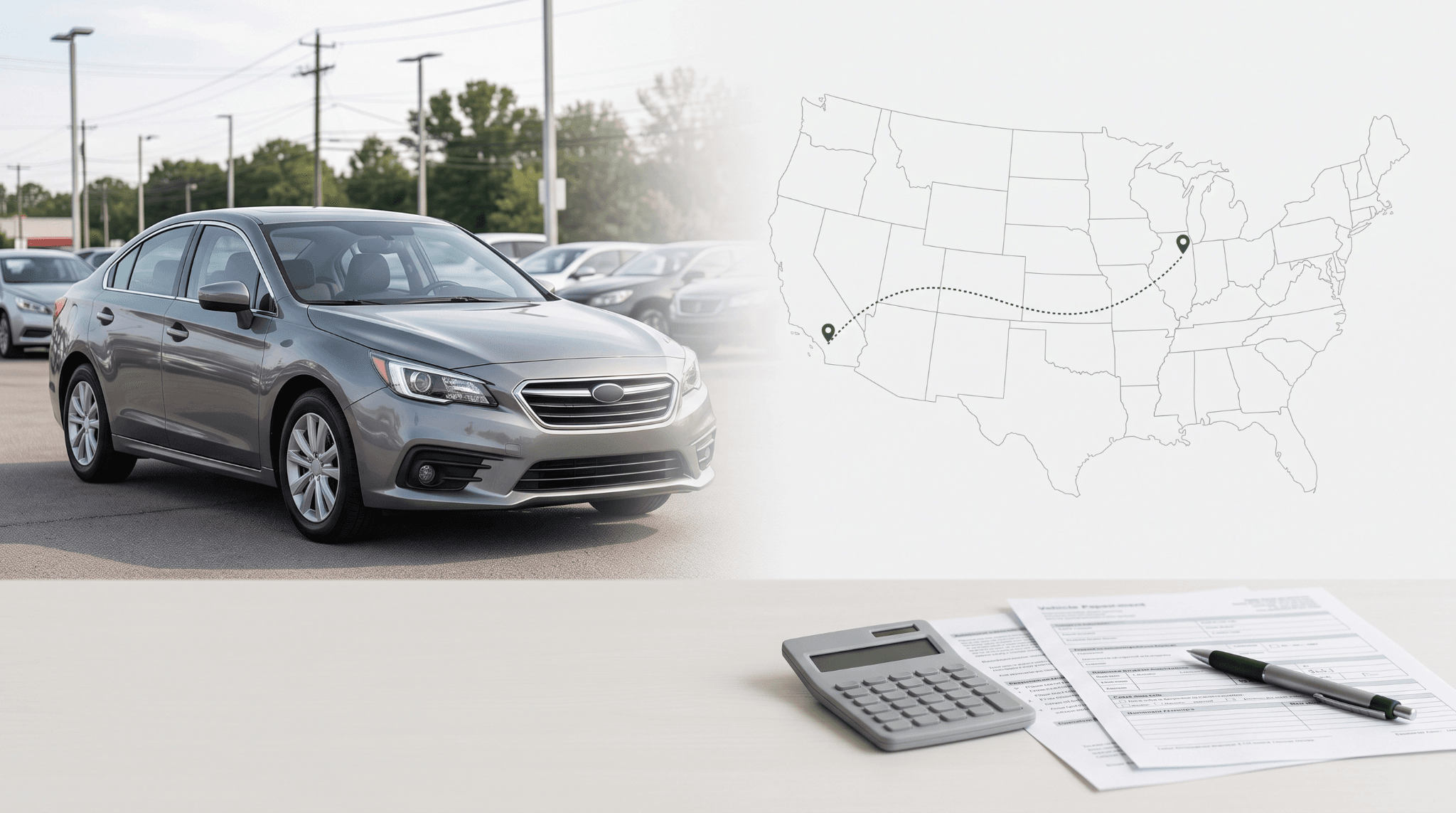
Most people buy out of state because the car they want is cheaper, easier to find, or in better condition somewhere else. A bigger market simply gives you more choices.
Common reasons for buying a car in another state include:
Better prices. Competitive markets sometimes price the same model below local listings.
More selection. The exact trim, color, or features you want may only be in stock elsewhere.
Rare models. Classic and specialty cars are spread thinly across the country.
Less rust. Cars from dry climates often have less underbody corrosion than cars driven on salted winter roads.
A lower sticker price isn’t the same as a lower total cost, though. A $1,500 discount disappears quickly if getting the car home costs $2,000. Add up taxes, registration, and transport before you commit.
Sales Tax: Where You Pay and How Much
In most cases, you pay sales tax to the state where you register the car, not the state where you buy it. Buying in a low-tax state usually won’t save you money, because your home state charges its own rate at registration.
How the tax gets paid depends on the seller:
Some dealers collect your home-state tax and send it to your state for you.
Some dealers collect their own state’s tax, which you may be able to credit at home.
Some dealers collect nothing, and you pay the full amount at your DMV.
Private sellers typically don’t collect tax, so you pay it at registration.
Pro tip: Ask the dealer how they handle out-of-state car purchase taxes before you sign, and get the answer in writing.
What Is Use Tax, And When Does It Apply?
Use tax is your home state’s version of sales tax for things you buy somewhere else. It applies when you buy a car outside your state and bring it home to register. It’s usually charged at your local sales tax rate, and it applies to private sales as well as dealer sales.
How Do You Avoid Paying Tax Twice?
Most states credit sales tax you already paid in another state, so you only owe the difference. For example, if you paid 4% in the seller’s state and your home state charges 6%, you’d owe the remaining 2% at registration.
To keep out-of-state car purchase taxes from being charged twice:
Ask the seller how tax will be handled before you pay.
Get a written receipt showing the exact tax collected.
Bring that receipt to your DMV, since your state may charge the full amount without proof.
Confirm your state’s credit rules on its DMV or Department of Revenue website.
Title Transfer Across State Lines
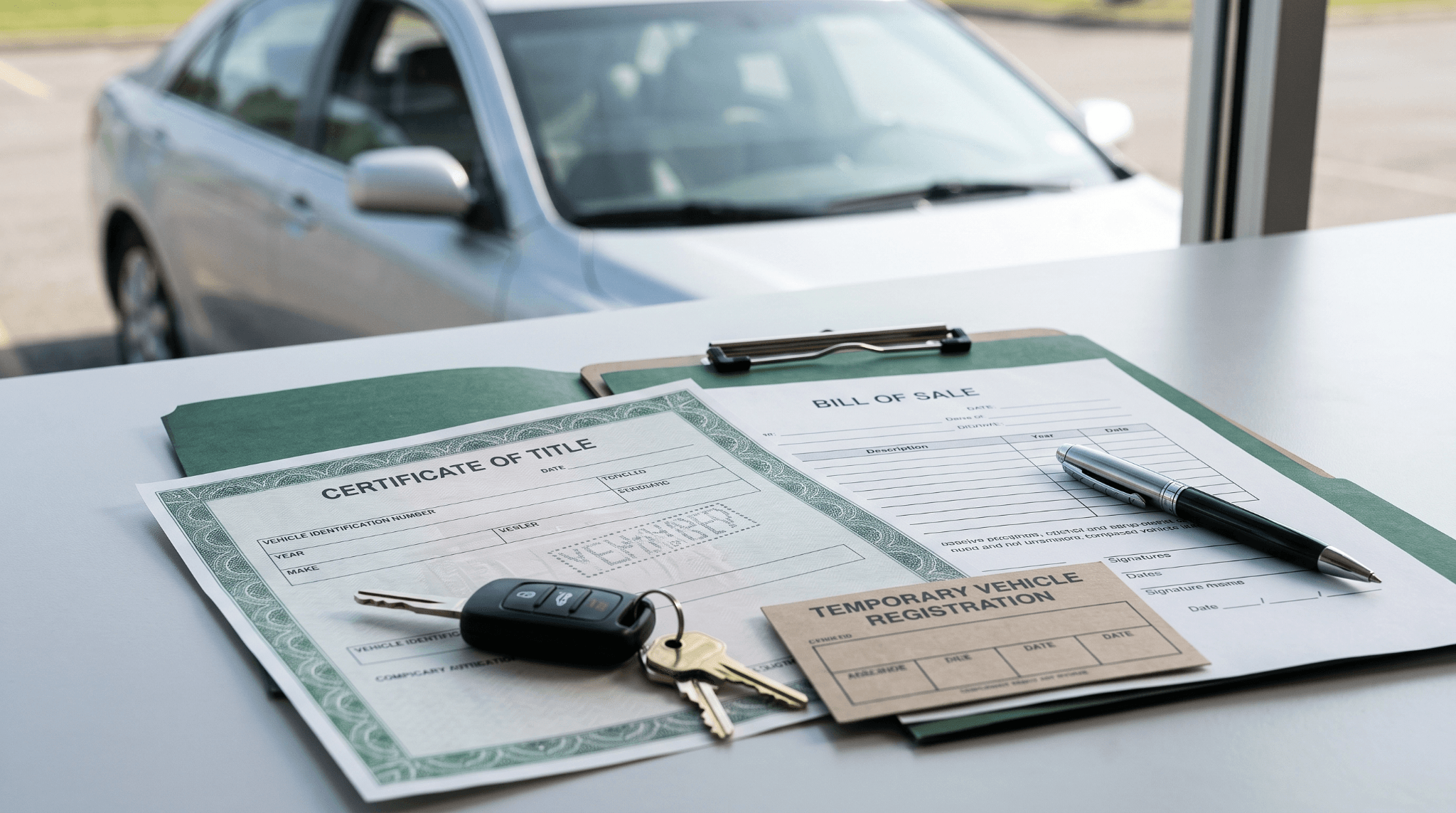
The title transfer happens at your home state’s DMV, and it can’t happen without a clean, correctly signed title from the seller. The title is the legal proof that you own the car. The seller signs it over to you, and your DMV issues a new title in your name once you submit it with your tax payment and proof of insurance.
What Should You Check On The Title Before You Pay?
Check the seller’s name, the lien section, any title brands, and the VIN before any money changes hands.
The seller’s name matches the title. If it doesn’t, they may not have the legal right to sell.
There’s no unreleased lien. If a loan was paid off, ask for a lien release letter.
There’s no salvage, rebuilt, or flood brand. These labels affect safety, insurance, and resale value.
The VIN matches the car. The 17-character VIN on the title should match the dashboard and the driver’s door frame.
You can also check a car’s title history through a federal database. The National Motor Vehicle Title Information System collects records from states, insurers, salvage yards, and auto recyclers, and it can flag brand, total loss, and salvage history. The U.S. Department of Justice explains how NMVTIS reports help buyers avoid flood-damaged and branded vehicles.
Two more documents complete the paperwork. The bill of sale records the price, date, and both parties’ details. The odometer disclosure records the mileage at the time of sale. Federal rules require it for model year 2011 and newer vehicles for their first 20 years, as explained in NHTSA’s consumer alert on odometer disclosure requirements.
Temporary Tags and Driving It Home Legally
To drive an out-of-state car home legally, you need active insurance plus either a temporary tag or a transit permit. Add the car to your insurance policy before it moves. Don’t drive on the seller’s plates, which stay with the seller in many states.
What Is The Difference Between A Temporary Tag And A Transit Permit?
A temporary tag usually comes from a dealer and covers you while permanent plates are processed. A transit permit comes from a state agency and covers a short, one-time trip.
Temporary Tag | Transit Permit | |
Issued by | The selling dealer | A state DMV or tag agency |
Most common in | Dealer purchases | Private-party sales |
Main purpose | Driving while plates are processed | Moving the car from one place to another |
Typical length | Longer, set by the issuing state | Shorter, often just enough for the trip |
Not every state offers transit permits, sometimes called trip permits, to out-of-state buyers. Check both states before planning the drive. If neither option works, shipping avoids the problem, because the car travels on a truck without plates.
Emissions and Inspection Differences
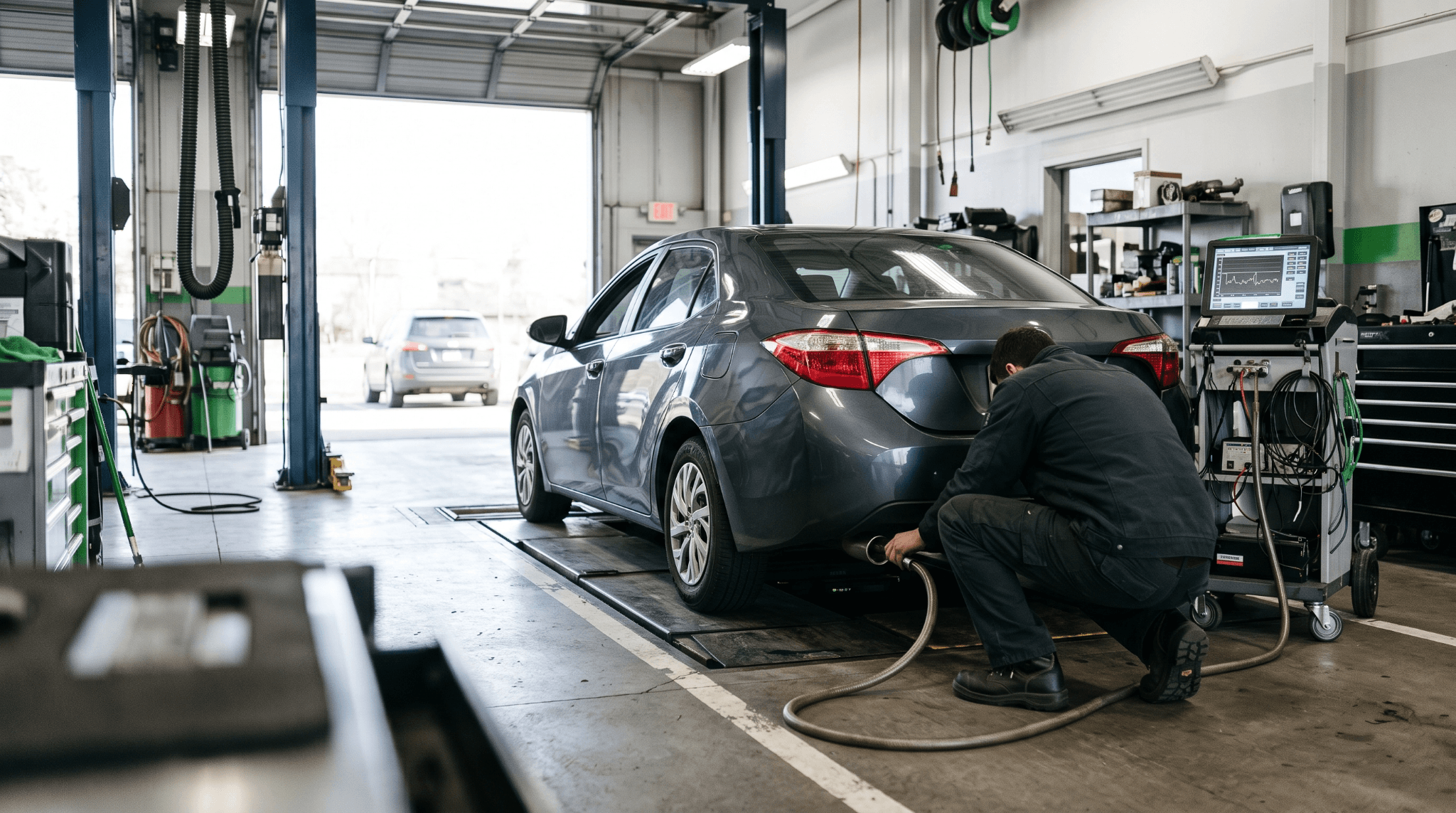
Your home state’s inspection rules apply to your new car, not the rules in the state where you bought it. Some states require a yearly emissions test, some require a safety inspection of brakes, lights, tires, and steering, some require both, and some require neither.
Buyers get caught when a car from a state with relaxed rules has modified exhaust parts, dark window tint, or missing equipment. They often don’t find out until the car fails inspection at home, after they’ve already paid.
What Is VIN Verification, And Why Do Some States Require It?
VIN verification is a quick, in-person check that confirms the VIN on the car matches the VIN on the title. Many states require it when registering an out-of-state car for the first time, to catch stolen cars, cloned VINs, and paperwork errors.
Before you buy, search your DMV website for its out-of-state registration rules and note which inspections apply. That small step can save you from buying a car you can’t register.
Private Seller vs Out-of-State Dealer
An out-of-state dealer handles more of the paperwork, while a private seller usually offers a lower price but leaves most of the work to you.
Factor | Out-of-State Dealer | Private Seller |
Price | Usually higher | Often lower |
Paperwork | Dealer prepares most documents | You manage most documents |
Temporary tags | Usually provided | You arrange a permit or shipping |
Sales tax | May collect your home-state tax | You pay at your DMV |
Fraud risk | Lower | Higher, especially for remote sales |
Remote private sales carry real scam risk. Be cautious if a seller:
Pushes you to wire money or pay with gift cards.
Refuses a live video call or an inspection.
Can’t show a title in their own name.
Offers a price far below market value with a story about needing to sell fast.
Use a licensed escrow service or a bank transfer completed at the seller’s bank. Never pay in full until you’ve verified the title and confirmed the car is real.
Getting the Car Home: Drive or Ship
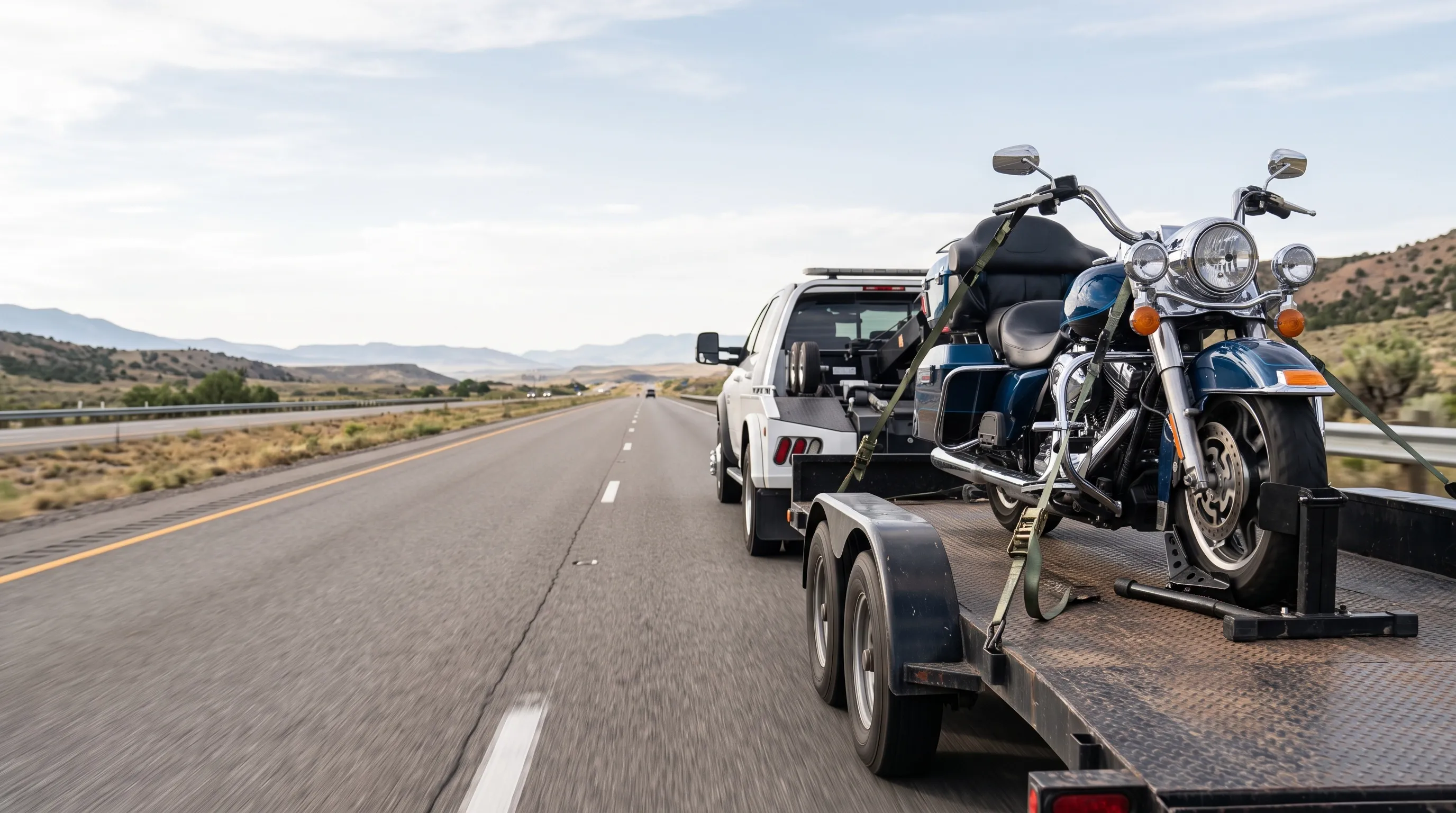
Driving usually makes sense for short trips in a car you trust. Shipping is usually better for long distances, unknown mechanical condition, or tight schedules. The drive vs ship decision comes down to distance, risk, and time.
Driving often works when the trip is a few hundred miles or less, the car has been inspected, you have a valid tag or permit plus insurance, and you can take several days off.
Shipping often works better when the trip crosses several states, you haven’t driven the car, it doesn’t run, it’s a classic or luxury vehicle, or you can’t get a valid permit.
What Should You Know Before Booking Car Transport?
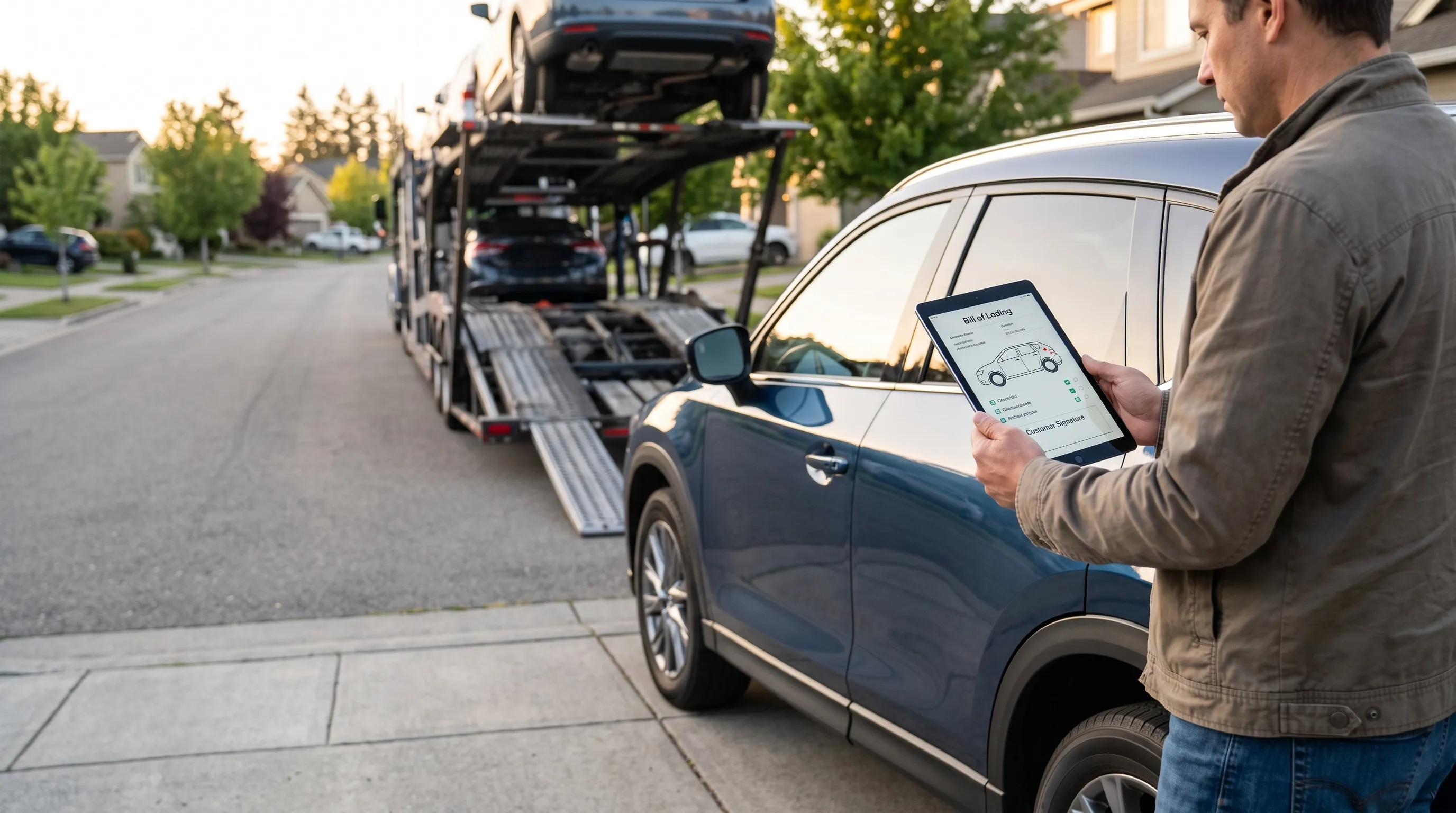
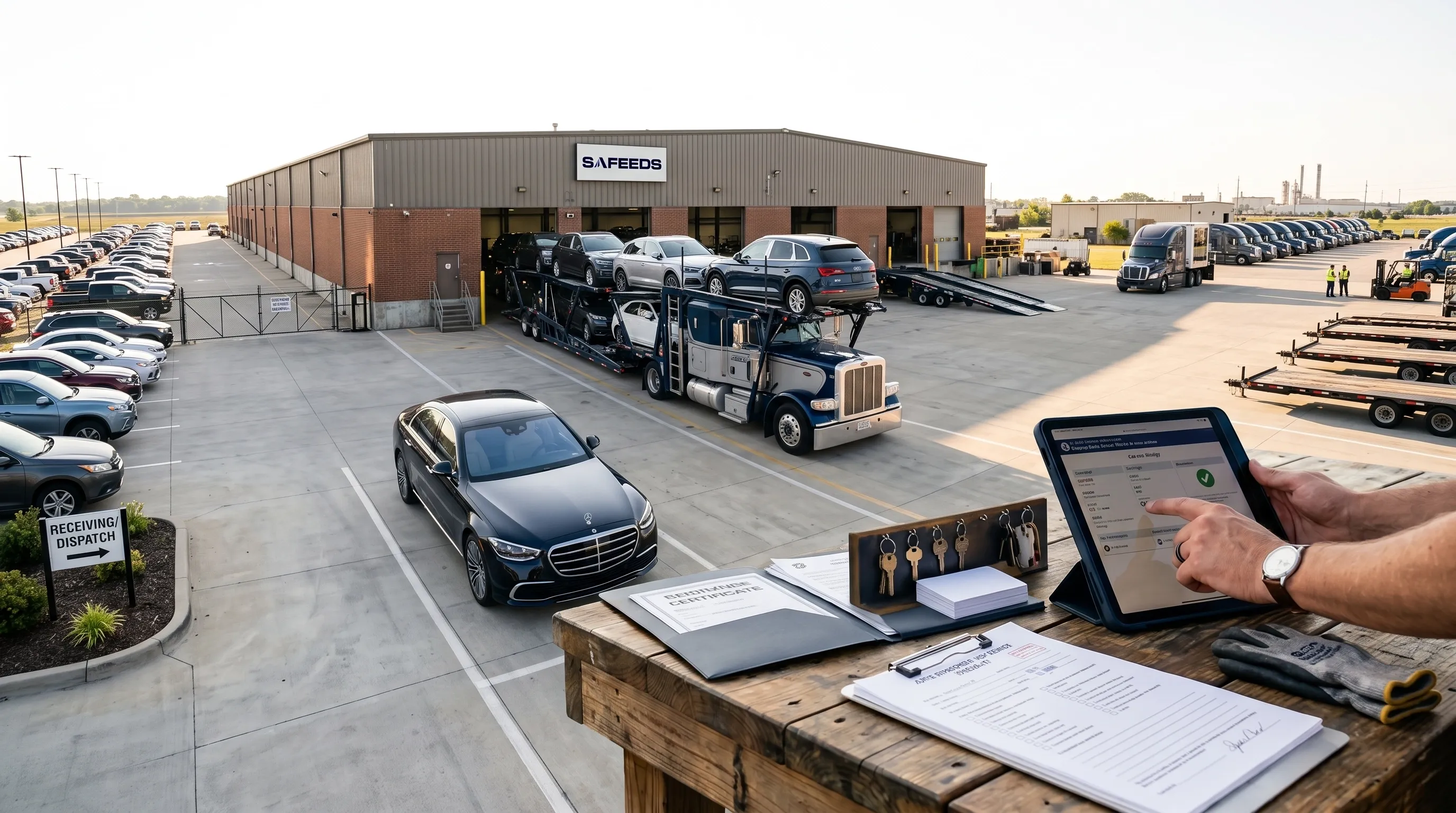
Choose the right transport type, attend the pickup inspection, and review the bill of lading before you sign.
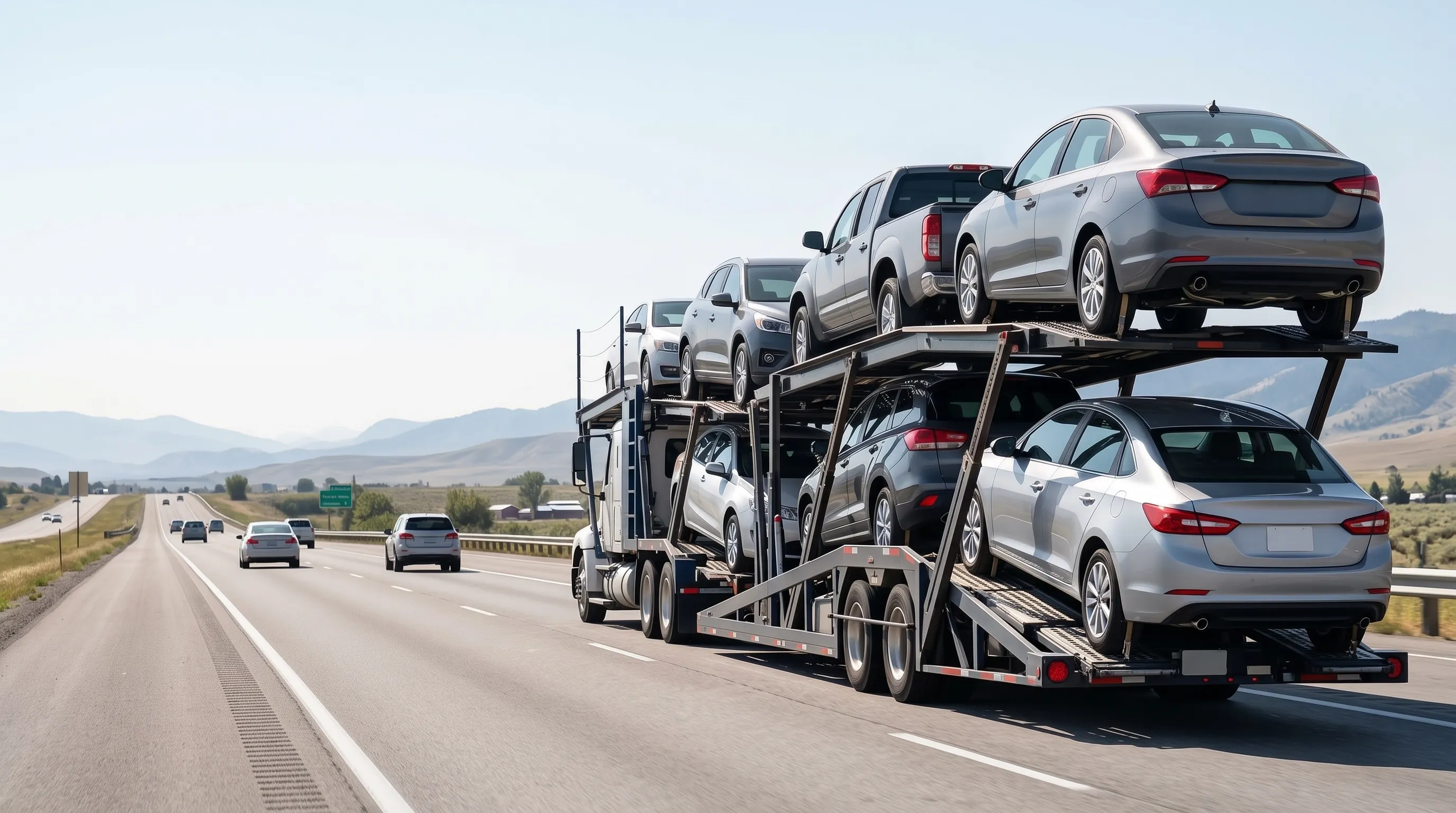
Pick open or enclosed transport. Open transport offers the best value. Enclosed transport protects high-value and classic cars.
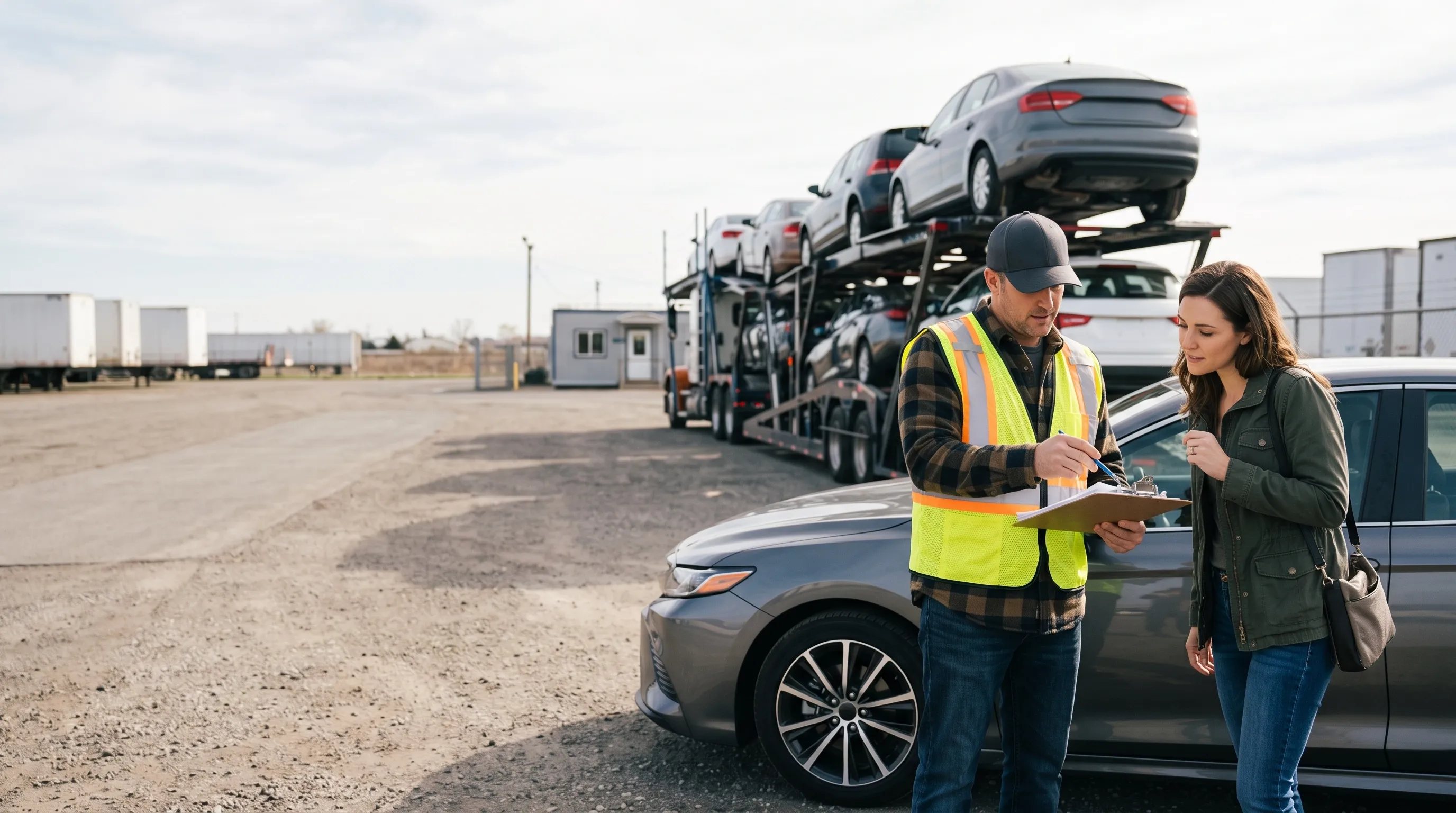
Attend the pickup inspection, or send someone you trust.
Read the bill of lading carefully. Our guide to the bill of lading for car shipping explains what to check.
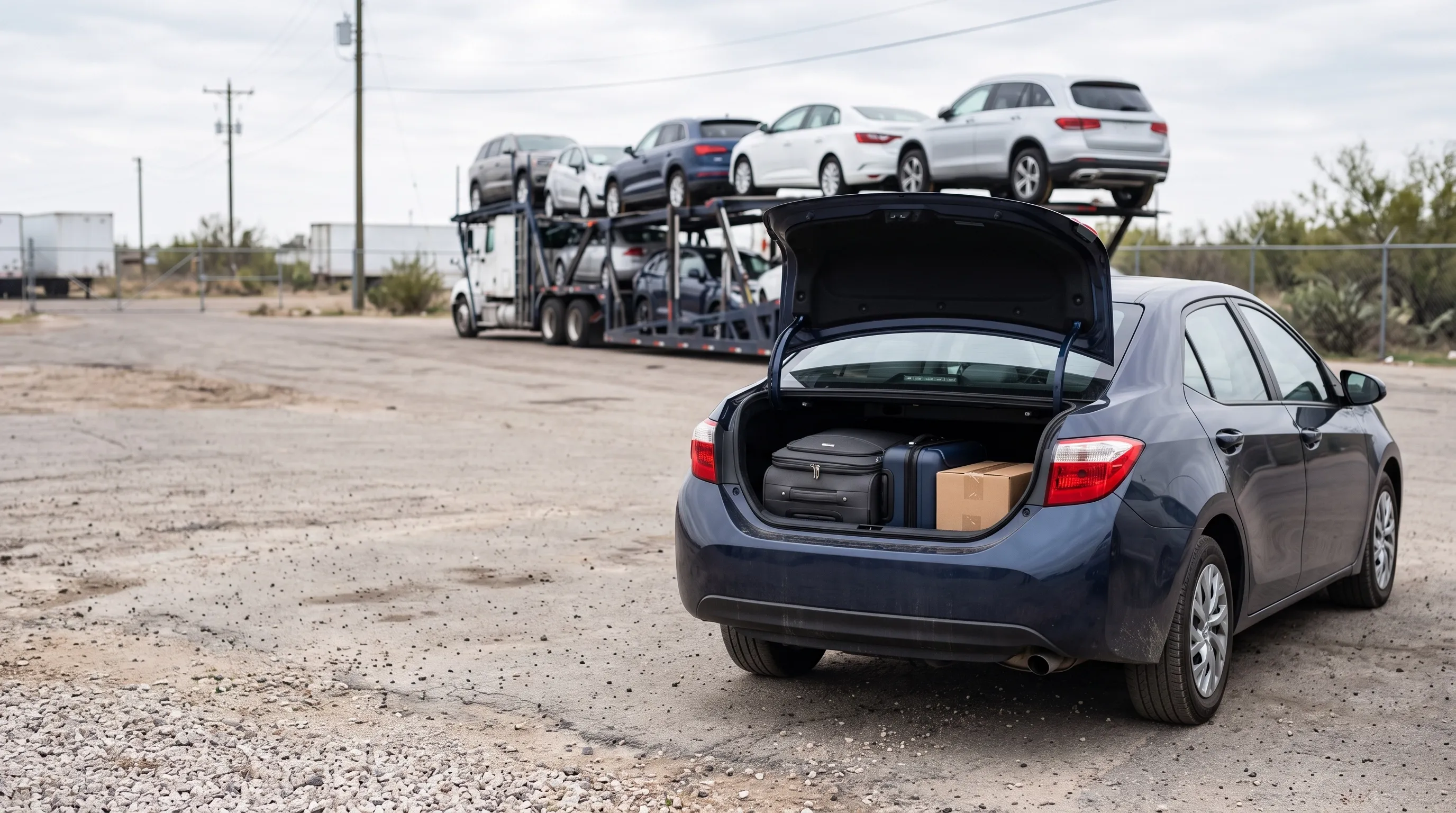
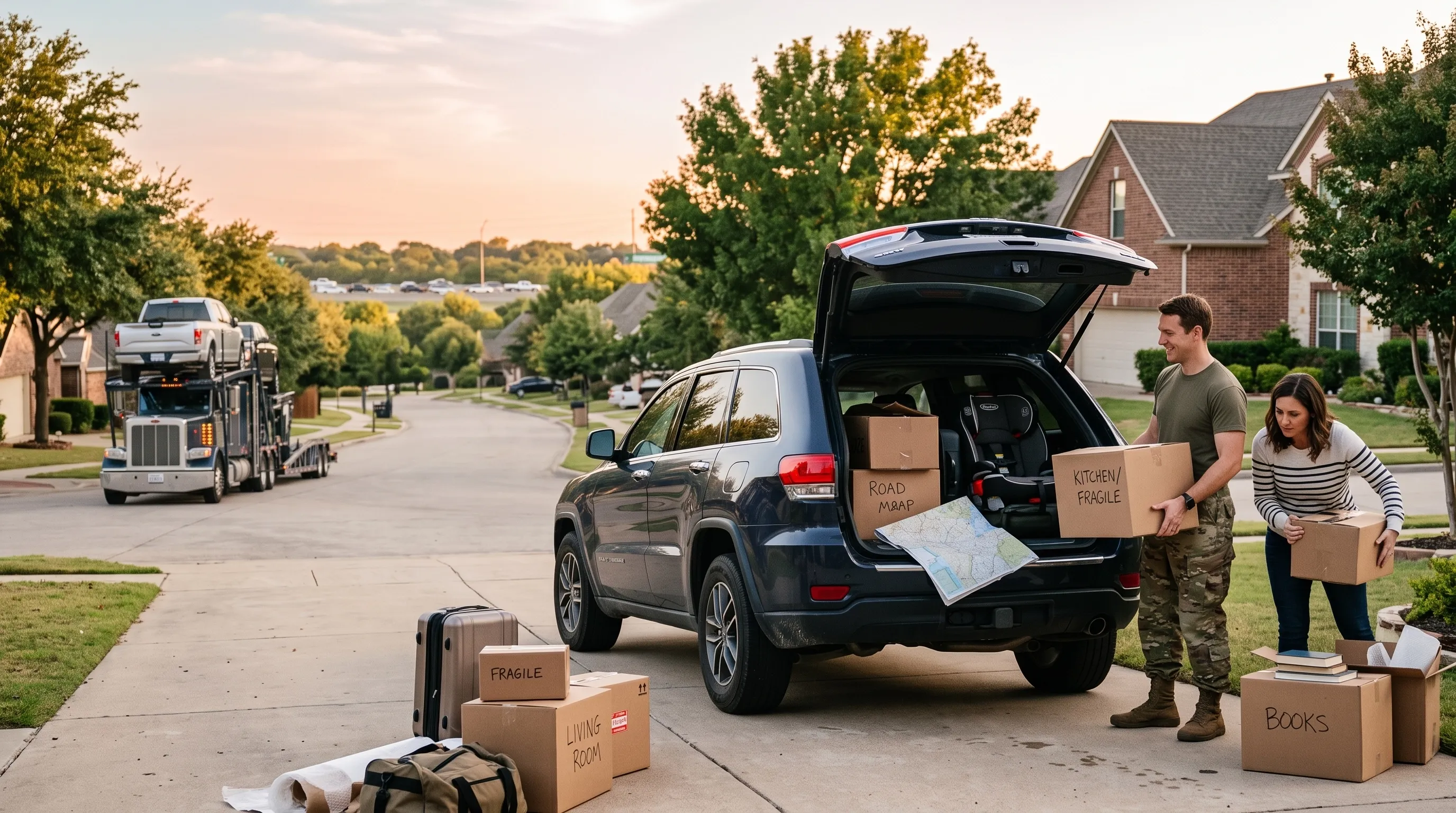
Remove personal items, since cargo insurance usually doesn’t cover them. See what you can leave inside a shipped car.
Coordinate with the seller on the pickup address, release date, and key handover.
The Real Cost of Driving It Yourself
Driving a car home is rarely free. Once you add travel, fuel, lodging, meals, wear, and time off work, the total often comes close to a professional shipping quote. The figures below are a hypothetical example for a cross-country drive, not real quotes.
Cost Item | What to Include | Sample Amount |
Travel to the seller | One-way flight, bus, or train | $300 |
Fuel | Miles ÷ MPG × gas price | $400 |
Lodging | Nights on the road × hotel rate | $500 |
Meals | Days × daily food budget | $250 |
Vehicle wear | Oil, tires, and added mileage | $250 |
Time off work | Unpaid or vacation days used | $500 |
Sample total | $2,200 |
The table can’t show risk. A breakdown in an untested car far from home can add towing, repairs, and extra hotel nights. Build your own version of this table and compare it with a shipping quote for the same route. If the totals are close, shipping usually wins.
Common Questions Buyers Ask Before Purchasing Out of State
Buying a car out of state raises practical questions about taxes, paperwork, permits, and transport. Each answer below covers one of the questions buyers ask most often.
Do I pay sales tax in the state where I buy the car?
Usually, no. You generally pay tax to the state where you register the car. Some dealers collect your home-state tax at purchase. If you pay tax in the selling state, keep the receipt, because most home states credit that amount at registration.
How do I register an out-of-state car?
Take the signed title, bill of sale, odometer disclosure, proof of insurance, and your ID to your home DMV. Registering an out-of-state car may also require VIN verification and an inspection. After paying tax, title, and registration fees, you’ll receive permanent plates.
Can I drive a car home without plates?
In most states, no. You need a dealer-issued temporary tag, a state transit permit, or valid registration before driving on public roads. Driving without them can mean fines or impoundment. Shipping the car avoids the issue, since it travels on a truck without plates.
How long do temporary tags last?
It depends on the issuing state. Dealer temporary tags generally last long enough to finish registering the car at home, while transit permits are usually shorter and meant for a single trip. Check the expiration date on your tag and plan your DMV visit well before it runs out.
Is it cheaper to drive or ship a car home?
For short trips, driving is often cheaper. For long distances, shipping frequently costs about the same or less once you count travel, hotels, meals, fuel, vehicle wear, and time off work. Compare a shipping quote with your own driving budget to see which wins.
What paperwork do I need from the seller?
Ask for the signed title, a bill of sale with the price and date, and an odometer disclosure. If the car had a loan, get a lien release letter. Dealers may also provide a temporary tag and tax receipt. Copy every document before the car leaves.
Do emissions rules differ between states?
Yes, quite a bit. Some states require regular emissions tests, some require safety inspections, some require both, and a few require neither. Your home state’s rules apply, not the seller’s, so check your DMV’s requirements before buying, especially for diesel or modified vehicles.
How do I handle the title transfer?
Make sure the seller signs the title in the correct spot and fills in the sale price and mileage if your state requires it. Never accept a title with blank seller details or someone else’s name. Then submit it to your home DMV for a new title.
Can I buy from a private seller in another state?
Yes. Buying a car in another state from a private seller is common, but you’ll handle the tax, title transfer, and permits yourself. Insist on a live video walkaround, verify the title, and use escrow or a traceable bank payment instead of a wire transfer.
How do I inspect a car I cannot see in person?
Hire an independent mechanic near the seller for a pre-purchase inspection, and order a vehicle history report using the VIN. Ask for a live video walkaround showing the engine starting, dashboard lights, tires, and underbody. If a seller refuses any inspection, walk away.
Before You Sign: Buying a Car Out of State the Right Way
Buying a car out of state comes down to doing a handful of small tasks in the right order. Start with your own state’s rules for tax, inspections, and registration. Then verify the title and VIN, and make sure every document is signed before any money changes hands.
Next, plan a legal way to get the car home, whether that’s a temporary tag, a transit permit, or a transport carrier. Add up the full cost so the deal still holds up on paper. Once you know how to buy a car out of state in the right order, the distance becomes a detail rather than a risk. Put the paperwork before the payment, and the rest follows. Get a free, no-obligation quote from Safeeds in about 30 seconds. Your price is locked for 7 days, no upfront payment is required, and our team will match you with a licensed, insured carrier for your route.