For residents, Montana is the cheapest state to buy a car, with no sales tax and low age-based registration fees. Oregon, New Hampshire and Alaska follow. Out-of-state buyers rarely get these tax breaks, because sales tax is usually paid in the state where the car is registered, not where it is bought.
The same $30,000 car can cost you hundreds, or even thousands, of dollars more depending on where you register it. A trip to a “no tax” state won’t always fix that, because your home state usually collects its tax anyway. In this guide, we rank the cheapest state to buy a car by total cost of acquisition, including taxes, fees, and getting the car home, so you can find the best state to buy a car for your situation. Already found a deal elsewhere? Get a free car shipping quote and see your full cost before you commit.
Key Takeaways
Montana, Oregon, New Hampshire, and Alaska charge no statewide sales tax on most vehicle purchases, which gives their residents the lowest upfront tax bill in the country.
South Carolina limits its one-time vehicle fee to $500, so it often beats other low-tax states on expensive cars.
Delaware has no sales tax, but its 5.25% vehicle document fee adds about $1,575 to a $30,000 purchase.
Car buyers usually owe tax to the state where they register the vehicle, so buying in a no-tax state rarely lowers the tax for out-of-state residents.
Dealer documentation fees range from $85 in California to about $999 in Florida, and they can outweigh the tax gap between neighboring states.
An out-of-state car deal only pays off when the price difference is larger than the cost of transport, which typically runs $850 to $2,000.
How We Ranked the States
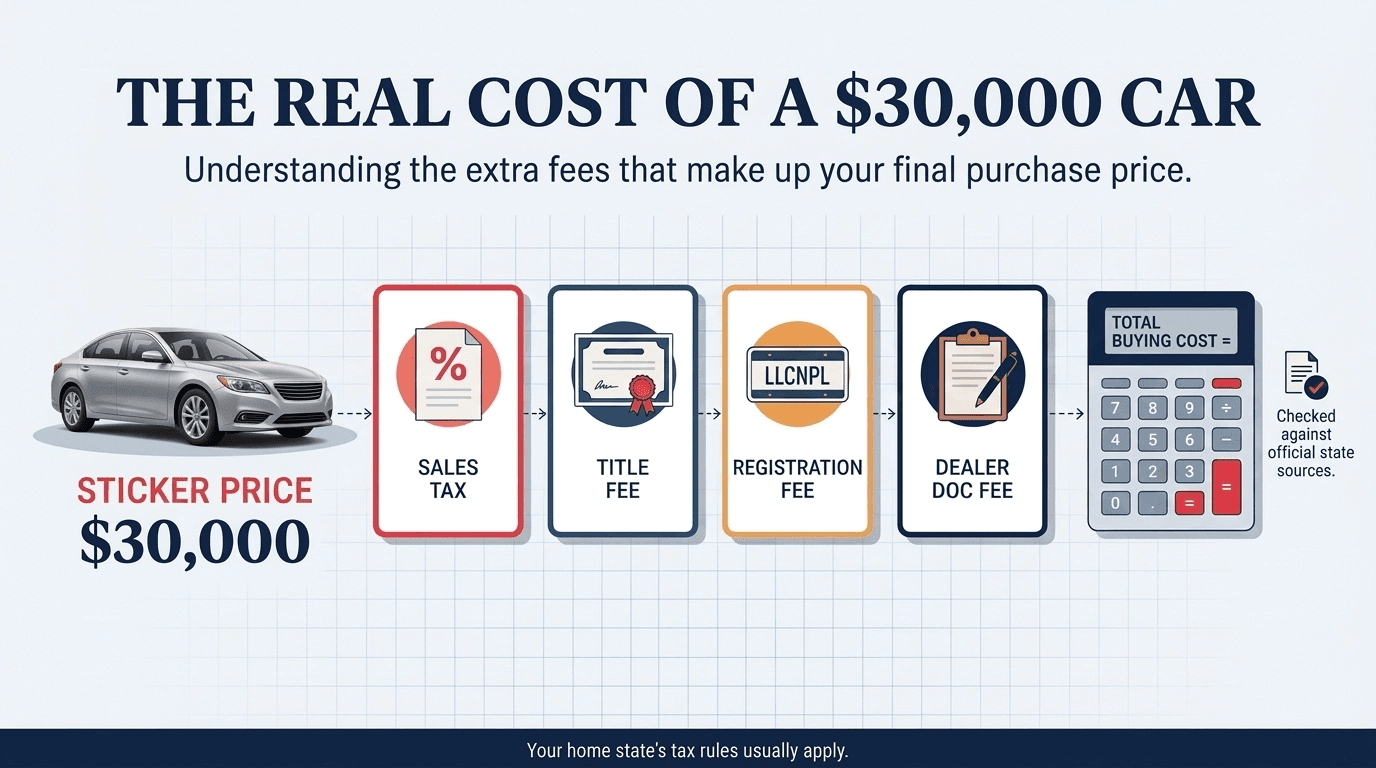
We ranked each state by what a resident pays to buy and register the same $30,000 car from a licensed dealer. One example price keeps the comparison fair and easy to follow.
To find the cheapest states to buy a car, we added up four costs:
Sales tax rate: the state’s purchase tax, or the fee it charges in its place
Title fee: a one-time charge to put the car in your name
Registration fee: the cost of your license plates, usually paid every year
Dealer doc fee: the paperwork charge the dealership sets
We checked each figure against state DMV and revenue sources and recent surveys of real dealer quotes. We left out insurance and loan rates, since both depend on where you live, not where you buy.
Keep in mind: this ranking shows what residents pay. If you live elsewhere, your home state’s tax rules usually apply.
The 10 Cheapest States to Buy a Car
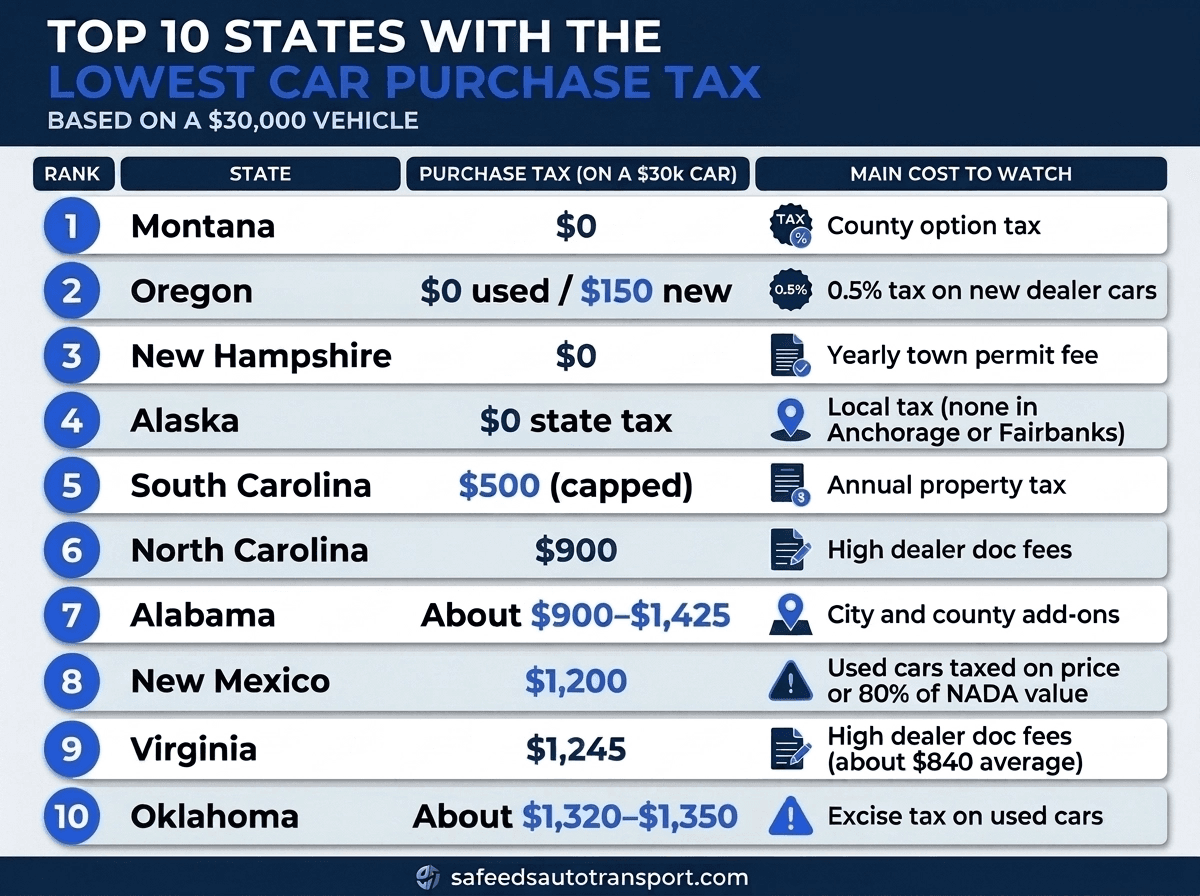
Montana, Oregon, New Hampshire and Alaska rank highest because none of them charges a statewide sales tax on most car purchases. South Carolina, North Carolina, Alabama, New Mexico, Virginia and Oklahoma complete the top 10 with low or capped vehicle taxes.
1. Montana
Montana charges no sales or use tax on vehicles, which makes it the lowest car sales tax state on this list. According to the Montana Motor Vehicle Division, registration is based on the car’s age: $217 a year for cars up to 4 years old, $87 for cars 5 to 10 years old, and $28 for older cars, plus a 3% administrative fee.
Fee to watch: some counties add a county option tax based on the car’s original MSRP, so check your county’s rate
Best for: residents buying almost any car
2. Oregon
Oregon charges no sales tax on used cars and only 0.5% on new cars sold by dealers, or $150 on a $30,000 car. Under Oregon’s vehicle privilege tax law, the 0.5% applies only to vehicles that have never been registered in Oregon. Oregon also caps dealer paperwork charges: a 2023 state law raised the limit to $250 for dealers using an electronic integrator and $200 for those that don’t.
Fee to watch: some dealers list the state’s Corporate Activity Tax as a separate line item
Best for: used-car buyers who want predictable fees
3. New Hampshire
New Hampshire has no sales tax on cars, but residents pay a town permit fee every year. Under New Hampshire’s permit fee law, the fee is based on the car’s original list price. As the Town of Barrington explains, that works out to $18 per $1,000 for a current model year car, dropping each year to $3 per $1,000 from the sixth model year on.
Fee to watch: about $630 in the first year on a new car with a $35,000 list price
Best for: used-car buyers, since the fee shrinks as the car ages
4. Alaska
Alaska has no statewide sales tax on vehicles, but many cities and boroughs add their own. According to AARP’s Alaska tax guide, local rates range from 1% to 7%, while Anchorage and Fairbanks charge none.
Fee to watch: your local tax rate, since it depends entirely on where you live
Best for: residents of Anchorage, Fairbanks and other areas with no local sales tax
5. South Carolina
South Carolina caps its vehicle tax at $500, no matter how much the car costs. According to the SCDMV fee schedule, the one-time Infrastructure Maintenance Fee is 5% of the price, up to $500. That’s $500 instead of $1,500 on a $30,000 car.
Fee to watch: uncapped dealer doc fees and yearly property tax
Best for: buyers of expensive vehicles
6. North Carolina
North Carolina charges a 3% Highway Use Tax instead of sales tax, or $900 on a $30,000 car. The rate is set in the North Carolina Highway Use Tax statute.
Fee to watch: dealer doc fees average about $750, according to CarEdge’s North Carolina dealer fee report, plus yearly county property tax
Best for: buyers of mid-priced cars who compare dealer fees
7. Alabama
Alabama charges 2% state tax on vehicles, and local taxes bring most buyers to 3% to 4.5% combined. The Alabama Department of Revenue’s automotive tax guide explains how city and county taxes stack on top.
Fee to watch: a yearly ad valorem (property) tax on the car
Best for: buyers in areas with low local add-ons
8. New Mexico
New Mexico taxes vehicle purchases at a flat 4%, or $1,200 on a $30,000 car. The rate is set in New Mexico’s motor vehicle excise tax law, and trade-in value is deducted before the tax is figured.
Fee to watch: on used cars, the tax is based on the price paid or 80% of the car’s NADA value, whichever is higher
Best for: buyers who want a predictable tax bill
9. Virginia
Virginia charges a 4.15% sales and use tax on vehicles, or $1,245 on a $30,000 car. According to the Virginia DMV, the tax is based on the gross sales price, with a $75 minimum.
Fee to watch: dealer doc fees average about $840, according to CarEdge’s Virginia dealer fee report
Best for: buyers who negotiate the full out-the-door price
10. Oklahoma
Oklahoma charges 4.5% on new cars: a 3.25% excise tax plus a 1.25% sales tax. According to the Oklahoma Policy Institute, used cars pay slightly less, because the first $1,500 of the price is taxed at a flat $20. Since July 1, 2026, the excise tax is based on the car’s actual sales price.
Fee to watch: registration is charged every year, though it drops as the car ages
Best for: buyers of older used cars
Pro tip: States 7 through 10 are very close. One local tax add-on or a high dealer doc fee can change the order for your purchase.
States With No Sales Tax on Vehicles
Five states charge no statewide sales tax on cars: Alaska, Delaware, Montana, New Hampshire and Oregon. But “no sales tax” doesn’t always mean “no tax.”
Here’s how the five no sales tax states compare:
Montana and New Hampshire come closest to true zero, relying on registration or permit fees instead.
Alaska has no state tax, but local governments can add their own.
Oregon charges 0.5% on new cars sold by dealers.
Delaware charges a document fee that works like a sales tax. The Delaware Division of Motor Vehicles raised it from 4.25% to 5.25% on October 1, 2025, which comes to about $1,575 on a $30,000 car. That’s why Delaware missed our top 10.
So which is the lowest car sales tax state for you? It depends on where you live, because these breaks are built for residents. Most states charge their own tax when you register a car, no matter where you bought it.
The bottom line: a Texas resident who buys a car in Oregon still pays Texas tax. The trip might save money on price or fees, but not on tax.
Registration and Documentation Fees by State
Every car purchase includes two kinds of fees: government fees set by law, and dealer fees set by the dealership. Only the dealer fees can be compared or negotiated.
Government fees include the title fee and the registration fee. You pay them in the state where you register the car. Dealer fees are led by the documentation fee, often called the dealer doc fee. It covers paperwork, but it’s also profit. Some states cap it, and many don’t.
State | Doc fee rule | Typical dealer doc fee |
|---|---|---|
California | Capped | $85 |
New York | Capped | $175 |
Oregon | Capped | $115 or $150 |
South Carolina | No cap | About $537 average |
North Carolina | No cap | About $779 average |
Virginia | No cap | $799 to $999 |
Florida | No cap | About $999 average |
Here’s where each fee is usually paid when you buy out of state:
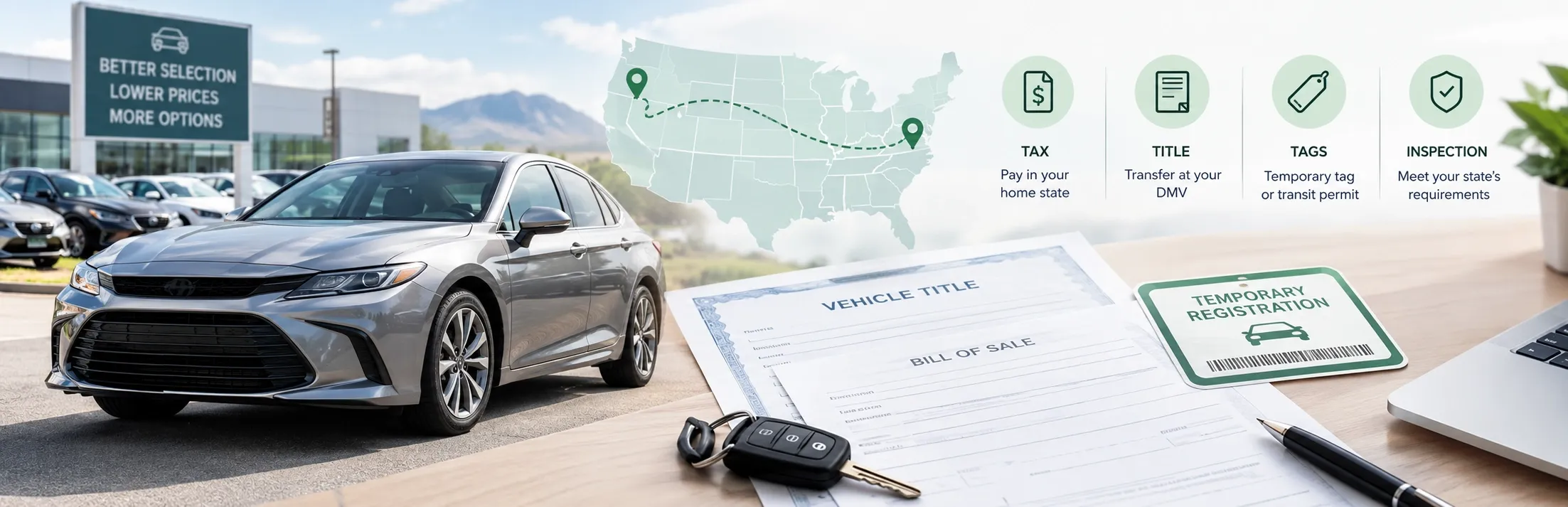
At the dealer: the dealer doc fee, any add-ons, and a temporary tag or transit permit
At the dealer or at home: sales or use tax, depending on whether the dealer collects your home state’s tax
At your home DMV: the title fee and the registration fee
Pro tip: A low doc fee can save you more than the tax difference between two neighboring states.
Why Sticker Price Is Not the Whole Story
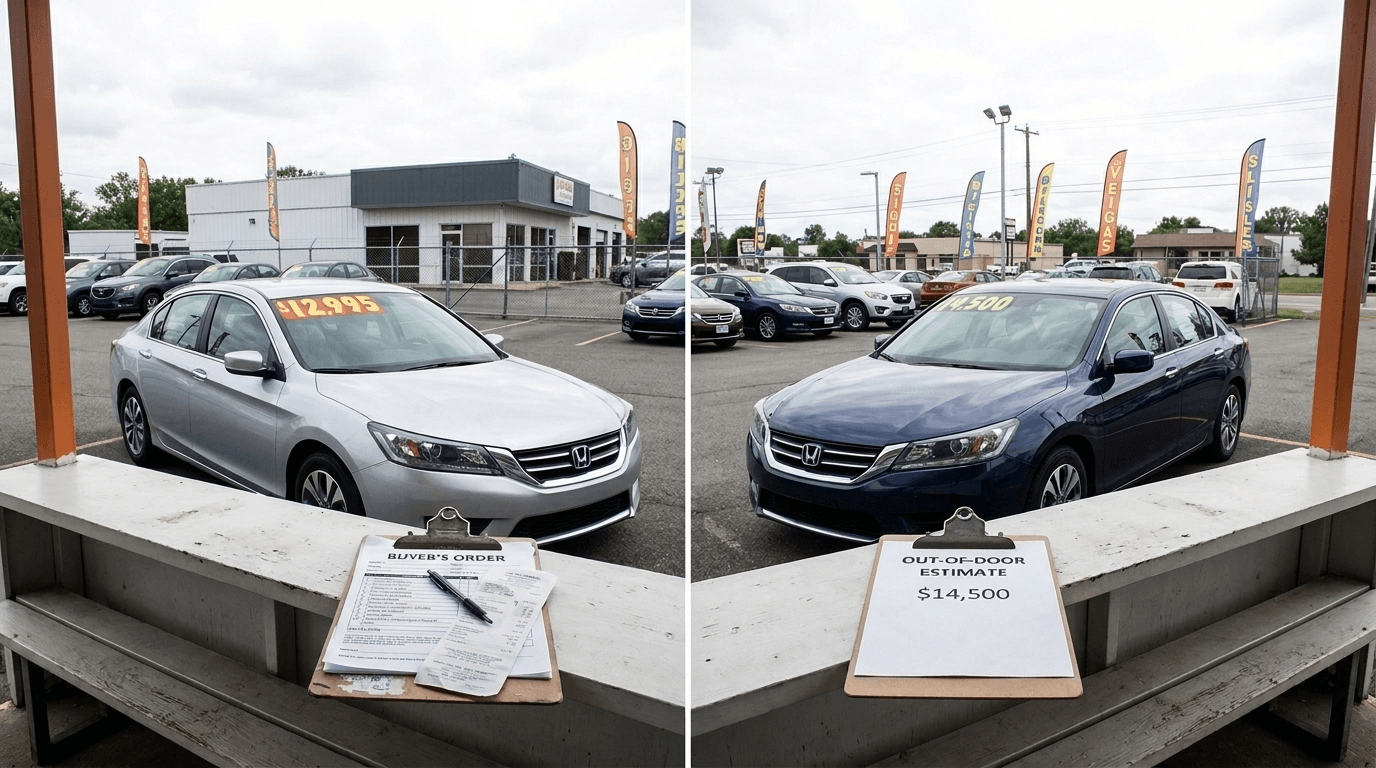
A lower sticker price only saves you money if taxes, fees, and travel costs don’t cancel it out. The cheapest car on paper isn’t always the cheapest car to own.
Car prices differ between states for three main reasons:
Dealer competition: big cities with many dealers often have lower prices.
Supply and demand: popular models cost more where demand is high.
Climate: cars from dry, warm states usually have less rust.
That’s why the cheapest state to buy a used car is often different from the cheapest state for a new one. Some costs also show up later, such as yearly property taxes in North Carolina, South Carolina and Alabama, and New Hampshire’s annual permit fee.
To compare two deals fairly:
Get a written out-the-door price from each dealer.
Add your home state’s sales or use tax.
Add your home state’s title and registration fees.
Add the cost of driving or shipping the car home.
Compare the final totals, not the sticker prices.
Does Buying Out of State Still Save Money After Shipping?
Yes, buying out of state can still save money, but only when the price difference is bigger than the shipping cost. On short routes, that’s often true. On cross-country routes, small savings usually disappear.
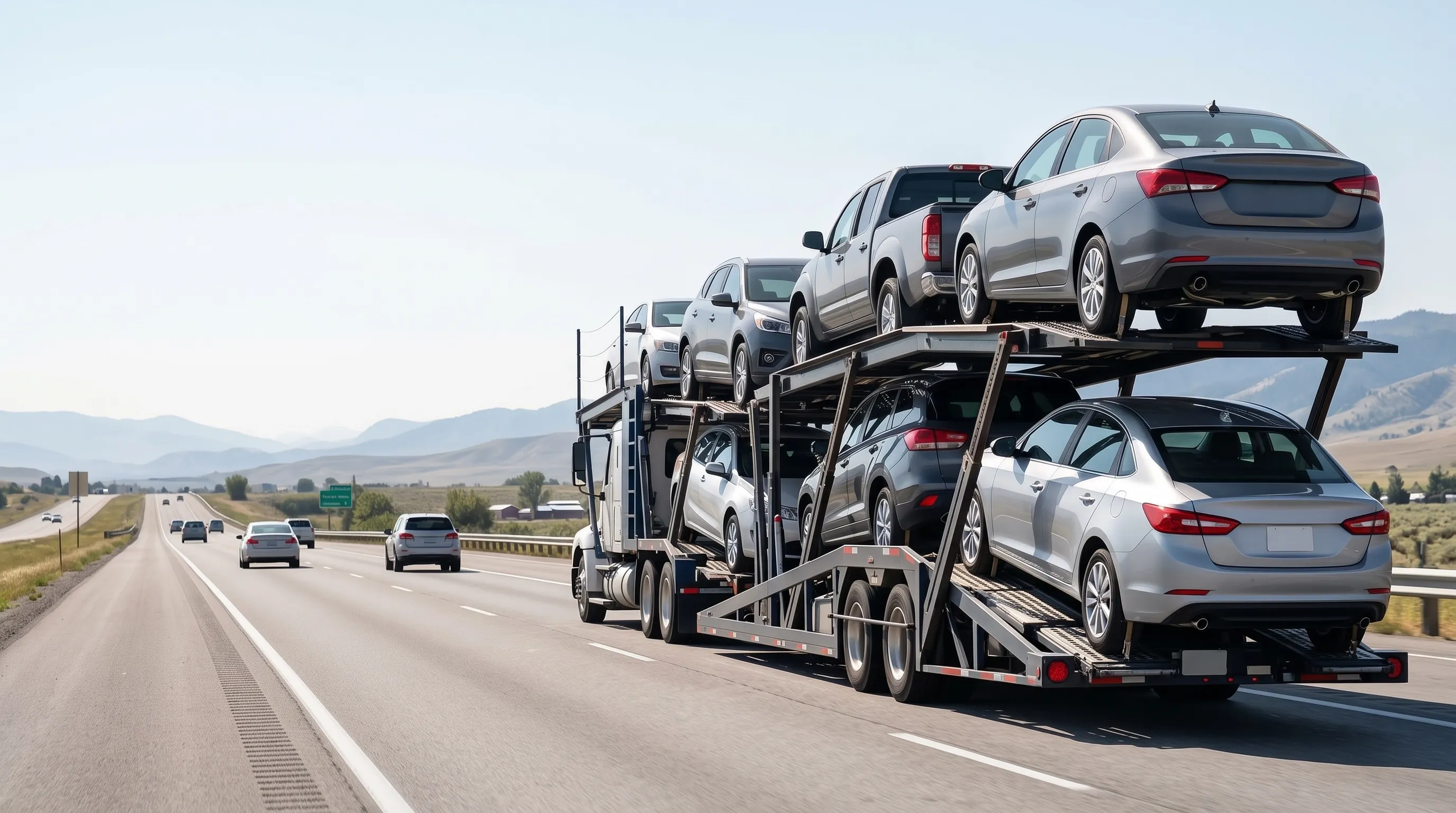
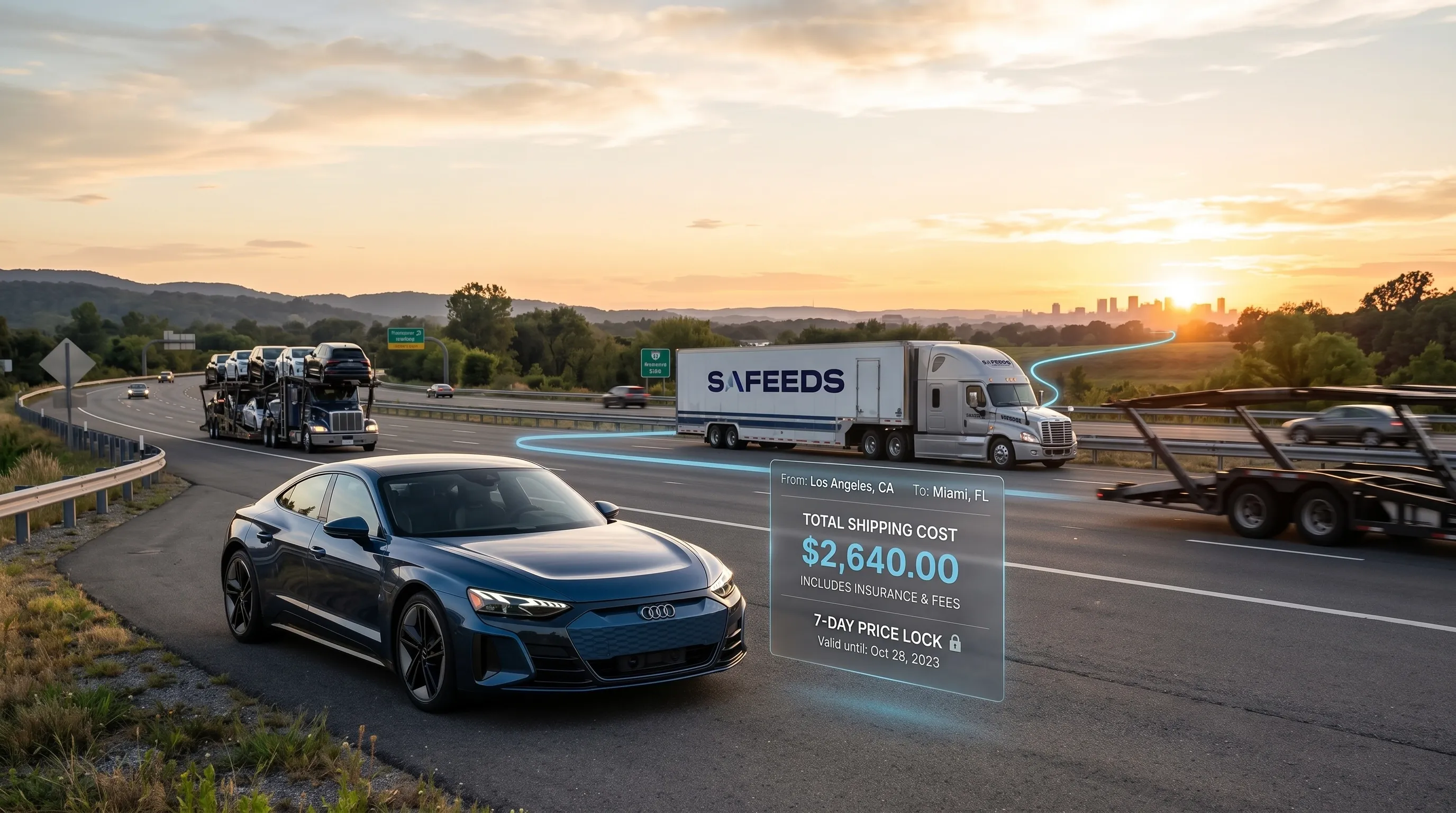
According to Safeeds Transport pricing data, most shipments cost $850 to $2,000, and customers pay $1,053 on average.
Example 1: The savings win. A Phoenix buyer finds an SUV for $1,500 less in Los Angeles. Shipping that route typically costs $417 to $652, so the buyer still saves about $850 to $1,080.
Example 2: The savings disappear. A New York buyer finds a car in Oregon for $900 less, hoping to skip sales tax. They still pay New York tax at registration, and a coast-to-coast route like New York to Los Angeles typically costs $1,275 to $1,500. The buyer ends up $375 to $600 behind.
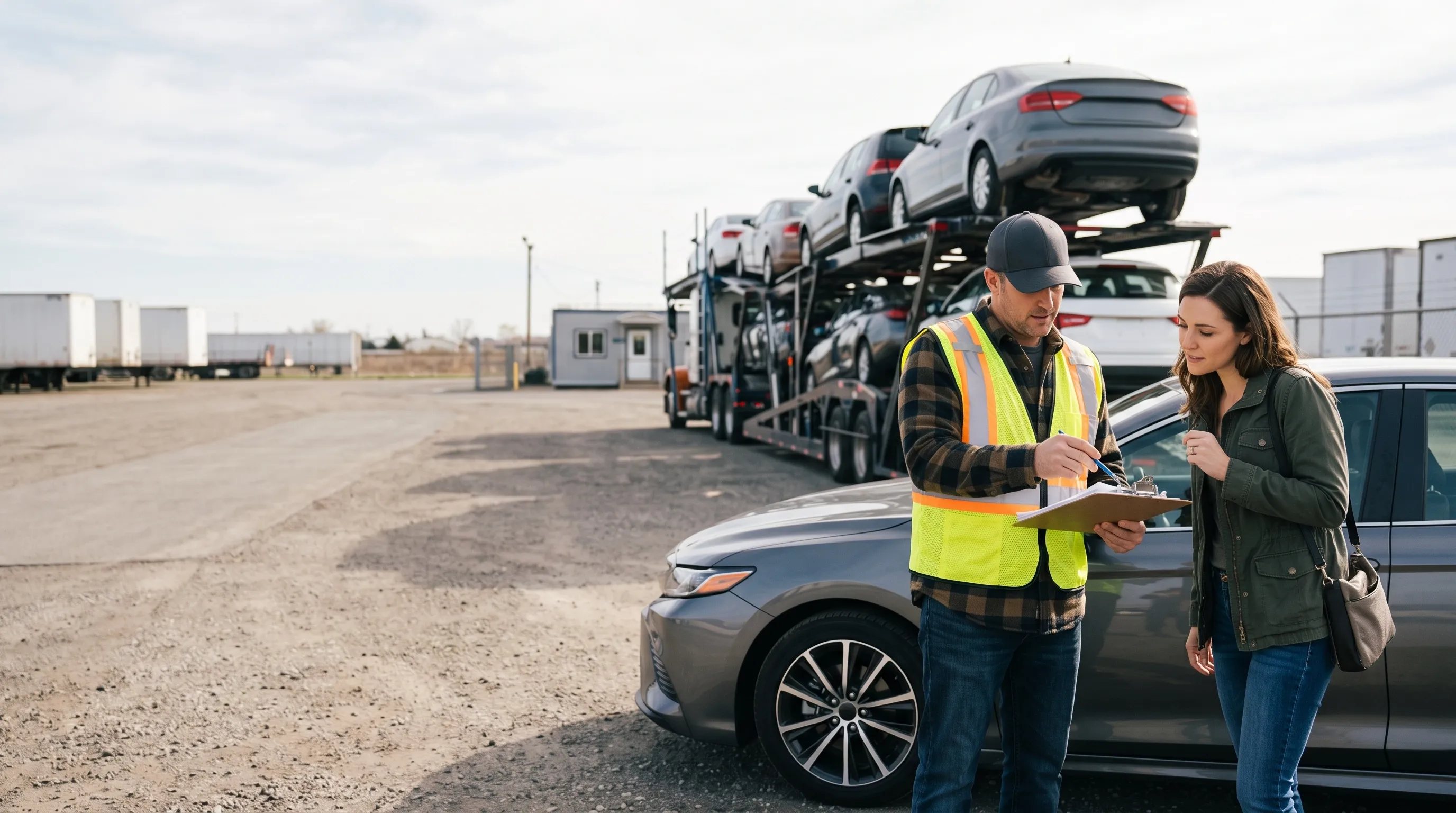
Driving the car home costs money too: fuel, hotels, time off work, and added wear on the car. For long distances, shipping the car home is often the cheaper and safer choice.
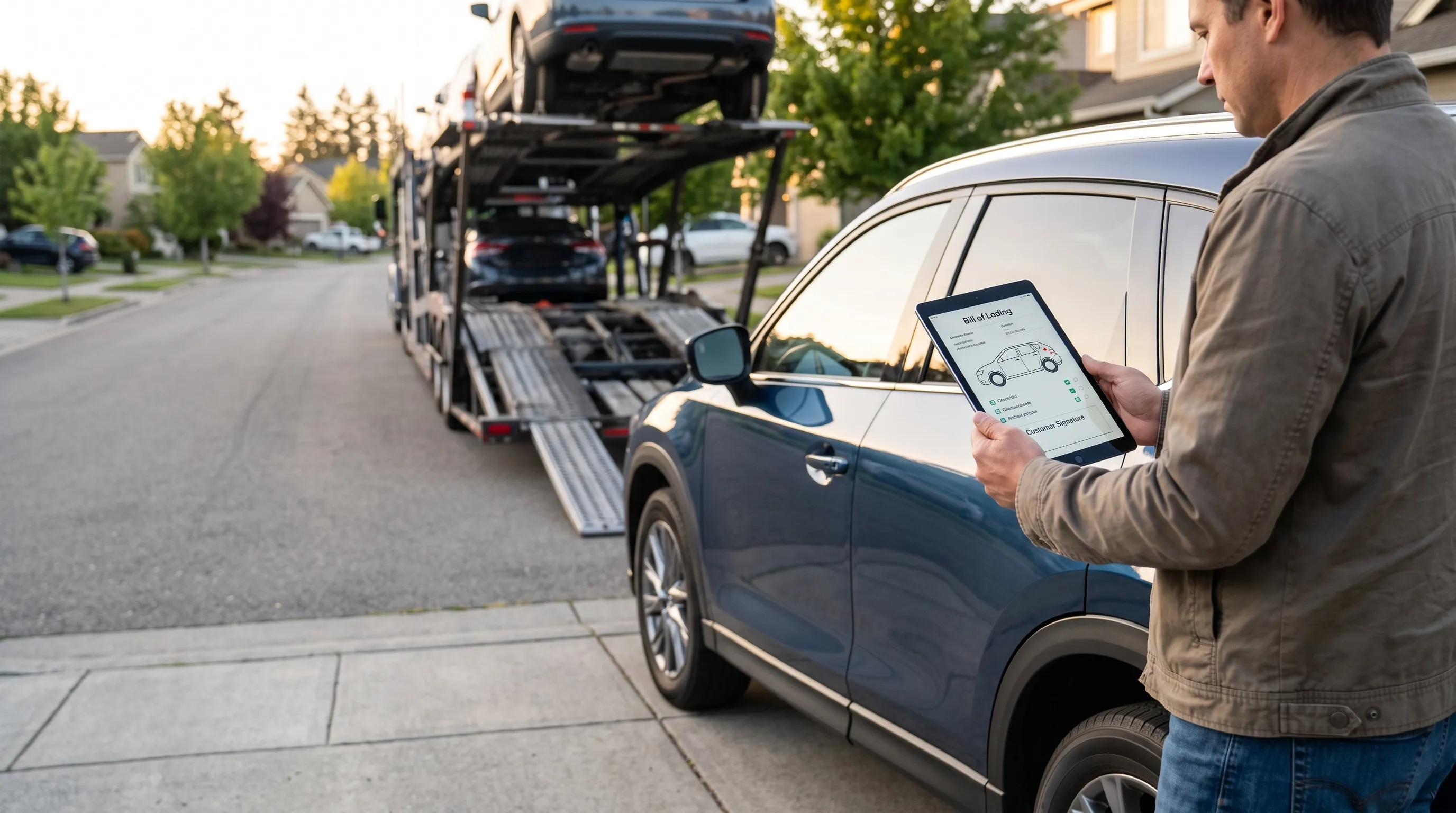
If you ship, check the car carefully at pickup and delivery. Our guide to the bill of lading for car shipping shows what to look for, and Buying a Car Out of State: What You Need to Handle covers the paperwork.
What Buyers Also Ask About the Cheapest State to Buy a Car?
Buying a car in another state raises practical questions about taxes, fees, registration, and getting the car home. Here are clear, direct answers to the questions buyers ask most often before they shop out of state.
Which state has the cheapest cars?
No single state has the cheapest cars for everyone, since prices depend on local supply and dealer competition. For taxes and fees, Montana is the cheapest state to buy a car for residents, followed by Oregon, New Hampshire and Alaska. Out-of-state buyers should compare the full out-the-door price plus the cost of getting the car home.
Which states have no sales tax on cars?
Alaska, Delaware, Montana, New Hampshire and Oregon charge no statewide sales tax on cars. Montana and New Hampshire come closest to true zero. Alaska cities can add local tax, Oregon charges 0.5% on new dealer cars, and Delaware charges a 5.25% document fee that works much like a sales tax.
Do I pay tax in the state I buy or the state I live in?
You usually pay tax in the state where you live and register the car. Some dealers collect your home state’s tax at the sale, while others leave it for you to pay at registration. If you paid tax to the selling state, your home state may give you a credit, but the rules vary.
Is it worth travelling to another state to buy a car?
It’s worth it only when the savings are bigger than the extra costs. Travel, hotels, time off work, a temporary permit and the trip home all add up. A gap of a few hundred dollars rarely covers these costs, but a gap of $1,500 or more often does, especially on shorter routes.
How much does it cost to ship a car home?
Most car shipments with Safeeds cost between $850 and $2,000. Short routes cost less: Los Angeles to Phoenix typically runs $417 to $652, while New York to Los Angeles runs $1,275 to $1,500. Open transport usually costs less than enclosed. Your price depends on distance, vehicle size and season.
What fees should I expect at an out-of-state dealer?
Expect a dealer doc fee, which ranges from under $100 in capped states like California to about $1,000 in Florida. You may also pay for a temporary tag or transit permit. Title and registration fees are usually paid to your home state. Ask for an itemized out-the-door price before you travel.
Are used cars cheaper in some states?
Yes, used-car prices vary with local supply, demand and climate. Dry states often have cars with less rust, and big metro areas offer more choice. The cheapest state to buy a used car for you depends on the price gap, your home state’s tax and the cost of getting the car home.
Why are cars cheaper in some states than others?
Cars cost less in some states because of differences in supply, demand, dealer competition and local taxes. Busy markets with many dealers often have lower prices, and climate affects used-car condition. Our section on why sticker price is not the whole story explains each factor.
Do I need to register the car in the state I bought it?
No, you register the car in the state where you live. The selling dealer usually provides a temporary tag or transit permit so the car can travel legally. You then title and register it at your home DMV, usually within a set number of days after the purchase.
Can a dealer refuse to sell to an out-of-state buyer?
Yes, in many cases a dealer can decline to sell to an out-of-state buyer, as long as the reason isn’t illegal discrimination. Some dealers avoid the extra paperwork, and some limit high-demand models to local buyers. Call ahead and confirm before you travel.
Choosing the Cheapest State to Buy a Car With Confidence
The cheapest state to buy a car is the one that gives you the lowest total cost, not the one with the lowest tax headline. For most buyers, tax follows them home, so real savings come from a better price, fair dealer fees, and an affordable way to get the car home. That makes the best state to buy a car a personal choice based on where you live and what you’re buying.
Before you book a flight or sign a contract, add up all costs, including transportation. Safeeds Transport offers free instant quotes in about 30 seconds, with a 7-day price lock and no upfront payment, so you can see your full number before you decide.