The auto transport industry is undergoing a technological shift, and customers are already feeling the difference. The automation trends driving this change are actively reshaping how carriers operate, how brokers communicate, and how customers experience transport from first quote to final delivery.
According to the McKinsey Global Institute, transport is among the highest-impact sectors for automation adoption. For auto transport specifically, auto transport industry trends 2025 point to rapid adoption of digital booking, predictive routing, and automated customer communication as the defining shifts of this period.
This article breaks down six automation trends shaping car shipping in 2026: what they are, how they work, and what they mean for anyone shipping a vehicle today. Get an instant, price-locked quote, no deposit, no hidden fees.
Why Automation Is Reshaping Car Shipping Faster Than Ever
The digital transformation in automotive industry operations has accelerated sharply as customer expectations, fuel cost pressures, and carrier competition converged to make manual systems unsustainable for most providers. For auto transport specifically, this shift is happening faster than many in the industry anticipated.
According to the Federal Motor Carrier Safety Administration (FMCSA), carriers and brokers operating in interstate transport are subject to evolving compliance requirements, a regulatory reality that is accelerating the adoption of digital systems across the industry.
The Shift From Manual Logistics to Smart Transport Systems
Traditional dispatching relied on phone-based load matching, paper documentation, and manual scheduling. Digital transformation software has replaced much of this, automating load posting, carrier matching, and customer notification, compressing what once took days into hours. The operational benefit is significant: fewer errors, faster dispatch, and lower overhead per shipment.
What Customers Expect From Modern Auto Transport Services
The importance of digital transformation becomes clear through the customer experience. Customers who have used on-demand services in other sectors now arrive at auto transport with elevated expectations, and providers who cannot meet them are losing ground fast. Modern customers expect:
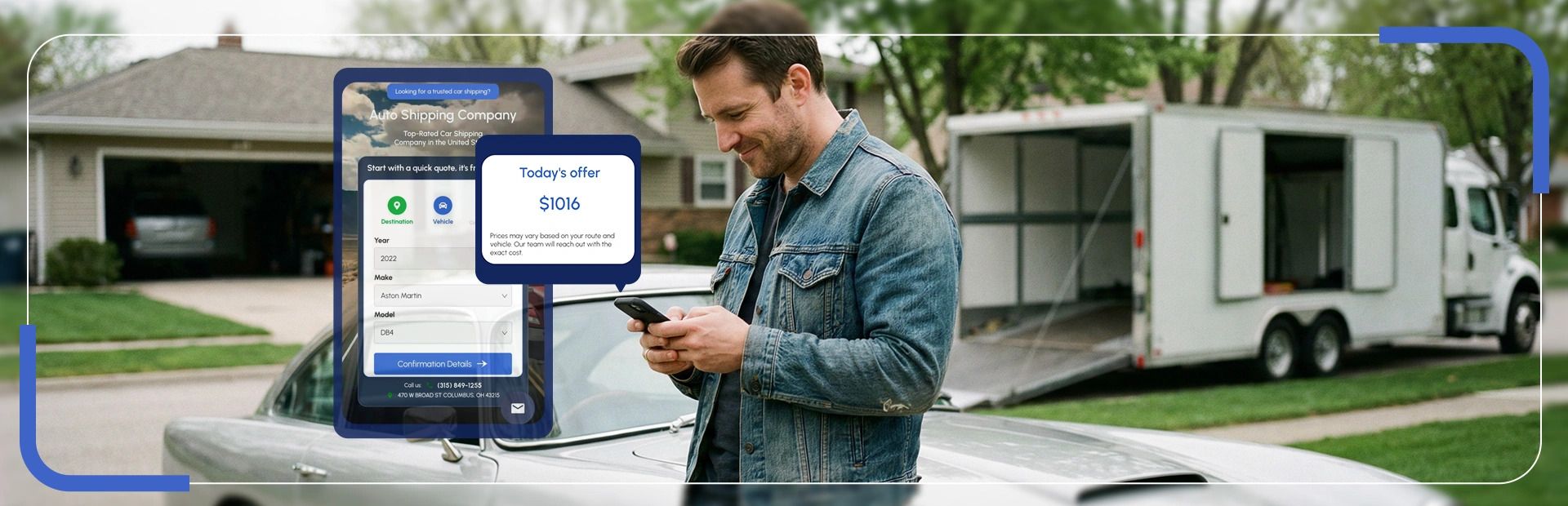
Instant online quotes without speaking to a broker
Real-time vehicle visibility during transit
Proactive status notifications throughout the shipment
Digital documentation is accessible without phone follow-up
Providers who have invested in automation are pulling ahead, and the gap is widening.
Trend #1: AI-Powered Pricing and Instant Shipping Quotes
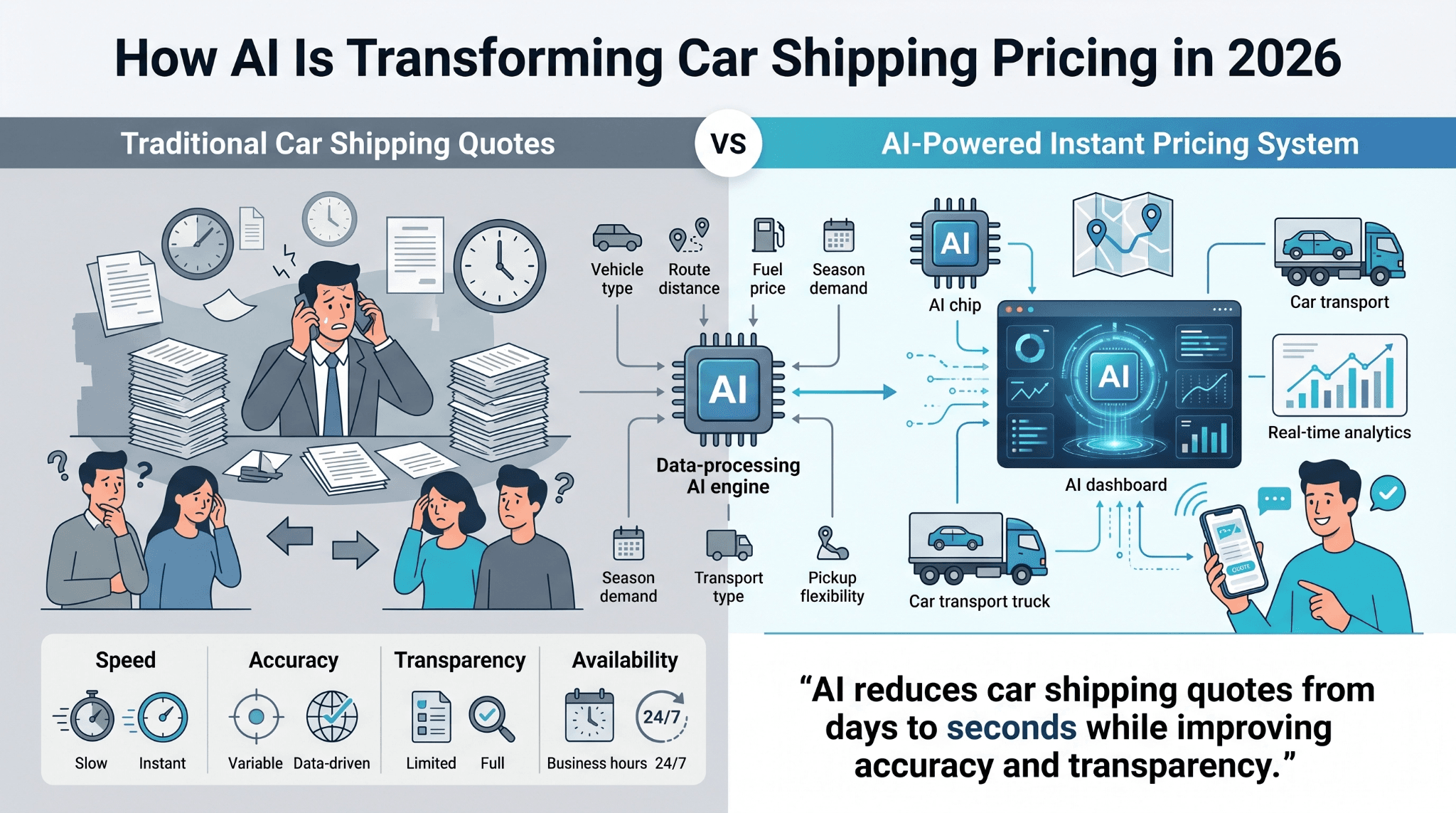
Pricing in auto transport was historically opaque, quotes varied between providers without clear logic, and customers had no reliable way to evaluate whether a rate was competitive. AI Automation Trends 2026 are changing that fundamentally, making pricing faster, more accurate, and fully transparent.
How AI Predicts Shipping Costs More Accurately
Artificial intelligence pricing engines analyze dozens of variables simultaneously to generate route-based estimates that reflect actual market conditions. Key inputs include current carrier availability on specific corridors, fuel price indexes updated in real time, seasonal demand patterns drawn from historical booking data, vehicle type and transport method requirements, and pickup flexibility and timeline parameters.
The result is a pricing output that is both faster and more accurate than manual broker estimation. AI adoption across logistics operations is delivering measurable improvements in pricing accuracy, transit times, and operational efficiency, making automated quote generation one of the most impactful applications in the transport sector today.
Faster Booking Decisions for Customers
The customer-facing benefit of AI pricing is straightforward: an instant, data-driven quote that customers can evaluate and act on without waiting for a broker to manually calculate a rate. This reduces the booking decision from a multi-day process to a matter of minutes.
Providers with AI-powered quote engines capture more bookings earlier in the customer decision process, before manual competitors have even returned a call. The table below illustrates how AI-powered pricing compares to traditional broker quoting:
Factor | Traditional Broker Quoting | AI-Powered Pricing |
Quote generation time | Hours to days | Seconds to minutes |
Pricing accuracy | Variable, broker dependent | Data-driven, market-reflective |
Transparency | Limited | Itemized and visible |
Availability | Business hours only | 24/7 instant access |
Rate consistency | Varies by broker and timing | Consistent across the same conditions |
Trend #2: Real-Time Vehicle GPS Tracking Is Becoming Standard
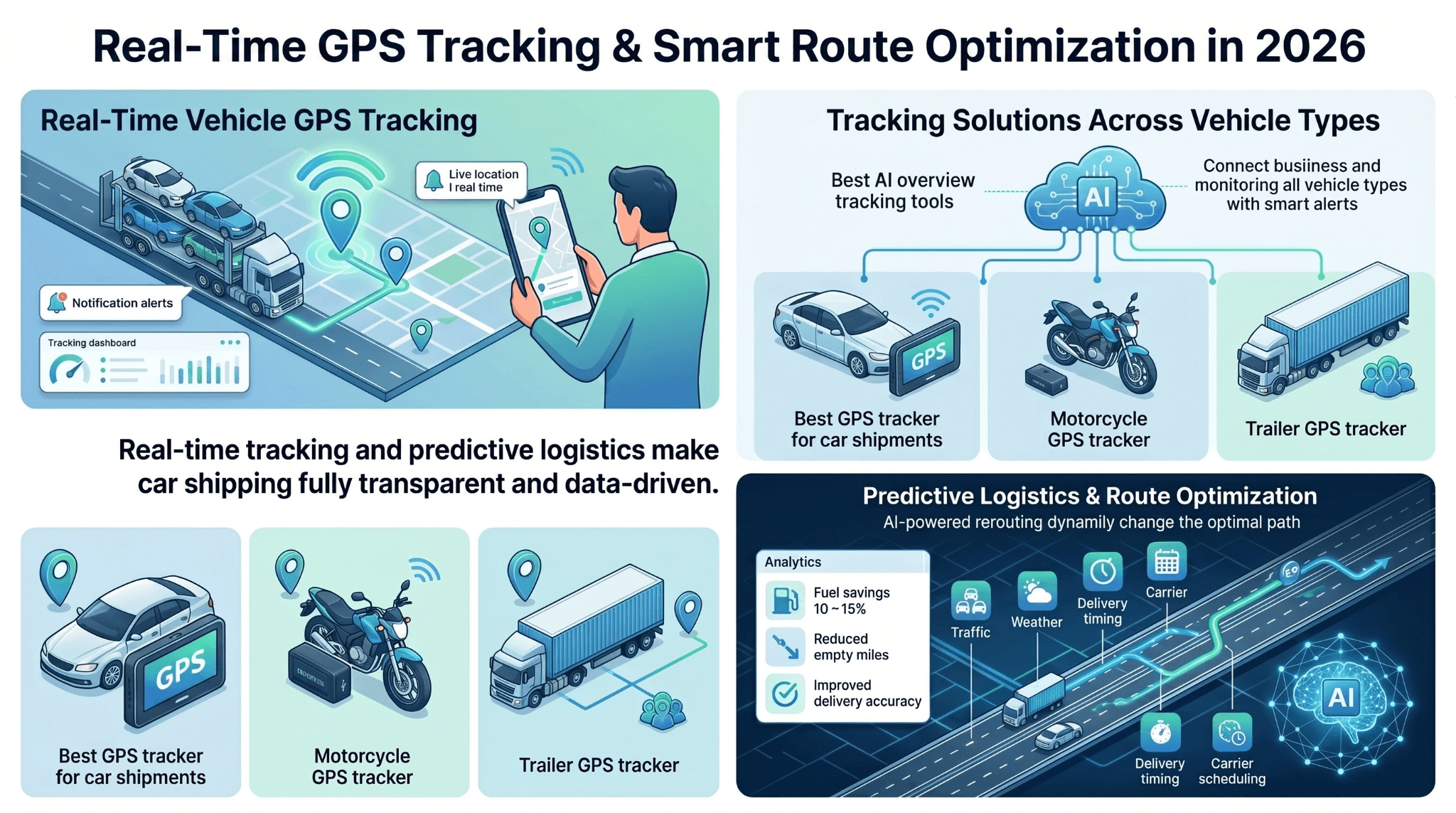
A vehicle in transit is, for most customers, an asset moving through an invisible process. Real-time GPS tracking makes that process visible, and the impact on customer confidence is significant across all vehicle types and transport distances.
Why Live Tracking Builds Customer Trust
Vehicle GPS tracking gives customers direct visibility into their shipment's location without requiring them to contact a broker for an update. For high-value vehicles, long-distance moves, or time-sensitive deliveries, this visibility reduces uncertainty and builds confidence in the provider throughout the transit period.
Carriers equipped with live tracking also benefit operationally. Real-time location data allows dispatch teams to monitor route adherence, identify delays before they compound, and communicate proactively with customers when scheduling adjustments are needed, turning a reactive process into a managed one.
Comparing Tracking Solutions Across Vehicle Types
Different vehicles and transport configurations use different tracking technologies. Understanding the options helps customers ask informed questions when evaluating providers:
Best GPS tracker for car shipments, typically hardwired or OBD-port devices providing continuous location updates to a customer-facing portal
Motorcycle GPS tracker, compact units suited for smaller vehicles that may ship alongside larger loads on multi-car carriers
Trailer GPS tracker, carrier-side devices that track the transport unit itself, providing fleet-level visibility across multi-vehicle shipments
The most effective AI overview tracking tools combine GPS location data with AI-driven alerts, notifying customers and dispatchers automatically when a vehicle deviates from its planned route or falls outside an expected delivery window.
Trend #3: Predictive Logistics and Smart Route Optimization
Route selection in auto transport was once based on driver experience and dispatcher knowledge. Predictive logistics systems now perform this function using real-time data, and the operational improvements are measurable for both carriers and customers.
How Automated Routing Prevents Delays
Smart routing platforms continuously analyze multiple data sources simultaneously to calculate the most efficient path for each shipment. When conditions change mid-transit, the system recalculates automatically, rerouting carriers before delays compound rather than after they have already affected delivery timing.
Key inputs these platforms monitor in real time:
Live traffic conditions and congestion patterns on active routes
Weather forecasts and road closures along planned corridors
Carrier availability and schedule adherence across the network
Delivery window requirements and customer timeline constraints
For customers, this means fewer missed delivery windows and more accurate estimated arrival times. For carriers, it means reduced fuel consumption and better schedule adherence across multi-stop routes.
Lower Costs Through Smarter Dispatch Decisions
Digital transformation trends in automotive industry logistics show that route optimization delivers measurable financial benefits at every level of the operation:
Fuel costs reduced by an average of 10 to 15 percent per carrier per route
Empty return miles, one of the largest cost inefficiencies, significantly reduced through smarter load sequencing
Overhead per shipment lowered through automated dispatch decisions that require less manual intervention
For customers, the downstream benefit is more competitive pricing as these operational savings are passed through to the base transport rate on high-volume corridors.
Trend #4: AI Tracking Dashboards and Performance Monitoring
Beyond GPS location, a new generation of AI-powered visibility platforms is giving both carriers and customers a more complete picture of shipment performance, in real time and historically across completed routes.
The Rise of AI Visibility Platforms
These platforms aggregate data from multiple sources into a single unified dashboard, replacing manual monitoring with automated exception management. Data inputs typically include:
GPS location feeds updated continuously throughout transit
Carrier check-in logs and schedule adherence records
Fuel consumption data and route deviation alerts
Delivery confirmations and condition documentation
For brokers managing multiple concurrent shipments, this level of visibility allows teams to focus on exceptions rather than routine status checks. Customers interacting with these systems experience cleaner, event-driven updates rather than waiting for scheduled call-based check-ins.
Choosing the Best Tracking Intelligence Tools
The distinction between the best AI overview tracking tools lies in how well the system processes and acts on data, not simply how much it collects. The most effective AI overview rank tracker tools prioritize:
Automated exception alerts when shipments deviate from expected parameters
Dynamically updated delivery windows that adjust as conditions change
Customer-facing portals that surface relevant information without overwhelming detail
Seamless integration with carrier dispatch systems for uninterrupted data flow
The best AI overviews rank tracker tool for any transport operation is ultimately the one that reduces manual monitoring without reducing visibility, keeping teams informed on what matters while filtering out routine noise.
Trend #5: Automation in Insurance, Claims, and Risk Prevention
Insurance has historically been one of the slowest-moving components of auto transport; claims were paper-heavy, resolution timelines were unpredictable, and customers had little visibility into the process. Insurance digital transformation is changing that across every stage of the claims lifecycle.
Faster Claims Through Digital Documentation
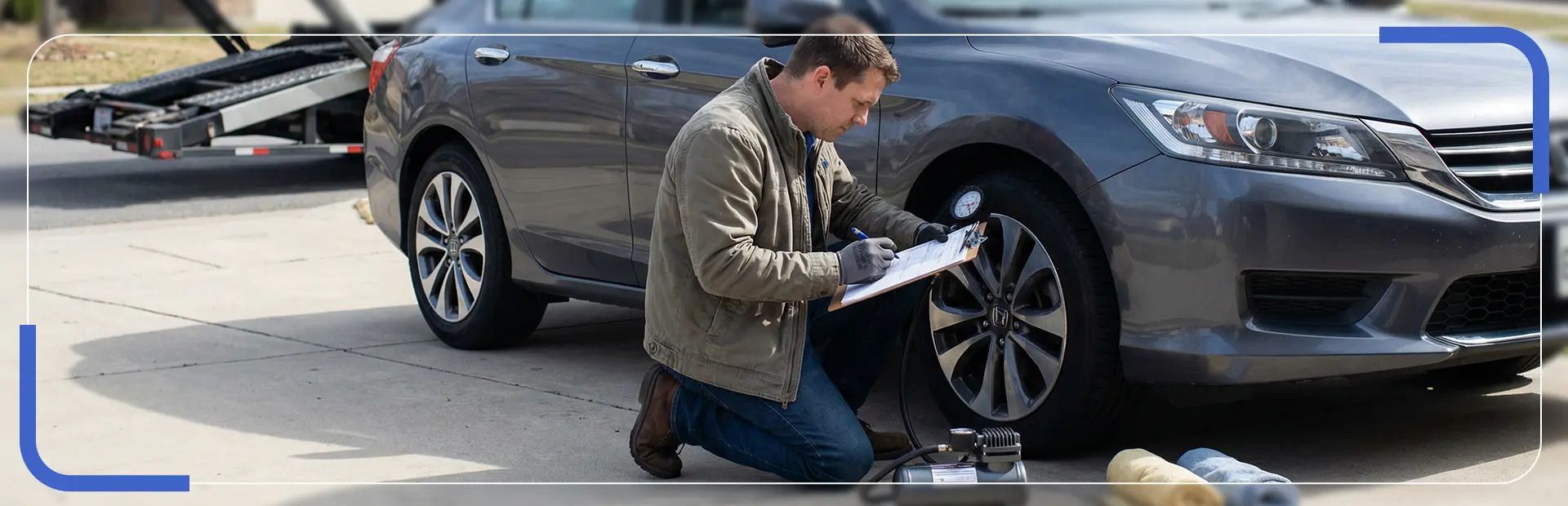
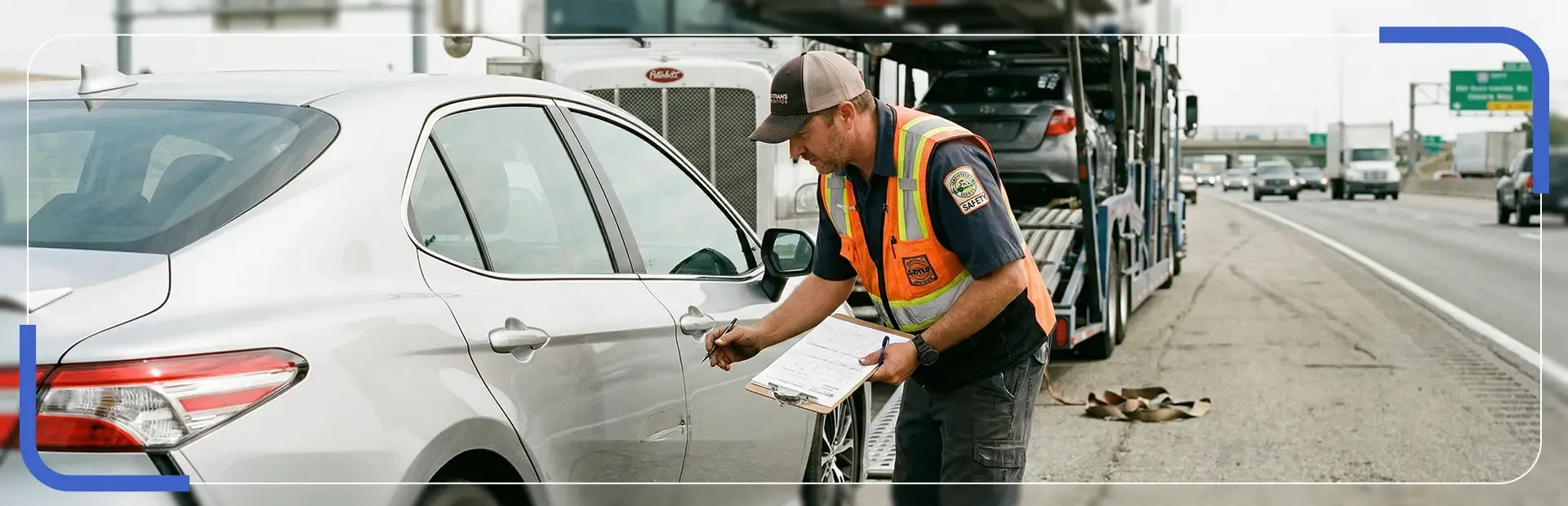
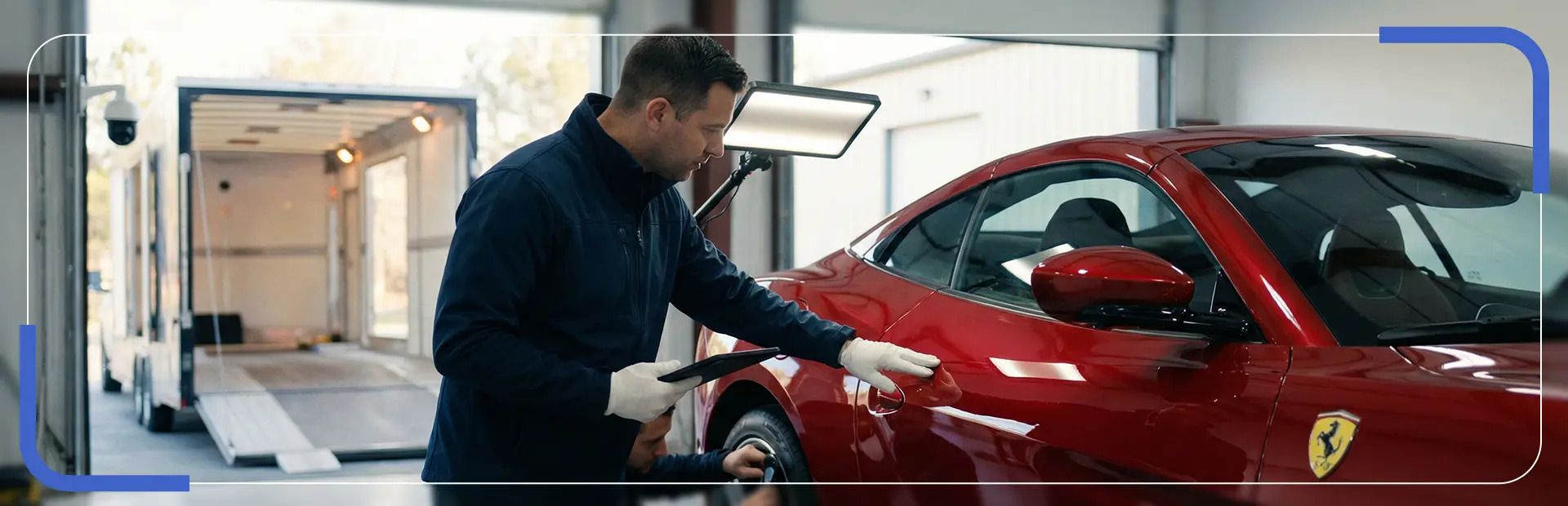
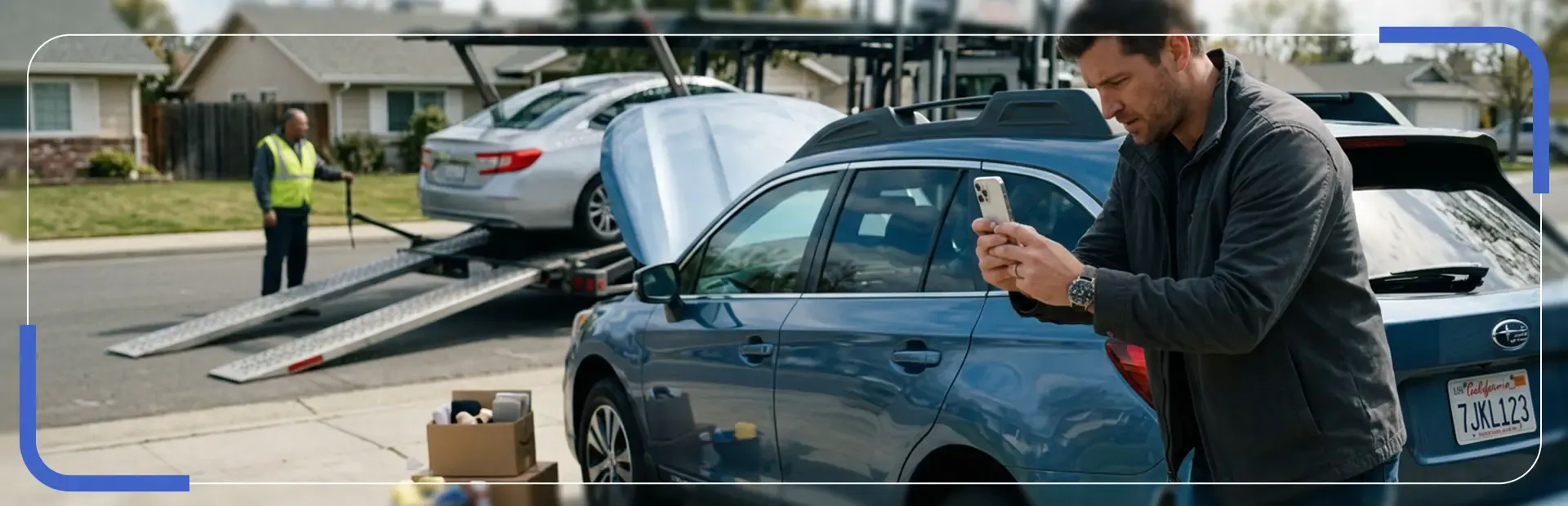
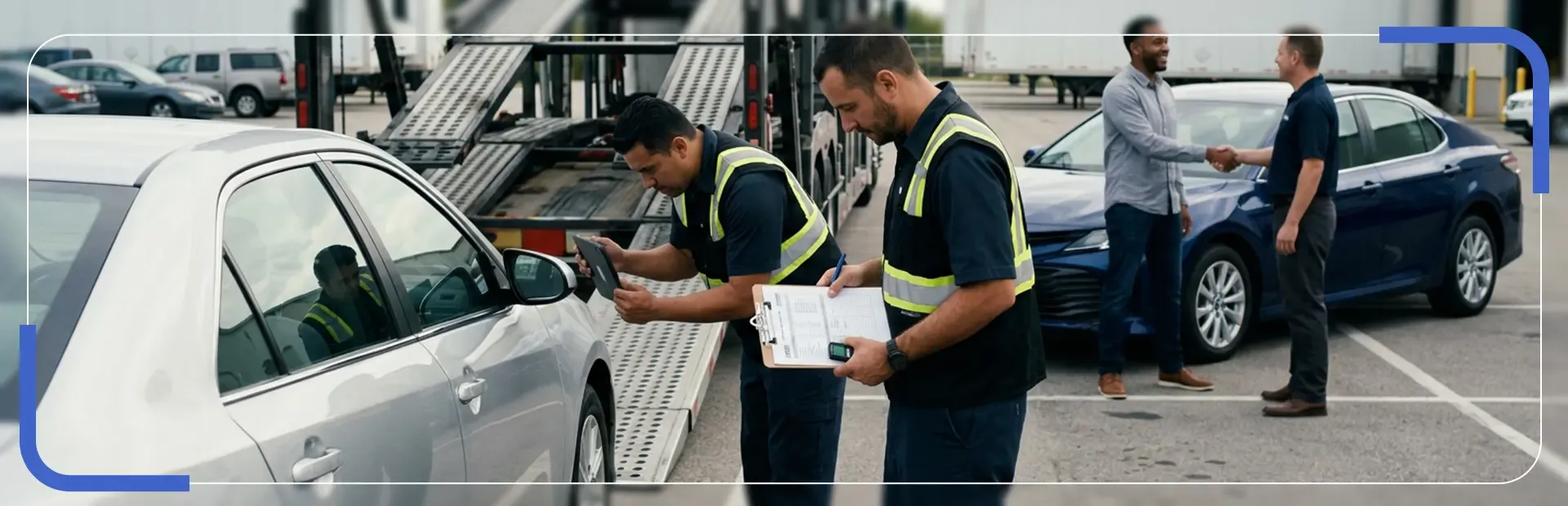
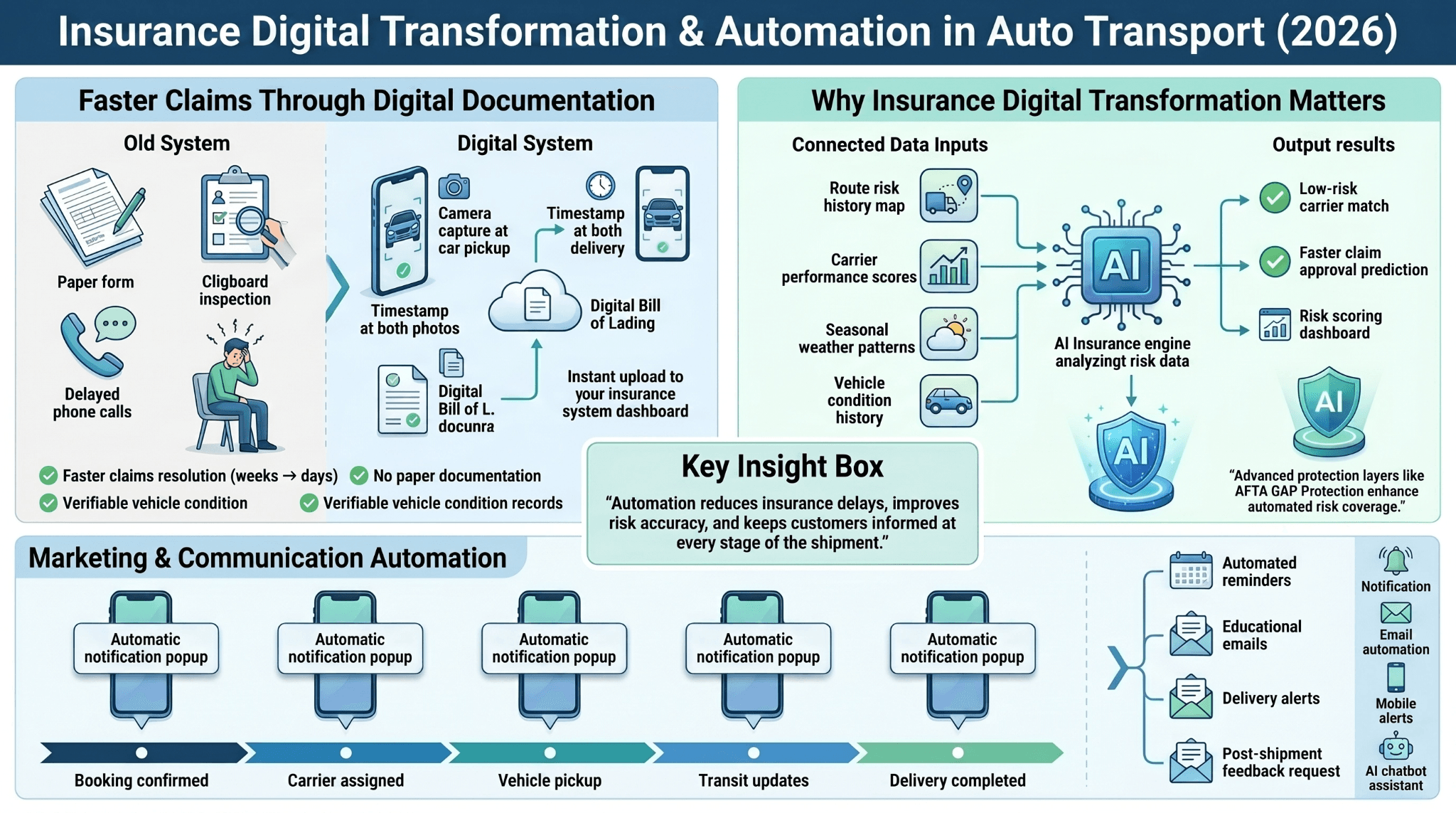
Automated inspection tools now capture timestamped photo documentation at both pickup and delivery, creating an instant, verifiable record of vehicle condition that eliminates the ambiguity that previously slowed claims resolution.
Key improvements digital documentation delivers:
Timestamped photos at pickup and delivery eliminate disputed condition timelines
Digital Bill of Lading systems generate signed records stored automatically and accessible to all parties
No waiting for paper reports or reliance on carrier self-reporting
Claims that previously took weeks now resolve in days
For customers, this means faster resolution and significantly less friction when a claim needs to be filed.
Why Insurance Digital Transformation Matters
The broader impact of insurance digital transformation extends beyond individual claims. Automated risk assessment tools now flag:
High-risk routes based on historical damage and delay data
Carrier performance patterns that indicate reliability concerns
Seasonal damage trends that inform smarter carrier assignments
For customers, this translates into more reliable shipments, better-matched carriers, and a claims process that is measurably faster than traditional manual systems. Safeeds Transport validates carrier insurance on every shipment and offers AFTA GAP Protection as a supplemental coverage layer, a direct application of this automation-driven approach to risk management.
Trend #6: Marketing and Customer Communication Automation
The final automation trends category reshaping car shipping in 2026 operates behind the scenes, but its impact on the customer experience is immediate and measurable.
Automated Customer Updates Throughout Shipment
Manual communication, where a broker calls or emails at irregular intervals, is being replaced by event-driven notification systems that trigger automatically at each shipment stage. Customers now receive automatic updates at:
Booking confirmation
Carrier assignment
Vehicle pickup from origin
Transit milestones
Final delivery confirmation
This shift matters because communication gaps are one of the primary sources of customer dissatisfaction in auto transport. A customer receiving automatic updates at every stage experiences significantly less stress than one waiting for a broker to respond.
How Marketing Automation Improves Customer Experience
Beyond shipment updates, marketing automation trends are enabling providers to deliver more relevant, timely communication throughout the customer relationship. Practical applications include:
Automated follow-up sequences triggered by the booking stage
Proactive vehicle preparation reminders sent ahead of pickup
Educational content delivered at the right moment in the shipping process
Post-delivery satisfaction checks that surface issues before they escalate
For customers, the result is a more informed, less anxious shipping experience. For providers, marketing automation trends data consistently shows that proactive communication reduces inbound support inquiries, freeing teams to focus on exceptions rather than routine status questions.
Navigating Today's Car Shipping Technology
As automation trends continue to reshape the auto transport industry, customers are right to ask what these changes mean for their own shipping experience. The five questions below address what shippers most commonly ask.
How does AI pricing actually benefit me as a customer?
AI pricing gives you an instant, market-reflective quote based on real conditions, not a broker's estimate. It removes the information gap that previously made it difficult to know whether a rate was competitive, and it is available 24/7 without waiting for a callback.
Can I actually track my vehicle in real time during shipping?
Yes, with providers who have invested in vehicle GPS tracking systems. Real-time tracking portals give customers live location visibility throughout transit, along with automated alerts at key milestones. Not all providers offer this; it is worth confirming before booking.
How does automation affect what happens if my vehicle is damaged?
Digital documentation systems capture timestamped photos at pickup and delivery, creating an immediate, verifiable record that speeds up claims resolution significantly. Combined with supplemental protection like AFTA GAP Protection, automated documentation gives customers a much stronger position if a dispute arises.
Does automation make car shipping cheaper?
It can, indirectly. Route optimization reduces carrier fuel costs, AI matching reduces idle time between loads, and automated dispatch reduces overhead per shipment. These savings are passed through to customers on competitive routes through more accurate and consistent base rate pricing.
How do I know if a car shipping provider is genuinely using automation or just claiming to?
Ask specific questions: Can I get an instant online quote without speaking to anyone? Will I receive automatic notifications at each shipment stage? Is vehicle tracking available through a portal? Providers who have genuinely invested in digital transformation software can answer yes to all three.
Preparing for the Next Era of Smart Auto Transport
The digital transformation in the automotive industry is not a future event; it is happening now, and customers who understand it are better positioned to choose providers, evaluate quotes, and protect their vehicles throughout the shipping process.
Automation trends in pricing, tracking, routing, and communication are raising the baseline of what reliable auto transport looks like. The right question is no longer whether automation matters in car shipping; it is whether the provider handling your vehicle has actually built it into their operation. Get an instant, price-locked quote from Safeeds Transport and experience the difference that a technology-forward approach makes from the first interaction.