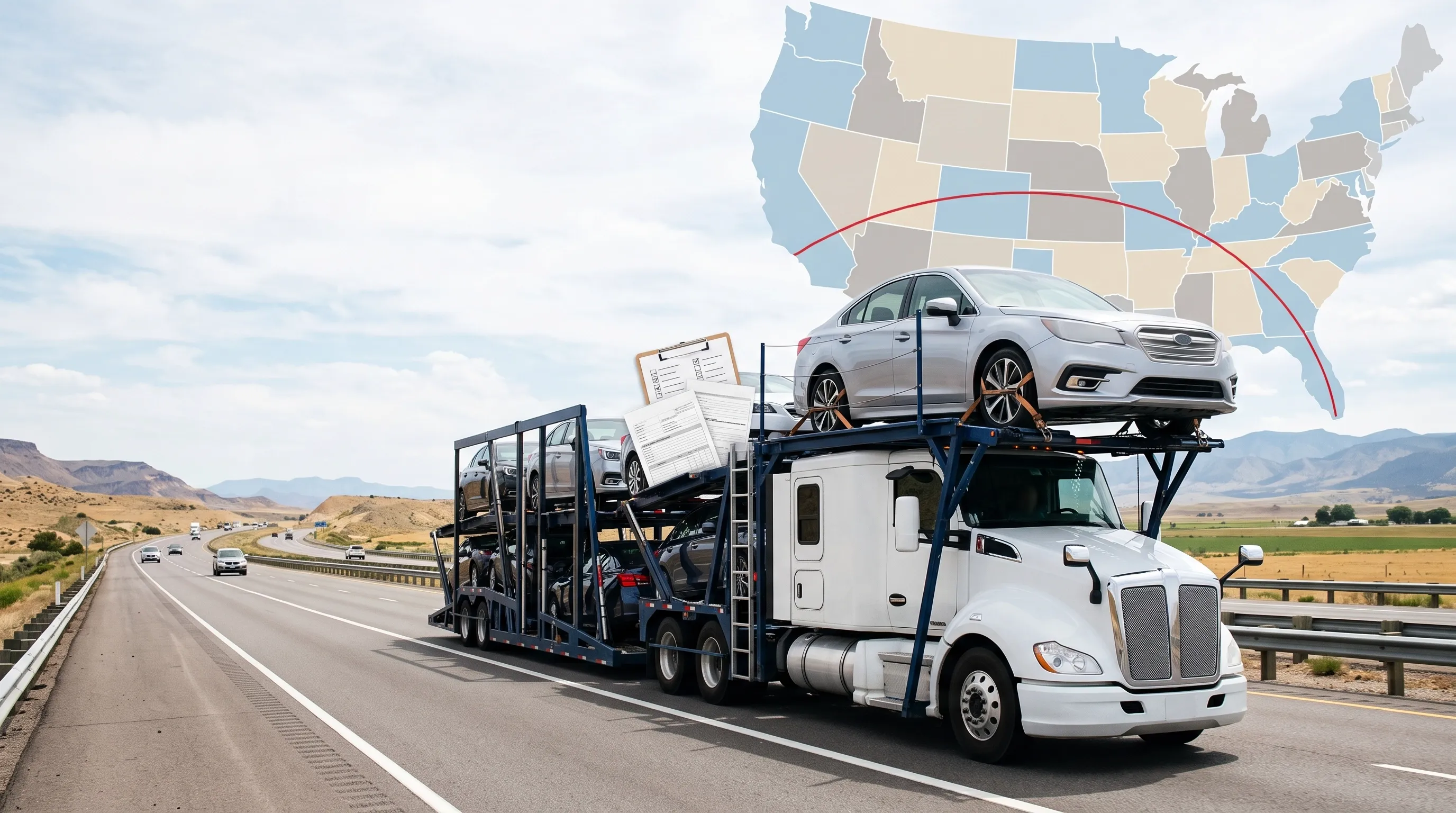
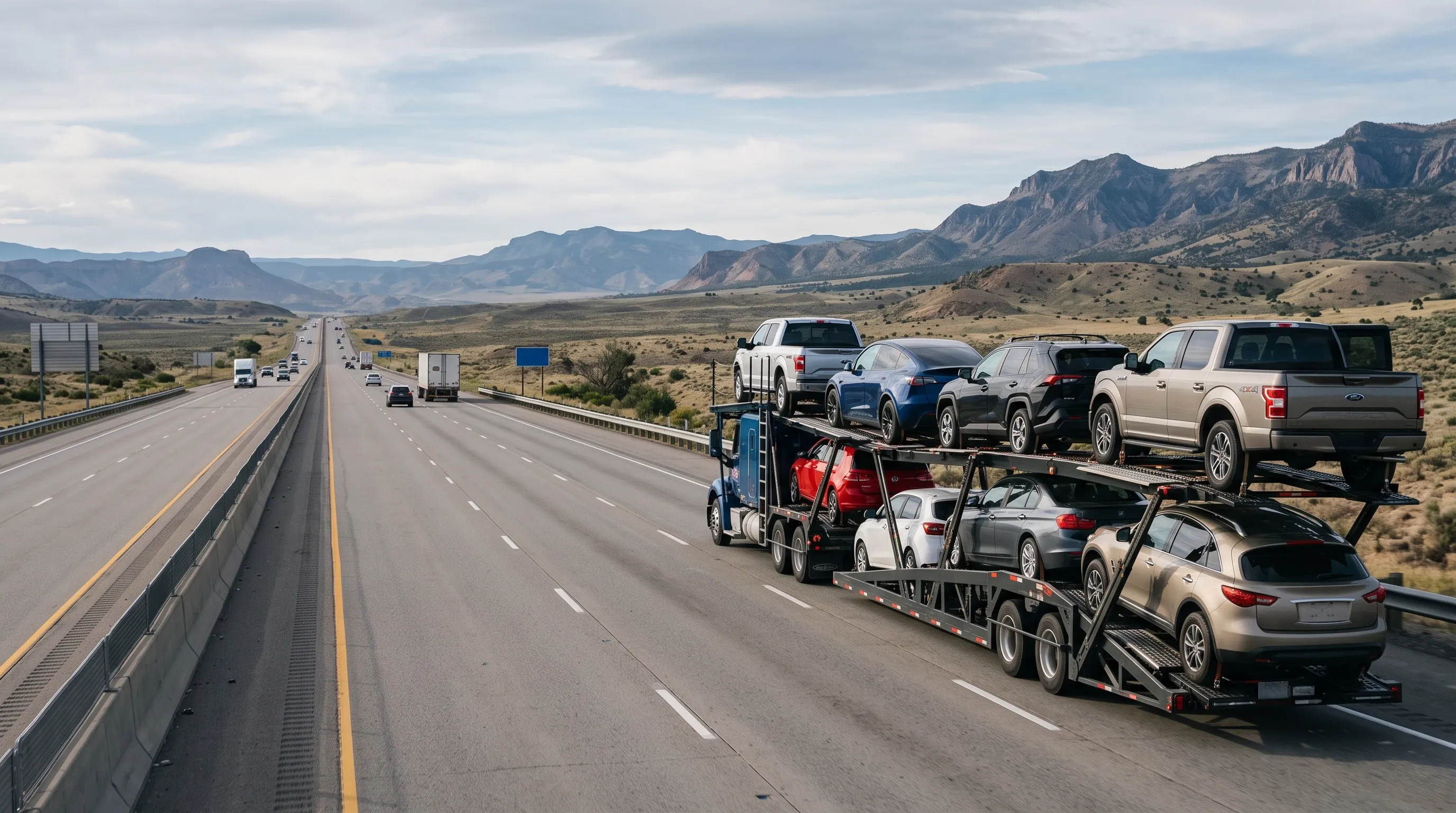
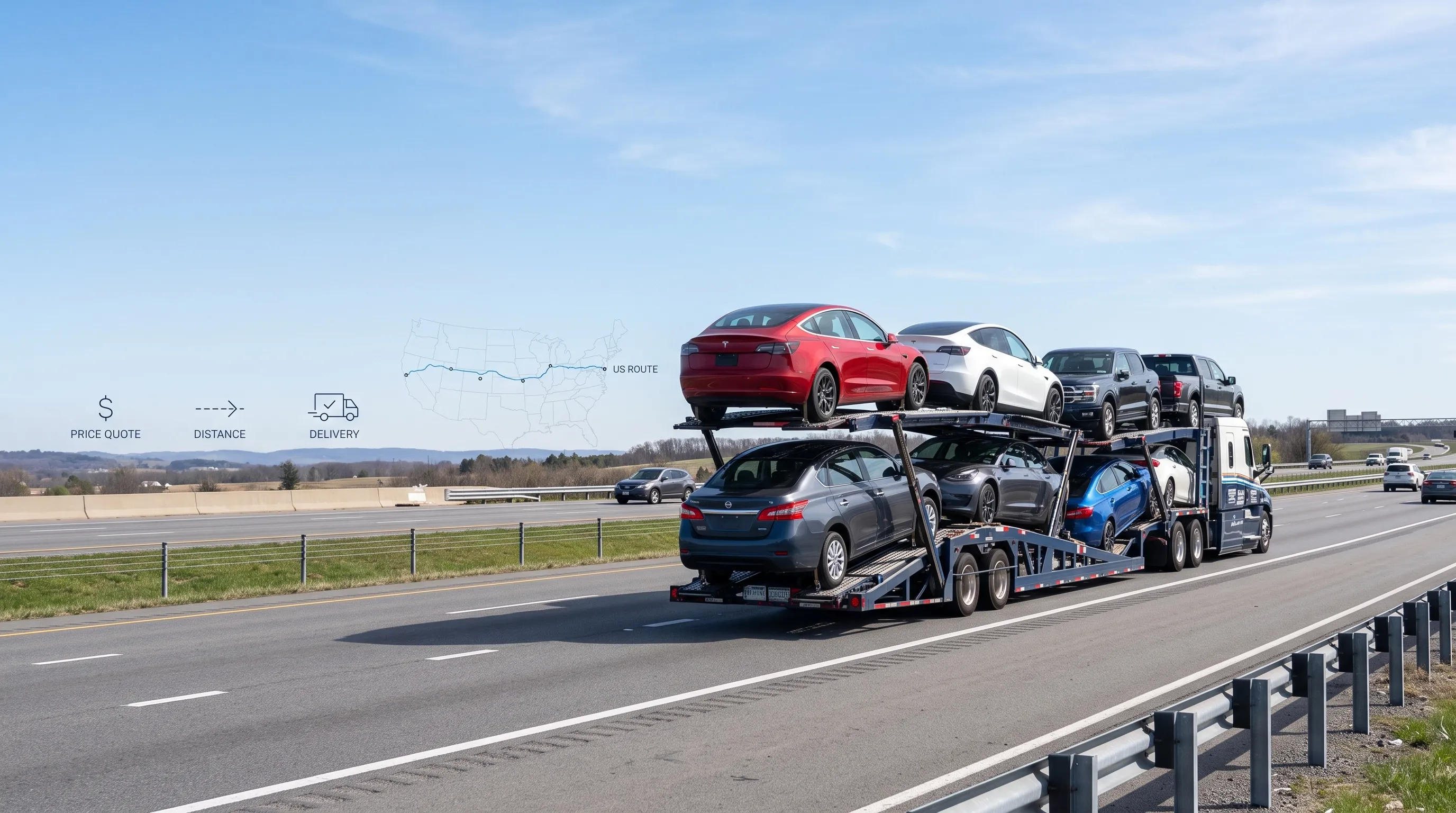
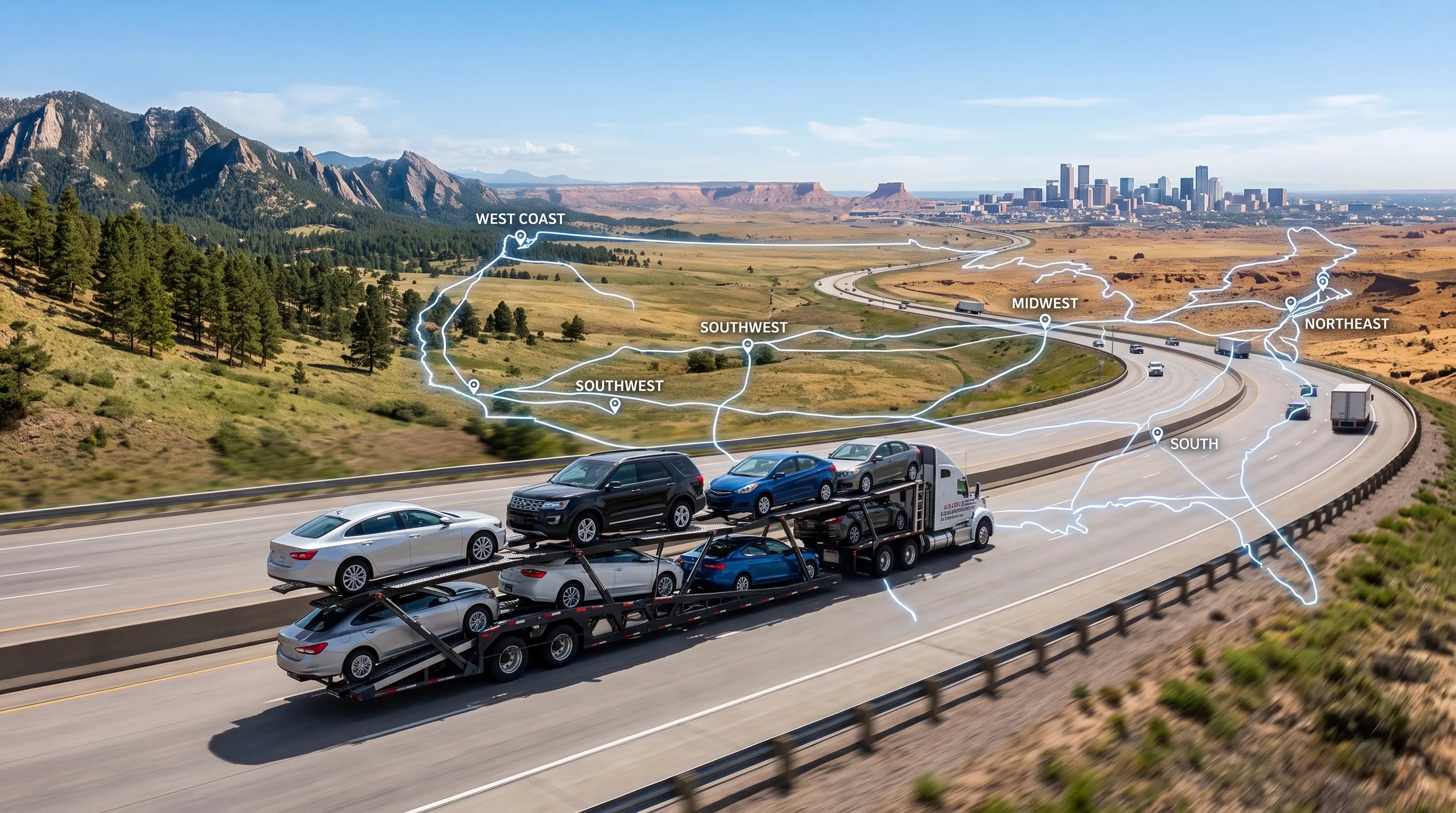
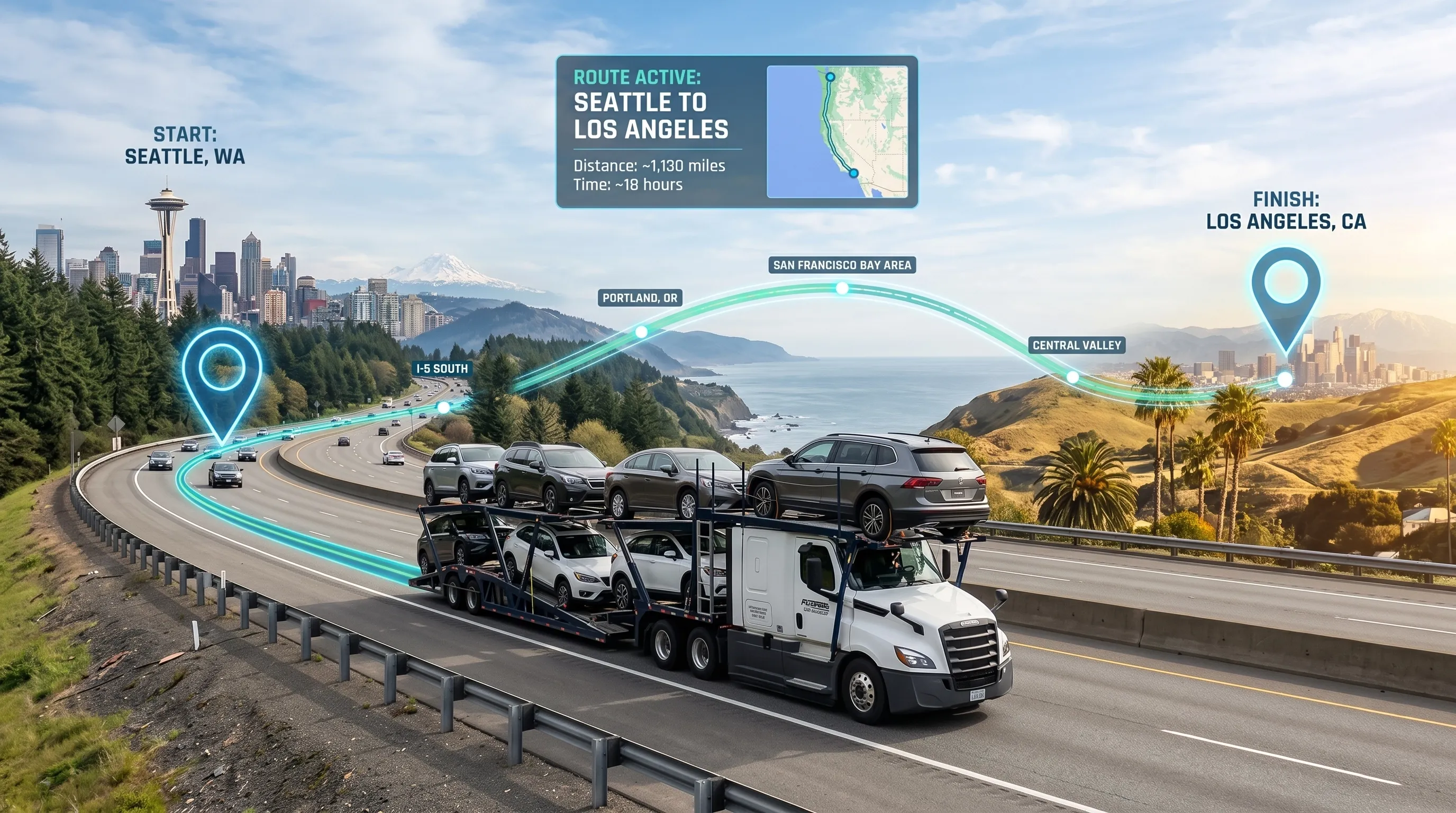
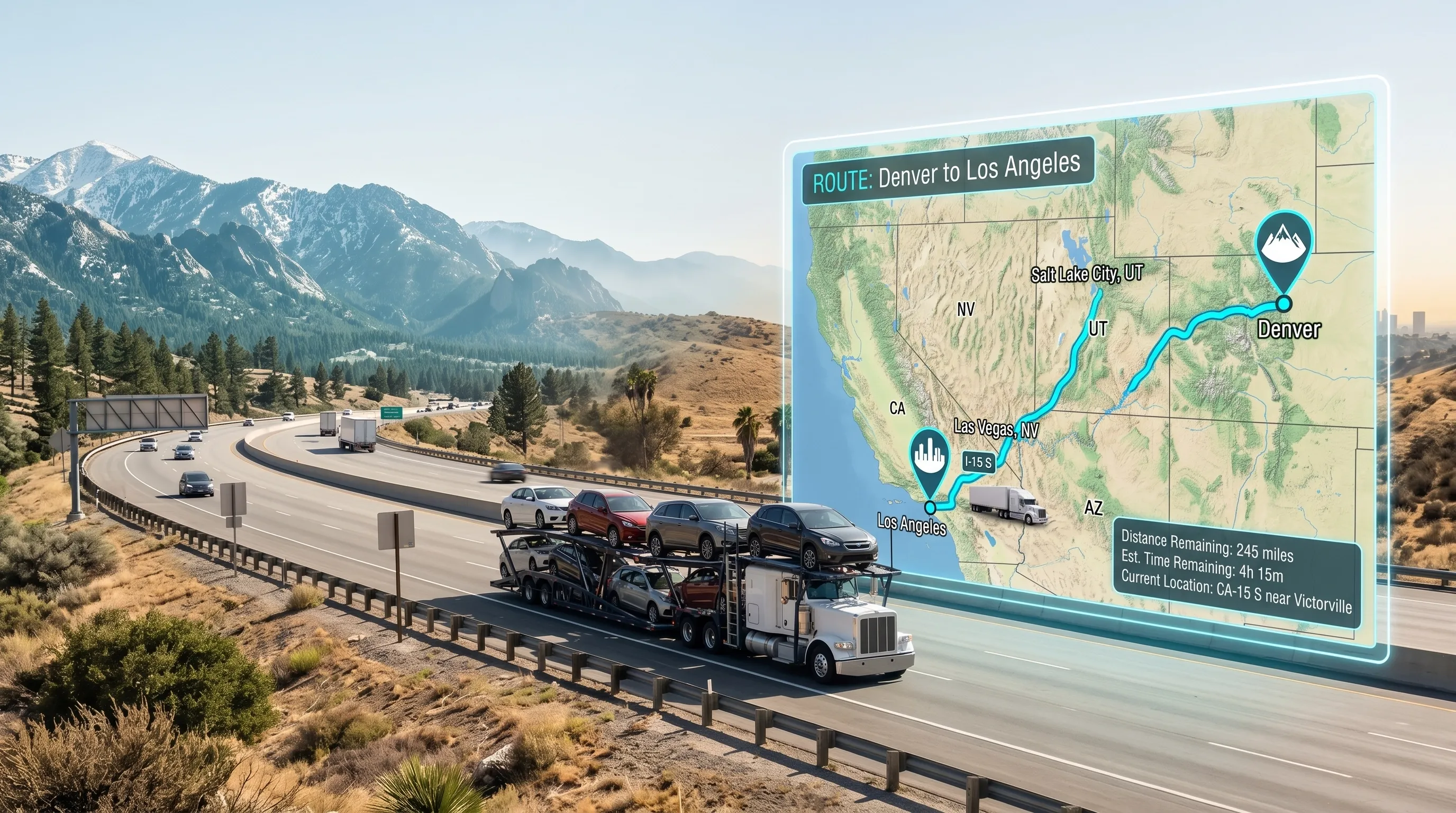
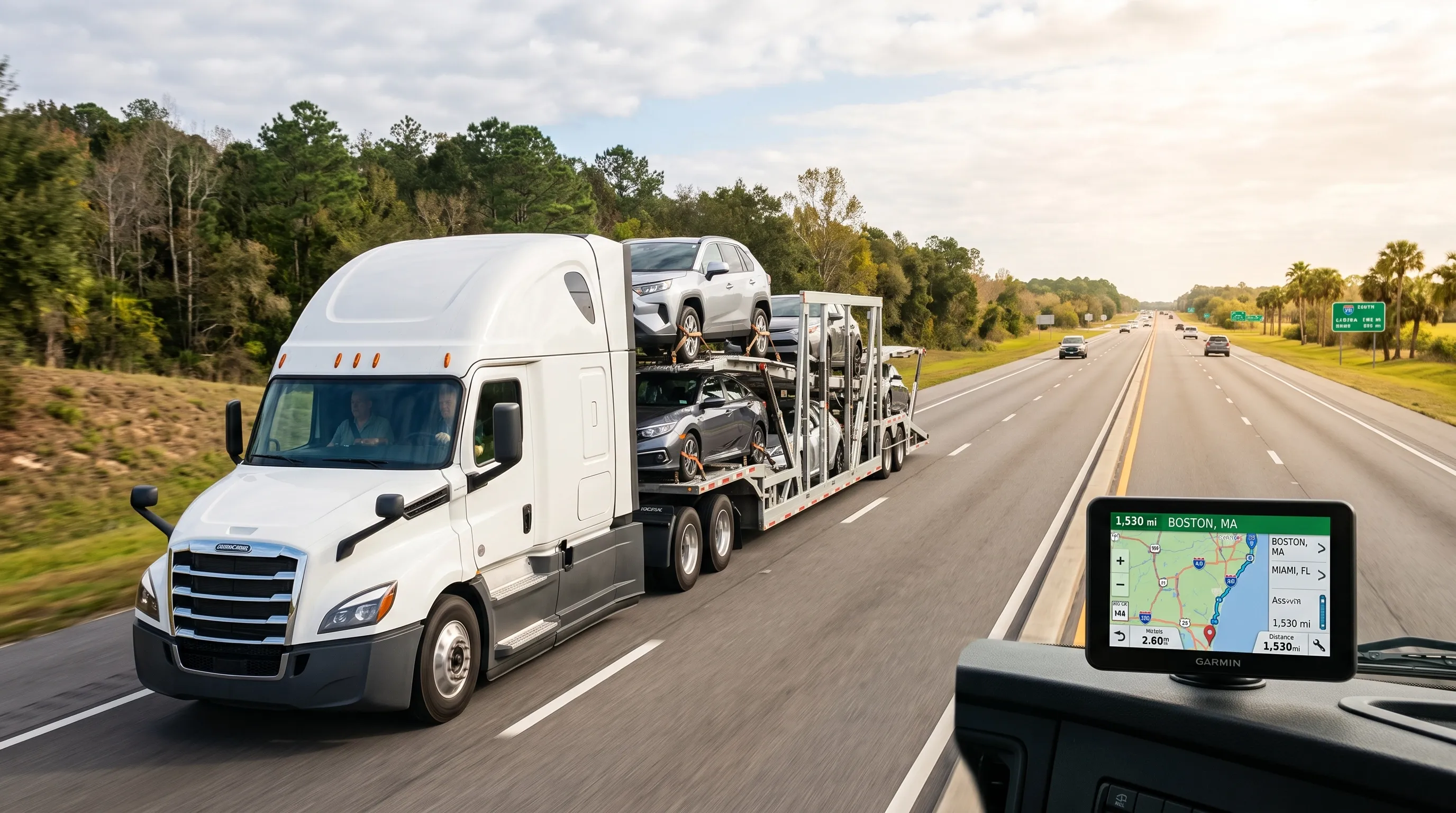
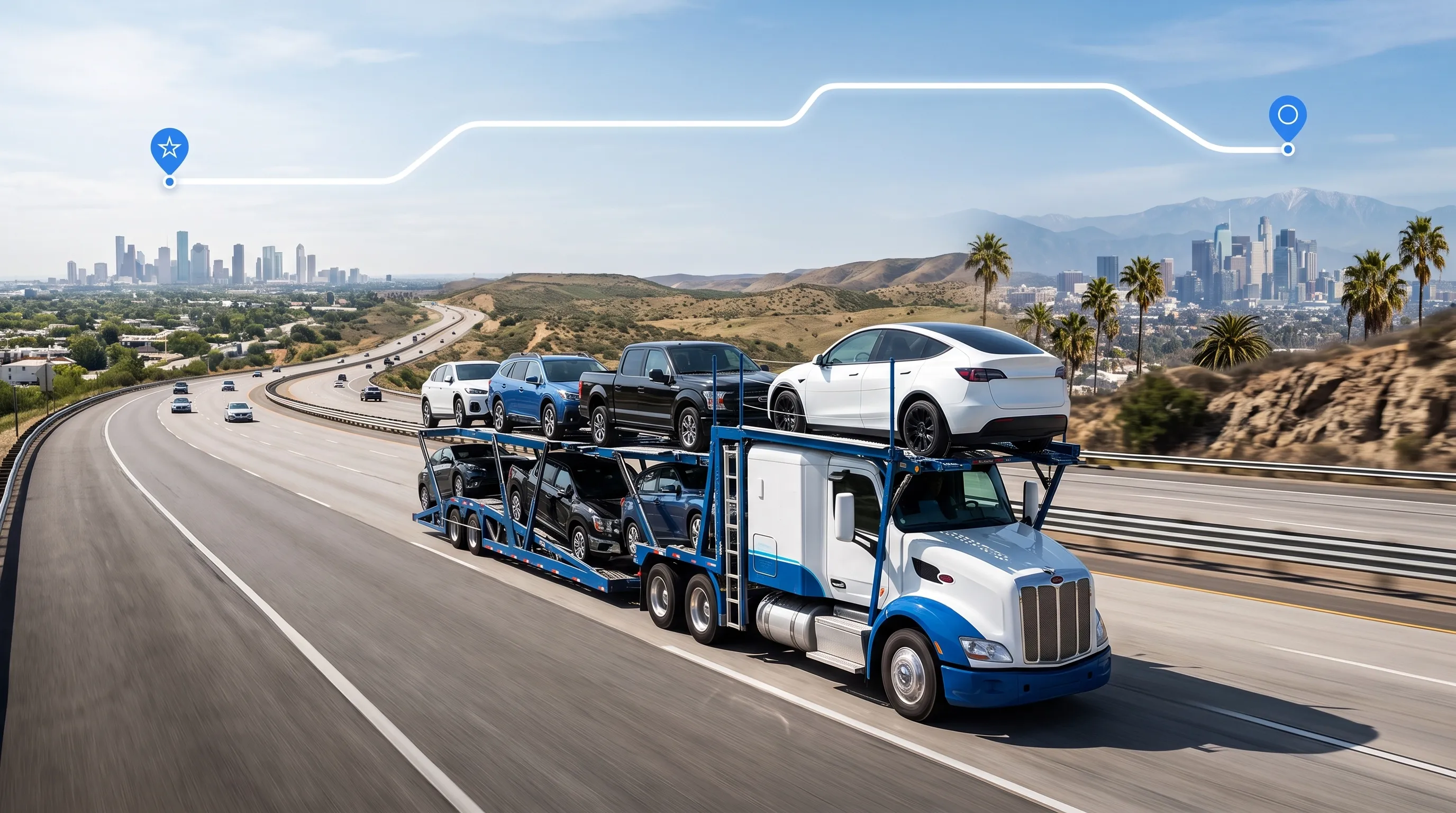
Open transport car shipping moves your vehicle on an uncovered trailer, usually a multi-car hauler carrying seven to ten vehicles. It is the most common shipping method in the U.S. because it costs less than enclosed transport and carriers are easier to find. Your car is exposed to weather and road debris, but serious damage is rare.
If you've ever passed a double-decker car hauler on the highway, you've seen open car transport in action, and your own car may soon ride on one.
When people reach out to us about shipping a vehicle, the first question is almost always the same: "Is the cheaper option going to damage my car?" This guide explains how open transport car shipping works, what it costs, which risks are real, and how to get your car ready for pickup day. Get a free quote from Safeeds Transport. There's no upfront payment, and your rate is locked for 7 days.
Key Takeaways
Open car transport ships a vehicle on an uncovered trailer, usually a nine-car hauler, and it is the standard method in the U.S. because it costs less than enclosed transport and carriers are easier to book.
Open transport car shipping typically costs $500 to $1,900 for a standard sedan, depending on distance, season, vehicle size, and how flexible the pickup dates are.
The realistic risks of open transport are mostly cosmetic, such as road dust or small stone chips, while securement straps, carrier cargo insurance, and the bill of lading inspection protect the vehicle throughout the trip.
Open transport suits daily drivers, leased cars, used cars, and new cars, while enclosed transport is the better choice for classic, exotic, show, or freshly restored vehicles.
On major routes, an open carrier is usually assigned within one to five business days, and booking two to three weeks ahead with flexible dates helps speed up pickup.
What Open Car Transport Is?
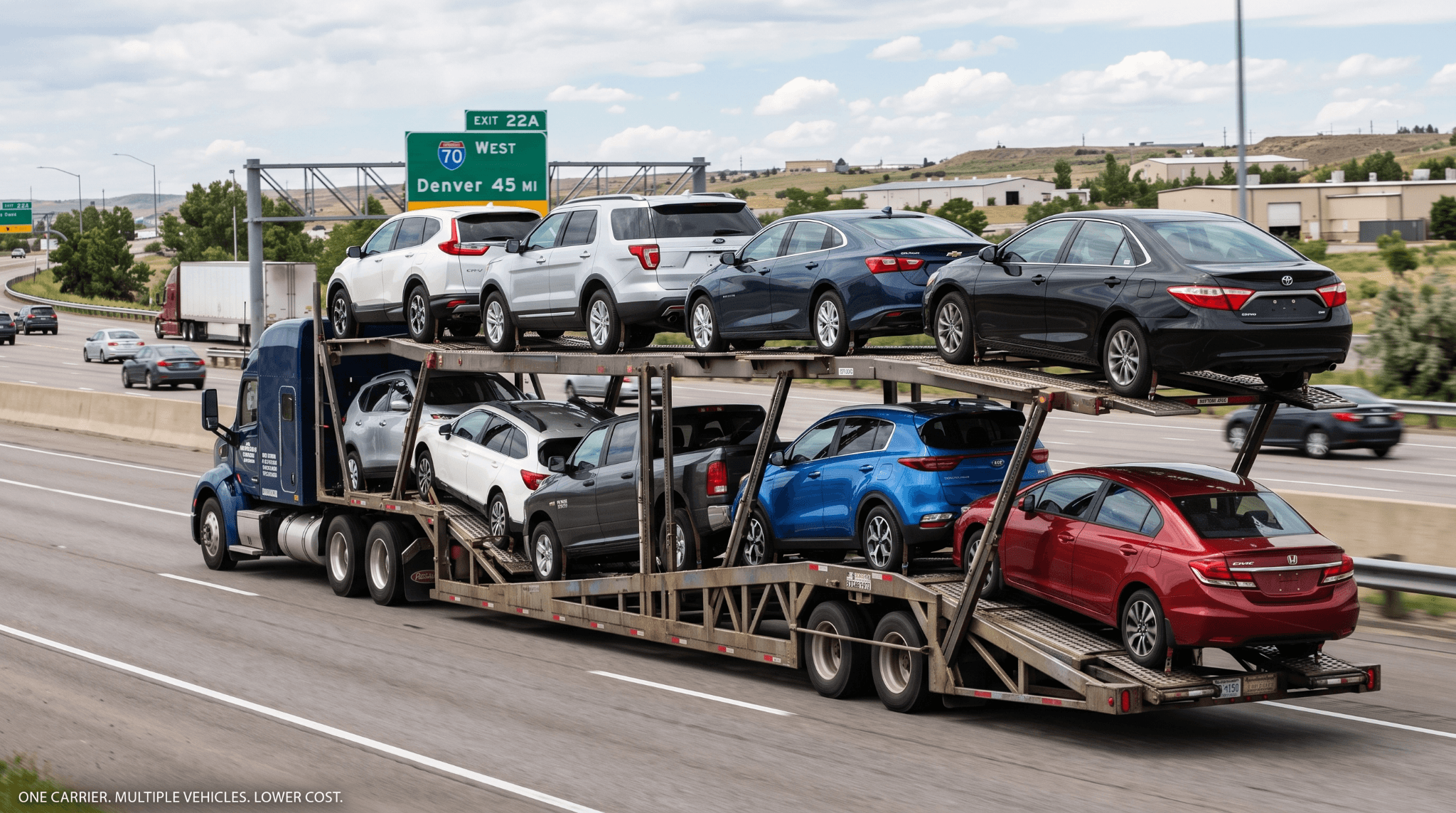
Open car transport means your vehicle rides on a trailer with no roof and no side walls, strapped securely to a metal deck. It's the same setup dealerships use to get new cars onto their lots.
Most long-distance trips use a two-level trailer called a multi-car hauler. The full-size version is the nine-car hauler, which carries up to nine vehicles at once. Big pickups and SUVs take up more deck space, so a mixed load holds fewer cars.
Open Transport Terms to Know
Open carrier: An open carrier is a truck and trailer that moves vehicles without a roof or side walls.
Multi-car hauler: A multi-car hauler is an open carrier built to move several vehicles in one trip, usually on two levels.
Top load: A top load is a spot on the upper deck, like the upstairs seat on a double-decker bus.
Bottom load: A bottom load is a spot on the lower deck, closer to the road, like the downstairs seat.
For short hops and tight city streets, carriers also use smaller trailers that hold one to three cars.
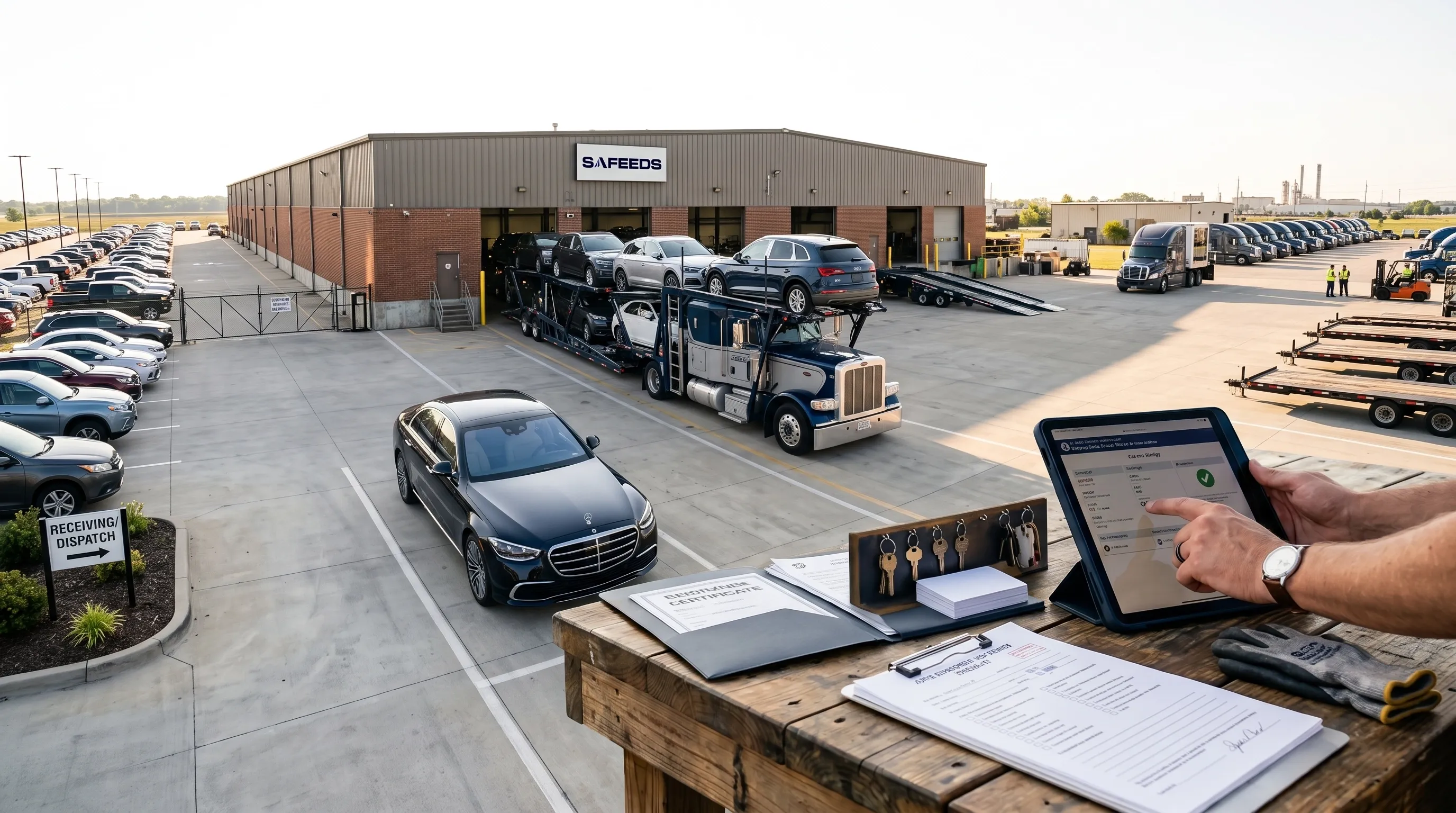
Good to know: Safeeds Transport is a licensed auto transport broker, not a trucking company. We match your shipment with a licensed, insured carrier already running your route and stay in touch through delivery.
What Open Transport Costs?
Open transport car shipping typically costs $500 to $1,900 for a standard sedan, depending on distance. It costs less than enclosed transport because one truck splits fuel, tolls, insurance, and the driver's time across up to nine or ten customers.
Lighter open trailers also burn less fuel per car, so open car shipping commonly runs several hundred dollars less than an enclosed move on the same route.
Here's a rough estimate of what to expect for a standard sedan:
Distance (standard sedan) | Typical open transport price range |
Under 500 miles | $500 to $850 |
500 to 1,000 miles | $700 to $1,100 |
1,000 to 1,500 miles | $900 to $1,300 |
1,500 to 2,500 miles | $1,100 to $1,600 |
Over 2,500 miles (coast to coast) | $1,300 to $1,900 |
Here's what usually moves a quote up or down:
Distance: Longer trips cost more in total but less per mile.
Route: Major cities near interstate highways cost less than rural or remote pickup and delivery points.
Vehicle size: Compact cars and sedans cost less to ship than large trucks, SUVs, or modified vehicles.
Season: Prices rise in summer, around holidays, and during snowbird season, and ease in off-peak months.
Running condition: A car that drives on and off the trailer costs less than one that needs a winch.
Date flexibility: A flexible pickup window costs less than a fixed or rush date.
How Does Safeeds Transport Handle Payment?
Our payment structure is built to stop a low quote from jumping right before pickup:
No upfront payment. You don't pay anything to book.
A $1 card verification hold. This confirms your card. It's not a deposit.
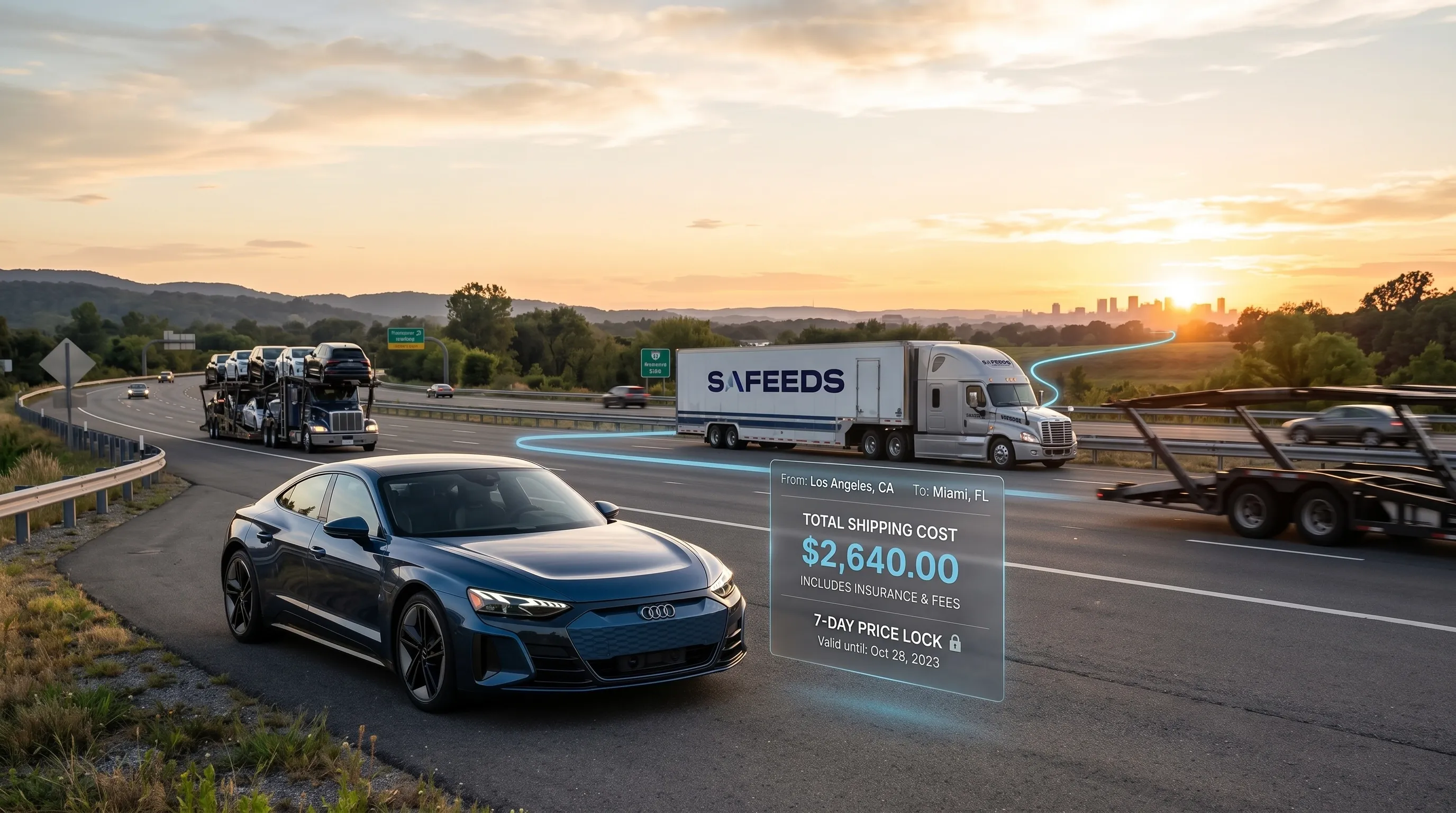
A 7-day price lock. Your quoted price stays put for a full week.
Payment at pickup or delivery. The balance is due only once a carrier is assigned to your vehicle.
Is Open Transport Safe for My Car?
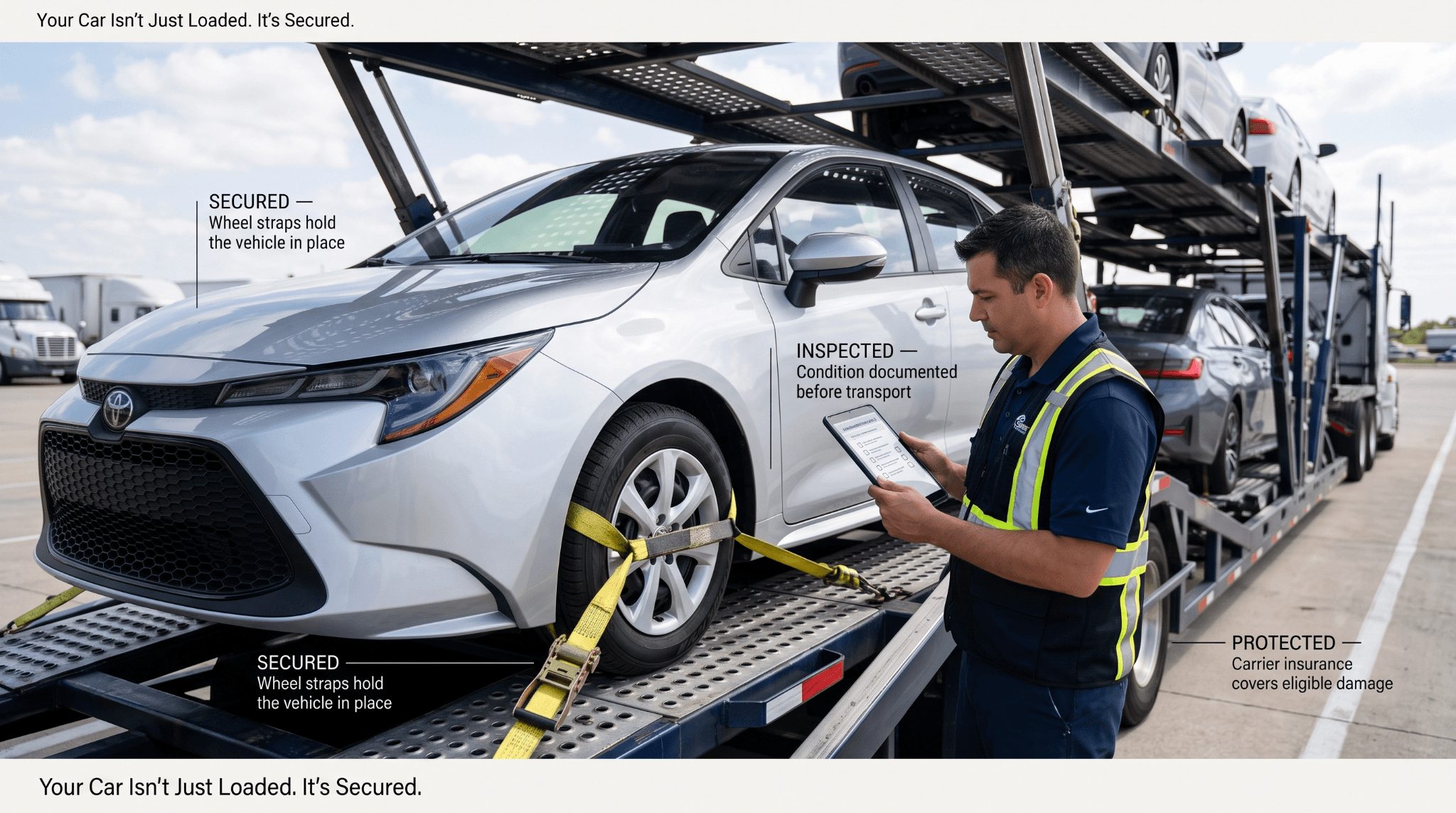
Yes. For nearly every everyday vehicle, open transport is a safe, reliable choice, and most cars arrive in the same condition they left in. The realistic risks are small and mostly cosmetic.
What Can Happen To A Car On An Open Carrier?
An open trailer exposes your car to the same conditions it faces on a normal drive. The difference? Your car isn't running, so there's no engine wear, no tire wear, and no extra miles. Here's what you can realistically expect:
Road dust and grime: This is very common on long trips, so plan a wash after delivery.
Weather exposure: Rain, sun, and light snow are part of every trip but rarely cause more than dirt.
Road debris: Small stone chips are uncommon and usually minor, and a top load position lowers the risk further.
Fluid drips from a car above: This is uncommon, because carriers check vehicles for leaks, and a top load position avoids it entirely.
Hail: This is rare, but ask how your carrier's coverage handles weather before you book.
A correctly strapped car won't come loose; it stays locked in place for the entire trip.
How Is My Car Protected During Transport?
1. Securement straps. Each wheel is fastened to the deck with heavy-duty securement straps. Federal rules (49 CFR 392.9) require drivers to check their cargo within the first 50 miles, then at least every 150 miles or 3 hours.
2. Carrier insurance. Interstate carriers must file proof of insurance with the Federal Motor Carrier Safety Administration, which sets these insurance requirements for carriers and brokers under 49 CFR Part 387. Cargo coverage protects your vehicle if the carrier causes damage. Learn more in our guide to car shipping insurance.
3. The inspection report. The driver records your car's condition on the bill of lading at pickup, and you check it again at delivery. This document is your proof if you ever need to file a claim. Learn more about what a bill of lading includes.
Open vs Enclosed: How to Decide
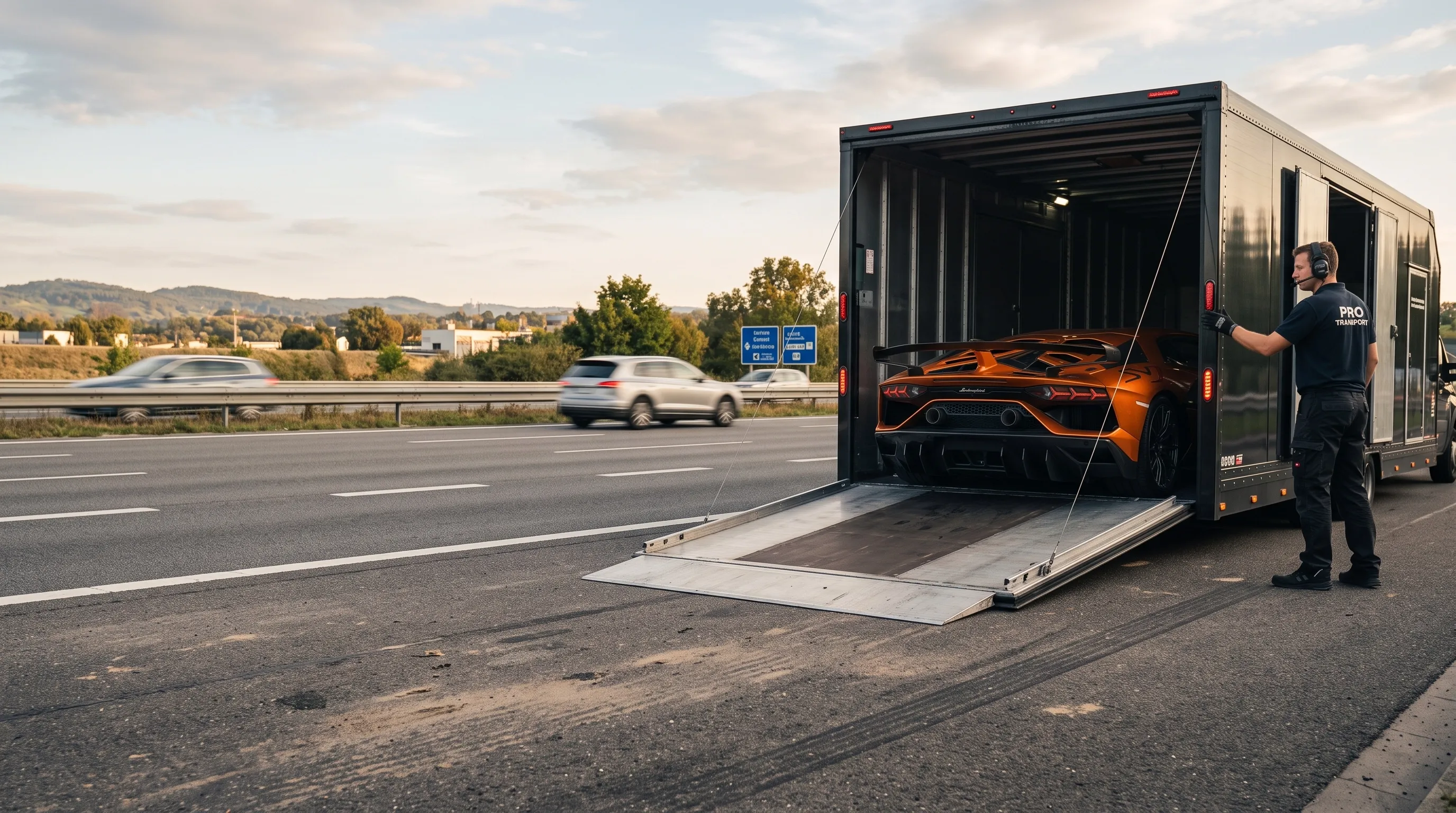
Choose open transport for everyday cars and enclosed transport for classic, exotic, or high-value vehicles. Both use licensed carriers, the same inspection process, and the same bill of lading.
Feature | Open auto transport | Enclosed transport |
Cost | Lower | Higher, often by several hundred dollars |
Protection | Exposed to weather and road debris | Shielded from weather and debris |
Carrier availability | High on most routes | Lower, with fewer trucks on the road |
Pickup speed | Usually faster | Often requires more lead time |
Cars per load | Up to nine or ten | Usually fewer, often one to six |
Best suited for | Daily drivers and new cars | High-value and specialty vehicles |
Still on the fence? Ask yourself: “Would a small stone chip or a layer of road dust be a real problem for this car?” If not, open auto transport is the practical choice. It suits daily drivers, leased cars, used cars, and new cars, which dealers routinely ship on open carriers.
Enclosed transport makes more sense for classic, exotic, show, or freshly restored vehicles. Our guide to shipping a classic car explains which extra protections are worth paying for.
Availability and Pickup Speed
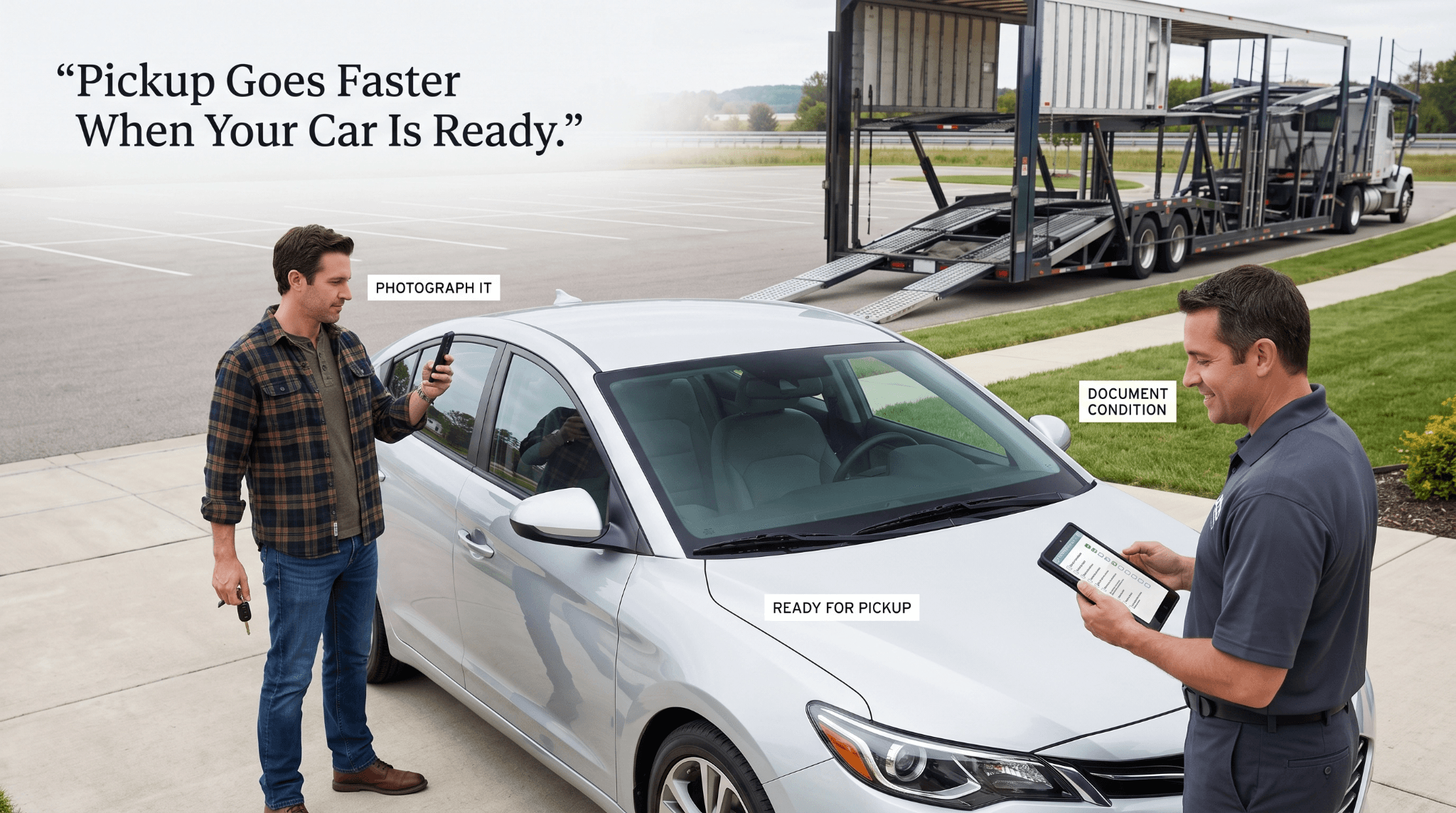
On major routes, an open carrier is usually assigned within one to five business days, or five to ten days in rural areas. That's because open carriers make up most of the car haulers on U.S. roads, so open carrier shipping has high carrier availability on most routes.
A few things can slow pickup down:
Holidays. Fewer drivers work, and demand spikes.
Snowbird season. Routes to and from Florida, Arizona, and Texas fill up fast in October and November, then again in March and April.
Summer moving season. June through August is peak time for household moves.
A top load request. Fewer open spots can add time.
3 ways to get picked up faster
Book early. Two to three weeks ahead gives your broker room to find a carrier already headed your way.
Keep your dates flexible. A pickup window of several days is easier to fill than one fixed date.
Pick an easy meeting spot. If your street is narrow, meet the driver at a large parking lot near the highway.
Preparing Your Vehicle for an Open Carrier
Preparing your car for an open carrier takes about an hour and covers seven steps, from washing it to securing loose parts. Each step matters a little more for open car shipping, since your car travels uncovered.
What Should I Do Before Pickup Day?
Wash the car. A clean surface lets you and the driver spot existing scratches and dents during inspection.
Take timestamped photos. Cover the front, back, both sides, roof, wheels, and interior.
Remove personal items and toll tags. Carrier insurance doesn't cover belongings left inside.
Fold the mirrors and lower the antenna. Anything that sticks out is more exposed to wind and road debris.
Leave about a quarter tank of fuel. That's enough to drive the car on and off the trailer.
Check for leaks. A dripping car can stain vehicles below it, so tell your broker about any known leak.
Secure spoilers and loose parts. Remove or tape down anything that could loosen at highway speed.
Pro tip: Skip the car cover. On an open carrier, wind makes the cover flap and rub against your paint for hundreds of miles.
What Happens At Pickup And Delivery?
At pickup, you and the driver walk around the car and note its condition on the bill of lading. Confirm every existing mark is listed and keep a copy of the signed report. You can also check the carrier's USDOT number in the FMCSA Company Snapshot database.
At delivery, repeat the walk-around and compare the car to your photos. Note and photograph any new damage before you sign, because a clean signed report makes a later claim much harder.
Common Questions About Open Transport Car Shipping
Still have questions about open car transport? Here are quick answers to the ones car owners ask Safeeds Transport most often before they book.
Is open car transport safe?
Yes. Open car transport is the same method dealers use to deliver new vehicles, and most shipments arrive without a scratch. Every car is strapped down, inspected at pickup and delivery, and covered by the carrier's insurance. Working with a broker that vets licensed, insured carriers adds one more layer of confidence.
How much does open car transport cost?
For a standard sedan, open transport car shipping typically runs $500 to $1,900, depending on distance, season, and vehicle size. With Safeeds Transport, there's no upfront payment, and your price is locked for 7 days, so the rate won't creep up while you decide.
What is the difference between open and enclosed transport?
Open transport carries your car on an uncovered trailer with other vehicles, while enclosed transport uses a covered trailer that blocks weather and road debris. For most everyday cars, open is the smarter value: it costs less, books faster, and still gets your car where it needs to go safely.
Will my car get damaged by weather?
Rain, sun, and light snow are normal driving conditions and rarely cause more than a dirty car. Hail is the main weather risk, and it's uncommon. Ask about weather coverage when you book, and we'll explain exactly how your carrier's policy protects your vehicle.
How many cars are on an open carrier?
A full-size nine-car hauler carries up to nine standard vehicles, and some setups fit ten smaller cars. Mixed loads with pickups or SUVs often hold seven or eight. Whatever your route, we can match your car with a full-size hauler or a smaller trailer that fits your pickup location.
Can I request a top-load position?
Absolutely. You can request a top load position when you book with Safeeds Transport. Upper-deck cars avoid fluid drips from vehicles above and sit farther from road debris. Top spots are limited, so it may add a small fee or extra time.
Why is open transport cheaper?
Open transport is cheaper because more cars share the cost of each trip. A multi-car hauler splits fuel, tolls, and driver pay across up to nine or ten vehicles, and lighter trailers burn less fuel. The result is a lower rate without cutting corners on carrier licensing or insurance.
How quickly can an open carrier pick up?
On popular routes, an open carrier is commonly assigned within one to five business days, and rural pickups can take five to ten. The driver typically calls 12 to 24 hours ahead. Book with Safeeds Transport two to three weeks early to give us more time to find the right truck.
Is open transport safe for a new car?
Yes. Open carriers are a standard way manufacturers and dealers move new vehicles to dealer lots, so they're a practical way to bring home a car bought out of state. For extra peace of mind, request a top load spot when you request your quote.
Does my car get washed before delivery?
No. Carriers don't wash vehicles, so expect light road dust after an open trip. That's normal and not a sign of damage. Inspect your car closely at delivery, since dust can hide small marks. We'll keep you updated along the way, so you're ready for the walk-around.
What to Settle Before You Book Open Transport Car Shipping
In my experience, smooth open transport car shipping comes down to three questions you answer before booking.
First, consider your car. If a stone chip wouldn't matter, open transport fits; for a classic or show car, compare enclosed pricing. Second, decide how flexible your timeline is, since a few days of flexibility means more carrier options and often a lower rate. Third, plan your inspection with photos and a careful bill of lading review. Once you've settled those, get your free quote from Safeeds Transport. There's no upfront payment, just a $1 card verification hold, and your price stays locked for 7 days while you decide.