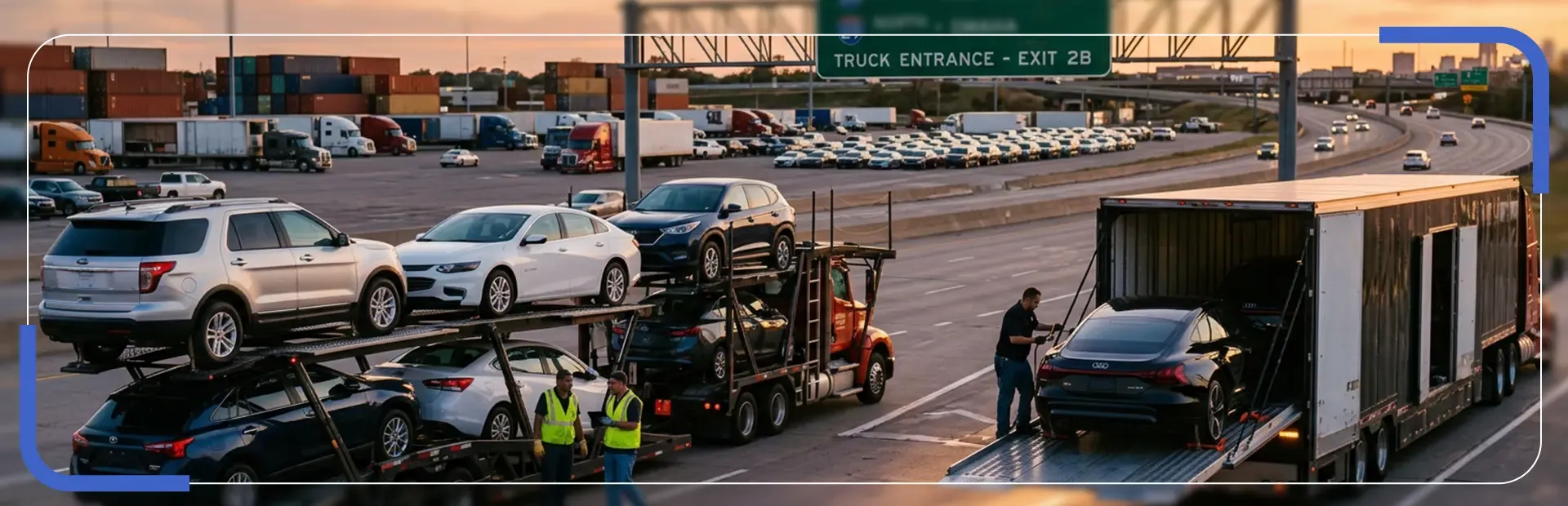
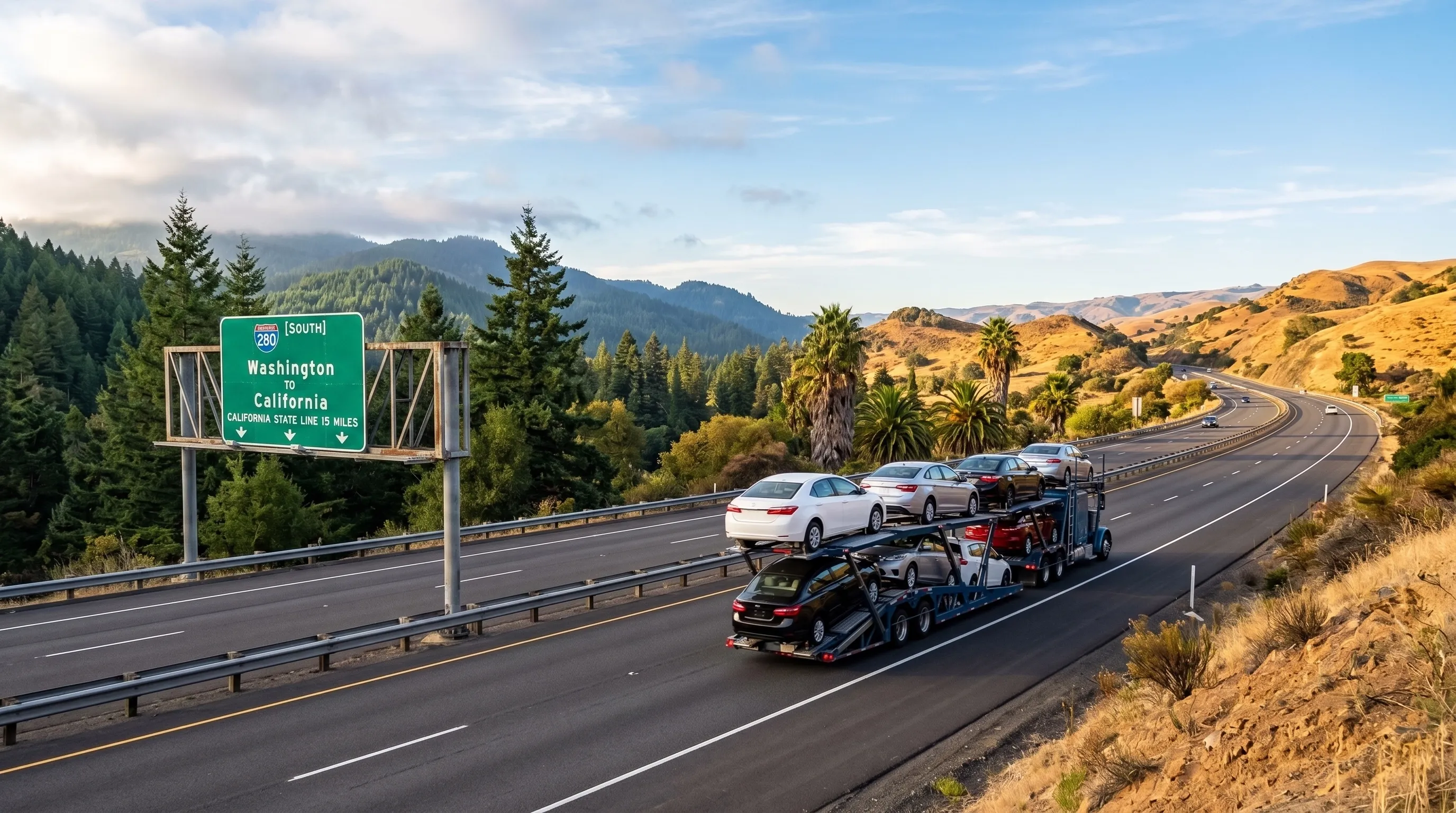
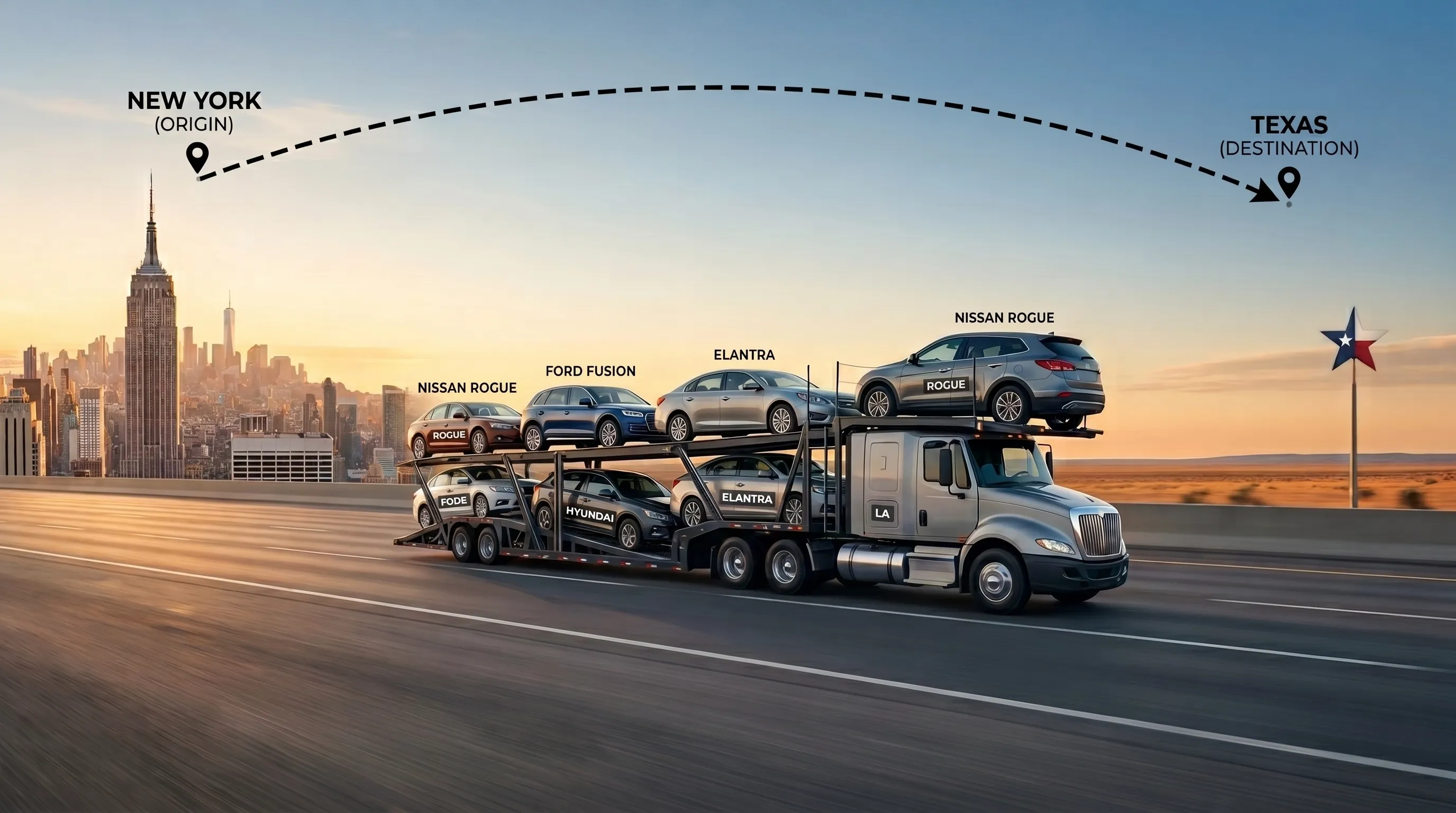
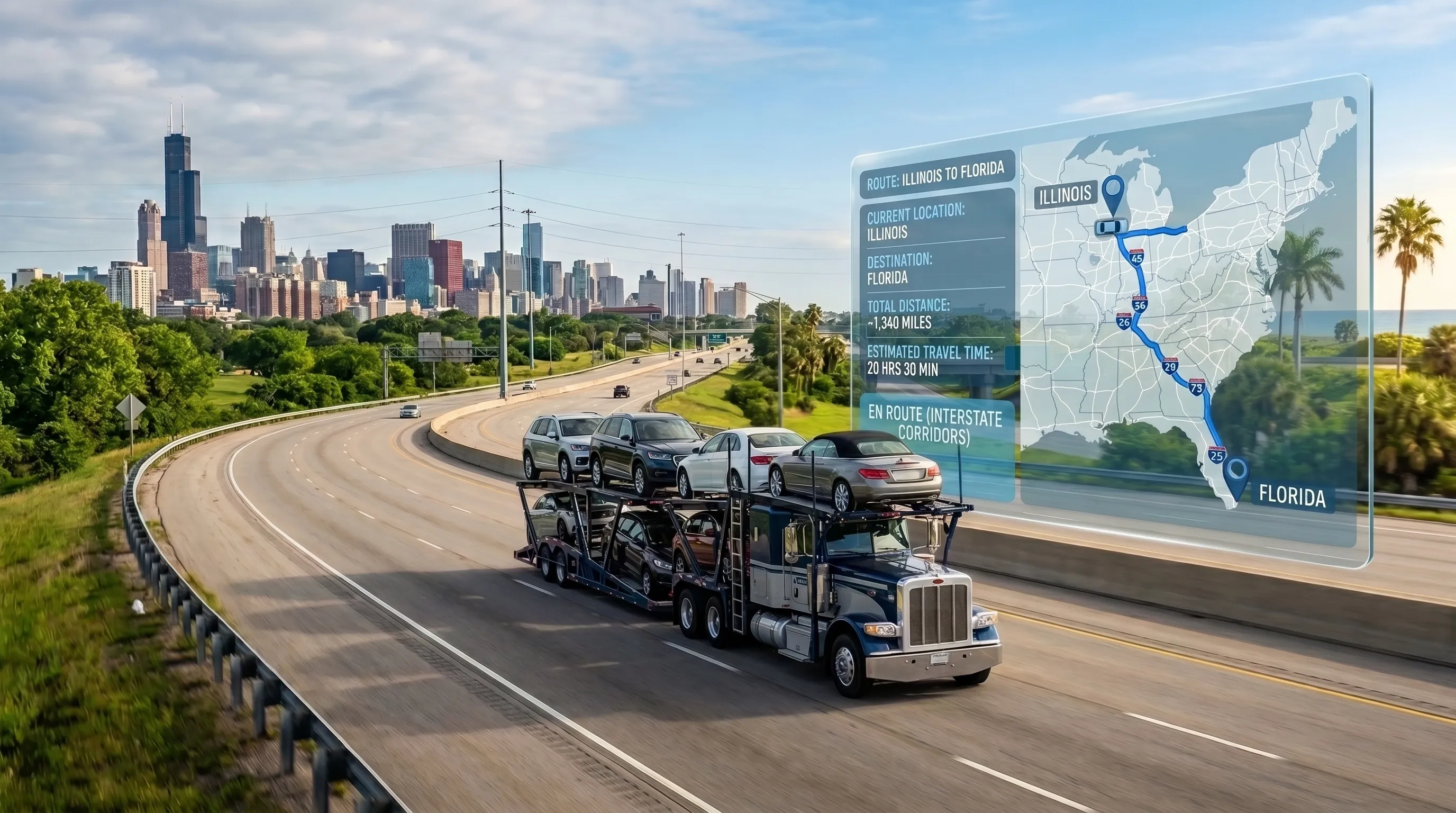
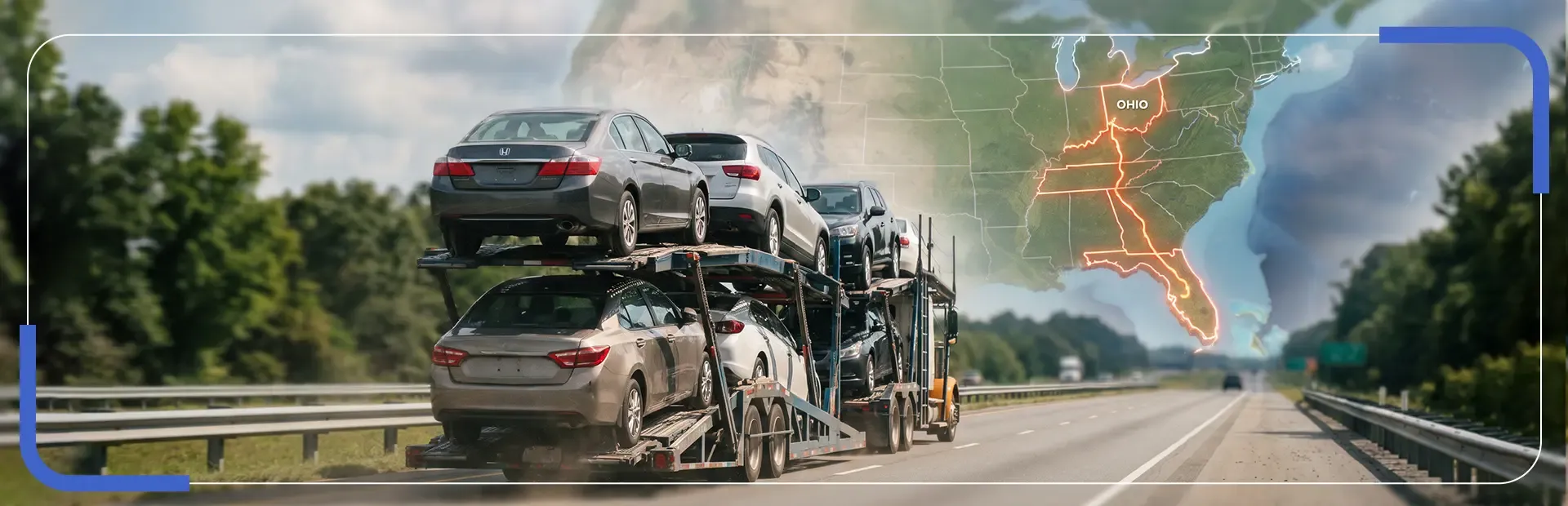
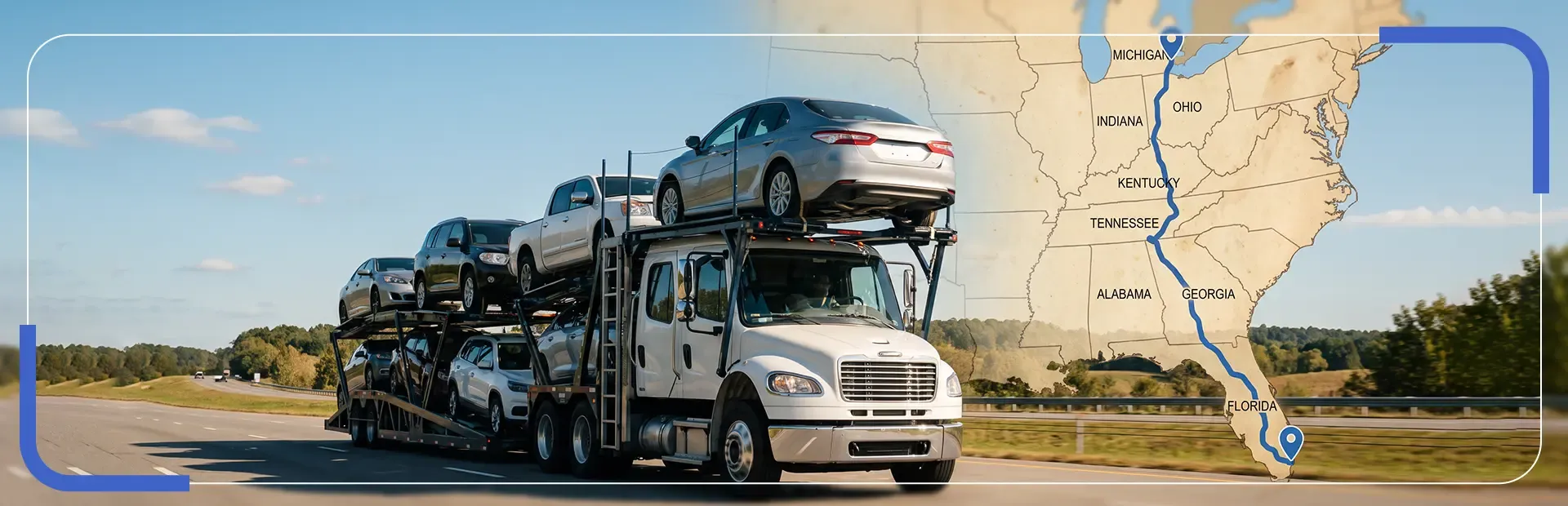
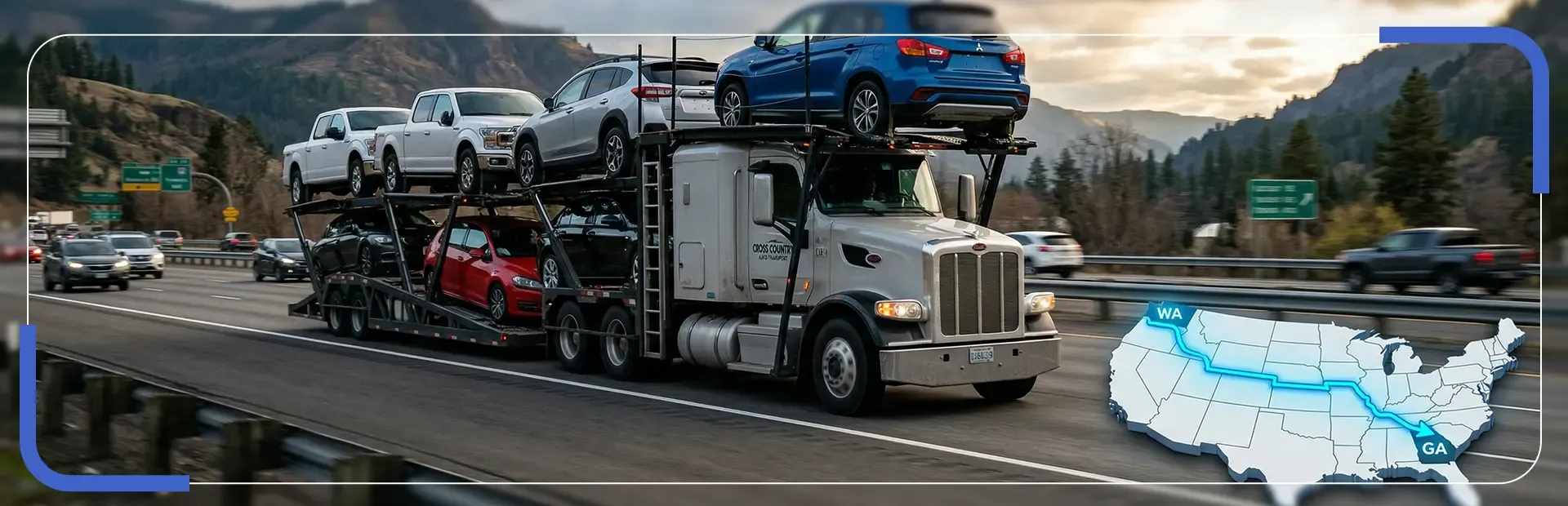
Shipping several vehicles at once lowers the cost per unit by roughly 15 to 30 percent, because one carrier and one route serve the whole load. Standard open carriers hold 7 to 10 vehicles. Dealers, relocating families, and fleet operators are the usual users, and lead time matters more than for a single car.
Multiple vehicle transport differs from a standard single-car shipment in nearly every respect, from how the load is priced to how it is scheduled. Understanding these distinctions in advance helps dealers and fleet operators avoid the most common missteps on their first multi-vehicle booking. Get your free, price-locked quote today and coordinate your fleet move with confidence from the very first call.
How Much Do You Save With Multiple Vehicle Transport?
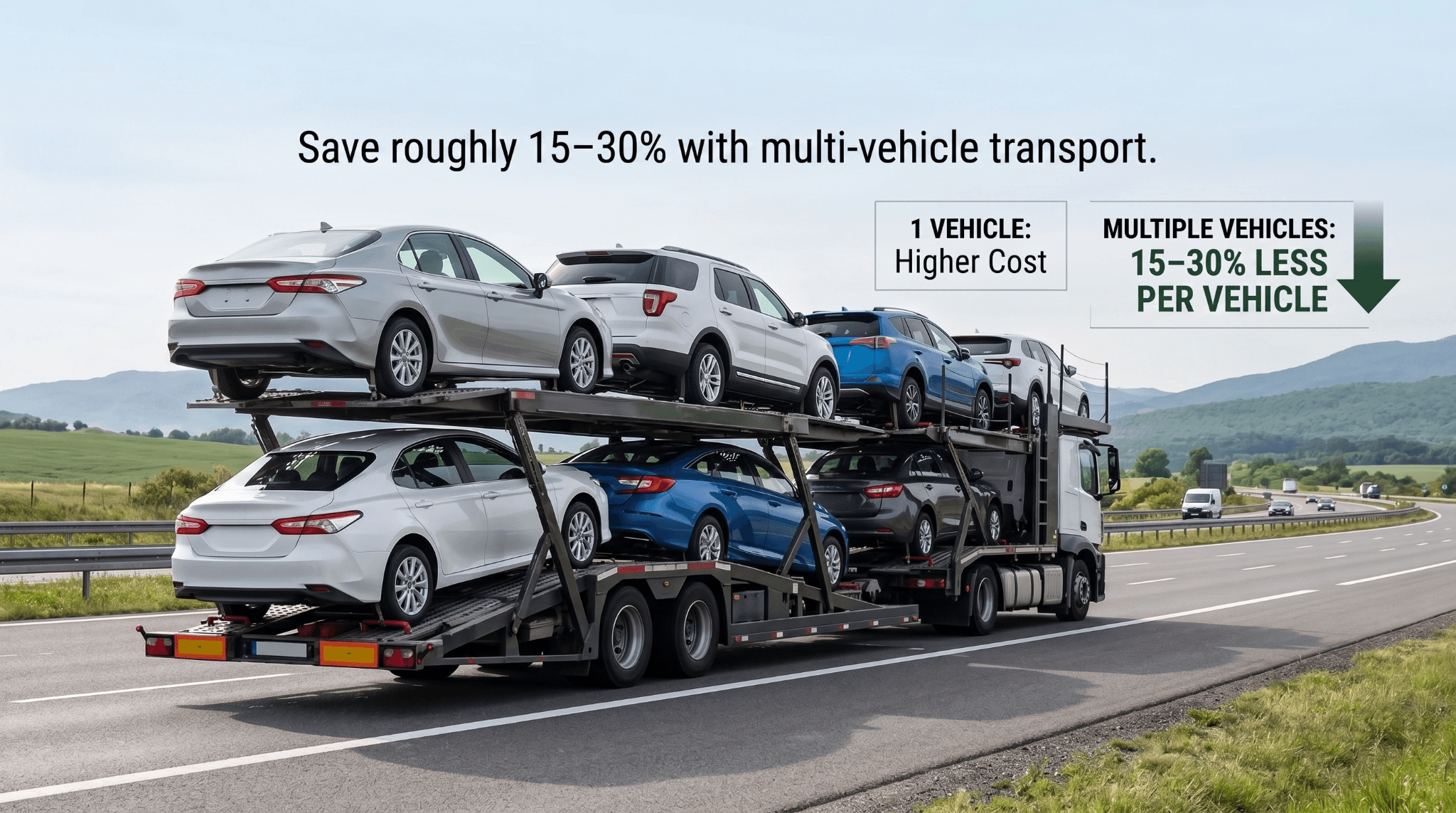
You save roughly 15 to 30 percent per vehicle compared to booking each car separately, since a single carrier and route cover the entire load instead of dispatching multiple trucks to multiple pickup points.
Multiple vehicle transport cost breaks down differently than a single shipment:
One carrier absorbs fixed costs, like dispatch and fuel, across every vehicle on the trailer rather than charging them per booking.
The per-unit price drops further as the total number of vehicles in the load increases.
Rates for dealers and fleet accounts are often lower still, since repeat volume gives brokers room to negotiate on the carrier's behalf.
This savings structure holds regardless of fleet size, though the exact percentage varies with distance and vehicle mix.
So how much multiple vehicle transport actually saves you in dollar terms depends on how many vehicles you're moving and how flexible your pickup timeline is.
How Many Vehicles Fit on One Carrier?
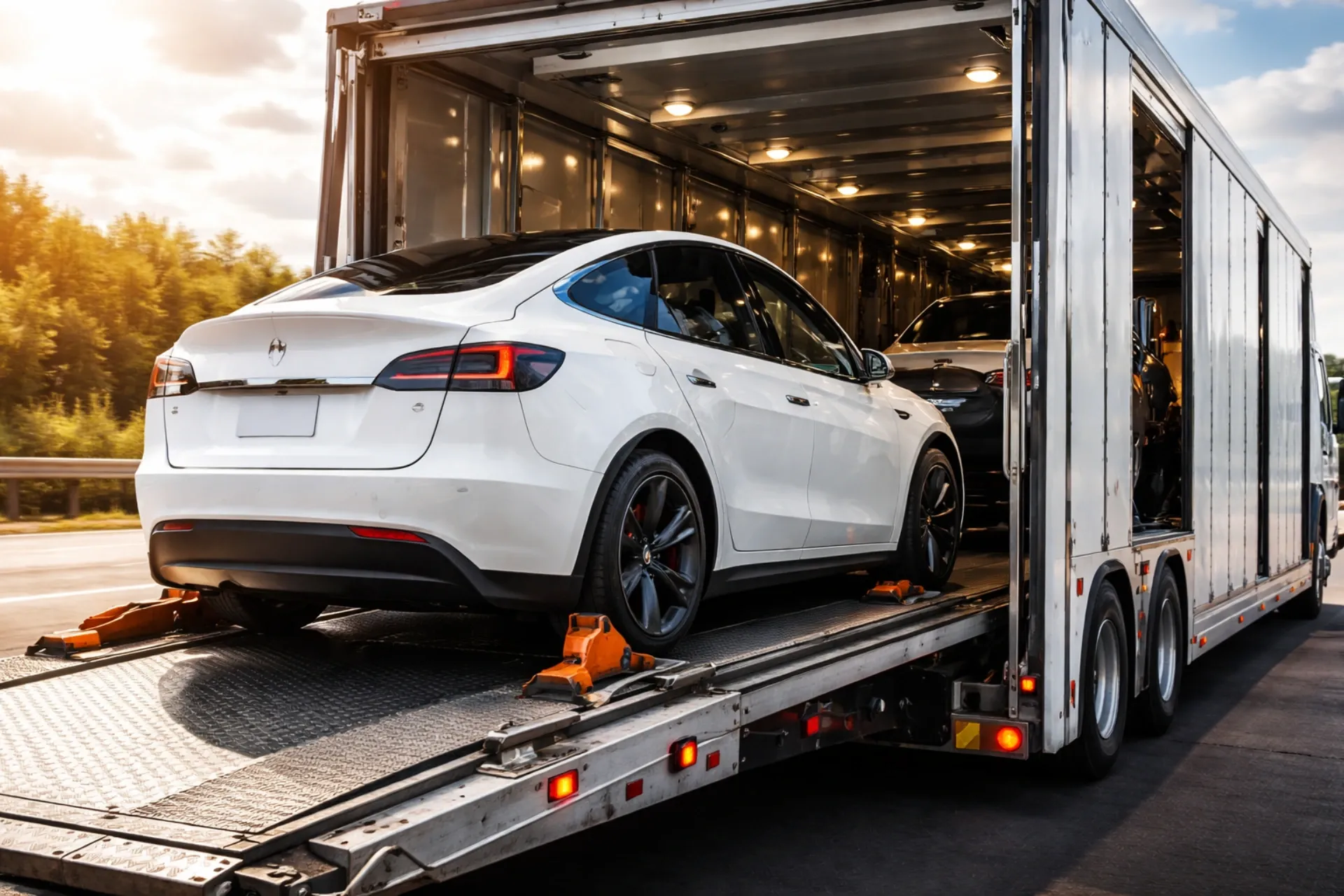
Standard open carriers hold 7 to 10 vehicles across two levels, while smaller regional trailers may carry 3 to 4 for shorter routes. Enclosed carriers typically hold fewer vehicles, usually 2 to 6, since they prioritize protection over volume.
Vehicle type also affects how many fit on a given trailer:
Compact and midsize sedans take up the least space, allowing carriers to maximize the total count.
SUVs and trucks reduce the total vehicle count per trailer due to their height and weight.
Non-running vehicles need extra space and a winch to load, which can also reduce total capacity.
Vehicle transport logistics get more complex when a mixed fleet includes different sizes and conditions. If your load includes an inoperable vehicle transport need alongside running vehicles, mention it at booking, since a non-running car changes both the loading sequence and the space available for the rest of the fleet.
The multiple vehicle transport price for a mixed fleet typically sits higher than for a uniform one, since carriers cannot optimize trailer space as tightly.
Comparing multiple vehicle transport rates across a couple of providers is worth doing whenever your fleet includes an unusual mix of vehicle sizes or conditions.
How Is Multi-Car Transport Priced?
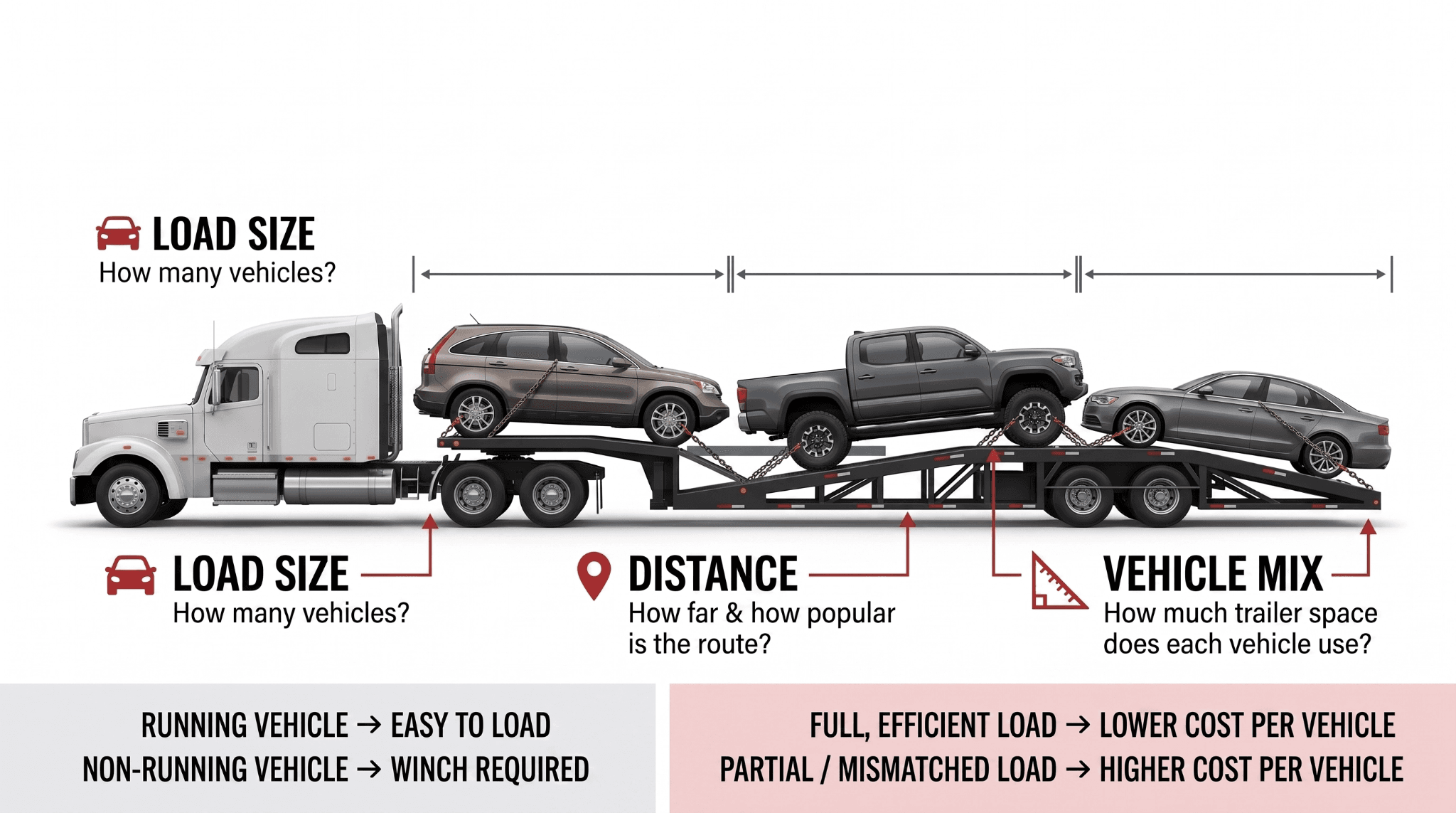
Multi-car transport is priced per vehicle based on total load size, distance, and vehicle mix, then adjusted for how efficiently the carrier can fill the trailer on your specific route. A full, evenly sized load prices more efficiently than a partial one with mismatched vehicle types.
A few pricing factors carriers weigh:
Total number of vehicles and how well they fit together by size.
Distance and route popularity, the same factors that affect single-vehicle pricing.
Vehicle condition, since running vehicles load faster than ones requiring a winch.
Two fleets of the same size can price differently if one is made up entirely of compact sedans and the other mixes in a few trucks or SUVs. Carriers factor in the actual trailer space each vehicle occupies, not just a flat per-vehicle rate.
This multiple vehicle transport guide applies whether you're shipping three family cars during a relocation or coordinating a ten-vehicle dealer transfer. The same pricing logic is expected to hold in the years ahead, since it's based on trailer economics rather than anything tied to a specific calendar year.
Anyone comparing a multiple vehicle transport cost 2026 estimate against a quote from a prior year should expect the underlying structure to look familiar, even as fuel and demand shift the exact numbers slightly.
How Far Ahead Should You Book a Multi-Car Load?
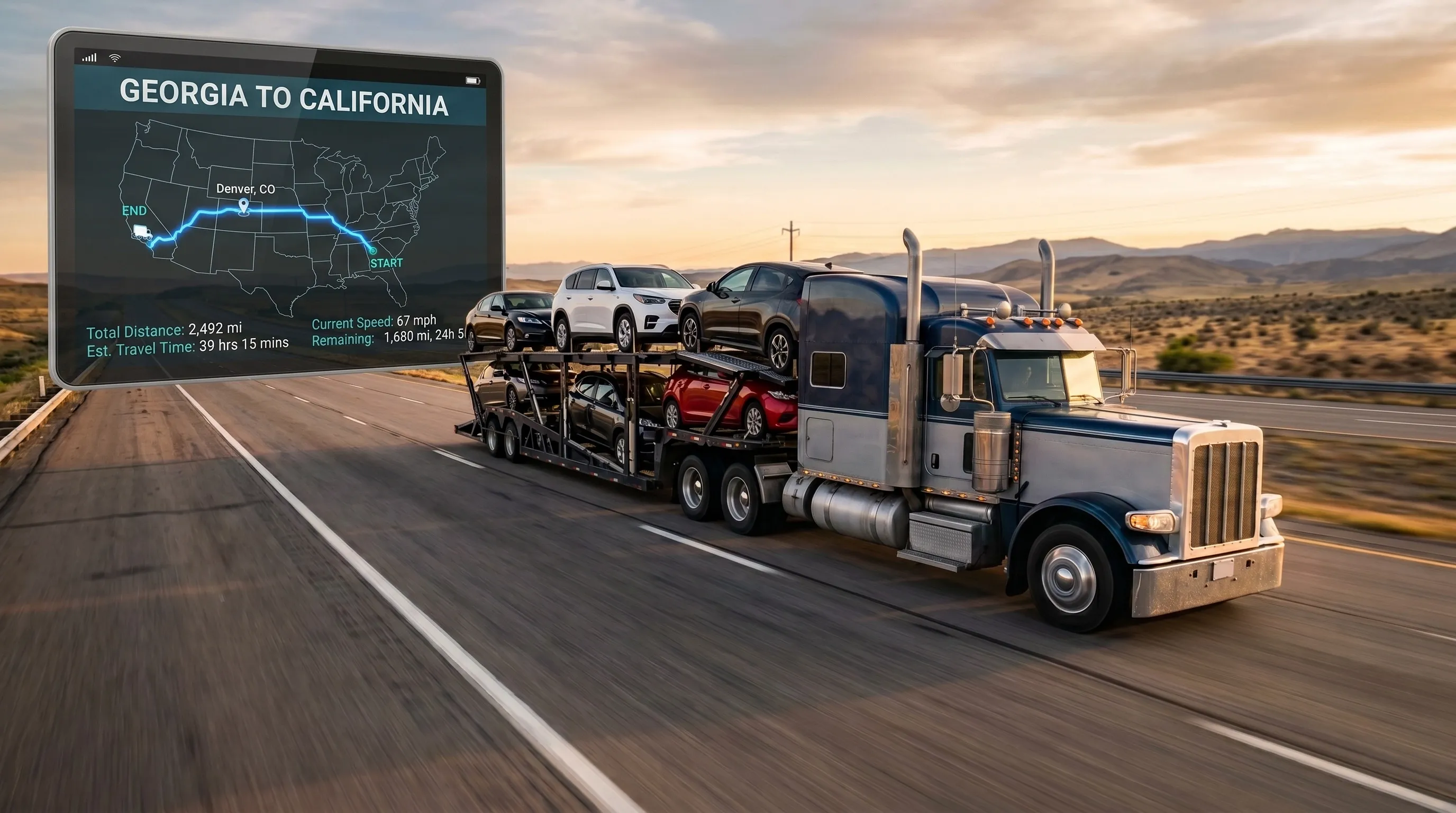
Book a multi-car load 3 to 4 weeks ahead of your target pickup date, since coordinating a full trailer takes more scheduling than a single vehicle. Waiting until the last minute significantly narrows which carriers can accommodate your full load.
This scheduling advice holds for any multiple vehicle transport 2026 booking, regardless of season, since carrier coordination takes the same amount of lead time year-round.
This lead time matters more here than for a single shipment, for a few reasons:
A carrier needs enough advance notice to plan a route that fills the trailer efficiently.
Multiple pickup locations, if your vehicles aren't all in one place, add coordination time.
Peak season narrows carrier availability faster for multi-vehicle loads than for single cars.
If you're searching for a multiple vehicle transport near me option, assuming a local company handles fleet moves better, know that experience with multi-car logistics matters more than physical location.
Real differences exist among providers in how well they coordinate a full trailer. A dependable multiple vehicle transport company will ask detailed questions about your fleet upfront rather than treating it like several single bookings stacked together.
A carrier offering genuine service in this space will confirm loading sequence and delivery order before your pickup date, not figure it out on the day.
Real differences also exist among multiple vehicle transport companies in how transparently they price a mixed fleet, so it's worth asking each one the same set of questions before comparing their numbers side by side.
A trustworthy multiple vehicle transport service will walk you through the full loading and delivery plan before you commit, not after your vehicles are already on the truck.
Can the Vehicles Go to Different Addresses?
Yes, vehicles in the same load can go to different addresses, though the loading order is planned around delivery sequence, which affects which vehicle gets unloaded first. This is often called a first-on, last-off arrangement.
A few things to know about split deliveries:
The vehicle delivered first is typically loaded last, and vice versa.
Reaching a vehicle loaded in the middle of the trailer sometimes requires temporarily unloading others, called shuffling.
Confirming delivery order at booking, not after pickup, avoids confusion about sequencing later.
Request a multiple vehicle transport quote that specifies delivery order for each vehicle if your fleet is heading to different addresses. Comparing a few quotes from different providers is worth doing for larger fleets, since coordination quality varies more than price alone.
Reviewing multiple vehicle transport quotes side by side, rather than picking the first number offered, is especially worthwhile when your fleet is splitting across two or more delivery addresses.
An online multiple vehicle transport calculator can offer a rough per-vehicle estimate, though a live quote will always reflect your specific mix of vehicles and destinations more accurately.
What Fleet Shippers Ask Most
Coordinating several vehicles at once raises a specific set of questions. Here are direct answers to the ones we hear most.
Is it cheaper to ship multiple cars together?
Yes, typically 15 to 30 percent cheaper per vehicle than booking each one separately. One carrier and route serve the entire load instead of dispatching multiple trucks.
How many cars fit on a transport truck?
Standard open carriers hold 7 to 10 vehicles across two levels. Smaller regional trailers may carry 3 to 4, while enclosed carriers typically hold 2 to 6.
Can I ship cars to two different addresses?
Yes. The loading order is planned around delivery sequence, so confirm the order for each address at booking rather than after pickup.
Do dealers get better multi-car rates?
Often, yes, especially with repeat volume. A cheap multiple vehicle transport rate is possible for a one-time fleet move too, but consistent dealer volume typically unlocks better pricing over time.
How far ahead should I book a fleet move?
3 to 4 weeks ahead of your target pickup date. This gives the carrier enough time to plan an efficient route and confirm loading sequence for the full load.
Ship Your Fleet With Confidence
Multiple vehicle transport comes down to a few core differences from single-car shipping: lower cost per unit, more complex loading logistics, and a longer lead time for booking. Understanding these upfront helps dealers, relocating families, and fleet operators avoid the most common scheduling surprises.
Most problems with a multi-car load trace back to one of two things: booking too close to the pickup date, or not disclosing the full vehicle mix upfront. A carrier that knows exactly what it's loading, and when, can plan a route that keeps costs down and delivery on schedule.
Before booking, confirm the carrier's vehicle transport insurance covers the full value of your load, not just a shared limit spread thin across every vehicle on the trailer. This single check protects your entire fleet, not just one vehicle, if something goes wrong during transit. Get your free, price-locked quote today and coordinate your fleet move with a carrier that handles multi-vehicle logistics as a specialty, not an afterthought.