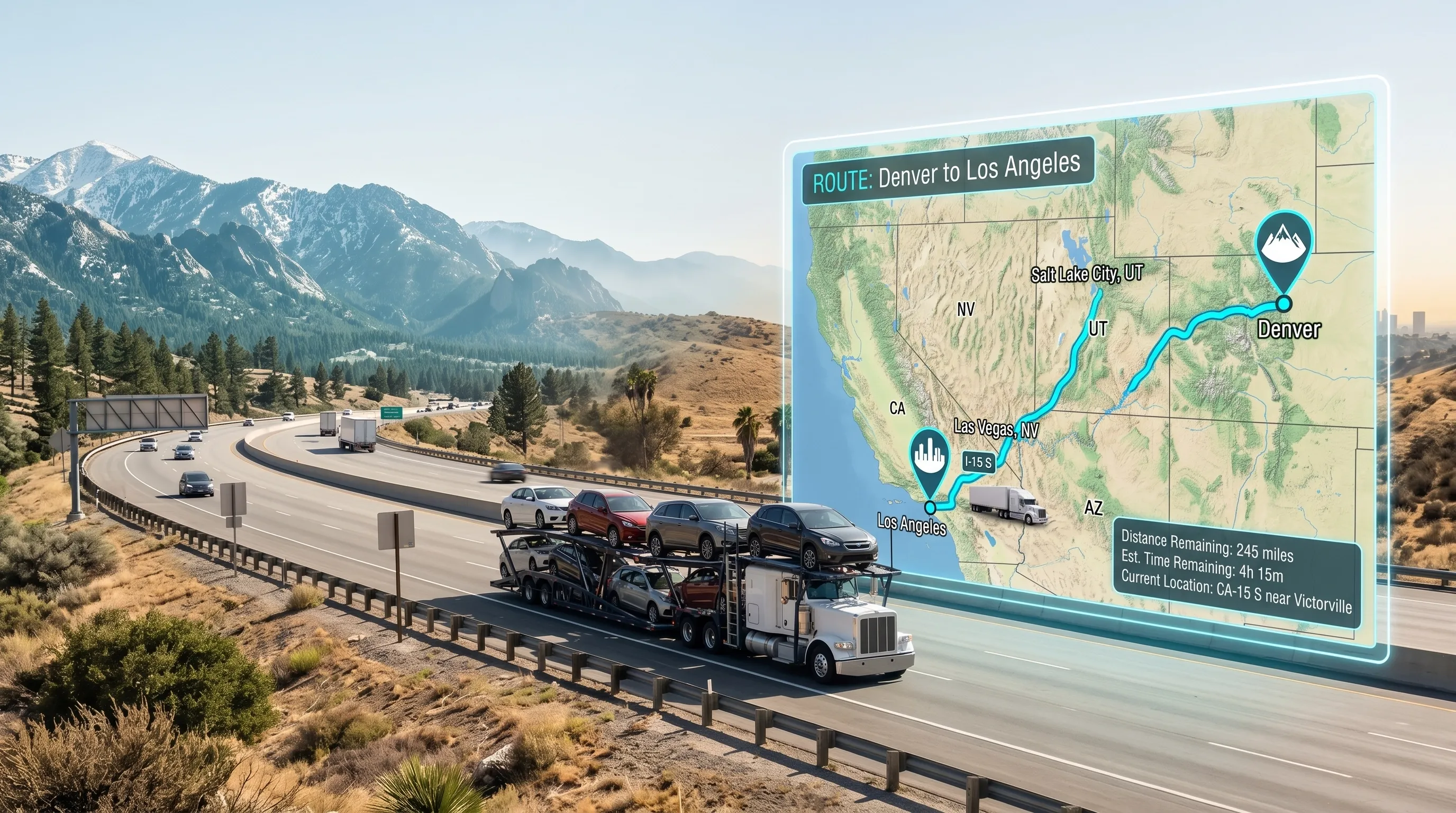
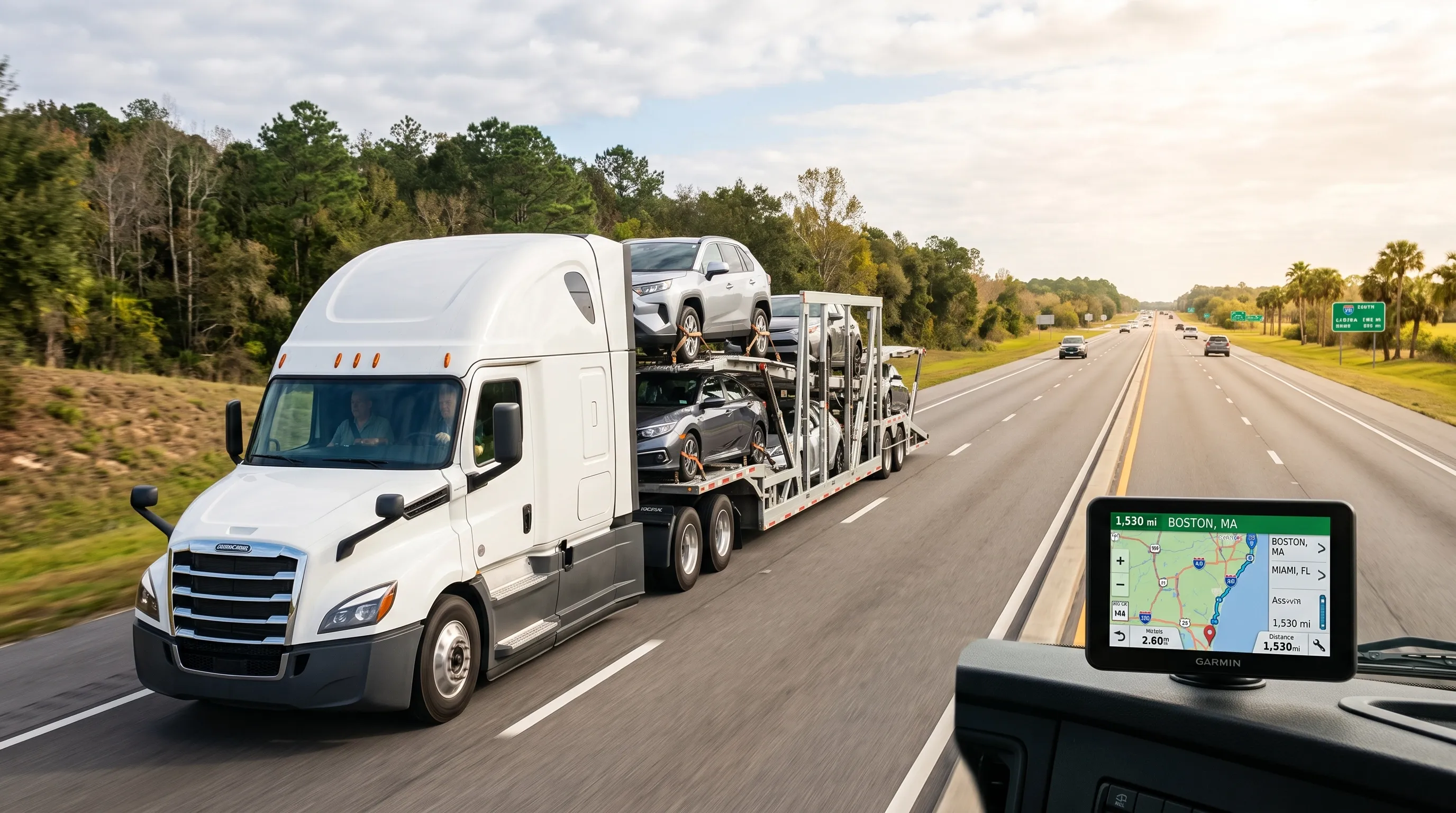
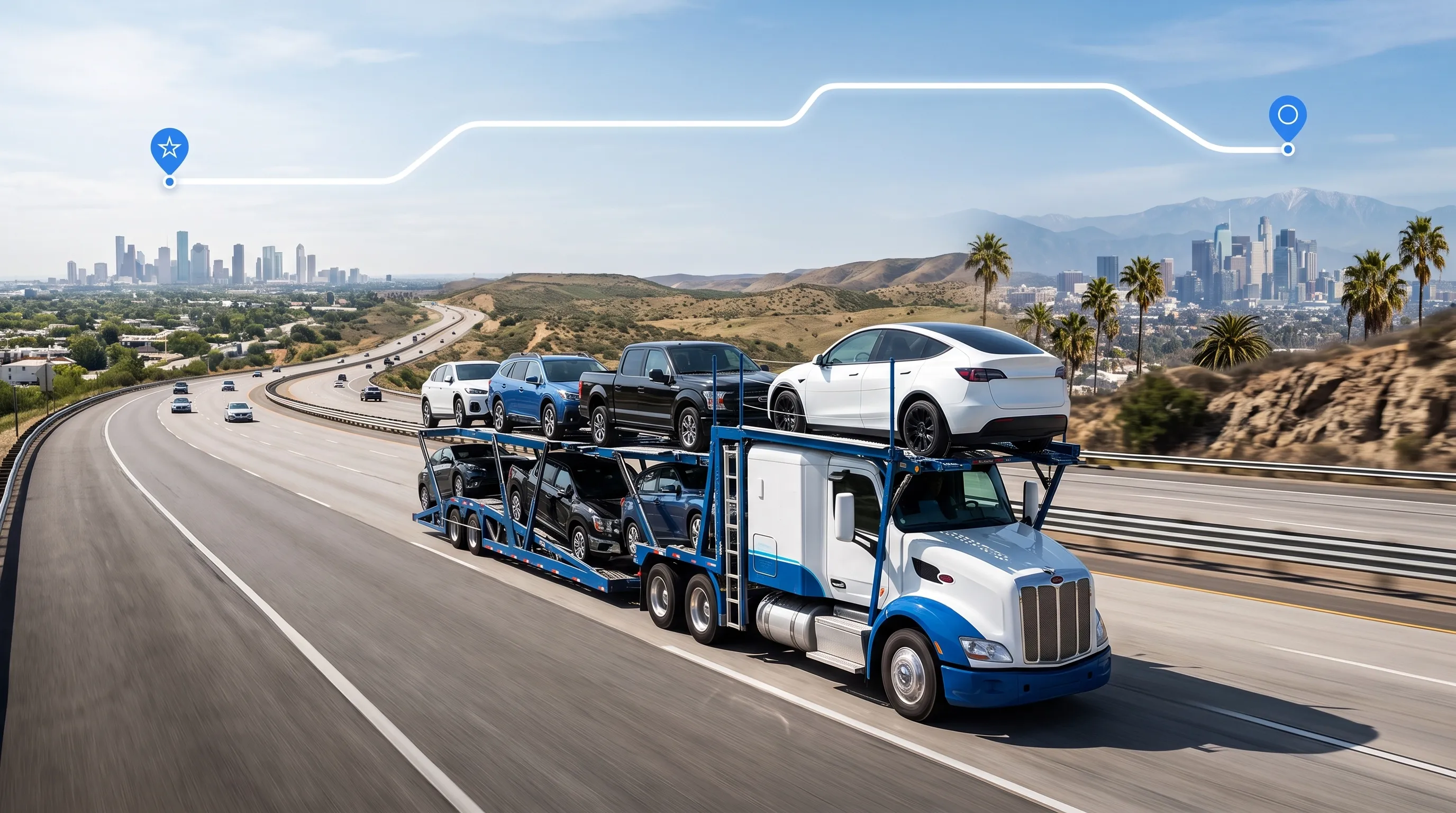
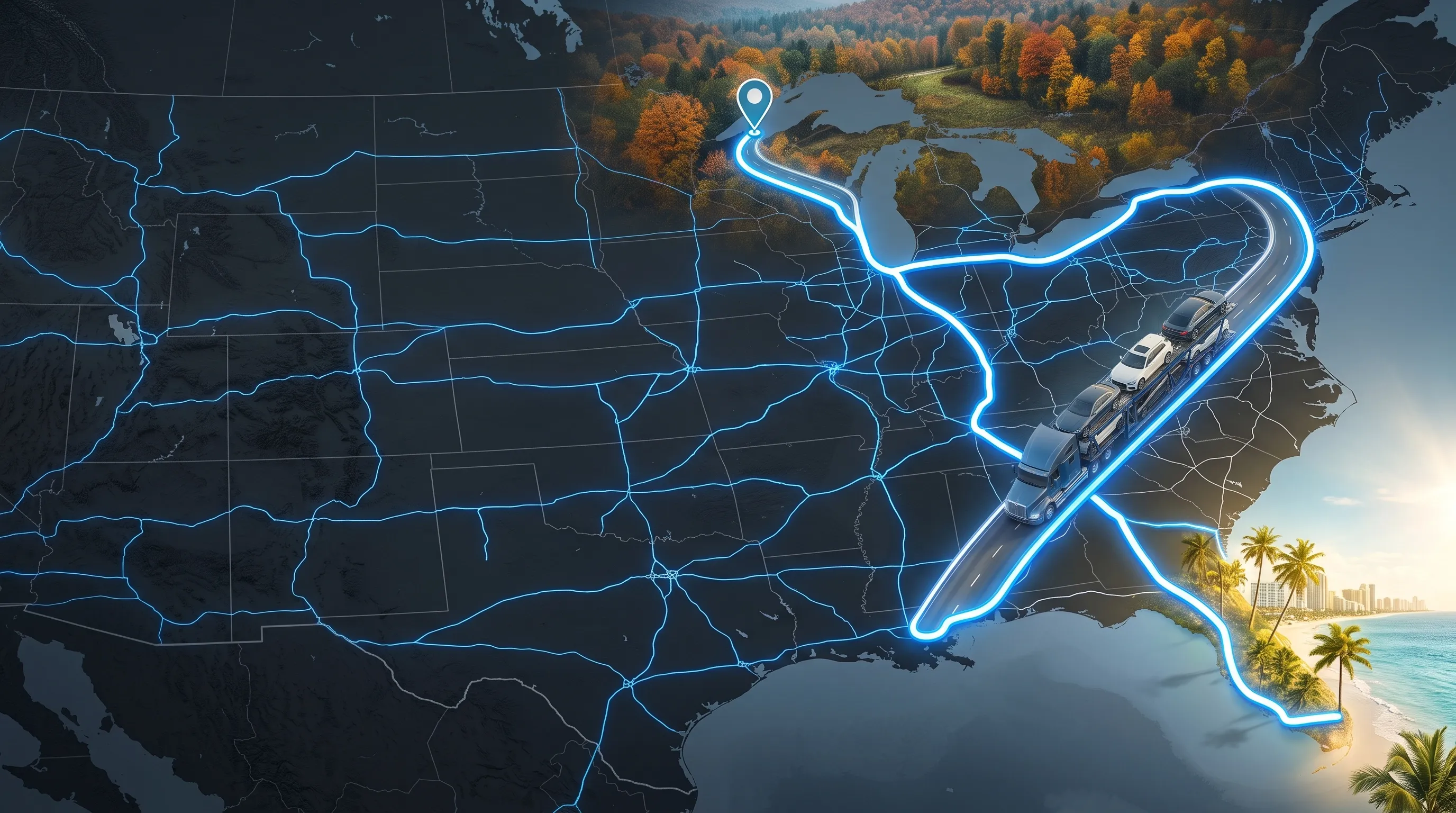
Enclosed auto transport ships your vehicle inside a fully covered trailer, protecting it from road debris, weather, dust, and prying eyes from pickup to delivery. It costs a premium over open shipping, but for classic, exotic, collector, and low clearance vehicles, it's a smart way to avoid damage that money can't easily fix.
Whether you're moving a restored classic, a custom build, or a low-slung exotic, how your car travels matters as much as where it's going. This guide covers what enclosed auto transport costs, which trailer fits your car, how low vehicles load safely, and what insurance really covers. Get your free enclosed quote from Safeeds Transport today, with your price locked for 7 days and no upfront payment.
Key Takeaways
Owners of classic, exotic, collector, and low clearance vehicles should choose enclosed auto transport whenever a single chip, scrape, or hail strike would cost more to repair than the shipping premium or permanently lower the car's value.
Enclosed car shipping typically costs about 30% to 60% more than open transport, with most standard sedan trips ranging from roughly $600 to $3,000 or more depending on distance, season, and trailer type.
Hard-side enclosed carriers use solid metal walls for greater impact and theft protection, while soft-side carriers use heavy vinyl or canvas curtains that block weather and dust at a lower price.
Low-clearance vehicles should be loaded with a lift gate and secured with soft-tie straps or wheel strap systems, which hold the car by its tires and prevent scrapes to splitters, bumpers, and exhaust tips.
A carrier's cargo limit covers the entire load rather than each car, so owners of high-value vehicles should confirm the limit exceeds the load's combined value and carry agreed value coverage during transit.
When Enclosed Transport Is Worth the Premium
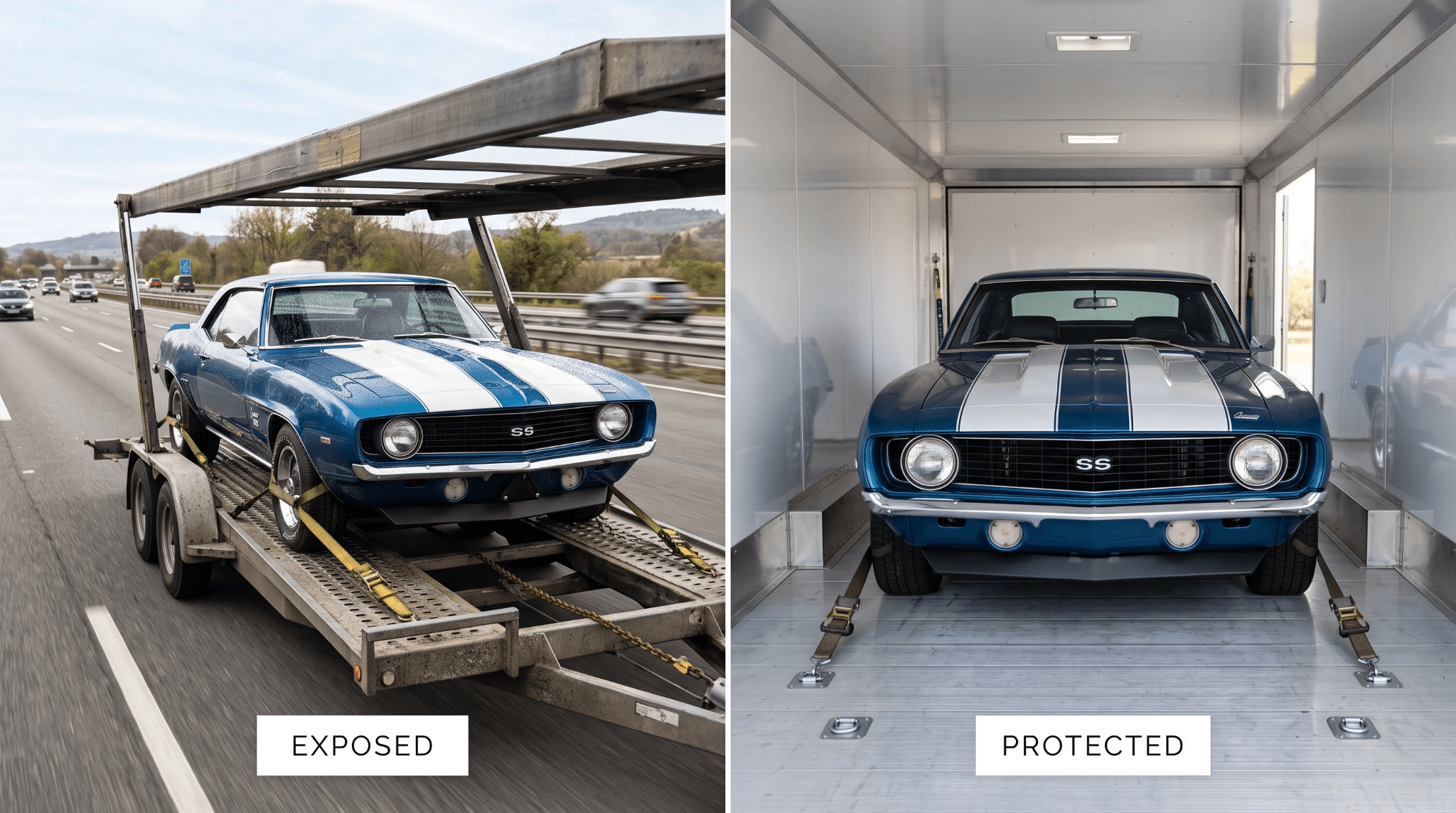
Enclosed transport is worth the premium when a single chip or scrape would cost more to fix than the extra shipping fee, or when the damage could never truly be undone. For most owners, that means classic, exotic, collector, and low clearance vehicles.
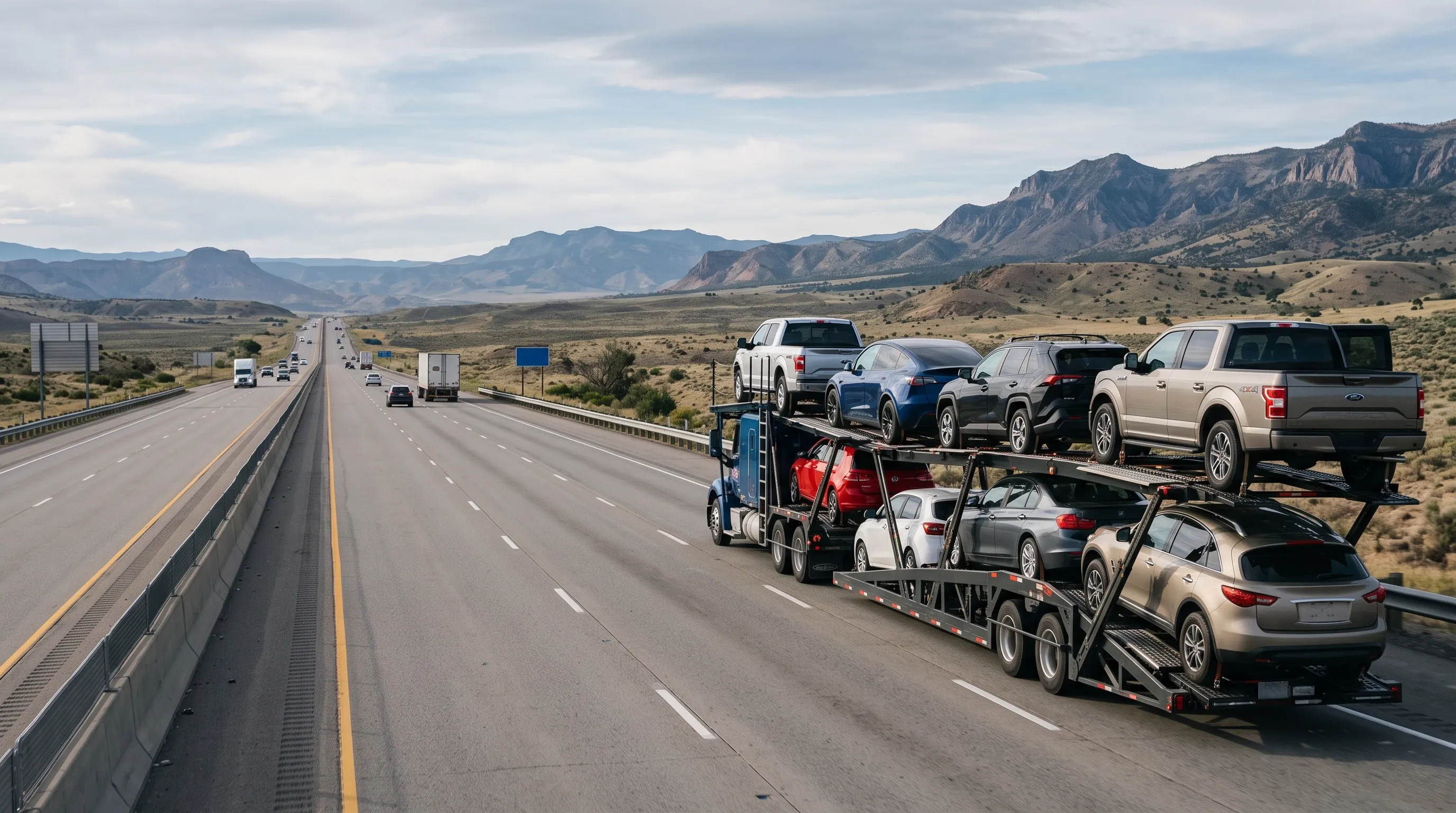
On an open trailer, your car rides exposed for the whole trip, often a week or more on cross-country routes. Along the way, it can meet gravel from other trucks, rain, hail, road salt, strong sun, and fluid drips from cars on the upper deck.
A daily driver can shrug that off with a car wash. A car with original paint or rare parts can't. Enclosed car transport is built for:
Classic cars with original or show-quality paint
Exotic and luxury cars with costly panels and finishes
Fresh restorations with paint that's still curing
Any collector vehicle headed to an auction, show, or buyer
Lowered or modified cars that need special loading equipment
A big part of the value is climate protection. Here, that means the walls and roof keep weather, dust, and debris off your car. It doesn't always mean temperature control, so mention any special needs when you book.
Pro tip: Compare the enclosed premium with the cost of one paint correction on your car. If the repair costs more, enclosed is the sensible choice.
What Enclosed Auto Transport Costs
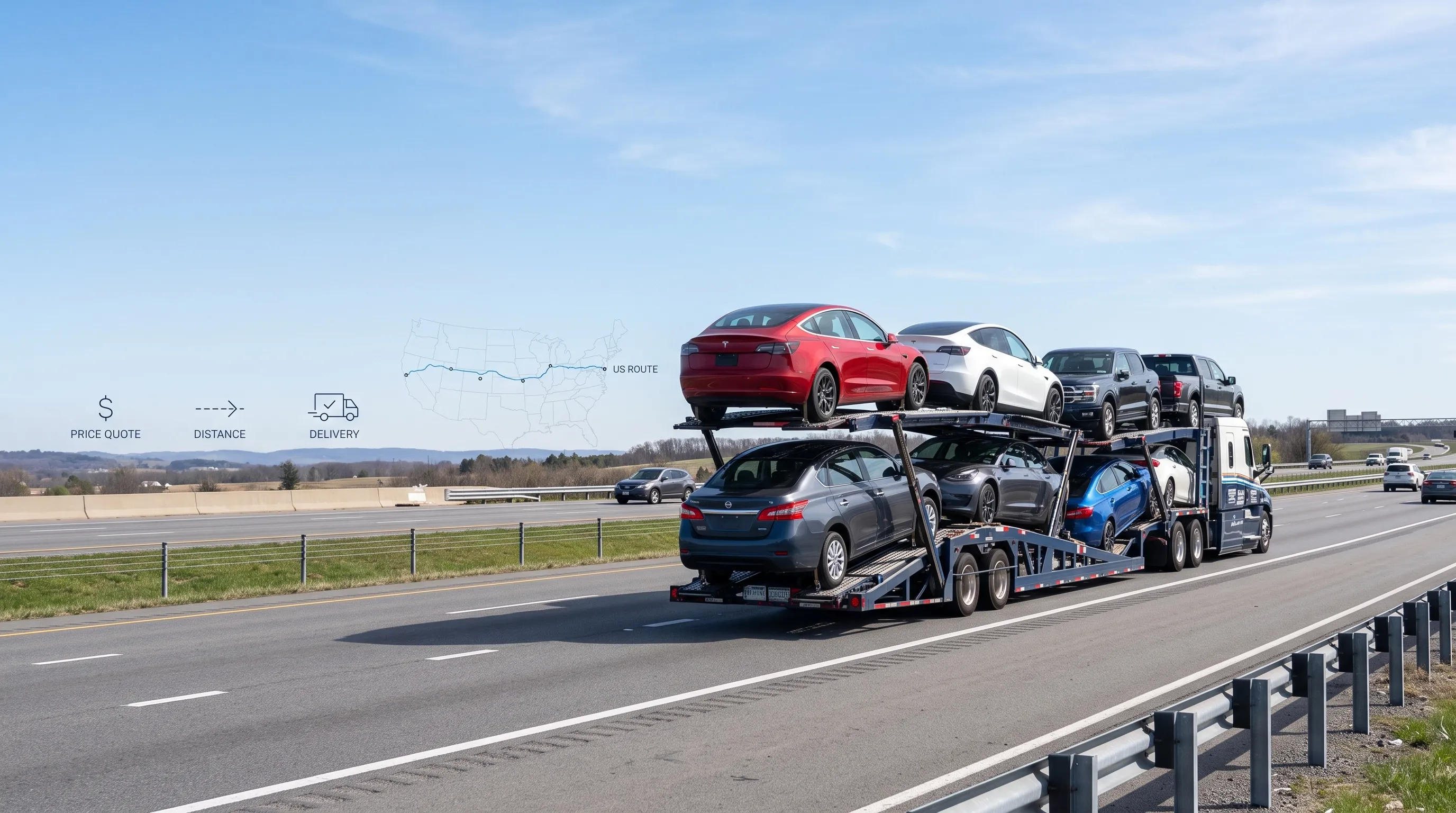
Enclosed shipping typically costs about 30% to 60% more than open transport, depending on distance, vehicle size, and carrier availability. For a standard sedan, most trips fall between about $600 and $3,000 or more.
Here's how prices compare, based on 2026 industry pricing estimates from FreightWaves Checkpoint:
Distance | Open Transport | Enclosed Transport |
Under 500 miles | $350 to $800 | $600 to $1,200 |
500 to 1,500 miles | $700 to $1,400 | $1,100 to $2,100 |
Over 1,500 miles | $1,000 to $1,900 | $1,500 to $3,000+ |
These are estimates for a standard sedan that runs. Final pricing varies by route, season, vehicle size, and pickup timing.
The price of enclosed car shipping moves with a few key factors:
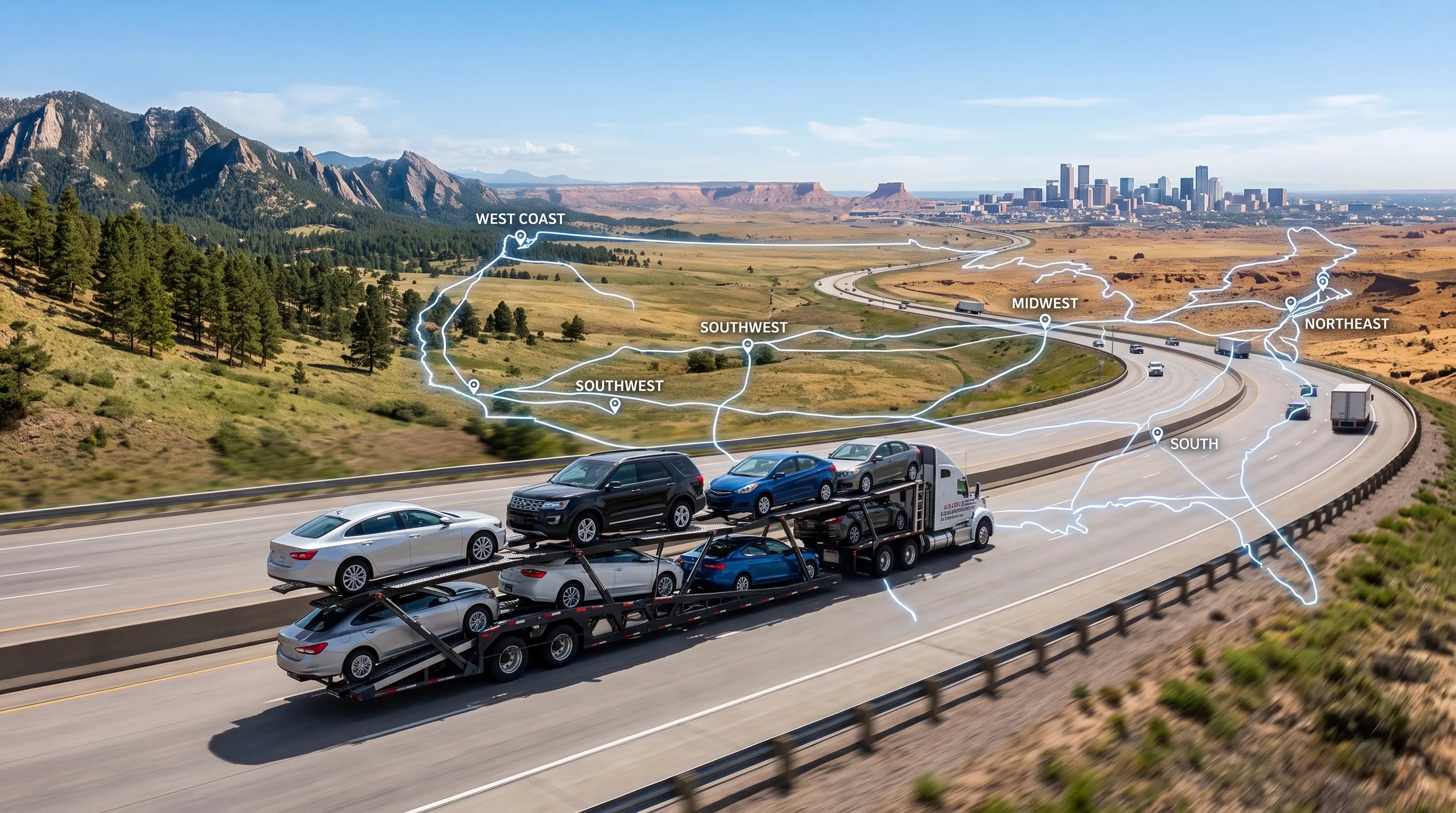
Route and distance: Busy routes between major cities usually cost less per mile than remote pickups.
Season: Spring, summer, and snowbird season raise demand.
Trailer type: Hard-side trailers usually cost more than soft-side trailers.
Loading needs: A lift gate or winch can add to the rate.
Cars per load: A two-car hauler spreads its costs across fewer vehicles, so each owner pays more.
You can save without giving up protection. Offer a flexible pickup window, book two to three weeks ahead, and consider a soft-side trailer for shorter trips in mild weather.
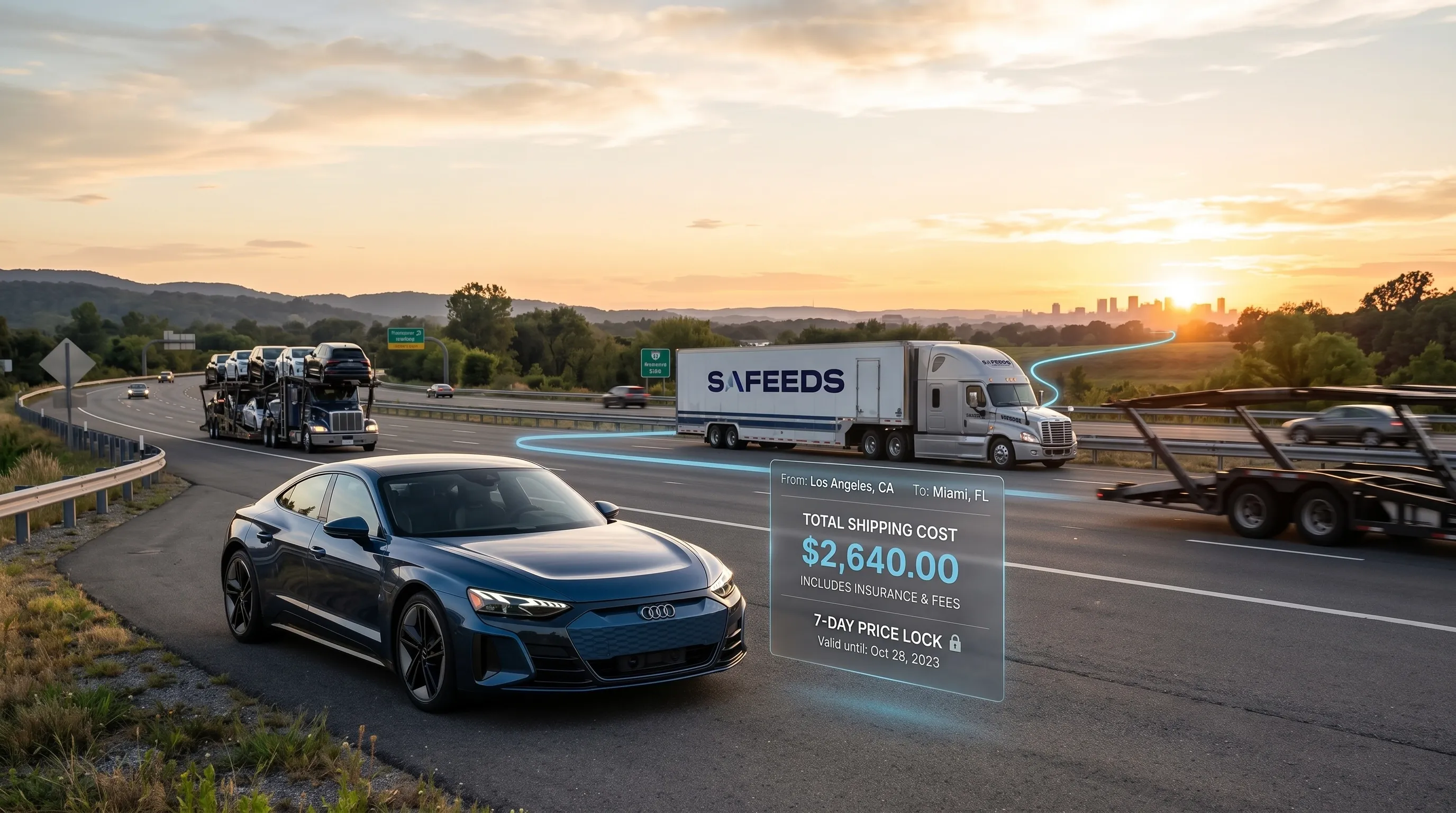
Booking with Safeeds Transport is simple, too. There's no upfront payment, only a $1 card verification hold. Your quote stays locked for 7 days, and the balance is due at pickup or delivery.
Pro tip: Use promo code SAFE25 to take $25 off your enclosed car shipping booking.
Hard-Side vs Soft-Side Enclosed Carriers
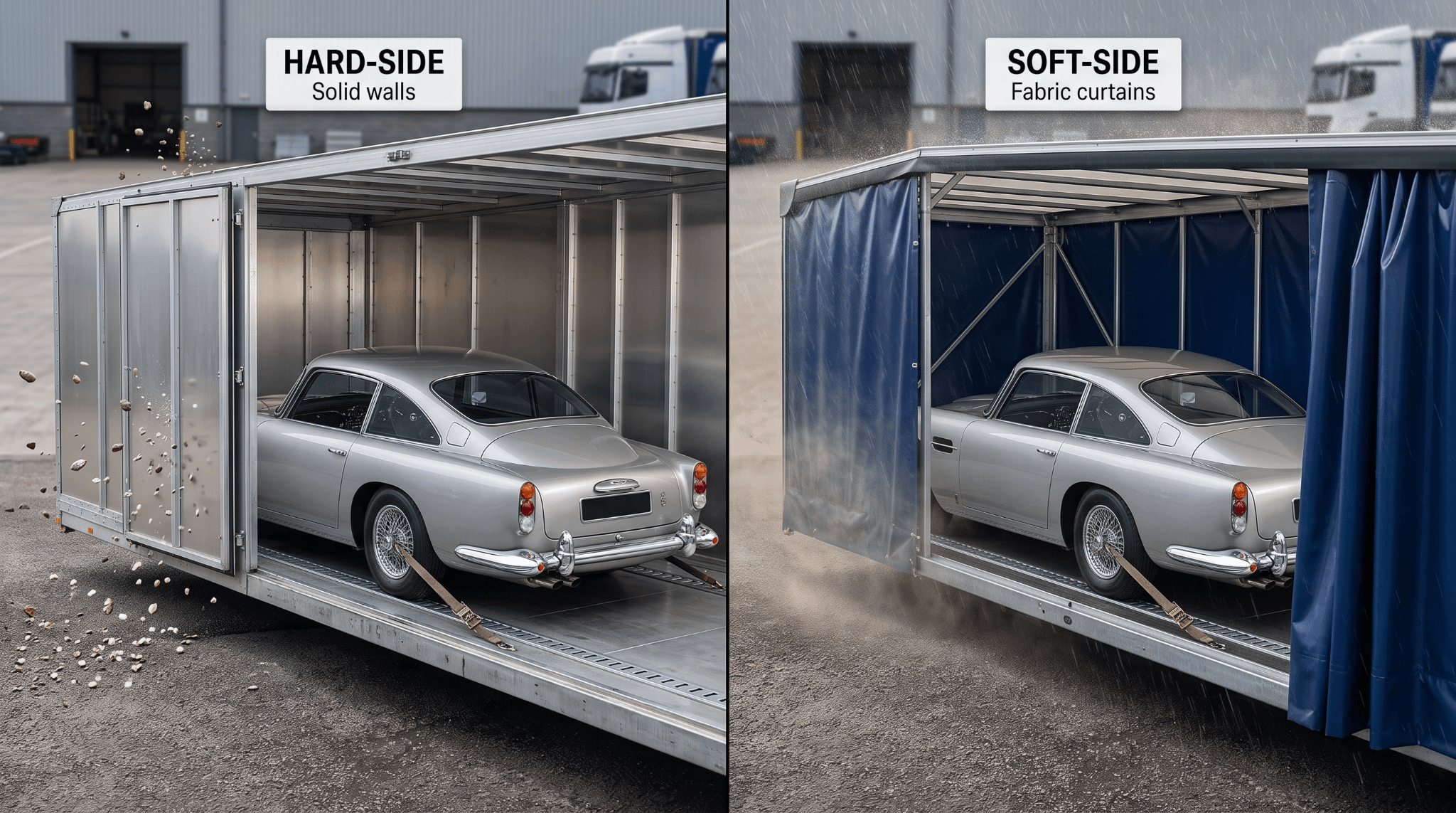
Hard-side carriers use solid metal walls for heavy-duty protection and security, while soft-side carriers use thick fabric curtains that block weather and dust at a lower price. Both keep your car covered. The difference is how much impact and theft protection you get.
What is a hard-side enclosed carrier?
A hard-side carrier is a fully sealed trailer with solid aluminum or steel walls and a solid roof. It stands up well to debris, hail, and break-ins, and many include lift gates. Because it's heavier and costlier to build, it sits at the higher end of the price range.
What is a soft-side enclosed carrier?
A soft-side carrier uses heavy vinyl or canvas curtains stretched over a metal frame. The curtains keep out rain, sun, dust, and road grime, and the lighter build often means a lower price for you. The tradeoff is less protection from sharp impacts and lower security.
Feature | Hard-Side | Soft-Side |
Walls and roof | Solid aluminum or steel | Heavy vinyl or canvas |
Weather protection | Full | Full |
Impact protection | High | Moderate |
Theft resistance | High, with locking doors | Lower |
Typical price | Higher | Lower |
Not sure which fits? Ask three questions:
Could damage be fully repaired? Irreplaceable cars favor hard-side trailers.
How long is the trip? Longer routes also favor hard-side.
What season is it? Hail and winter storms call for solid walls.
Want an even higher level of care? Consider a two-car hauler. It carries only one or two vehicles, which means fewer stops and more attention on your car. Enclosed car transport on a two-car hauler costs more, but it's a popular form of enclosed carrier shipping for rare collector cars.
Lift Gate Loading for Low-Clearance Vehicles
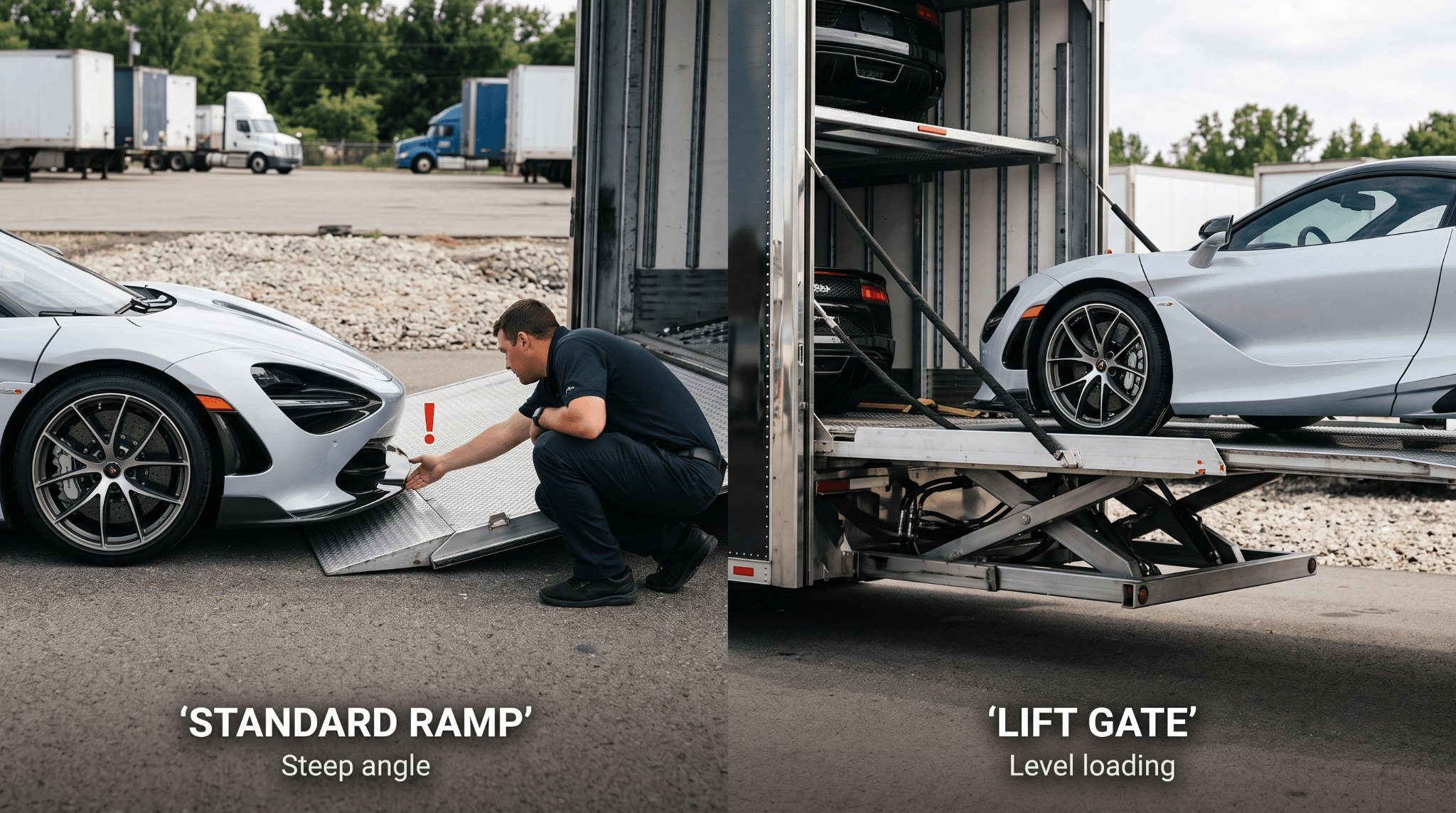
The recommended way to load a low-clearance vehicle is with a lift gate, a hydraulic platform that raises your car level into the trailer so it never climbs a steep ramp. It protects front lips, exhaust tips, and undercarriage parts.
Standard steel ramps can catch a splitter or bumper, and one scrape on a carbon fiber lip gets expensive fast. A lift gate keeps the vehicle level while it's loaded and unloaded, which makes it a key tool in exotic car transport.
Once your car is inside, careful carriers secure it in one of two ways:
Soft-tie straps: Fabric straps loop through the wheels and anchor to the floor, so no metal hooks touch the frame.
Wheel strap systems: Straps or nets wrap over the tires and hold each wheel against the deck.
Both hold your car by its tires, which are built to carry its weight. Chains on a frame or suspension arm can scratch parts or strain components.
Pro tip: Measure ground clearance at the lowest point, list any aero parts or air suspension, and request lift gate loading in writing when you get your quote.
Insurance Coverage on Enclosed Loads

Your car is protected mainly by the carrier's cargo insurance, which has a cargo limit shared by every vehicle on the trailer. For high-value cars, pairing it with your own agreed value policy closes the gap.
Under 49 CFR Part 387, the Federal Motor Carrier Safety Administration won't grant a registrant operating authority until its minimum insurance is on file. You can review the rules on the FMCSA insurance filing requirements page. Federal minimums focus largely on liability to the public, so your car's protection comes from the carrier's own cargo policy.
How does a carrier's cargo limit work?
A cargo limit is the most a carrier's policy will pay for damage to its entire load, not to each car separately.
Say a carrier has a $1,000,000 cargo limit and hauls six cars worth $250,000 each. The load is worth $1,500,000, so a serious accident could leave coverage short. Cargo limits vary from carrier to carrier, so never assume a figure. Before pickup:
Ask your Safeeds Transport coordinator for the carrier's certificate of insurance.
Check the cargo limit, deductible, and policy dates.
Compare the limit with the full load's estimated value.
A two-car hauler lowers this risk, which is one more reason high-value enclosed carrier shipping often uses smaller trucks.
When do you need agreed value coverage?
You need agreed value coverage when your car is worth more than a standard market value payout would reflect, which is common for any collector vehicle.
Carrier policies usually pay market value, often after depreciation. With agreed value, you and your insurer set the car's value in advance, and that amount is paid for a total loss. Ask your insurer whether your policy covers the car during transport. For more detail, see our car shipping insurance guide.
Preparing a Classic or Exotic for Transport
To prepare a classic or exotic for transport, clean it, document its condition with timestamped photos, remove loose parts, and inspect it against the bill of lading at both ends. Whether you're booking classic car transport or exotic car transport, good records protect your car and your claim rights.
What should you do before pickup?
Start about a week ahead and work through this checklist:
Wash the car so existing chips are easy to spot.
Take timestamped photos and video of every panel, the wheels, the interior, and the odometer.
Record existing damage and note where each mark is.
Keep about a quarter tank of fuel to limit weight.
Charge the battery to avoid loading delays.
Remove loose parts like detachable spoilers, antennas, and personal items.
Report any leaks so vehicles below yours stay protected.
Leave written instructions for alarms, kill switches, or unusual starting steps.
What should you check at pickup and delivery?
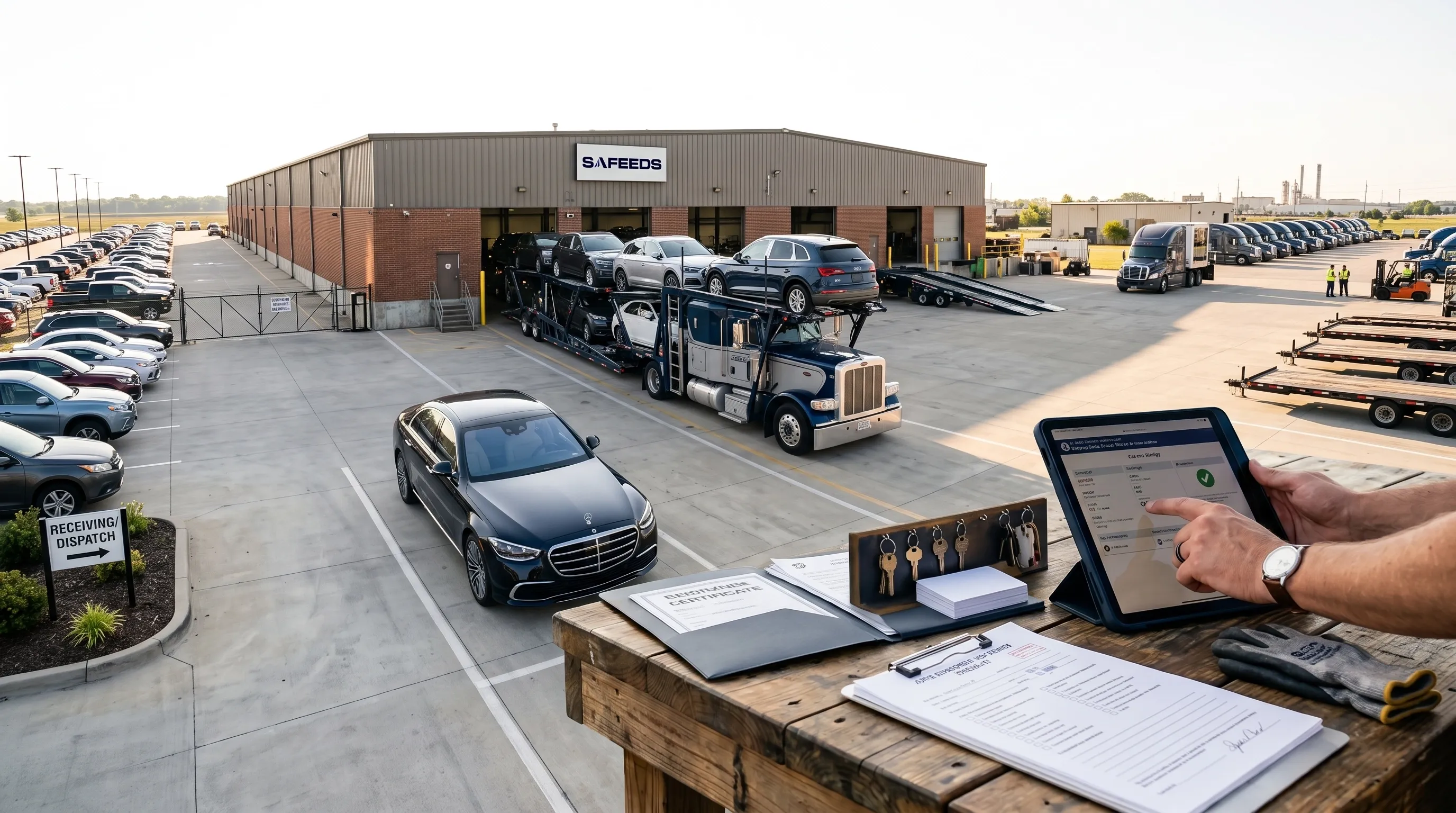
Walk around your car with the driver at both ends and make sure its condition is recorded accurately on the bill of lading before you sign.
At pickup, confirm every existing mark is listed, then sign and keep your copy.
At delivery, inspect the car in good light and compare it with your photos.
Note any new damage on the bill of lading before signing, then photograph it.
Delivery notes are the foundation of any claim. For more tips, read our classic car transport guide.
Questions About Enclosed Auto Transport People Often Ask
These questions come up most often from owners weighing enclosed shipping for a car they can't afford to see damaged. Each answer gives you a quick, practical takeaway, so you can book with confidence and know exactly what to ask your coordinator.
How much more does enclosed auto transport cost?
Enclosed auto transport costs noticeably more than open shipping for the same route. For a trip over 1,500 miles, a standard sedan often runs $1,500 to $3,000 or more enclosed, compared with $1,000 to $1,900 on an open trailer. For a car you can't afford to see damaged, that difference buys full enclosure, careful loading, and far less handling.
Is enclosed transport worth it for a regular car?
It can be. Open transport works for most daily drivers, but enclosed shipping is a smart upgrade for a brand new car, a lease return that must arrive spotless, or a winter route through salted roads. If a single chip would cost you money, the premium quickly proves its value.
What is the difference between hard-side and soft-side enclosed?
Hard-side trailers have solid metal walls and roofs that block debris, weather, and theft. Soft-side trailers use heavy vinyl or canvas curtains that keep out rain, dust, and sun at a lower price. Choose hard-side for rare or high-value cars and soft-side for shorter, budget-friendly trips.
Can enclosed carriers handle a lowered vehicle?
Yes. Carriers with a lift gate raise your car on a level platform, so front lips, splitters, and exhaust tips never scrape a steep ramp. Share your exact ground clearance and any aero parts or air suspension when you request a quote, and your coordinator can match you with the right equipment.
How much insurance covers an enclosed shipment?
Coverage depends on the carrier's cargo limit, which is shared by every vehicle on the trailer. Fewer cars per load means that limit stretches further for each car, a real advantage of enclosed shipping. Before pickup, ask for the certificate of insurance and confirm the limit exceeds the load's combined value.
How far ahead should I book enclosed transport?
Book two to three weeks ahead whenever you can. Enclosed trailers are in shorter supply than open ones, and early booking gives you a wider choice of carriers and dates. Plan earlier for spring, summer, snowbird season, and major auction weekends. Safeeds Transport locks your quote for 7 days while you plan.
How many cars are on an enclosed carrier?
Enclosed carriers typically haul fewer vehicles than open carriers. A two-car hauler carries just one or two, while larger multi-car enclosed trailers often fit several more, depending on their size. That smaller load is part of the appeal: fewer stops, less loading and unloading, and more attention on each car from pickup to delivery.
Is enclosed transport slower than open?
Not once your car is on the road. Enclosed trucks travel at the same speeds and follow the same federal hours of service rules as open trucks. The main difference is scheduling, since fewer enclosed carriers can mean a slightly longer pickup window. Booking early and staying flexible gets you moving sooner.
Can I ship a non-running classic enclosed?
Absolutely. Many enclosed carriers use a winch to guide non-running cars gently onto a lift gate or into the trailer. Mention it when you book, since not every truck carries a winch, and expect a modest added fee for winch loading. Make sure the wheels roll, steer, and brake.
Does enclosed transport protect against theft?
Yes, and it's a major benefit. Inside an enclosed trailer, your car stays out of sight at truck stops and overnight parking, and hard-side trailers add solid walls and locking doors. For full peace of mind, remove personal items, toll tags, and spare keys, since cargo policies usually don't cover belongings.
Protecting a Vehicle That Cannot Be Replaced
The right shipping choice comes down to one rule: match the protection to what's at stake. For a car with original paint, rare parts, low clearance, or a place in a collection, enclosed car transport removes risks no repair shop can fully reverse.
Choose the trailer that fits your car's value and route. Request a lift gate when clearance is tight, confirm the cargo limit, and document everything at both ends. That's how enclosed auto transport turns a higher price into real protection, whether you're planning classic car transport or moving a new exotic. Request your free enclosed quote from Safeeds Transport today. There's no upfront payment, only a $1 card verification hold, and your price stays locked for 7 days.