The electric vehicle market has grown faster than the logistics industry built to support it, and in 2026, that gap is visible in transit times, carrier availability, and export rates.
Shipping an electric vehicle in 2026 takes 3–10 days for domestic US routes and 30–60 days for international RoRo shipments. Costs run $600–$1,400 domestically and $1,800–$4,000 for export. EVs require some special handling, battery state-of-charge requirements, weight considerations, and carrier compatibility, but most modern carriers handle them routinely. Below, we cover current RoRo rates, bulk export costs, and everything shippers need to know about EV delivery times in the USA in 2026 before booking.
Current EV Delivery Times in the US 2026
Understanding current EV delivery times in the US in 2026 starts with recognizing that electric vehicles move through the same domestic auto transport network as conventional vehicles, with a few meaningful differences in carrier selection and handling.
For most domestic shipments, the timeline breaks down as follows:
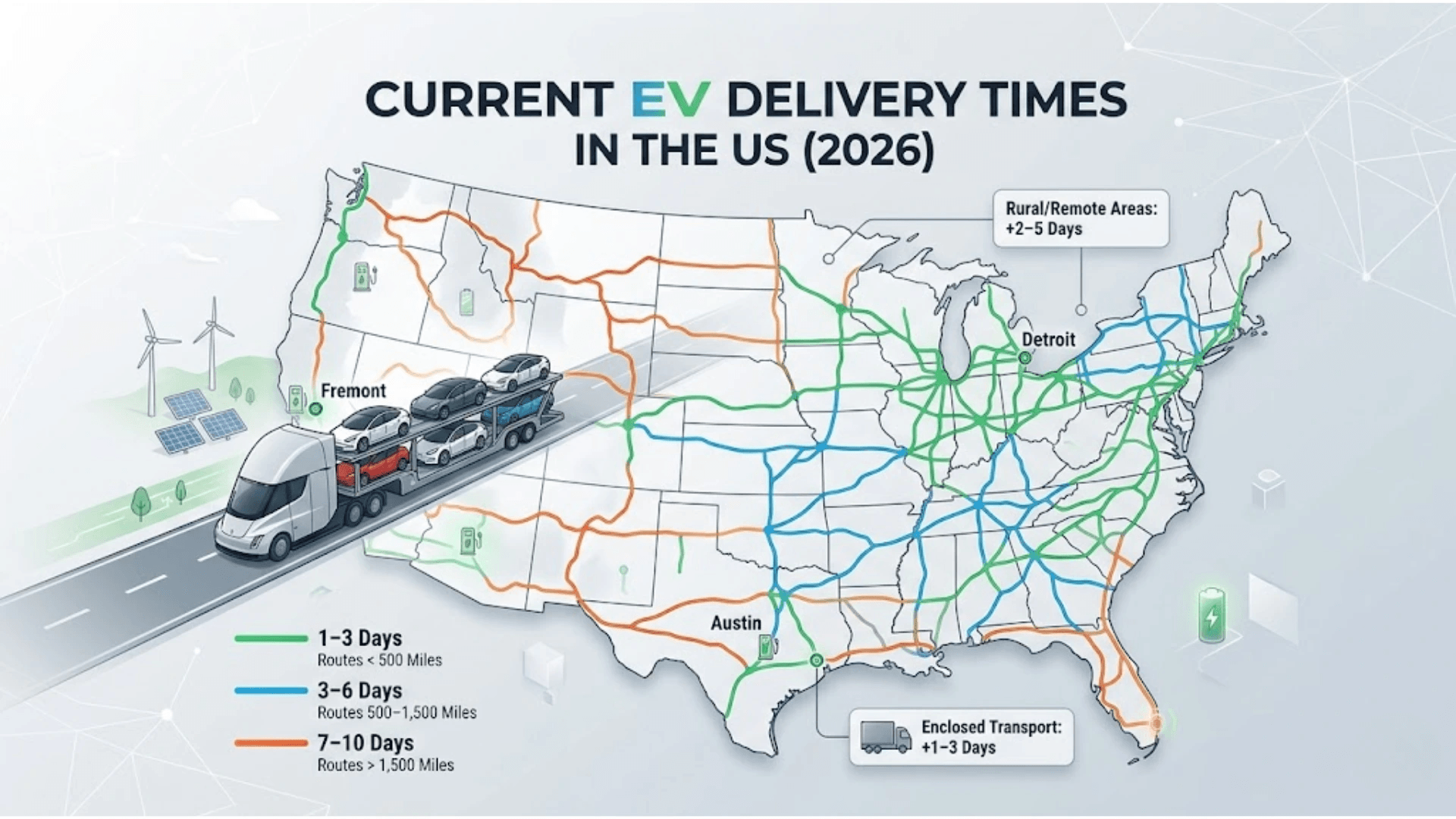
Short routes (under 500 miles): 1–3 days
Mid-range routes (500–1,500 miles): 3–6 days
Long-haul routes (1,500+ miles): 7–10 days
Rural or remote locations: Add 2–5 days to any estimate
These are standard transit windows for electric vehicle delivery times in 2026 US under normal carrier capacity. Enclosed transport adds 1–3 days due to lower carrier frequency on most routes.
How Distance Affects EV Transit Specifically
Distance affects EV shipments the same way it affects conventional vehicles. EV weight, however, is a relevant secondary factor; most electric vehicles are heavier than their combustion equivalents due to battery pack mass. Carriers operating near weight limits may accept fewer EVs per load, which can marginally extend booking lead times on high-demand routes during peak seasons.
Dealership Delivery vs. Direct-to-Customer
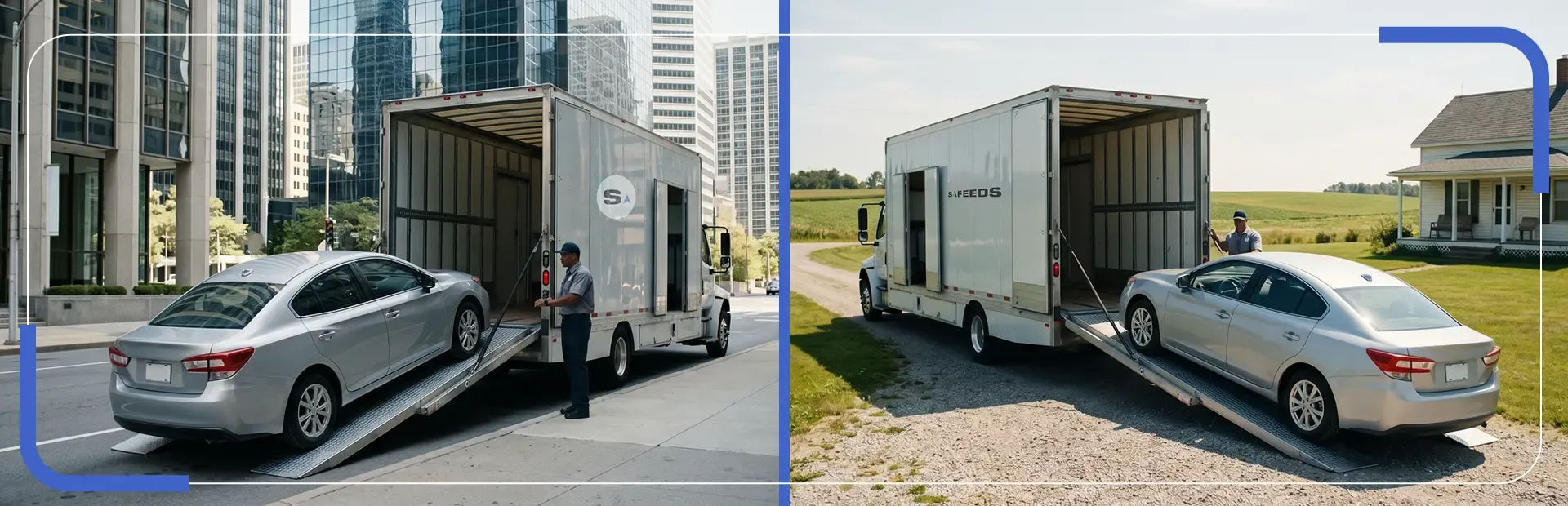
Dealership-to-dealership transfers typically move faster than retail consumer shipments. Dealers with established carrier relationships and flexible pickup windows are prioritized on most load boards, reducing wait time by 1–3 days.
Direct-to-customer EV delivery times in the US in 2026 depend on pickup window flexibility. Customers offering a 3–5 day window rather than a fixed date see faster carrier assignment in most markets. For anyone comparing EV delivery times across booking types, the dealership advantage is consistently 1–2 days faster on equivalent routes, driven by carrier prioritization, not route distance.
2026-Specific Factors Affecting Domestic EV Transit
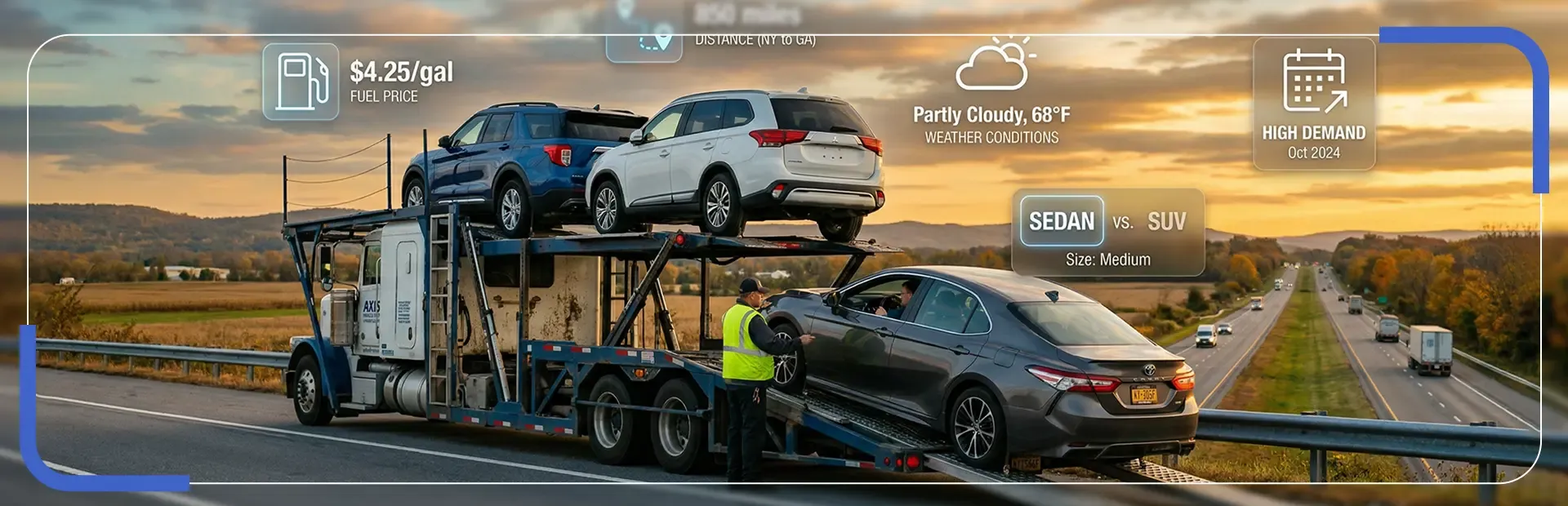
Several 2026-specific conditions are affecting capacity and lead times. New EV model releases have increased volume on high-demand corridors, particularly California-to-Texas and Southeast routes. Additional factors shaping EV delivery times united states 2026 include:
Carrier fleets are expanding EV-compatible equipment, but the supply has not yet caught up with demand on some routes
Improved charging infrastructure along major corridors, reducing carrier hesitation on long hauls
Seasonal peaks in spring and summer extend lead times by 2–4 days across all vehicle types
These conditions collectively explain why electric vehicle delivery times in the US in 2026 are running slightly longer than pre-2024 baselines on high-demand corridors.
The table below captures current EV delivery times in the US in 2026 across the most common route types for quick reference:
Route | Distance | Typical Transit Time |
Regional | Under 500 miles | 1–3 days |
Mid-range | 500–1,500 miles | 3–6 days |
Long-haul / Cross-country | 1,500+ miles | 7–10 days |
Remote pickup or delivery | Any distance | Add 2–5 days |
Enclosed transport | Any distance | Add 1–3 days |
Dealership fleet transfer | Any distance | 1–2 days faster than retail |
Current EV delivery times at US dealerships in 2026 follow the same framework, with faster carrier assignment the primary advantage for institutional shippers.
RoRo Shipping Rates for Electric Vehicles in 2026
International EV export has a dominant shipping method, and understanding it before booking saves time and money. Here is what RoRo involves, what it costs by region, and what EV-specific charges to expect on top of the base rate.
What RoRo Means, and Why It Dominates EV Exports
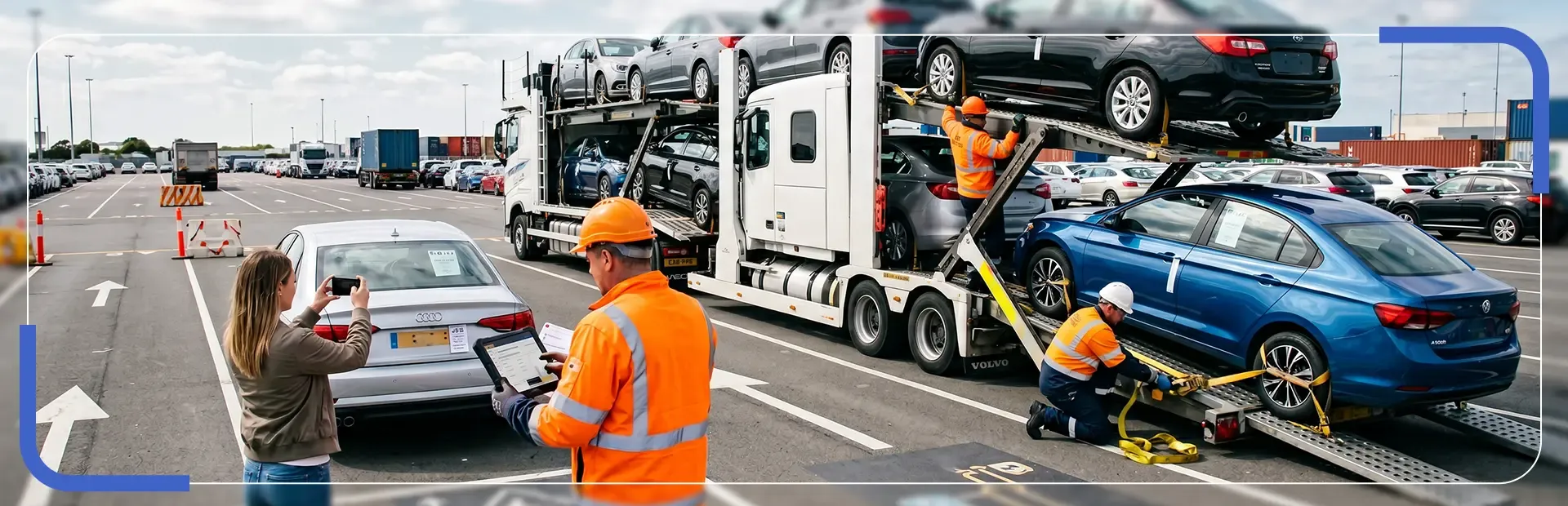
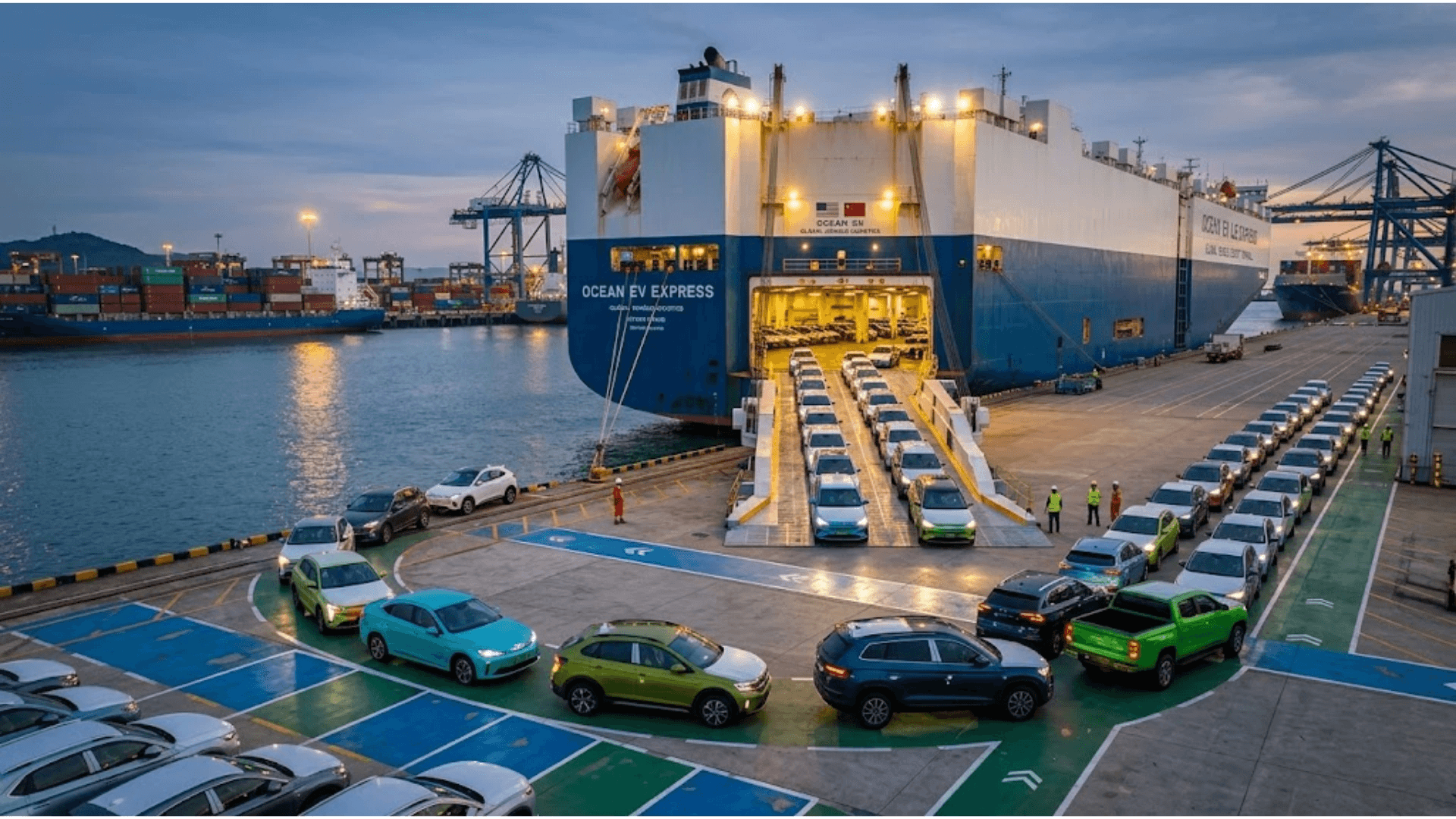
RoRo, roll-on/roll-off, is a method where vehicles are driven directly onto a specialized vessel and secured for ocean transit. It is the dominant method for international EV export because it is faster to load, generally less expensive than container shipping for individual vehicles, and accommodates the size and weight of modern EVs without modification.
RoRo shipping rates for electric vehicles in 2026 vary by destination, vessel schedule, and vehicle classification. EVs are increasingly treated as a distinct cargo category at some ports due to battery fire risk protocols, adding a handling surcharge at certain terminals. Shippers comparing RoRo shipping rates in 2026 across multiple lines should factor these surcharges into the total cost before selecting a carrier.
Current RoRo Rates by Destination Region
The rates below reflect current market pricing for a standard passenger EV shipped from a major US port. Luxury vehicles, oversized EVs, and shipments requiring expedited vessel scheduling will fall toward the higher end of each range.
Destination Region | Typical RoRo Rate (2026) | Transit Time |
Western Europe (UK, Germany, Netherlands) | $1,800–$2,800 | 12–18 days |
Middle East (UAE, Saudi Arabia) | $2,200–$3,200 | 20–28 days |
East Asia (Japan, South Korea) | $2,400–$3,500 | 18–25 days |
Southeast Asia (Malaysia, Thailand) | $2,600–$3,800 | 22–30 days |
Australia / New Zealand | $2,800–$4,000 | 25–35 days |
These figures cover ocean freight only. Port handling, inland transport, customs clearance, and final delivery are additional costs.
EV-Specific Charges on RoRo Shipments
Understanding the full cost of RoRo shipping rates for electric vehicles in 2026 means looking beyond the base ocean freight figure. The charges below apply specifically to EVs and are not always disclosed upfront:
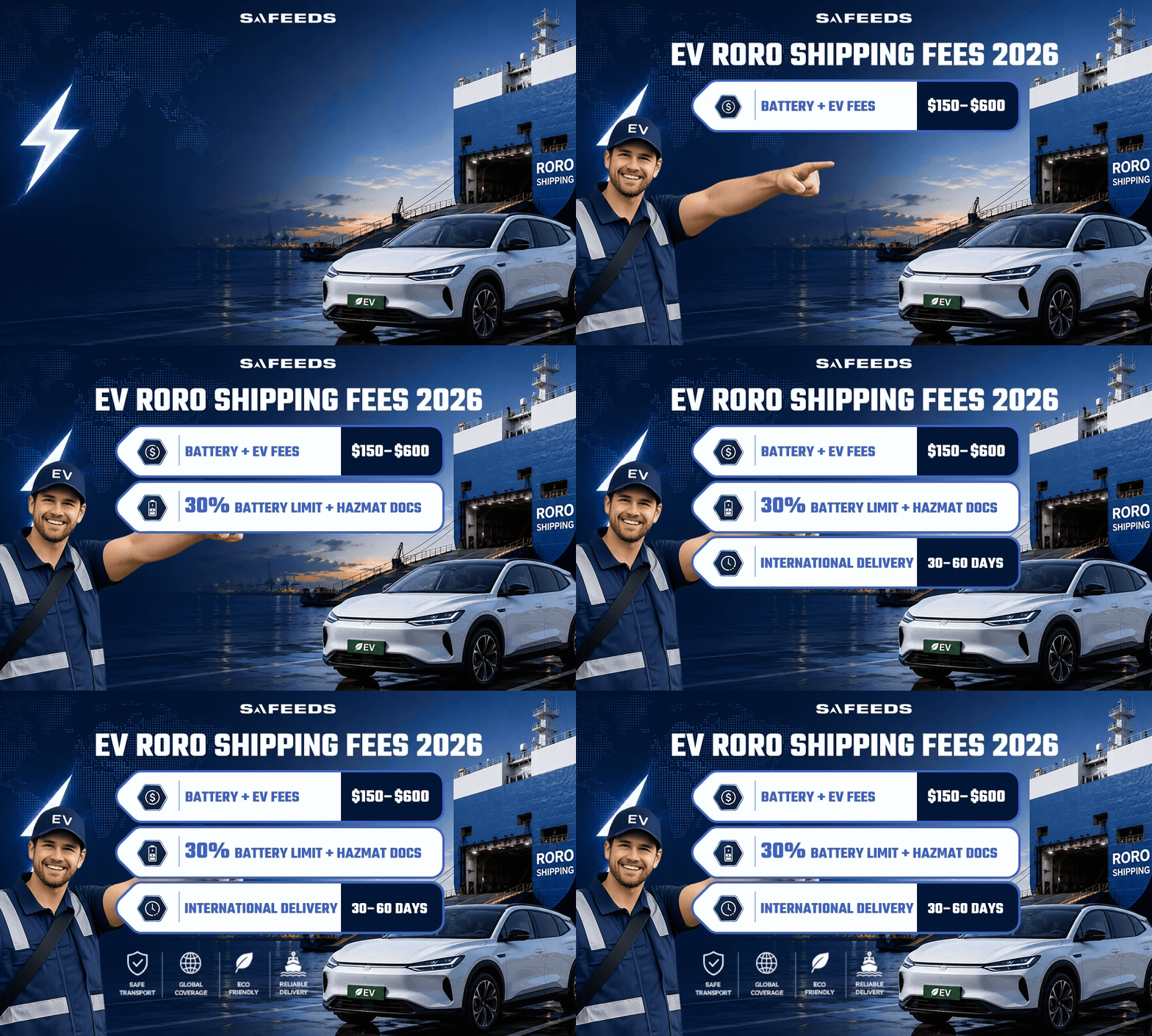
Battery declaration fee: $50–$200, depending on the shipping line
Reduced state-of-charge handling: Managing the 30% SoC requirement adds port processing time
EV surcharge: $100–$400 flat per vehicle at some shipping lines
Hazmat documentation: Required at certain ports under IMDG regulations
Total electric vehicle delivery times 2026 for international RoRo shipments run 30–60 days door-to-door, including inland transport, ocean transit, and destination clearance.
Bulk Export Shipping Rates for Electric Cars (Fleet Shipping)
For dealers and exporters researching bulk export shipping rates for electric cars EVs in 2026, volume thresholds, vessel allocation, and route consolidation all affect the final rate significantly. The approach that makes sense at five vehicles looks different from the one that makes sense at twenty-five.
When Bulk EV Shipping Applies
The threshold at which bulk pricing kicks in varies by operator, but the following brackets reflect where meaningful cost reductions begin for most fleet shippers.
5–10 vehicles: Negotiated rate discounts begin at most RoRo operators and domestic carriers
10–25 vehicles: Dedicated vessel space or container allocation becomes practical
25+ vehicles: Full container load or dedicated RoRo block booking is typically most cost-effective
Export shipping rates for electric cars are negotiated, not published as fixed tariffs. Current market ranges for fleet-level export:
RoRo bulk rate (10+ vehicles): $1,400–$2,200 per vehicle, 20–35% below individual rates
Container shipping: $3,500–$6,000 per 40-foot container, accommodating 2–3 standard EVs
Domestic bulk transport (5+ vehicles): $400–$900 per vehicle, depending on route
For fleet operators comparing bulk export shipping rates for electric cars across shipping methods, the per-vehicle saving on RoRo at volume is significant, particularly on high-frequency trade lanes to Europe and the Middle East.
RoRo vs Container for Bulk EV Exports
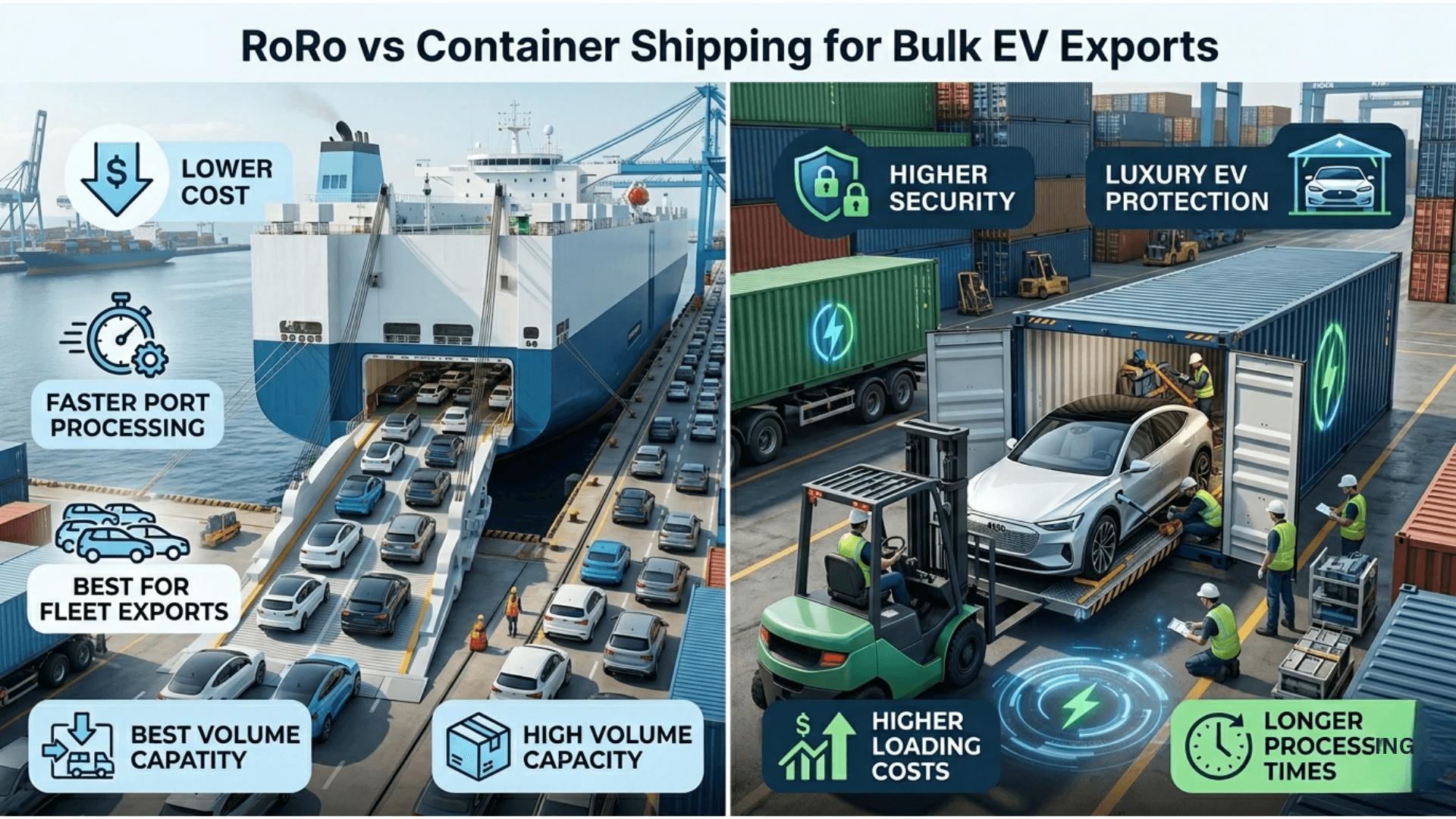
For fleet operators comparing bulk export options, RoRo remains the preferred approach for most bulk scenarios over container shipping. Container shipping offers higher security for luxury EVs but adds loading complexity, blocking and bracing costs, and longer port processing times.
Bulk shipping costs for exporting electric vehicles via container increase further when EVs must be discharged to a low battery state before loading, a requirement some ports enforce strictly. The most cost-effective approach for fleet-scale exports in 2026 is RoRo on established trade lanes with a forwarder who can consolidate multiple loads into a single booking.
EV-Specific Shipping Considerations: Battery, Weight, and Carrier Compatibility
Most carriers handle electric vehicles routinely, but the details that separate a smooth shipment from a delayed one are worth knowing before pickup day. Battery preparation, vehicle weight, and carrier compatibility are the three areas where EV shipments differ most from conventional transport.
Battery State-of-Charge Requirements
The standard domestic requirement is a 30–60% charge at pickup. This balances sufficient charge to drive on and off the carrier against reduced thermal risk during transit.
Key points before shipping:
Confirm the specific SoC requirement with your carrier; it varies by operator
Do not charge to 100% the night before pickup; most carriers will refuse or require partial discharge
Enclosed transport operators are often more flexible on SoC than open carrier operators
Weight Considerations
EVs are consistently heavier than combustion equivalents. Carriers near gross weight limits may accept fewer EVs per load, affecting availability on certain routes. Full-size electric trucks, Ford F-150 Lightning at 6,015 lbs, Rivian R1T at 7,148 lbs, reach carrier weight limits faster than standard passenger vehicles, which can affect scheduling on long-haul routes.
Carrier Compatibility
Before confirming any booking, ask the following directly:
Does the carrier have experience with EVs of your specific make and model?
Does the equipment accommodate the vehicle's dimensions and ground clearance?
Does the carrier's insurance cover battery-related damage?
Most established national carriers handle EVs without issue. The risk is highest with smaller regional operators who may have limited EV experience or equipment not optimized for low-clearance vehicles.
How Much Does It Cost to Ship an Electric Vehicle in 2026?
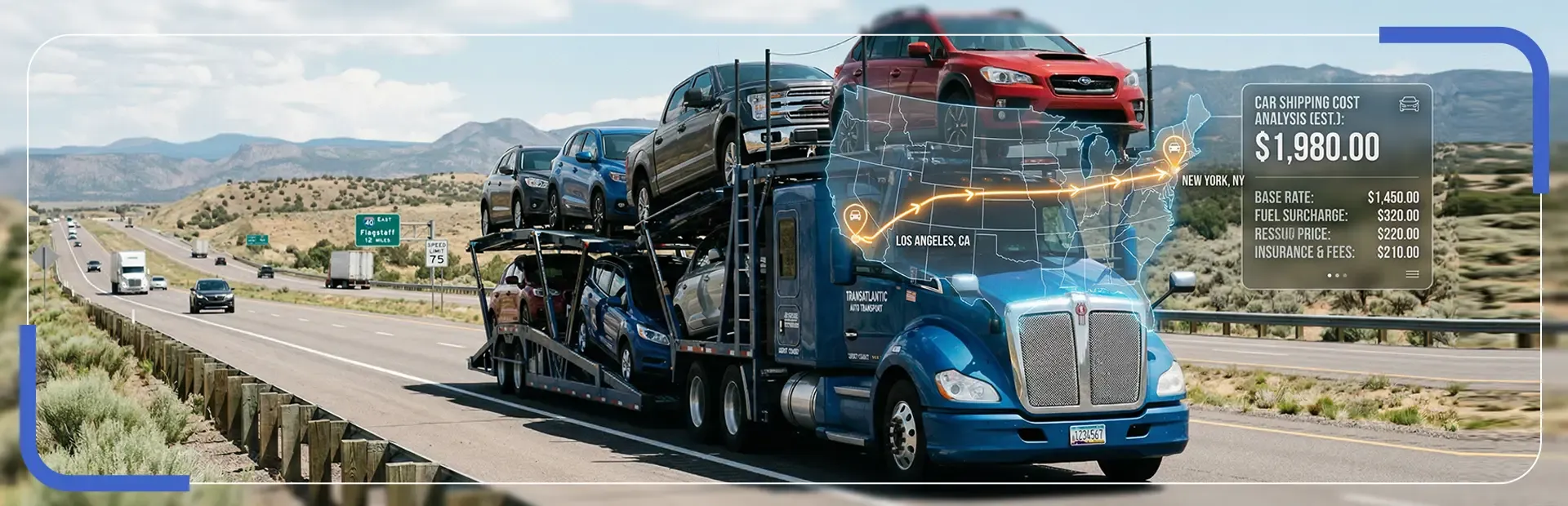
Cost estimates vary more than most customers expect, because route, season, vehicle weight, and transport type all move the number significantly. The ranges below reflect current 2026 market conditions for standard passenger electric vehicles.
Domestic EV Shipping Costs
The following ranges apply to standard passenger EVs, sedans, crossovers, and SUVs, shipped within the continental United States.
Open carrier: $600–$1,100 for most routes
Enclosed carrier: $1,000–$1,400 for most routes
Expedited booking: Add $200–$400
Remote pickup or delivery: Add $100–$300
Large electric trucks and vans may incur surcharges of $100–$300 due to size and weight.
International EV Shipping Costs
The figures below cover ocean freight from a major US port; port handling, customs clearance, and final delivery to the destination are charged separately.
US to Western Europe: $1,800–$2,800 ocean freight, plus $400–$800 in port and documentation fees
US to Middle East: $2,200–$3,200 ocean freight, plus fees
US to Asia-Pacific: $2,400–$4,000 ocean freight, plus fees
What Affects the Final Price
No two EV shipments are priced identically; the variables below are what move any baseline estimate up or down before a final quote is confirmed.
Route and distance: Longer and less-traveled routes cost more
Season: Spring and summer peak demand adds 10–20% to most quotes
Vehicle weight: Heavier EVs cost more for weight-limited loads
Transport type: Enclosed costs 30–60% more than open on the same route
Booking lead time: 7-day advance booking locks in the best rates
RoRo vs container: Container adds cost and time for most single-vehicle exports
What EV Shippers Ask Most Before Booking
Shipping an electric vehicle raises specific questions that standard auto transport guides do not always address. The following covers the most common, from battery preparation to export costs, with direct answers. These are direct, specific answers, not general disclaimers. Each one is written to give you what you need to make a confident booking decision before you call a broker or request a quote.
How long does it take to ship an electric vehicle in 2026?
Domestic EV shipments take 3–10 days, depending on route distance. Short regional routes complete in 1–3 days; cross-country shipments run 7–10 days. International RoRo exports take 30–60 days door-to-door, including port processing, ocean transit, and destination clearance. Enclosed transport and remote locations add 1–5 days to any estimate.
What is the cheapest way to ship an EV?
Open carrier transport is the least expensive domestic option at $600–$1,100 for most US routes. For international shipments, RoRo is significantly cheaper than container shipping for individual vehicles. Booking 7 or more days in advance, offering a flexible pickup window, and avoiding peak spring and summer periods all reduce cost.
Do I need to charge my EV before shipping?
Yes, but not to full charge. Most carriers require a battery state of charge between 30–60% at pickup. This ensures the vehicle can be driven on and off the carrier while keeping the battery below levels that increase thermal risk during transit. Confirm the exact requirement with your carrier before pickup day.
Can a regular auto transport carrier ship an electric vehicle?
Most established national carriers ship EVs routinely. The key considerations are equipment compatibility, weight capacity, and driver experience with EV loading. Ask whether the carrier has transported your specific make and model before booking. Smaller regional operators may have less EV experience, worth confirming in advance.
How much does it cost to export an electric vehicle in 2026?
RoRo export from a major US port currently costs $1,800–$4,000 in ocean freight, depending on destination. Add $400–$1,000 for port handling, battery documentation, EV surcharges, and destination clearance. Total landed costs for a standard EV export run $2,200–$5,000, depending on route and destination.
Ship Your Electric Vehicle with Safeeds Transport
Whether you are shipping a single EV across the country or coordinating a fleet export, the logistics require a broker who understands EV-specific requirements, battery protocols, carrier compatibility, and weight considerations.
Safeeds Transport Inc. is a licensed auto transport broker (MC-1606811, USDOT 4175566) coordinating vehicle shipments across all 50 states. No deposit until your carrier is confirmed. 7-day price lock on every quote. AFTA GAP Protection available for supplemental coverage. Get an EV shipping quote from Safeeds Transport to discuss your shipment directly.