Most car shipments take 1 to 10 days in transit, plus a pickup window of a few days. On Safeeds Transport's published routes, trips under 500 miles take 1 to 3 days and coast-to-coast moves take 6 to 10 days. Season, weather, and pickup location can add time, especially in summer and winter.
Most people plan for the drive and forget about the wait before the truck even shows up. So, how long does it take to ship a car? It depends on two clocks: how long it takes to get your car onto a truck, and how long that truck takes to reach your door. This guide explains both using Safeeds Transport's published route and seasonal data, so you can plan with real dates instead of guesses. Request a free quote to see the pickup and transit timeline for your route.
Key Takeaways
Most car shipments take 1 to 10 days in transit, plus a pickup window of a few days before the car is loaded onto a truck.
On Safeeds Transport’s published routes, trips under 500 miles take 1 to 3 days, while coast-to-coast moves take 6 to 10 days.
Federal hours-of-service rules limit truck drivers to 11 hours of driving after 10 consecutive hours off duty, which is why long-distance car shipments take several days.
Car shipping delays most often come from weather, congestion on busy corridors, and overbooking during peak season, and cross-country trips can stretch to about 14 days in summer or winter.
Booking four to six weeks ahead in peak season, keeping pickup dates flexible, and choosing a pickup spot near a main highway can shorten a car delivery timeline.
Pickup Window vs Transit Time

When people ask how long does car shipping take, they’re usually thinking about the drive. But your total timeline actually has two parts, and each one depends on different things.
What is a pickup window? A pickup window is the span of days in which a carrier is assigned to your shipment and collects your car. It covers dispatch and carrier assignment, the steps where your order is matched with a truck that has space on your route. See how the Safeeds Transport booking process works from quote to delivery.
Transit time is the second part: the days your car spends on the truck, from pickup to delivery, shaped by distance, route, weather, and driving rules.
Here’s the key takeaway:
Shorter pickup windows happen on busy routes, where trucks pass through often.
Longer pickup windows happen in peak season or when the pickup address is far from a main highway.
When does the transit clock actually start?
The transit clock starts at pickup, not at booking. Until your car is loaded, it has not started its trip. A simple way to plan is to add the two parts together:
Total time = pickup window + transit time
Let’s say your route has a pickup window of a few days and a transit time of 3 to 5 days. From booking to delivery, that’s about a week in total.
Pro Tip: When you get a quote, ask for both numbers: the expected pickup window and the transit time. Looking at transit time alone can make your timeline look shorter than it really is.
How Long Does It Take to Ship a Car by Distance?
Distance is the biggest single factor in car shipping transit times. The more miles your car travels, the more days it spends on the truck.
The table below groups Safeeds Transport’s published routes by approximate driving distance, so you can see exactly how time grows as the miles add up.
Distance | Safeeds Lanes in This Band | Transit Range |
|---|---|---|
Under 500 miles | LA to Phoenix, San Diego to Phoenix, Atlanta to Orlando, Atlanta to Tampa, Phoenix to LA | 1 to 3 days |
500 to 1,000 miles | Atlanta to Miami, San Francisco to Phoenix | 1 to 4 days |
1,000 to 1,500 miles | Houston to Miami, Dallas to Miami, Chicago to Orlando, New York to Florida, LA to Texas, Boston to Miami | 2 to 5 days |
1,500 to 2,200 miles | Chicago to LA, Chicago to San Diego | 4 to 7 days |
Coast to coast (2,500+ miles) | LA to New York, New York to California | 6 to 10 days |
Source: Safeeds Transport published route transit times, November 2026. Distances are approximate driving miles.

Keep in mind that these ranges reflect normal conditions. Distance also shapes your price, so it helps to understand what determines car shipping cost in 2026. Safeeds Transport’s seasonal planning guide notes that cross-country shipments can stretch to 14 days during peak or winter periods, when demand and weather slow things down.
How many miles does a car carrier drive per day?
Ever wonder why a 2,800-mile trip can’t be done in two or three days? The answer is federal driving limits. Under the FMCSA hours-of-service rules, a truck driver may drive up to 11 hours after 10 consecutive hours off duty. The driver also cannot drive past the 14th hour after coming on duty.
Drivers must also take a 30-minute break after 8 hours of driving. Now add time for:
Loading and unloading other cars
Fueling stops
Safety checks
Put it all together, and a long-distance trip naturally spreads across several days. Hours of service rules protect drivers and everyone else on the road, so they’re built into every delivery estimate. That’s why longer routes in the tables above start at two days or more, even on the busiest corridors.
Typical Times on Major Lanes

Distance bands give you a general idea. If you want to know how long does car shipping take on a specific route, route-level data gives you a sharper answer. The table below shows car shipping transit times on some of Safeeds Transport’s most common lanes.
Route | Transit Time |
|---|---|
New York to California | 7 to 10 days |
Los Angeles to New York | 6 to 10 days |
Chicago to Los Angeles | 4 to 7 days |
New York to Florida | 3 to 5 days |
Boston to Miami | 3 to 5 days |
Los Angeles to Texas | 3 to 5 days |
Houston to Miami | 2 to 4 days |
Dallas to Miami | 2 to 4 days |
Atlanta to Orlando | 1 to 2 days |
Source: Safeeds Transport published route transit times, November 2026.
Notice a few patterns here:
Coast-to-coast routes take about a week or more, no matter which direction you travel.
East Coast and Sun Belt routes to Florida and Texas usually land in the 2 to 5 day range.
Short regional trips in the Southeast and Southwest can often be completed in 1 to 2 days.
For route-specific details, see the New York to Florida car shipping guide and the New York to California car shipping guide.
Why do busy interstate lanes move faster than rural routes?
Busy lanes have more trucks running on them, which makes scheduling faster. Compare two Safeeds routes of almost the same length. Dallas to Miami, at about 1,310 miles, lists a transit time of 2 to 4 days. Chicago to Fort Myers, at about 1,330 miles, lists 4 to 6 days.
So why the difference? It comes down to route consolidation. Carriers fill each truck with several cars heading along the same corridor. Popular interstate routes fill up quickly, so trucks leave sooner.
Rural routes work differently. Fewer trucks pass through, so it can take longer to build a full load.
What Causes Delays

Even a well-planned shipment can run behind schedule. The good news? Most delays come from a short list of causes, and knowing them helps you plan around them.
Safeeds Transport’s seasonal planning guide names three main sources of seasonal car shipping delays:
Weather that forces carriers to reroute or wait for safer roads
Congestion on high-demand corridors during busy periods
Overbooking during peak windows, when more cars need space than trucks can carry
Weather has a measurable effect on travel speed. According to FHWA Road Weather Management, heavy snow can reduce average freeway speeds by 5 to 40 percent. A single weather delay in one state can push back every stop on a carrier’s route.
Beyond the season, three route-level issues can also slow things down:
Rural or hard-to-reach pickup addresses. Large carriers need room to park and load, so remote locations can take longer to schedule.
Multi-stop loading and unloading. Most trucks carry several cars, and each stop adds time to the trip.
A customer who is not available. If no one is present at pickup or delivery, the driver may have to move on and return later.
Which delays can you control?
Some delays are out of anyone’s hands. Others are surprisingly easy to prevent.
You Can Help Prevent | Outside Your Control |
|---|---|
Being available at pickup and delivery | Storms, ice and road closures |
Giving an accurate, accessible address | Traffic congestion on busy corridors |
Booking early in busy seasons | Mechanical issues on the truck |
For a deeper look, read Understanding Common Causes of Car Shipping Delays.
Seasonal Timing You Should Plan Around
The time of year affects both your pickup window and your transit time. The table below summarizes how each season compares, based on Safeeds Transport’s seasonal planning guide.
Season | Demand | Carrier Availability | Weather Risk | What It Means for Timing |
|---|---|---|---|---|
Spring | Moderate | Good | Favorable | Steady timelines, with a northbound snowbird surge from late March to April |
Summer | Peak | Limited | Hot and clear | Longest waits for a carrier; book early |
Fall | Low to moderate | High | Mild | Fastest scheduling in September and October; southbound surge starts in early November |
Winter | Low | Variable | Harsh | Low demand, but storms and ice can extend transit in northern states |
Source: Safeeds Transport, “Best Time to Ship Your Car with Smart Seasonal Planning,” August 2026.
Here’s what that means in practice:
Summer brings the heaviest demand, as families move during school breaks and students ship cars to and from campus.
Winter brings fewer bookings but more weather risk, especially across northern and central states.
According to the guide, September, October, January and February are the quietest windows for shipping.
Pro Tip: If your dates are flexible, aim for one of those four months. You’ll usually get quicker carrier assignment and fewer scheduling conflicts. If summer is your only option, follow these tips for shipping during peak season.
To learn more, read the full guide on the best time to ship your car. If you are moving between northern and southern states for the winter, the snowbird car shipping guide covers that season in detail.
How to Speed Up Your Shipment

You can’t control the weather. But you can make your shipment much easier to schedule, and small choices before pickup often save days on the overall timeline.
How do you get your car delivered faster?
A faster delivery usually starts well before the truck arrives. These five steps help shorten your pickup window and keep your shipment moving on schedule.
Book early. Safeeds Transport’s seasonal guide recommends booking four to six weeks ahead during peak season. Early bookings get first access to carrier space.
Keep your dates flexible. A pickup range of a day or two gives dispatch more trucks to choose from.
Choose a pickup spot near a main highway. If you live on a narrow or remote road, meeting the driver at a nearby open lot can speed up loading.
Ship against the seasonal flow. Trucks heading in the less busy direction often have open space and can be scheduled sooner.
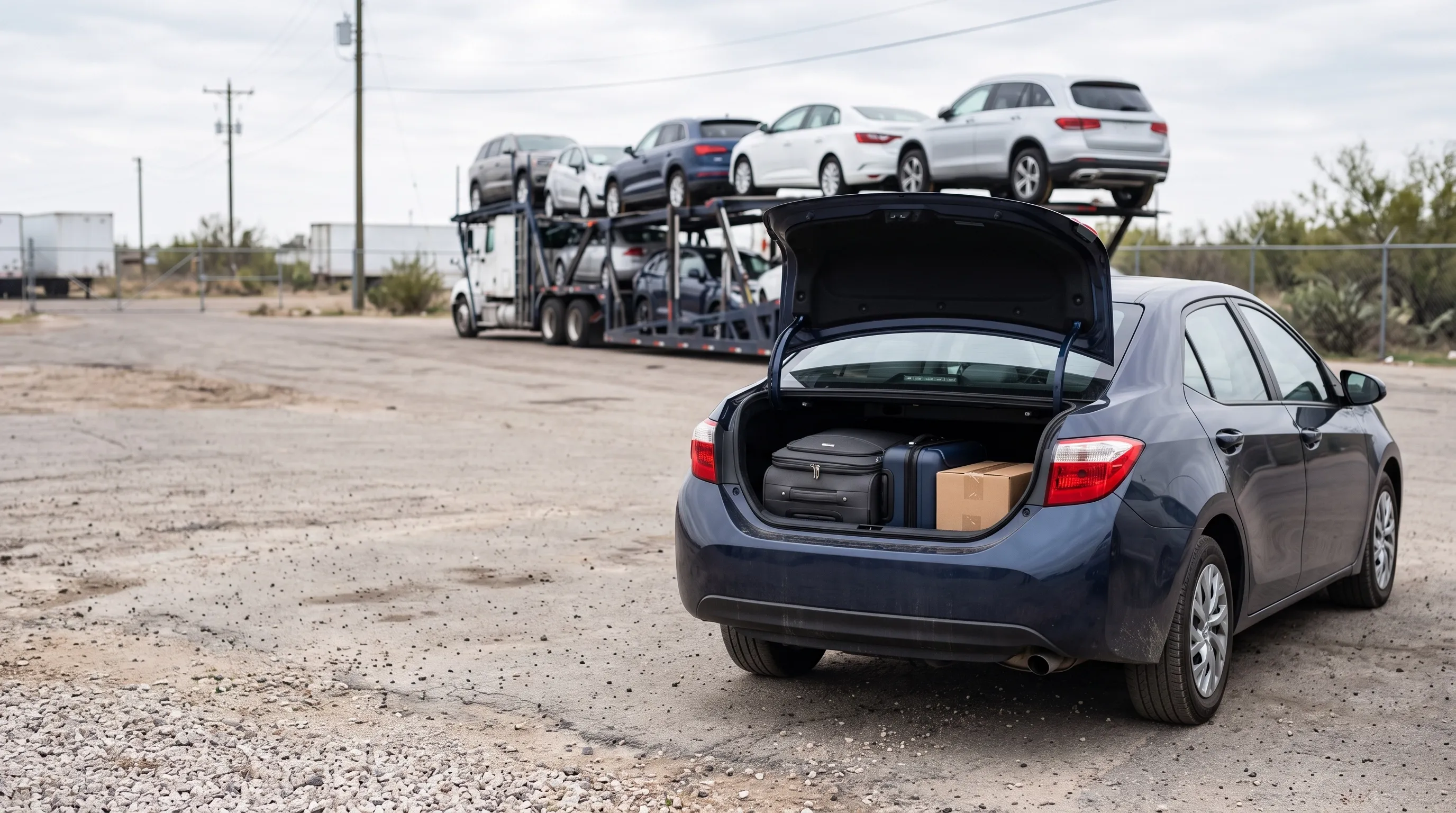
Have the car ready. Keep the keys available, make sure the car runs and have someone on site at pickup. If you plan to pack items inside, check first whether you can ship a car with belongings in it.
Is expedited or guaranteed pickup worth it?
If your schedule is tight, a faster service option can be worth the extra cost. Here’s how the three options compare:
Option | What It Changes | Best For |
|---|---|---|
Standard | Pickup within a window of a few days | Flexible schedules and lower cost |
Expedited | Priority pickup and delivery | Tight deadlines and urgent moves |
Guaranteed Pick-Up | A confirmed pickup date instead of a window | Moves tied to a flight, lease or job start |
One thing to know: expedited service shortens the wait before pickup. It doesn’t change hours of service rules, so the transit time on a long route stays about the same.
How Long Does It Take to Ship a Car? Common Questions Answered
Still have questions? You’re not alone. Here are clear answers to the ones customers ask most often before booking.
How long does it take to ship a car across the country?
Coast-to-coast car shipping usually takes 6 to 10 days in transit on Safeeds Transport’s published routes. For example, Los Angeles to New York takes 6 to 10 days and New York to California takes 7 to 10 days. Add a pickup window of a few days, and allow extra time during summer or winter, when trips can stretch to about 14 days.
What is the difference between a pickup window and transit time?
The pickup window is the time between booking and the moment your car is loaded onto a truck. Transit time is how long the car spends on the road after pickup. Your total timeline is the two added together, so a 3- to 5-day transit route may take about a week from booking to delivery.
Why is my car shipment delayed?
Most car shipping delays come from weather, heavy traffic on busy corridors, or overbooking during peak season. Route-level issues also play a part, such as a remote pickup address, several stops along the route or a customer who is not available at pickup or delivery. Your broker or driver should share an updated ETA when plans change.
Can I get expedited car shipping?
Yes. Expedited auto transport gives your shipment priority pickup and delivery, which shortens the wait before your car is loaded. It is useful for tight deadlines and urgent moves. Keep in mind that federal driving limits still apply once the car is moving, so expedited service mainly speeds up the pickup side of the timeline.
How accurate are delivery estimates?
A car delivery time estimate is a reliable guide, but it is not an exact appointment. Estimates are based on distance, route, and normal conditions. Weather, traffic and stops for other vehicles can move the arrival by a day or more. The closer your car gets to its destination, the more precise the driver’s ETA becomes.
What is the fastest a car can be shipped?
On short routes, a car can be delivered within 1 to 2 days of pickup. Safeeds Transport lists 1 to 2 days for routes such as Atlanta to Orlando, Los Angeles to Phoenix and San Diego to Phoenix. Pairing a short route with expedited service gives you the quickest overall timeline from booking to delivery.
How long is a typical pickup window?
A typical pickup window spans a few days. On busy routes near major highways, carrier assignment often happens quickly. Pickup windows can run longer during peak summer months, in bad weather or when the address is in a rural area. If you need a fixed day, a guaranteed pickup option confirms an exact date.
Does weather affect transit time?
Yes. Snow, ice, heavy rain and storms can slow trucks down or force carriers to reroute. FHWA data shows heavy snow can reduce freeway speeds by up to 40 percent. Weather delays are most common in winter across northern and central states, so it helps to build a day or two of buffer into winter shipments.
How much notice do I get before delivery?
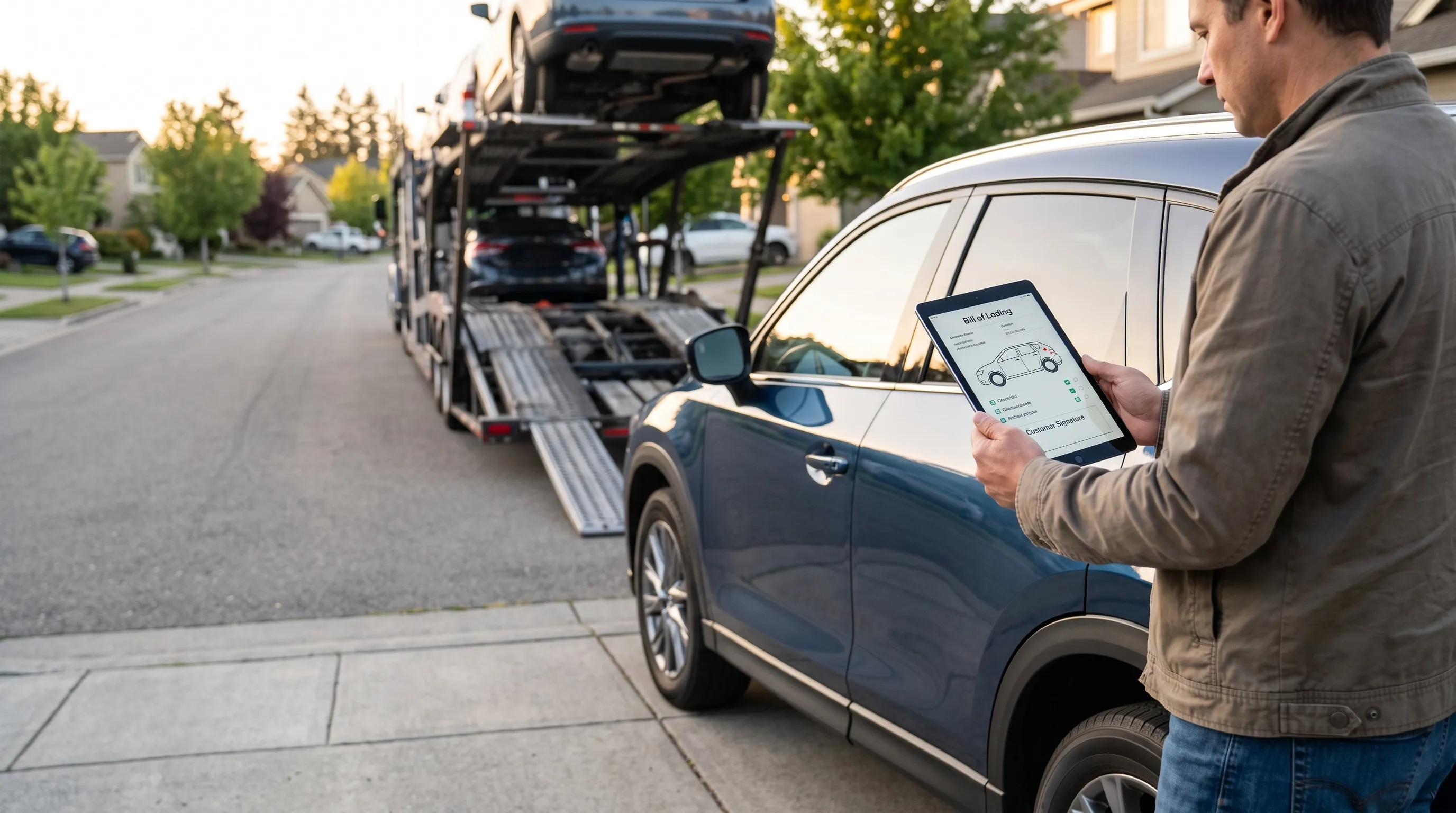
Most drivers contact you ahead of arrival to confirm the delivery time, usually the day before or a few hours in advance. The exact notice depends on the driver’s route and other stops. Keep your phone nearby as the delivery date approaches, and make sure someone is available to inspect the car and sign the Bill of Lading.
Does a rural pickup take longer?
Often, yes. Fewer carriers travel through rural areas, so it can take longer to assign a truck to your shipment. Narrow roads or tight spaces can also make loading harder. Meeting the driver at a nearby open lot, such as a shopping center close to a main highway, can shorten the pickup window.
Building a Realistic Car Delivery Time Estimate
A realistic car delivery time estimate starts with two simple numbers: the pickup window and the transit time for your route. Short regional trips can be completed in a day or two, while coast-to-coast moves usually take a week or more once the car is on the truck. From there, add a small buffer for the season, especially if you are shipping in the summer rush or through northern states in winter.
Planning with all three pieces in mind turns a vague timeline into one you can actually work around. When you are ready to see the timeline for your own route, request a free quote from Safeeds Transport. You will receive a clear pickup and transit estimate, with a quoted price locked for 7 days and no upfront payment required at booking.