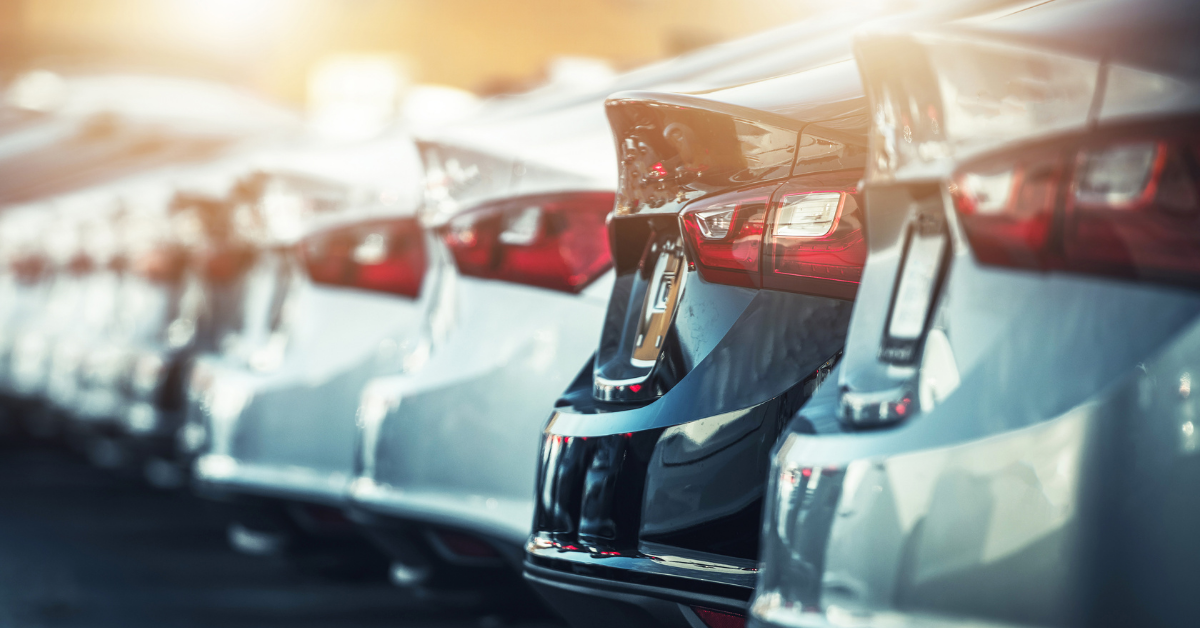
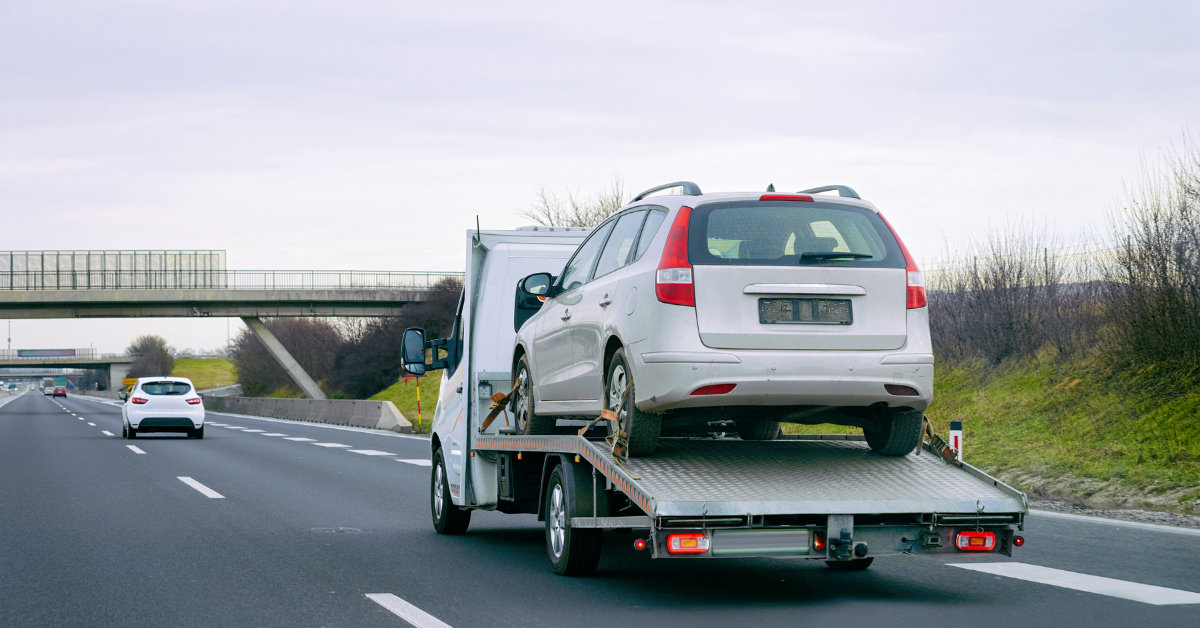
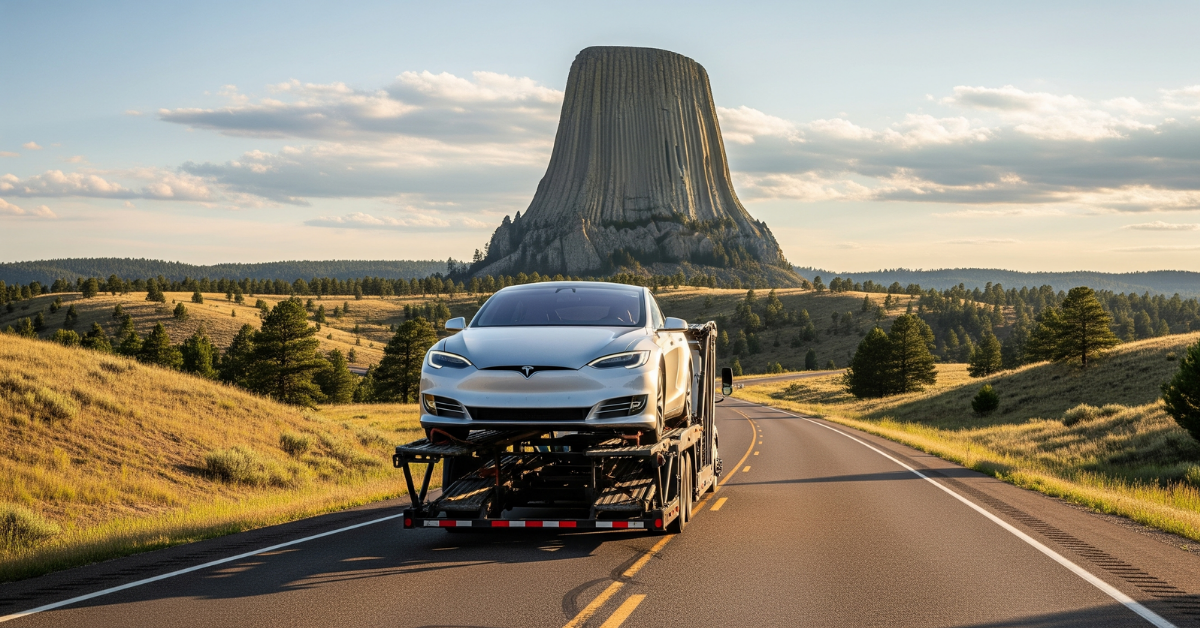
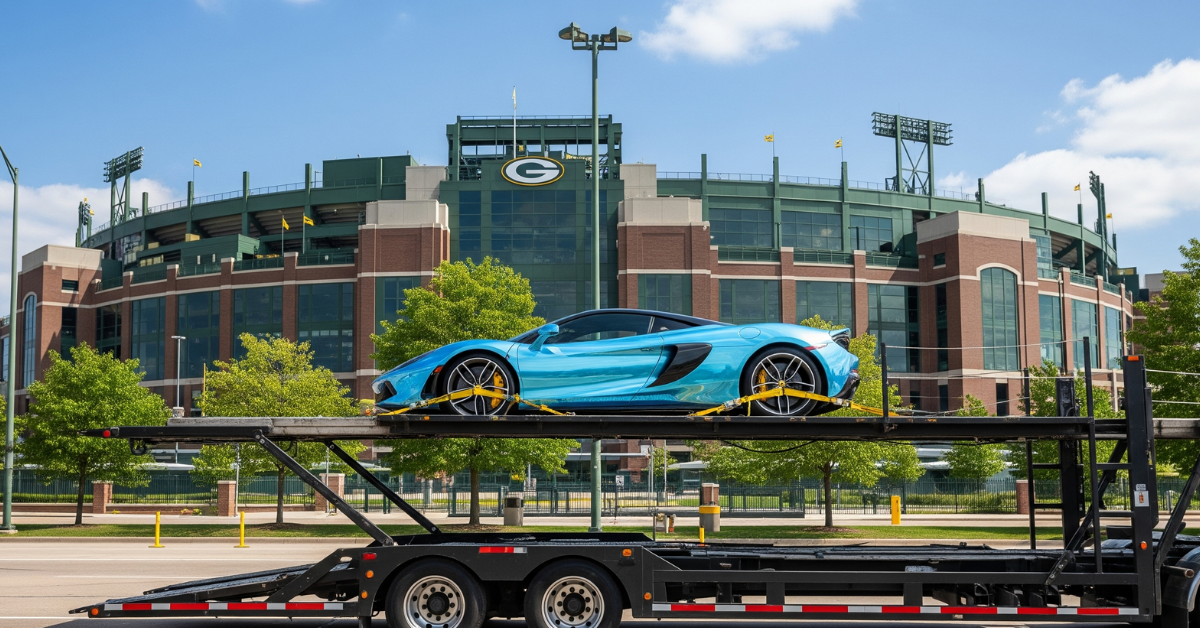
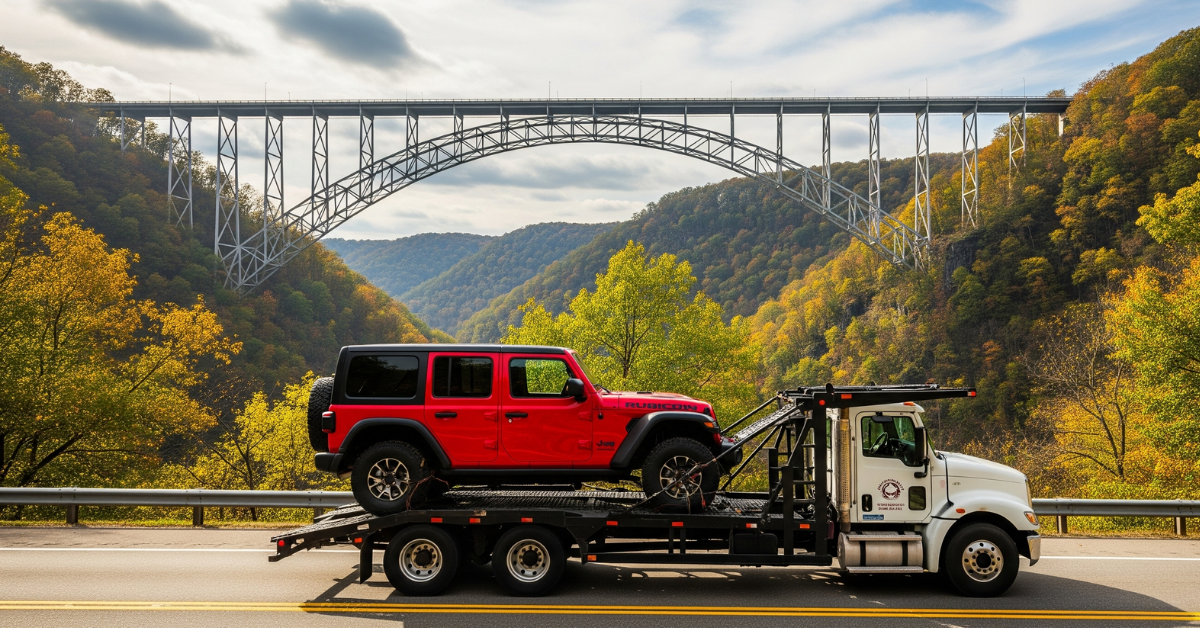
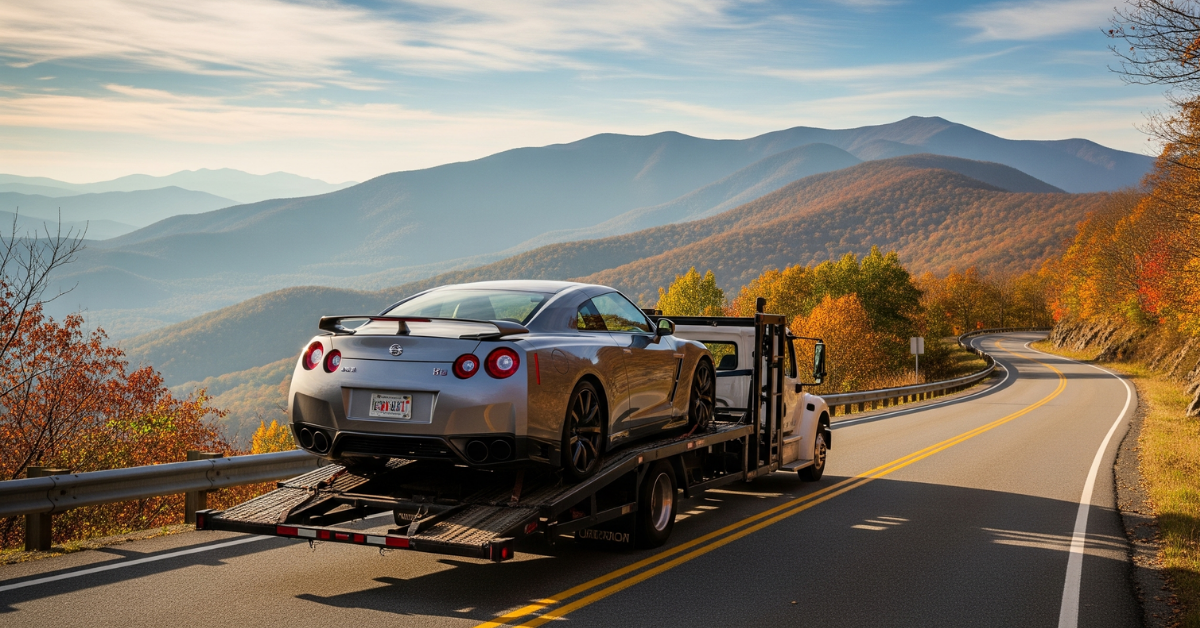
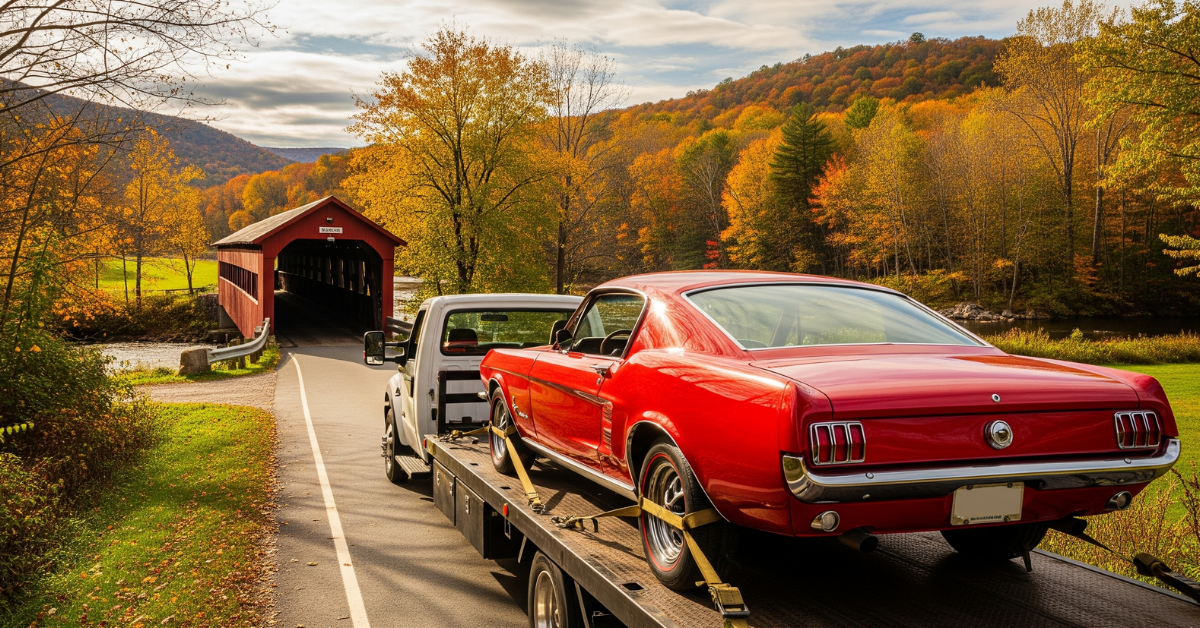
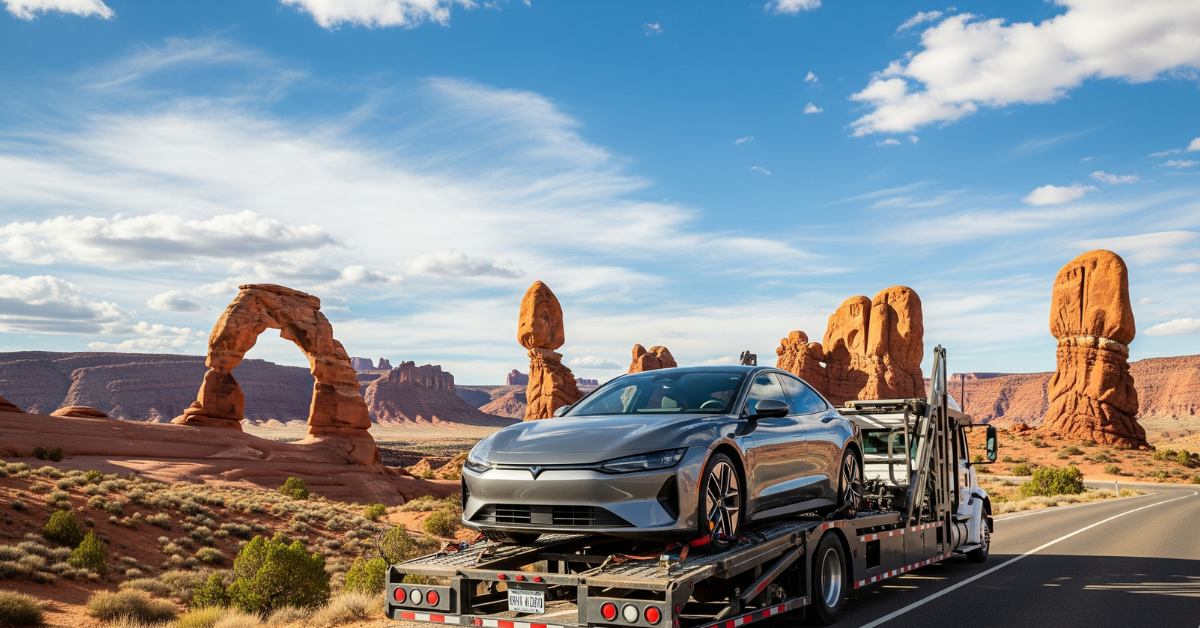
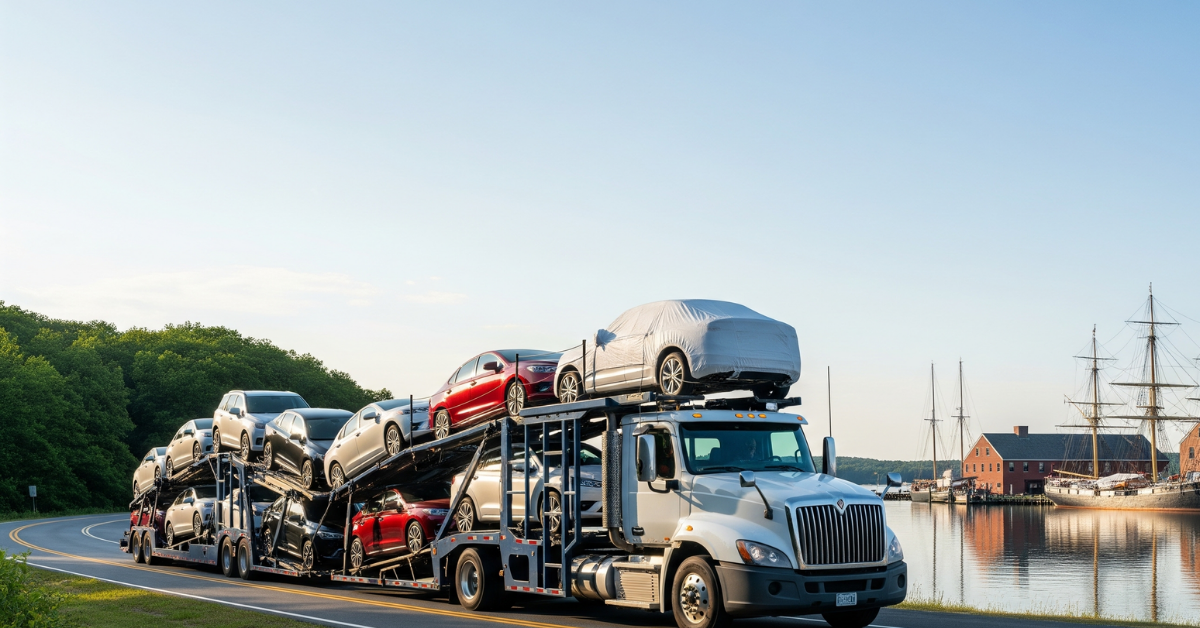
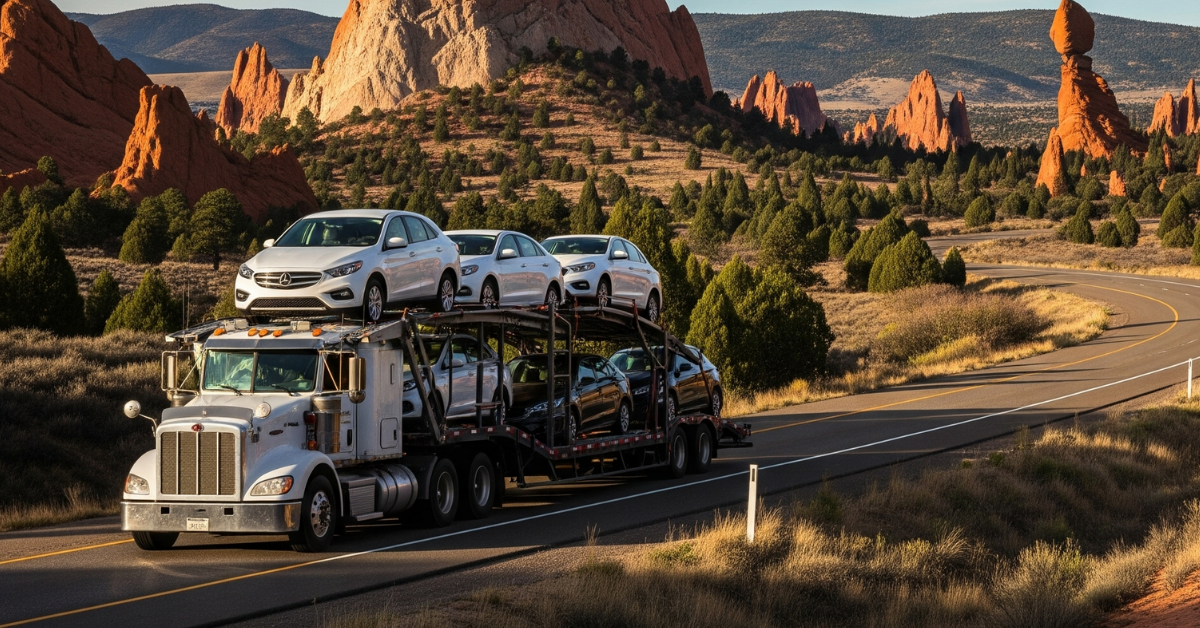
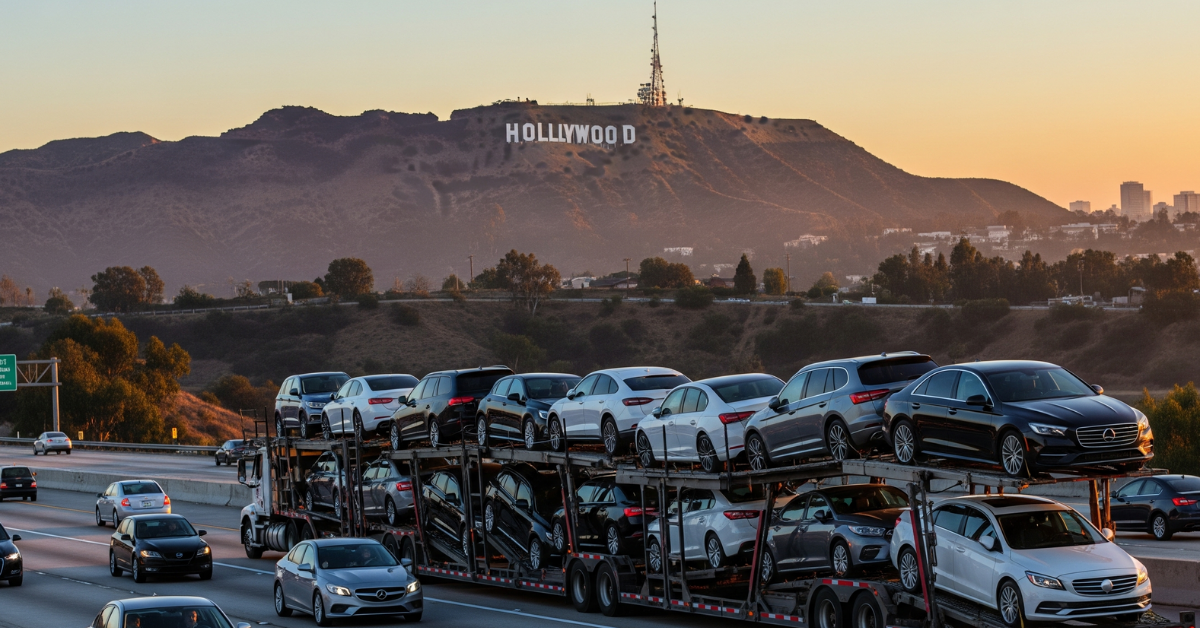
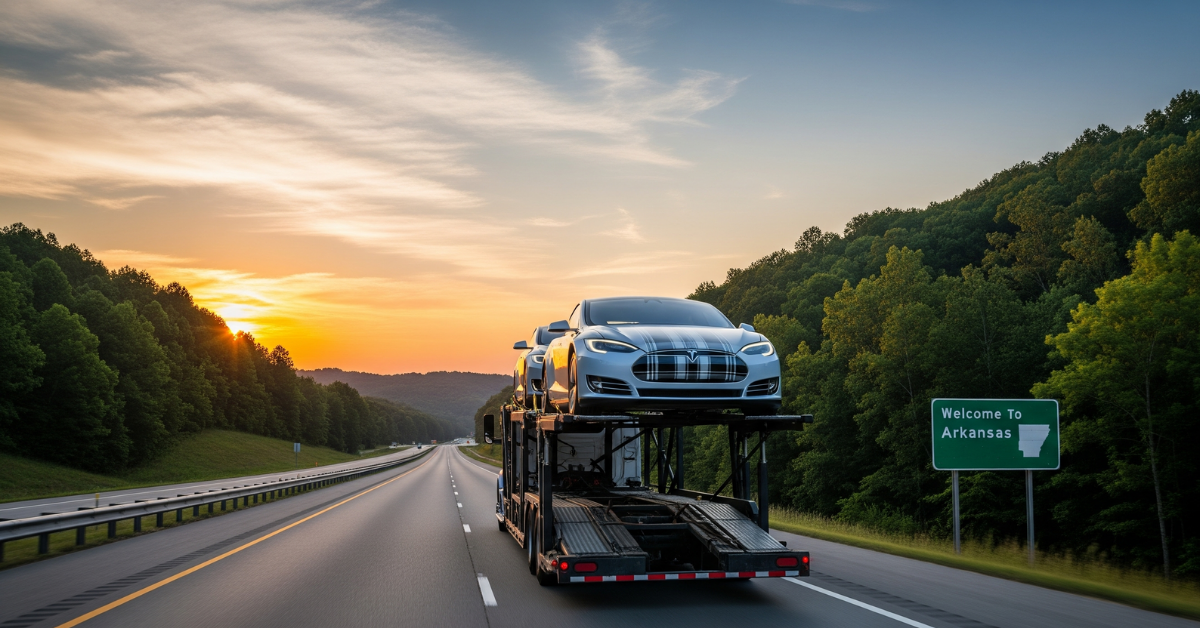
Choosing between open vs enclosed car shipping depends on your budget and how much vehicle protection during shipping you need for your specific car. Most people do not realize that nearly 90% of all vehicles in the USA move via open car transport because it is the most common car shipping comparison choice.
While open carrier car shipping is the standard, high-value vehicle transport often requires the extra shield of a container. Your choice impacts both the enclosed car shipping cost and the safety of your investment during its journey across state lines.
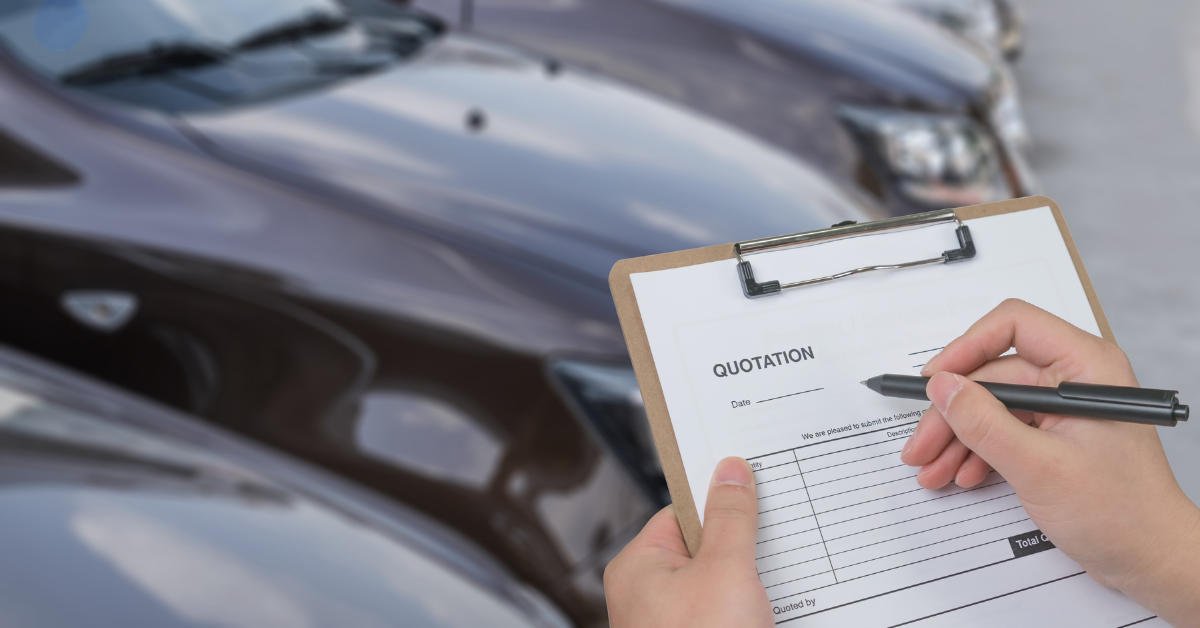
Ready to move your vehicle? Get a Quote for professional open auto transport or enclosed auto transport today to see our competitive rates and secure your spot on a reliable carrier.
What You're Actually Paying For (And Why The Price Gap Matters)
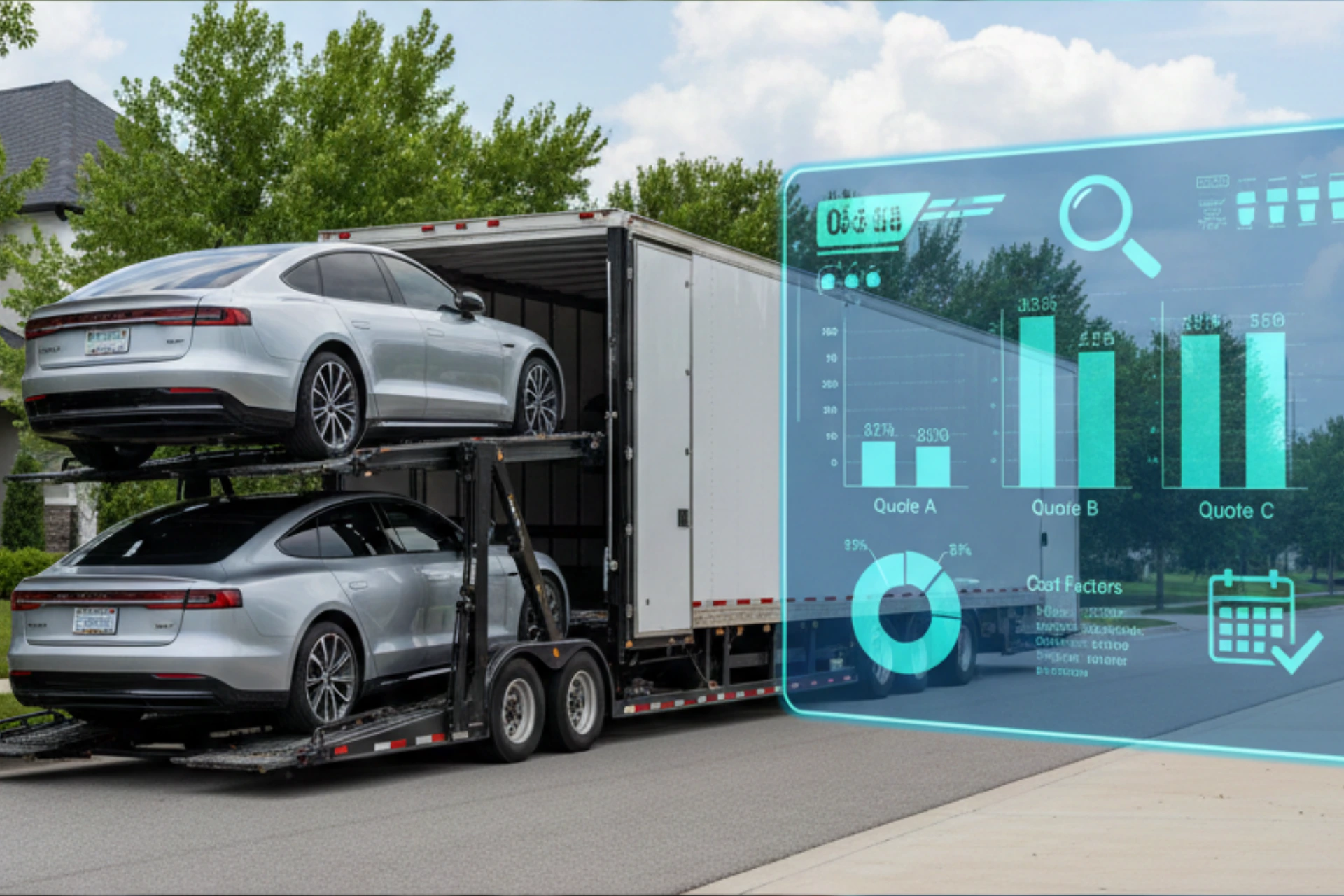
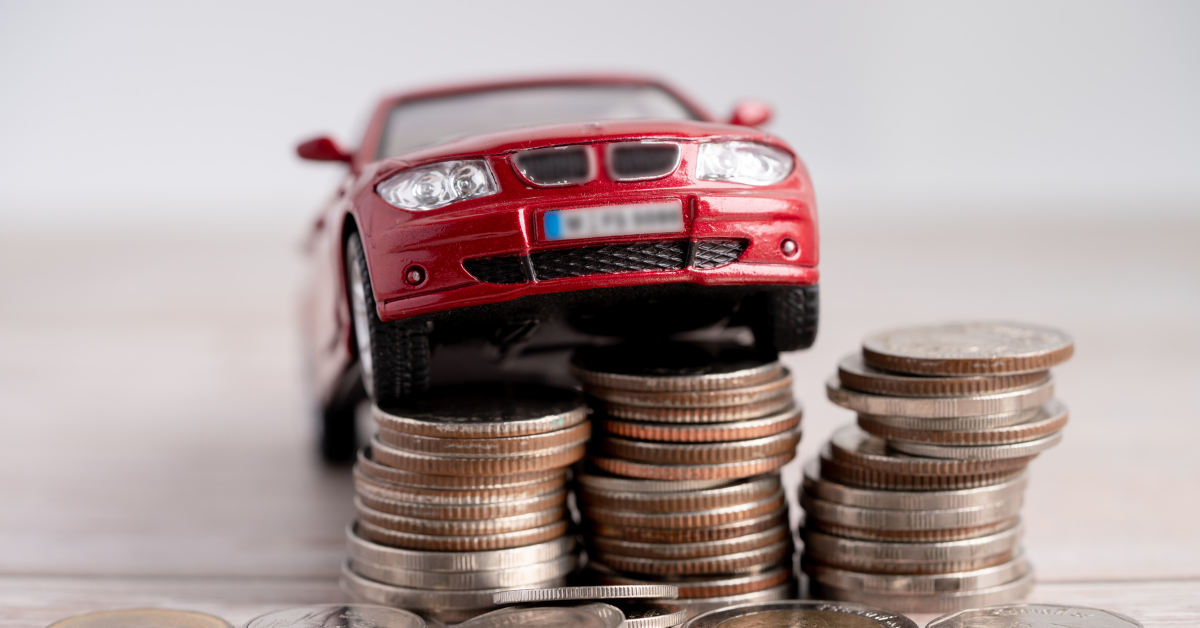
You will usually pay 40% to 60% more for enclosed auto transport compared to a standard open trailer.
If shipping a sedan from New York to Florida costs $800 on an open carrier, expect the enclosed car shipping cost for that same trip to sit between $1,200 and $1,300.
This price gap exists because of trailer capacity and equipment expenses.
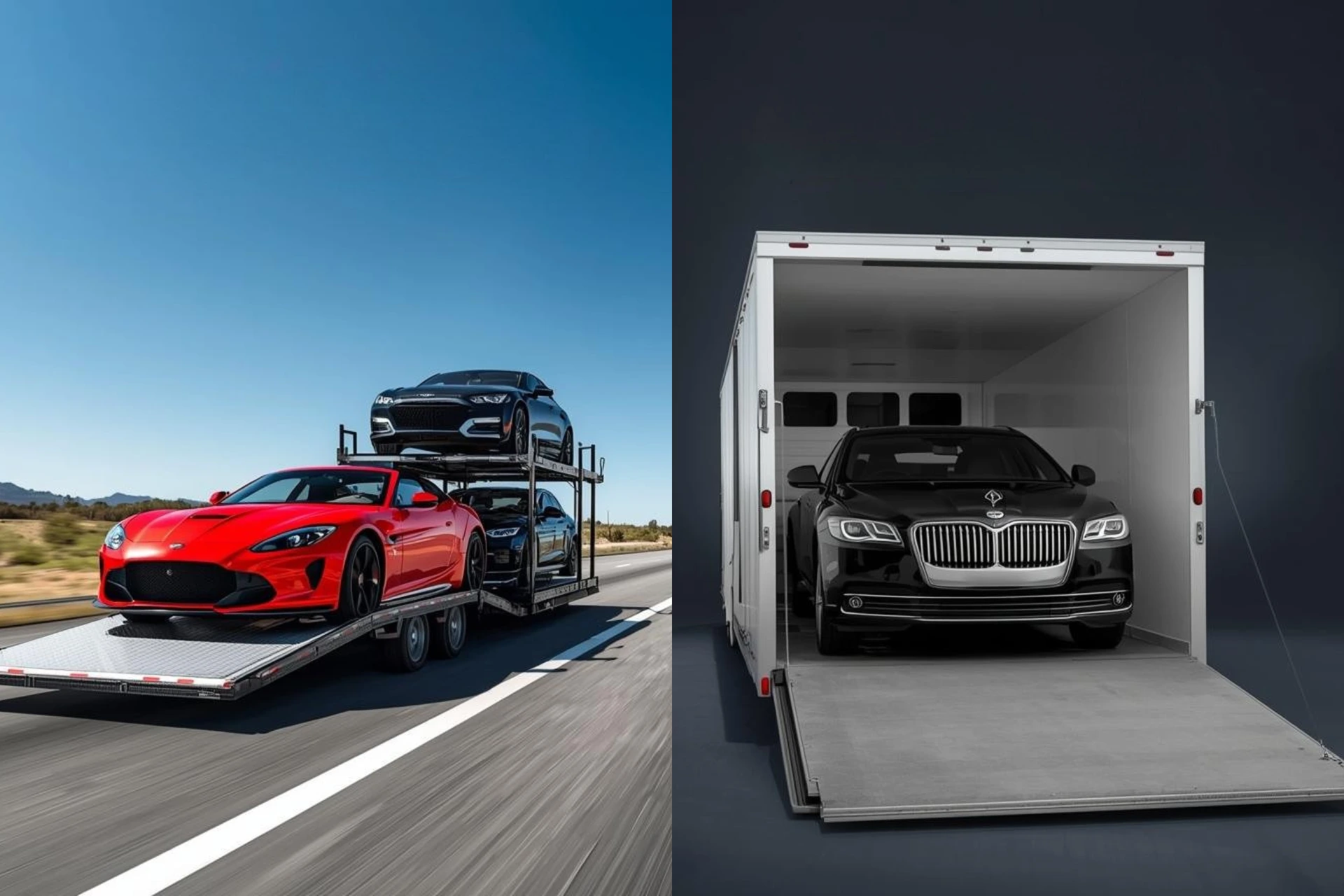
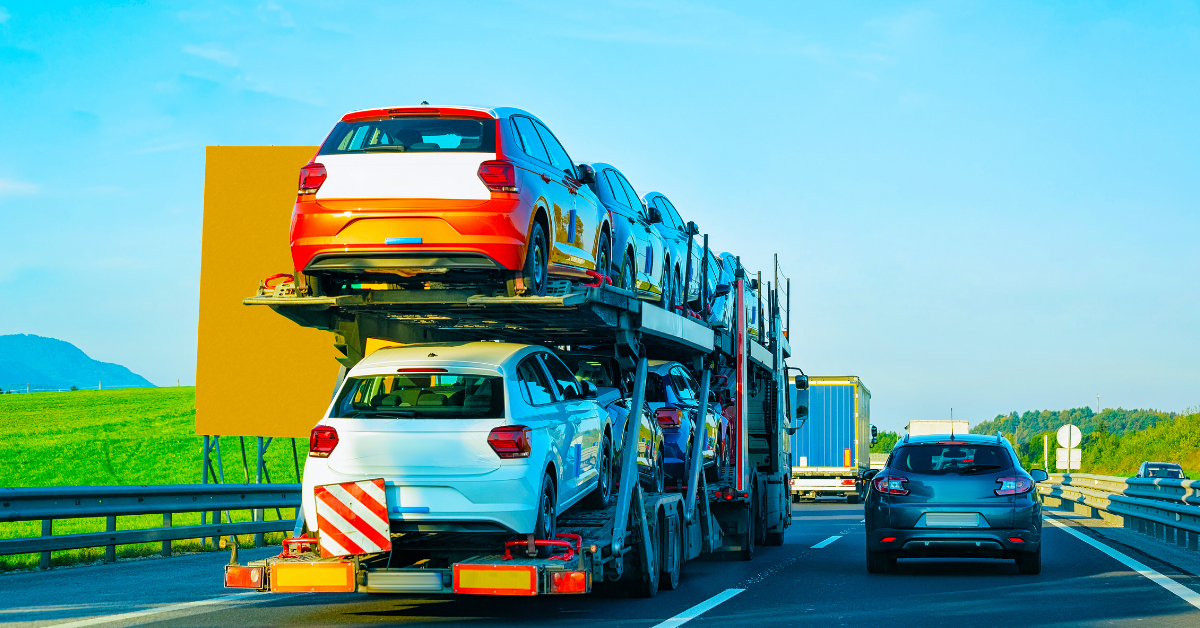
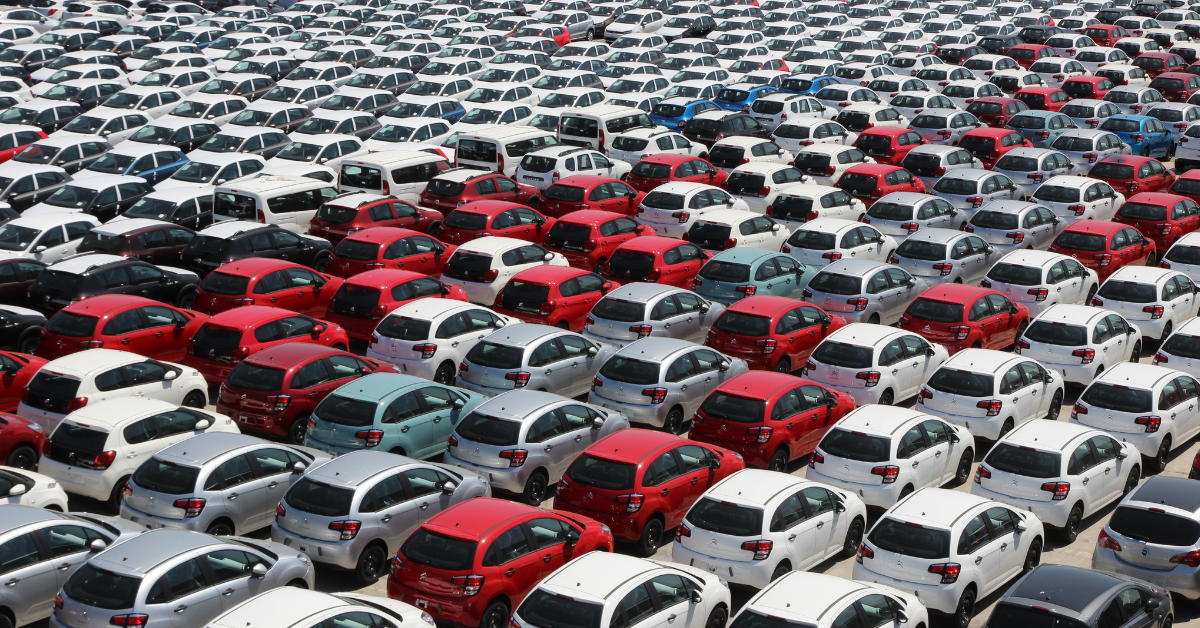
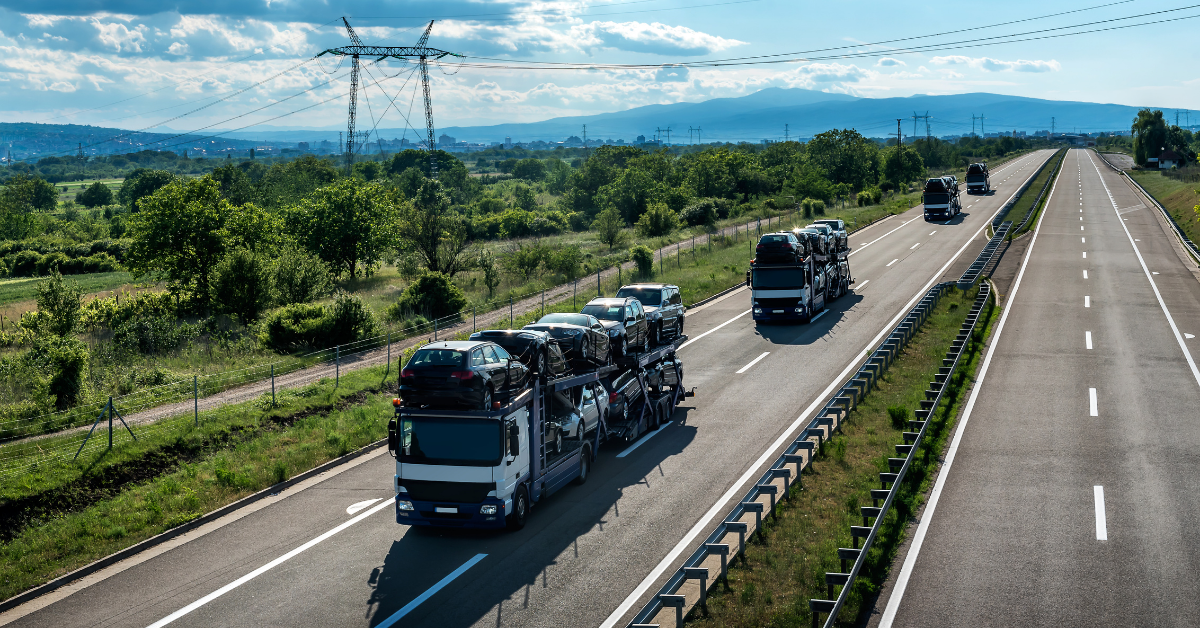
An open carrier car shipping trailer holds up to 10 vehicles, while enclosed trailers often carry only 2 to 6 cars.
Fewer cars per load means you shoulder a larger share of the fuel and driver wages.
The equipment itself drives the rate up.
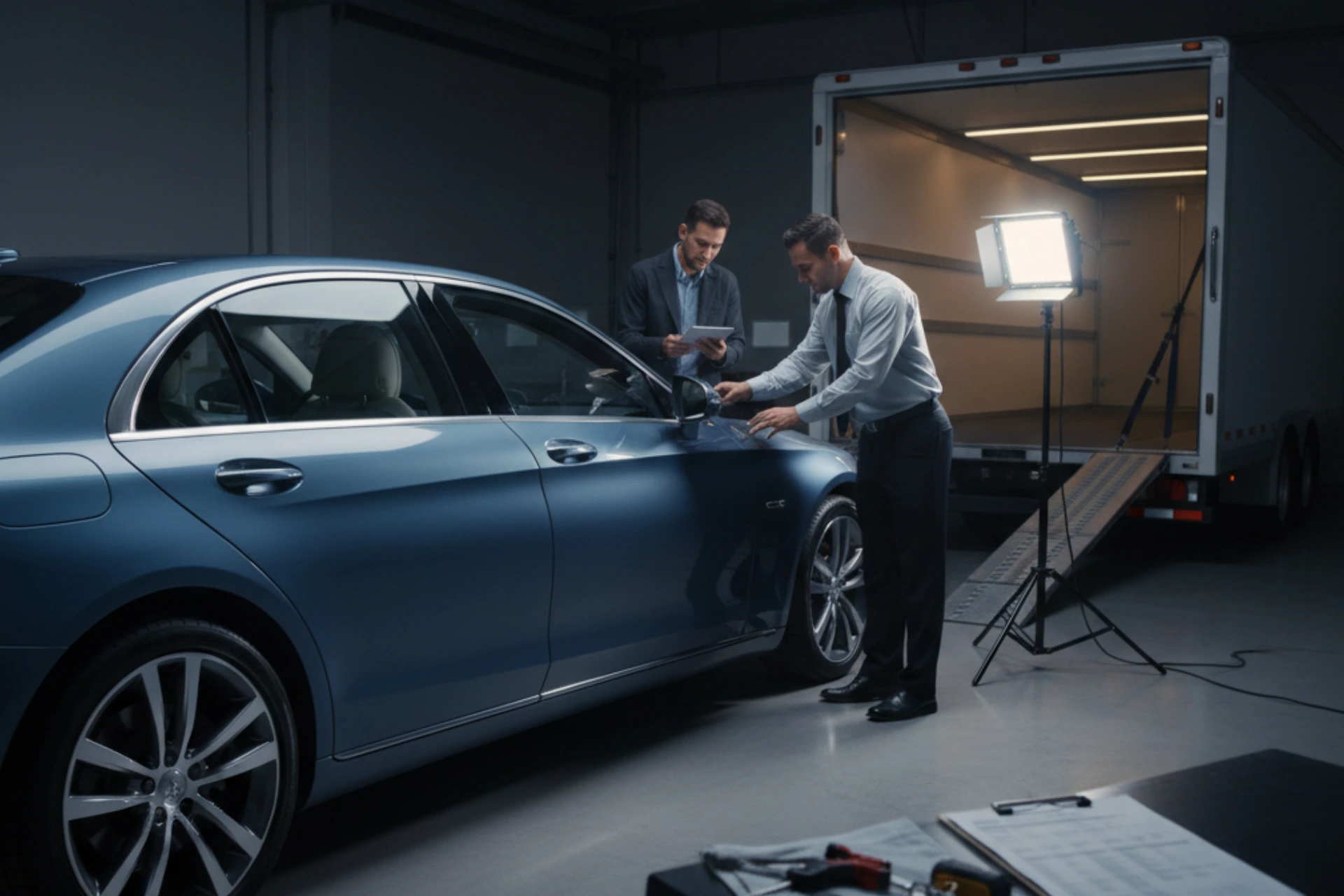
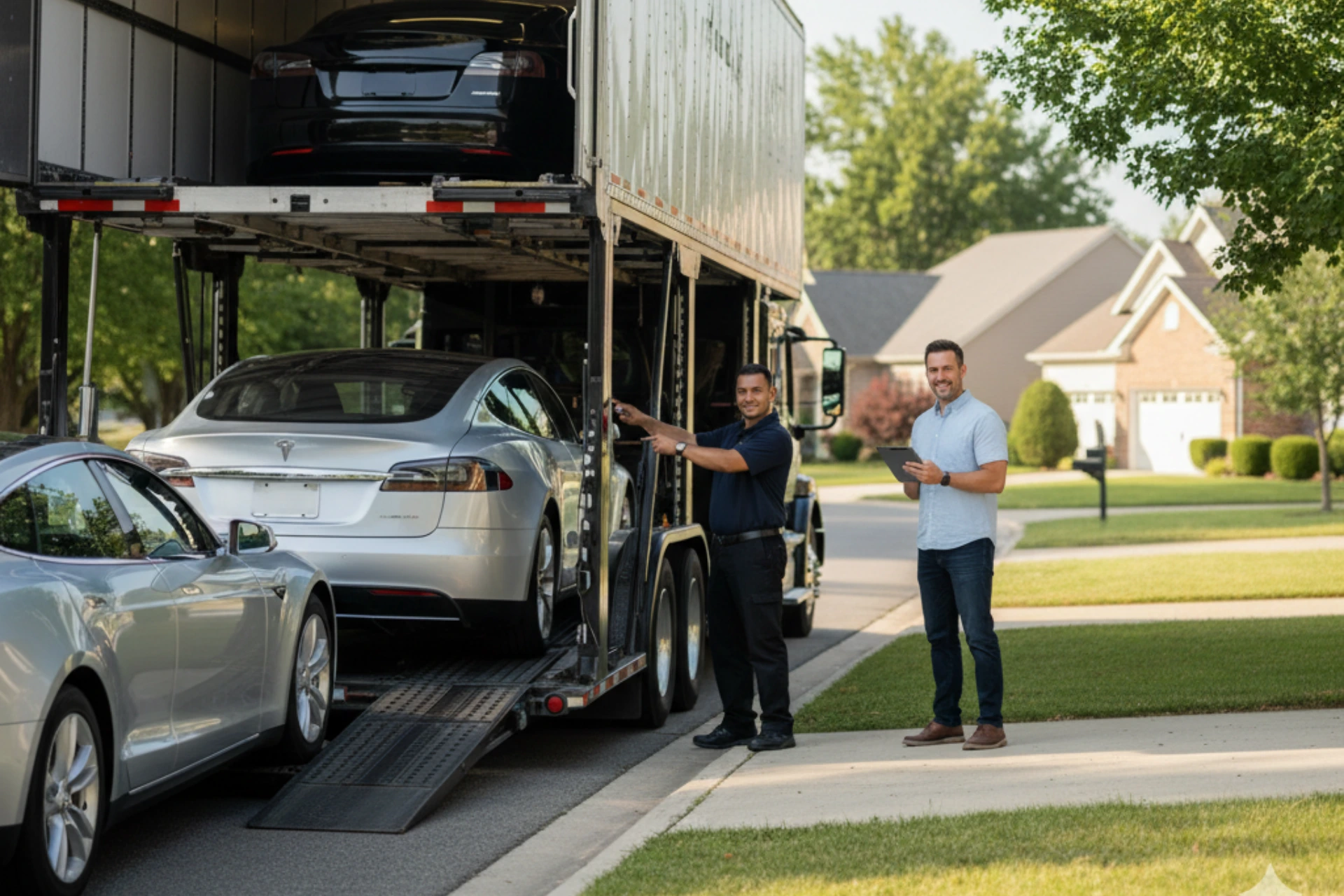
Enclosed trailers use hydraulic lift gates to keep low-clearance vehicles level during loading, preventing undercarriage damage.
Insurance premiums also play a role.
Carriers offering enclosed transport for luxury cars carry higher cargo insurance limits to cover the increased value of the freight.
Distance and vehicle size change your final bill too.
Large SUVs take up more "real estate" on a trailer, which leads to higher car shipping prices regardless of the method you choose.
You can verify a company's safety record and insurance status through the FMCSA Company Data portal before booking.
Checking the safest way to ship a car helps you decide if the extra expense fits your needs.
It is a simple car shipping comparison: you pay for space and specialized protection.
So what does that extra money buy you?
How Your Car Travels In Each Method
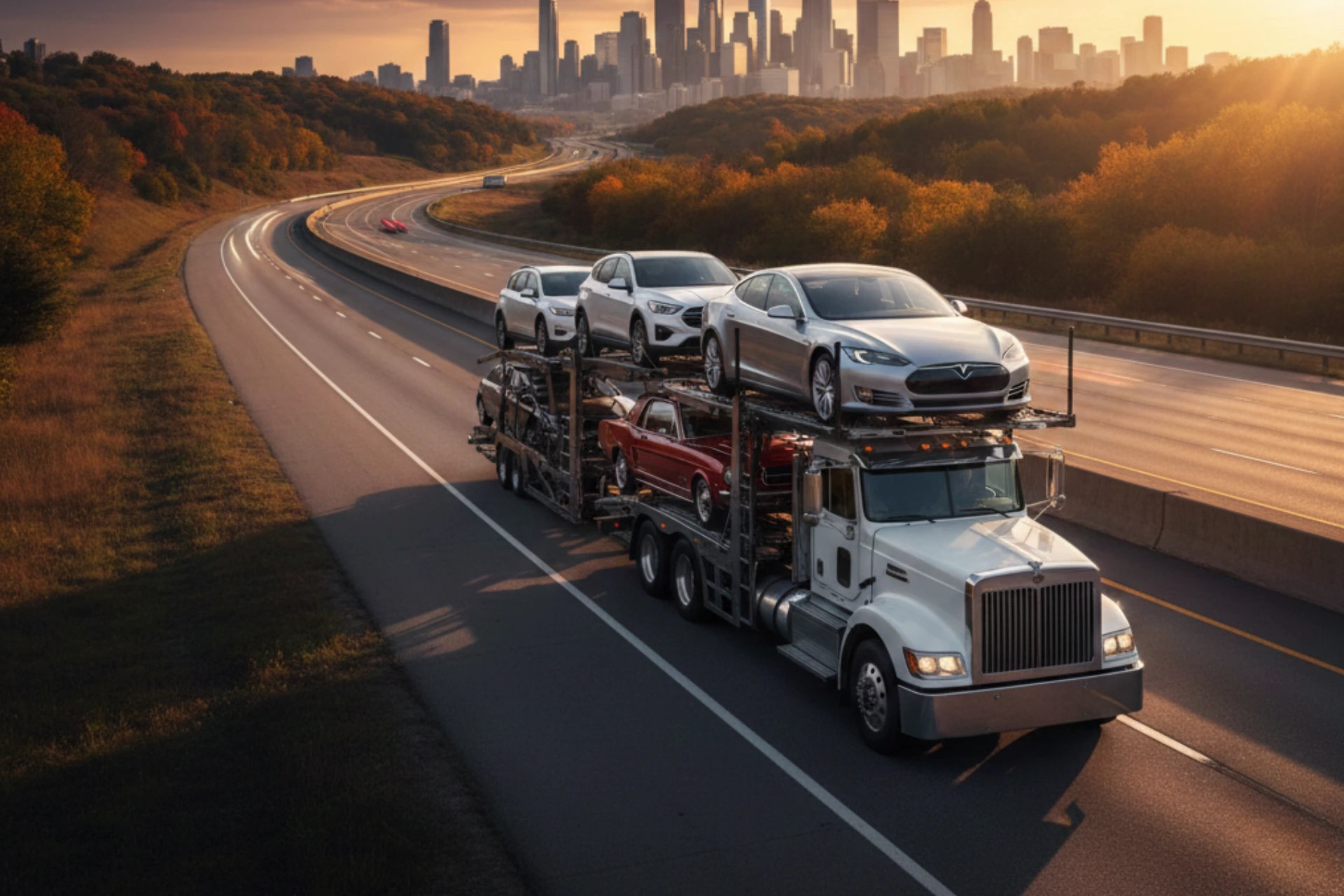
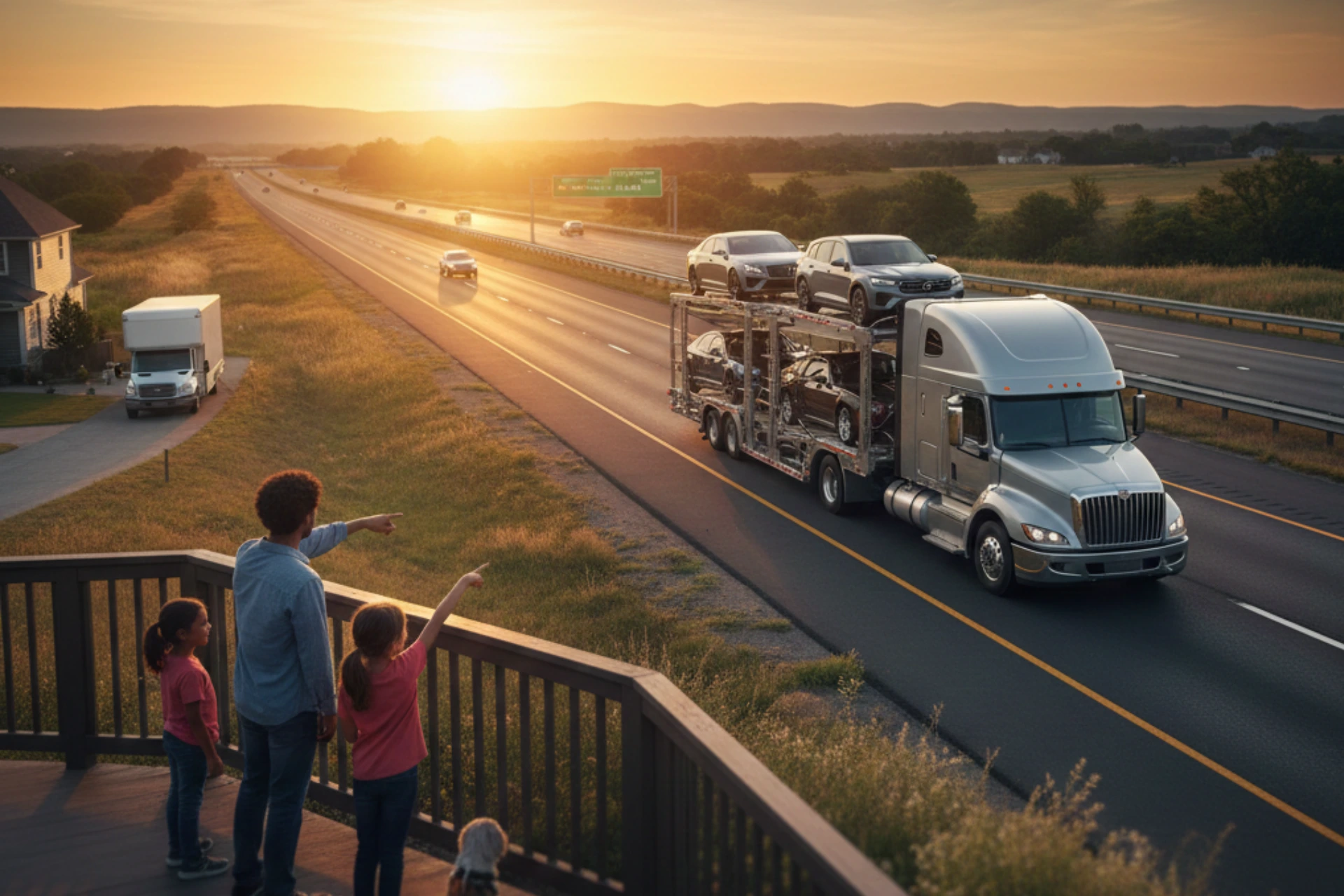
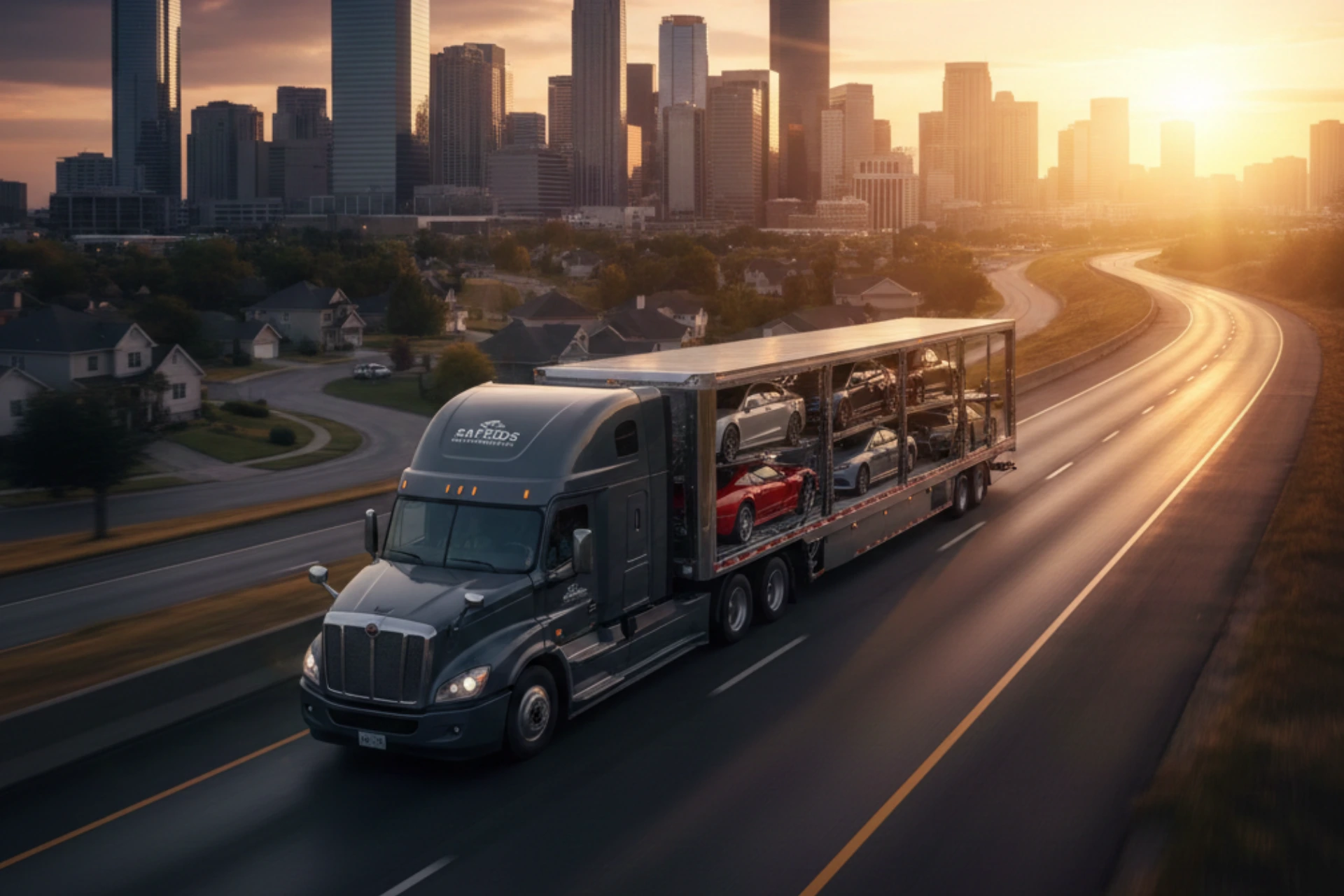
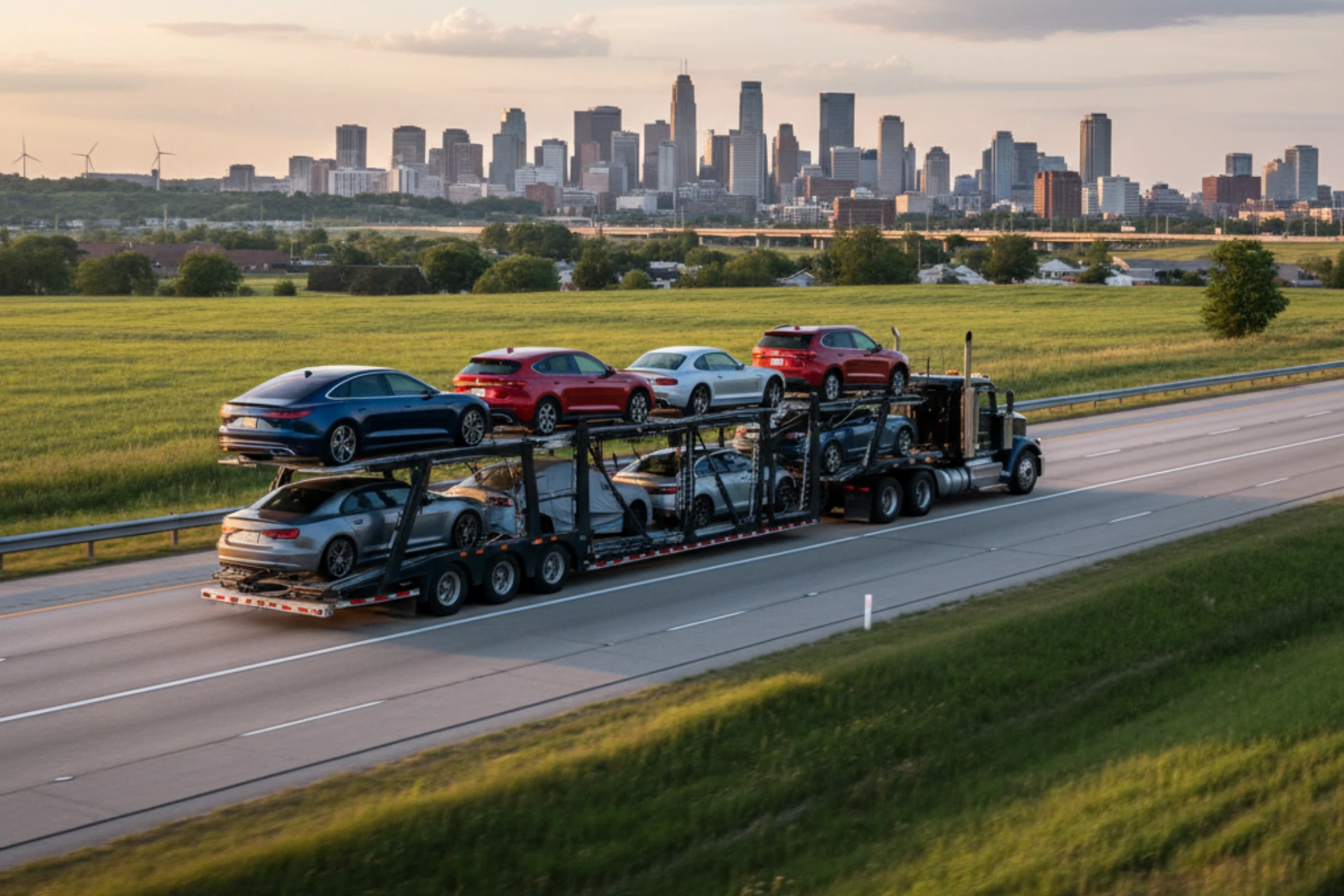
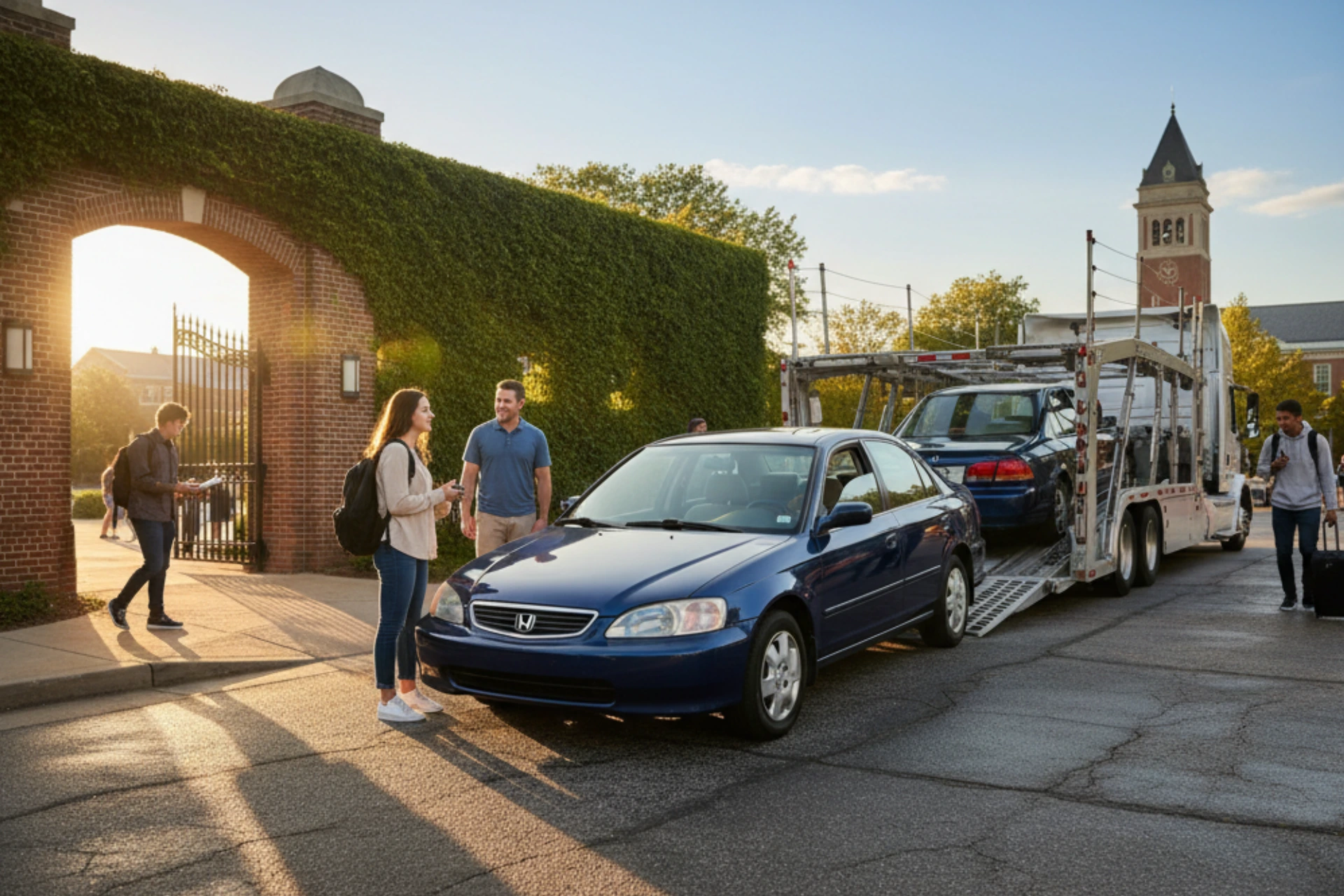
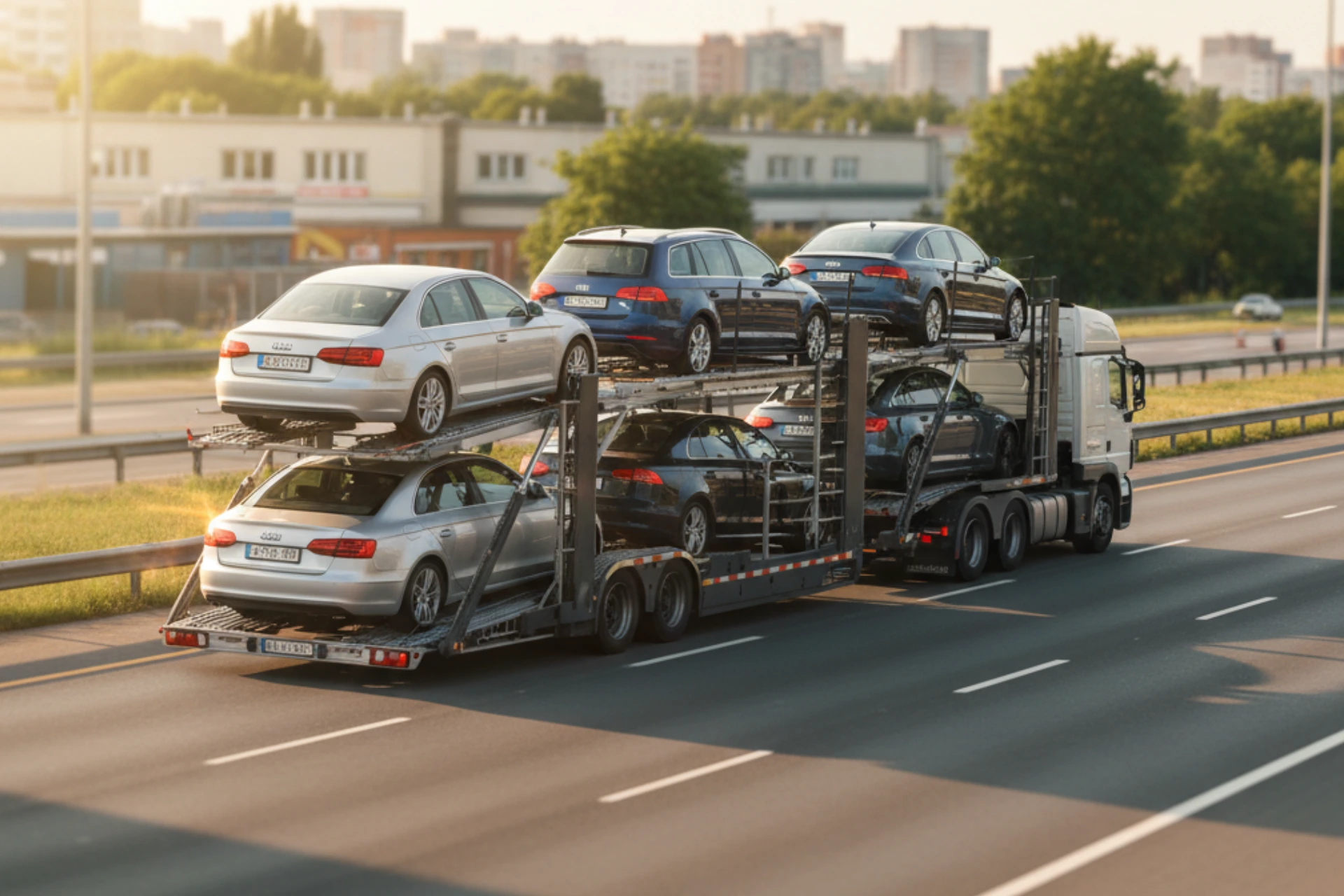
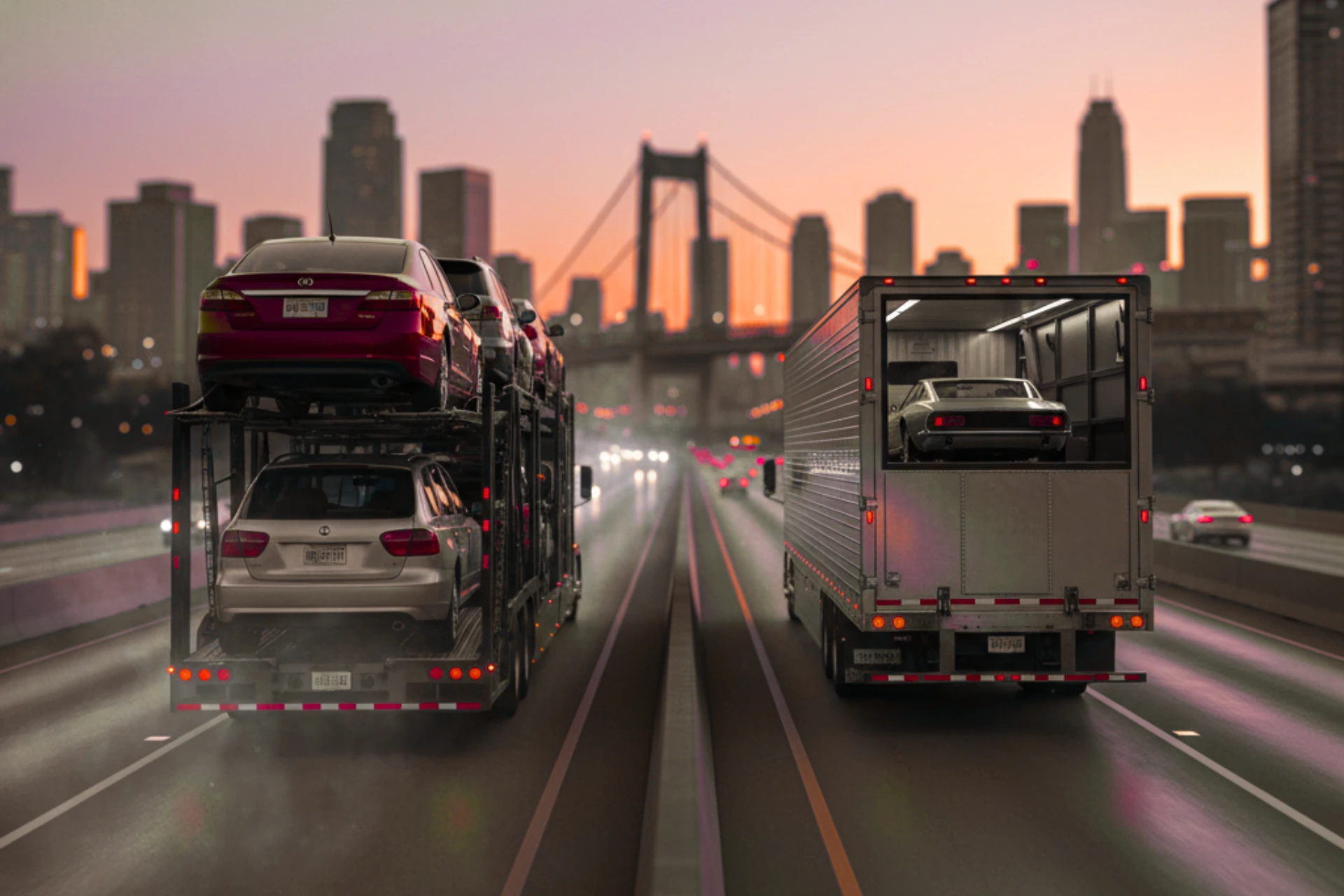
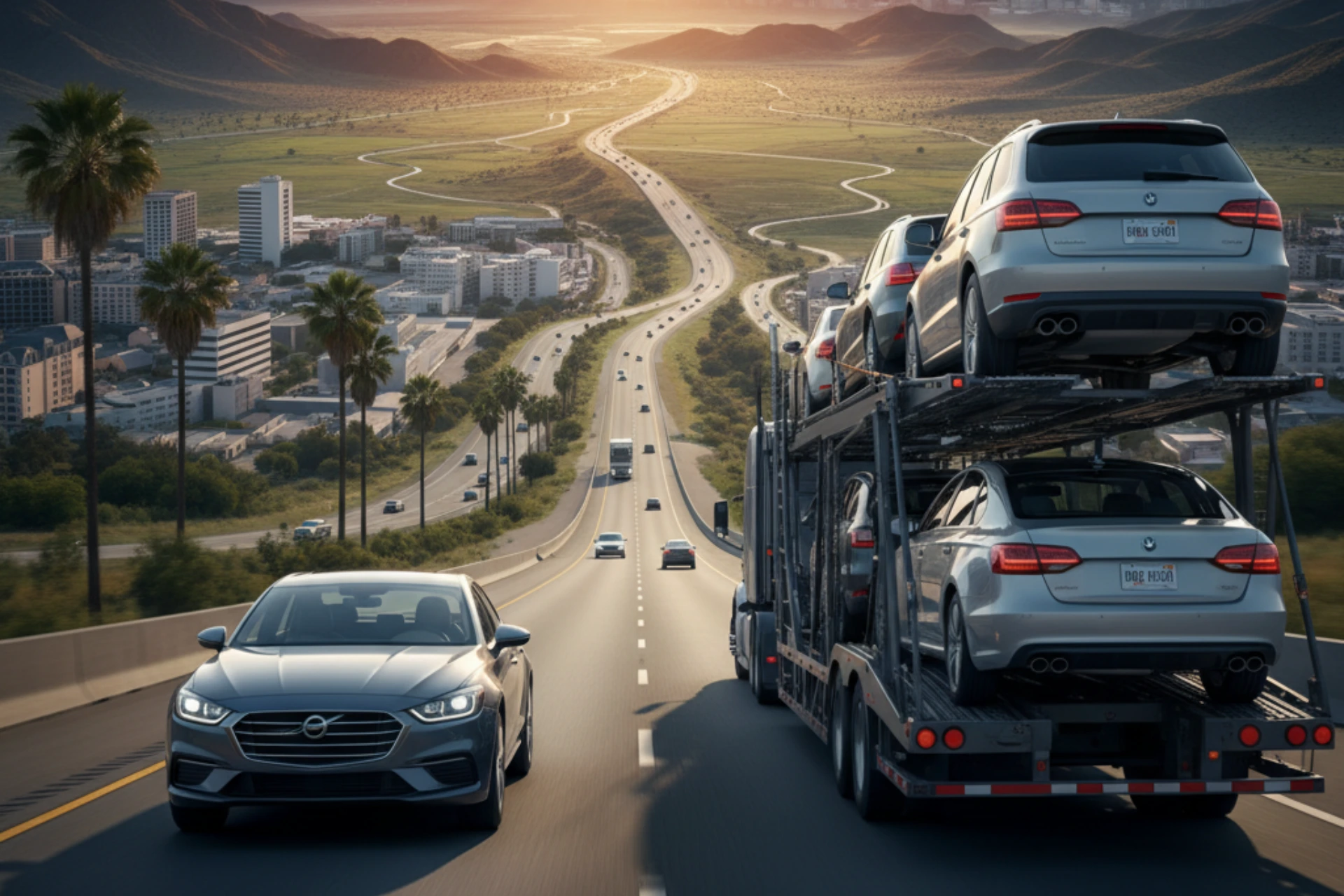
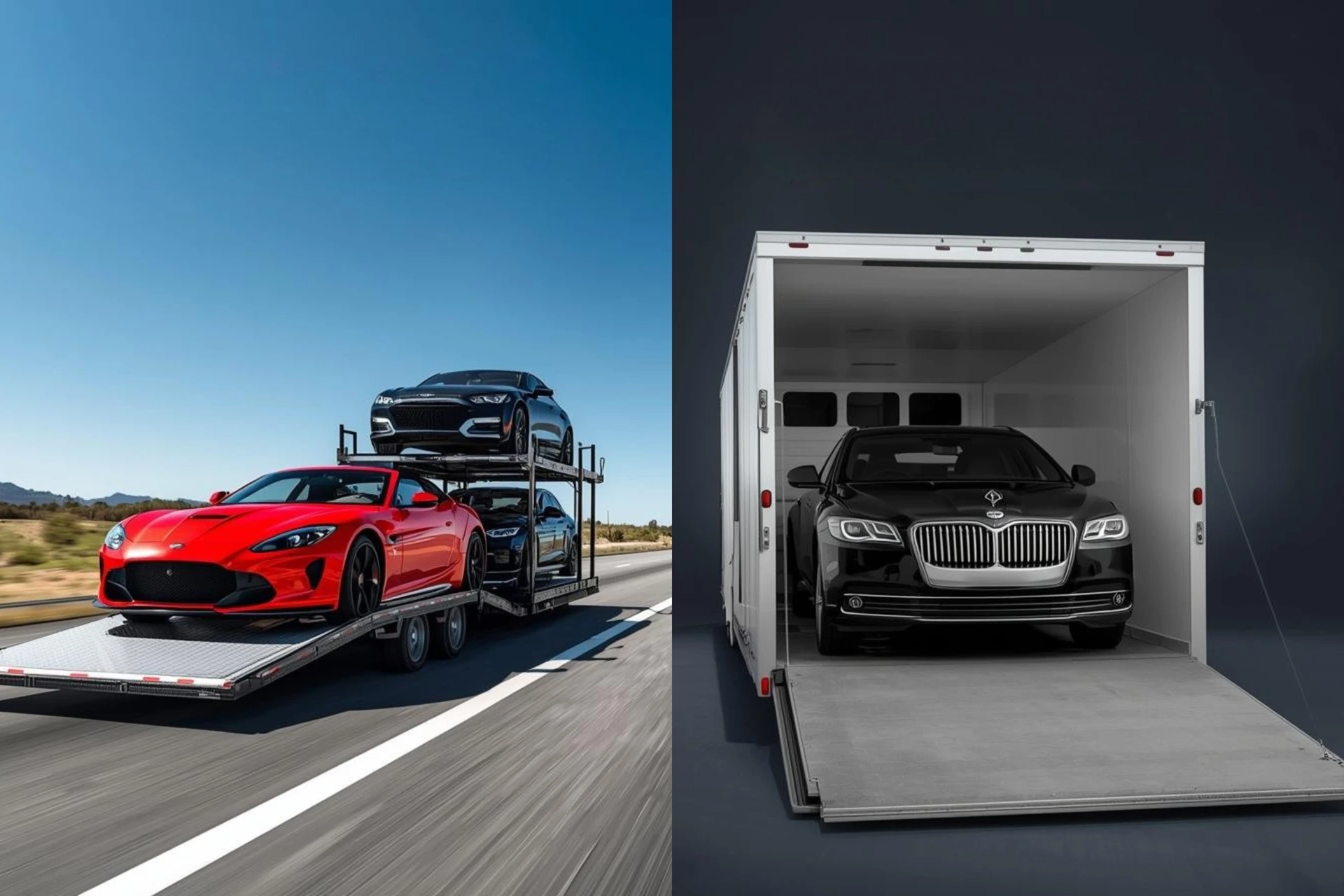
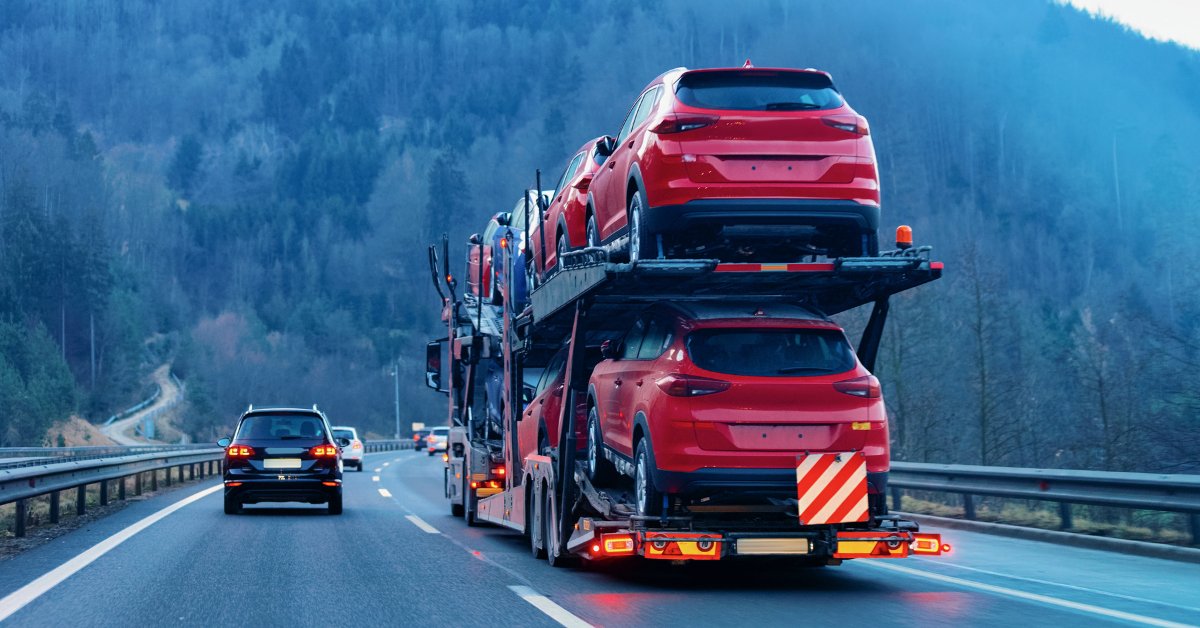
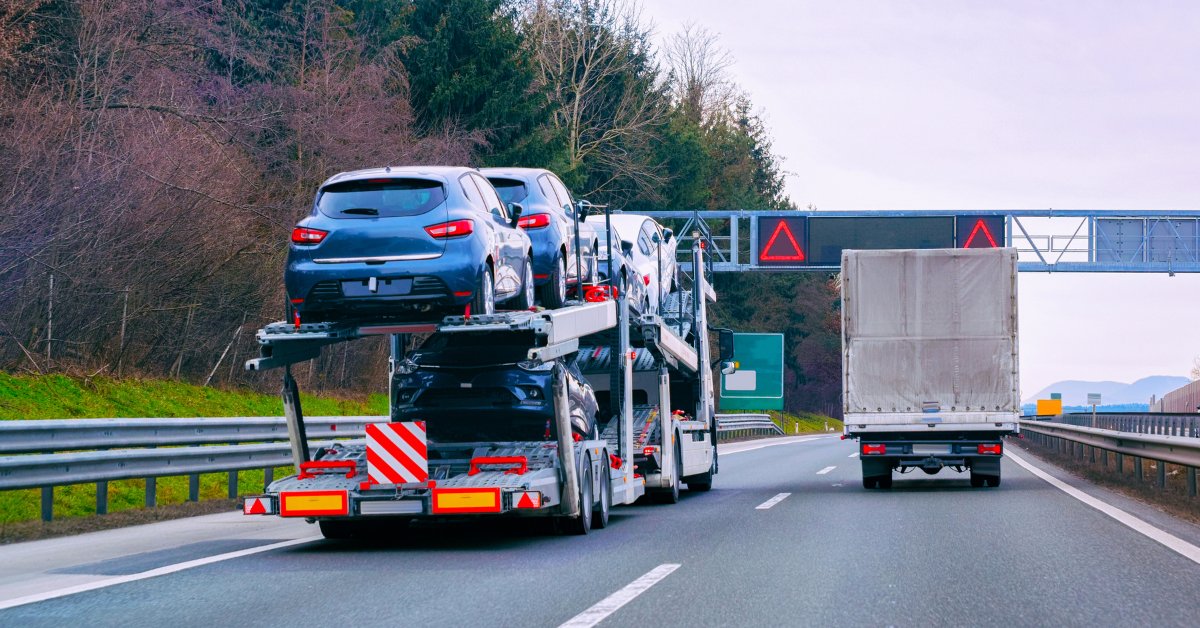
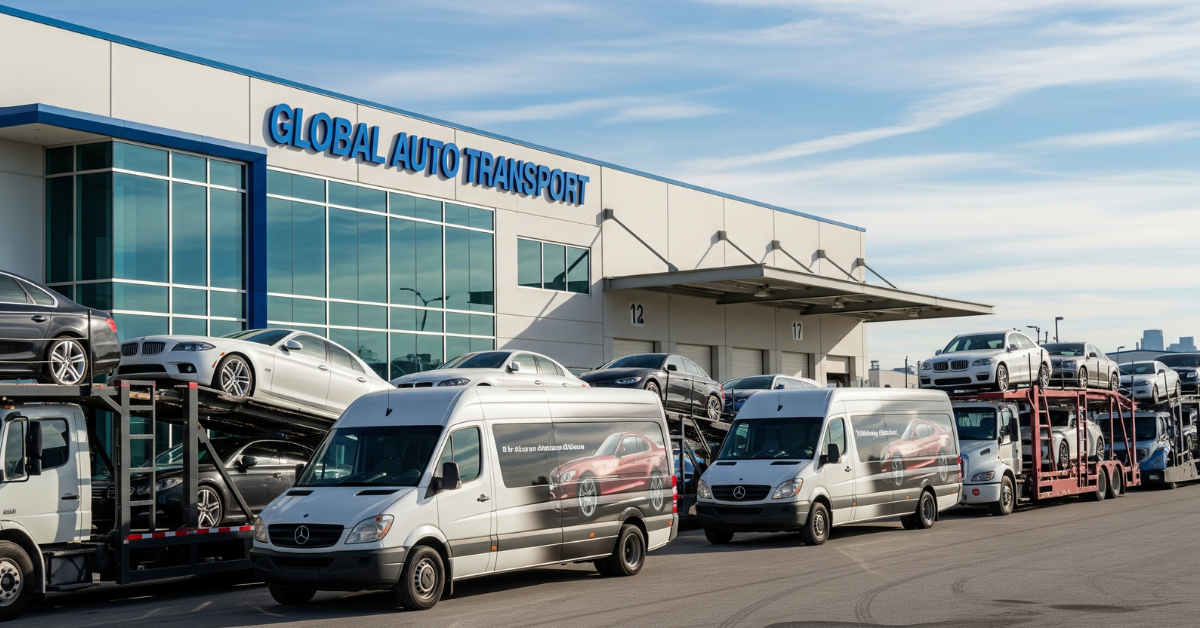
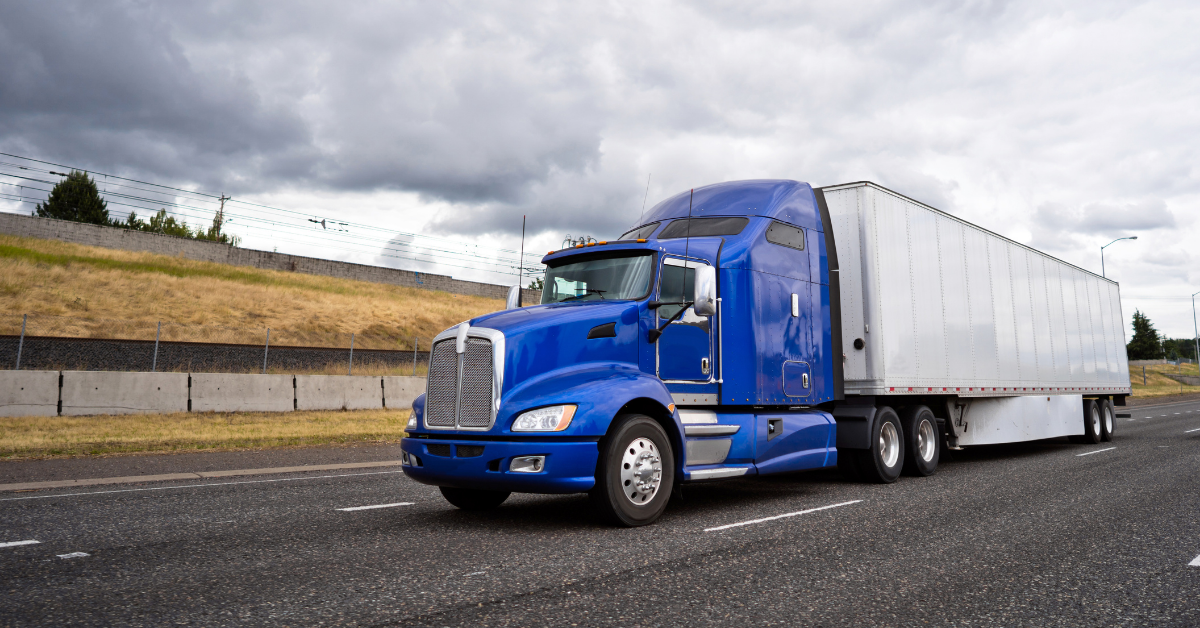
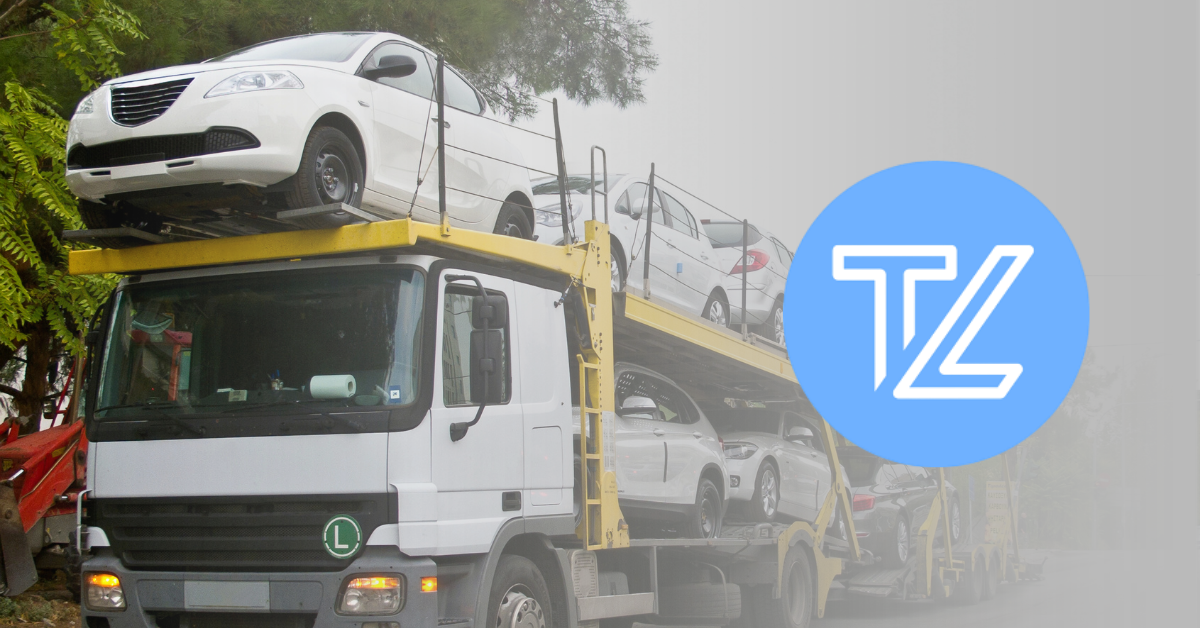
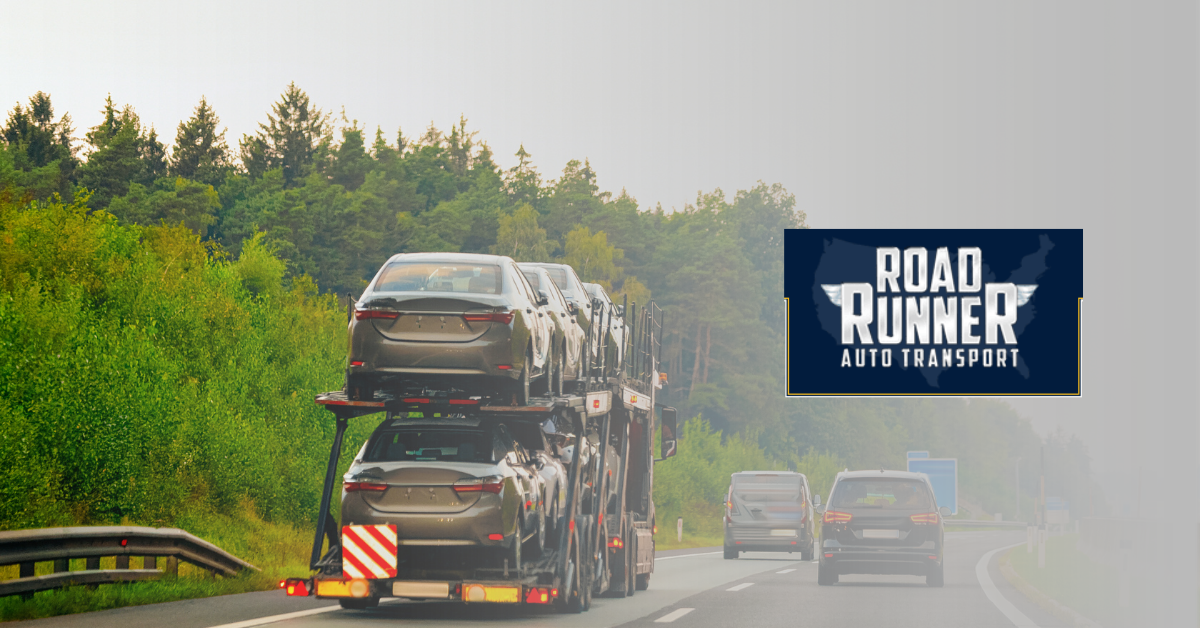
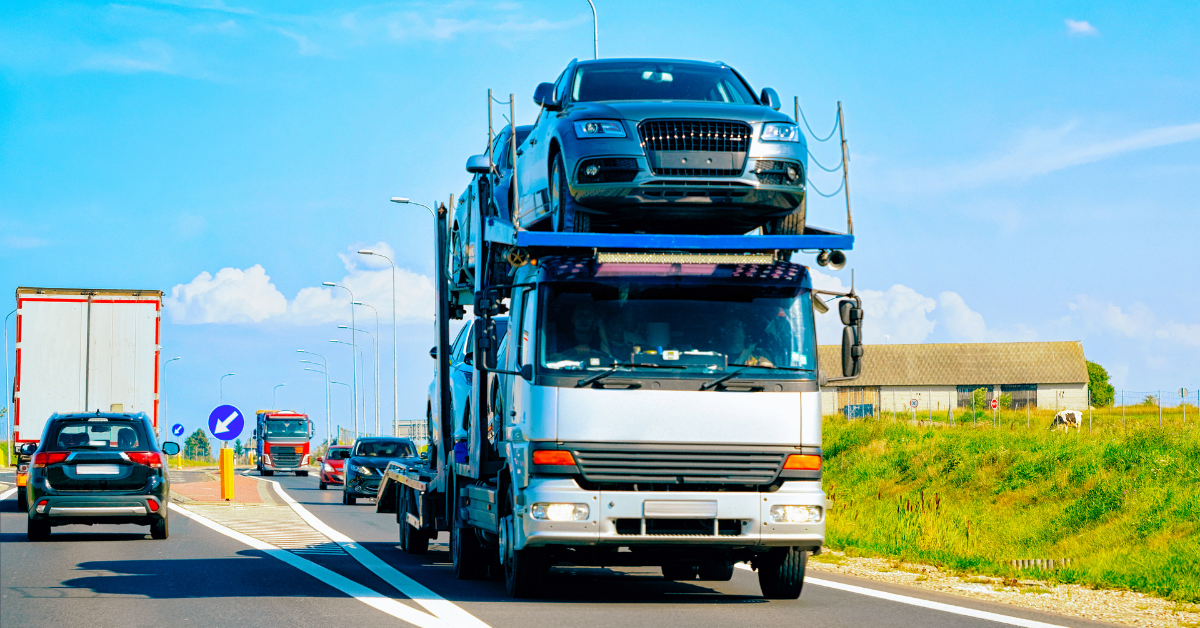
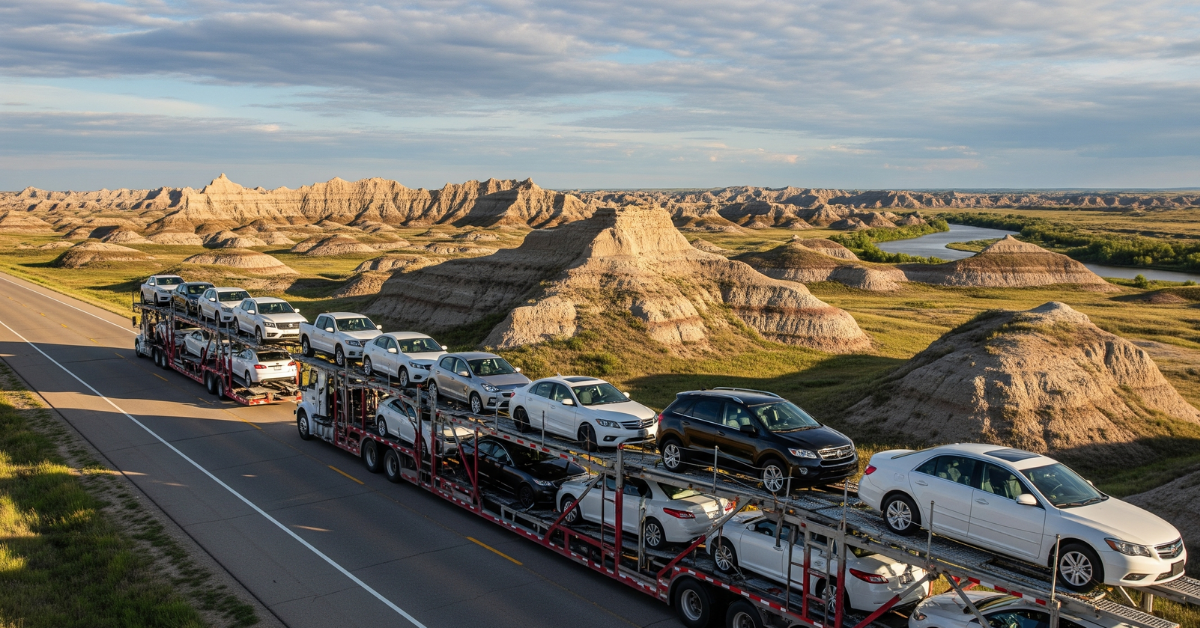
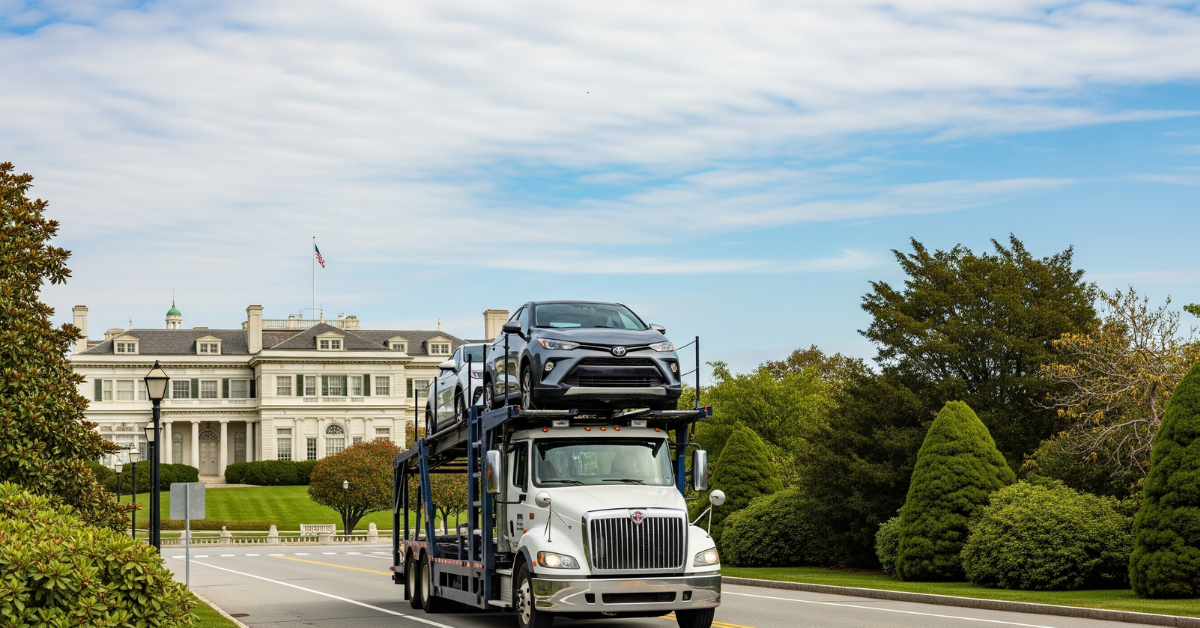
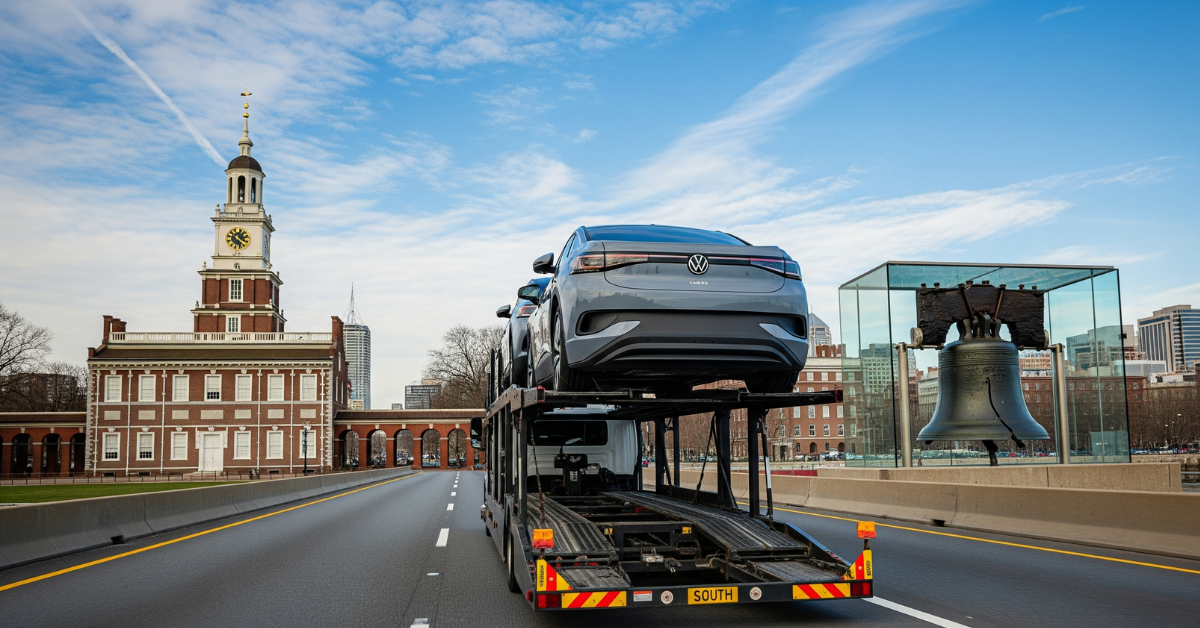
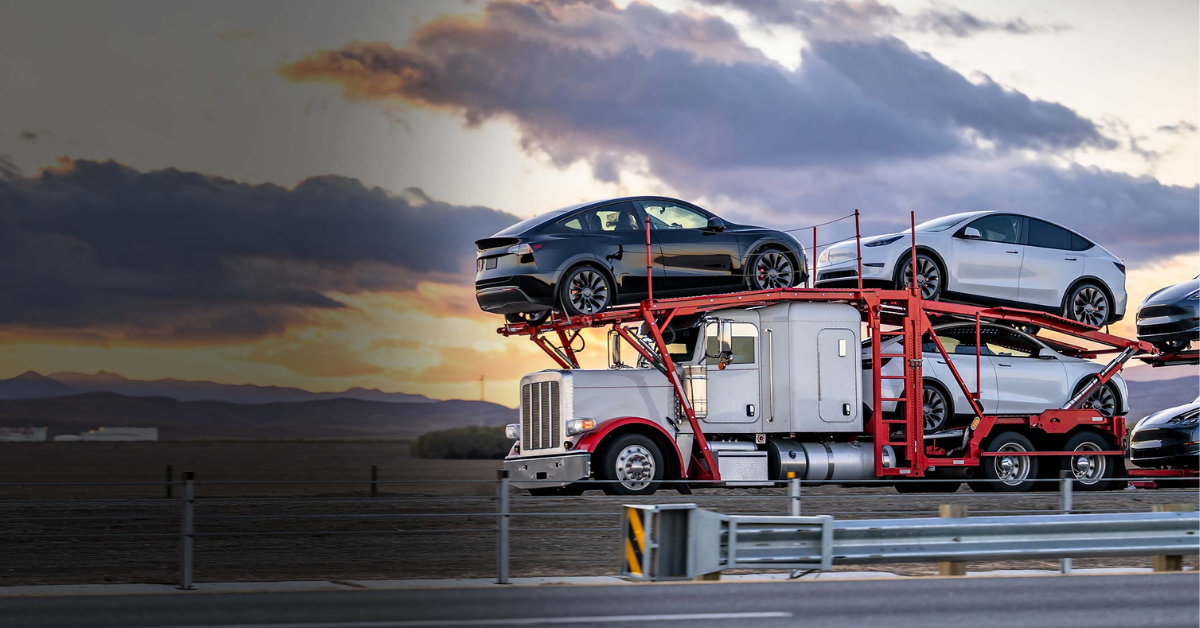
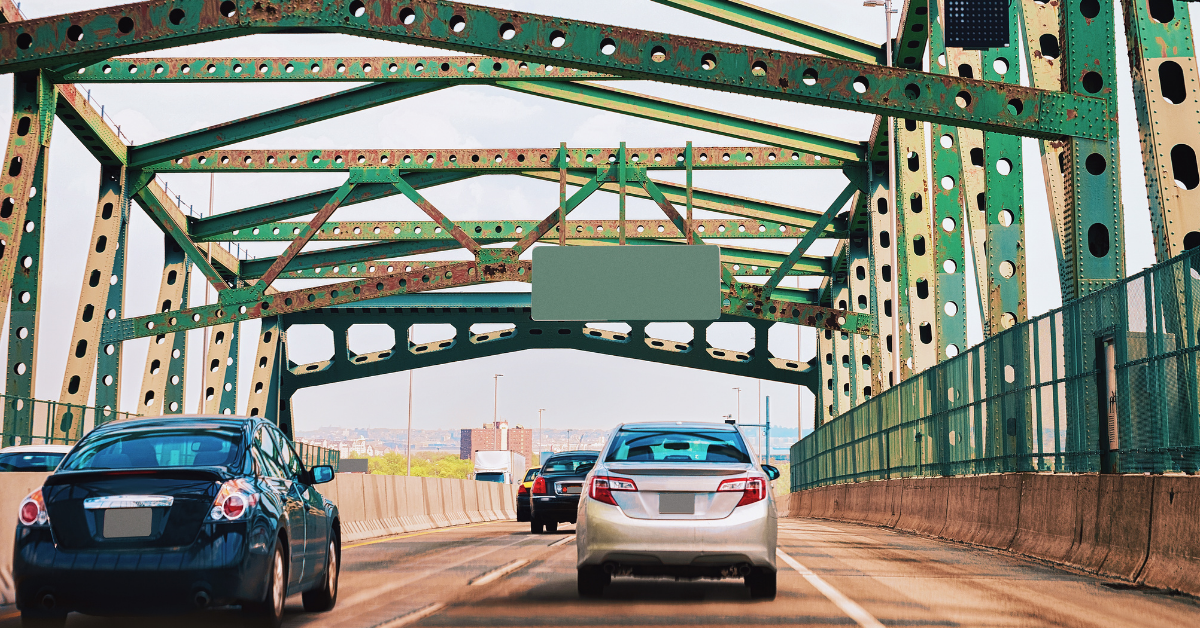
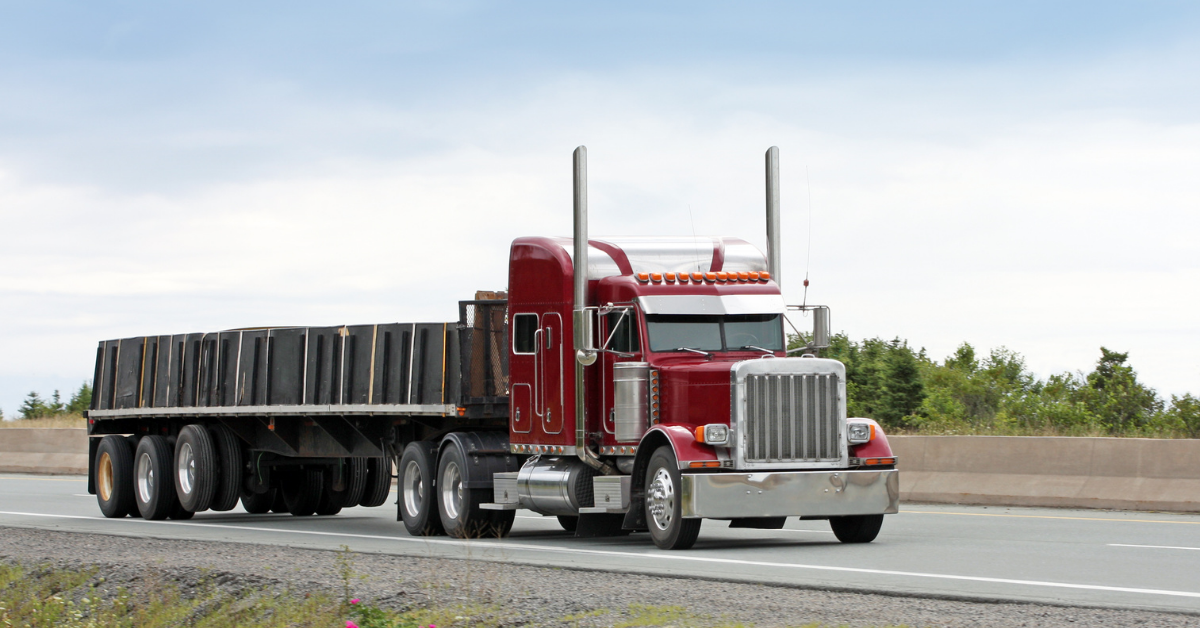
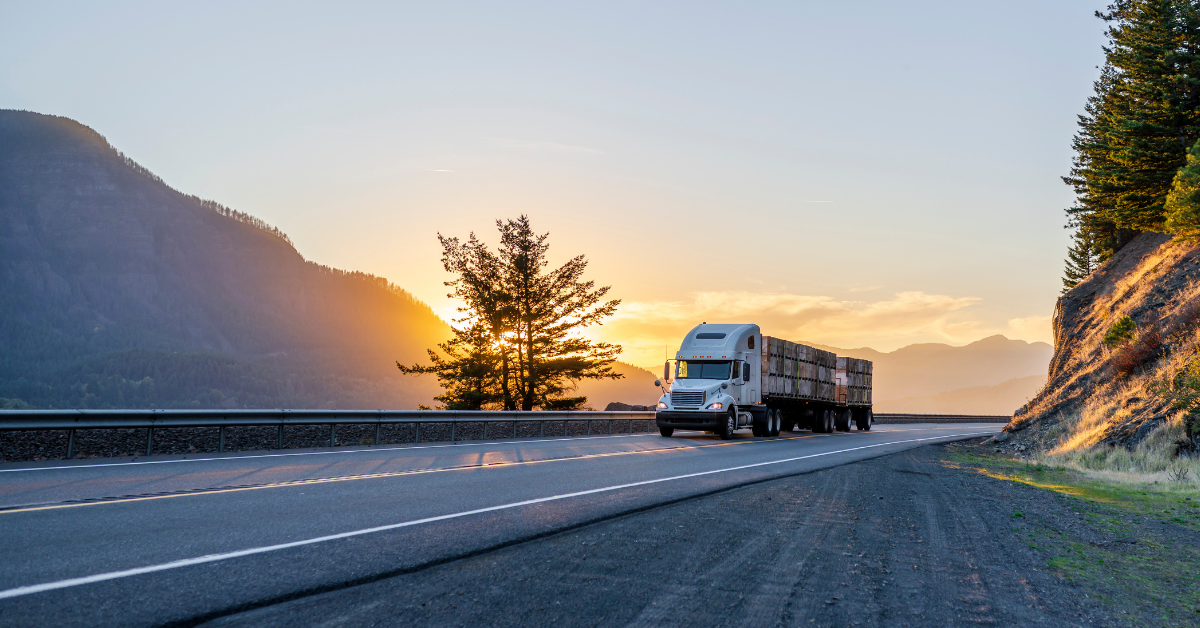
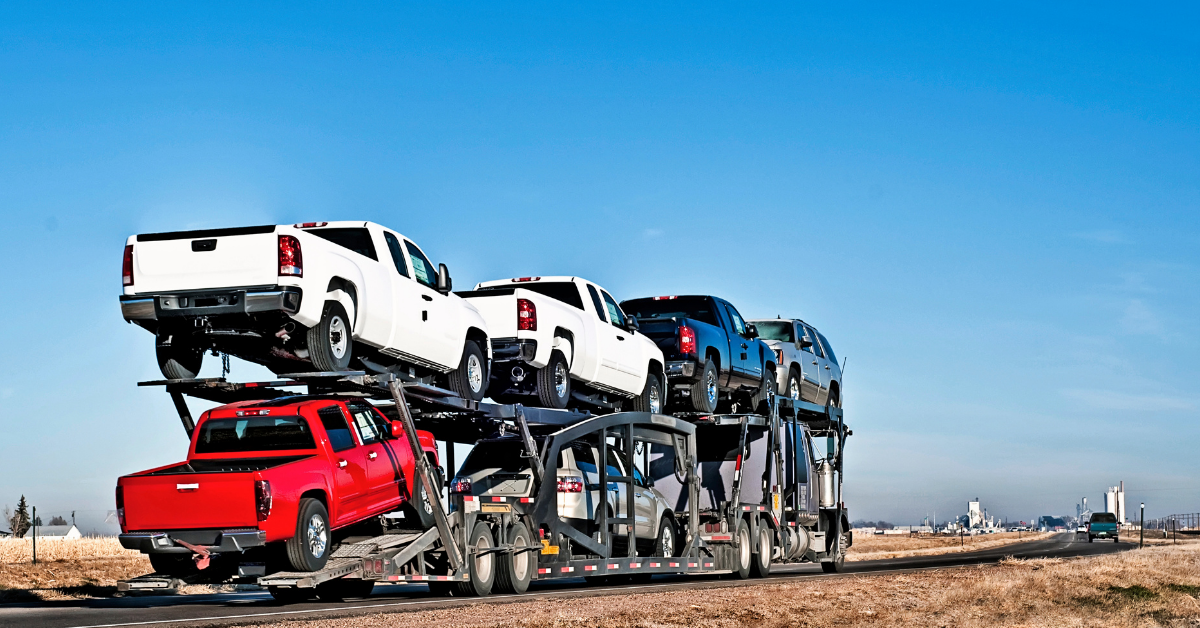
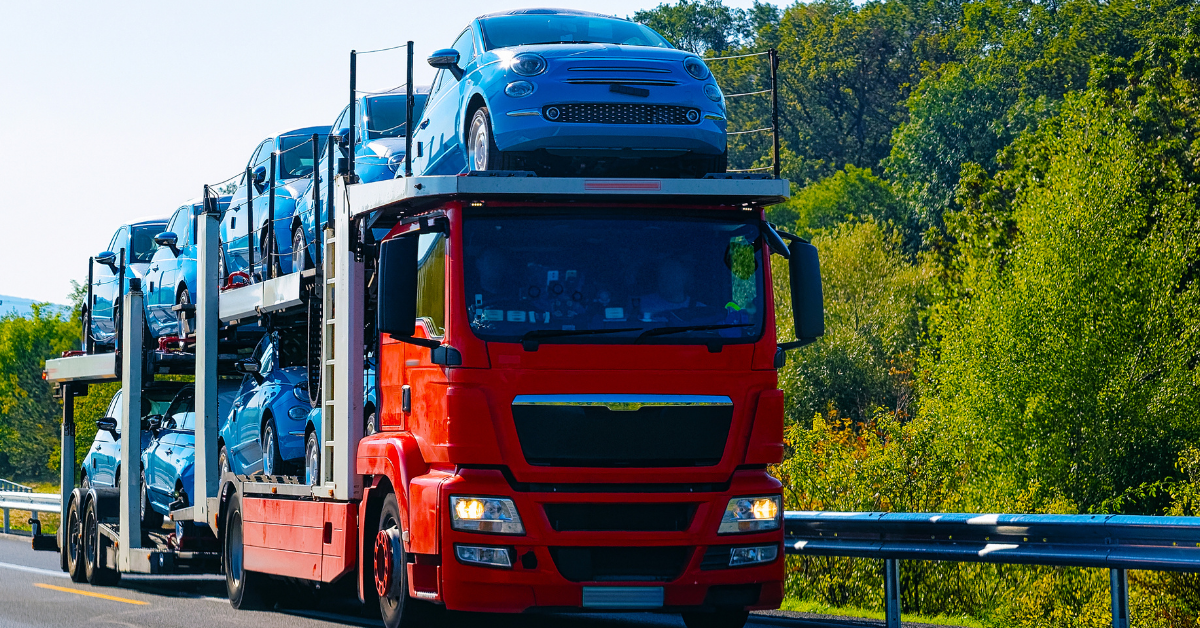
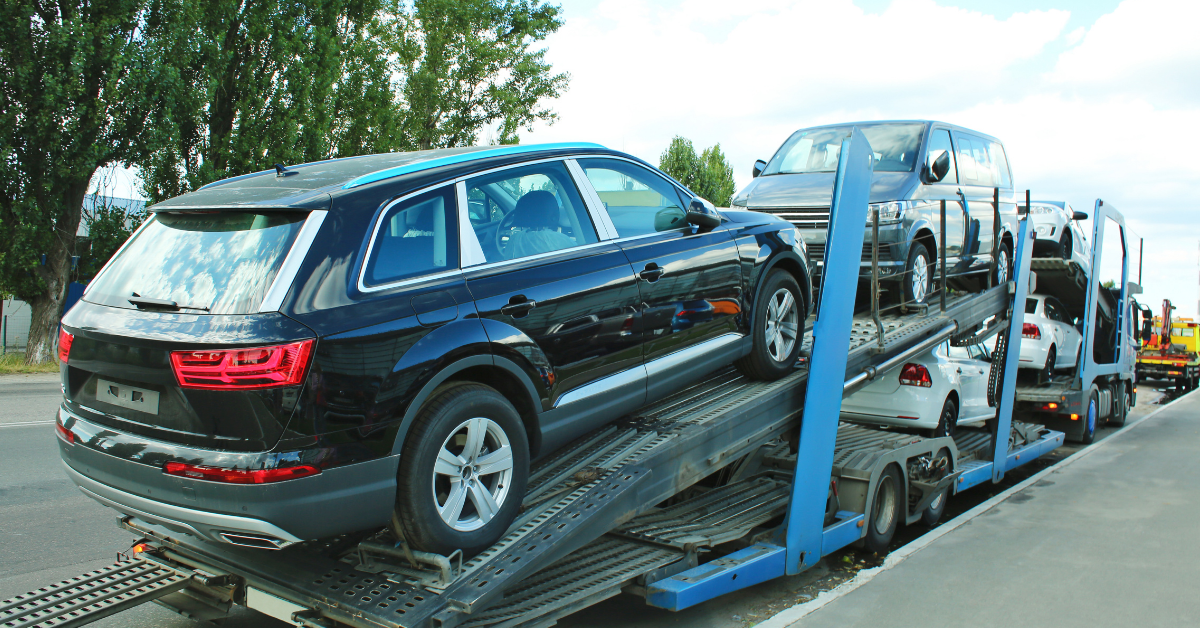
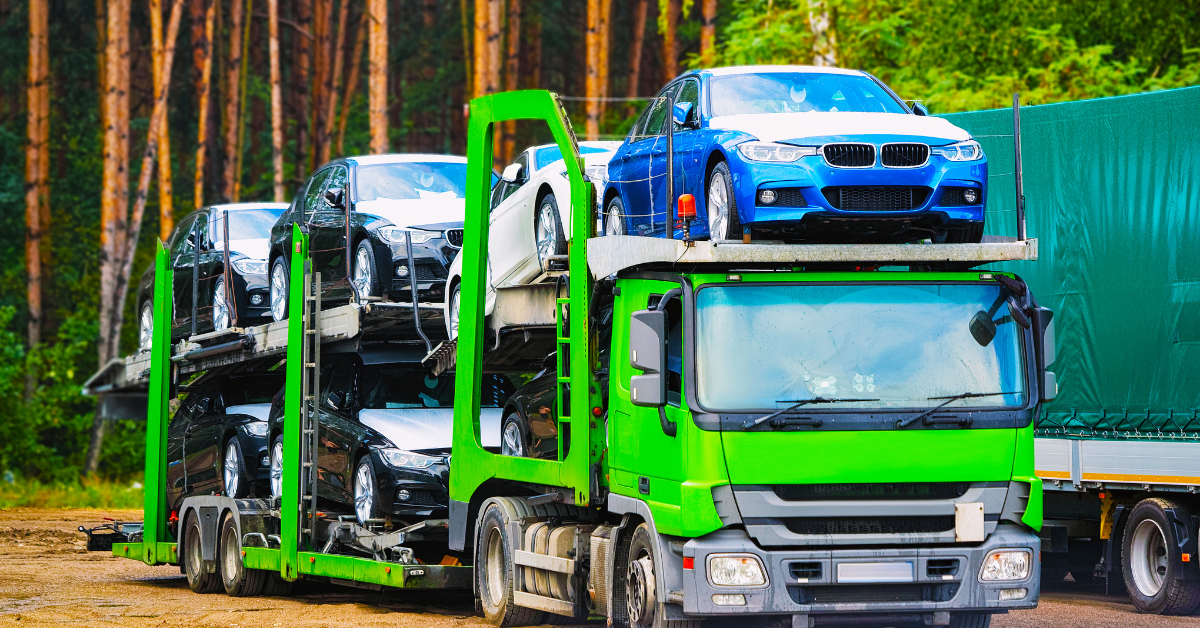
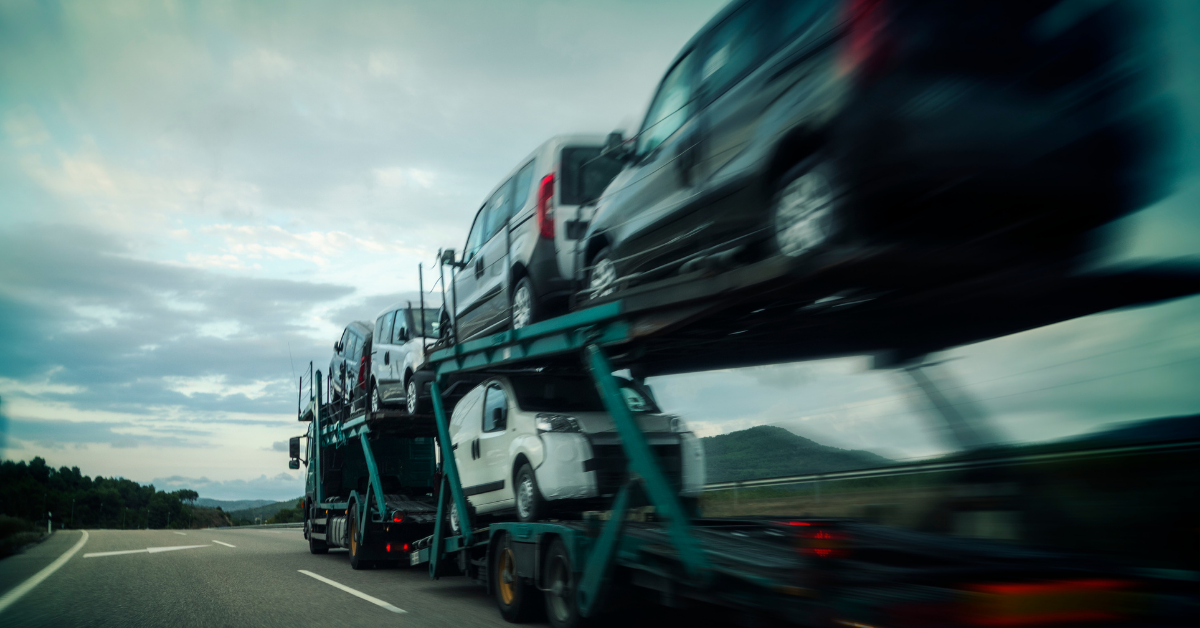
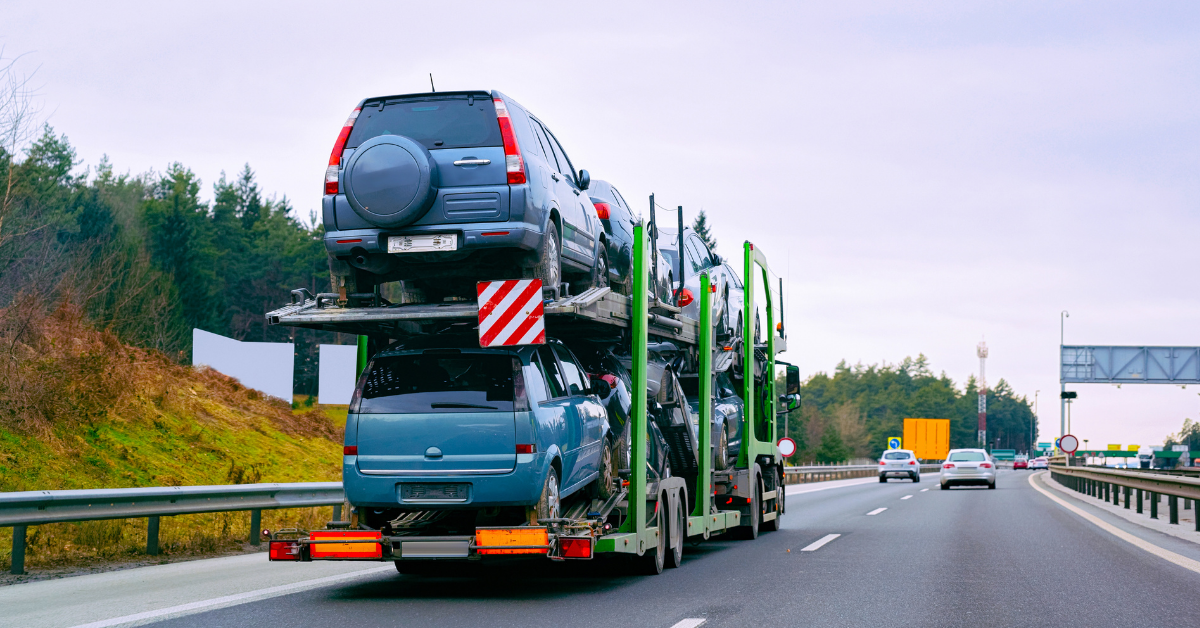
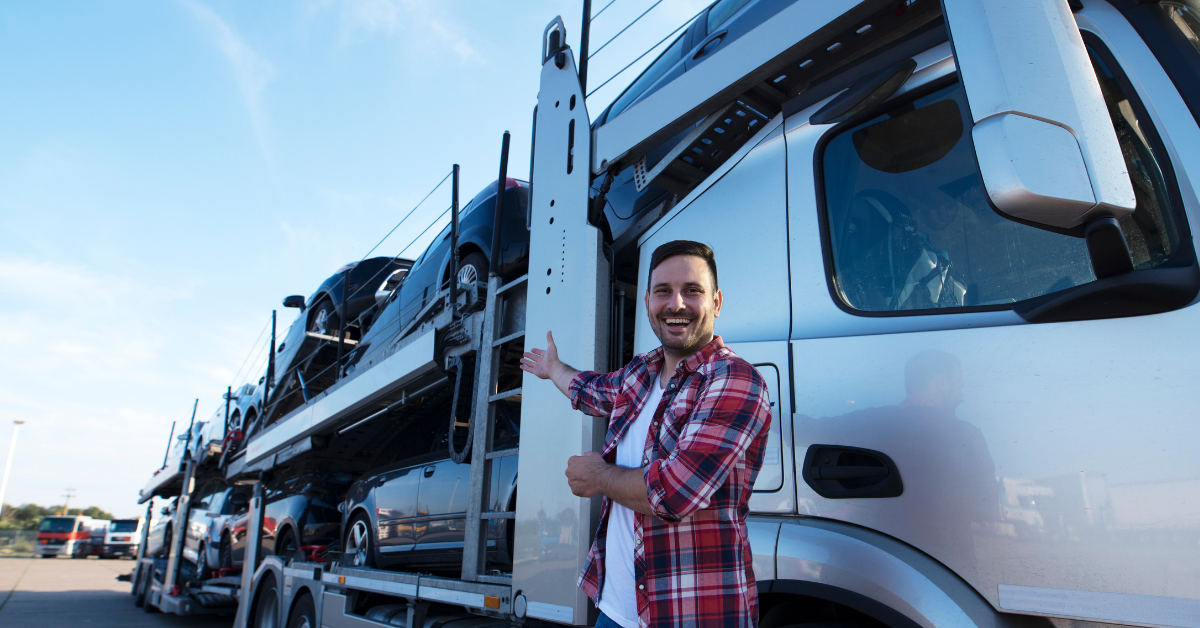
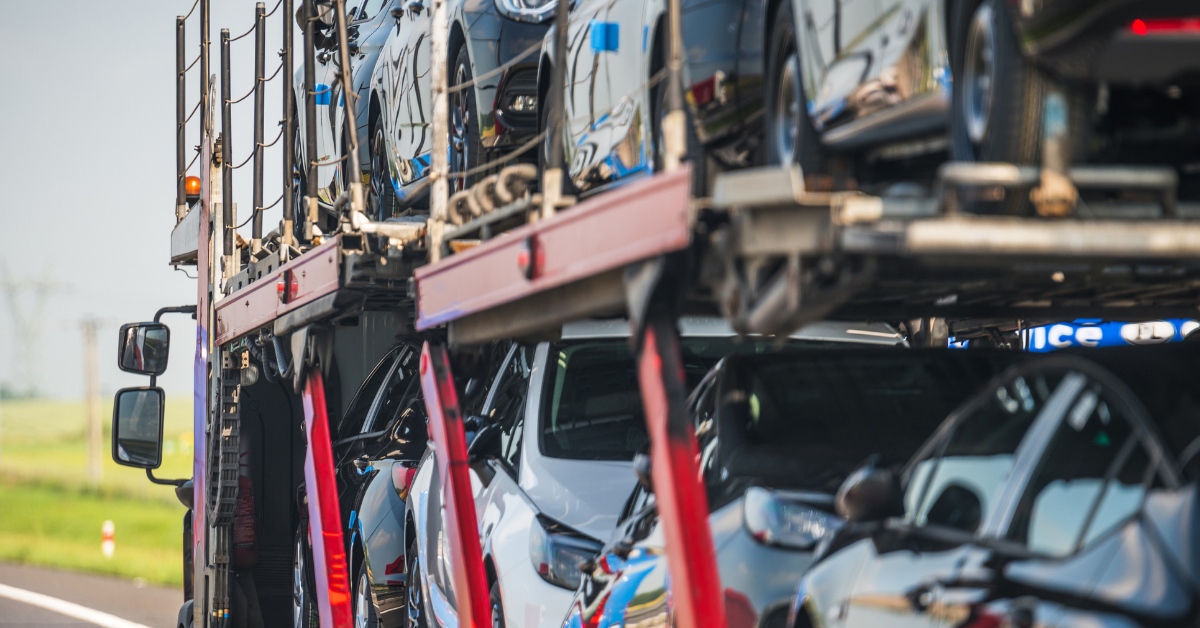
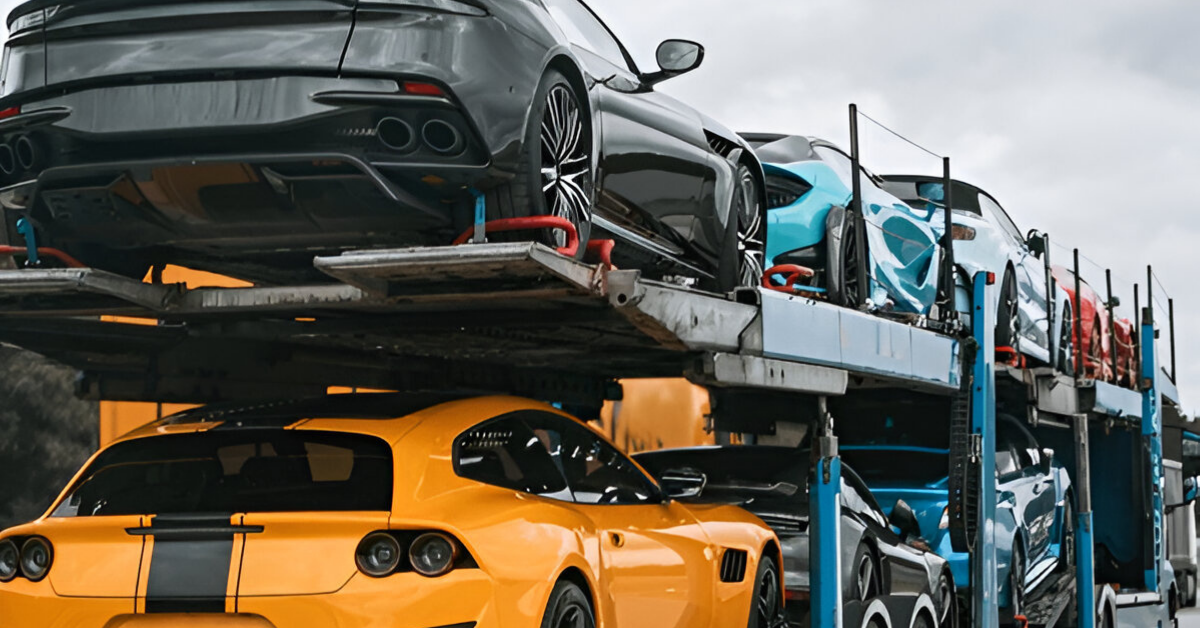
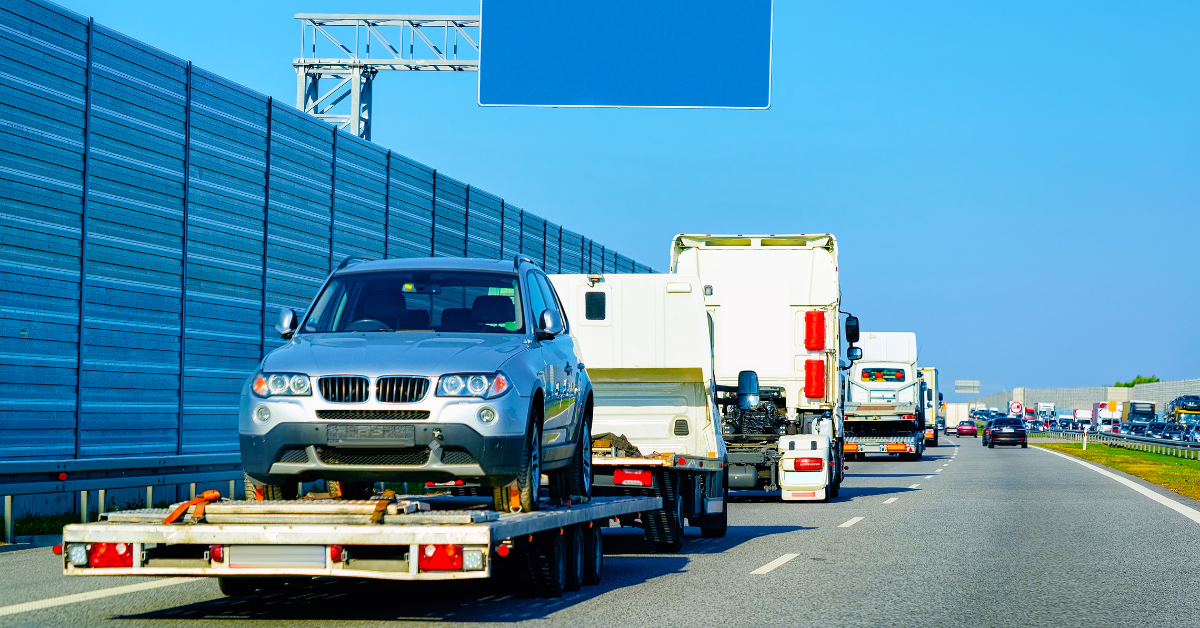
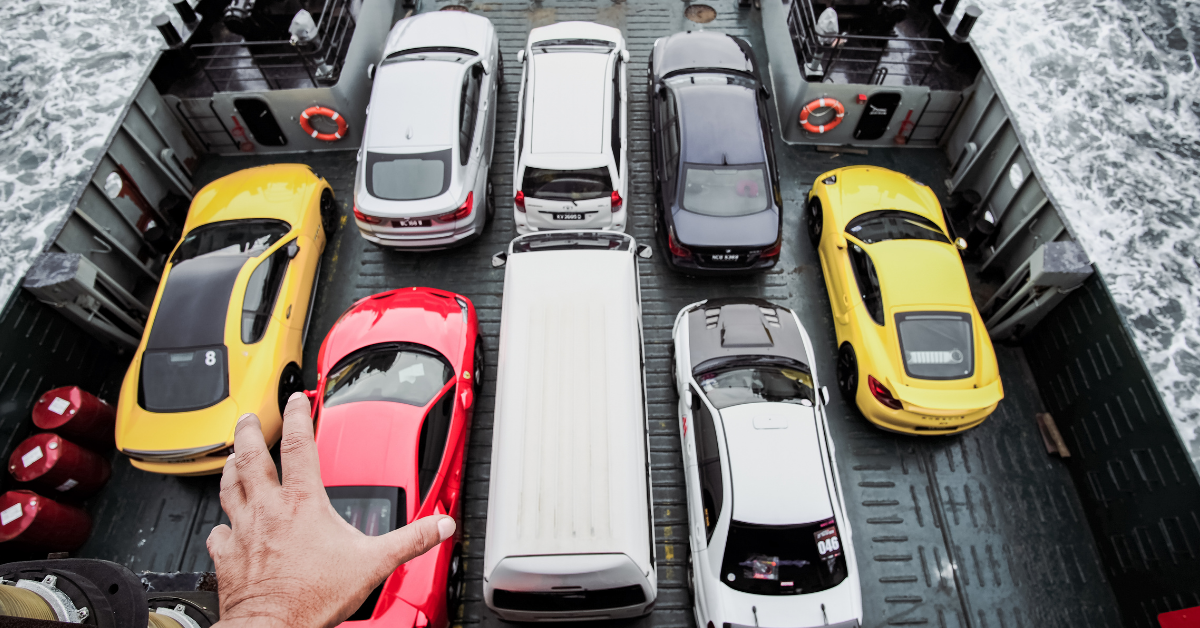
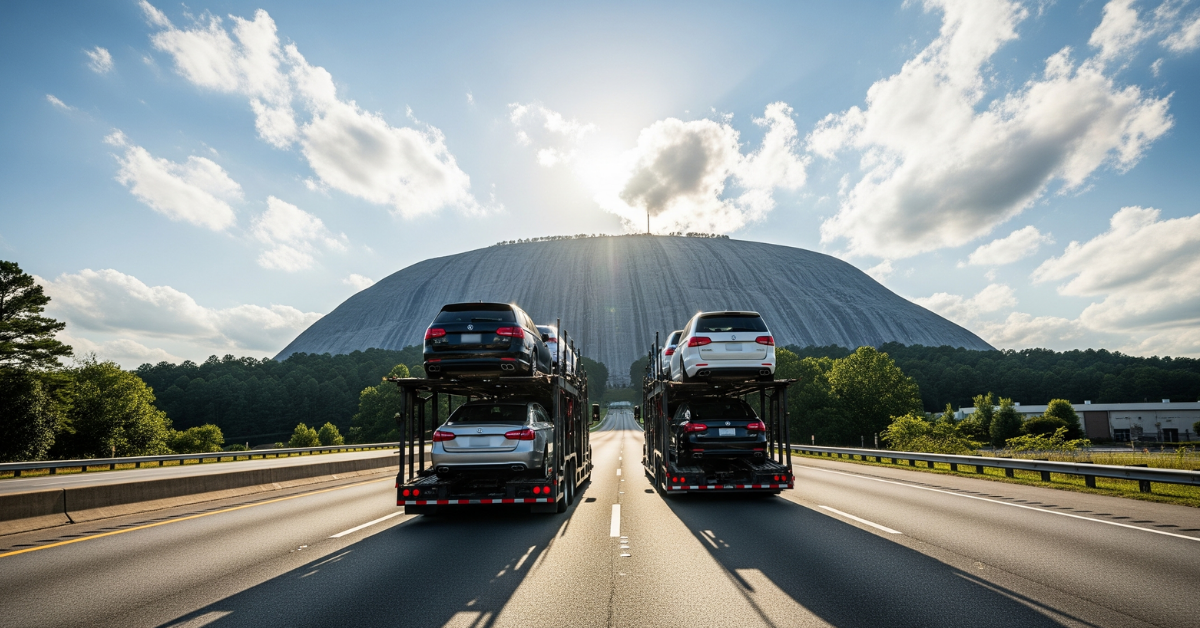
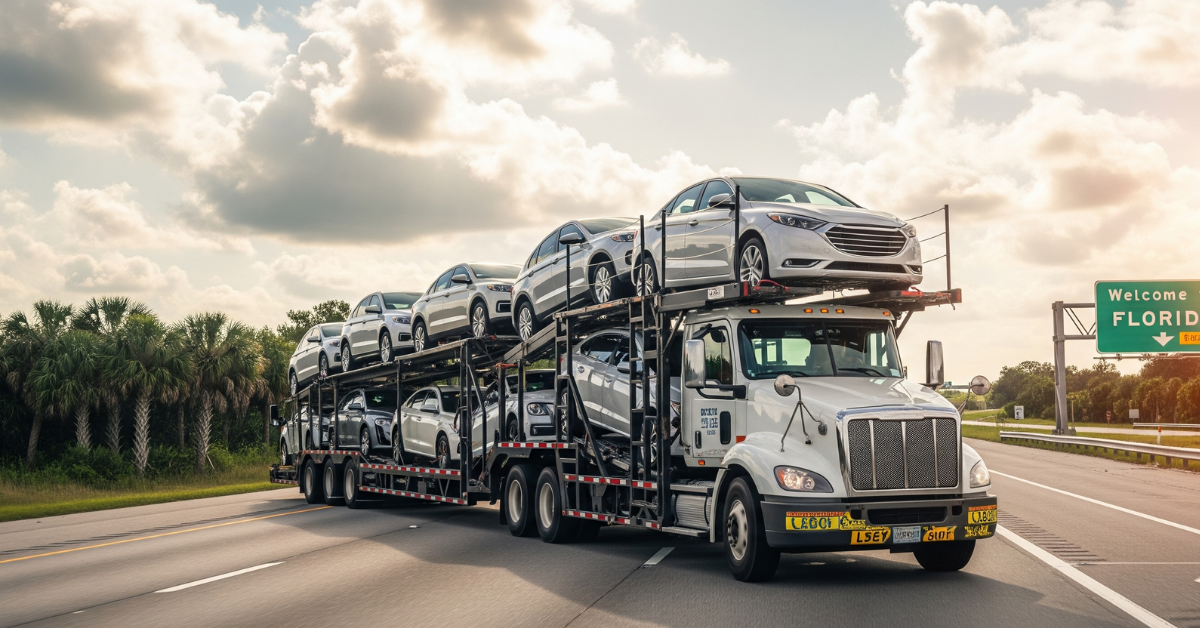
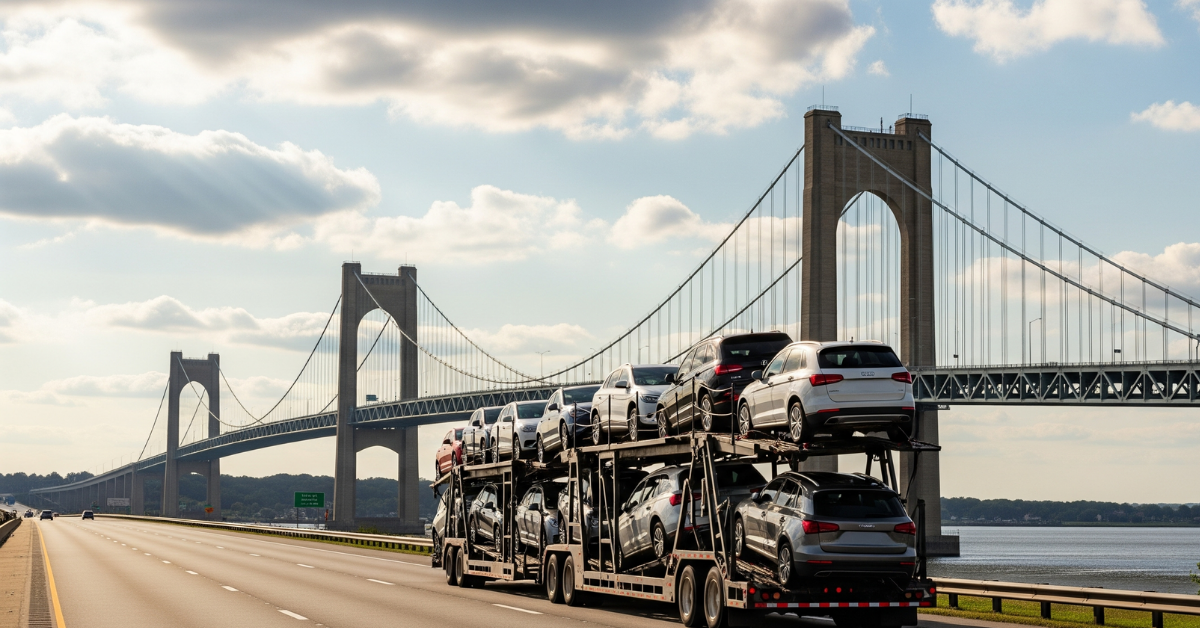
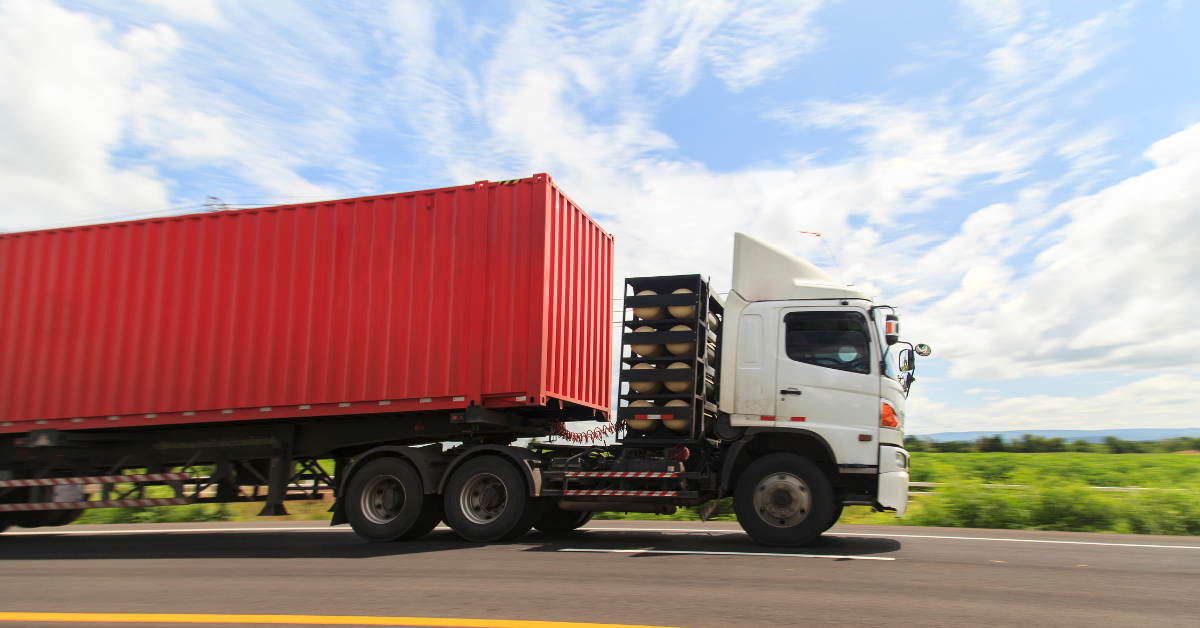
You see open car transport every day on the interstate. These are the large, double-decker trailers carrying up to ten vehicles at once.
Your car sits on a metal rack, secured by tire straps or chains. It stays exposed to the air, much like it does when you drive it to work.
Open carrier shipping guide experts note that this setup allows for easy inspection during every stop. Drivers can walk around the truck and see every vehicle clearly.
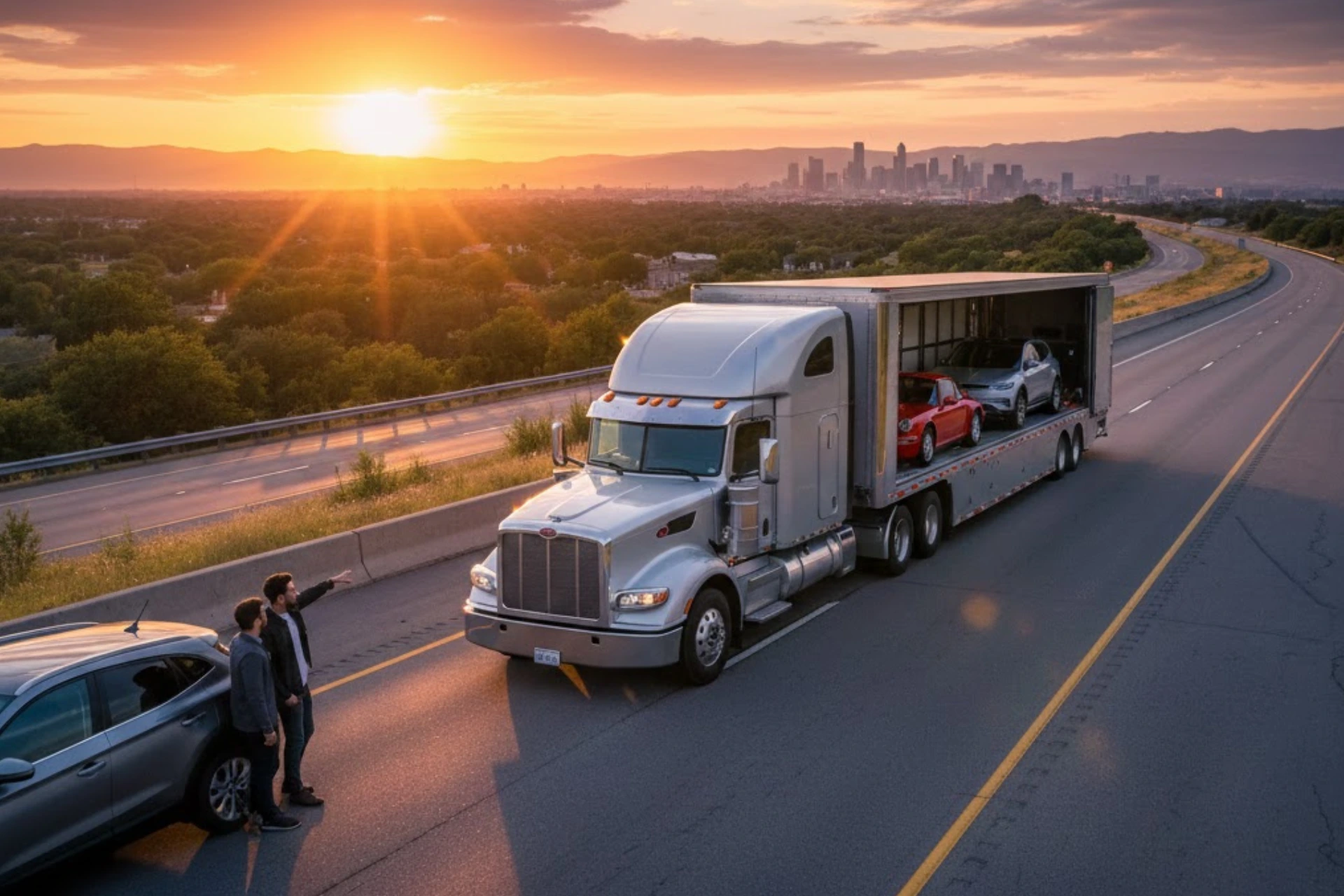
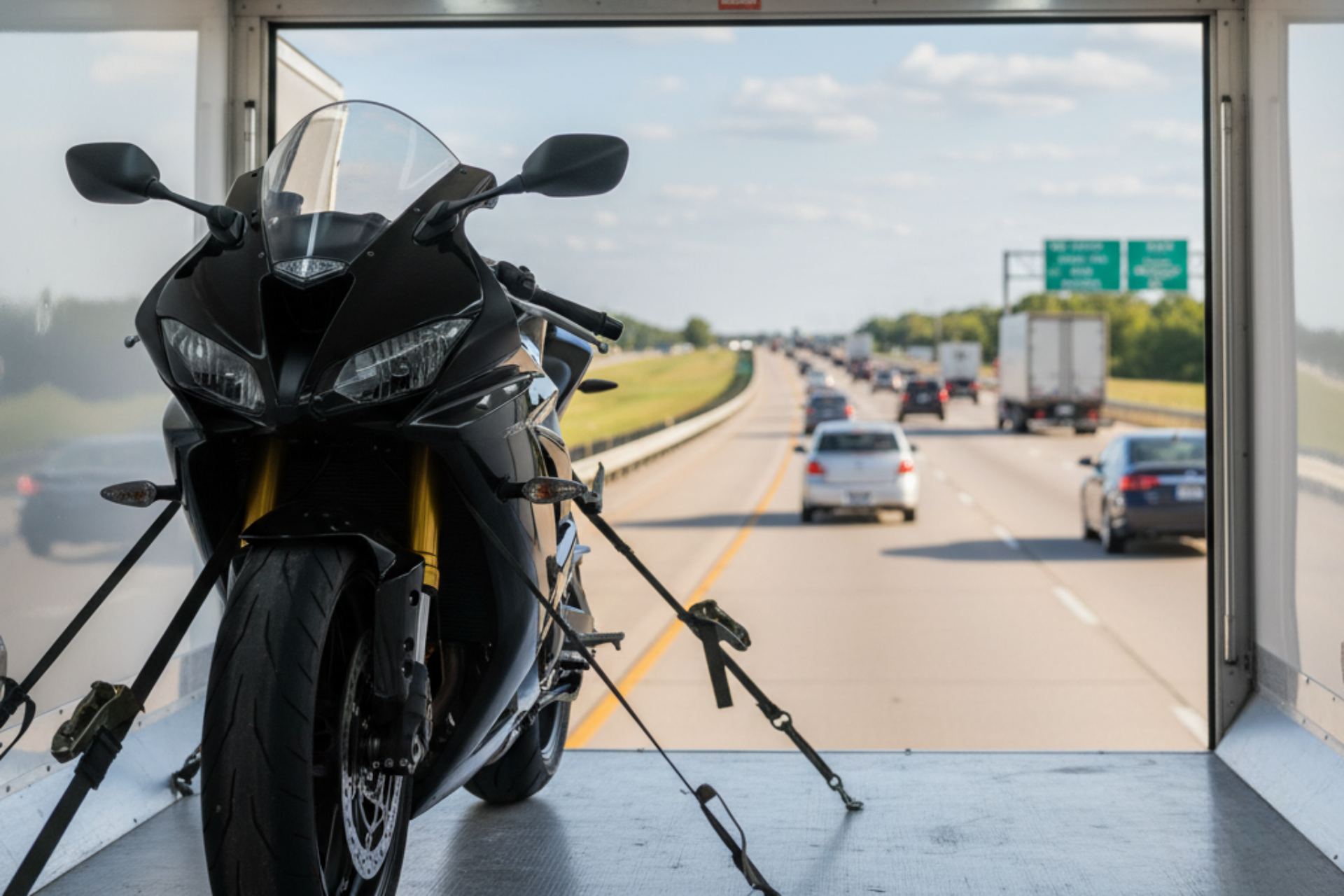
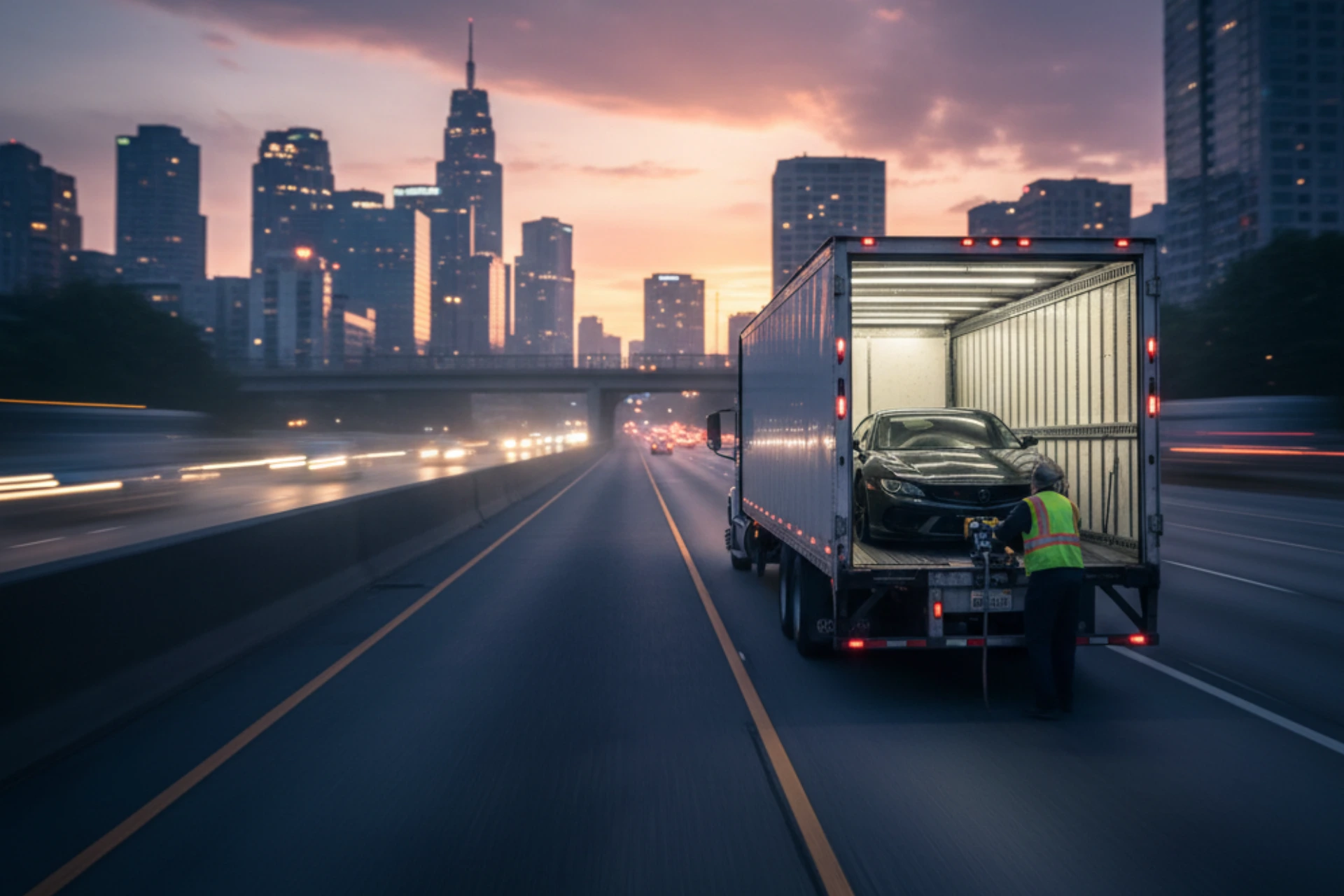
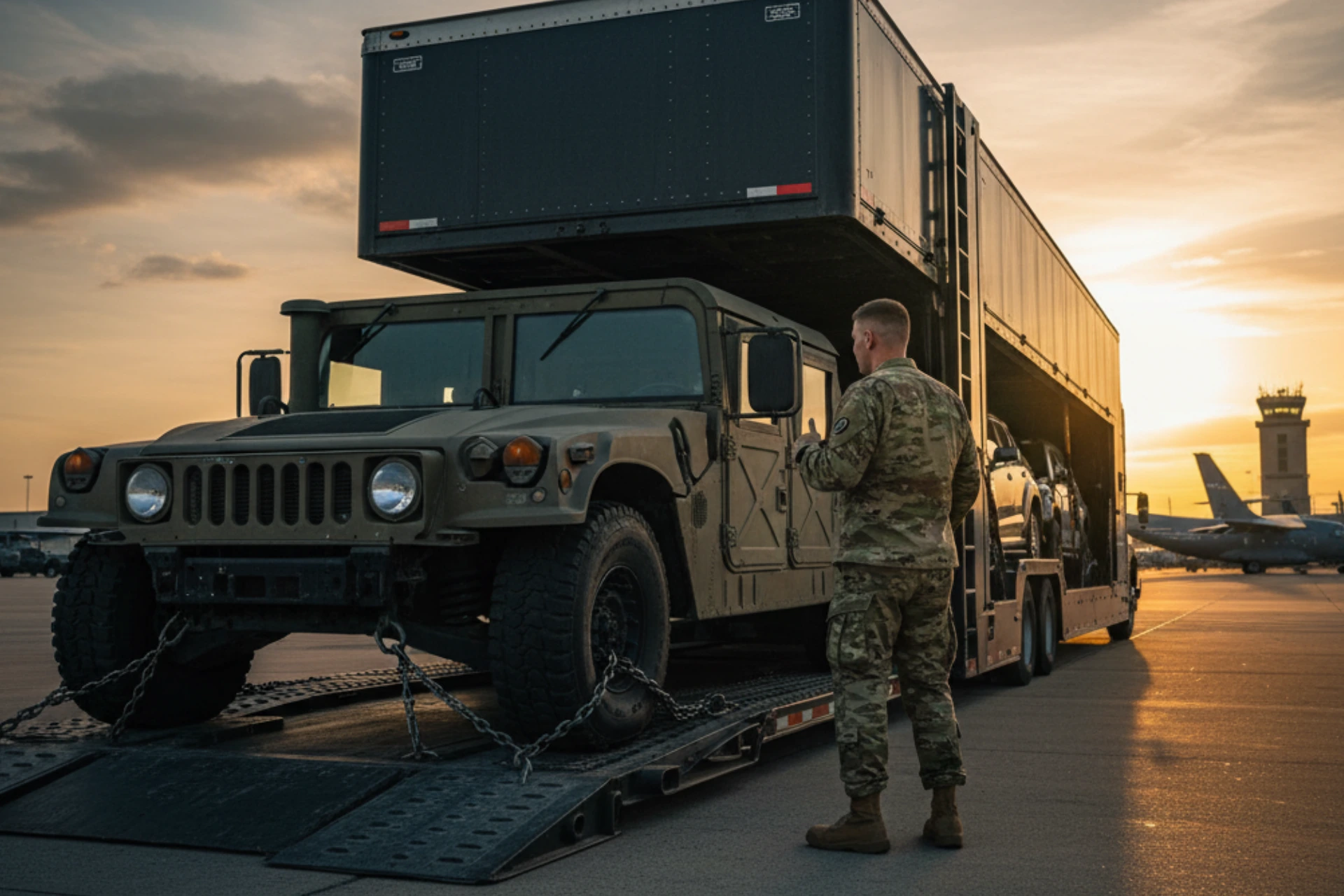
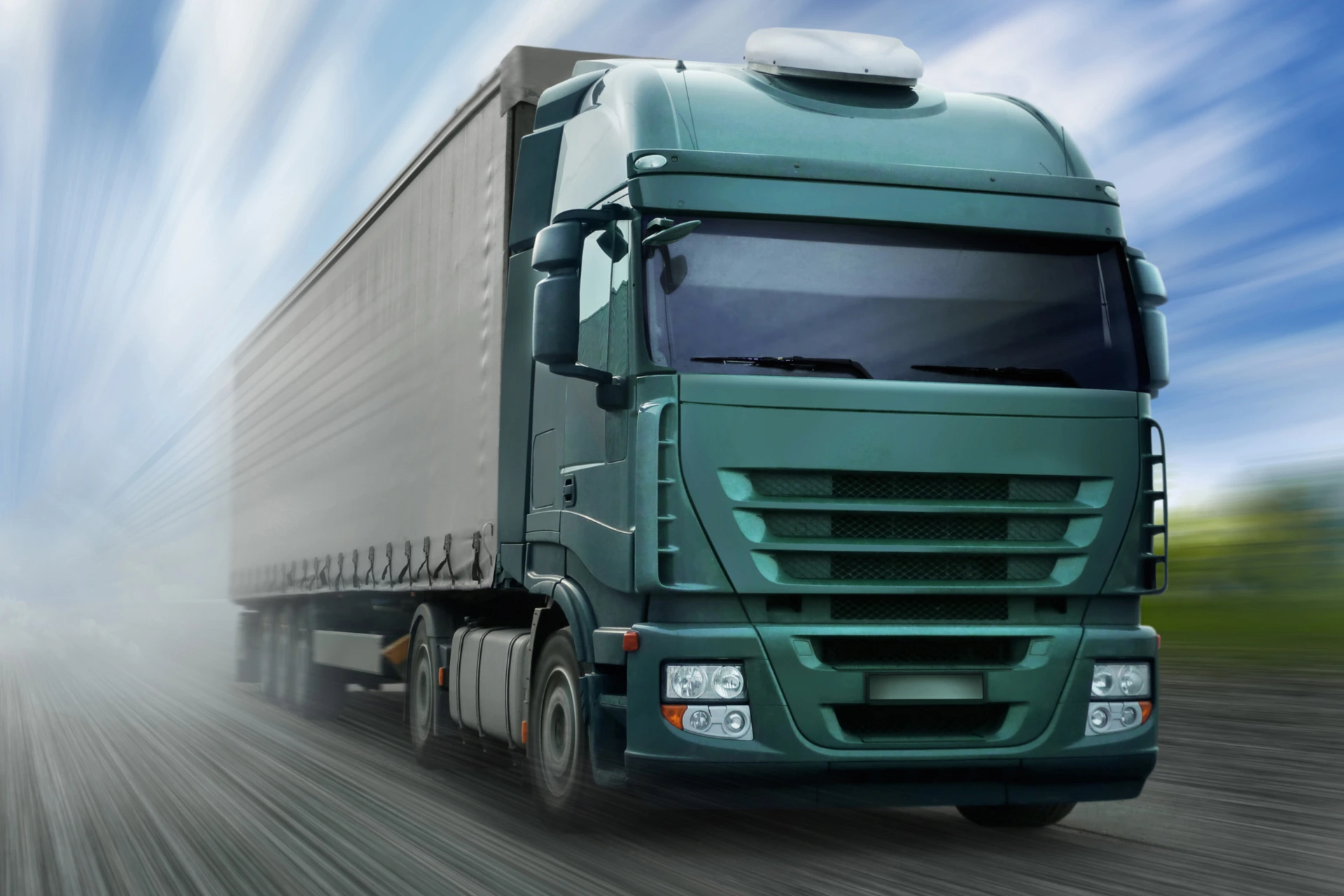
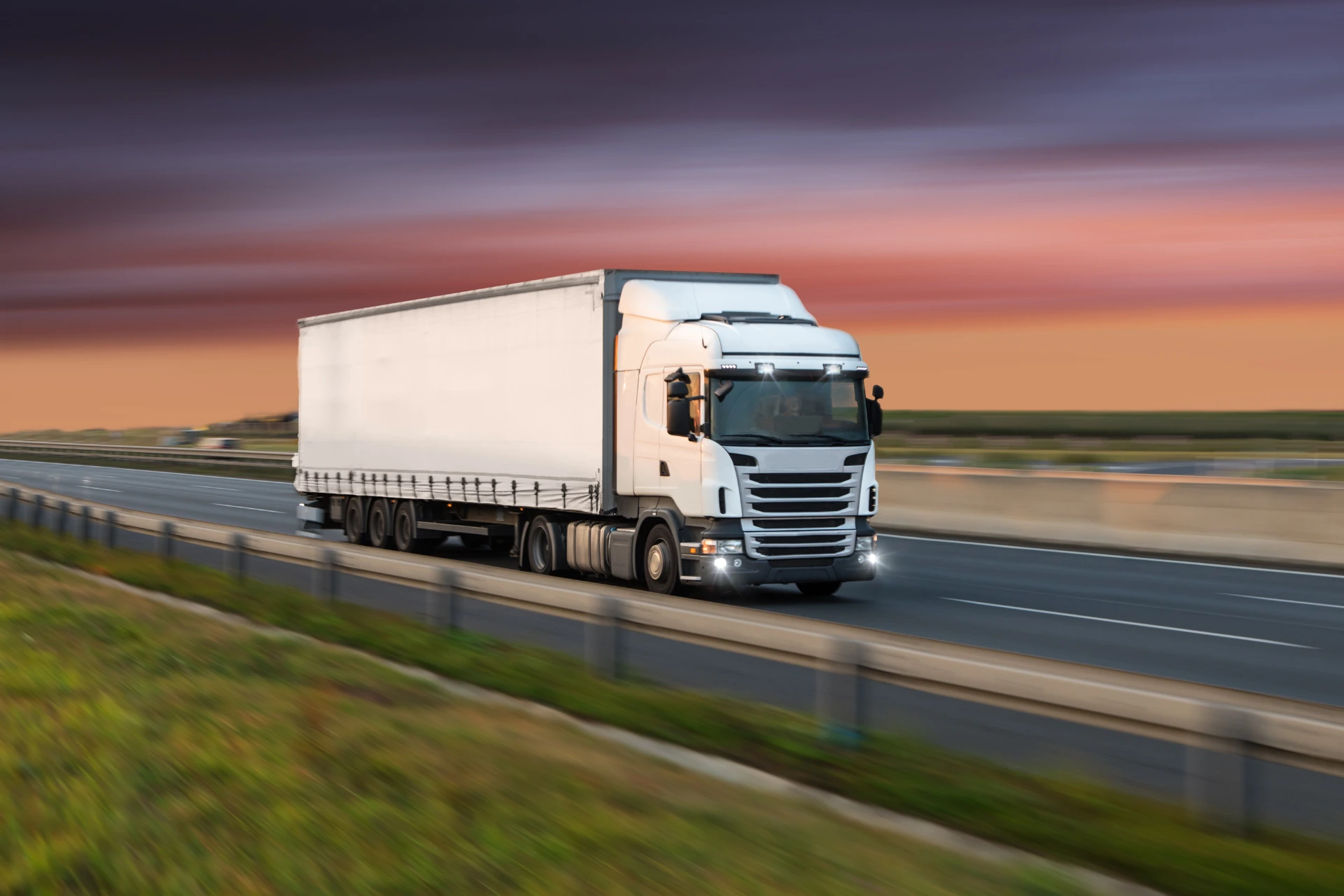
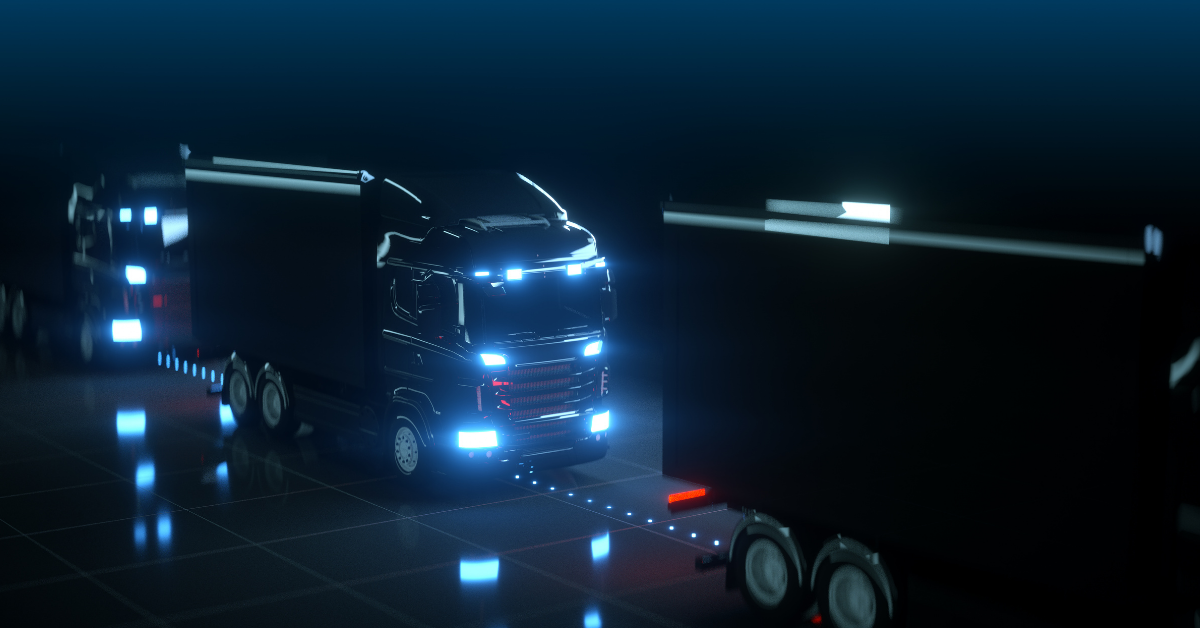
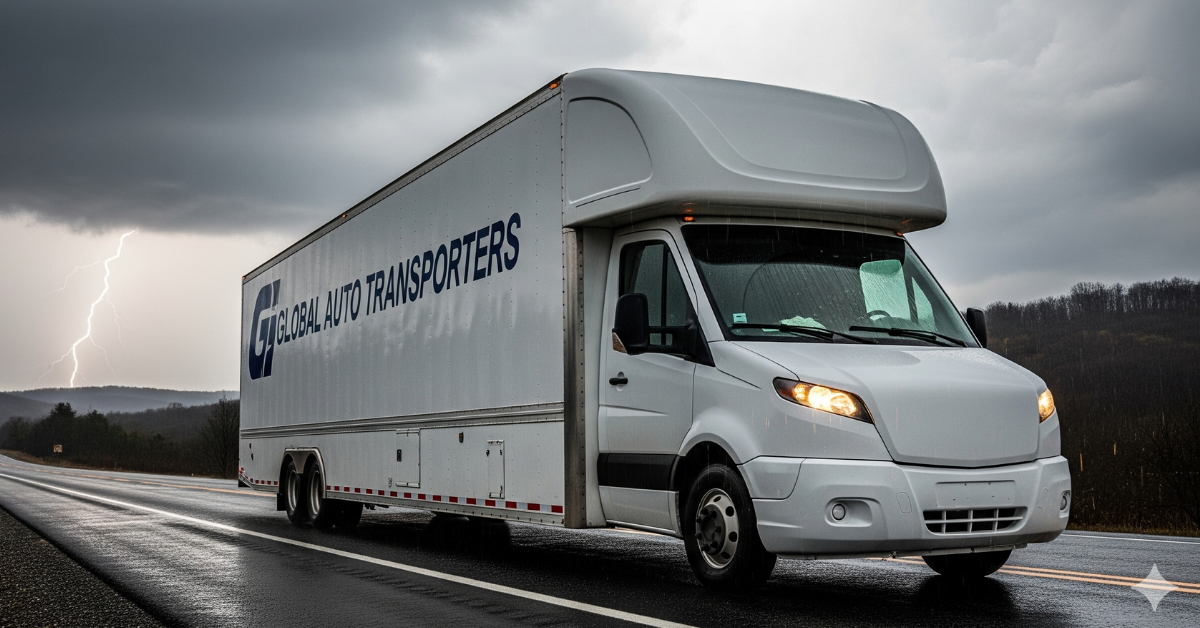
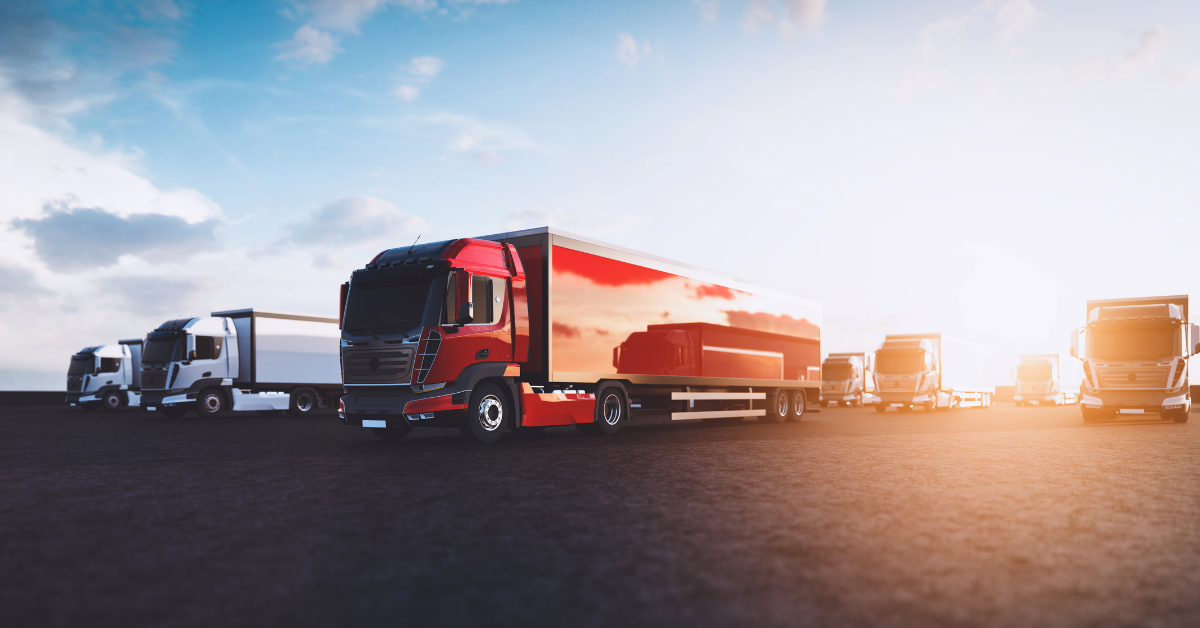
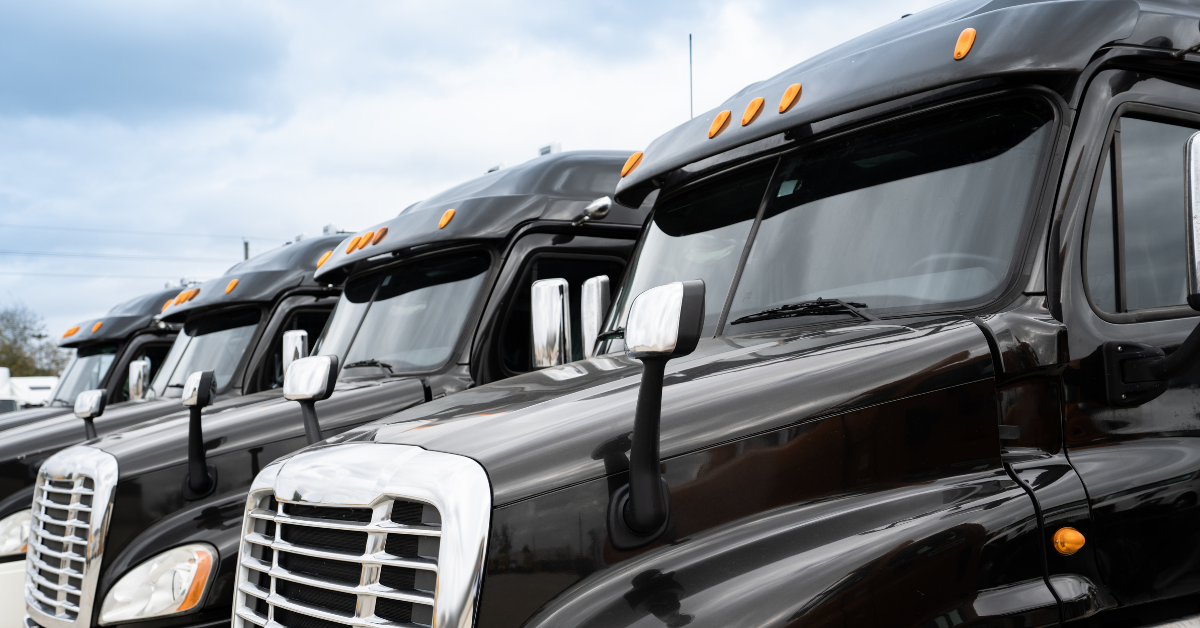
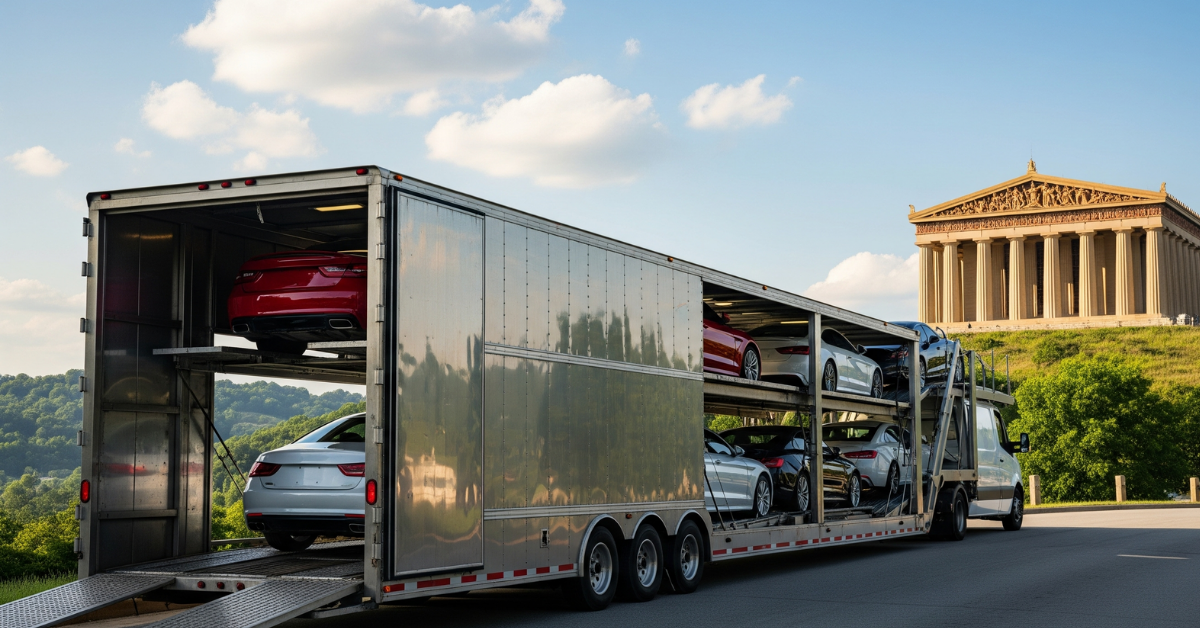
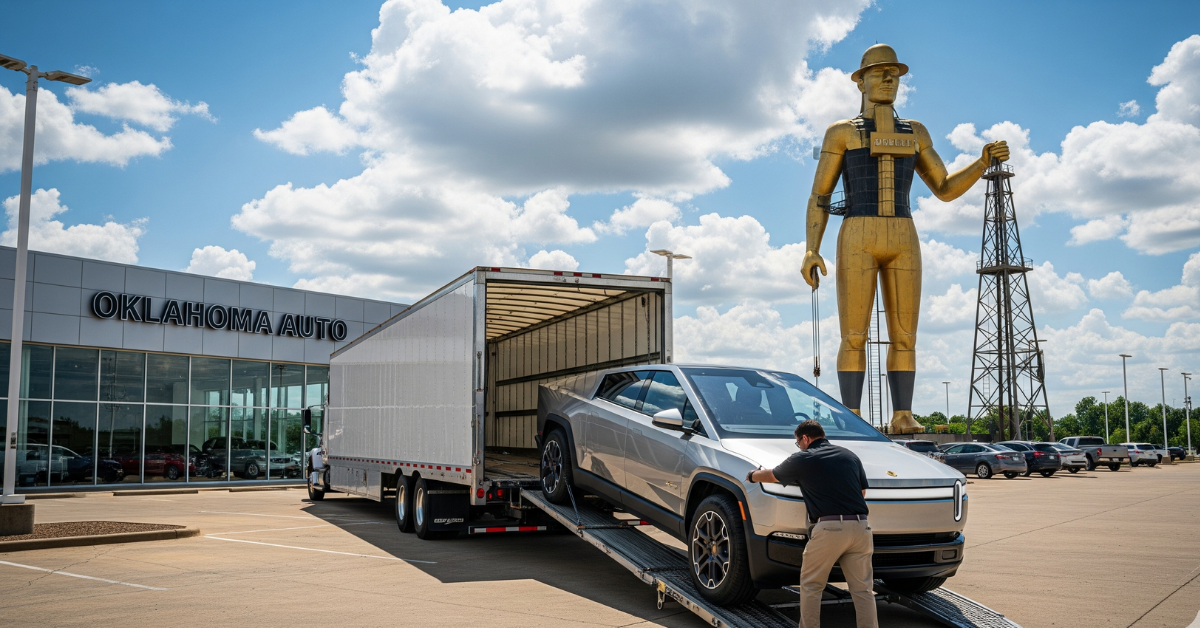
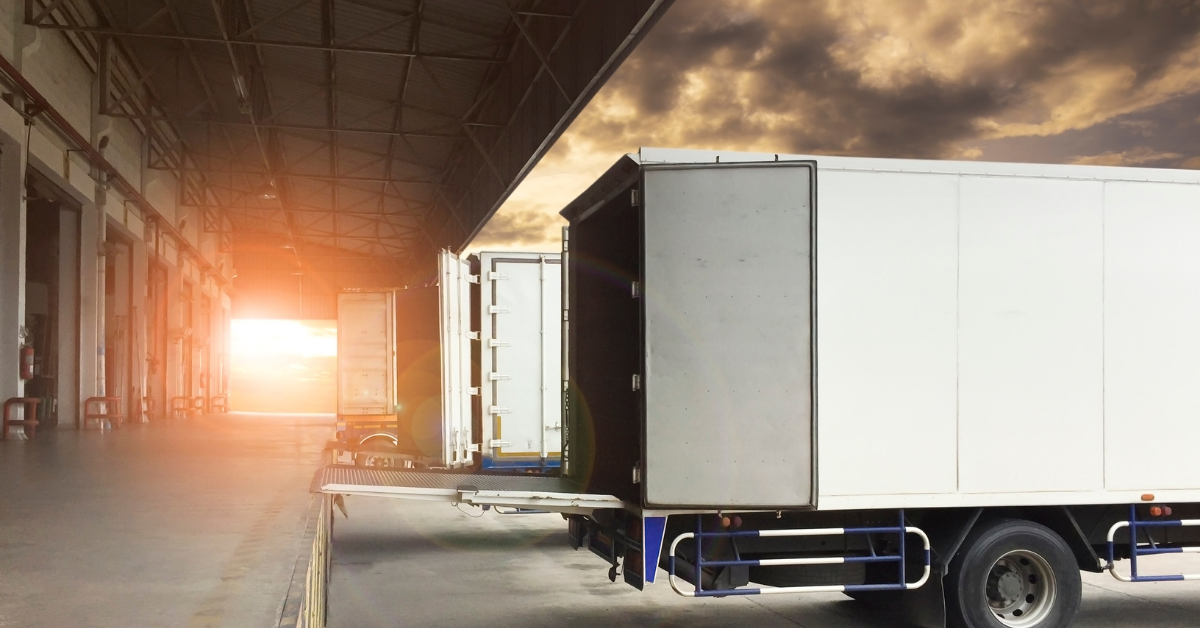
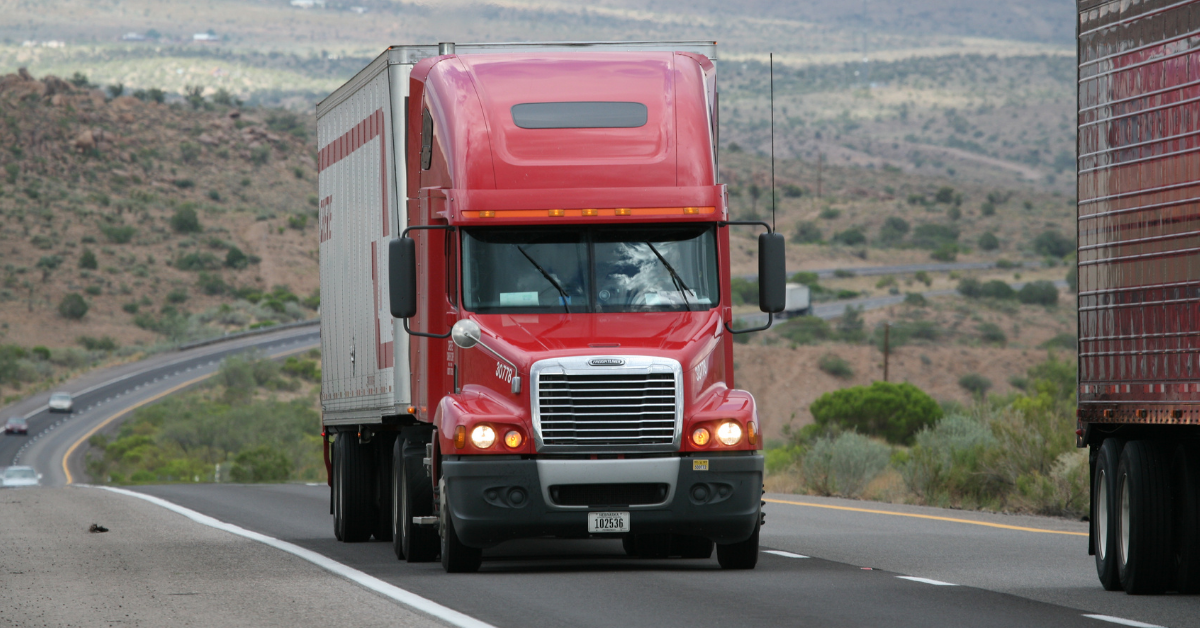
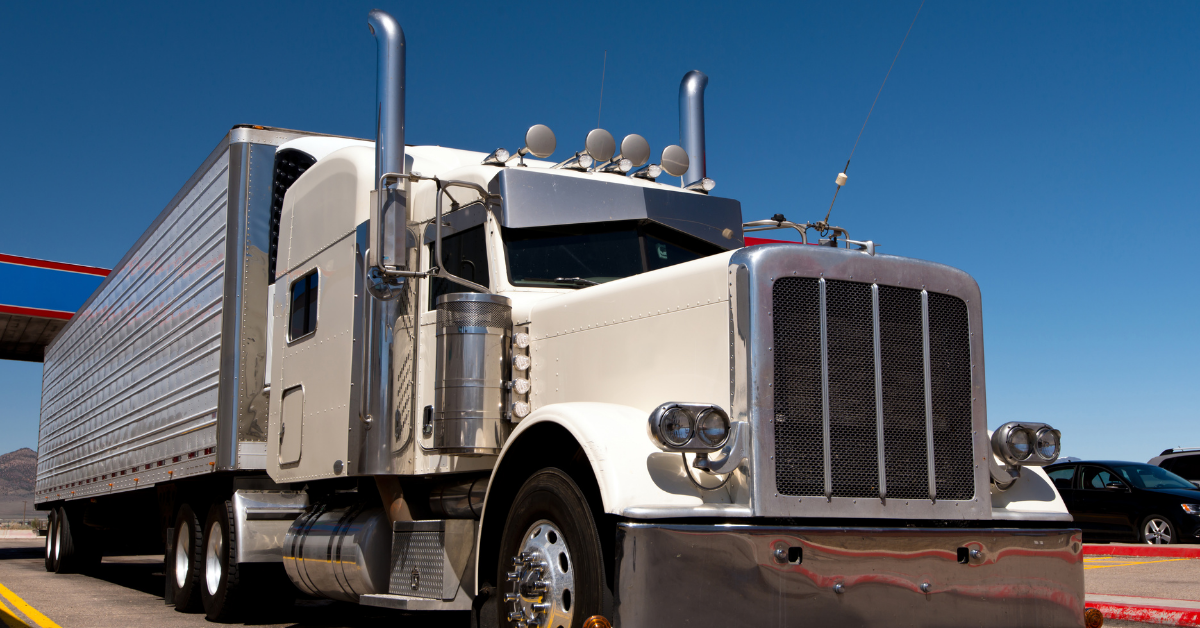
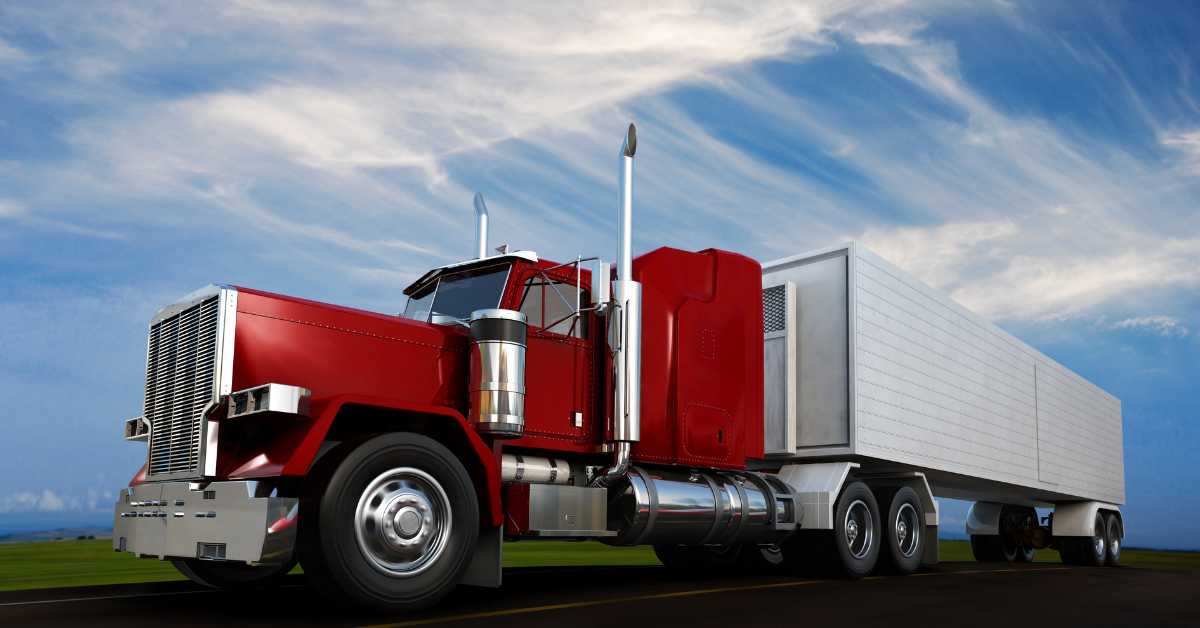
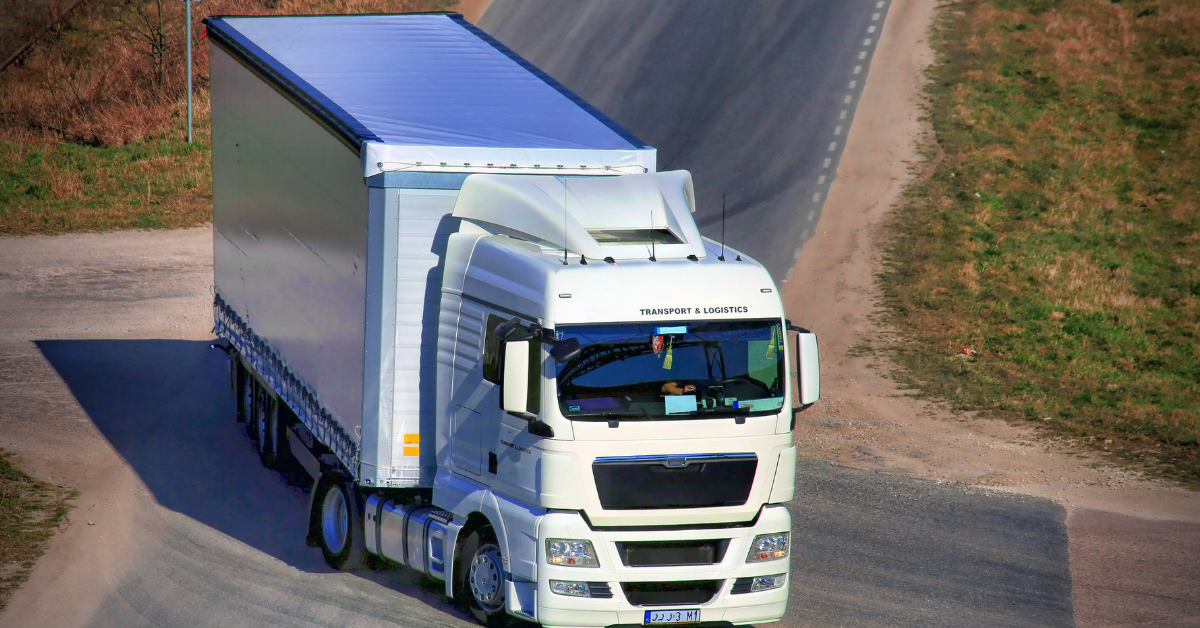
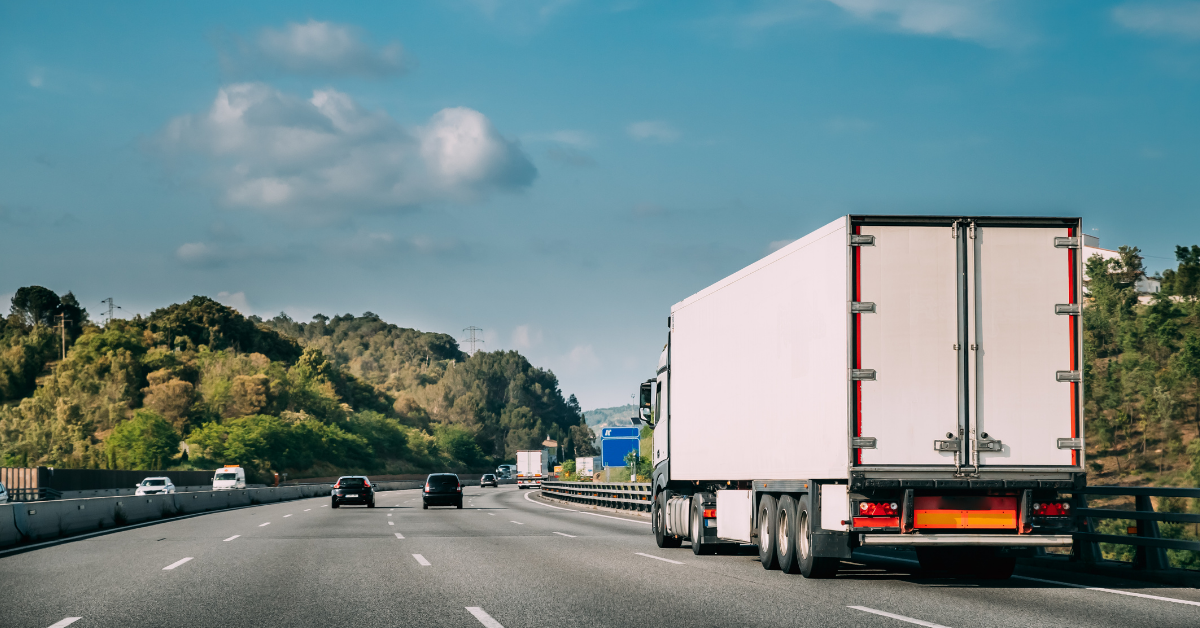
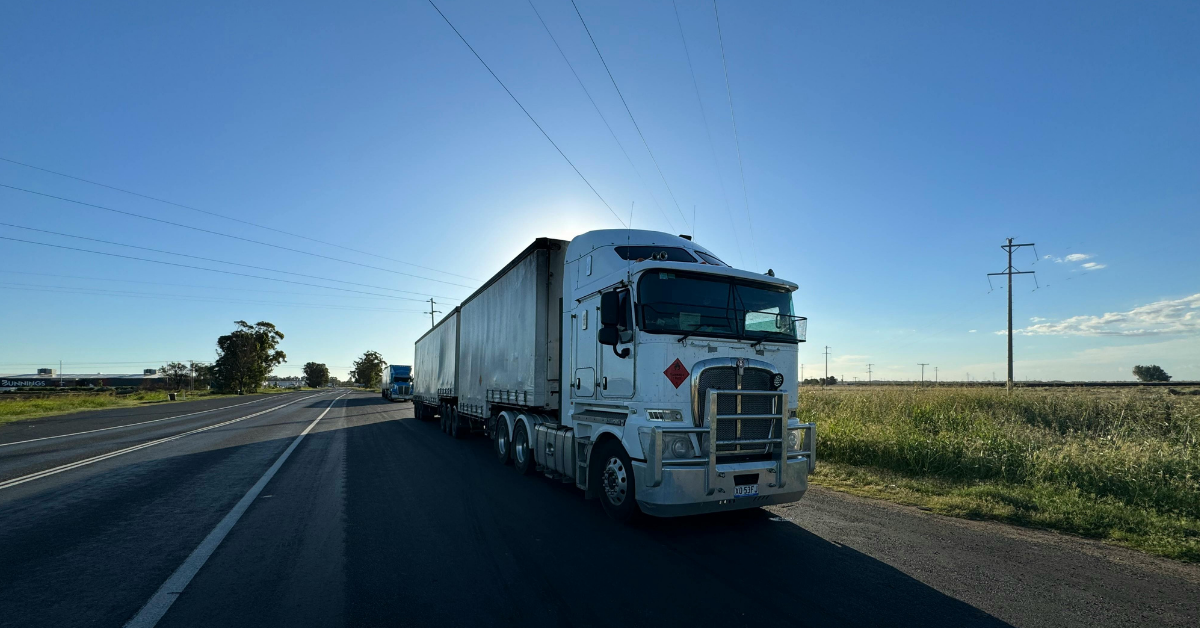
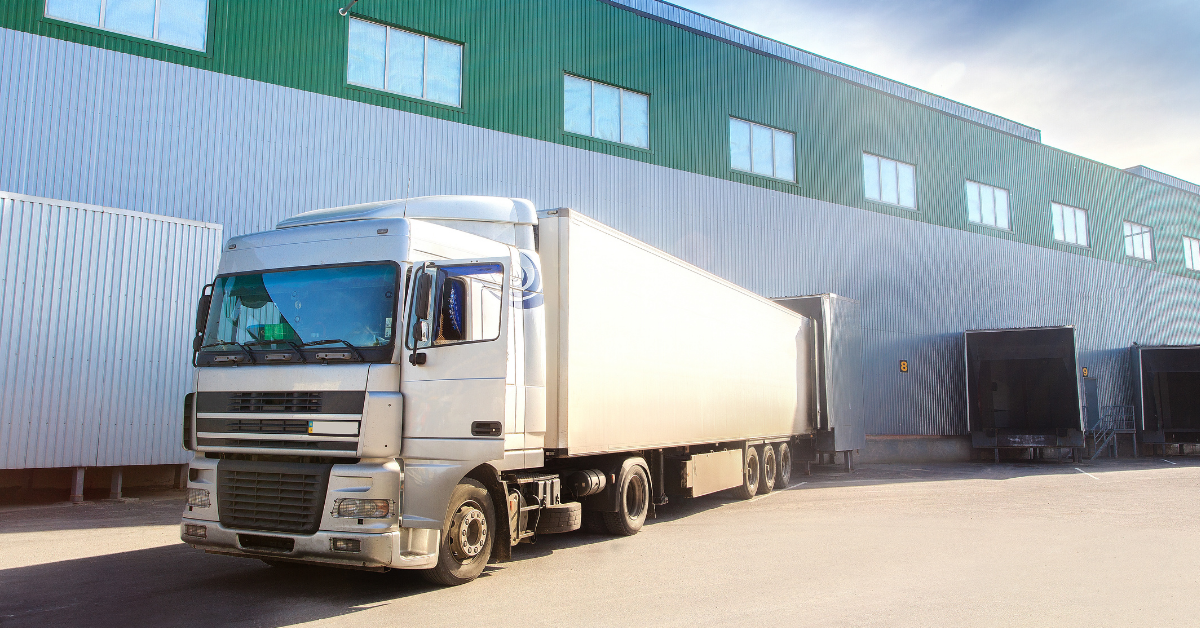
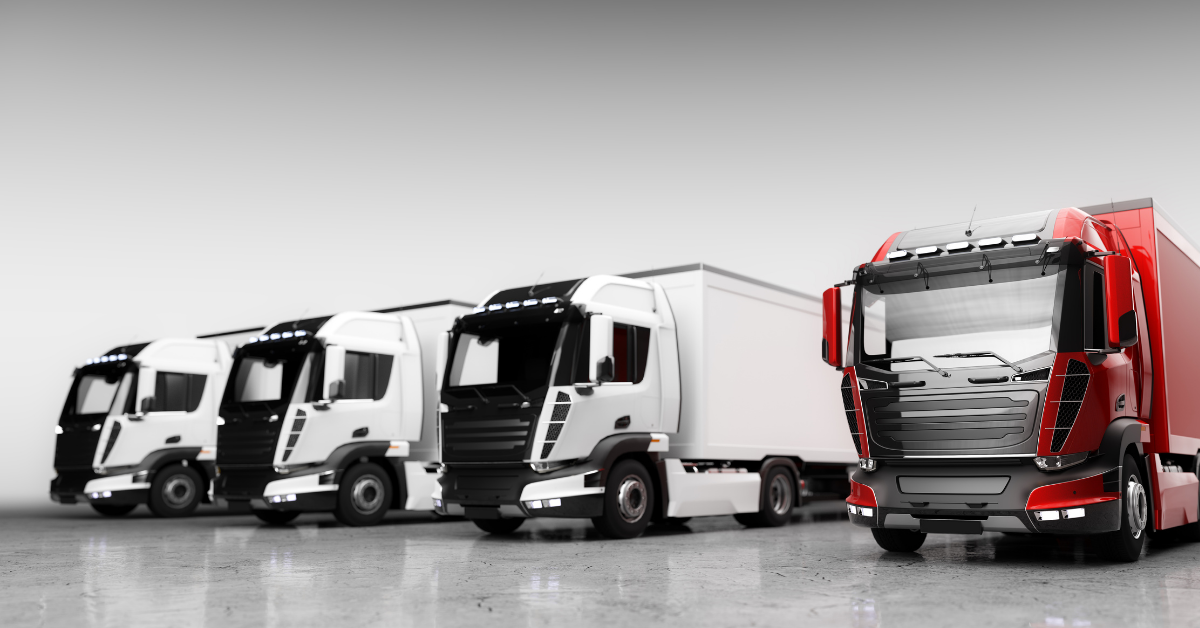
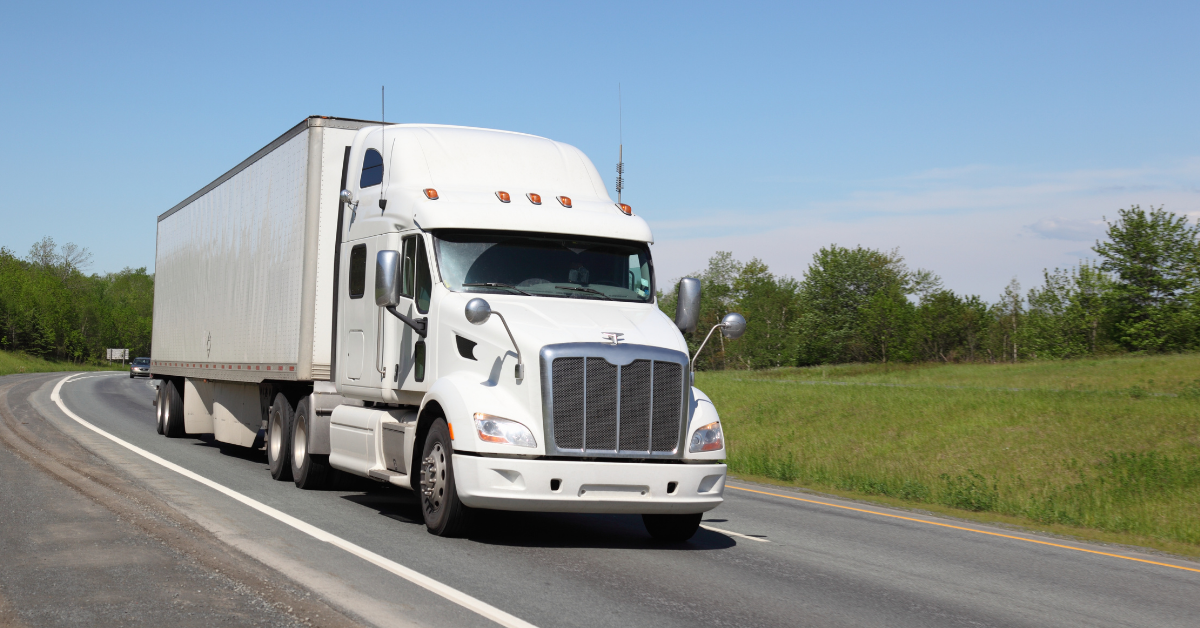
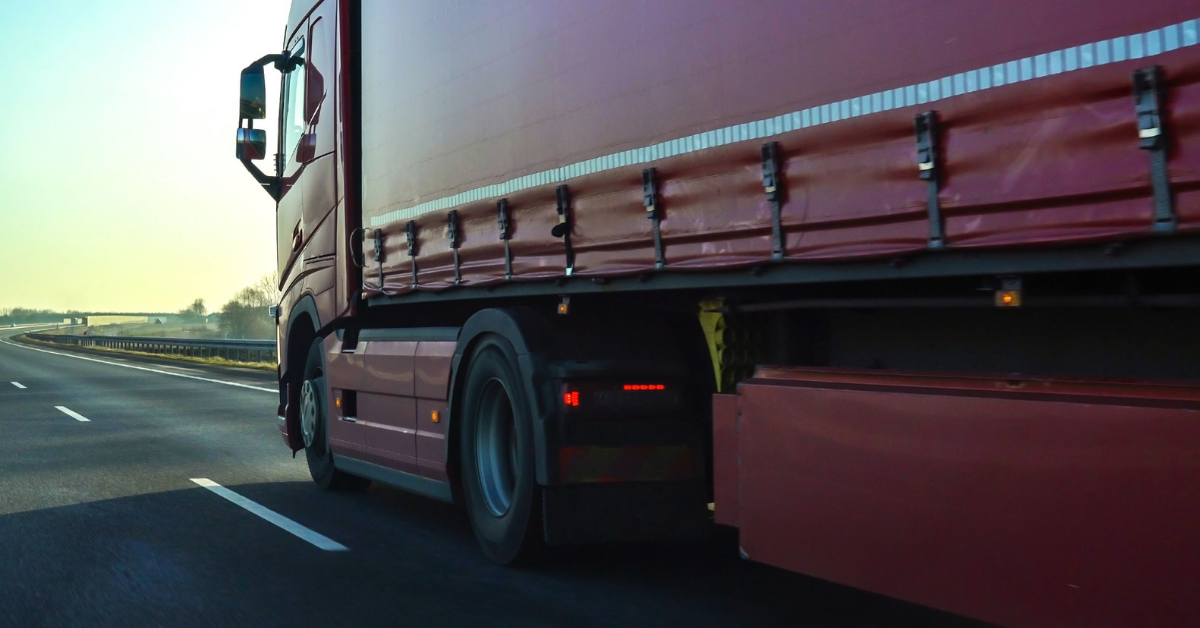
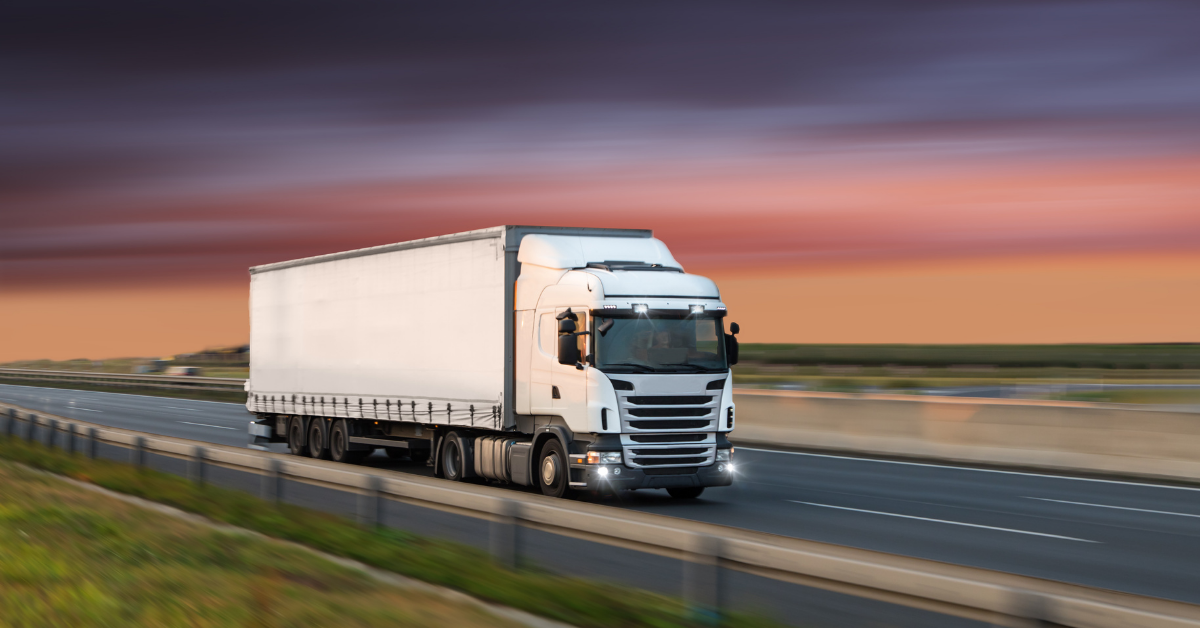
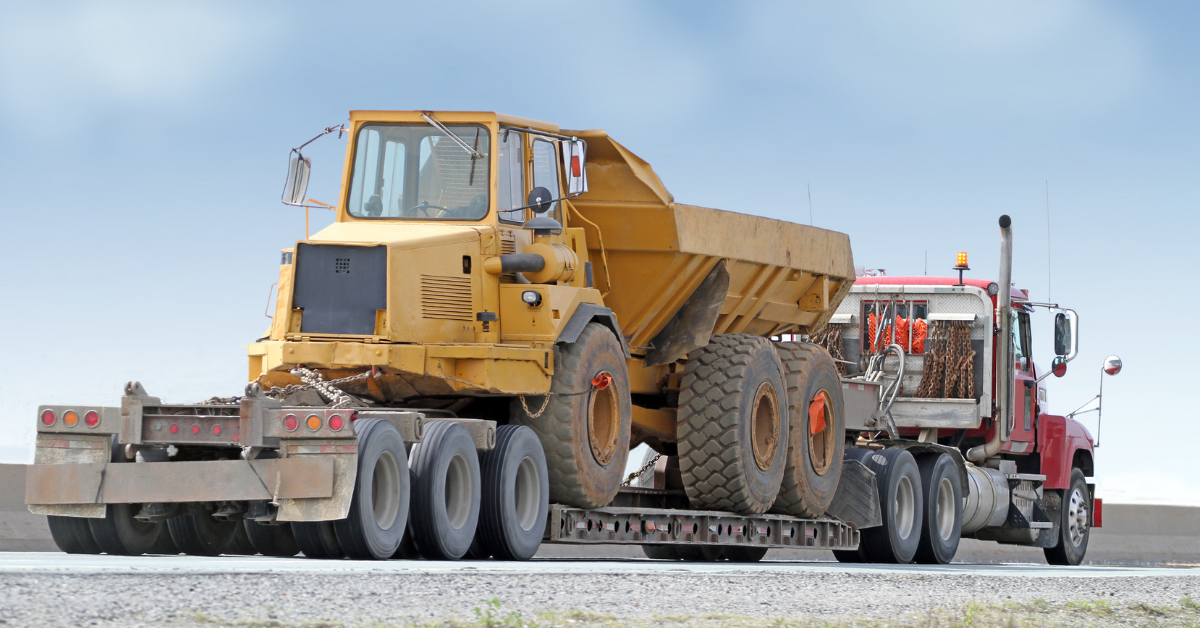
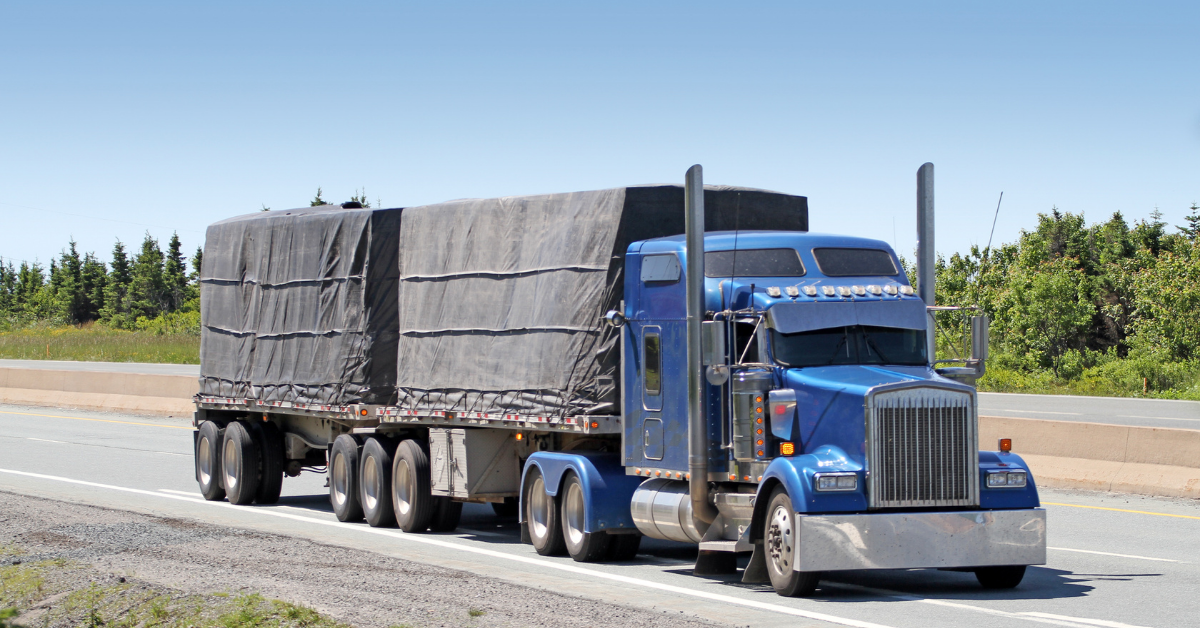
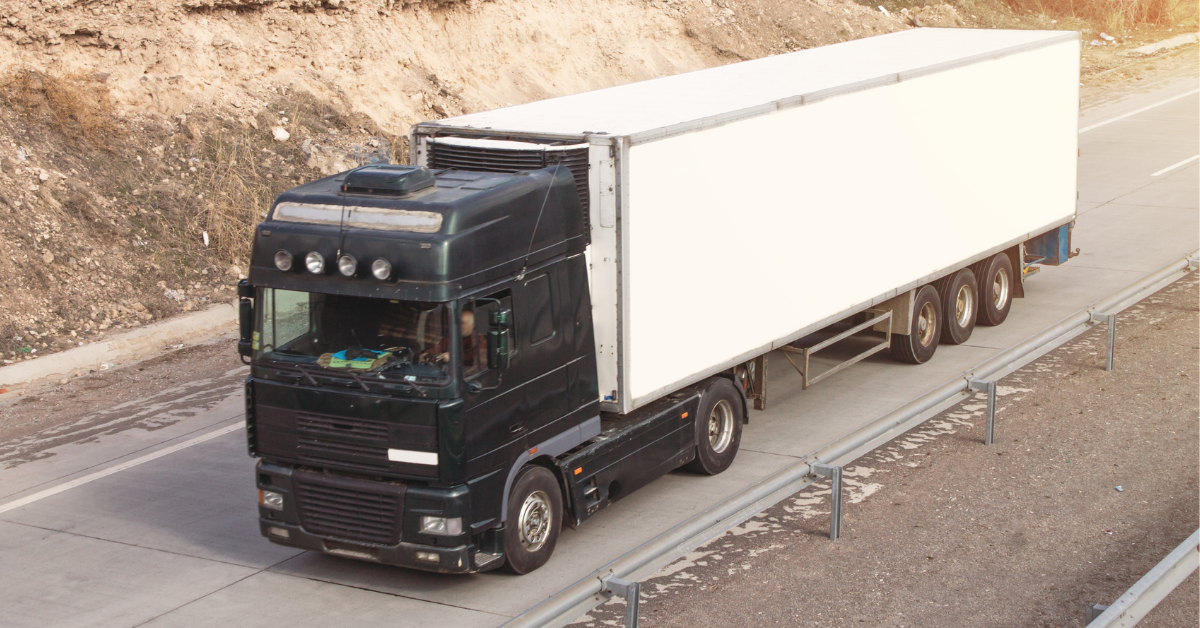
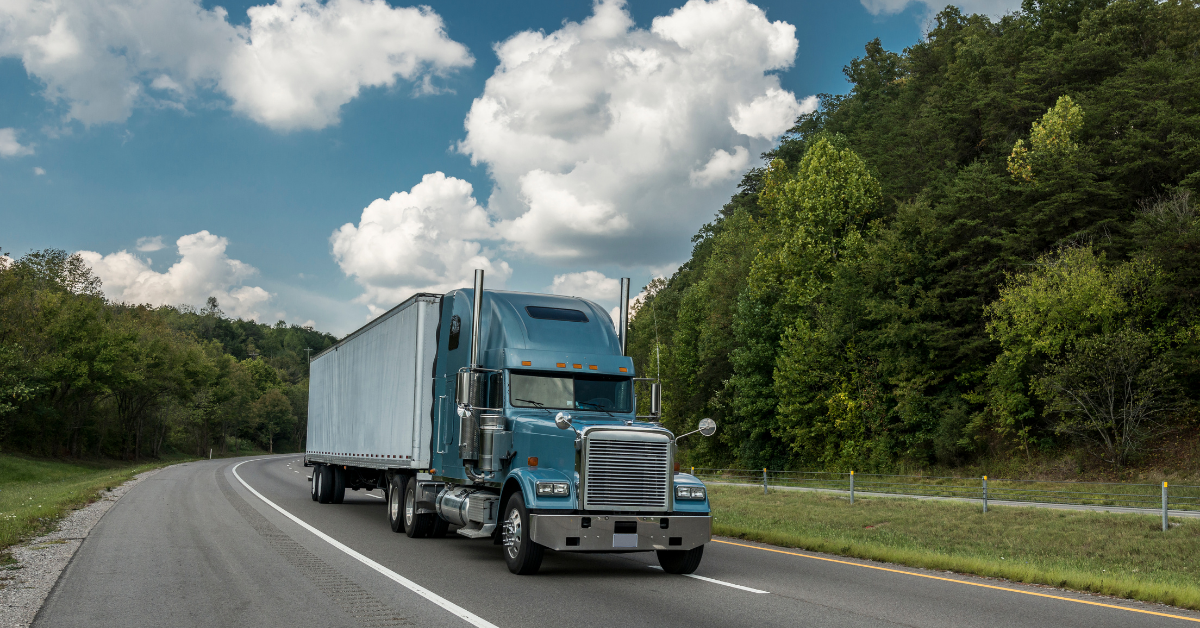
Enclosed auto transport looks different. These trailers resemble large moving vans or box trucks with solid walls.
Inside, your vehicle stays in a climate-controlled or shielded environment. These trailers usually carry far fewer cars, typically between two and six.
You will find two main types of enclosed trailers:
-
Soft-sided: Heavy vinyl curtains cover the sides to block most debris.
-
Hard-sided: Solid aluminum or steel walls provide total vehicle protection during shipping.
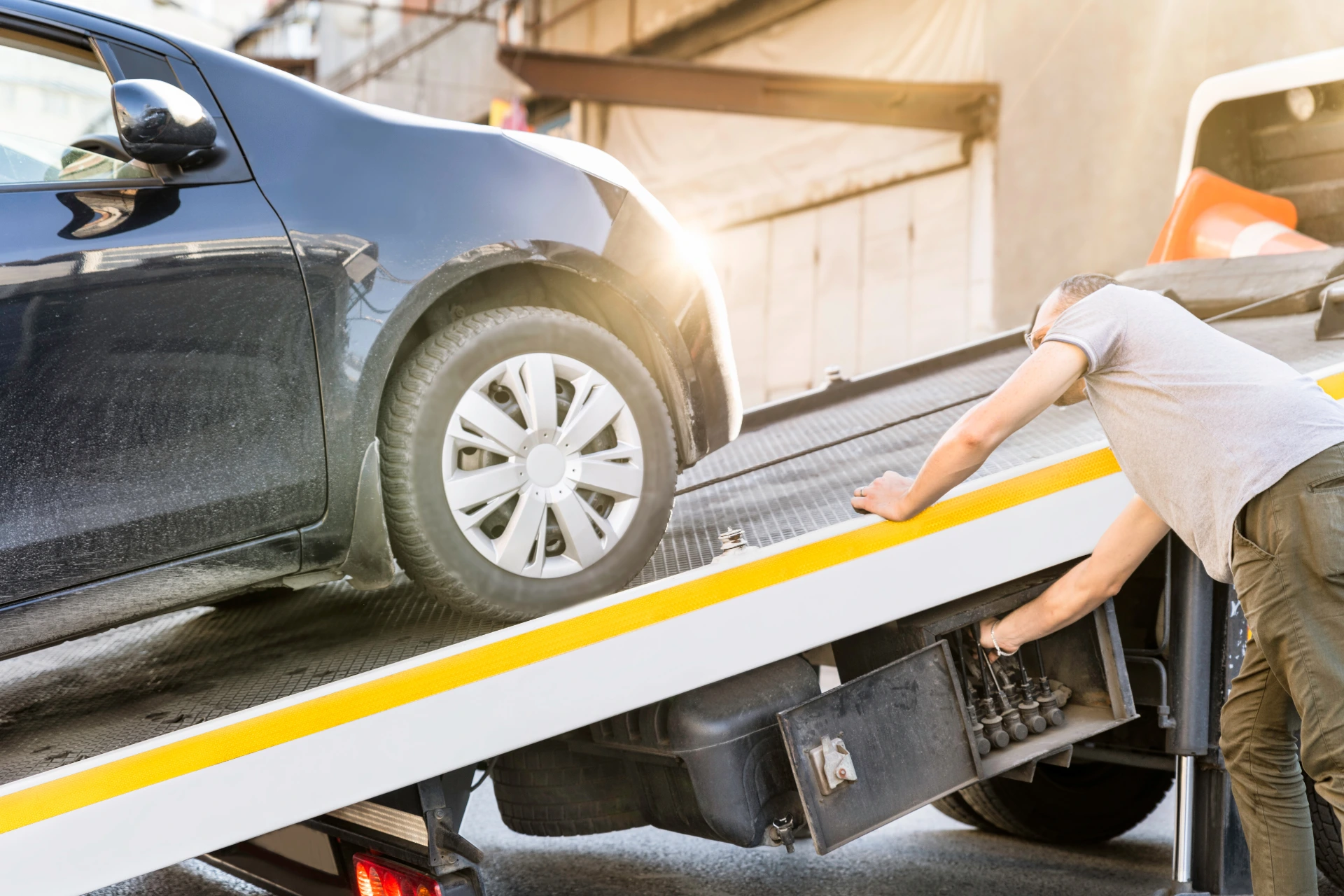
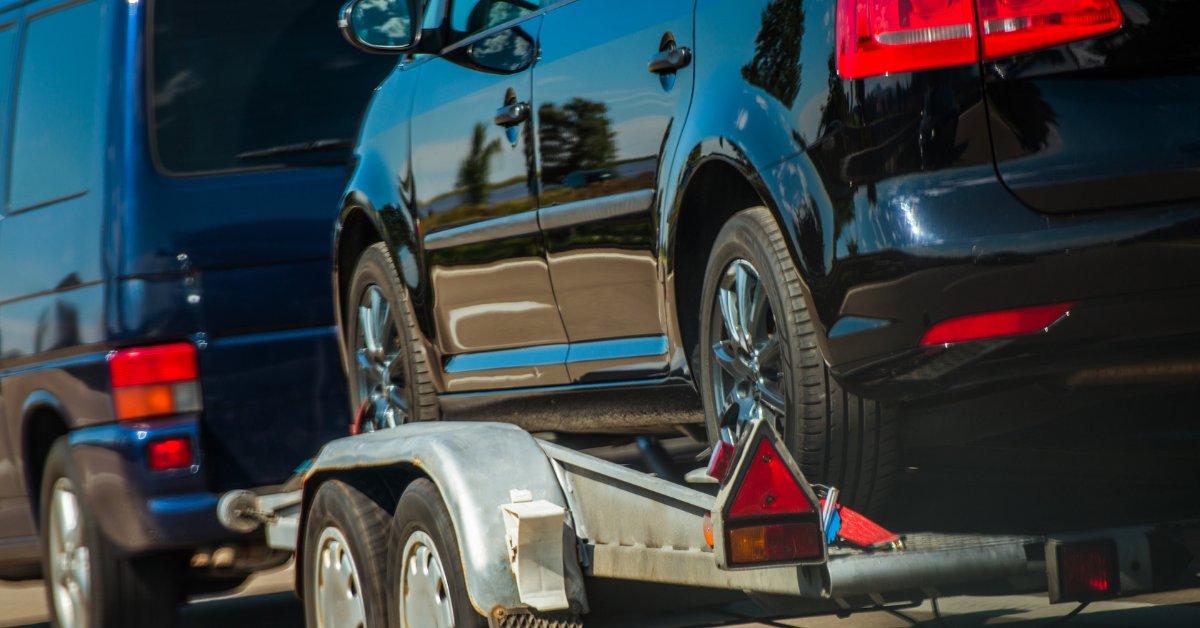
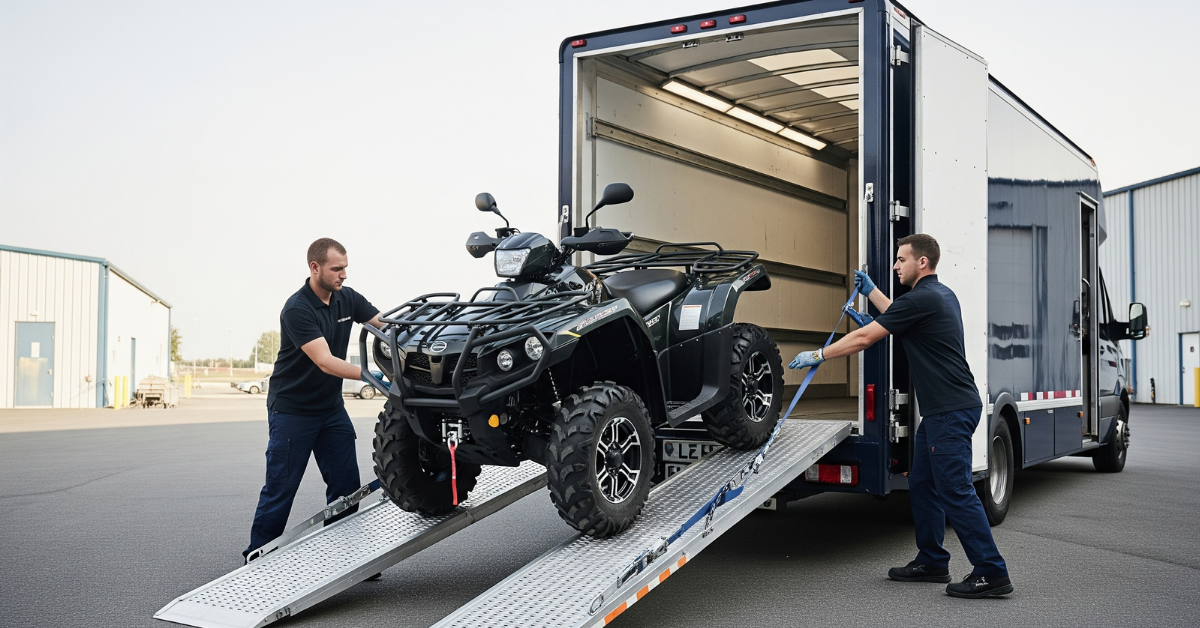
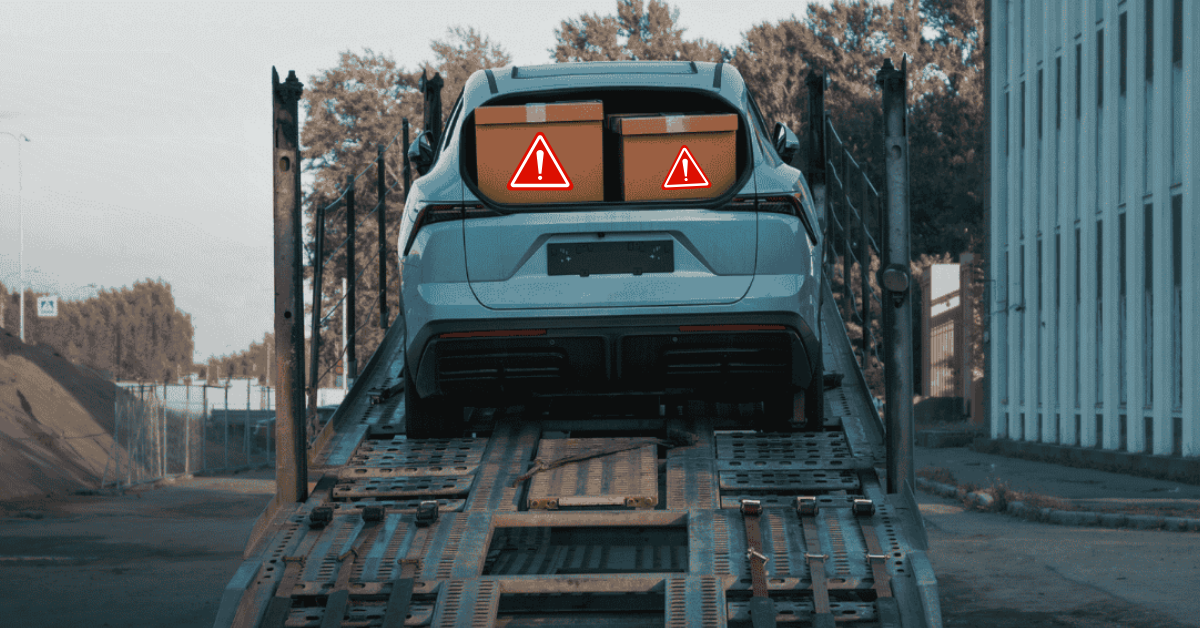
Loading also differs. Open trailers use long ramps, which work fine for most daily drivers.
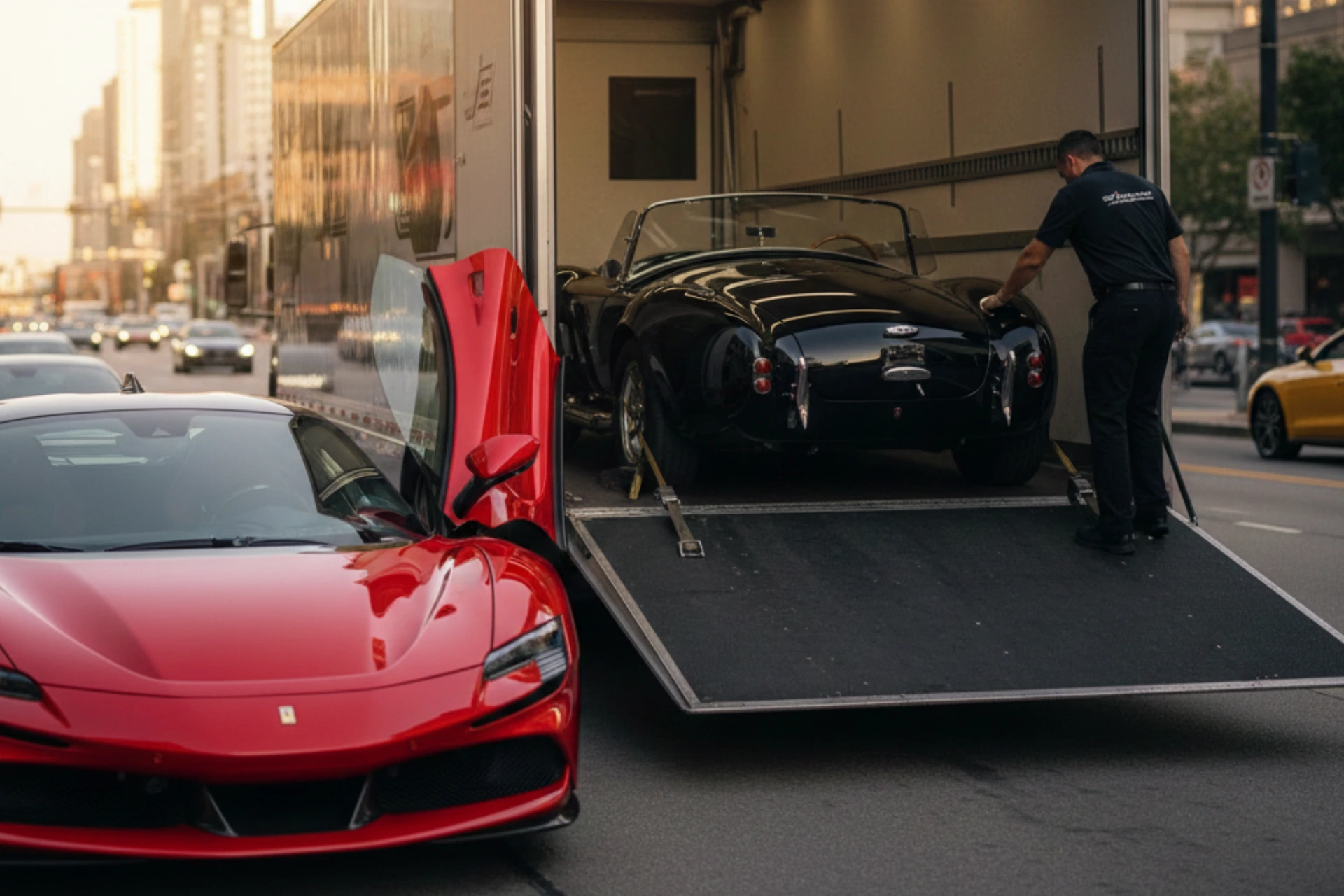
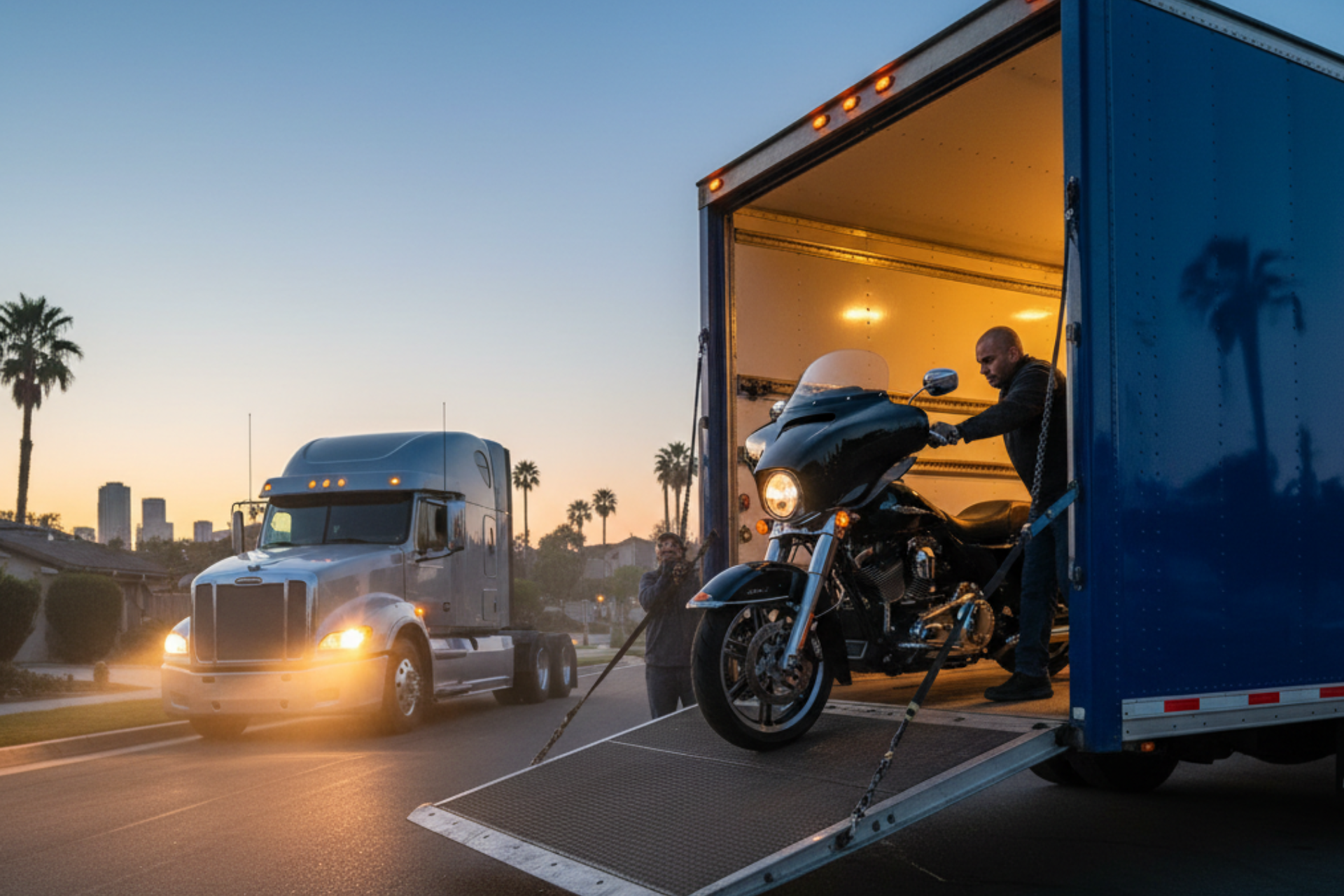
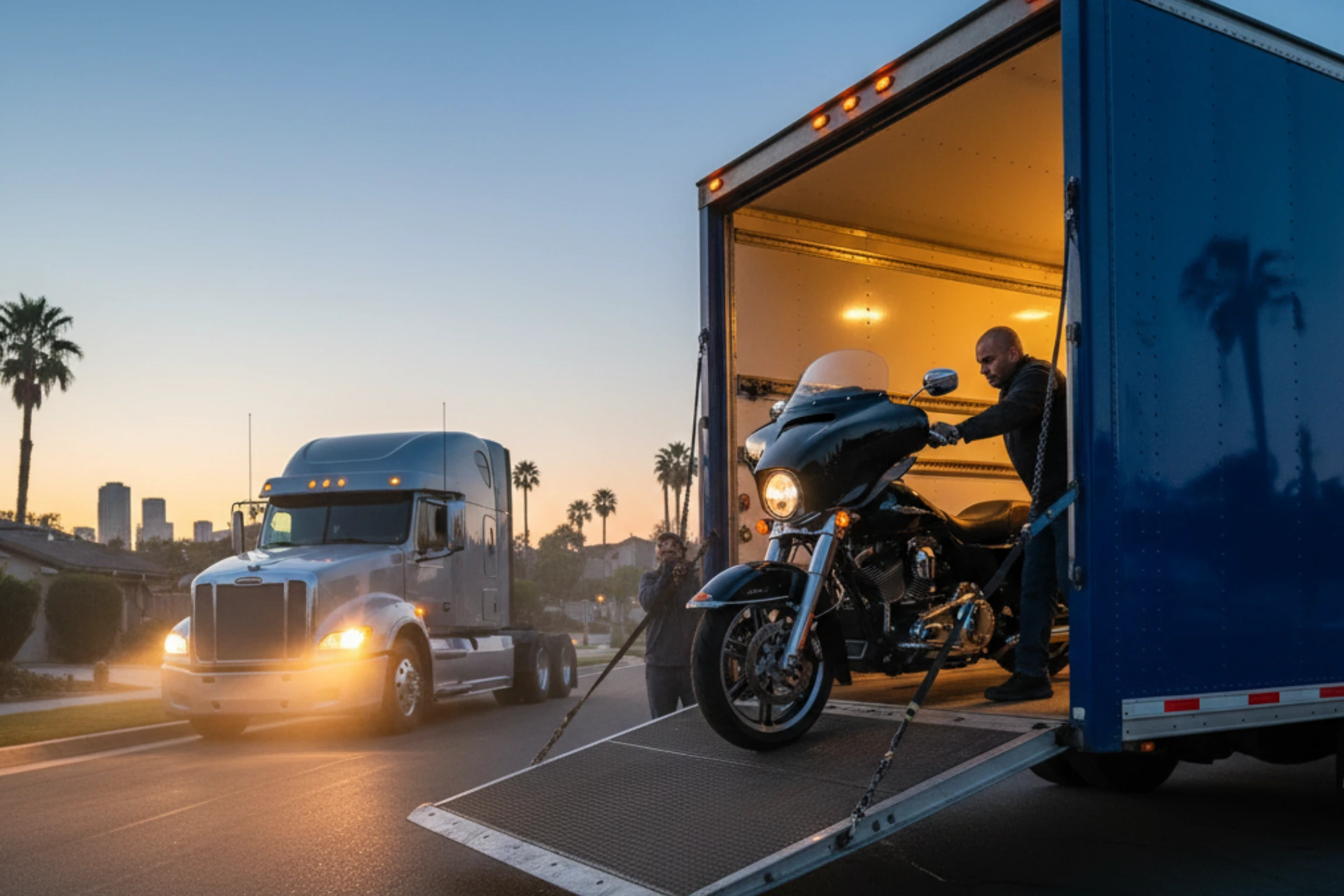
For luxury car transport, enclosed trailers use hydraulic lift gates. This keeps the car perfectly level so the bumper never scrapes the pavement.
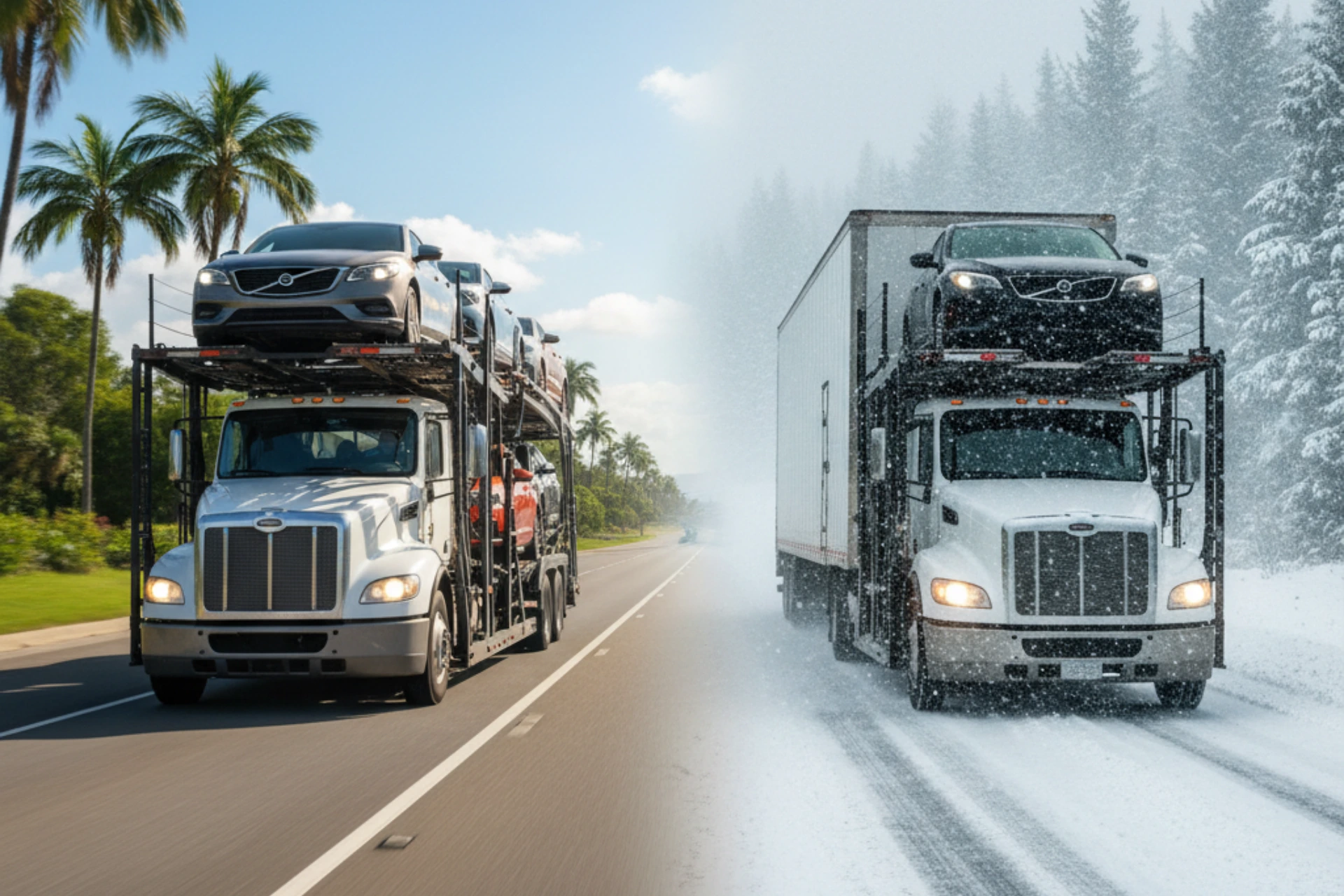
While your car is inside, it stays dry. It never sees rain, snow, or road salt during the trip.
On an open trailer, your car faces the same weather you do. It might arrive with a layer of dust or road grime from the highway.
Before you book, check the carrier's safety rating on the Check DOT and an MC number website.
Understanding these different types of car shipping services helps you choose the right fit for your car.
Physical exposure is the biggest difference here. This leads to the question of how much protection your specific vehicle really needs.
Safeeds Transport Inc provides door-to-door auto transport for both methods. We handle the logistics so you can focus on your move without worrying about the drive
Protection Levels: What Actually Happens On The Road
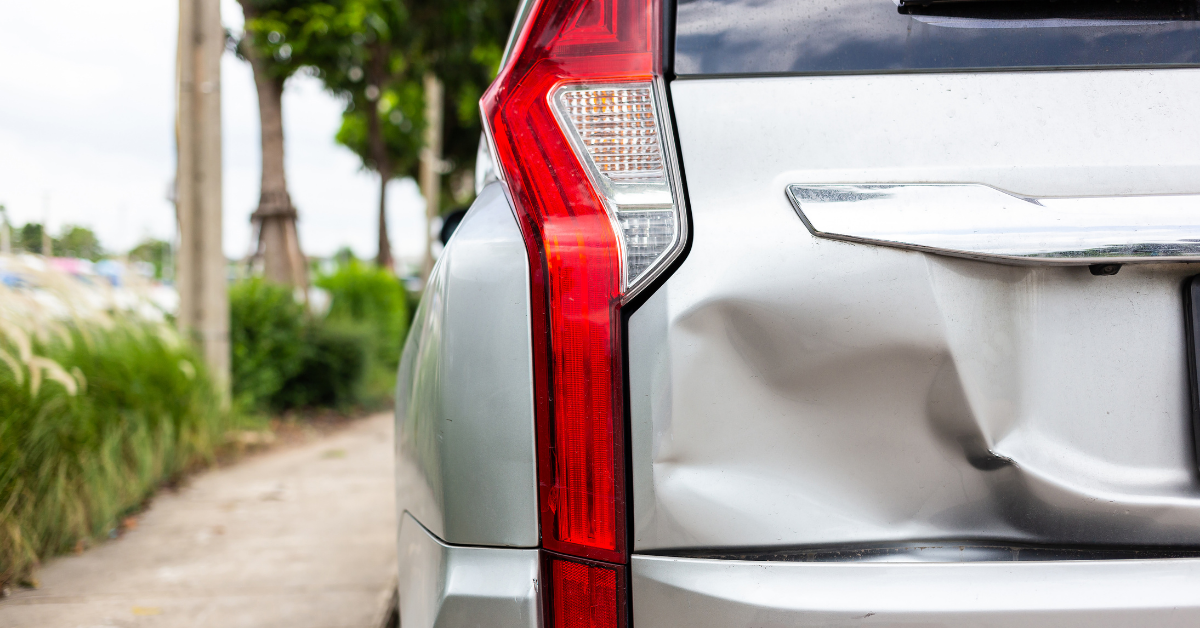
Road debris is the primary concern when you choose open carrier car shipping. Rocks, gravel, and salt can fly up from the pavement and hit your paint or windshield.
While these incidents are rare, they happen on long-distance hauls. Your car also deals with bird droppings, tree sap, and varied weather conditions while sitting on an open rack.
Enclosed car shipping offers a higher tier of vehicle protection during shipping. It seals your car away from dust, rain, and prying eyes in a locked trailer.
This level of privacy is why high value vehicle transport usually happens in a hard-sided container. People cannot see what is inside, which reduces the risk of theft or vandalism during overnight stops.
Insurance coverage often differs between the two car shipping methods. Open trailers typically carry $100,000 to $150,000 in cargo insurance.
Enclosed transport for luxury cars usually comes with policies ranging from $250,000 to $2,000,000. You should always verify these limits through the FMCSA before signing a contract.
Damage statistics show that over 95% of vehicles arrive on open trailers without any issues. The risk is low, but it is not zero.
Classic car enclosed shipping eliminates the chance of "road rash" entirely. If your car has a custom paint job, even a small scratch can be expensive to fix.
You need to weigh the replacement cost of your paint against the open transport cost savings. For a daily driver, the risk of a small rock chip is usually acceptable.
For an investment, the extra layer of security provided by Safeeds enclosed transport is the standard. It comes down to what you are willing to risk on the highway.
The value of your vehicle generally dictates which protection level makes sense for your wallet.
Safeeds Transport Inc offers AFTA GAP Protection for extra peace of mind. Contact us to learn how we protect your vehicle from the moment it leaves your driveway.
When Each Method Makes Sense For Your Situation
Deciding between open vs enclosed car shipping often comes down to the replacement value of the vehicle and your personal comfort with risk.
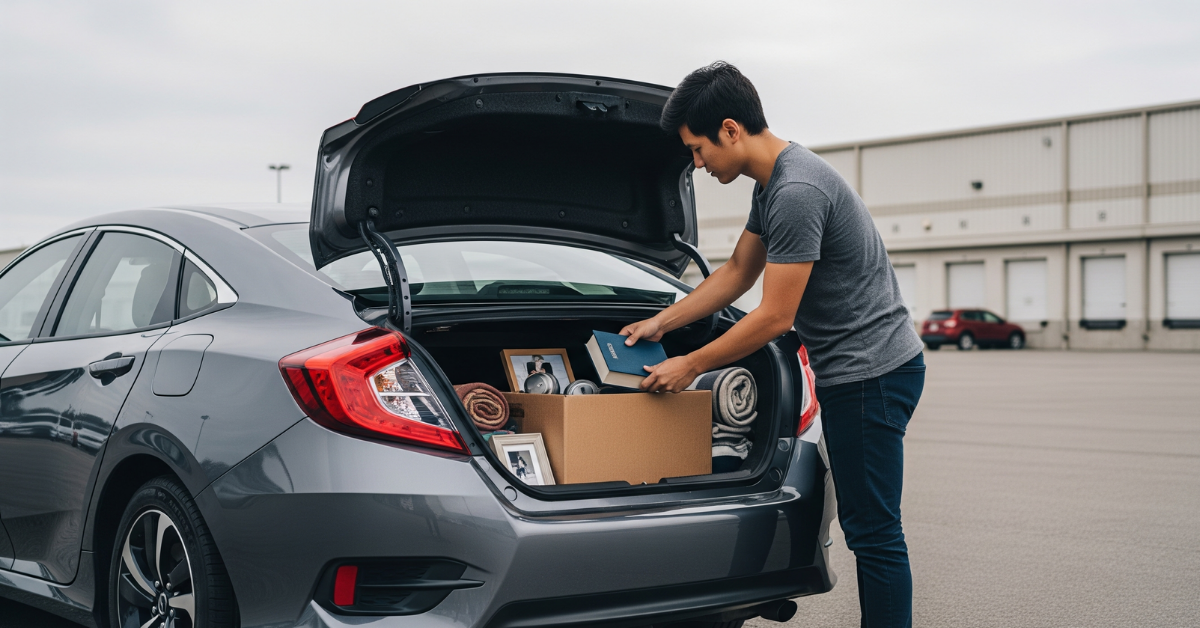
You need to look at the drive ahead. Shipping a 2015 Honda Civic 500 miles is a perfect case for open car transport. The car already handles daily road wear, so the open transport cost savings outweigh the minimal risk of a paint chip.
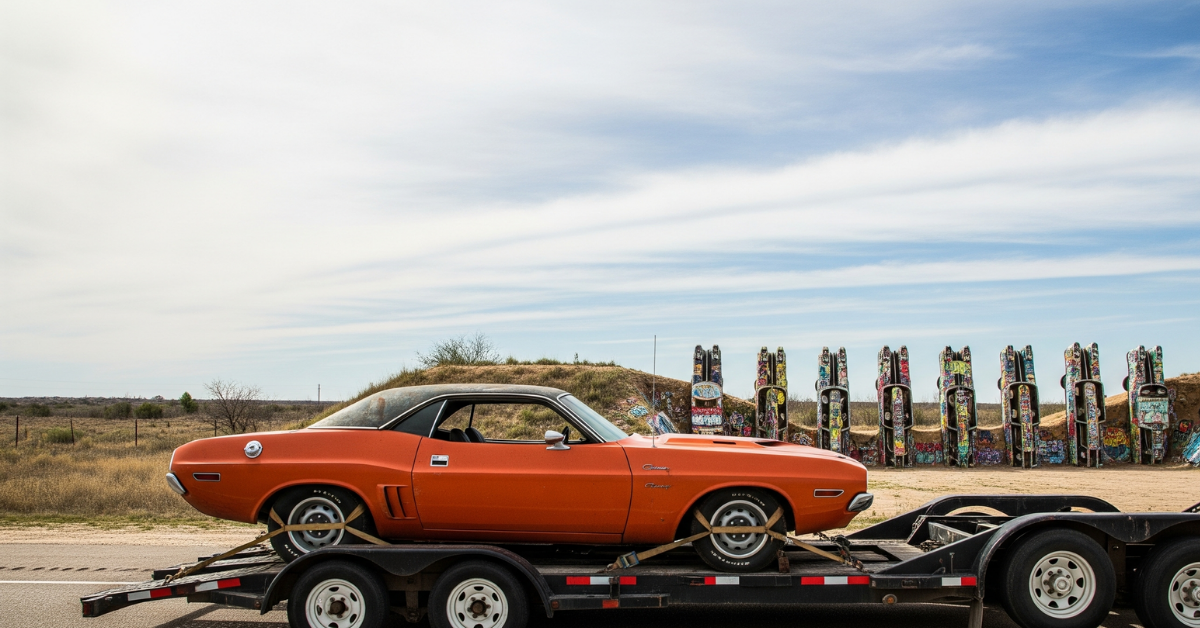
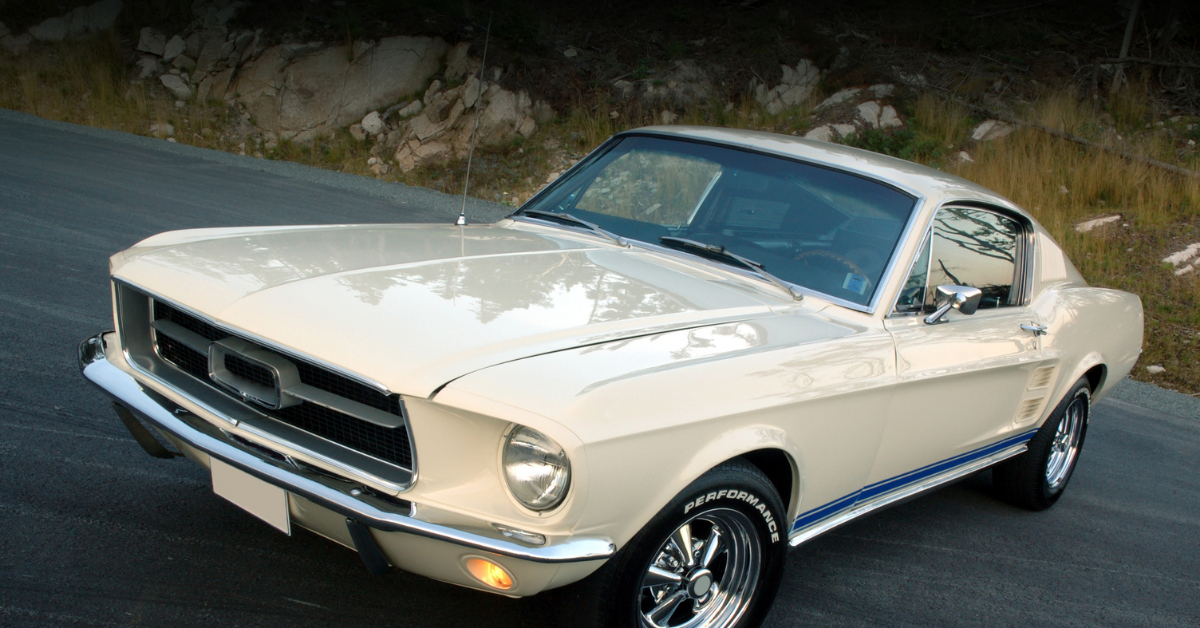
Moving a 1967 Mustang cross-country is a different story. Long hauls through the Rockies or the Midwest mean more time exposed to gravel and salt.
Time sensitivity also matters. Open carrier car shipping is easier to book because there are more trucks on the road.
If you have a strict deadline, the availability of open carriers helps you meet it.
Low-clearance cars face vehicle clearance issues on standard ramps. You should check the types of auto transport trailers to see which fits your car's height.
Standard Vehicles And Daily Drivers
Open carrier car shipping is the workhorse of the industry for a reason. It works for nearly every car you see in a grocery store parking lot.
You get the best car shipping comparison value here. Most daily drivers do not need climate control to survive a trip across state lines.
If you are moving a sedan or a standard SUV, the open auto transport pros cons favor the lower price tag.
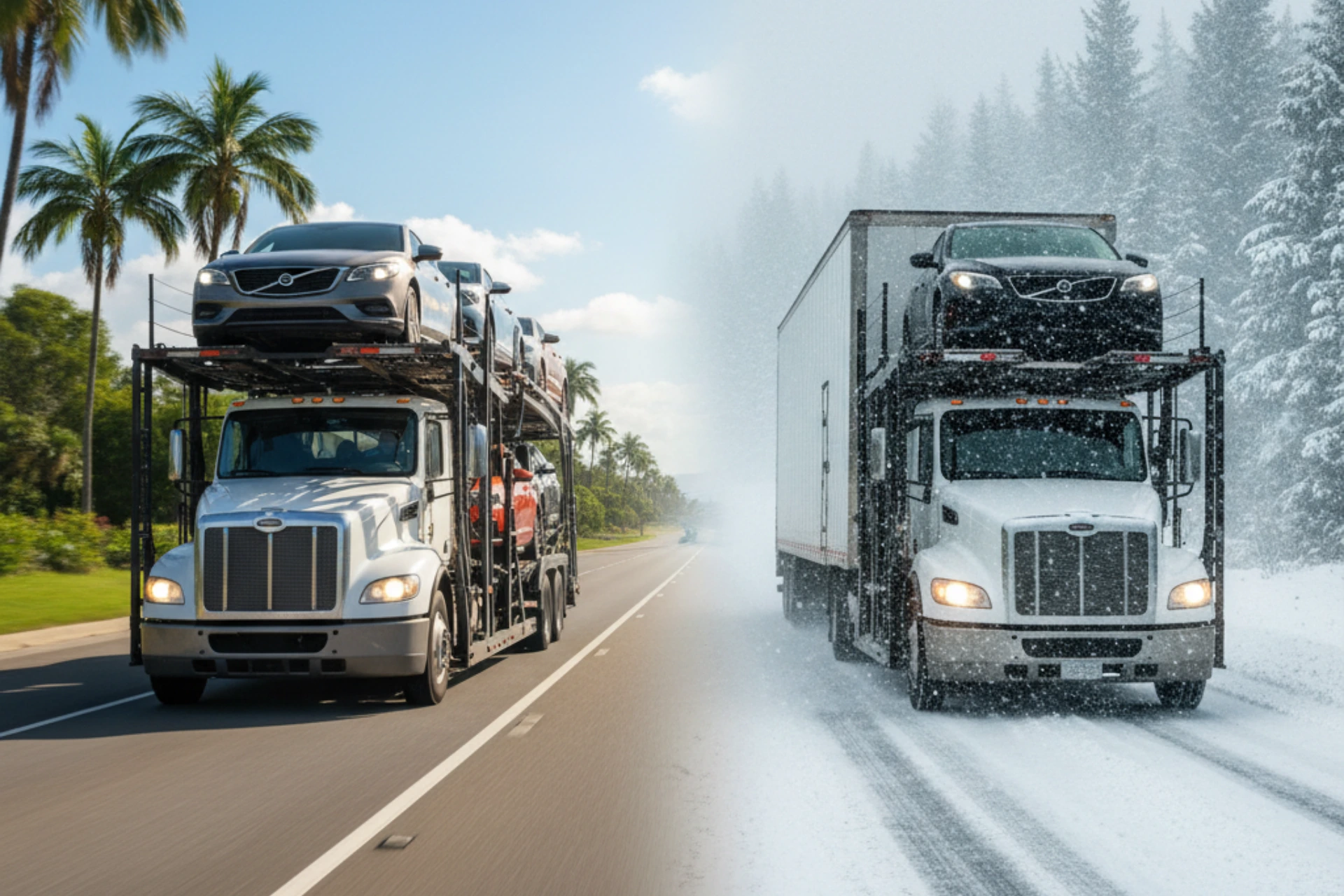
You might consider enclosed even for a standard car if you are shipping during a blizzard or through a hurricane zone.
Extreme weather can turn a simple trip into a mess of road salt and grime. For most, a quick car wash after delivery solves this.
You should prepare your car for shipping by cleaning it first so you can spot any pre-existing marks.
Using an open carrier remains the cheapest way to ship a car without sacrificing basic safety.
High-Value, Classic, And Luxury Vehicles
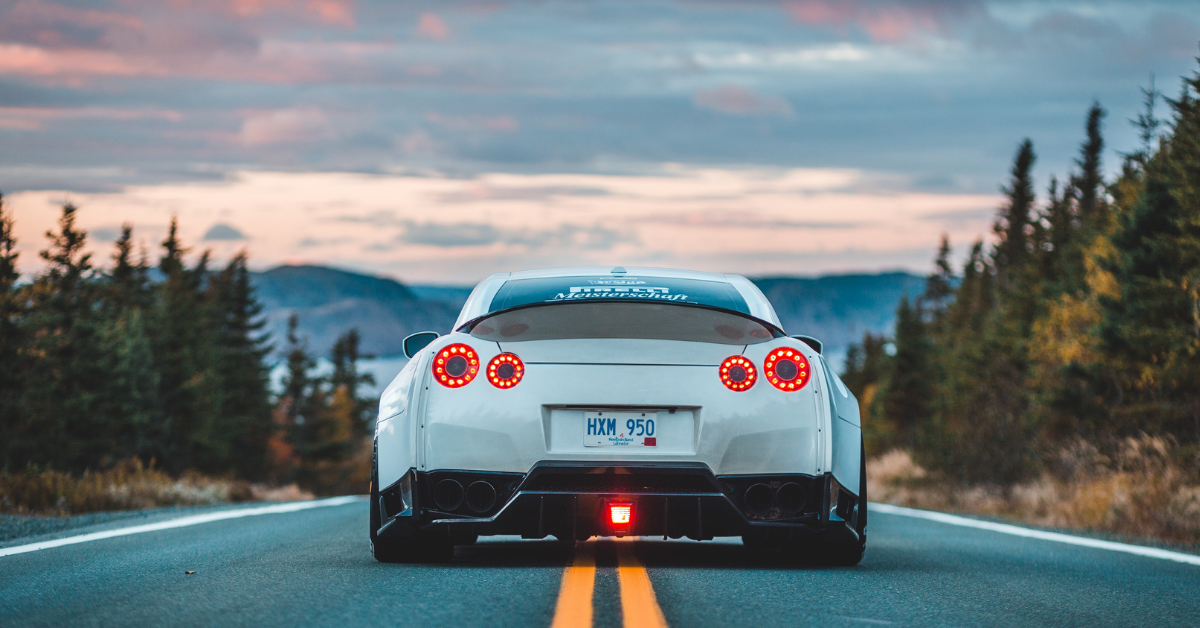
Enclosed auto transport is the non-negotiable choice for high value vehicle transport.
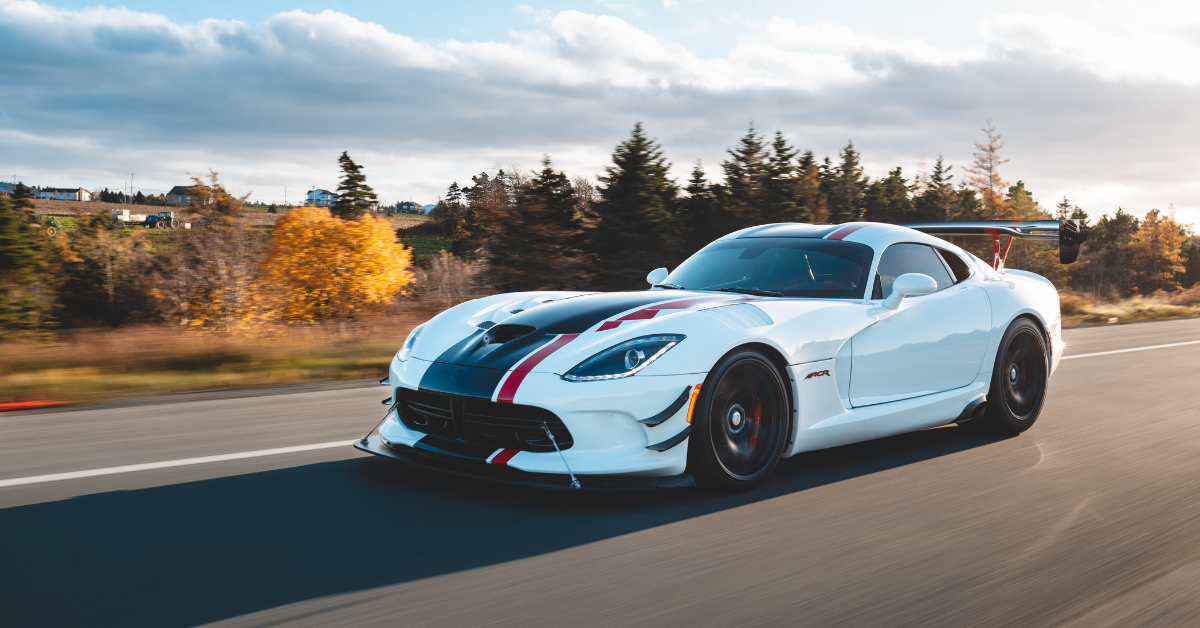
Luxury car transport requires a trailer that acts as a mobile garage. It keeps your investment away from prying eyes and the elements.
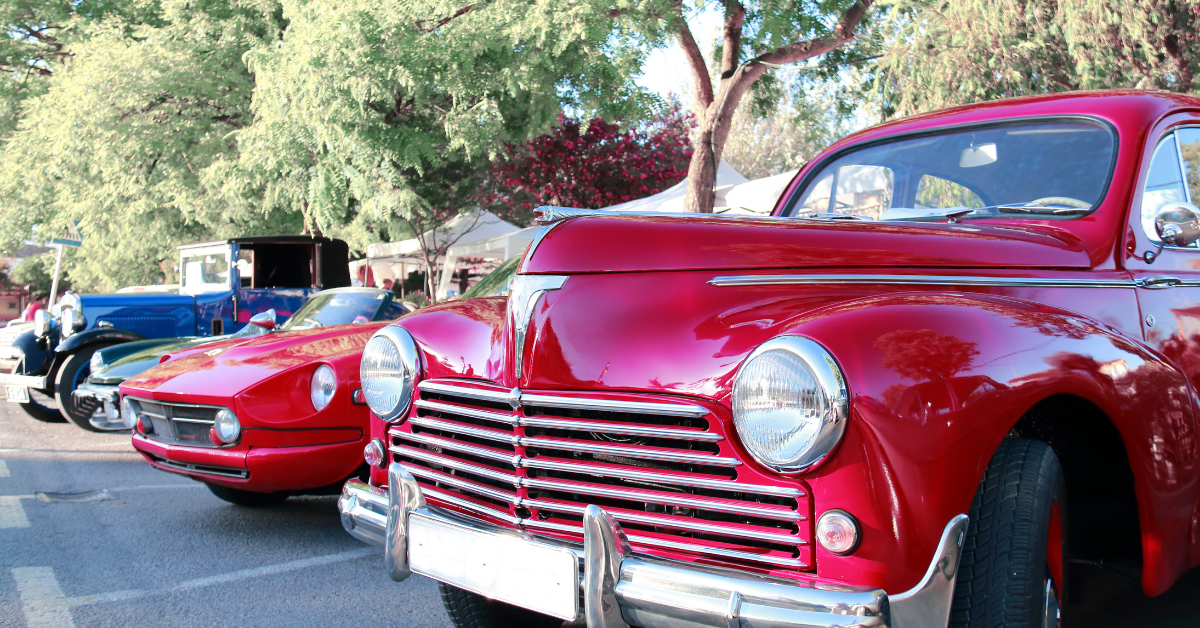
Classic car enclosed shipping is essential because many vintage parts are hard to find or impossible to replace.
A single rock hitting a rare 1950s grille can cost thousands in specialized repairs.
Exotic car requirements often include "white glove" service and hydraulic lift gates to handle cars that sit only inches off the ground.
Modified vehicles with custom body kits or spoilers also need this extra care to avoid scraping during the loading process.
The enclosed transport benefits include higher insurance limits. These carriers are equipped to handle the financial risk of hauling million-dollar assets.
Safeeds enclosed transport ensures your high-end vehicle arrives in the exact condition it was picked up in.
Before booking, verify the carrier's credentials on the FMCSA Company Data site to ensure they have the proper cargo insurance for your car's value.
Safeeds Transport Inc specializes in classic and luxury car shipping. We treat your car like our own, ensuring it stays clean and secure throughout the trip.
Give us a call or contact us to discuss the specific needs of your high-value vehicle.
The Booking Process and What Changes Between Options
Choosing between open vs enclosed car shipping changes your timeline. Open carrier car shipping trailers are everywhere on U.S. highways, making them easy to book on short notice.
Enclosed auto transport requires more planning. These specialized trailers are fewer in number, so you should provide 1 to 2 weeks of lead time to secure a spot.
Pickup and delivery flexibility also varies. Open car transport drivers often handle tight schedules because they have more route options.
Enclosed vs open shipping logistics differ when it comes to location. Most enclosed services offer door-to-door auto transport because the vehicles are high-value and owners prefer avoiding terminals.
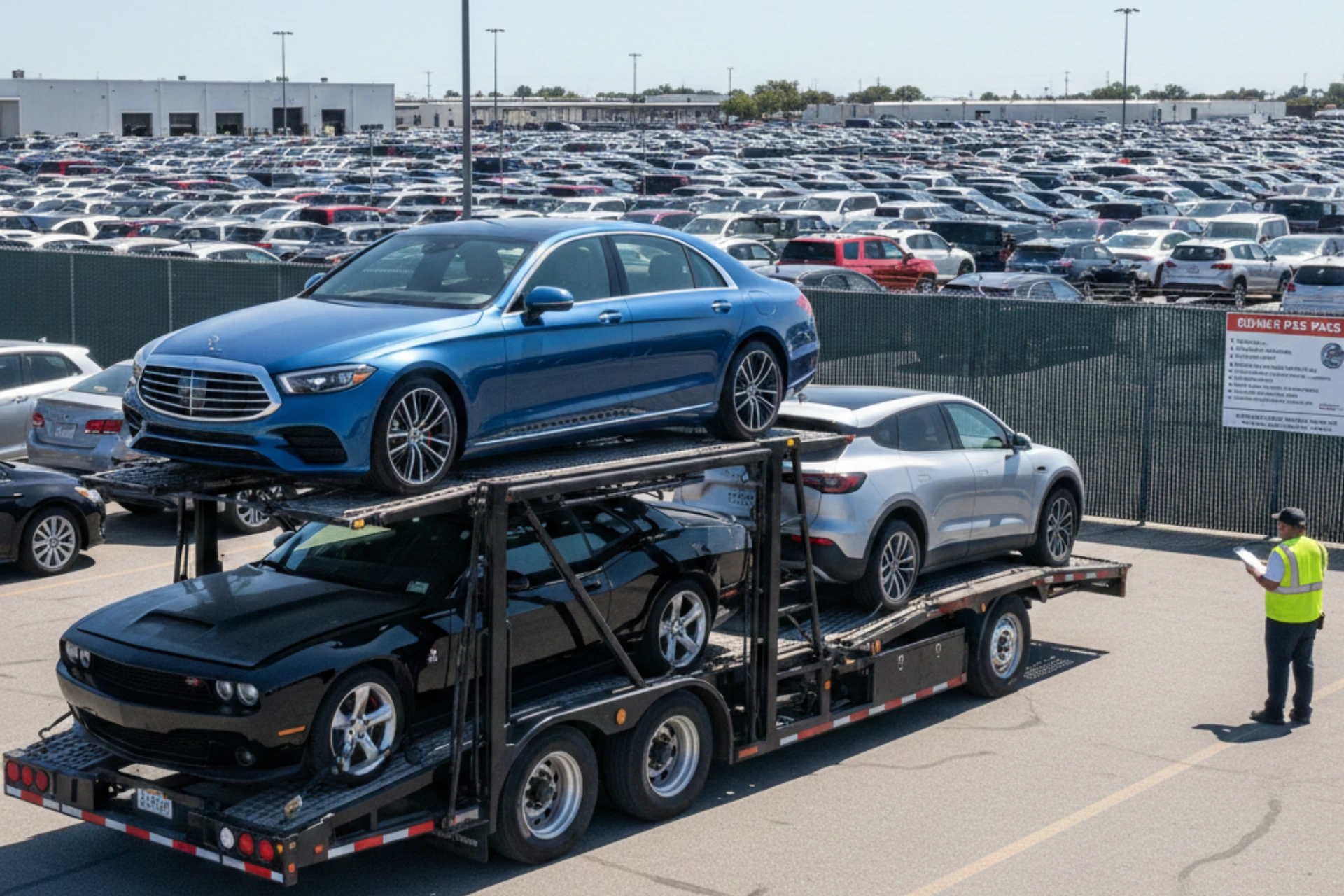
Terminal-to-terminal shipping is more common with open carriers. It can save money, but your car sits in a lot waiting for pickup.
You must review your contract terms and insurance documentation carefully. Enclosed transport for luxury cars carries higher insurance limits, which should be clearly stated in your paperwork.
You can verify these details using the FMCSA Company Data tool to ensure the carrier is properly licensed.
Understanding how auto shipping works helps you avoid delays. For enclosed car shipping cost efficiency, booking early is the best strategy.
Safeeds Transport Inc simplifies the process. We explain all car shipping quotes upfront so you know exactly what to expect for your vehicle.
Ready to get started? Get a Quote from Safeeds Transport Inc today. Our team will help you choose the right method and handle all the paperwork for a stress-free experience.
Questions People Ask Before Choosing
You likely have specific questions about how these transport methods work in real-world scenarios. Here are the facts regarding the most common logistical hurdles you might face during your move.
Can I Switch From Open To Enclosed After Booking?
You can request a change, but it depends on carrier availability. Switching often requires 1 to 2 weeks of lead time and will adjust your final enclosed car shipping cost significantly.
What If Weather Gets Bad During Open Transport?
Drivers monitor storm paths, but your car remains exposed to rain or snow. For complete vehicle protection during shipping from harsh elements, you should consider the enclosed transport benefits before the truck departs.
Do Enclosed Trailers Guarantee Zero Damage?
While it is the safest way to ship a car, no method offers a 100% guarantee. However, enclosed transport for luxury cars virtually eliminates risks from road debris, weather, and external environmental factors.
How Do Insurance Claims Work For Each Method?
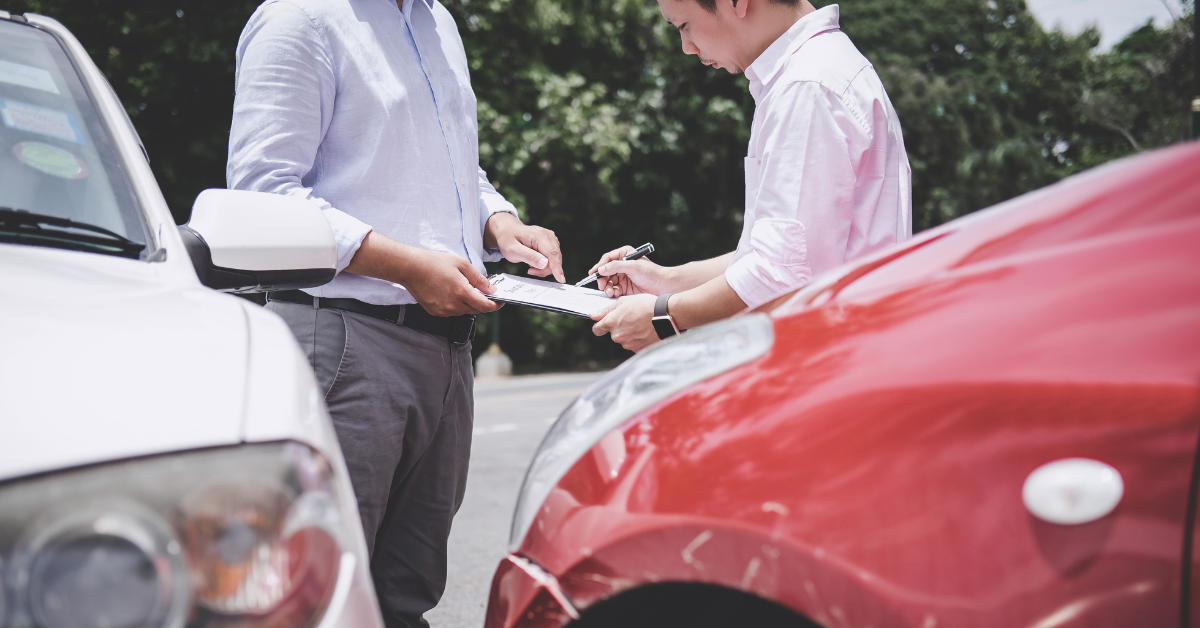
Both require a Bill of Lading. You must document every scratch at pickup. Claims for enclosed vs open shipping differ mostly in the higher coverage limits provided for high value vehicle transport.
Can My Non-Running Car Be Shipped On Open Transport?
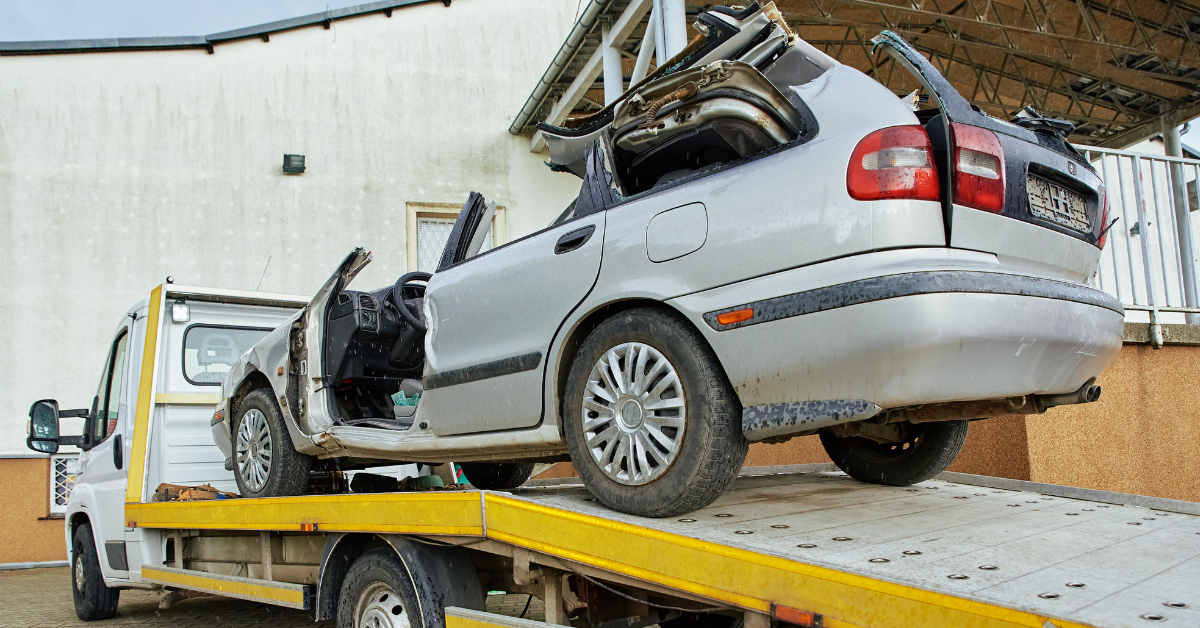
Yes, if the driver has a winch. Shipping a non-running car on an open trailer is common, but you must disclose this upfront to ensure the truck has the right loading equipment.
Is Enclosed Transport Available Everywhere?
It is available nationwide, but more common in major cities. In rural areas, you might wait longer for Safeeds enclosed transport compared to the immediate availability of standard open carrier car shipping.
What If My Car Doesn't Fit Standard Trailer Specs?
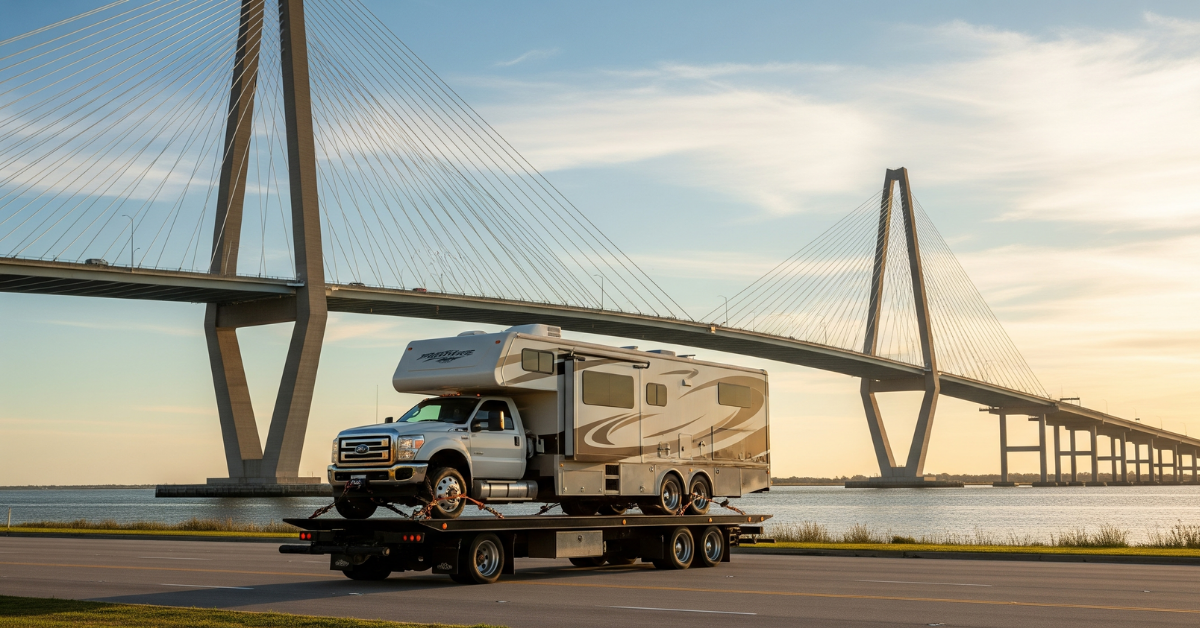
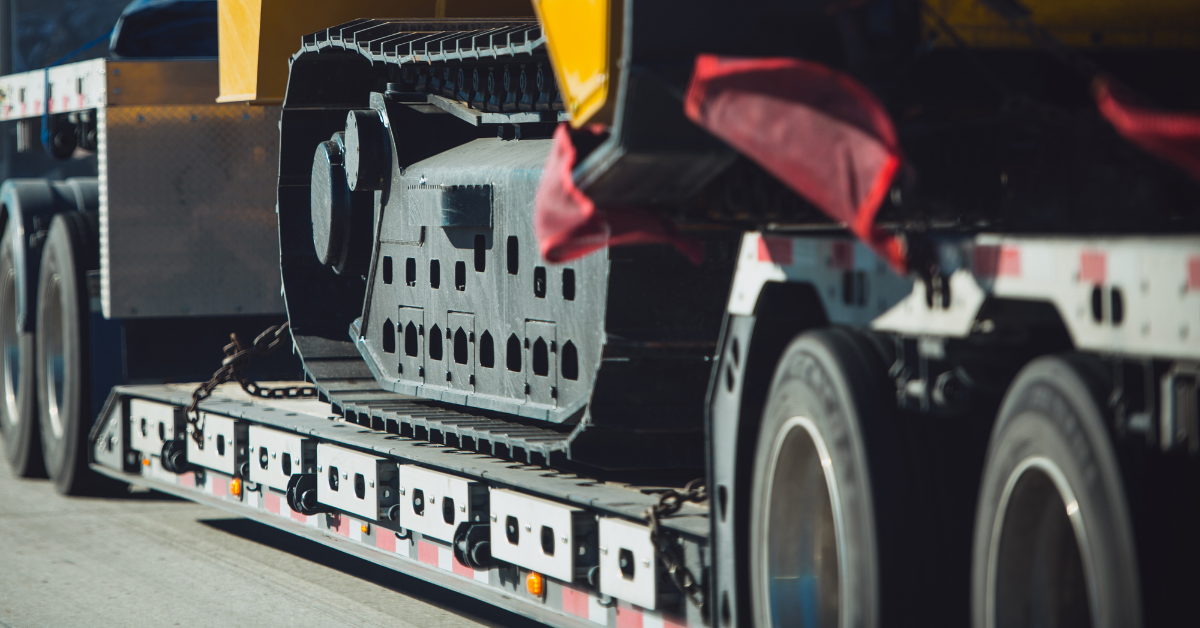
Dually trucks or lifted SUVs may face vehicle clearance issues. You might need a specialized open flatbed or a custom enclosed trailer to accommodate oversized dimensions or low-hanging custom body kits.
Making Your Final Car Shipping Comparison
Deciding on the safest way to ship a car involves balancing your budget with your need for vehicle protection during shipping.
Open transport cost savings make it the go-to for daily drivers. However, enclosed transport benefits like climate control and debris protection are vital for high-value vehicle transport.
Review the open auto transport pros cons one last time before you commit. Whether you need open carrier shipping guide advice or a quote for luxury car transport, we are here to help.
Safeeds Transport Inc is a leader in the industry, focusing on honesty and a "People First" philosophy. We offer discounts for military, seniors, and students to keep your move affordable.
Get a Quote now to lock in your price. You can also contact our team to ask about our AFTA GAP Protection for your next shipment.