How Weight Can Impact Car Shipping Rates?
In the realm of car shipping, one crucial factor that significantly influences the cost of transporting your vehicle from one location to another is weight. The process of shipping a car domestically or internationally comes with various considerations, and understanding how weight can affect car shipping rates is fundamental to making informed decisions. Whether you're relocating across the country or purchasing a vehicle from a different state, comprehending this aspect can save you both time and money.
Understanding the Impact of Weight on Car Shipping Rates
How does weight affect shipping cost? The correlation between the weight of a vehicle and its shipping cost is quite straightforward. Generally, the heavier the vehicle, the more it costs to transport it. Car shipping rates are often calculated based on the vehicle's weight, among other factors like distance, vehicle size, and the shipping method chosen.
For instance, if you're looking to transport a compact car, it will usually cost less compared to a larger vehicle such as an SUV or a truck. This difference in cost is primarily due to the additional weight and space a larger vehicle occupies on the carrier.
Factors Influencing Car Shipping Rates in the USA
When considering how weight can affect car shipping rates in the USA, it's important to acknowledge the various contributing factors:
1. Distance Traveled
The distance a vehicle needs to be transported is a significant factor impacting the shipping cost. Longer distances typically result in higher shipping rates due to increased fuel consumption, wear and tear on the carrier, and time involved in the journey.
2. Vehicle Size and Weight
The size and weight of the vehicle being transported play a pivotal role in determining the shipping cost. Larger and heavier vehicles occupy more space on the carrier and often result in higher shipping rates due to increased fuel consumption and handling requirements.
3. Shipping Method
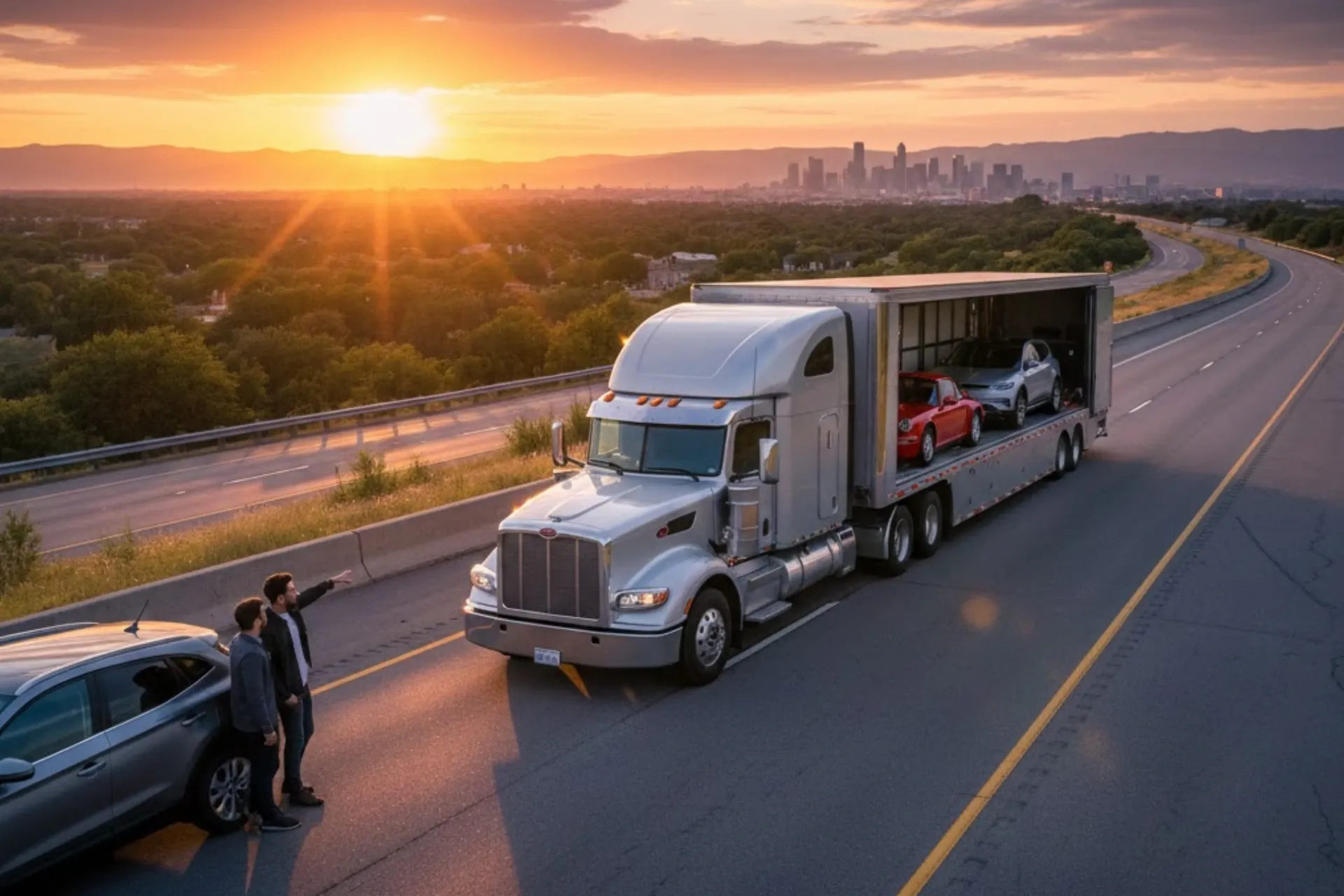
The chosen shipping method—whether open or enclosed transport—affects the cost. Enclosed transport provides greater protection for the vehicle but is generally more expensive compared to open carriers. The added security and protection offered by enclosed carriers contribute to the higher cost.
4. Vehicle Condition
The operability and condition of the vehicle can influence shipping rates. Non-operational vehicles or those requiring special handling might incur additional fees due to the extra effort and equipment required for loading and unloading.
5. Season and Demand
Seasonal fluctuations and demand within the auto transport industry can affect rates. For example, shipping during peak seasons or when demand is high might result in increased costs due to limited carrier availability.
6. Fuel Costs and Market Conditions
Fuel costs and overall market conditions play a significant role in determining shipping rates. Fluctuations in fuel prices and market dynamics can influence the final cost of shipping a vehicle.
7. Additional Services
Additional services such as door-to-door delivery, expedited shipping, or added insurance coverage can impact the overall cost. These extra services offer convenience and added protection, but they come with additional fees.
8. Route and Accessibility
The specific route and accessibility of the pickup and delivery locations also affect pricing. Remote or less accessible areas might incur higher costs due to the logistical challenges involved in reaching these destinations.
9. Company and Service Quality
Different shipping companies offer varied service qualities and pricing structures. The reputation, experience, and quality of service provided by the shipping company may reflect in the overall cost of transporting your vehicle.
How weight can affect car shipping rates USA?
Understanding the impact of how weight can affect your auto transport can assist you in making informed decisions when it comes to transporting your vehicle. Here are some strategies to consider:
Cost Considerations
The weight of a vehicle is a primary determinant in calculating shipping costs. Generally, heavier vehicles incur higher transportation expenses. The heavier the vehicle, the more space it occupies on the carrier, affecting both fuel consumption and handling requirements. Consequently, shipping rates are often directly proportional to the weight of the vehicle. Always request a quote before you finalize the deal. Also, keep several providers in consideration so that you can get the best deals.
Size and Weight Relationship:
Heavier vehicles, such as trucks or SUVs, consume more space and exert more pressure on the carrier. This factor influences the overall shipping cost, making it more expensive compared to lighter, smaller vehicles like sedans or compacts.
Carrier Space and Capacity
Auto transport carriers have limited space and weight capacities. Heavier vehicles take up more space and might exceed weight limits, affecting carrier availability and potentially leading to higher shipping costs.
Distinct Shipping Methods
Different shipping methods, such as open and enclosed carriers, are influenced by the weight of the vehicle. Larger, heavier vehicles usually necessitate enclosed transport due to their size and value. Enclosed carriers, offering more protection, come at a higher cost compared to open carriers, thus further impacting the shipping decision based on weight and protection requirements.
Impact on Multiple Vehicle Shipments
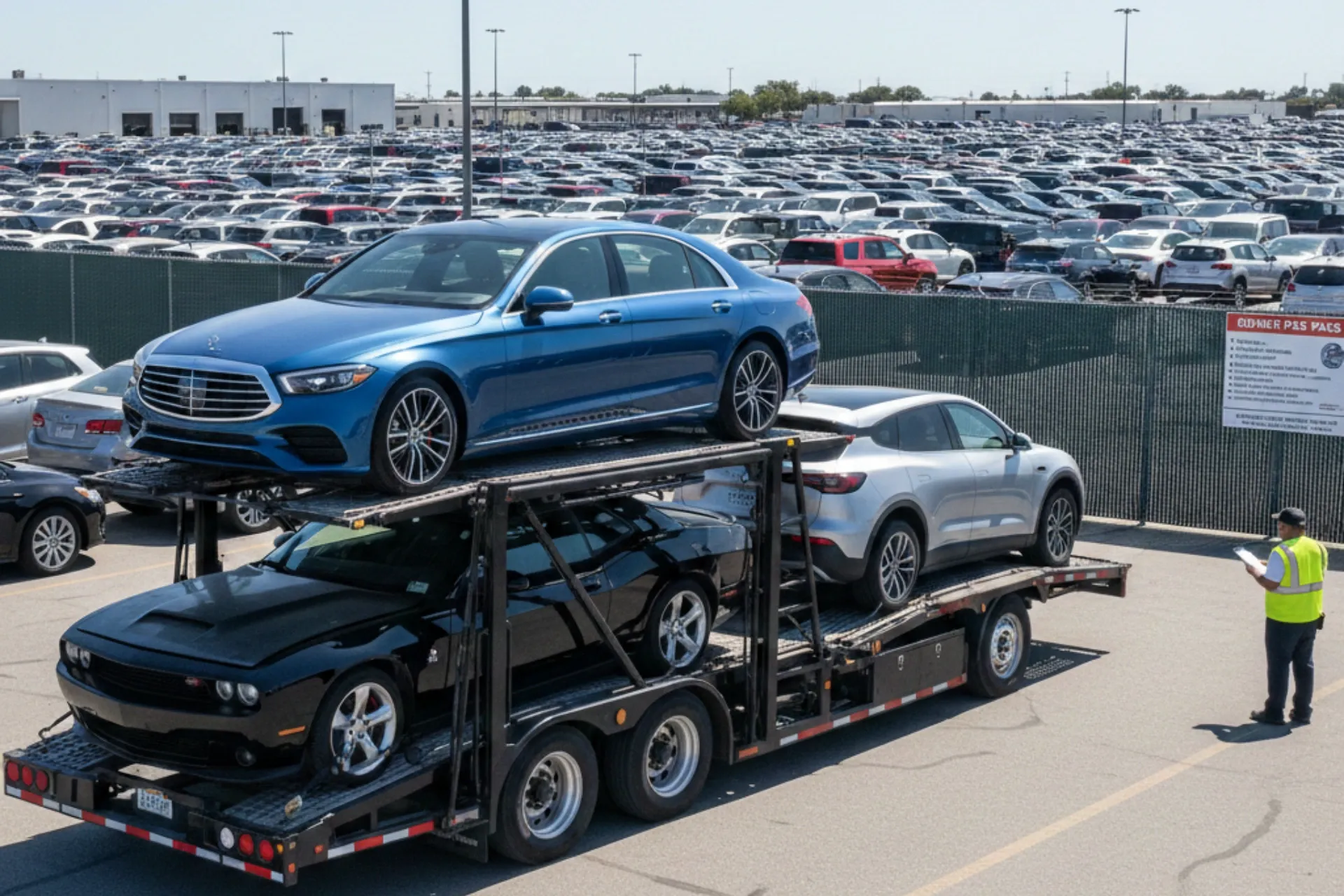
If you plan to transport multiple vehicles simultaneously, the combined weight will affect the total shipping cost. Consolidating shipments can distribute costs, potentially saving money on the overall transportation of multiple vehicles.
Weight Management Strategies
Efficient packing and management of a vehicle's weight before shipping can impact costs. Removing unnecessary items, maintaining fuel levels to a minimum, and reducing additional weight can help lower the overall shipping expense.
1. Remove Excess Items
Before shipping your vehicle, thoroughly inspect and remove any unnecessary items from the car. Personal belongings, additional tools, and non-essential items should be taken out to reduce the overall weight. This not only lowers the shipping cost but also minimizes the risk of damage or theft during transit.
2. Fuel Levels
Keep the fuel level in your vehicle as low as possible without running the risk of the vehicle running out of gas during transportation. Carriers often prefer vehicles to have around a quarter tank of gas to minimize weight and ensure safety, without hindering necessary operations like loading and unloading the vehicle.
3. Spare Tires and Accessories
If possible, remove extra spare tires, roof racks, or other accessories that are not required for the transportation process. These items contribute to the overall weight and can be taken out to reduce the load.
4. Document and Inventory
Before the shipping process, create an inventory of the vehicle's condition and note any existing damages. Taking photos or videos can serve as a record and protection in case of any disputes regarding the vehicle's condition upon arrival.
5. Consult with the Transport Company
Discuss weight management strategies with the chosen transport company. They might offer specific recommendations, auto shipping quotes or guidelines to follow, ensuring compliance and efficiency during the shipping process.
6. Optimal Packing
If there are items that must remain in the vehicle during transport, ensure they are securely packed and distributed evenly inside the car. Even weight distribution helps maintain the balance of the vehicle during transportation.
Conclusion
Understanding how weight can affect car shipping rates is key to making informed decisions when transporting your vehicle. Factors like vehicle size, distance, and chosen shipping method play a crucial role in determining the final cost. By being cognizant of these aspects and exploring various cost-efficient solutions with Safeeds auto transportation, you can save both time and money on your car shipping needs in the USA.
Transporting your vehicle should be a hassle-free process, and comprehending the impact of weight on shipping rates can aid in planning and executing a smooth and cost-effective car shipping experience. Whether you're relocating, purchasing a vehicle from a different state, or have any auto transport needs, being mindful of how weight affects shipping rates will guide you in making the most suitable choices for your specific situation. You can also read our Safeeds transport inc reviews to know more about the services we offer.