The way Americans move their vehicles across the country has changed more in the last decade than in the previous fifty years combined, and the pace of that change is only accelerating.
What was once a fragmented, phone-heavy process has become a digitally driven industry built on automation, real-time visibility, and data-informed pricing. For anyone looking to ship a car today, the experience is faster, more transparent, and more competitive than it has ever been.
Let's break down the major trends reshaping car shipping across the USA, from technology adoption and pricing transparency to the rise of enclosed transport and smarter booking tools. Get a 7-day price-locked quote from Safeeds Transport, no deposit, no hidden fees.
How Car Shipping in the USA Is Changing Rapidly in the Modern Era
The auto transport industry spent decades operating on phone calls, manual load matching, and broker relationships with little visibility on either side. That model has been largely replaced by digital-first platforms that connect brokers, carriers, and customers through centralized systems.
Several shifts are defining this new era:
Digital booking: Quotes, comparisons, and confirmations handled entirely online
Automated load matching: Algorithm-driven dispatch connects carriers to open orders faster
Real-time transparency: Shippers track vehicle location and access documentation through digital portals
Greater accessibility: It is now significantly easier to ship a car to another state than it was five years ago, with more carriers serving more routes
Customers who understand how the modern system works and use the available tools consistently get better outcomes.

How Car Shipping Technology Is Transforming the Entire Industry
Technology is the engine behind every meaningful improvement in car shipping over the past decade. What began as basic online quote forms has evolved into AI-powered dispatch, satellite tracking, and predictive pricing.
AI-Powered Dispatch and Route Optimization
Artificial intelligence now evaluates route efficiency, carrier proximity, vehicle type, and delivery deadlines simultaneously, producing faster load matches and better outcomes for both carriers and shippers. Loads that previously sat unmatched for days are being claimed in hours on well-optimized platforms.
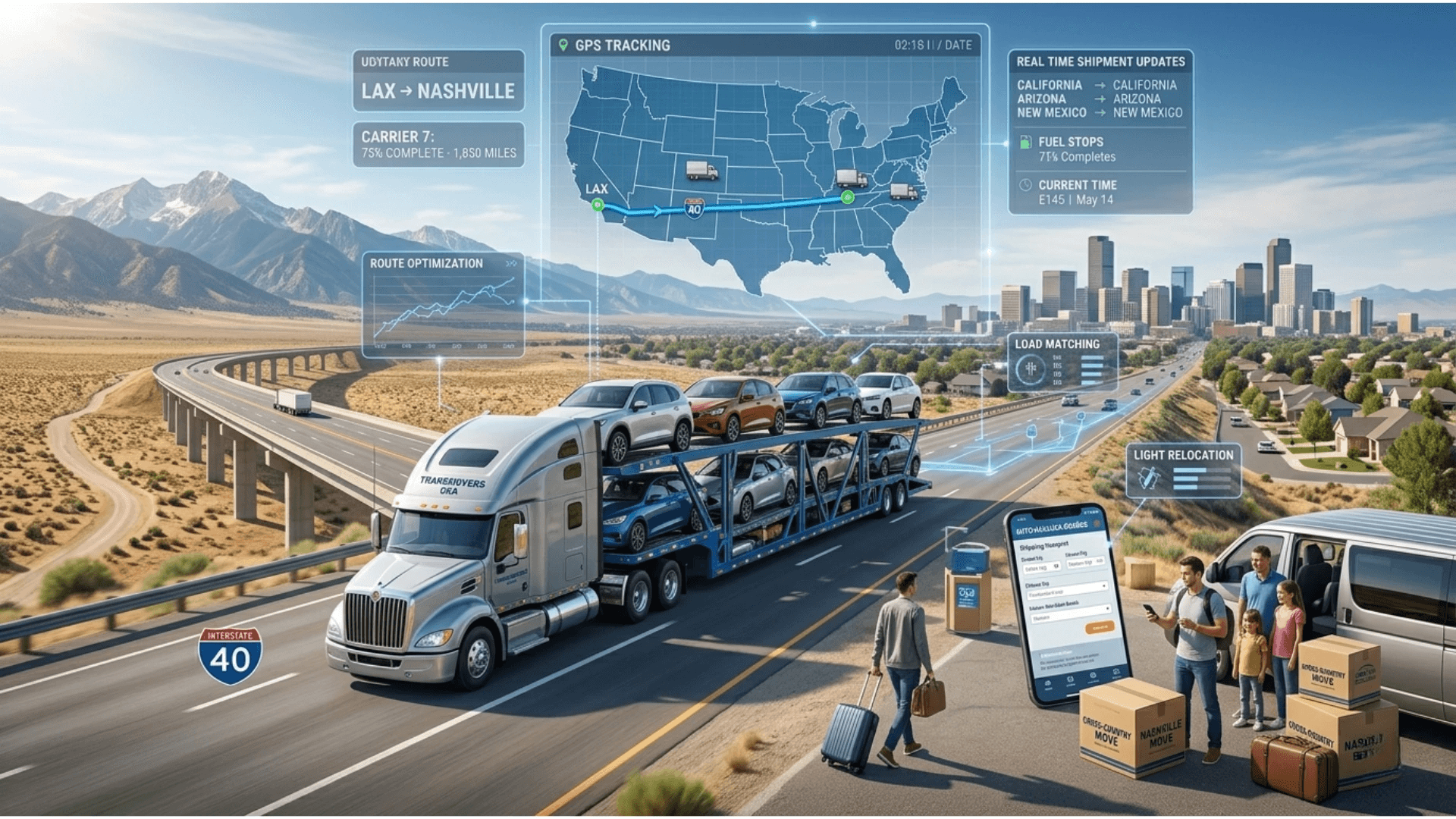
Digital Tracking and Customer Visibility
GPS- Read Article ed portals now allow customers to monitor their vehicle's progress in real time. For anyone shipping across multiple states, this level of visibility eliminates the need for repeated status calls and reduces uncertainty throughout the process.
Pricing Tools That Put Customers in Control
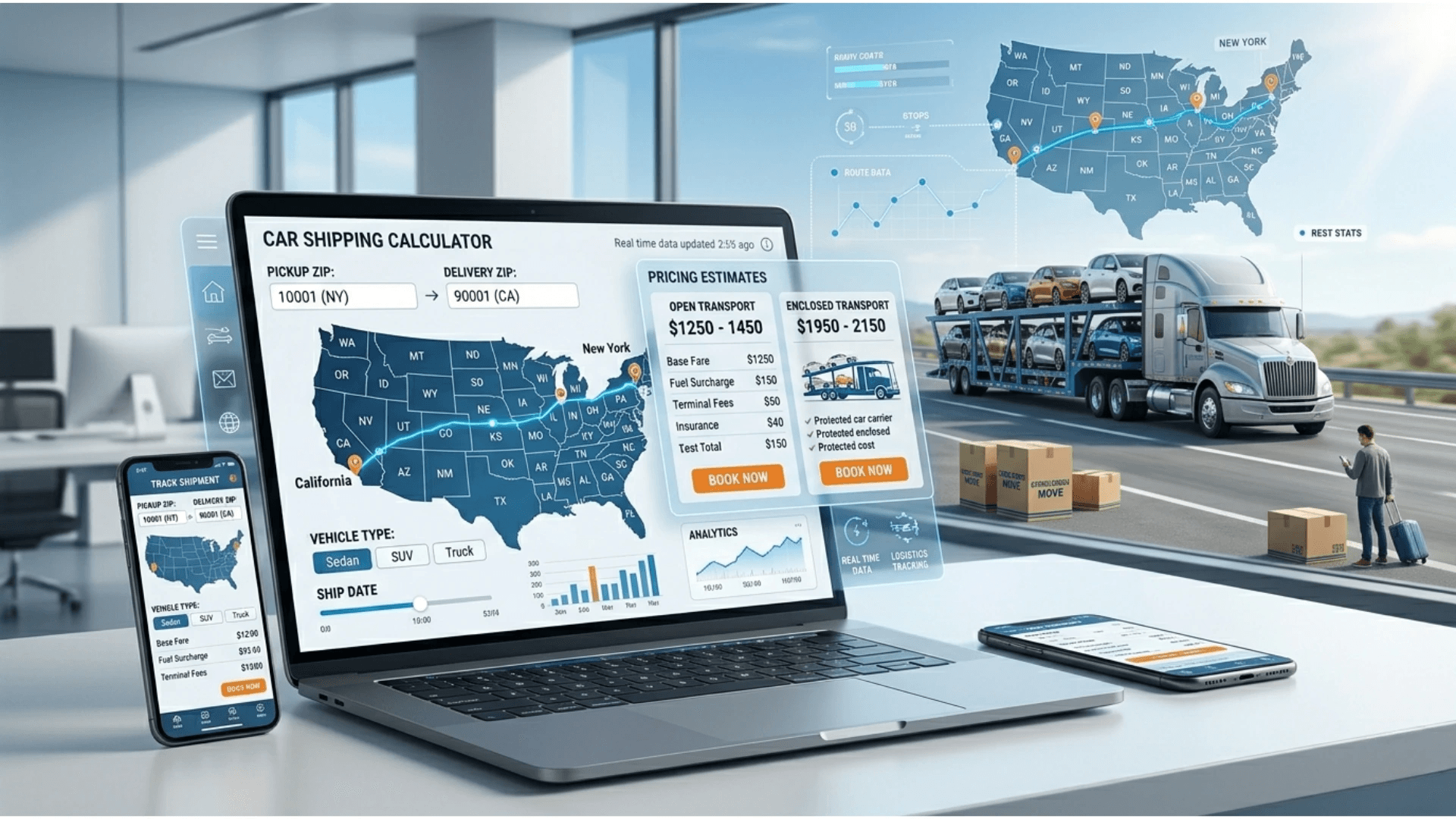
A car shipping calculator allows customers to generate an instant estimate based on origin, destination, vehicle type, and transport method before speaking to anyone. A car shipping estimate calculator provides a market-based reference point, making arbitrary pricing harder to justify. These tools have shifted power toward the customer and pushed providers to compete on value.
Car Shipping Costs Are Becoming More Transparent and Dynamic
Customers researching how much it costs to ship a car now have access to published rate ranges and instant quote tools that reflect real market conditions. According to the American Moving and Storage Association, interstate vehicle transport demand has grown consistently alongside broader relocation trends, putting downward pressure on rates as more carriers enter high-demand corridors.
What Drives Car Shipping Costs Today
Several factors influence the cost to ship a car:
Distance: The single largest cost driver; longer routes cost more, but often at a lower rate per mile
Vehicle size and weight: Larger vehicles take up more carrier space and increase fuel consumption
Transport type: Open transport is the standard option; enclosed adds a premium for additional protection
Carrier availability: Competitive corridors yield better rates; remote destinations carry a premium
Timing flexibility: Flexible pickup windows typically attract more competitive shipping car cost offers
The table below outlines how distance generally affects pricing:
Route Distance | Estimated Cost Range | Avg. Rate Per Mile |
|---|---|---|
Under 500 miles | $300 – $600 | $0.90 – $1.20 |
500 – 1,000 miles | $600 – $900 | $0.75 – $1.00 |
1,000 – 2,000 miles | $900 – $1,300 | $0.65 – $0.85 |
2,000+ miles | $1,100 – $1,800 | $0.55 – $0.75 |
Estimates vary based on vehicle type, transport method, and market conditions at the time of booking.
Cross Country Demand Is Driving the Market Forward
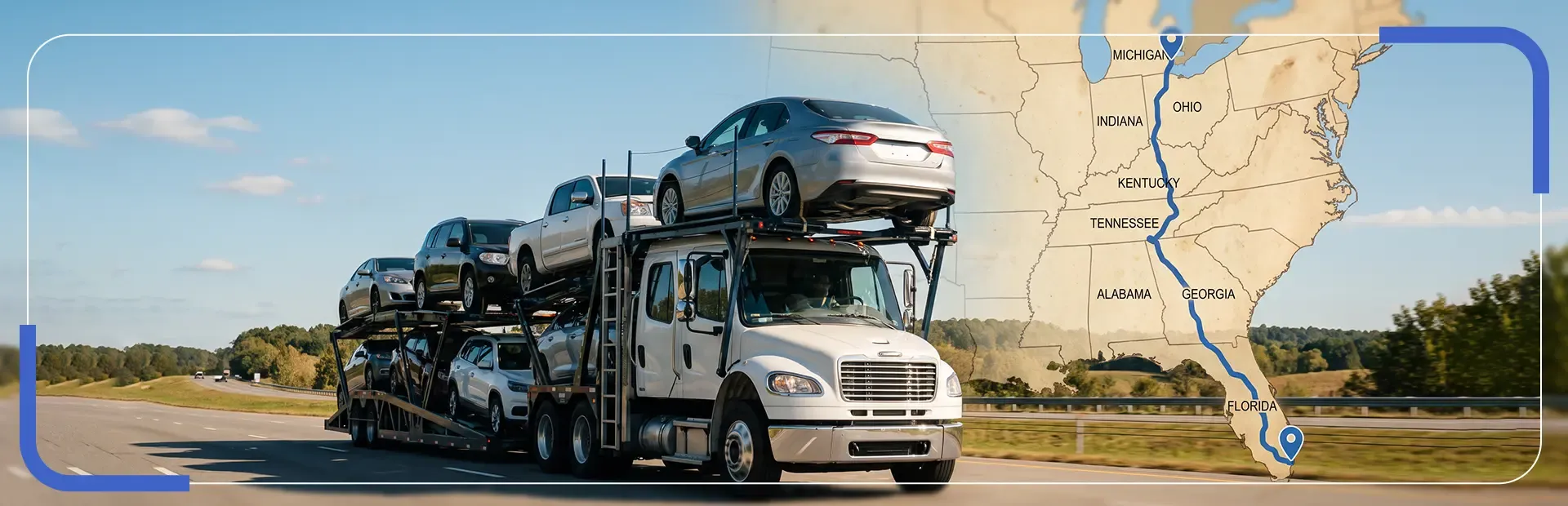
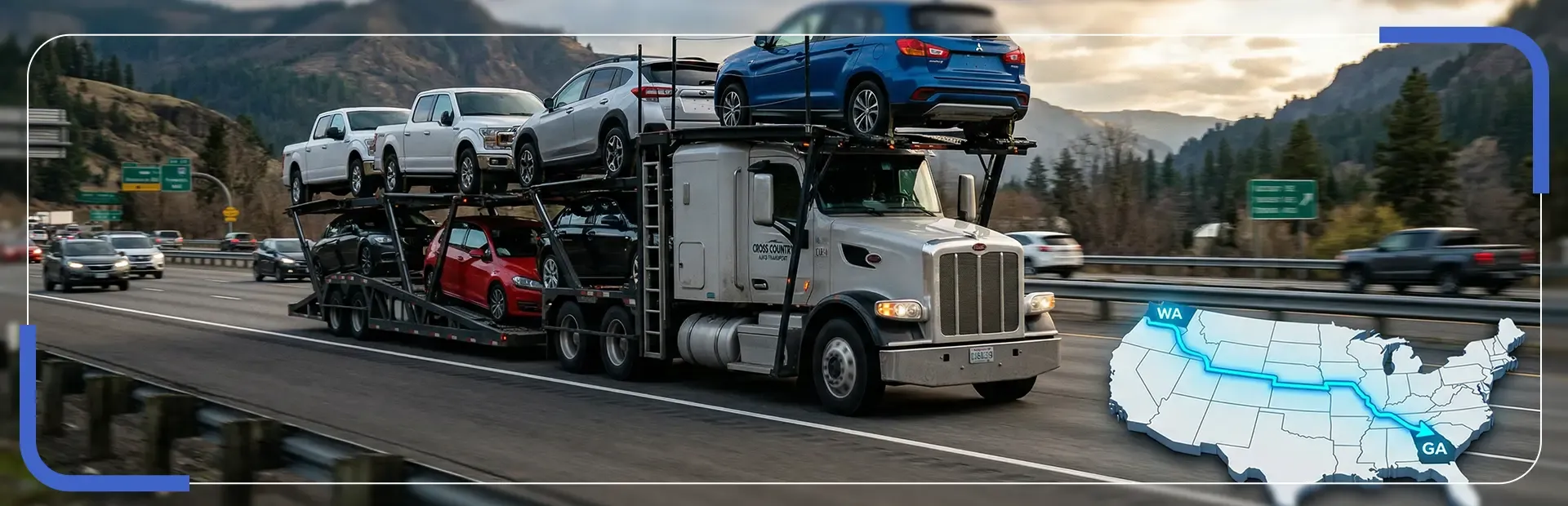
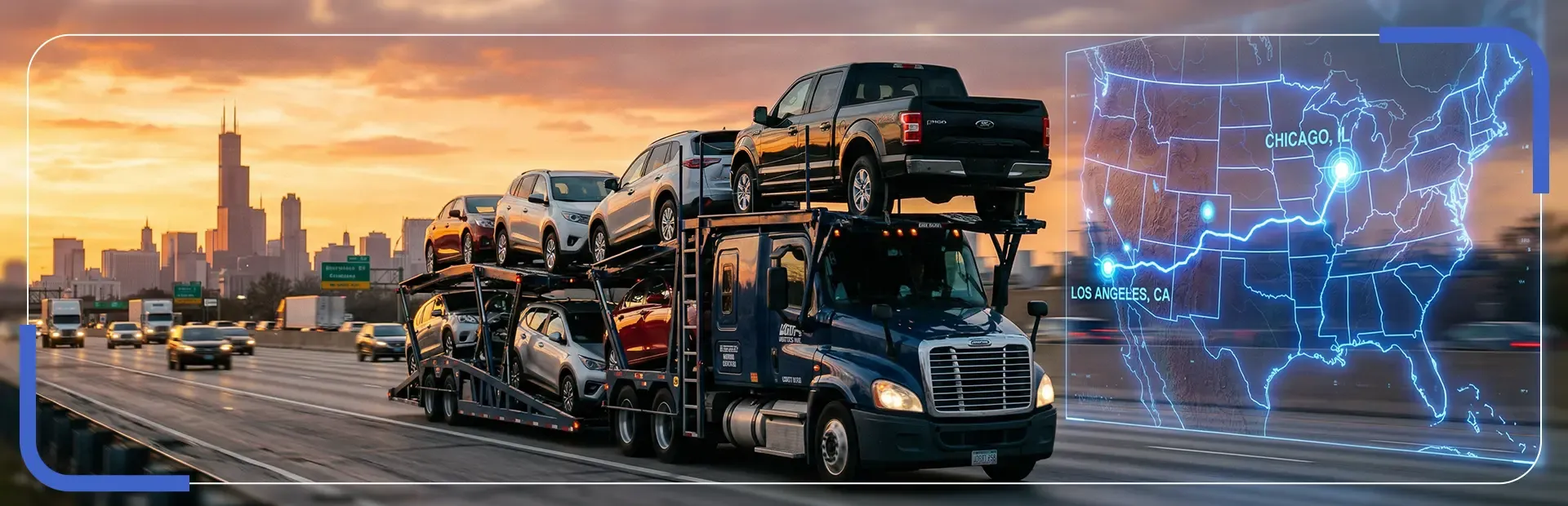
Long-distance vehicle transport is one of the fastest-growing segments in the industry. Cross-country car shipping demand has risen steadily, driven by remote work relocation, online vehicle sales, and interstate migration patterns.
The decision to ship a car across the country rather than drive is increasingly economic. When fuel, accommodation, time off work, and vehicle wear are factored in, professional transport often costs less and eliminates the physical toll entirely.
Key drivers sustaining this demand include:
Remote work relocation: Employees moving to lower-cost states and choosing to ship their car to another state rather than drive
Online vehicle purchases: Marketplace and dealership sales frequently require buyers to arrange transport for shipping a car to another state
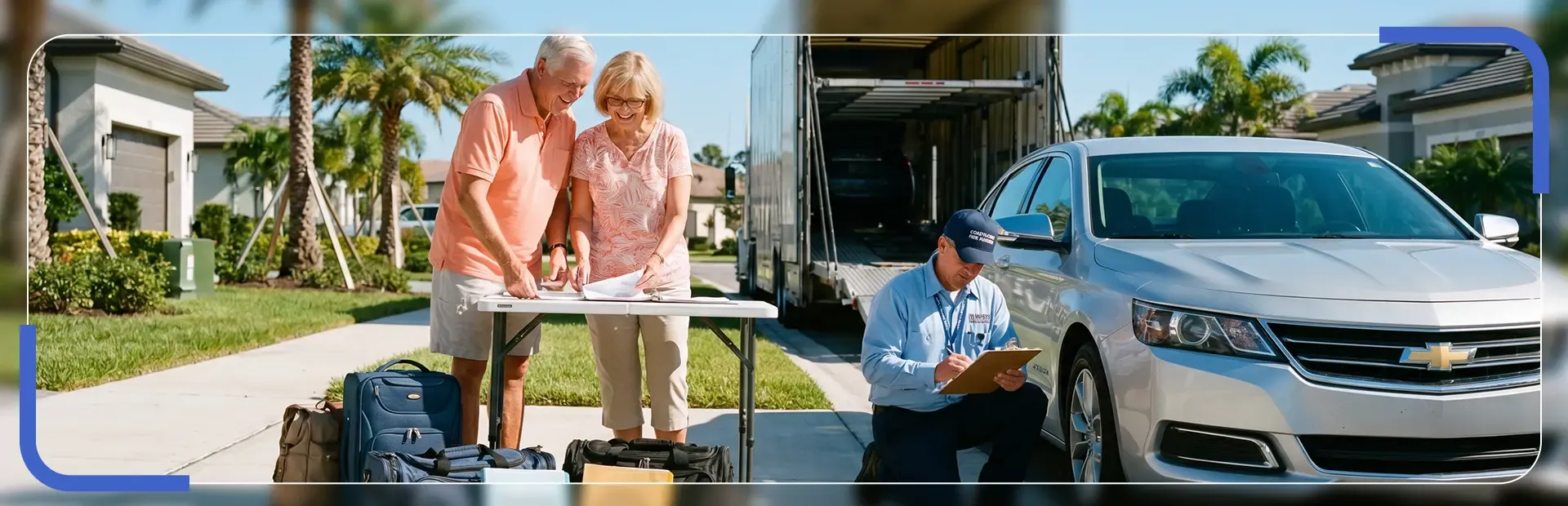
Seasonal migration: Snowbirds getting their car shipped to another state for winter or summer stays represent a recurring demand cycle
Military and corporate transfers: Structured relocation packages that include vehicle transport as standard
Why Customers Now Compare Best Car Shipping Companies Before Booking
Customers no longer choose a transport provider based on a single referral. Access to reviews, comparison platforms, and instant quotes has made it standard practice to evaluate multiple options, and the criteria used have become more sophisticated as a result.
What Customers Are Comparing
When researching the best car shipping companies, most customers weigh the following:
Price and price guarantees: Headline rate, deposit requirements, and whether the quote is locked in
Insurance coverage: Carrier cargo limits and availability of supplemental protection
Delivery timeline: Estimated pickup windows and transit times for the specific route
Customer reviews: Recent ratings across Google, Transport Reviews, and independent platforms
Transparency: Clear communication about the process, carrier assignment, and potential delays
Interest in cheap car shipping and low-cost car shipping options has grown alongside comparison behavior. Providers who offer the best car shipping service, combining clear pricing, strong reviews, and reliable delivery, consistently outperform competitors who compete on price alone.
Not All Shipments Are the Same
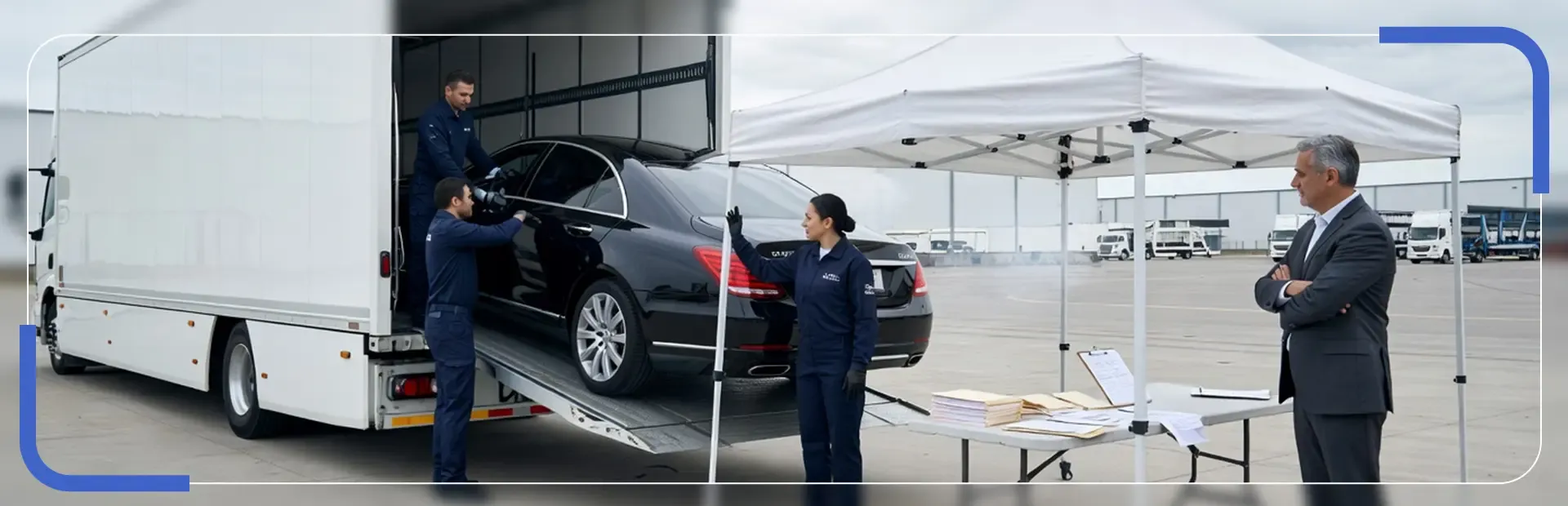
Beyond price, customers are increasingly distinguishing between the type of transport their vehicle actually requires. Enclosed car shipping has grown from a niche offering into a mainstream option, driven by the rise of electric vehicles, luxury cars, and collector transport. As the premium vehicle segment expands, so does the demand for carriers that treat every shipment as high-value, not just standard freight.
Open carriers expose vehicles to weather, road debris, and the elements throughout the journey. For a standard commuter vehicle, that is an acceptable trade-off for a lower rate. For a high-value, low-clearance, or irreplaceable vehicle, it is a risk most owners are not willing to take.
Several market forces are driving growth in car shipping through enclosed carriers:
EV adoption: Higher replacement costs and specialized components make owners cautious about open transport exposure
Luxury vehicle sales growth: Premium vehicle owners expect premium handling throughout the shipping process
Classic and collector car market: Rare vehicles move across the country regularly and almost always via enclosed carrier
Dealership inventory transport: High-end dealerships specify enclosed carriers to maintain pre-delivery condition
Enclosed transport typically costs 30 to 50 percent more than open transport on the same route, a premium most owners of qualifying vehicles consider well justified given the level of protection involved.
Smart Pricing Tools Like Car Shipping Calculators Are Changing Decisions
Digital pricing tools have fundamentally changed how customers approach the auto transport market. Pricing is no longer a black box revealed only after speaking with a broker; it is accessible instantly and increasingly accurate.
A car shipping calculator generates a route-based estimate within seconds using current market data. The car shipping estimate calculator goes further, incorporating vehicle type, transport method, and timing preferences for a more tailored result.
Additional tools shaping customer decisions include:
The car shipping price calculator compares open versus enclosed rates on the same route, side by side
Car shipping cost estimator benchmarks pricing against current market averages for a given corridor
Cheapest car shipping filters surfaces the lowest available rates on comparison platforms for a specific date window
Providers who cannot offer transparent, instant pricing are increasingly at a disadvantage. Customers now arrive at the first conversation already informed.
How to Ship a Car to Another State Without Common Mistakes
For first-time shippers, the process is more straightforward than it appears. Most mistakes come from a lack of preparation, not from complexity in the process itself. The Federal Motor Carrier Safety Administration (FMCSA) requires all brokers and carriers operating in interstate transport to be licensed and bonded, a baseline protection every shipper should verify before booking.
Here is how a standard car shipping booking unfolds:
Get a quote: Use a pricing tool or contact a broker for your specific route, vehicle, and timeline
Choose transport type: Open for standard vehicles, enclosed for high-value or low-clearance cars
Book and confirm: Provide vehicle details, addresses, and dates; clarify deposit requirements upfront
Prepare the vehicle: Remove personal items, photograph the existing condition, and keep fuel under a quarter tank
Coordinate pickup: Confirm carrier assignment and ensure someone is available at the pickup location
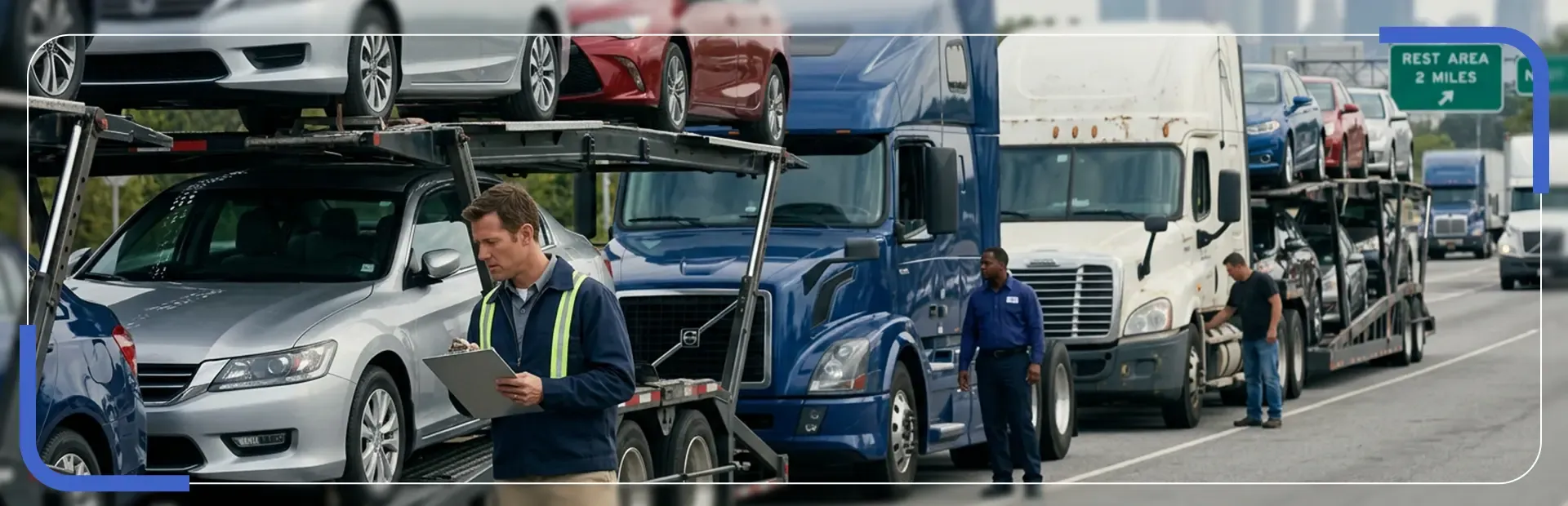
Inspect on delivery: Review the vehicle against the Bill of Lading and note any discrepancies before signing
Knowing how to ship a car to another state also means knowing what to avoid. The most common mistakes include booking on price alone without verifying broker credentials, leaving valuables in the vehicle, and skipping pre-shipment documentation.
Working with an established provider removes much of this complexity, guiding customers through each step with verified carriers and full documentation support from booking through delivery.

Key Takeaways on Modern Car Shipping Trends
The auto transport industry has undergone a fundamental shift in how vehicles are booked, priced, and delivered. Customers today have more tools, more options, and more transparency than ever before, but navigating those options still requires knowing the right questions to ask.
How do I know if a car shipping company is legitimate?
Verify the broker's registration with the Federal Motor Carrier Safety Administration (FMCSA); licensed brokers must hold a surety bond and an active MC number, both publicly searchable. Also check recent reviews on Google and Transport Reviews, and confirm a written price guarantee exists before any deposit is collected.
How much does it cost to ship a car across the country?
Car shipping costs for cross-country routes typically range from $1,100 to $1,800 for open transport, depending on vehicle size, route, and timing. Using a car shipping cost estimator before contacting a broker gives you a reliable baseline for evaluating quotes. Enclosed transport on the same route runs 30 to 50 percent higher.
How far in advance should I book car shipping?
For standard routes, five to seven days in advance is generally sufficient. For remote destinations, peak seasonal periods, or enclosed car shipping, two to three weeks is a safer window. Last-minute bookings are possible but typically come at a premium as carrier availability tightens.
What is the cheapest way to ship a car to another state?
Open transport with a flexible pickup timeline consistently produces the most competitive rates. Cheapest car shipping options are most accessible when the shipper is not fixed to a specific pickup date; flexibility allows brokers to match the load to a carrier already running that corridor. Low-cost car shipping is also more attainable on high-traffic routes between major cities.
Will my car be insured during shipping?
All licensed carriers are required to carry cargo insurance, but coverage limits vary by carrier. Safeeds Transport validates insurance on every shipment and offers AFTA GAP Protection as a supplemental coverage layer, particularly recommended for luxury, classic, or electric vehicles.
What Modern Car Shipping Means for Customers in the Next 5 Years
The next five years will bring continued change to an industry already mid-transformation. Instant pricing, real-time tracking, and digital documentation are quickly moving from premium features to baseline expectations, and providers who cannot deliver them will lose ground fast.
Demand for shipping a car to another state will keep rising, driven by remote work, online vehicle sales, and an increasingly mobile population. For customers, the takeaway is simple: car shipping in the USA is more accessible and transparent than it has ever been, and the providers who earn long-term trust are the ones who make the process straightforward from first quote to final delivery. Get an instant, price-locked quote from Safeeds Transport, no deposit, no hidden fees.