Shipping a motorcycle can feel intimidating, especially if you’ve never done it before. Whether you’re relocating, buying a bike online, attending a rally, or planning an international move, understanding how to ship a motorcycle properly protects both your investment and your peace of mind.
This guide explains the entire process in clear, professional terms: what affects pricing, which transport options make sense, how overseas shipments work, and how to choose among the best motorcycle shipping companies.
Ready to see what your route will cost? Get a quote today for door-to-door motorcycle shipping tailored to your schedule and destination.
Why Motorcycle Shipping Requires a Smart Approach
Unlike cars, motorcycles demand specialized handling. Improper tie-downs, open exposure, or poorly vetted carriers can result in damage that’s expensive and frustrating to repair.
Riders typically ship motorcycles when:
Relocating for work or school
Purchasing a bike from another state
Attending long-distance events or rallies
Arranging Harley Davidson motorcycle shipping for collectors or dealerships
Planning to ship a motorcycle overseas
Each situation brings different priorities: speed, cost control, protection level, or customs compliance. Knowing how to ship a motorcycle means balancing all of those factors instead of focusing on price alone.
What Motorcycle Shipping Actually Involves
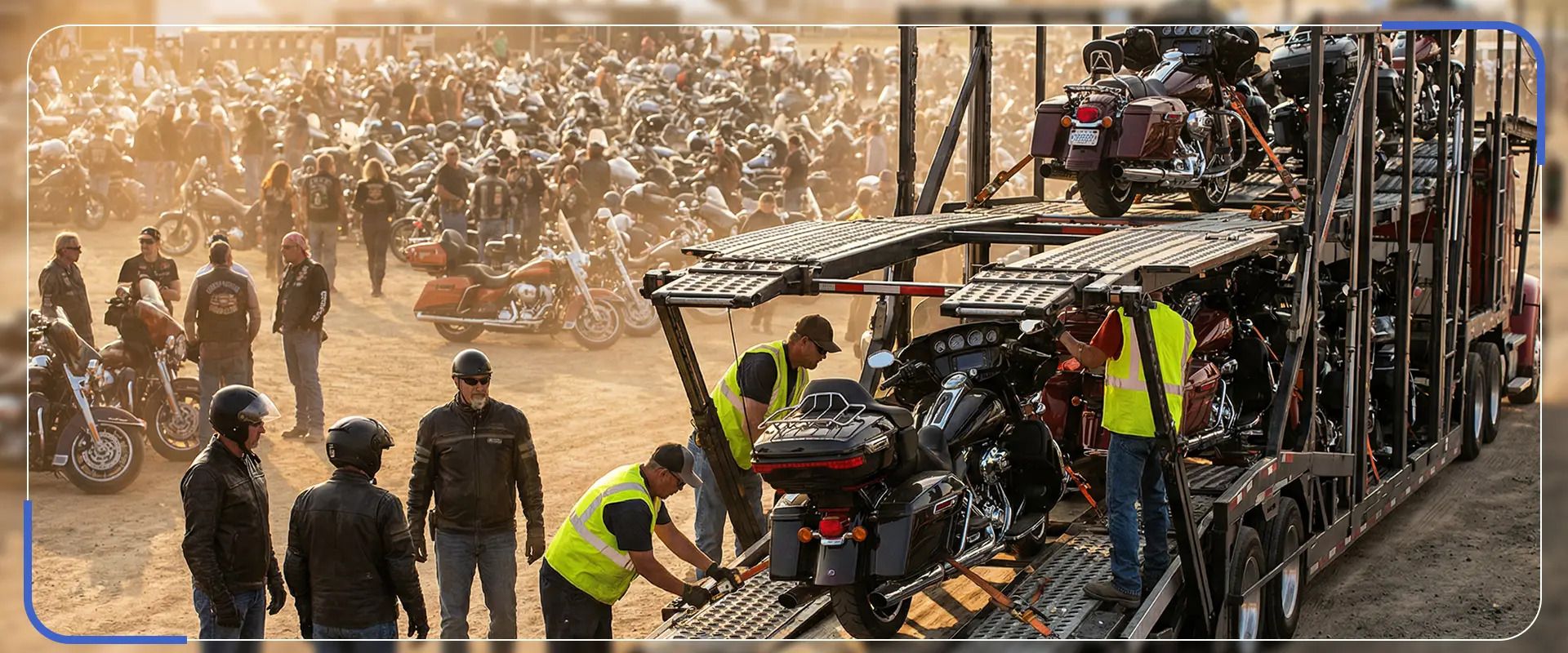
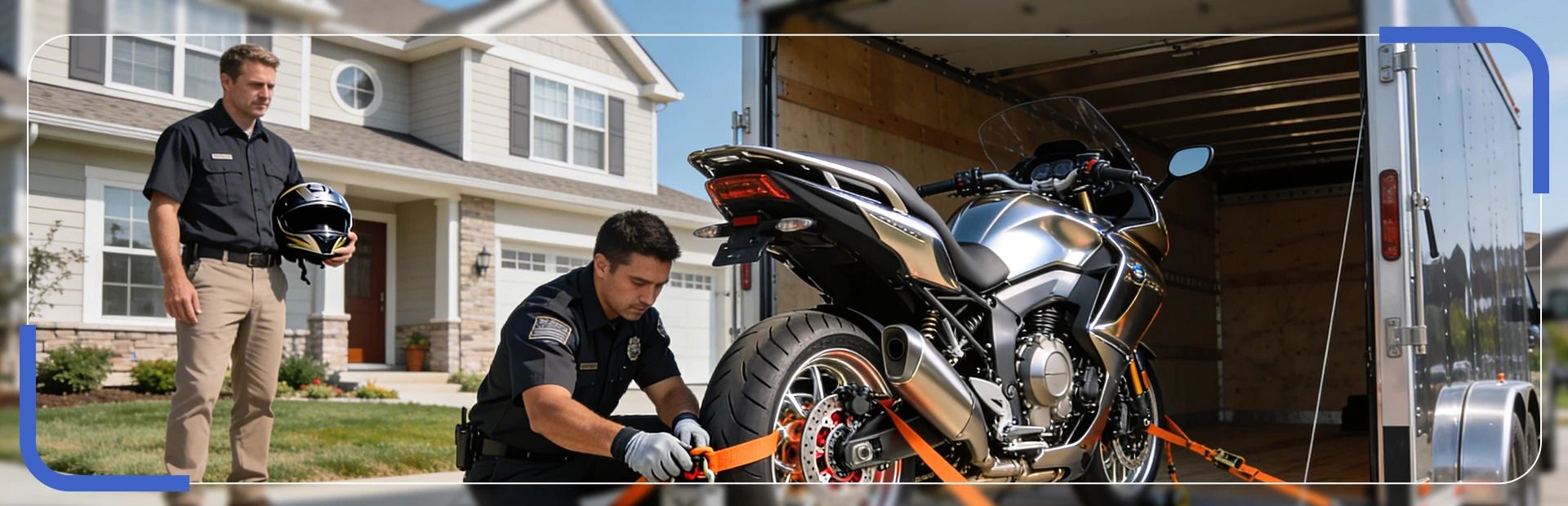
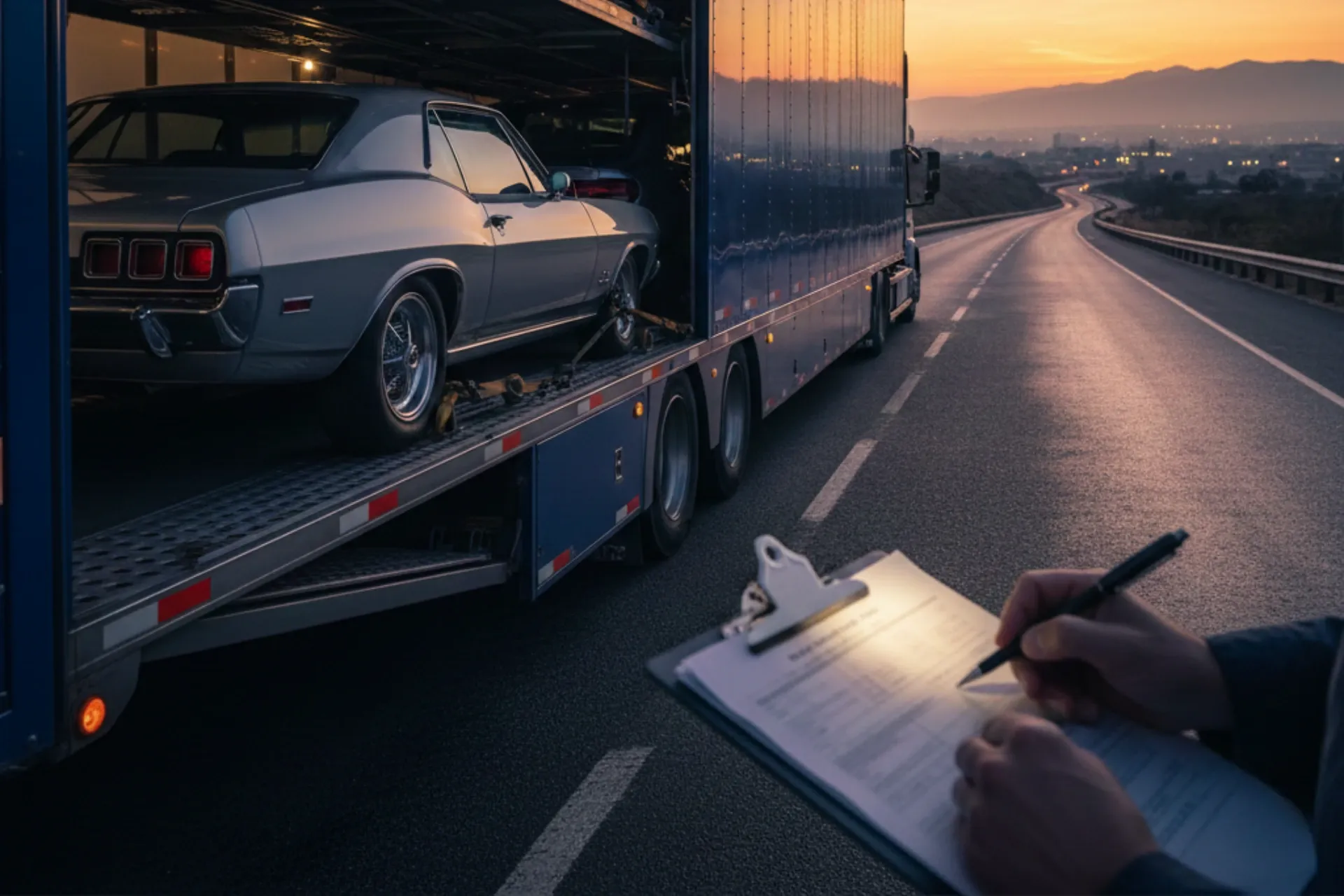
Motorcycle transport is handled by licensed carriers who specialize in moving two-wheel vehicles safely. Your bike is loaded using ramps or lift gates, secured with soft straps, and anchored to prevent shifting during transit.
Most shipments fall into two categories:
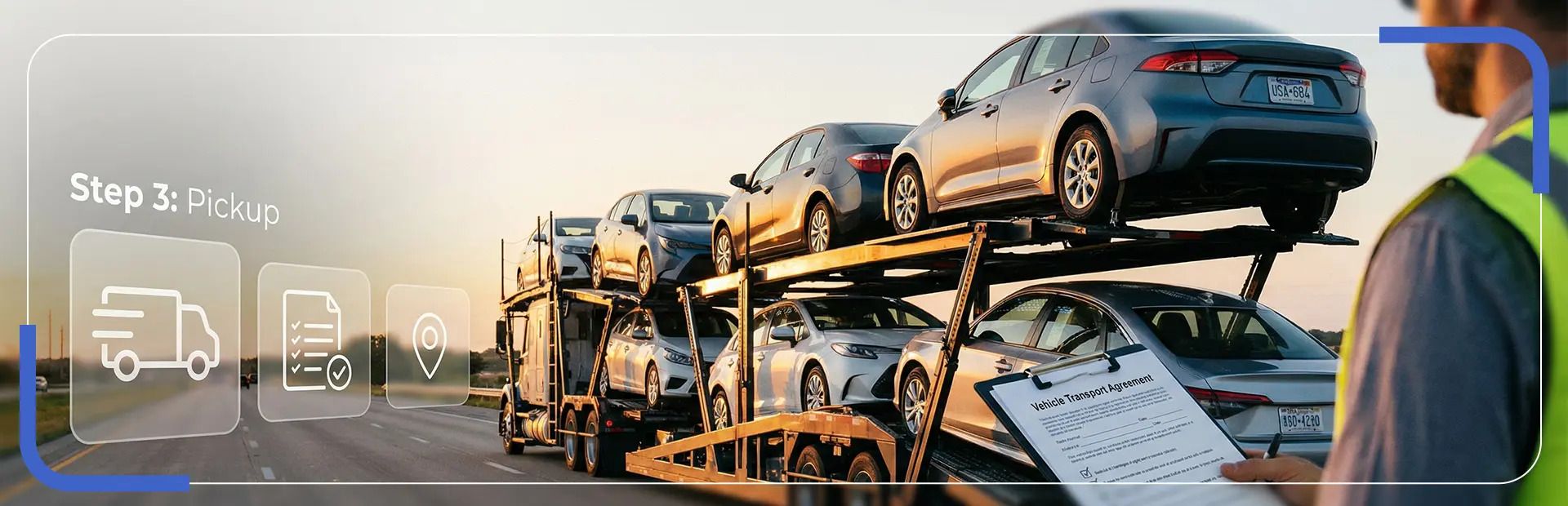
Domestic transport within the United States often uses multi-vehicle trailers.
International transport, which involves crating and ocean or air freight when shipping a motorcycle overseas.
You’ll also encounter service models such as door-to-door motorcycle shipping, where the carrier collects your bike near your residence and delivers it close to the final destination, versus terminal-based service that requires drop-off and pickup at logistics yards.
How Motorcycle Shipping Costs Are Determined
Search engines are filled with people asking:
How much does it cost to ship a motorcycle
How much is it to ship a motorcycle
Shipping motorcycle cost
The truth is that no single flat rate exists. Pricing is calculated dynamically based on several measurable variables.
Distance is the biggest driver; local routes are inexpensive compared to the cost to ship motorcycle across the country. Transport type matters as well: enclosed carriers command higher prices because they provide additional protection.
Seasonality plays a role, too. Summer months bring higher demand, while winter often produces discounts, particularly for flexible pickup windows.
Pickup and delivery locations also influence your final motorcycle cost. Routes between major cities are easier to schedule, while rural areas require detours that increase the shipping a motorcycle. Bike size, fuel prices, and current carrier availability round out the equation.
Typical Price Ranges to Expect
While real quotes should always come from a motorcycle shipping cost calculator or motorcycle shipping cost estimator, these averages help set expectations:
Distance | Estimated Motorcycle Shipping Costs |
0–500 miles | $300–$600 |
500–1,000 miles | $600–$900 |
1,000–1,500 miles | $900–$1,300 |
Coast-to-coast | $1,300–$1,900+ |
Enclosed service | Add $200–$600 |
These ranges explain why two riders shipping similar bikes can receive very different quotes. Using a motorcycle shipping calculator gives you pricing tied to your specific route and timing instead of generic estimates.
Open vs. Enclosed Transport: Which Is Right?
One of the most important decisions when learning how to ship a motorcycle is choosing between open and enclosed carriers.
Open transport is the most common method and works well for standard motorcycles. Bikes are secured on multi-vehicle trailers and exposed to weather, much like cars on highway haulers.
Enclosed transport places your motorcycle inside a covered trailer. This option is typically recommended for luxury bikes, rare models, show vehicles, and long-distance Harley Davidson motorcycle shipping.
Here’s how they compare:
Feature | Open Transport | Enclosed Transport |
Cost | Lower | Higher |
Weather Exposure | Yes | No |
Scheduling Speed | Faster | Moderate |
Best For | Daily riders | Collectibles & classics |
Riders comparing the best motorcycle shipping company options often discover that paying slightly more for enclosed service makes sense for high-value motorcycles.
What Changes When Shipping a Motorcycle Overseas
With door-to-door motorcycle shipping, the carrier collects your bike as close to your location as legally and safely possible, then delivers it near your destination.
This approach minimizes handling, eliminates terminal visits, and significantly reduces inconvenience, making it the most popular option for private owners, dealerships, and auction buyers alike. In most cases, the cost difference between terminal service and door-to-door delivery is surprisingly small.
Domestic motorcycle transport is relatively straightforward. Shipping a motorcycle overseas, however, introduces a regulated international process that requires strict documentation, licensed carriers, and customs coordination.
Ocean freight is the most common method because it balances cost and reliability. Air freight is faster but significantly more expensive and typically reserved for urgent or high-value shipments.
International transport usually adds:
Export documentation
Customs clearance
Port handling fees
Crating and palletization
Import duties and destination taxes
In the United States, regulatory oversight for vehicle transporters falls under the Federal Motor Carrier Safety Administration (FMCSA), which publishes official guidance on carrier licensing, insurance requirements, and interstate authority through its website.
When preparing to ship a motorcycle overseas, verifying that your provider works with properly licensed U.S. motor carriers and legitimate international freight partners is essential to avoiding delays, fines, or shipment holds at port.
How to Use Motorcycle Shipping Calculators the Right Way
Online tools such as a motorcycle shipping calculator, motorcycle shipping cost estimator, or motorcycle shipping cost calculator are designed to offer directional pricing, not binding commitments. They analyze distance, vehicle dimensions, seasonality, and historical carrier data to produce an estimate.
What these systems can’t fully capture is shifting market conditions. Fuel spikes, driver shortages, or sudden surges in demand can change rates quickly. Pickup complexity and enclosed-carrier availability also influence real-world pricing.
Use calculators strategically:
Test multiple date ranges
Compare open versus enclosed service
Evaluate terminal and door-to-door motorcycle shipping options
Follow up with a personalized quote reviewed by a dispatch team
These steps turn rough numbers into reliable planning tools.
Cost-Saving Strategies Without Cutting Corners
Learning how to ship a motorcycle affordably is less about hunting for the lowest bid and more about understanding leverage points.
Small adjustments often create meaningful savings:
Choosing wider pickup windows
Shipping outside peak summer months
Selecting open carriers for standard bikes
Meeting drivers near highway-accessible locations
Early reservations matter as well. When schedules are tight, brokers must compete for limited capacity, which pushes the shipping motorcycle cost higher than planned bookings. Experienced riders also ask whether partial routes or shared loads are available, options that reduce empty miles for drivers and lower your final ship motorcycle cost without sacrificing care.
How Brokers Connect Riders With Professional Carriers
Most motorcycle transport companies function as coordinators rather than fleet owners. Brokers maintain relationships with licensed drivers nationwide and post routes into carrier networks where operators submit bids.
This system works when communication stays transparent. A qualified broker will:
Disclose that a carrier is being assigned
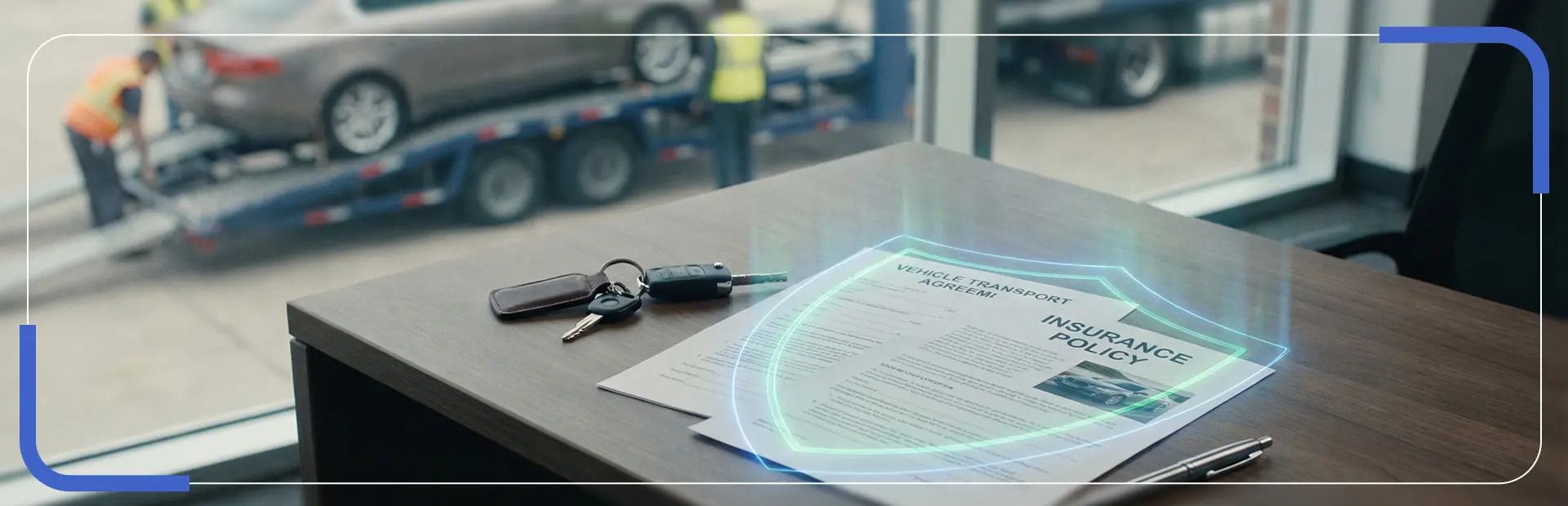
Provide insurance certificates
Share USDOT or MC numbers
Explain equipment type and tie-down methods
These details matter. They’re what separates polished operations from rushed transactions. Understanding this matchmaking process is part of mastering how to ship a motorcycle responsibly; it gives riders clarity about who is physically moving the bike and what standards apply along the way.
Managing Inspection Reports and Damage Claims
Every shipment begins with documentation. At pickup, drivers complete a condition report noting cosmetic marks, mechanical concerns, and odometer readings.
Before signing at delivery, slow down and inspect carefully:
Compare arrival photos with originals
Examine painted panels and exhaust systems
Test controls and steering
Record anything new directly on the paperwork
Claims become much easier when documentation is thorough. Most policies require prompt reporting, often within 24 to 48 hours, along with estimates from certified repair shops. Preparation doesn’t eliminate risk, but it keeps small problems from becoming drawn-out disputes.
Planning Overseas Moves With Fewer Complications
When riders choose to ship a motorcycle overseas, timelines stretch and complexity increases. Ocean freight schedules, crate construction rules, and port authority regulations all affect planning.
Additional steps usually include:
Export filings and customs declarations
Wooden crating that meets international standards
Destination port handling fees
Tax or duty assessments
Coordination with customs brokers
Early scheduling is critical. International sailings operate on fixed calendars, and missed paperwork can delay release by weeks. Working with specialists familiar with cross-border vehicle logistics turns a maze of regulations into a process that feels controlled rather than uncertain.
Documentation You Should Have Ready
For U.S. shipments, carriers typically request government-issued identification, registration or title copies, and a bill of sale for recent purchases. Overseas shipments require additional export and import forms depending on the destination country, port authority rules, and shipping method.
Financial publications such as Investopedia’s guide to choosing transport companies emphasize checking licensing, insurance certificates, and written contracts before placing deposits, especially in high-value vehicle shipments.
Comparing Quotes From Multiple Motorcycle Shipping Companies
Searching for the best motorcycle shipping companies almost always produces a wide pricing range. The variation usually reflects service differences rather than randomness.
When evaluating proposals, compare:
Transport type (open vs enclosed)
Delivery speed
Insurance limits
Pricing lock periods
Cancellation terms
Instead of chasing the lowest figure, focus on clarity. Transparent contracts, responsive communication, and written coverage details often signal stronger service than a bargain rate with vague promises.
Questions Riders Ask Most Often
Before booking motorcycle transport, most riders have a few key questions about timing, insurance, pricing, and delivery expectations. Here are quick, clear answers to help you plan with confidence.
How early should I schedule transport?
One to two weeks in advance is ideal for domestic shipping. International shipments often require a month or more of planning.
Is insurance included?
Licensed carriers carry cargo insurance, but policy limits vary. Always ask for proof.
Can I pack gear with the motorcycle?
Some carriers allow limited items, though most recommend shipping personal gear separately.
How long does coast-to-coast shipping take?
Typically 7–14 days, depending on route density and weather.
Do motorcycle shipping calculators give exact prices?
They generate estimates. Final rates depend on real-time carrier demand.
Is winter a good time to ship?
Often, yes, lower demand can produce discounts, though transit may take slightly longer.
Getting Your Motorcycle to Its Destination Safely
Shipping a motorcycle doesn’t have to be stressful. By understanding pricing factors, choosing the right transport type, verifying carrier credentials, and preparing your bike properly, you can move your motorcycle efficiently and confidently, whether across the country or overseas.
Every decision, from open versus enclosed service to using a trusted broker, affects both safety and cost. Taking the time to compare quotes, confirm insurance coverage, and plan your schedule ensures your motorcycle arrives in the same condition it left.
Ready to make your move simple and secure? Get a personalized quote today and see how easy door-to-door motorcycle shipping can be.