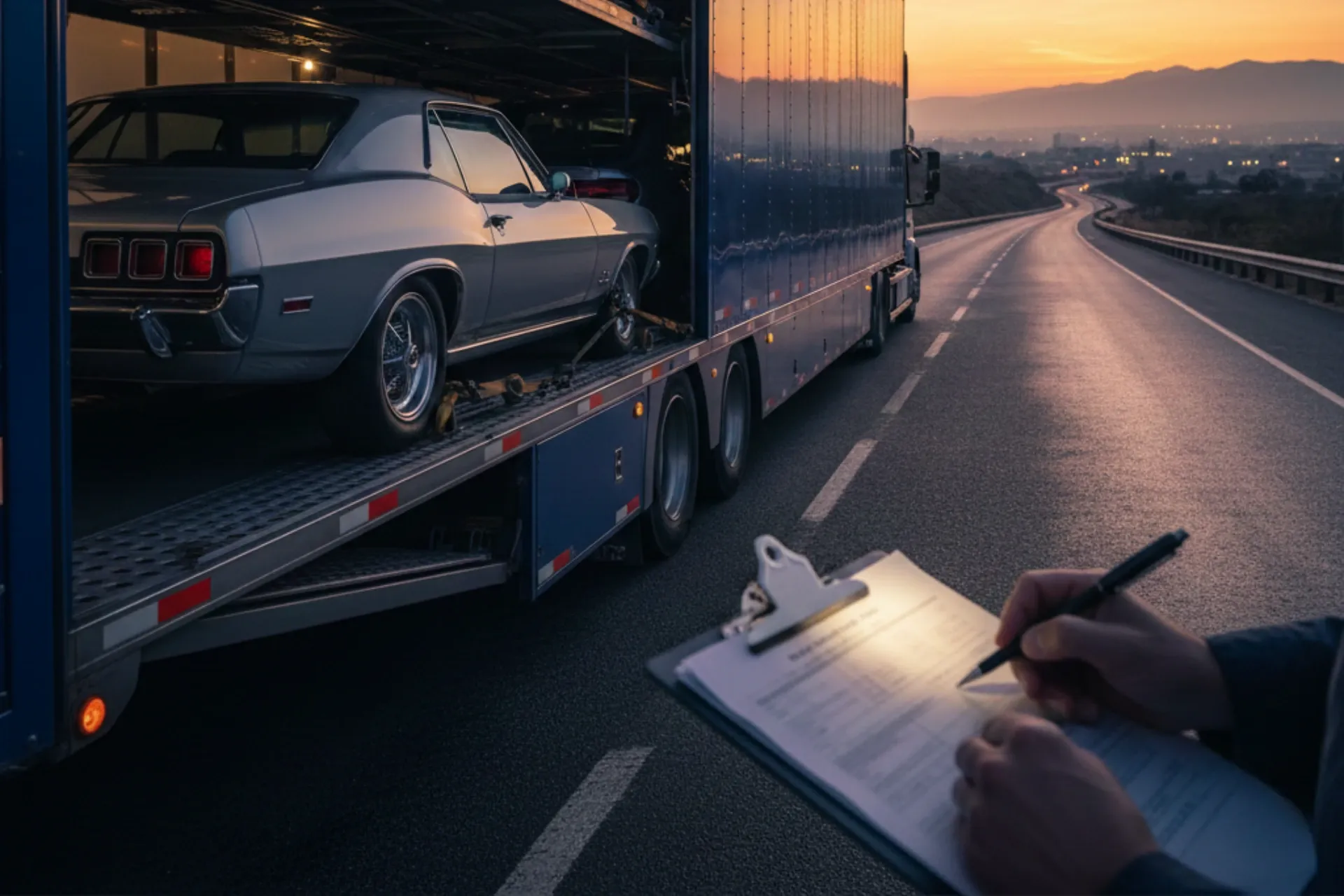
Finalizing an agreement for interstate vehicle transport is a major milestone, but it’s just the beginning of a carefully coordinated journey. From preparing your vehicle to scheduling pickup, tracking its progress, and ensuring a smooth delivery, each step requires attention to detail and clear communication.
Midway through this process, partnering with a trusted provider like Safeeds Auto Transport ensures that your shipment is handled efficiently and securely, giving you peace of mind from start to finish. Knowing what to expect at each stage can help prevent delays, unexpected costs, and unnecessary stress.
This guide walks you through the key phases after signing your contract, offering practical insights and professional tips to make your vehicle transport experience seamless and reliable. Ready to take the next step? Request a guaranteed quote today and see how simple interstate vehicle transport can be.
What to Expect After Signing Your Interstate Vehicle Transport Contract
Once the contract is signed, the "dispatch phase" begins in earnest. Your broker will match your order with a vetted, high-rated carrier operating on your specific route. The contract itself serves as the essential legal framework for the move, outlining the agreed-upon vehicle transport cost, the designated transport method (open or enclosed), and the estimated window for pickup and delivery. This document ensures that all parties, the owner, broker, and driver, are aligned on the terms of service and insurance liabilities before the truck ever arrives at your door.
For those transporting a vehicle to Hawaii or engaging in a vehicle transport cross-country move, timelines are generally longer due to the coordination of complex port logistics or sheer continental mileage. You should expect a dedicated dispatch coordinator to reach out with the carrier’s specific details, including the driver’s contact information, insurance certificates, and a more refined pickup window based on real-time traffic data. During this stage, communication is paramount; the carrier will typically provide a 24-hour notice before arrival, followed by a shorter two-hour window on the day of the appointment to allow you to make final arrangements for the vehicle's departure.
Reviewing Your Agreement and Preparing Your Vehicle
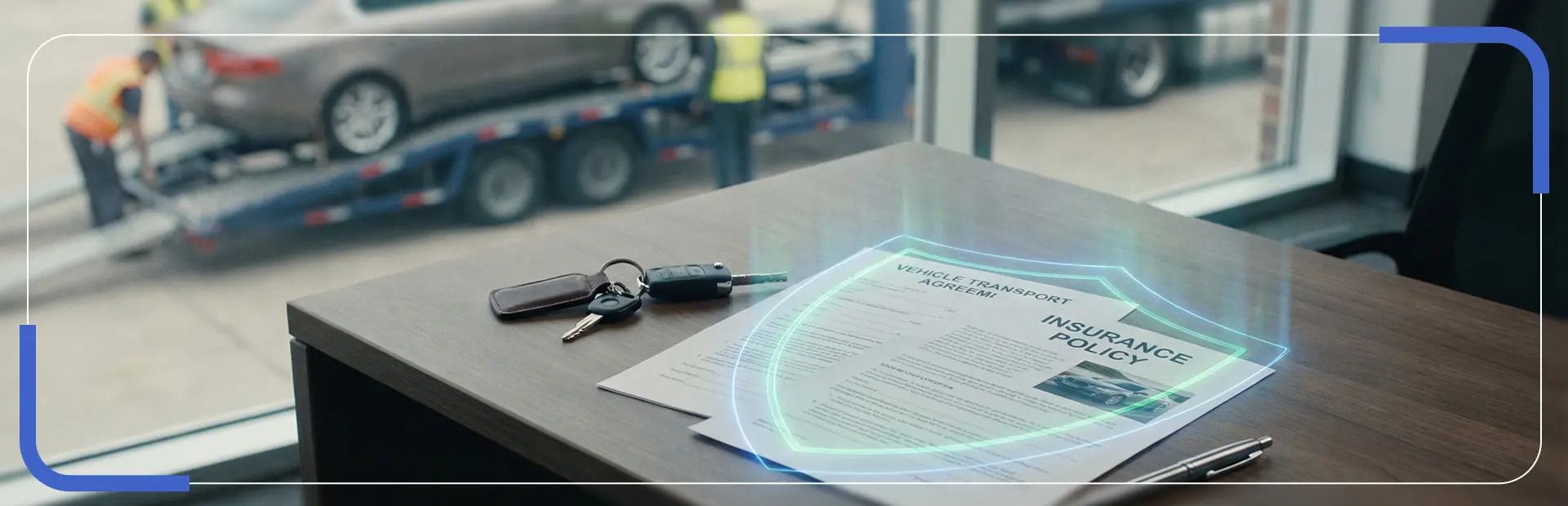
Before the carrier arrives, a final review of your contract and meticulous vehicle preparation are required to avoid complications during the transit process. You must verify that the insurance coverage listed in the agreement aligns with your vehicle’s total market value. While standard liability and cargo insurance are mandatory for all licensed carriers, the specific coverage limits and deductibles can vary significantly between providers; therefore, confirming these details in writing is a vital step in risk management.
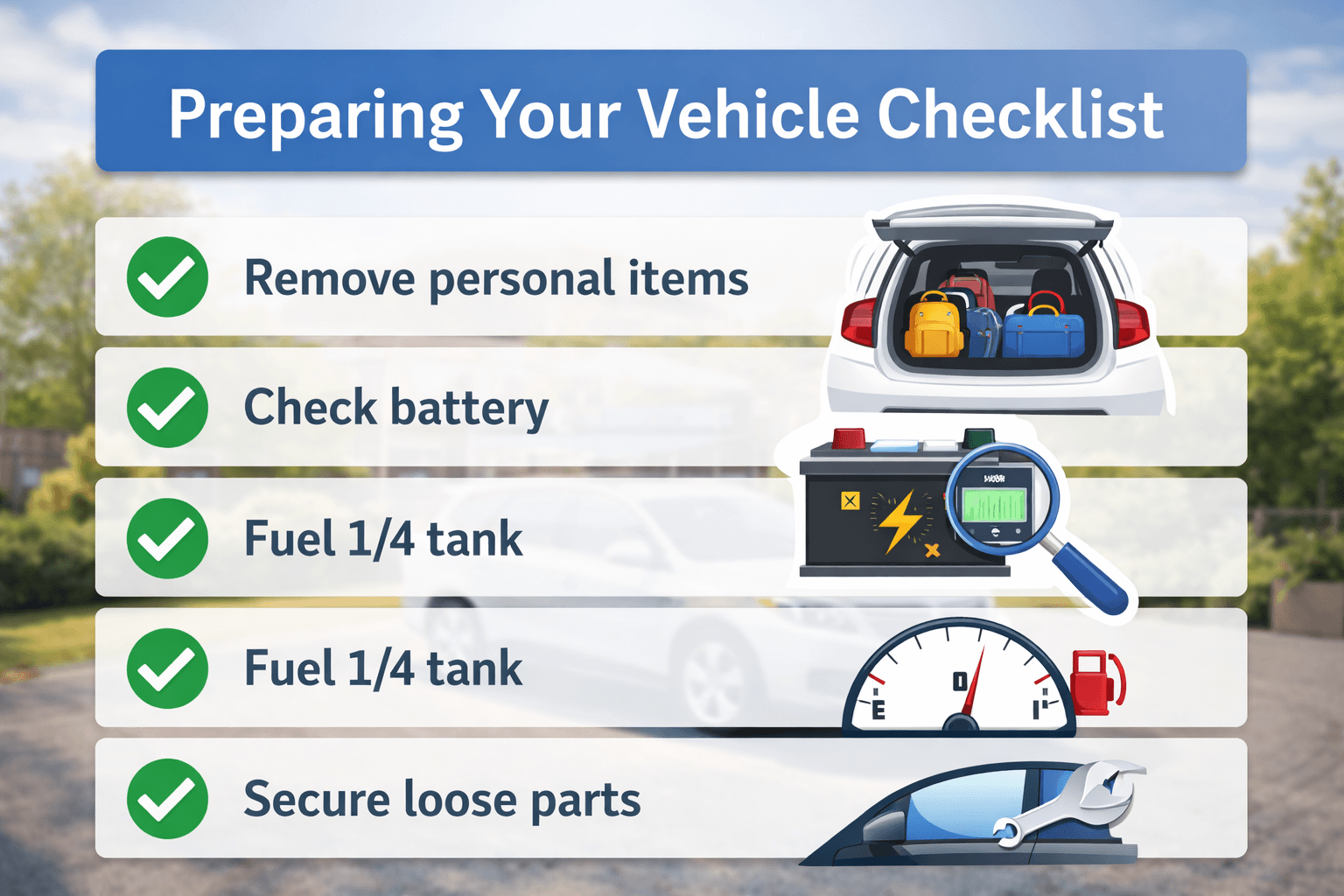
When calculating how much to ship a car cross-country, ensure the final total reflects all potential surcharges, such as fuel adjustments, seasonal price shifts, or oversized vehicle fees for larger trucks and SUVs. This ensures there are no financial discrepancies when the driver arrives for pickup. Physical preparation of the car is not merely a suggestion; it is a mandatory requirement for a safe and efficient transit. This involves removing all personal belongings, securing loose external parts, and ensuring the vehicle is in proper operating condition for the driver to load it onto the trailer safely.
Special Prep for Enclosed and Military Vehicle Transport
If you have opted for enclosed auto shipping, your vehicle will be afforded maximum protection from road debris, weather, and environmental contaminants. However, this premium service requires ensuring the vehicle is completely free of external accessories like aftermarket roof racks, oversized spoilers, or specialized antennas that might interfere with the significantly tighter overhead and side clearances of a hard-sided trailer. Because enclosed trailers often use hydraulic lift gates for loading, any low-hanging modifications must be disclosed early to ensure the carrier utilizes the correct specialized equipment to prevent undercarriage scraping.
For military vehicle transport, the documentation and preparation standards are even more rigorous to comply with federal and base regulations. Service members must often provide official PCS orders, a valid military ID, and proof of ownership or a lienholder’s authorization letter for leased vehicles. To meet strict weight-bearing limits and safety protocols for base access and long-haul efficiency, you must ensure the vehicle has no more than one-fourth of a tank of gas. Furthermore, the vehicle must be "dry-vacuumed" and thoroughly cleaned, as most military processing centers will reject a shipment if there is excessive dirt or soil on the undercarriage or interior.
Documenting Your Vehicle Condition
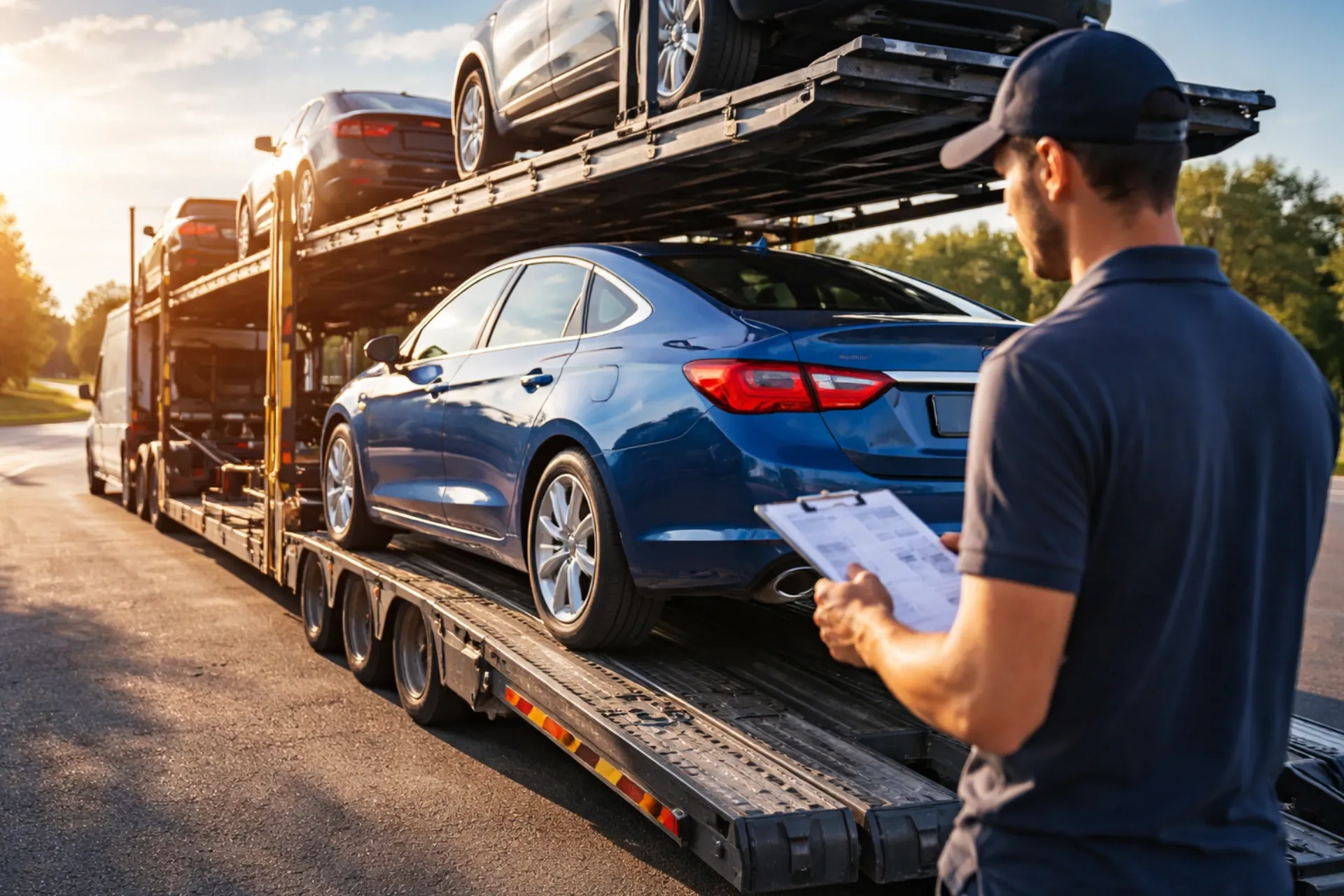
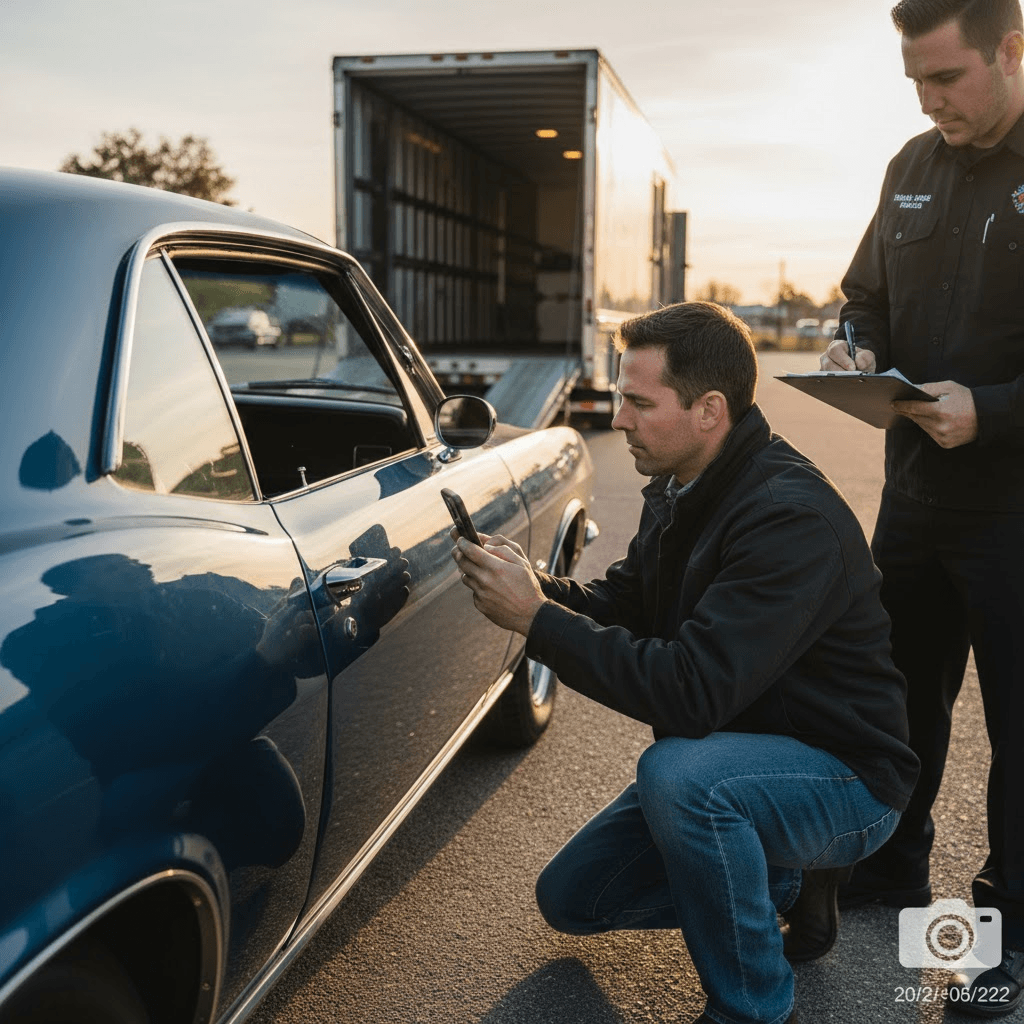
The "Bill of Lading" (BOL) is arguably the most critical document in the entire interstate vehicle transport process. It serves as your official contract, a receipt for the vehicle, and a condition report all in one. Before the driver begins the loading process, you must perform a comprehensive joint inspection with them to ensure every pre-existing mark is accounted for. This is not a step to be rushed; any oversight here could complicate a future insurance claim.
To protect your asset, follow these rigorous documentation standards:
Capture High-Resolution Visual Evidence: Take detailed photos and videos of the vehicle from multiple angles. This includes all four sides, the roof, the undercarriage (if possible), and the interior dashboard to show the current mileage and any existing warning lights.
Utilize Date-Stamping: Ensure your camera settings have date-stamping enabled, or take photos through a specialized app. This provides undeniable, time-sensitive evidence of the vehicle's state immediately prior to being handed over to the carrier.
Meticulously Note Minor Imperfections: Even small paint chips, surface scratches, or minor dents should be explicitly marked on the Bill of Lading. Ensure the driver’s notations match your own observations to avoid any "pre-existing" disputes during the final delivery inspection.
Verify the BOL Copy: Never let the driver leave with your vehicle until you have a signed digital or physical copy of the inspection report. This document is your primary protection and the baseline against which the vehicle will be judged upon arrival at its destination.
Coordinating Pickup and Scheduling Logistics
Scheduling the logistics for how to transport a vehicle involves much more than simply selecting a calendar date; it requires navigating the fluid nature of long-haul trucking. Professional carriers operate on pickup and delivery "windows" rather than fixed appointment times due to the inherent unpredictability of highway traffic, seasonal weather patterns, and the variable time spent at previous customer stops along the route. If you choose to ship a car directly through a specific carrier, you will likely maintain more direct contact with the driver’s cell phone for real-time updates. In contrast, a broker acts as a centralized communication hub, managing these logistical updates on your behalf and translating technical transit data into clear, actionable information for your schedule.
When the transport truck finally arrives, you must ensure that the pickup location is physically accessible for heavy-duty machinery. Large multi-car haulers can reach lengths of up to 80 feet and require significant overhead and turning space to maneuver safely; consequently, if your residential street is too narrow, dead-ended, or restricted by low-hanging trees, you may need to coordinate a meeting at a nearby commercial parking lot or a wide thoroughfare. This coordination is a standard, essential part of the process for transporting vehicles across the country, where regional infrastructure and driver safety protocols dictate the final logistics of the hand-off.
Understanding Costs and Payment Procedures
The question of how much it costs to ship a car often depends on the "all-in" price agreed upon after signing. While you may have an initial quote, the final vehicle transport cost is influenced by:
Distance and Route: Popular routes between major cities are often cheaper than rural delivery.
Transport Type: Choosing enclosed car shipping typically adds a 30% to 50% premium over open-air transport.
Vehicle Size: Larger SUVs and trucks occupy more "slots" on a trailer, increasing the price.
Comparison: Open vs. Enclosed Transport Standards (2026 Estimates)
Feature | Open Auto Shipping | Enclosed Auto Shipping |
Average Cost (1,000 miles) | $700 – $1,100 | $1,200 – $1,800 |
Protection Level | Standard (Exposed to weather) | Maximum (Shielded from elements) |
Availability | High (90% of all carriers) | Lower (Specialized equipment) |
Best For | Standard Sedans/SUVs | Luxury, Classic, & Exotic Cars |
Payment is typically structured in two parts: a small partial payment (or broker fee) often processed upon dispatch, and the remaining "Balance on Delivery" (BOD) paid directly to the driver via cash, cashier’s check, or a digital payment service like Zelle or Venmo. Always verify the accepted payment methods in your contract to avoid delays at the destination.
Tracking Your Vehicle During Transport
Modern top-rated auto shipping companies utilize sophisticated digital tracking tools that allow you to monitor your vehicle's progress across state lines with high precision. While the industry has moved toward greater transparency, the method of tracking often depends on the specific technology integrated into the carrier’s fleet. Understanding these options helps set realistic expectations for the frequency and detail of the updates you will receive:
Real-Time GPS Monitoring: Premium carriers often use satellite-based GPS units installed directly on the transport trailer. This allows you to view the vehicle’s location on a live map via a dedicated web portal or mobile app.
Driver-Based Status Check-ins: Many independent carriers rely on daily status updates provided by the driver. These are usually transmitted at major milestones, such as crossing state lines or completing mandatory rest periods.
Electronic Logging Device (ELD) Integration: Most modern trucks are equipped with ELDs that track drive time and location for federal compliance. High-end brokers can often pull data from these systems to provide automated email or SMS notifications to the customer.
Dedicated Dispatch Support: For a more personalized approach, a dedicated agent acts as the liaison, manually verifying the vehicle's position and estimated arrival time through direct contact with the driver’s cell phone.
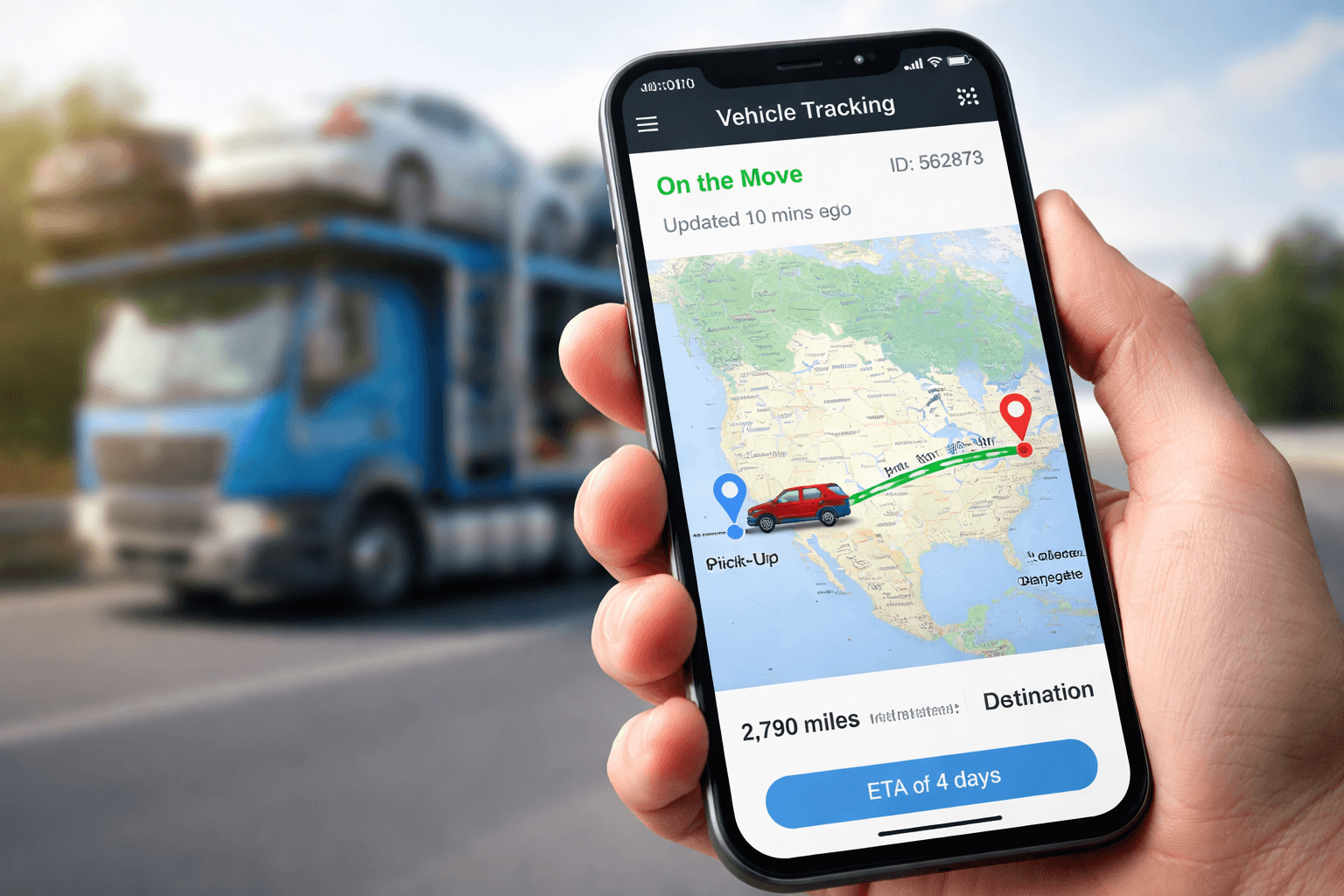
When learning how to ship a car efficiently, the most important factor is maintaining an open and proactive line of communication with your dispatch agent. This ensures that any unforeseen delays, such as mandatory driver rest periods or mechanical inspections, are communicated to you immediately.
For long-haul shipments, such as cross-country routes from New York to Los Angeles, where customers often research how much it costs to ship a car cross-country, the transit strategy may vary. Depending on the carrier’s network, your vehicle may remain on the same specialized trailer for the entire duration of the trip, or it may be safely consolidated at a secure regional terminal to optimize the delivery route. Understanding these logistical movements through your tracking portal significantly reduces the psychological stress of the "transit gap", the period when the vehicle is between hubs, and allows you to plan your physical presence at the final delivery location with much greater accuracy.
Receiving and Inspecting Your Vehicle Upon Delivery
The delivery phase is the final and most critical step in the interstate vehicle transport process. When the carrier arrives at your destination, you must perform a comprehensive inspection before signing the final Bill of Lading. This is your only opportunity to identify and document any discrepancies between the vehicle's current state and its condition at the time of pickup.
To ensure a thorough evaluation, follow these essential steps:
Verify Exterior Integrity: Walk around the vehicle and check the roof, bumpers, and side panels. Look specifically for new paint chips, scratches, or small dents that may have occurred during loading or transit.
Examine the Undercarriage and Tires: Road debris can occasionally impact the lower sections of a vehicle. Check for any fluid leaks or punctures that were not present before the move.
Test Mechanical and Interior Functions: Start the engine and verify that the battery is functional. Check the dashboard for new warning lights and ensure that all internal electronics, such as the GPS and sound system, are in working order.
Compare Against Pre-Shipping Documentation: Utilize the date-stamped photos you took during the pickup phase. If you identify any new damage, you must mark it clearly on the Bill of Lading and take immediate photos with the driver present.
For high-value moves involving enclosed car shipping or military vehicle transport, this inspection is particularly vital, as insurance claims are highly dependent on the accuracy of the delivery report.
Choosing the Right Auto Shipping Company
Selecting the right partner is the foundation of a successful transport experience. With hundreds of brokers and carriers available, identifying the best auto shipping companies requires looking beyond the initial price quote. A top-rated auto shipping provider should demonstrate a high level of transparency regarding their licensing, insurance coverage, and carrier vetting process.
When researching providers, consider the following criteria:
Safety Ratings and Compliance: Ensure the company is fully registered with the Federal Motor Carrier Safety Administration (FMCSA). A legitimate broker or carrier will always provide their MC and USDOT numbers upon request.
Reputation and Reviews: Check independent platforms for Easy Auto Ship reviews or feedback on other industry leaders. Consistent praise for communication and timely delivery is a strong indicator of reliability.
Insurance Verification: The best companies do not just claim to be insured; they offer a clear breakdown of their cargo insurance limits and the specific process for filing a claim.
Specialization: If you are moving a high-end vehicle, prioritize companies with a proven track record in enclosed auto shipping to ensure the equipment used is appropriate for low-clearance or delicate vehicles.
Comparison: Standard Service vs. Premium Brokerage Features
Feature | Standard Brokerage | Premium Service (Top Rated) |
Carrier Vetting | Basic licensure check | Rigorous 5-point safety & rating audit |
Pricing Model | Variable market rates | Price Lock or 7-Day Guarantees |
Communication | General support queue | Dedicated Personal Shipping Coordinator |
Insurance | Standard carrier cargo | Supplemental Gap Protection options |
Key Clarifications for Interstate Vehicle Transport
Many customers have specific concerns regarding the logistics and economics of moving a vehicle. Addressing these early can help you navigate the process with confidence.
How to transport vehicles across the country?
To transport a vehicle across the country, you should partner with a reputable broker or carrier to manage the logistics. The process involves securing a quote, choosing between open or enclosed transport, and preparing your vehicle by cleaning it and removing personal items. A driver will then perform a joint inspection before hauling the car to your destination for final delivery.
Can I ship personal items inside my vehicle?
While it is tempting to use your car as extra storage, most auto shipping companies advise against it. Per Department of Transportation (DOT) regulations, carriers are not licensed to transport household goods. Additionally, personal items are not covered by the carrier’s cargo insurance. If you must include items, most carriers allow up to 100 pounds of soft goods (like linens or clothing) secured in the trunk or below the window line, though this is done at the owner's risk.
How much does it cost to ship a car?
The vehicle transport cost is typically calculated based on mileage, vehicle size, and the current price of fuel. In 2026, standard open transport for a 1,000-mile trip averages between $800 and $1,350. However, how much to ship a car specifically depends on the route; shipping between major hubs like Dallas and Los Angeles is often more affordable than rural-to-rural deliveries.
Which shipping method is best (open vs. enclosed)?
For daily drivers, open transport is the most cost-effective and widely available option. However, enclosed car shipping is the gold standard for luxury or classic cars, as it provides a physical barrier against weather and road salt. While enclosed auto shipping costs 30% to 50% more, the investment preserves the vehicle’s long-term resale value.
How long will the transport take?
A typical vehicle transport cross-country move (e.g., 2,500+ miles) usually takes 7 to 10 days. If you are transporting a vehicle to Hawaii, expect a window of 14 to 21 days to account for ocean freight transit and port processing.
Smooth and Reliable Vehicle Transport Experience
Navigating interstate vehicle transport does not have to be a source of anxiety. By understanding the procedures that follow the signing of your contract, you position yourself for a professional and predictable experience. From the initial dispatch phase to the final delivery inspection, the key to success lies in meticulous preparation and choosing a provider from the list of best auto shipping companies that prioritize your vehicle's safety.
Whether you are coordinating a military vehicle transport for a PCS move or simply shipping a family SUV to a new state, the steps remain the same: verify your contract, document your vehicle's condition, and maintain clear communication with your driver. By following these industry-standard procedures, you ensure that your vehicle arrives in pristine condition, ready for the road ahead.
Get started with a partner you can trust. Request your instant car shipping quote and lock in your price.