Managing the transport of multiple vehicles can feel overwhelming at first glance. How do carriers safely schedule, load, and move several cars at once without delays or damage? For first-time shippers, understanding the logistics is half the battle. From coordinating pickup windows to ensuring each vehicle is inspected and prepared, every detail matters.
At Safeeds Auto Transport, we’ve guided countless clients through the process of multiple vehicle transport, combining expert loading techniques with careful planning to keep shipments secure and on schedule. Whether you’re moving family cars across state lines, shipping high-value vehicles, or coordinating a fleet for business, knowing what to expect ensures a smooth experience. Before scheduling your transport, take a moment to learn the essential strategies that professional carriers use, and when you’re ready, get a quote to secure your shipment with confidence.
Why Multiple Vehicle Transport Requires Careful Planning
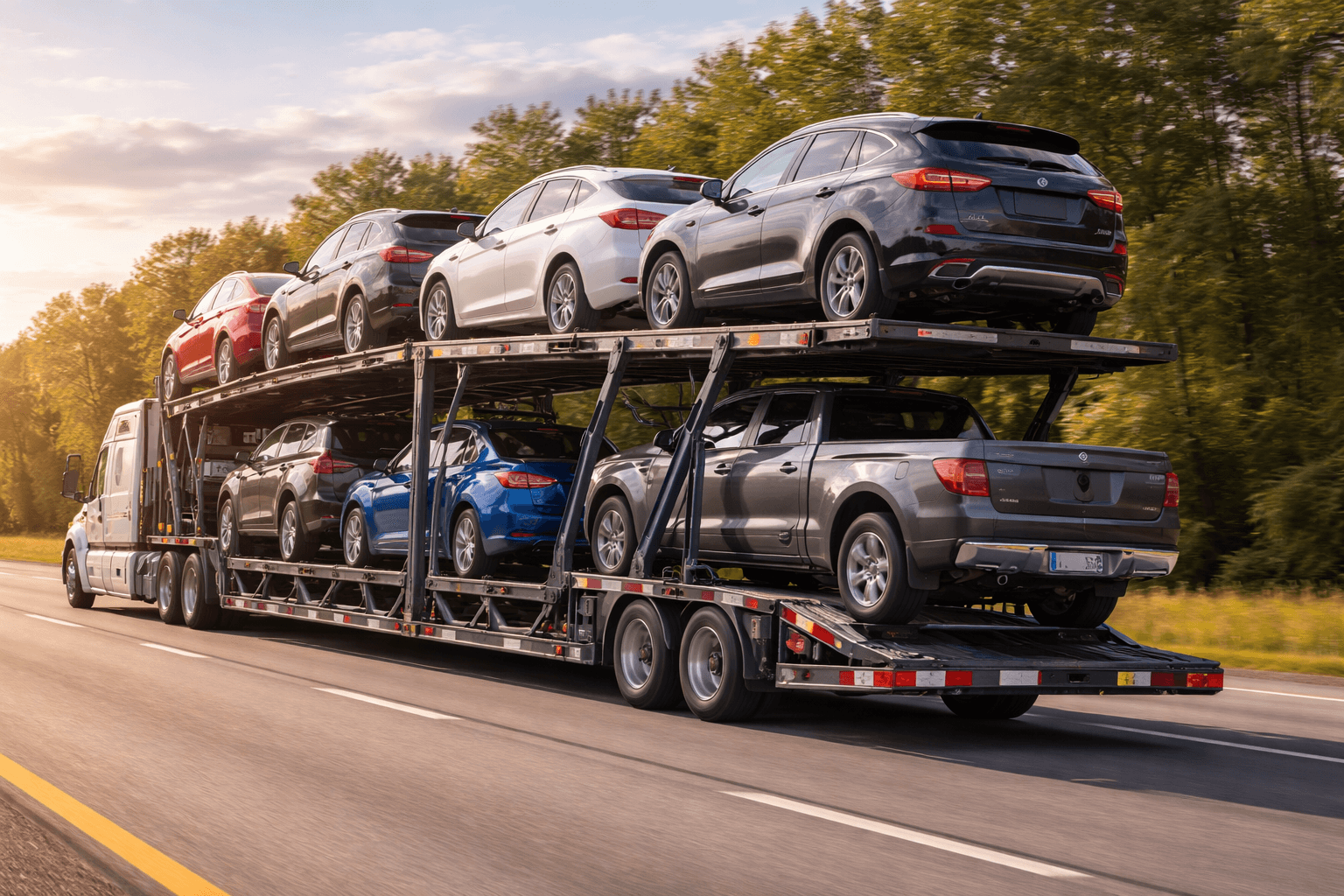
Transporting several vehicles at once introduces a unique set of logistical challenges that go beyond simple mileage calculations. Unlike a single-vehicle move, a multi-car load affects the carrier’s weight distribution, fuel efficiency, and height clearances. Managing a trailer full of diverse vehicle types, ranging from compact sedans to heavy SUVs, requires a driver to possess advanced knowledge of center-of-gravity physics to prevent shifting during transit.
Furthermore, regulatory requirements are more stringent for high-capacity carriers. Drivers must adhere to strict Department of Transportation (DOT) electronic logging device (ELD) mandates while managing a more complex Bill of Lading (BOL) for each individual unit. Professional auto transport companies solve these complexities by using centralized dispatching systems to synchronize pickup windows and delivery deadlines, ensuring that the entire "set" of vehicles arrives within a predictable timeframe. This level of planning is essential to avoid the cascading delays that can occur when a single vehicle in a multi-car manifest is not ready for pickup on time.
Understanding Different Types of Multiple Vehicle Transport
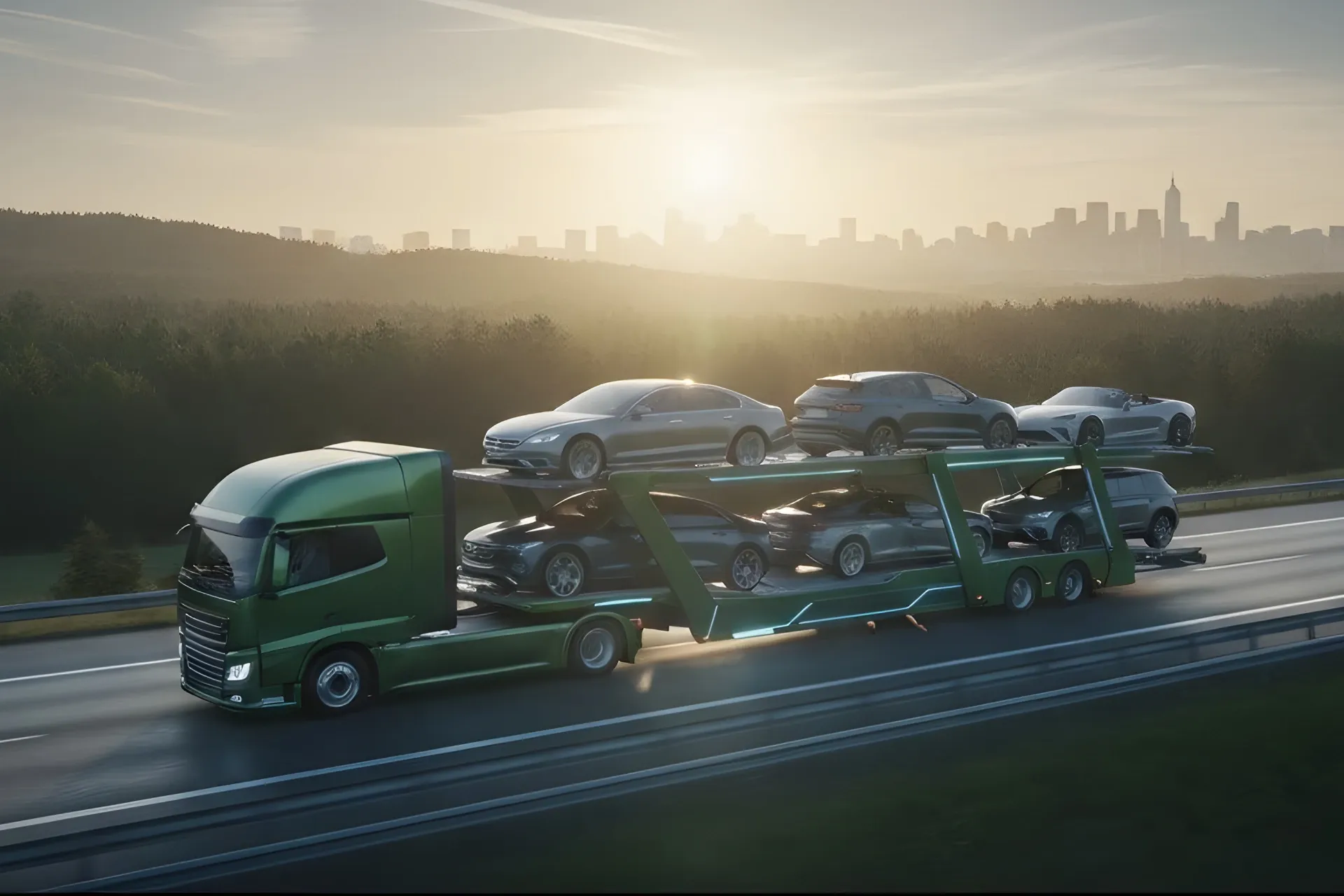
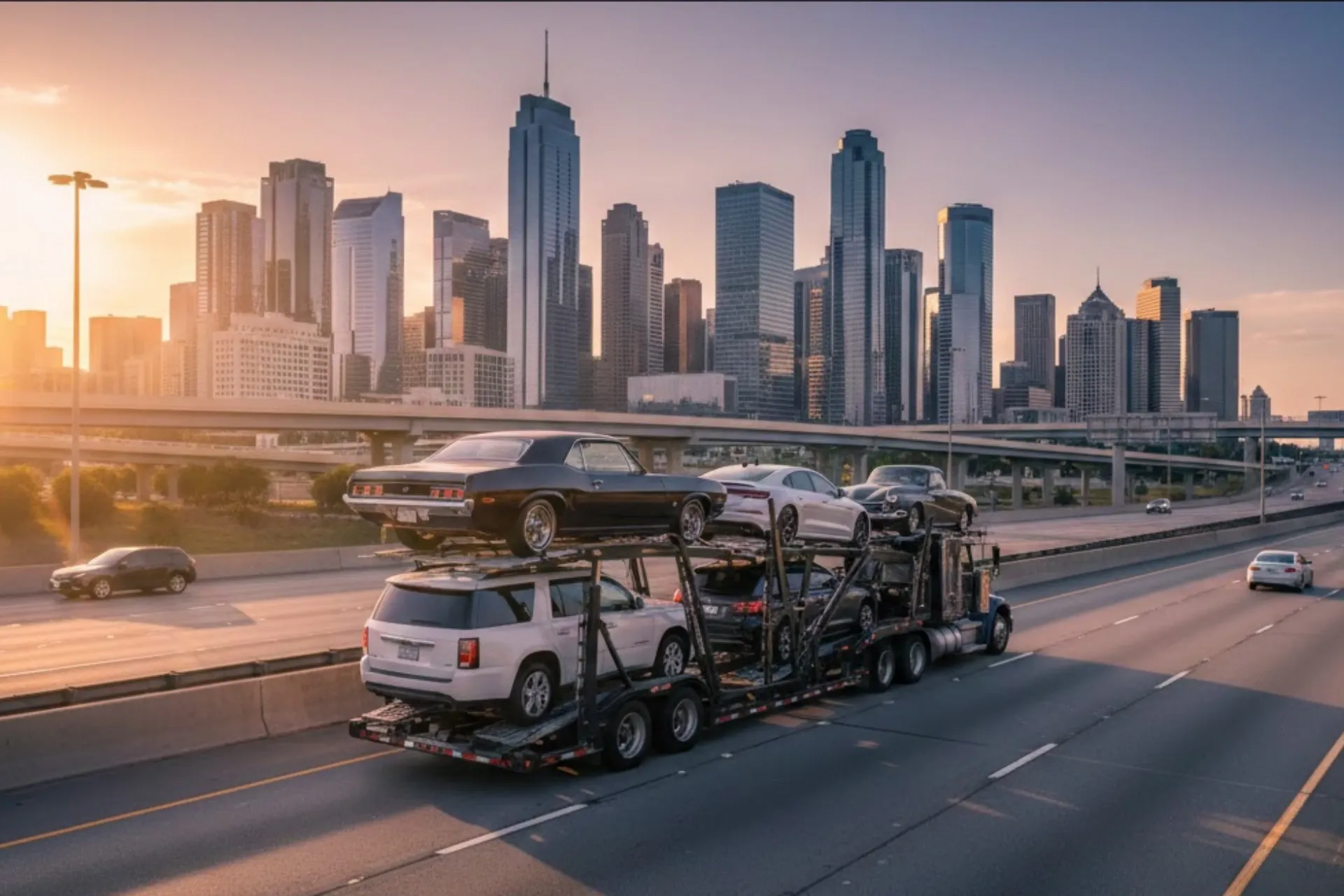
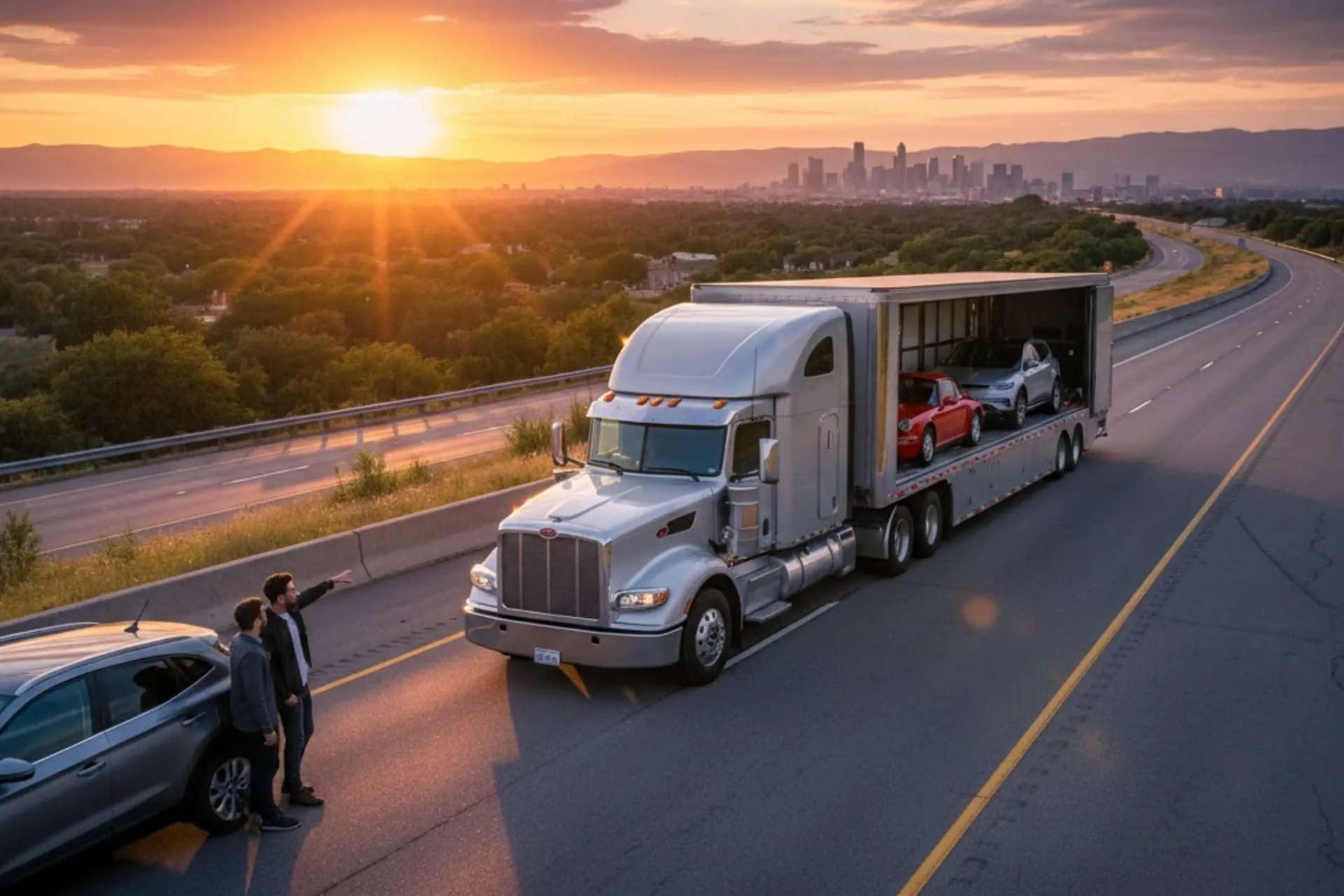
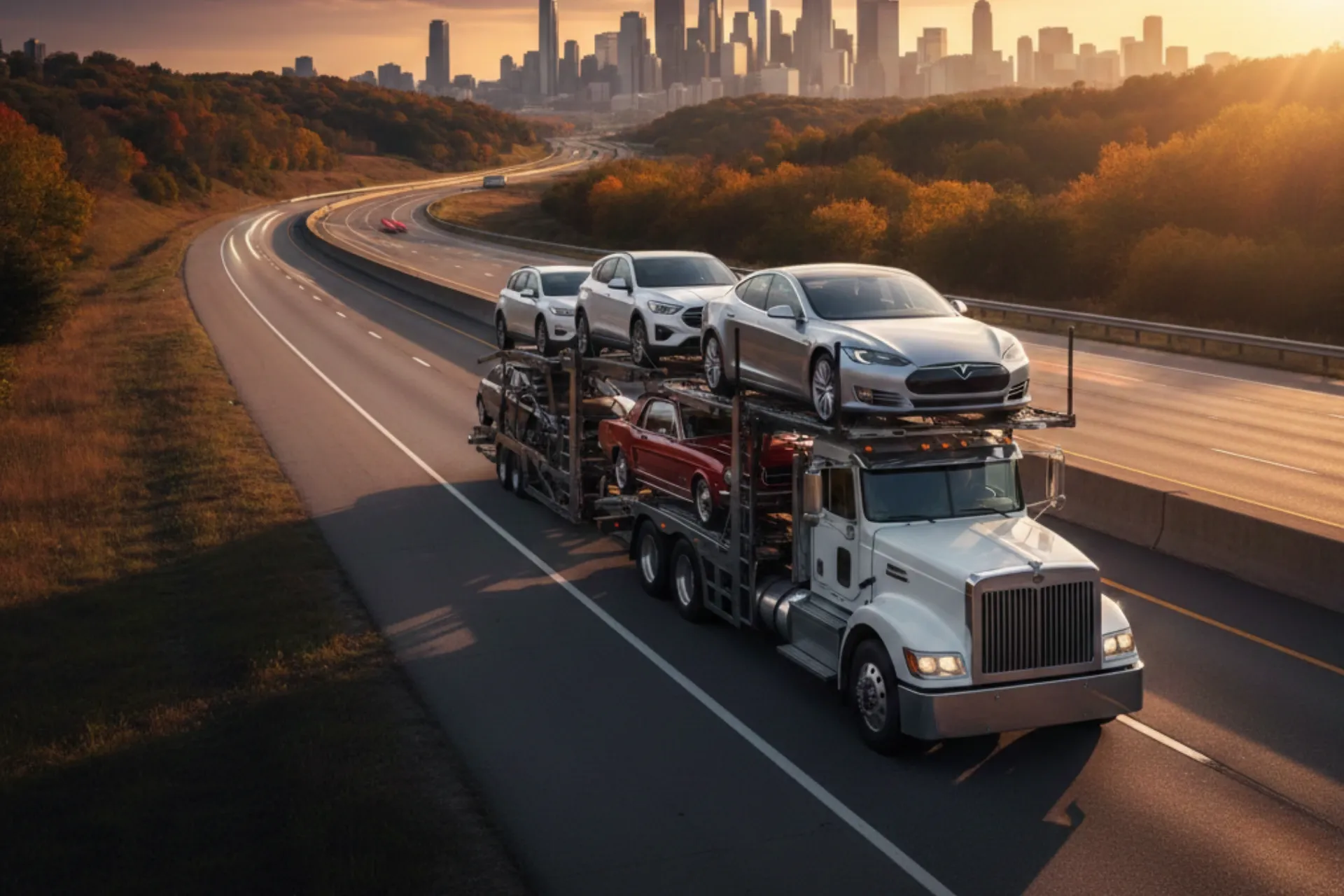
The methodology chosen for moving multiple units depends heavily on the value of the vehicles and the required level of protection. The most common method is the open multi-car carrier, which typically accommodates 7 to 10 vehicles across two levels. This is the most cost-effective solution for standard relocations. However, for high-value or classic collections, enclosed carriers provide a climate-controlled, debris-free environment.
While the term "multiple reentry vehicle" or multiple independent reentry vehicles is most commonly associated with specialized aerospace logistics and ballistic trajectories, the concept of "payload optimization" is strikingly similar in the auto transport world. Carriers must "nest" vehicles into a specific sequence to maximize space without compromising safety.
Open Carriers: Ideal for dealerships and standard family moves across long distances.
Enclosed Carriers: Reserved for luxury fleets where exposure to the elements must be zero.
Regional vs. Cross-Country: Regional moves may utilize smaller 3-car "wedge" trailers, whereas shipping a car across the US requires the heavy-duty capacity of a 10-car hauler.
Scheduling and Coordination Strategies for Multiple Vehicles
Efficient scheduling is the backbone of successful multi-car logistics. When a carrier is tasked with picking up several cars, the route must be meticulously optimized to reduce "deadhead" miles (empty driving). For example, New York auto transport represents one of the most congested and complex routes in the nation. Coordinating a multi-car pickup in a dense urban environment like Manhattan requires a driver to balance tight window frames with strict local commercial vehicle restrictions.
Coordinating Pickup and Delivery Windows
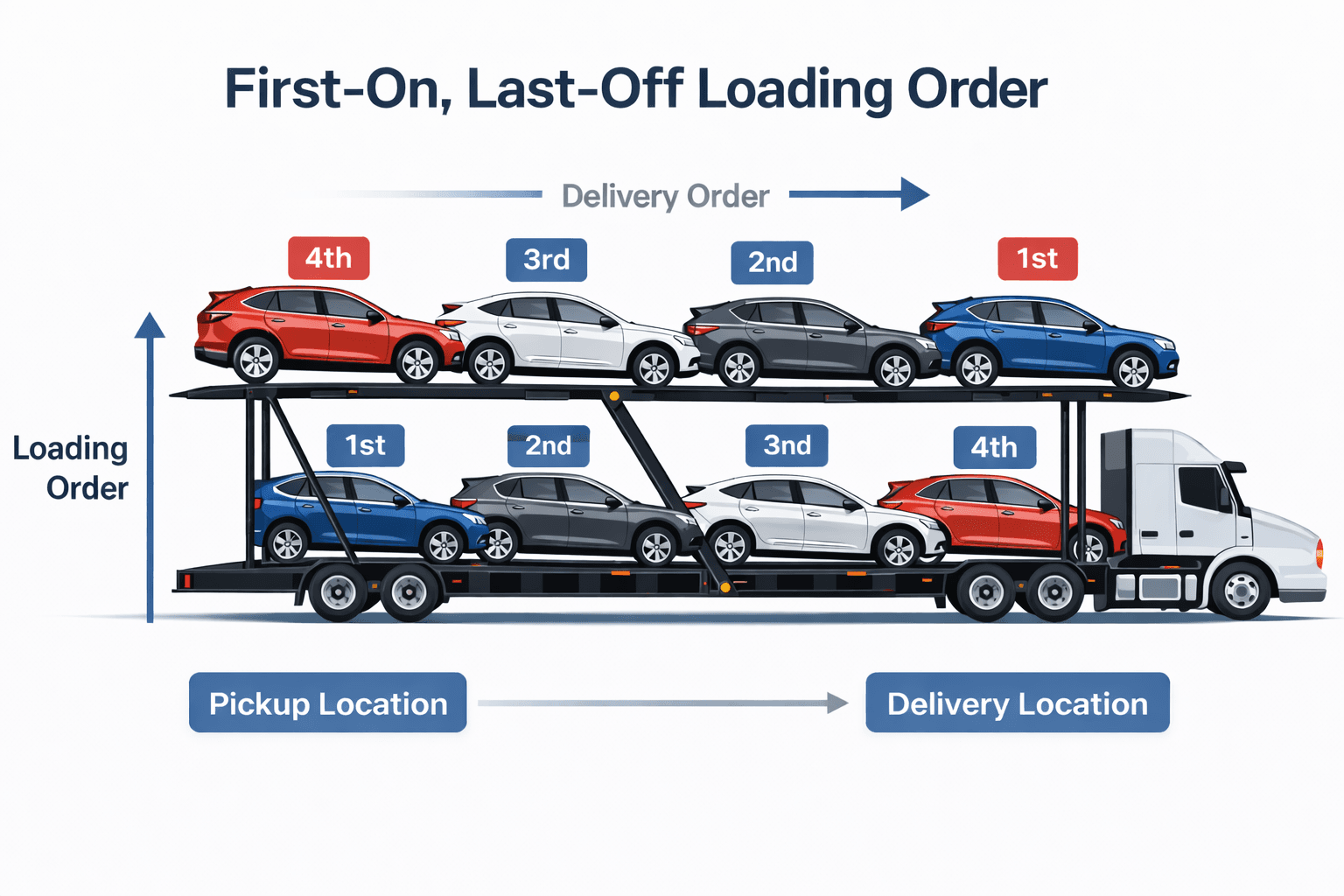
When you have insurance for two cars or more, you likely expect them to arrive at the same time. However, in a multi-car load, the "first-on, last-off" rule often applies. Carriers must plan the loading sequence based on the delivery destination to avoid "shuffling", the risky process of unloading and reloading other cars to reach one in the middle of the trailer.
Using Technology for Tracking Multiple Vehicles
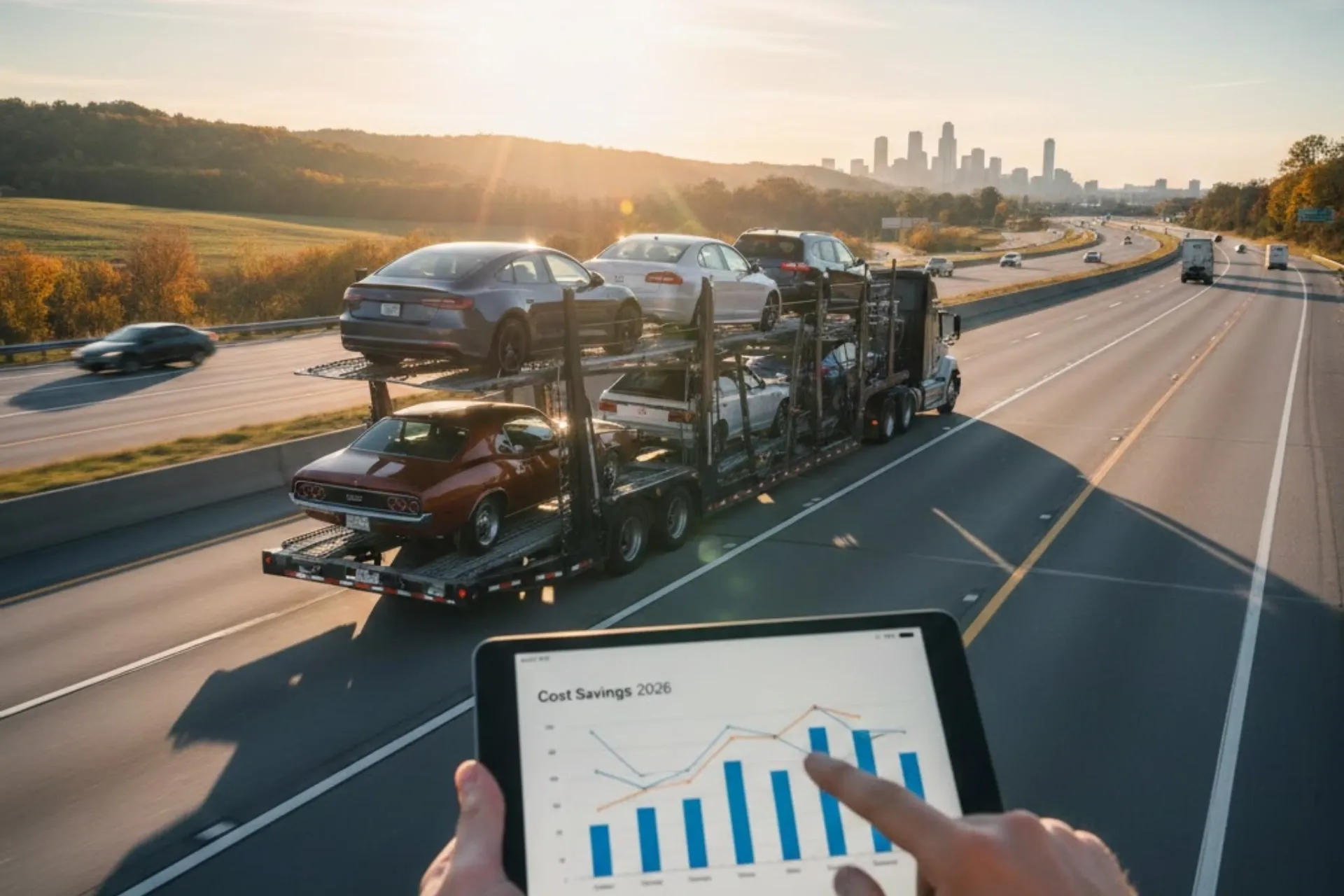
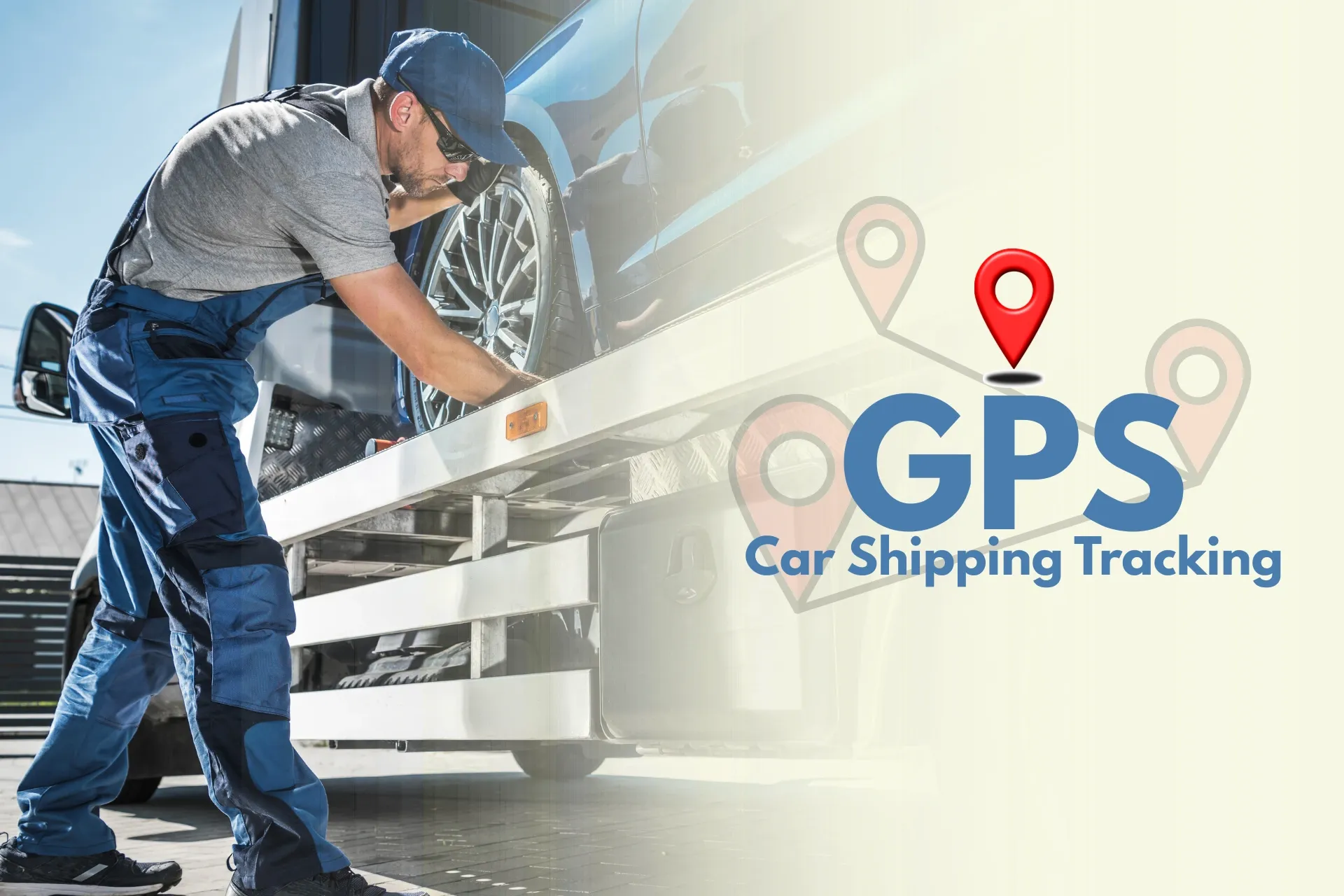
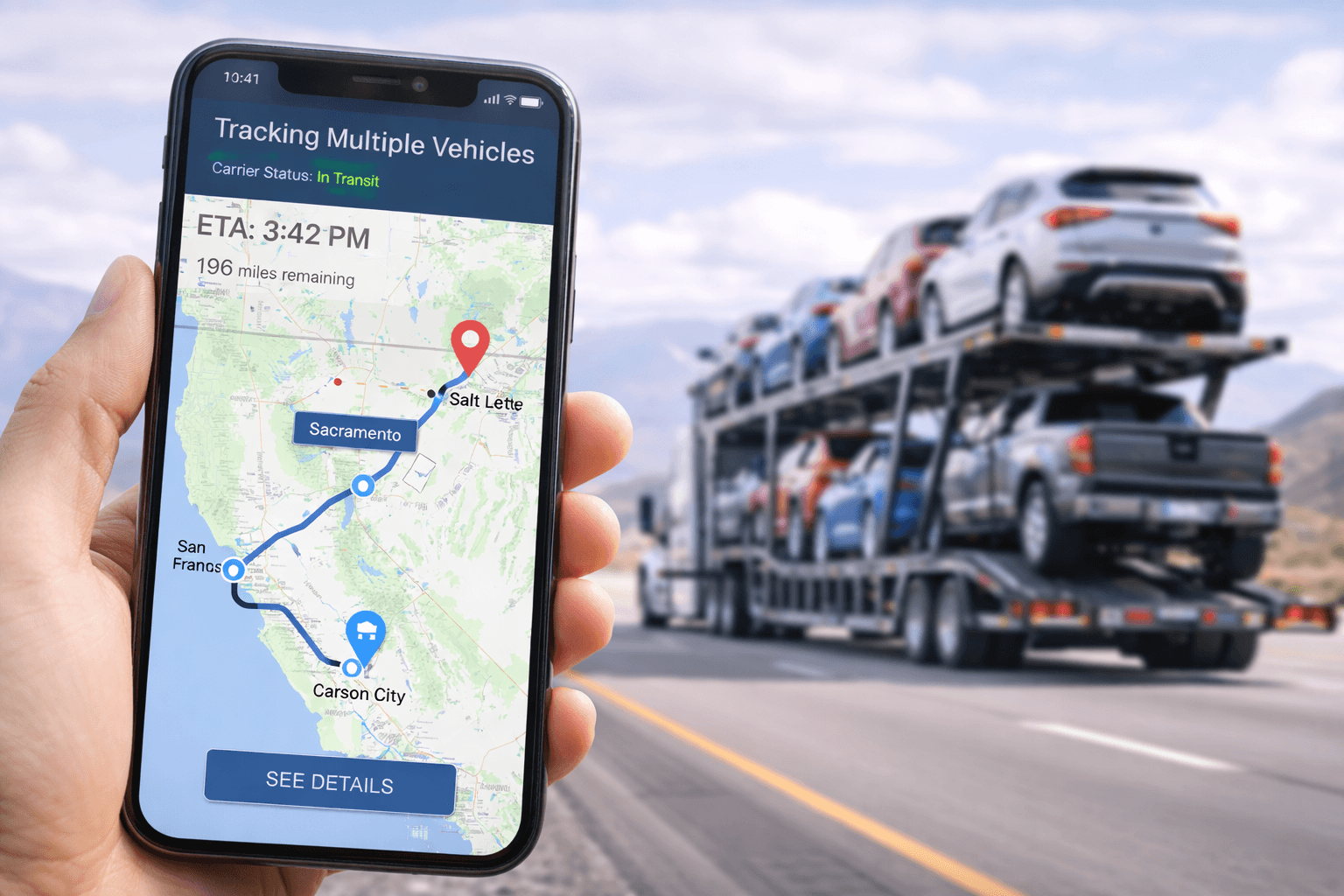
The best auto transport carriers now utilize advanced multiple-car navigation systems and GPS tracking to provide real-time updates. These digital manifests allow the broker and the customer to monitor the entire fleet’s progress simultaneously. This transparency is vital for businesses that need to coordinate labor for the receipt of the vehicles at the destination.
Transport Variable | Single Vehicle Impact | Multiple Vehicle Impact |
Loading Time | 30–60 Minutes | 3–5 Hours (Full Trailer) |
Route Flexibility | High | Low (Requires specific clearances) |
Insurance Complexity | Standard | High (Multiple vehicle insurance required) |
Tracking | Individual Unit | Fleet/Manifest Level |
Inspection, Documentation, and Vehicle Preparation
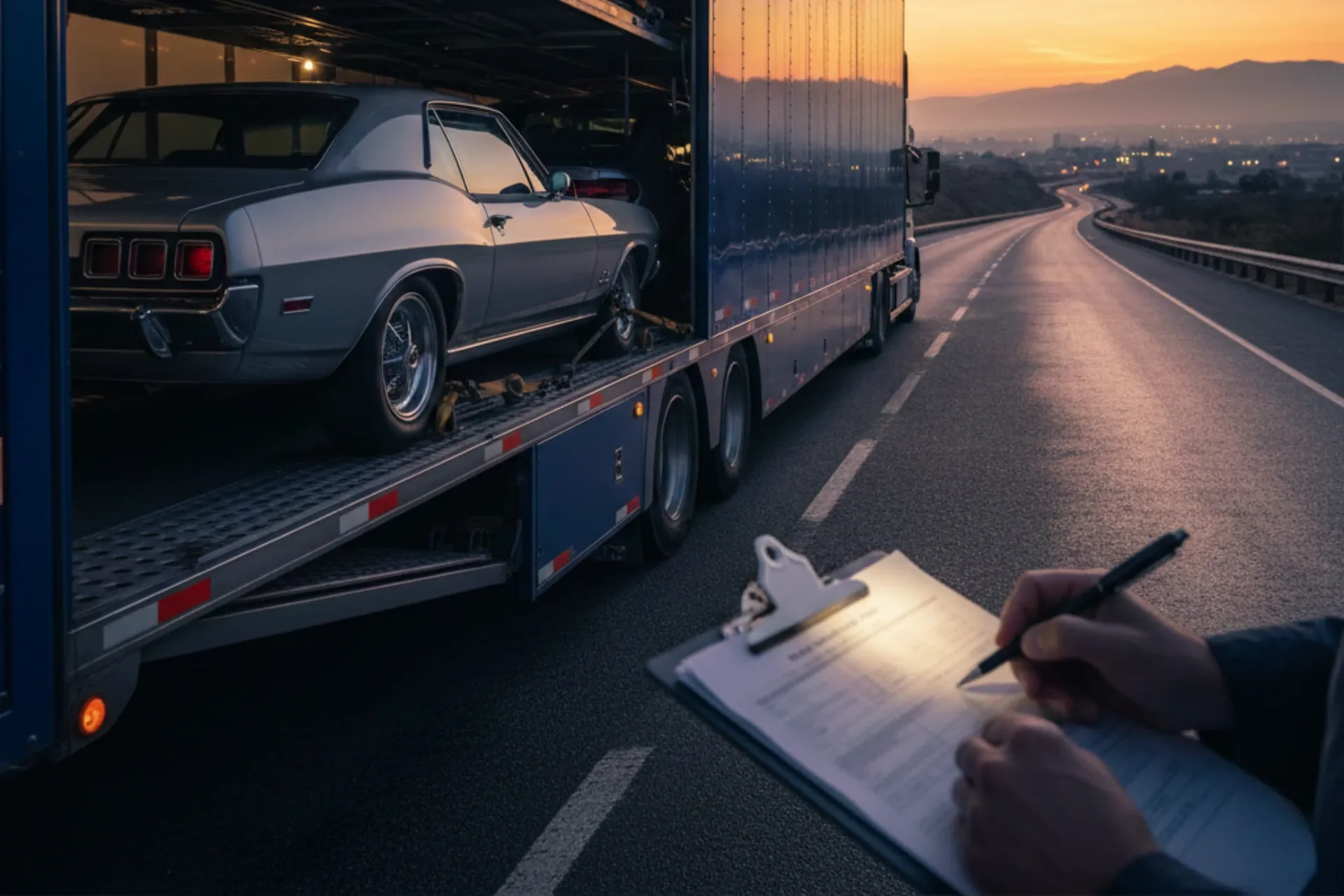
Before the carrier arrives at your driveway or staging area, each vehicle must undergo a rigorous pre-shipping check that goes beyond a simple walk-around. This stage is not merely a suggestion for the organized owner; it is a critical requirement for maintaining the validity of your insurance multiple vehicles policy. Each car should be thoroughly cleaned, both inside and out, to allow for an accurate, unobstructed inspection of the paint, glass, and bodywork. Dirt or road grime can easily mask small scratches or chips, leading to disputes during the delivery phase. A professional driver will use a high-lumen flashlight and a digital tablet to record every imperfection on the Bill of Lading (BOL). Remember that documentation must be separate and meticulous for each unique VIN; a single clerical error on one vehicle’s paperwork can stall the entire shipment or complicate a claim’s insurance status for the rest of the fleet.
To ensure your fleet is fully prepared for the transition, follow these essential preparation steps for each unit:
Comprehensive Exterior Cleaning: Wash every vehicle to ensure the carrier can clearly document existing conditions and avoid "hidden" damage disputes.
VIN-Specific Documentation: Maintain a dedicated folder for each vehicle containing the title, registration, and a unique Bill of Lading.
Detailed Photographic Evidence: Take at least 10–15 high-resolution photos per vehicle, focusing on the roof, bumpers, and side panels under bright lighting.
Fluid and Mechanical Check: Verify that no vehicle has active leaks that could damage other cars in the manifest and ensure all tires are at the recommended PSI.
Remove Toll Tags and GPS: Deactivate all electronic toll units and remove aftermarket navigation systems to prevent theft or accidental charges during transit.
Beyond the physical car, it is equally important to consider administrative and financial readiness. Some owners who are expanding their collections ask, "do multiple car loan applications hurt your credit?" While the impact on your credit score is generally minimal if those inquiries happen within a narrow 14-day window, ensuring that all lienholder permissions and titles are in order is a necessary logistical step before shipping vehicles across state lines. Furthermore, if you are shipping cars that have been involved in past incidents, knowing the best car insurance for multiple accidents can help you secure the right "gap" or "umbrella" coverage for the transit period. This proactive approach ensures that your legal and financial interests are as protected as the vehicles themselves during their journey.
Safe Loading Techniques for Multiple Vehicles
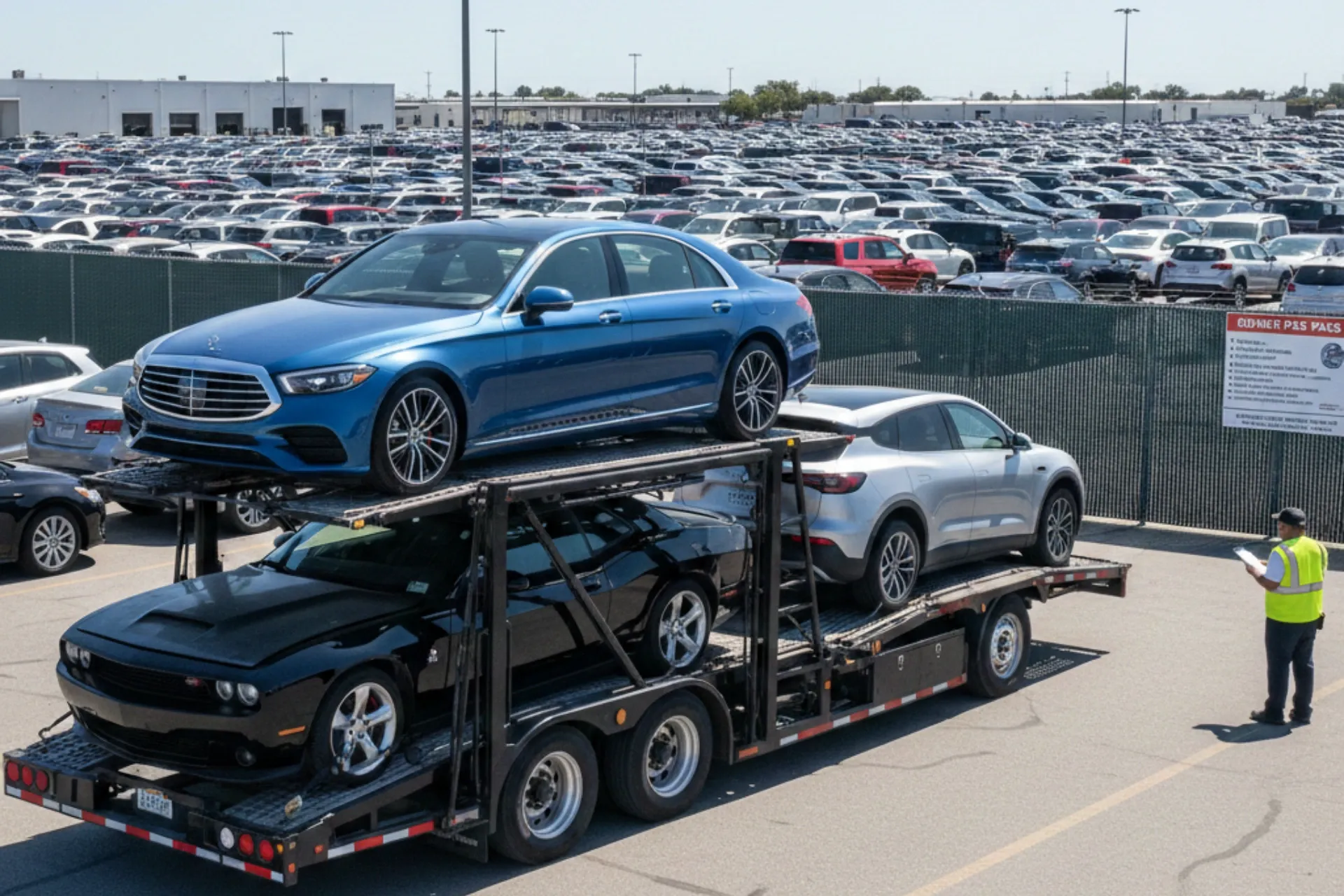
The physical act of loading several vehicles onto a multi-level trailer is a disciplined craft that requires years of specialized training. The best auto transport carriers utilize a sophisticated weight-distribution strategy to ensure the stability of the entire rig. This involves a precise "staged" approach:
To maintain a low center of gravity and prevent the trailer from becoming top-heavy, a primary cause of dangerous "sway" or rollovers, carriers follow a strict hierarchy of placement:
Vehicle Type | Loading Position | Logic & Safety Benefit |
Heavy (EVs, Trucks) | Lower Deck / Over Axles | Anchors the trailer to the road and stabilizes the suspension. |
Standard (Sedans) | Mid-Deck / Center | Balances the load weight between the front and rear of the rig. |
Light (Compacts) | Over-Cab / Rear Ramps | Minimizes the impact on the truck's steering and braking performance. |
Once the vehicles are positioned, the focus shifts from physics to mechanical security. To prevent "incidental contact" or shifting during emergency maneuvers, professional drivers adhere to three pillars of security:
Three-Point Tie-Downs: Each vehicle is secured using heavy-duty "over-the-tire" soft straps or specialized "frame-hooks." Unlike chains, these straps allow the car's suspension to absorb road vibration without putting stress on the chassis.
The "Six-Inch" Buffer: Industry standards require at least several inches of vertical and horizontal clearance between vehicles. This accounts for the natural "bounce" of the trailer’s air-ride suspension over uneven highways.
The Leak-Guard Protocol: Strategic loading prevents fluid damage. Older vehicles or those with higher leak risks are prioritized for the bottom deck, ensuring that oil or transmission fluid cannot drip onto the pristine finish of a luxury vehicle or "multiple independent reentry vehicles" below.
Insurance and Risk Management for Multiple Vehicles
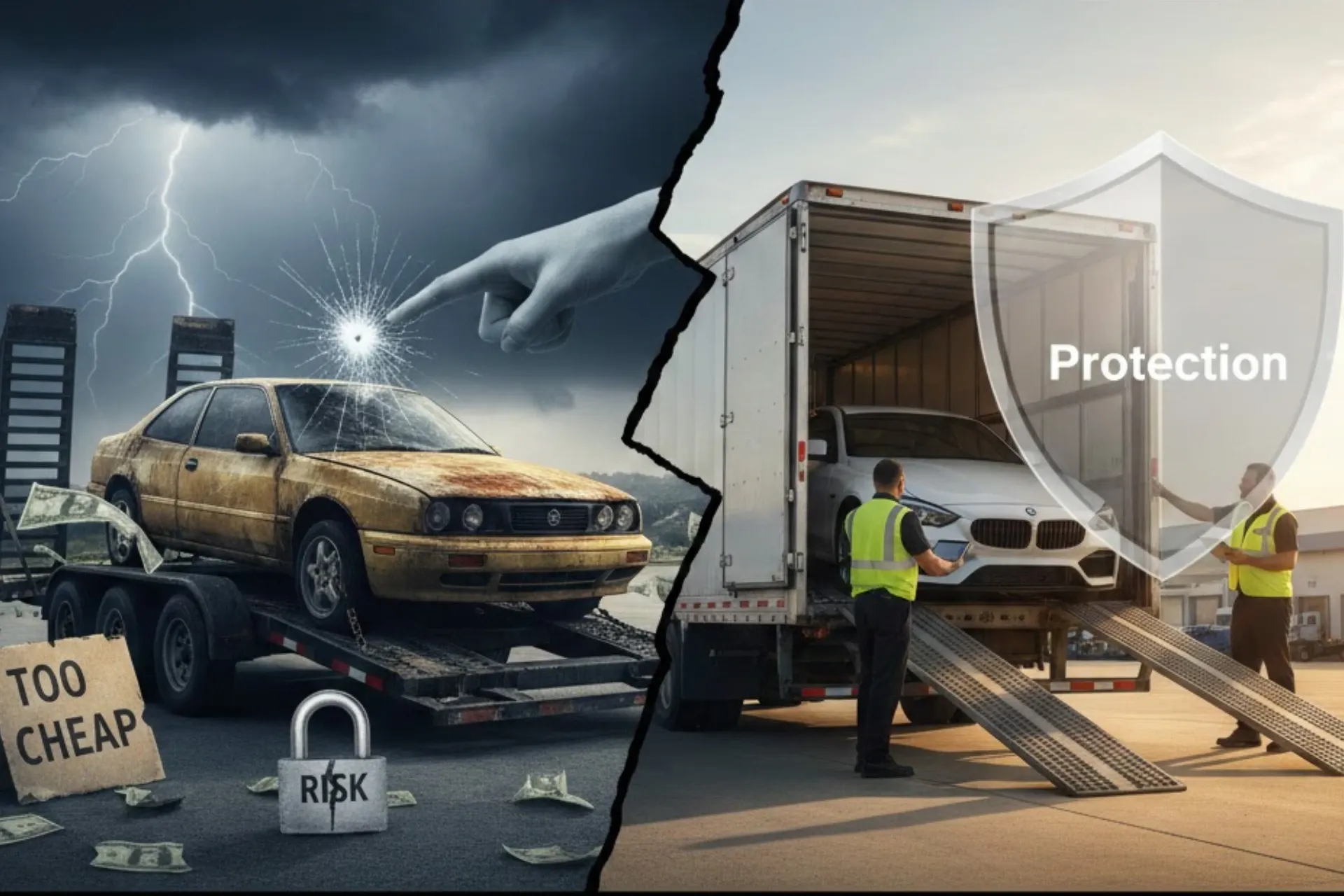
Managing risk for a diverse fleet requires a more nuanced understanding than a standard single-car policy. Multiple vehicle insurance or specialized multiple car insurance during transit is typically provided by the carrier’s cargo policy, but the total limit is the figure that matters most. Shippers must verify that the carrier’s policy has a limit high enough to cover the combined total value of all cars on the trailer. For example, if a 10-car carrier has a $250,000 cargo limit, it effectively only provides $25,000 of coverage per car. For a modern fleet of high-value vehicles, this would represent a significant under-insurance risk that the owner would be liable for in a total loss scenario.
If you are currently paying for a car insurance two-car policy or a specialized insurance for a two-car plan, you should contact your agent to verify if your personal "comprehensive" coverage extends to professional transport. In cases where owners have a history of previous claims, finding the best car insurance for multiple accidents can provide an essential extra layer of protection, often referred to as a "gap" policy. Shippers should always be diligent: request a copy of the carrier’s insurance certificate and verify its active status through the FMCSA portal. Ensuring that the "per-incident" limit is high enough to protect your entire investment provides the ultimate peace of mind should an unlikely accident occur on the road.
Seasonal and Special Considerations
Environmental factors play a significant role in the logistical success of multiple vehicle transport. Shipping a fleet during the winter months requires a different set of preparations than a mid-summer relocation. For instance, when shipping a car across the US through varying climate zones, road salt and magnesium chloride used for de-icing can accumulate on the vehicle. To mitigate this, many owners utilize a car wash membership for multiple cars both before and after transit. Finding a car wash membership for multiple cars near you is an excellent way to ensure that every vehicle in your shipment is free of corrosive materials that can damage the finish during the long haul.
Beyond the weather, there are financial and administrative "special considerations" that first-time fleet shippers often overlook. For example, if you are purchasing new vehicles to add to your collection before a move, you might wonder, "do multiple car loan applications hurt your credit?" While the impact on your credit score is generally minimal if done within a short window, having all titles and lienholder authorizations organized for every vehicle is vital. Carriers cannot legally cross certain state lines or embark on cars on a ship for overseas transport without clear documentation for every VIN on the manifest.
Seasonal Factor | Impact on Multi-Car Transport | Recommended Action |
Winter Salt/Brine | Corrosive buildup on all units | Post-delivery wash for all vehicles |
Summer Heat | Tire pressure expansion | Check PSI on all units before loading |
Spring Storms | Risk of debris on open carriers | Consider enclosed transport for luxury units |
Peak Season | Higher demand/Lower availability | Book 3–4 weeks in advance |
Managing Delivery and Post-Transport Checks
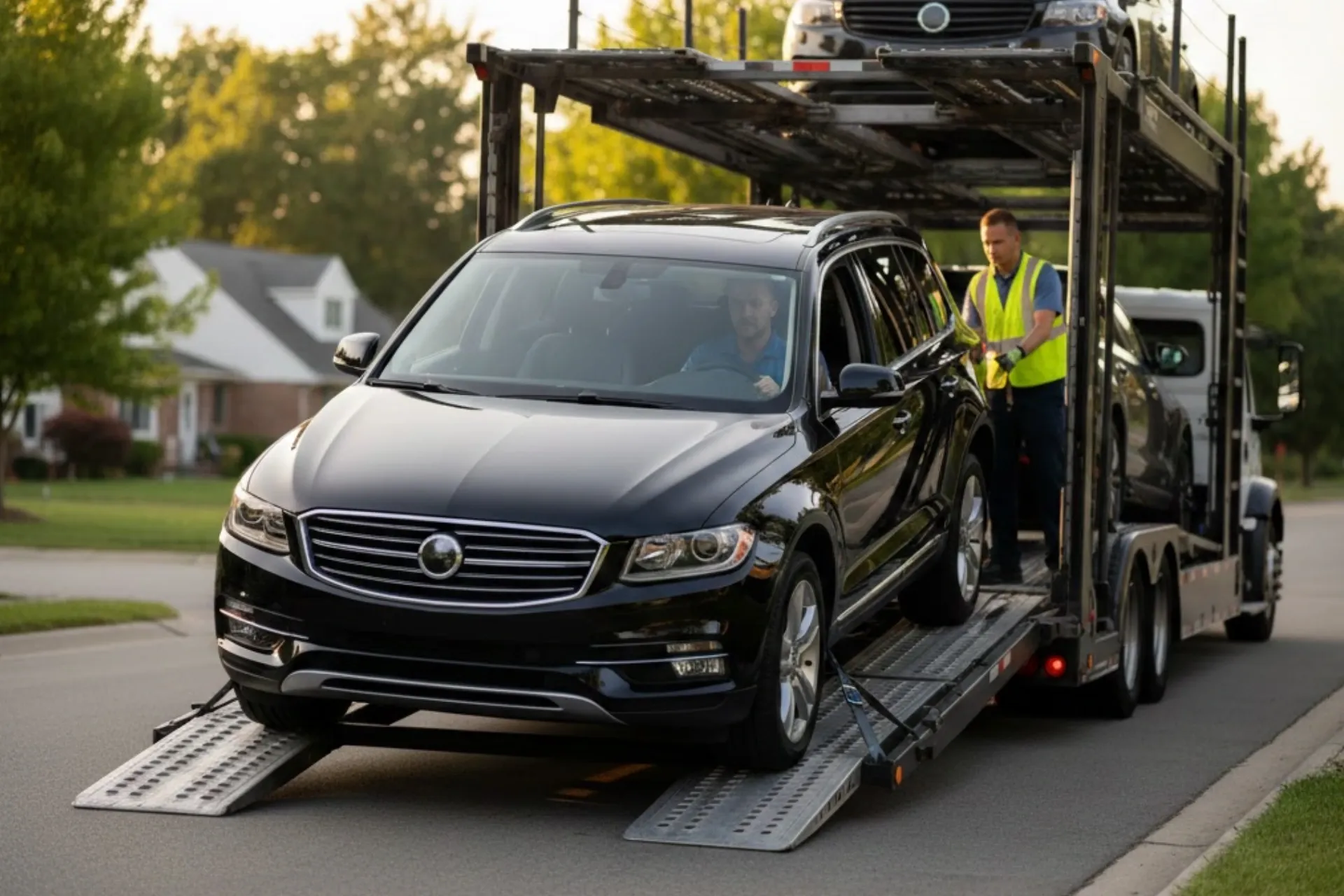
The arrival of a multi-car carrier is a high-activity event that requires the shipper to be organized. Unlike a single-car delivery, the driver will need significantly more space to unload a full trailer. Because the loading order is often determined by weight and destination, the driver may need to temporarily unload other vehicles to reach yours. This is a standard part of professional auto transport, but it underscores the need for a delivery location with ample clearance, such as a large parking lot or a wide commercial street.
Once the vehicles are on the ground, the post-transport inspection begins. You must compare each vehicle against its original Bill of Lading and the photos taken during the "clean and inspect" phase. If you have a car insurance two-car policy or a broader fleet plan, reporting any discrepancies immediately is essential for claim validity. Check the undercarriages and roofs of all cars, especially those that were on the bottom rack, to ensure no fluids leaked from the vehicles above. Only after a thorough walkthrough of every unit should the final delivery documents be signed.
Essential Insights for Multiple Vehicle Shipping
Navigating the complexities of moving several vehicles at once often leads to specific questions. Below are the most frequent inquiries from our clients:
Does shipping multiple vehicles at once offer a discount?
Yes, carriers often provide a "multi-car discount" because it is more efficient for them to fill several spots on one trailer from a single pickup location than to drive to multiple different sites.
Can I use the same insurance policy for all vehicles?
While the carrier’s cargo insurance covers the entire load, you should ensure your personal multiple-car insurance or insurance for two cars is active to provide secondary protection for non-transit-related incidents.
How do I handle maintenance for a fleet before shipping?
We recommend a car wash membership for multiple cars to keep the fleet clean for inspection and ensure that all batteries are charged. A dead battery in one car can delay the unloading of the entire trailer.
What is the best way to track my multiple vehicles?
Safeeds utilizes advanced multiple-car navigation and GPS tracking, allowing you to see the real-time location of the carrier transporting your entire manifest.
Are there special considerations for New York auto transport?
Due to congestion and weight limits, New York auto transport often requires meeting the carrier at a pre-approved staging area outside of tight residential zones to ensure safe unloading of multiple units.
Ensuring a Smooth Journey for Your Vehicles
The successful relocation of a vehicle fleet is a testament to the efficiency of modern professional auto transport. By focusing on synchronized scheduling, expert loading techniques, and robust multiple vehicle insurance, you can transform a complex logistical hurdle into a streamlined experience. The key to a "boring" and successful shipment lies in the details: from checking the antifreeze in winter to verifying that each car has exactly a quarter-tank of fuel.
Whether you are managing a household move with insurance for two cars or a corporate relocation of an entire fleet, the principles of safety and documentation remain the same. Trusting a top-rated broker ensures that your vehicles are matched with the best auto transport carriers who understand the physics of a multi-car load and the value of your investment.
Ready to move your fleet with the industry experts? Get a guaranteed multiple vehicle transport quote from Safeeds Transport Inc. today.