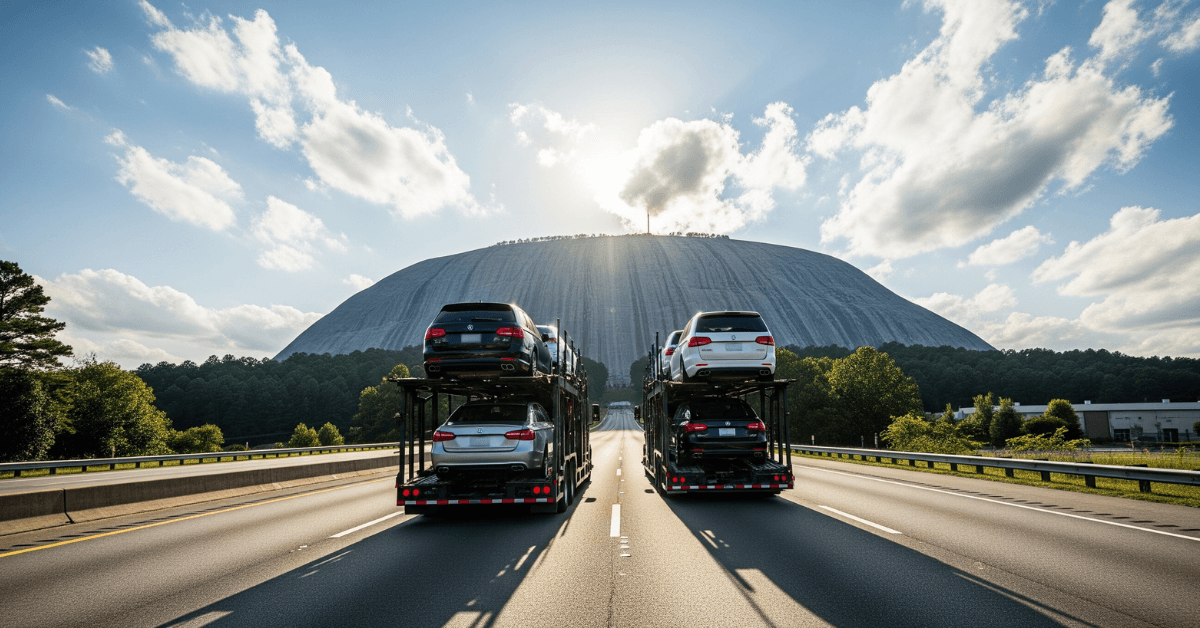
Moving a vehicle across the country often feels like a high-stakes gamble with your time and property. While open auto transport is the engine that drives the American relocation industry, the reality is that carrier density and service quality are not uniform across the map. A "guaranteed" pickup in a high-traffic corridor can look very different from a shipment originating in a rural hub. To navigate this landscape without the typical stress of hidden delays, you need a clear-eyed understanding of how regional networks actually function.
At Safeeds, we believe that transparency is the only way to bridge the gap between a quote and a successful delivery. In the following breakdown, we pull back the curtain on open auto transport availability across the U.S., giving you the logistical insight needed to move your vehicle with absolute confidence.
Take the guesswork out of your logistics by securing a rate backed by our vetted carrier network. Request a firm-price quote from Safeeds Transport Inc. today.
Why Open Auto Transport Is the Smart Choice
In the modern logistics landscape, open auto transport remains the most utilized method for vehicle relocation due to its unmatched efficiency and cost-effectiveness. By utilizing a multi-car trailer, open car transport allows carriers to distribute operational costs across several units, significantly lowering the price point for the consumer. This makes open transport car shipping the standard choice for dealerships, manufacturers, and private individuals alike.
While alternatives like enclosed auto transport exist for niche markets, the sheer volume of open trailers on the road ensures superior availability and faster scheduling. For most daily drivers, open vehicle transport provides a high level of security and professional handling without the premium price tag associated with specialized equipment. Because open car transport services are so prevalent, they offer the flexibility needed for urgent relocations and seasonal moves, making it the practical "smart choice" for nearly 90% of all vehicle shipments in North America.
How Open Auto Transport Carriers Operate
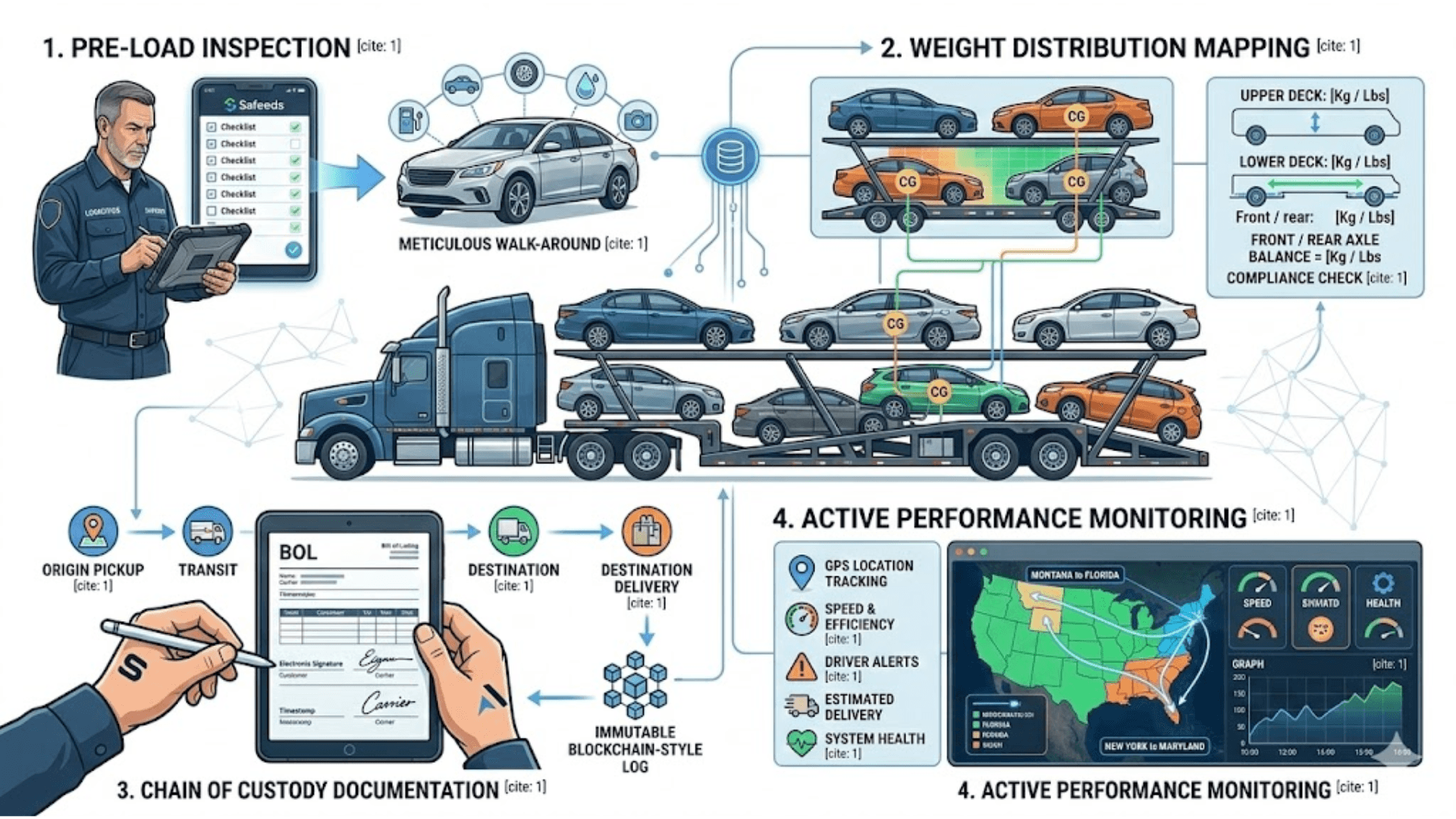
The effectiveness of this industry depends entirely on how open auto transport carriers manage their routes and equipment. A professional open auto transport carrier operates under strict federal regulations to ensure road safety and cargo integrity. These drivers are not just haulers; they are logistics specialists who must balance weight distribution and height clearances across a variety of vehicle makes and models.
The hallmark of reliable open auto transport companies' damage-free guarantee standards is a rigorous carrier vetting process. Safeeds, for instance, verifies insurance credentials, safety ratings, and historical performance before any vehicle is loaded. By maintaining high standards within open auto transport services, companies can ensure that open carrier auto transport remains a safe and predictable experience. Reliable carriers prioritize the "Chain of Custody," ensuring that the vehicle that arrives at the destination is in the exact same condition as documented at the point of origin.
Step-by-Step Open Auto Transport Process
Navigating open transport auto shipping is a structured process designed to eliminate uncertainty for the vehicle owner. It begins with the administrative phase and ends with a successful delivery, with several layers of oversight in between.
Step 1: Requesting a Quote and Scheduling:
The journey begins by providing vehicle details and location data. A professional service will provide a firm price rather than a "teaser" rate.Step 2: Carrier Assignment and Vetting:
Once scheduled, the logistics provider matches the move with a vetted open car carrier transport. This involves verifying the driver’s current route and safety record.Step 3: Pickup, Monitoring, and Delivery:
At pickup, a detailed digital inspection is performed. During transit, the coordinator monitors the progress, providing updates until the vehicle is safely offloaded and a final inspection is signed.
This structured workflow ensures that the customer remains informed while the logistics team handles the technical heavy lifting of route optimization and driver management.
Service Responsibility Comparison
Task | Customer Responsibility | Safeeds Responsibility |
Carrier Vetting | N/A | 100% Verification (Insurance/Safety) |
Preparation | Clean vehicle; 1/4 tank of gas | Provide preparation guidelines |
Inspection | Verify & sign the Bill of Lading | Document condition via digital tools |
Insurance | Personal "secondary" coverage | Primary $100k+ Cargo Insurance |
Monitoring | N/A | Real-time GPS/Coordinator tracking |
Open vs. Enclosed Auto Transport: Choosing the Right Option
When deciding between open and enclosed auto transport, the choice usually comes down to the vehicle's value and the owner's risk tolerance. While open carrier auto transport is the standard, enclosed auto transport services provide a specialized environment for high-end assets.
For luxury, vintage, or exotic vehicles, an enclosed carrier auto transport offers 360-degree protection from road debris and weather. However, this comes with a higher enclosed auto transport cost, often 30% to 50% more than open methods. Factors such as the enclosed auto transport trailer rental fees and the scarcity of these specialized trailers drive up enclosed auto transport rates. For most owners, seeking out the best enclosed auto transport companies is only necessary if the vehicle cannot be exposed to rain or dust. For standard daily drivers, the efficiency of open trailers far outweighs the premium costs of enclosed shipping.
Regional Availability and Popular Shipping Routes
The availability of open auto transport is largely determined by established "logistics corridors", the major interstate veins that connect regional commerce hubs. Because open carrier auto transport operates on a volume-based model, shipping between two major hubs is often faster and more cost-effective than rural delivery.
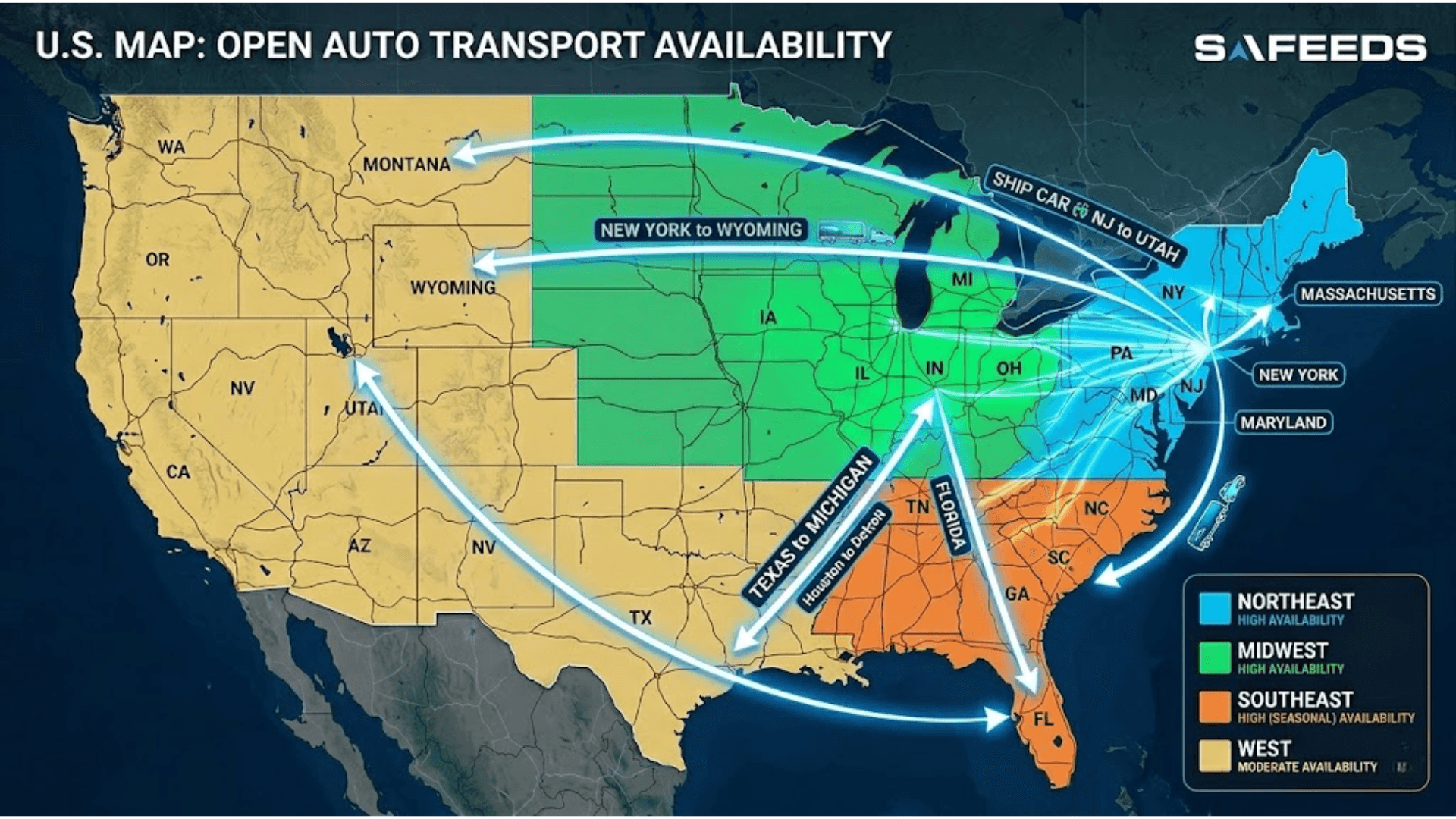
To help you visualize availability, we have categorized our most frequent routes into regional shipping clusters.
Northeast & Midwest: The Industrial Crossroads
The Northeast is characterized by high-density urban clusters, making open car transport services highly accessible year-round. Routes like New York to Massachusetts car shipping and New York to Maryland are serviced daily. In the Midwest, the hub-and-spoke model centers around Chicago and Columbus, facilitating efficient long-hauls such as Iowa to New York car shipping.
Region | Primary Routes | Availability |
Northeast Hubs | NY to Alabama, Kentucky, Maine, S. Carolina | High (Daily) |
Midwest Hubs | Illinois to Michigan, Illinois to Texas | High (Daily) |
Cross-Regional | New York to Iowa, Ohio, Tennessee, South Dakota | Very High |
Expansion Lanes | New York to Utah, Wyoming | Moderate (Weekly) |
Southeast & West: The Long-Haul Corridors
Western routes present unique geographic challenges, often requiring an open auto transport carrier with experience in mountain transit. While lanes like ship car from Houston to Los Angeles are high-traffic, specialized moves like shipping a car from San Diego to Hawaii require coordination between mainland transport and port logistics.
Origin | Destination | Service Type |
Texas Hubs | Austin to Seattle, Texas to Michigan | Open Carrier |
Sunbelt Lanes | Georgia to California, Indiana to Florida | Open Carrier |
Western Lanes | Idaho to New York, Montana to Texas | Open Carrier |
Coastal Swaps | California to N. Carolina, Florida to N. Mexico | Open Carrier |
Seasonal Shipping Impact
It is important to note that availability can shift during the "Snowbird" season (October–April). During this time, routes such as Montana to Florida car shipping or Florida to Minnesota see a massive influx of demand. Similarly, moves like New Hampshire to Texas car shipping and Florida to North Carolina may experience tighter windows as carriers prioritize high-volume southern lanes.
Regardless of the destination, from New York to Alabama, car shipping to ship a car Nj to Utah, Safeeds utilizes real-time data to ensure we match your vehicle with a carrier already active on that specific corridor, maintaining our commitment to reliability and speed.
Factors That Influence Open Auto Transport Pricing
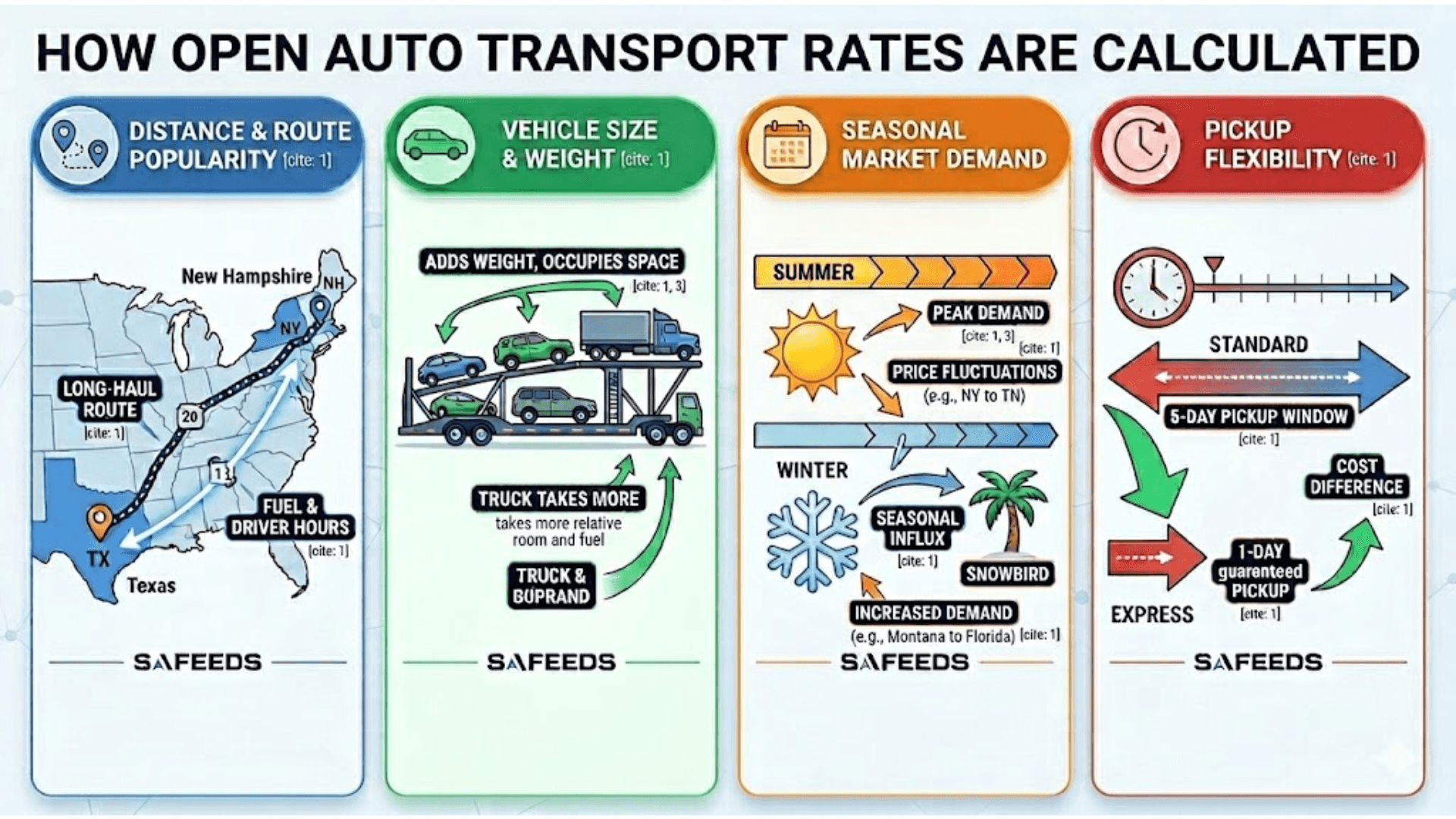
While open auto transport is the most affordable shipping method, several variables determine the final rate. Understanding these factors allows for better budget planning and prevents "sticker shock" during the booking process. To ensure transparency, we analyze four primary pillars that impact your total cost:
Distance and Route Popularity: The primary driver of cost is total mileage. Long-haul routes, such as New Hampshire to Texas car shipping, require more fuel and driver hours than regional trips. However, because carriers operate on a volume-based model, the price per mile often decreases as the total distance increases.
Vehicle Size and Weight: The specific vehicle type significantly impacts pricing. Larger vehicles, such as full-size SUVs on Florida to New Mexico car shipping routes, occupy more physical space on the trailer and add weight, which reduces the carrier's fuel efficiency and limits the total number of cars they can haul.
Seasonal Market Demand: Transport is a seasonal industry. For example, New York to Tennessee car shipping may see price fluctuations during the summer months when relocation demand peaks, or during the "Snowbird" season when carriers shift their focus to southern lanes.
Pickup Flexibility: Timing is a significant financial lever. Clients who can accommodate a standard five-day pickup window often secure better open transport car shipping rates than those requiring "express" guaranteed dates, which may necessitate rerouting a carrier specifically for one vehicle.
How to Choose Reliable Open Auto Transport Companies
In a fragmented market, the ability to identify reliable open auto transport companies with damage-free guarantee standards is paramount. A professional provider will always be transparent about their credentials, including their licensing verified through the U.S. Department of Transportation. When researching open auto transport services, you should cross-reference a provider’s operating authority via the FMCSA Safety and Fitness Electronic Records (SAFER) System and look for companies that provide a dedicated logistics coordinator to manage your specific lane, whether you are arranging New York to Alabama car shipping or a move to the Midwest.
Vetting goes beyond checking a website; it involves verifying active insurance policies and reviewing historical safety ratings. Open car transport services that have survived years in the industry typically do so by maintaining a high standard of communication and ethical pricing. Avoid "bait-and-switch" quotes that seem inexplicably low; a reliable company provides a firm price that reflects current market conditions for routes like New York to Kentucky or New York to South Dakota car shipping.
Preparing Your Vehicle for Open Auto Transport
Proper preparation is the most effective way to ensure a seamless experience with an open auto transport carrier. Since your vehicle will be on an open car carrier transport, it will be exposed to standard road conditions and weather. The first step is a thorough cleaning of the exterior. This is not for aesthetics; a clean car is essential for the driver to accurately document the vehicle's condition on the Bill of Lading. This is particularly important for long-distance hauls like ship car from Georgia to California or shipping car from Texas to Michigan.
Vehicle Preparation Checklist
A smooth transport experience begins long before the carrier arrives at your driveway. Following a standardized preparation protocol ensures your vehicle is ready for safe loading and remains compliant with weight and safety regulations. Use the following checklist to streamline the process and safeguard your vehicle for its journey.
Personal Items: Remove all personal belongings. Most carriers only allow up to 100 lbs of soft goods in the trunk.
Fuel Level: Maintain approximately 1/4 tank of gas. This is enough for loading/unloading but minimizes excess weight.
Tolls & Alarms: Remove E-ZPass tags and disable any active alarm systems to prevent battery drain.
Loose Parts: Fold in mirrors and remove any aftermarket racks or non-retractable antennas.
Essential Insights for Your Transport Journey
Navigating the logistics of vehicle relocation often brings up specific questions regarding safety, documentation, and timing. To help you prepare for a seamless move, we have compiled the most critical information every shipper needs to know. Whether you are moving a daily driver or a project car, understanding these industry standards ensures you remain in total control of your transport experience from start to finish.
Is my vehicle insured during open transport?
Yes. Every vetted carrier carries a minimum of $100,000 in cargo insurance. This covers your vehicle against transit-related damage from the moment it is loaded until it is offloaded at its final destination.
Can I ship my car if it doesn't run?
Certainly. However, you must inform us in advance so we can dispatch a carrier equipped with a winch. This is a common requirement for project cars or auction purchases being moved on routes like New York to Iowa car shipping.
Do I need to be present at pickup and delivery?
You or an authorized representative (over the age of 18) must be present to sign the inspection reports. This ensures the "Chain of Custody" is legally documented and any pre-existing conditions are noted.
How do I track my vehicle during the move?
Safeeds provides regular updates through your dedicated logistics coordinator. For long-haul moves like Idaho to New York car shipping, you will receive periodic status checks and notifications regarding any weather or traffic delays.
What is the Bill of Lading (BOL)?
The BOL is your most important legal document. It acts as both a receipt and a condition report. Always review it carefully at both pickup and delivery before signing, as it is the primary evidence used for any insurance claims.
Future Trends in Open Auto Transport Availability
The outlook for open auto transport is defined by technological integration and the expansion of carrier networks. As AI-driven logistics software becomes the industry standard, we expect to see even greater efficiency in route optimization. This will lead to faster pickup windows for traditionally difficult routes like ship car Nj to Utah or from New York to Utah.
While enclosed auto transport will remain the choice for the highest-value assets, the standard open trailer is becoming more sophisticated with improved tie-down systems and digital tracking. The growth of the electric vehicle (EV) market is also pushing carriers to upgrade their equipment to handle the increased weight of battery-powered cars. Overall, the industry is moving toward a more data-centric model where transparency and real-time updates are the baseline, ensuring that your vehicle’s journey across the country is as visible and secure as possible.
Experience the future of vehicle logistics with a team that prioritizes safety, transparency, and the industry’s highest vetting standards. Get a Quote and secure your shipping dates with Safeeds today.